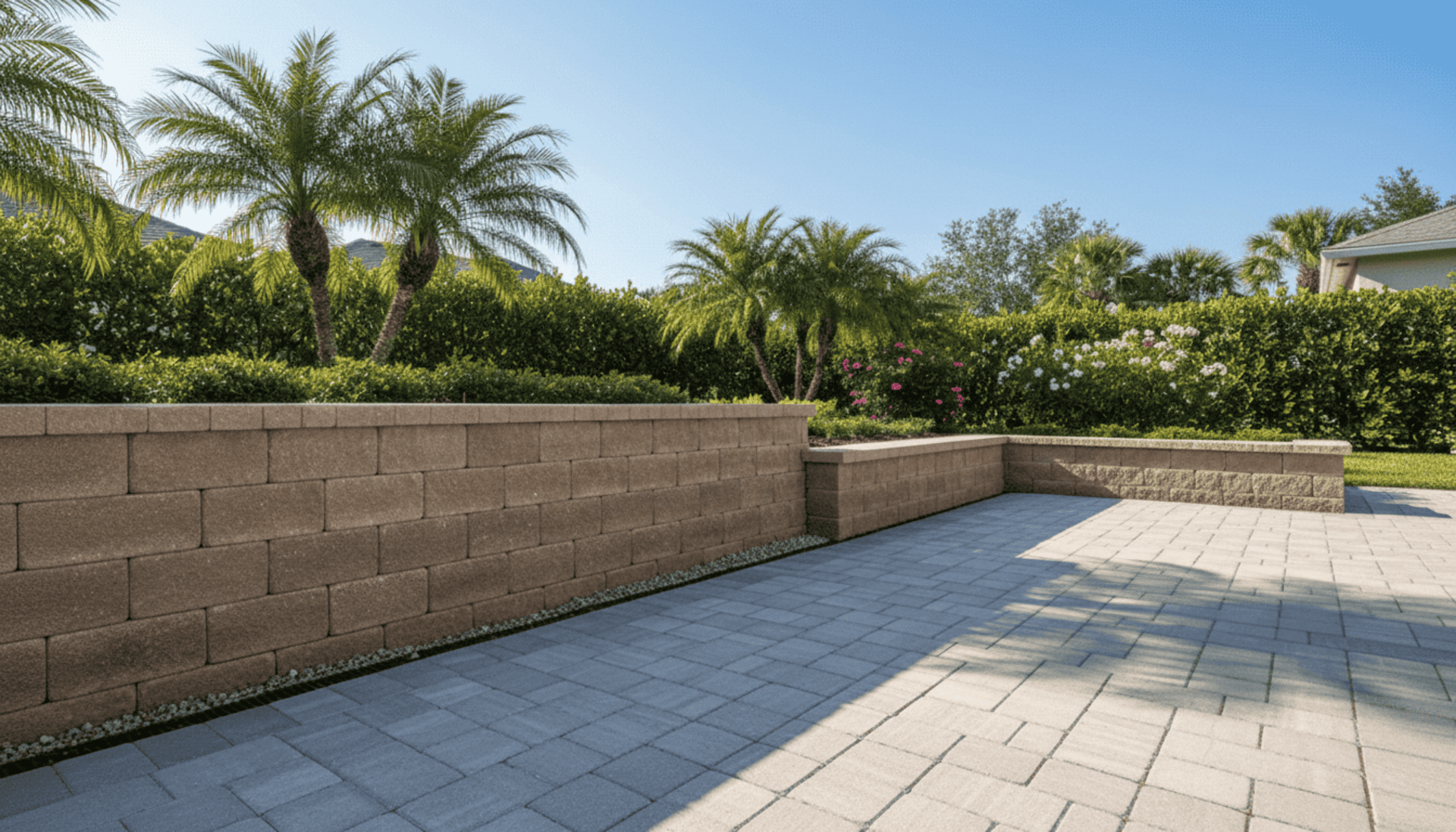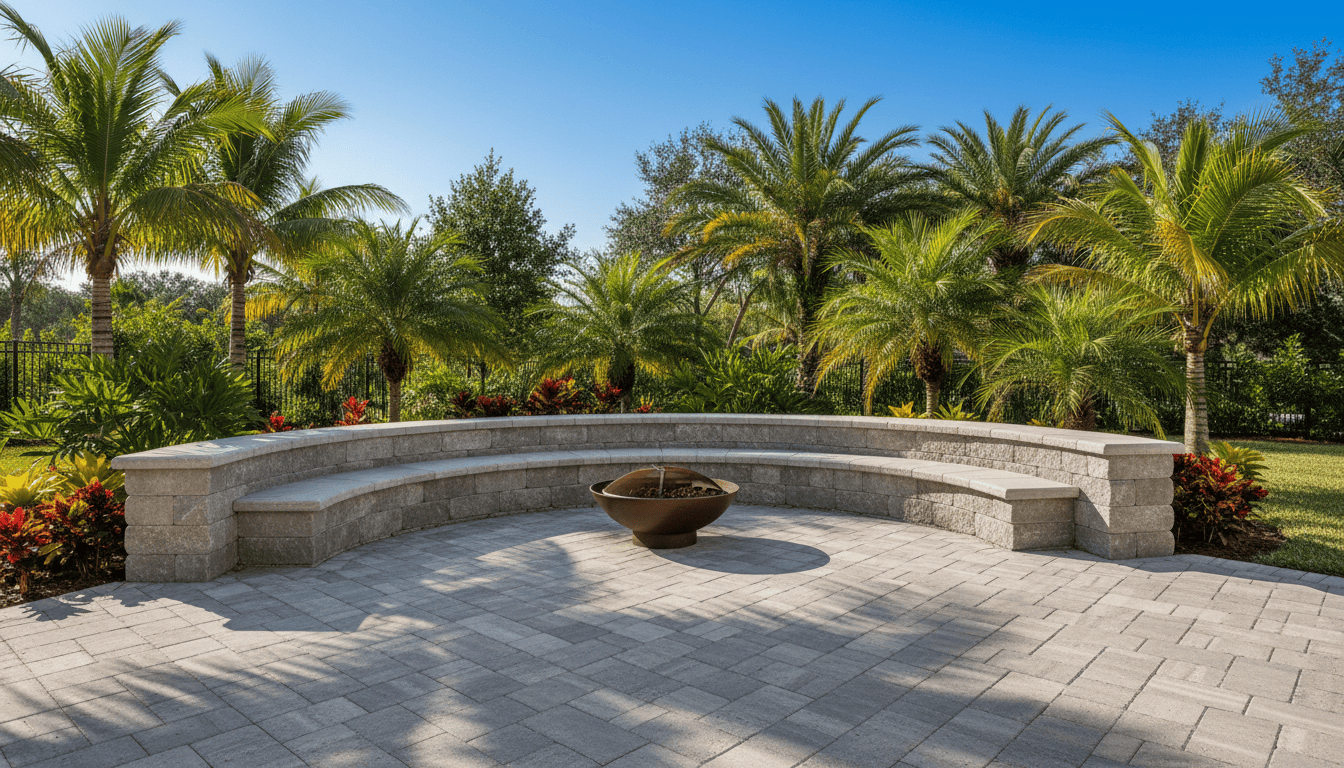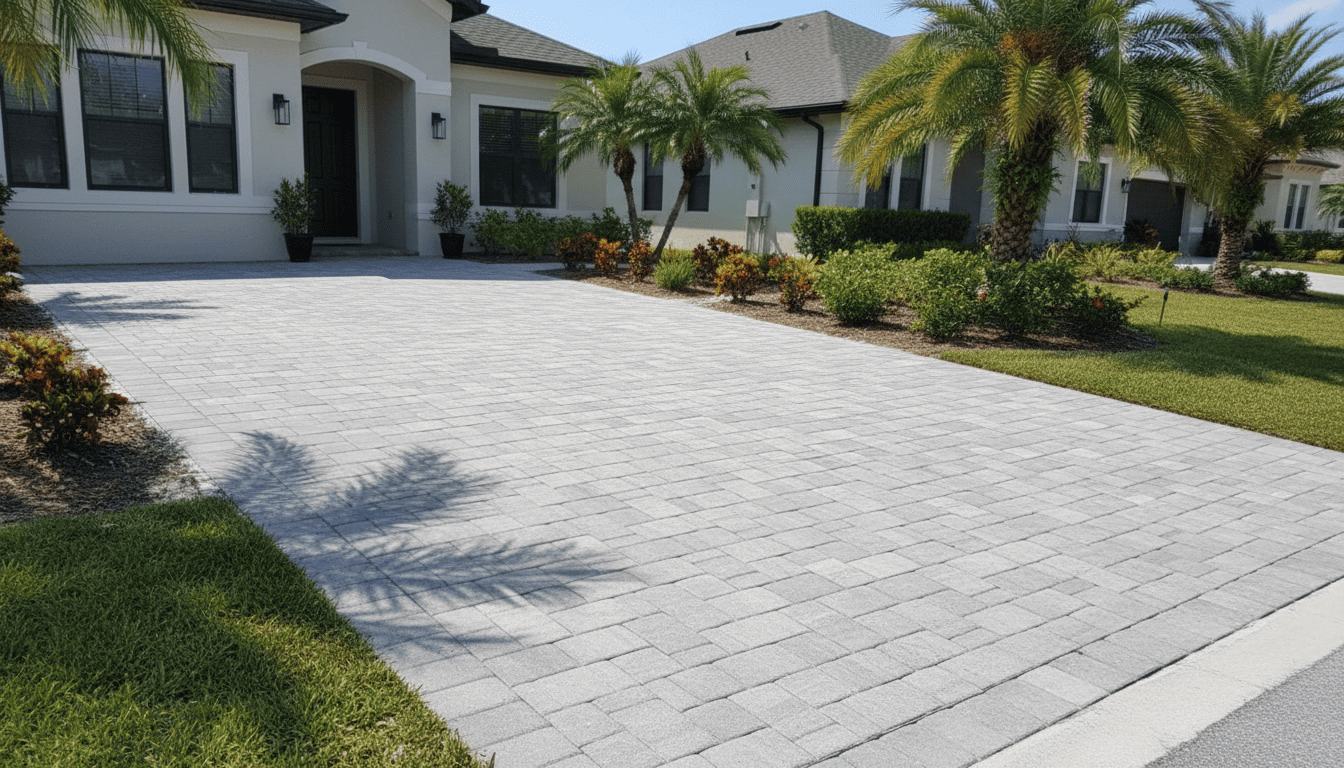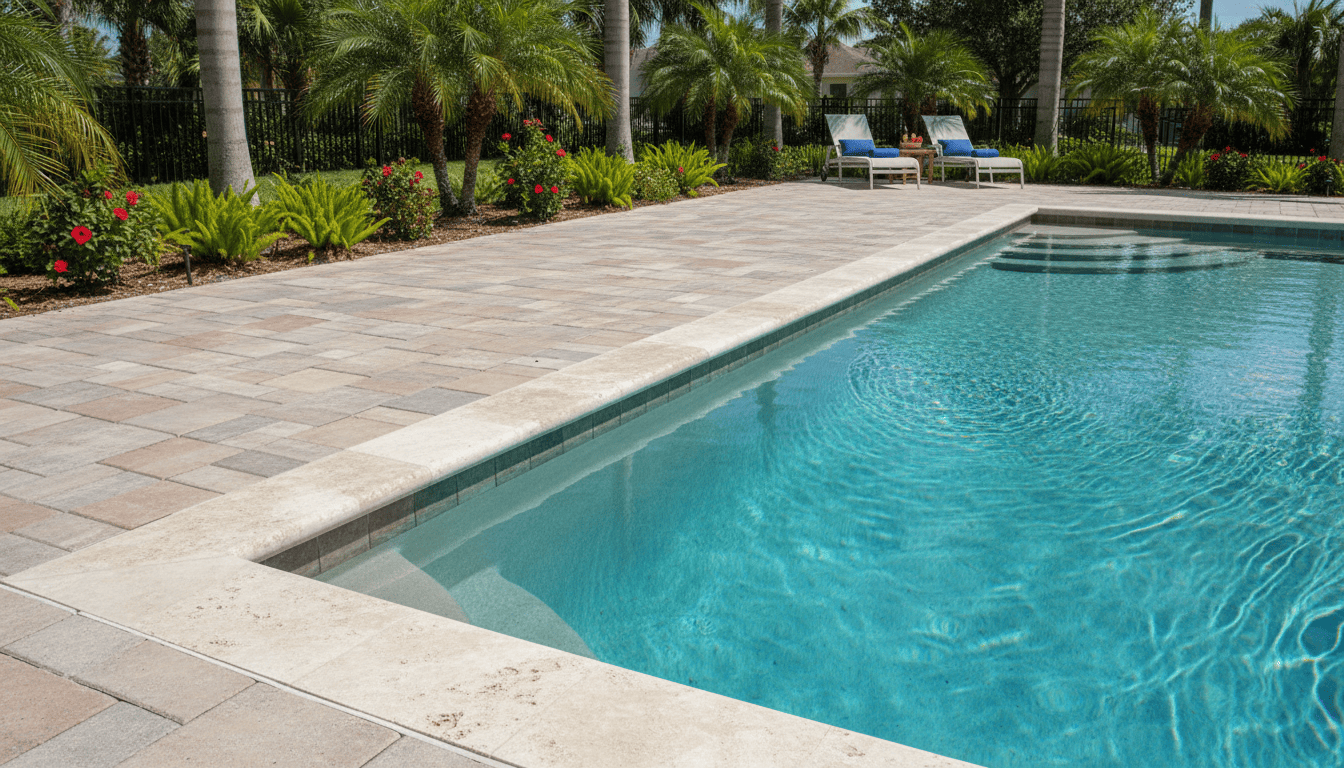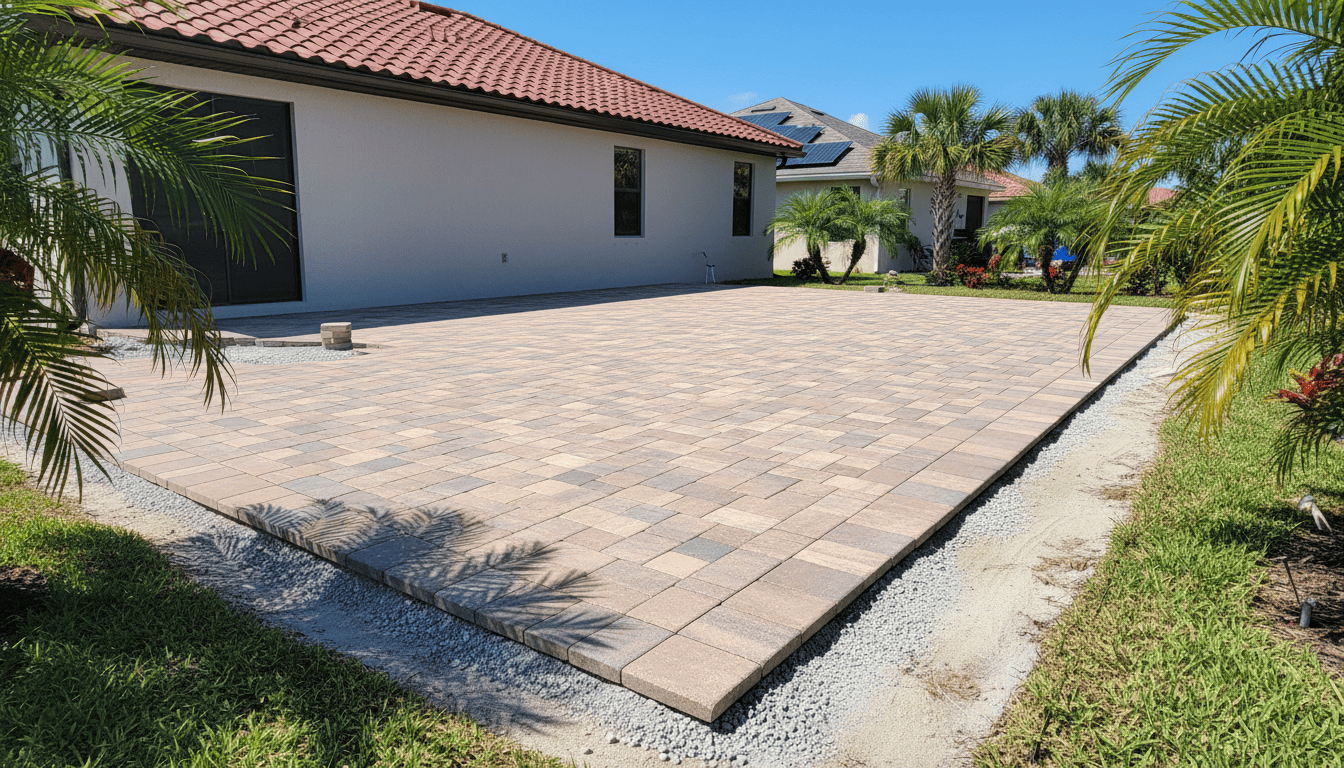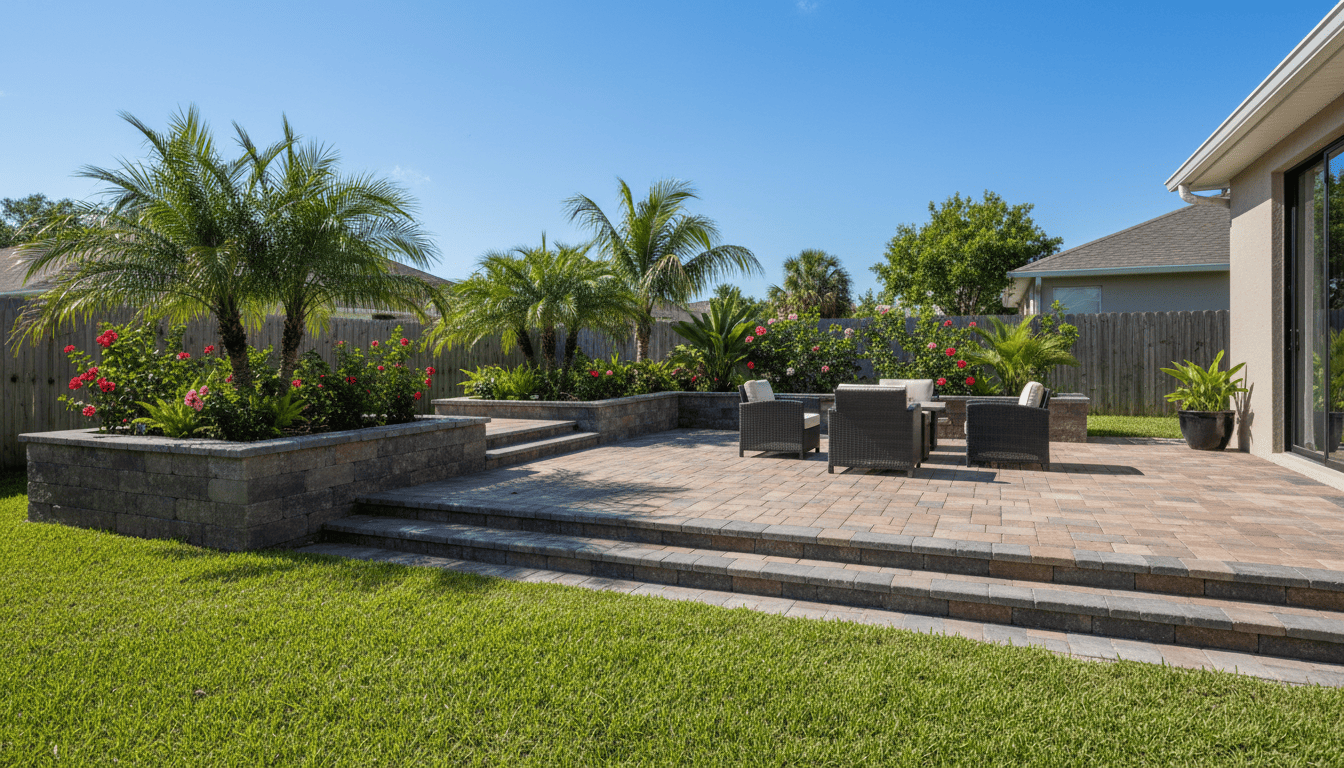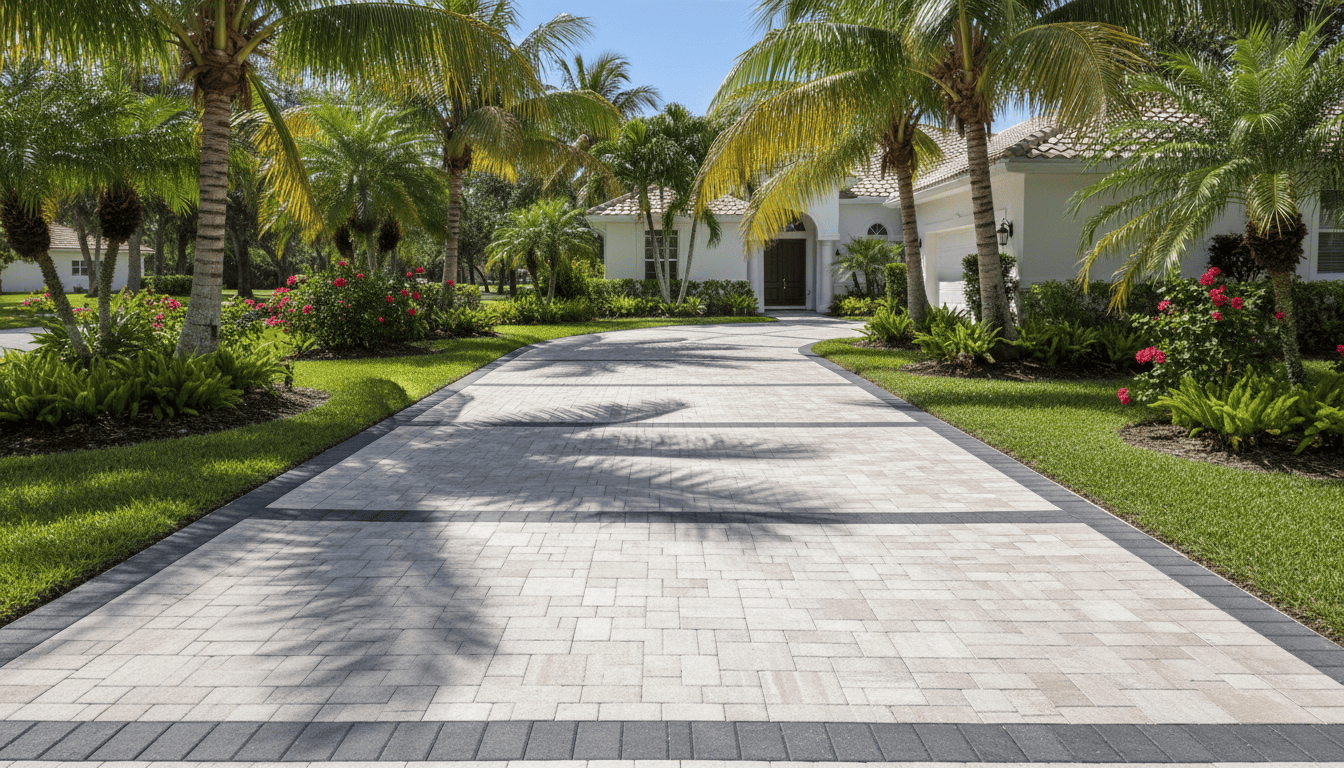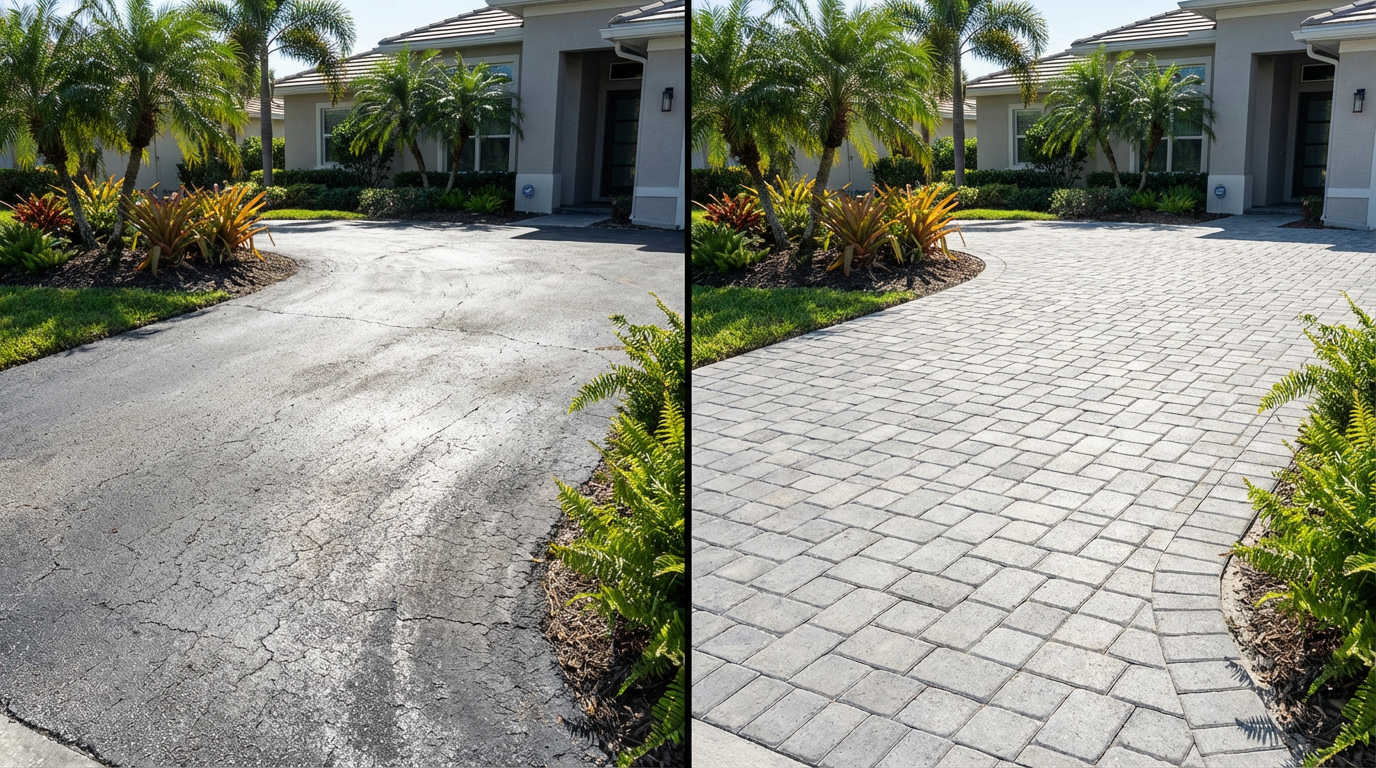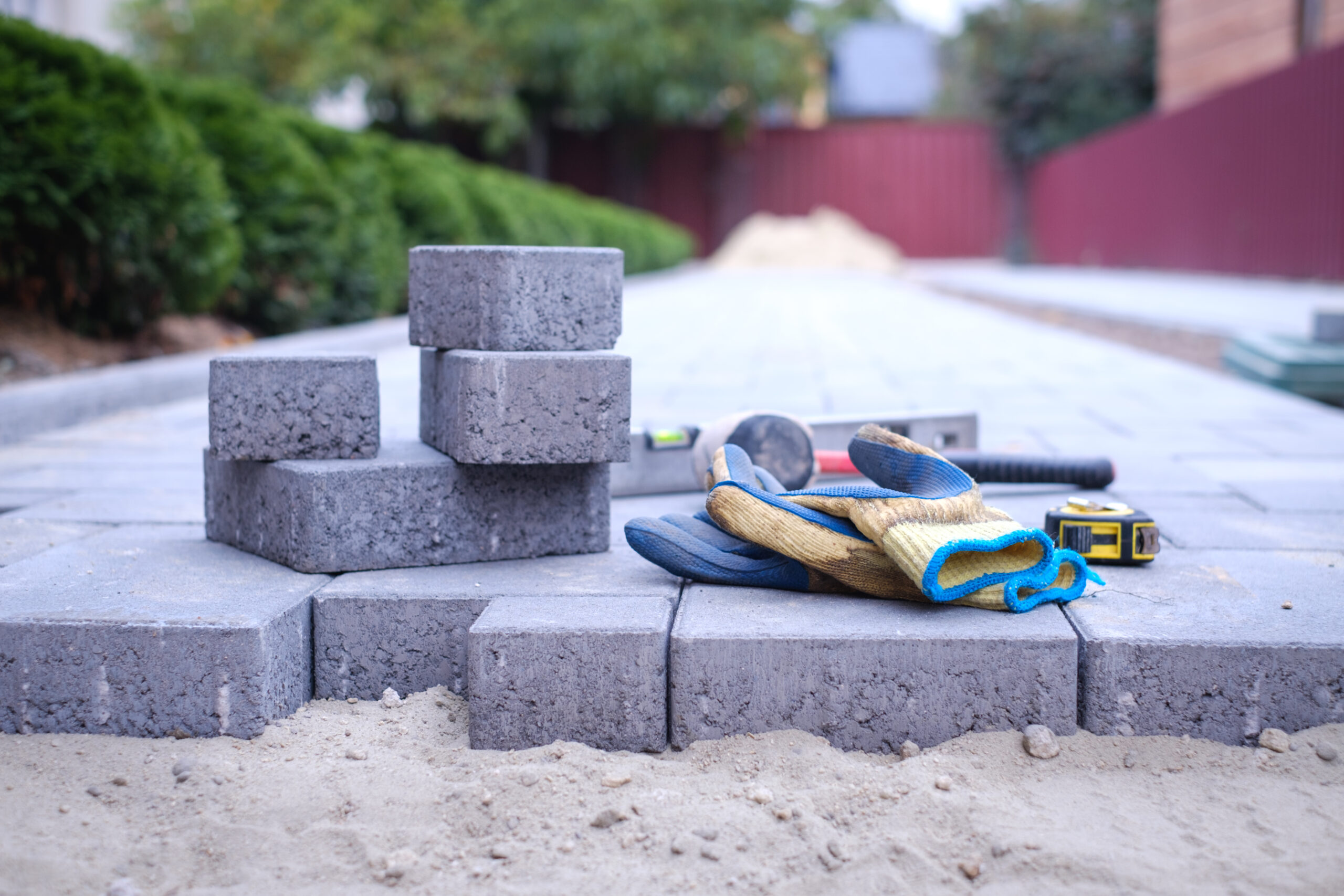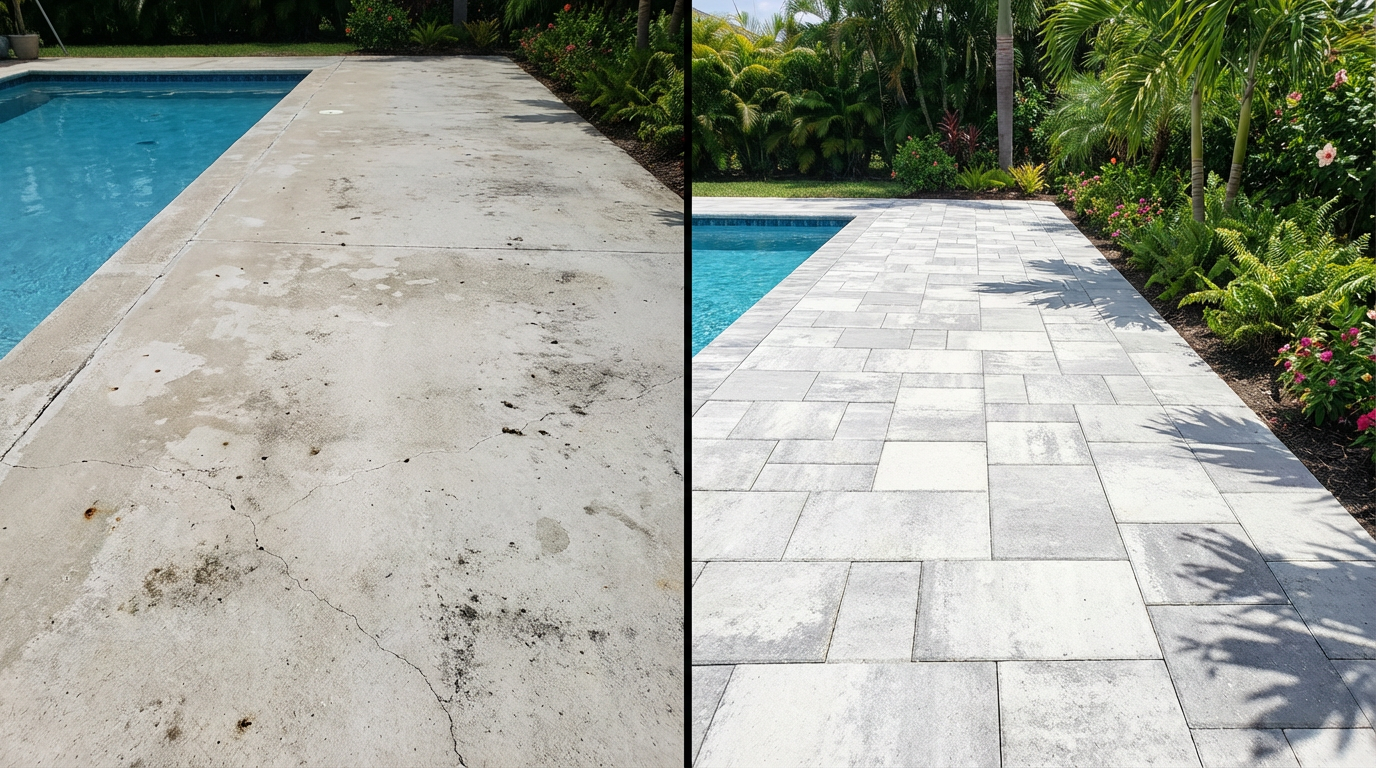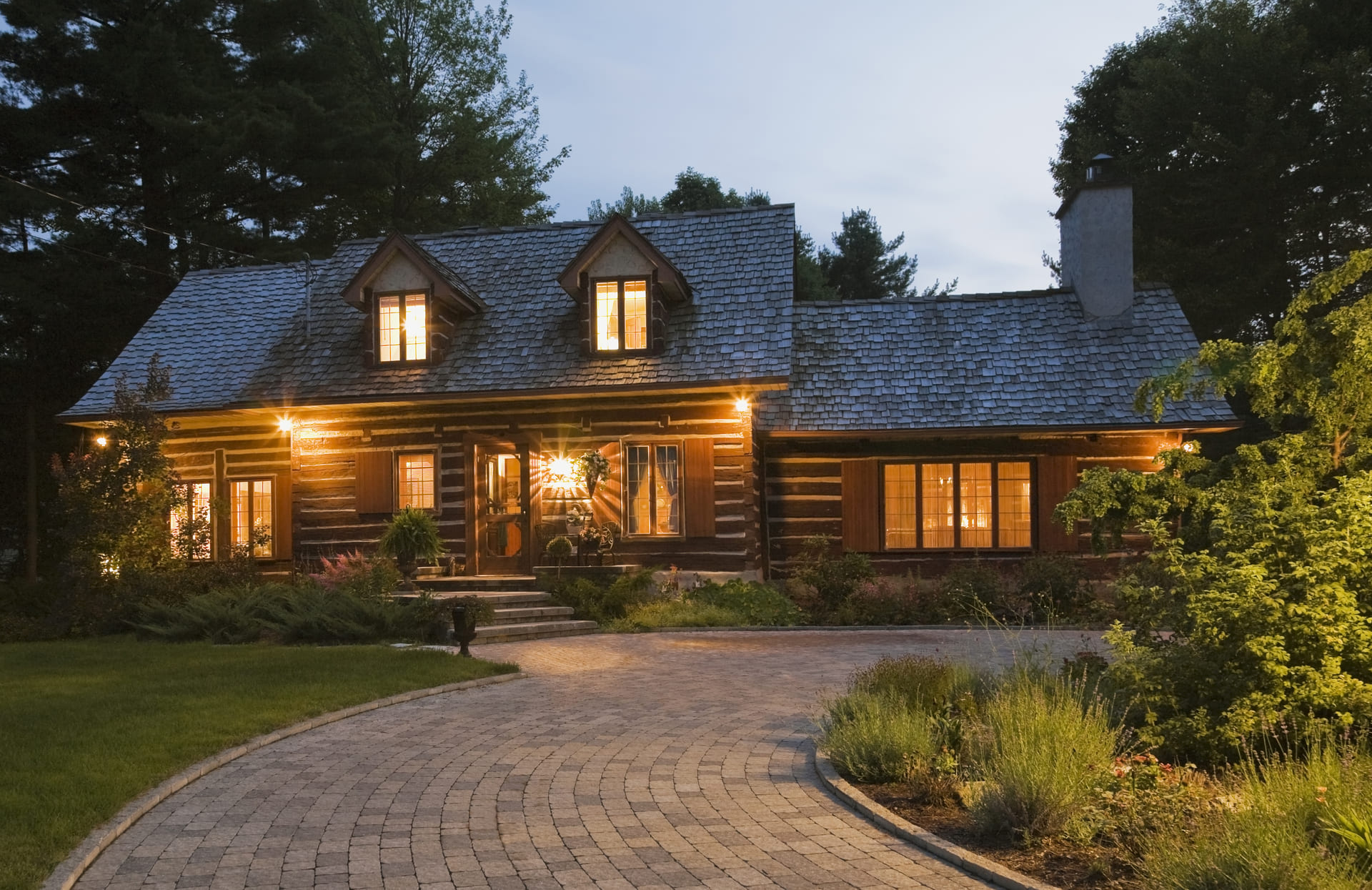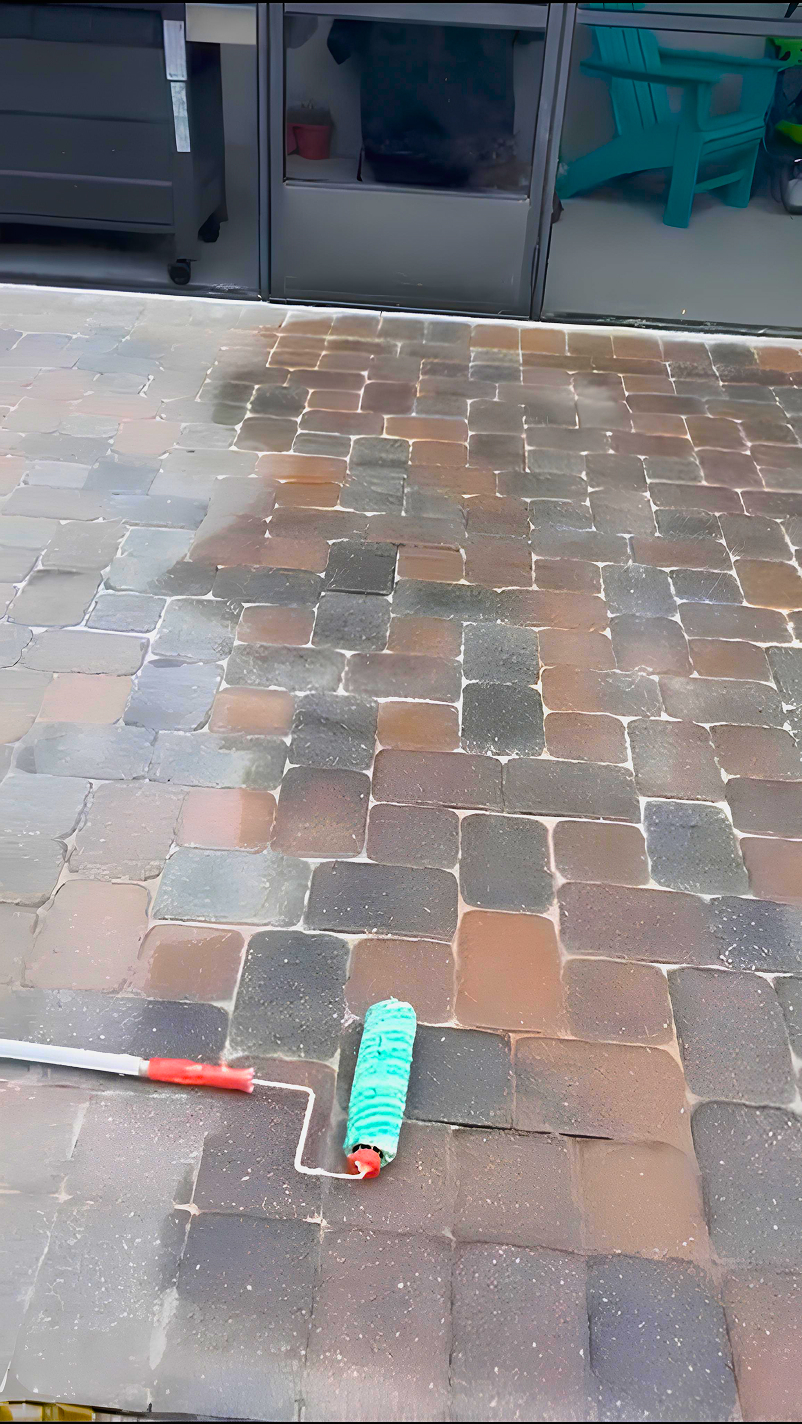

Choosing pavers might seem simple at first — pick a color, a shape, and install. But in Florida, selecting the right pavers requires more thought. Climate, heat, rain, soil conditions, and how the space will be used all play a major role in long-term performance.
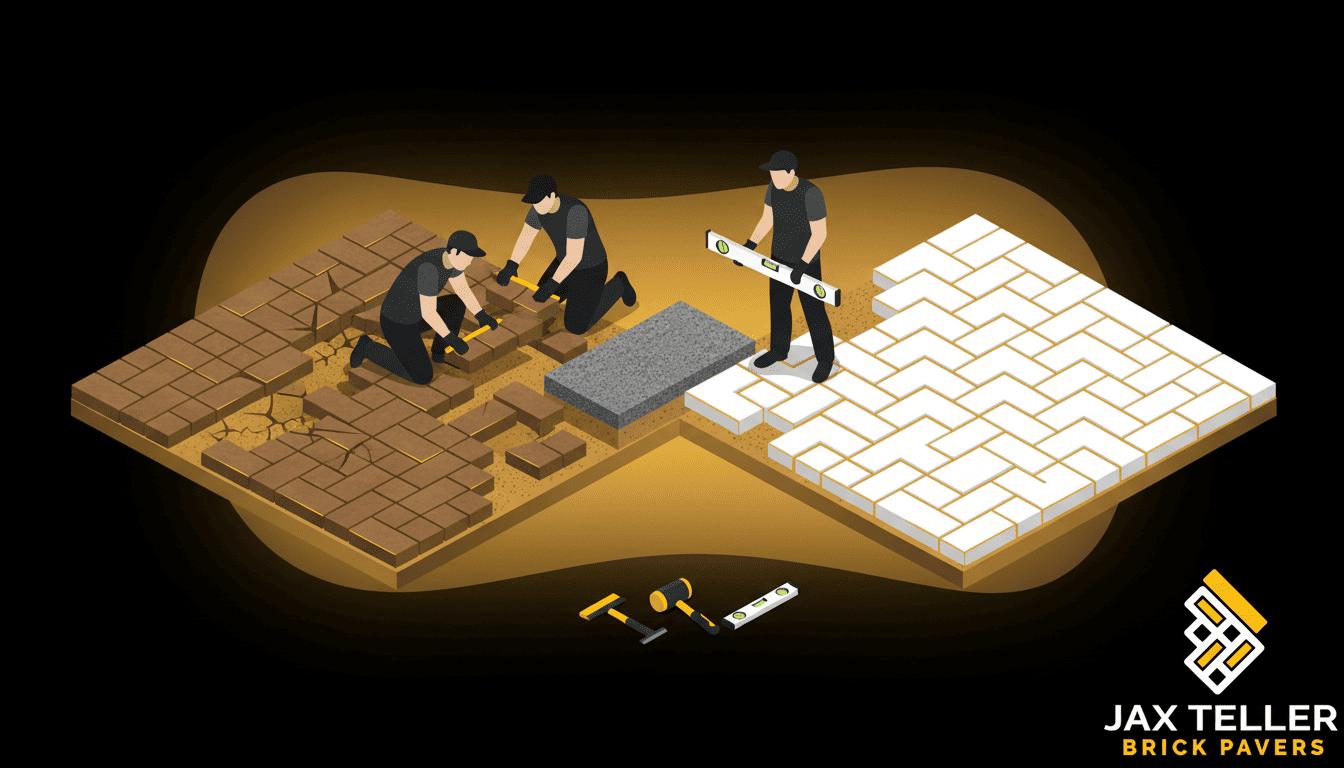
Many homeowners regret their choice not because pavers are a bad option, but because the wrong type of paver was used for the application. A patio paver may fail in a driveway. A dark paver may become unbearable around a pool. A smooth surface may turn slippery during rain.
This guide walks you through how to choose the right pavers for Florida homes, step by step, so your investment performs well, looks great, and lasts for decades.
Why Choosing the Right Pavers Matters in Florida
Florida outdoor spaces face constant stress:
- Intense sun and UV exposure
- Heavy rainfall and humidity
- Sandy, shifting soil
- Frequent foot and vehicle traffic
The right pavers handle these conditions with ease. The wrong ones fail quickly.
Step 1: Identify How the Space Will Be Used
The first and most important question is use.
Common applications
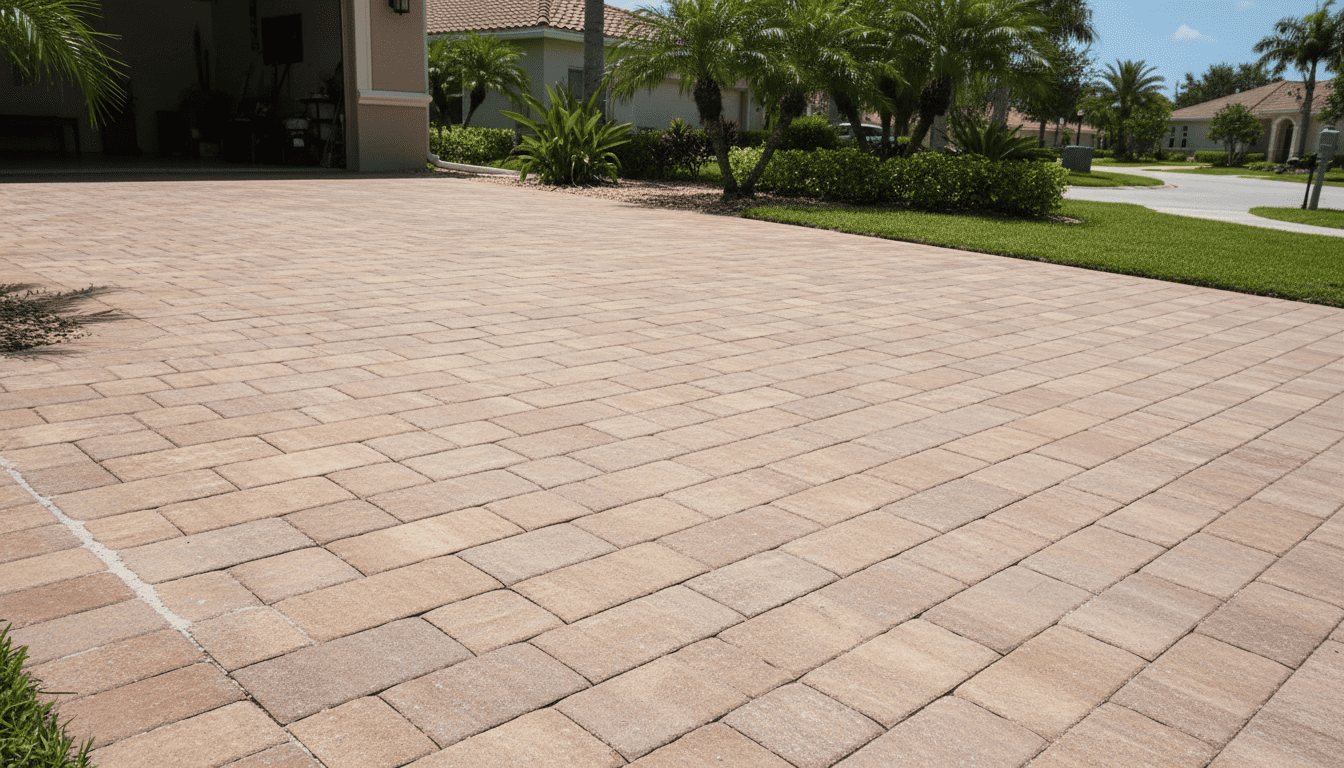
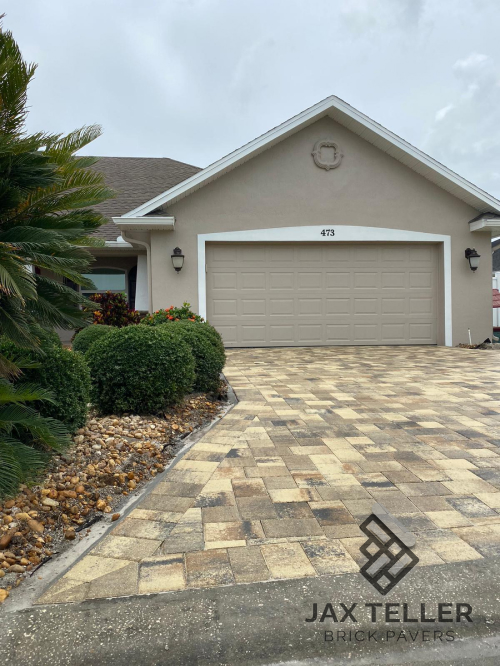
- Driveways
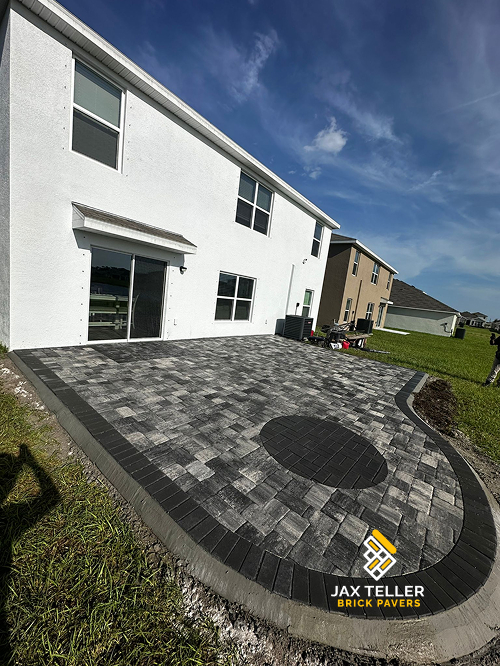
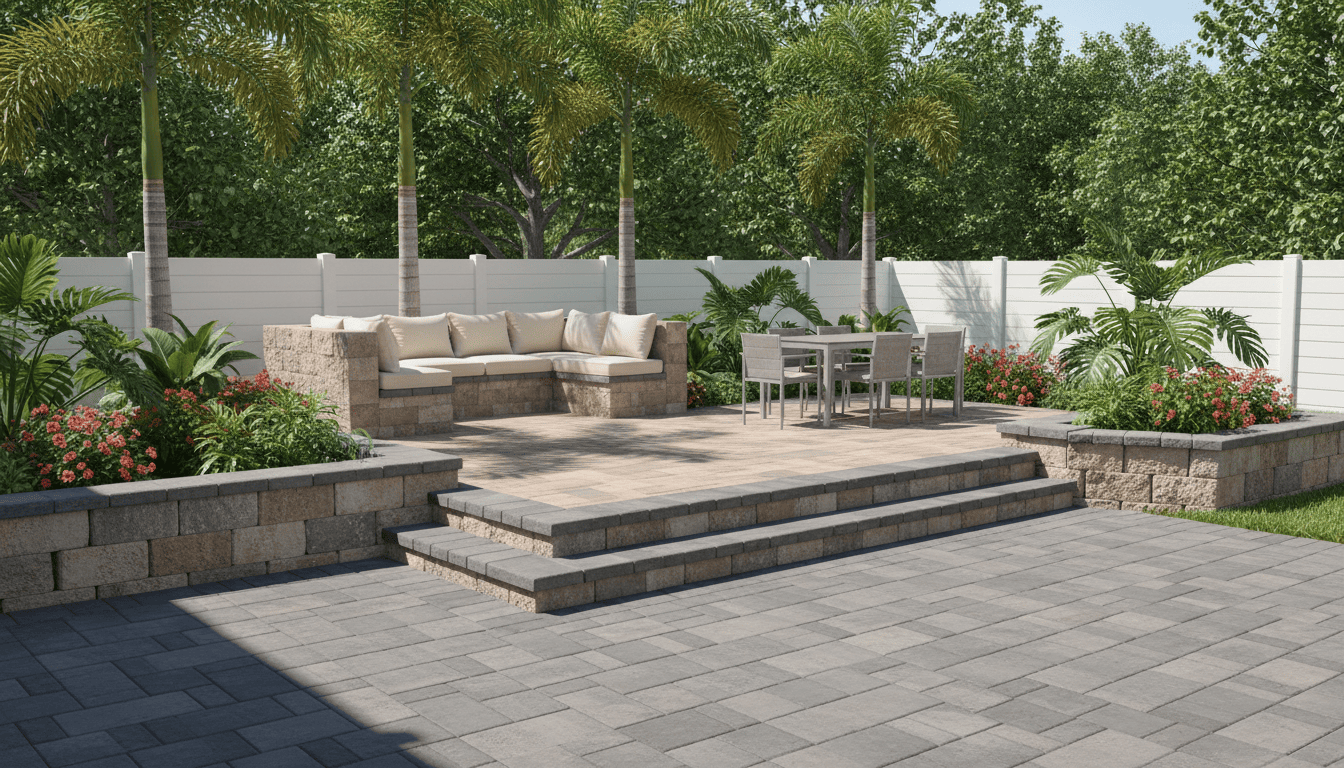
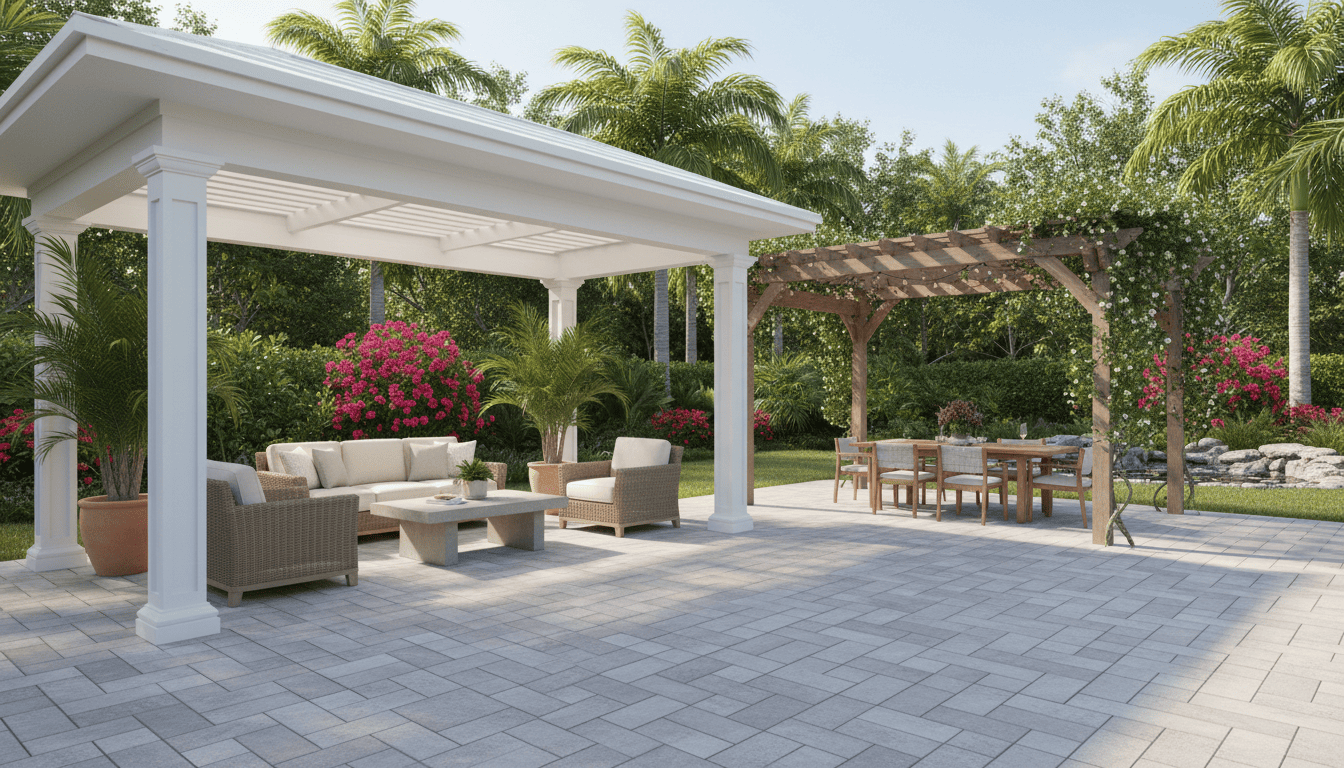
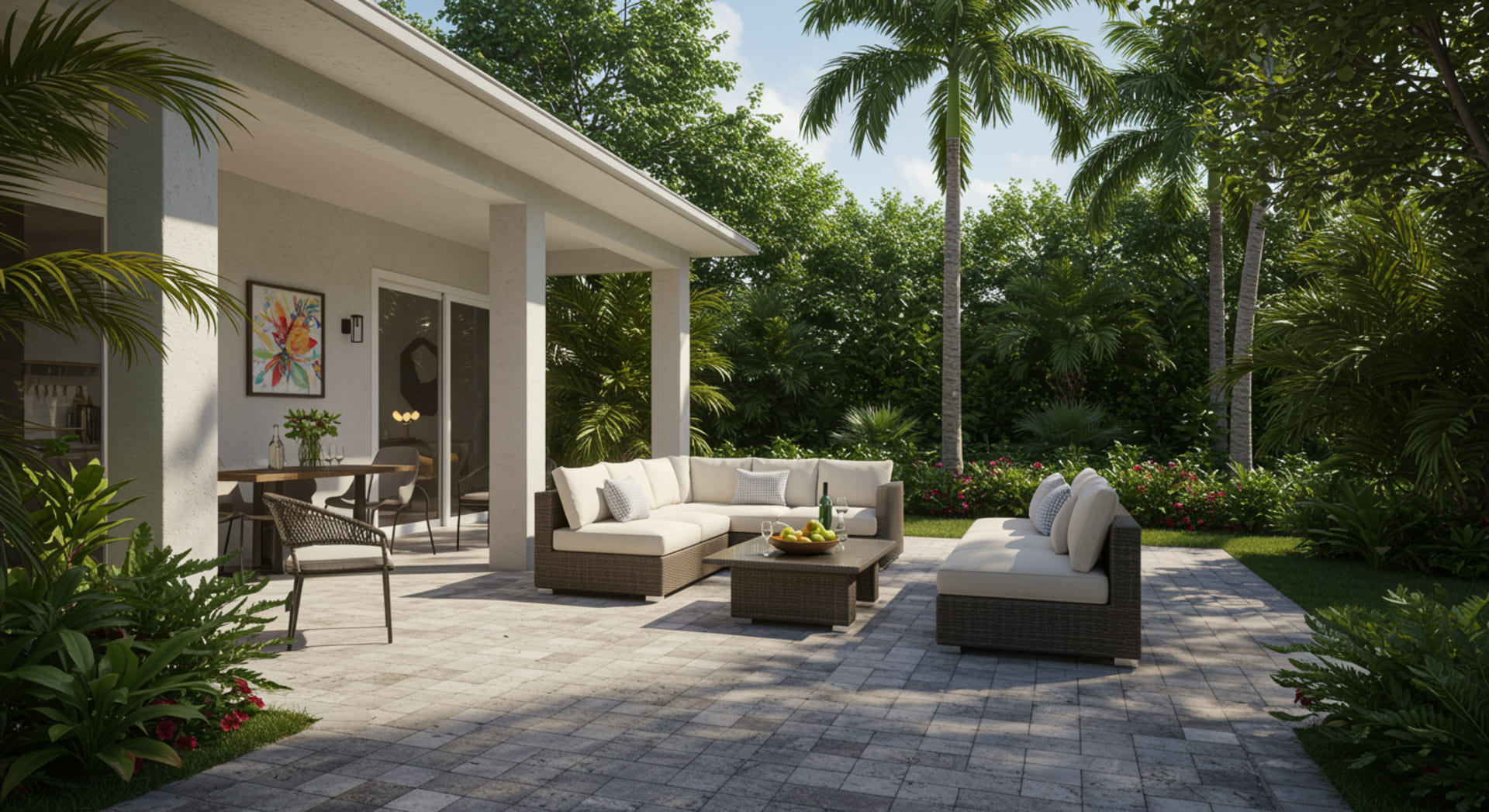
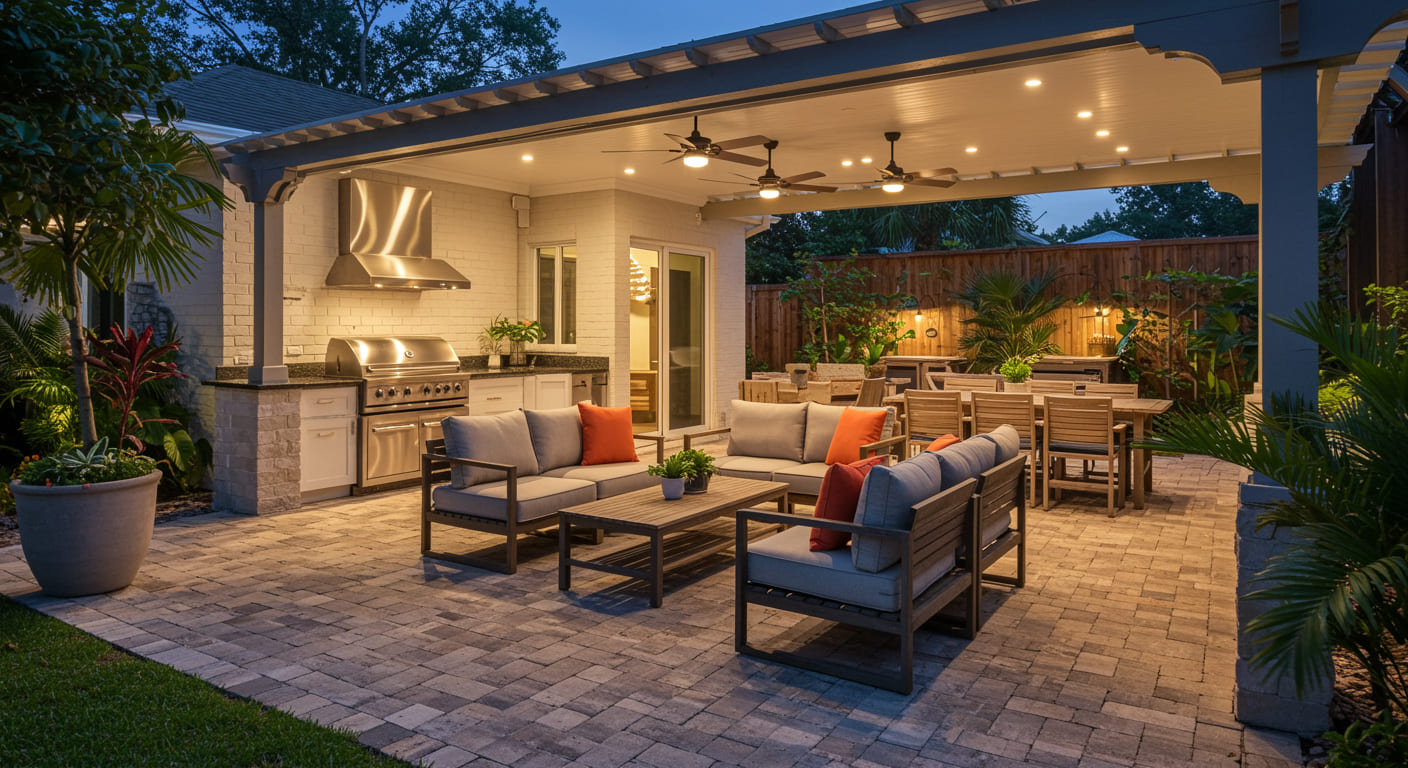
- Patios
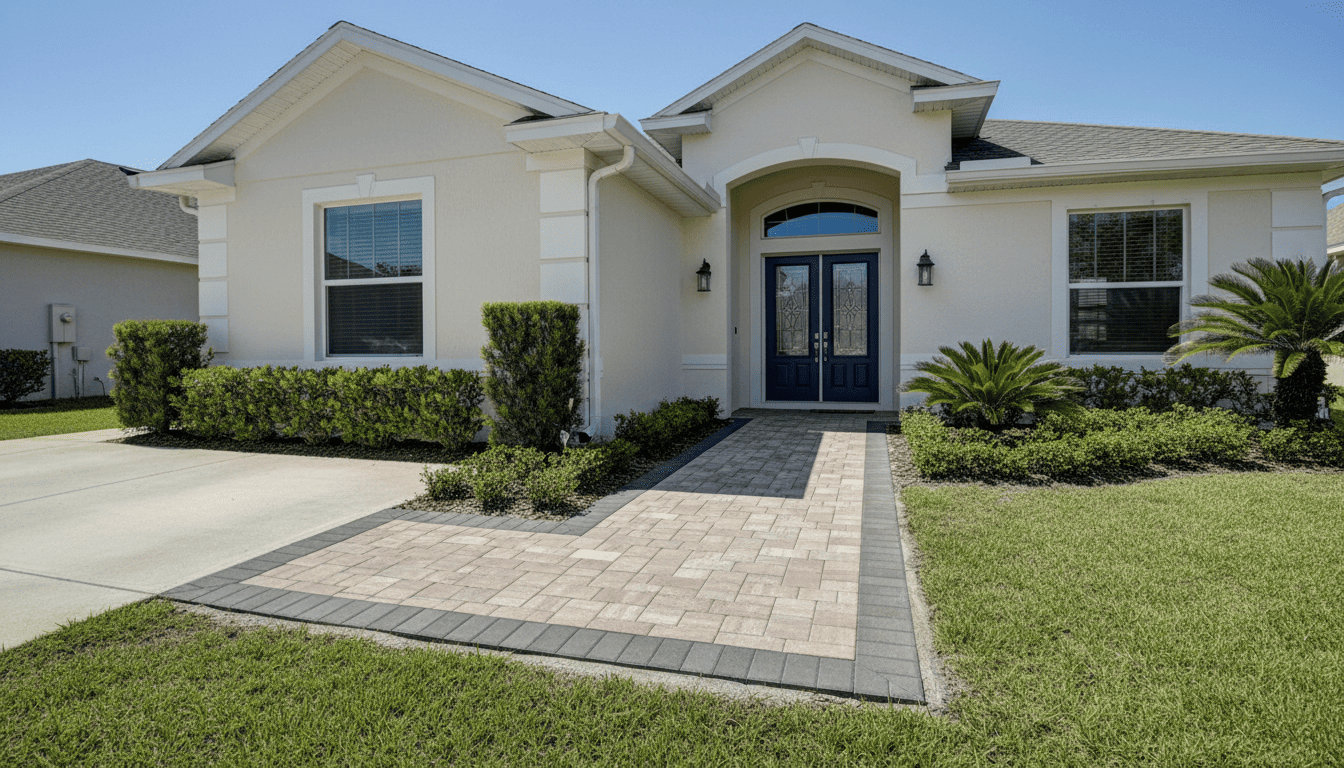
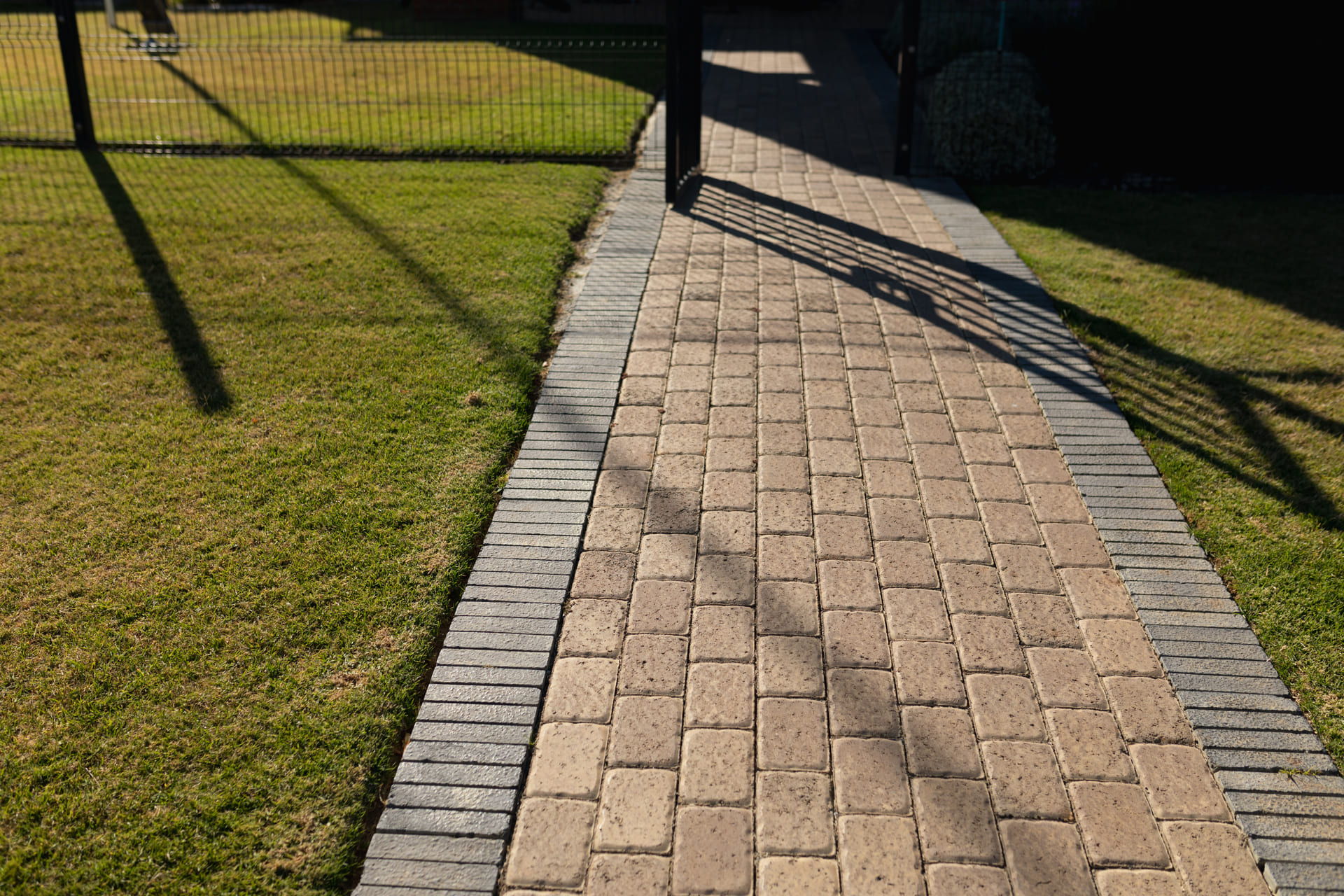
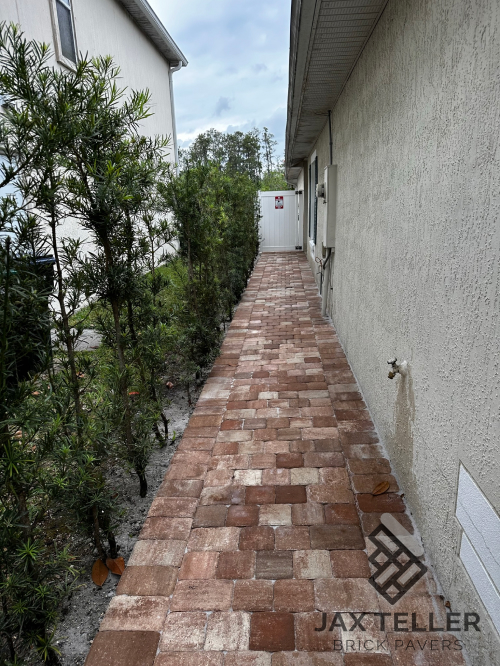
- Walkways
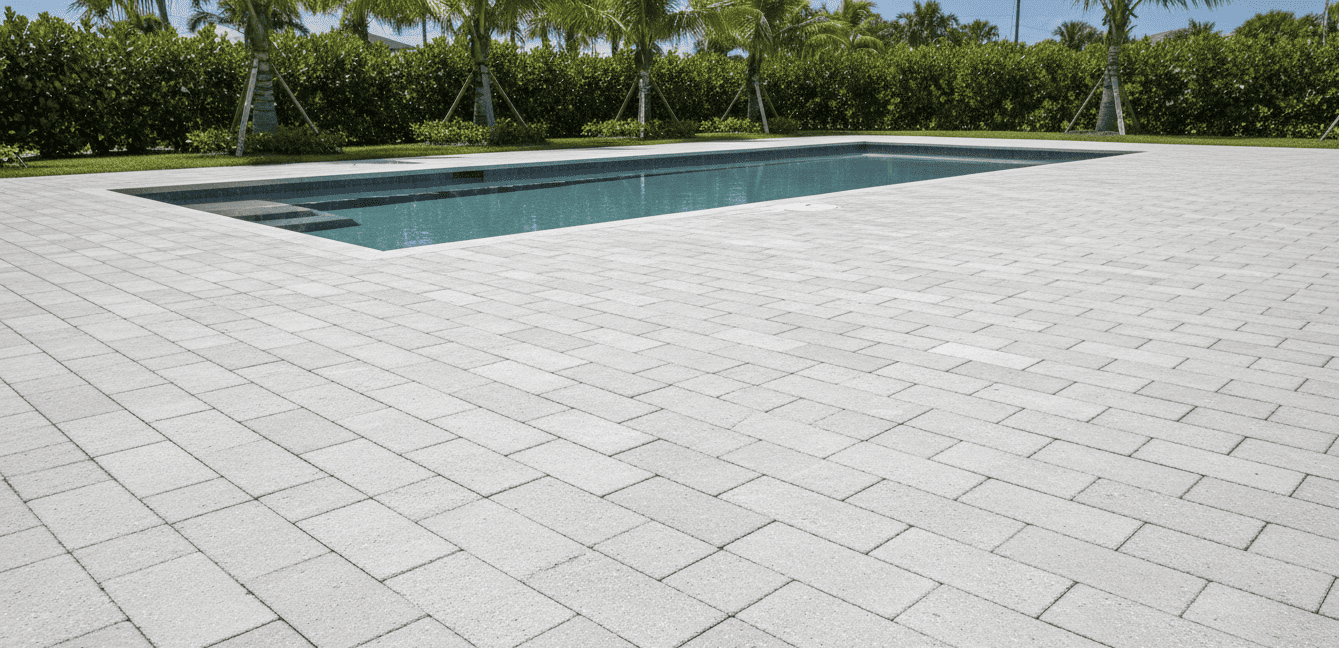
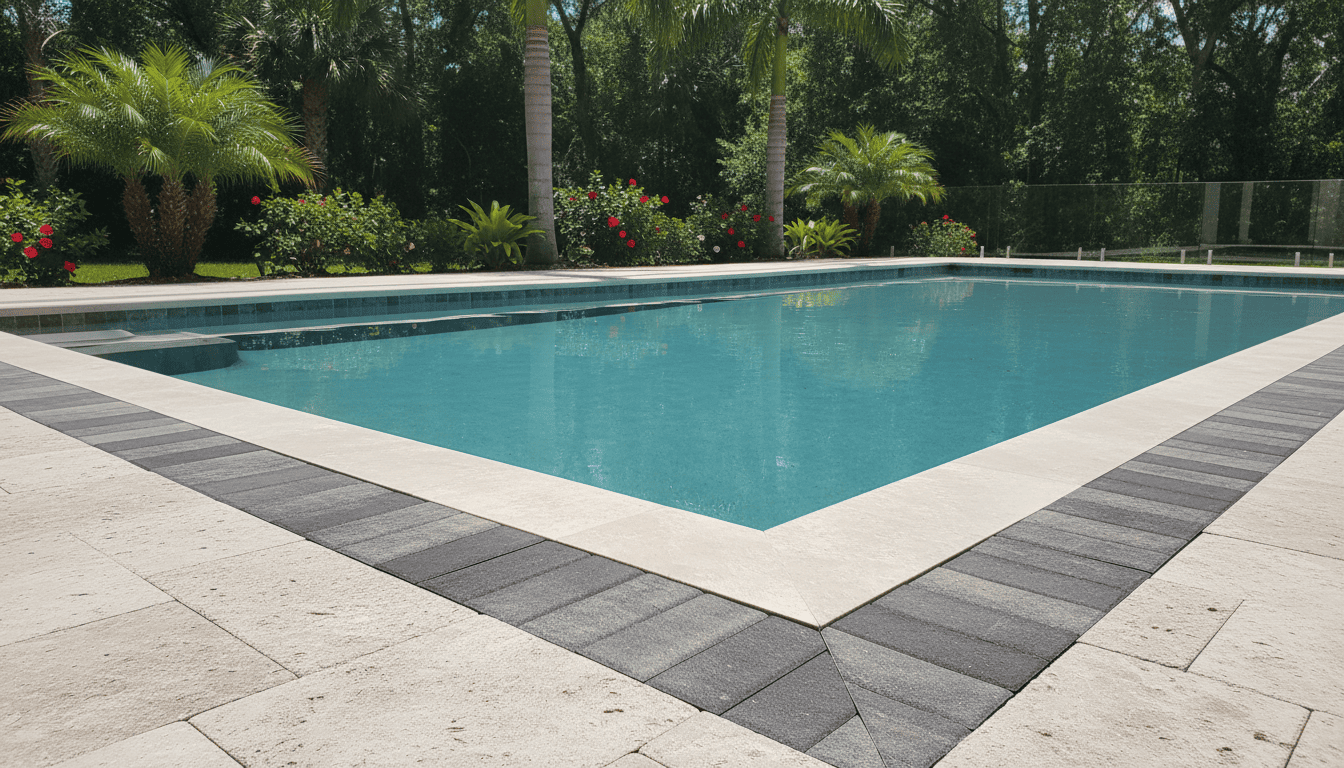
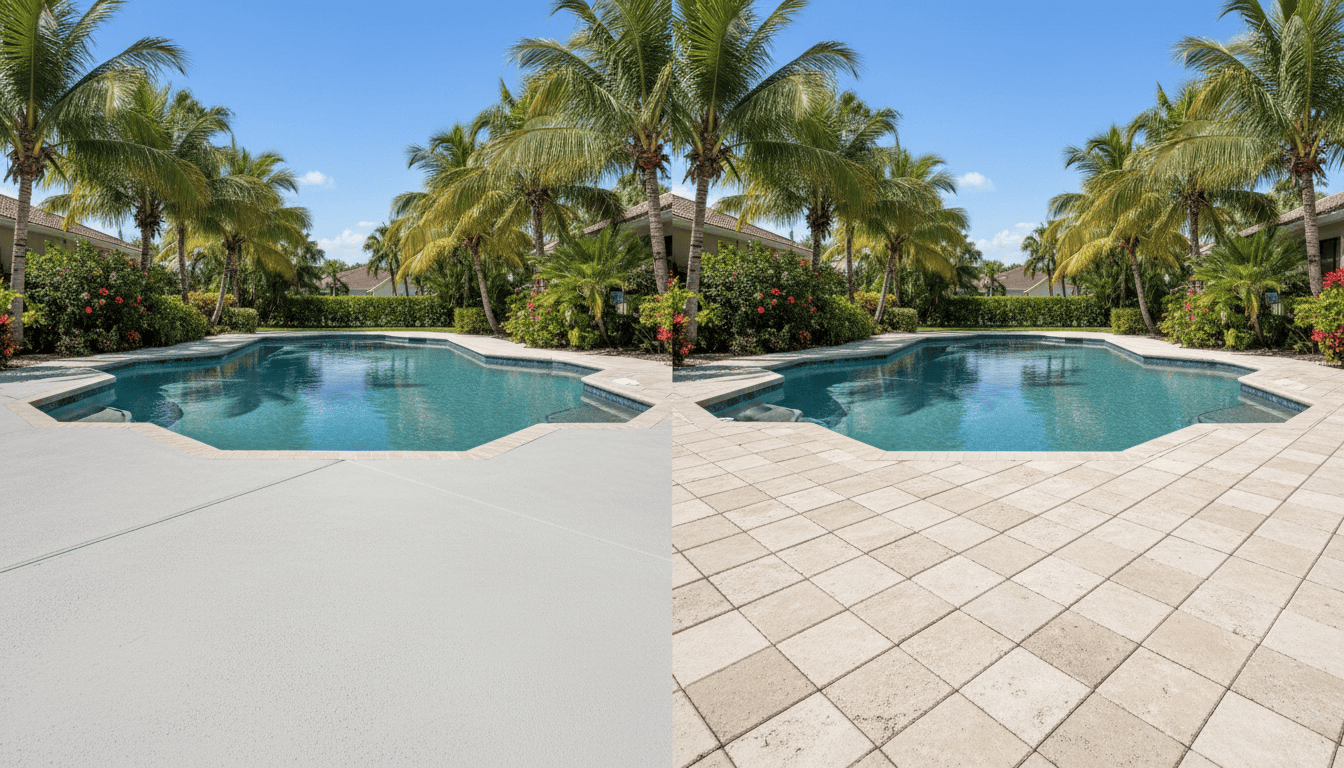
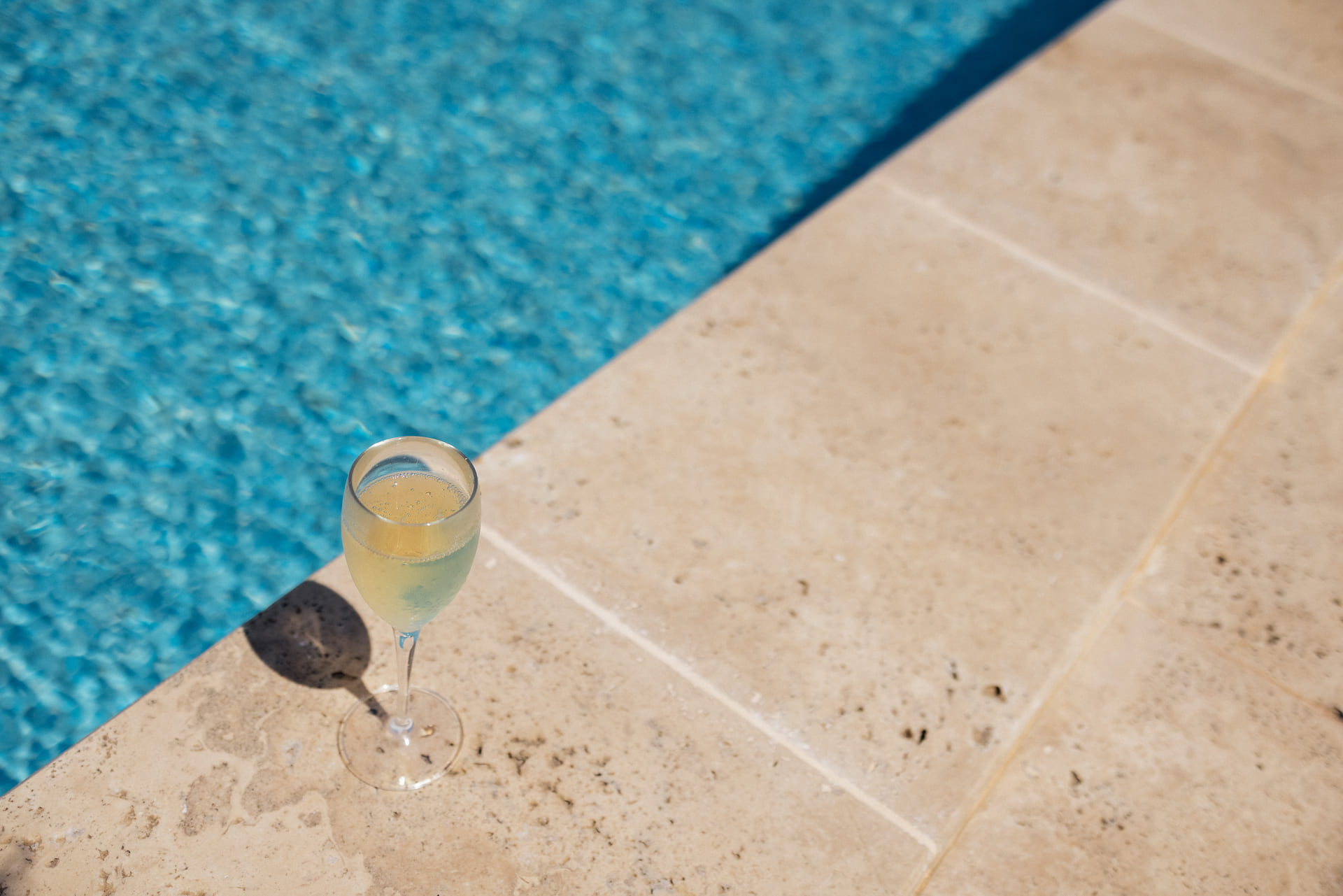
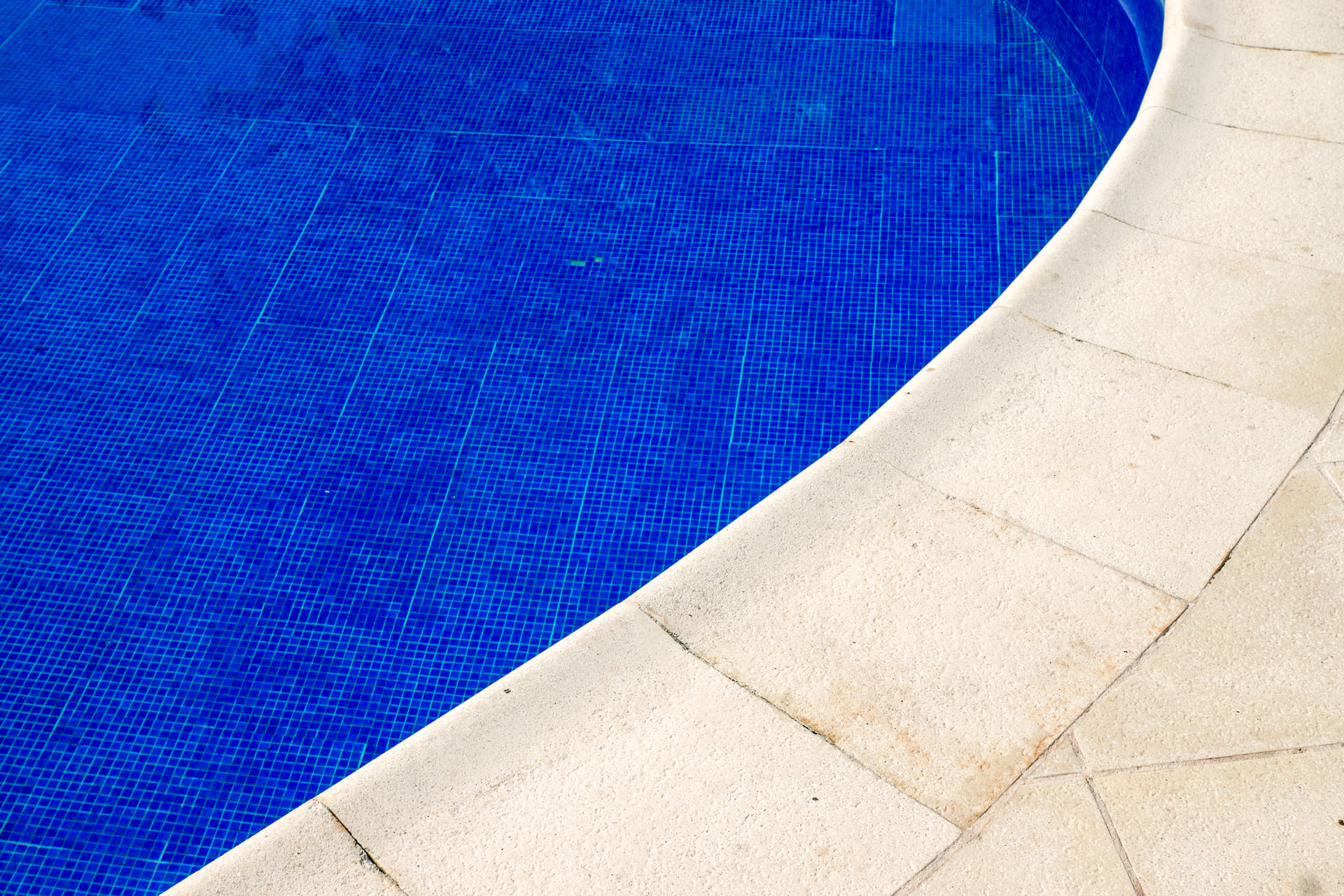
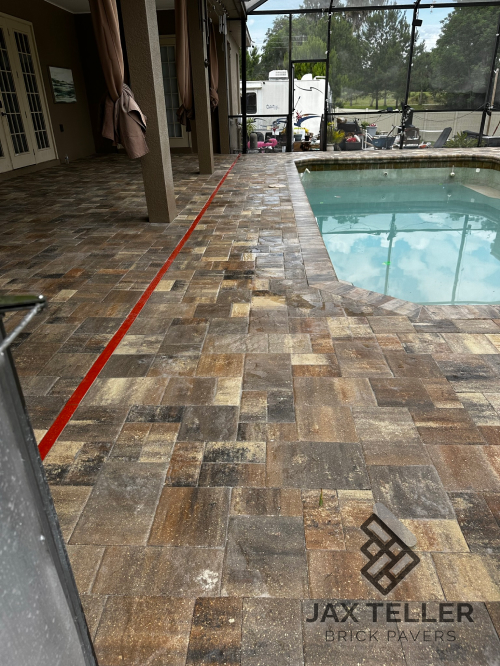
- Pool decks
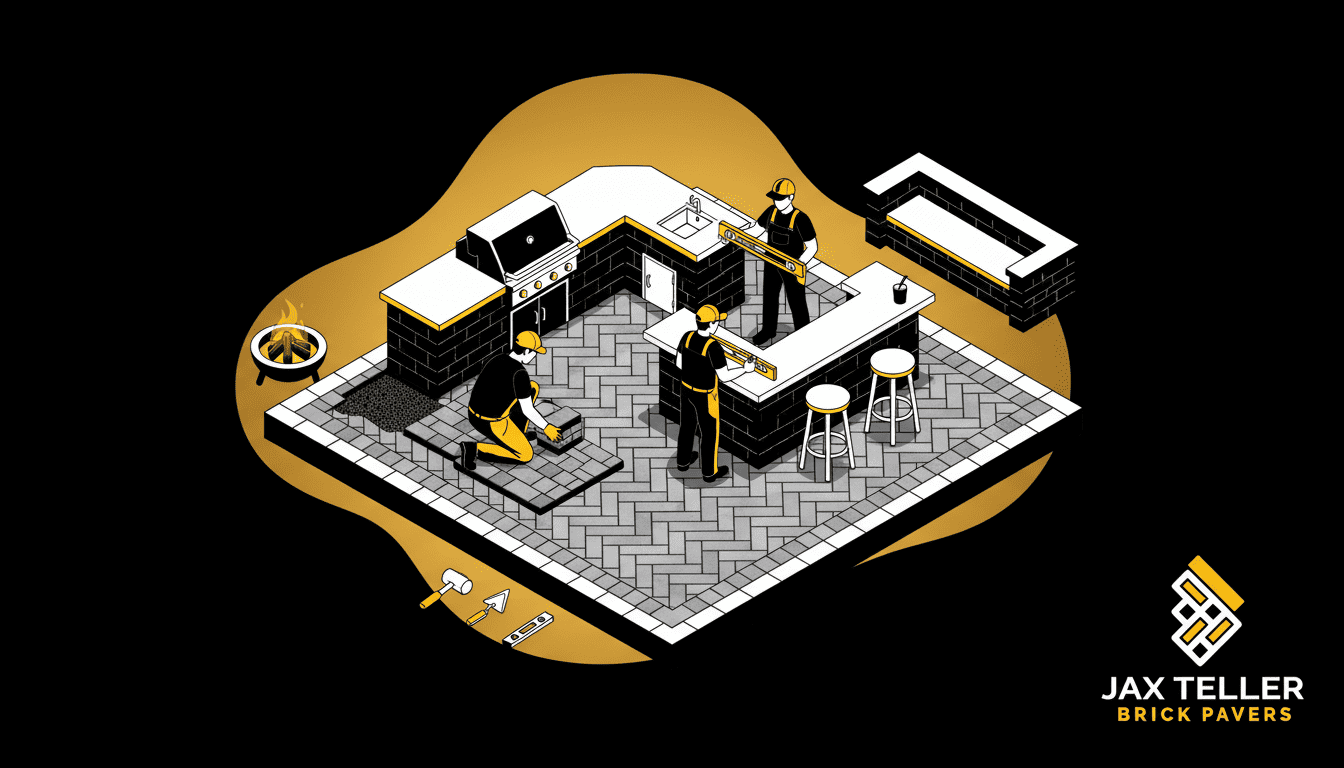
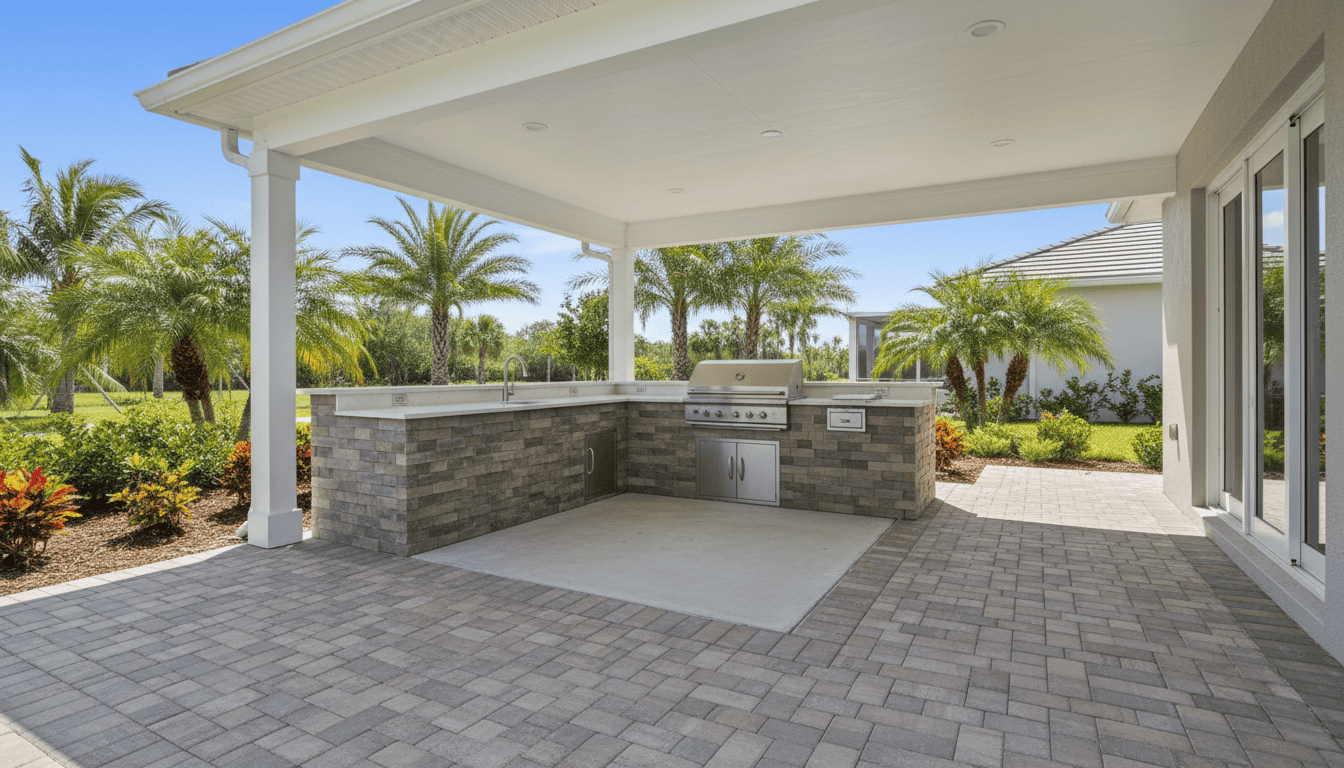
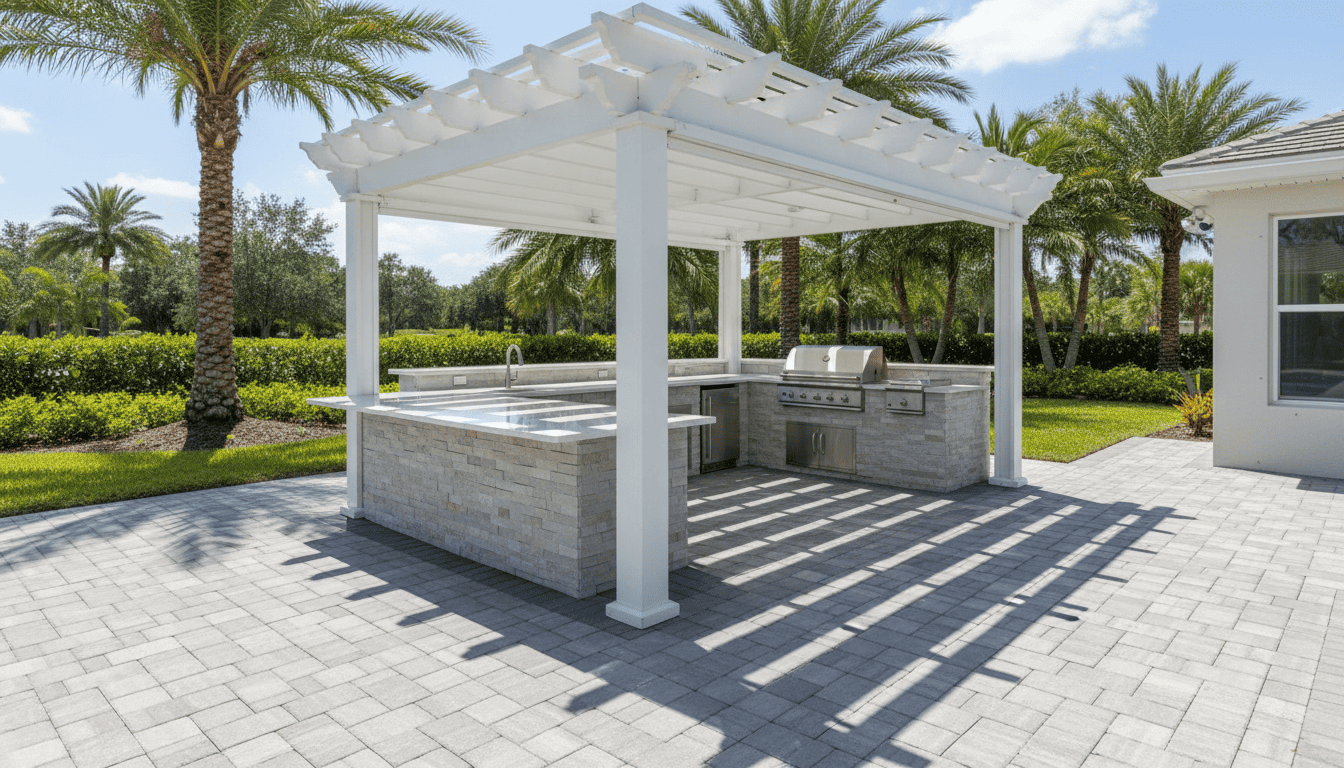
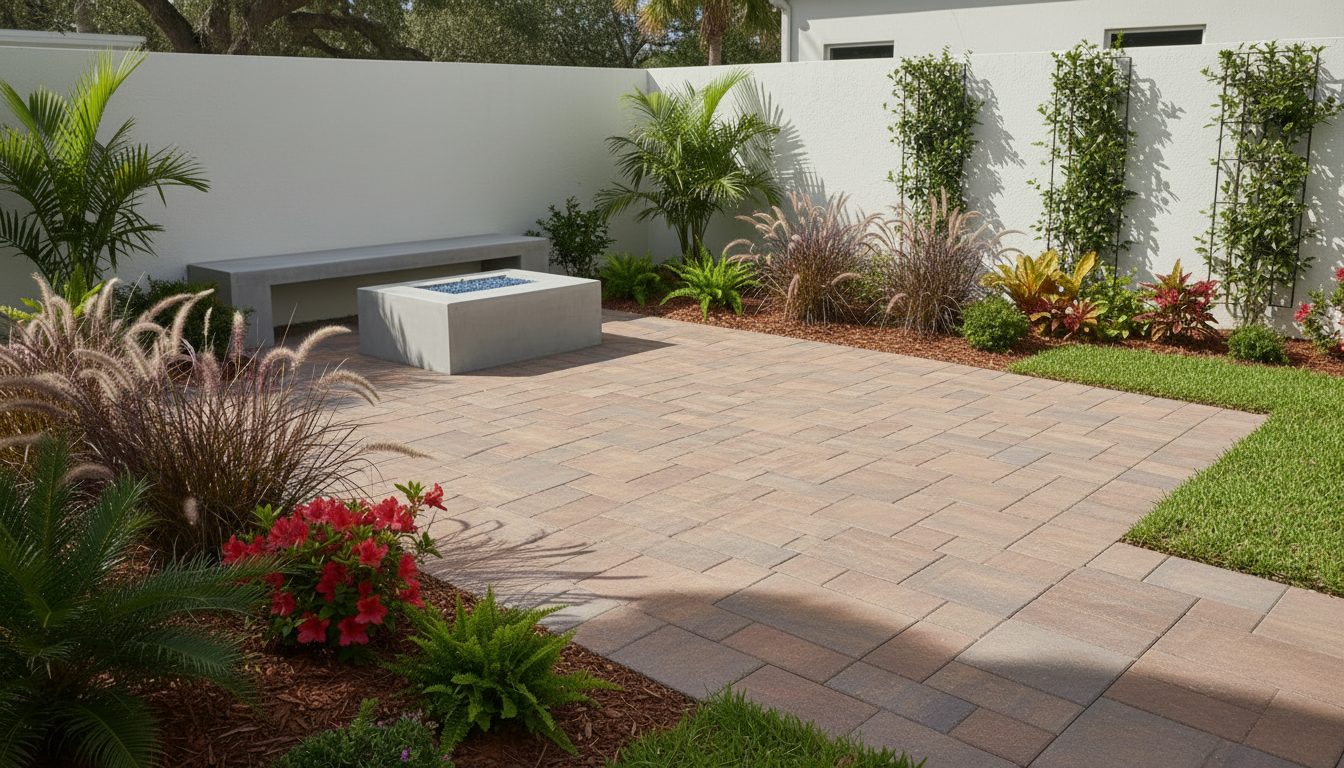
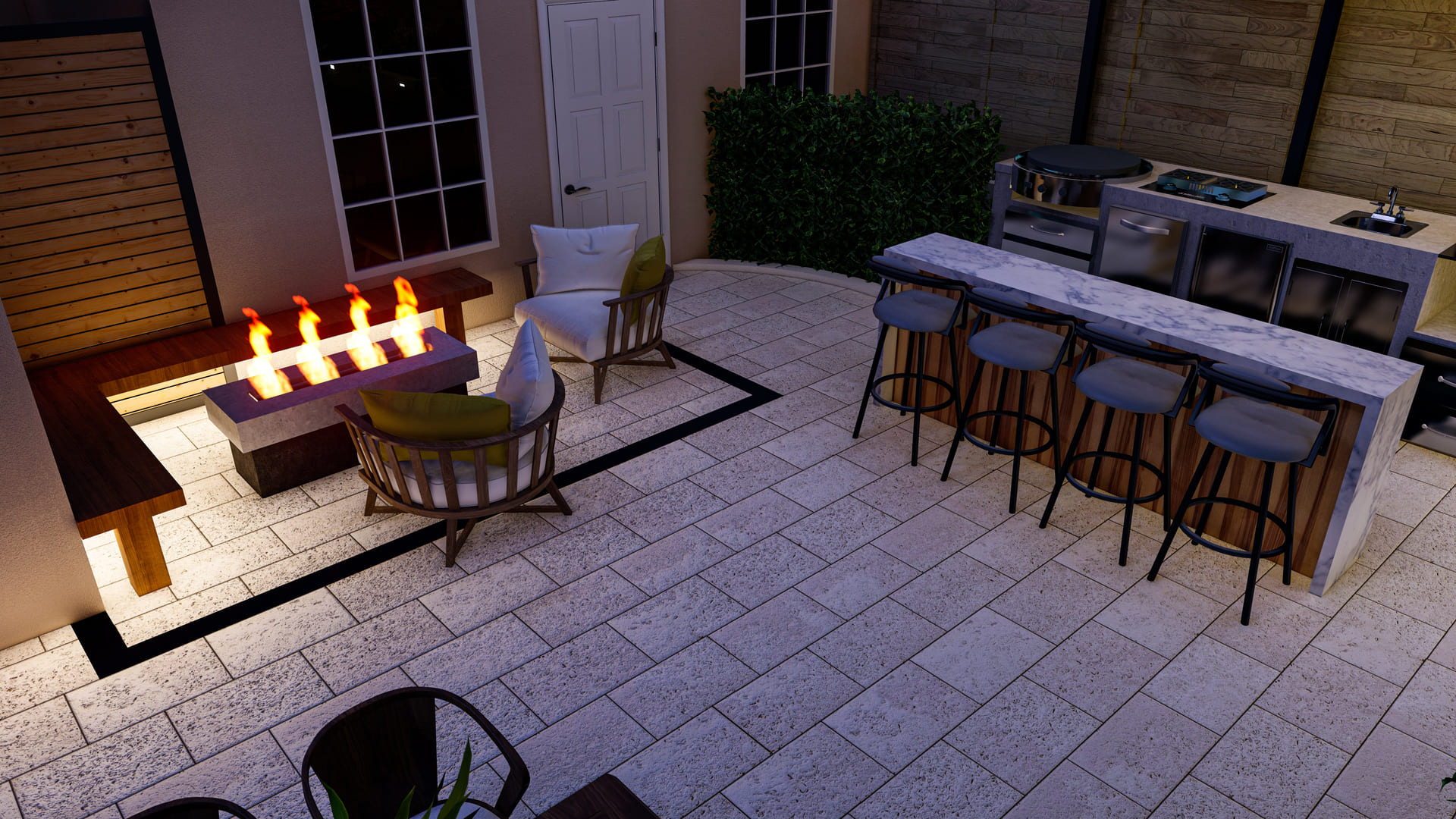
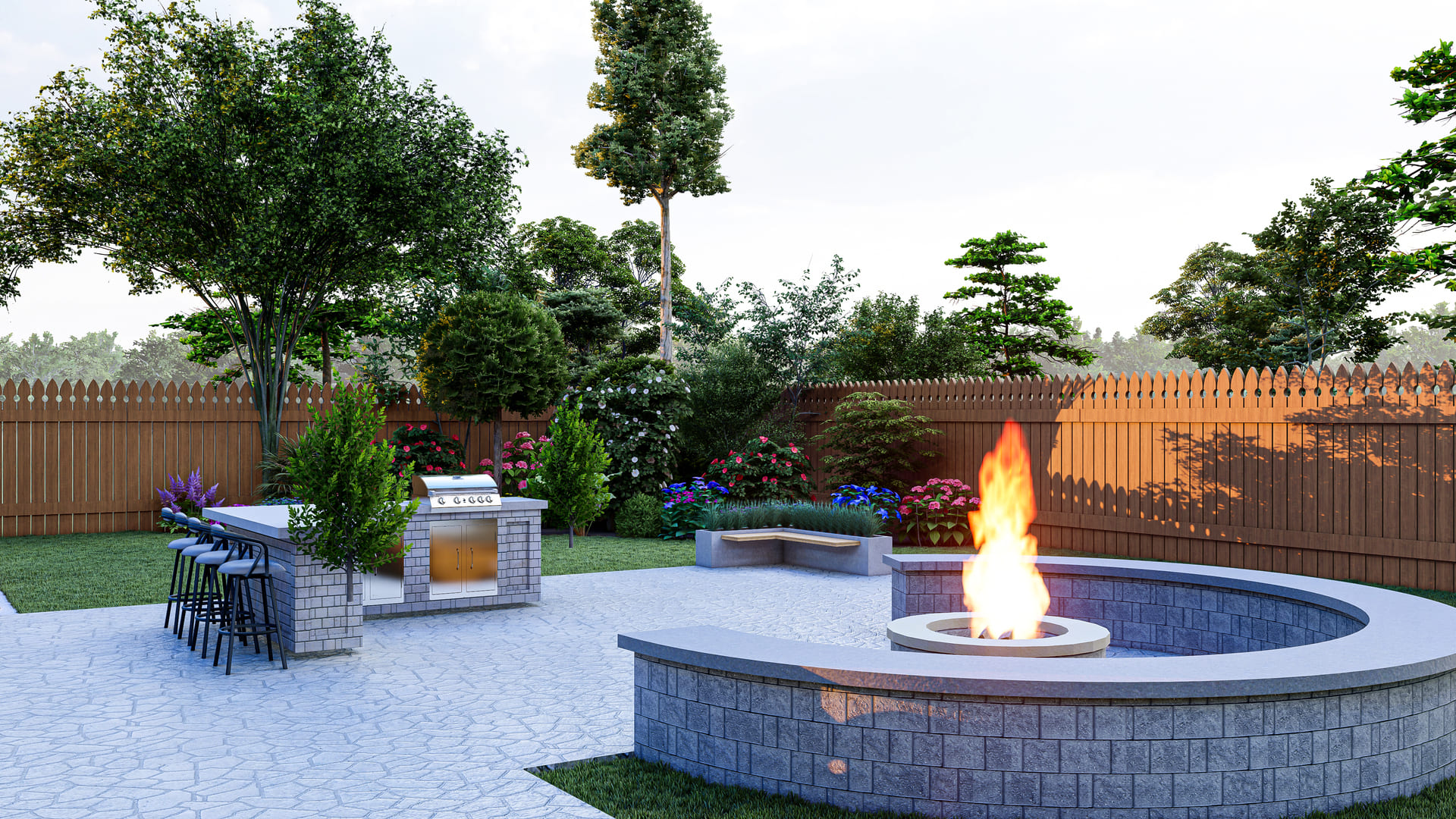
- Outdoor kitchens and fire pits
Each application requires different paver thickness, strength, and surface texture.
Step 2: Choose the Right Paver Thickness
Thickness directly impacts load capacity.
General guidelines
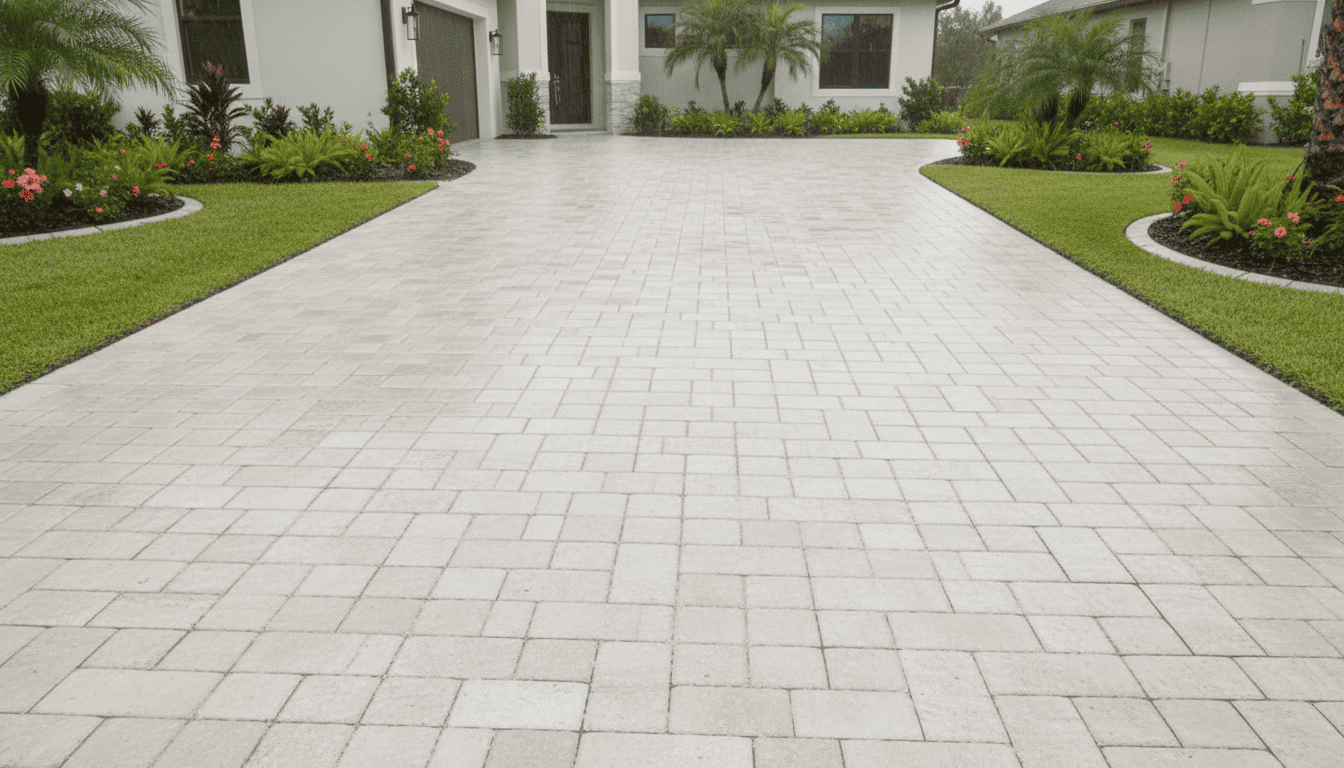
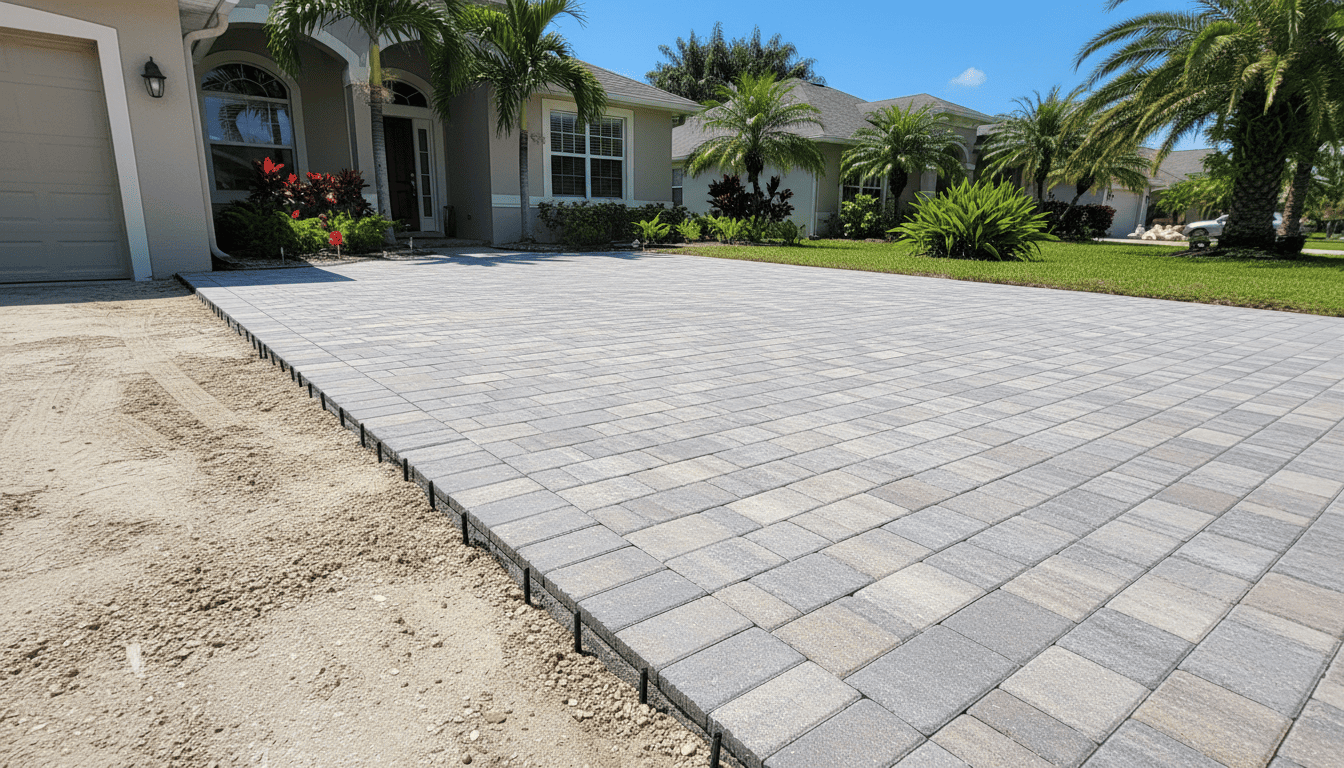
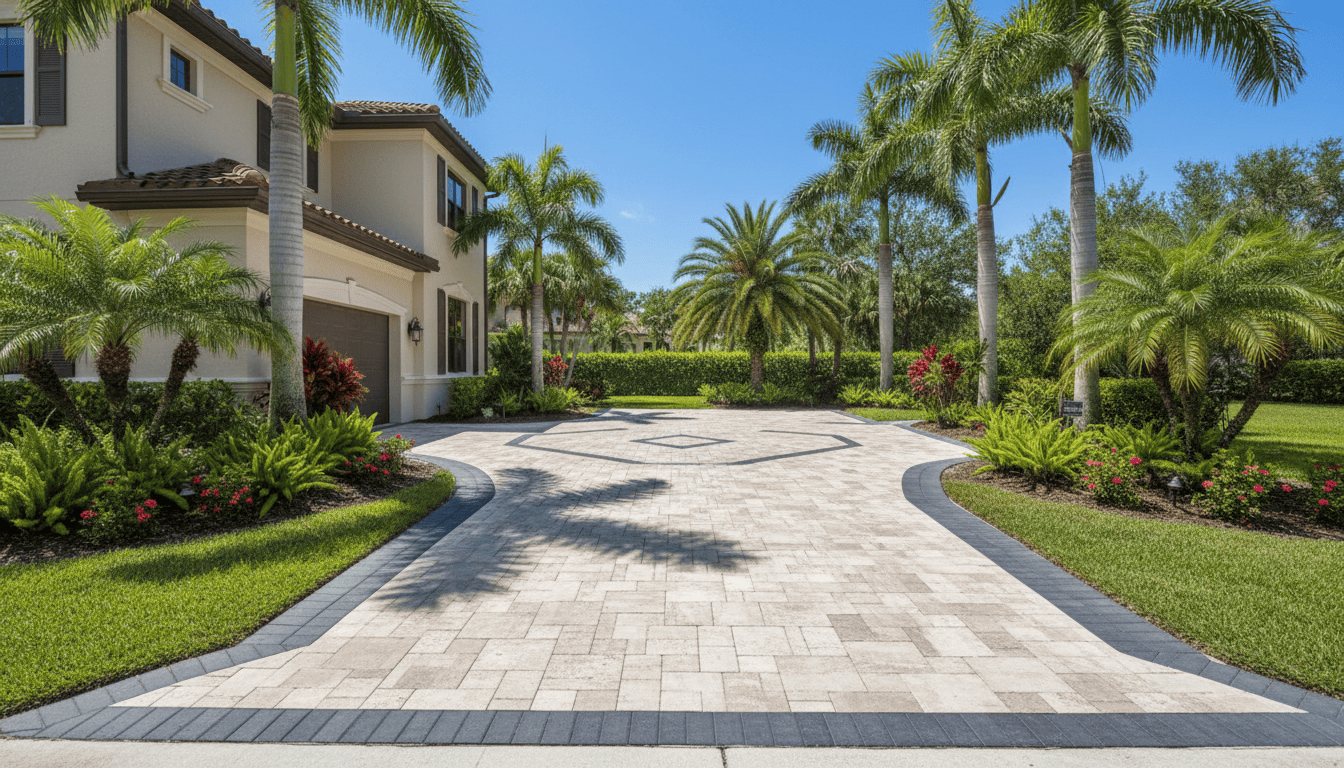
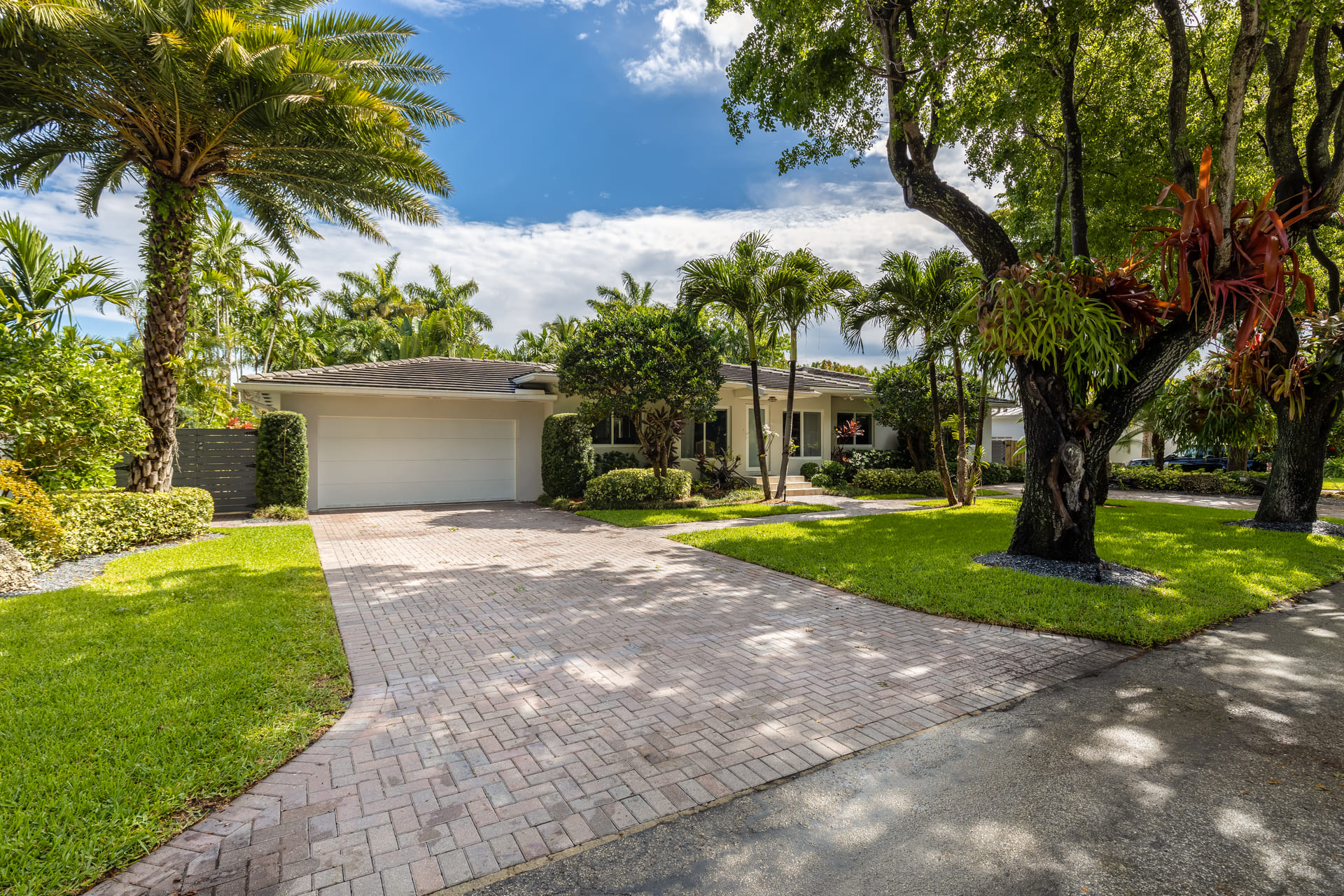
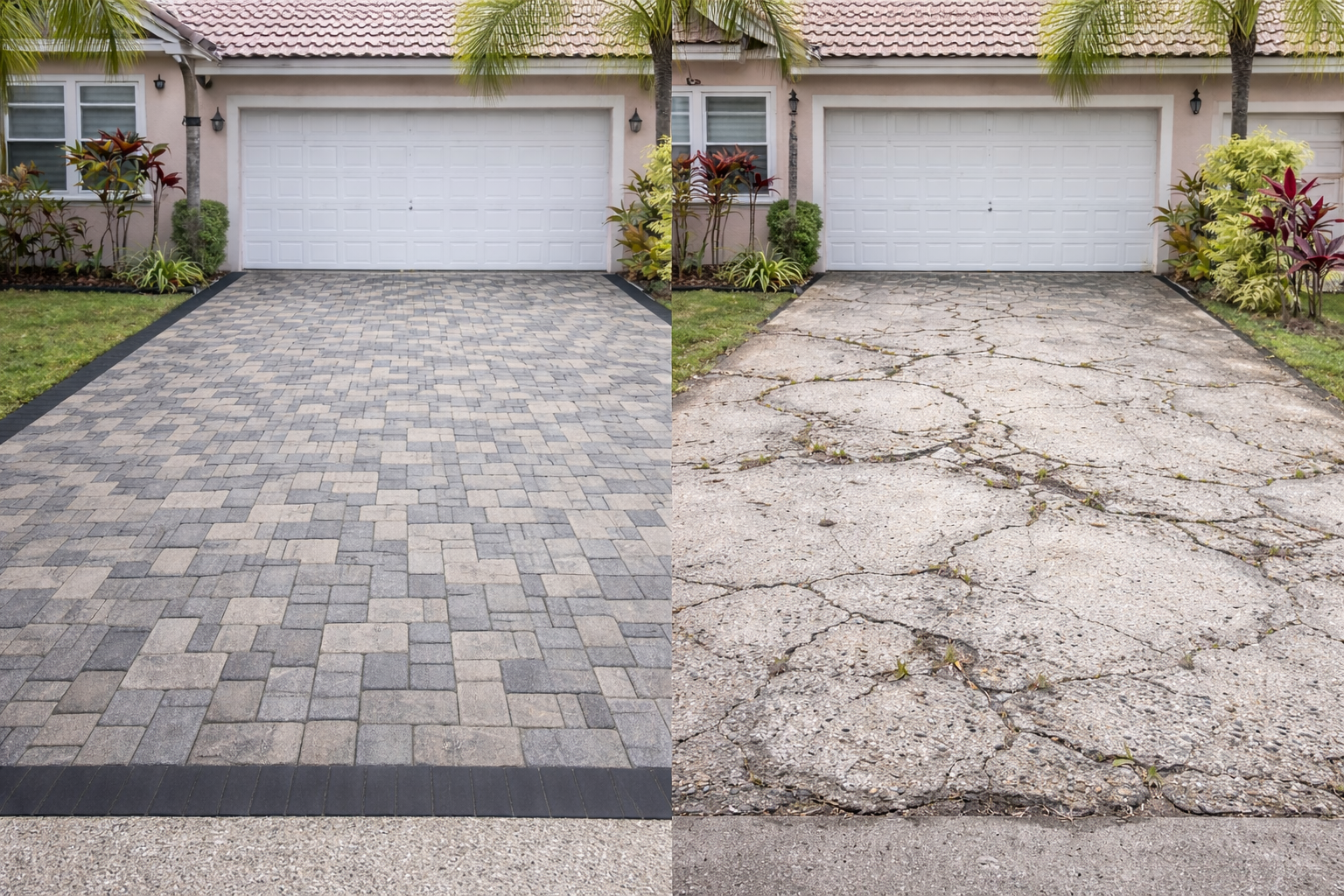
- Driveways: Thicker pavers designed for vehicle load
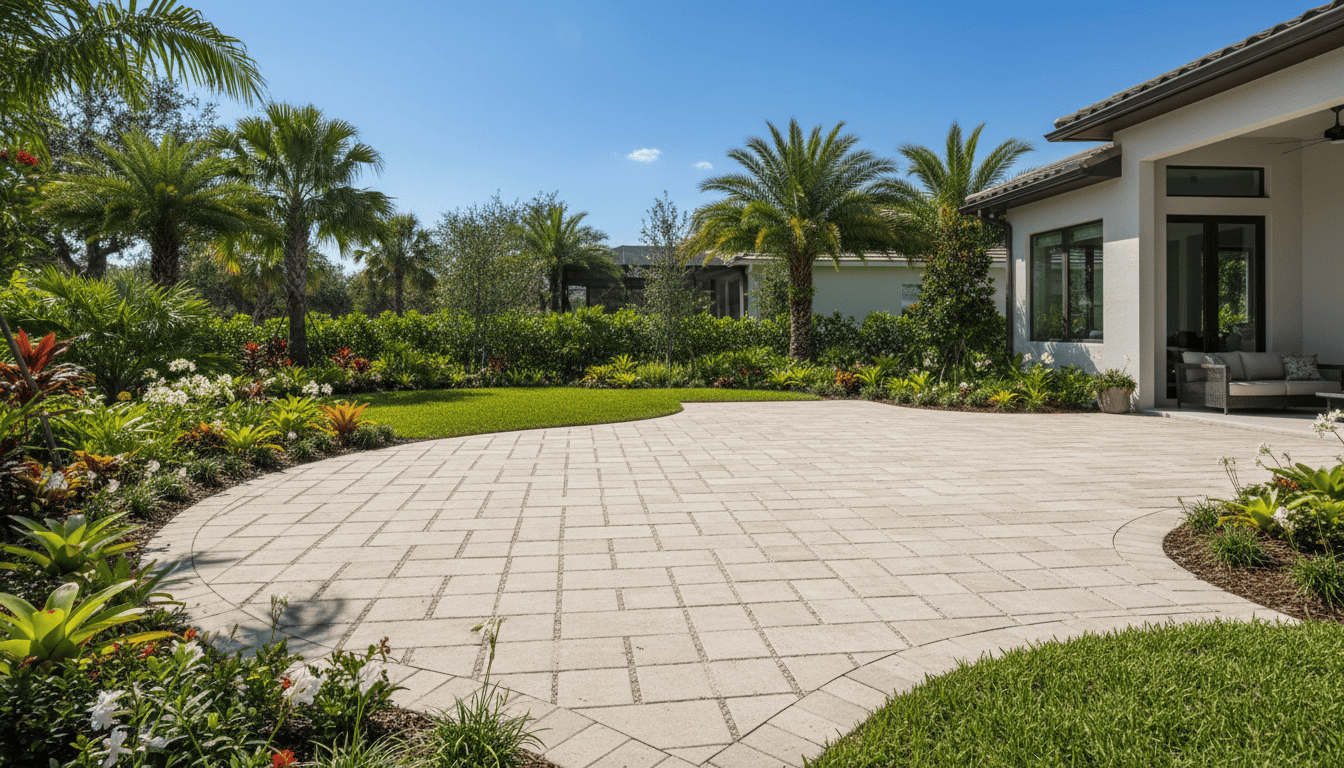
- Patios & walkways: Standard residential pavers
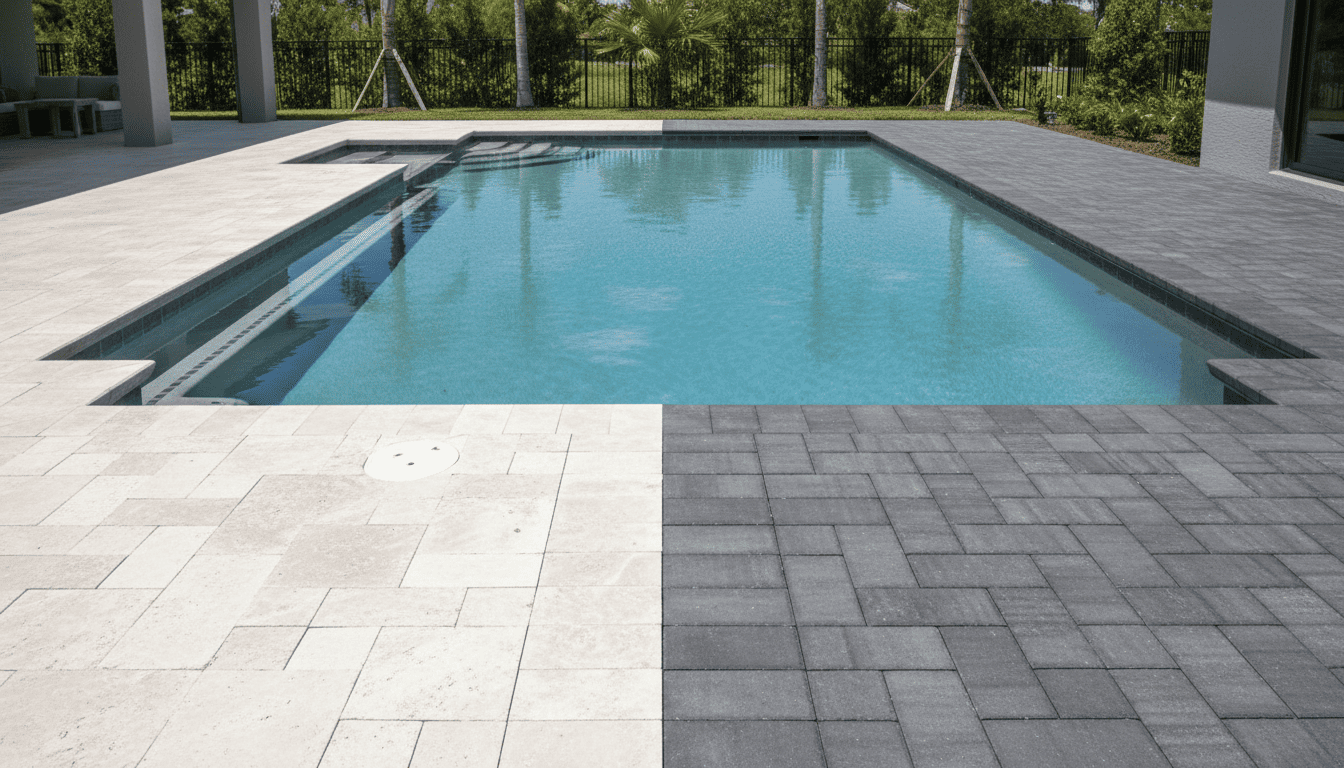
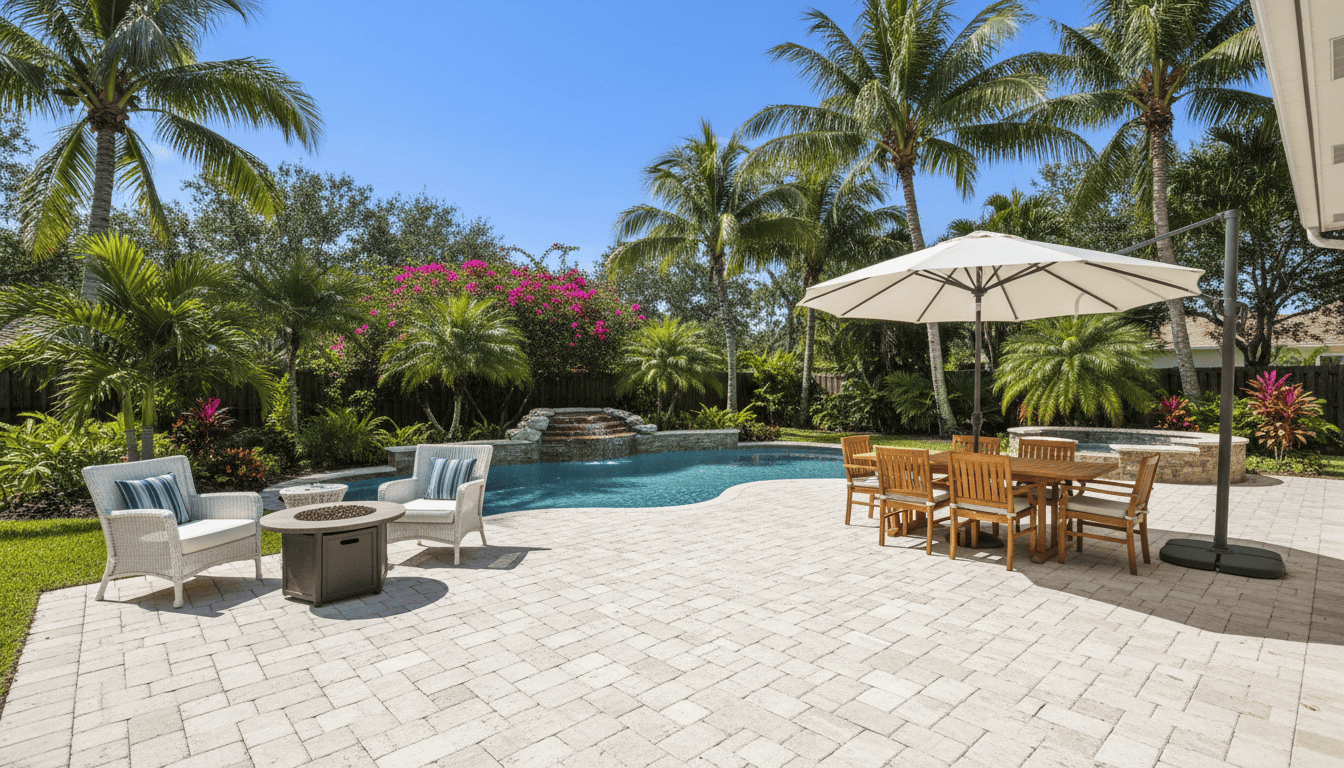
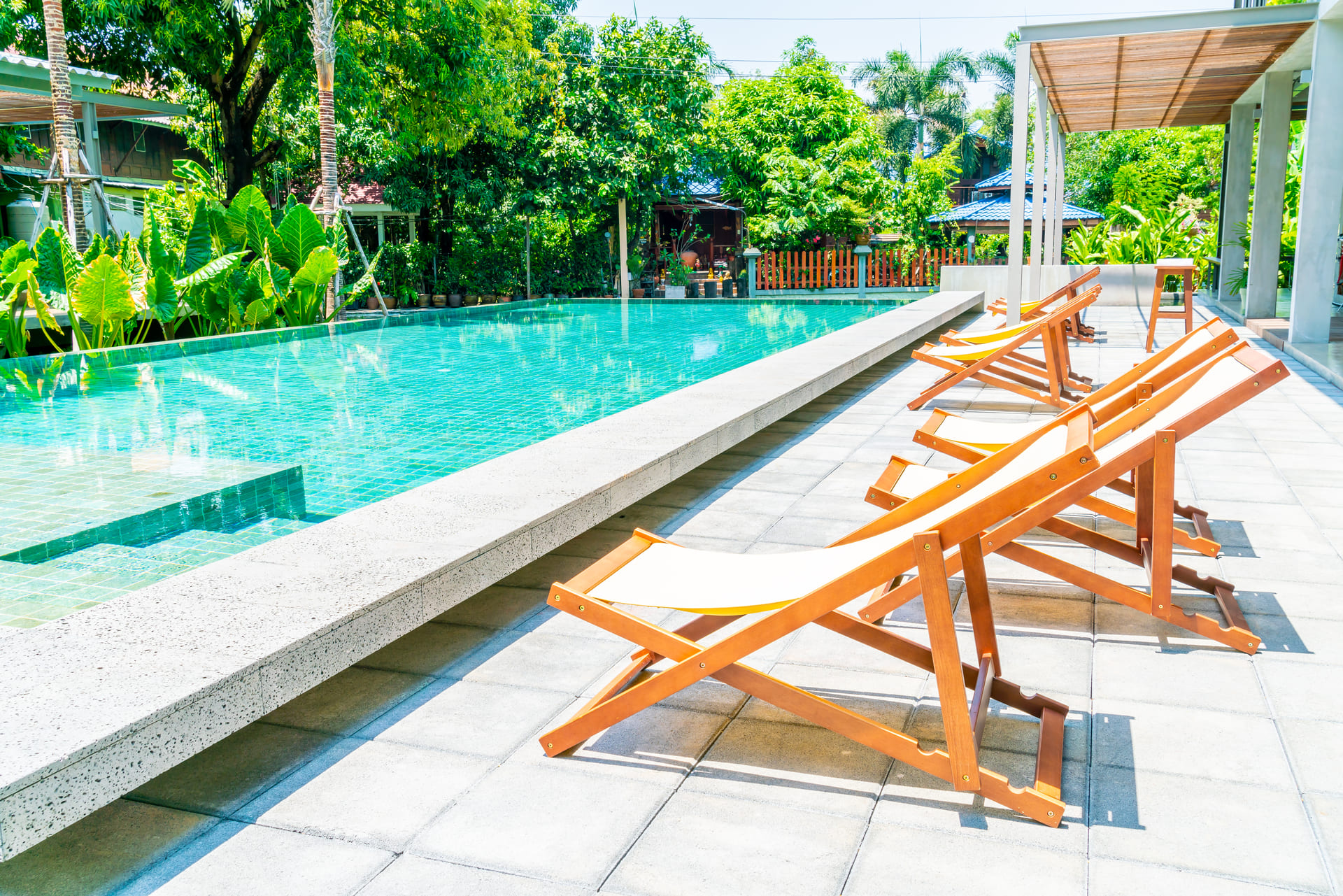
- Pool decks: Slip-resistant, comfort-focused pavers
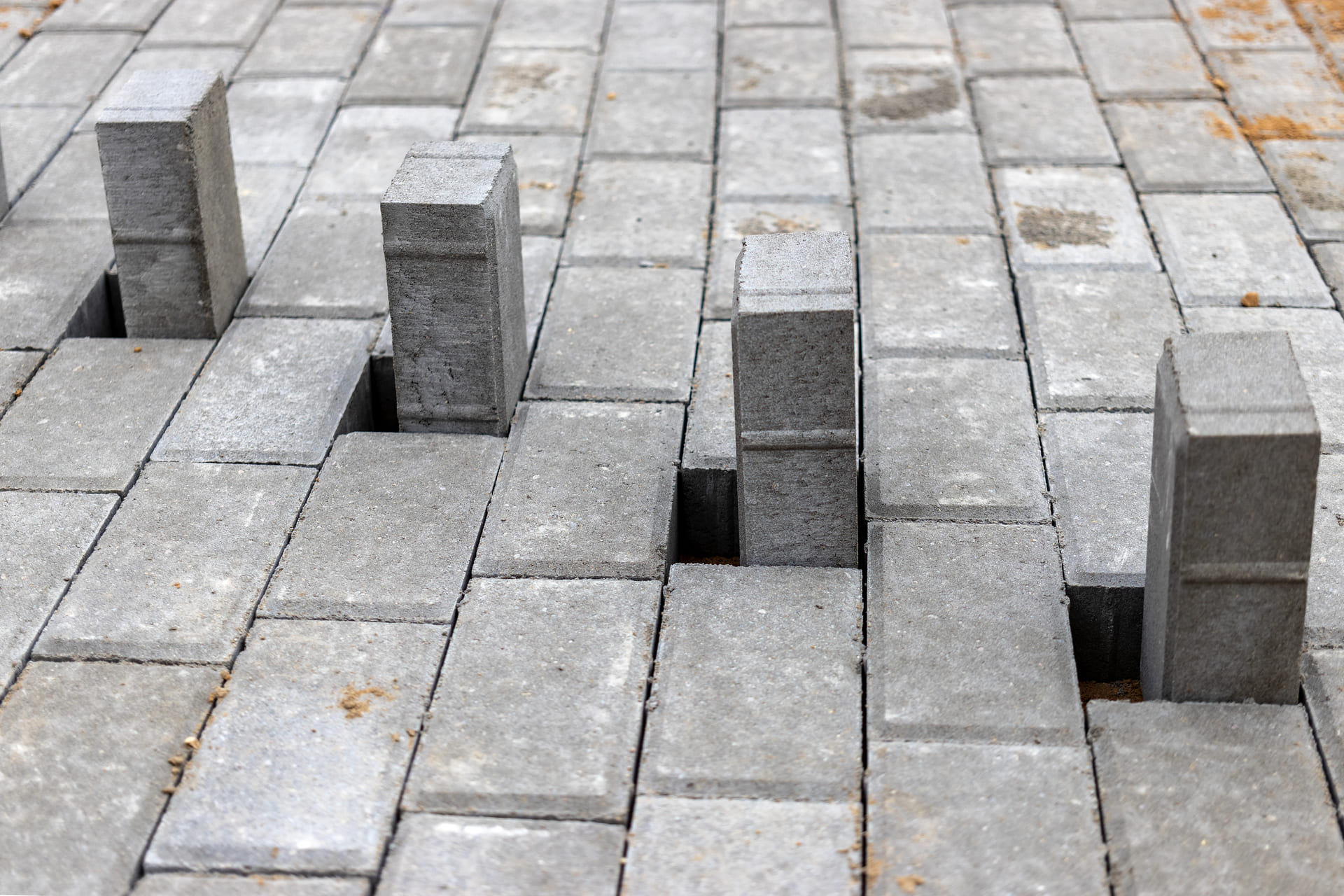
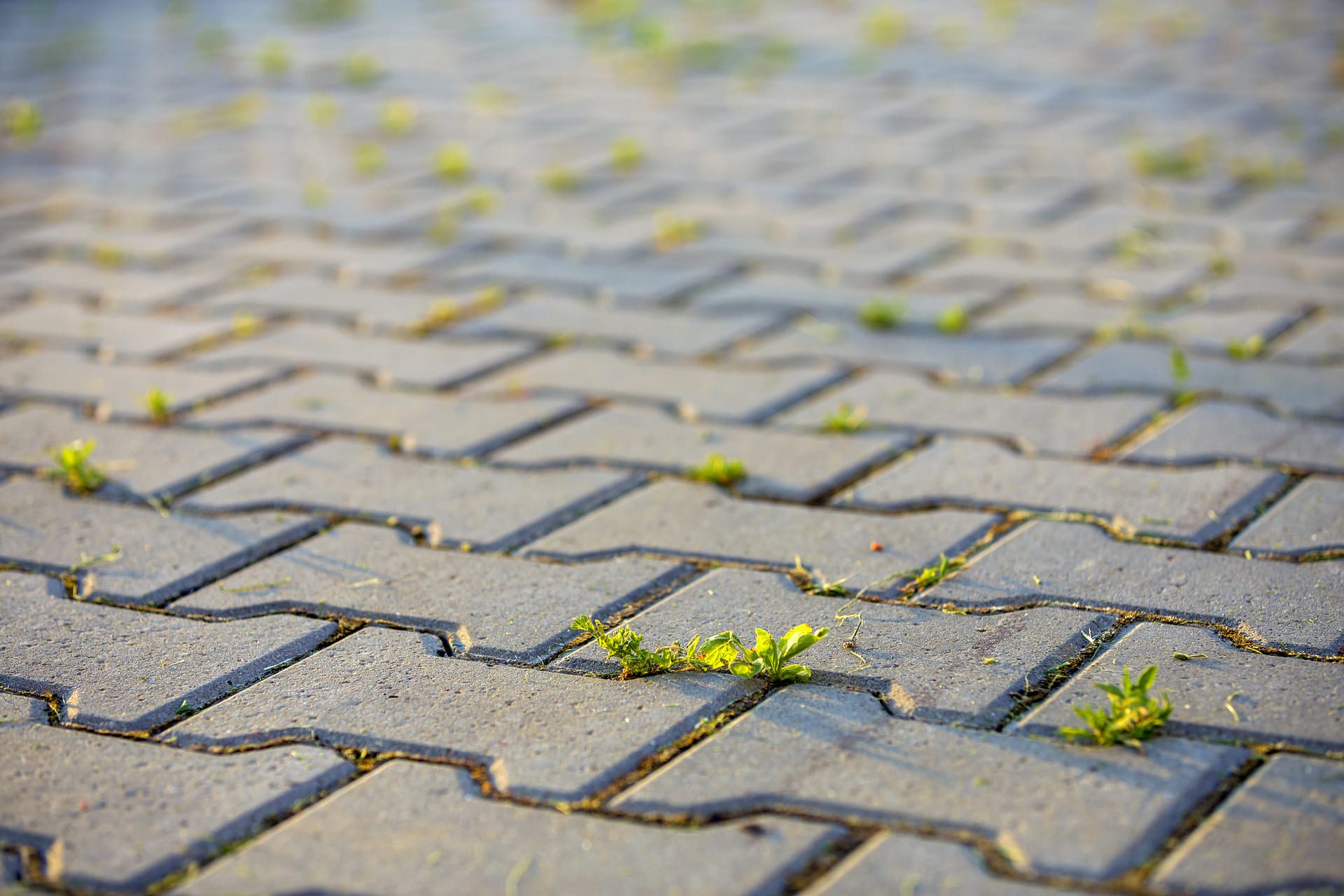
Using thin pavers in high-load areas is one of the most common mistakes.
Step 3: Select a Material That Works in Florida
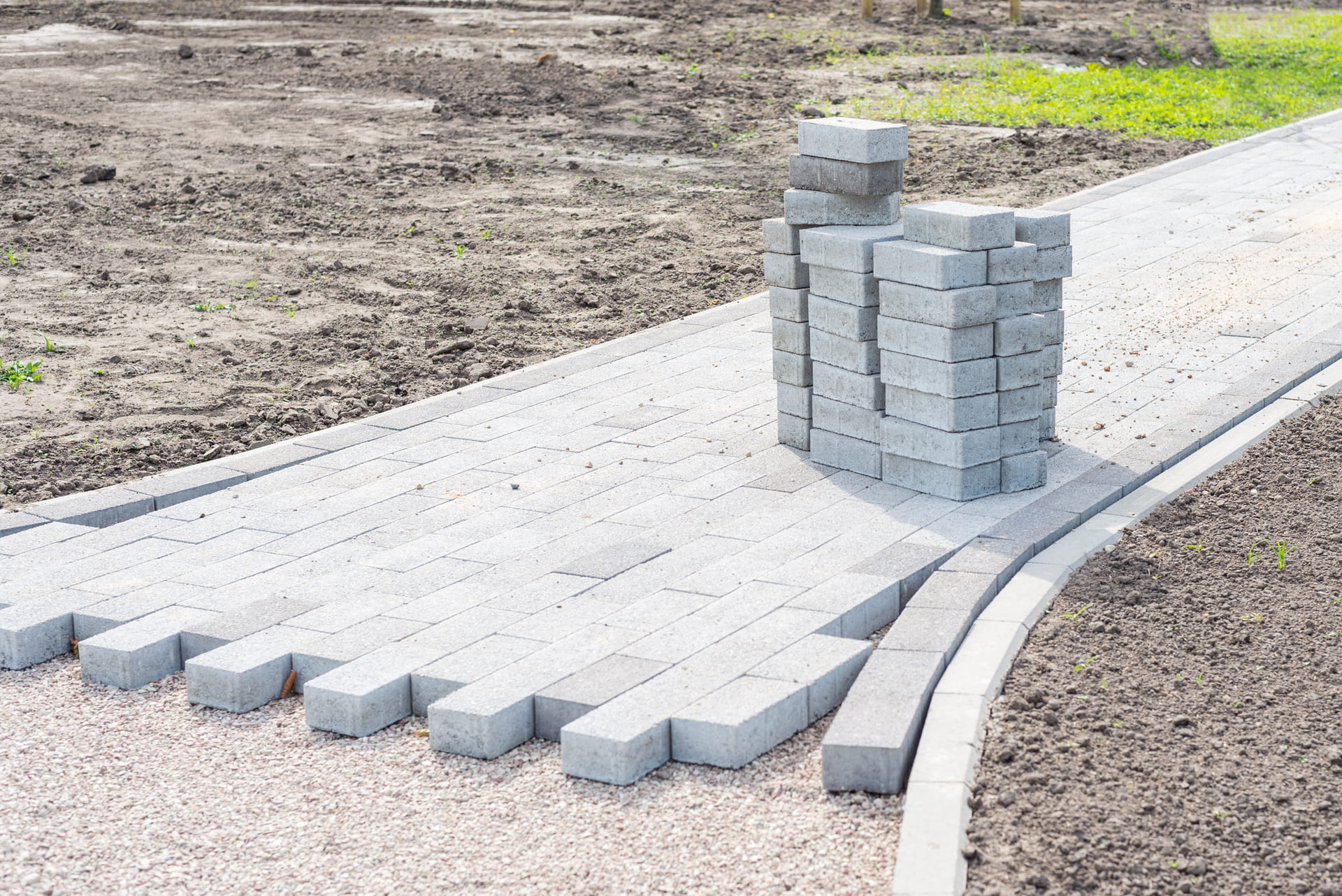
Concrete pavers
- Most popular choice
- Durable and versatile
- Wide range of colors and styles
- Excellent performance when installed correctly
Brick pavers
- Timeless appearance
- Natural color that doesn’t fade
- Strong interlock
- Classic curb appeal
Natural stone (travertine, limestone)
- Naturally cool underfoot
- High-end appearance
- Excellent for pool decks
- Requires sealing and professional installation
Material choice should balance performance, comfort, and budget.
Step 4: Consider Heat and Sun Exposure
Florida sun can make surfaces uncomfortable.
Heat-smart choices
- Light-colored pavers
- Natural stone like travertine
- Matte or textured finishes
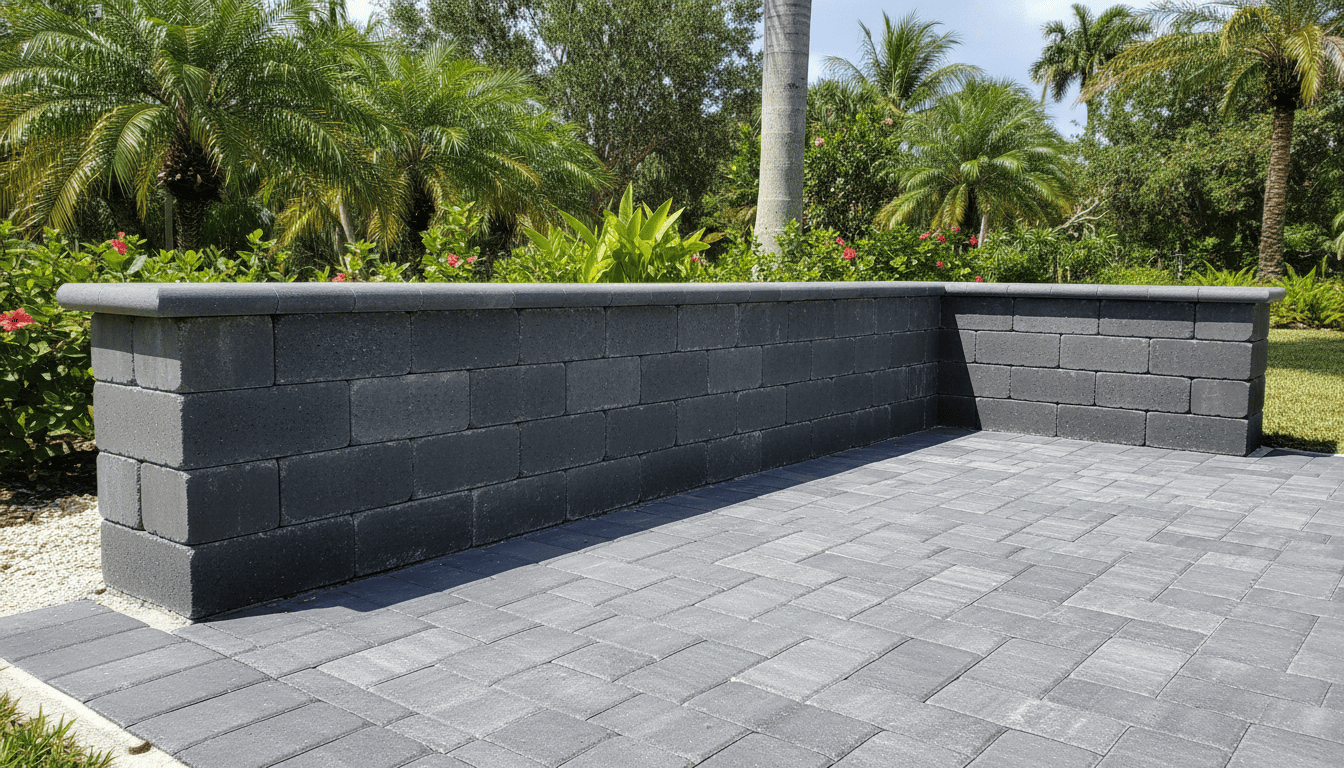
Dark pavers absorb more heat and may not be suitable for barefoot areas.
Step 5: Prioritize Slip Resistance
Safety is critical around pools and walkways.
Best slip-resistant options
- Textured concrete pavers
- Travertine with natural finish
- Pavers designed for wet environments
Avoid smooth or polished surfaces outdoors.
Step 6: Match Pavers to Your Home’s Style
Pavers should complement the home’s architecture.
Style pairings
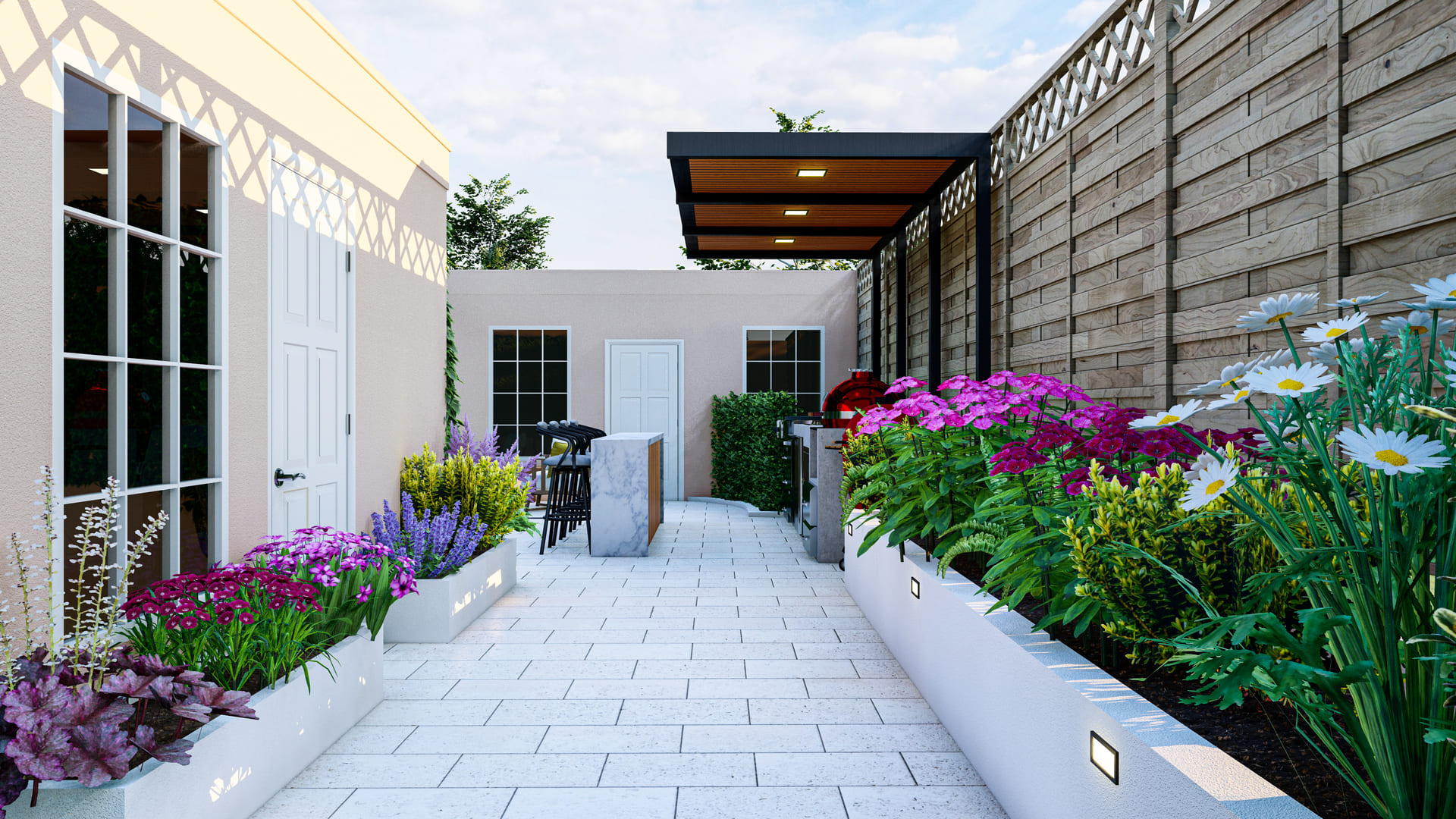
- Modern homes: Large-format or modular pavers
- Traditional homes: Brick or running bond layouts
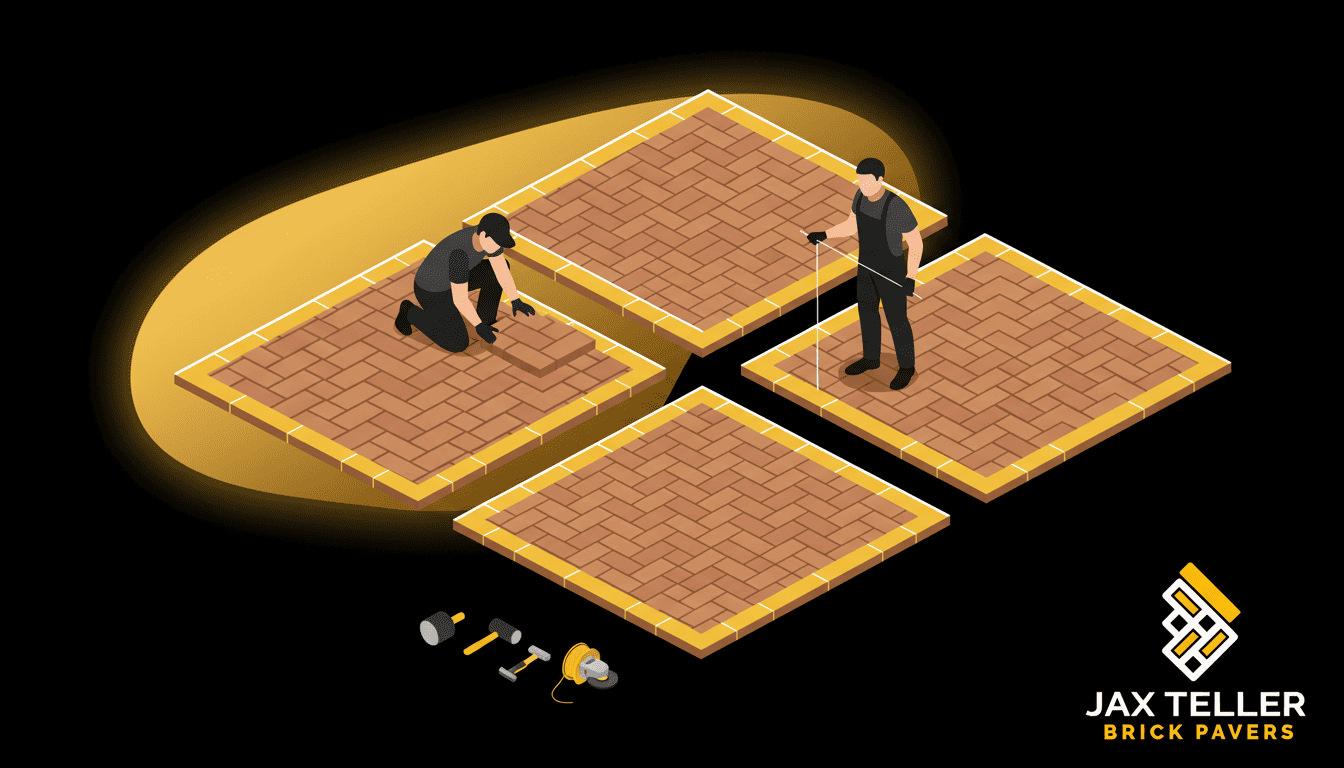
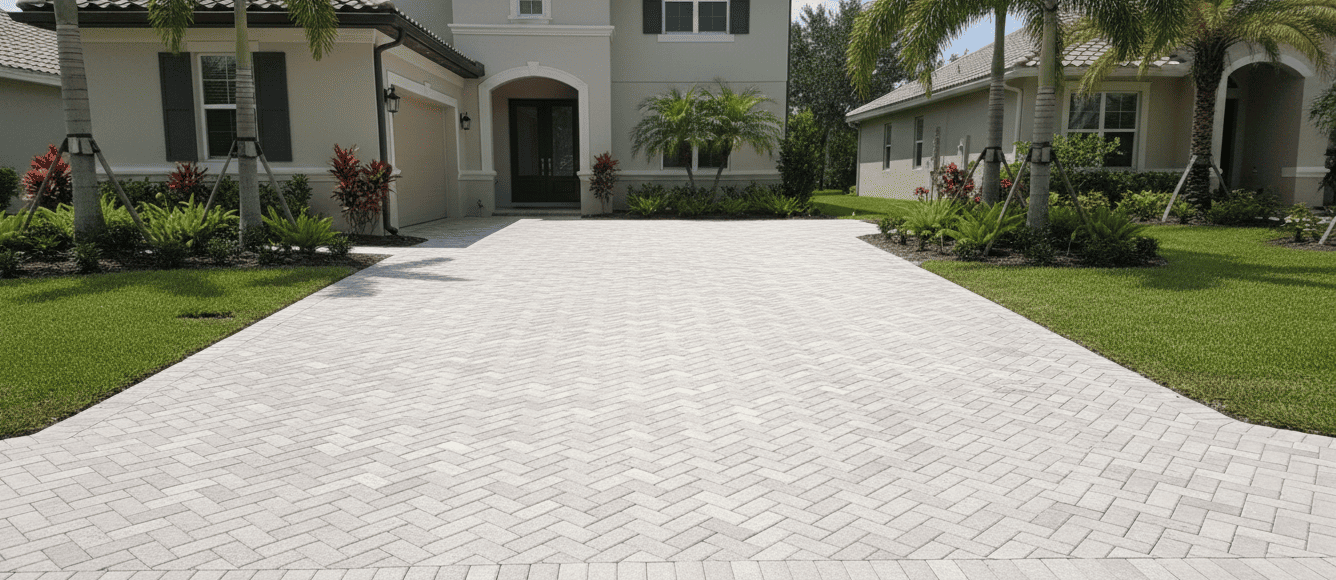
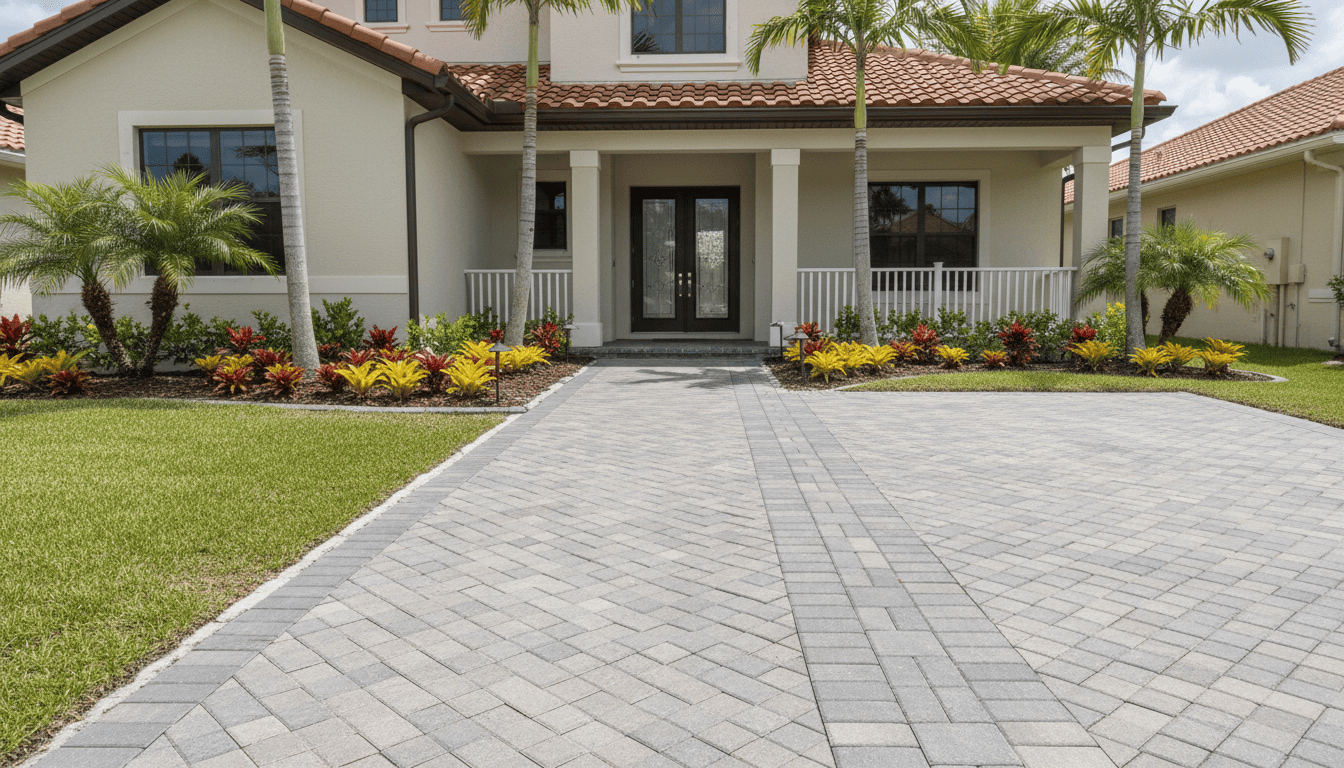
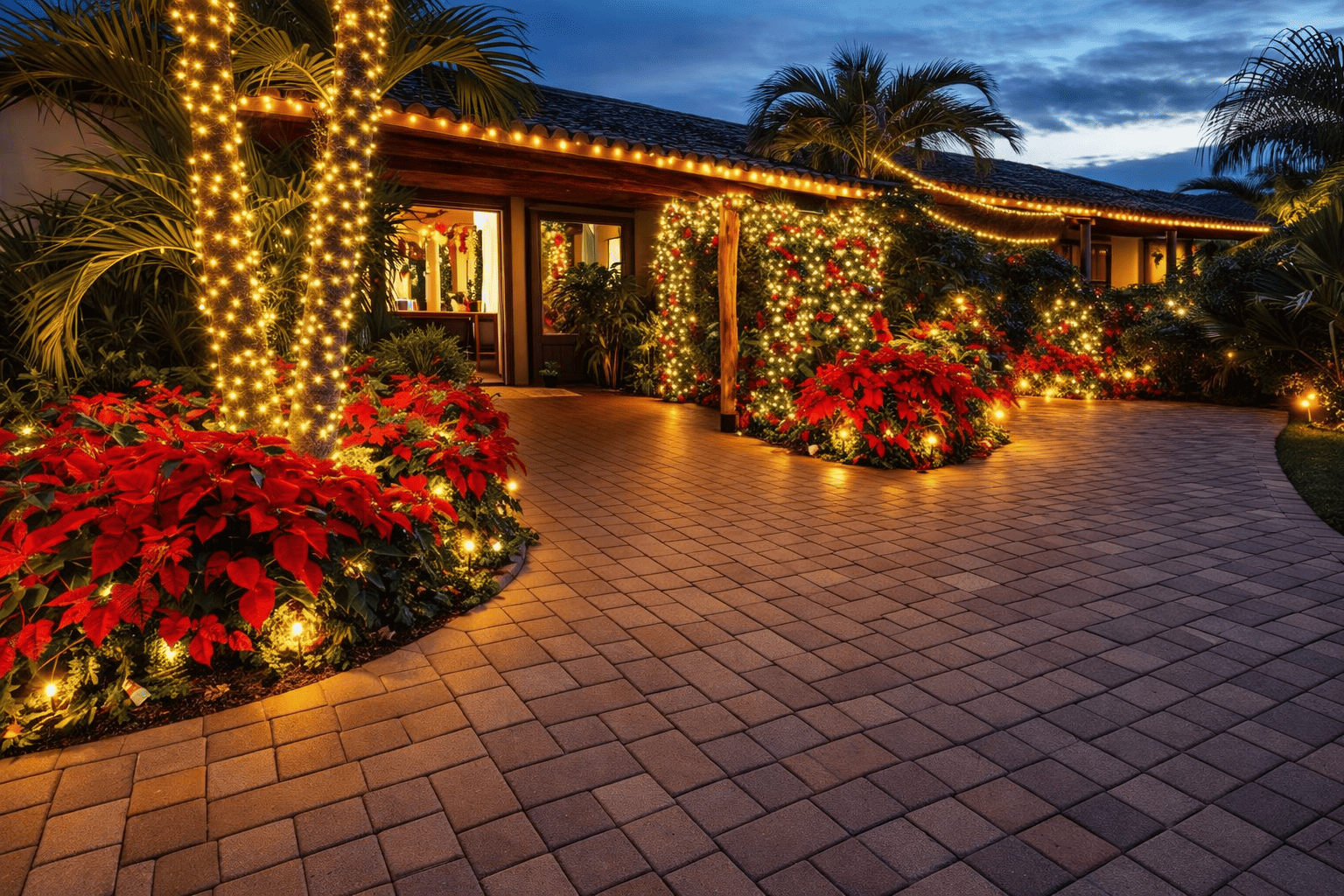
- Mediterranean homes: Warm tones, herringbone patterns
- Luxury homes: Natural stone or premium concrete pavers
A cohesive design increases curb appeal instantly.
Step 7: Think About Maintenance and Longevity
Different pavers require different care levels.
Low-maintenance options
- Concrete pavers with sealing
- Brick pavers
- Properly installed permeable pavers
Natural stone requires more care but delivers premium aesthetics.
Step 8: Drainage and Water Management
Florida rain demands smart drainage.
Drainage-friendly choices
- Permeable pavers
- Proper joint spacing
- Professional slope planning
Pavers work best when drainage is considered from the start.
Step 9: Budget vs Long-Term Value
Cheapest upfront isn’t always cheapest long-term.
Value-focused mindset
- Durable pavers reduce repairs
- Proper installation prevents failure
- Quality materials increase home value
Choosing quality once often saves money over time.
Step 10: Professional Guidance Makes the Difference
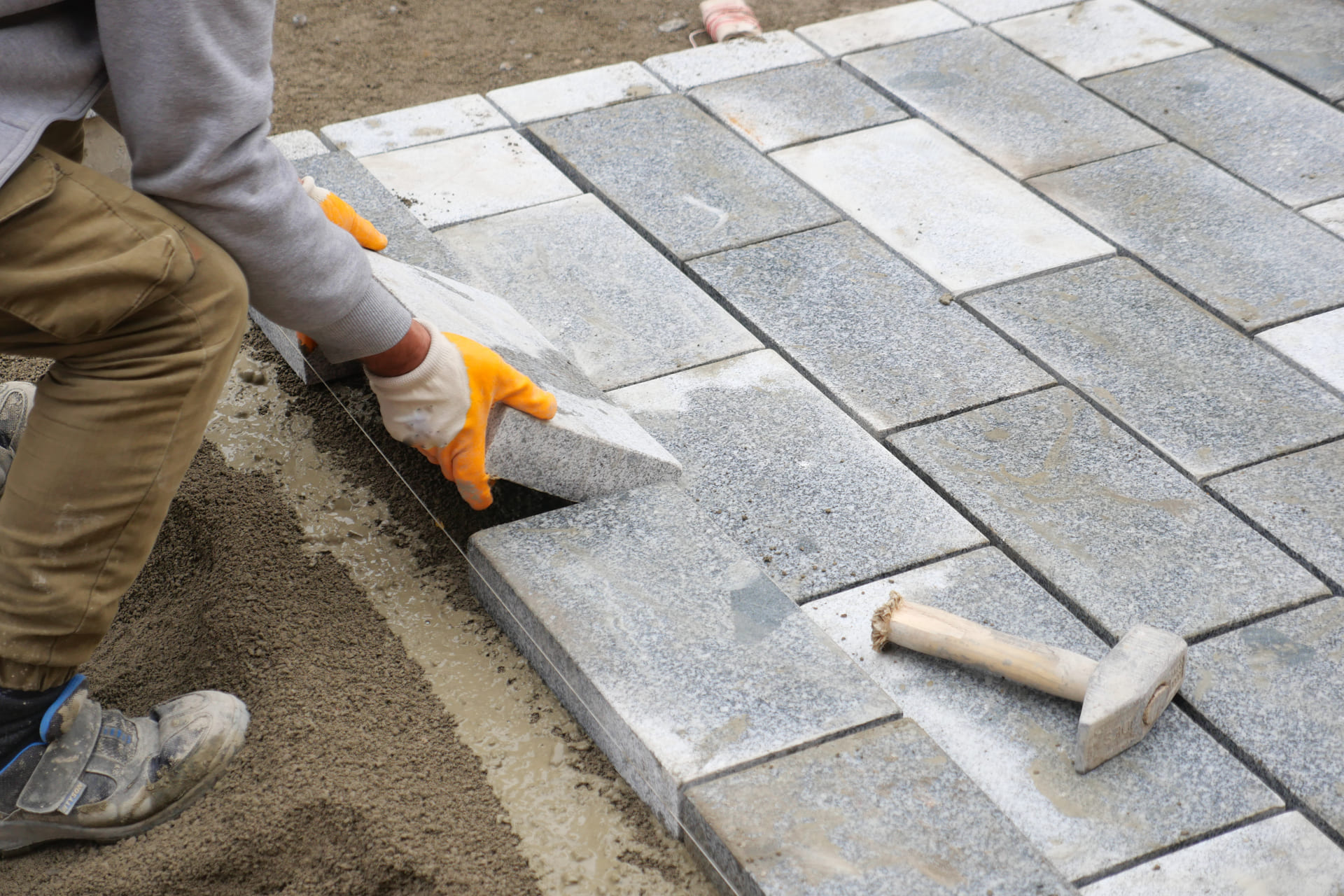
Even the best pavers can fail if installed incorrectly.
Professional installers help with:
- Material selection
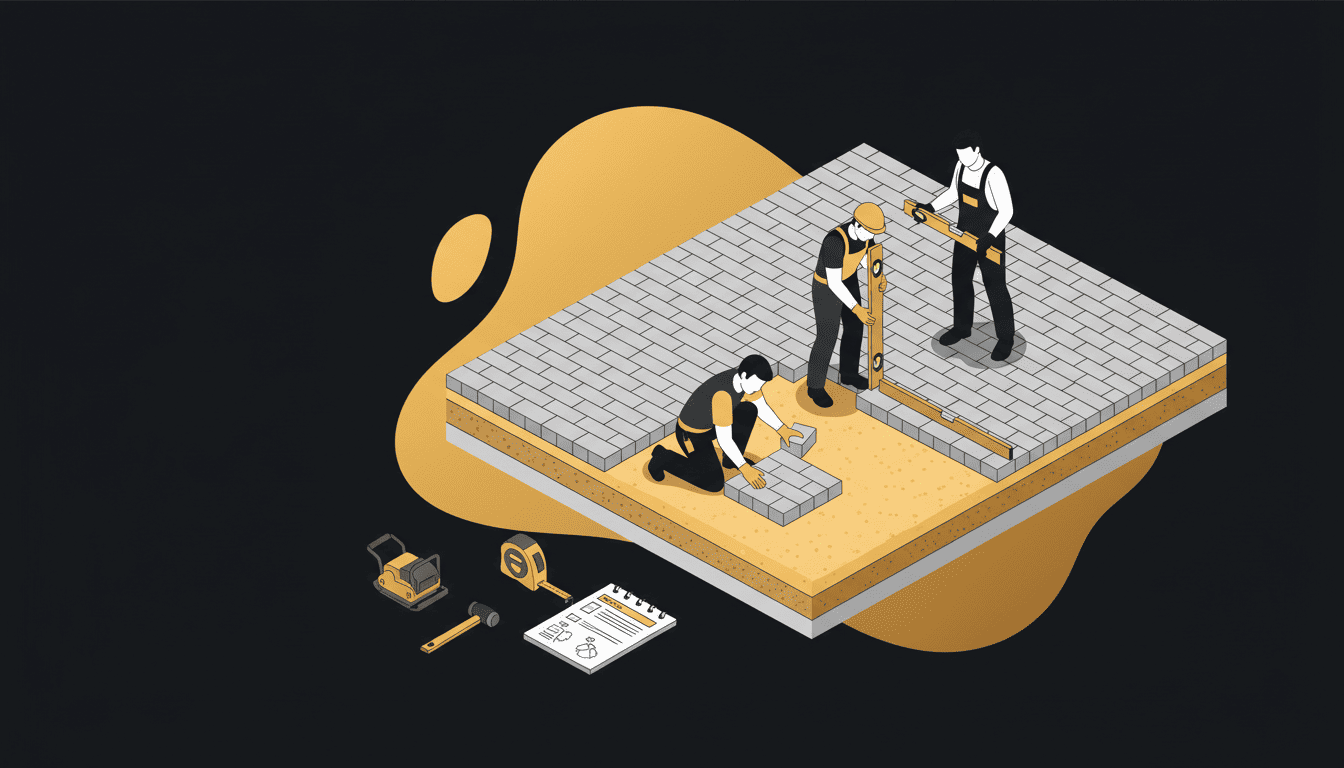
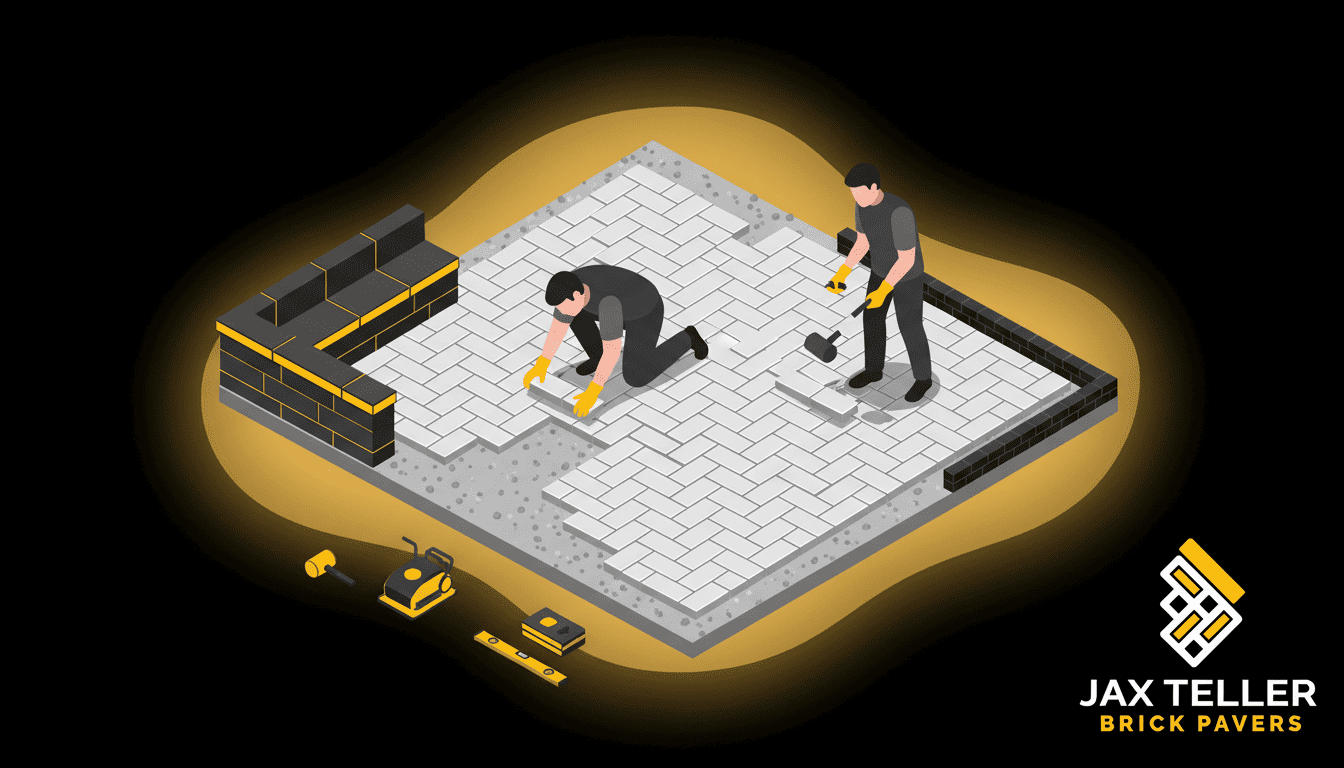
- Base preparation
- Drainage planning
- Pattern choice
- Long-term performance
Expert advice eliminates guesswork.
Common Mistakes When Choosing Pavers
- Choosing based on looks only
- Ignoring load requirements
- Skipping slip resistance
- Overlooking heat retention
- Hiring based on price alone
Avoiding these mistakes protects your investment.
Explore More Paver Projects and Standards
For examples of paver selections tailored to Florida homes, explore our project gallery:
https://jaxtellerbrickpavers.com/projects
To review official material and installation standards, visit the Interlocking Concrete Pavement Institute:
https://www.icpi.org/
Conclusion
How to Choose the Right Pavers for Florida Homes comes down to understanding climate, usage, and long-term performance. When you select the right material, thickness, texture, and design — and pair it with professional installation — pavers become one of the most durable and valuable upgrades for Florida properties.
For expert help choosing the right pavers for your home, contact JaxTeller Brick Pavers at +1 407-907-8308 or jaxtellerbrickpavers@gmail.com for a free estimate. 🧩🏡