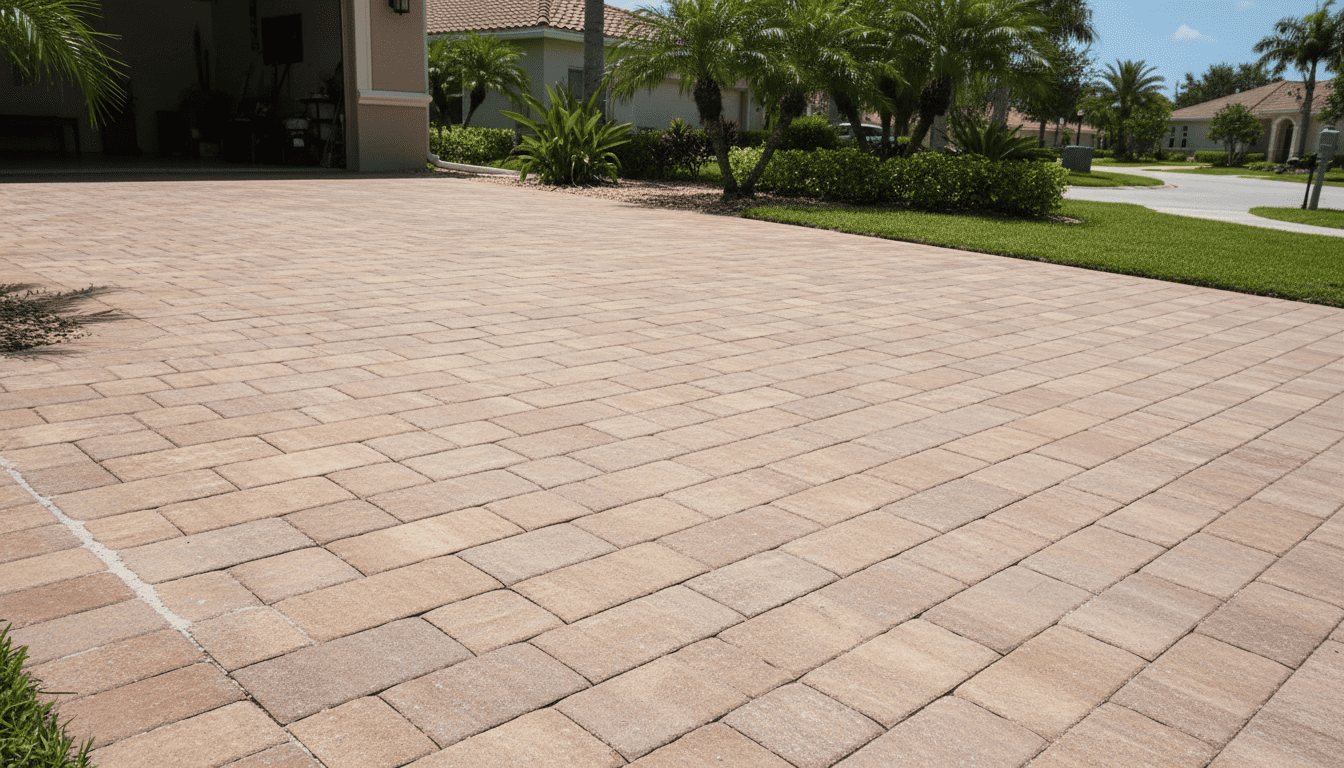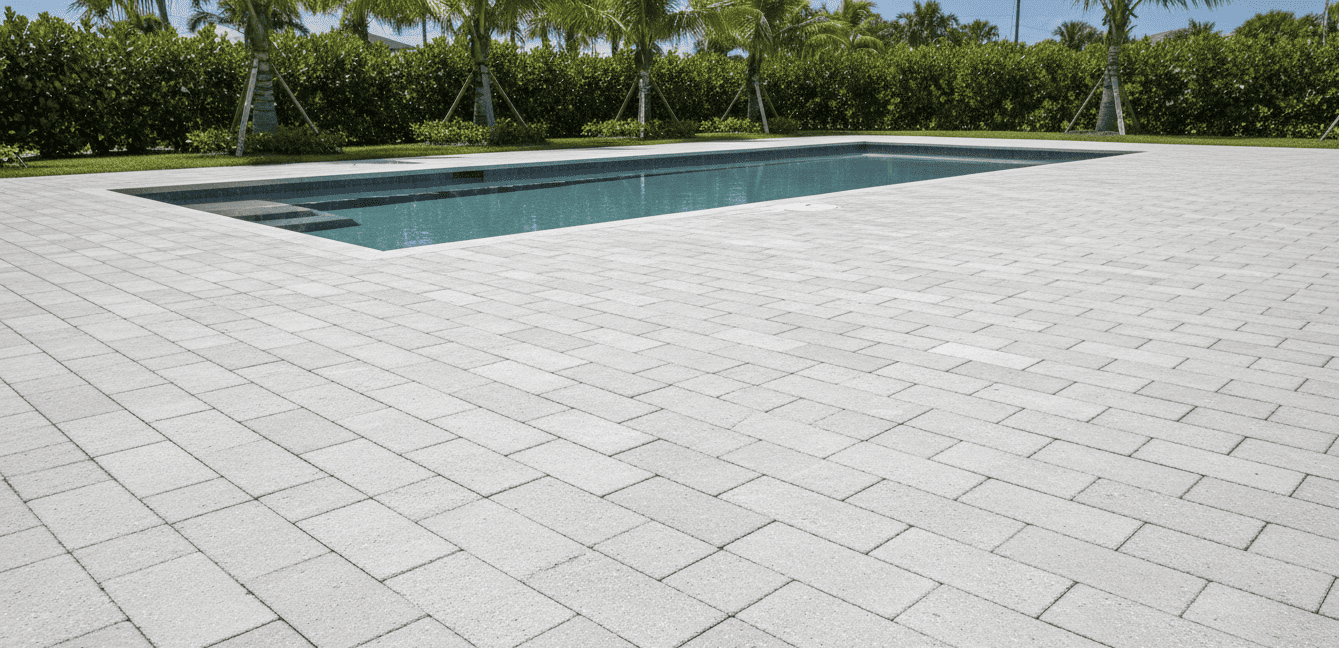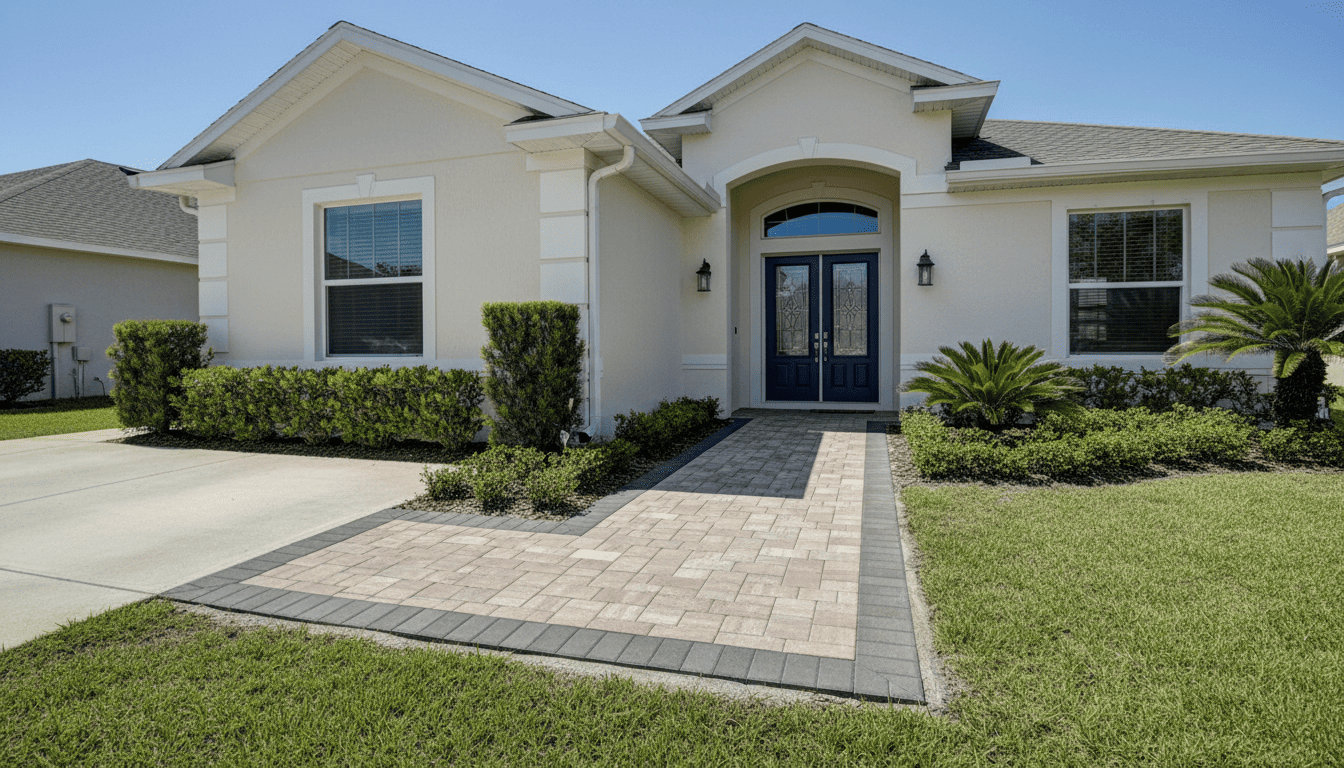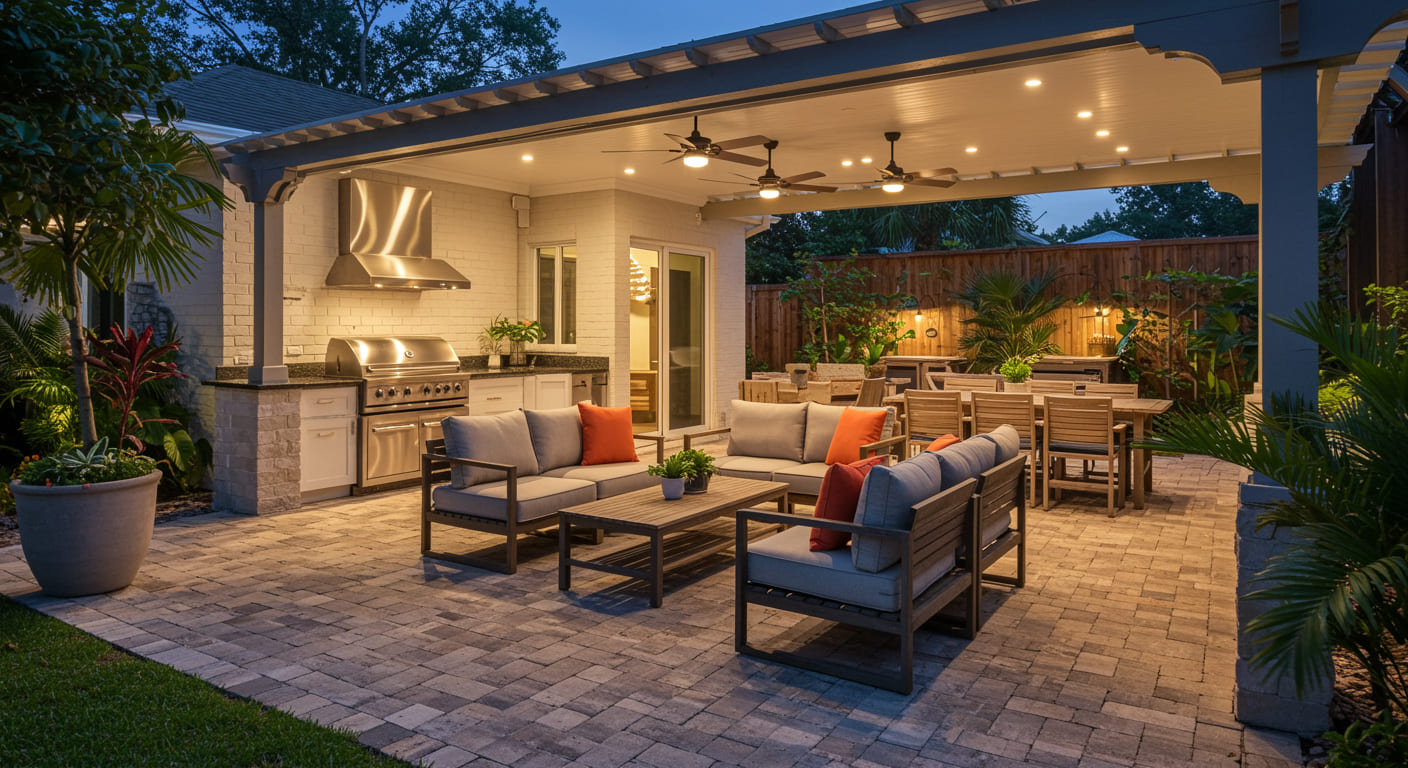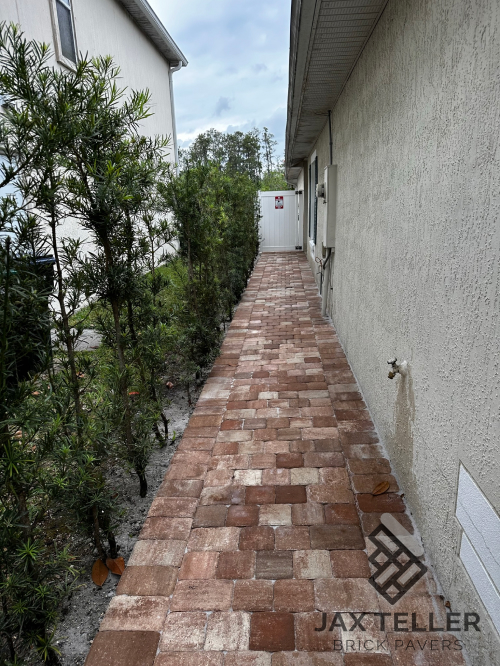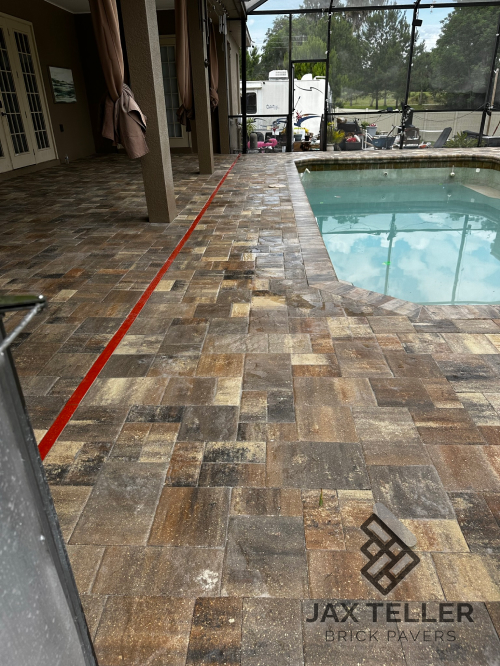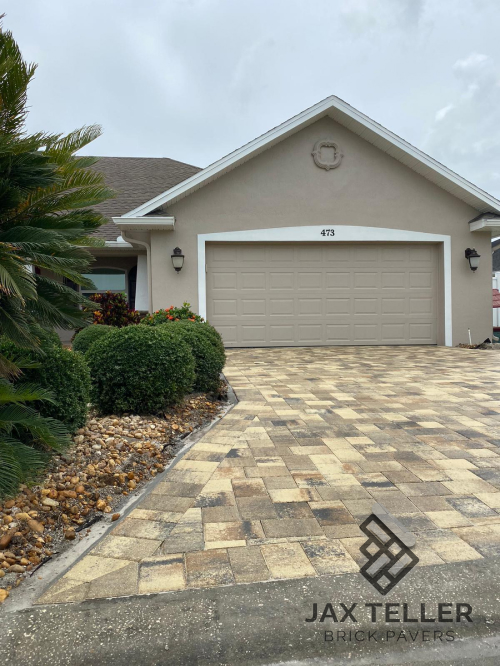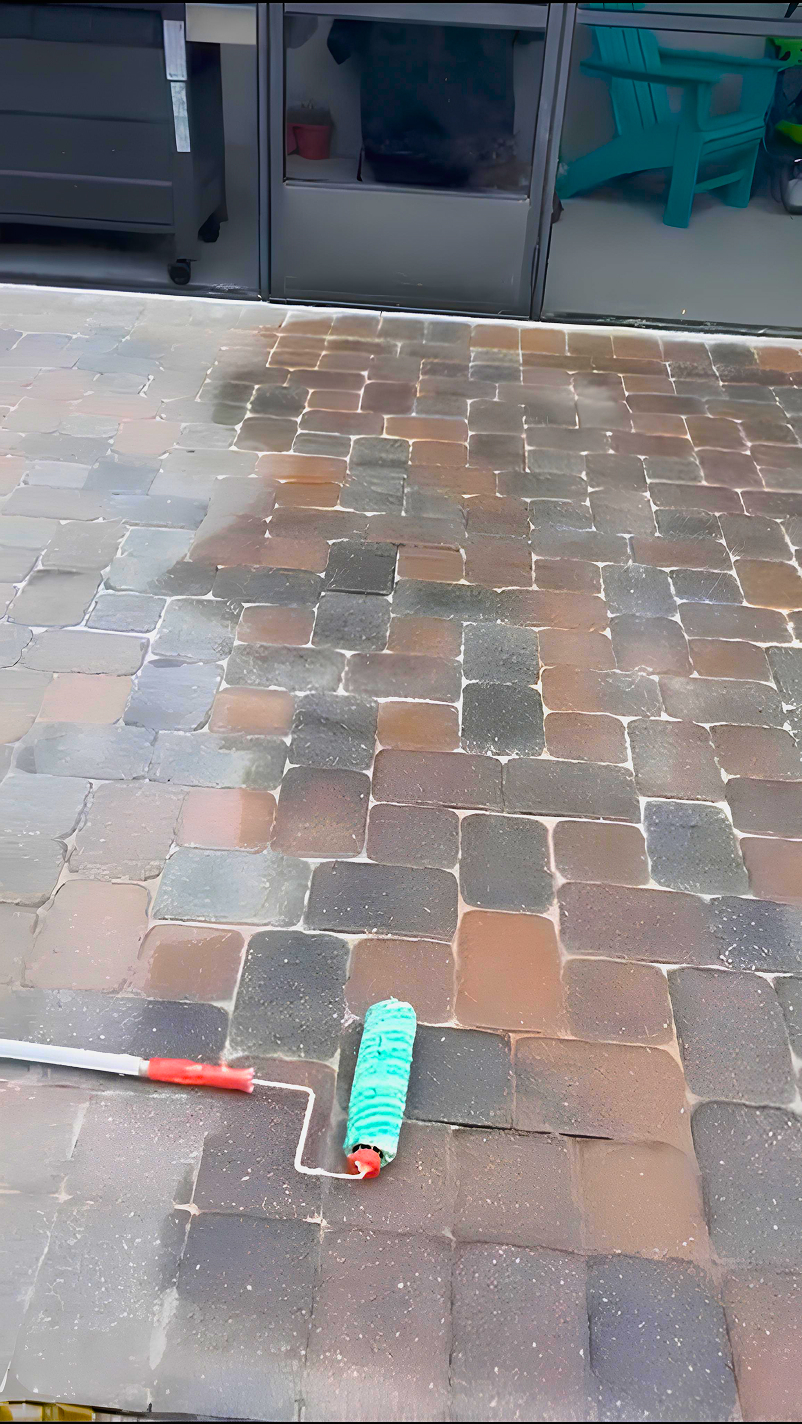
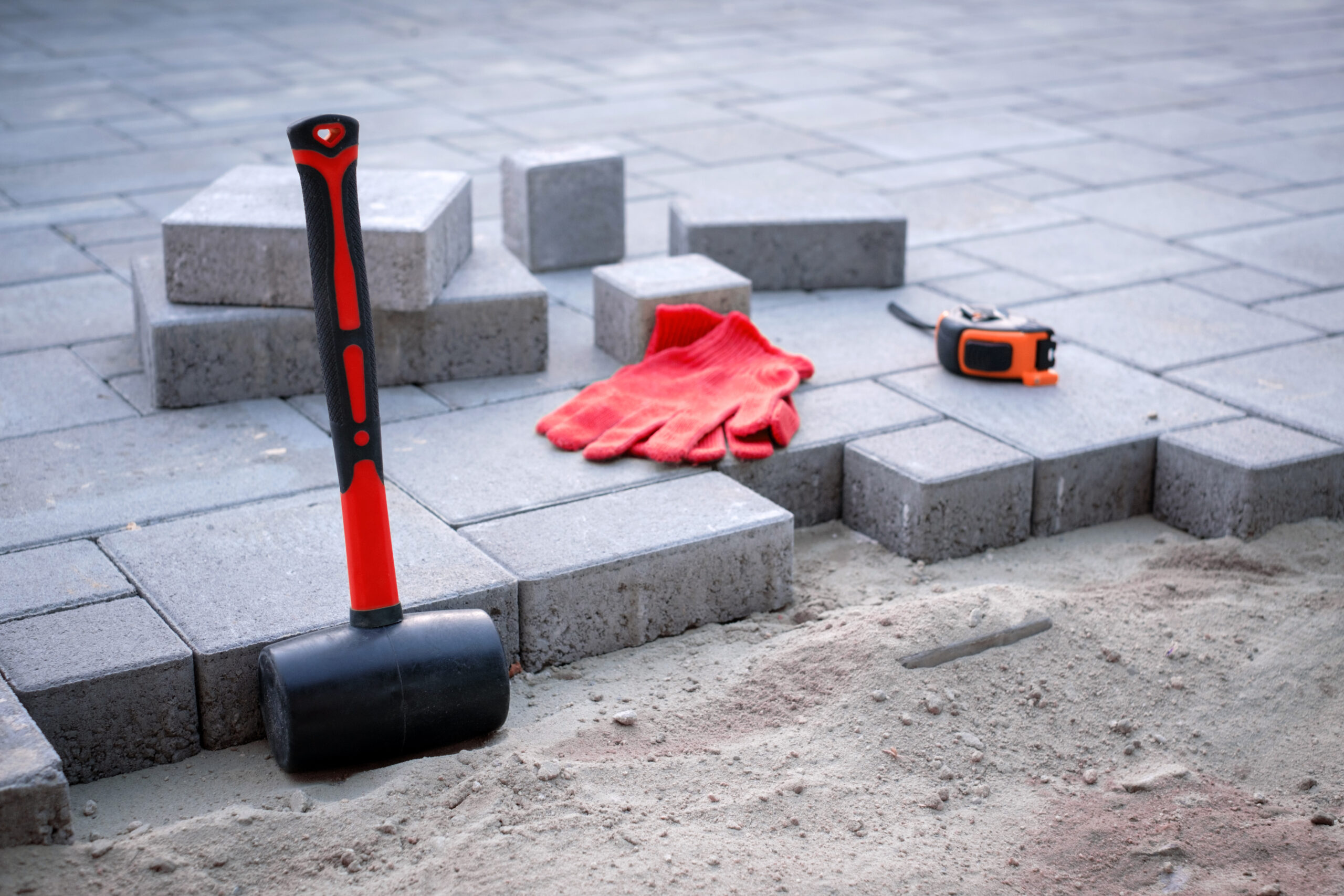
Pavers are one of the best investments Florida homeowners can make for driveways, patios, pool decks, and outdoor living areas. However, not all paver projects deliver the results people expect. In many cases, problems don’t come from the pavers themselves — they come from mistakes made during planning, installation, or maintenance.
Florida’s climate is unforgiving. Heavy rain, intense heat, sandy soil, and frequent use expose weaknesses quickly. What looks fine in the first few months can turn into shifting, sinking, cracking, or drainage issues within a few years if mistakes are made early on.
This guide covers the most common paver mistakes Florida homeowners should avoid, helping you understand what really matters and how to protect your investment.
Why Paver Mistakes Are More Costly in Florida
Florida conditions amplify small errors:
- Sandy soil shifts easily
- Heavy rain stresses drainage systems
- Heat accelerates wear
- Outdoor spaces are used year-round
A shortcut that might survive elsewhere often fails fast in Florida.
Mistake #1: Skipping Proper Base Preparation
This is the number one cause of paver failure.
Why it’s a problem
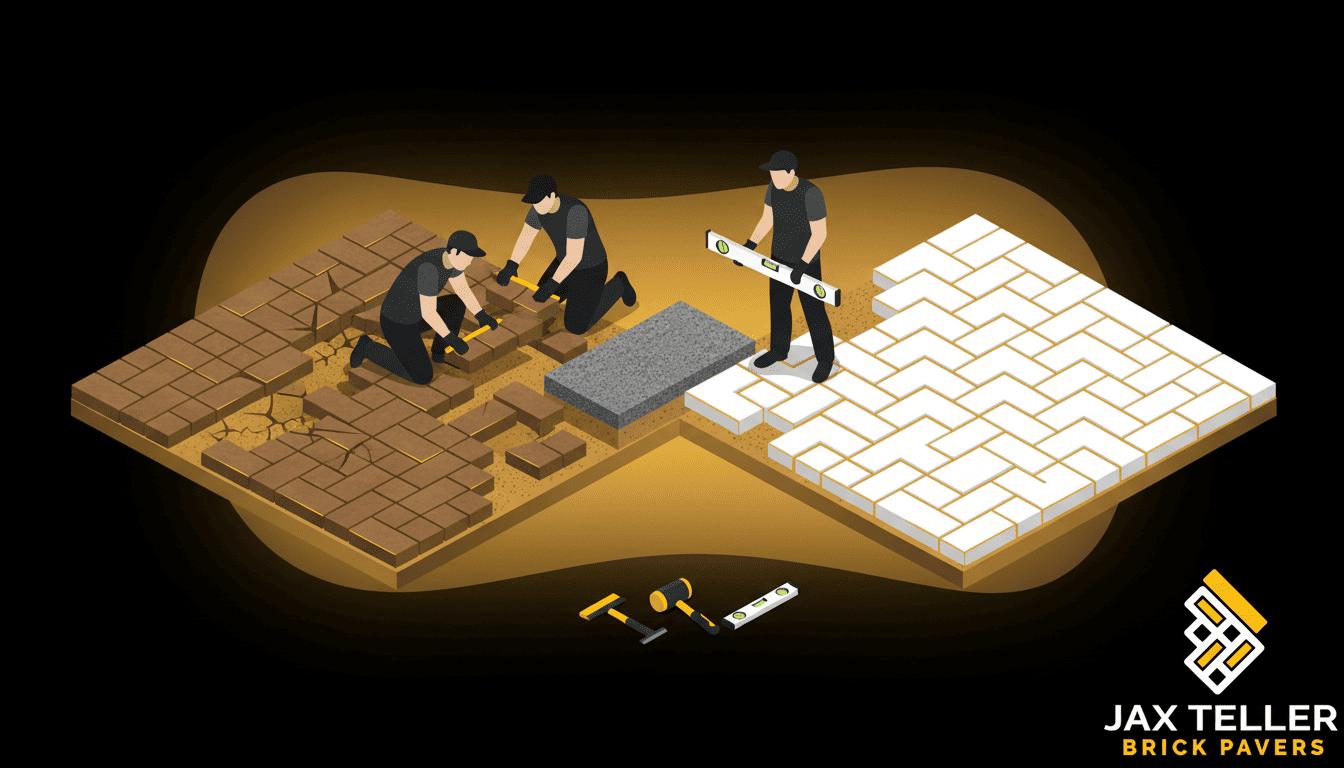
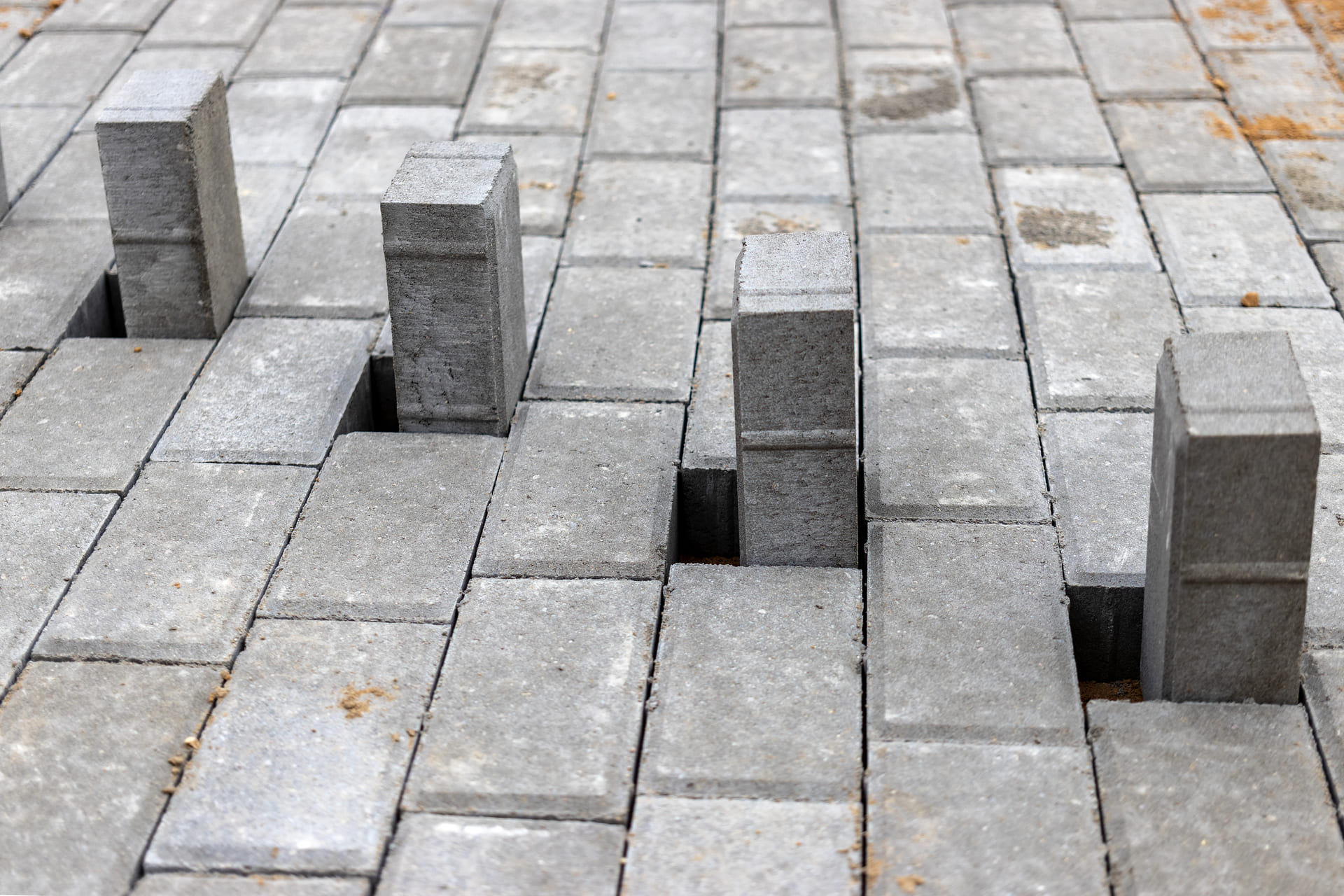
- Pavers settle unevenly
- Surfaces become wavy
- Gaps and movement appear
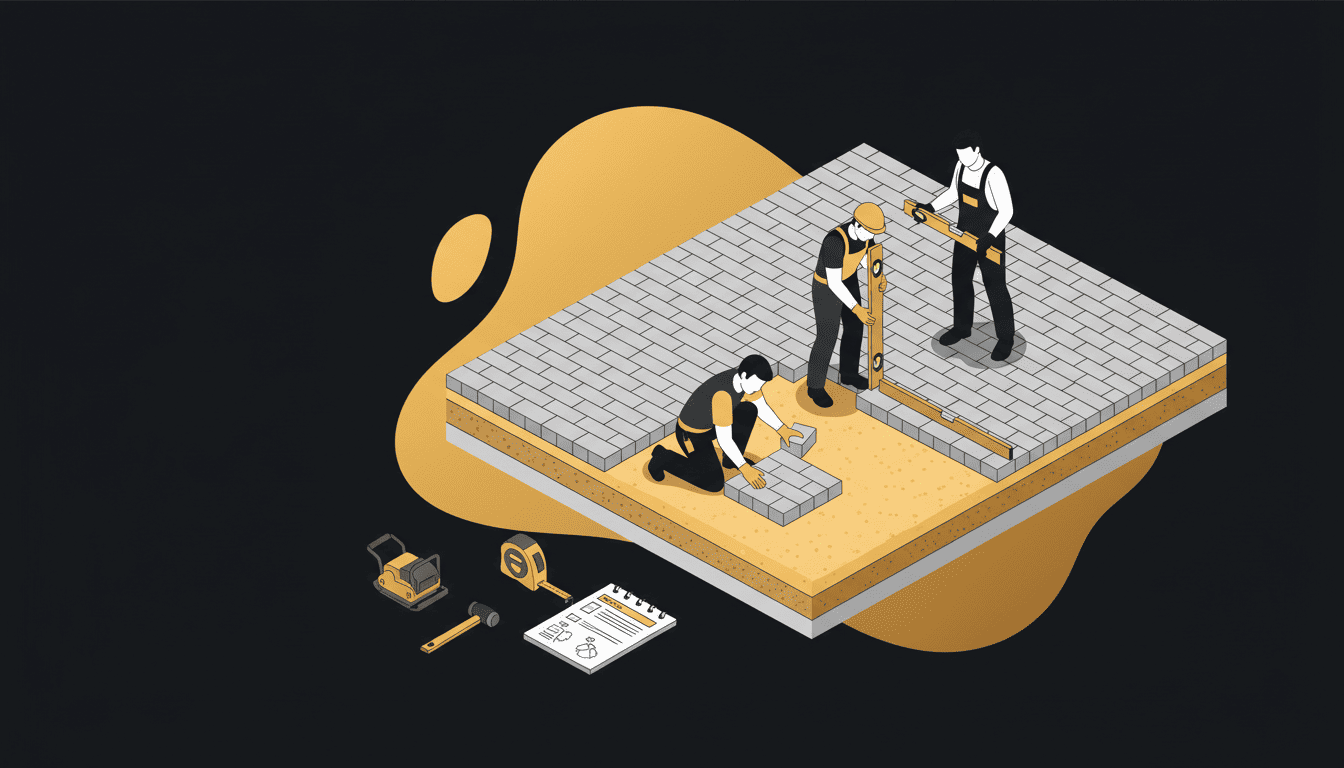
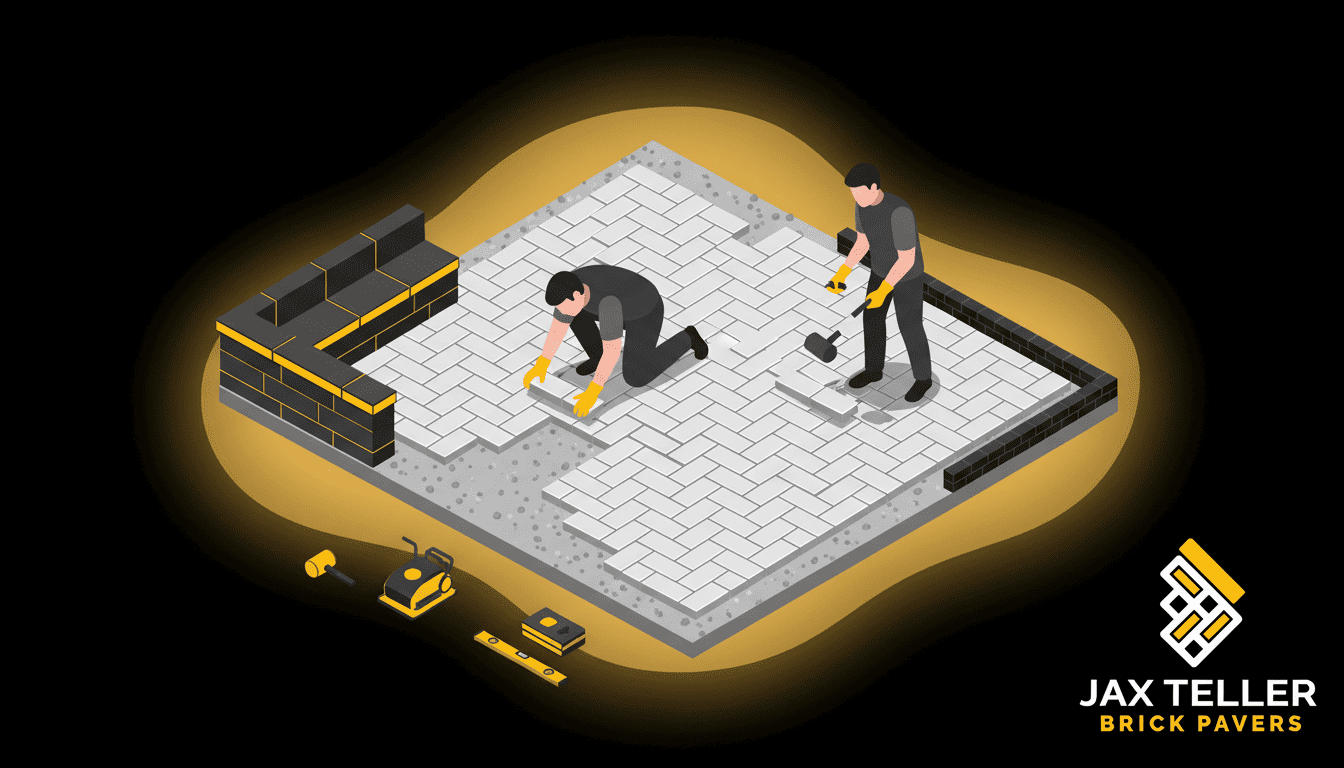
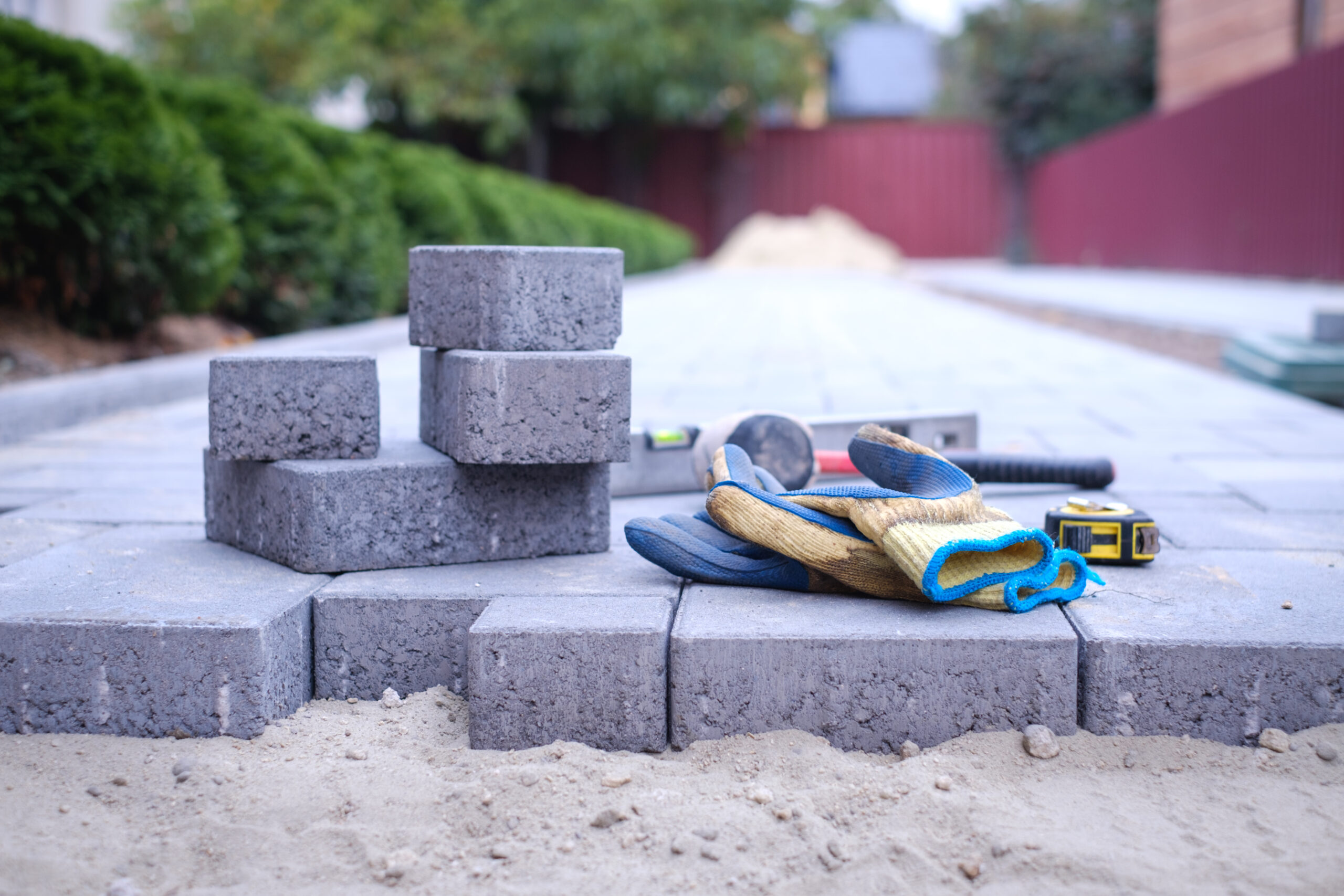
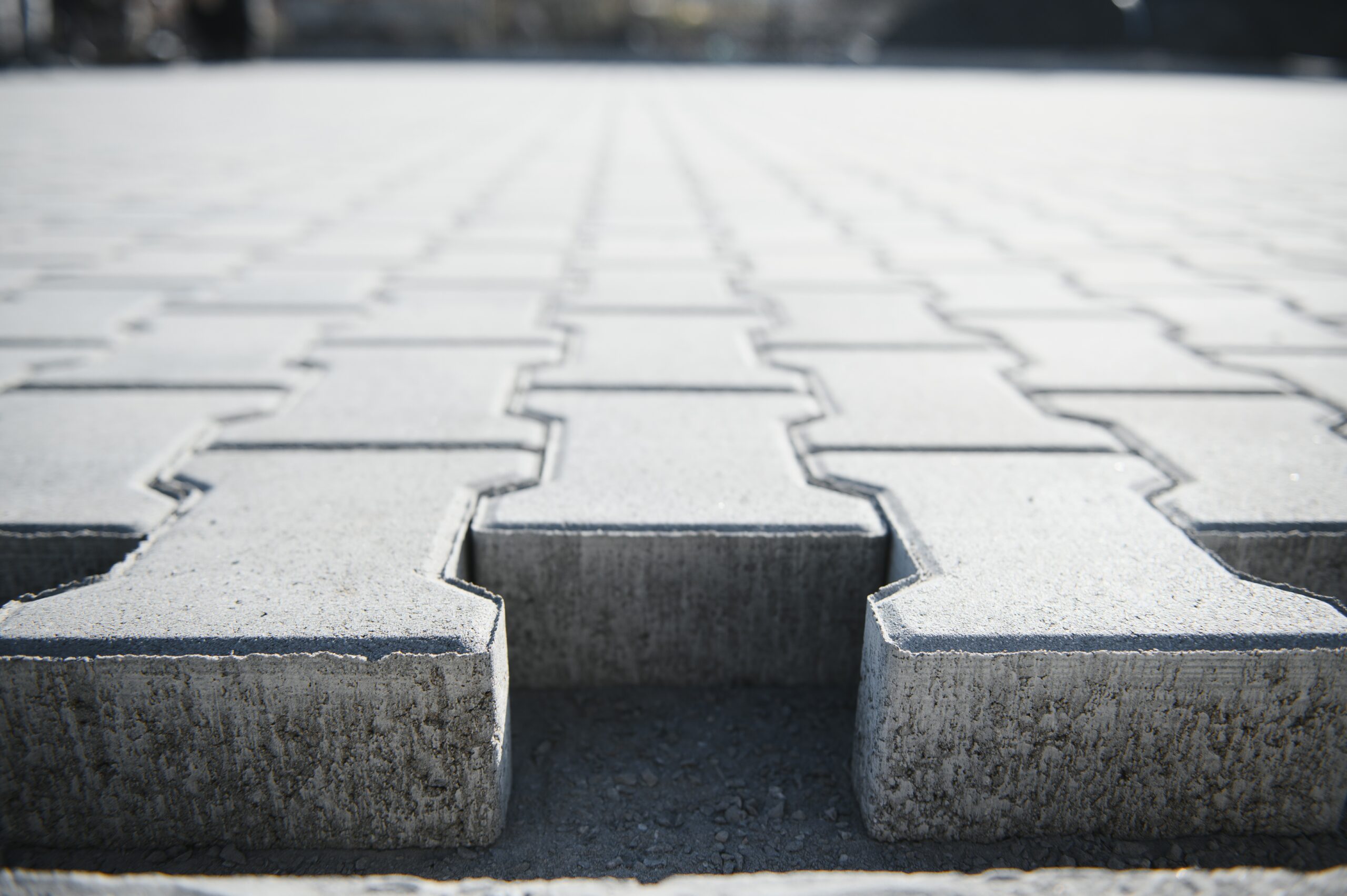
Proper base preparation requires excavation, compacted layers, and the correct depth for the application.
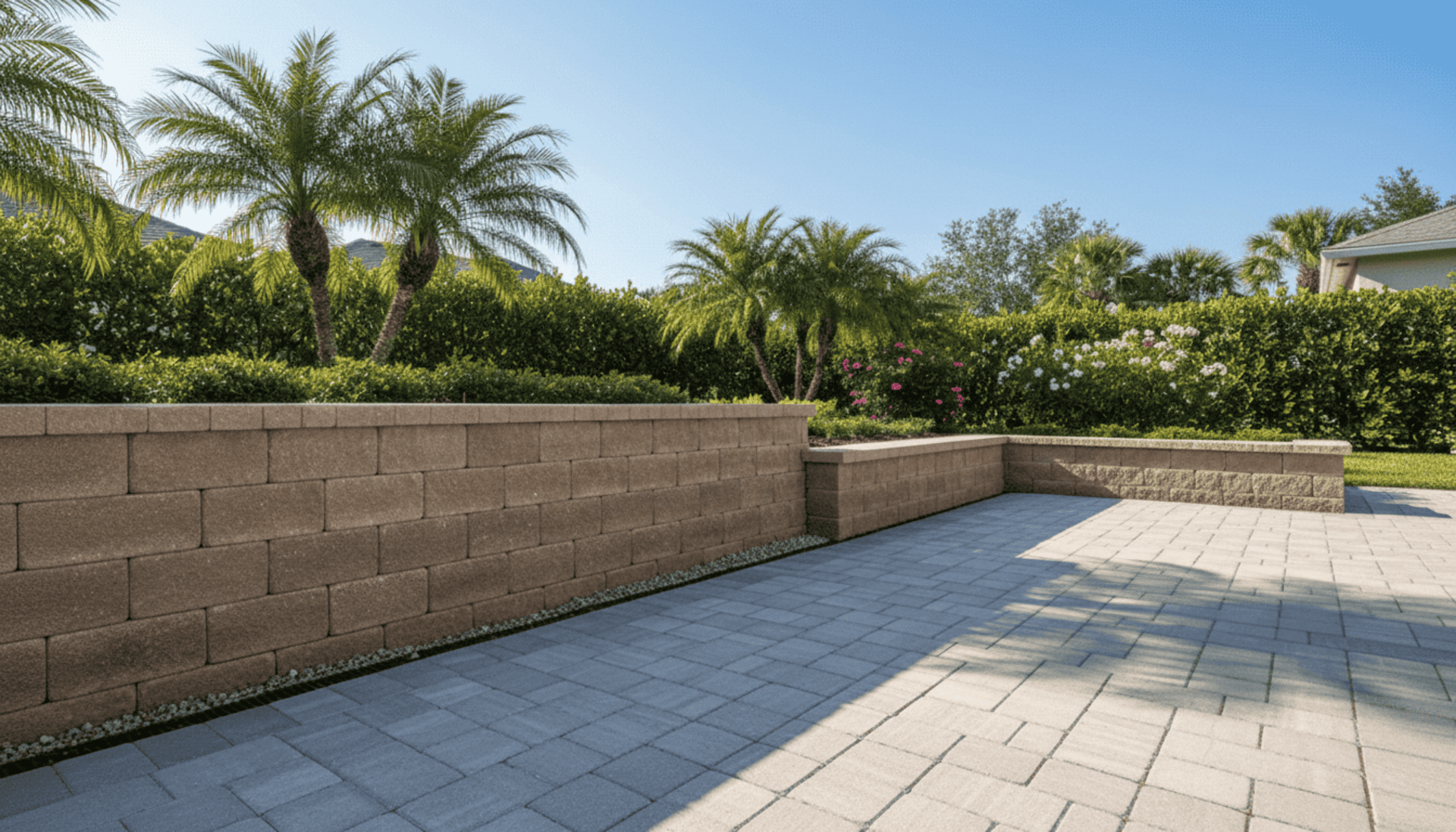
Mistake #2: Poor Drainage Planning
Water is one of the biggest threats to paver longevity.
Common drainage errors
- Flat surfaces with no slope
- Water draining toward the home
- No plan for heavy rain runoff
Standing water leads to erosion, staining, and base failure.
Mistake #3: Choosing the Wrong Paver for the Application
Not all pavers are meant for all uses.
Examples
- Using thin pavers for driveways
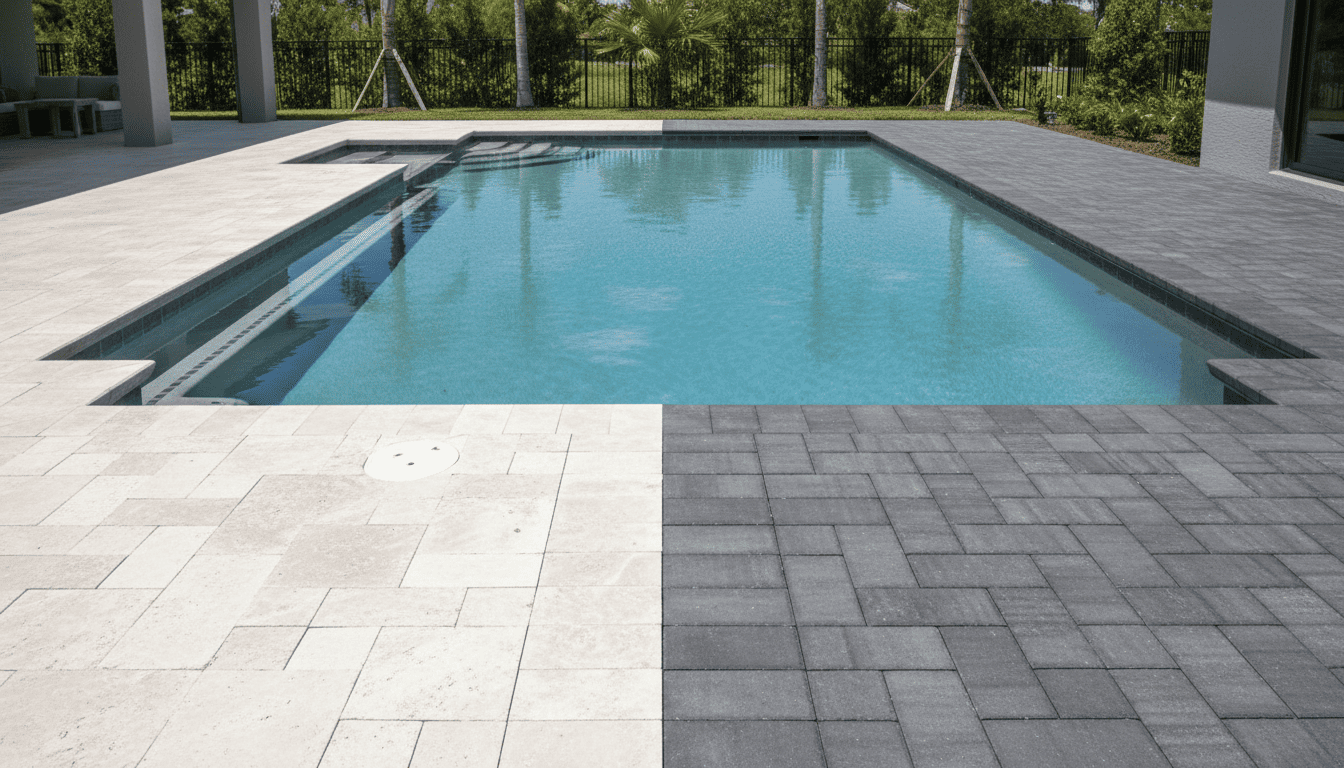
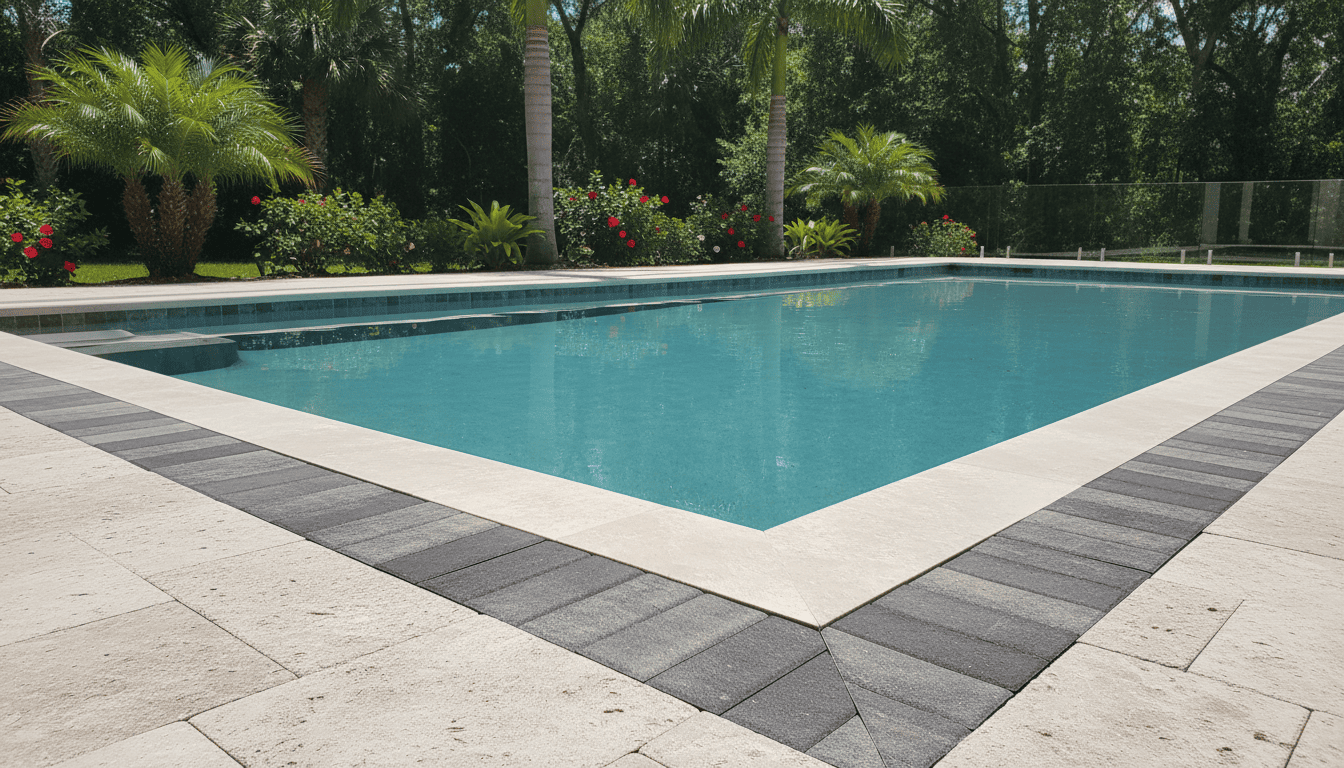
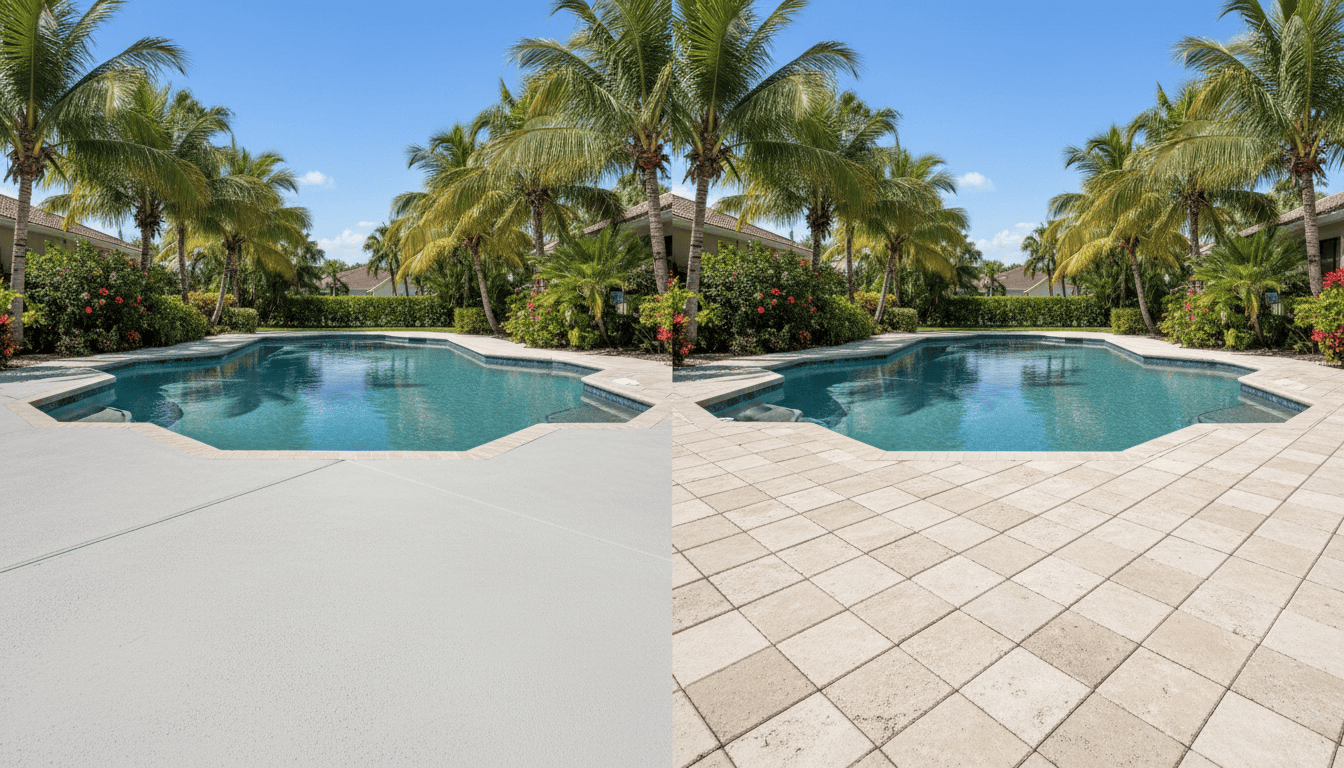
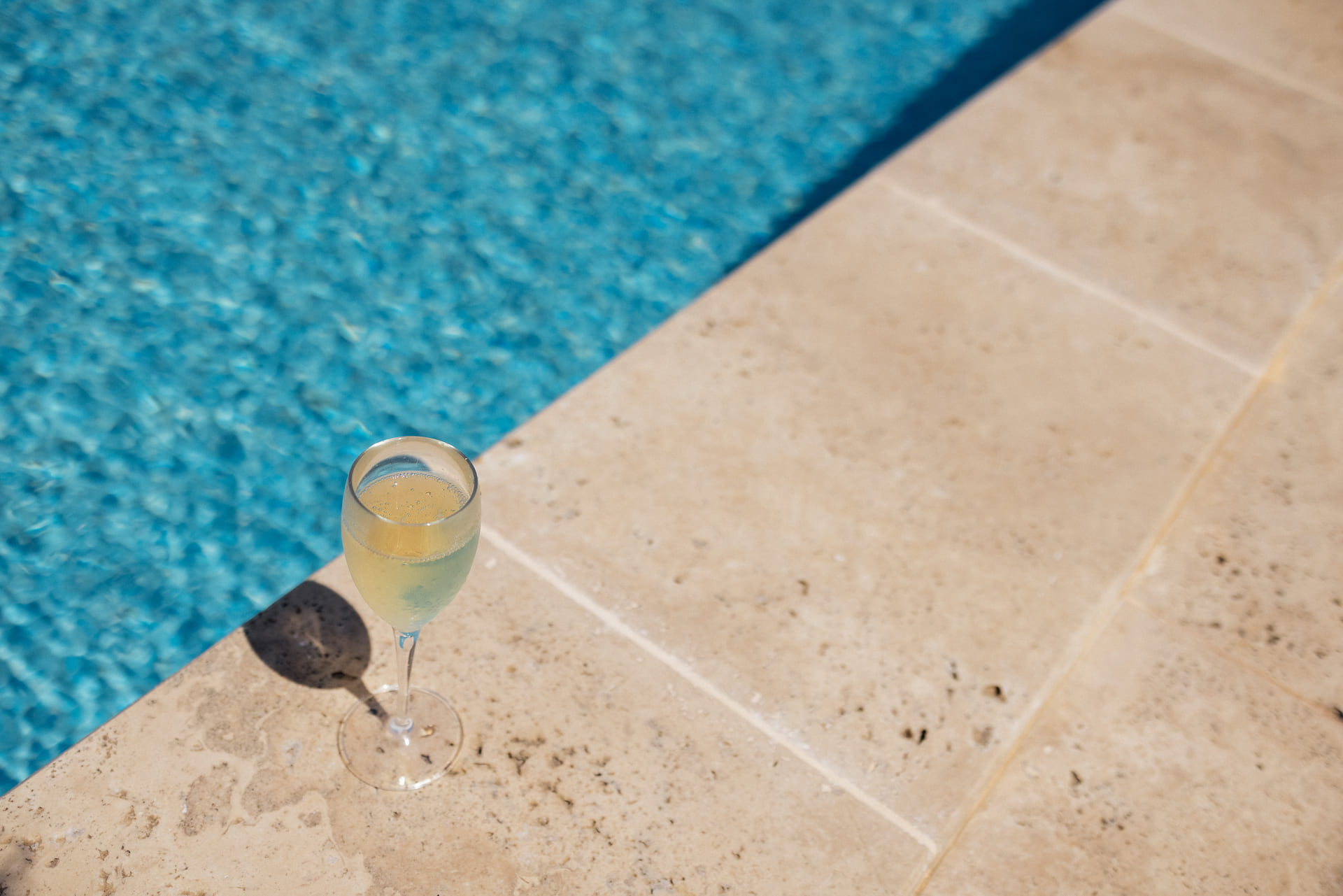
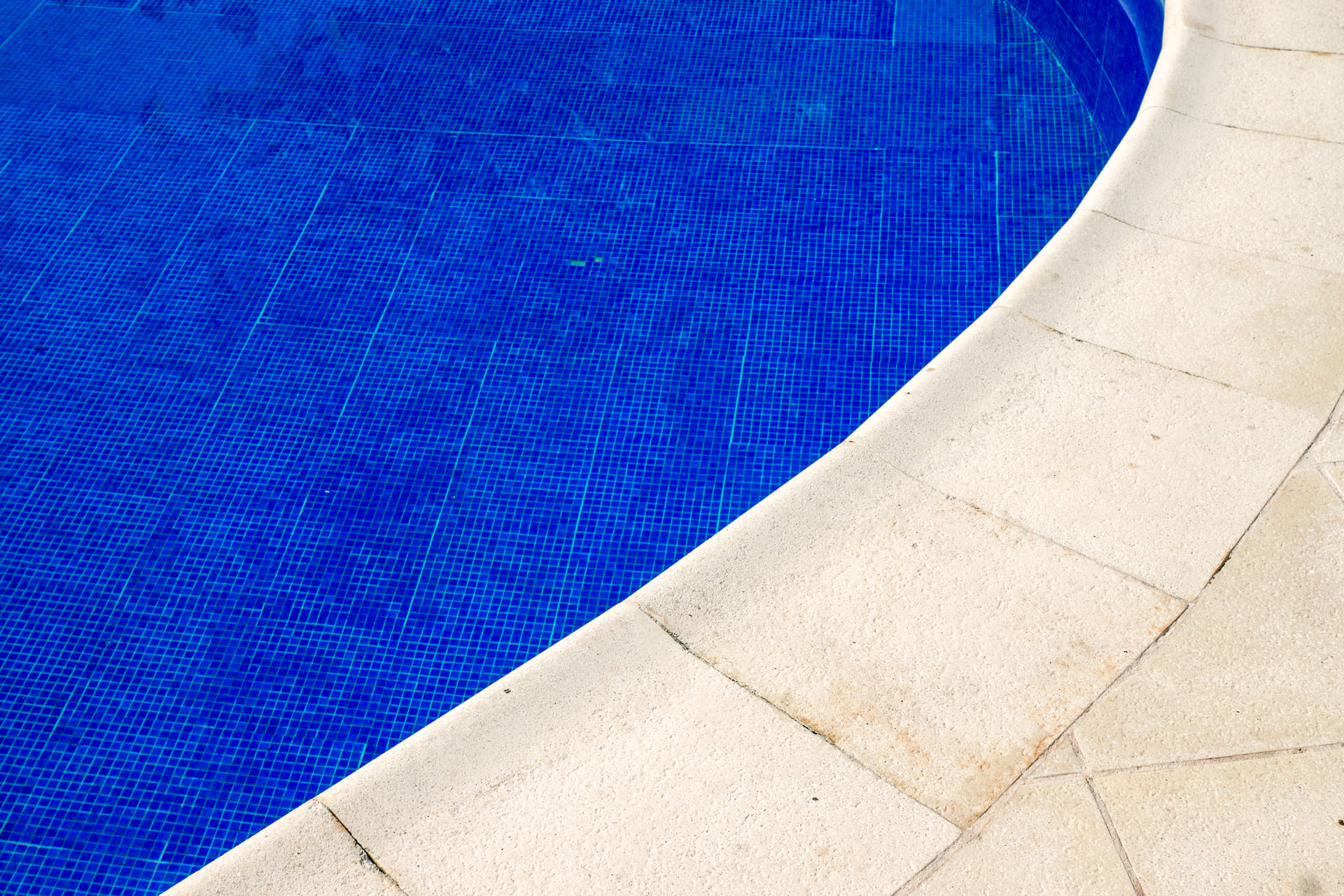
- Dark pavers around pools that overheat
- Smooth surfaces in wet areas
Material selection must match traffic, heat exposure, and safety needs.
Mistake #4: Ignoring Florida Heat and Sun Exposure
Florida sun affects both comfort and longevity.
Issues caused by poor choices
- Surfaces too hot to walk on
- Accelerated fading
- Sealant breakdown
Lighter colors and heat-resistant materials perform better outdoors.
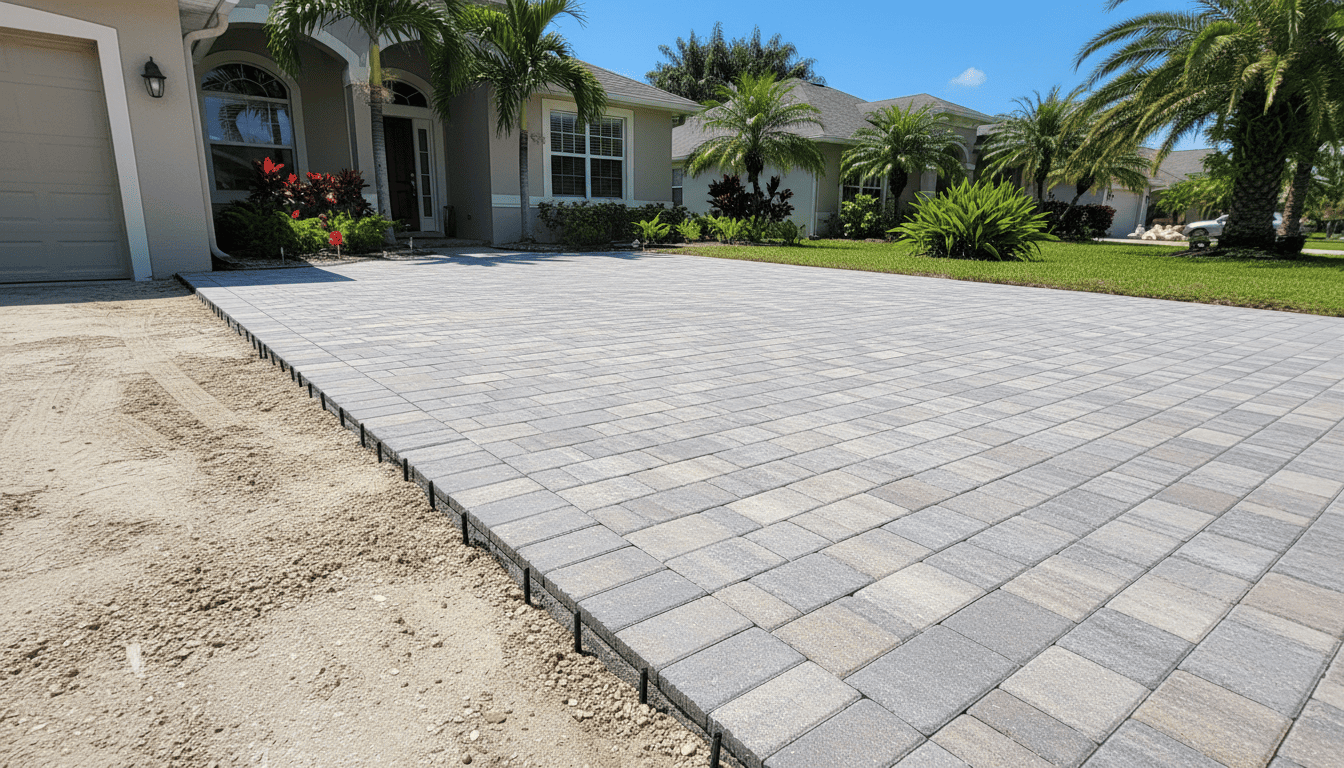
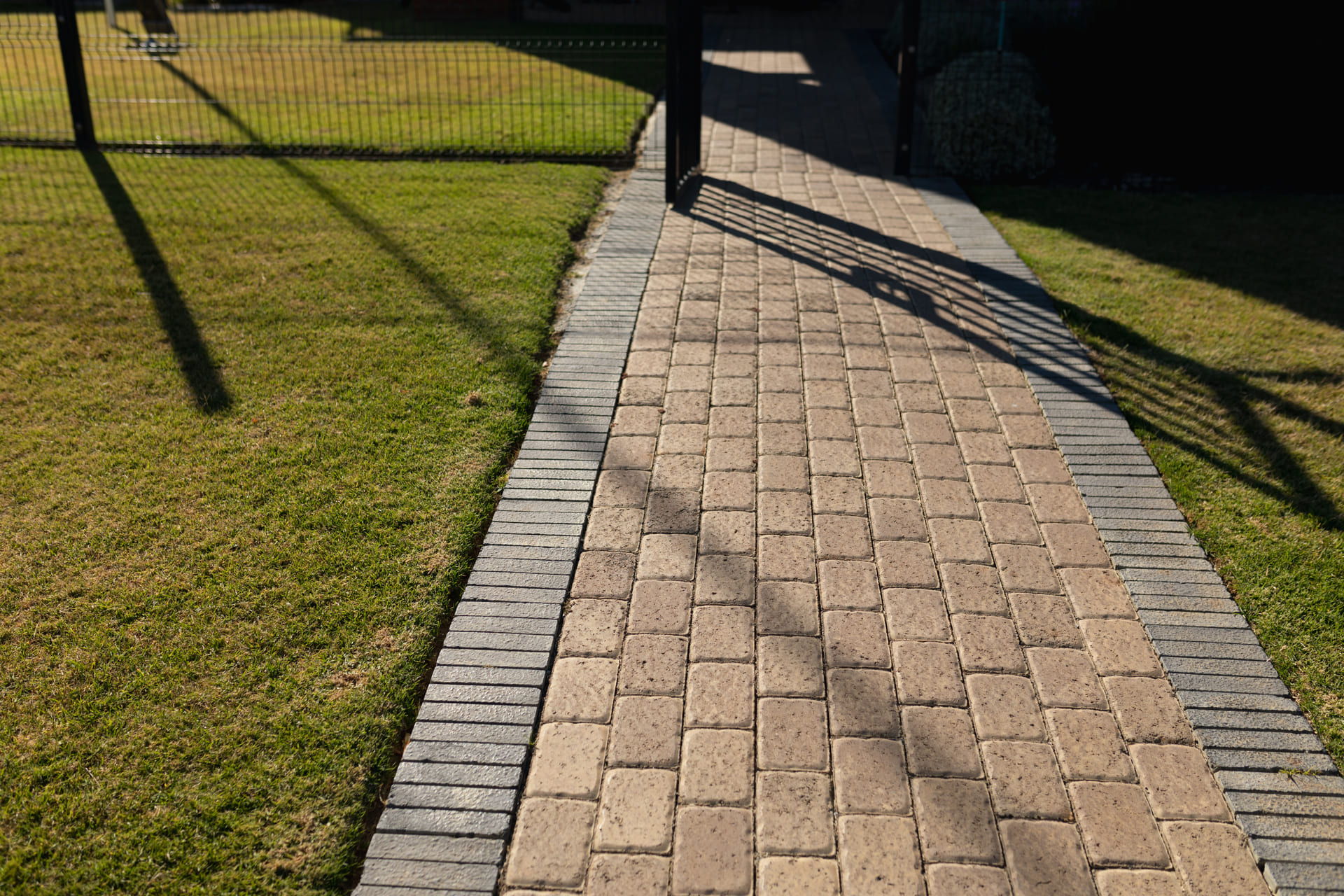
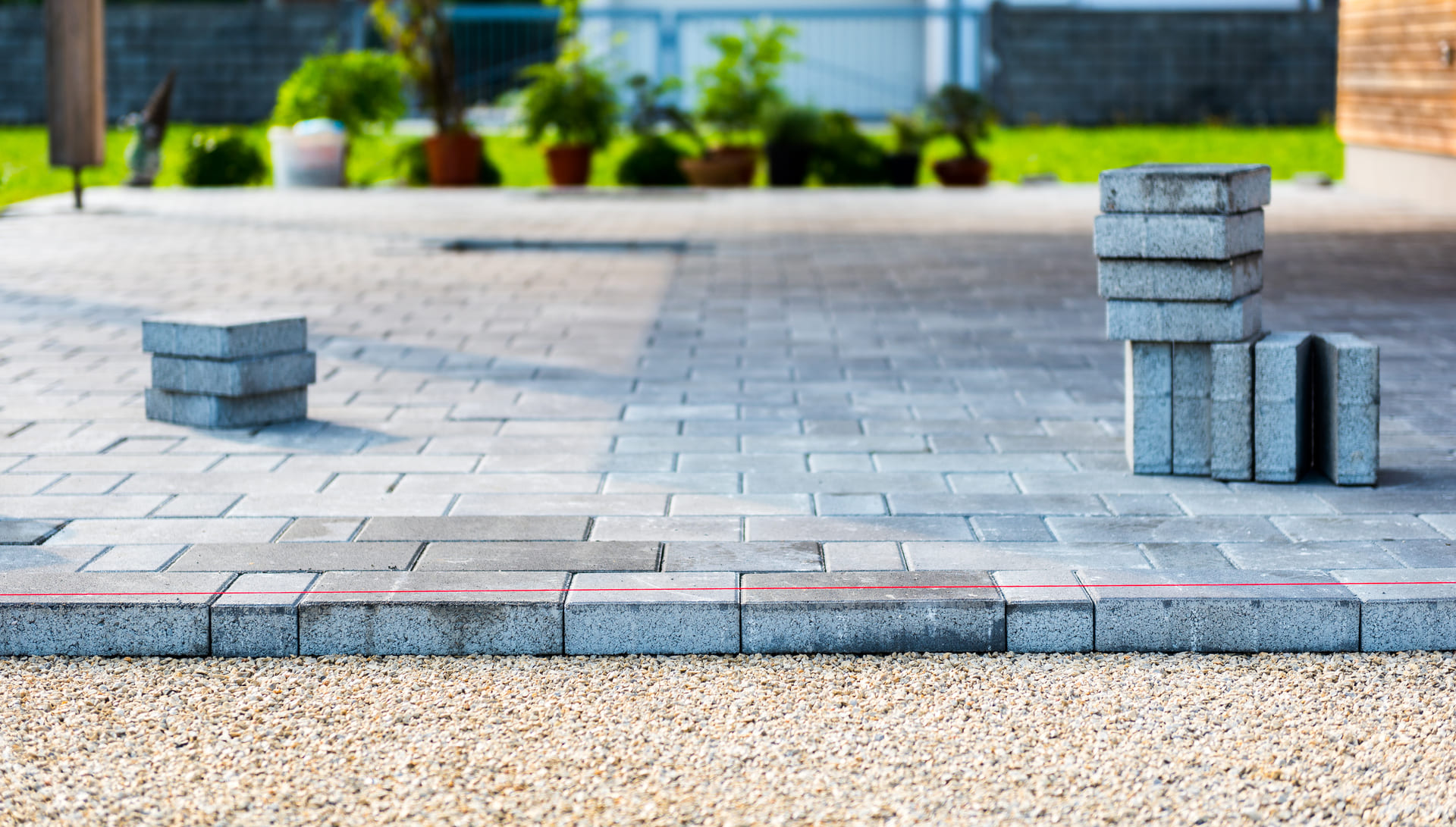
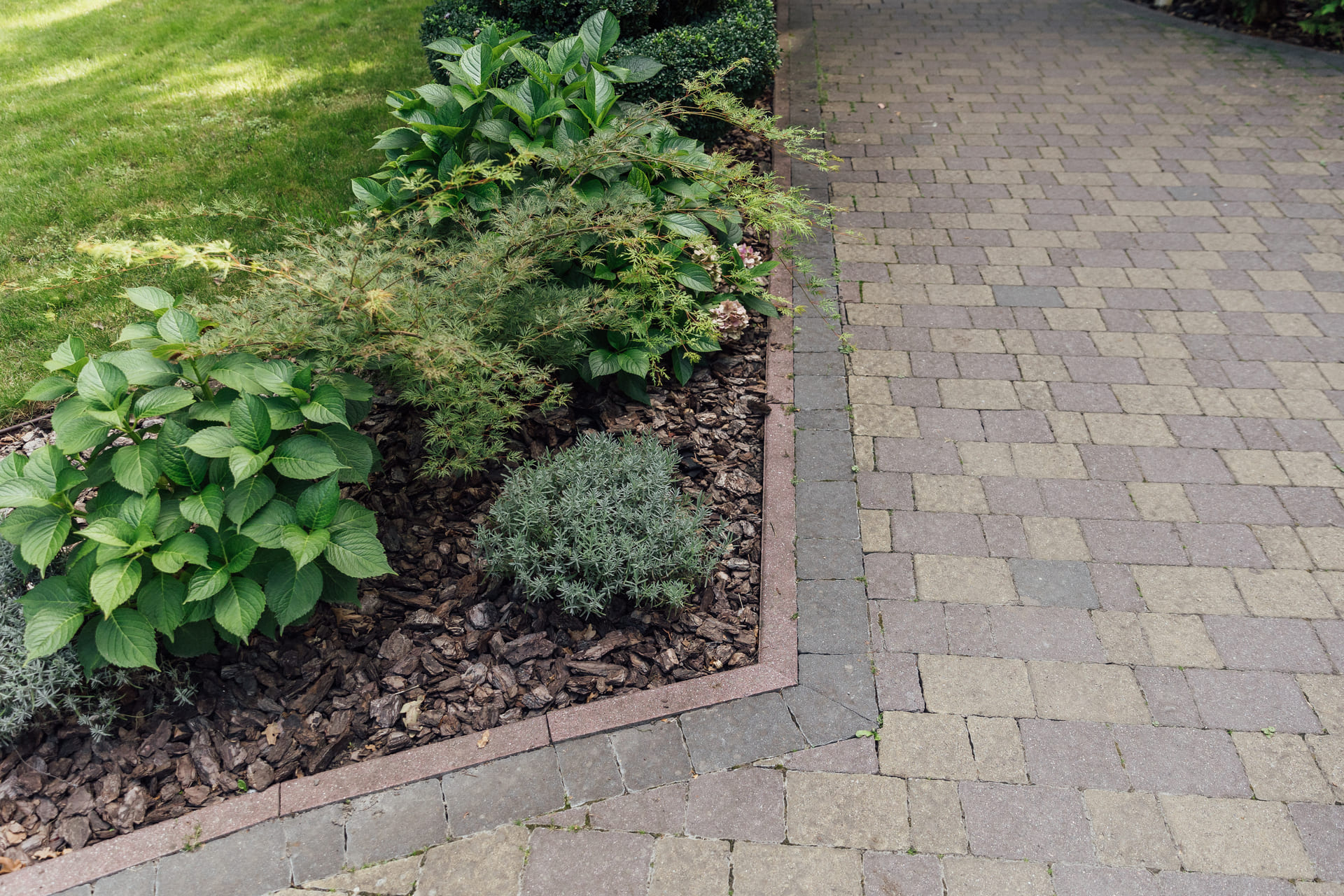
Mistake #5: Skipping Edge Restraints
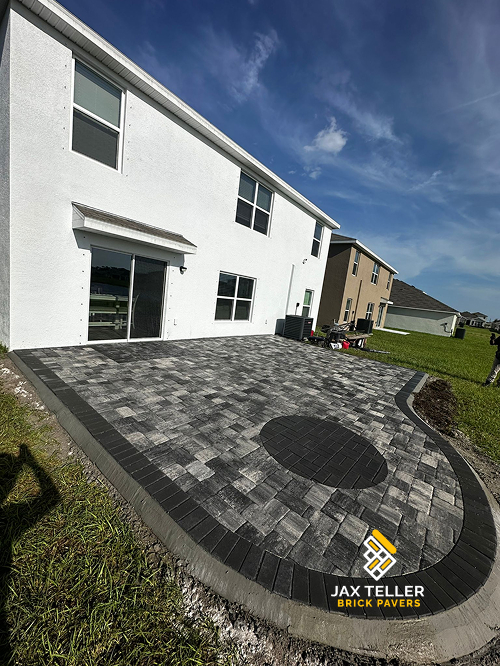
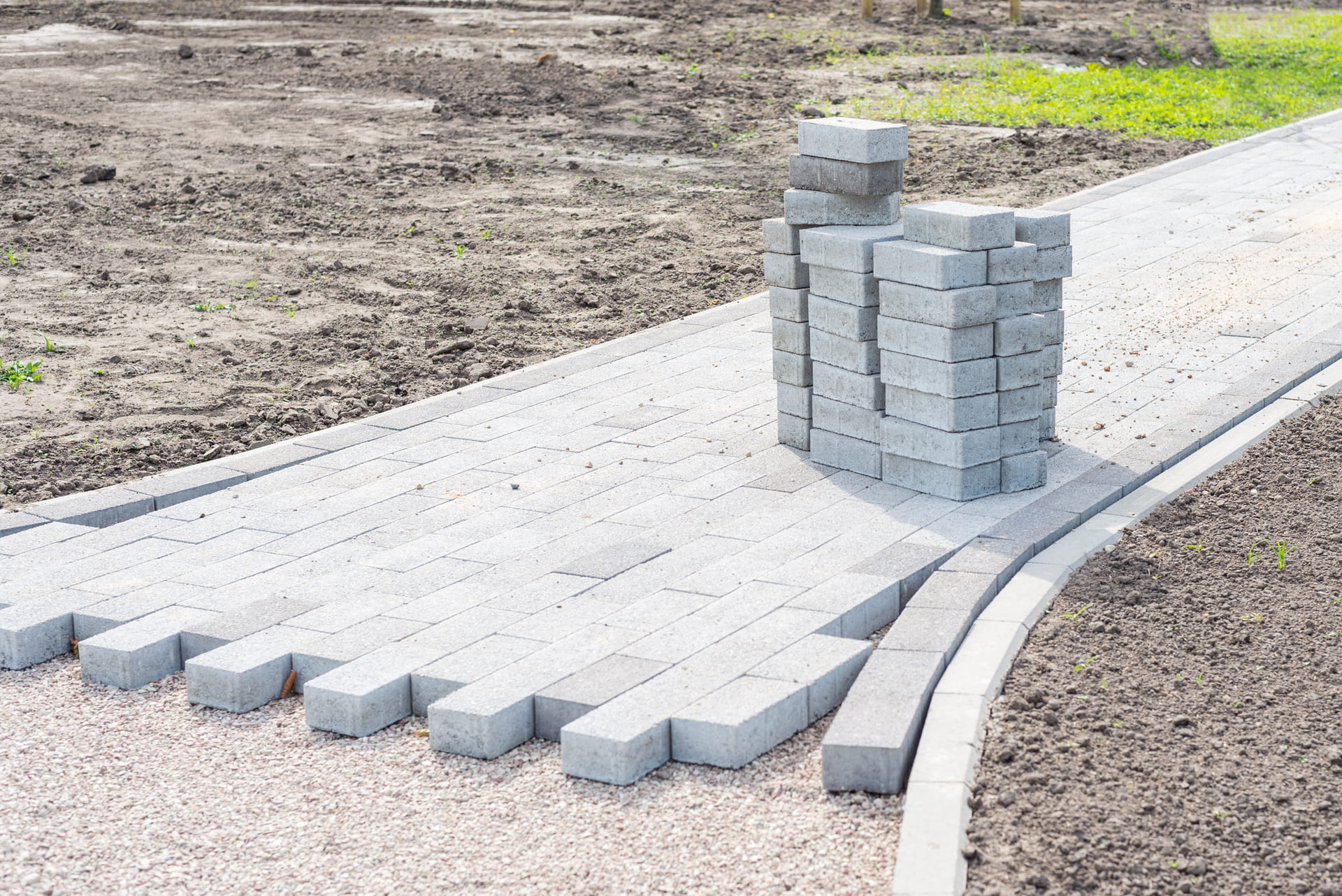
Edge restraints are essential for structural integrity.
Without them:
- Pavers spread outward
- Patterns lose alignment
- Borders collapse over time
This mistake almost guarantees long-term failure.
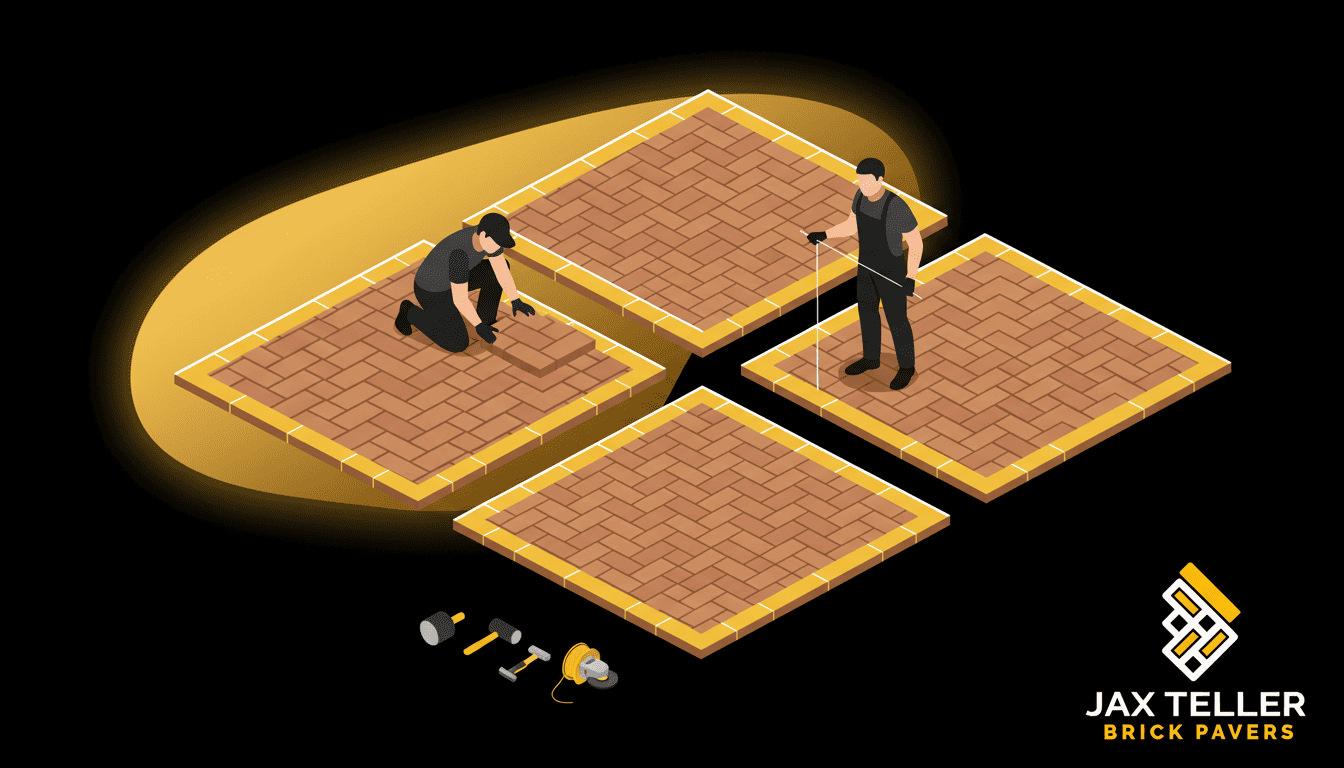
Mistake #6: Choosing Patterns Based Only on Looks
Some patterns are decorative but not structurally strong.
Common errors
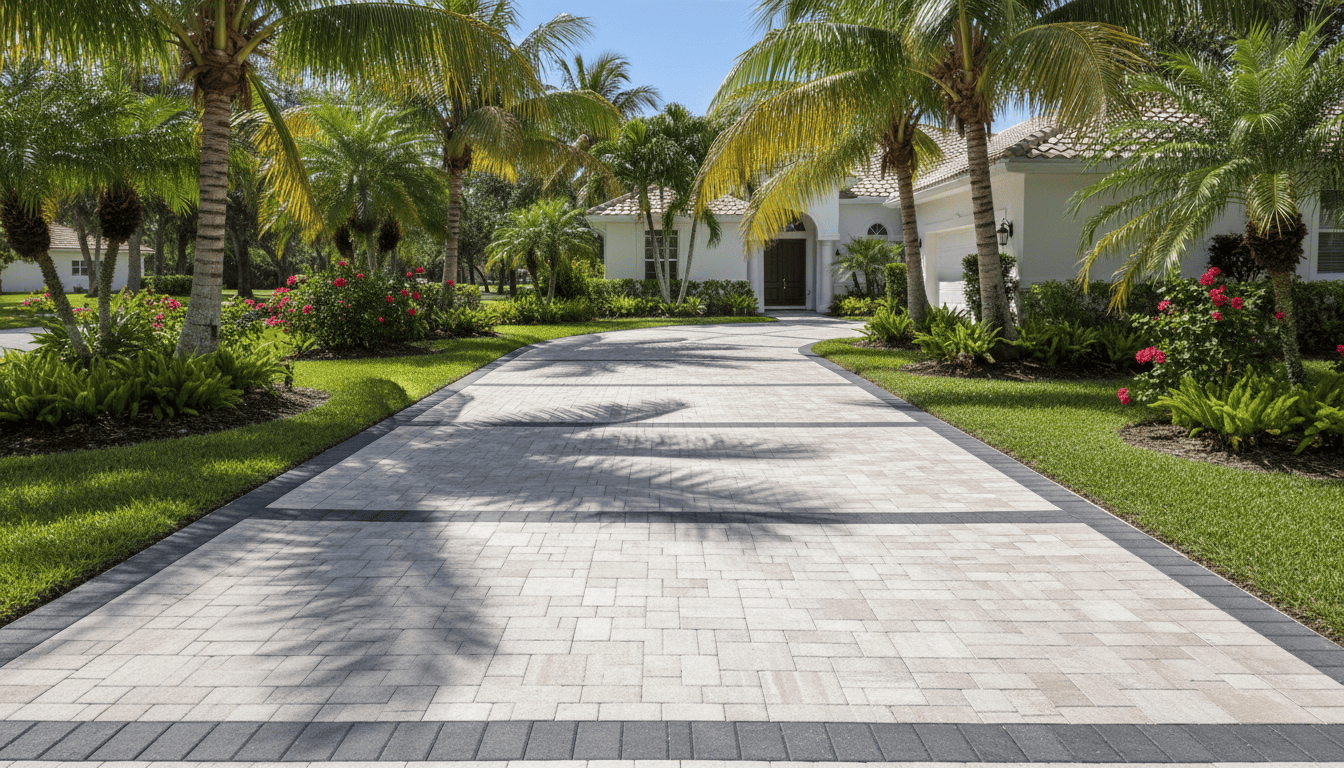
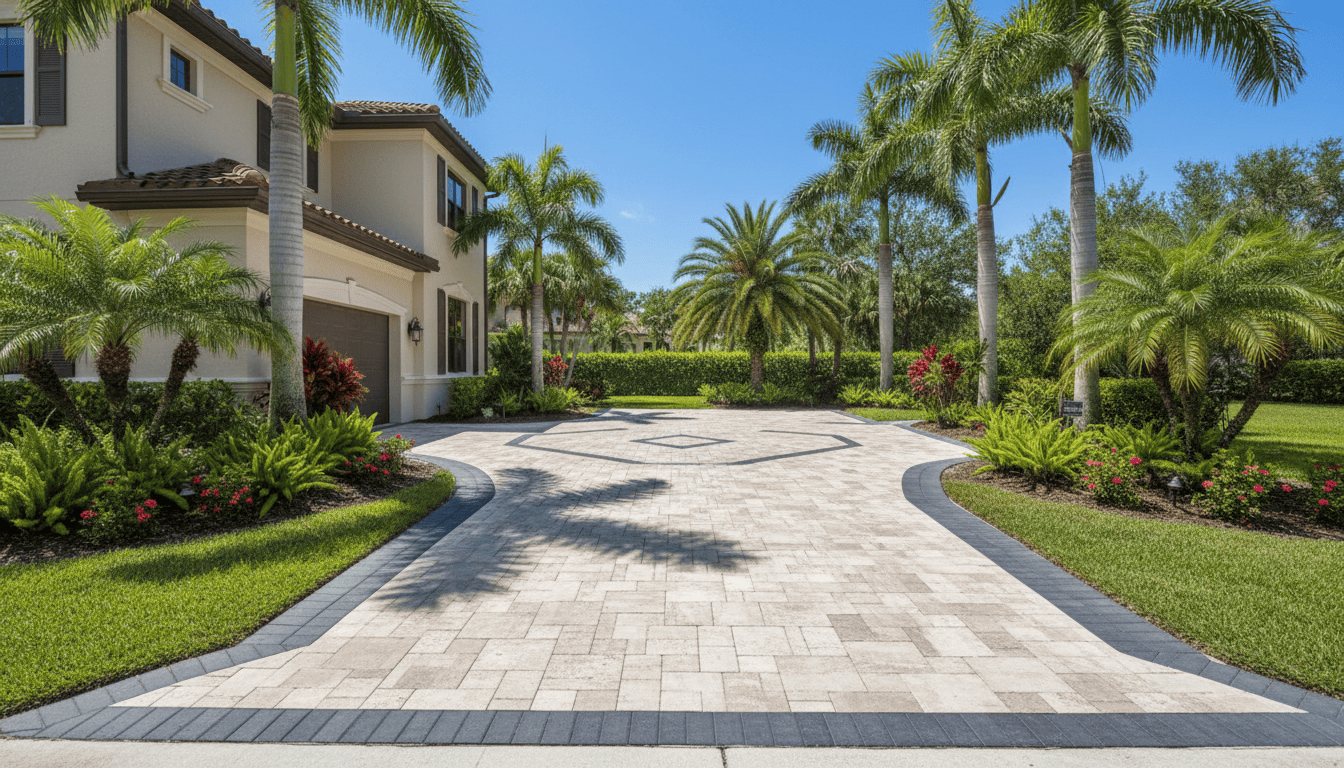
- Decorative layouts in driveways
- Weak interlock under vehicle load
- No borders to reinforce patterns
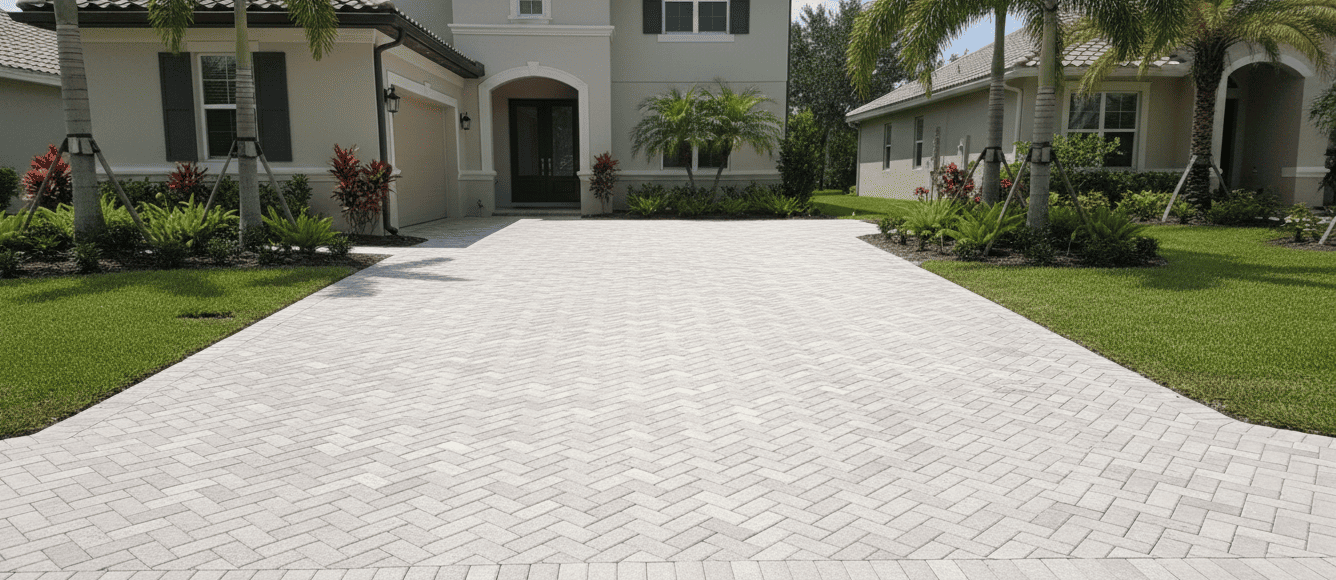
Patterns like herringbone are preferred for high-traffic areas.
Mistake #7: DIY Installation Without Proper Knowledge
DIY paver projects often look good at first — then fail.
Typical DIY issues
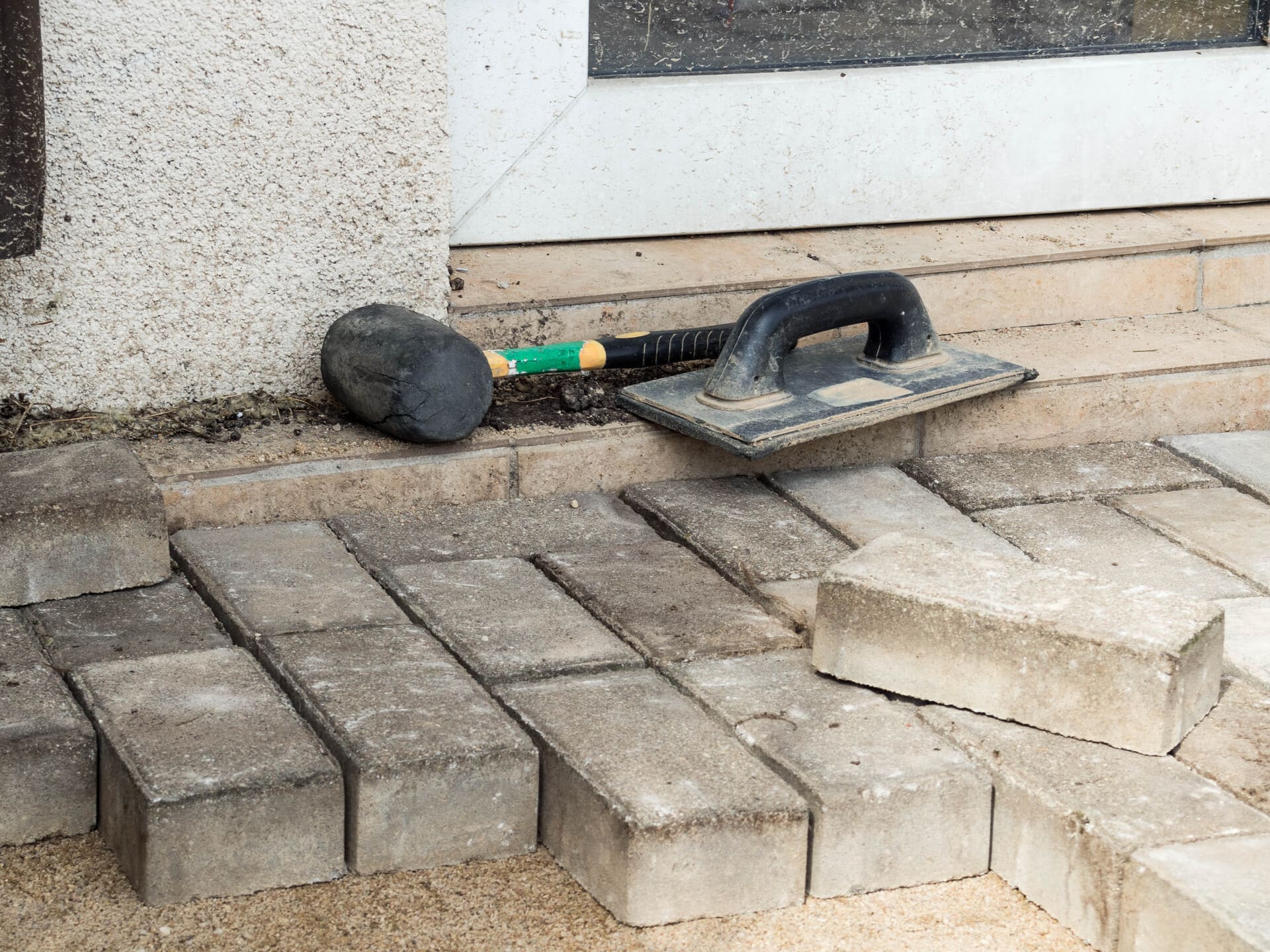
- Insufficient compaction
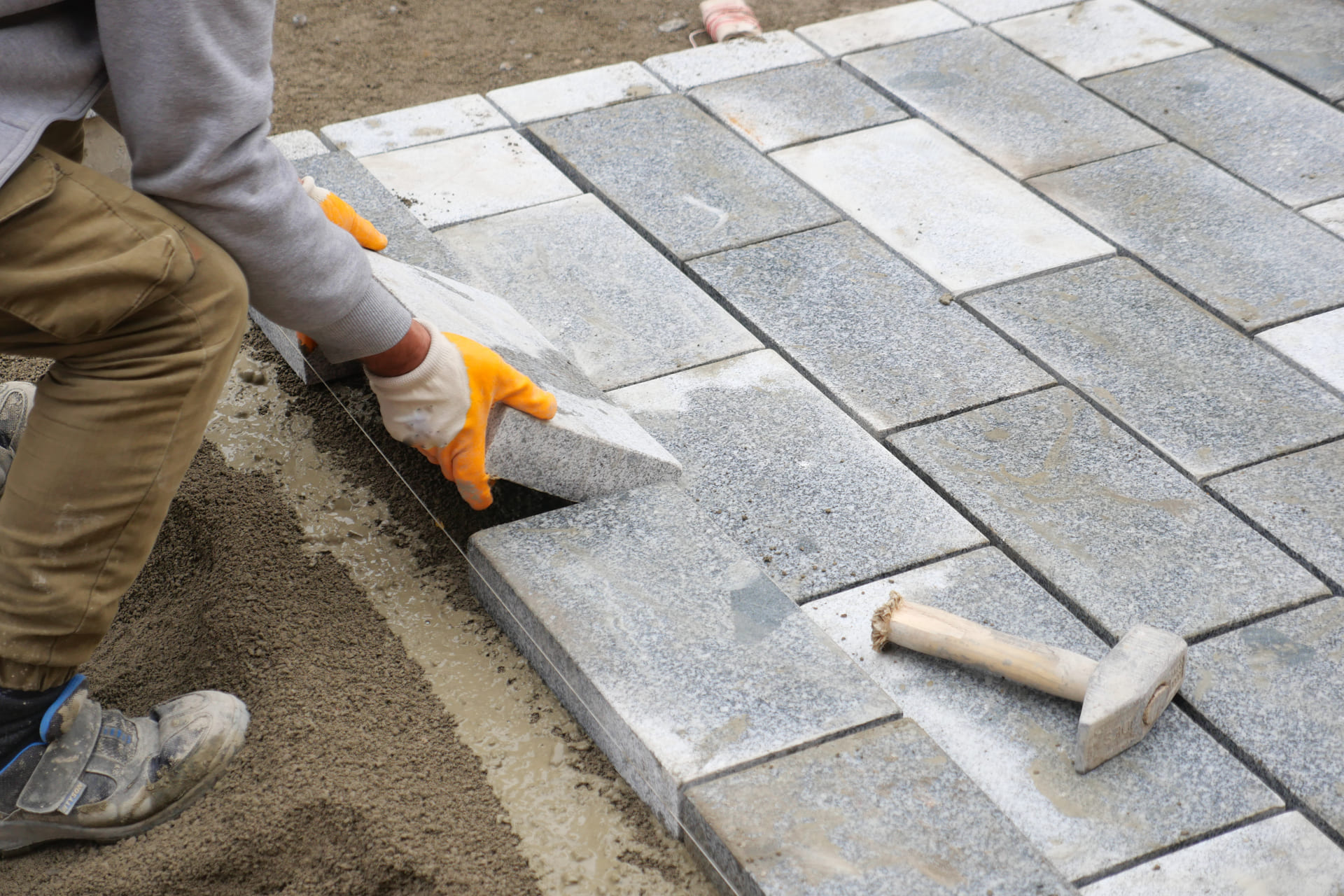
- Uneven bedding layer
- Poor alignment
- No long-term drainage planning
Pavers are forgiving, but only when installed correctly.
Mistake #8: Skipping Joint Sand or Using the Wrong Type
Joint sand locks the system together.
Problems caused by poor joint sand
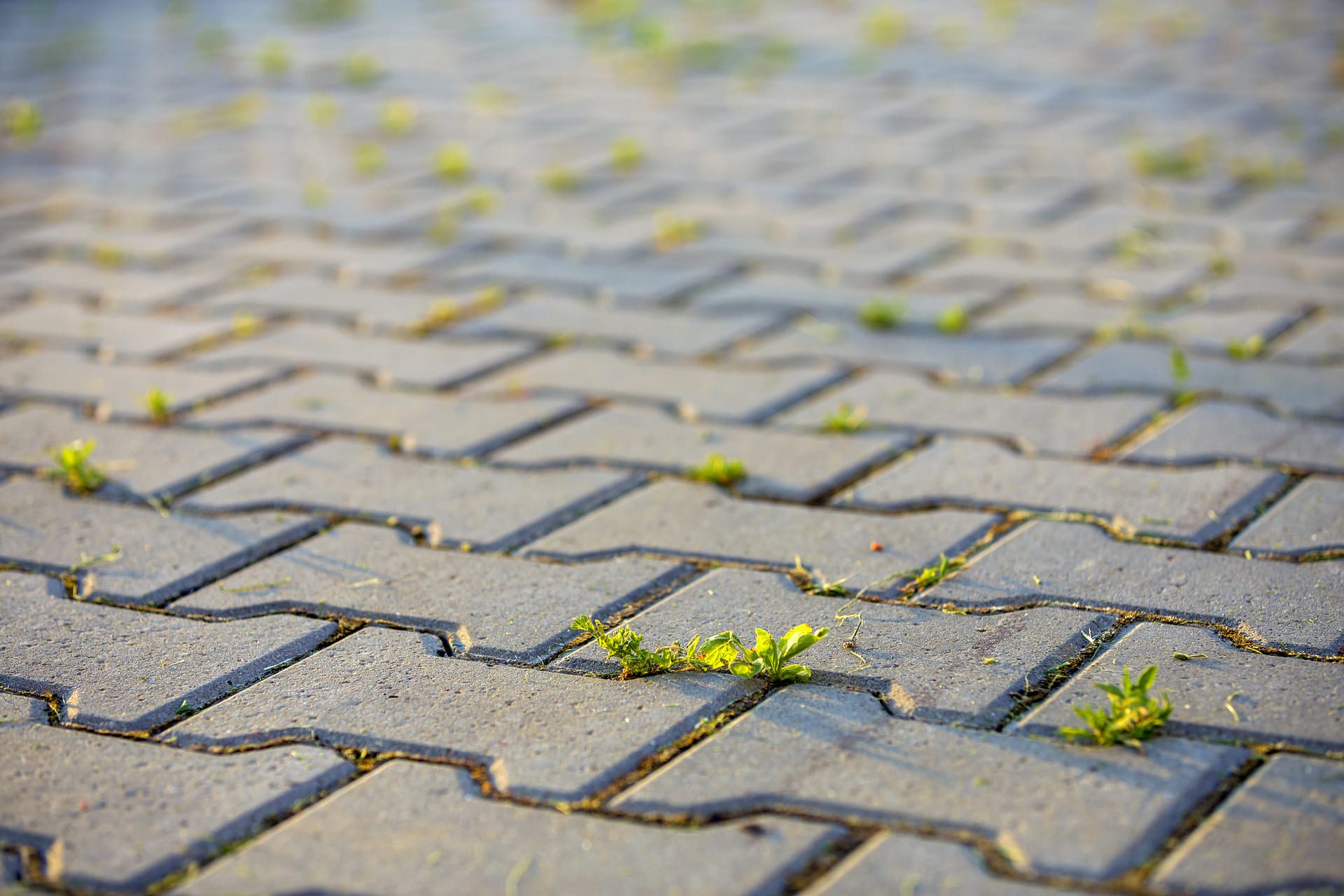
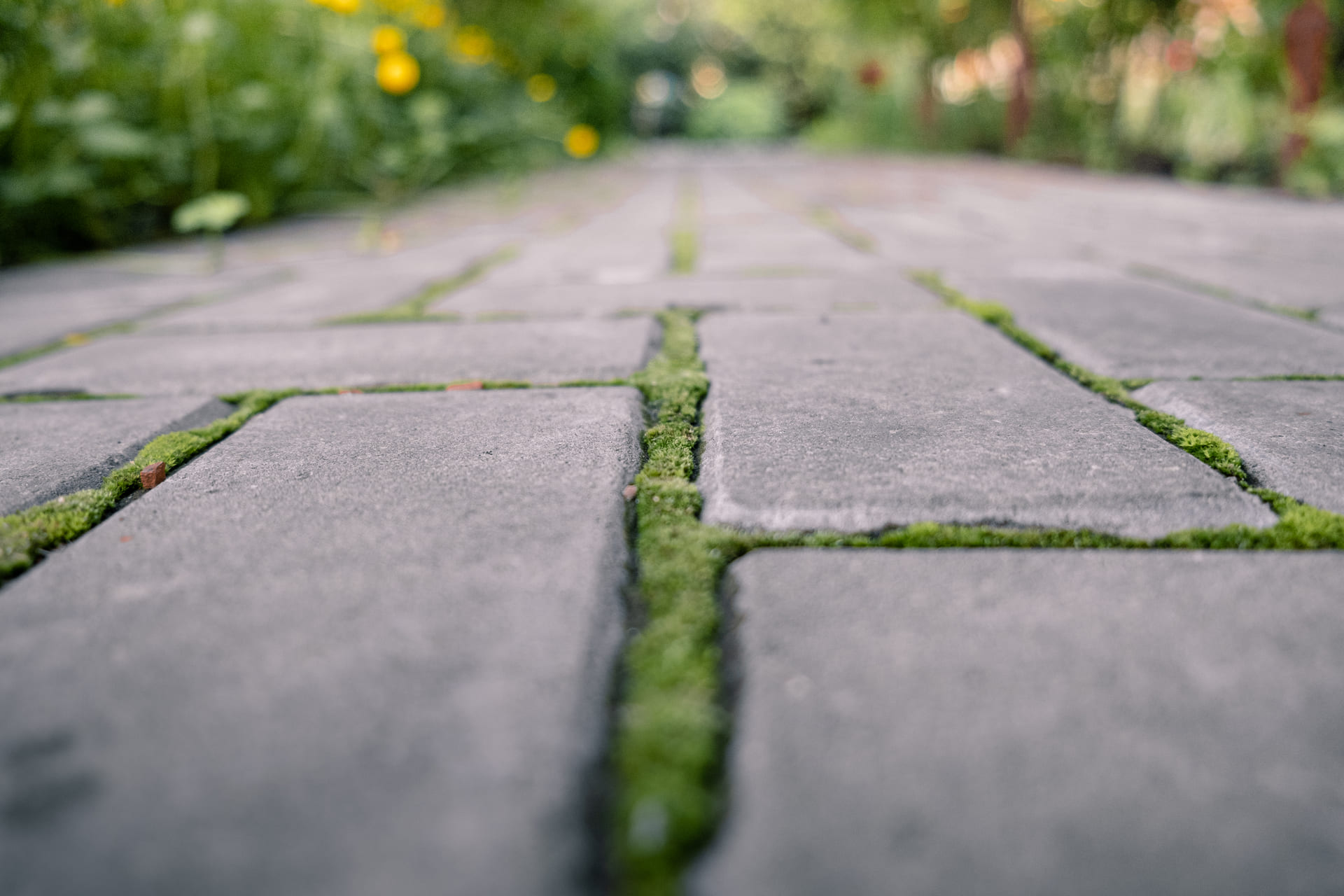
- Weed growth
- Ant infestations
- Loose pavers
- Water intrusion
Polymeric sand is often recommended in Florida.
Mistake #9: Neglecting Maintenance Entirely
Pavers are low maintenance — not zero maintenance.
What happens without upkeep
- Joint erosion
- Weed growth
- Surface staining
- Loss of visual appeal
Simple care prevents most issues.
Mistake #10: Overcomplicating the Design
More design isn’t always better.
Overdesign problems
- Busy patterns that age poorly
- Too many colors
- Clashing borders
Clean, timeless designs usually perform best long-term.
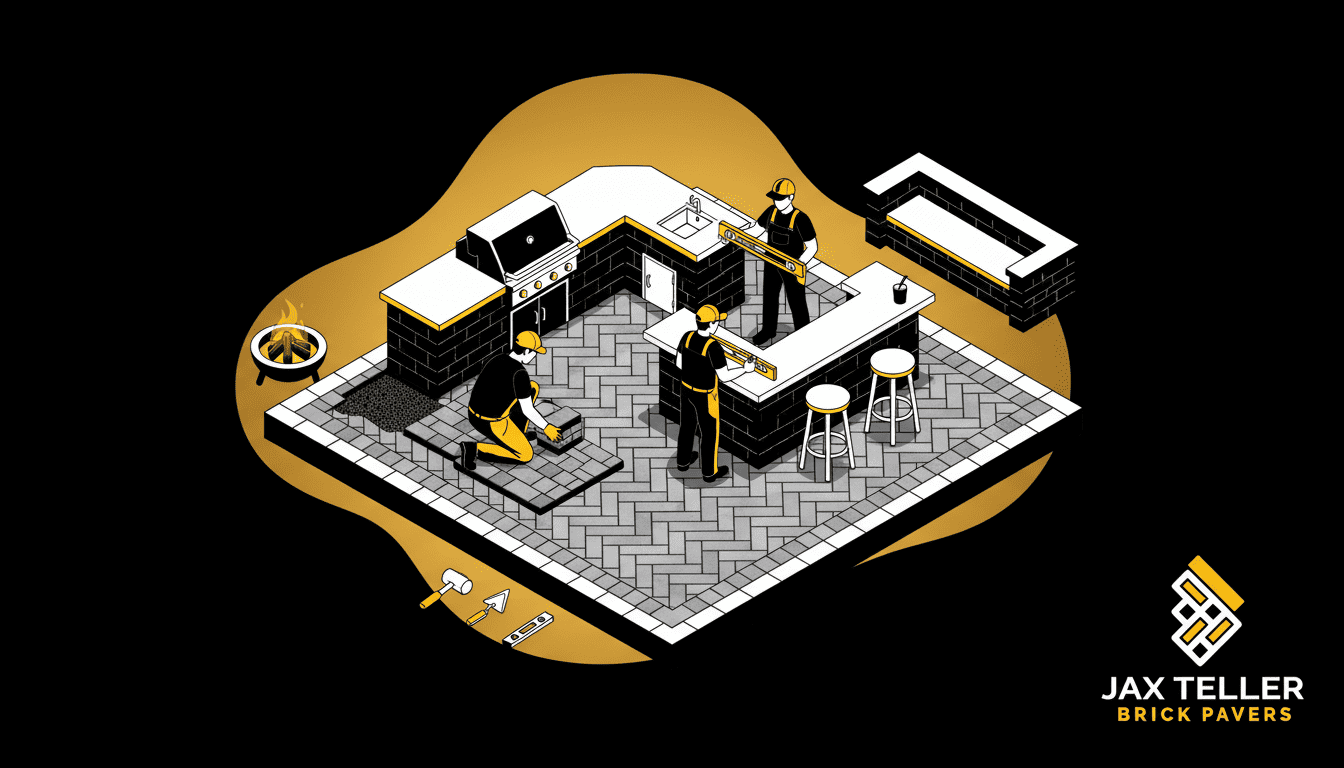
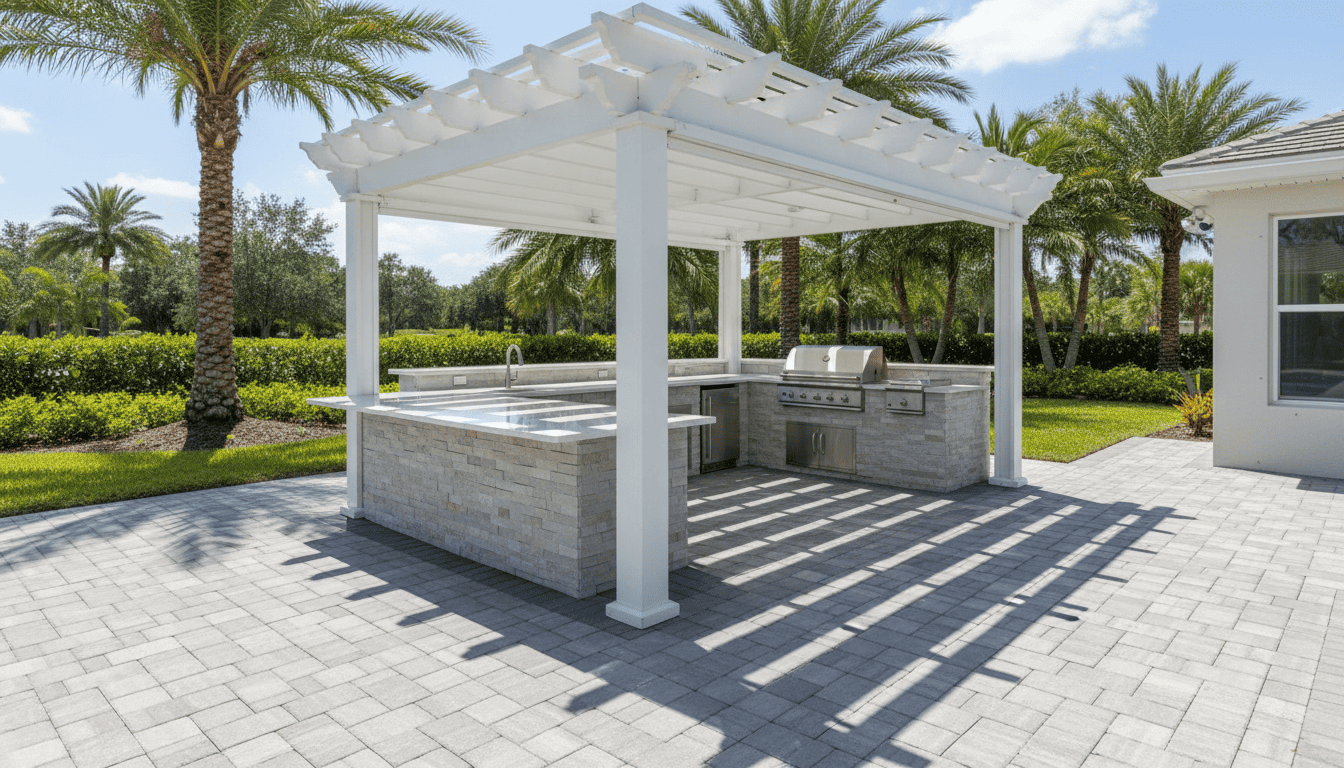
Mistake #11: Not Planning for Furniture and Usage
Design should support how the space is used.
Common oversights
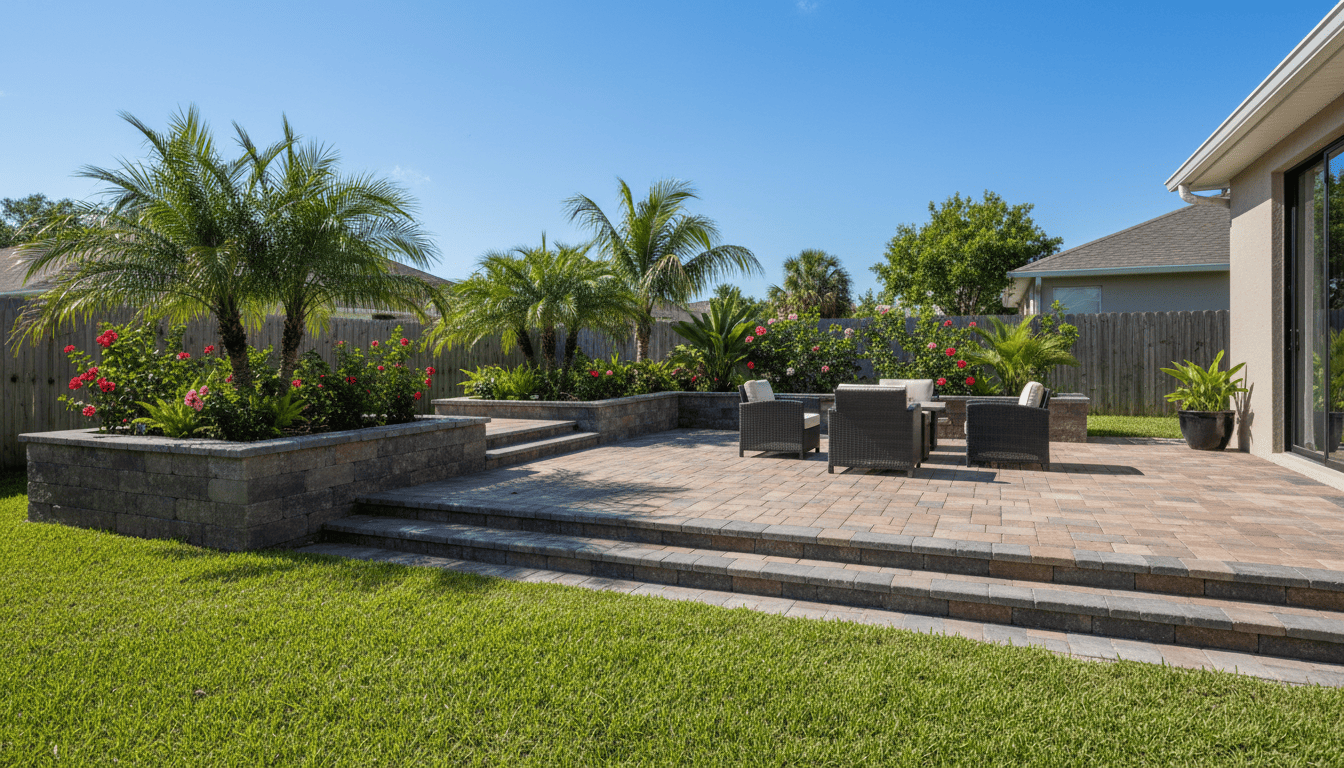
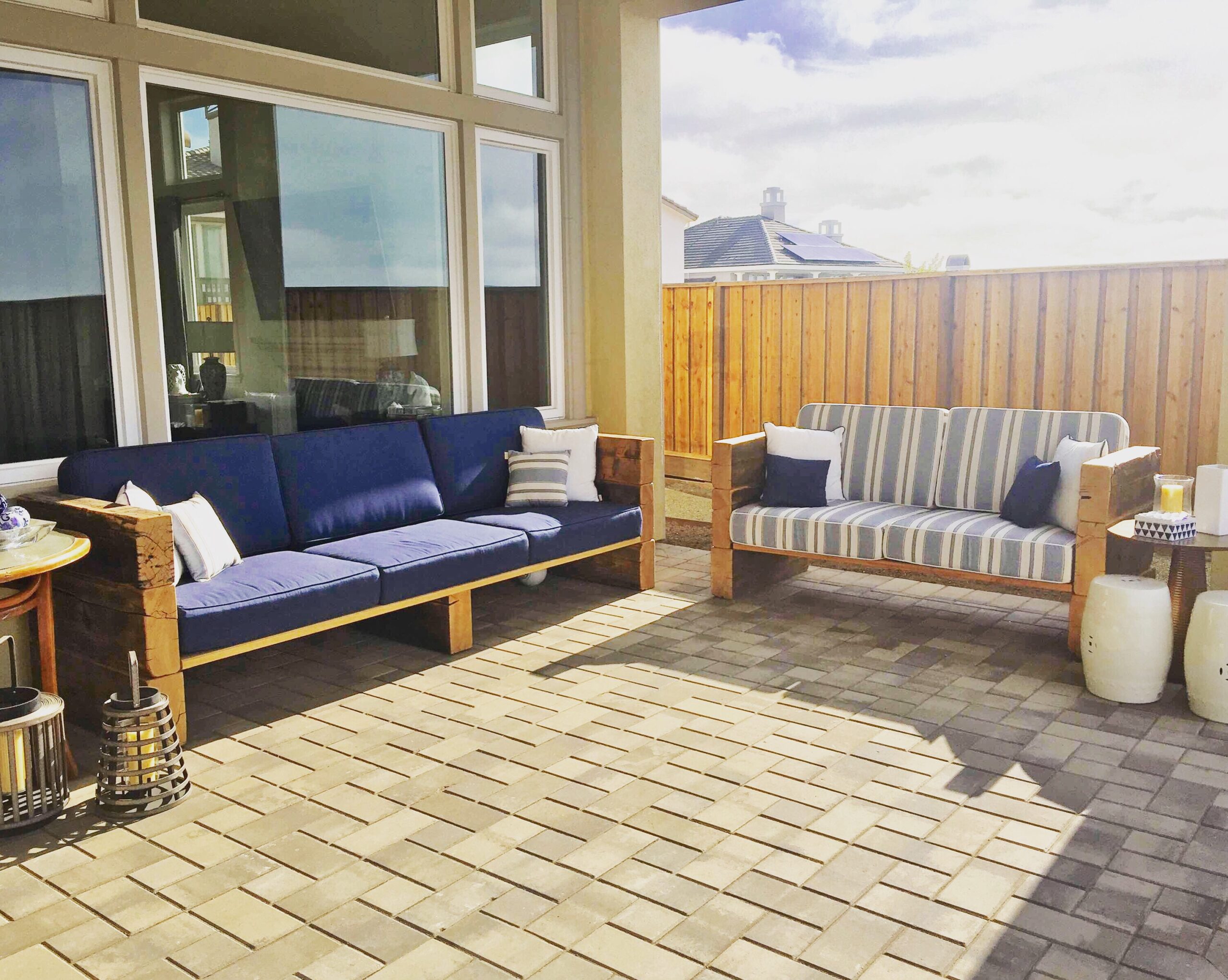
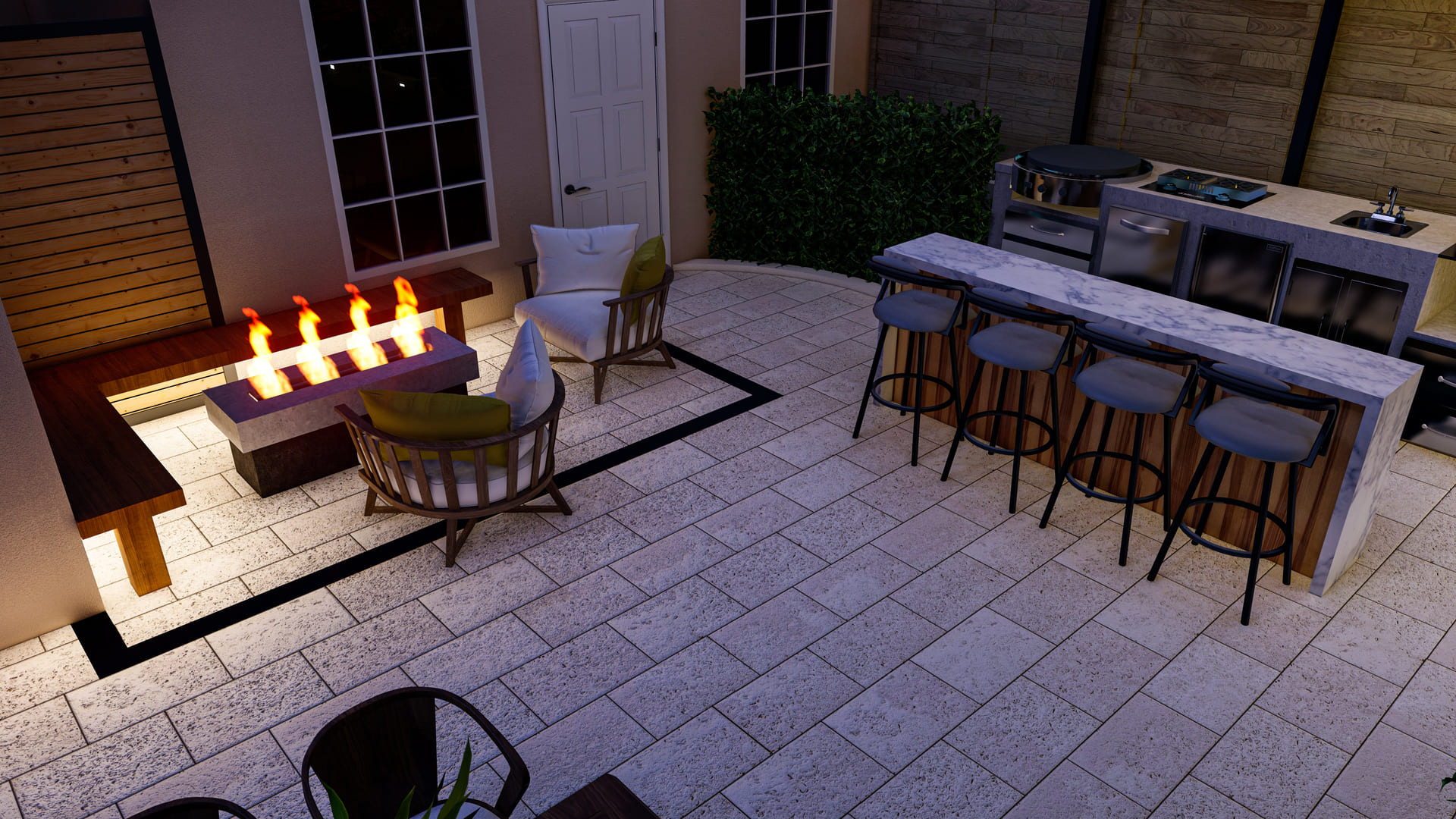
- Patios too small for furniture
- Walkways too narrow
- Poor flow between areas
Function should guide design decisions.
Mistake #12: Hiring Based on Price Alone
The cheapest quote often becomes the most expensive.
Risks
- Shortcuts in base preparation
- No drainage planning
- Poor warranty or support
Professional installation saves money over time.
How to Avoid These Mistakes Altogether
The best way to avoid paver problems is proper planning and professional execution.
Smart homeowner checklist
- Hire experienced professionals
- Choose materials suited to Florida
- Prioritize drainage and base prep
- Keep design clean and functional
- Follow basic maintenance routines
Explore More Paver Projects and Standards
For real examples of properly installed paver projects in Florida, explore our project gallery:
https://jaxtellerbrickpavers.com/projects
To review official installation and design standards, visit the Interlocking Concrete Pavement Institute:
https://www.icpi.org/
Conclusion
Common Paver Mistakes Florida Homeowners Should Avoid often come down to shortcuts, poor planning, or choosing the wrong materials. When designed and installed correctly, pavers are one of the most durable and attractive outdoor solutions available for Florida homes.
If you want to avoid costly mistakes and get lasting results, contact JaxTeller Brick Pavers at +1 407-907-8308 or jaxtellerbrickpavers@gmail.com for a free estimate. 🚫🧱