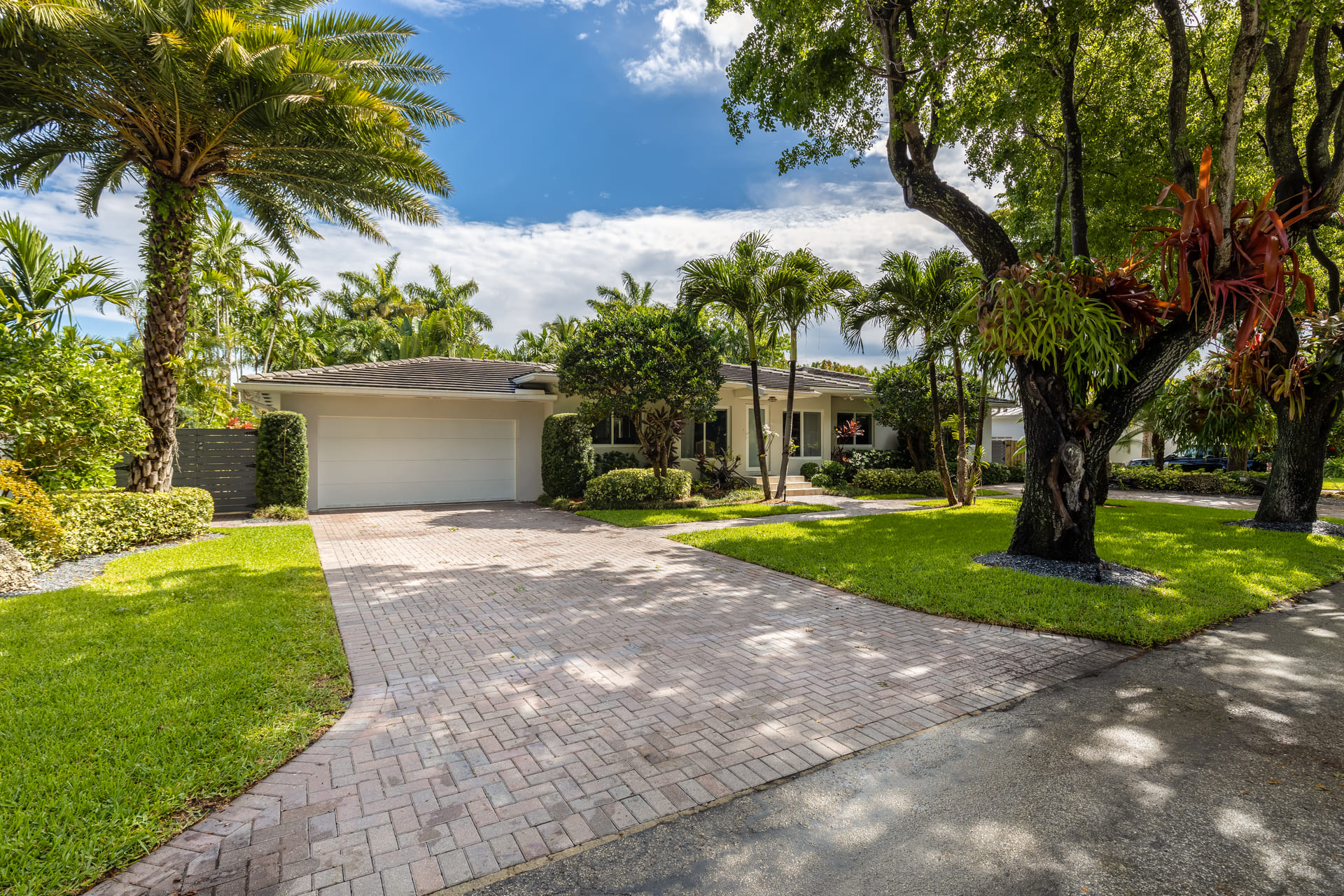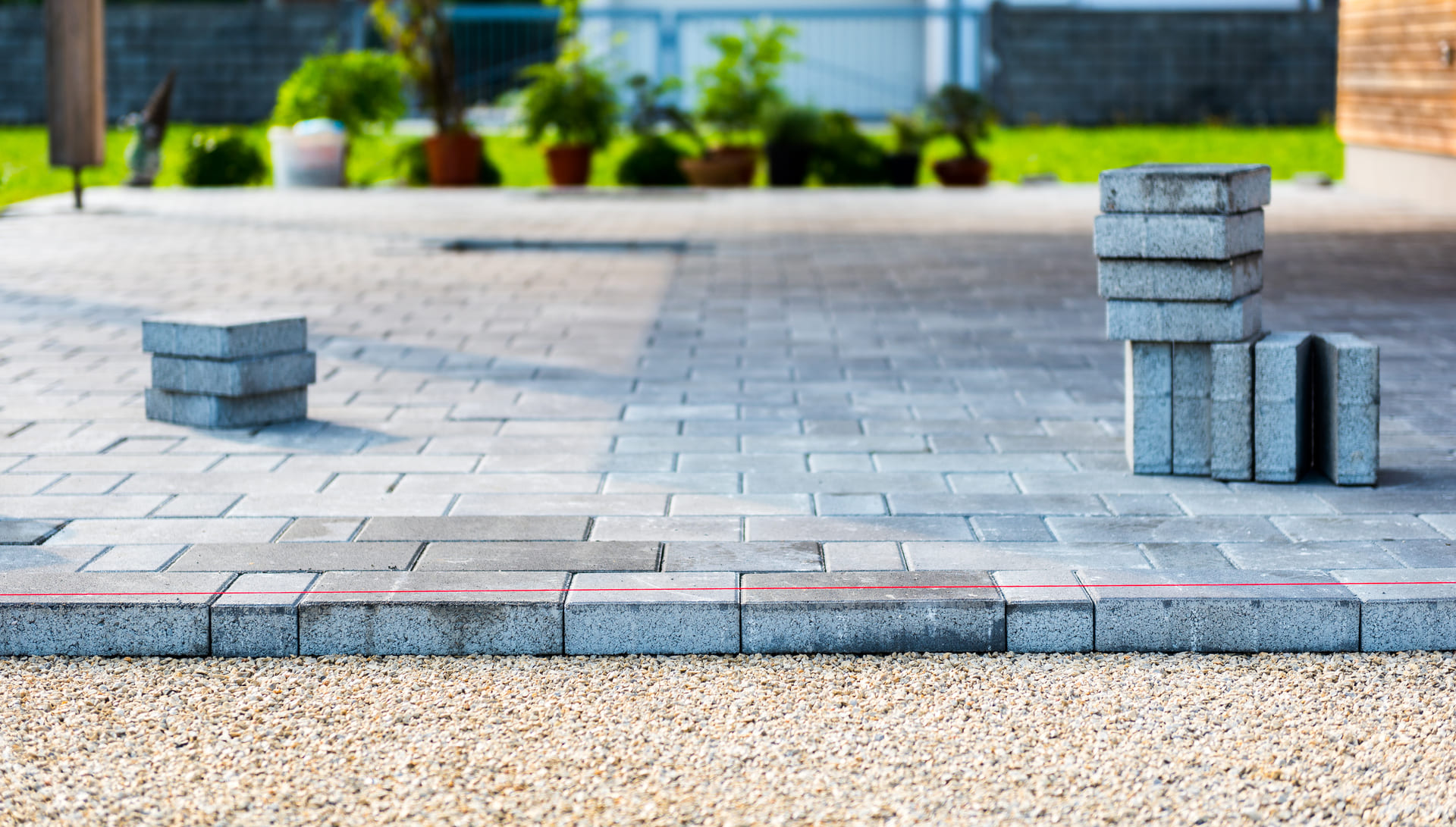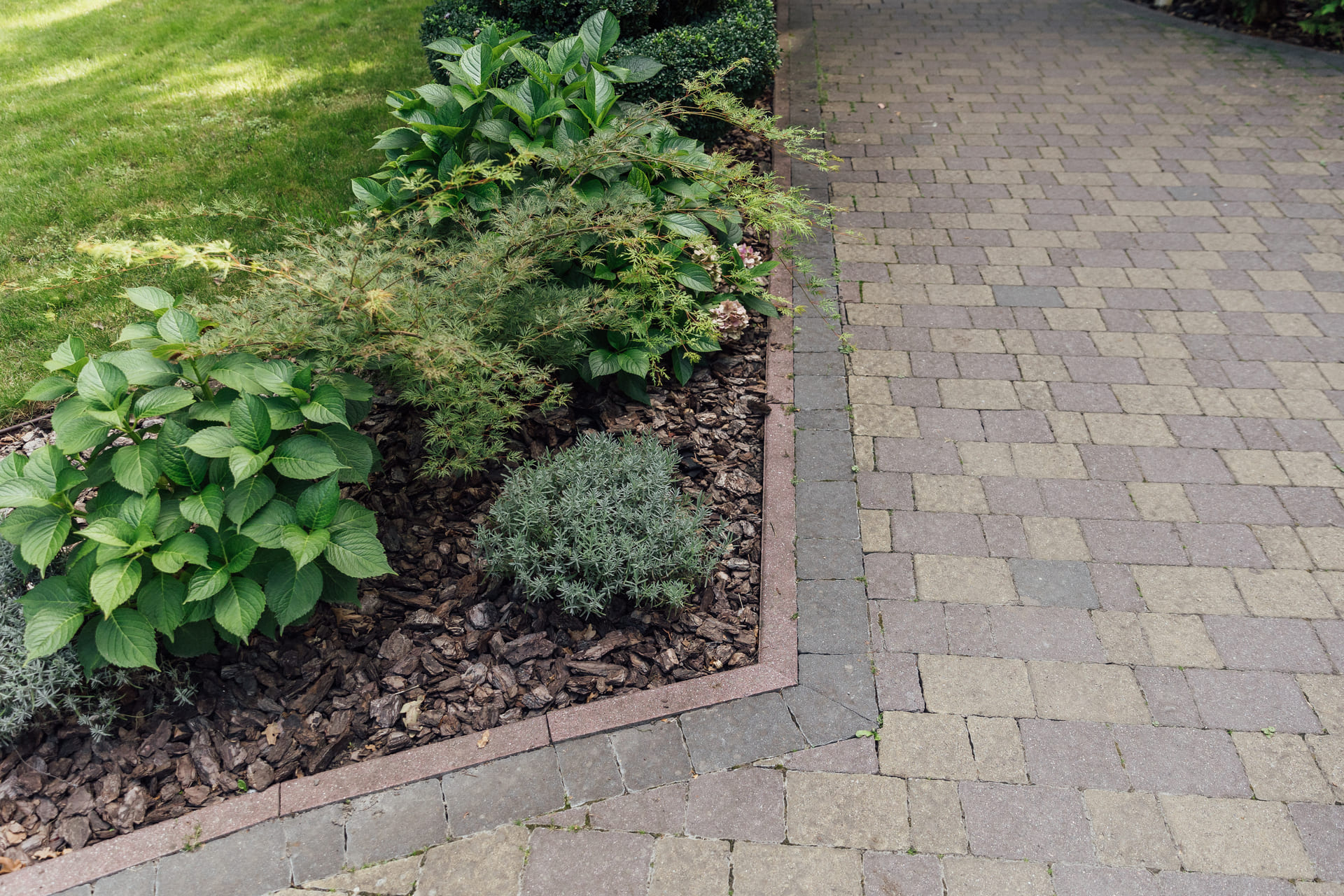
When homeowners think about outdoor upgrades, patios and walkways usually come first. However, seating walls and retaining walls are often the features that truly transform how an outdoor space functions and feels. In Florida, where backyards are used year-round, these elements add comfort, structure, and long-term durability.
Built with pavers, seating and retaining walls offer more than visual appeal. They help manage elevation changes, define outdoor zones, provide additional seating, and support landscaping — all while blending seamlessly with patios, pool decks, and walkways.
This guide explains how outdoor seating walls and retaining walls work, why pavers are the best material choice, and how these features enhance Florida outdoor living spaces.
The Difference Between Seating Walls and Retaining Walls
Although they’re often grouped together, seating walls and retaining walls serve different purposes.
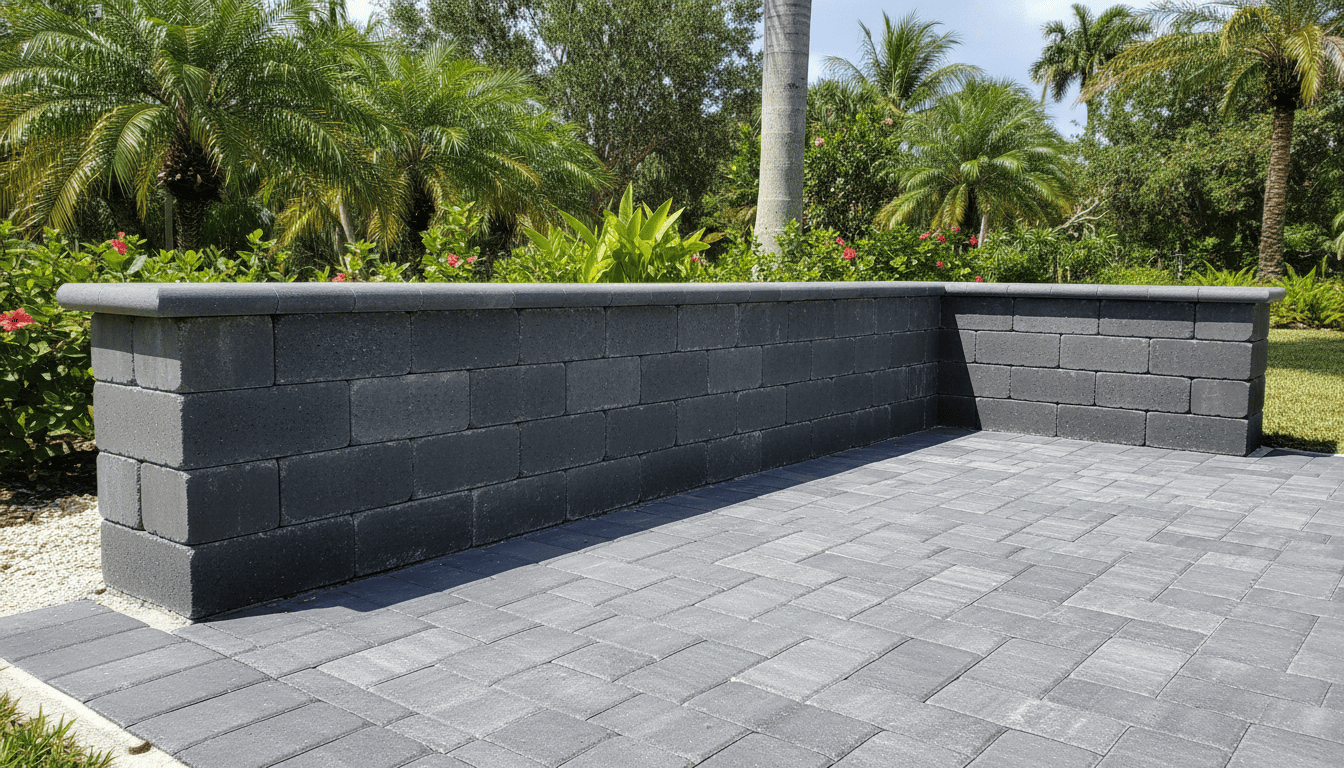
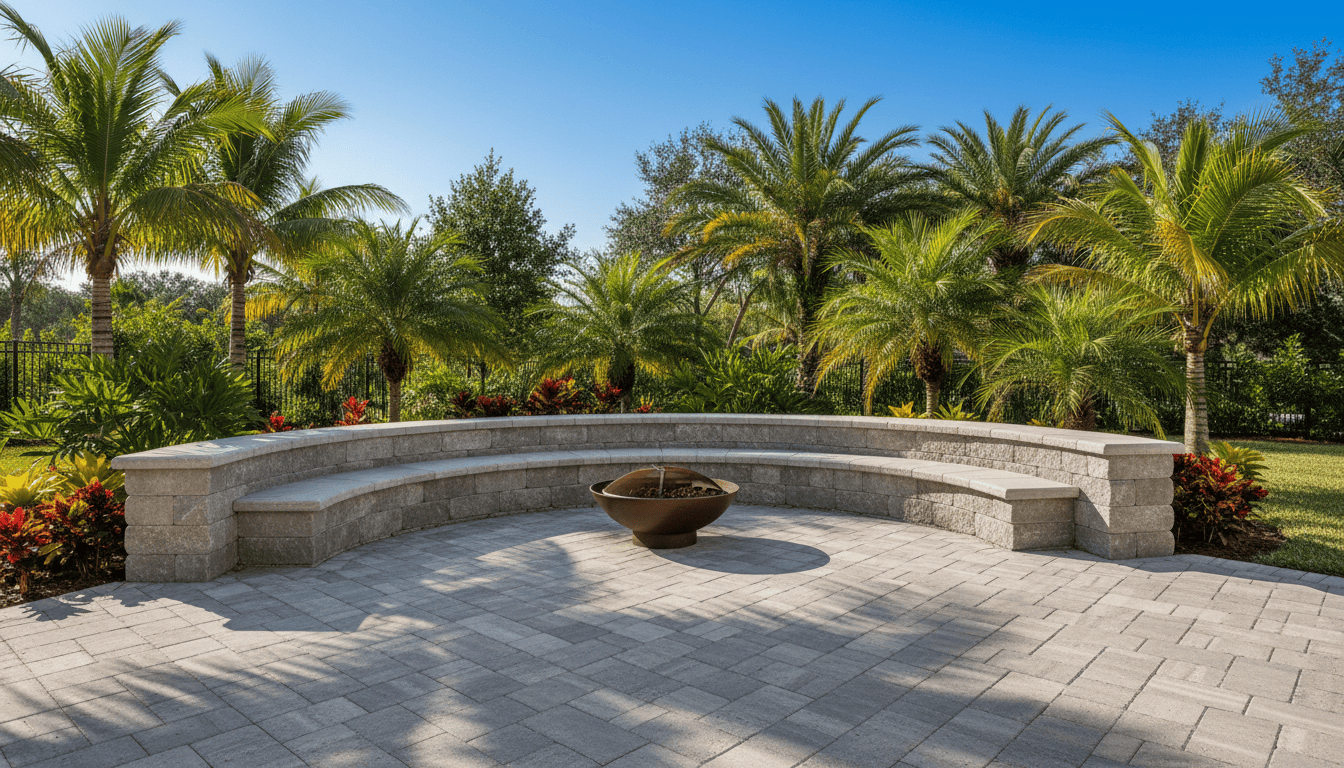
Seating walls
- Designed for comfort and usability
- Typically 18–22 inches high
- Used around patios, fire pits, and outdoor living areas
- Provide built-in seating without furniture
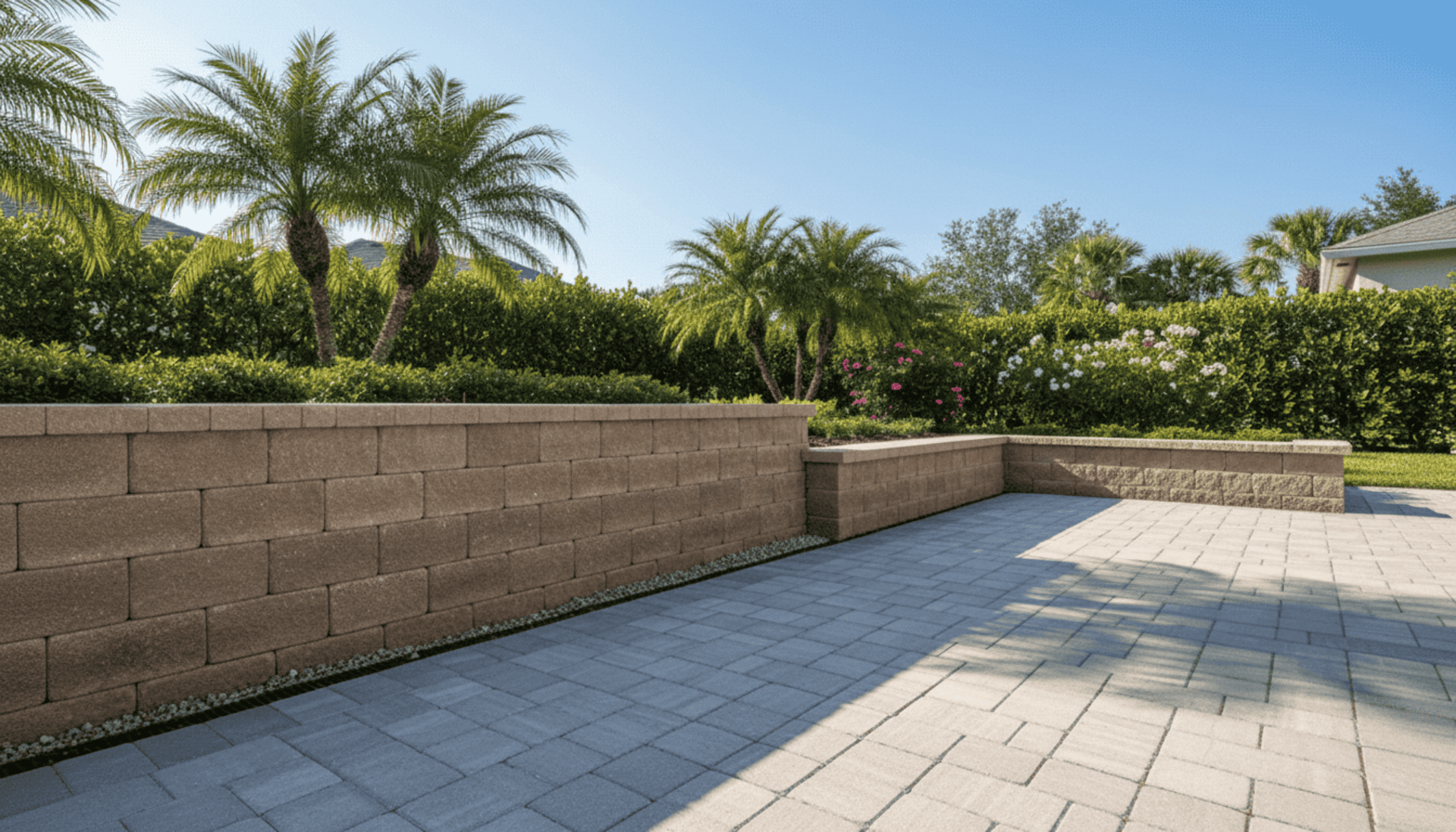
Retaining walls
- Designed to hold back soil
- Manage elevation changes
- Prevent erosion and runoff
- Create level outdoor areas
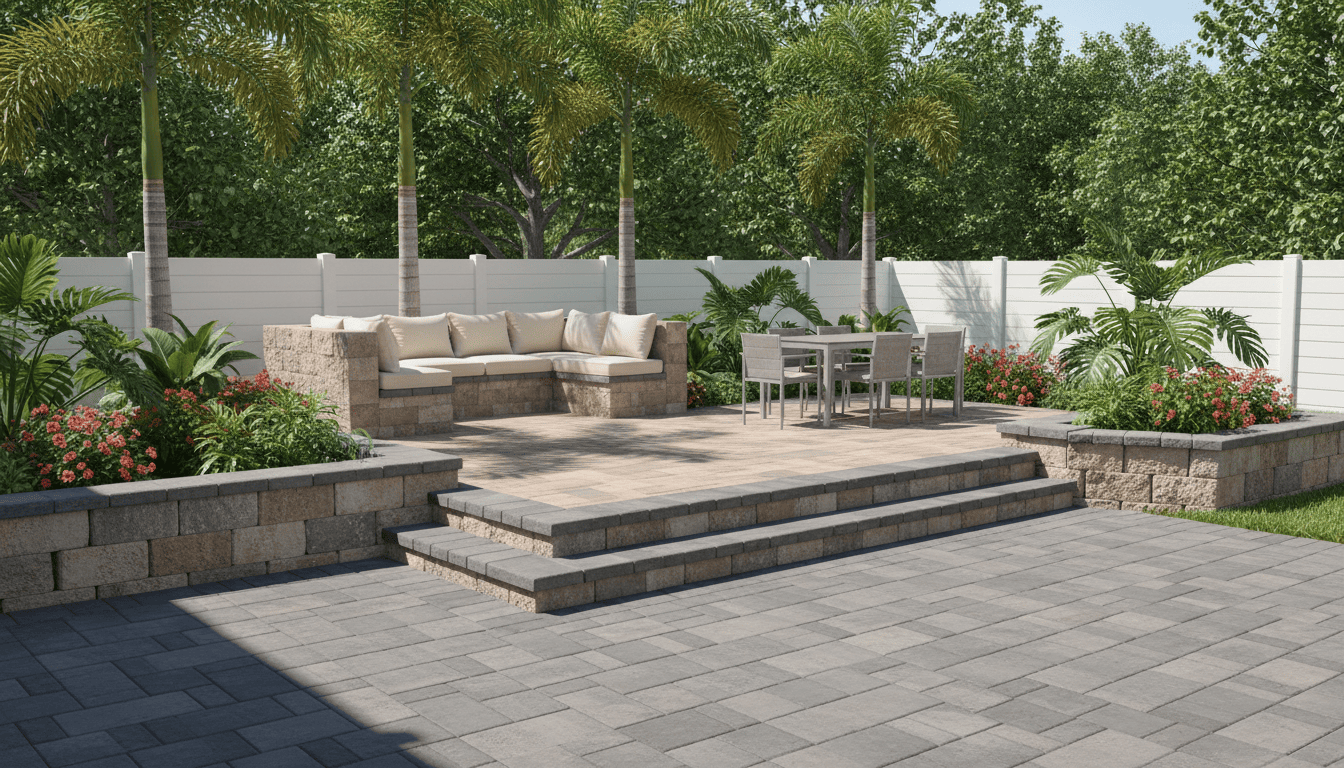
Both can be built with pavers and integrated into a single cohesive design.
Why Pavers Are Ideal for Outdoor Walls in Florida
Florida’s climate demands materials that can handle moisture, heat, and ground movement.
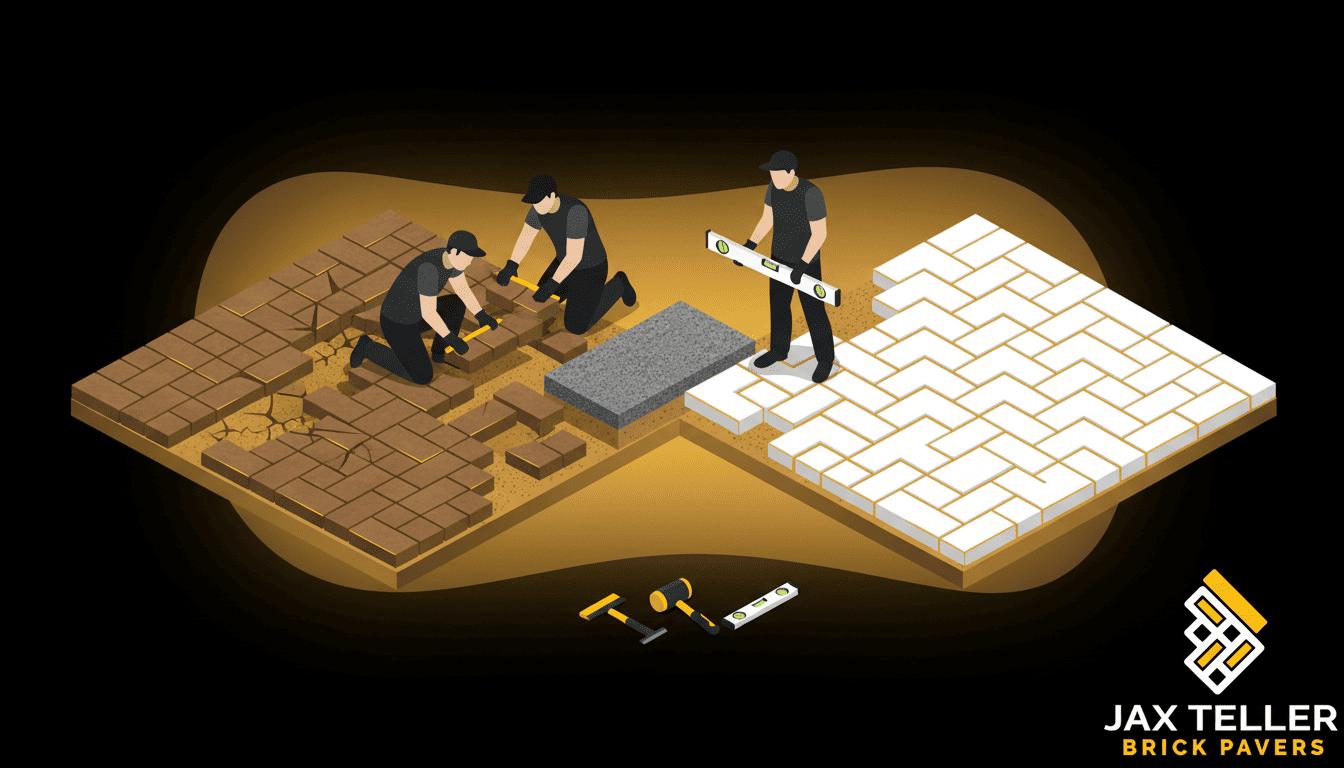
Benefits of paver walls
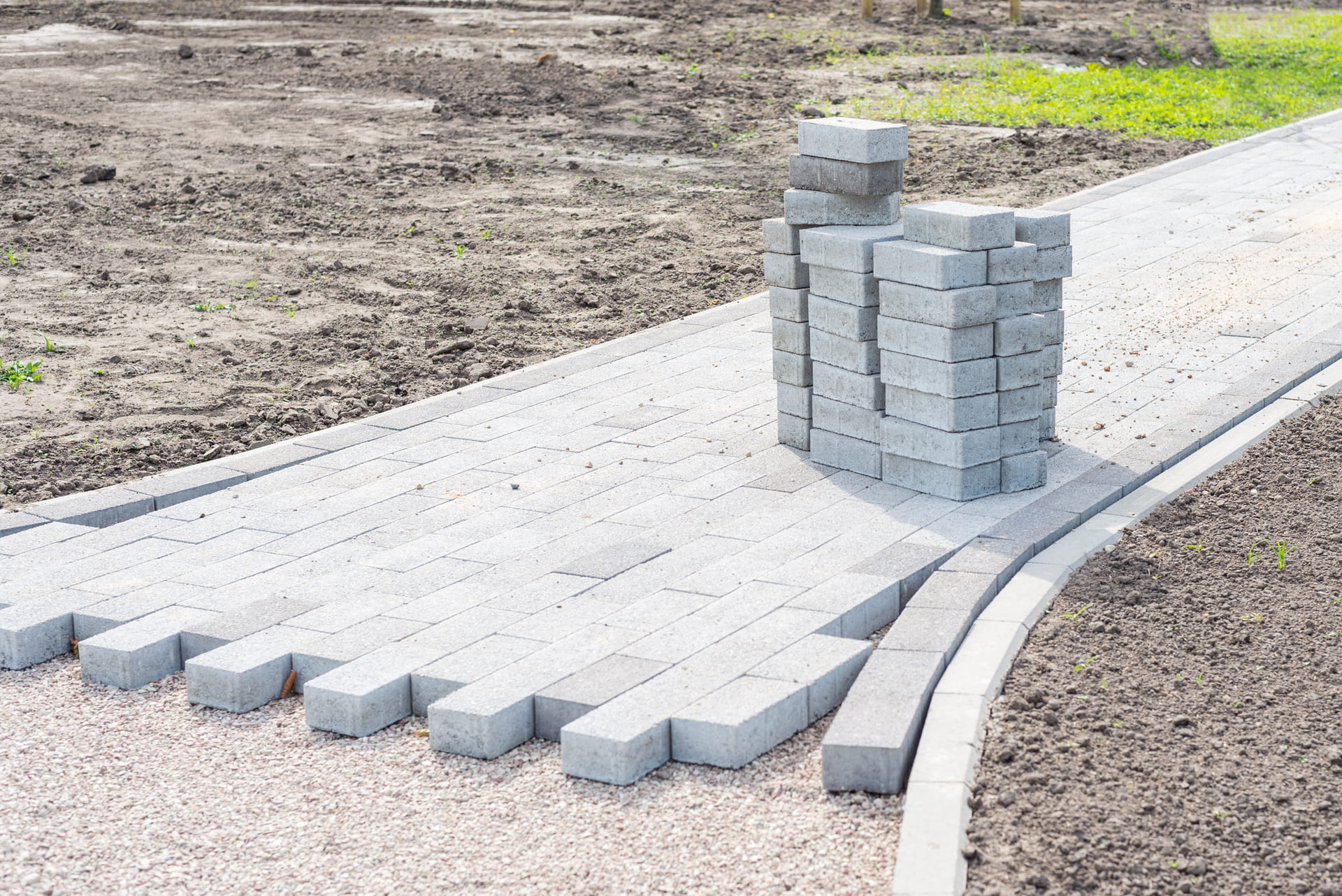
- Engineered for strength and stability
- Flexible system resists cracking
- Resistant to moisture and erosion
- Easy to repair if needed
- Wide variety of styles and colors
Unlike poured concrete walls, paver systems adapt better to Florida soil conditions.
Outdoor Seating Walls: Functional and Stylish
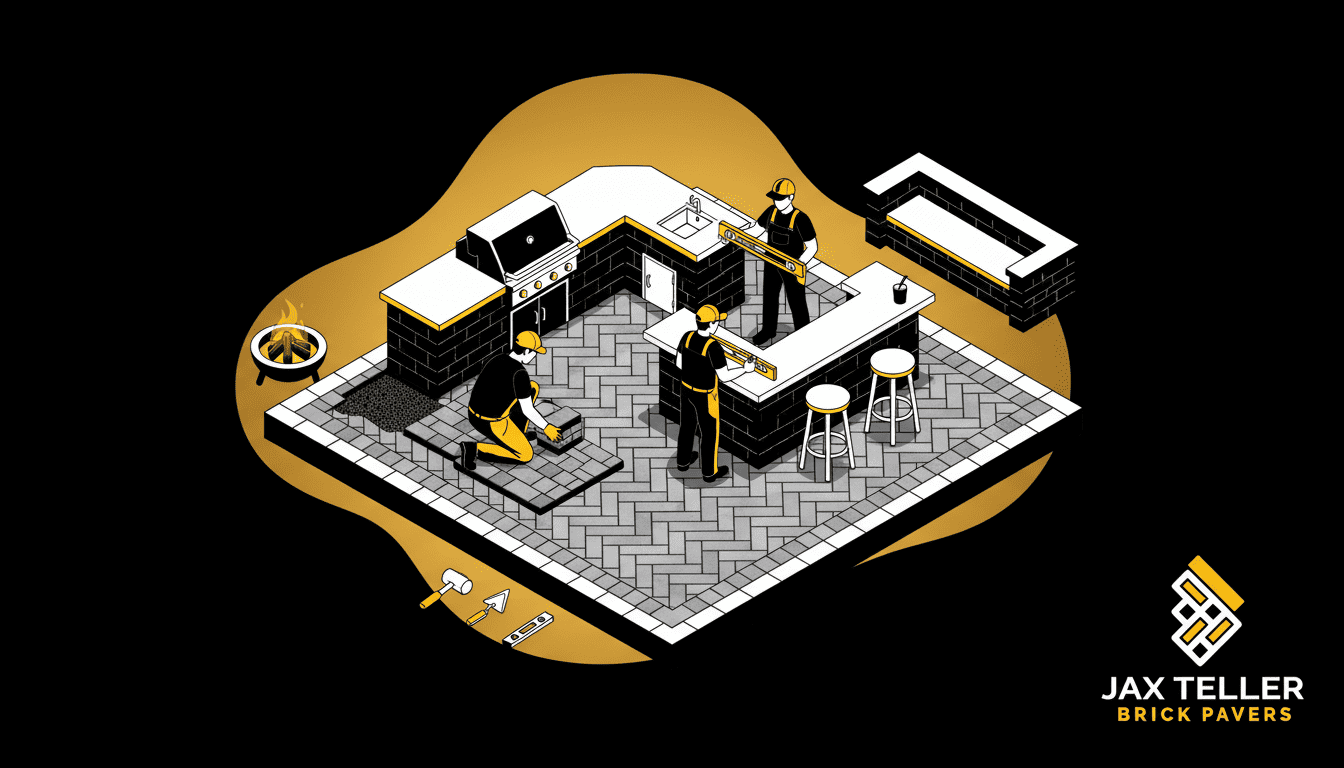
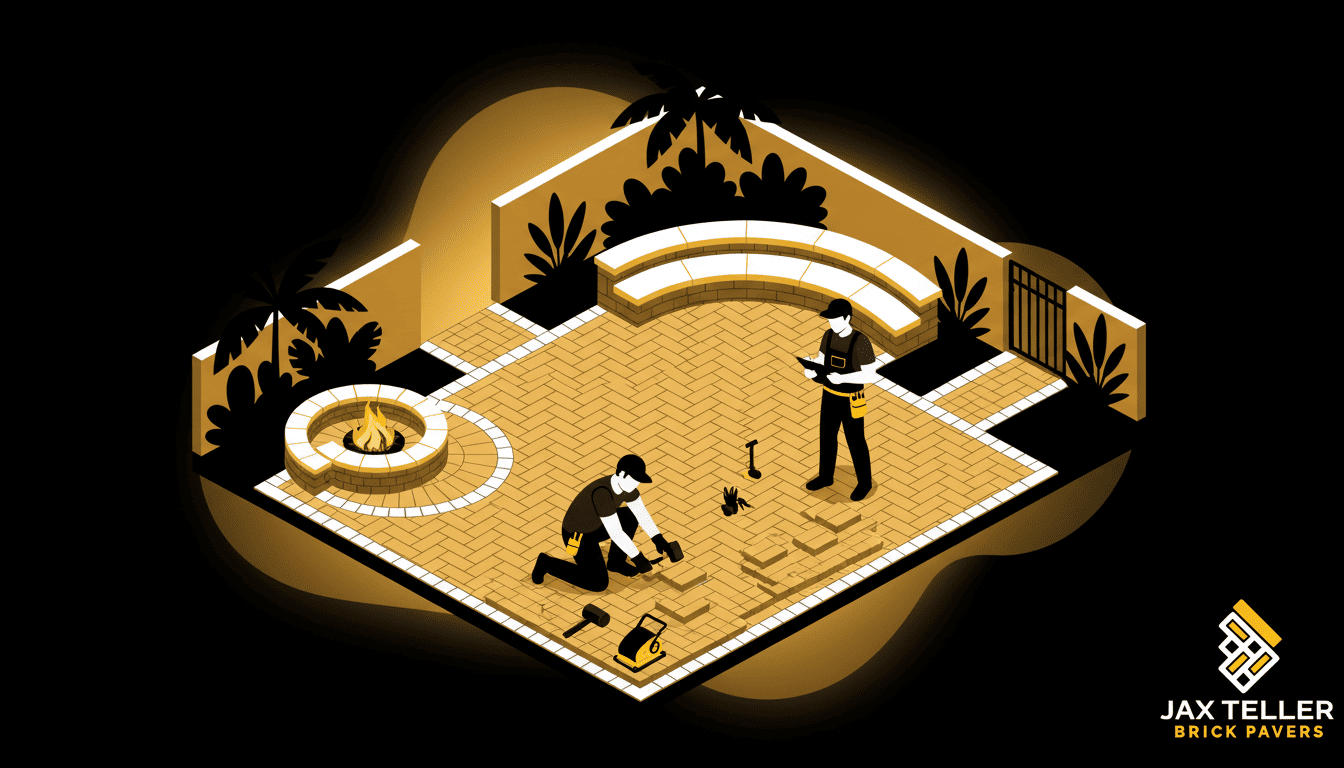
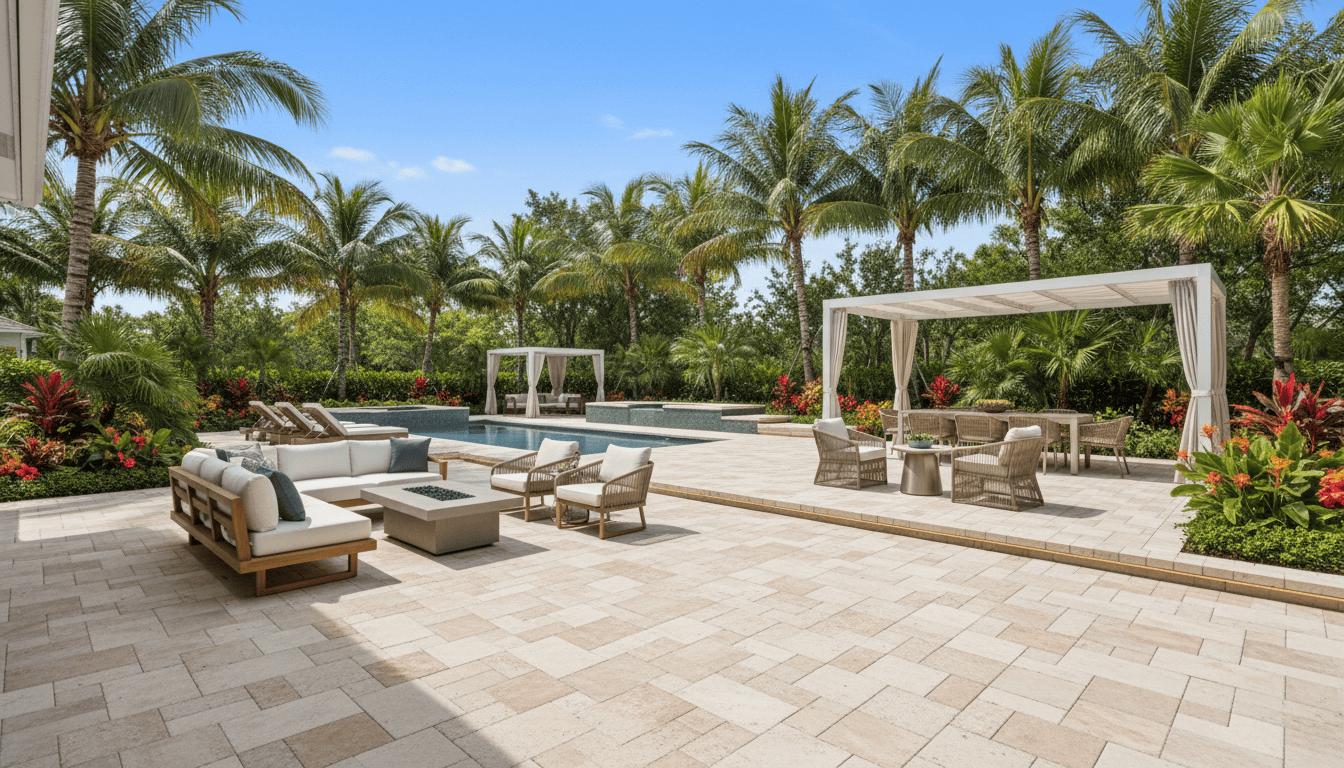
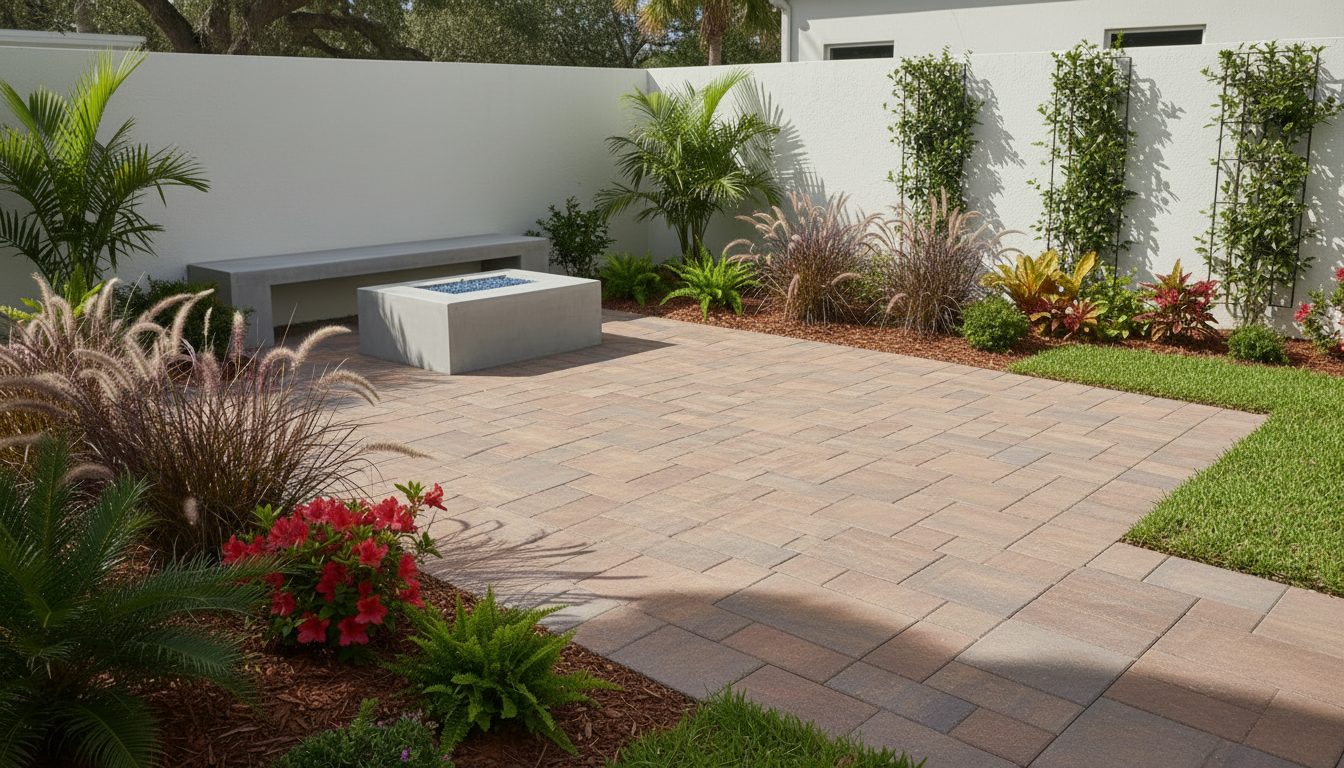
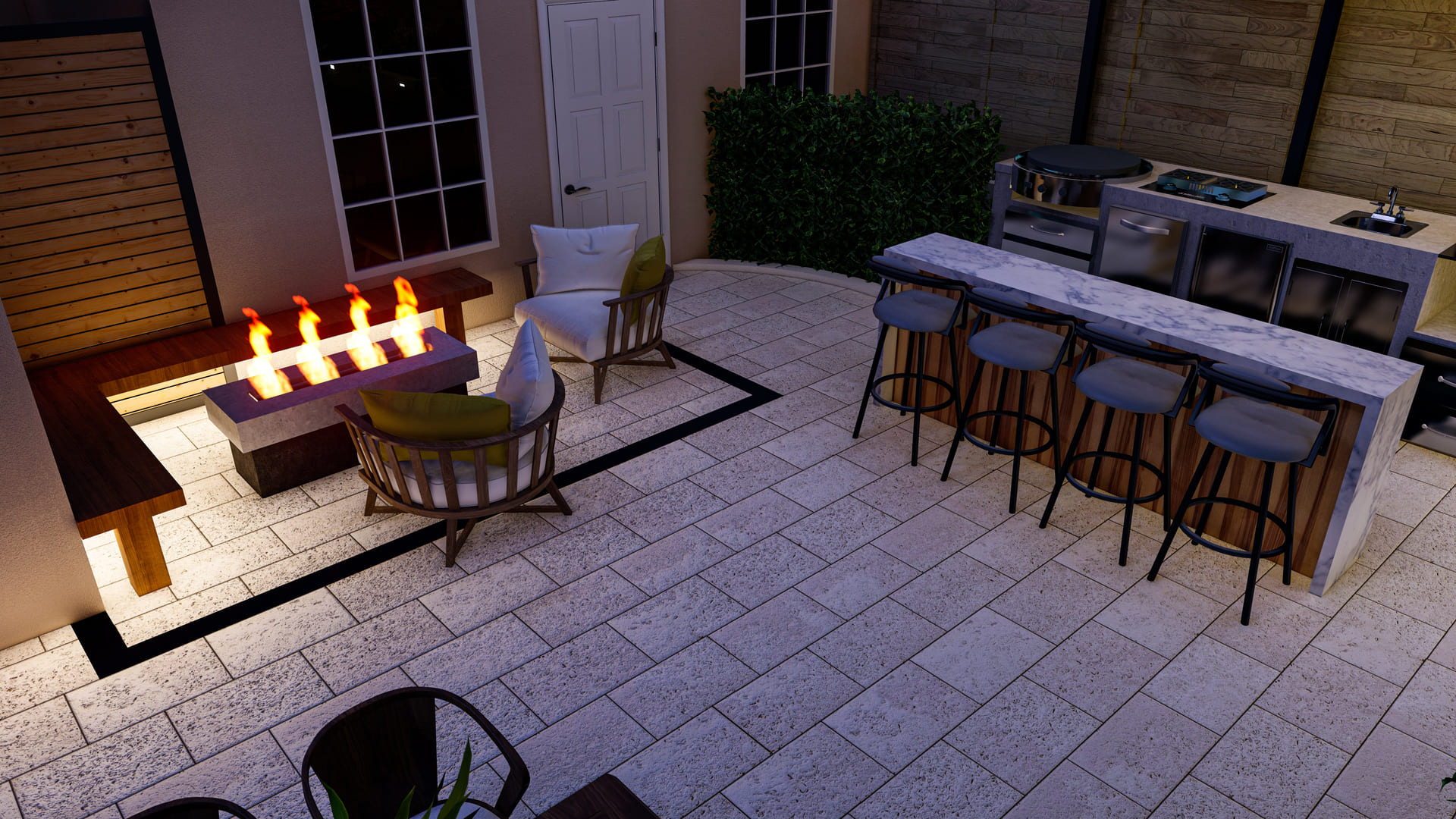
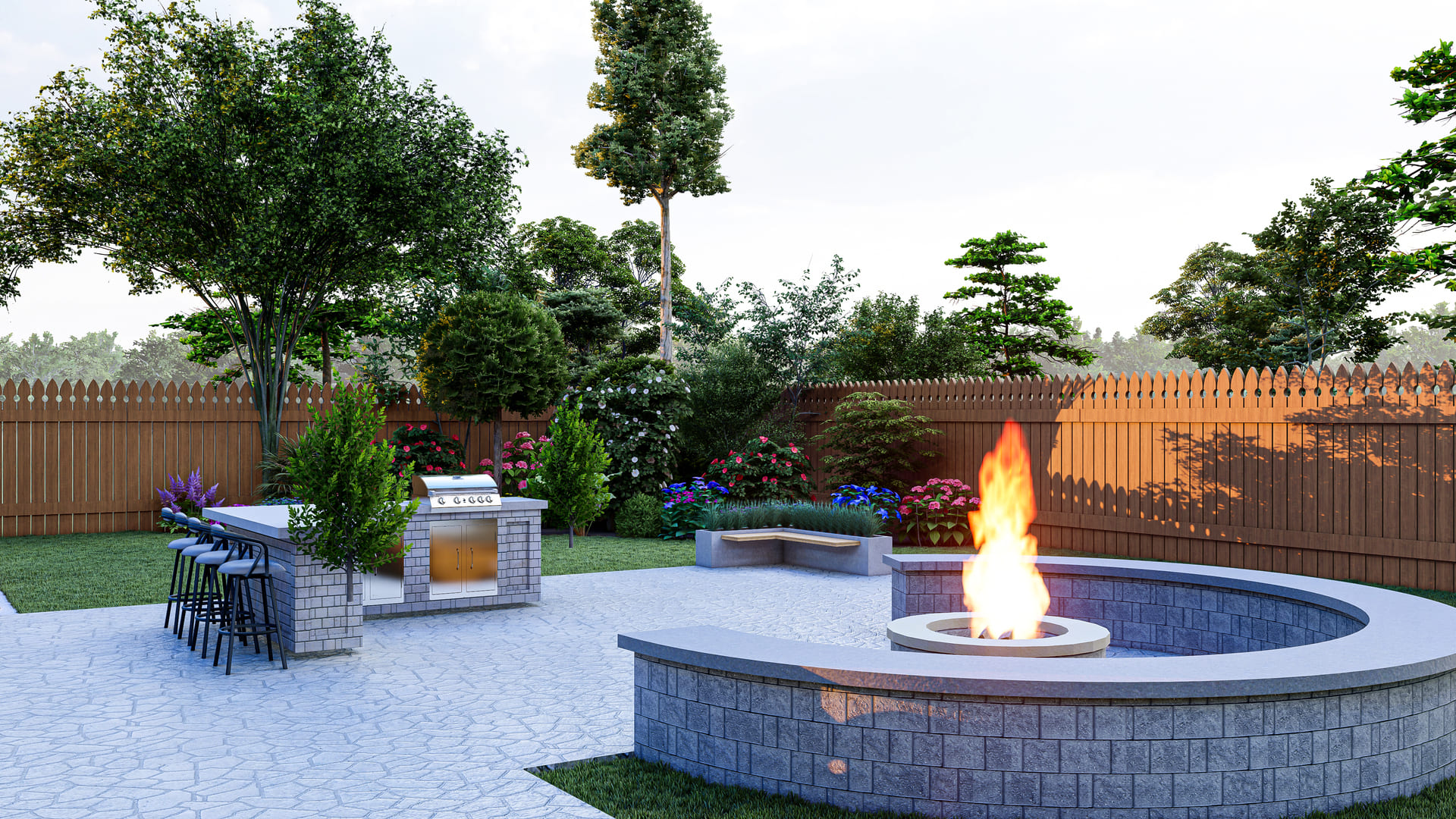
Seating walls turn patios and fire pit areas into welcoming gathering spaces.
Where seating walls work best
- Around fire pits
- Along patio edges
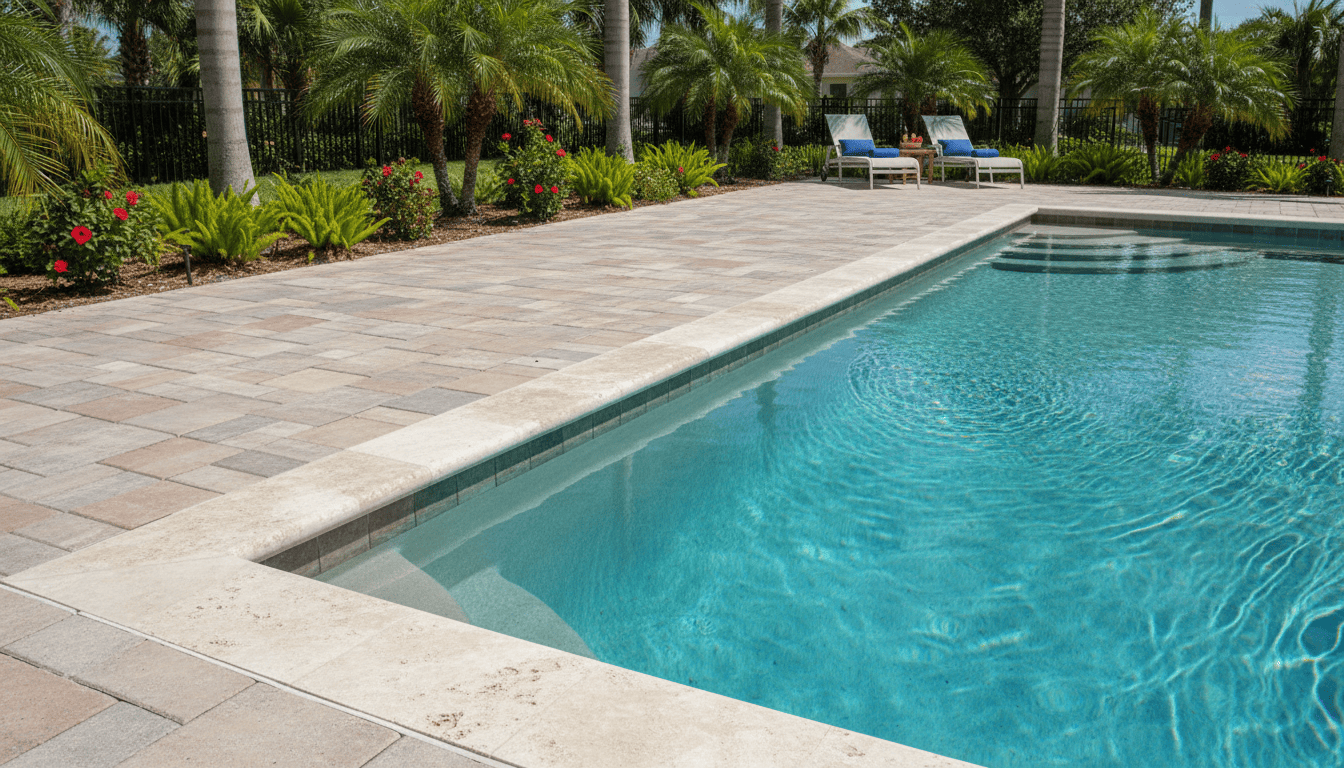
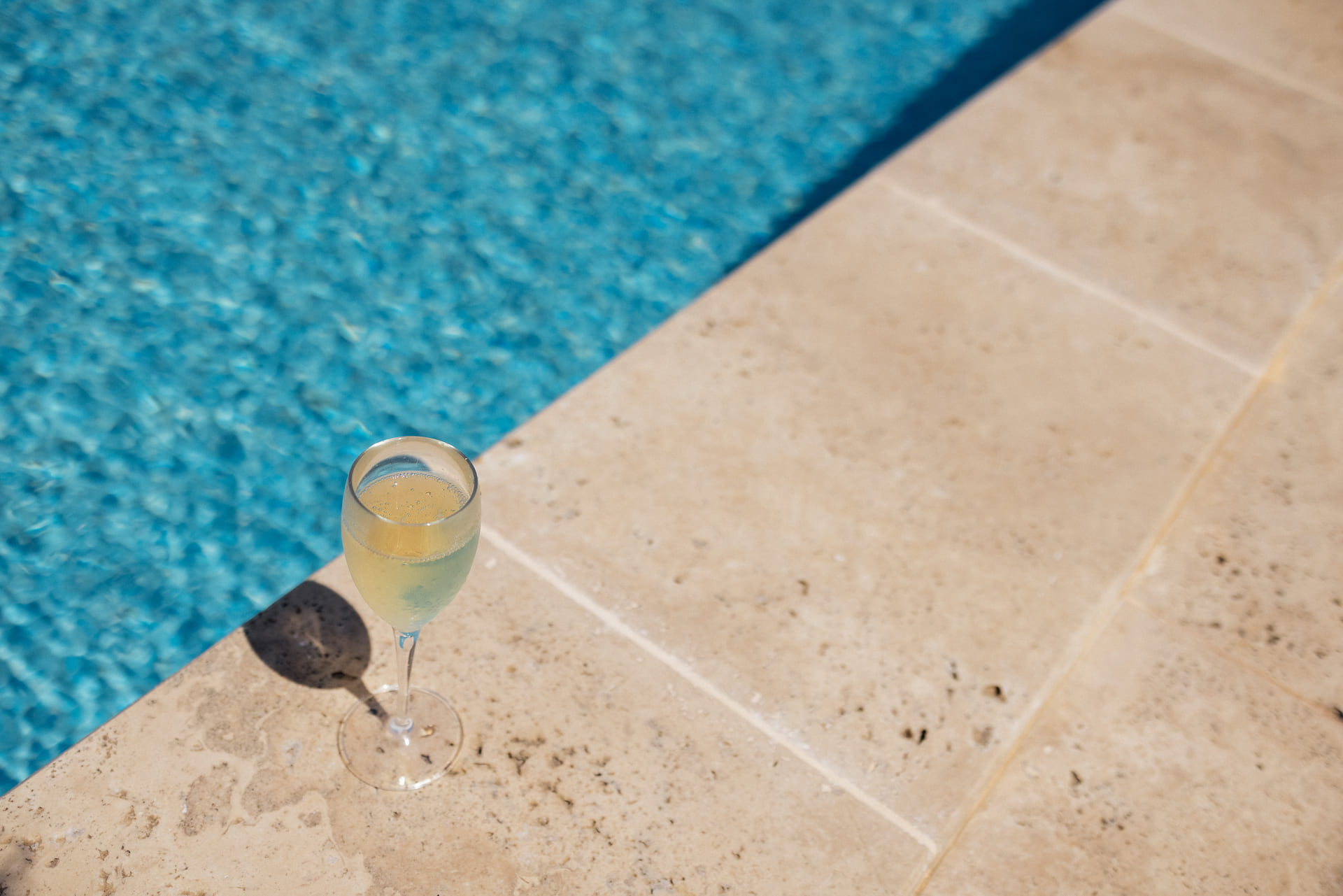
- Near pool decks
- In garden courtyards
They provide extra seating without cluttering the space with furniture.
Design Options for Seating Walls
Popular seating wall designs
- Straight or curved layouts
- Integrated lighting
- Built-in planters
- Stone or smooth caps for comfort
Caps are especially important, as they provide a comfortable surface for sitting.
Retaining Walls: Structure and Safety
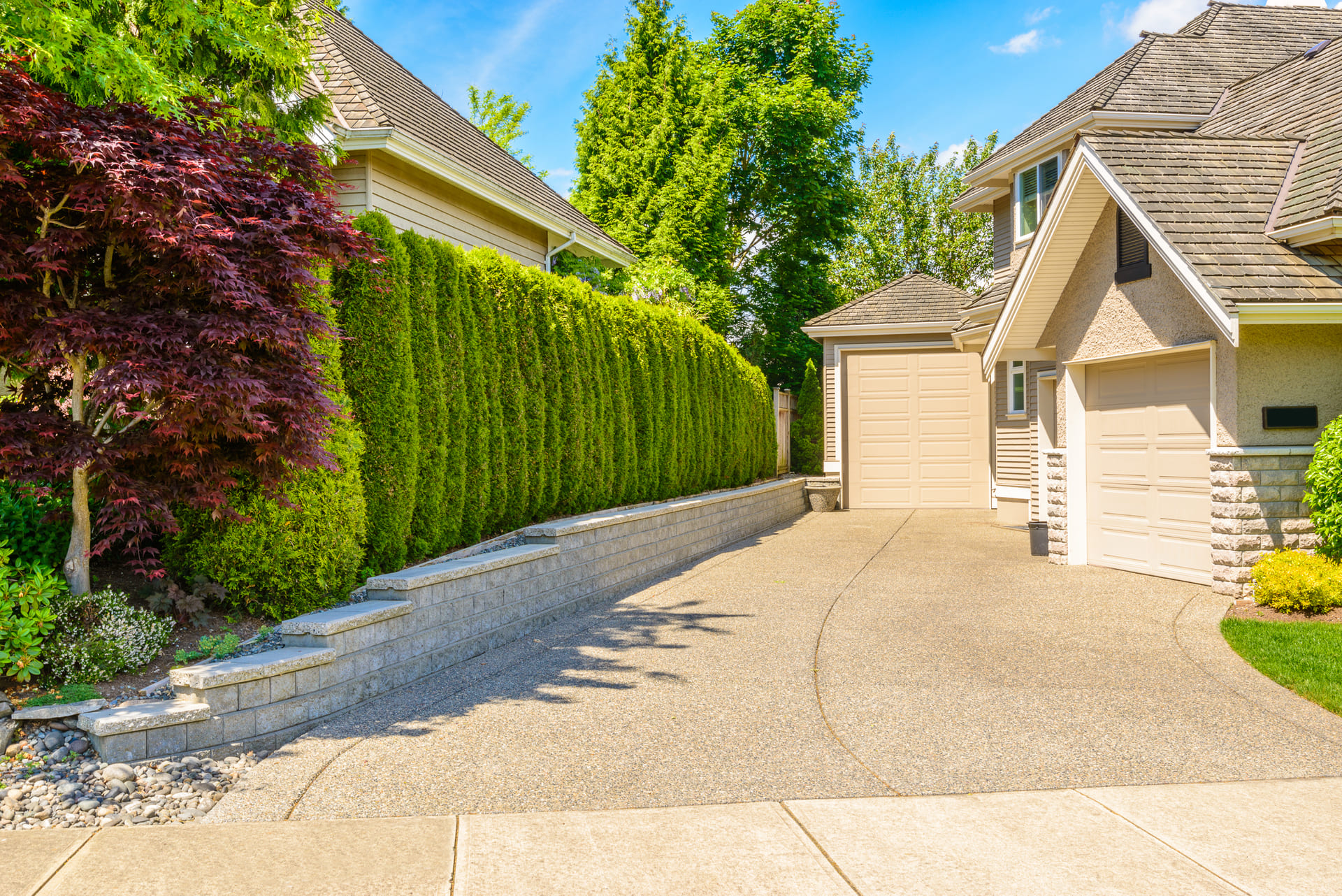
Retaining walls are essential when dealing with sloped yards or uneven terrain.
Benefits of retaining walls
- Prevent soil erosion
- Improve drainage control
- Create usable flat areas
- Protect landscaping and hardscape
In Florida, retaining walls also help manage heavy rain runoff.
Drainage Considerations for Retaining Walls
Drainage is critical to retaining wall performance.
Professional installations include:
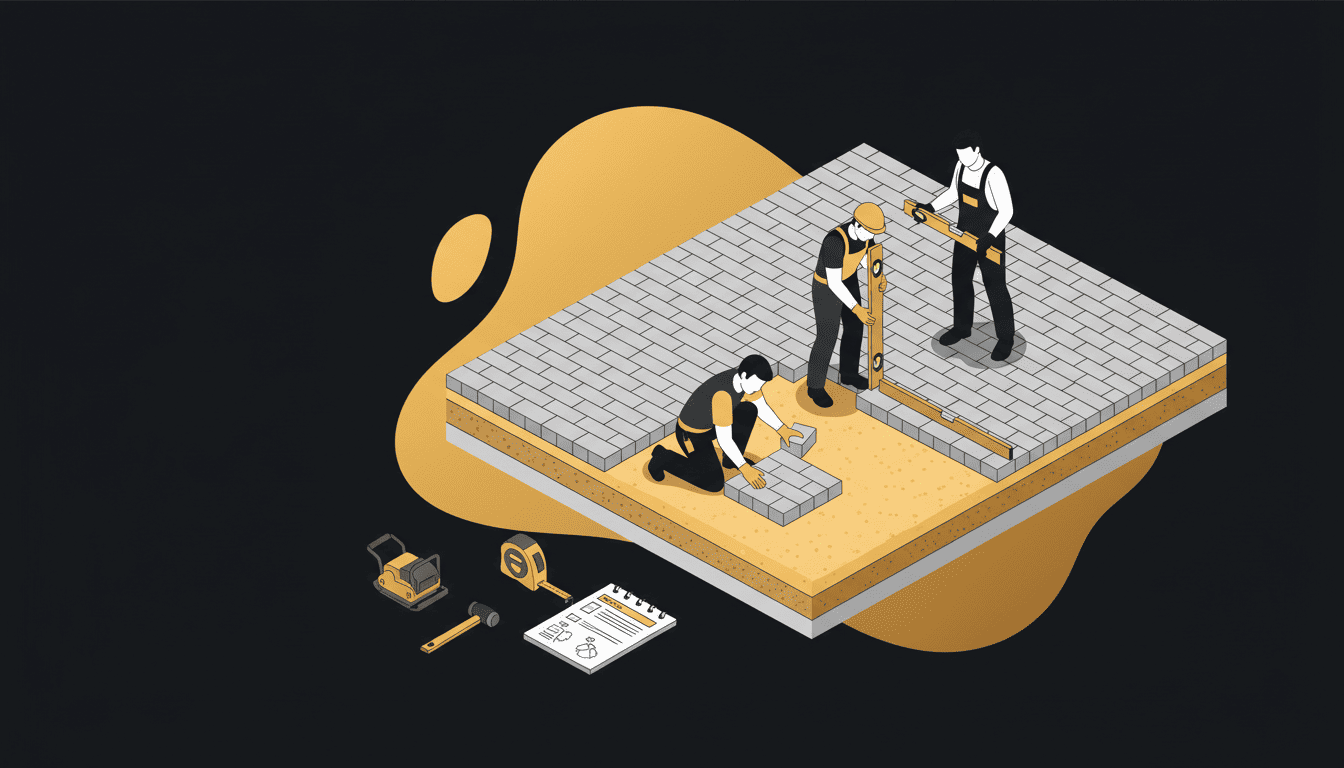
- Proper backfill materials
- Drainage gravel
- Weep systems when necessary
- Correct wall height and reinforcement
Without drainage planning, retaining walls can fail prematurely.
Combining Seating Walls and Retaining Walls
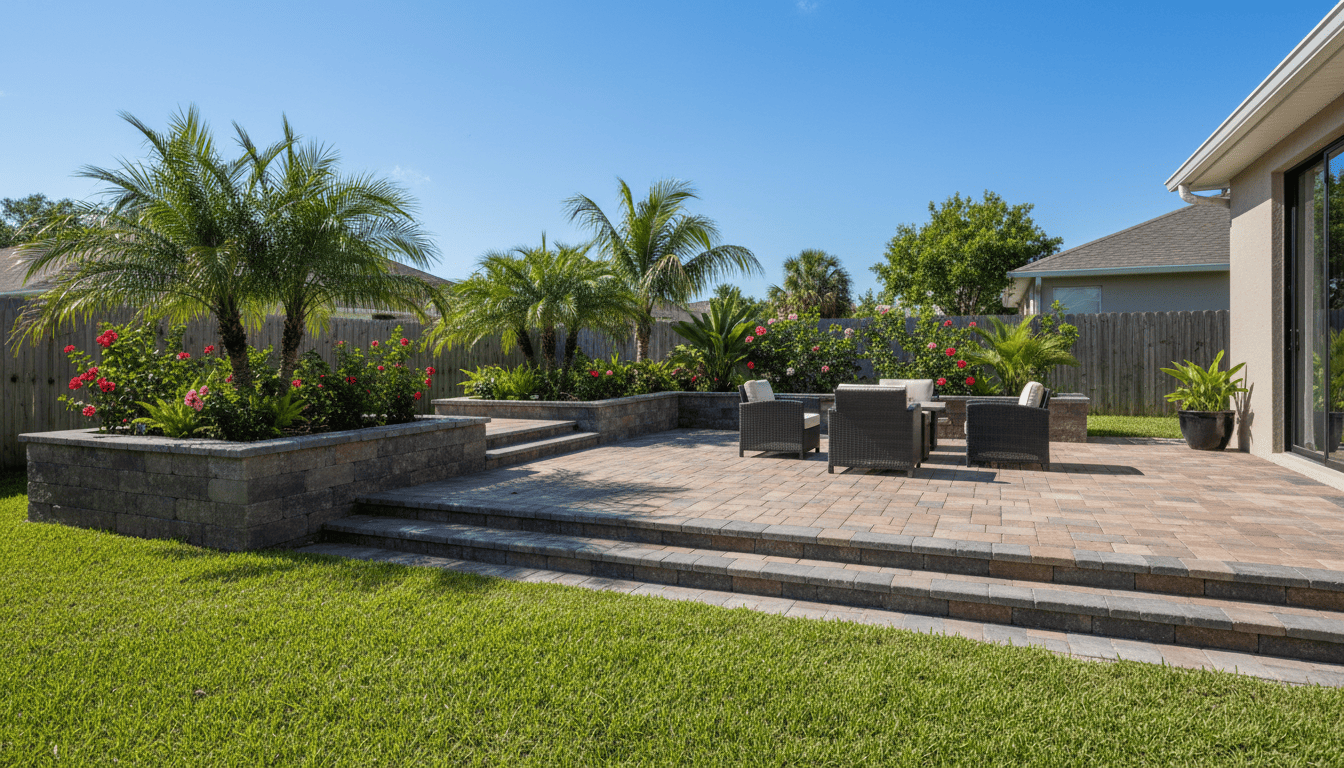
Many Florida designs combine both features.
Smart combinations include
- Retaining wall with seating cap
- Tiered walls that double as seating
- Garden retaining walls with seating edges
This approach maximizes functionality and visual appeal.
Integrating Walls with Patios and Outdoor Living Areas
Seating and retaining walls should feel connected to surrounding hardscape.
Integration tips
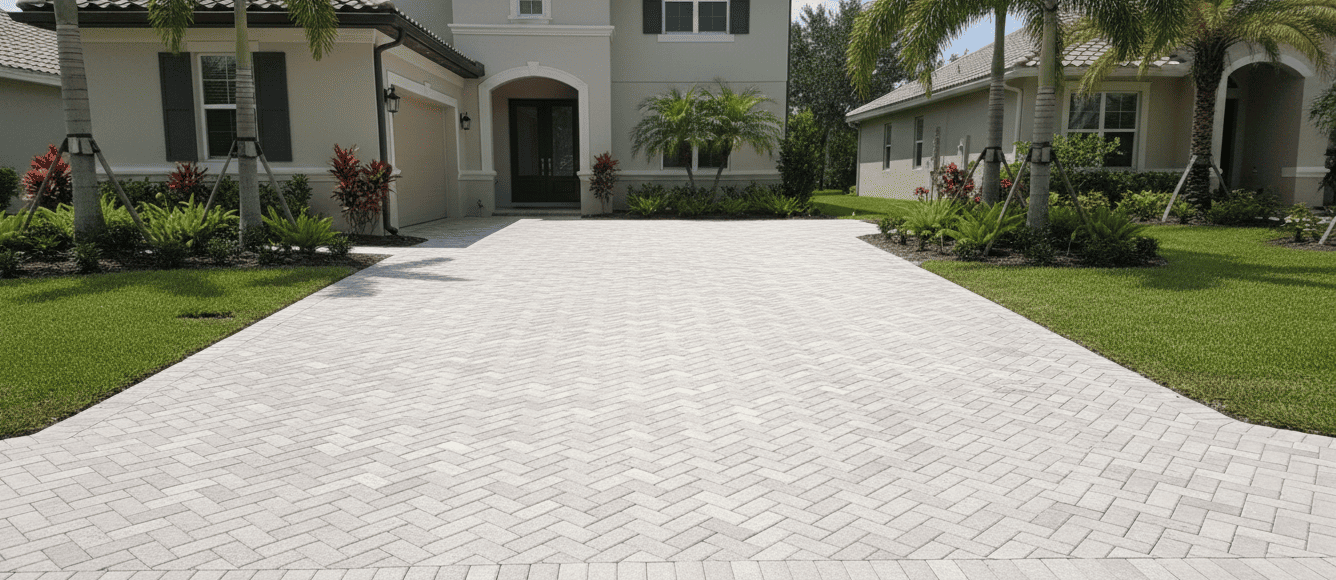
- Match wall pavers to patio pavers
- Use contrasting caps for definition
- Align curves with walkways and pool decks
- Incorporate lighting for nighttime use
Cohesive design elevates the entire outdoor space.
Materials and Cap Options
Caps complete the wall both visually and functionally.
Common cap choices
- Smooth concrete caps
- Natural stone caps
- Bullnose edges for comfort
- Contrasting colors for accents
Choosing the right cap improves both comfort and durability.
Maintenance of Paver Walls in Florida
Paver walls are low maintenance.
Simple care tips
- Rinse surfaces periodically
- Check caps after storms
- Clear debris from joints
- Inspect drainage outlets
Routine care ensures long-lasting performance.
Common Mistakes to Avoid
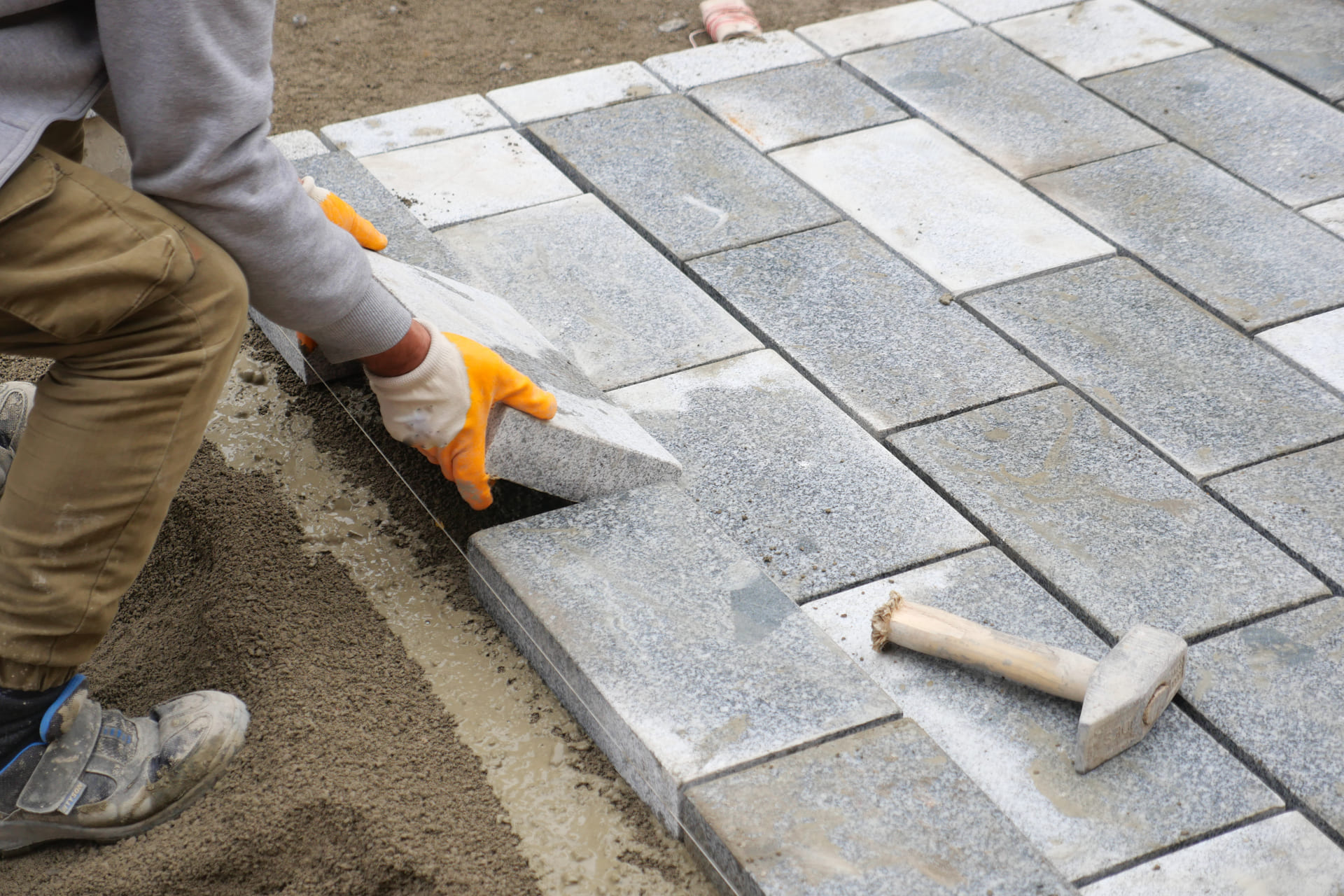
- Building walls without proper base
- Skipping drainage behind retaining walls
- Using seating walls where retaining walls are required
- Poor integration with existing hardscape
Professional planning avoids these costly errors.
How Seating and Retaining Walls Increase Property Value
Well-designed walls add both form and function.
Value benefits
- Improved outdoor usability
- Enhanced curb appeal
- Better erosion control
- Increased buyer interest
These features make outdoor spaces feel complete and intentional.
Explore More Hardscape Projects and Standards
For examples of seating walls and retaining wall installations tailored to Florida, explore our project gallery:
https://jaxtellerbrickpavers.com/projects
To review official wall construction and installation standards, visit the Interlocking Concrete Pavement Institute:
https://www.icpi.org/
Conclusion
Outdoor Seating Walls and Retaining Walls with Pavers in Florida add structure, comfort, and long-term value to outdoor living spaces. Whether used for seating, elevation control, or both, paver walls are durable, attractive solutions built to perform in Florida’s climate.
If you’re considering seating walls or retaining walls for your outdoor space, contact JaxTeller Brick Pavers at +1 407-907-8308 or jaxtellerbrickpavers@gmail.com for a free estimate. 🧱🌴