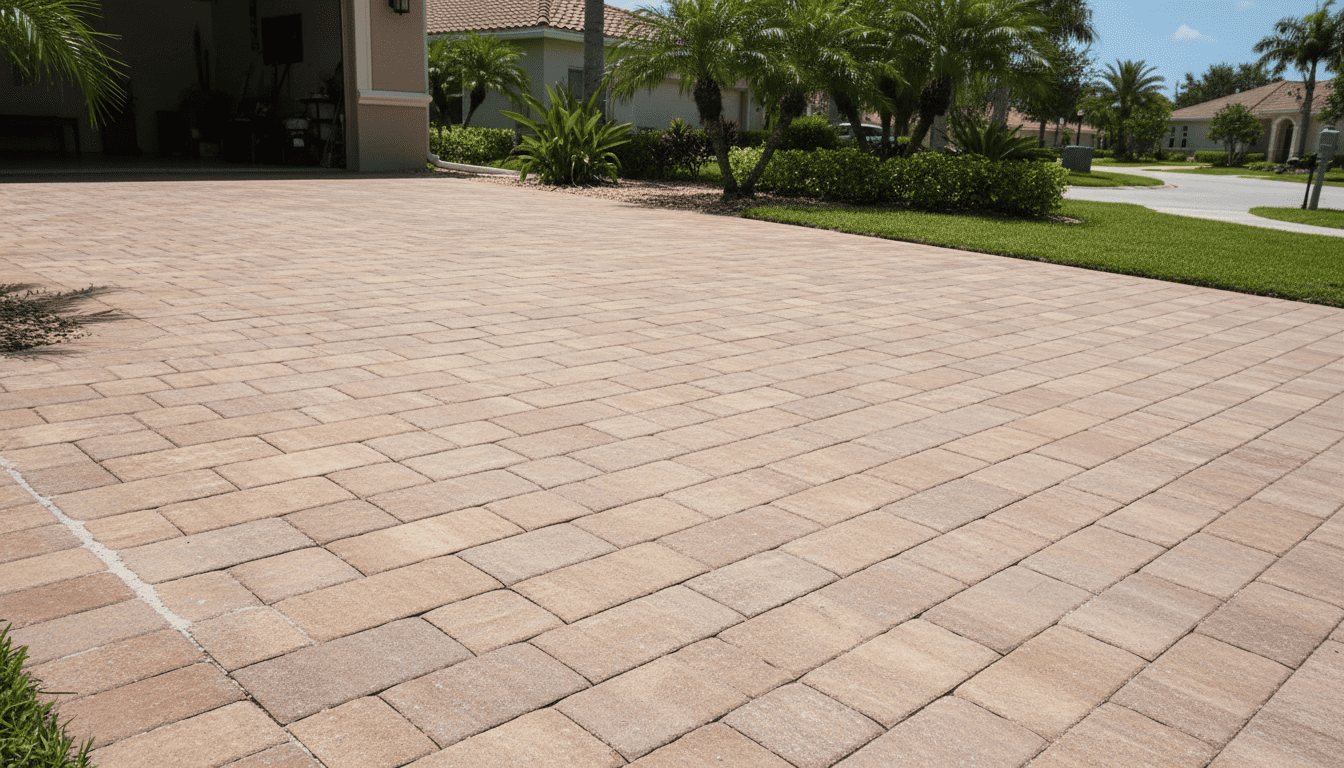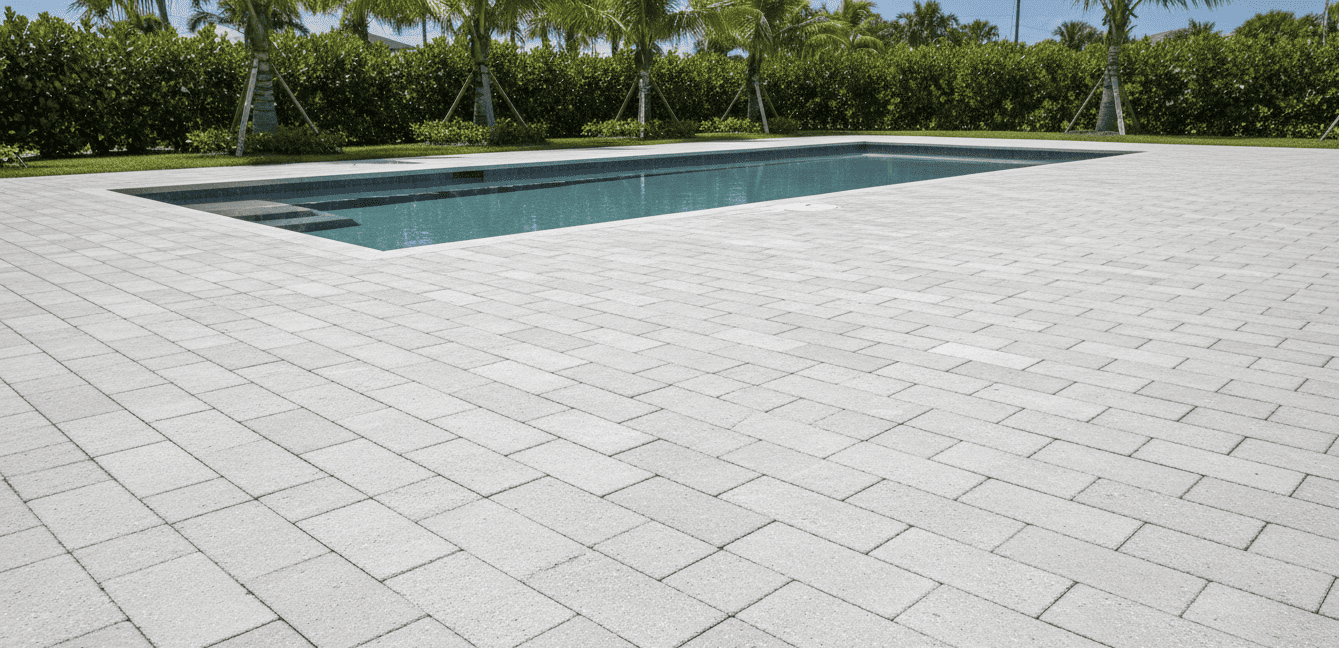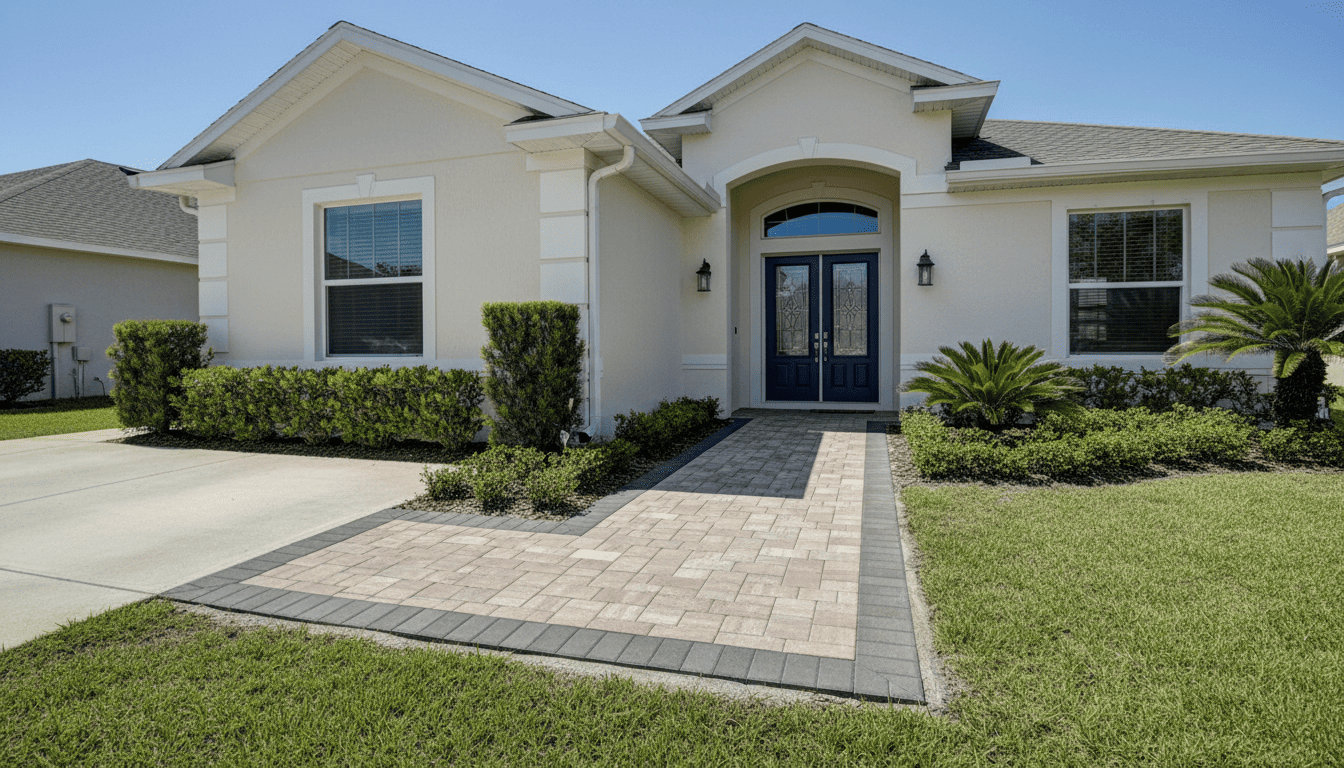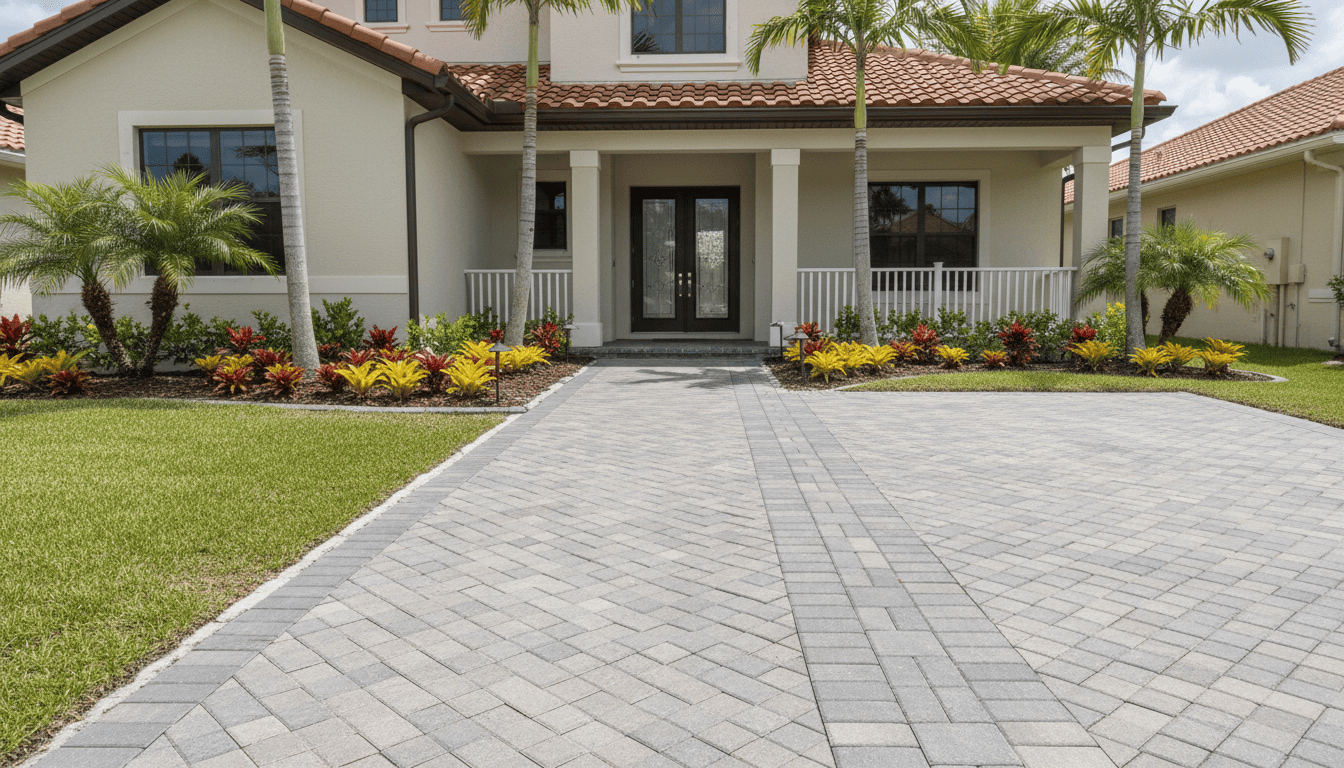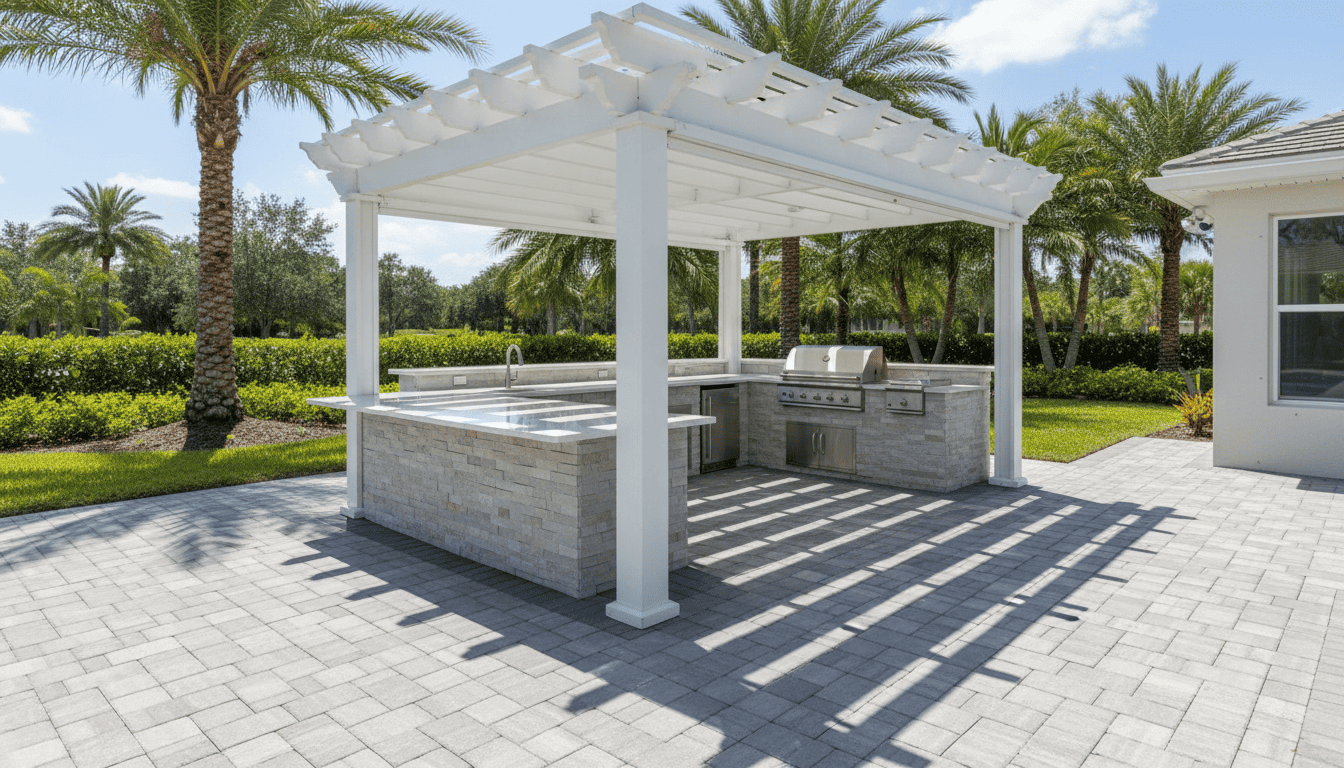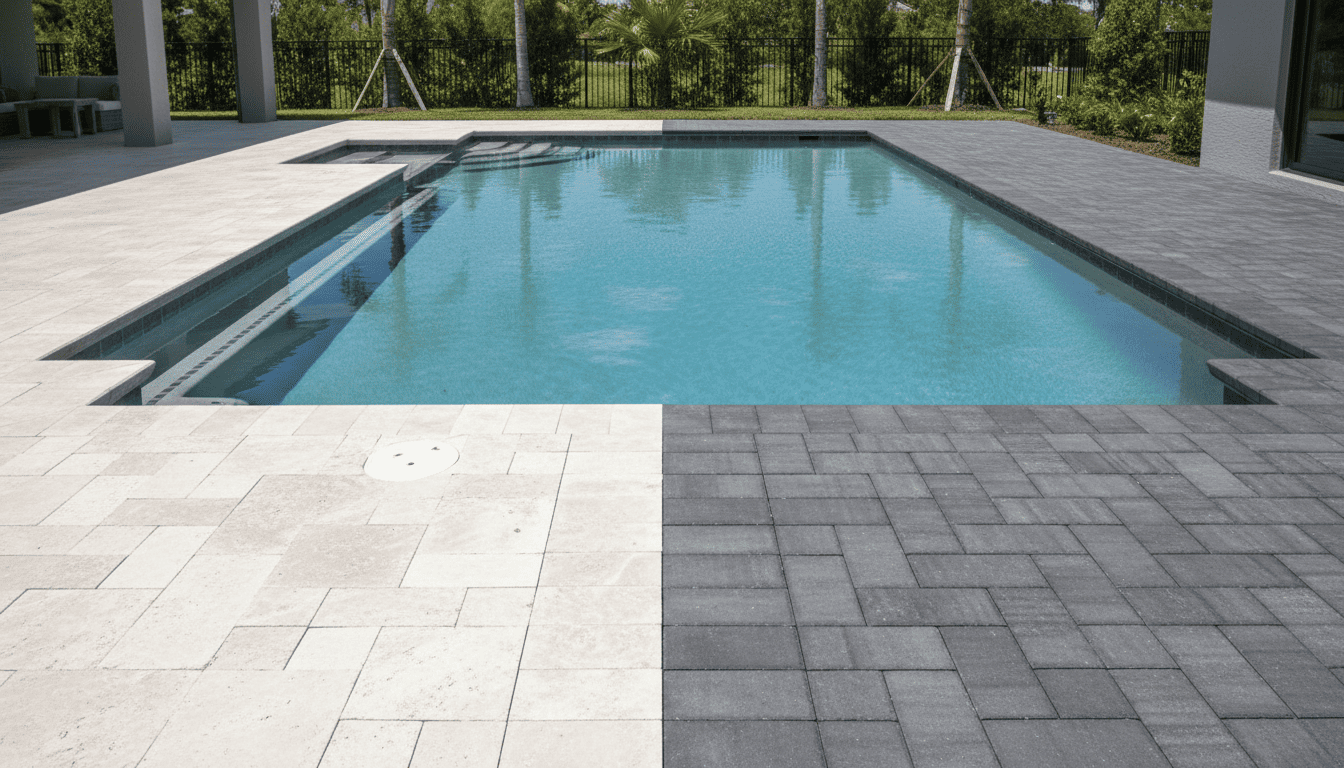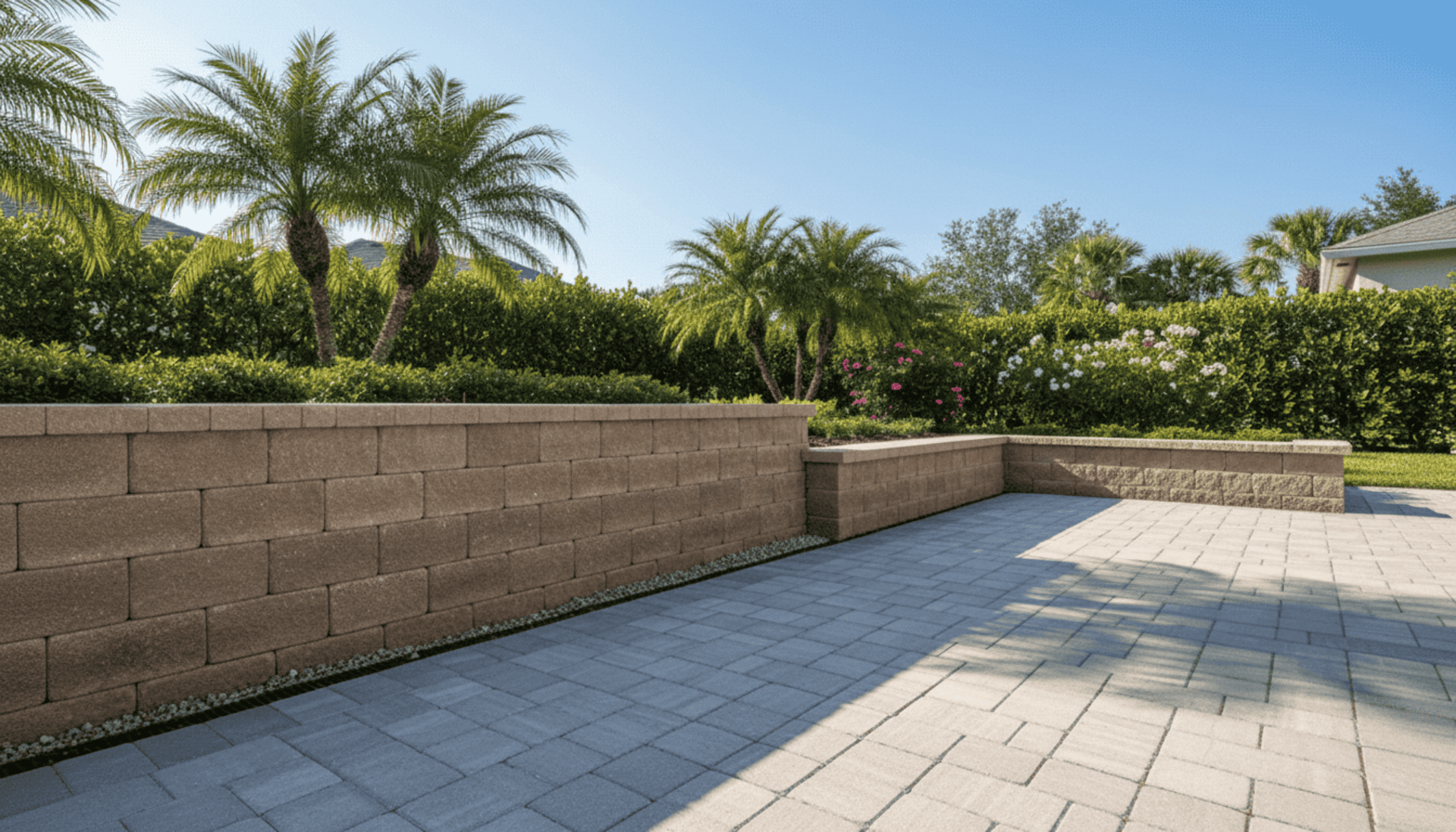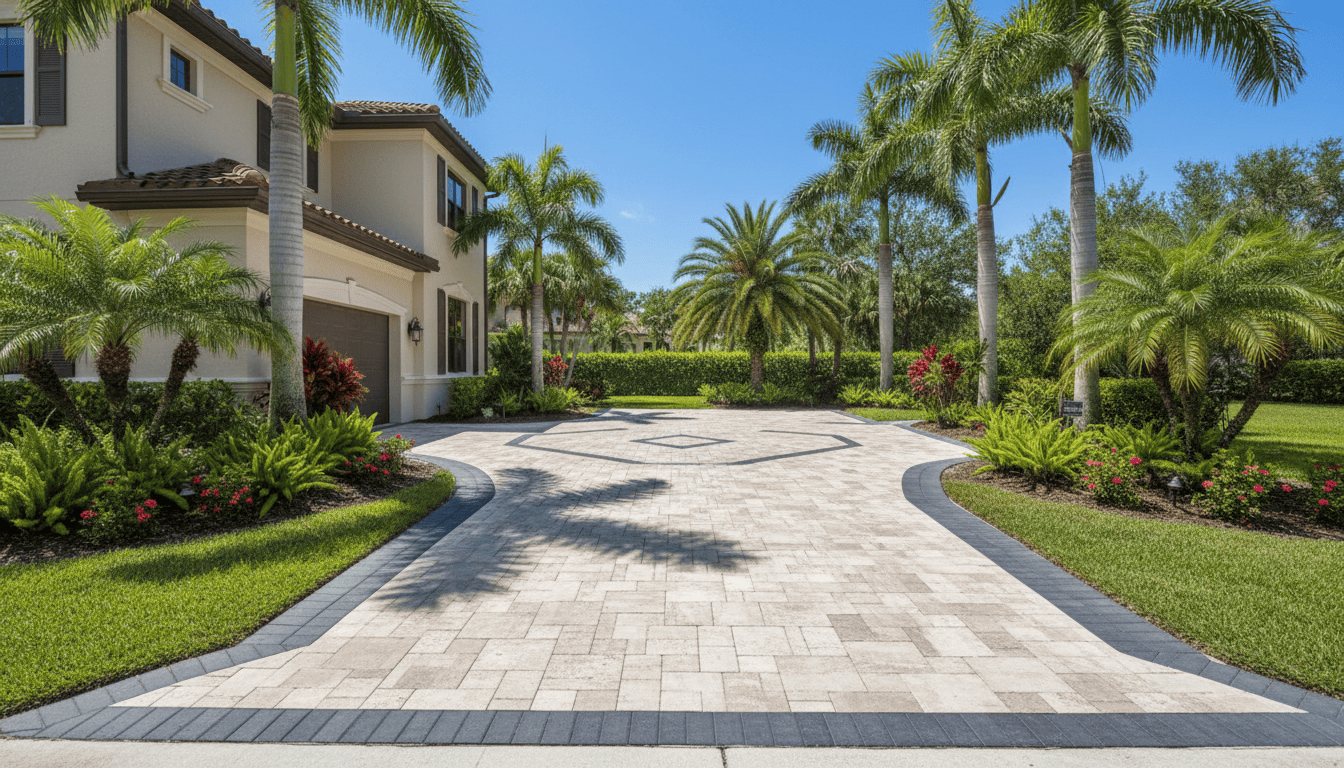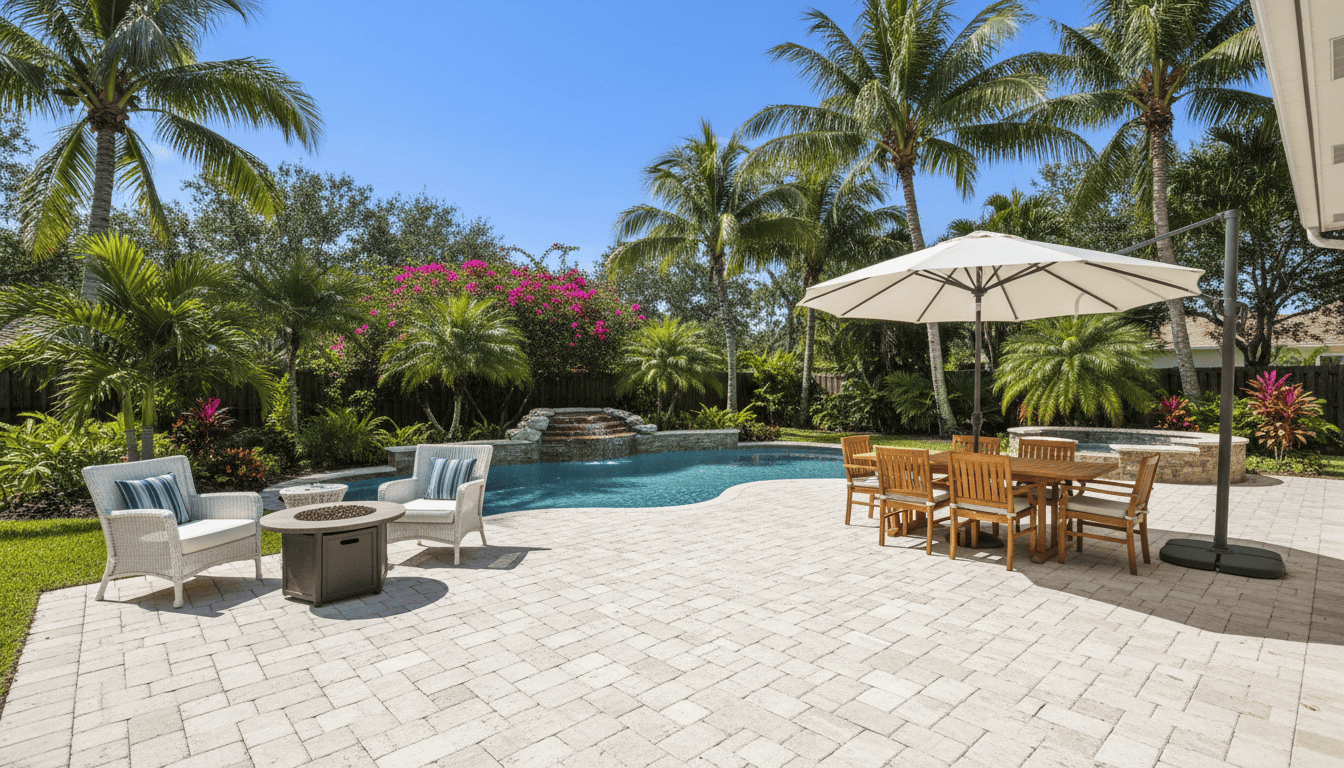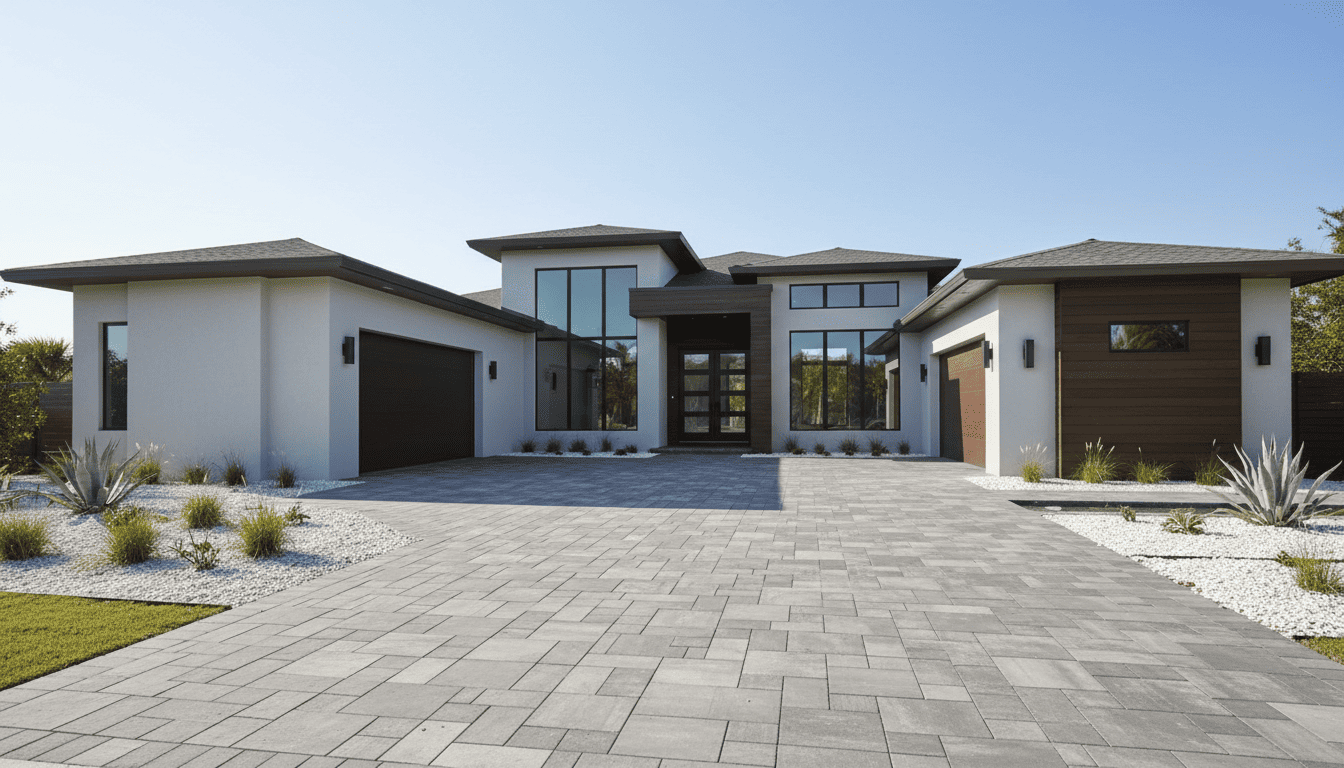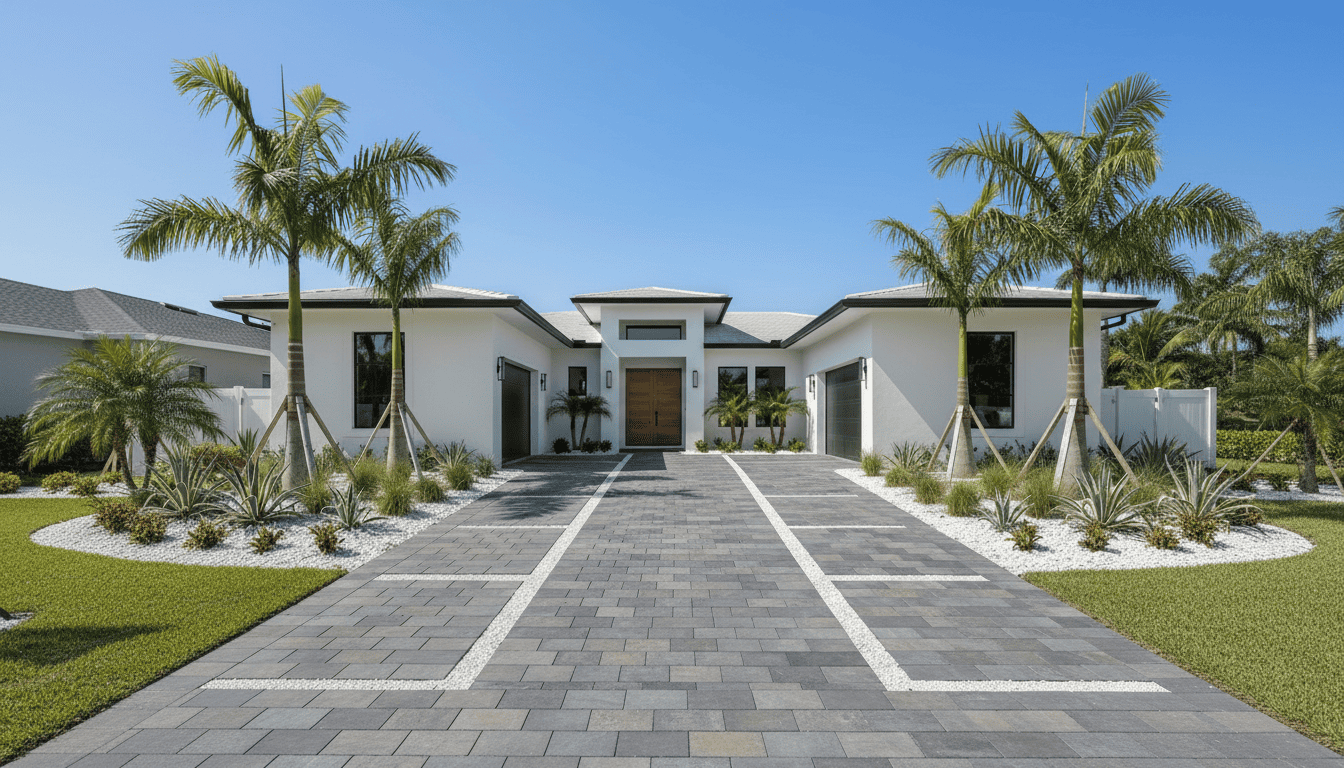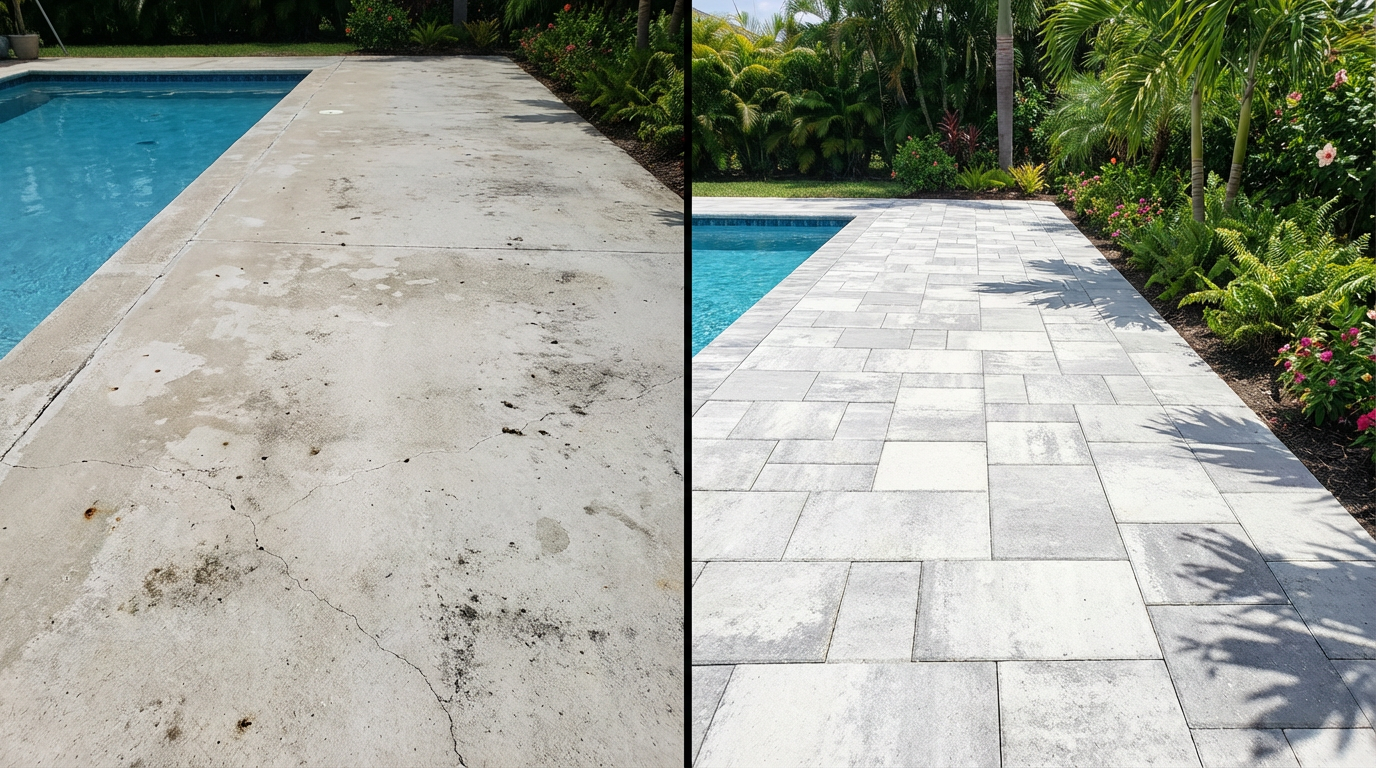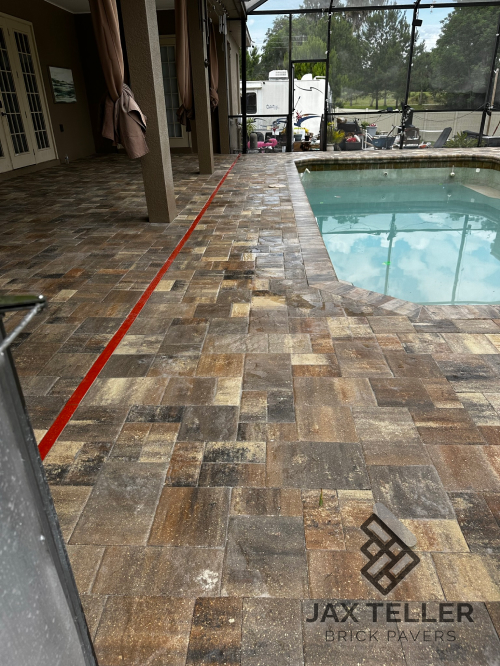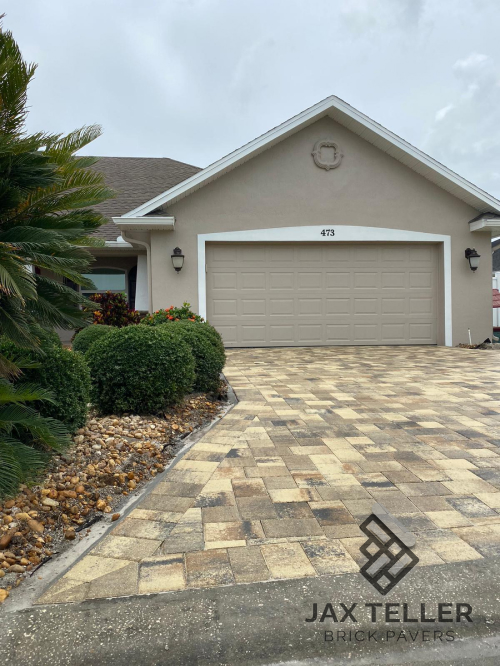
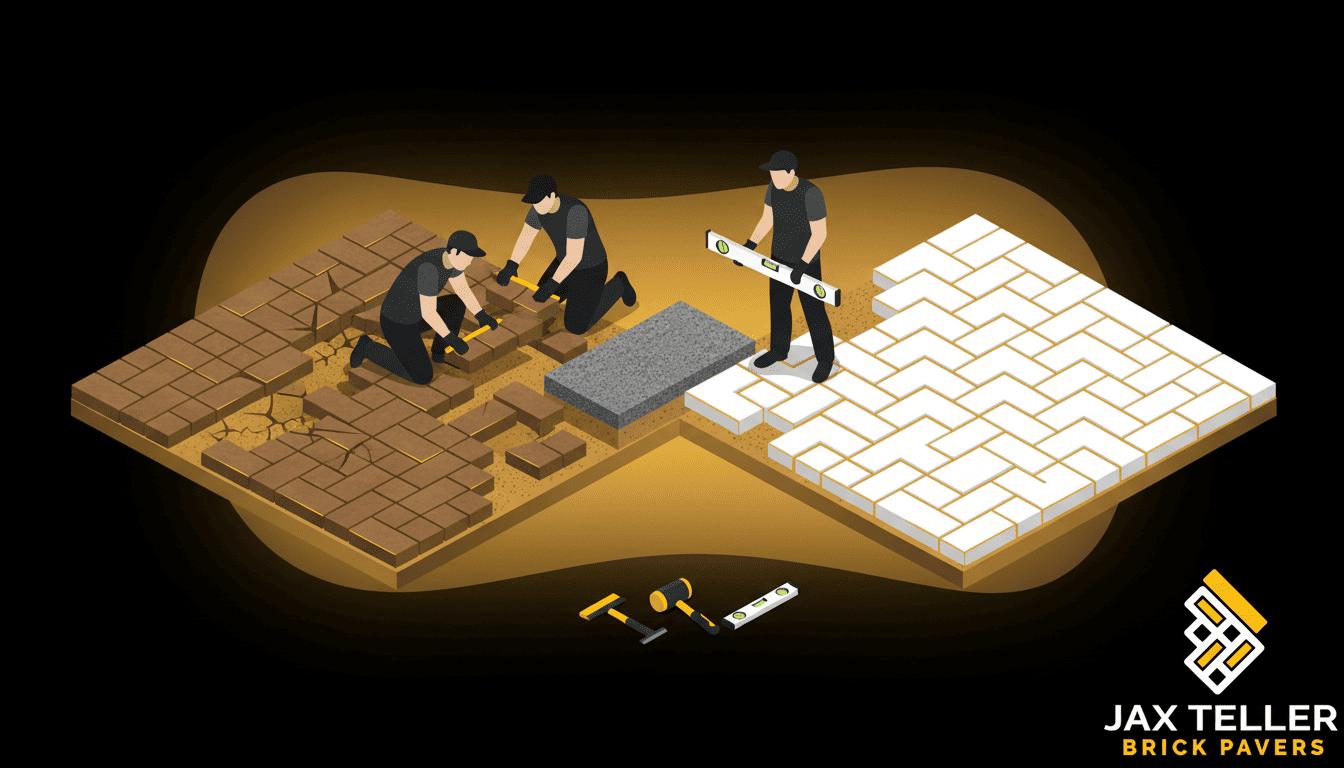
Understanding the difference between paver repair in Largo, FL and full paver replacement is one of the most practical decisions a homeowner can face. Surface problems appear in driveways, patios, pool decks, and walkways. Both options solve different problems — and choosing the wrong one wastes money or delays a fix the surface genuinely needs.
Florida’s climate accelerates paver wear in ways most other states do not experience. Intense UV exposure bleaches and weakens surface materials. Heavy seasonal rain saturates and shifts sandy soil beneath the base. Humidity encourages weed and moss growth in joints. As a result, even well-installed paver surfaces in Largo require periodic evaluation — and knowing what to look for separates a minor repair from a full reinstallation.
This guide walks through the most common paver problems in Largo homes. It explains the diagnostic criteria professionals use, covers cost comparisons, and outlines what to expect from each service type. Most importantly, it gives you practical knowledge to have a confident conversation with your contractor before any work begins.
The Most Common Paver Problems in Largo, FL
Before deciding between paver repair and replacement, you first need to identify the actual problem. Several distinct failure modes affect paver surfaces in Largo — each one pointing toward a different solution. Misdiagnosing the root cause is the most common reason repairs fail within months.
Sunken or Uneven Pavers
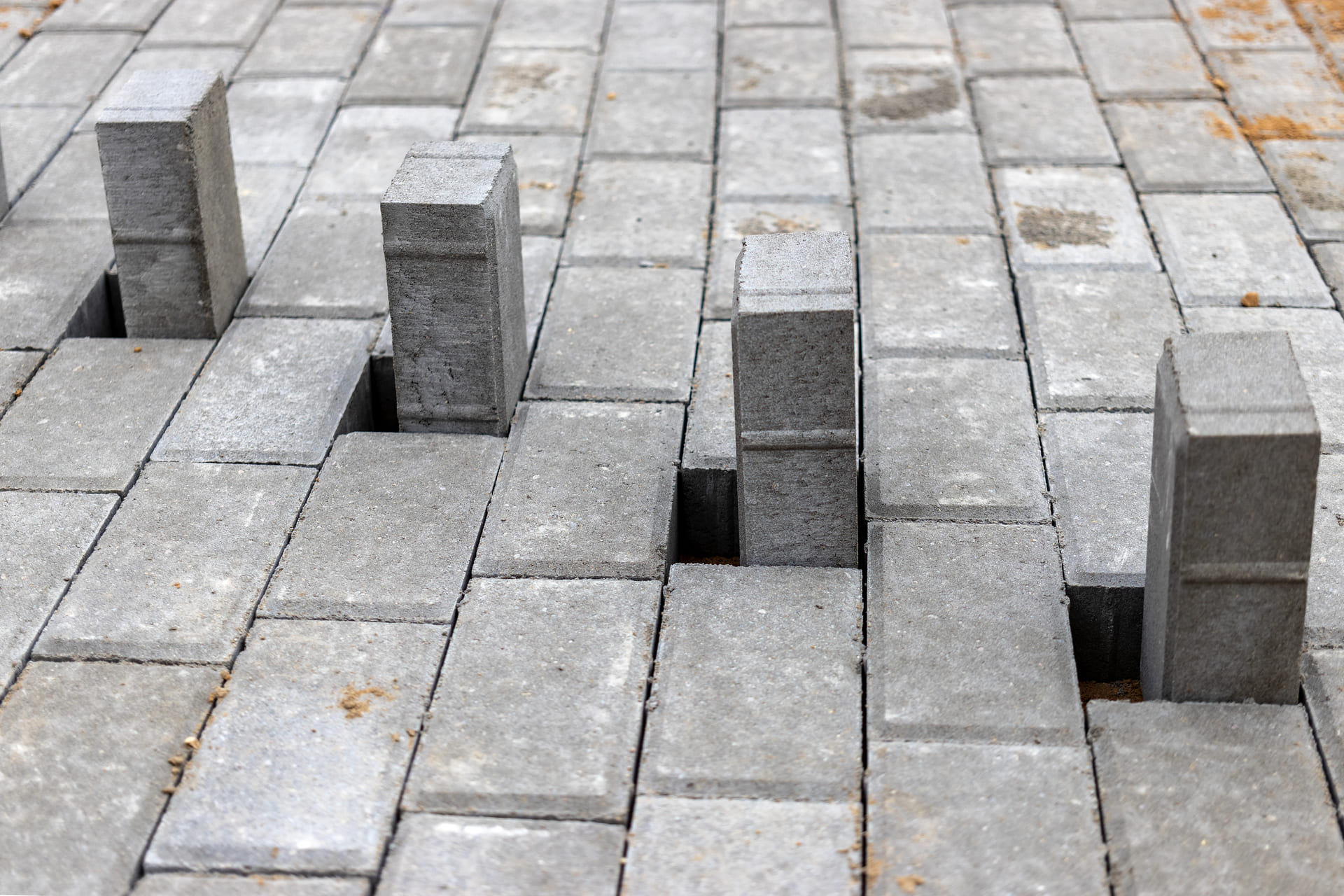
Sunken pavers are the most frequently reported problem across Largo driveways and patios. They occur when the compacted base settles unevenly — typically from water erosion, inadequate base depth, or soil migration in Florida’s sandy substrate. The pavers themselves are often undamaged. However, the surface becomes uneven, creating trip hazards and drainage problems.
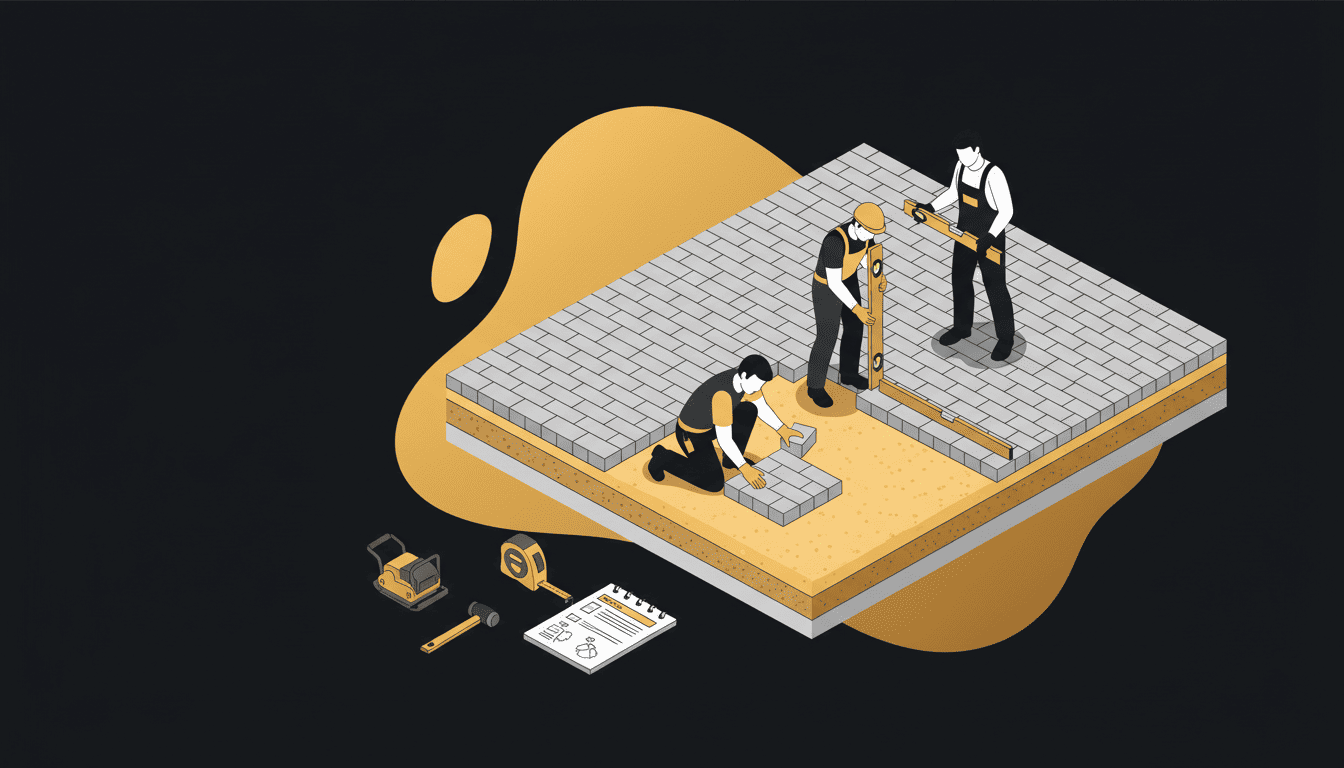
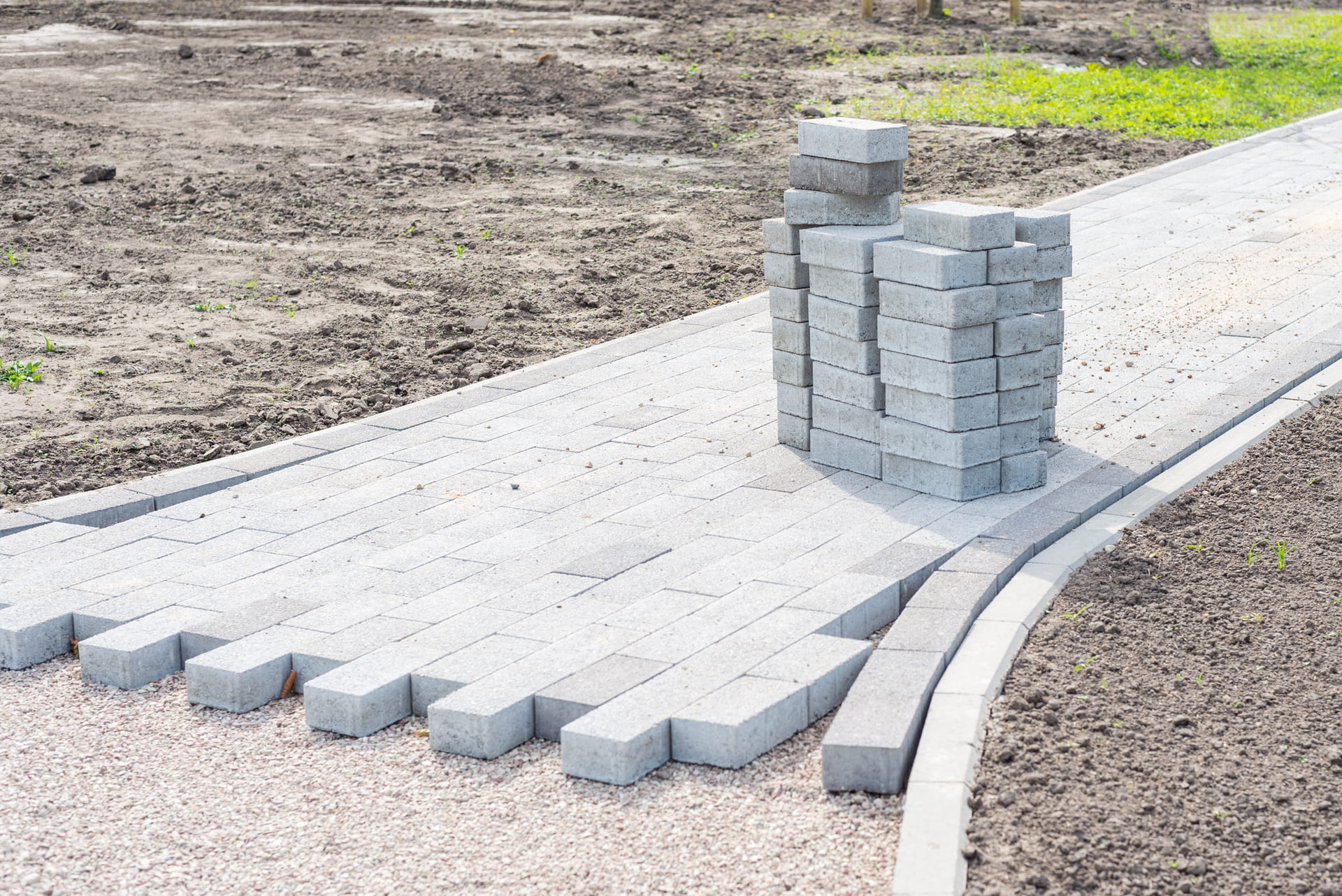
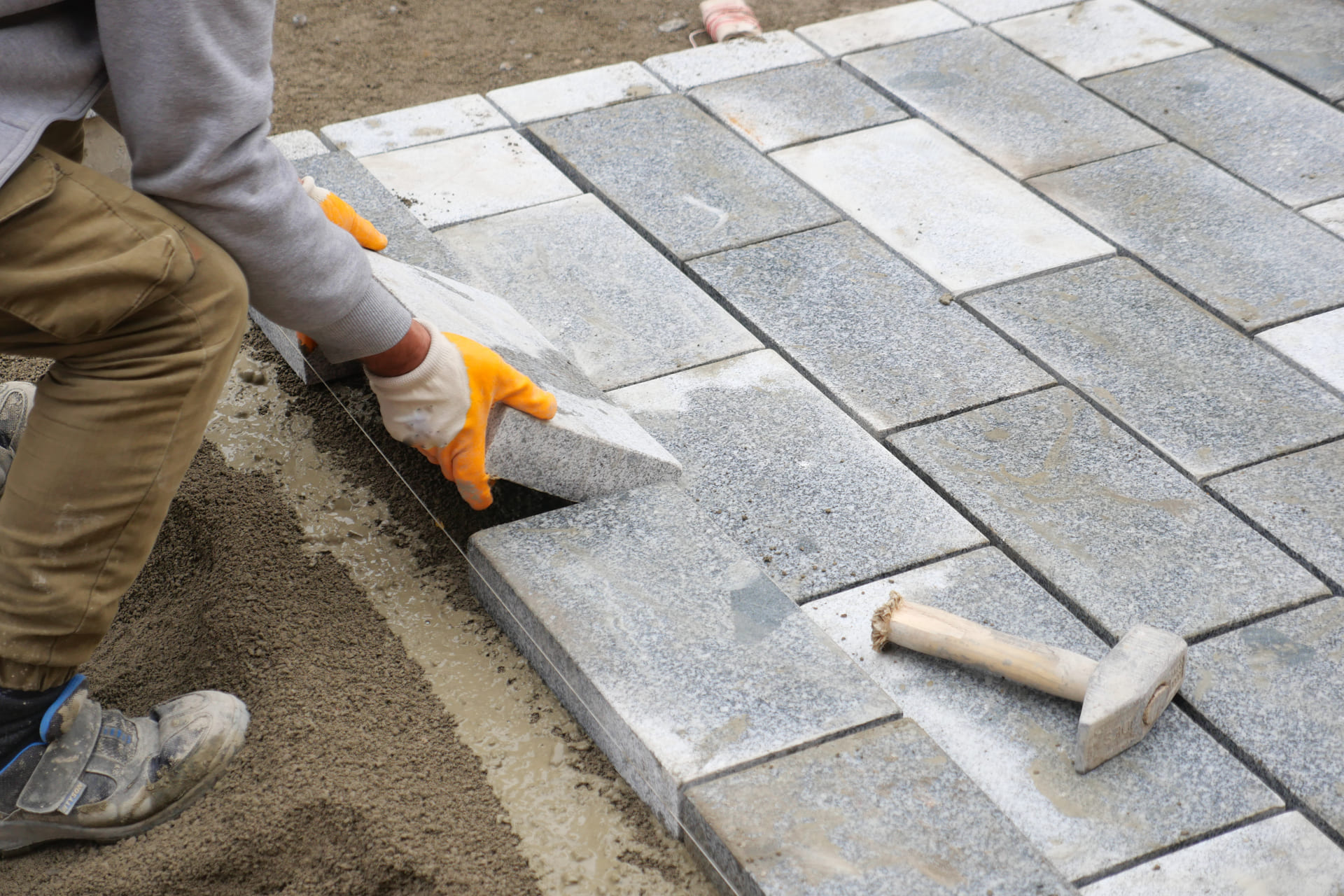
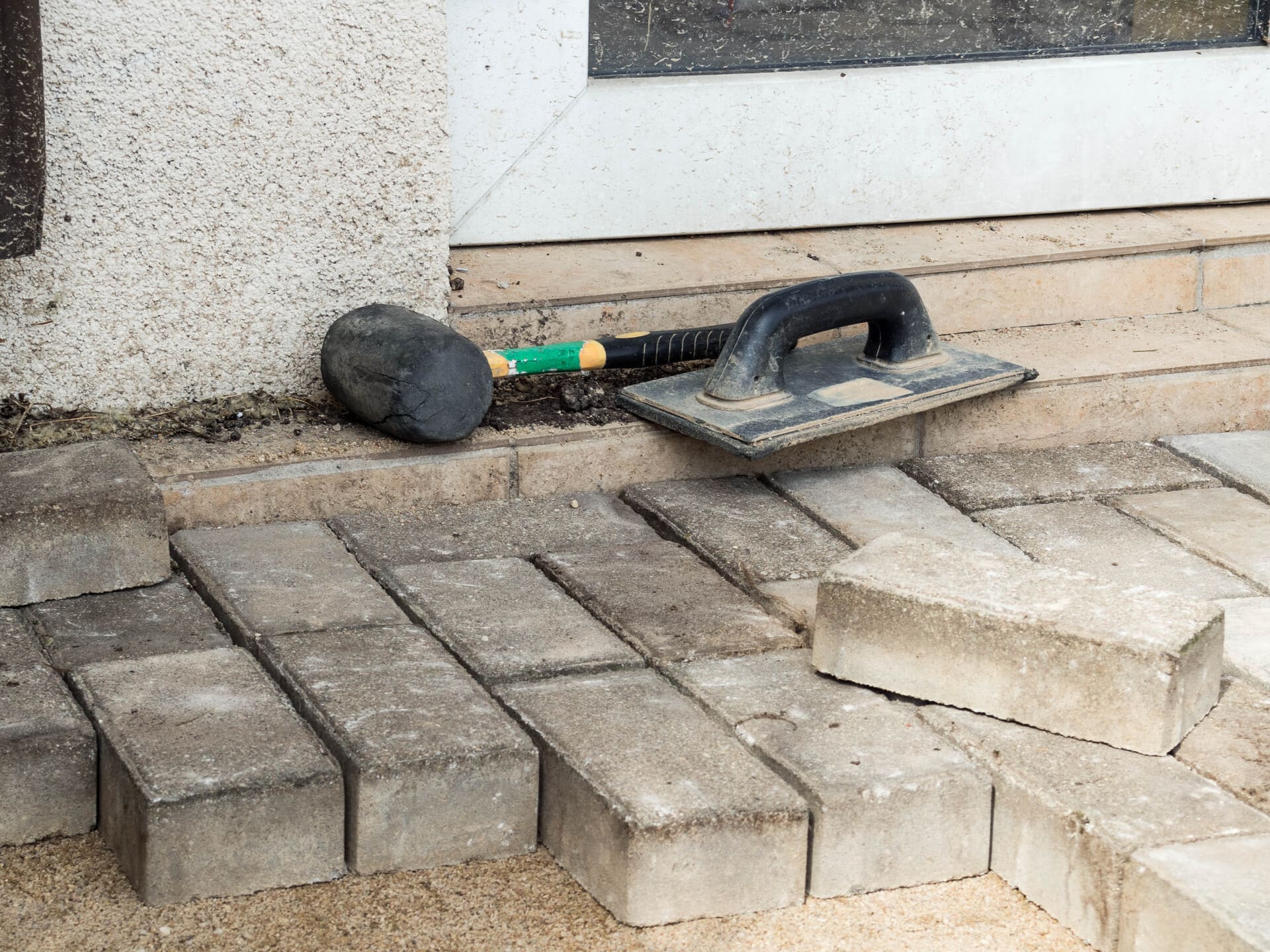
In most cases, sunken pavers are a repair candidate. Contractors lift the affected units, re-level the base, re-compact it, and reset the pavers flush with the surrounding surface. This process is straightforward when damage is localized. On the other hand, sunken areas across 40% or more of the surface signal a systemic base failure — and full replacement becomes the more cost-effective long-term solution.
Cracked or Broken Paver Units
Individual cracked or broken pavers are among the easiest problems to fix. One key advantage of paver surfaces over poured concrete is that individual units lift and replace without disturbing the surrounding area. A single cracked paver costs a fraction of a comparable concrete repair — and the result looks virtually invisible when matching units are available.
However, widespread cracking across multiple zones tells a different story. It often indicates an undersized base, low-quality pavers, or vehicle loads that consistently exceeded the surface’s designed capacity. Replacing isolated units in that scenario addresses symptoms rather than the root cause. Therefore, a professional base assessment is essential before committing to spot repairs on a heavily cracked surface.
Joint Sand Erosion and Weed Intrusion
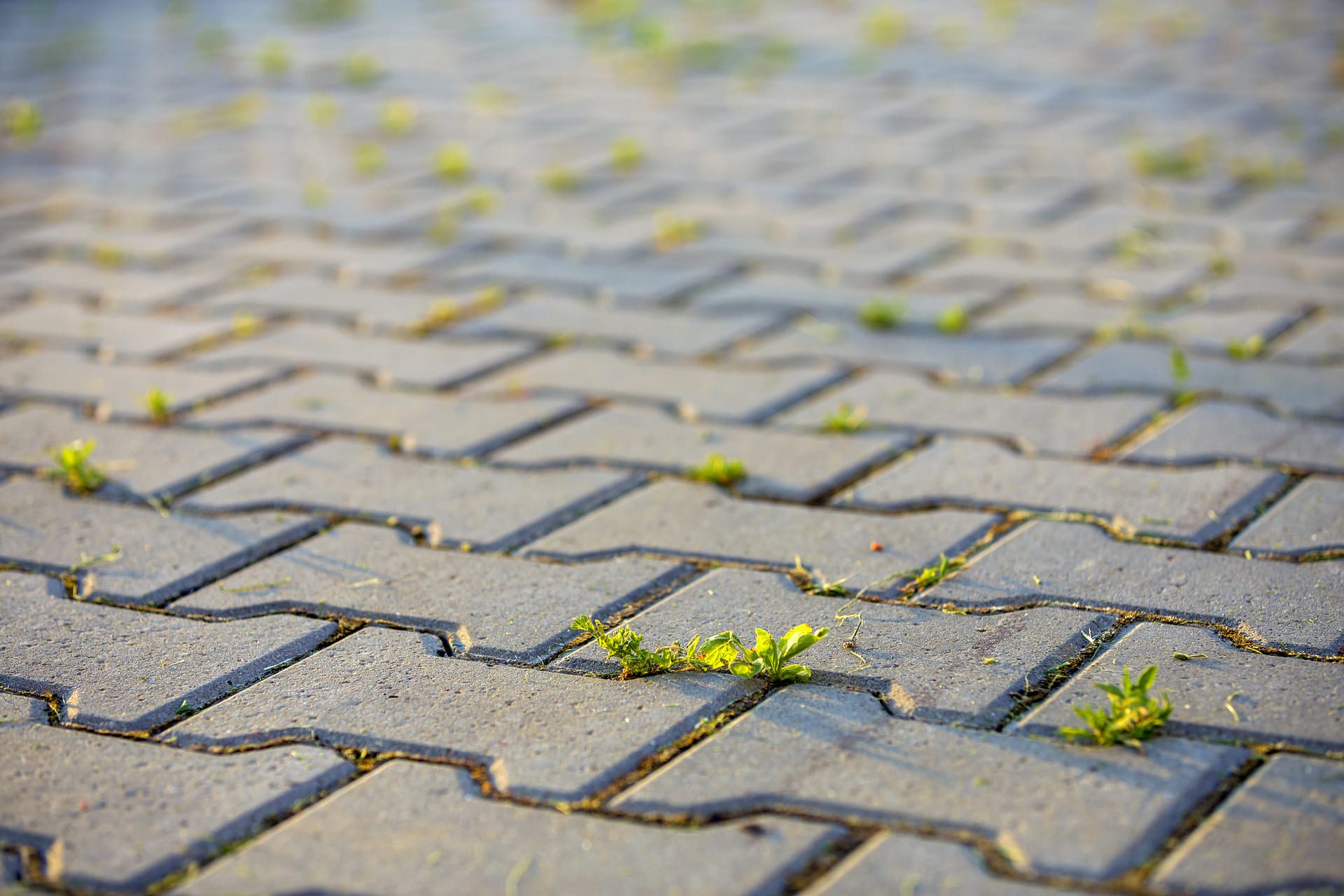
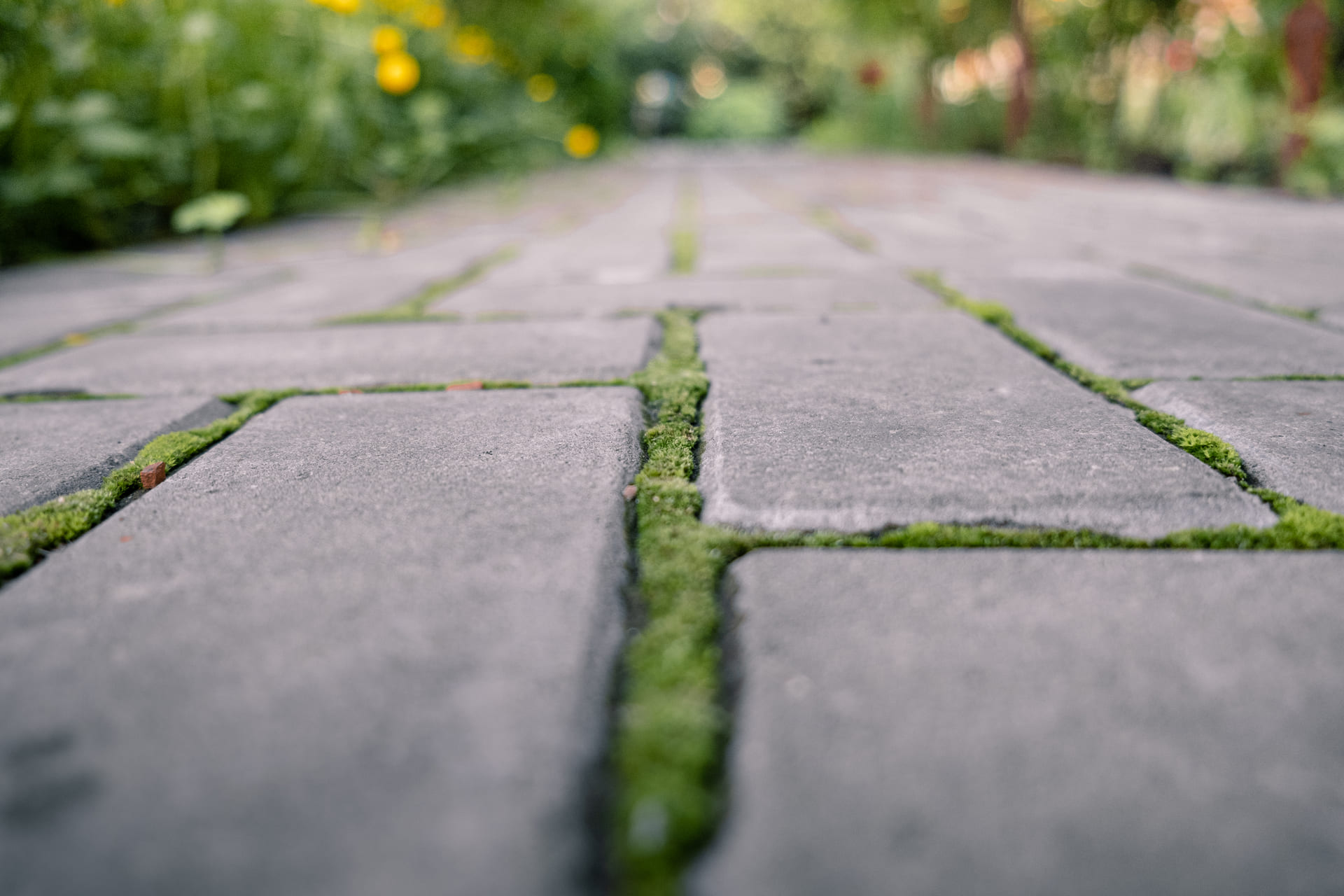
Joint sand erosion affects virtually every paver surface in Largo over time. Florida’s heavy summer rains gradually wash polymeric sand from between paver joints — leaving gaps that allow weed seeds to germinate, ants to colonize, and individual units to shift. The surface may look visually intact, but lost joint integrity quietly destabilizes the entire installation.
This condition rarely requires replacement. Instead, it calls for professional cleaning, joint sand replenishment, and resealing. Additionally, addressing joint erosion promptly prevents more serious base damage from water penetrating through open joints. For most Largo homeowners, this maintenance task should occur every three to five years depending on rainfall exposure and traffic levels.
Surface Staining, Fading, and Efflorescence
Staining, UV fading, and efflorescence — the white mineral deposits that appear on paver surfaces — are cosmetic issues. They do not affect structural integrity but significantly impact curb appeal. In Largo’s intense sun, concrete pavers without regular sealing fade noticeably within two to three years. Similarly, oil stains and mineral deposits from irrigation water create persistent discoloration.
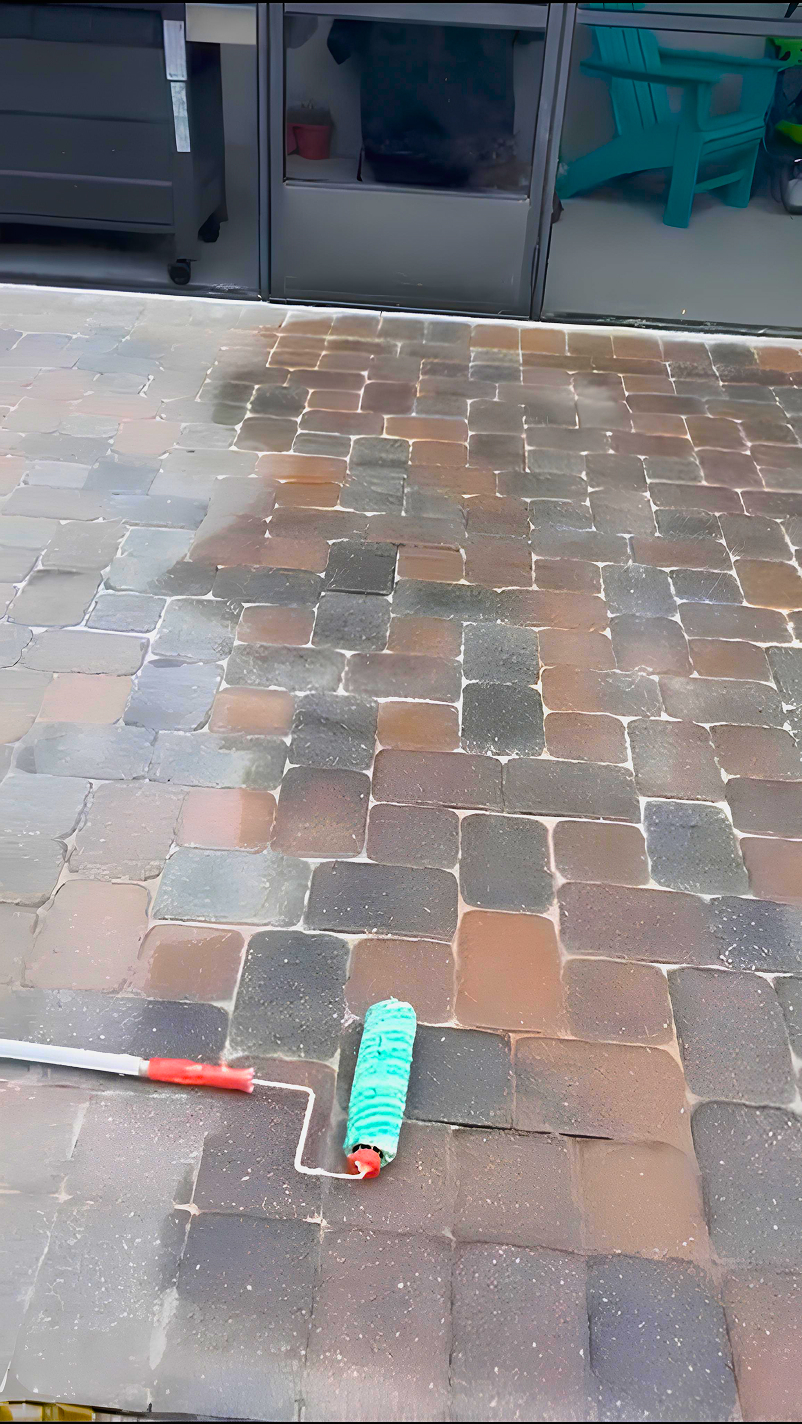
These issues respond well to professional pressure washing and sealing. A thorough clean followed by a quality penetrating sealer restores color, blocks UV damage, and prevents future staining. This is a repair-category solution — far less expensive than replacement and highly effective when the underlying structure remains sound.
Widespread Shifting and Lateral Movement
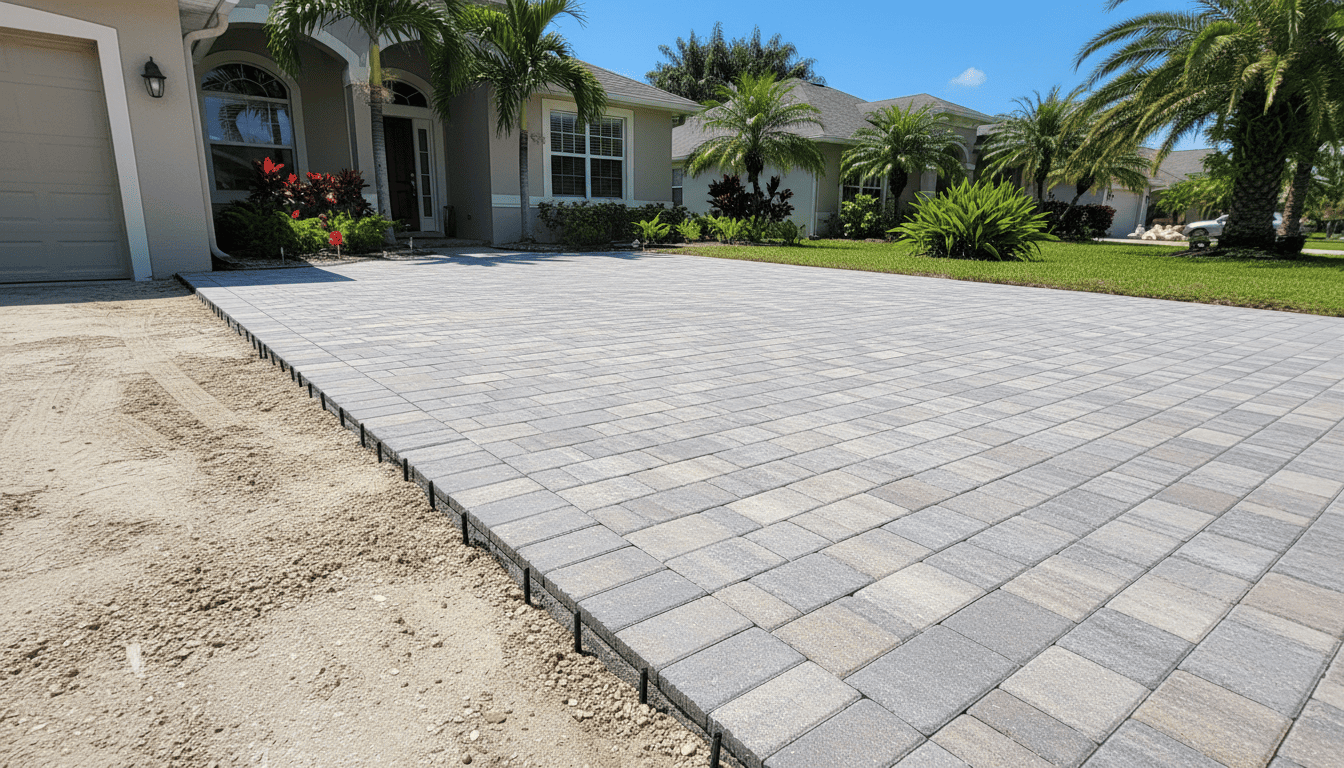
Lateral movement — where rows of pavers migrate outward from the surface center — typically indicates edge restraint failure. When perimeter restraints corrode, break, or were never installed correctly, the entire surface spreads outward under vehicle and foot traffic loads. Gaps widen, patterns distort, and joints open unevenly across the field.
Addressing lateral movement requires more than resetting individual units. Contractors must repair or replace the edge restraints, reset and re-compact the affected pavers, and apply fresh joint sand throughout. In moderate cases, this qualifies as a repair project. In severe cases — where migration has affected the majority of the surface and compromised the base — full replacement with proper edge restraint installation is the correct approach.
Paver Repair vs. Replacement: The Decision Framework
Experienced contractors in Largo use a clear framework to assess repair versus replacement. This framework considers three primary variables: the percentage of surface affected, the condition of the base layer, and the availability of matching replacement units.
Repair Is Typically the Right Choice When:
- Damage affects less than 30% of the total surface area
- The compacted base remains stable and properly graded
- Matching paver units are available or can be closely sourced
- The edge restraints are intact and holding the perimeter correctly
- The primary issues are cosmetic — fading, staining, efflorescence, or minor joint erosion
- The original installation was professionally done and meets Florida base depth standards
In these scenarios, targeted paver repair and reinstallation delivers excellent results at a fraction of replacement cost. Furthermore, a professional repair extends the useful life of the remaining surface by addressing specific failure points before they spread.
Replacement Is Typically the Right Choice When:
- Damage, sinking, or shifting affects more than 40% of the total surface
- The base layer is compromised, undersized, or improperly graded throughout
- The original installation lacked adequate base depth or edge restraints
- Matching paver units are discontinued or unavailable — making repairs visually inconsistent
- The surface has been repeatedly repaired and continues to fail in the same areas
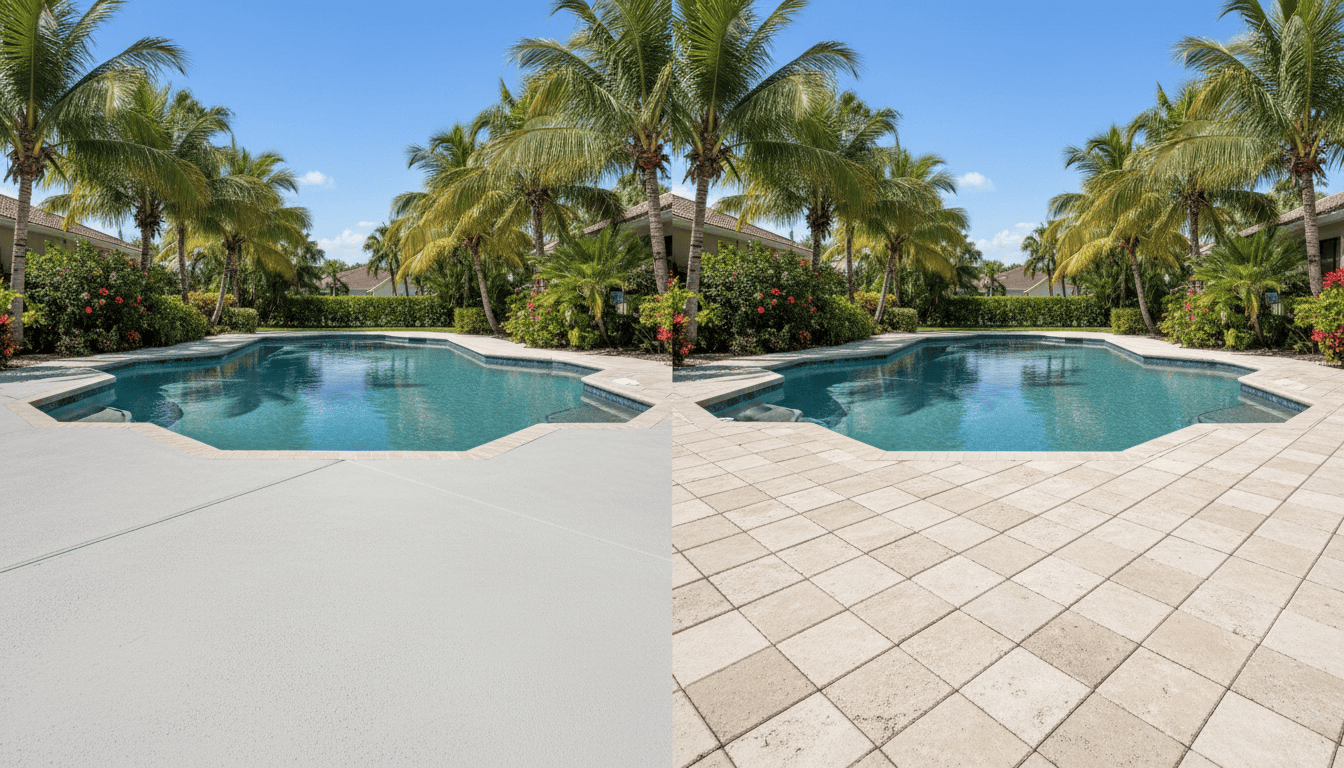
- The homeowner wants to upgrade to a different material, pattern, or design entirely
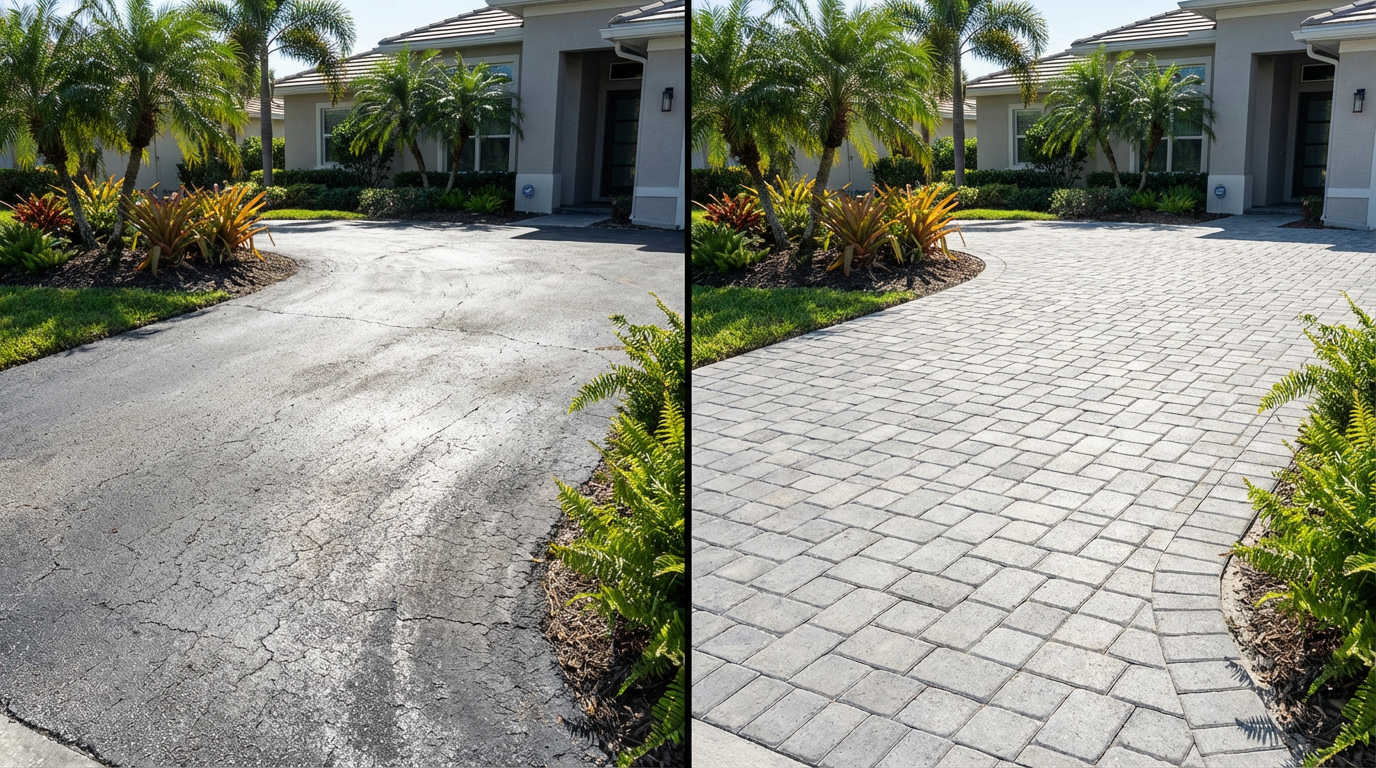
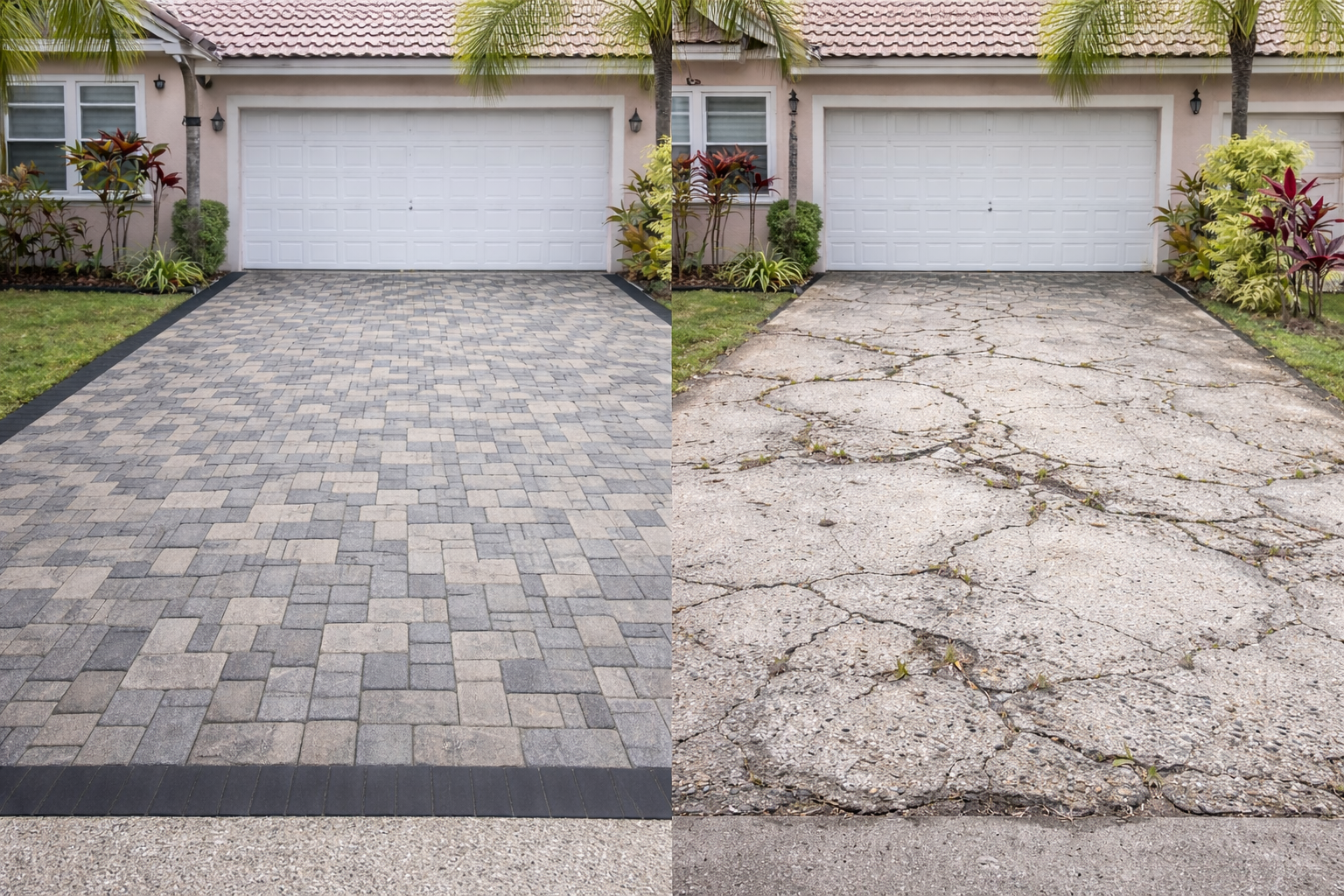
Replacement is a larger upfront investment. However, it eliminates recurring repair costs and brings the base up to current standards. Most importantly, it gives the homeowner a new surface backed by a professional installation warranty. Over a 10-year horizon, full replacement often costs less in total than repeated partial repairs on a fundamentally compromised base.
How Much Does Paver Repair Cost in Largo, FL?
Cost is naturally a central factor in this decision. However, comparing repair and replacement requires looking beyond the immediate quote. Consider the long-term cost of each path over five to ten years.
For typical paver repair projects in Largo, here are general cost ranges:
- Resetting sunken or uneven pavers (localized): $150 – $600 per zone, depending on scope
- Replacing cracked or broken units: $10 – $25 per unit, including material and labor
- Joint sand replenishment and resealing: $1 – $3 per square foot
- Edge restraint repair or replacement: $5 – $12 per linear foot
- Full surface repair (extensive resetting + base correction): $4 – $9 per square foot
In contrast, full paver replacement in Largo typically ranges from $12 to $28 per square foot installed. That price covers excavation, new base material, fresh pavers, edge restraints, joint sand, and sealing. Therefore, for a 300-square-foot driveway apron, repair might cost $800 to $2,000 while replacement costs $3,600 to $8,400. The right choice depends entirely on what the base condition actually requires — not on which number is smaller in the short term.
The Role of Base Condition in Every Decision
No factor matters more than base condition when assessing paver repair in Largo, FL. The base is the foundation everything else depends on. No amount of surface-level repair compensates for a base that fails to hold compaction, drain properly, or distribute load evenly.
In Largo specifically, base failures follow predictable patterns. Sandy soil washes out beneath edges and low-lying zones first, creating isolated settlement pockets. Over time, these pockets expand as water channels through the gaps. Consequently, a single sunken paver — if ignored — can develop into a 50-square-foot zone of instability within two to three rainy seasons.
A professional contractor assesses base condition by probing the surface and checking for hollow spots beneath pavers. They evaluate drainage patterns and — in ambiguous cases — lift representative units to inspect base depth directly. This assessment takes less than an hour. Most importantly, it prevents homeowners from spending repair money on a surface that genuinely needs replacement.
When Matching Pavers Are Unavailable
One practical challenge unique to repair projects is material matching. Paver products change over time — colors are discontinued, manufacturers adjust formulations, and natural weathering creates a patina that new units cannot immediately replicate. In Largo, this issue comes up regularly on surfaces installed more than eight to ten years ago.
Several strategies address this challenge effectively. First, an experienced contractor sources current pavers in the closest available match and places them in less visible zones — moving original pavers from low-visibility areas to the repair locations for a seamless visual result. Additionally, professional resealing of the entire surface after repairs unifies the color tone across old and new units, reducing visible contrast significantly.
However, when matching is genuinely impossible — particularly with discontinued natural stone or concrete blends — the repair may create a visible patchwork that diminishes overall appearance. In those situations, full replacement with a new cohesive material allows the homeowner to upgrade the aesthetic entirely. For inspiration on upgrade options, our post on how to choose the right pavers for Florida homes provides a comprehensive overview of current material options in the Largo market.
How to Extend the Life of Your Pavers After Repair
Regardless of whether you repair or replace, the maintenance steps that follow determine how long the investment lasts. In Florida’s climate, a consistent maintenance routine is the most impactful thing a homeowner can do between professional service visits.
- Seal every 2–3 years: A quality penetrating sealer locks out moisture, UV rays, and staining agents — the three primary accelerants of paver degradation in Largo.
- Replenish joint sand promptly: Address any visible joint erosion within one rainy season. Exposed base material beneath open joints invites accelerated settlement.
- Keep drainage clear: Direct gutters, downspouts, and surface grades away from paver surfaces. Pooling water is the leading cause of base erosion in Largo homes.
- Address weeds early: Weed roots in paver joints exert upward pressure that loosens individual units over time. Remove them before root systems establish depth.
- Avoid harsh cleaning agents: Acidic cleaners strip sealers and damage paver surfaces. Always use pH-neutral solutions formulated for paver maintenance.
For a complete maintenance schedule tailored to Florida conditions, our detailed resource on paver maintenance in Florida covers every step of annual and seasonal care for driveways, patios, pool decks, and walkways across Pinellas County.
What Industry Standards Say About Paver Repair
The Interlocking Concrete Pavement Institute (ICPI) is the leading technical authority on interlocking paver installation and maintenance in North America. It provides detailed guidance on repair thresholds and base assessment protocols for residential and commercial surfaces. According to ICPI standards, any repair involving more than 25–30% of a paved area warrants a full base inspection before restoration begins. Surface-only repairs on a compromised base consistently underperform and require re-repair within two to three years.
Following these standards protects homeowners from investing repair budgets in work that cannot succeed without base correction. Furthermore, contractors who reference ICPI methodology demonstrate a level of technical rigor that separates professional paver specialists from general landscapers who happen to work with pavers. In Largo, choosing a contractor who applies these standards is one of the most important decisions you can make before any repair or replacement project begins.
Ready to Elevate Your Outdoor Space with Custom Brick Pavers?
If your paver surface shows any of the signs described in this guide, JaxTeller Brick Pavers is ready to assess, diagnose, and deliver the right solution for your Largo home — whether that means a targeted repair or a full professional reinstallation. Visit our contact page to book your free on-site evaluation, or browse our completed projects gallery to see the quality of work we bring to every repair and installation across Pinellas County. Follow us on Instagram and Facebook for real project updates and maintenance tips from our team. You can also reach us instantly on WhatsApp or find us on Google Maps — we are based right here in Largo and ready to protect your investment. 🔧
Contact JaxTeller Brick Pavers at +1 407-907-8308 or jaxtellerbrickpavers@gmail.com for your free estimate!