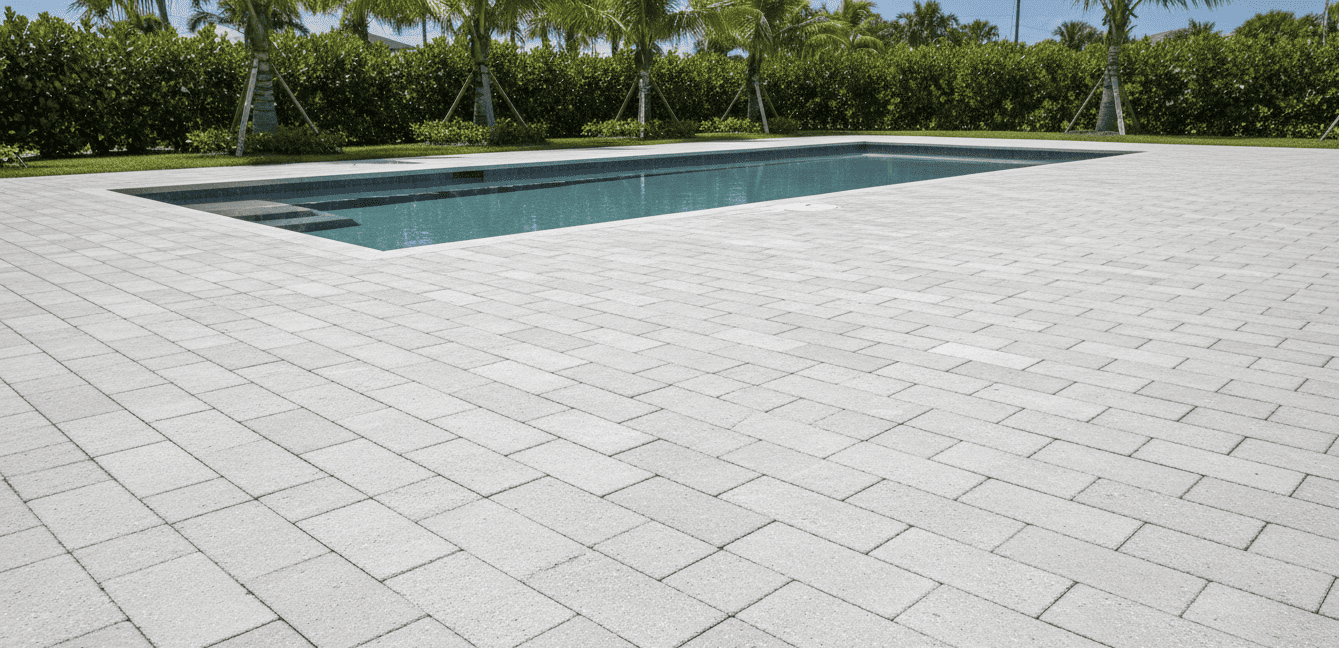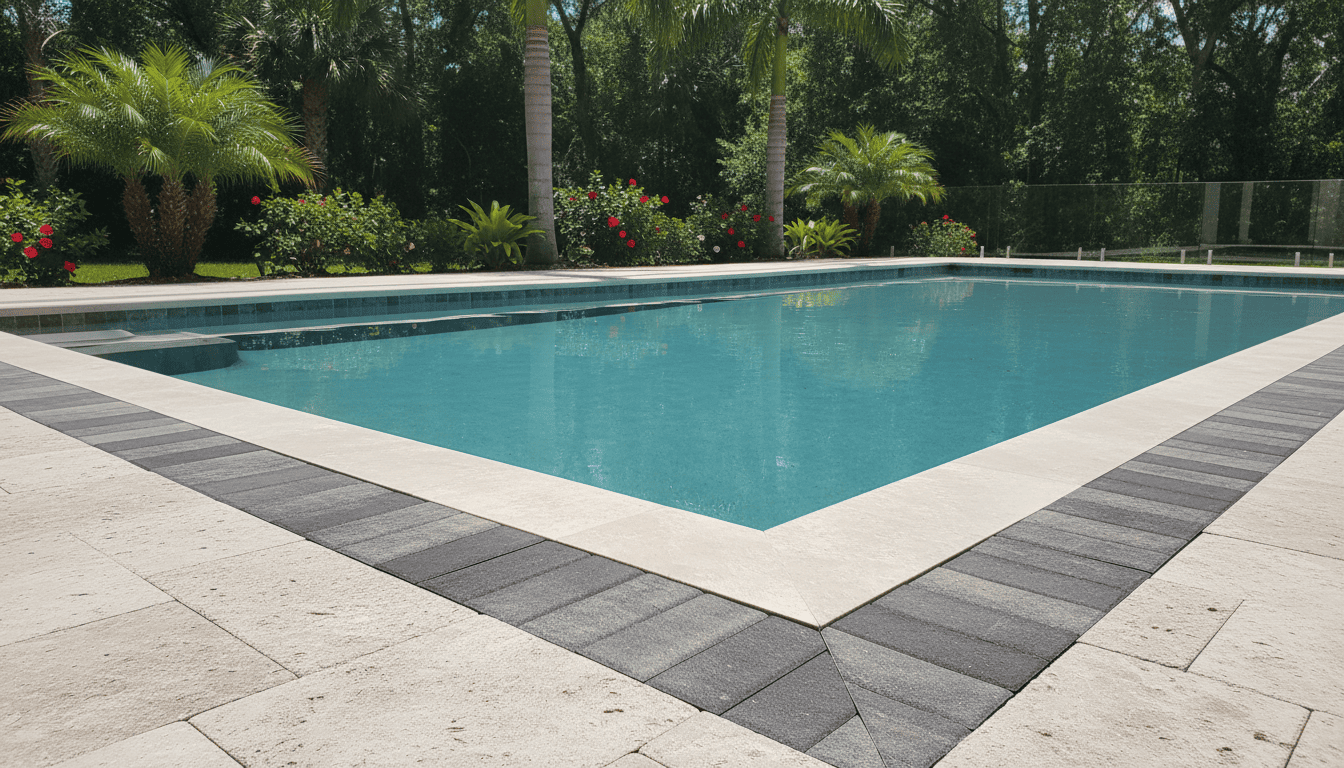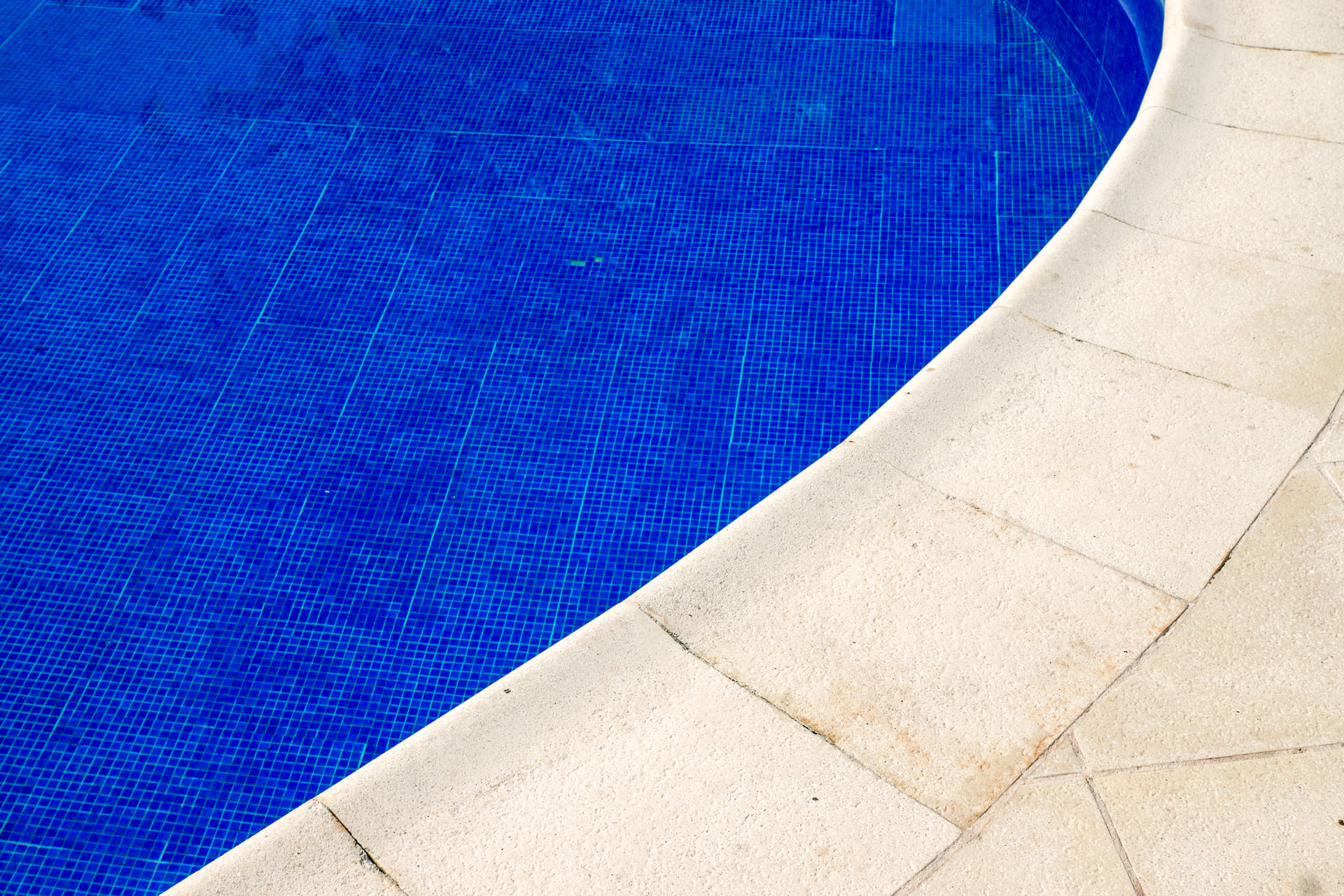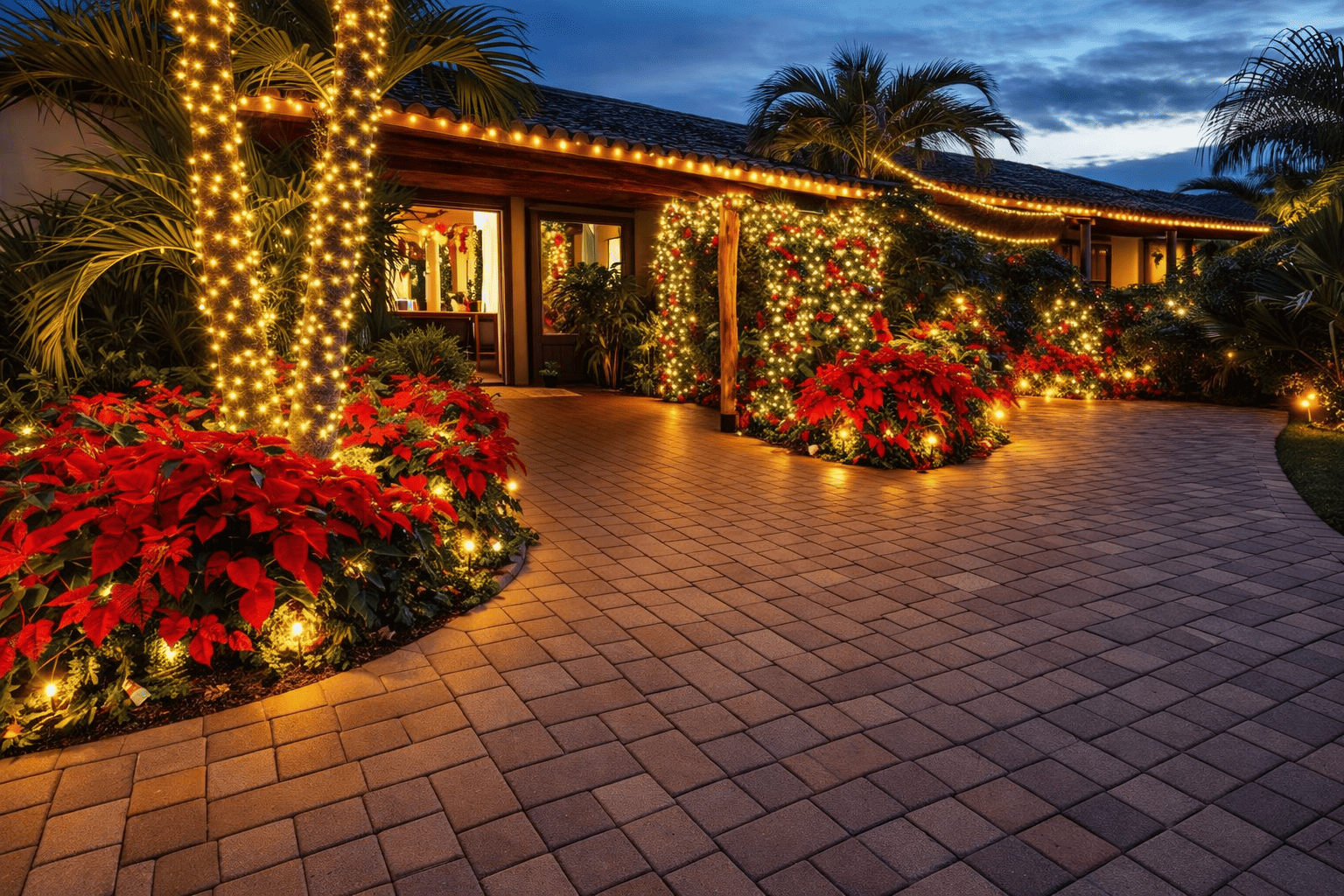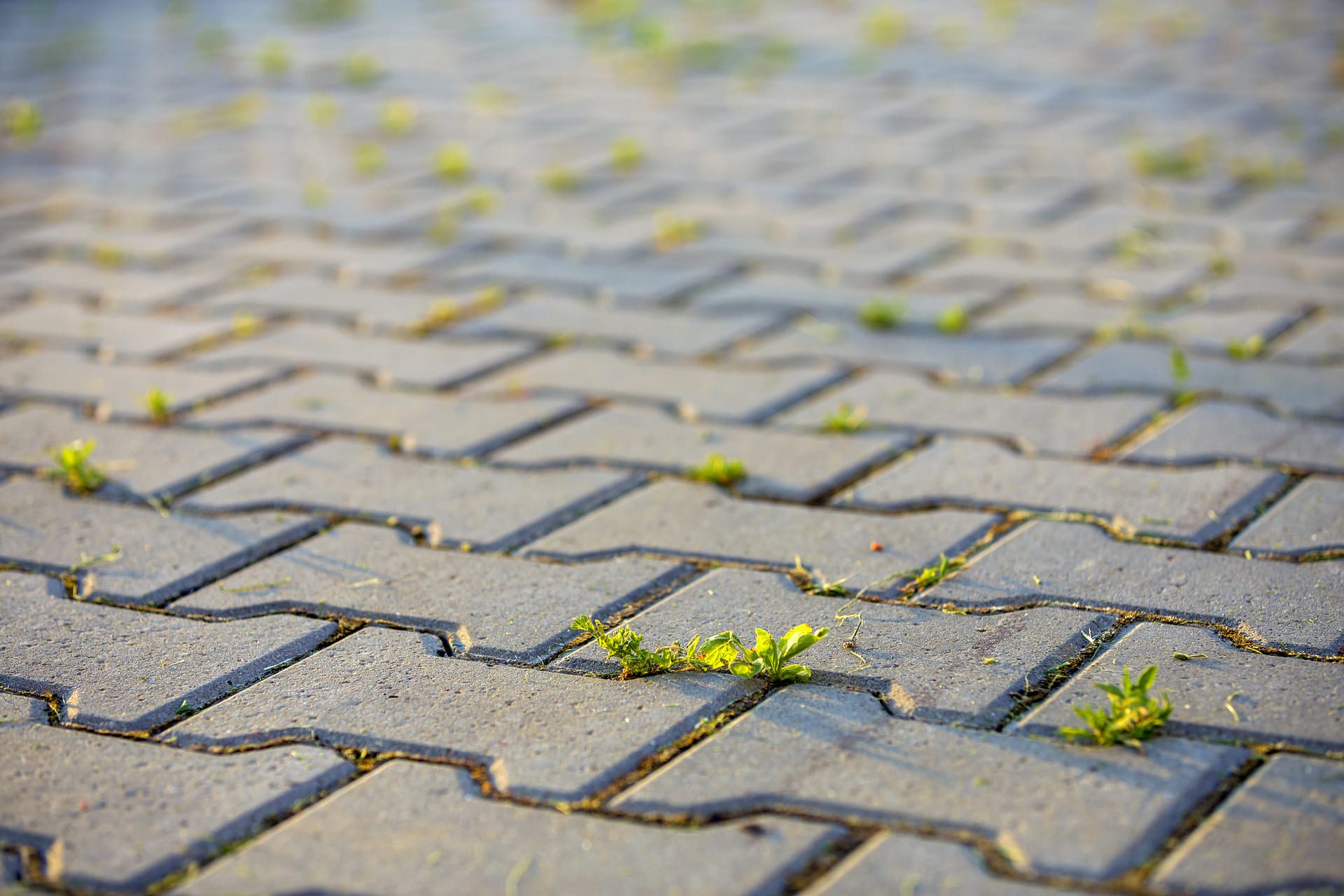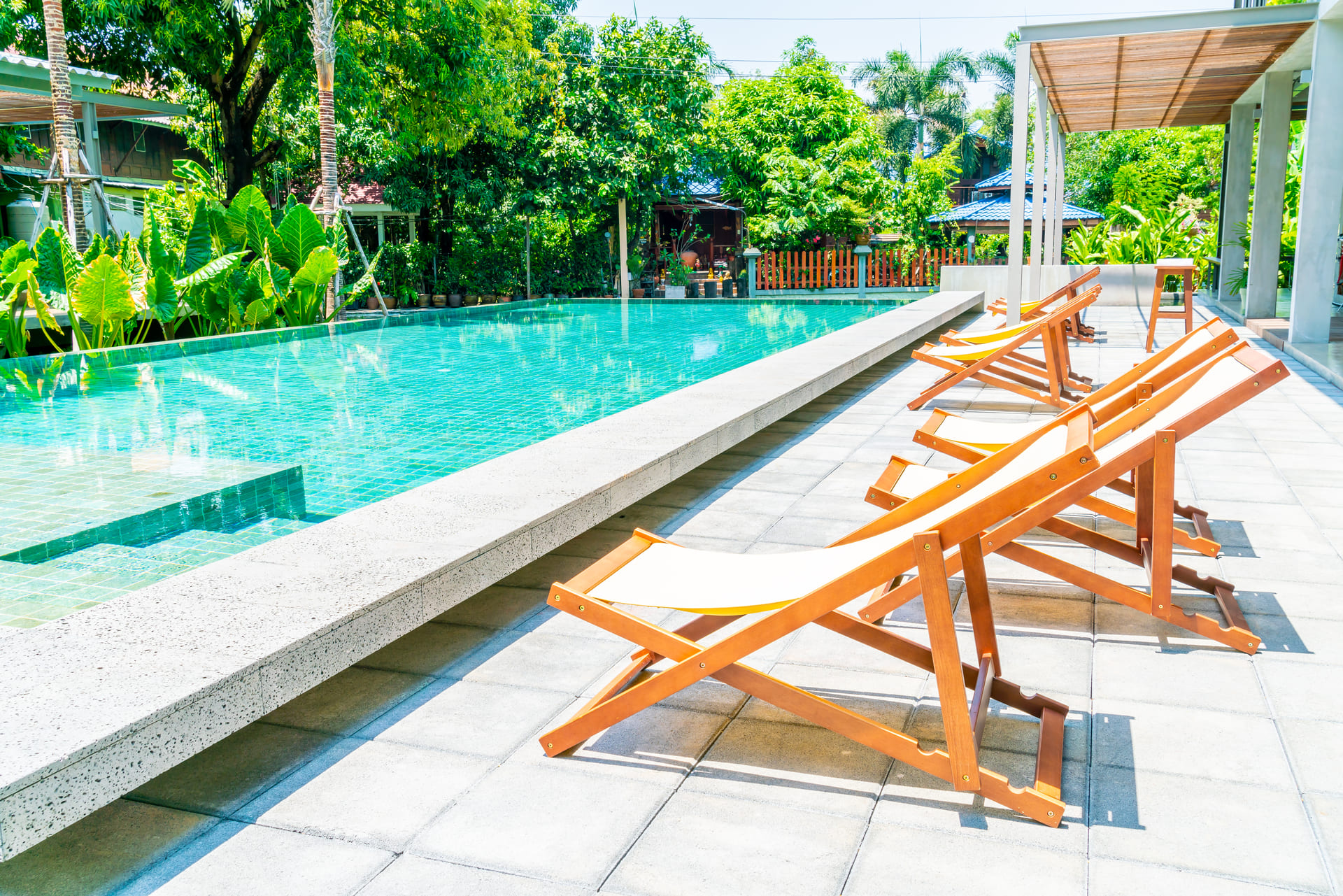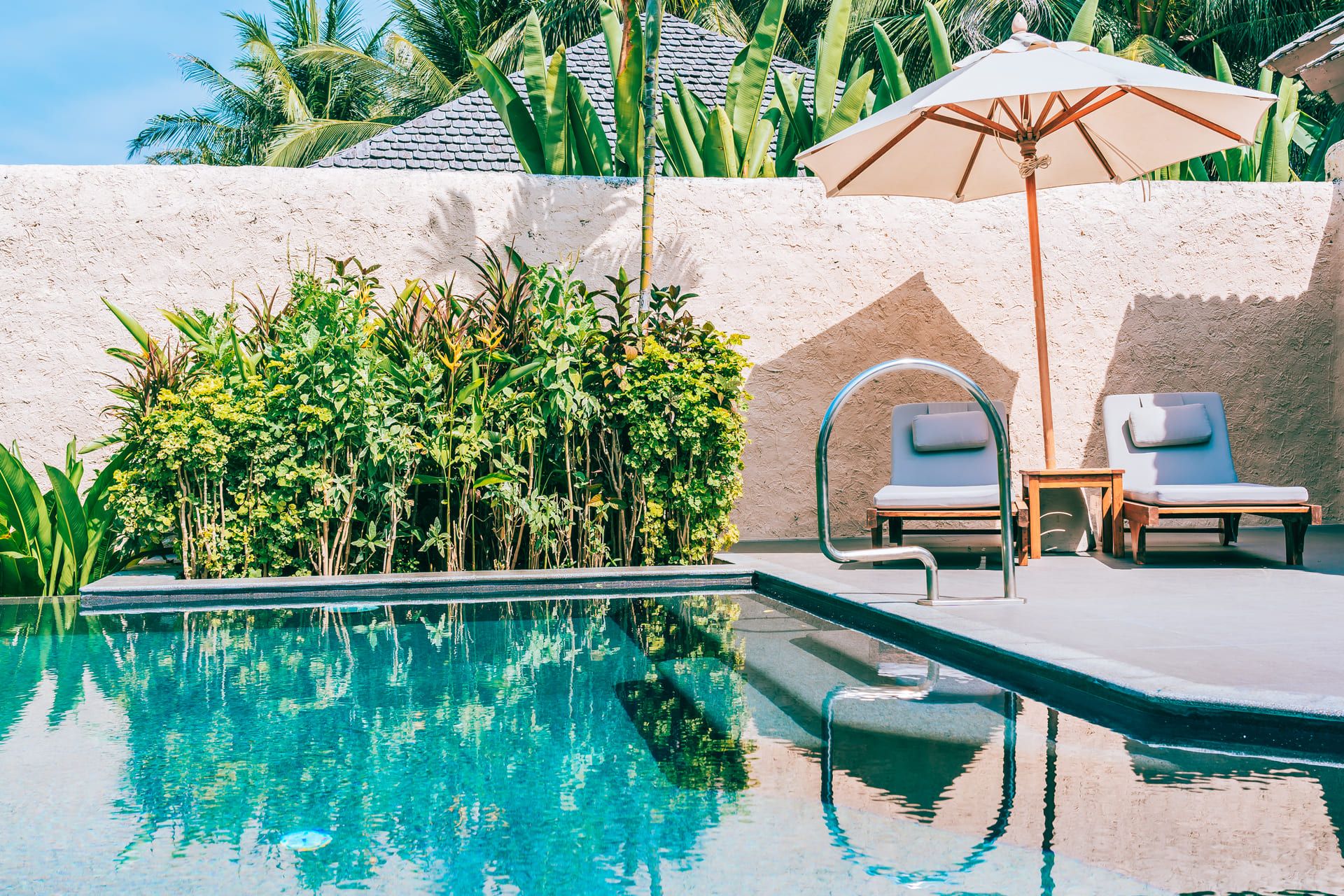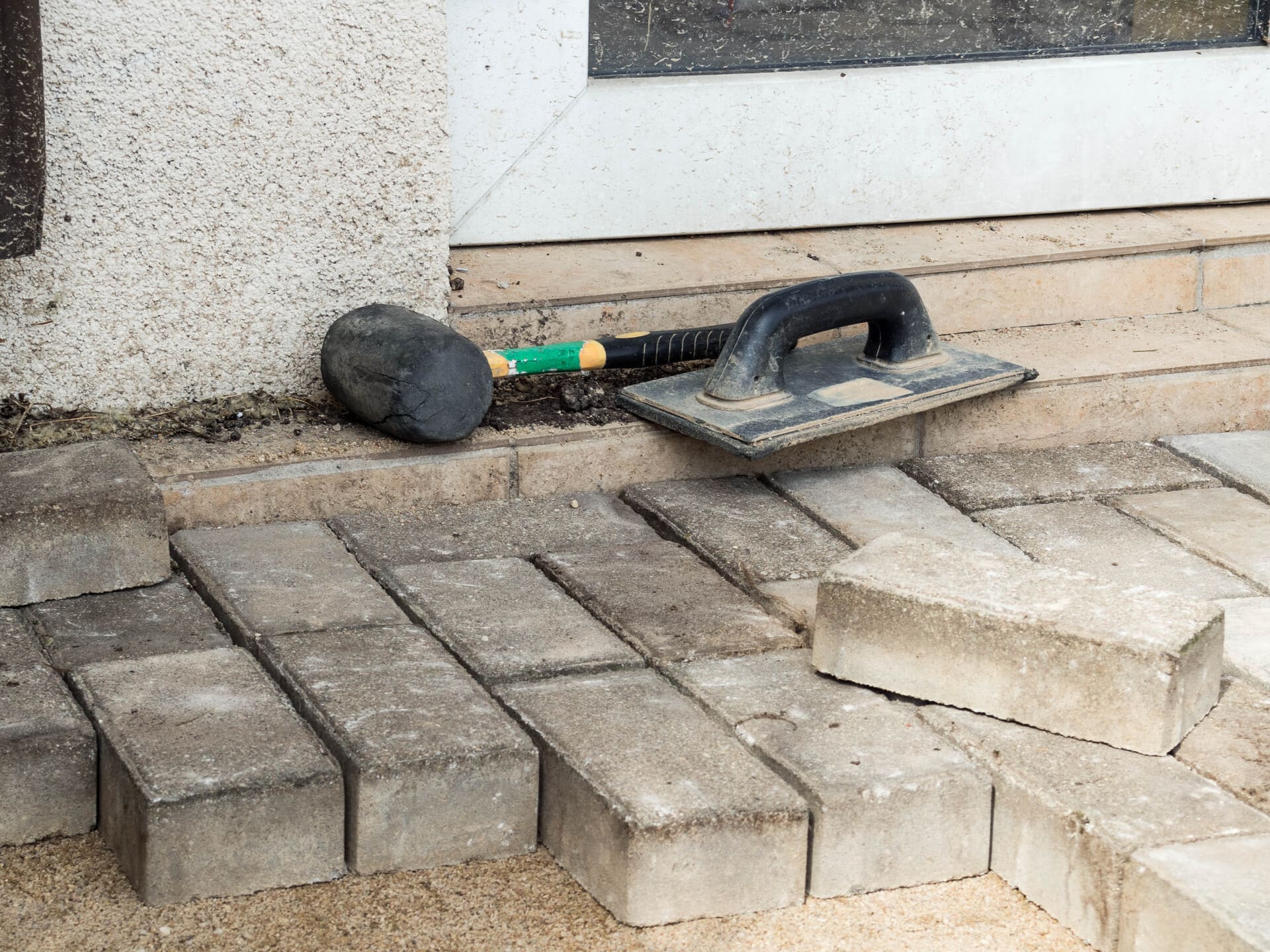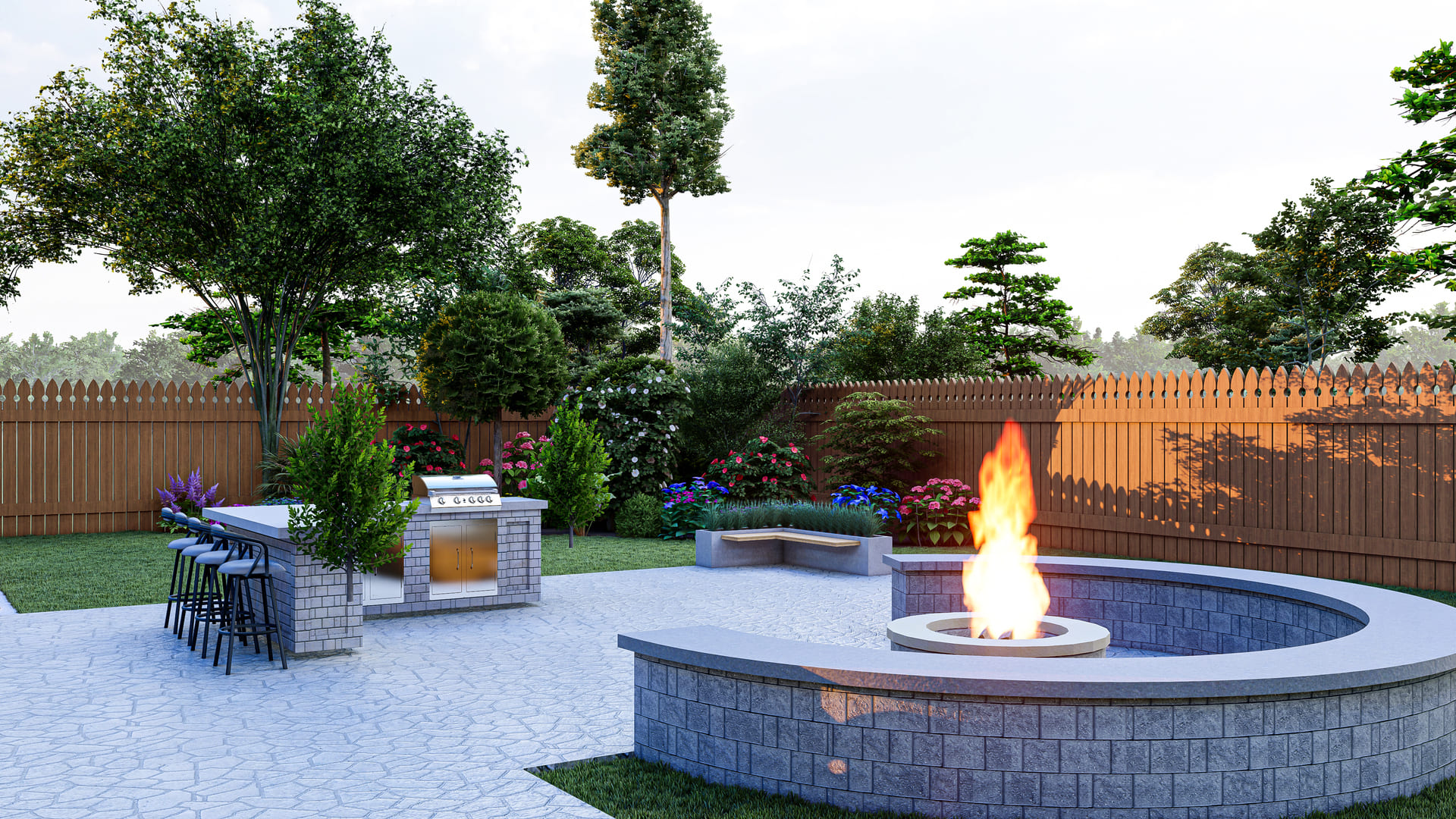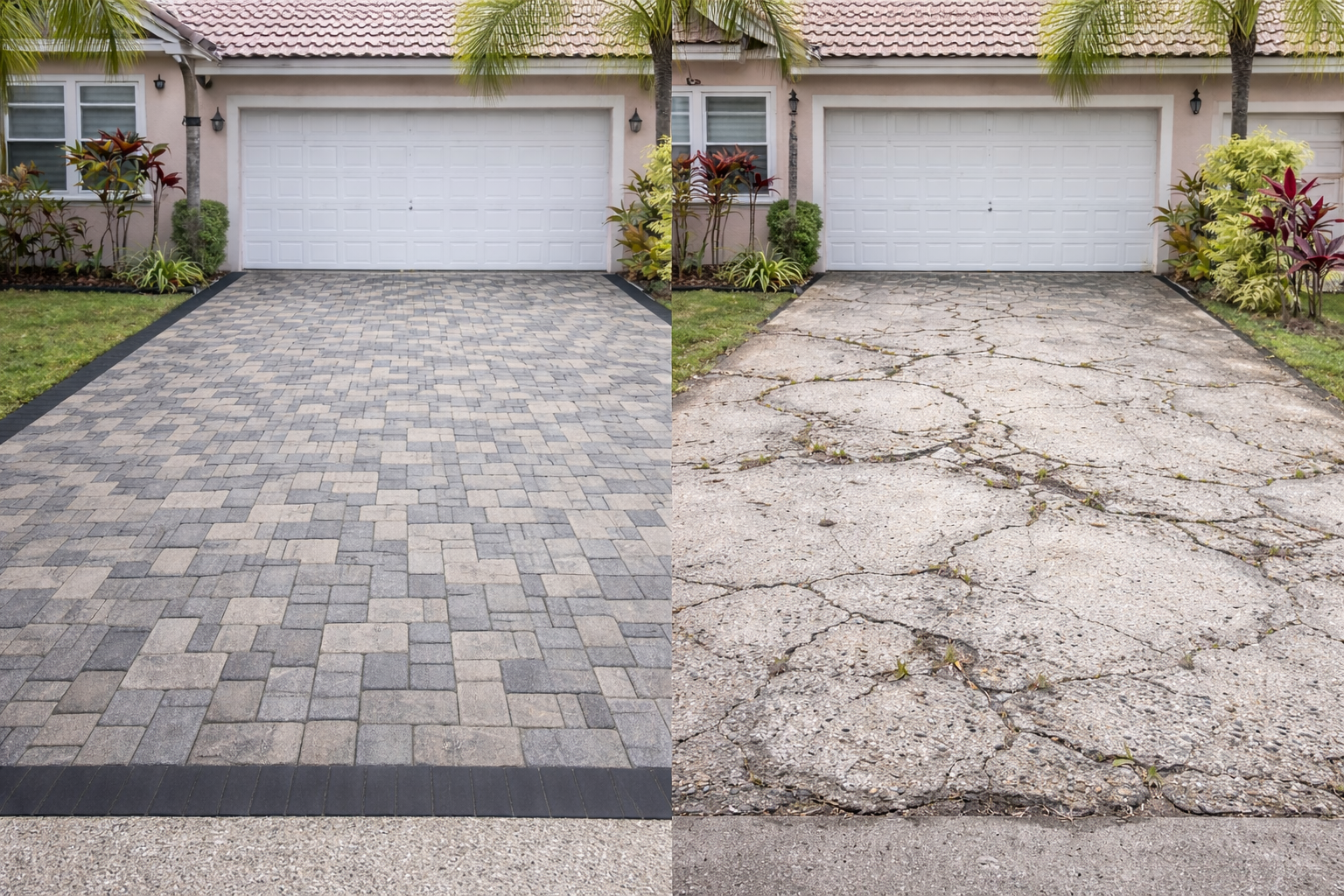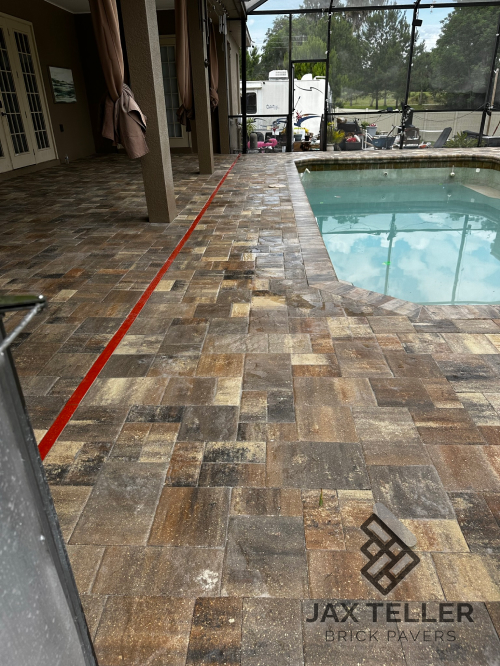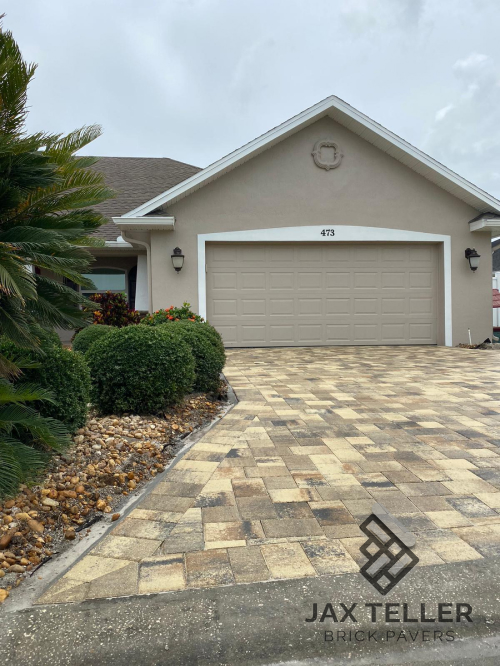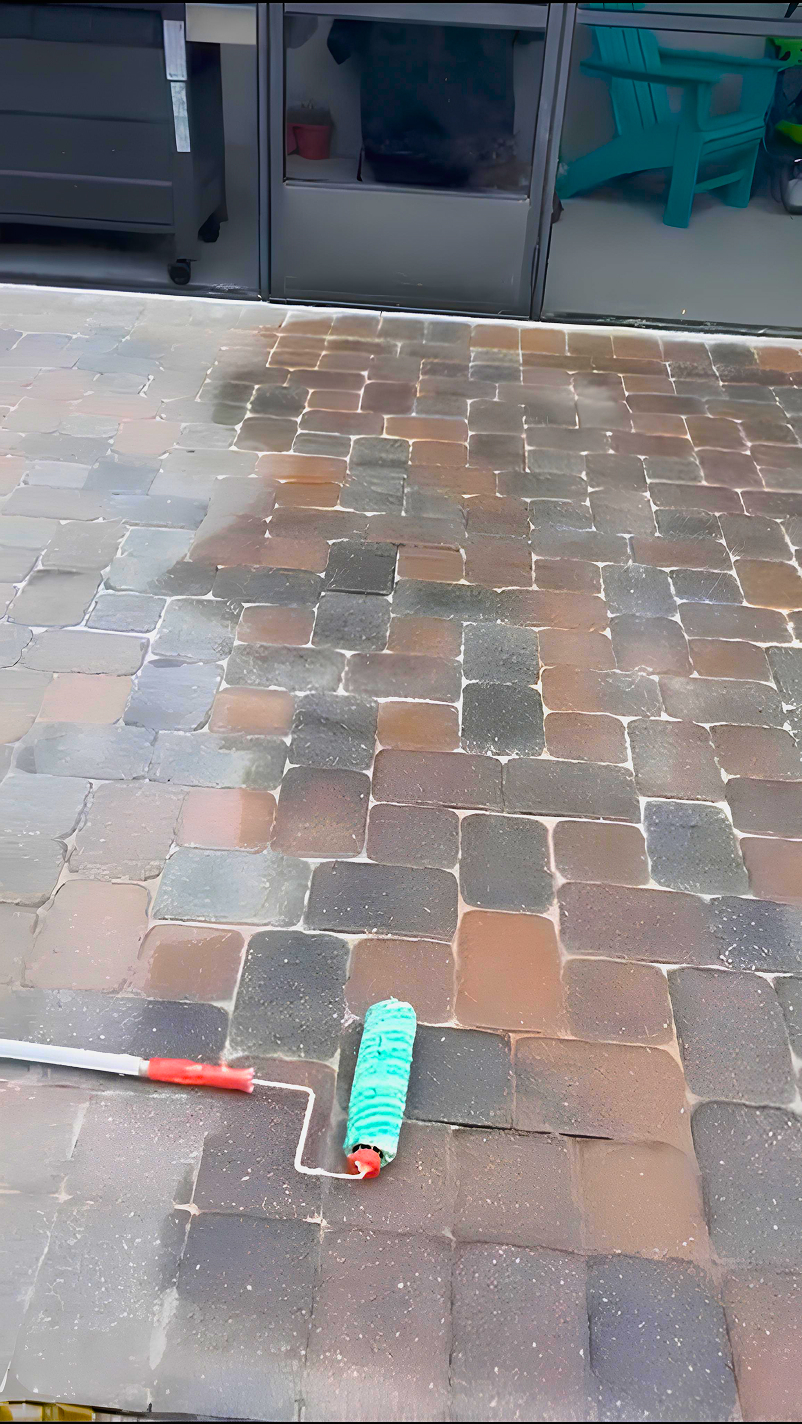
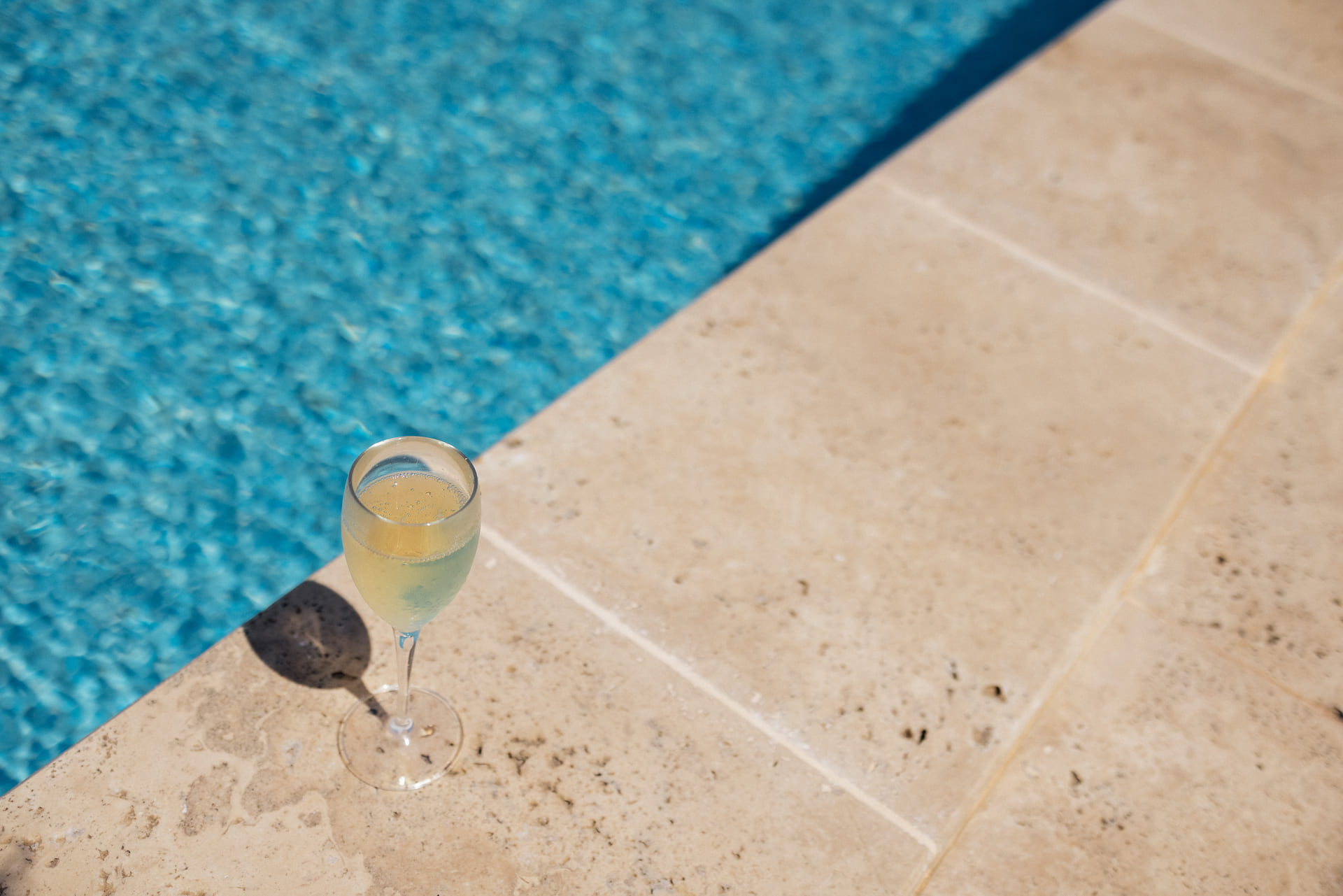
When it comes to poolside paving in Florida, few materials perform as well as travertine. Homeowners want surfaces that stay cool under the sun, resist slipping when wet, and still look elegant year after year. Travertine pool decks check every box — which is why they’ve become one of the most requested upgrades for Florida homes.
Unlike standard concrete or basic pavers, travertine offers a natural stone finish that blends luxury with performance. From residential pools to high-end outdoor retreats, travertine creates a clean, resort-style look while handling Florida’s heat, humidity, and rain.
This guide explains why travertine is one of the best poolside paver options in Florida, how it compares to other materials, and what homeowners should know before installing a travertine pool deck.
Why Pool Deck Material Matters in Florida
Florida pool decks are exposed to some of the harshest conditions:
- Intense sunlight
- High surface temperatures
- Frequent water exposure
- Pool chemicals
- Heavy foot traffic
Choosing the wrong material can lead to surfaces that become too hot, slippery, cracked, or stained. That’s why poolside paving requires materials specifically suited to Florida’s environment.
What Is Travertine?
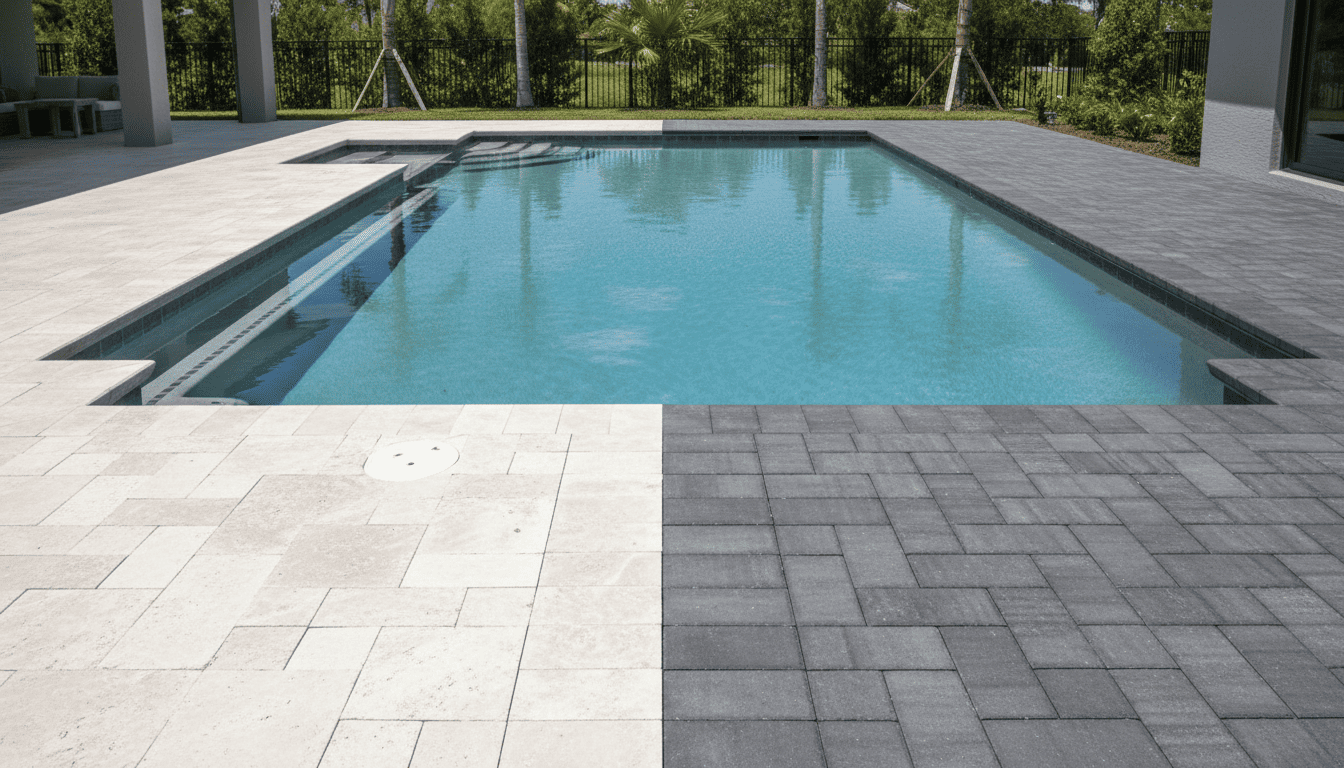
Travertine is a natural stone formed from limestone deposits. It has been used for centuries in architecture and remains popular today for outdoor paving due to its durability and natural texture.
Key characteristics of travertine
- Natural stone material
- Light, neutral color palette
- Porous surface that improves traction
- Naturally cool underfoot
- Elegant, high-end appearance
These features make travertine especially effective around pools.
Why Travertine Is Ideal for Pool Decks
Travertine offers several advantages that directly address poolside challenges.
1) Stays Cool in the Florida Sun
One of the biggest complaints about concrete pool decks is heat. Travertine reflects heat better than many other materials, making it more comfortable to walk on barefoot — even in peak summer.
2) Slip-Resistant Surface
Travertine’s natural texture provides excellent traction, reducing the risk of slips and falls when surfaces are wet.
3) Resistant to Pool Chemicals
When properly sealed, travertine holds up well against chlorine and saltwater exposure.
4) Natural Luxury Appearance
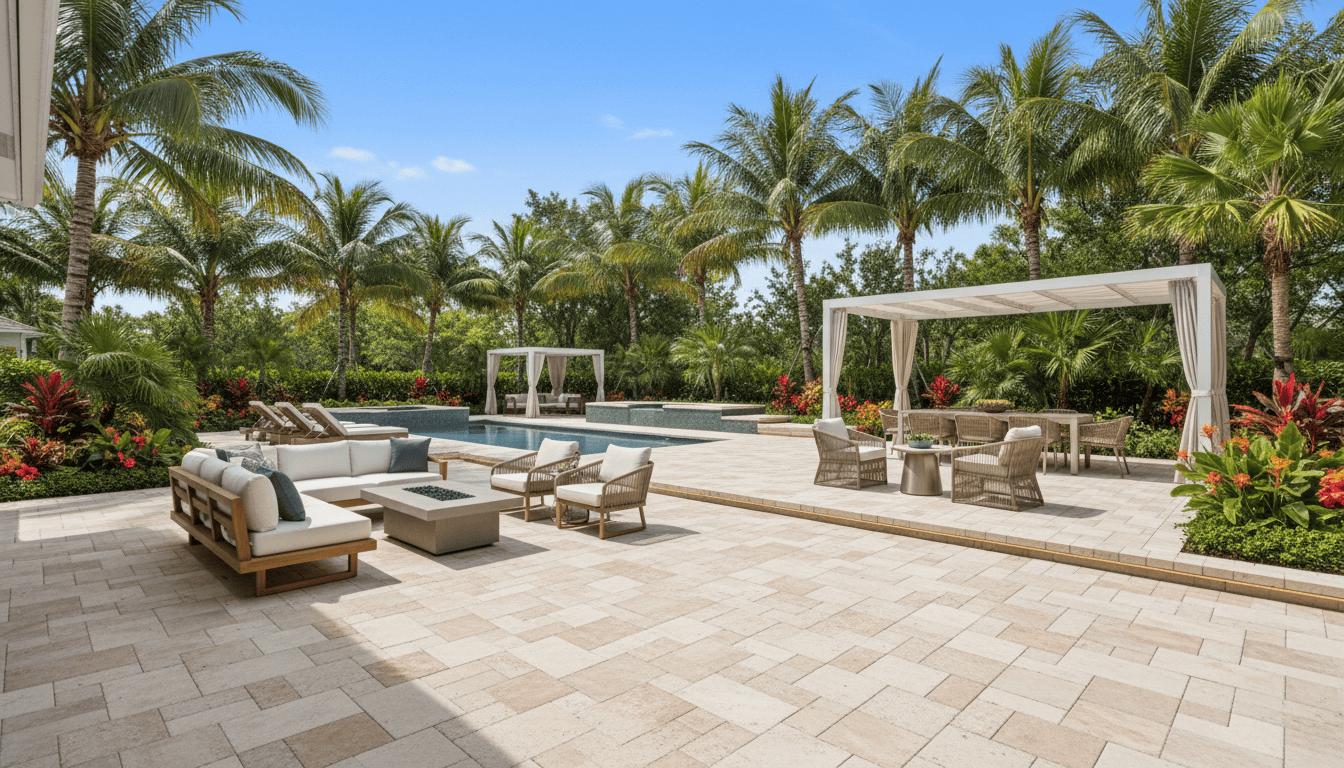
Travertine instantly elevates the look of any pool area, creating a resort-style atmosphere.
Travertine vs Concrete Pool Decks
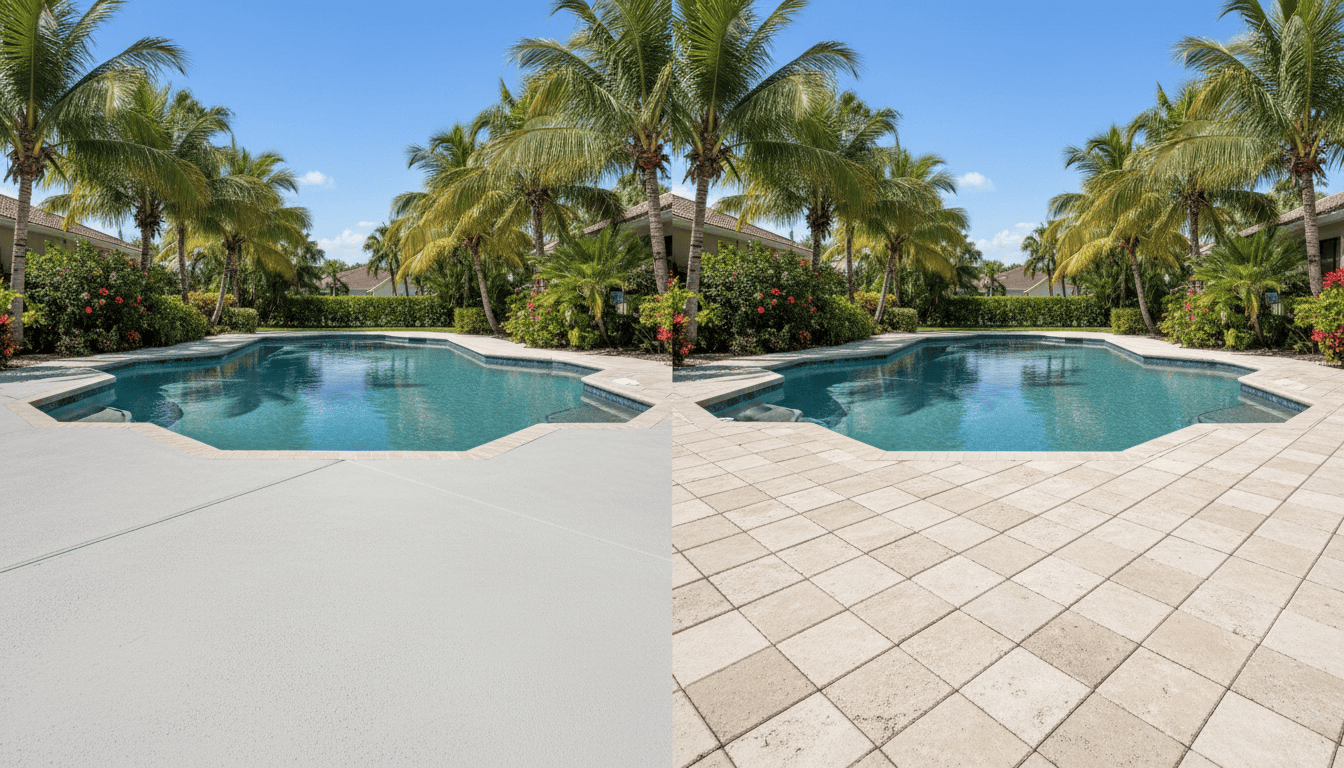
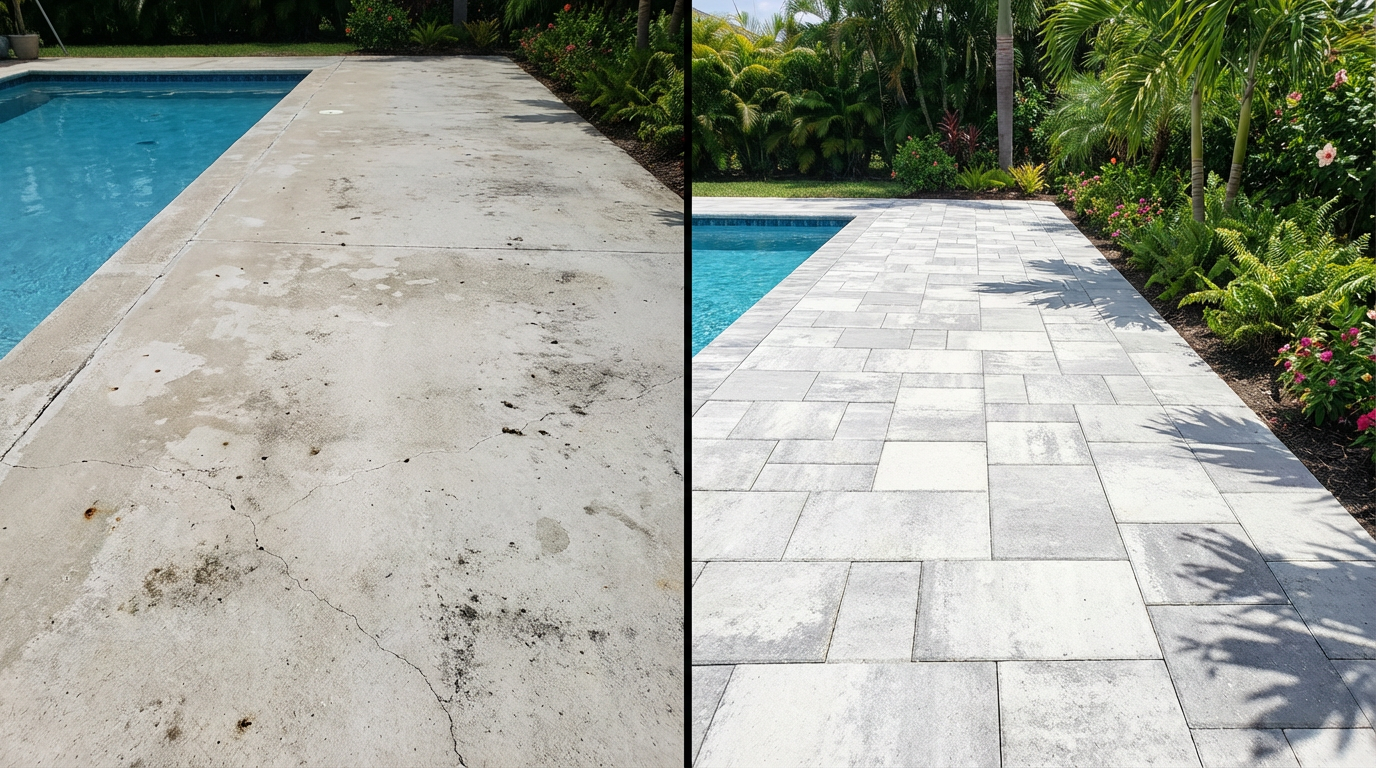
Many Florida homes still use poured concrete around pools, but travertine offers clear advantages.
Concrete pool decks
- Absorb heat
- Crack over time
- Can become slippery when wet
- Limited design flexibility
Travertine pool decks
- Stay cooler
- Resist cracking
- Provide natural slip resistance
- Offer timeless, upscale aesthetics
For homeowners upgrading an existing pool deck, travertine is often a noticeable step up.
Travertine vs Concrete Pavers Around Pools
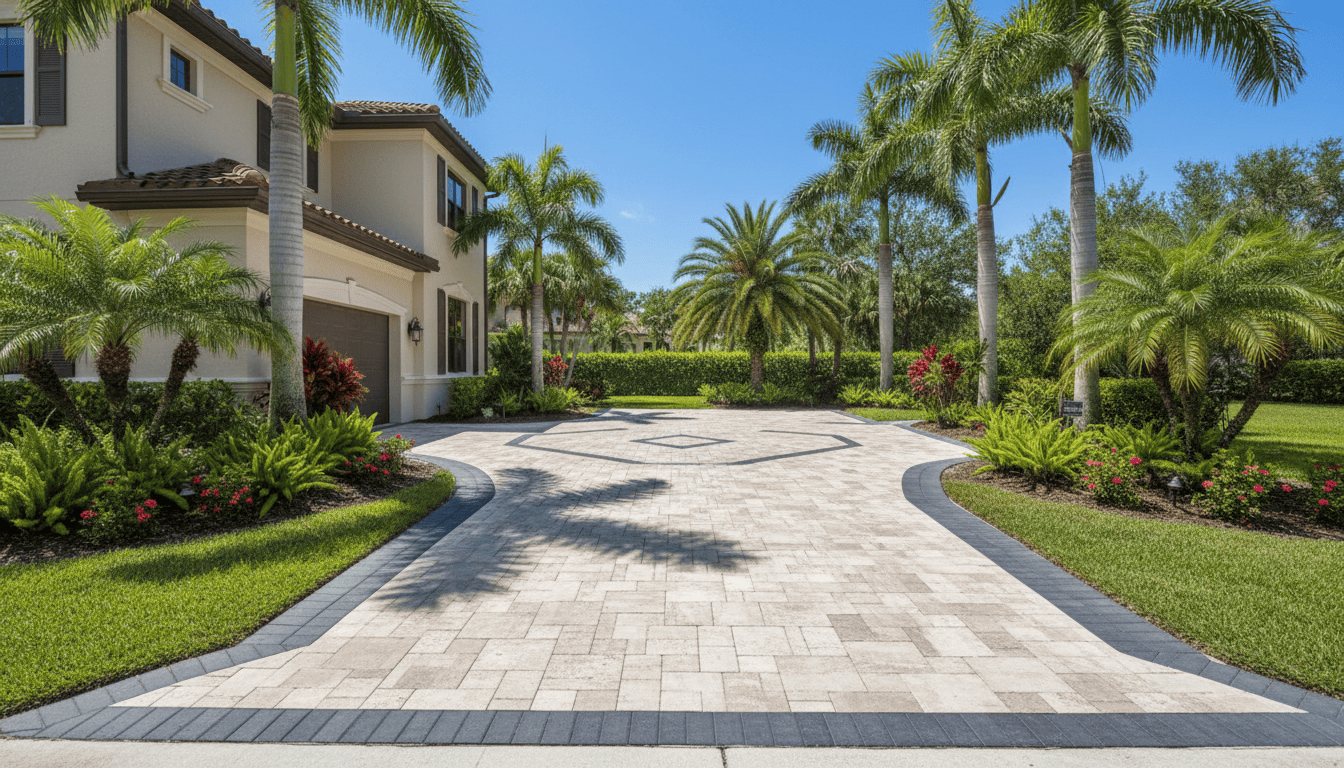
Concrete pavers are a solid option, but travertine is often preferred for poolside use.
Concrete pavers
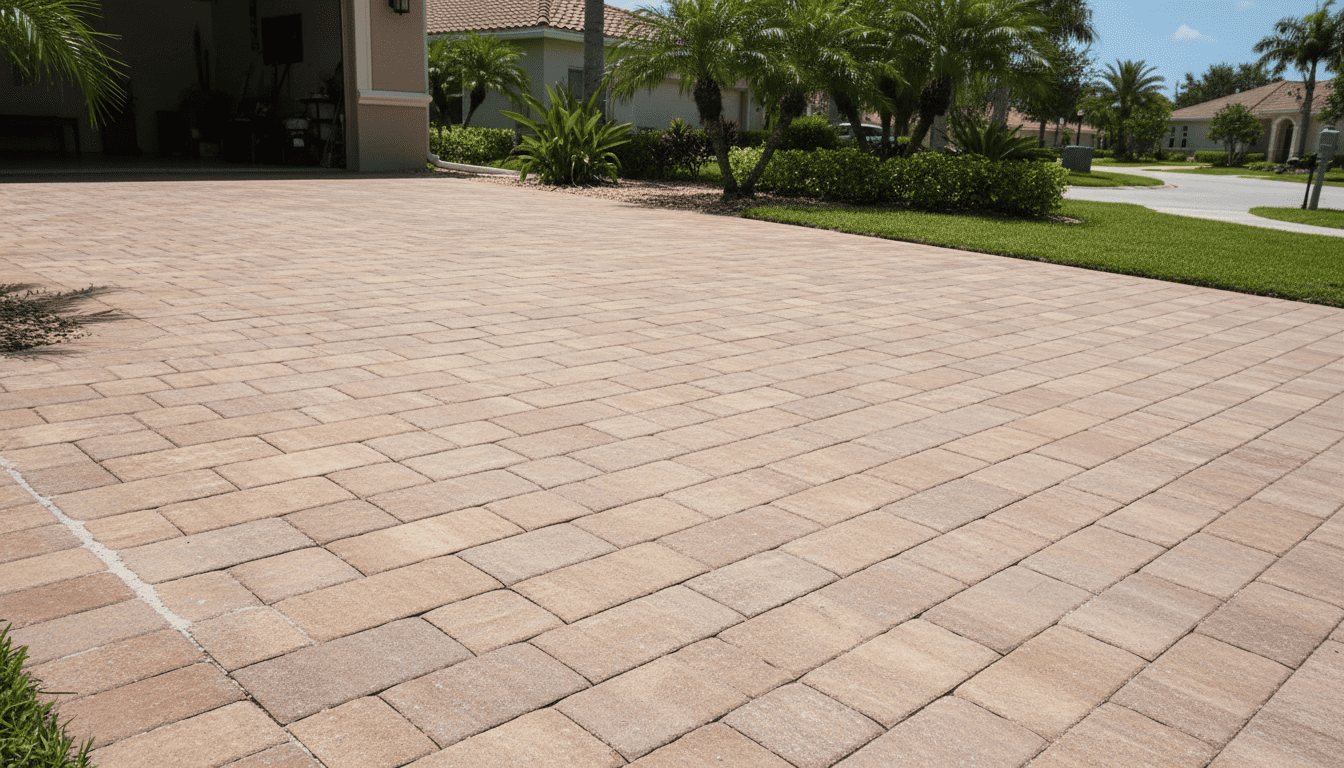
- Durable and affordable
- Wide color selection
- Require sealing to maintain color
- Can retain heat depending on color
Travertine pavers
- Naturally cool
- Subtle, elegant tones
- Higher-end appearance
- Excellent traction
Both work well, but travertine is often chosen when comfort and luxury are priorities.
Popular Travertine Pool Deck Layouts
Travertine can be installed in various patterns to suit different styles.
Common layout options
- French pattern (Versailles)
- Running bond
- Modular layouts
- Straight-set for modern designs
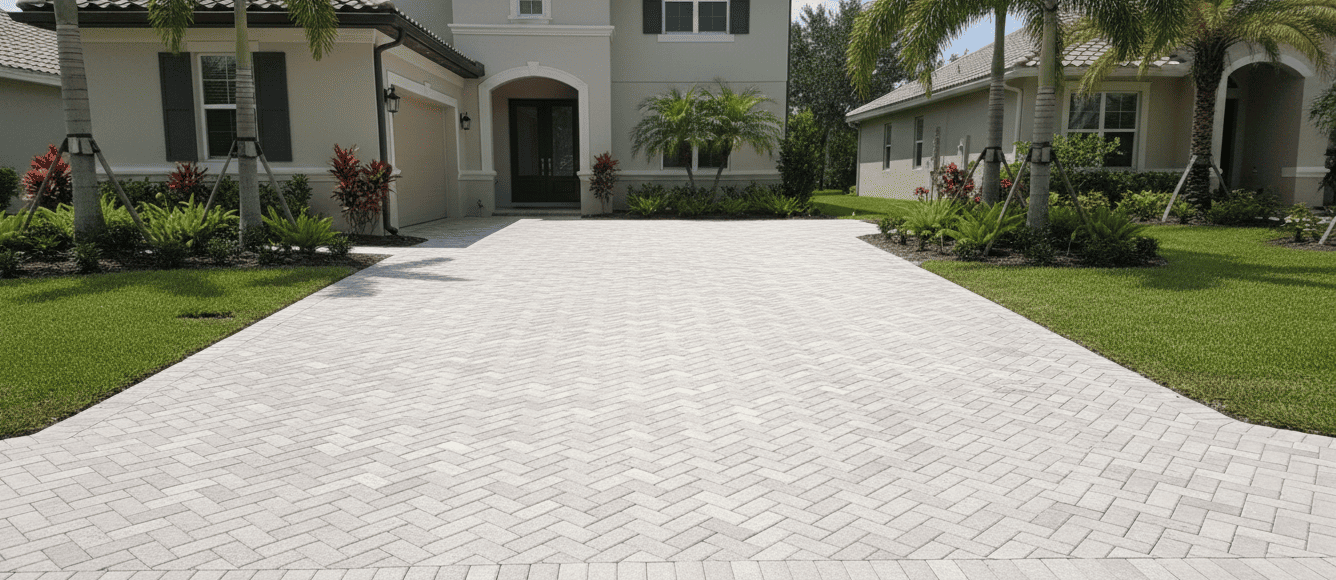
French pattern is especially popular in Florida for its natural flow and visual depth.
Color Choices That Work Best in Florida
Travertine’s natural tones pair beautifully with Florida landscapes.
Popular travertine colors
- Ivory
- Light beige
- Silver
- Walnut blends
Lighter colors reflect sunlight and keep surfaces cooler.
Integrating Travertine with Landscaping and Outdoor Living
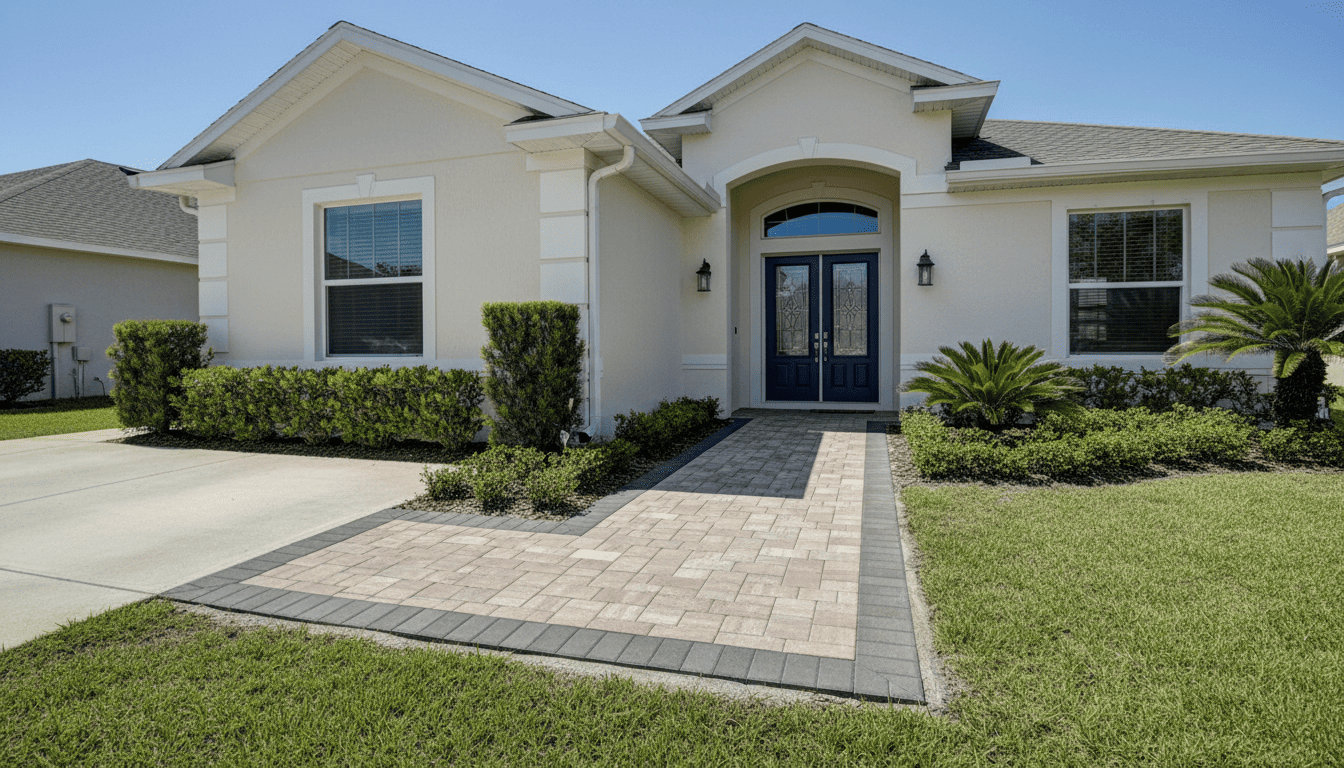
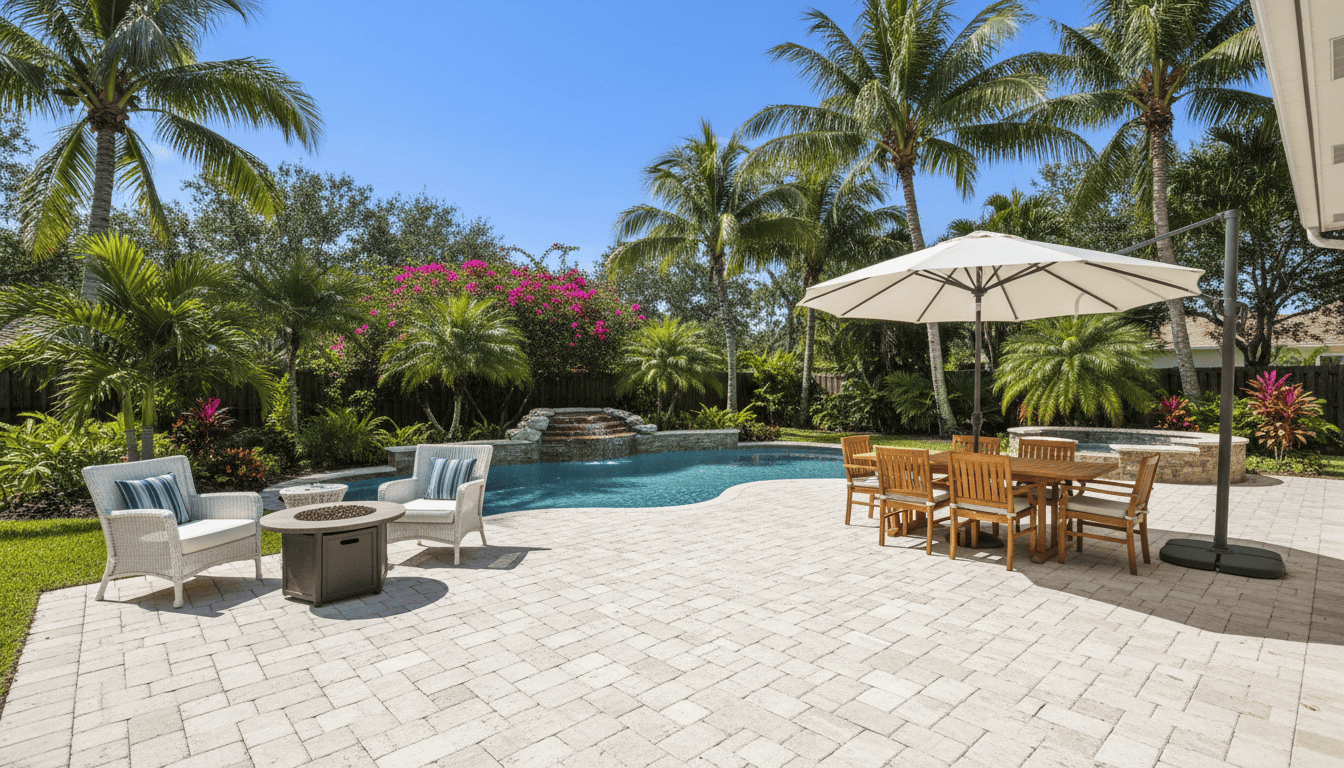
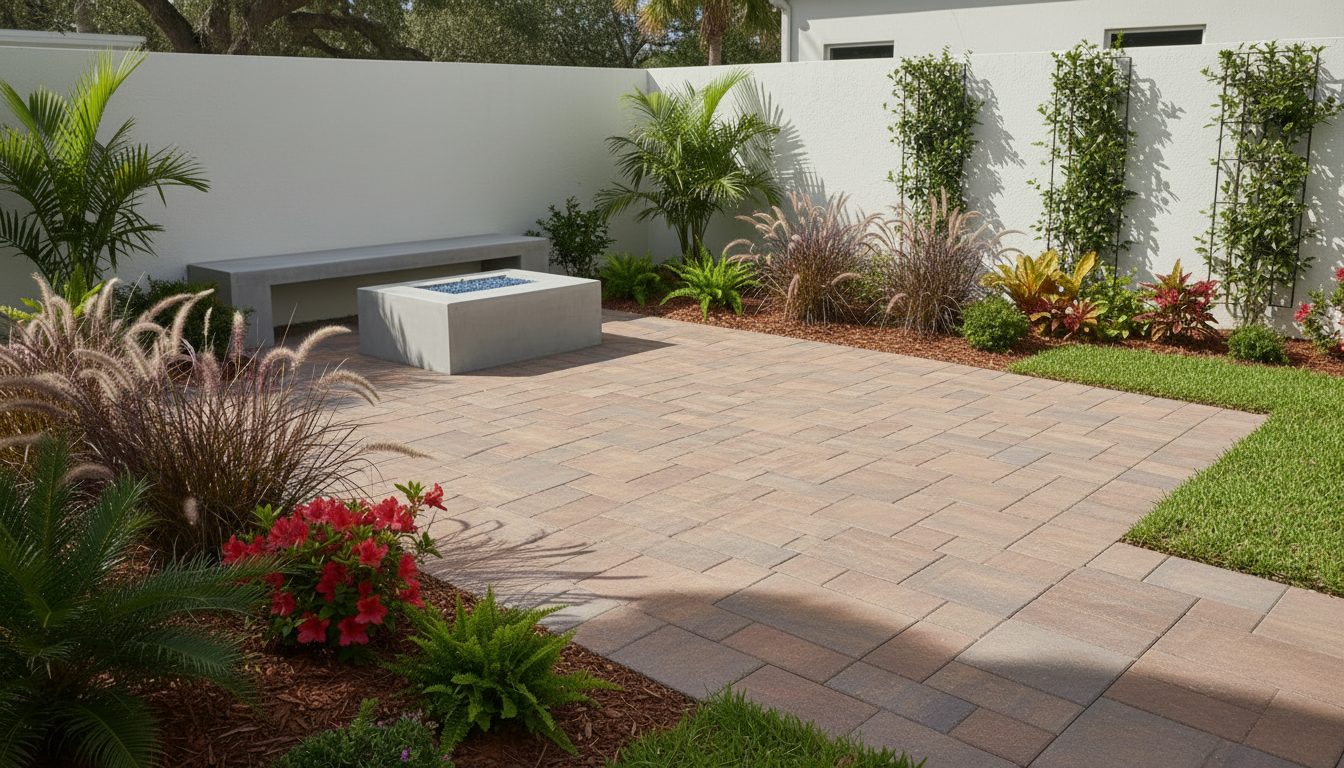
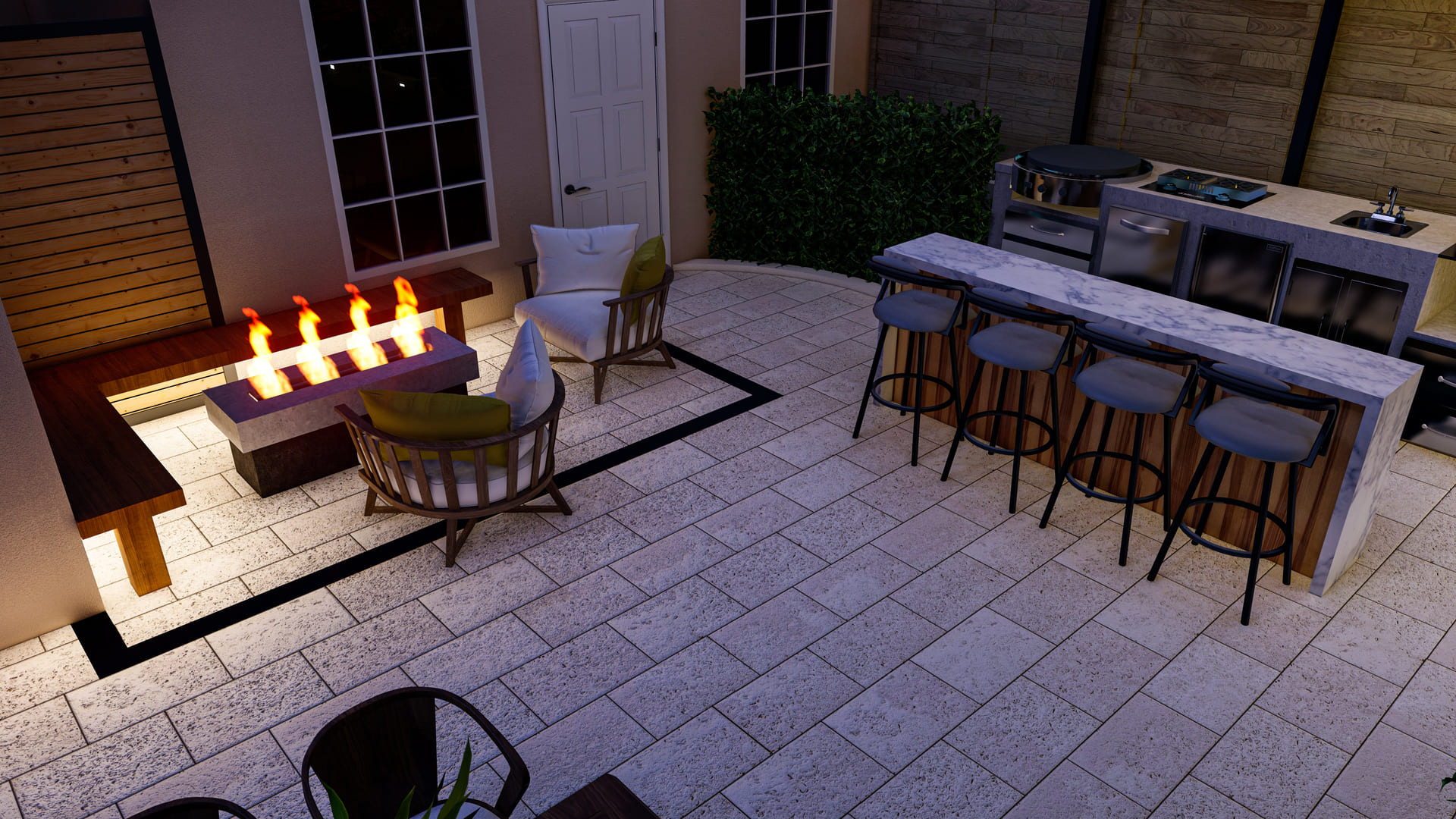
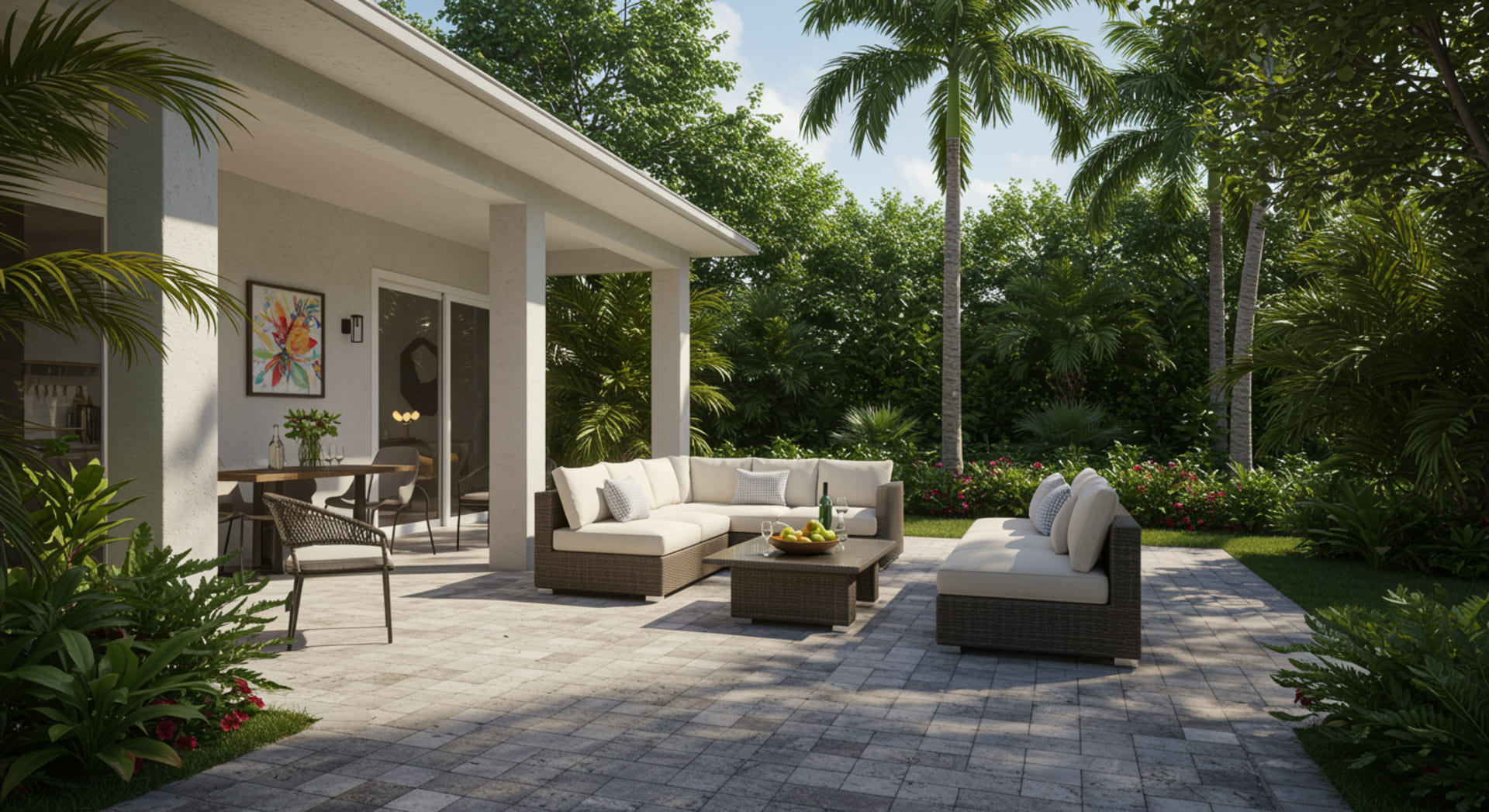
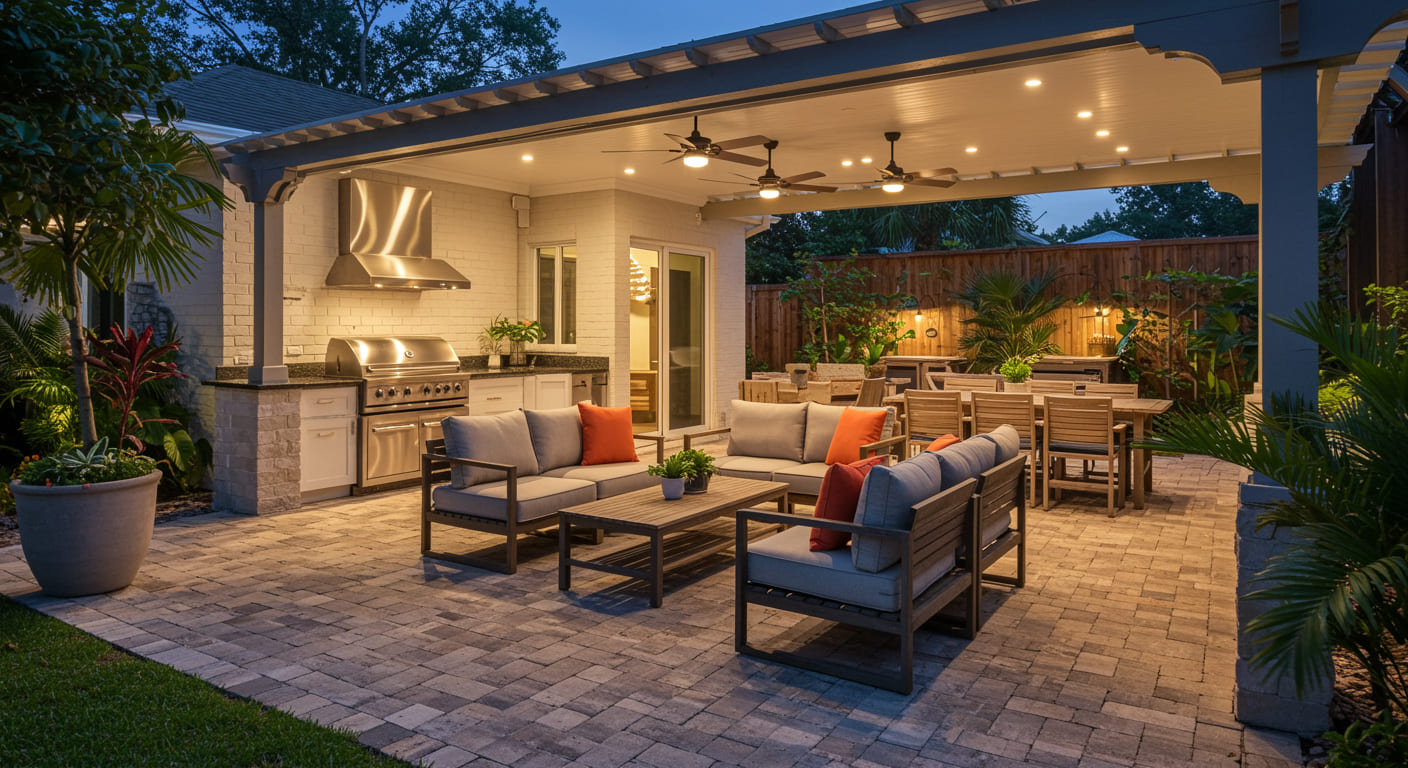
Travertine pairs naturally with outdoor features.
Works well with:
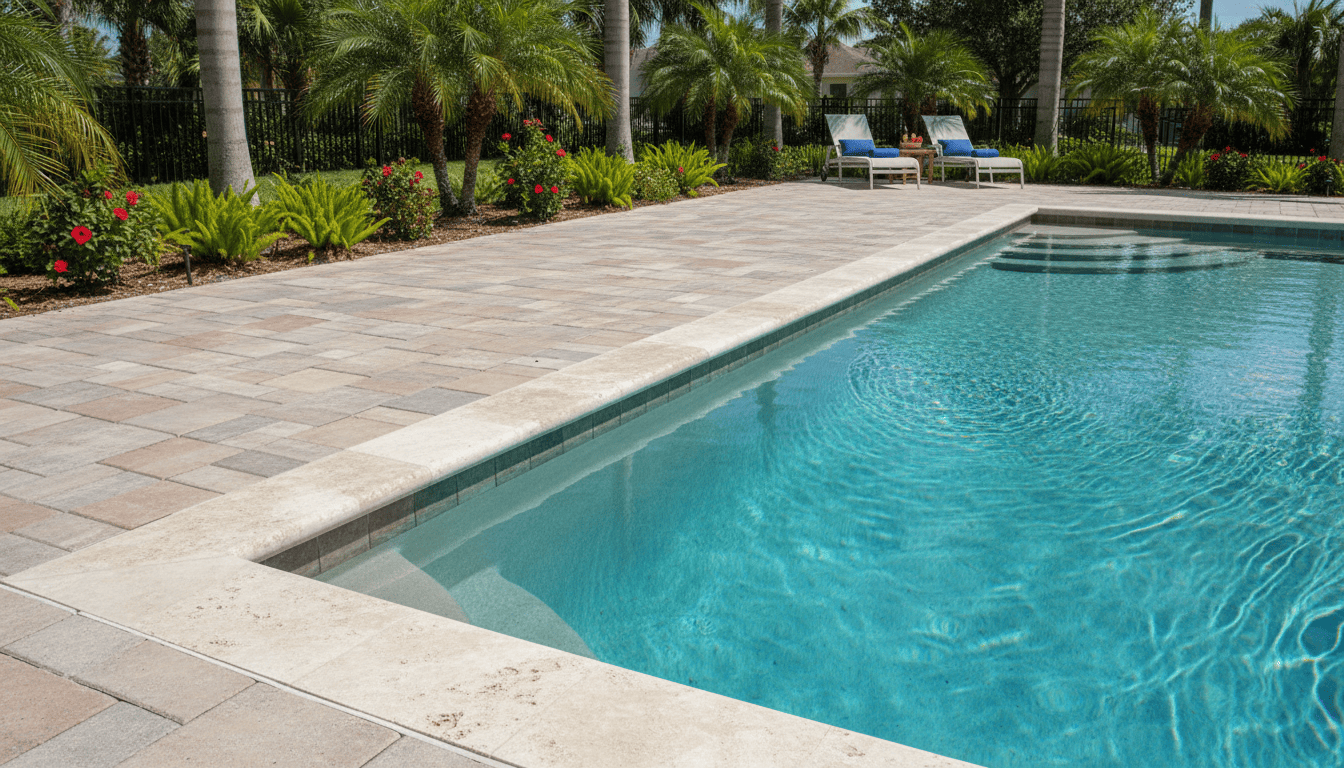
- Pool coping
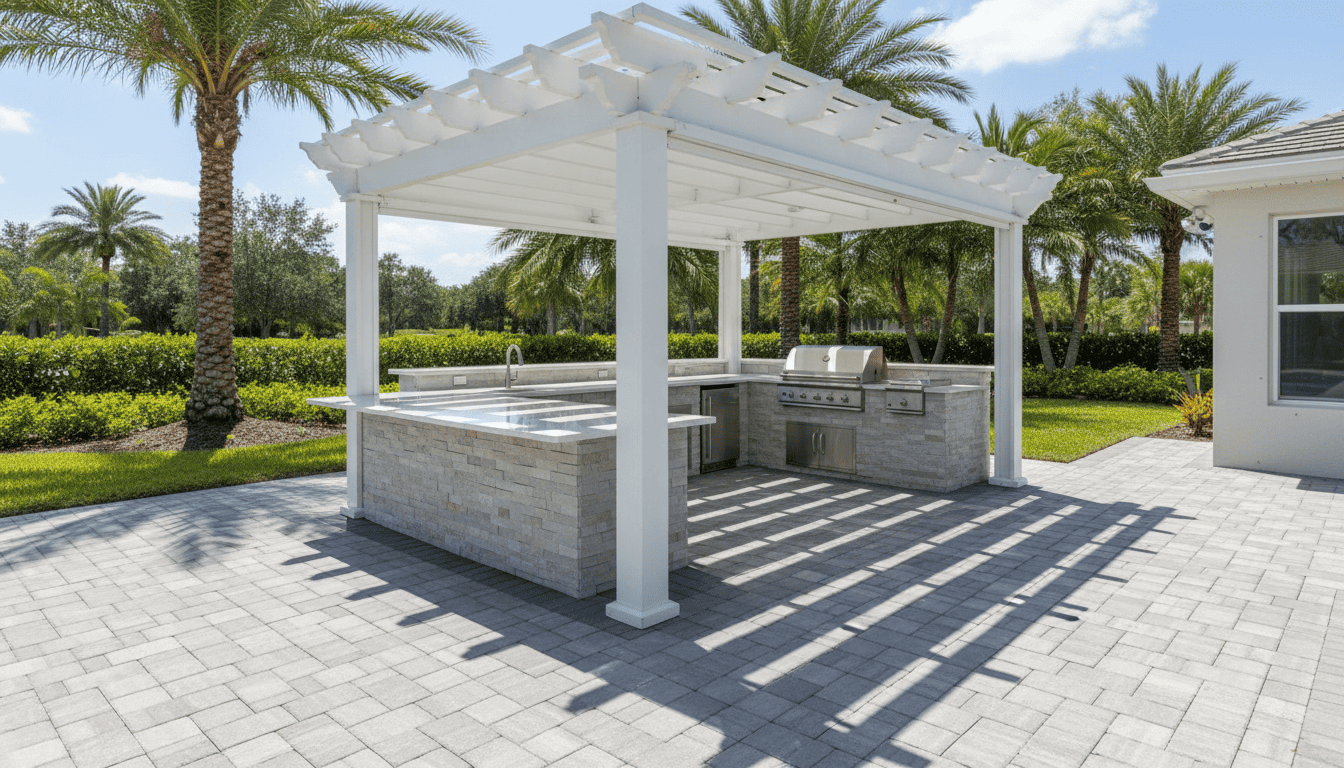
- Outdoor kitchens
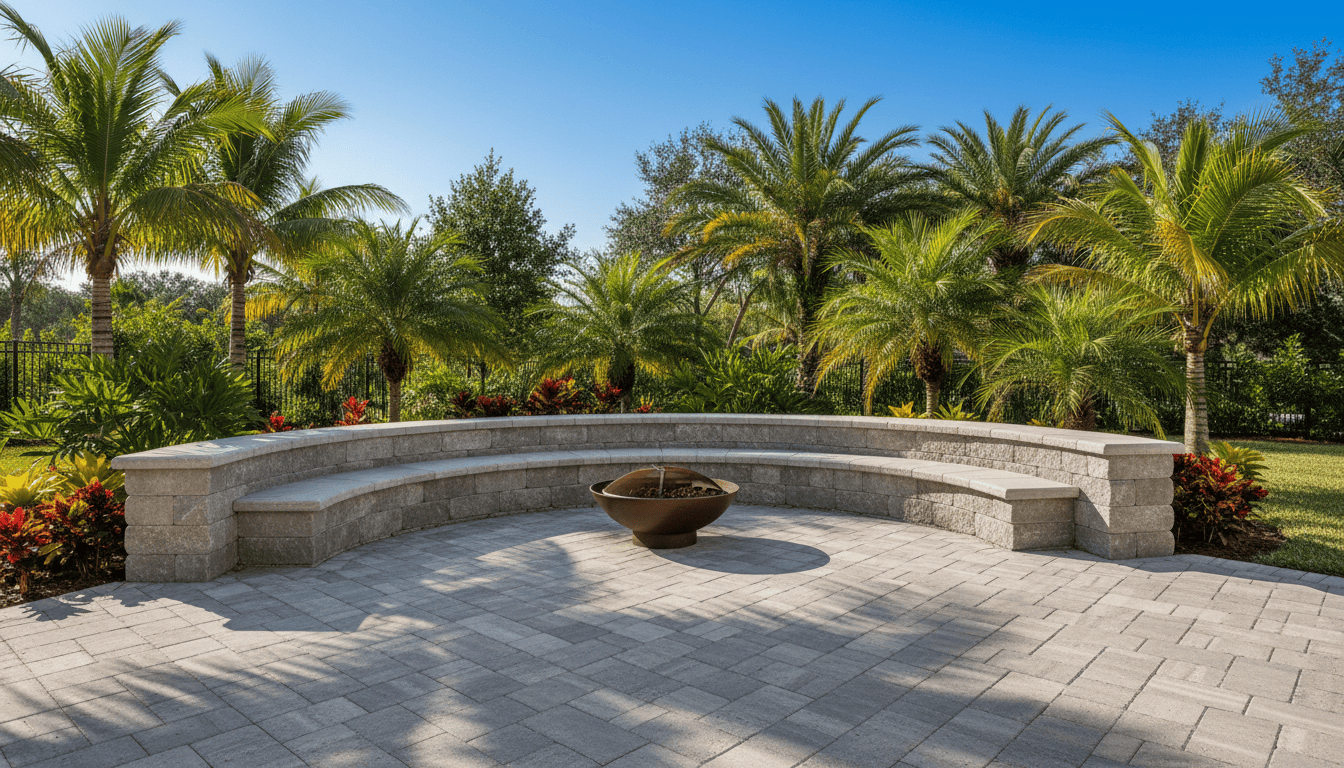
- Fire pits
- Seating areas
- Tropical landscaping
The result is a seamless transition between pool, patio, and garden spaces.
Installation Considerations for Travertine Pool Decks
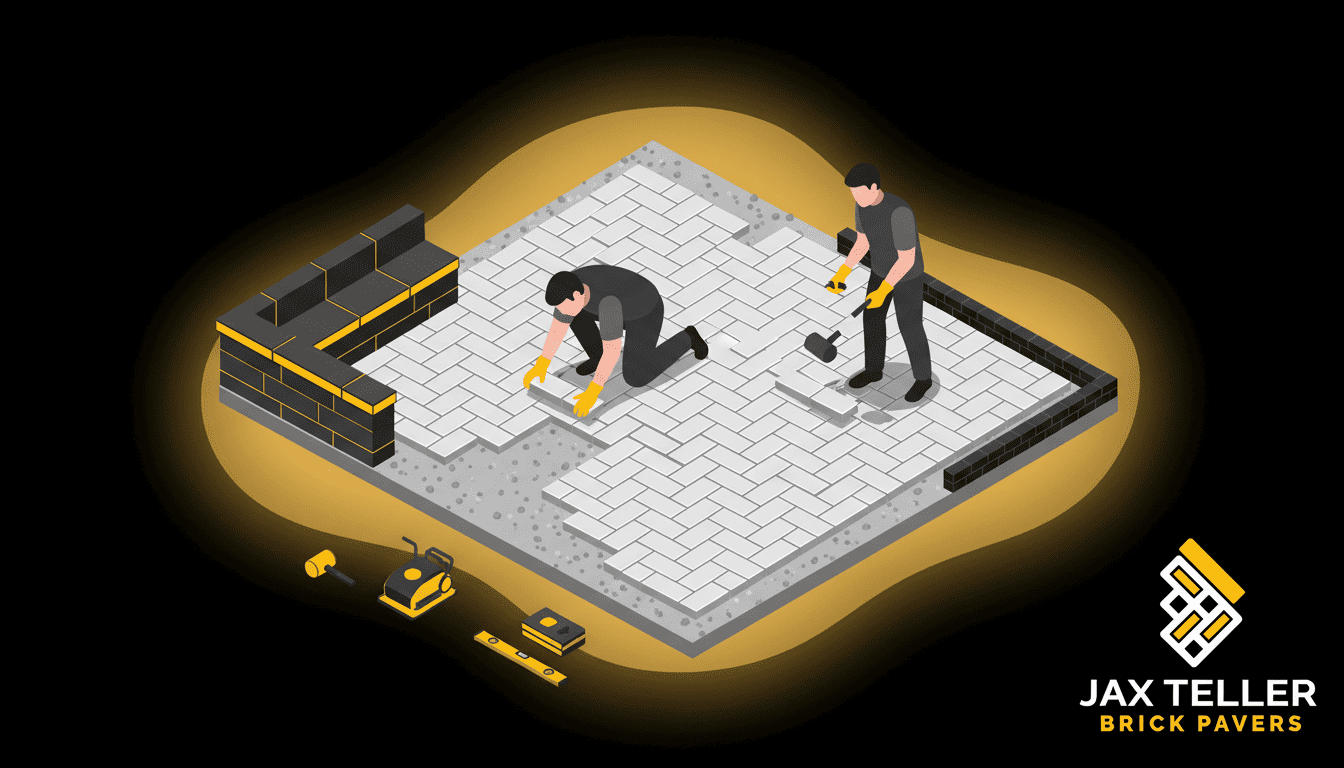
Travertine requires professional installation for best results.
Key steps include:
- Proper base preparation
- Correct spacing and alignment
- Drainage planning
- Sealing for protection
A correct installation ensures long-term durability and beauty.
Maintenance of Travertine Pool Decks
Travertine is low maintenance but benefits from basic care.
Simple maintenance tips
- Rinse regularly to remove debris
- Clean with neutral-pH cleaners
- Reseal periodically
- Inspect joints after heavy rain
With proper care, travertine maintains its appearance for decades.
Common Mistakes to Avoid with Travertine
- Skipping sealing
- Poor drainage planning
- Using harsh chemicals
- Incorrect installation techniques
Avoiding these mistakes protects your investment.
Explore More Poolside Paver Projects and Standards
For real examples of travertine and poolside paver installations in Florida, explore our project gallery:
https://jaxtellerbrickpavers.com/projects
To review official installation standards, visit the Interlocking Concrete Pavement Institute:
https://www.icpi.org/
Conclusion
Travertine Pool Decks are one of the best poolside paving solutions for Florida homes. They stay cool, improve safety, resist wear, and deliver a timeless, luxury look that enhances both lifestyle and property value.
If you’re considering a travertine pool deck or poolside upgrade, contact JaxTeller Brick Pavers at +1 407-907-8308 or jaxtellerbrickpavers@gmail.com for a free estimate. 🌞