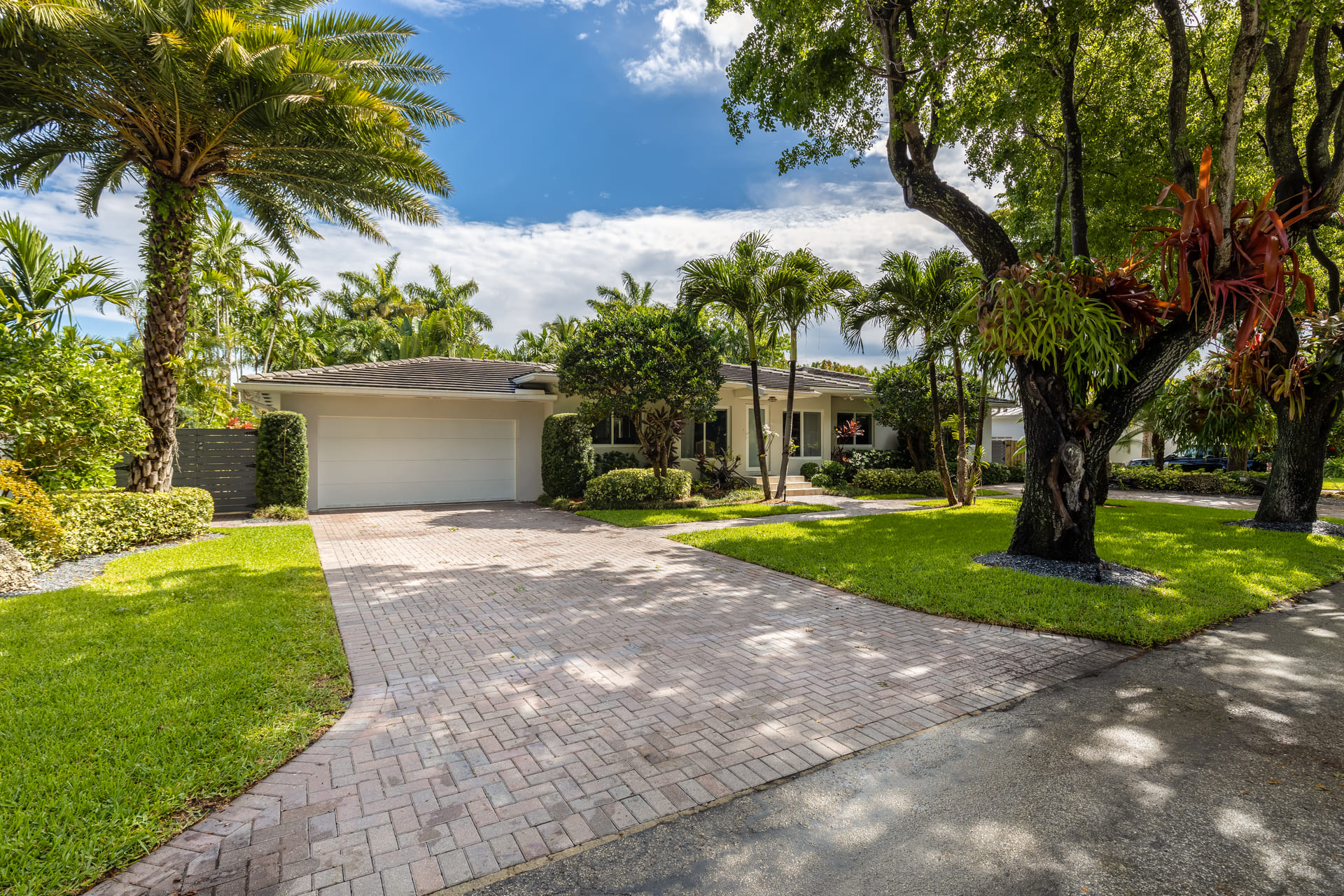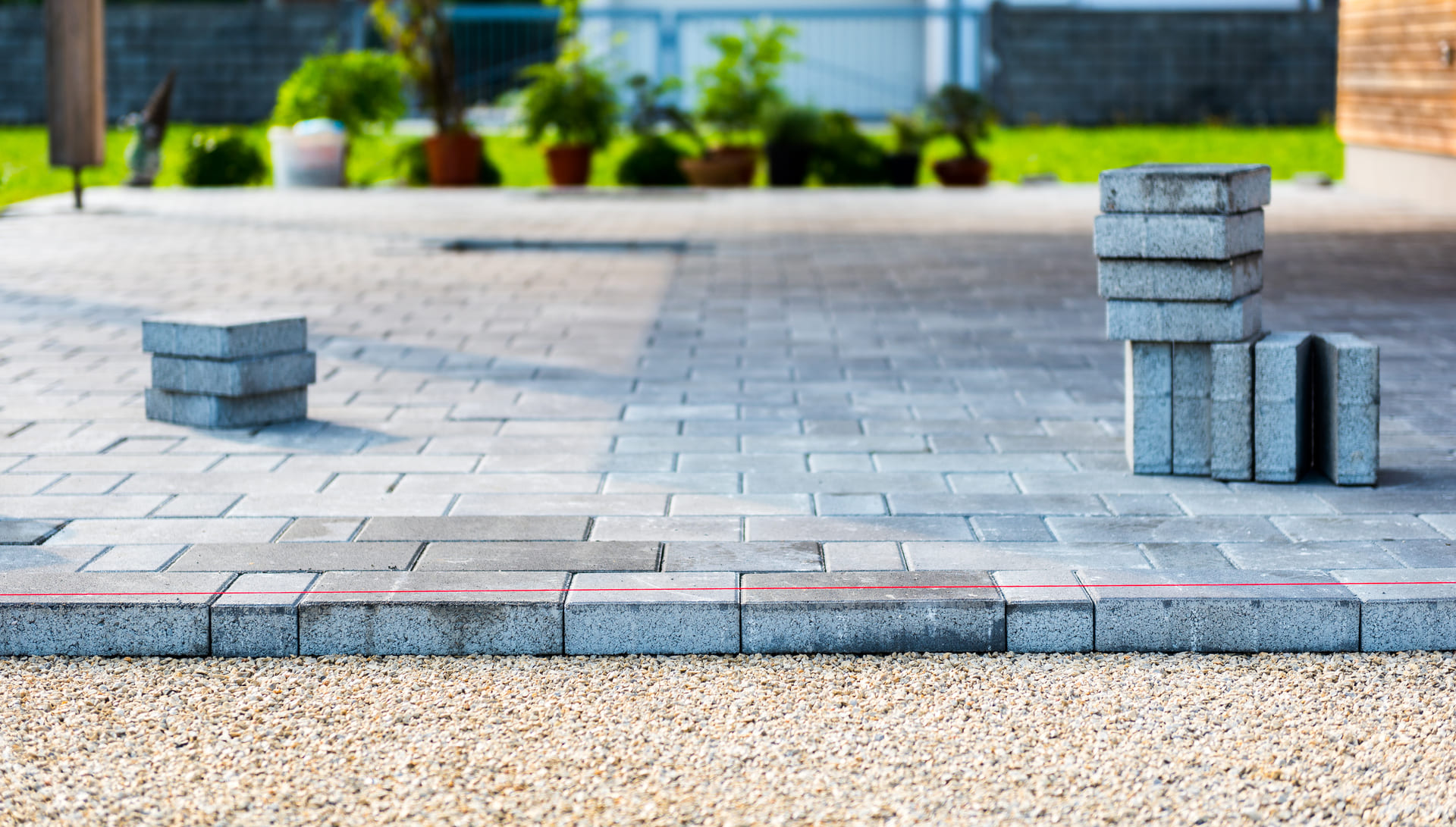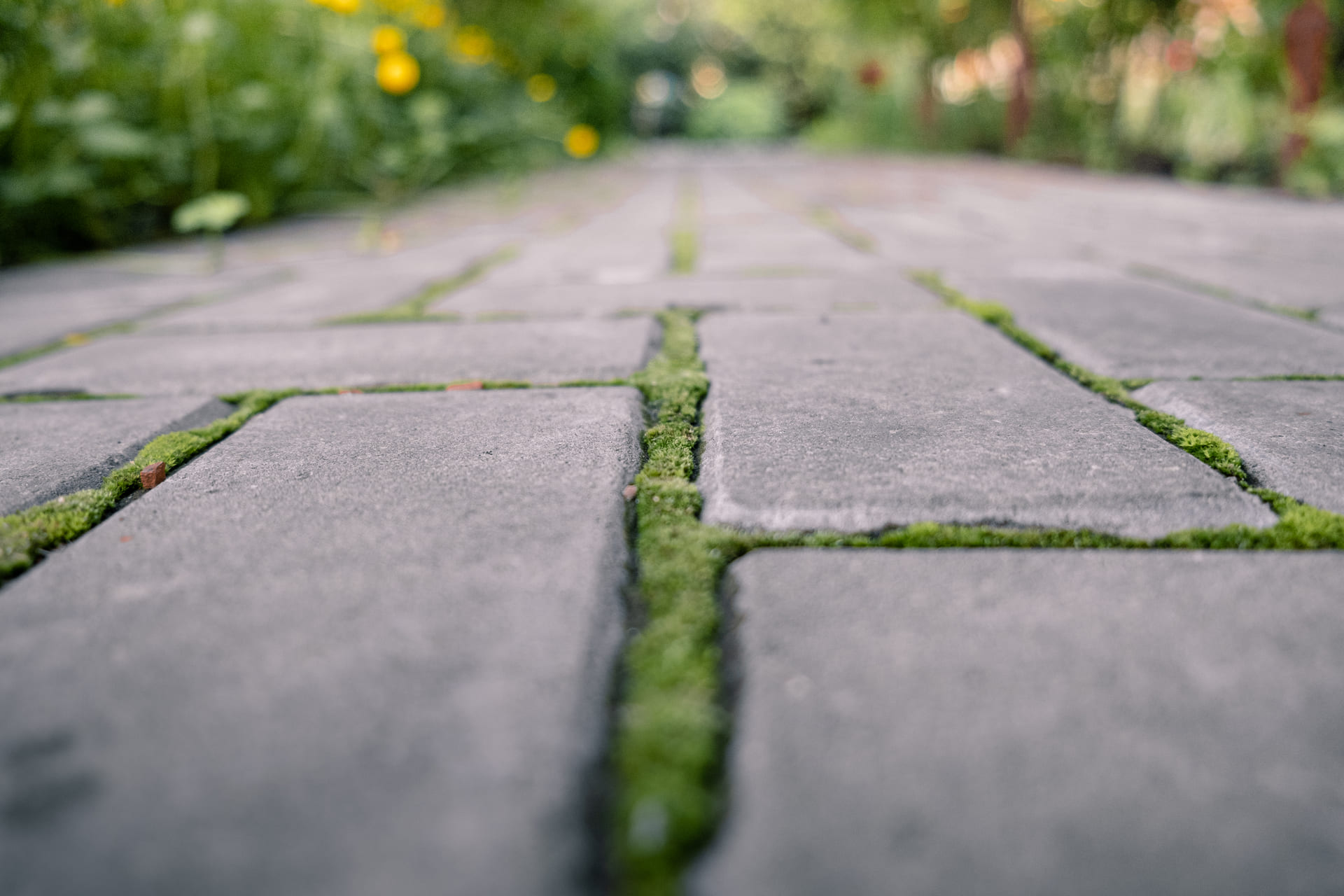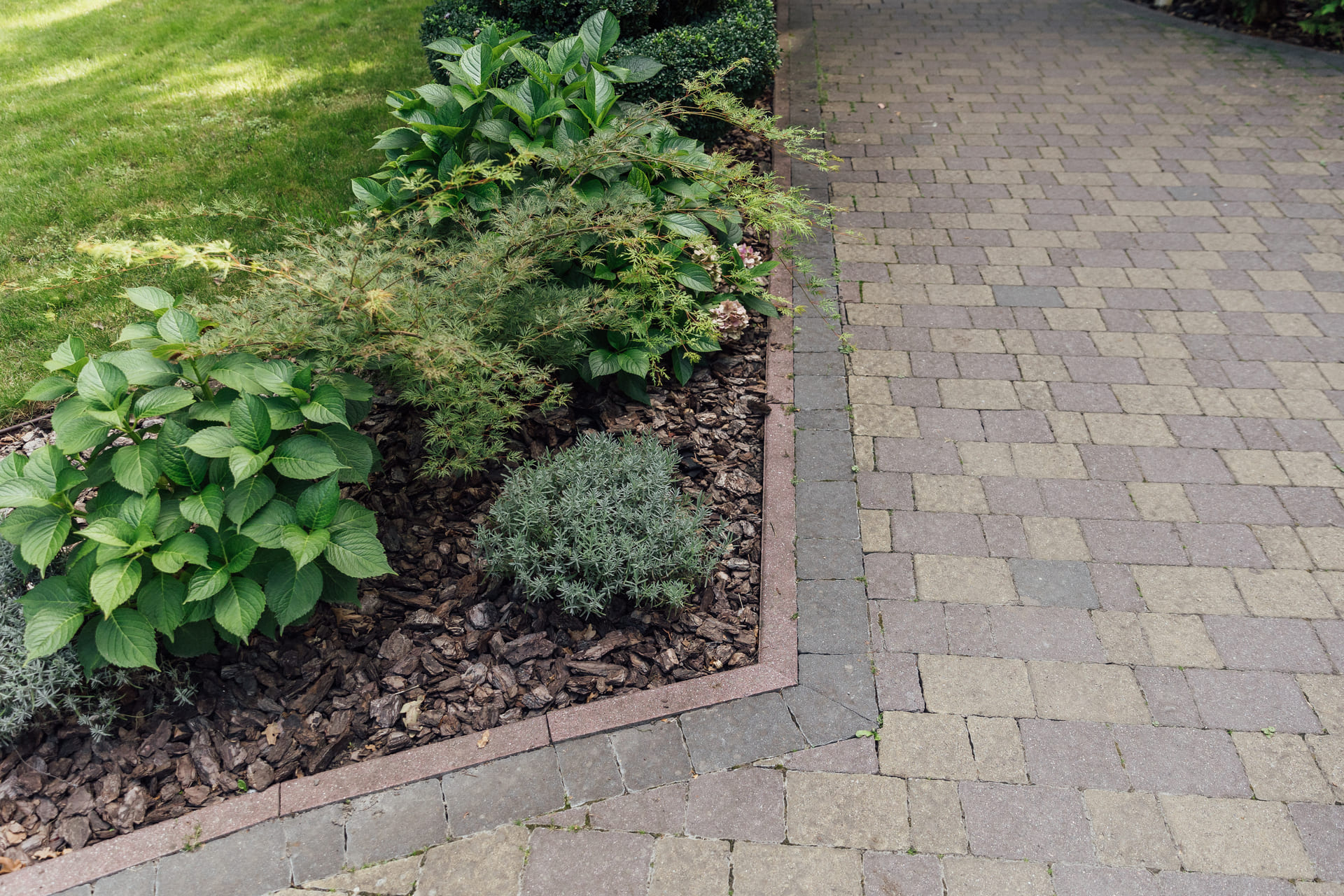
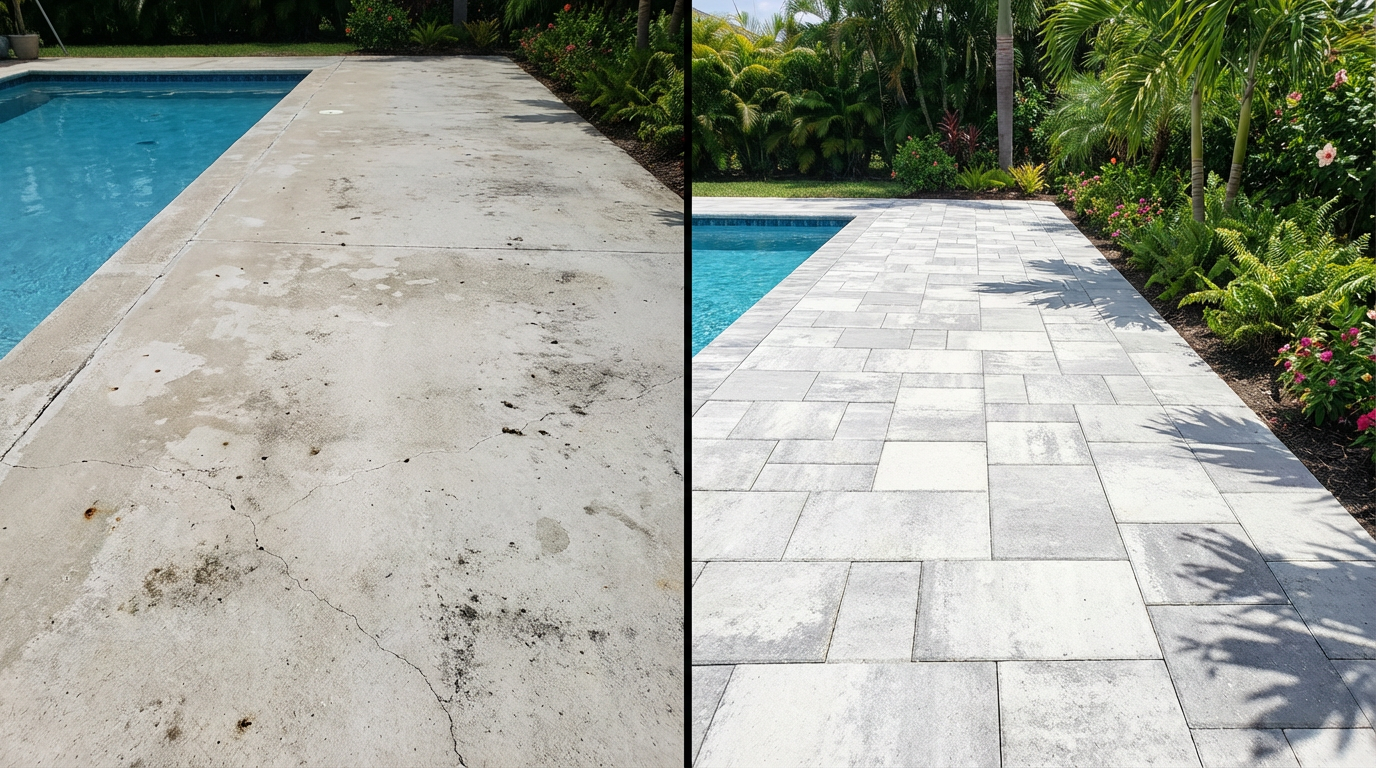
If you’re planning a pool deck or upgrading an outdoor area in Florida, there’s one question almost every homeowner asks first:
Concrete or pavers — which is better?
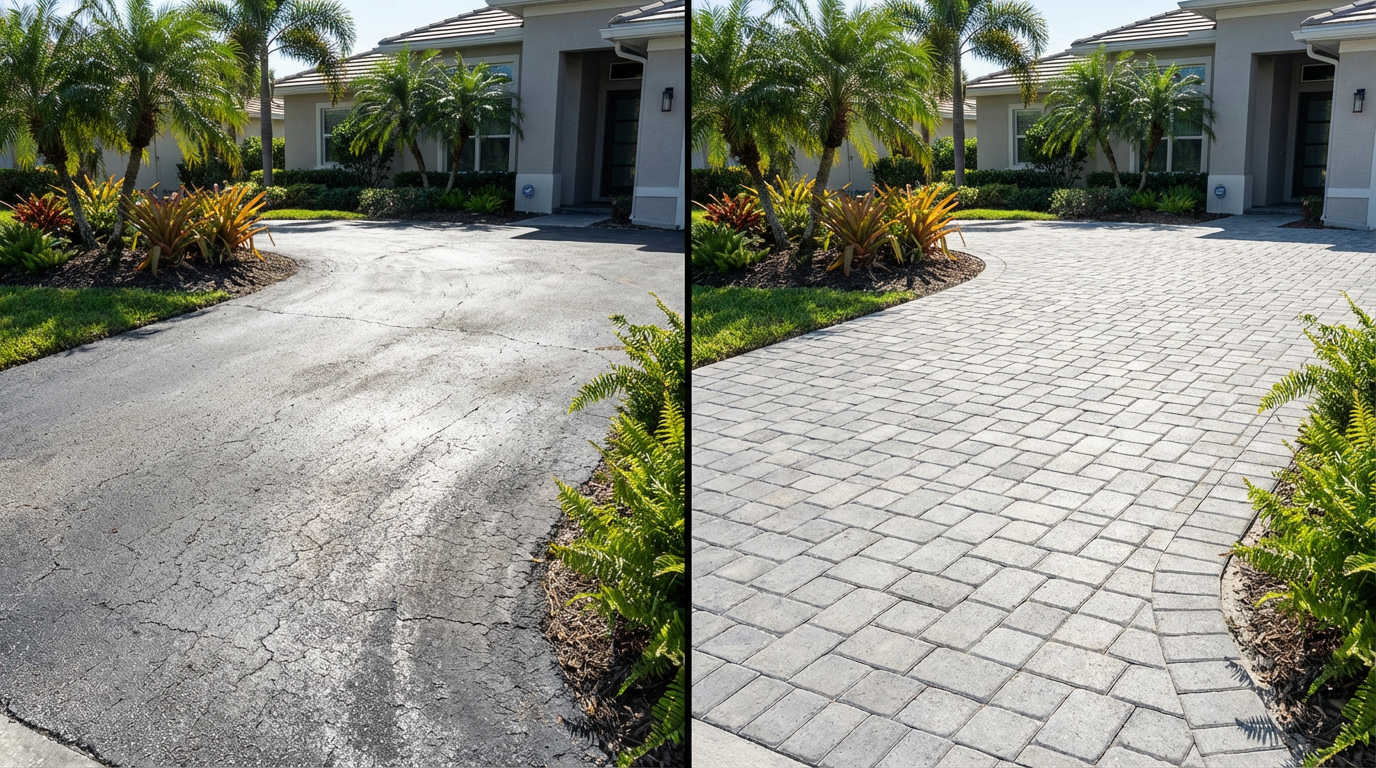
At first glance, concrete may seem like the simpler and cheaper option. Pavers, on the other hand, are often associated with higher-end projects. But when you look beyond the initial cost and focus on comfort, safety, durability, and long-term value, the comparison becomes much clearer.
This guide breaks down concrete vs pavers for pool decks and outdoor areas in Florida, without technical fluff — just real-world performance, visual impact, and what actually makes sense for Florida homes.
Why Pool Deck Material Choice Matters in Florida
Florida pool decks face unique challenges:
- Extreme sun and surface heat
- Constant moisture and rain
- Pool chemicals (chlorine or saltwater)
- Barefoot traffic
- Safety concerns around slipping
Choosing the wrong surface can lead to cracked slabs, dangerously hot decks, slippery areas, and costly repairs. That’s why this decision matters more than many homeowners realize.
What Is a Concrete Pool Deck?
Concrete pool decks are typically poured slabs finished with broom texture, stamped patterns, or decorative coatings.
Pros of concrete pool decks
- Lower upfront cost
- Fast installation
- Simple, uniform surface
Cons of concrete pool decks
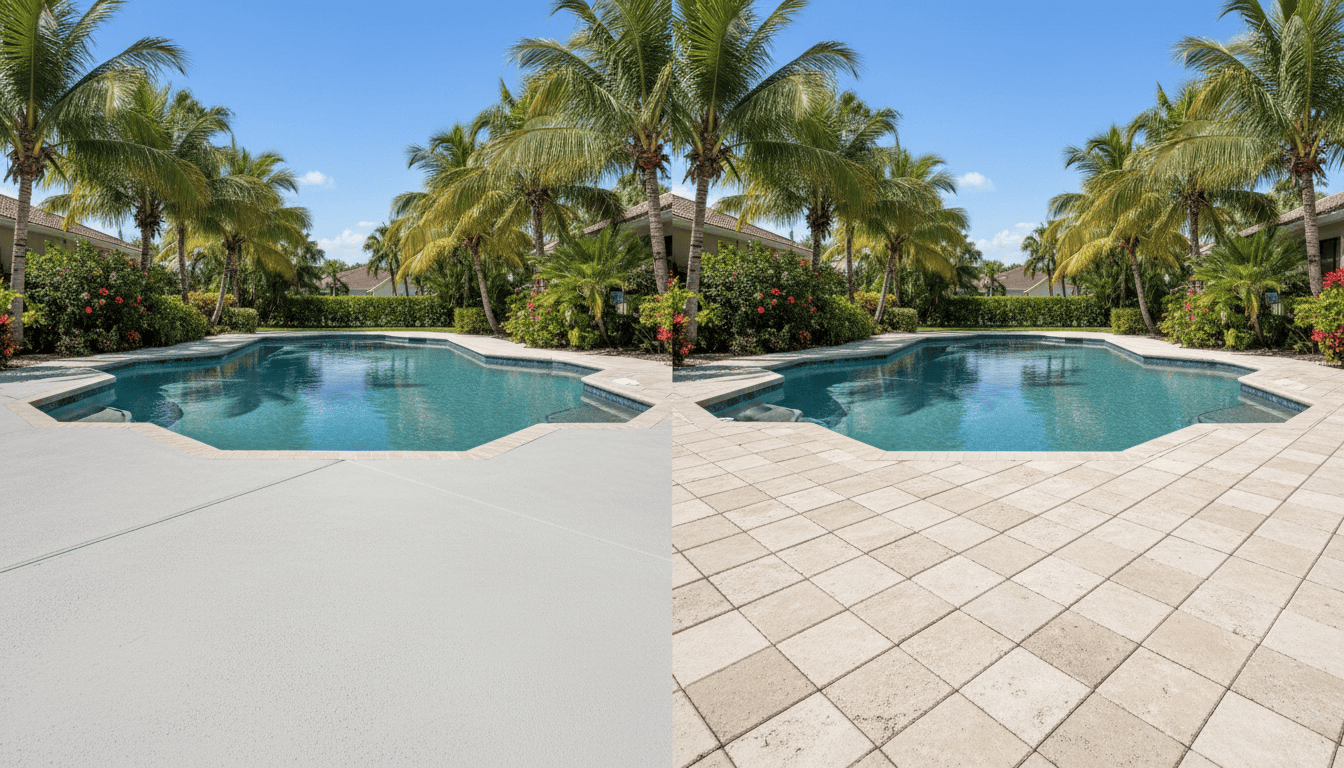
- Absorbs heat quickly
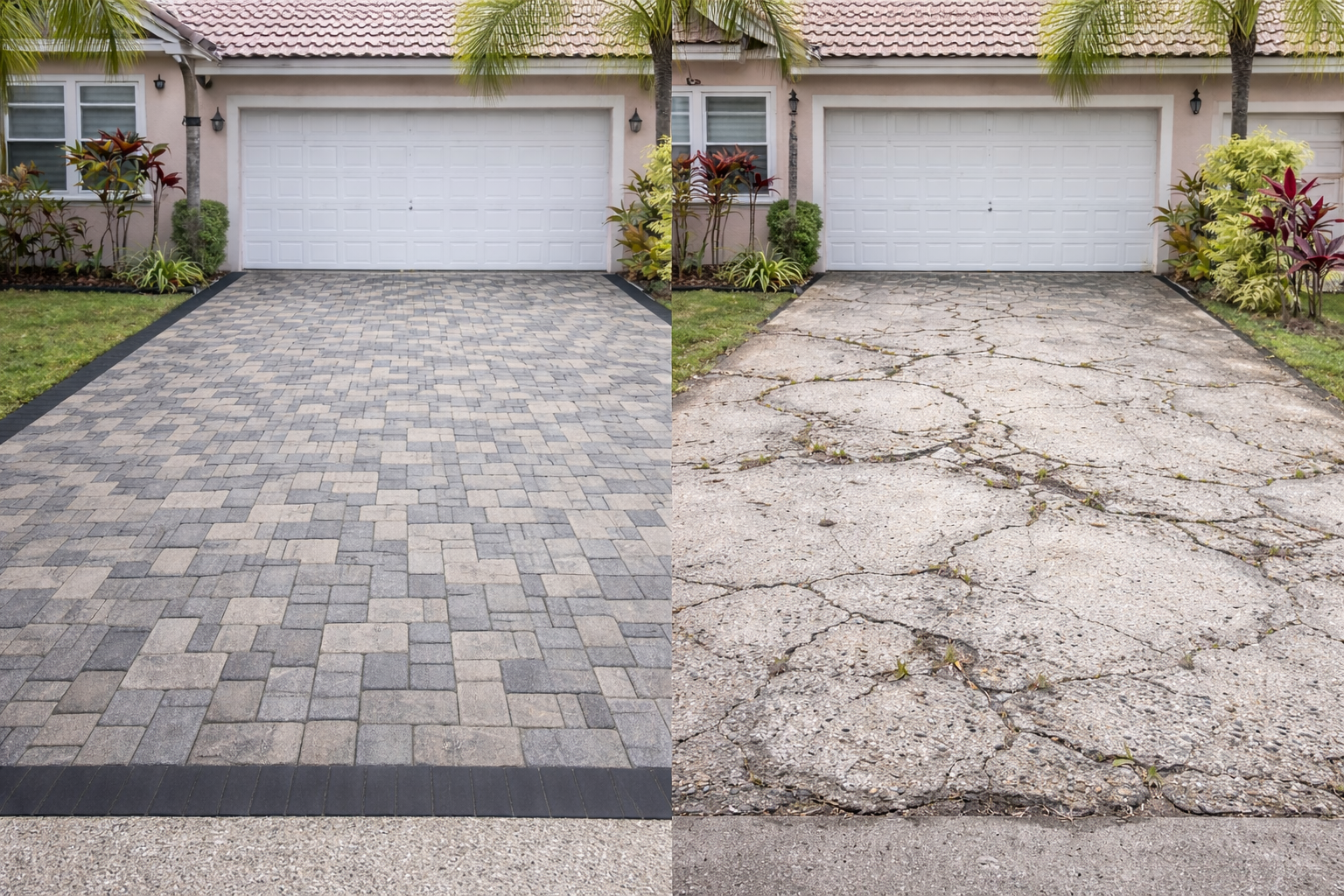
- Cracks over time (very common in Florida)
- Repairs are visible and costly
- Can become slippery when wet
- Limited design flexibility
Concrete may look clean when new, but Florida conditions expose its weaknesses quickly.
What Are Pavers for Pool Decks?
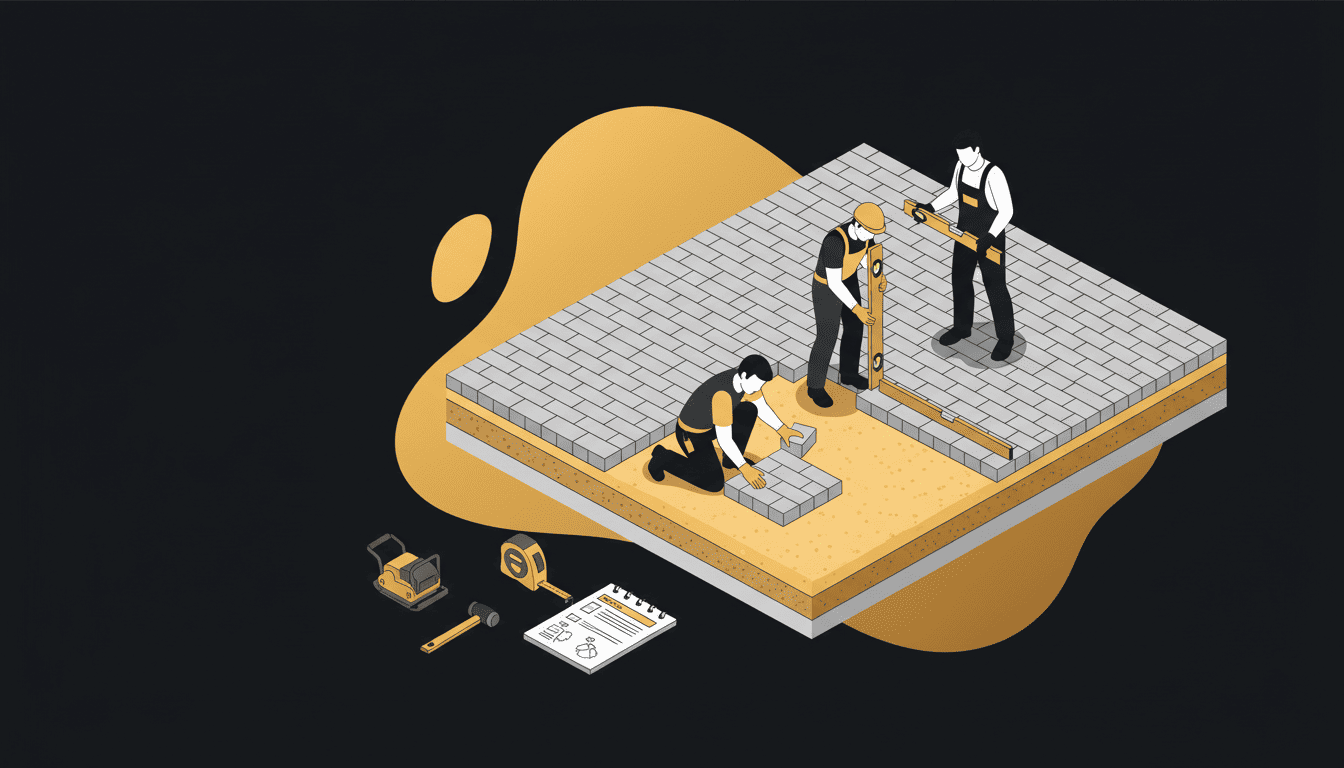
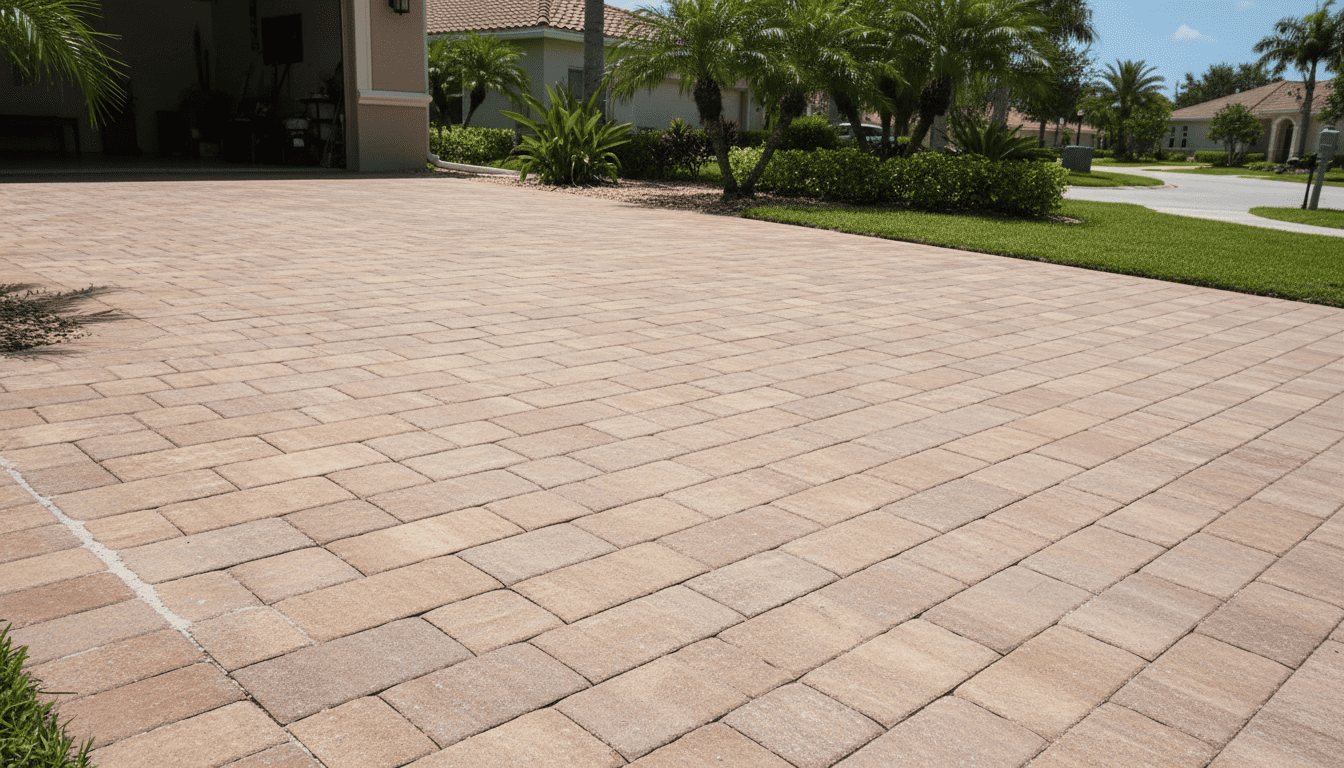
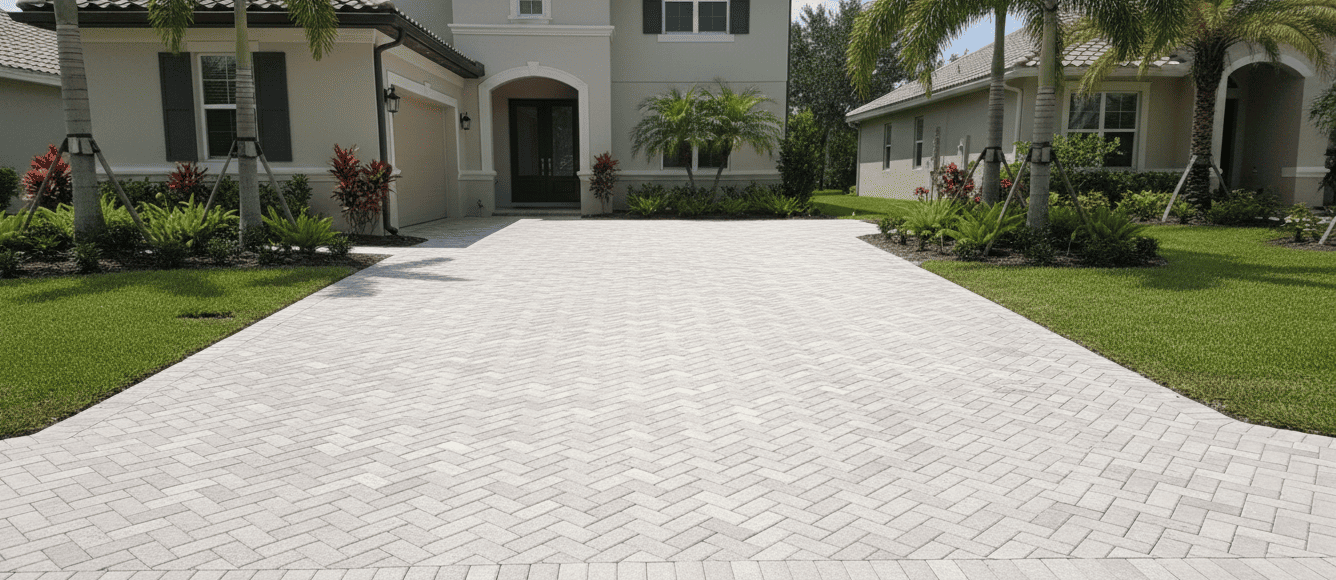
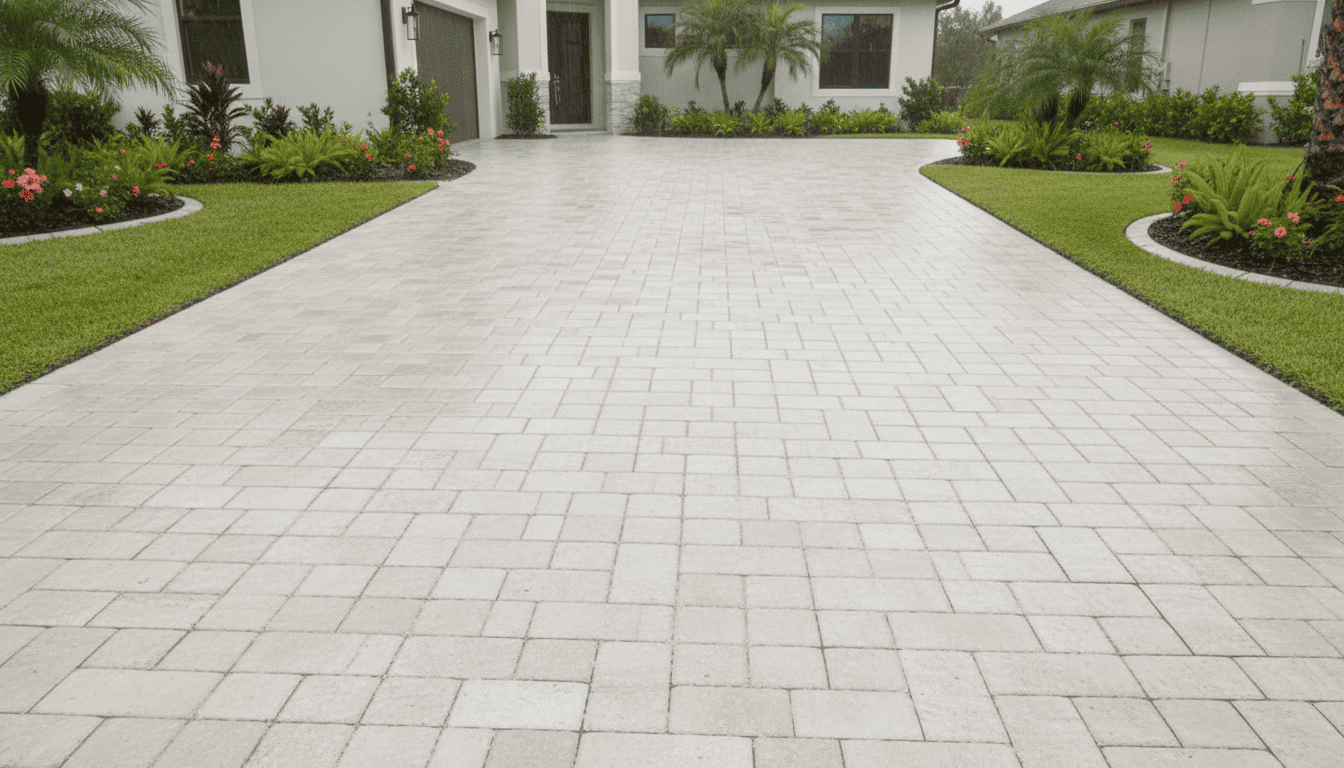
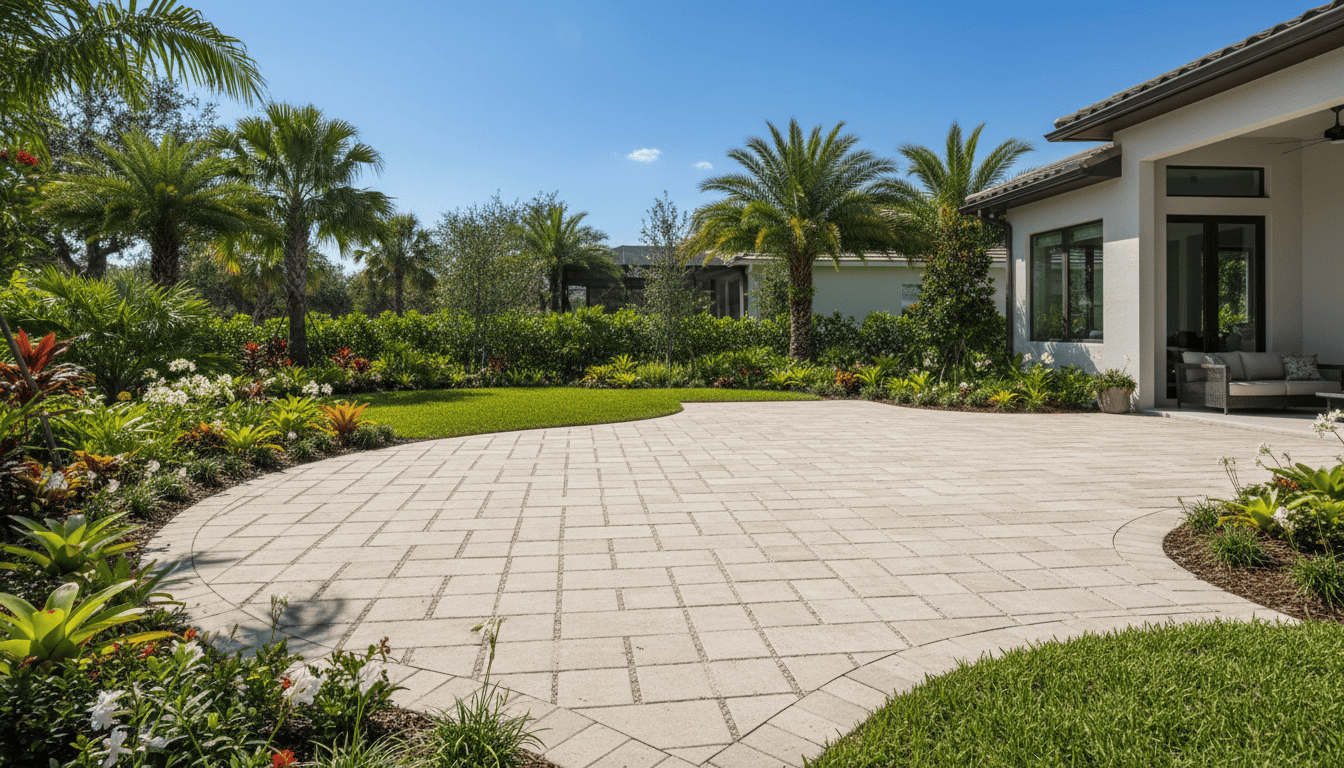
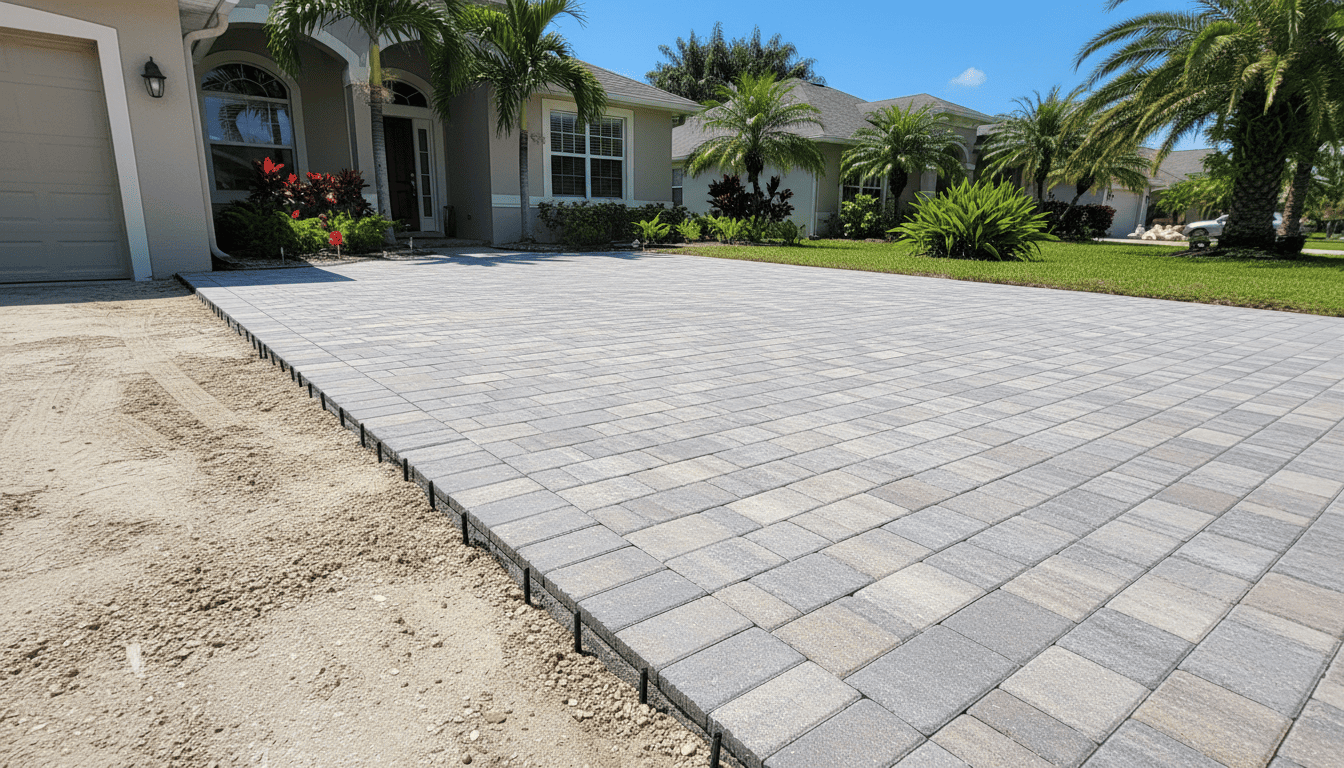
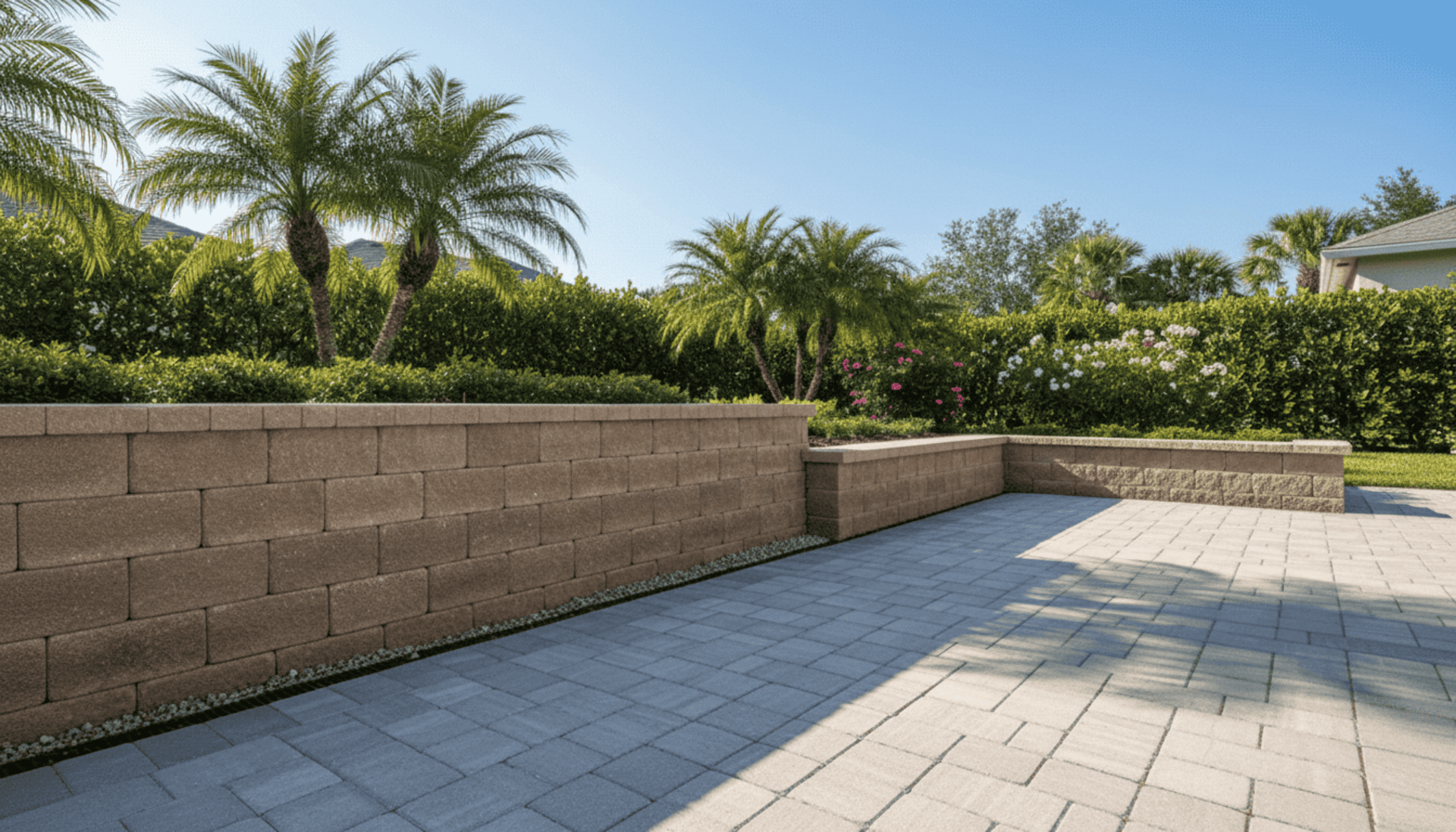
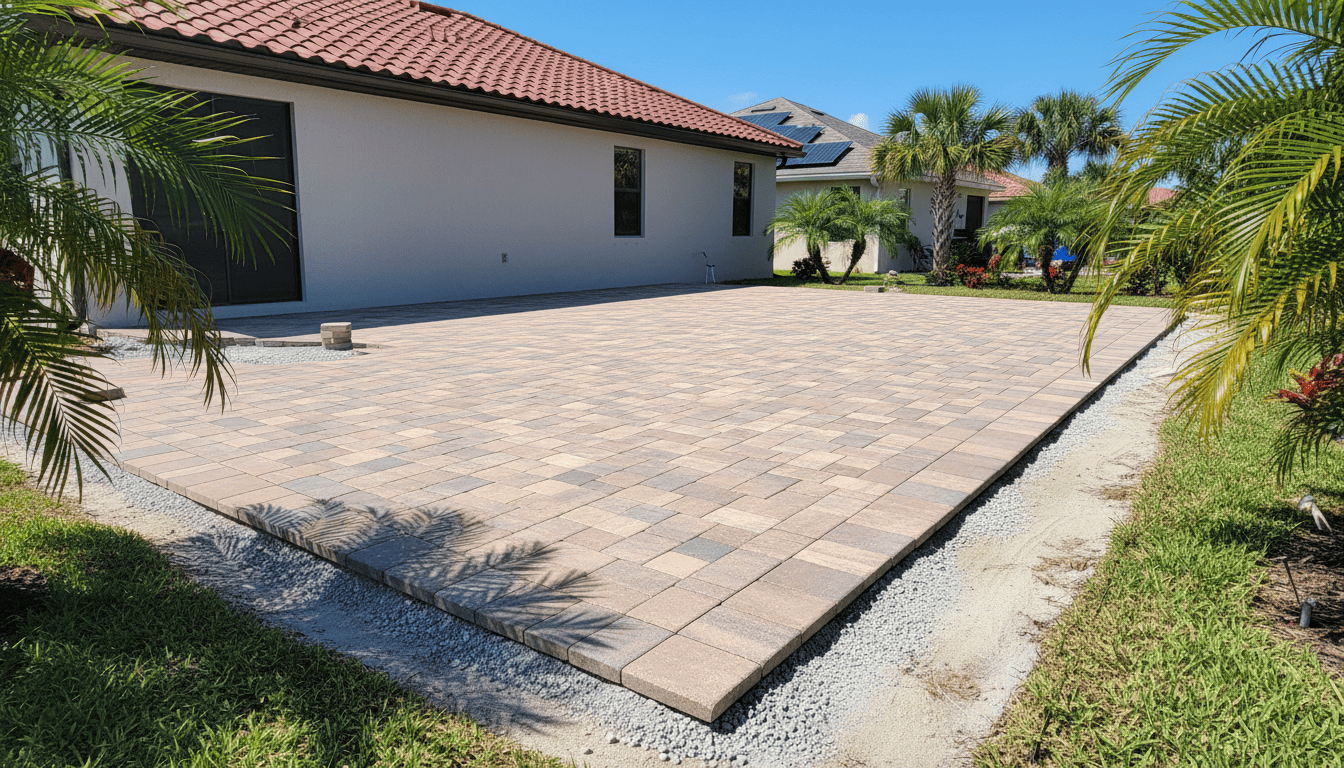
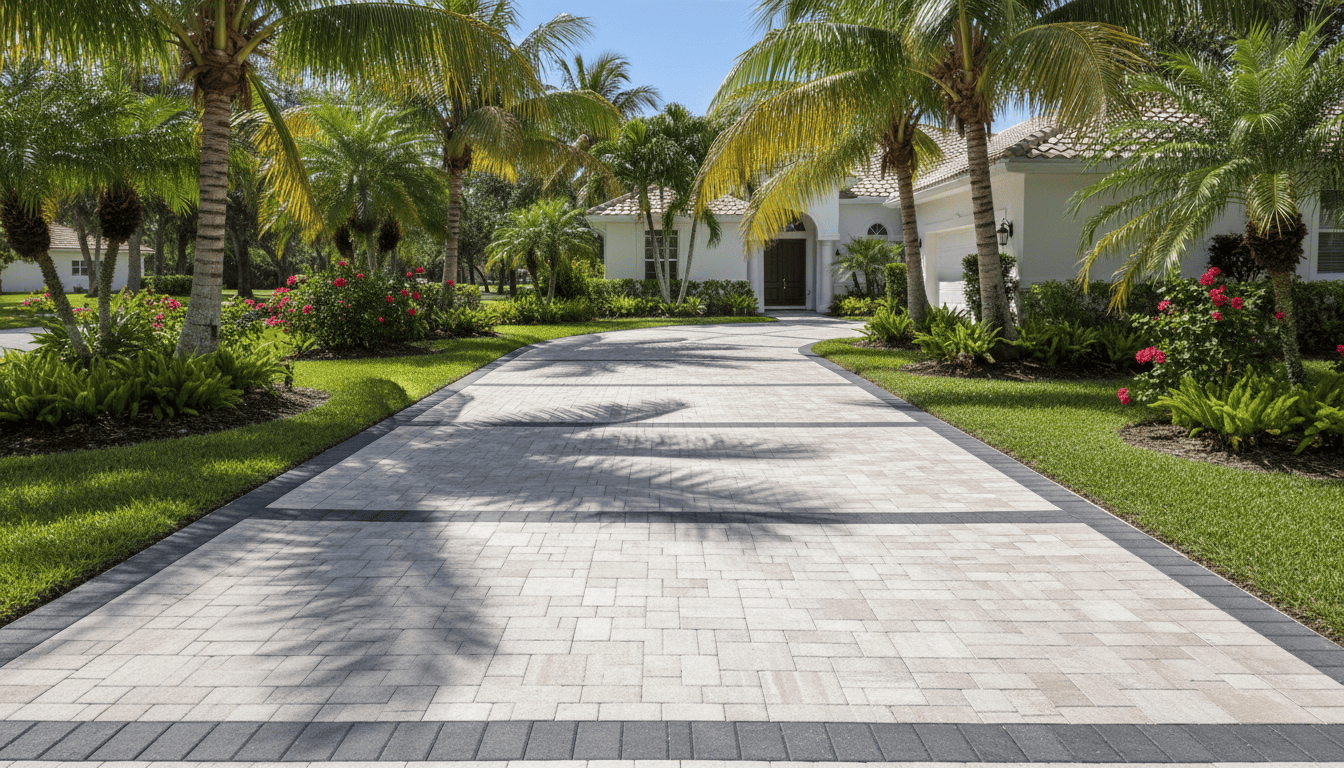
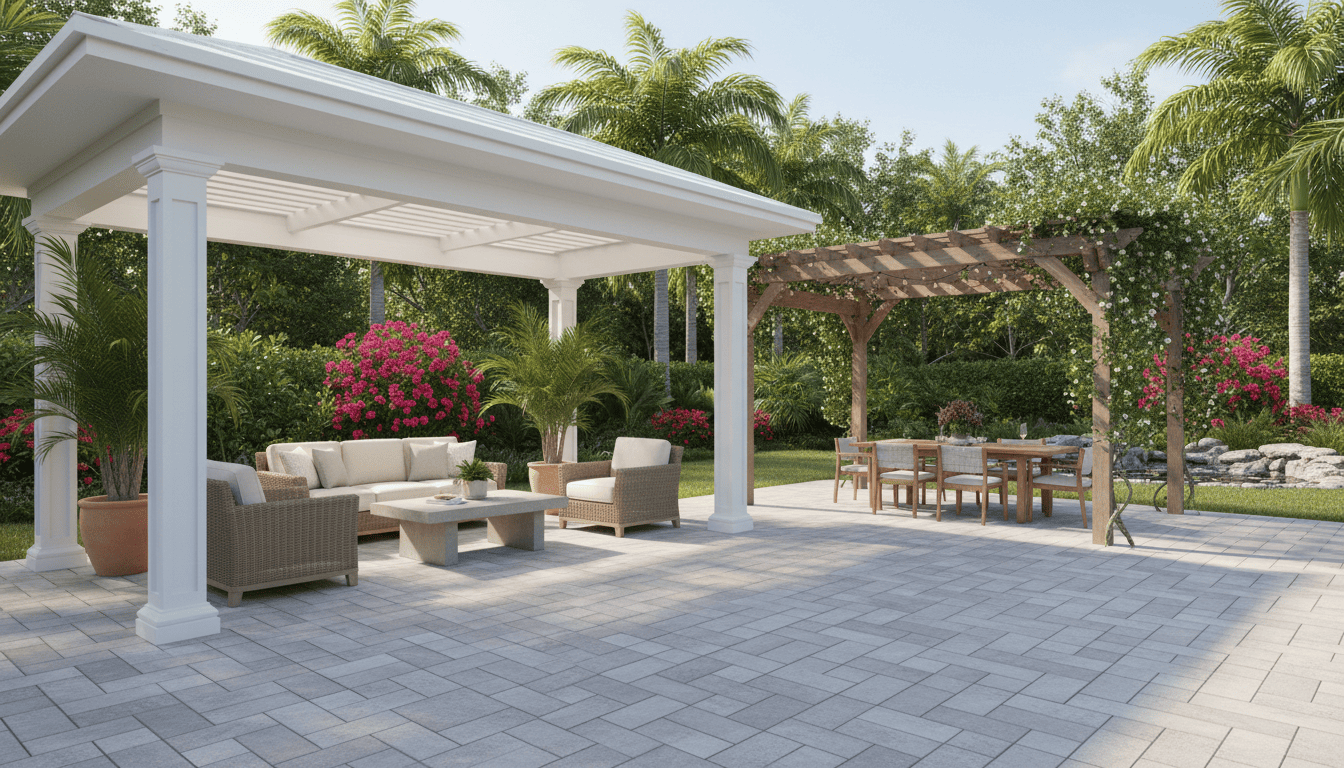
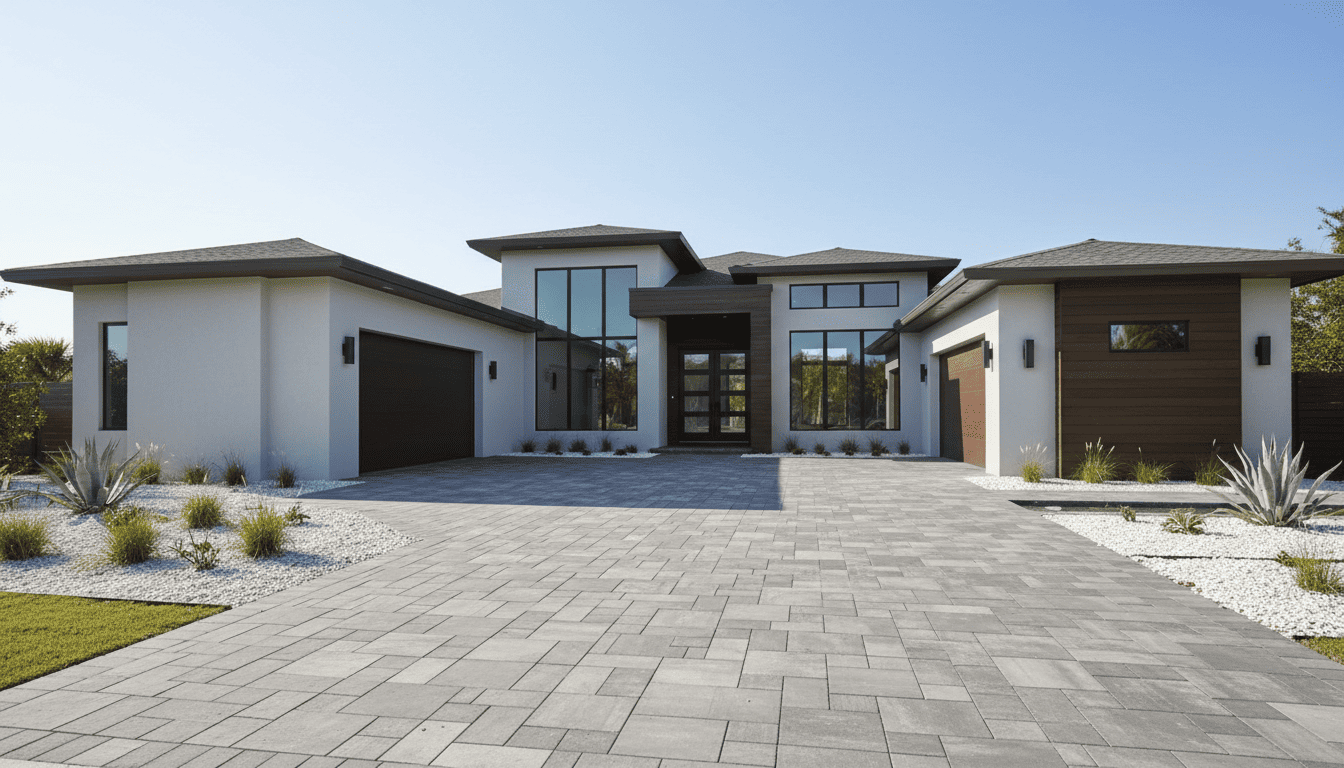
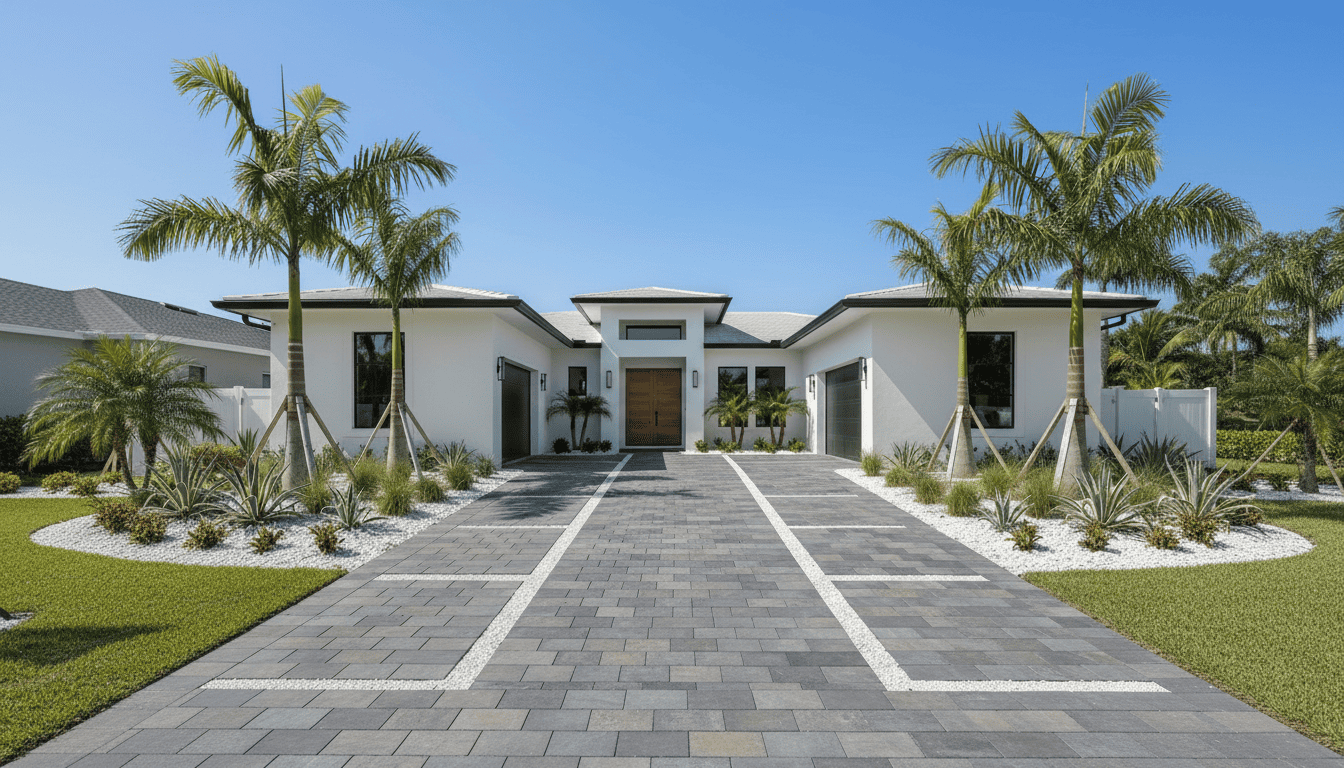
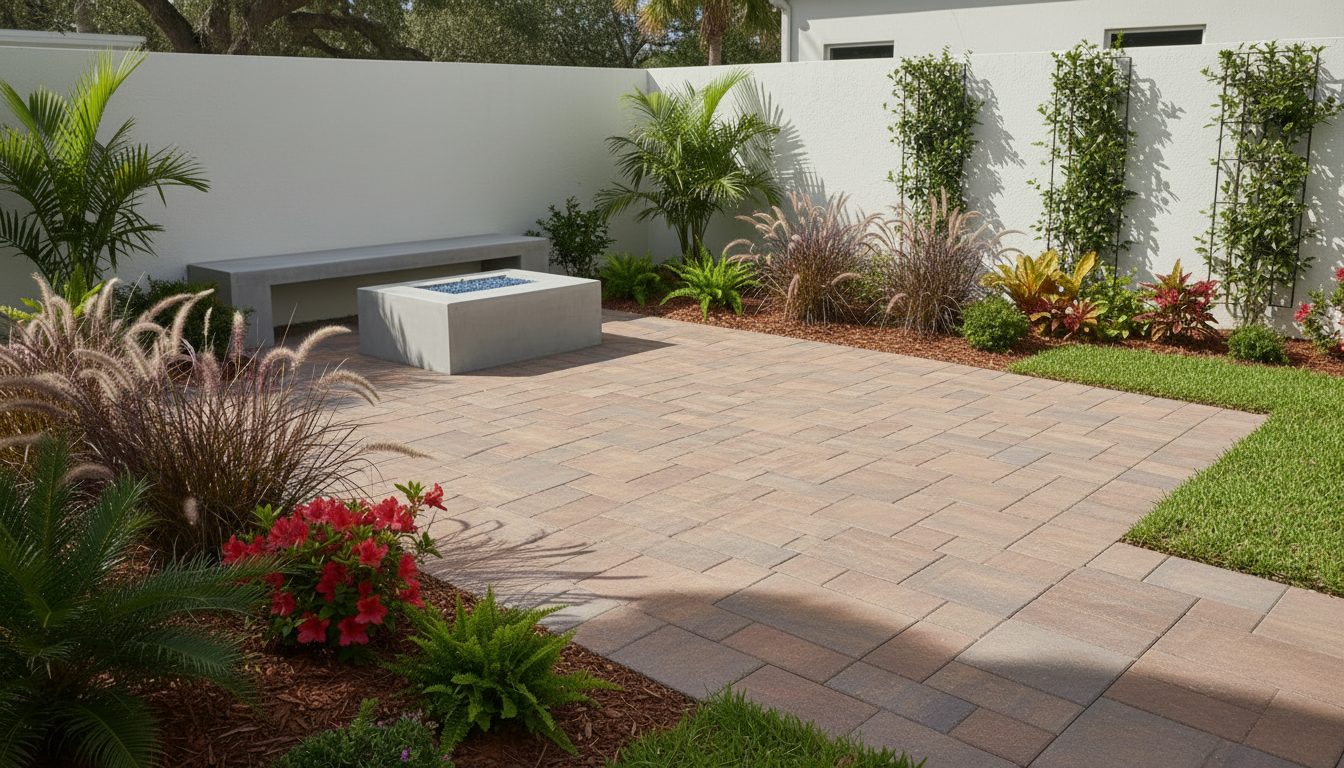
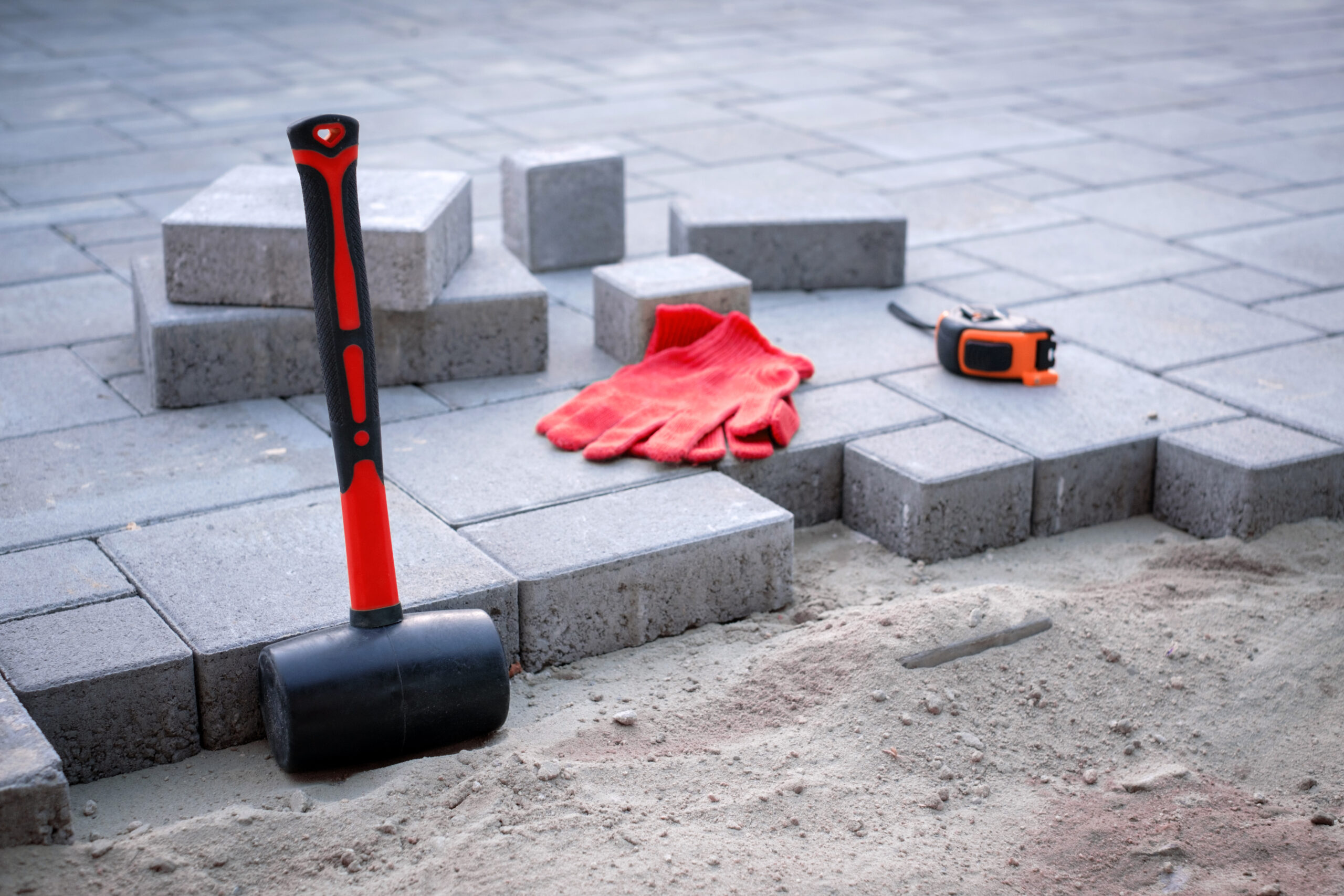
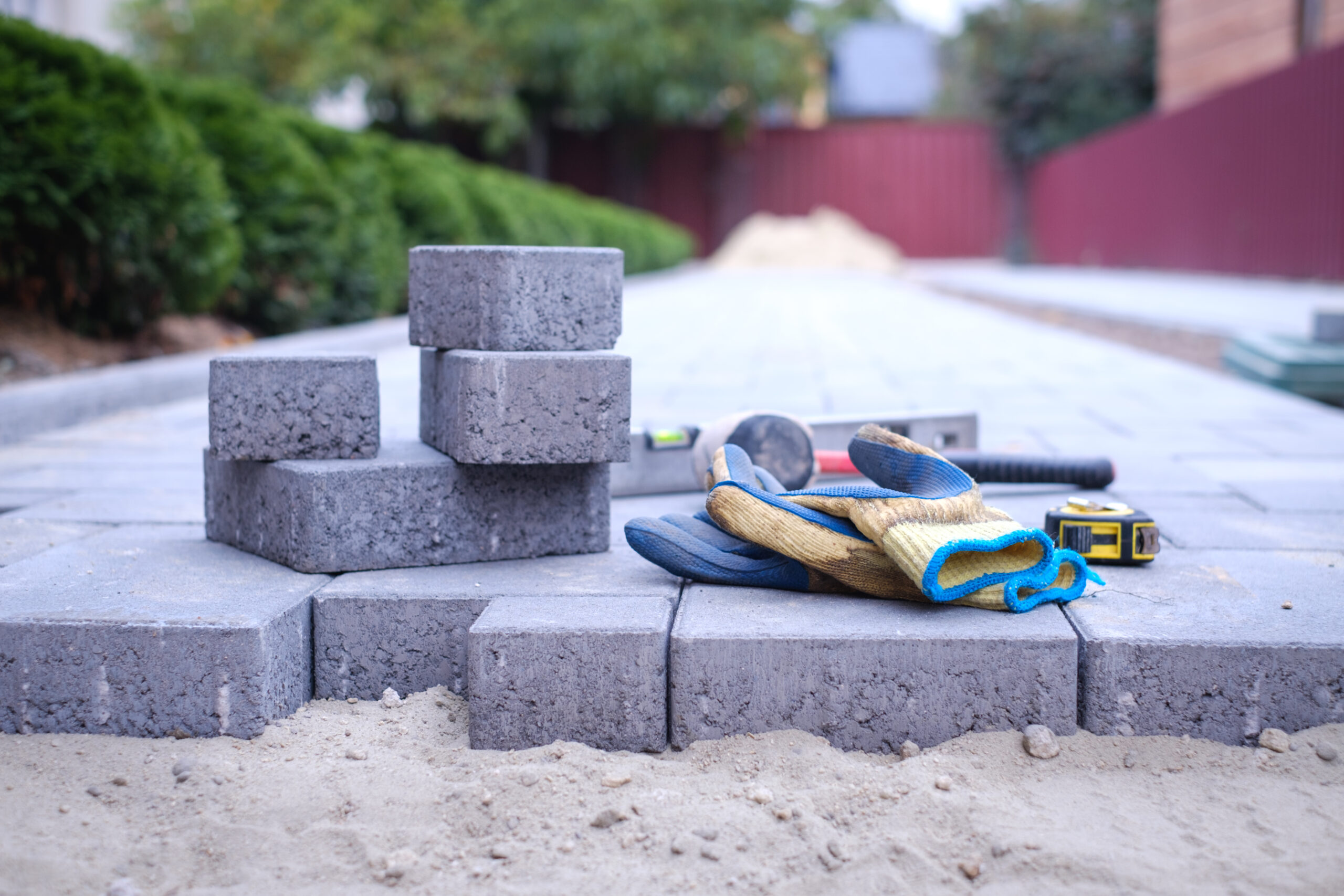
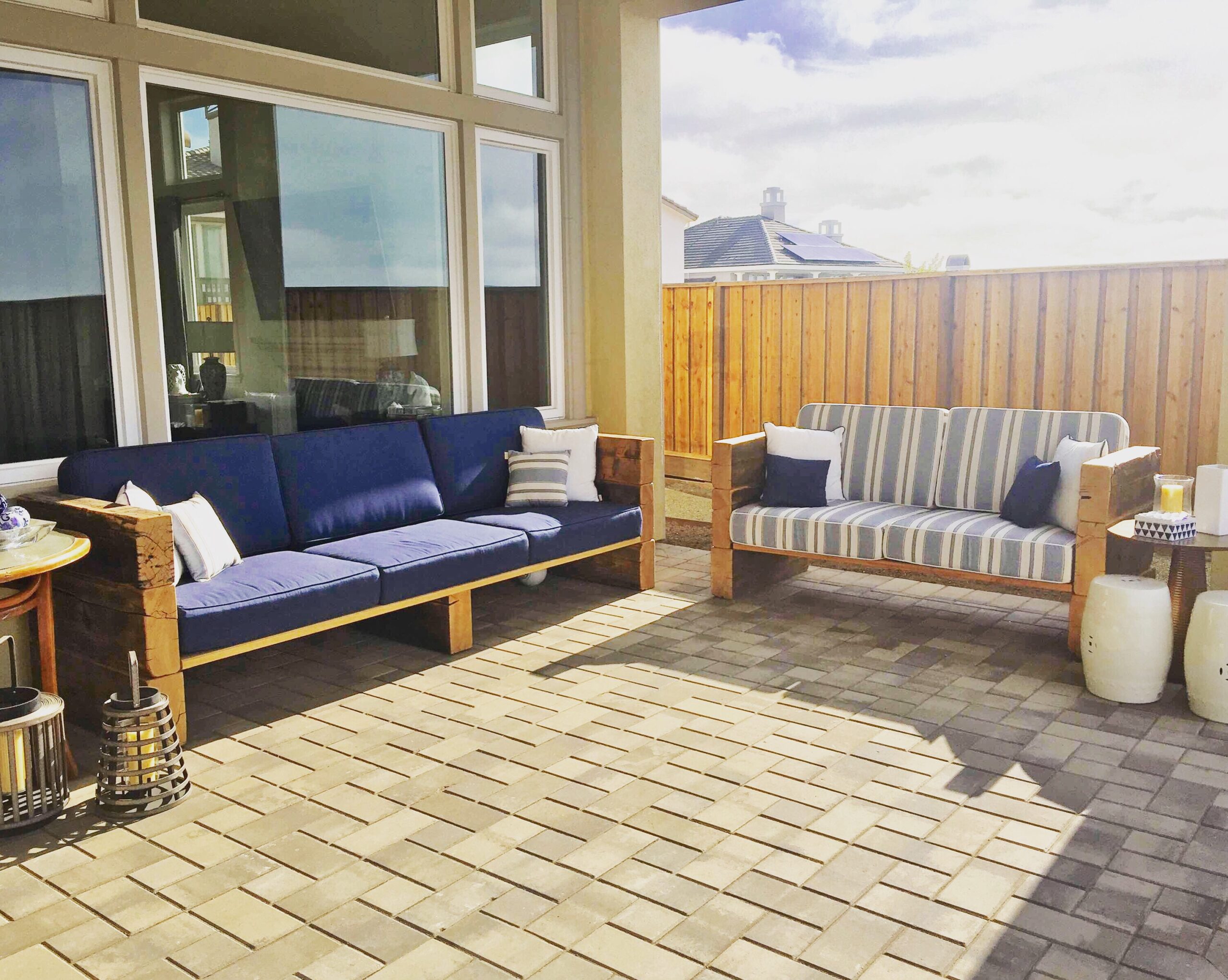
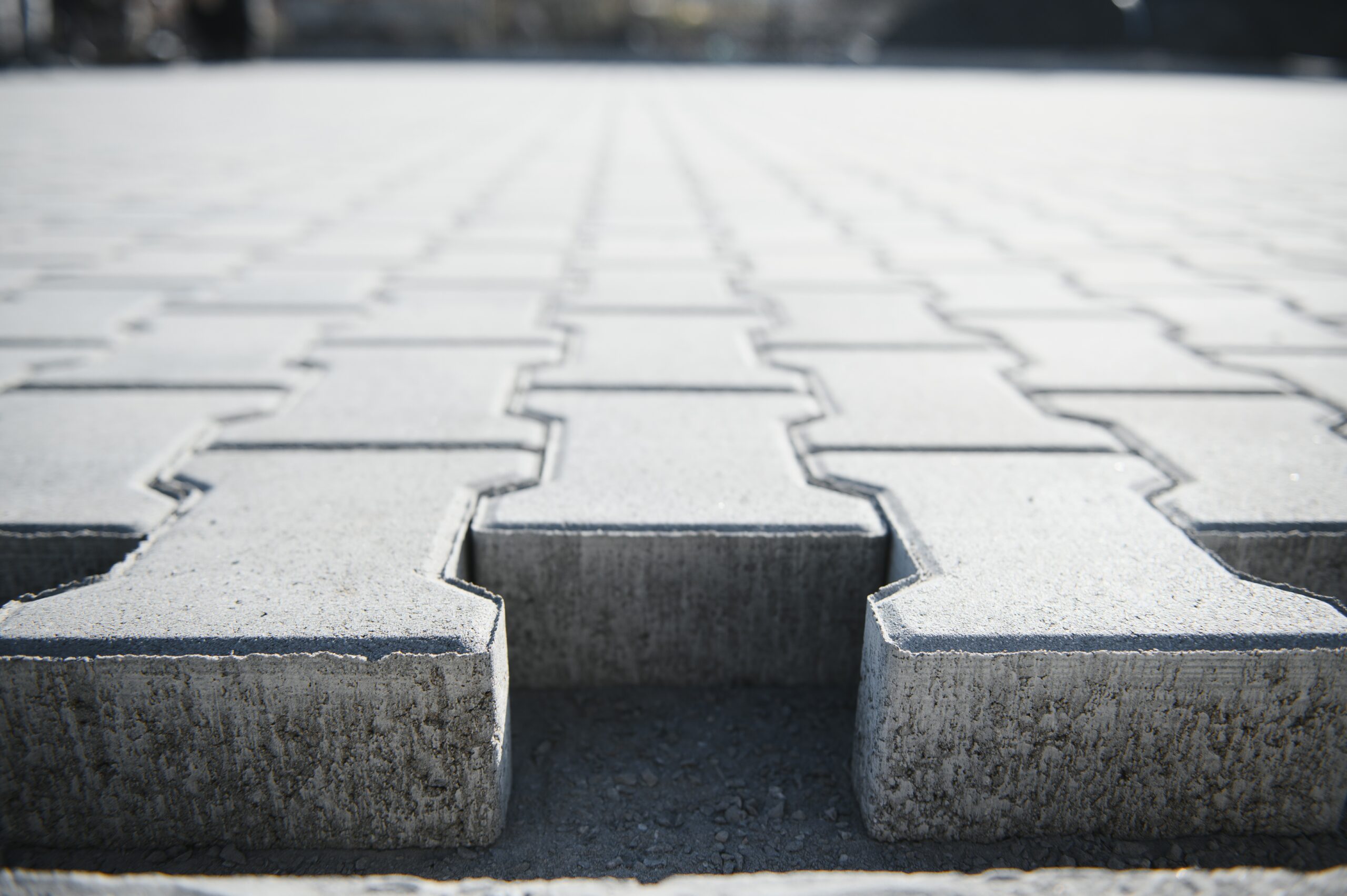
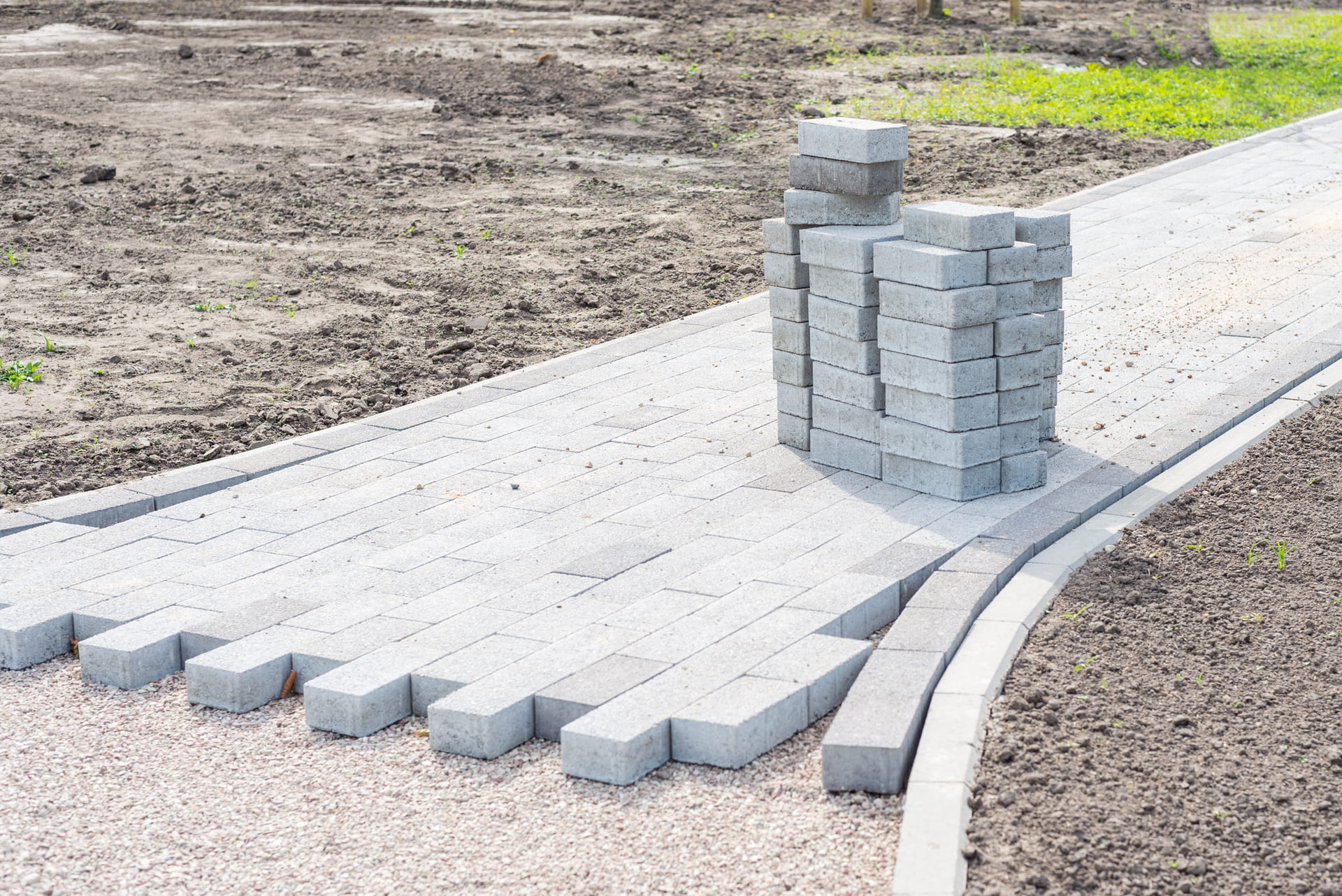
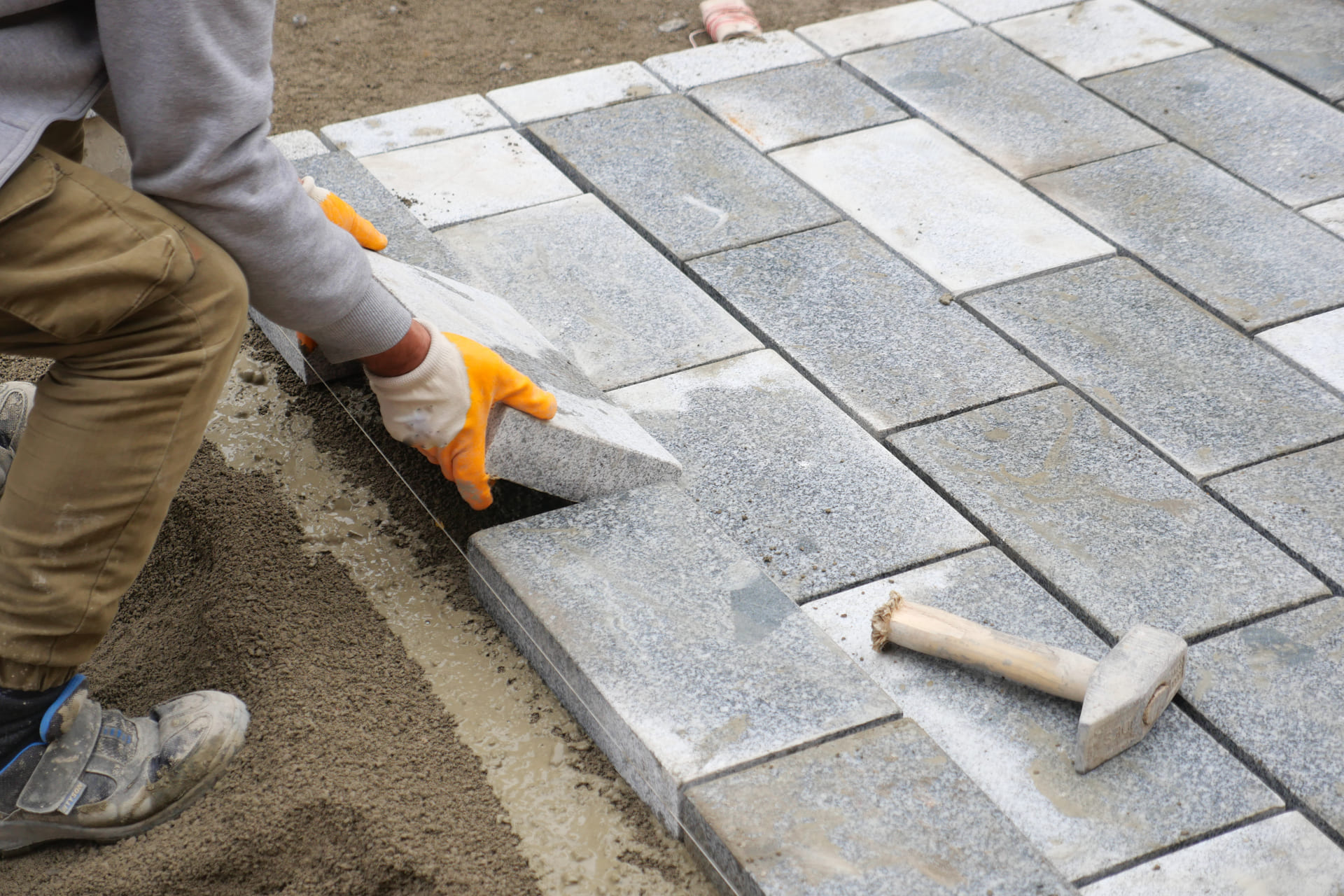
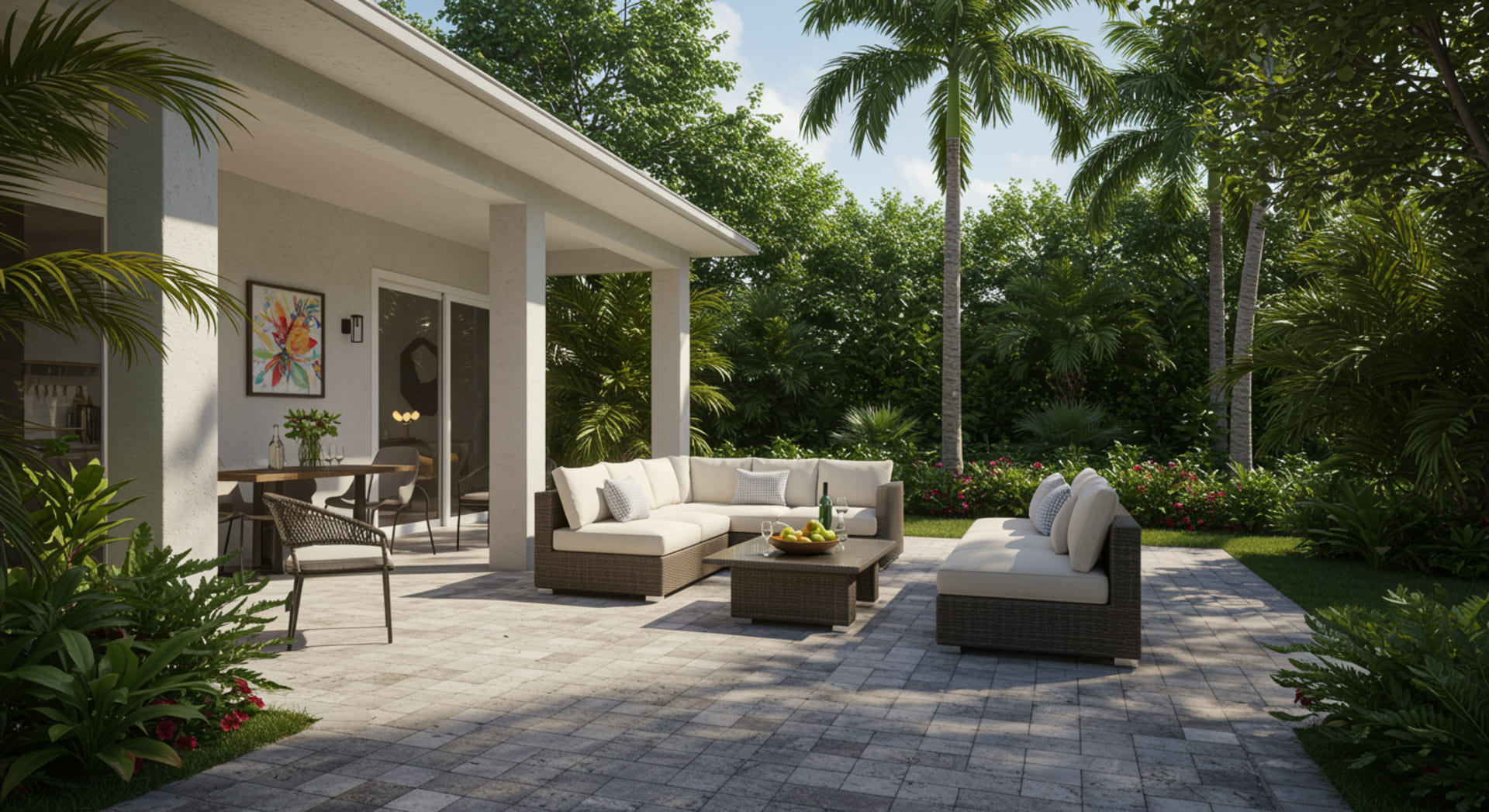
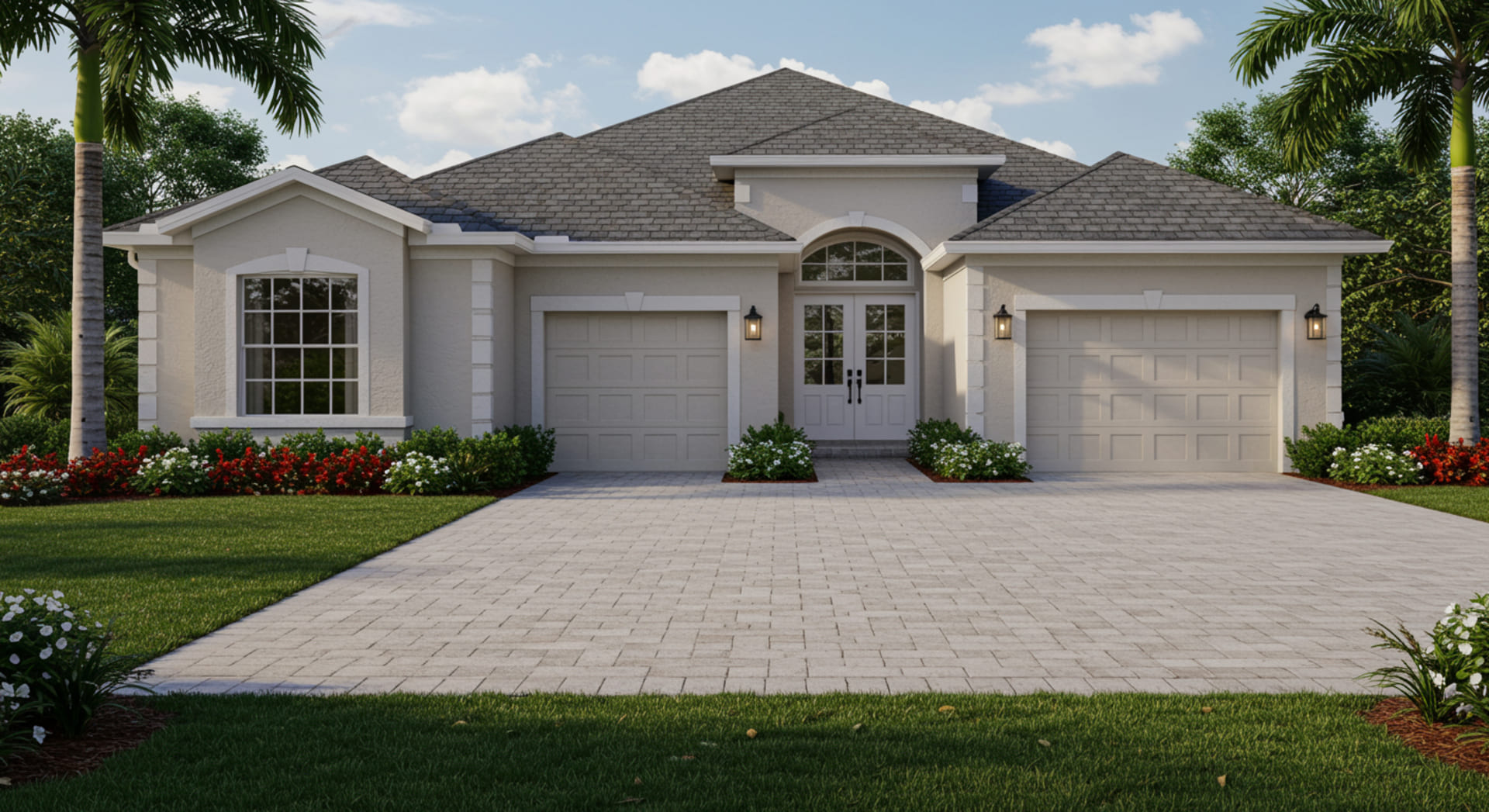
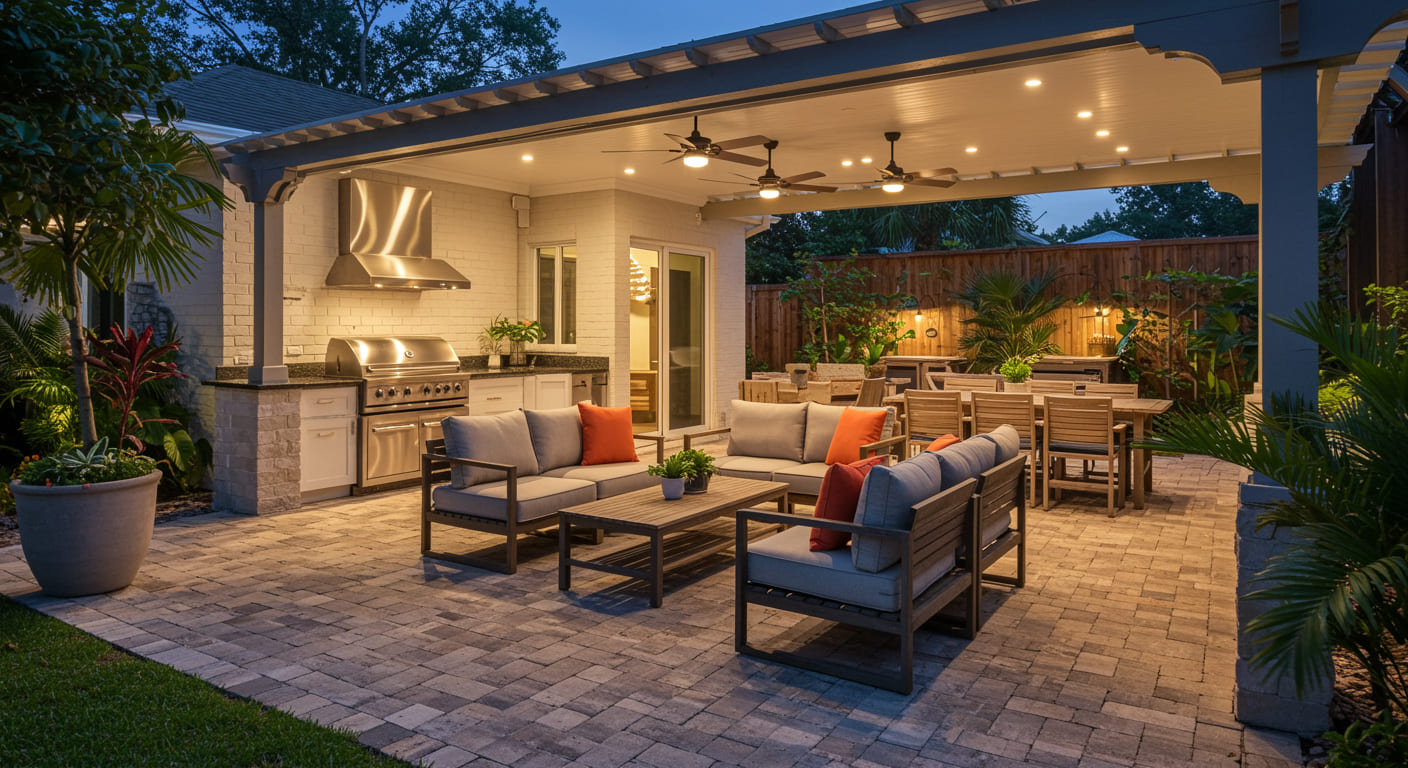
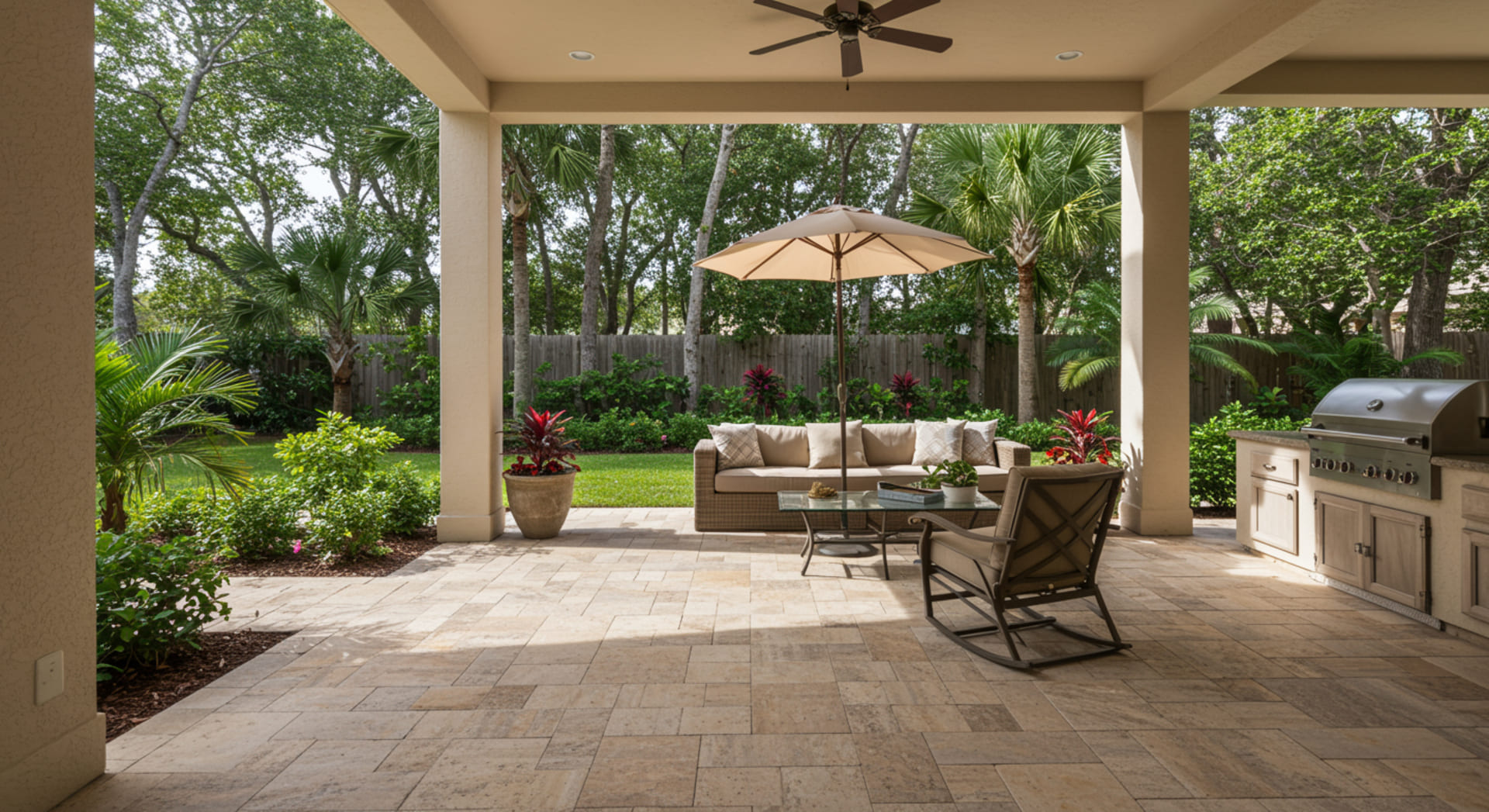
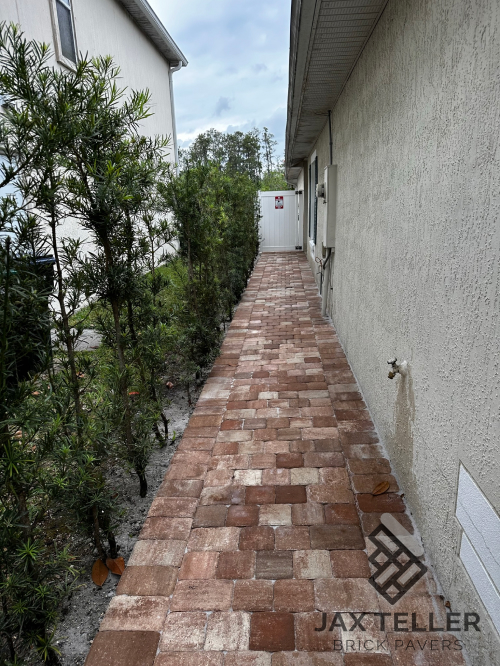
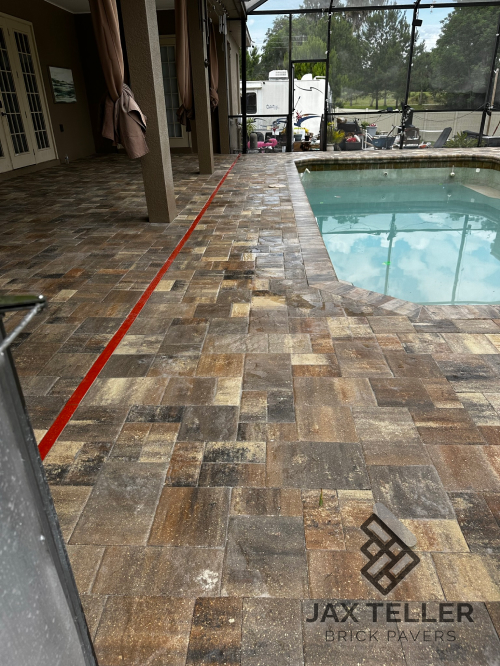
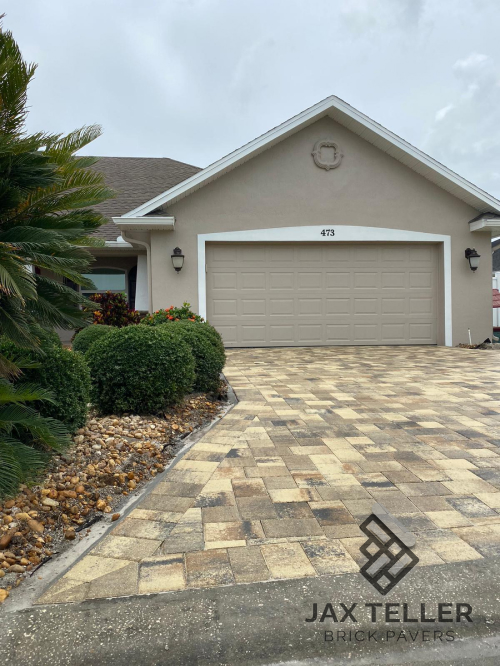
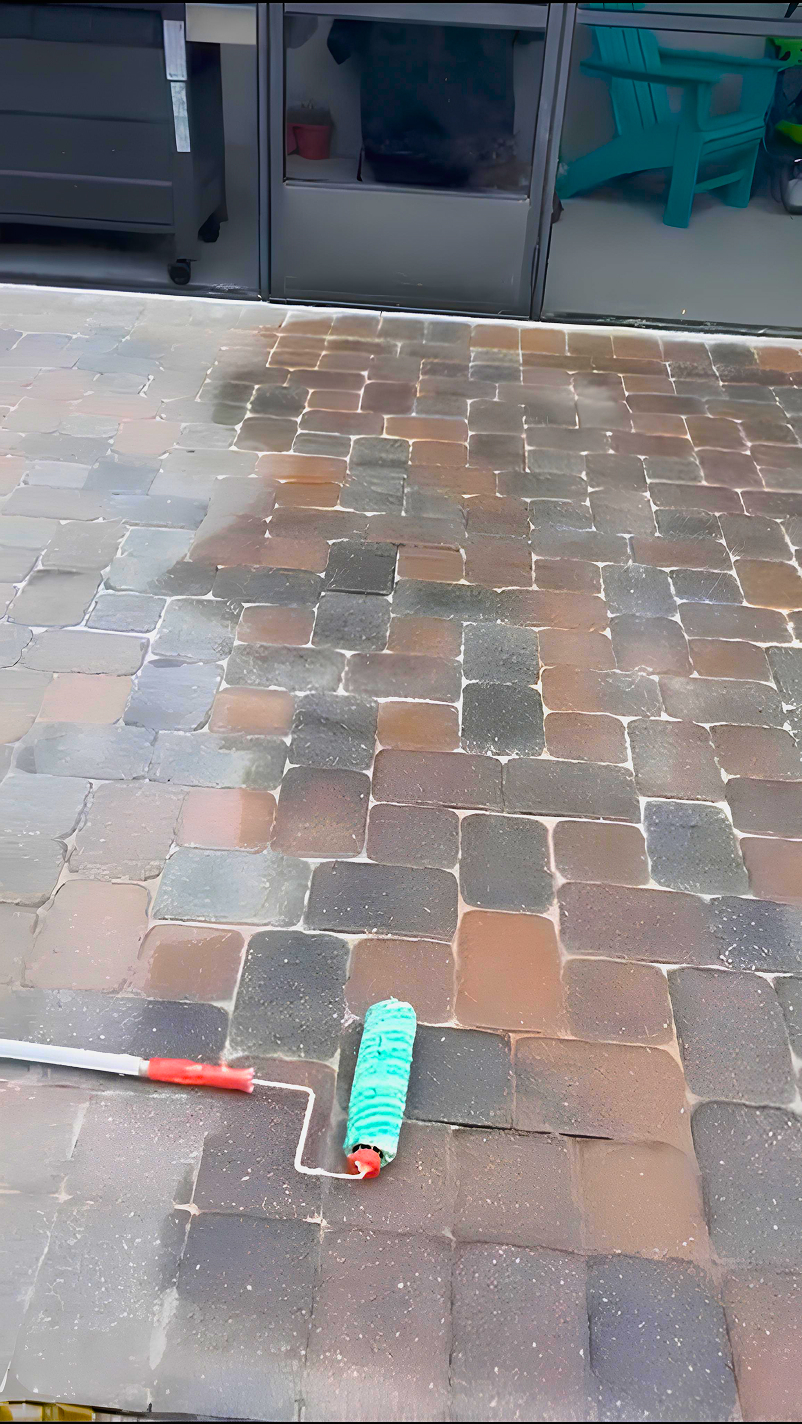
Pavers are individual units (concrete or natural stone) installed over a compacted base with sand-filled joints.
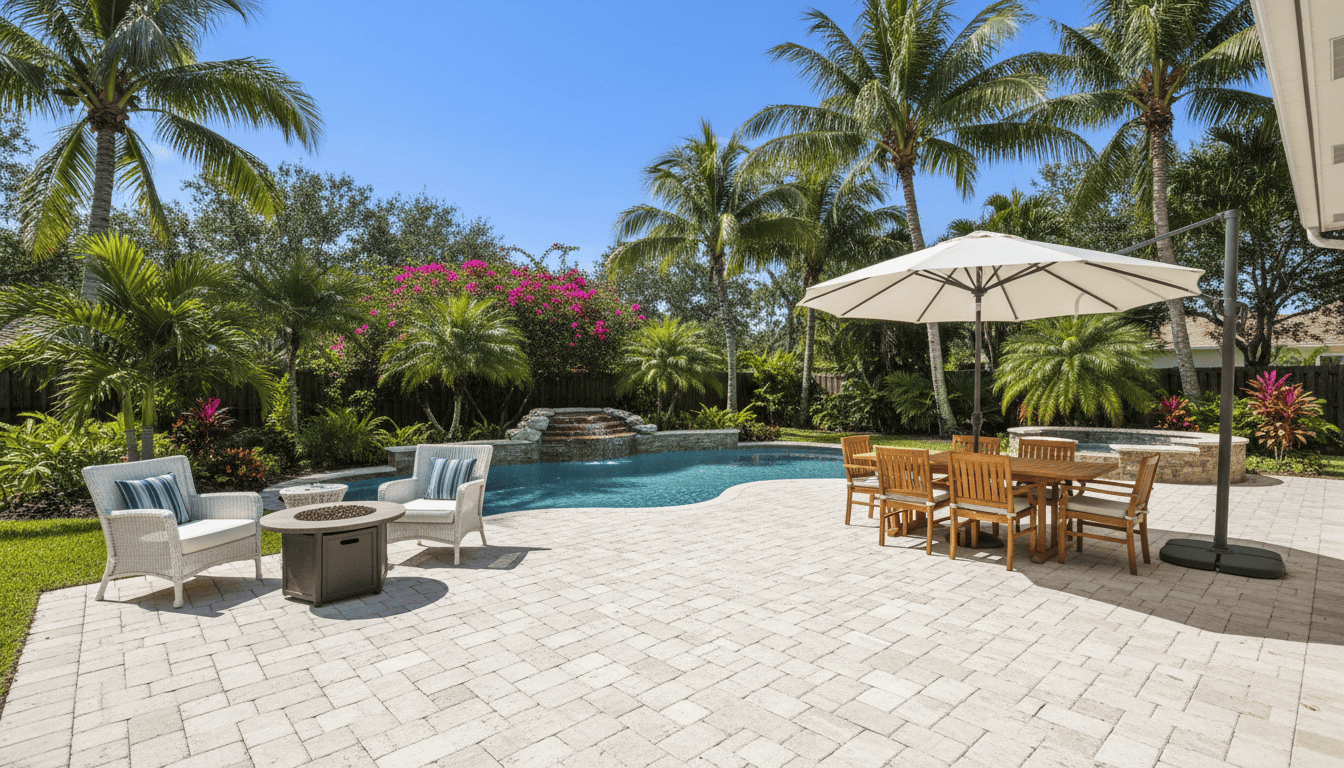
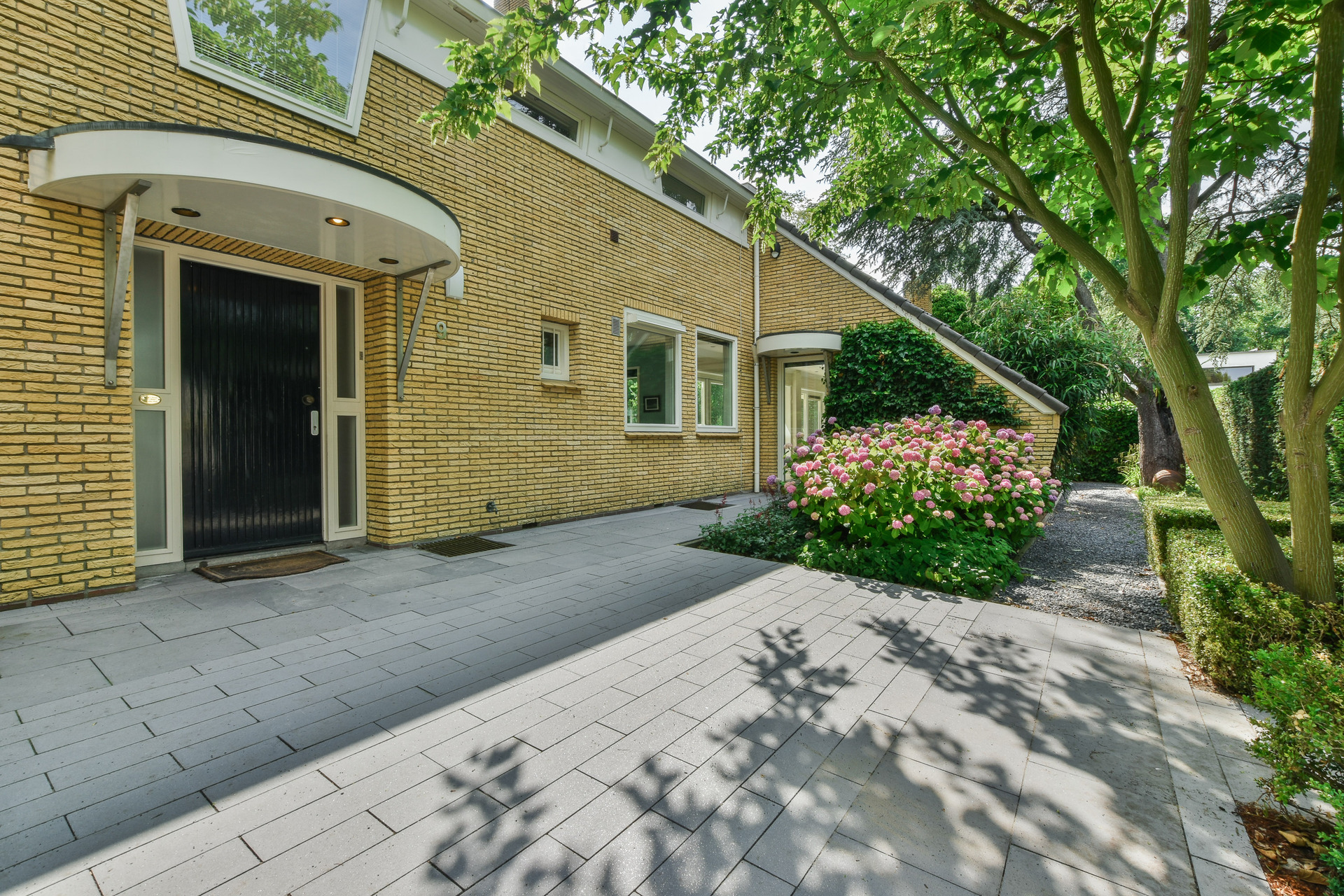
Pros of paver pool decks
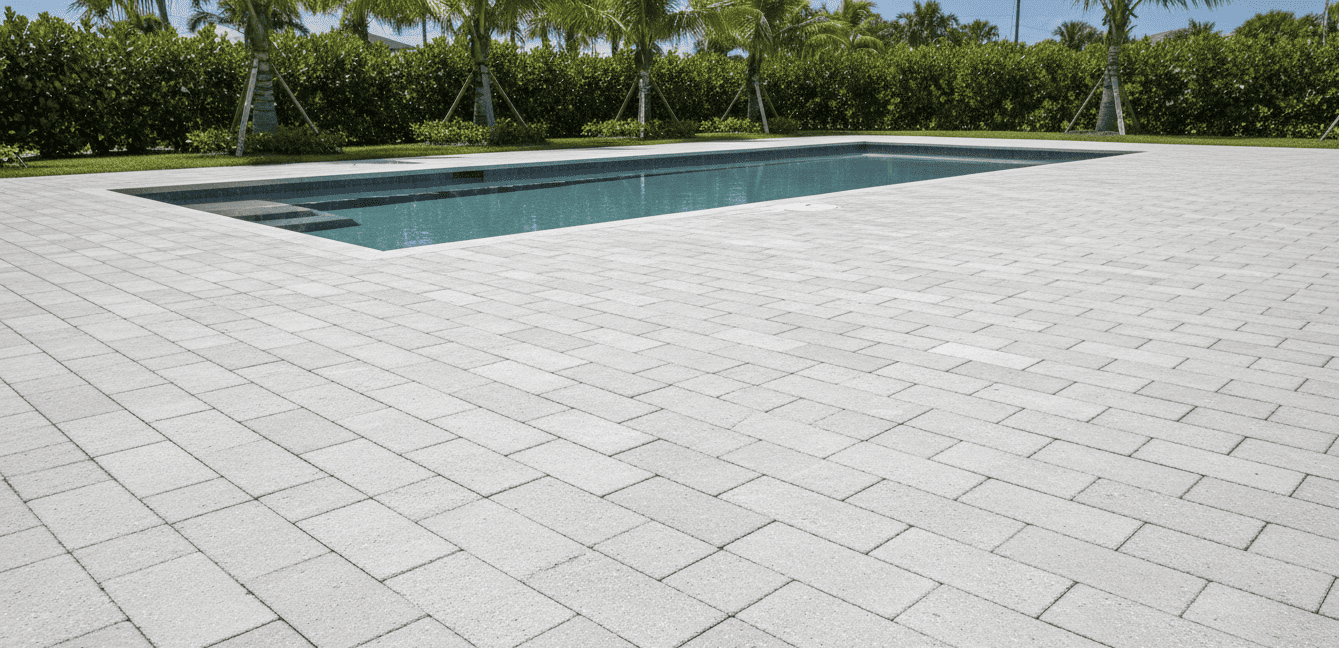
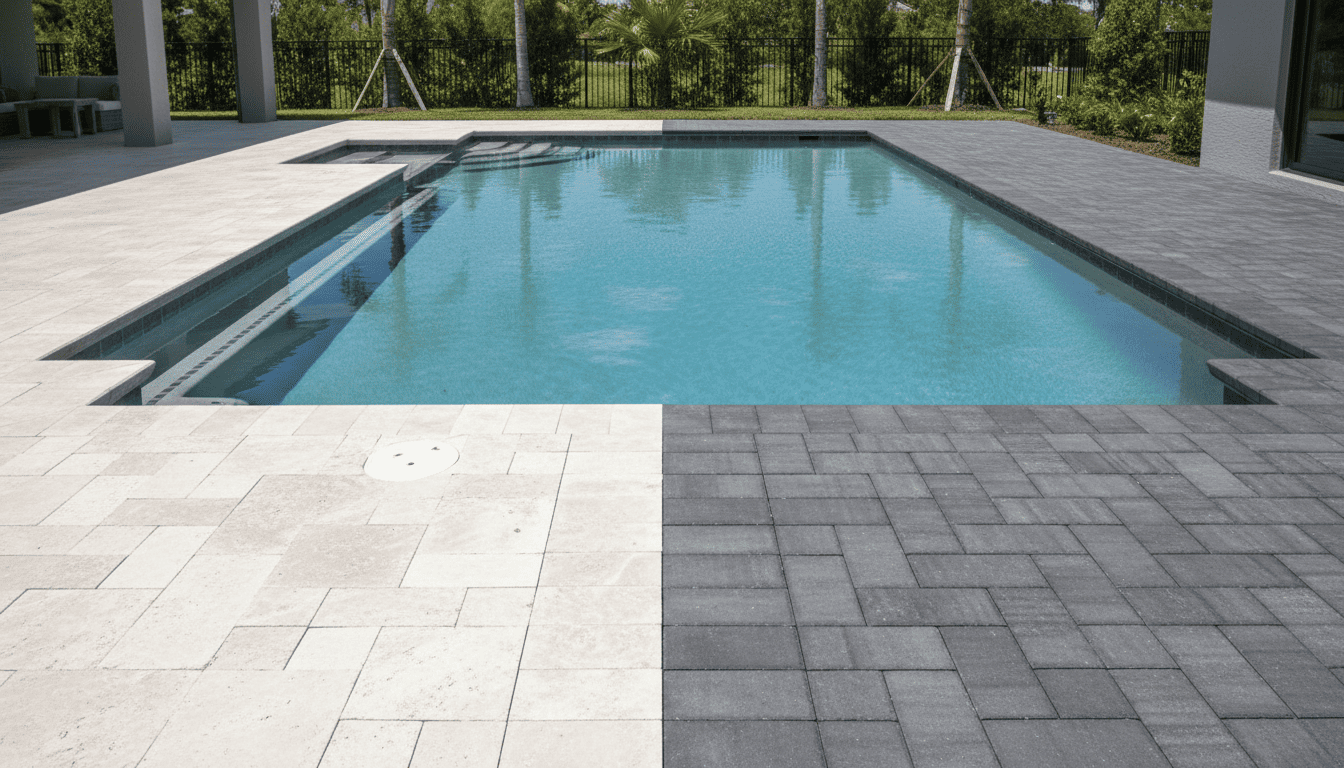
- Cooler underfoot
- Slip-resistant surfaces
- Highly durable and flexible
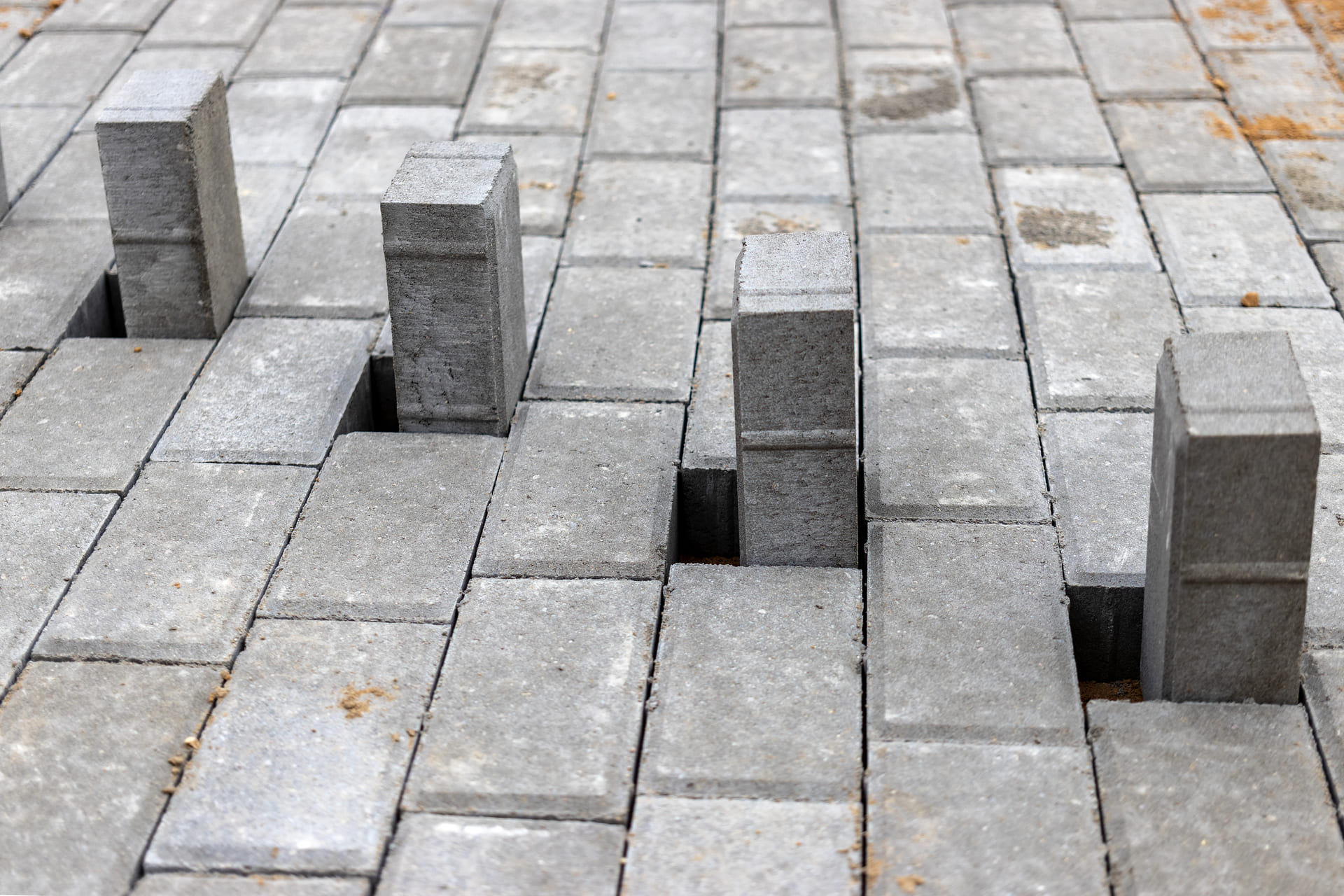
- Easy to repair (replace individual pavers)
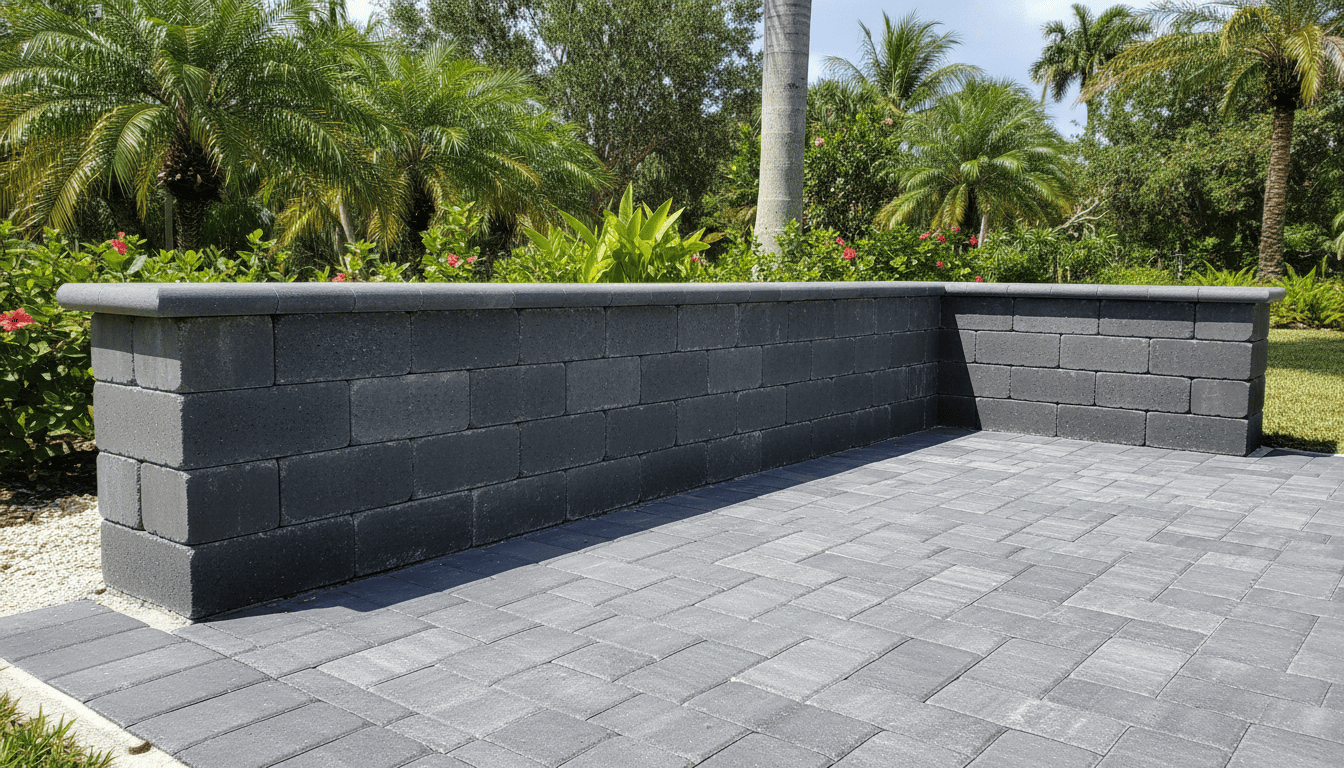
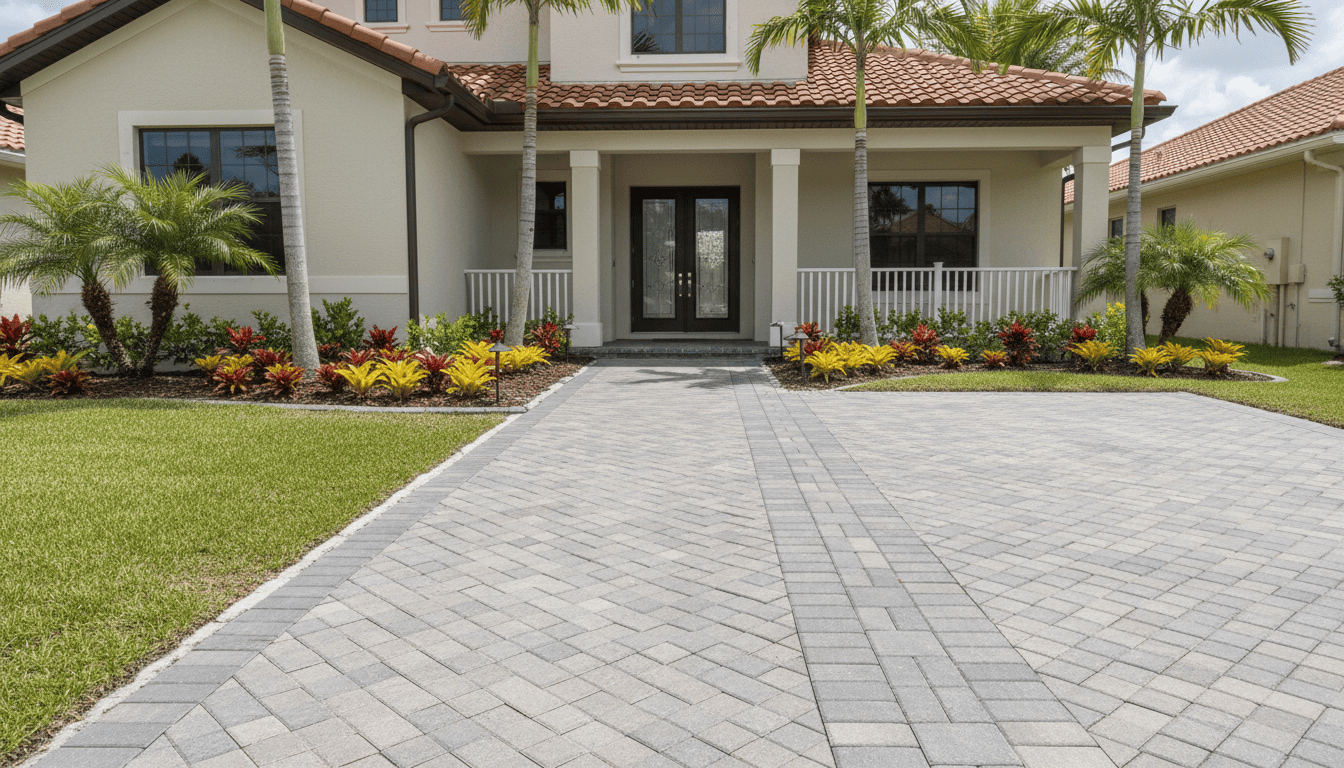
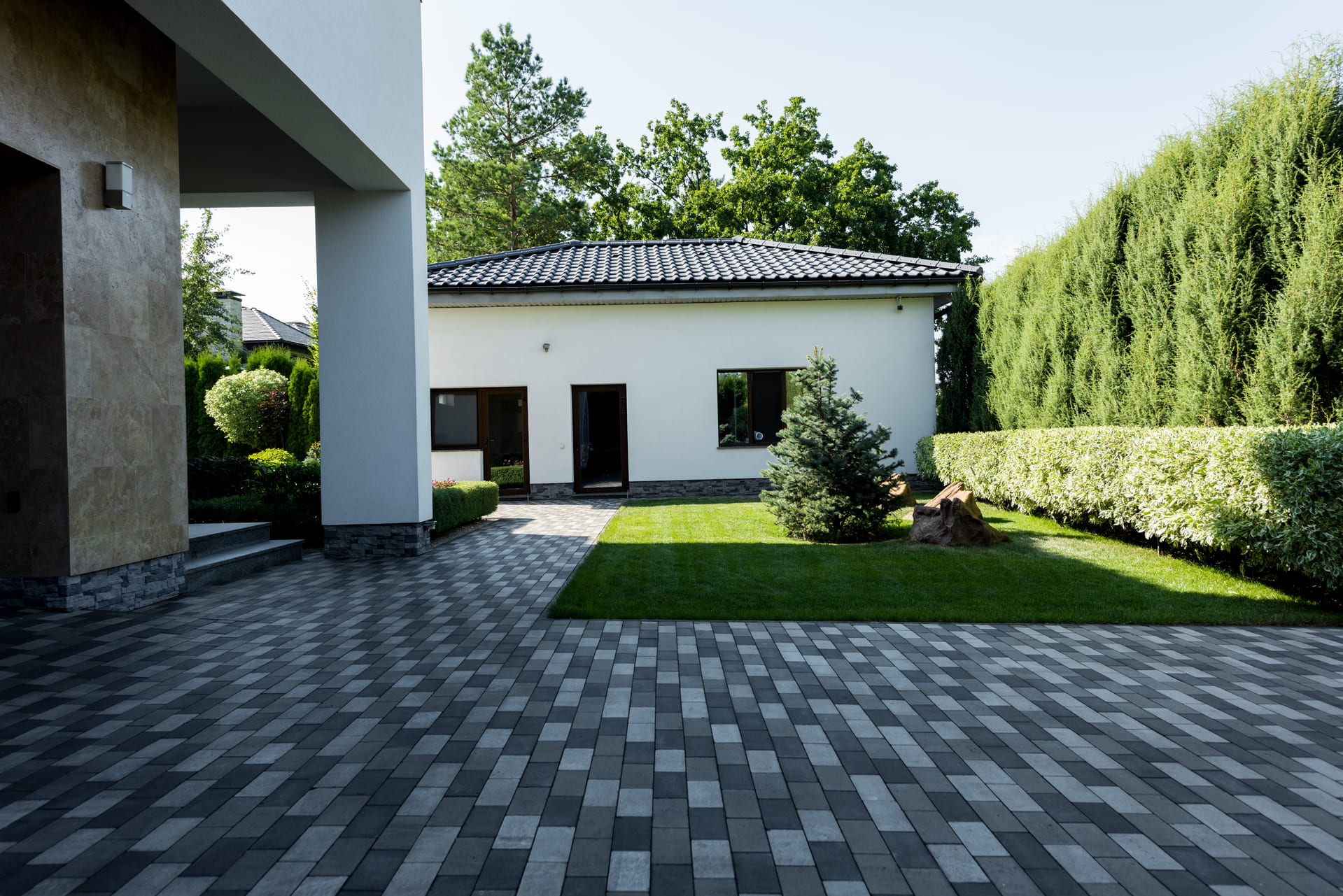
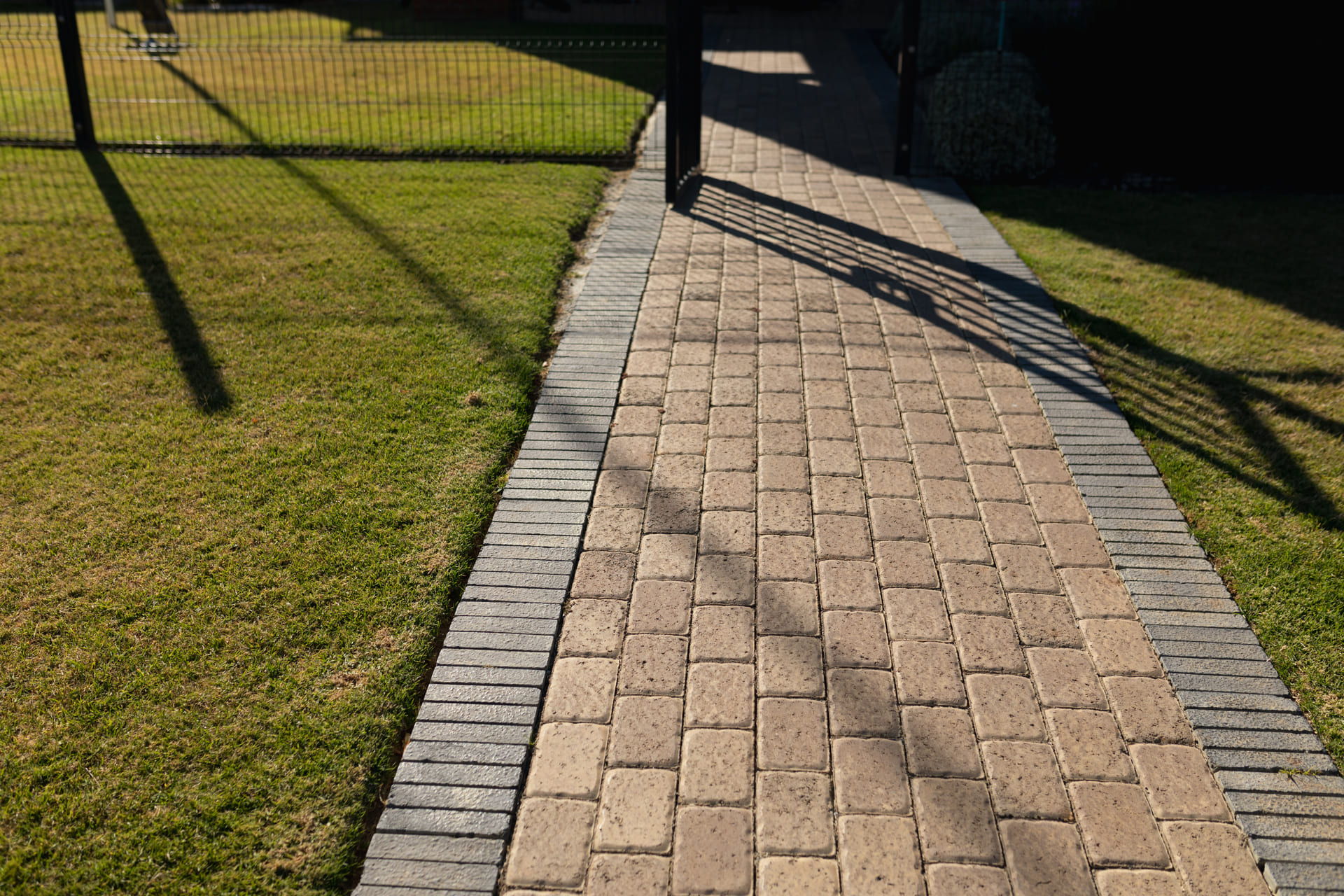
- Wide range of styles and colors
- Better drainage performance
Pavers are designed to handle movement, moisture, and heat — making them ideal for outdoor environments.
Concrete vs Pavers: Head-to-Head Comparison
🔥 Heat Resistance (Huge in Florida)
- Concrete: Gets extremely hot under direct sun
- Pavers: Stay noticeably cooler, especially lighter tones and natural stone
👉 Winner: Pavers
🦶 Slip Resistance & Safety
- Concrete: Can be slippery when wet or algae forms
- Pavers: Textured surfaces provide better traction
👉 Winner: Pavers
💧 Drainage & Water Control
- Concrete: Water pools and runs off quickly
- Pavers: Joints allow water movement; permeable options available
👉 Winner: Pavers
🧱 Cracking & Durability
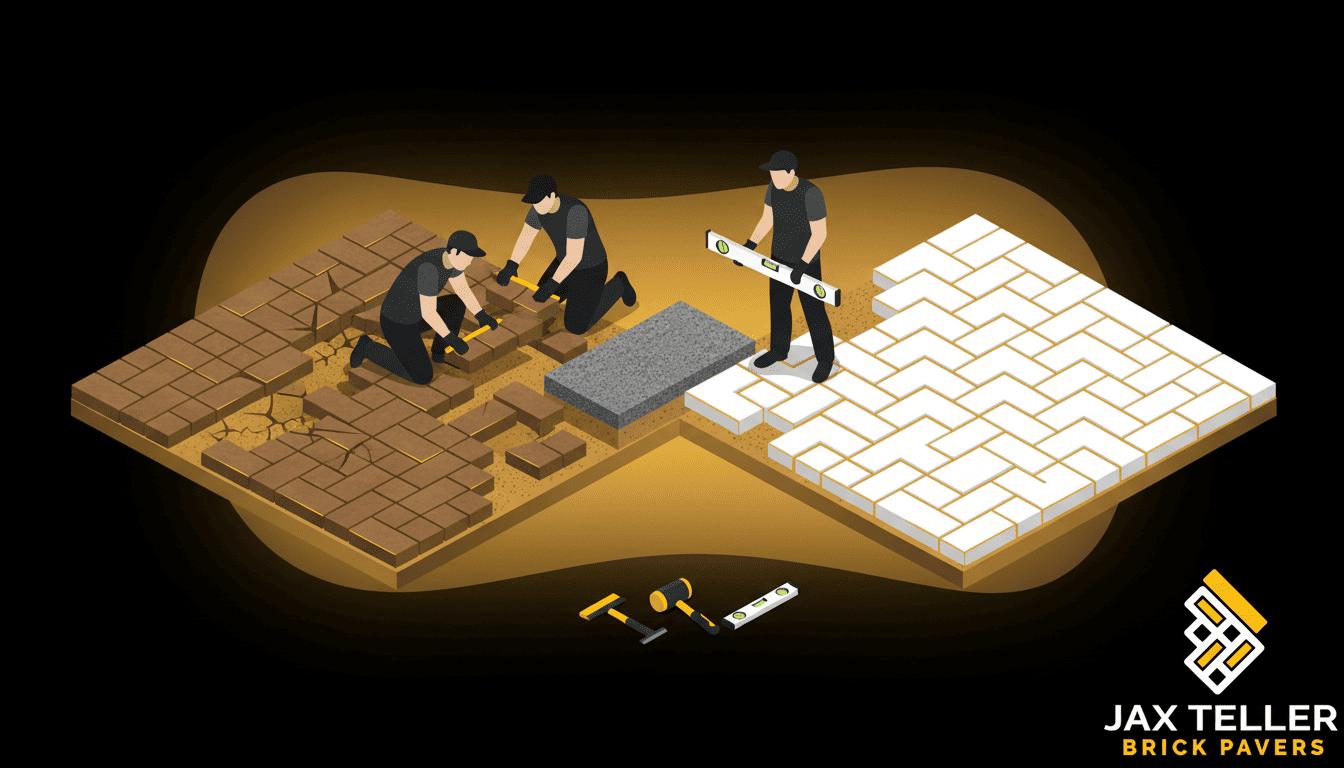
- Concrete: Cracks are almost guaranteed over time
- Pavers: Flexible system resists cracking
👉 Winner: Pavers
🔧 Repairs & Maintenance
- Concrete: Repairs are expensive and obvious
- Pavers: Individual units can be replaced seamlessly
👉 Winner: Pavers
🎨 Design & Aesthetics
- Concrete: Limited long-term appearance
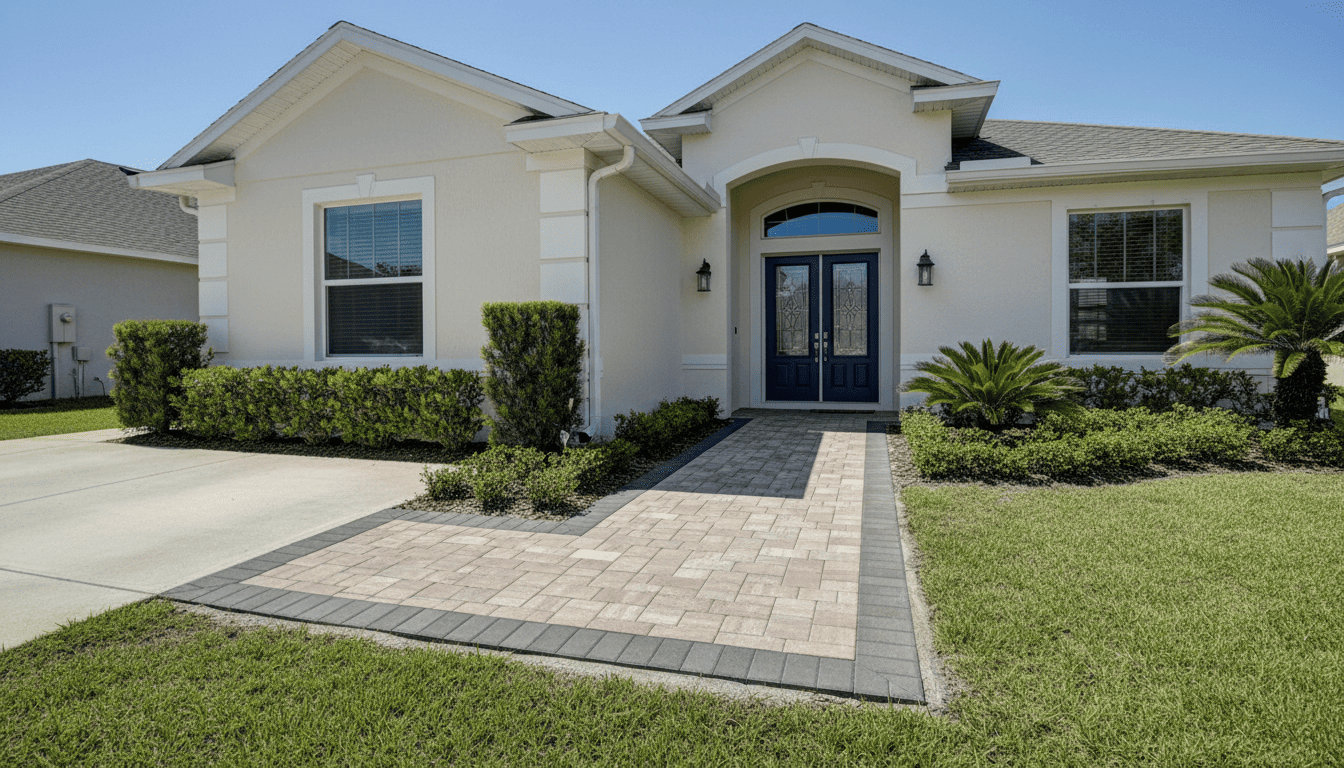
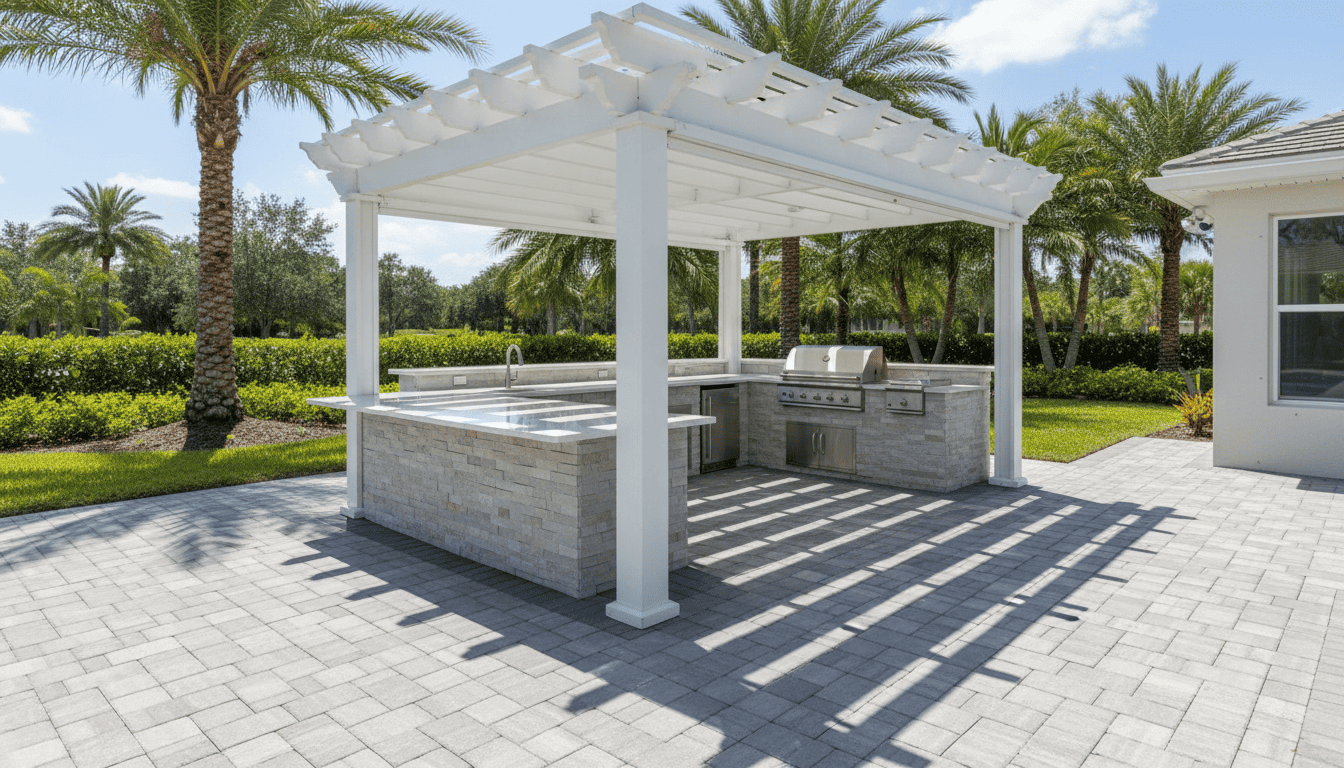
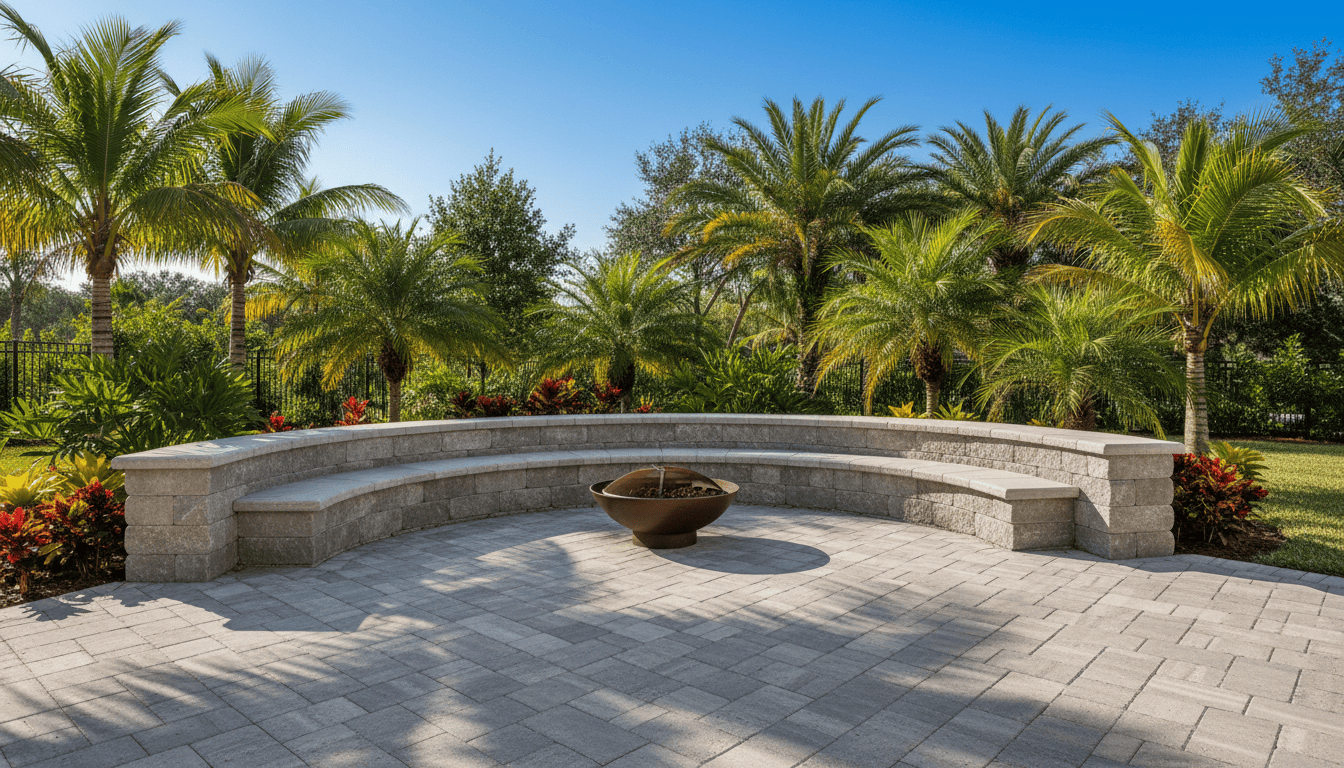
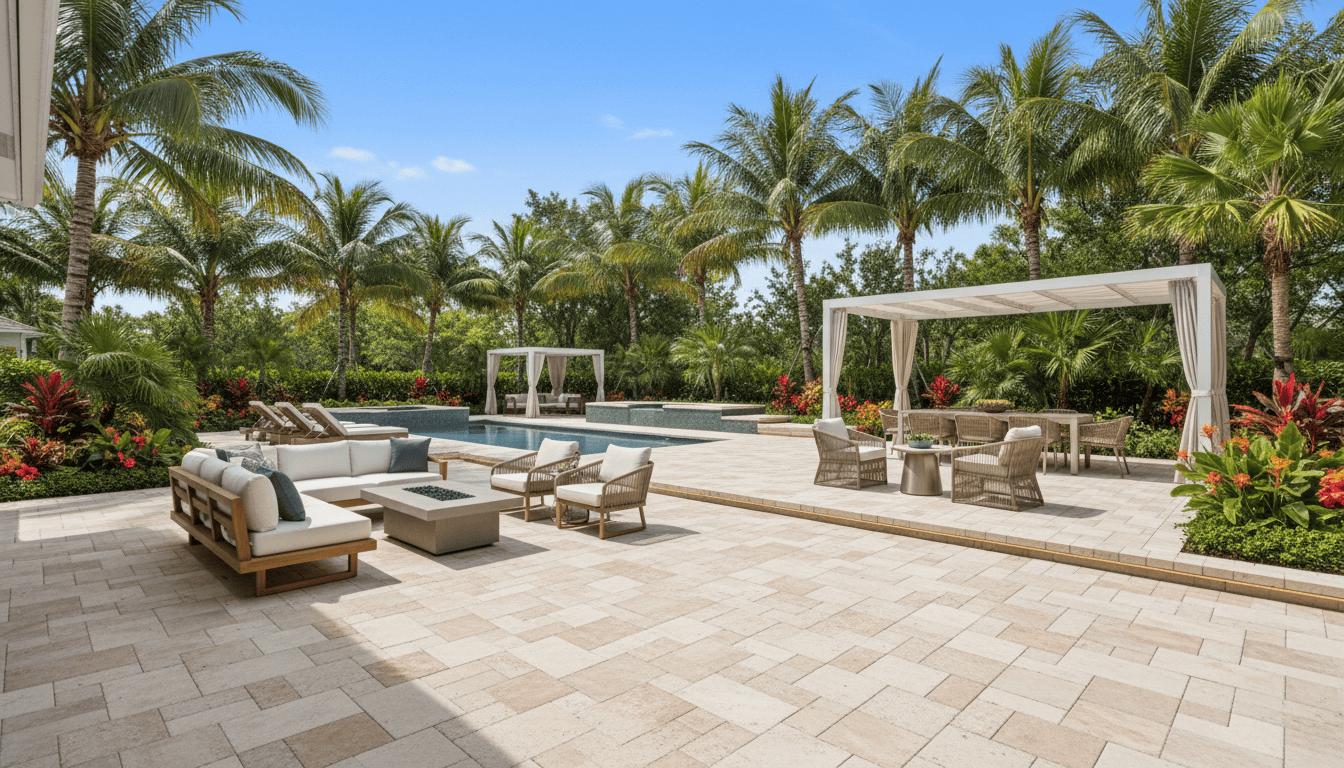
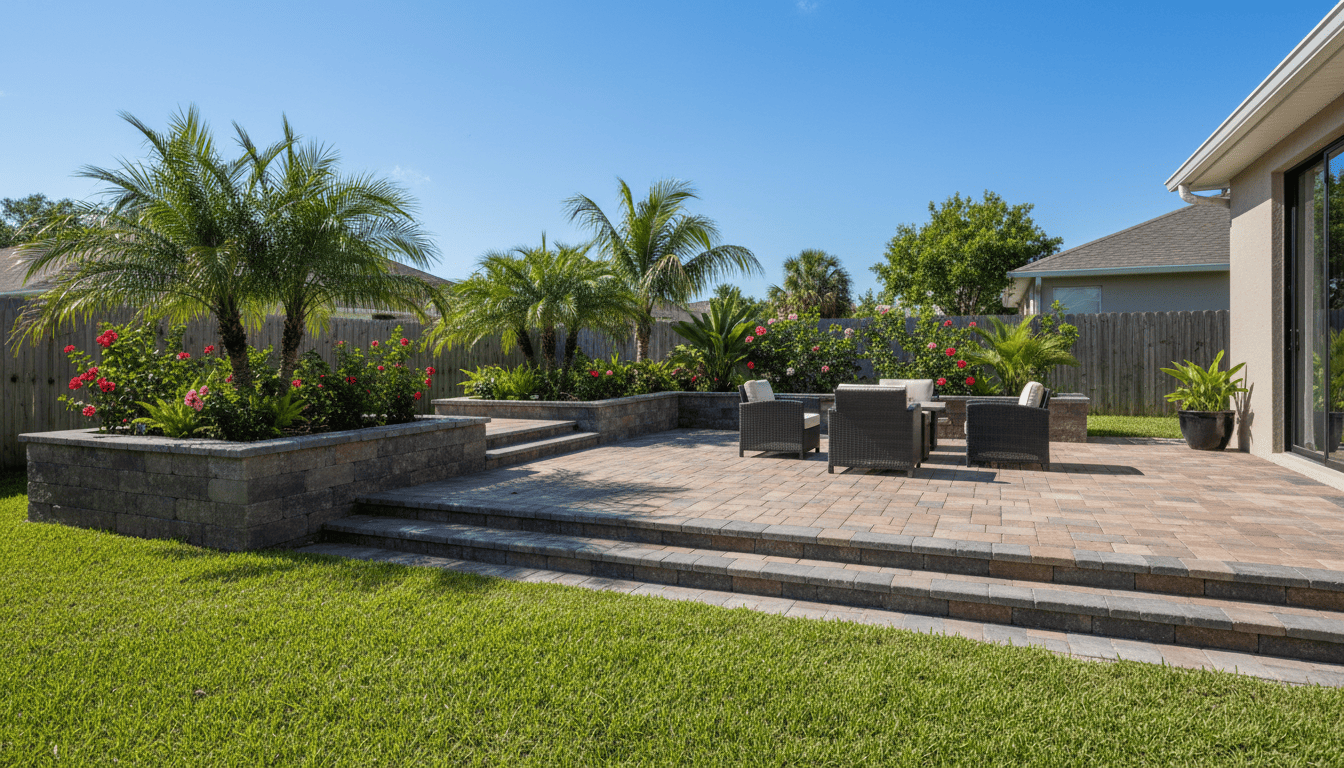
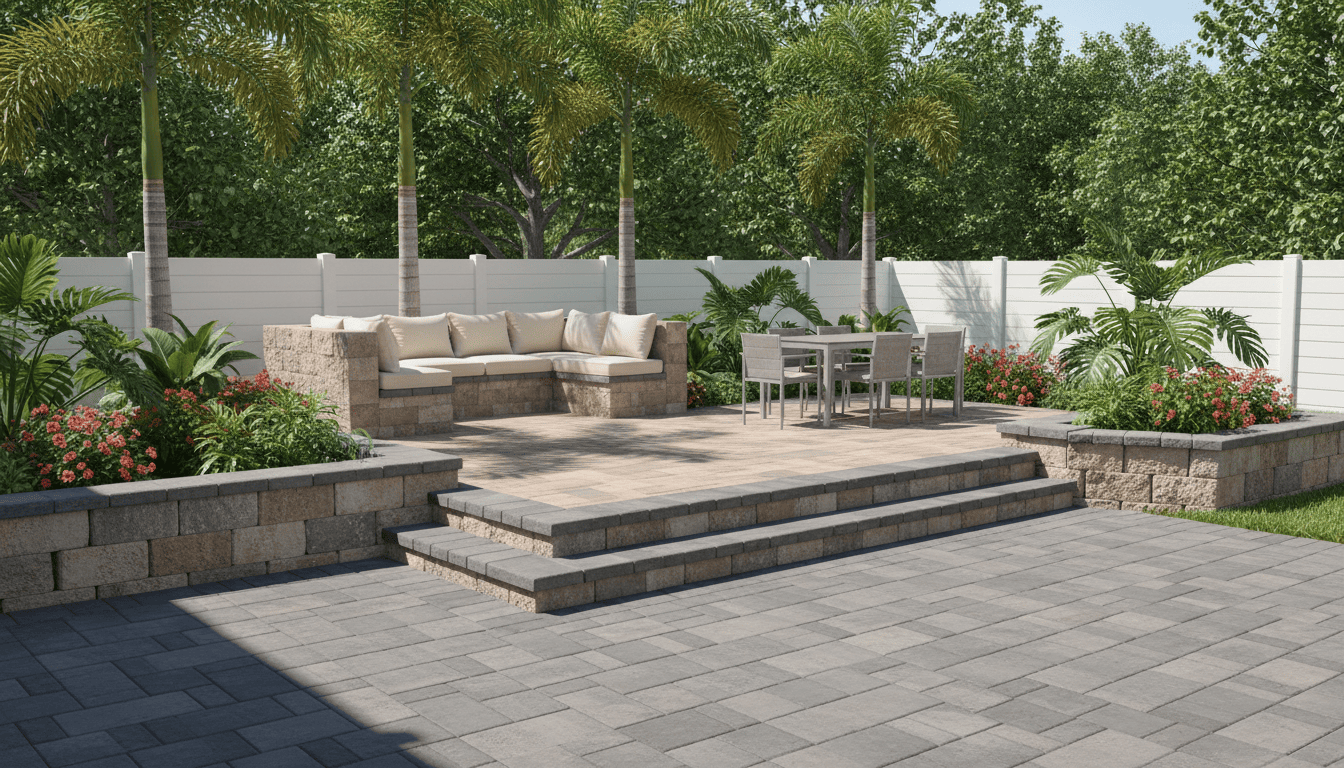
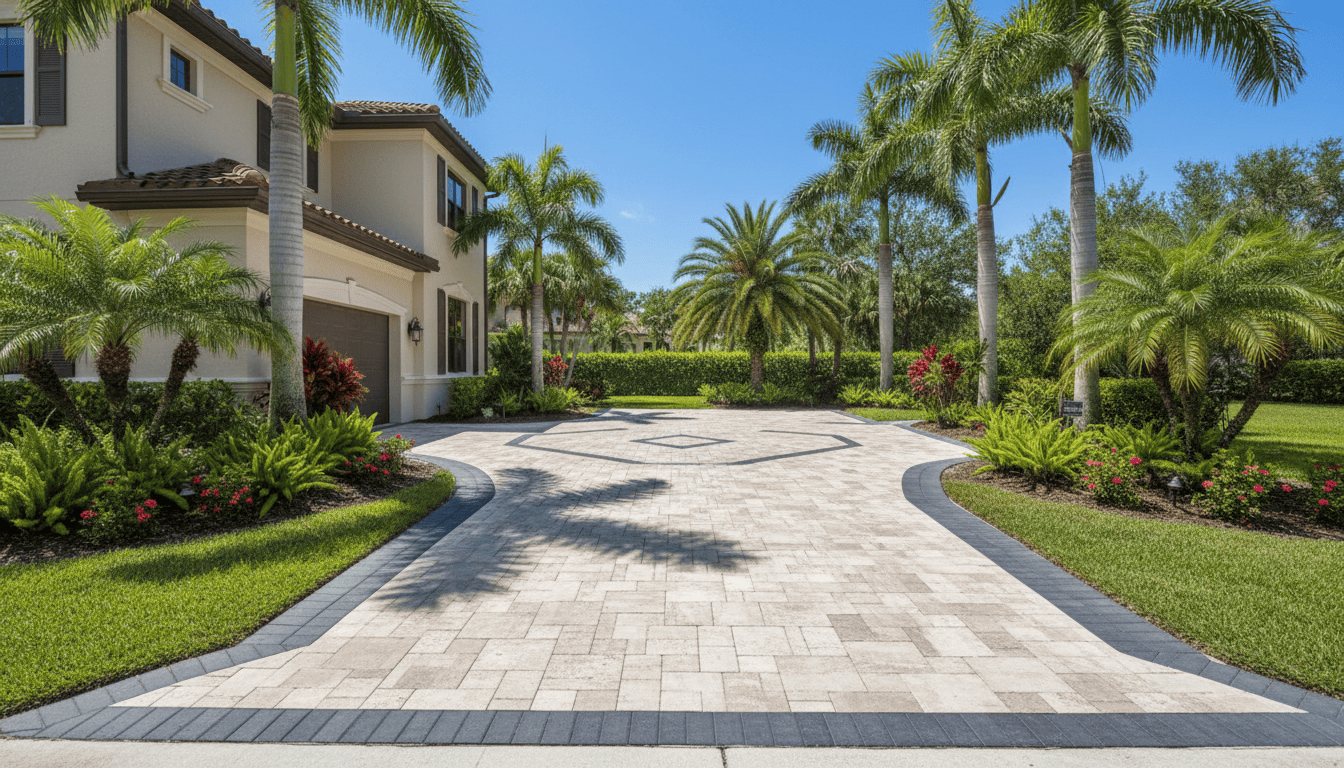
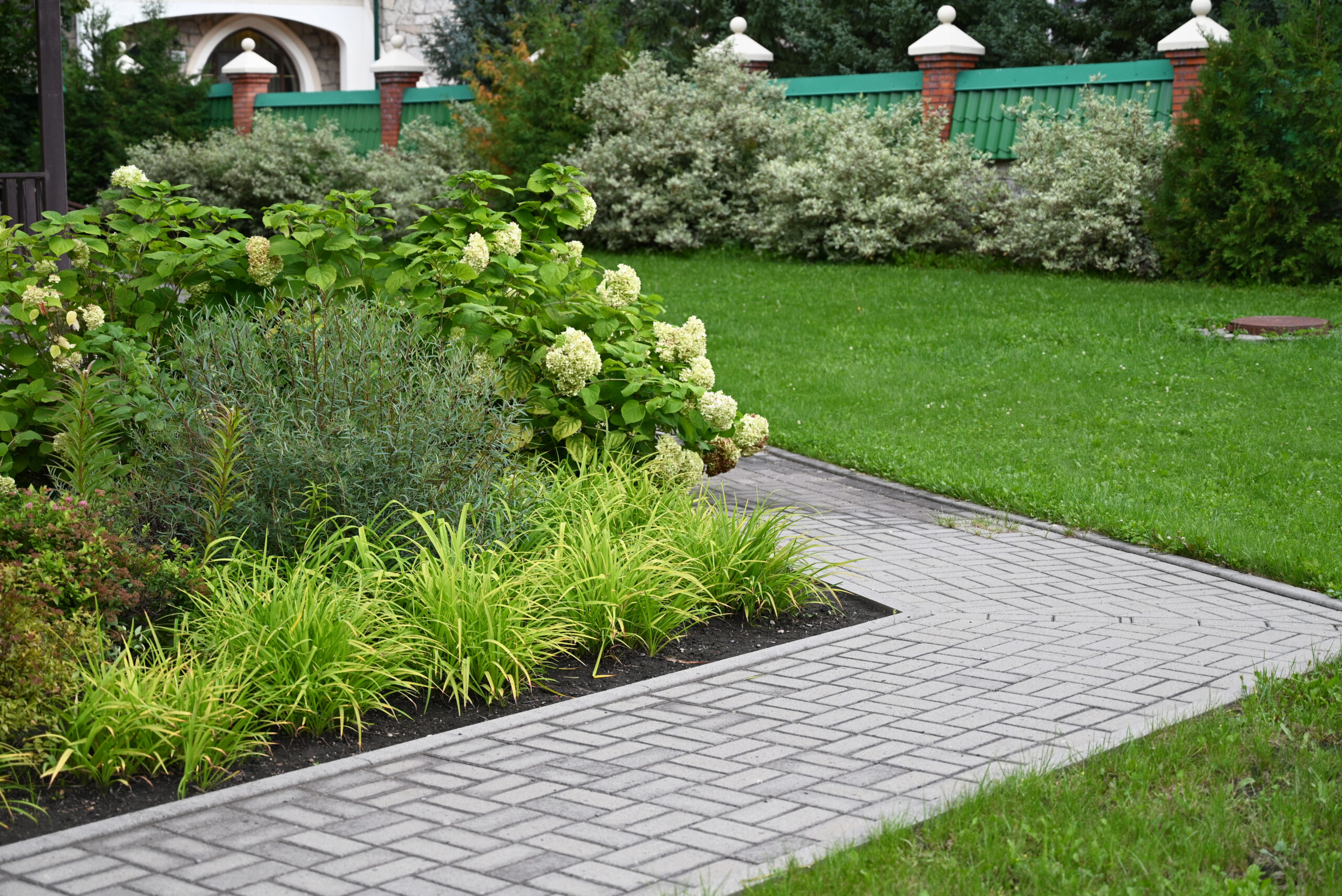
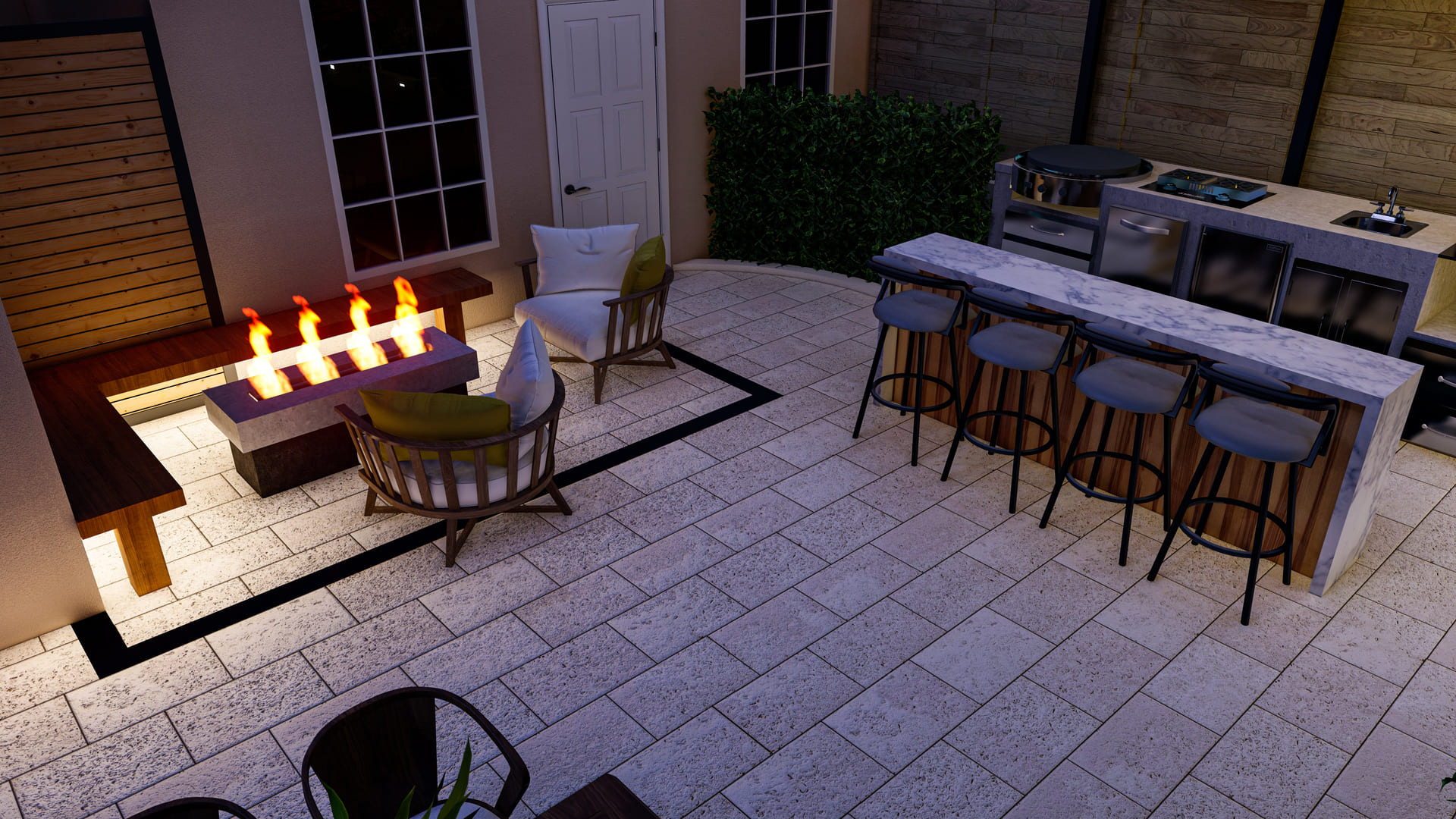
- Pavers: Custom patterns, borders, textures, and luxury finishes
👉 Winner: Pavers
💰 Cost Over Time
- Concrete: Lower upfront, higher repair cost long-term
- Pavers: Higher upfront, lower lifetime cost
👉 Winner: Pavers (long-term)
Why Many Florida Homeowners Regret Choosing Concrete
This is something contractors hear all the time:
“I wish I had gone with pavers from the start.”
Common complaints include:
- Deck is too hot to walk on
- Cracks formed within a few years
- Surface looks worn or stained
- Repairs look patchy
Concrete often becomes a temporary solution, while pavers are a long-term investment.
When Concrete Might Still Make Sense
To be fair, concrete isn’t always wrong.
Concrete may be acceptable if:
- Budget is extremely tight
- Area is temporary or low-visibility
- Home will be sold very soon
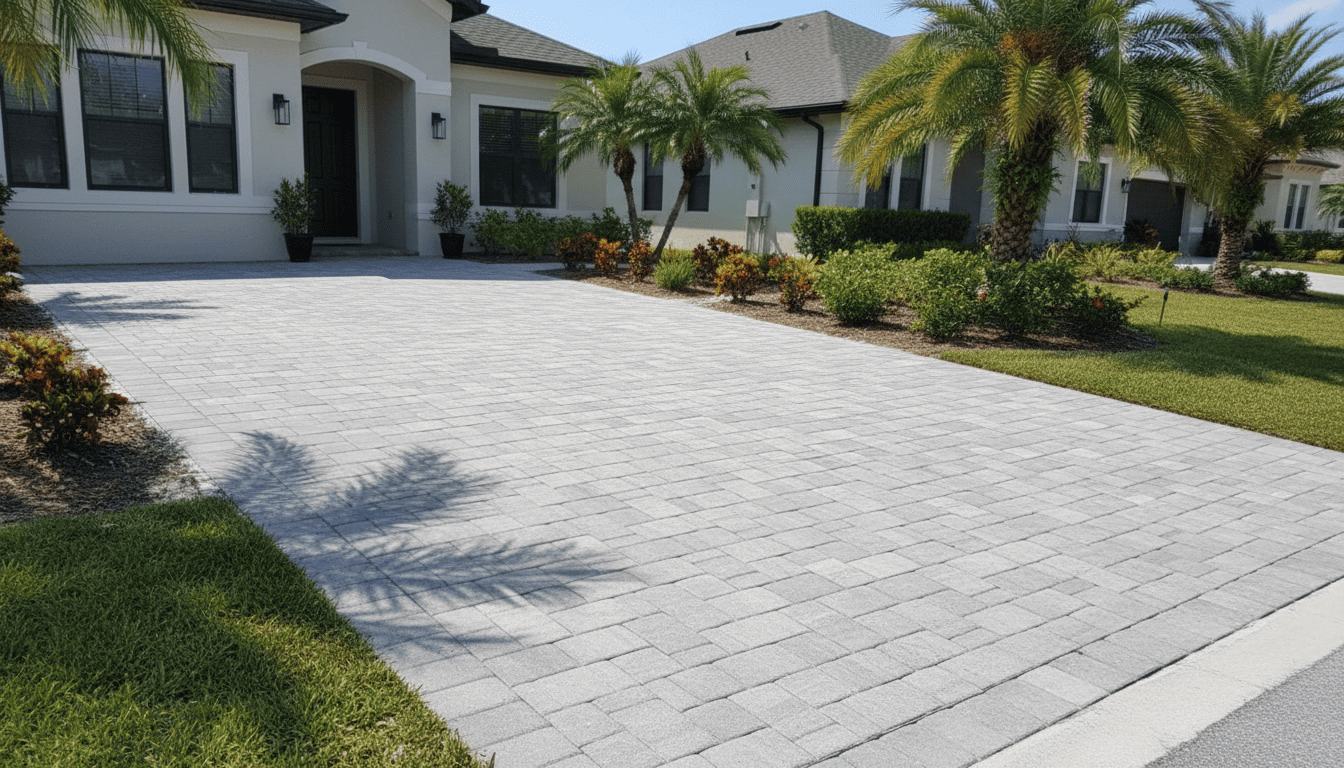
Even then, many homeowners still choose pavers to increase resale value and buyer appeal.
Best Paver Options for Pool Decks
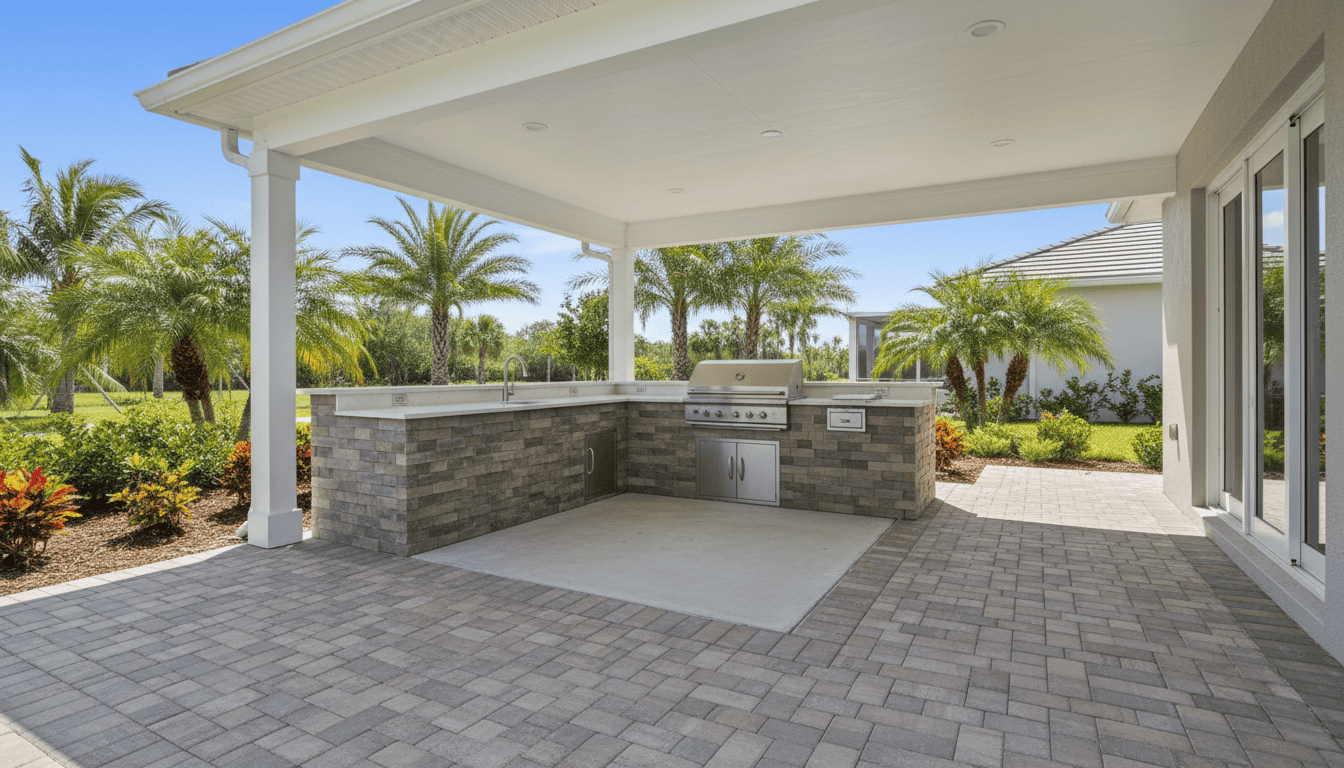
For Florida pool areas, popular choices include:
- Concrete pavers with textured finish
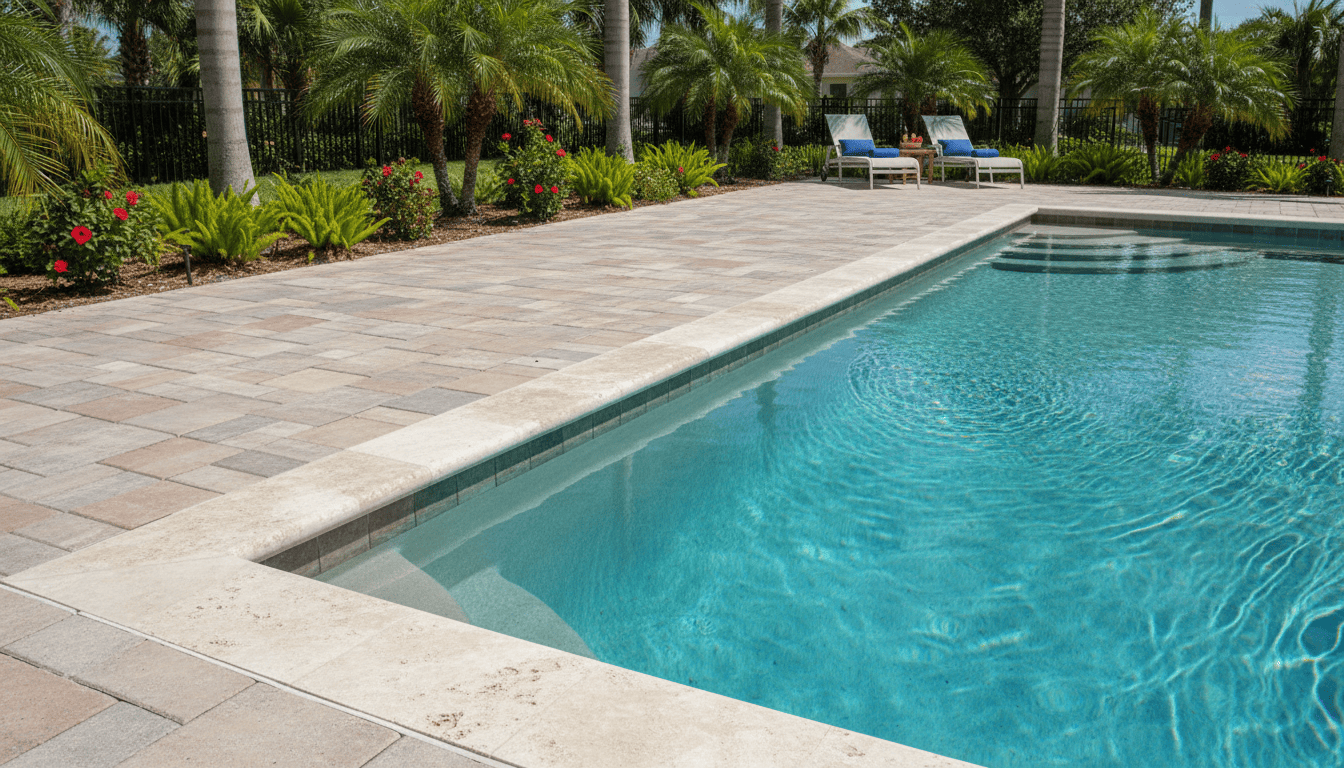
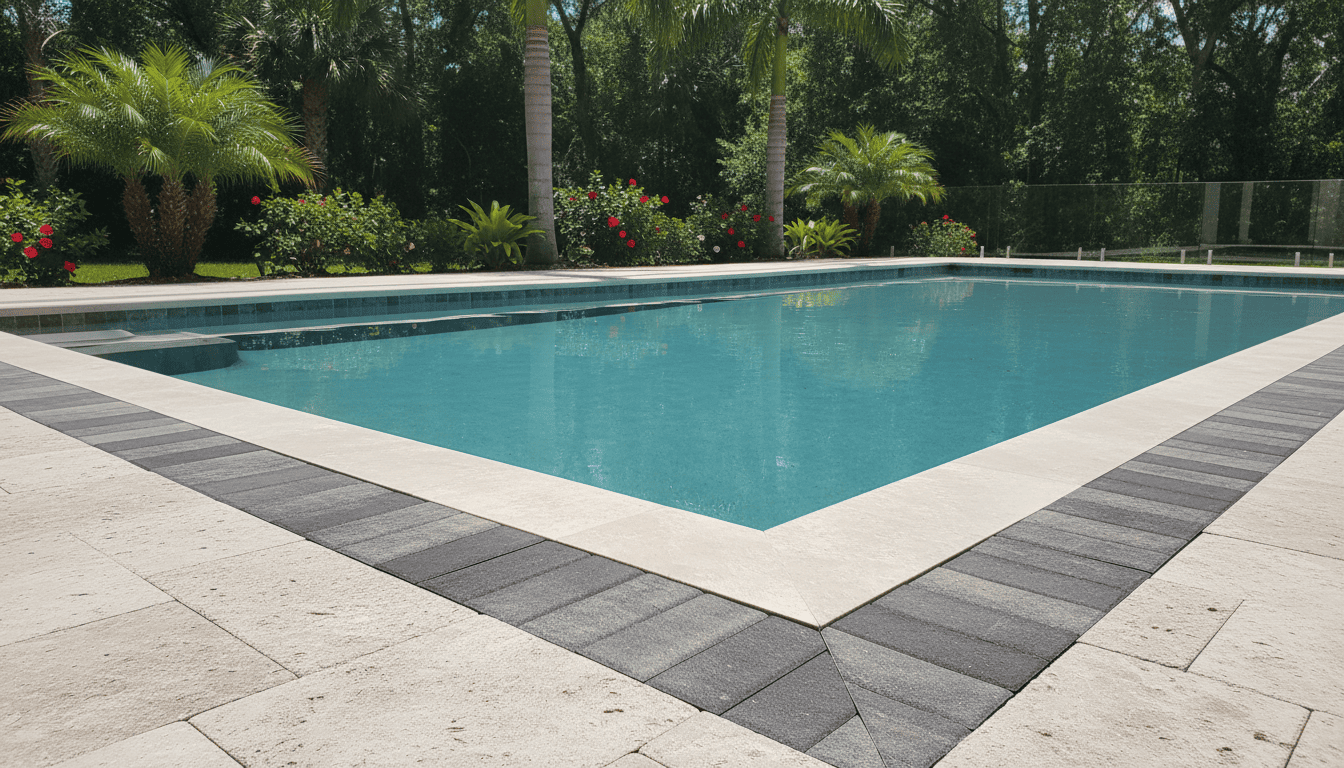
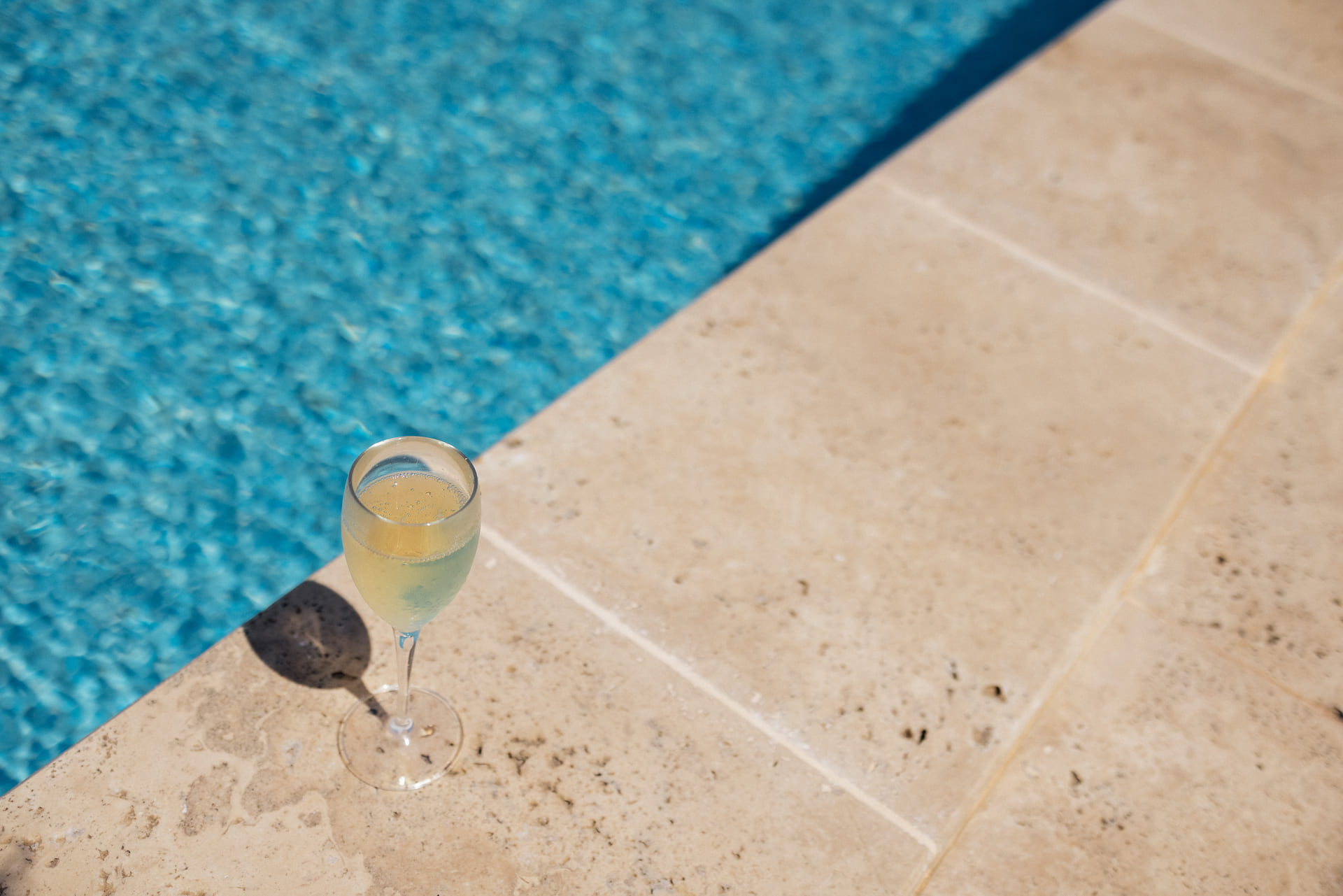
- Travertine pavers (coolest underfoot)
- Light-colored natural stone
- Permeable pavers for drainage
Travertine, in particular, is often considered the gold standard for Florida pool decks.
Impact on Home Value and Buyer Perception
From a resale perspective:
- Concrete = basic
- Pavers = upgrade
Homes with paver pool decks:
- Photograph better
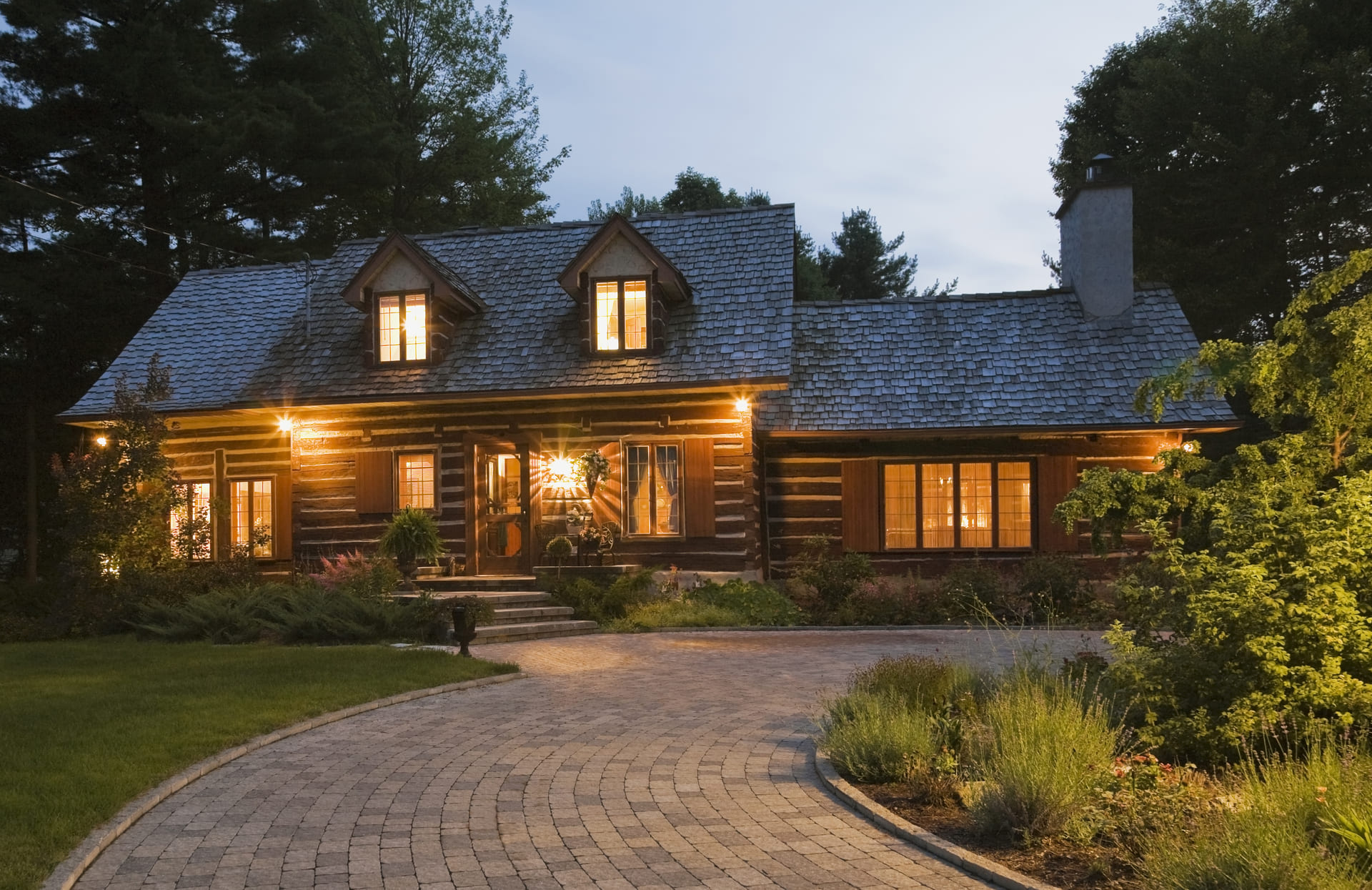
- Feel more luxurious
- Signal quality craftsmanship
- Reduce buyer objections
This directly affects perceived value.
Common Mistakes in Pool Deck Decisions
- Choosing concrete based only on price
- Ignoring heat and safety
- Not planning drainage
- Overlooking long-term maintenance
- Skipping professional installation
Avoiding these mistakes saves money and frustration later.
Explore More Poolside Projects and Standards
For real examples of pool decks and outdoor paving tailored to Florida, explore our project gallery:
https://jaxtellerbrickpavers.com/projects
To review official installation standards, visit the Interlocking Concrete Pavement Institute:
https://www.icpi.org/
Final Verdict: Concrete or Pavers?
If the question is “Which is cheaper today?”, concrete might win.
But if the question is “What’s the best pool deck option in Florida?”, the answer is clear:
👉 Pavers outperform concrete in comfort, safety, durability, appearance, and long-term value.
That’s why most homeowners who upgrade once choose pavers — and don’t go back.
For expert guidance and professional installation, contact JaxTeller Brick Pavers at +1 407-907-8308 or jaxtellerbrickpavers@gmail.com for a free estimate. 🌞