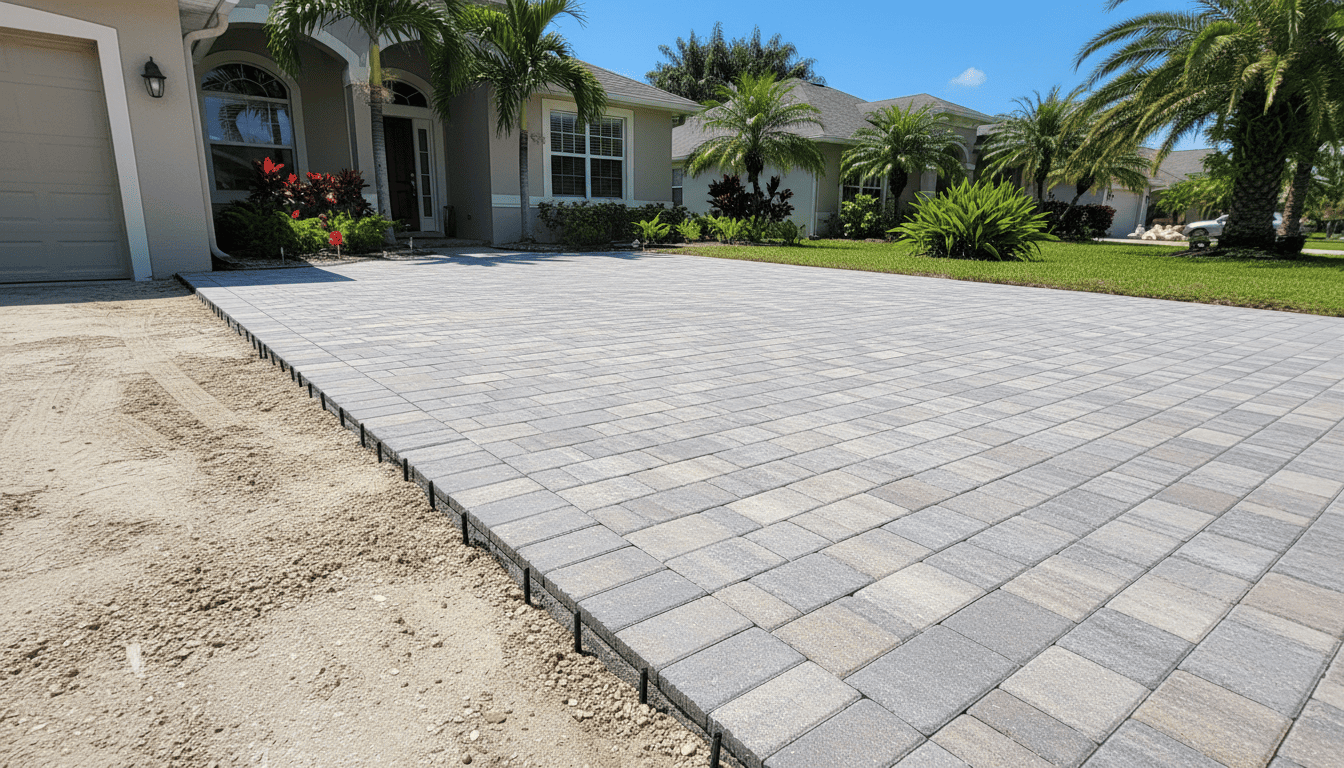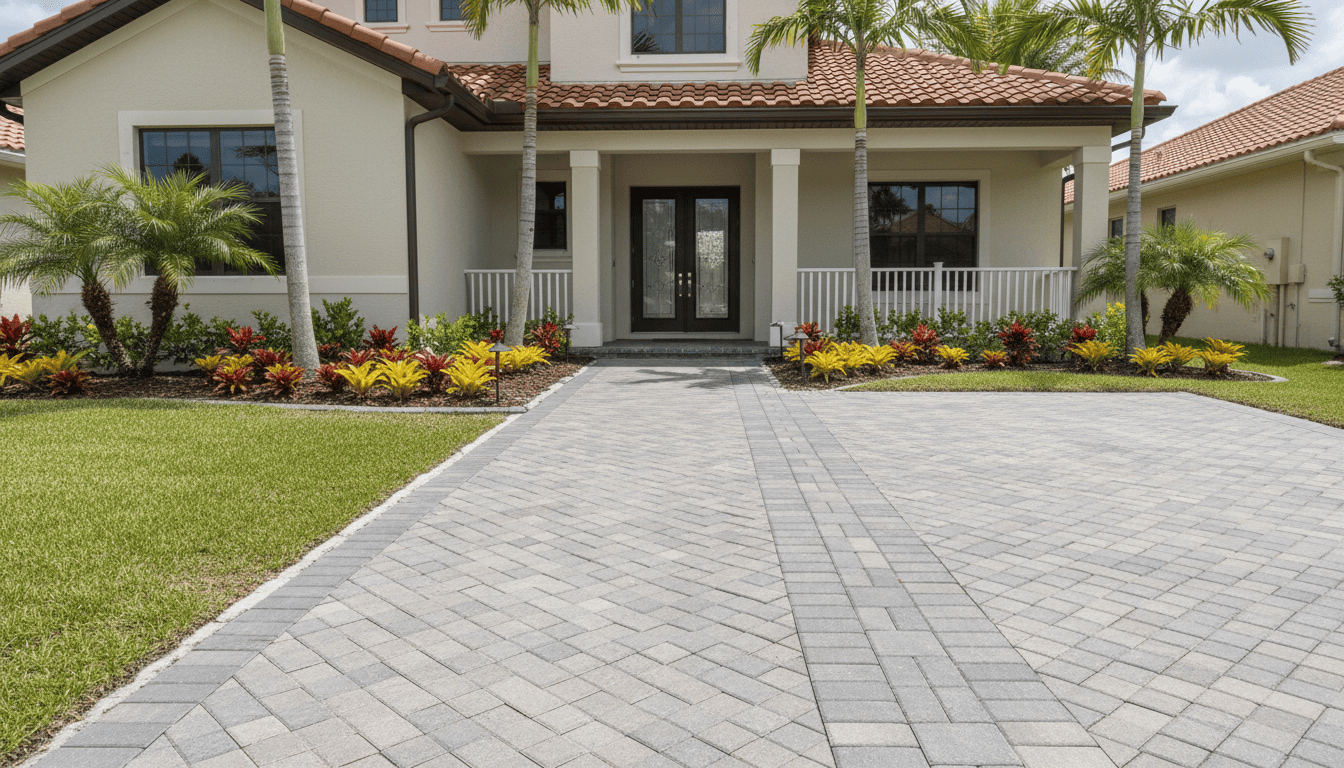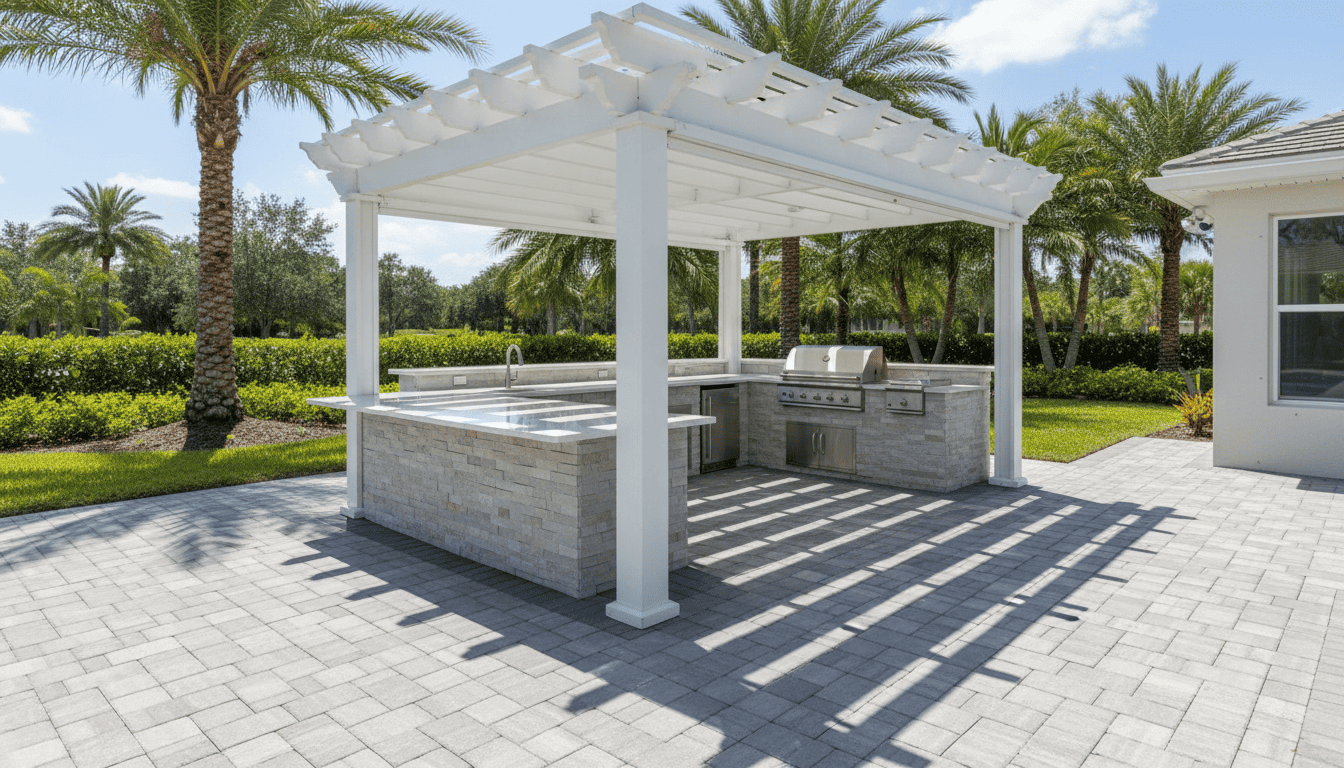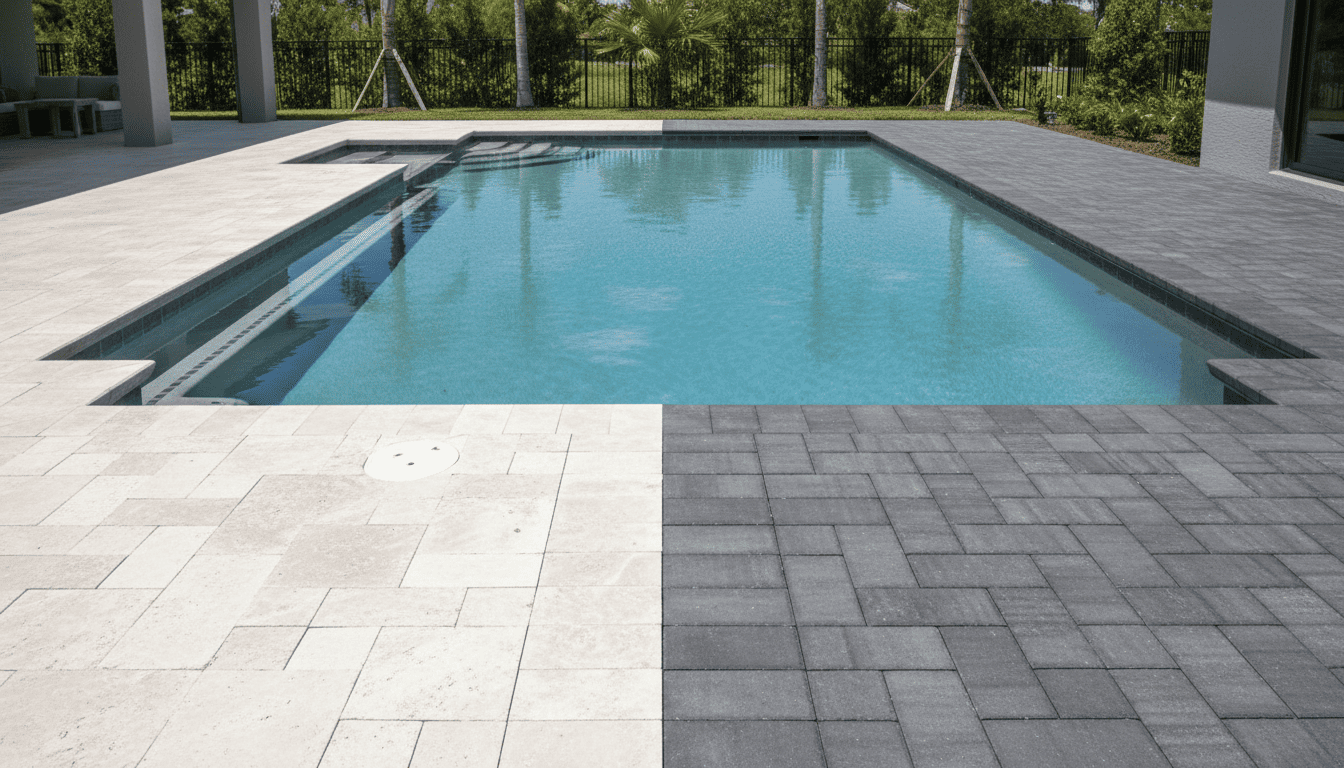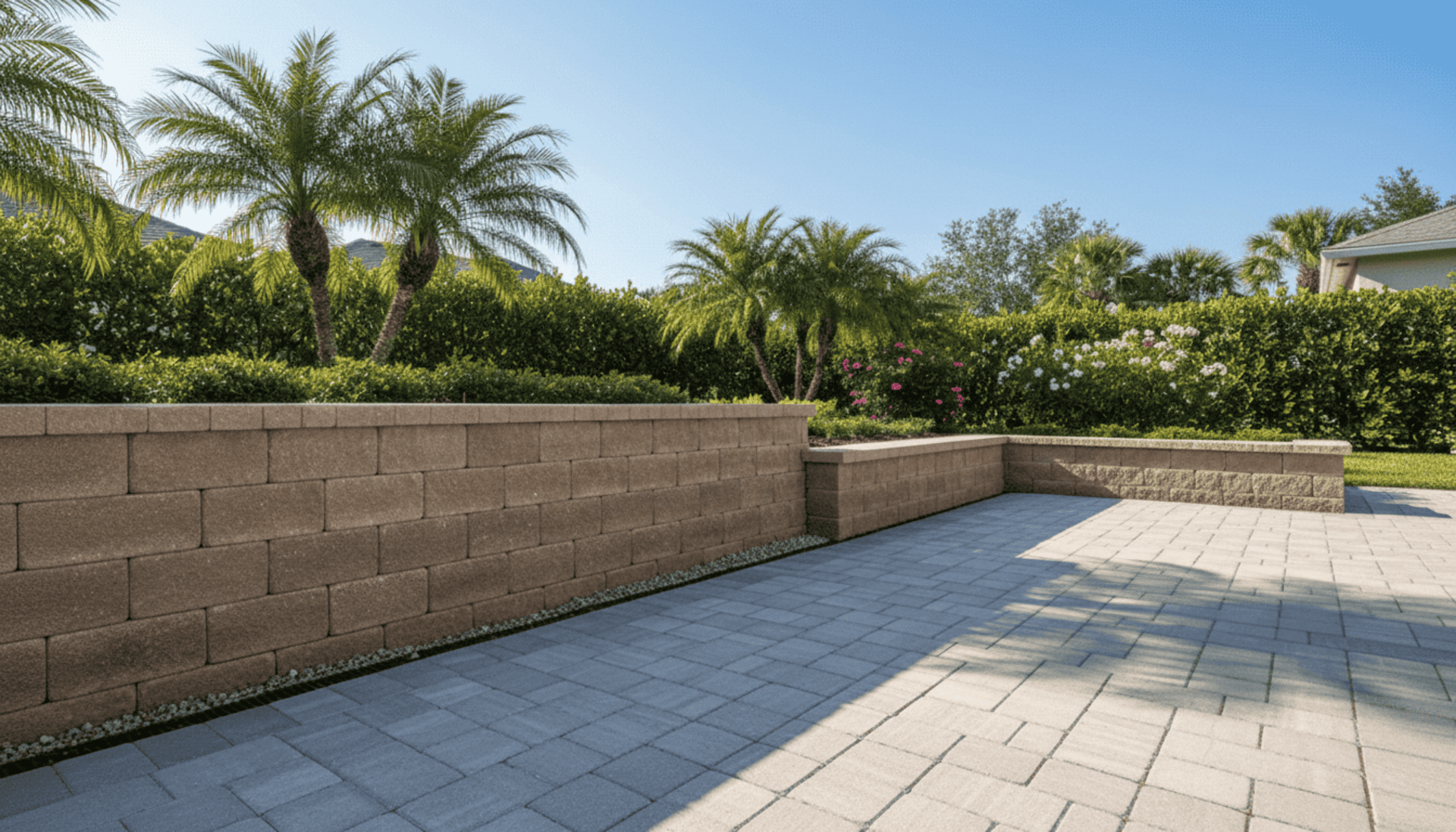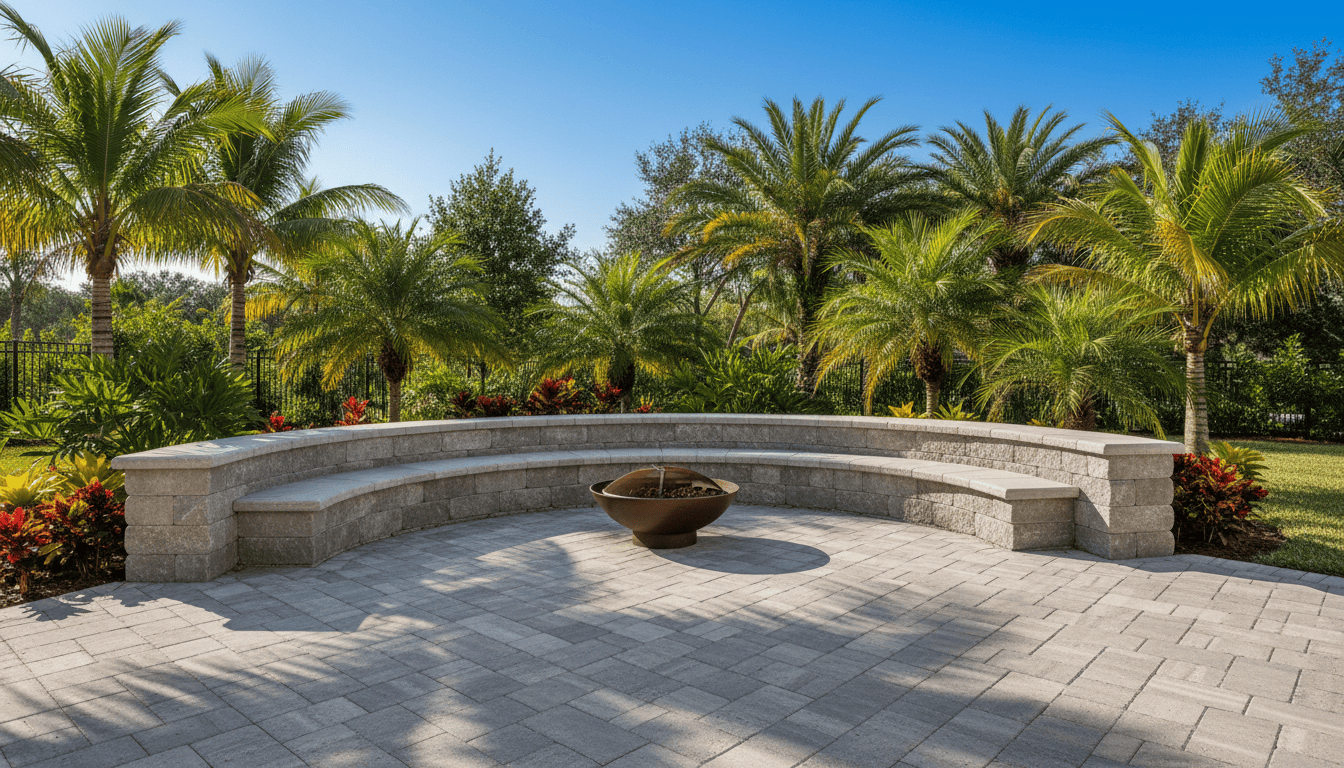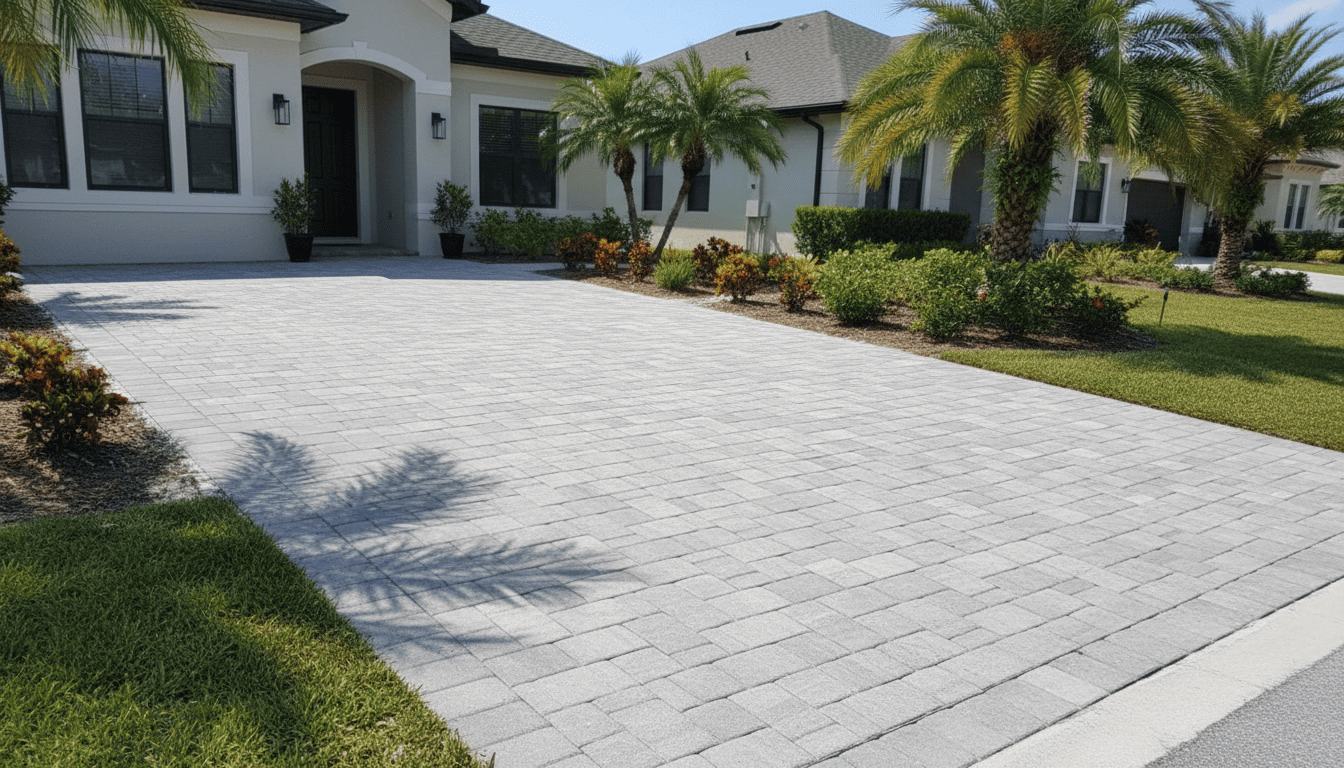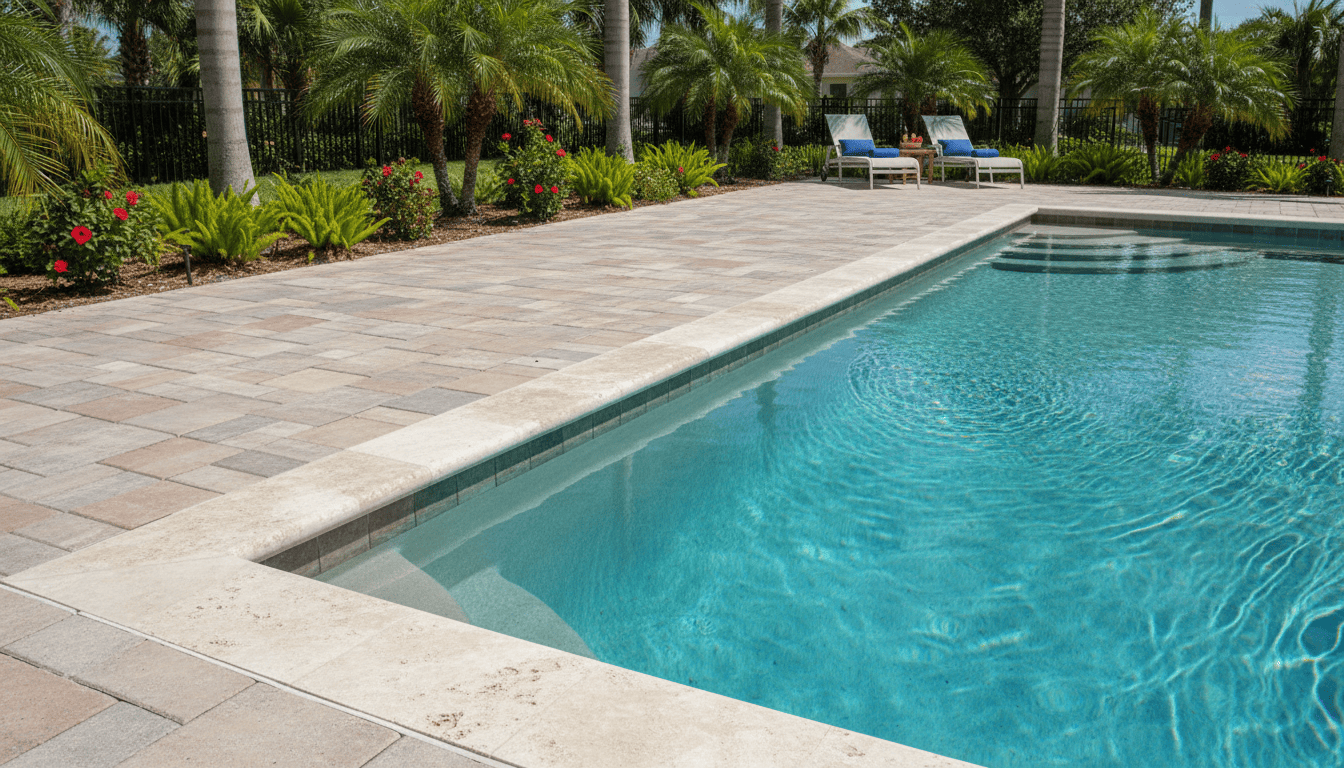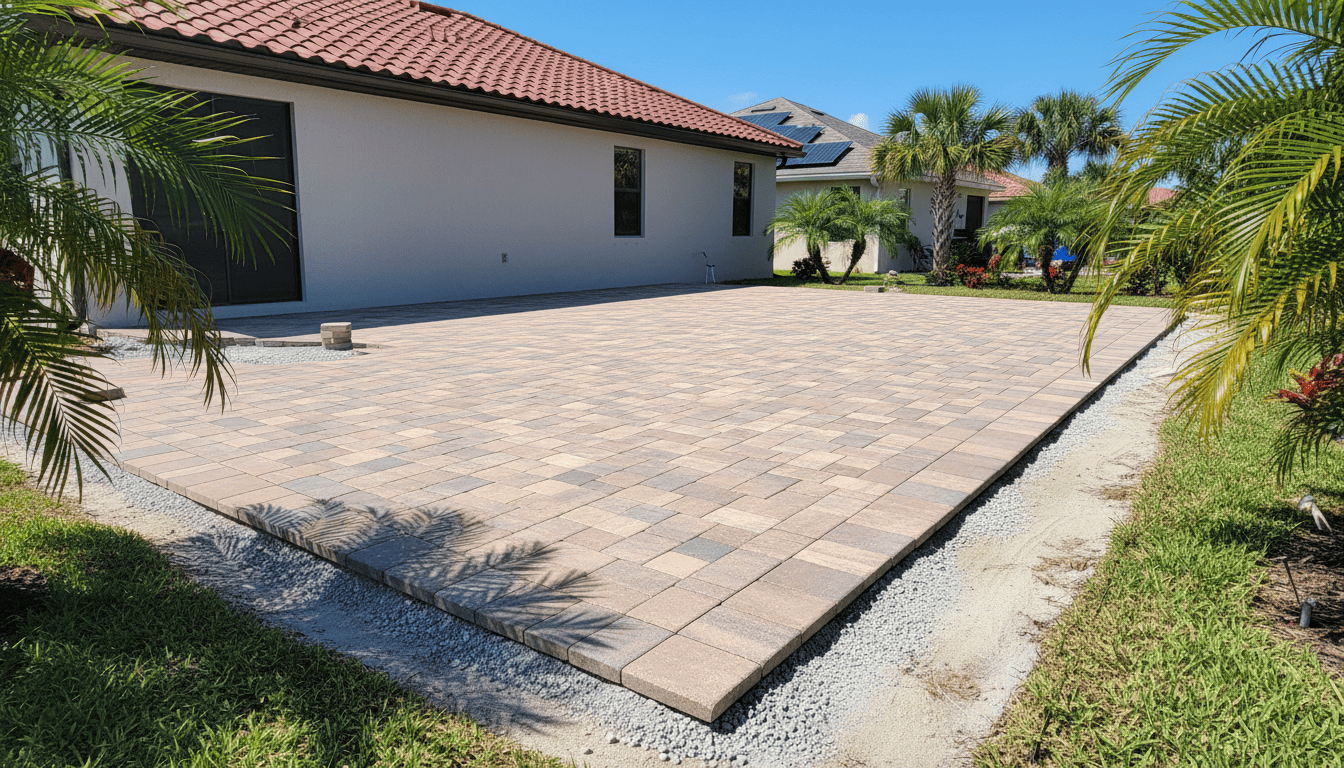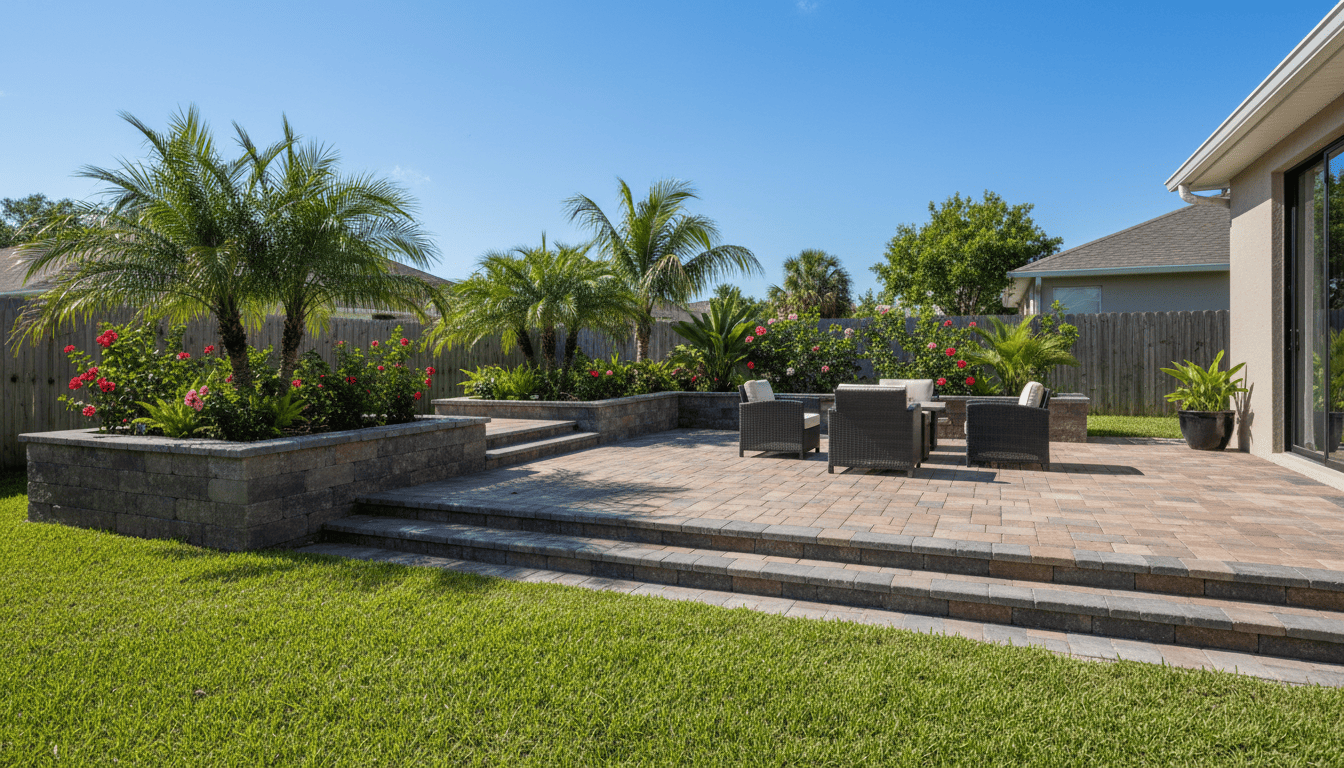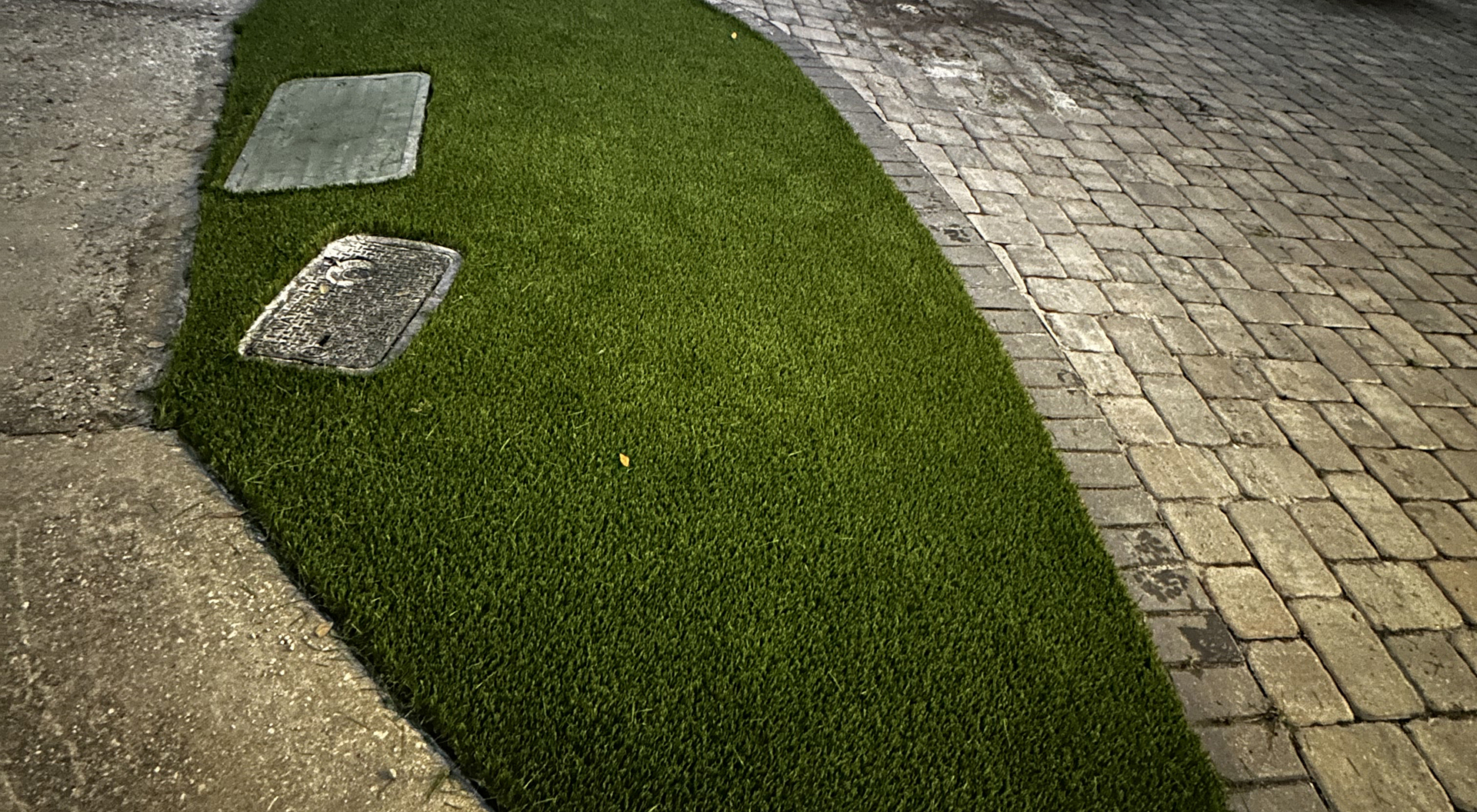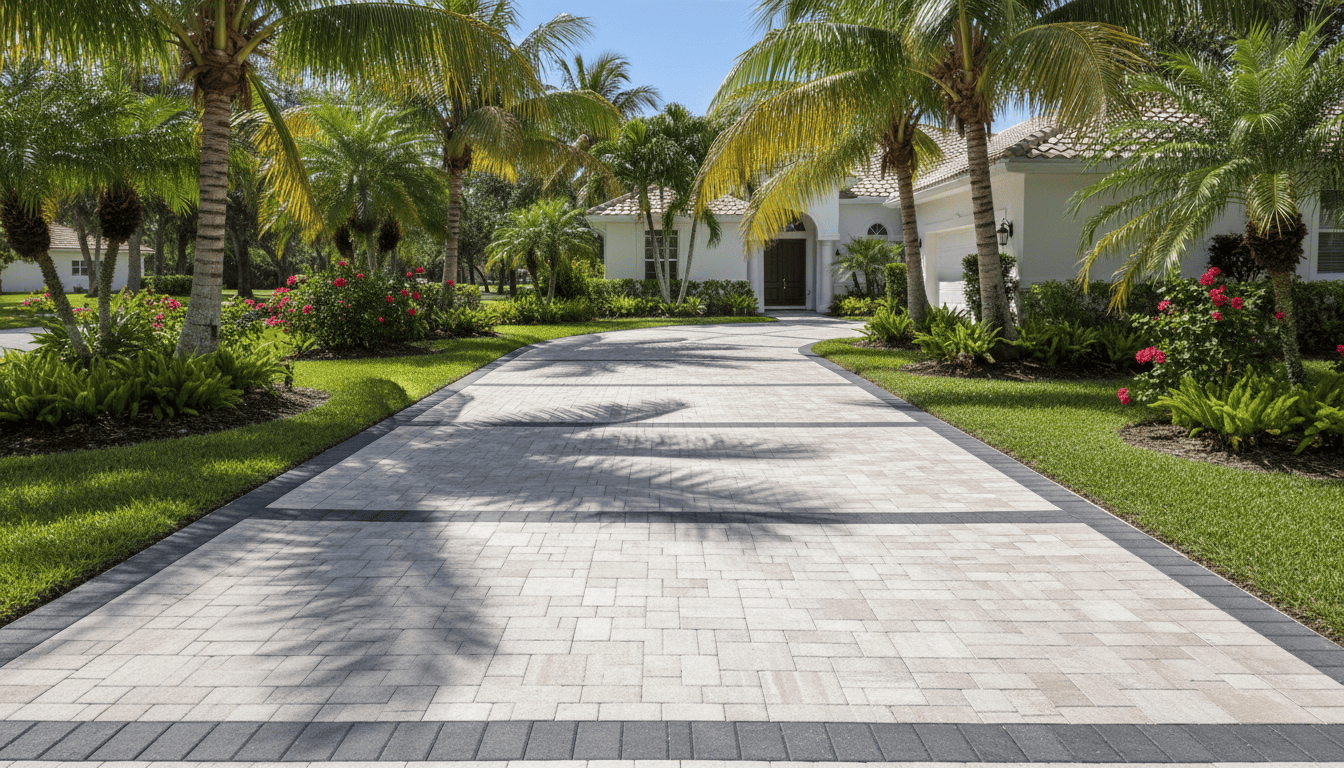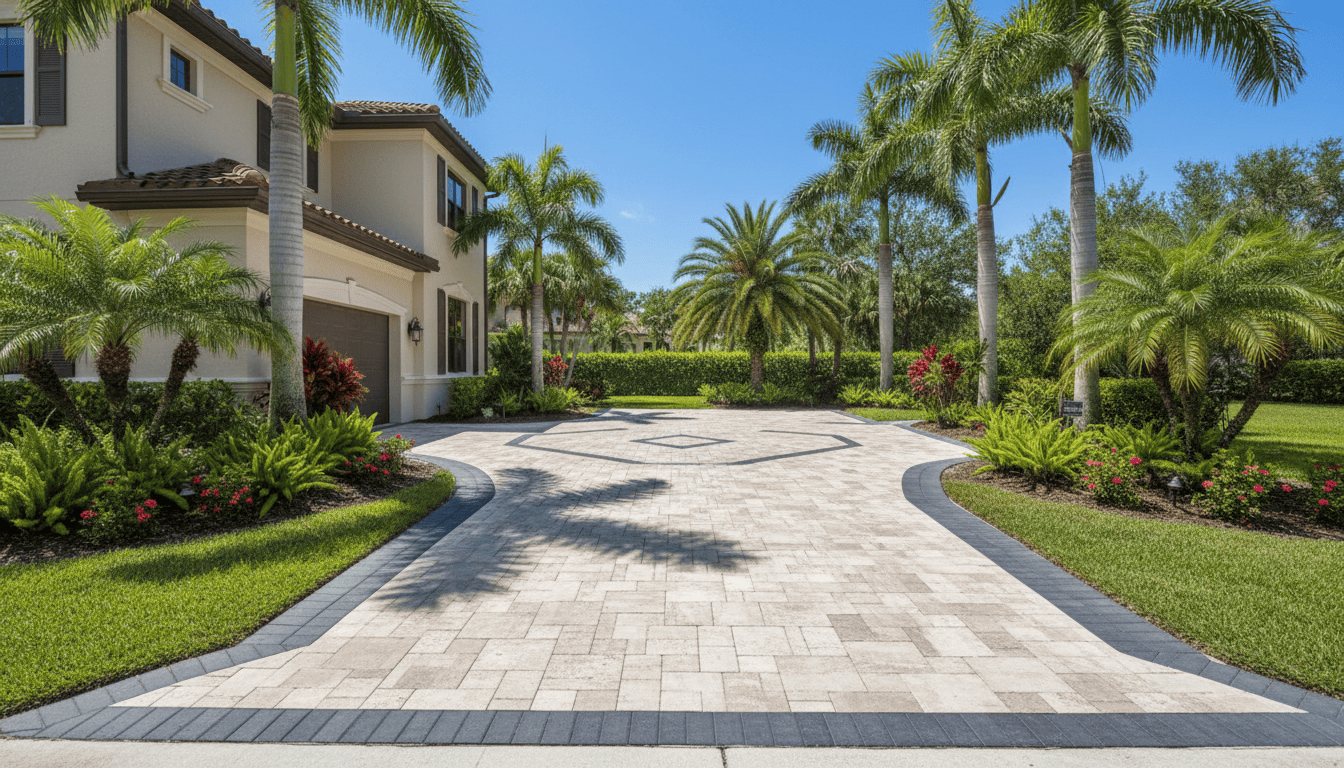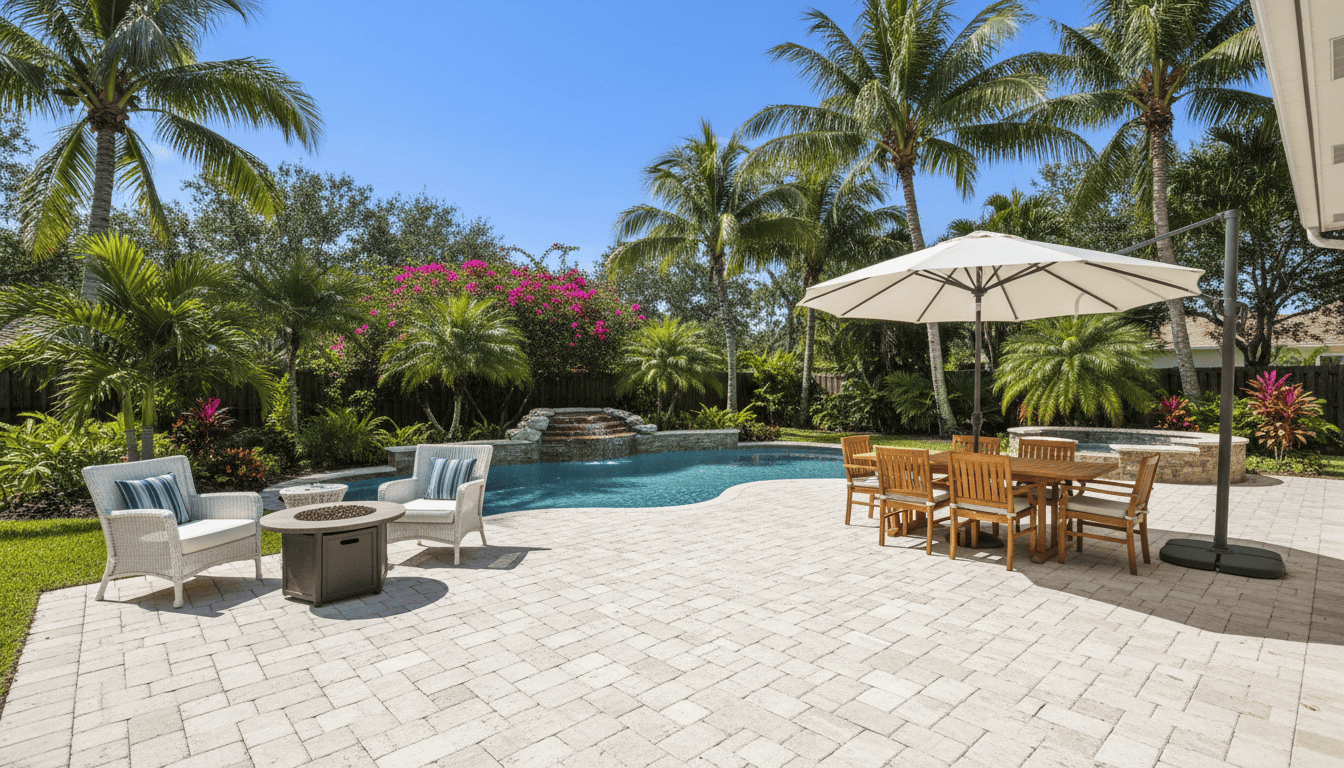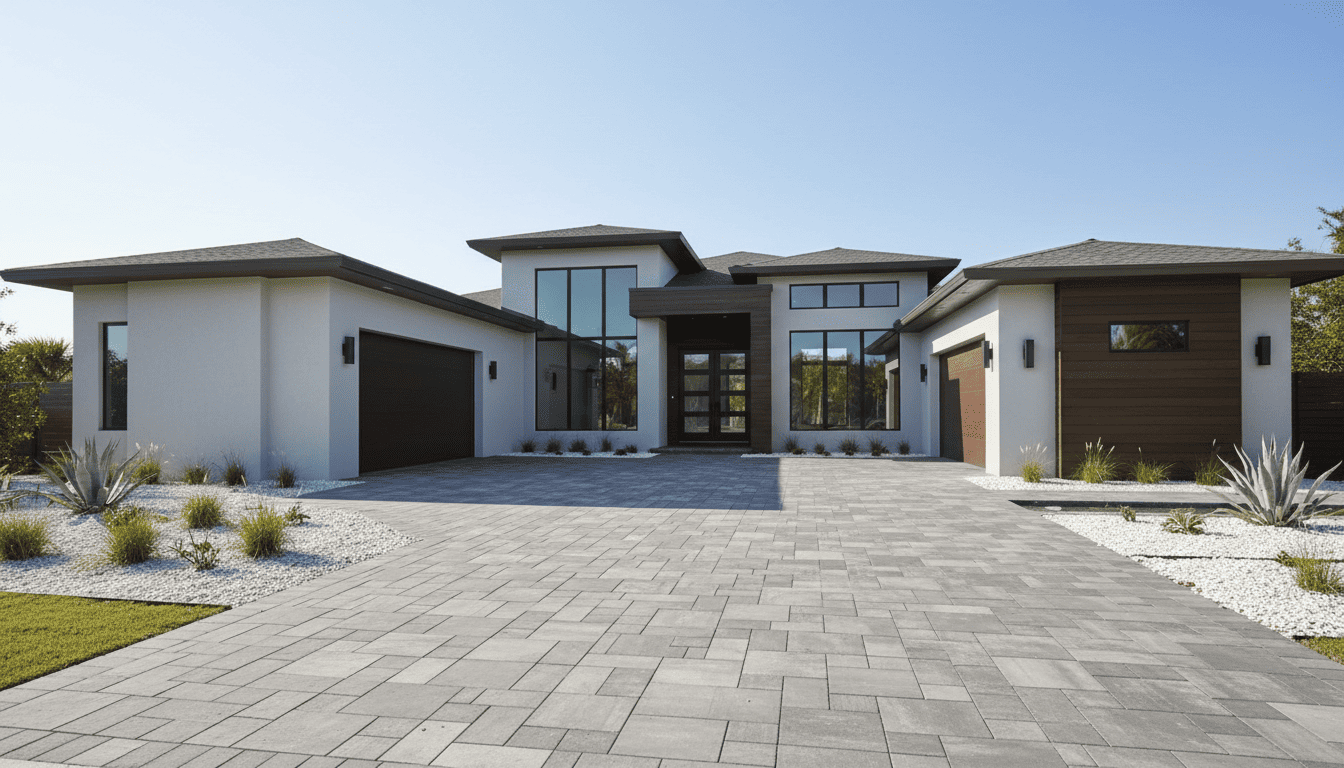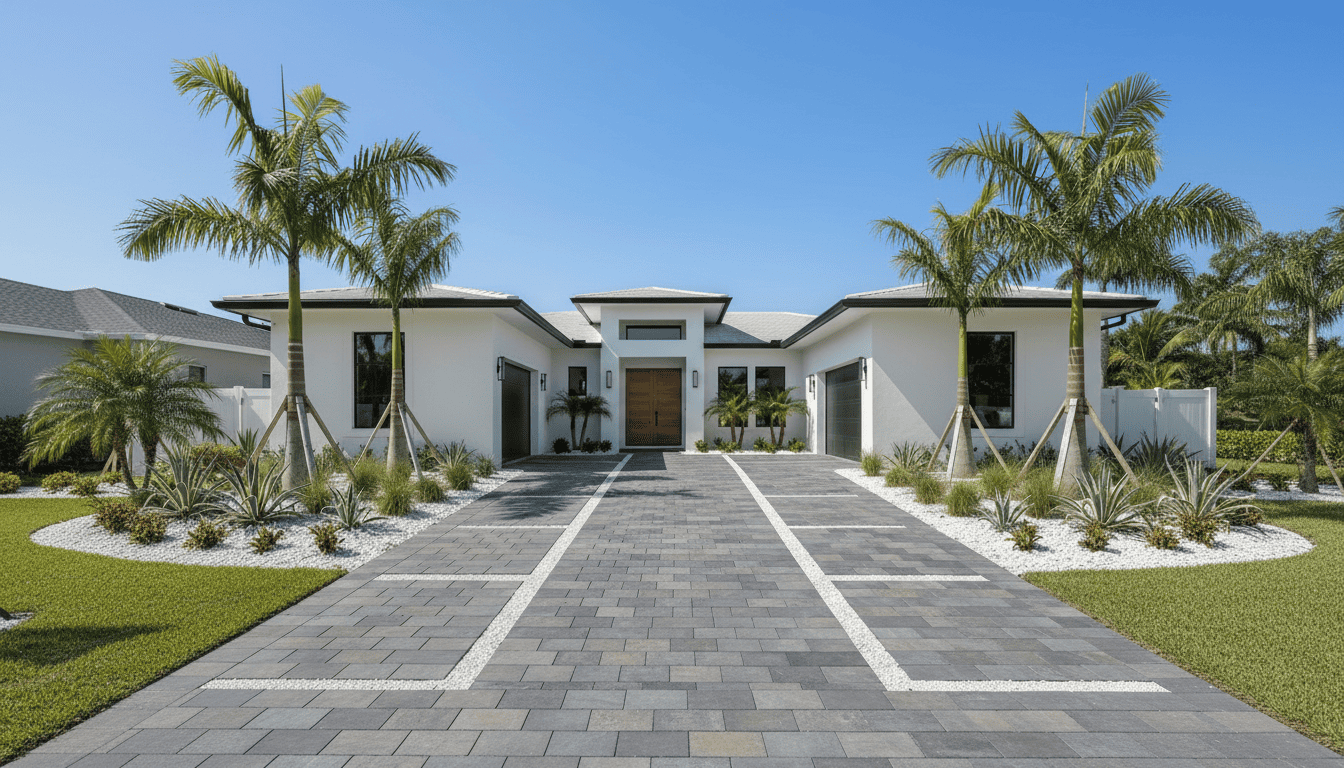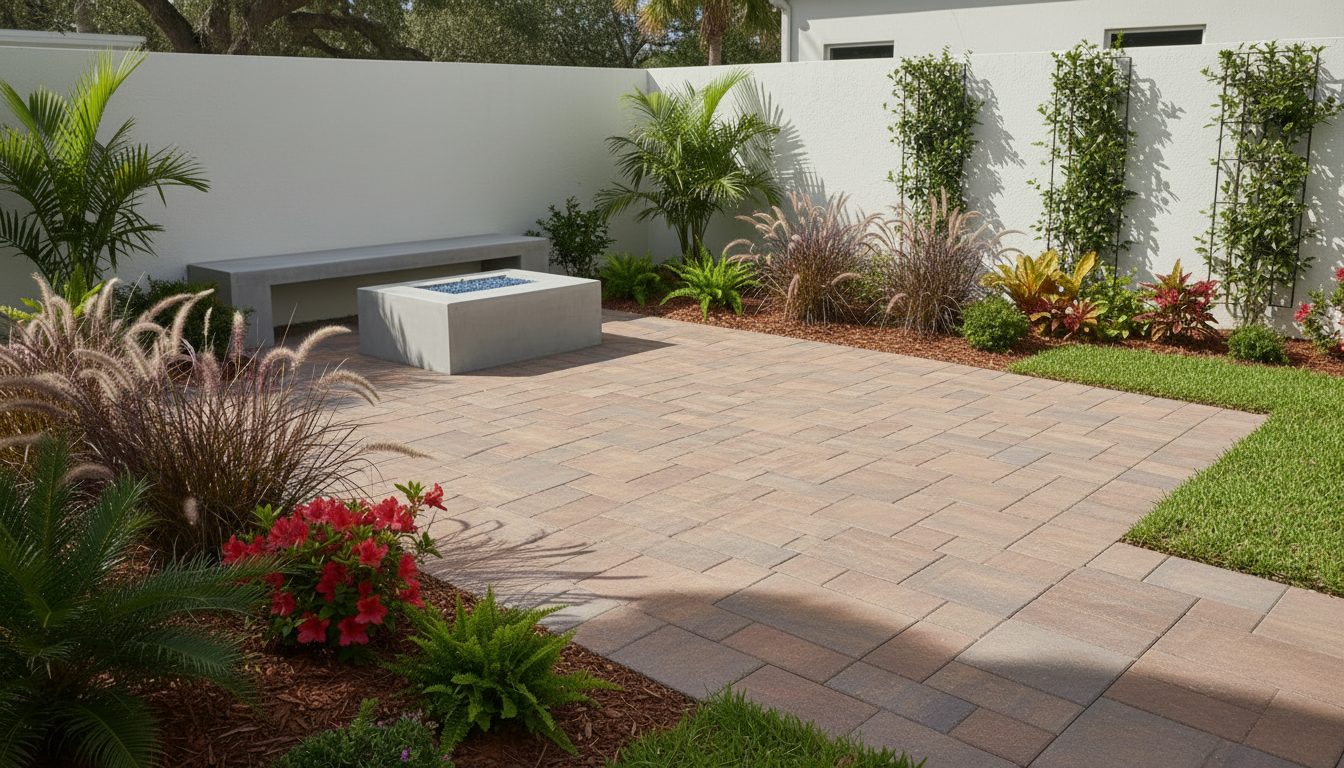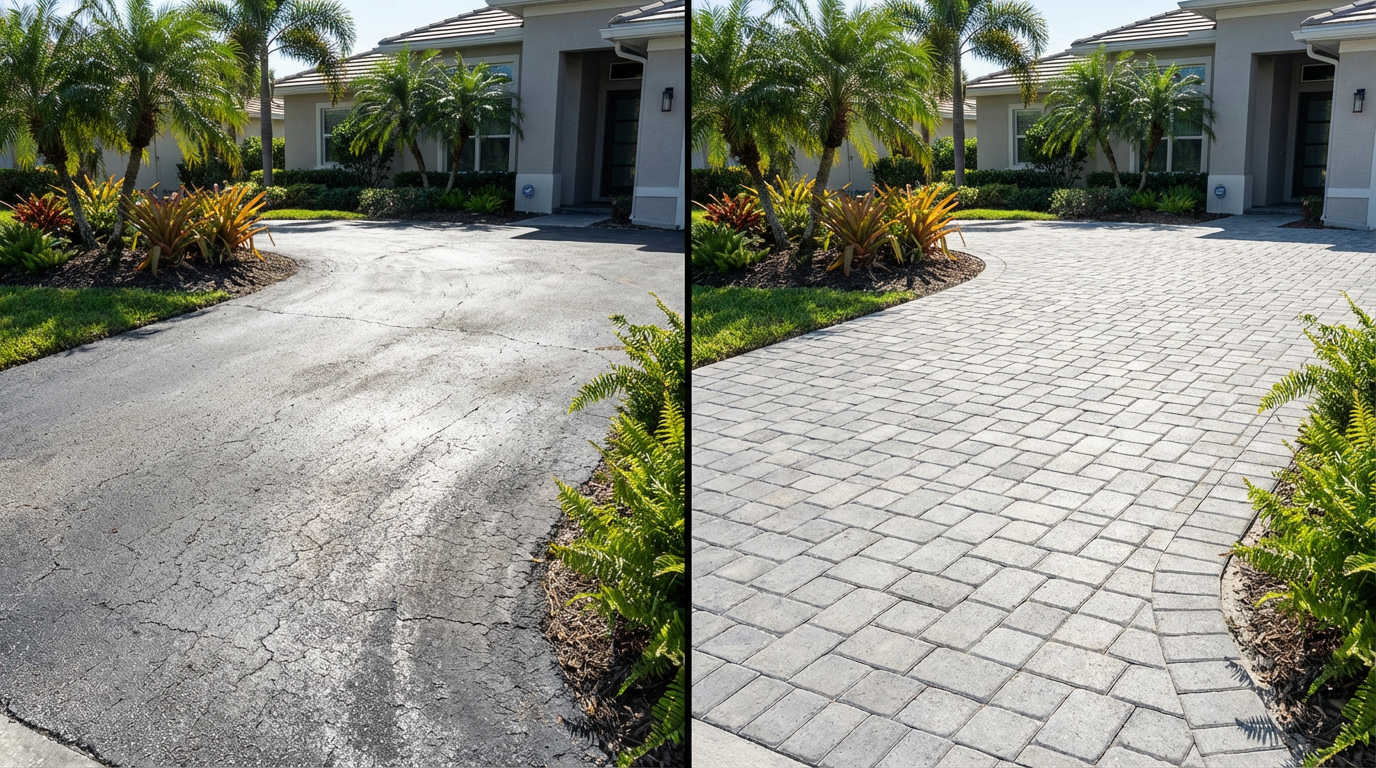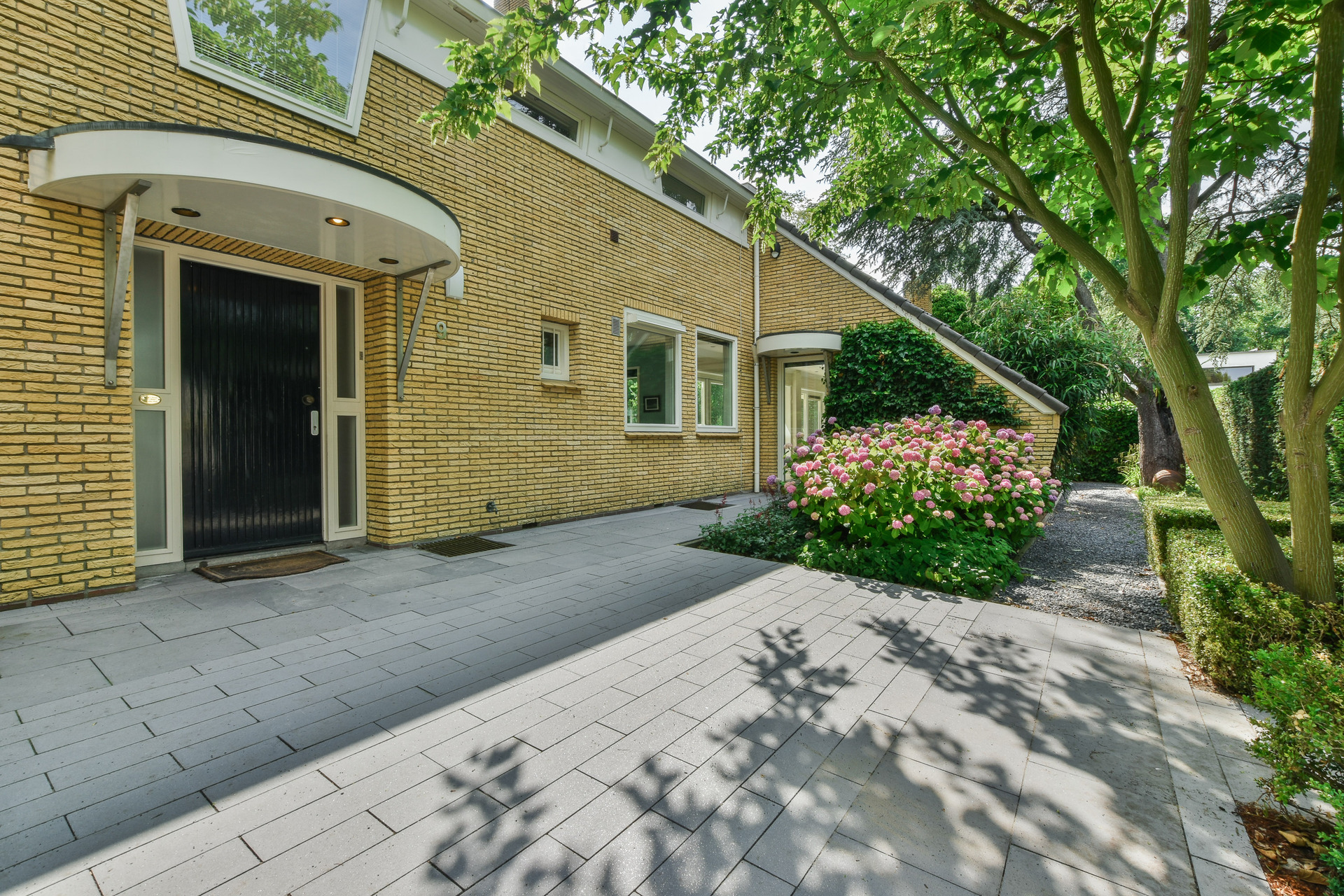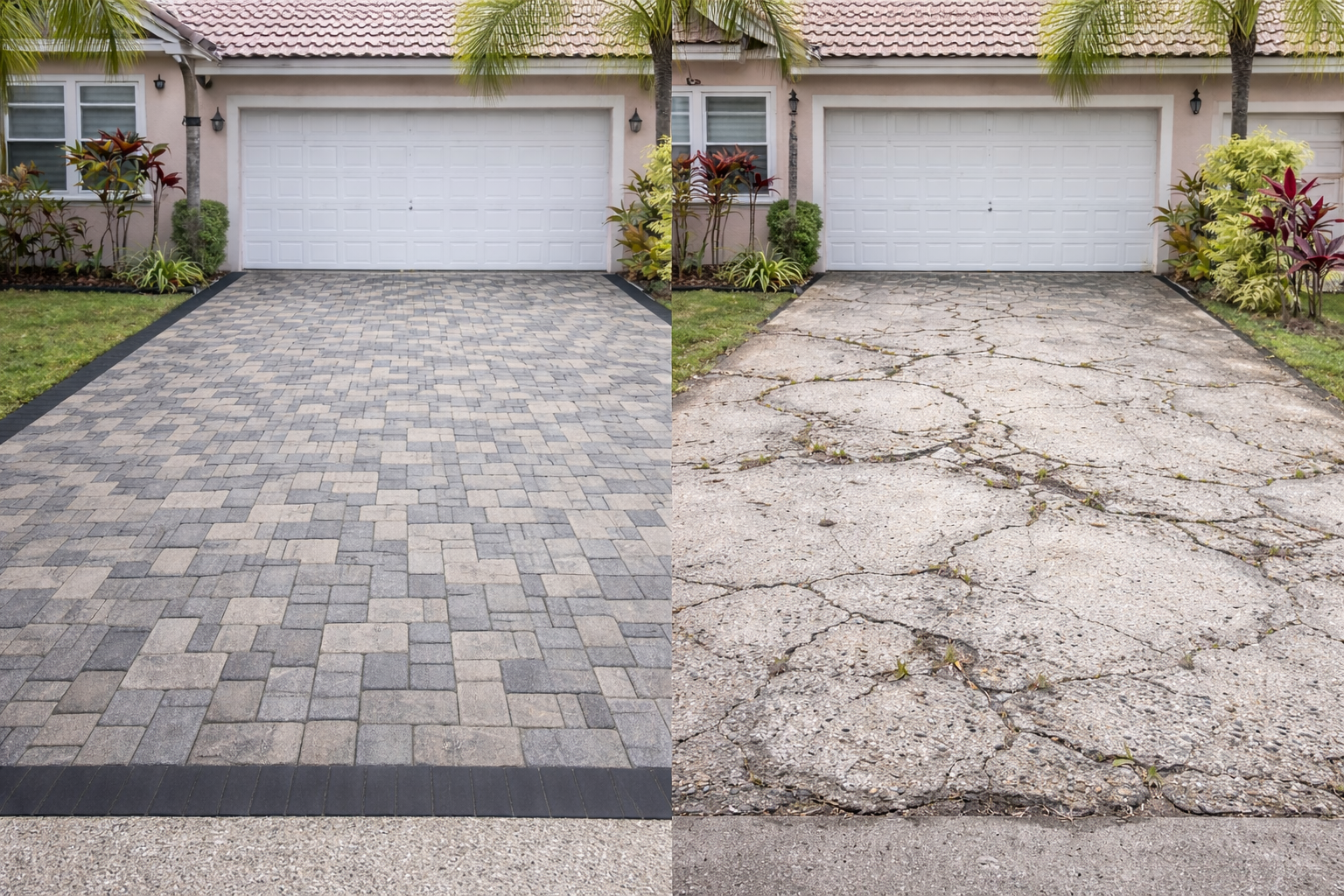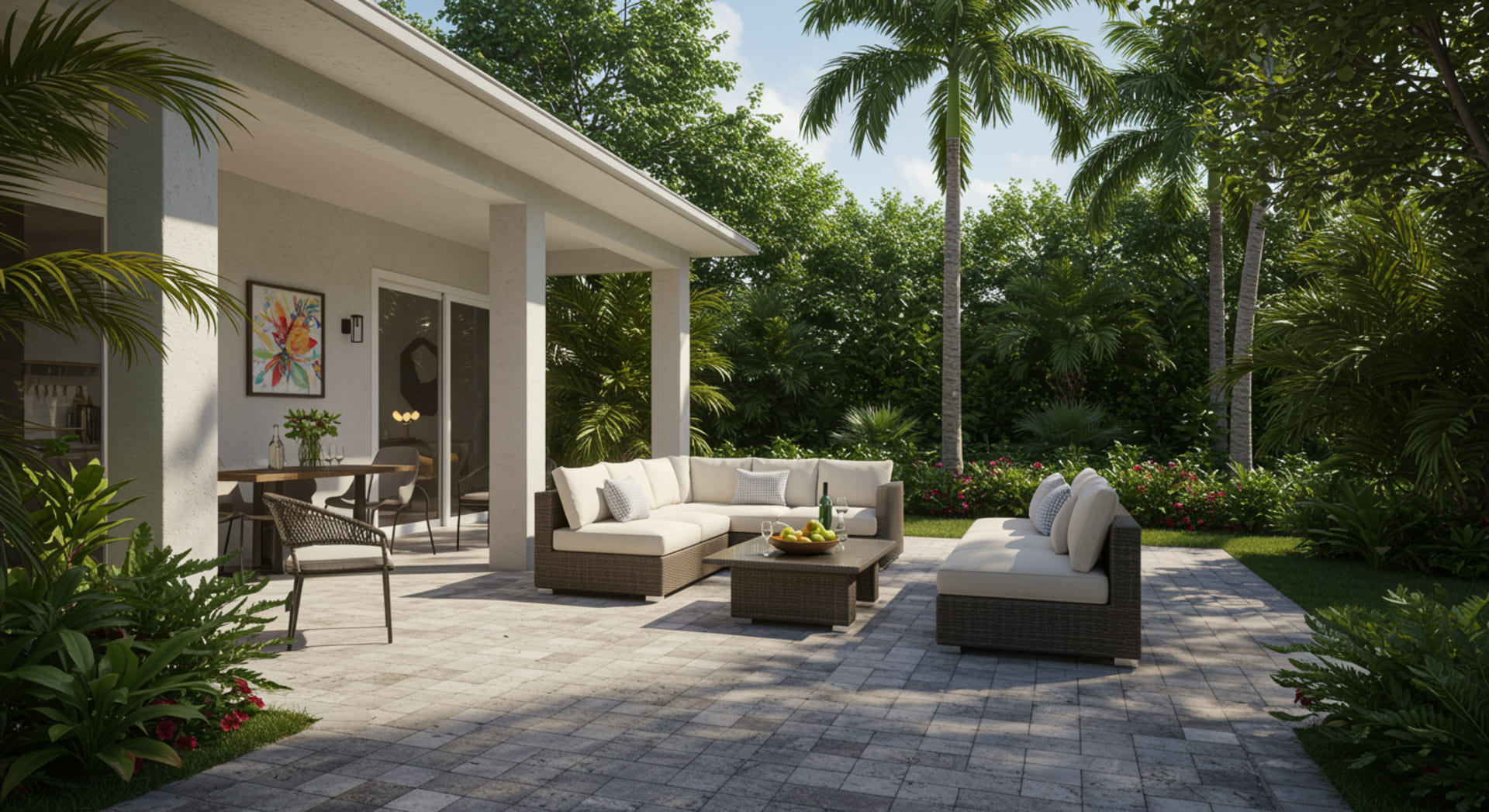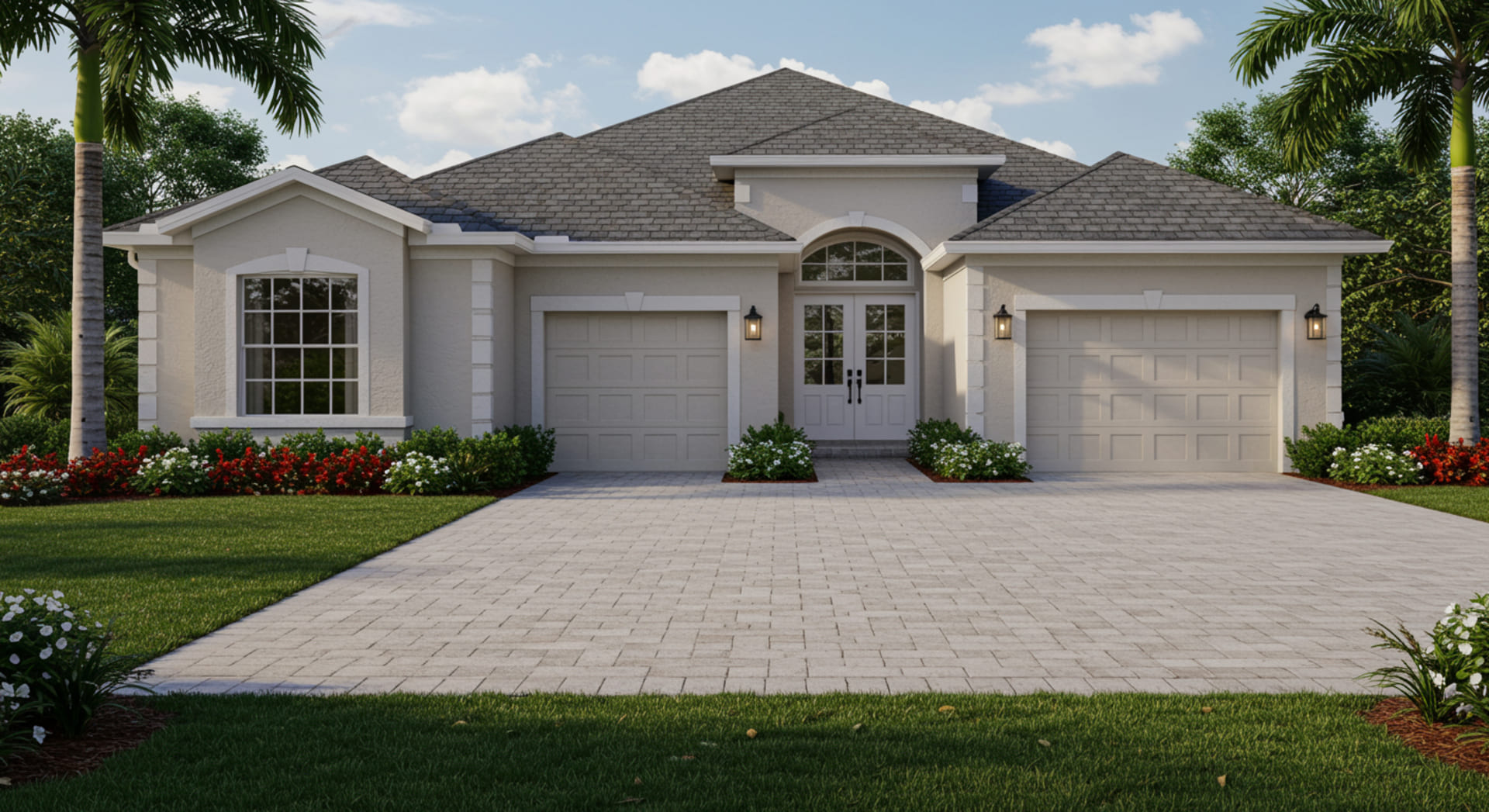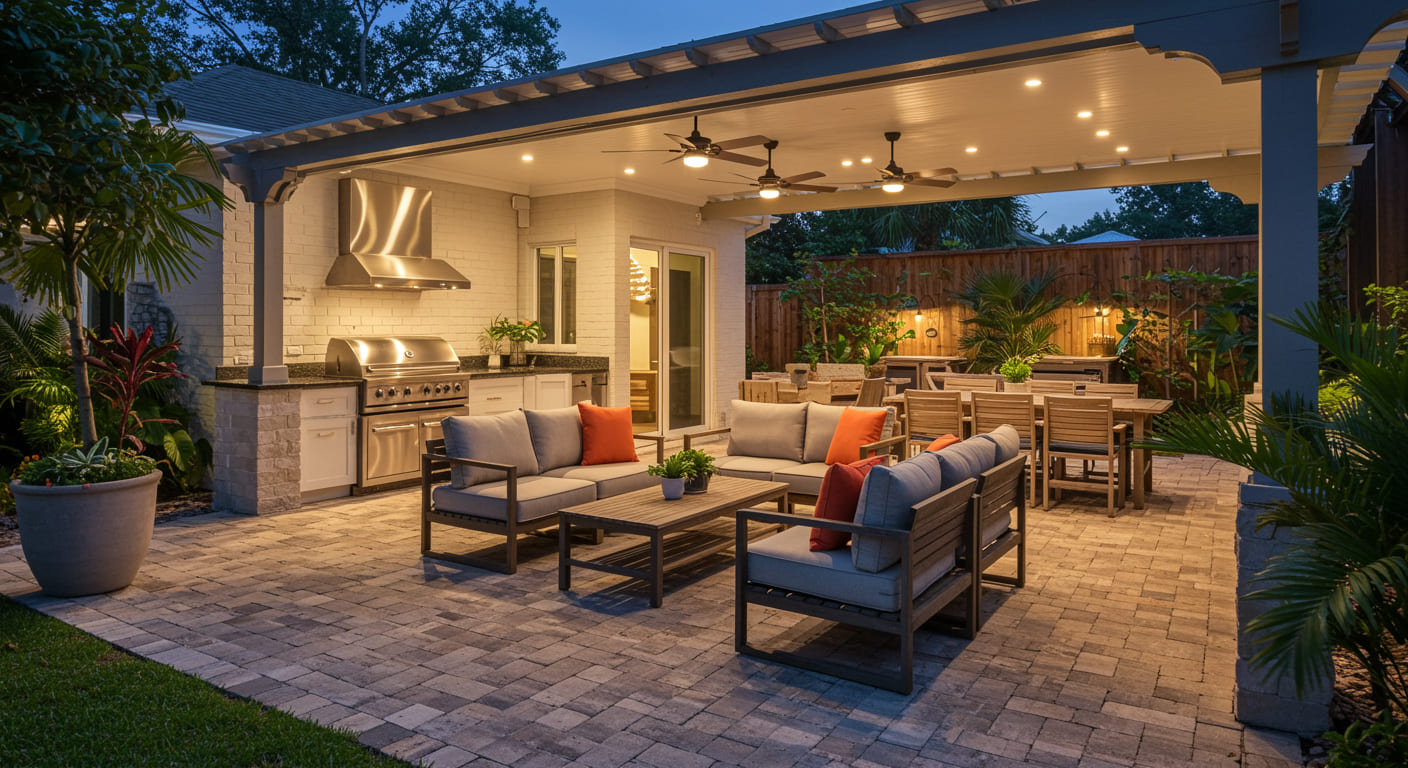
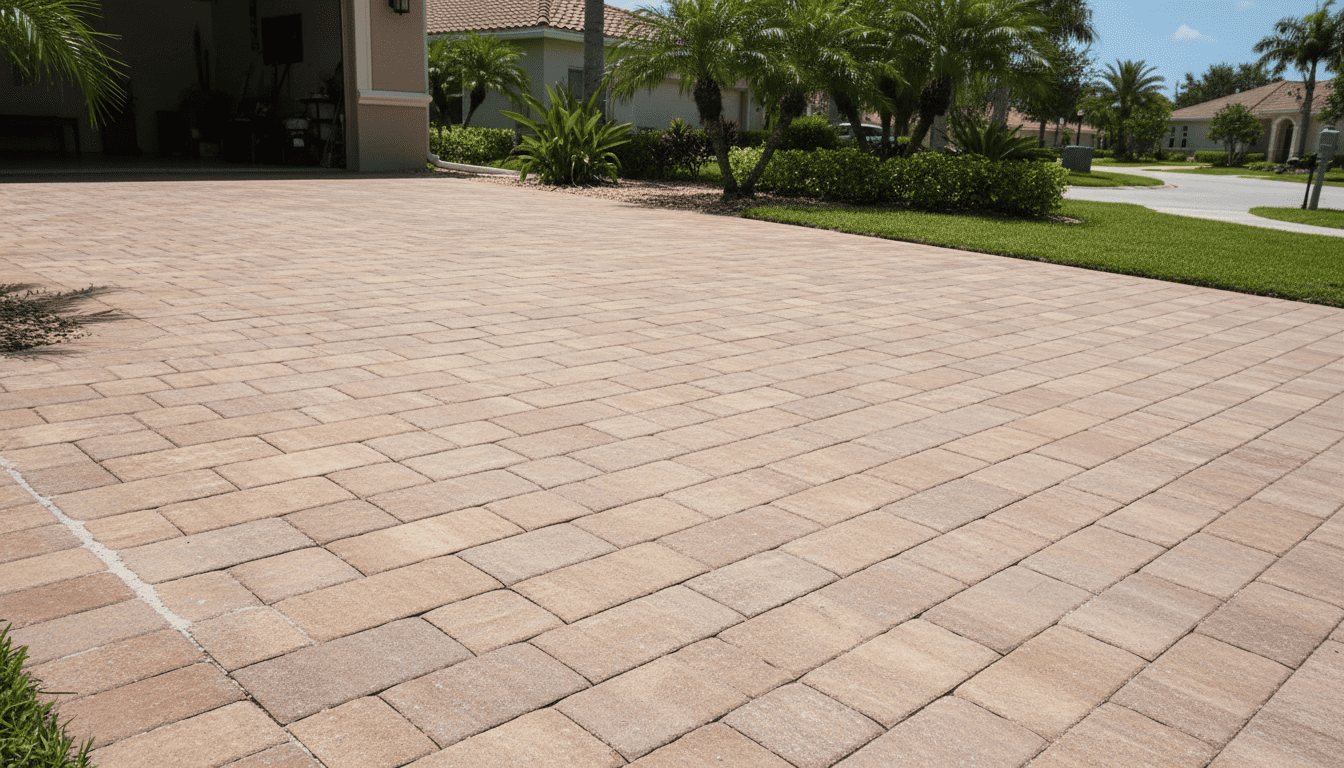
Pavers are one of the most durable and versatile hardscape solutions for Florida homes. When professionally installed, they outperform concrete and asphalt in both appearance and structural performance. However, long-term durability depends not only on installation quality, but also on proper maintenance.
Florida’s climate places constant stress on exterior surfaces. Intense heat, frequent heavy rain, humidity, and shifting soil conditions gradually affect joints, base layers, and surface alignment if not monitored correctly.
The good news is that paver systems are designed for longevity. With routine maintenance and occasional professional care, paver driveways, patios, walkways, and pool decks can maintain structural integrity and visual appeal for decades.
This guide outlines essential paver maintenance and longevity tips specifically tailored for Florida homeowners.
Why Paver Maintenance Is Critical in Florida
Florida environments accelerate wear compared to milder climates.
Key stress factors include:
- Prolonged sun exposure and heat
- Heavy rainfall and sudden storms
- Organic debris from landscaping
- Sandy soil movement
- Moisture retention and humidity
Without maintenance, these conditions can lead to joint erosion, minor settlement, weed growth, and surface discoloration.
Preventative care protects both appearance and structure.
Understanding How Paver Systems Age
Pavers age differently than poured concrete.
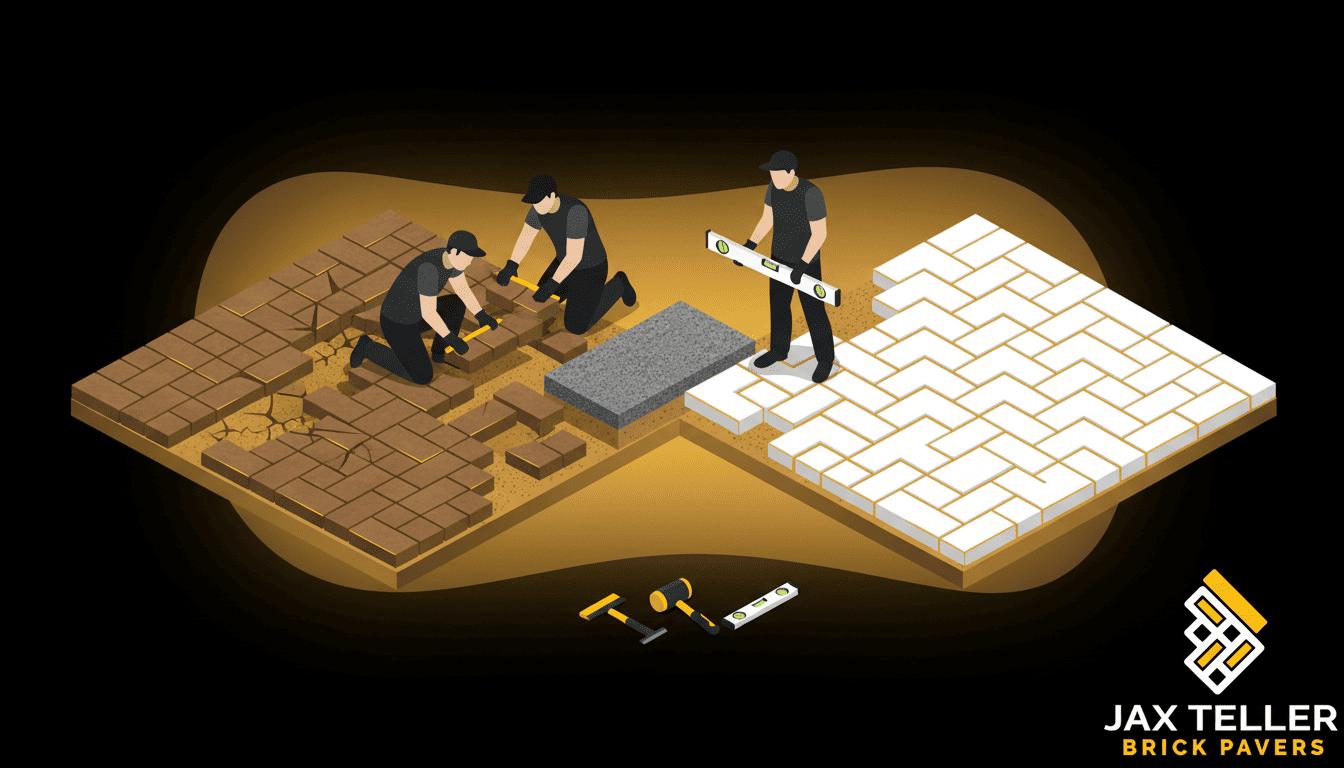
Concrete slabs crack and fracture over time. Paver systems are flexible and modular, meaning:
- Individual pavers may shift slightly
- Joint material may erode gradually
- Surface remains intact and repairable
This flexibility is an advantage, but it requires periodic inspection to maintain performance.
Routine Cleaning: The First Line of Defense
Regular cleaning prevents buildup that can affect drainage and aesthetics.
Recommended cleaning practices include:
- Light pressure washing as needed
- Removing leaves and organic debris
- Avoiding harsh chemical cleaners
- Cleaning oil or food spills promptly
Pressure washing should be done carefully to avoid removing joint sand unnecessarily.
Clean surfaces also reduce slip hazards during wet conditions.
Joint Sand Maintenance and Stabilization
Joint sand plays a structural role.
In Florida, heavy rain can gradually wash away joint material.
Professional maintenance includes:
- Inspecting joint depth
- Reapplying polymeric sand when needed
- Activating joints properly after re-sanding
Well-maintained joints:
- Lock pavers in place
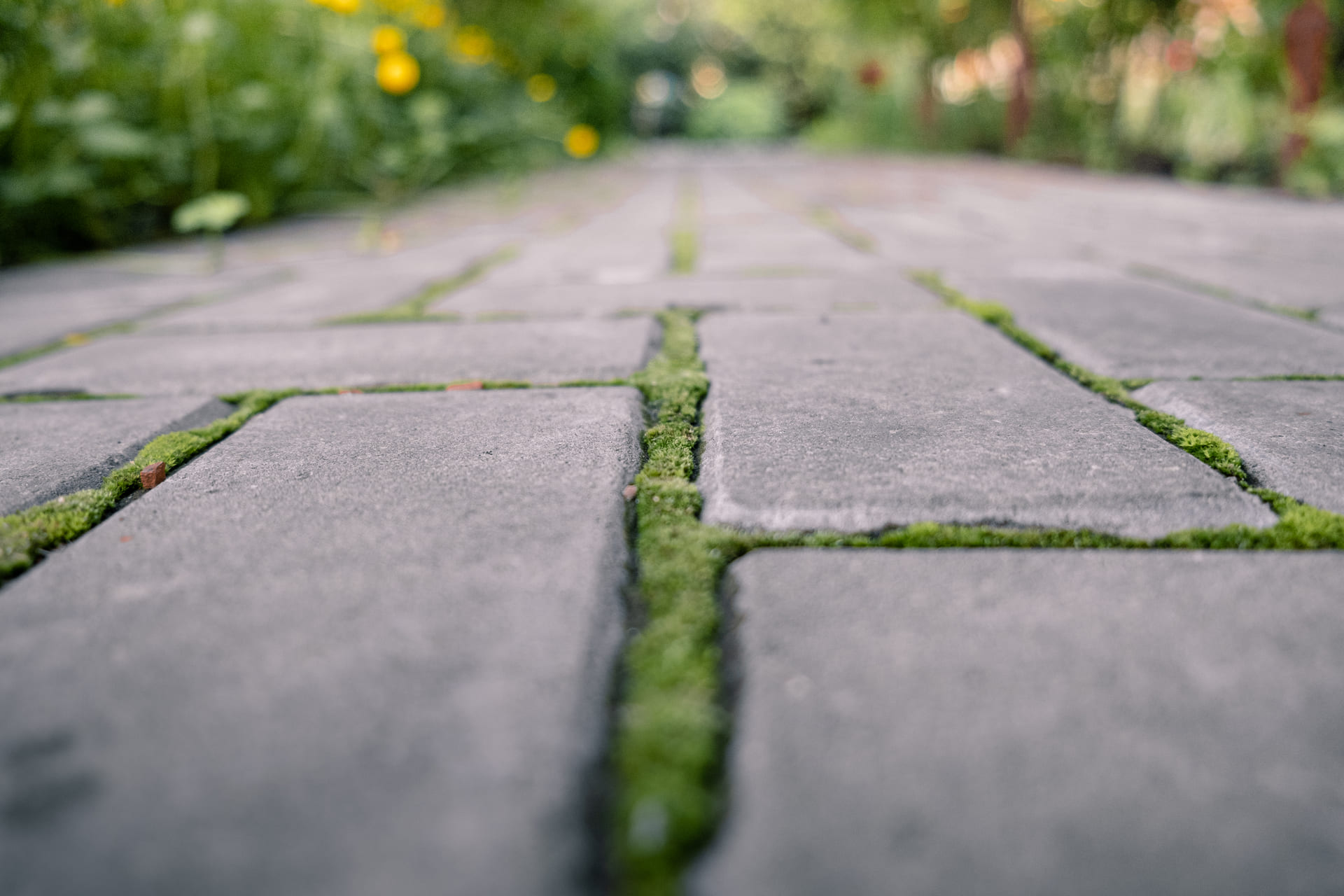
- Prevent weed growth
- Reduce insect intrusion
- Improve load distribution
Ignoring joint maintenance can lead to surface movement over time.
Drainage Inspection and Water Flow Control
Drainage performance should be checked periodically.
Key areas to inspect:
- Water pooling after rain
- Edge runoff near foundations
- Settlement near low points
- Drainage pathways around patios and driveways
Florida’s heavy rain can expose drainage weaknesses quickly. Early detection prevents base erosion and misalignment.
Managing Weed and Organic Growth
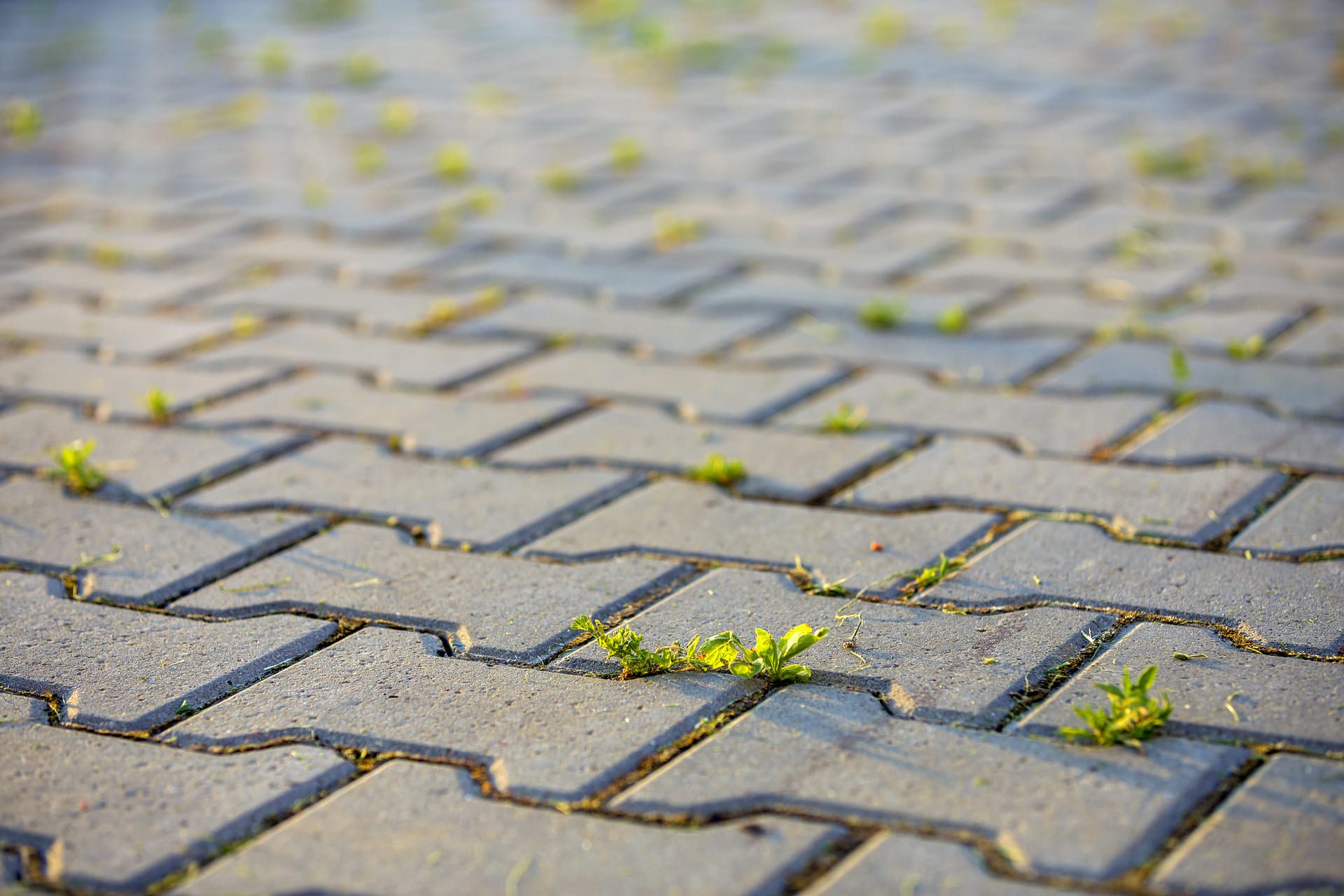
Weeds do not grow through pavers — they grow in neglected joints.
Preventative strategies include:
- Maintaining filled joints
- Removing organic debris
- Applying joint sand correctly
- Avoiding soil buildup along edges
Proper joint maintenance minimizes weed growth without chemical treatments.
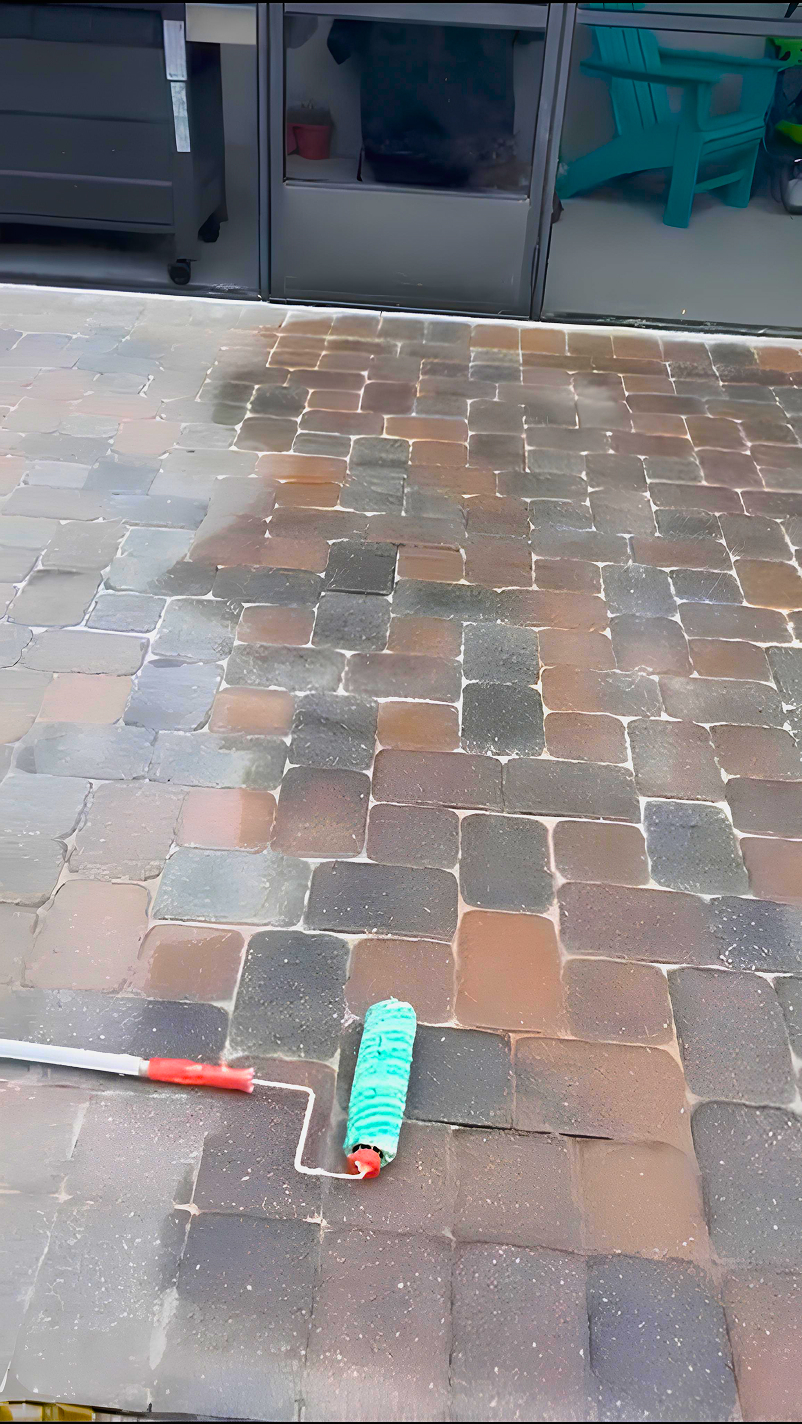
Sealing Pavers: Optional but Beneficial
Sealing is not mandatory, but it offers advantages.
Benefits of sealing include:
- Color enhancement
- Stain resistance
- Reduced moisture absorption
- Easier surface cleaning
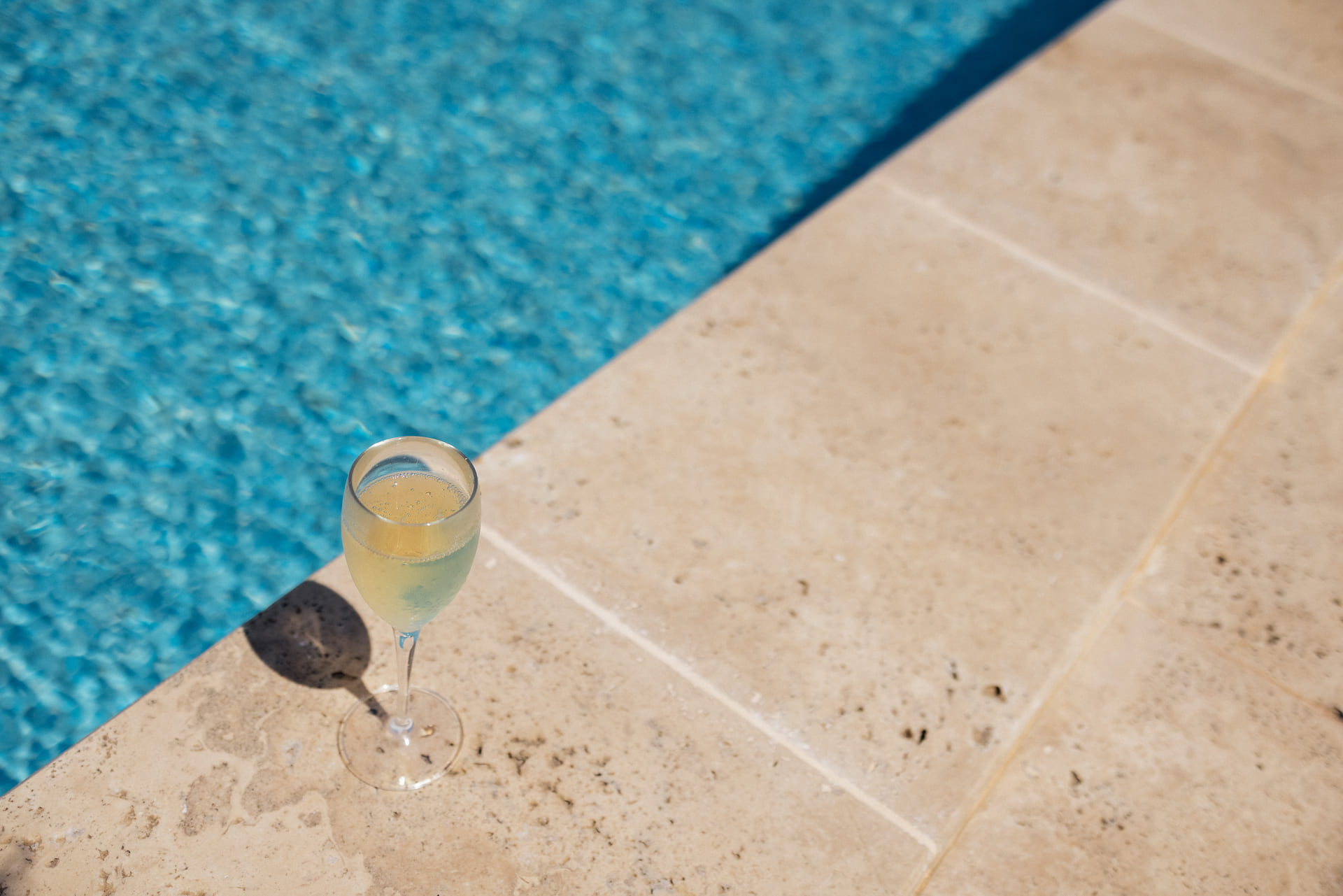
In Florida, sealing is often recommended for:
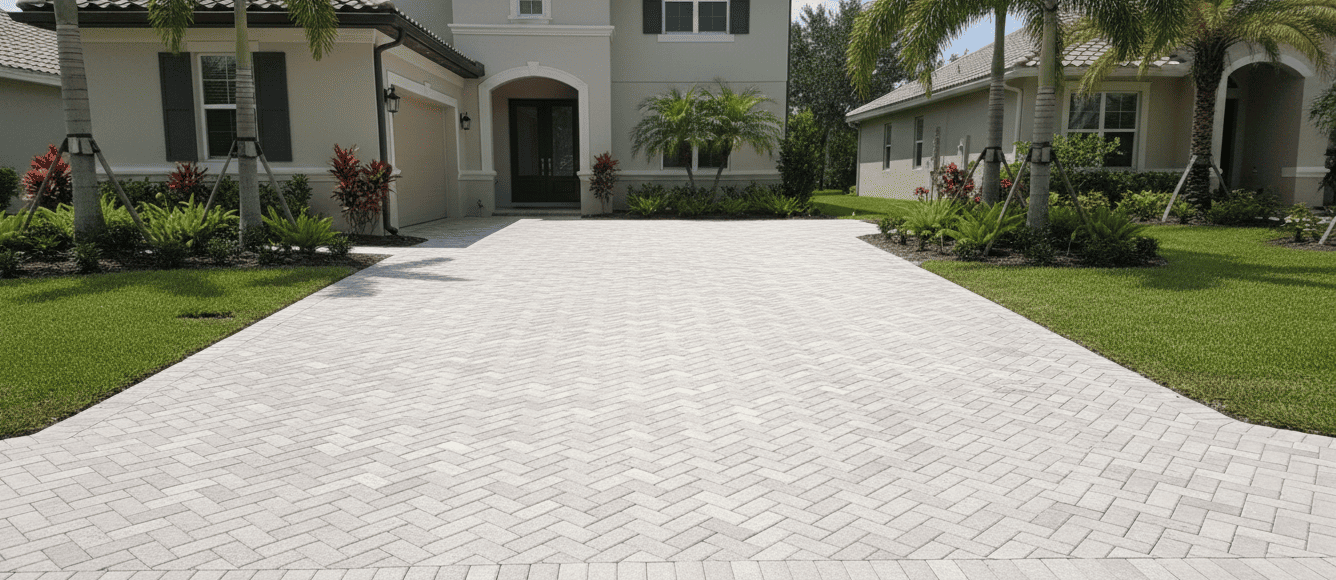
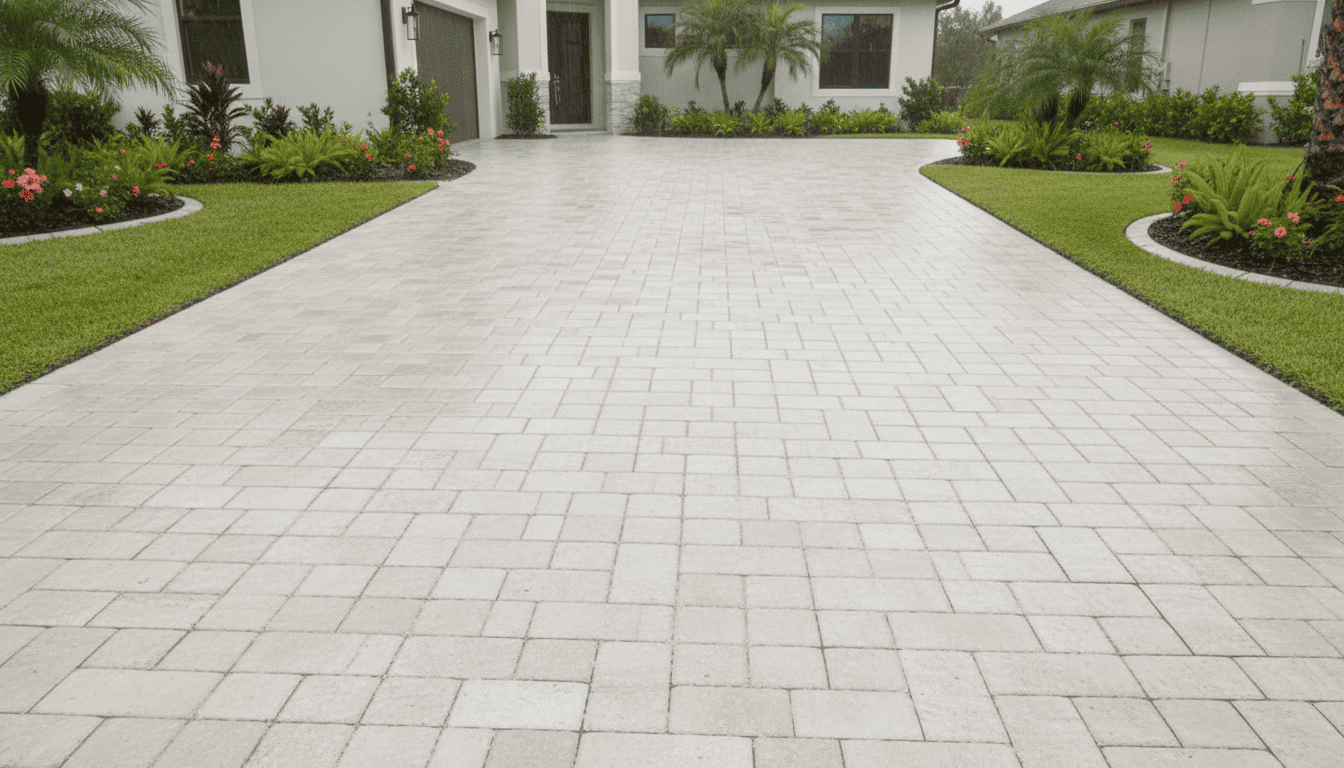
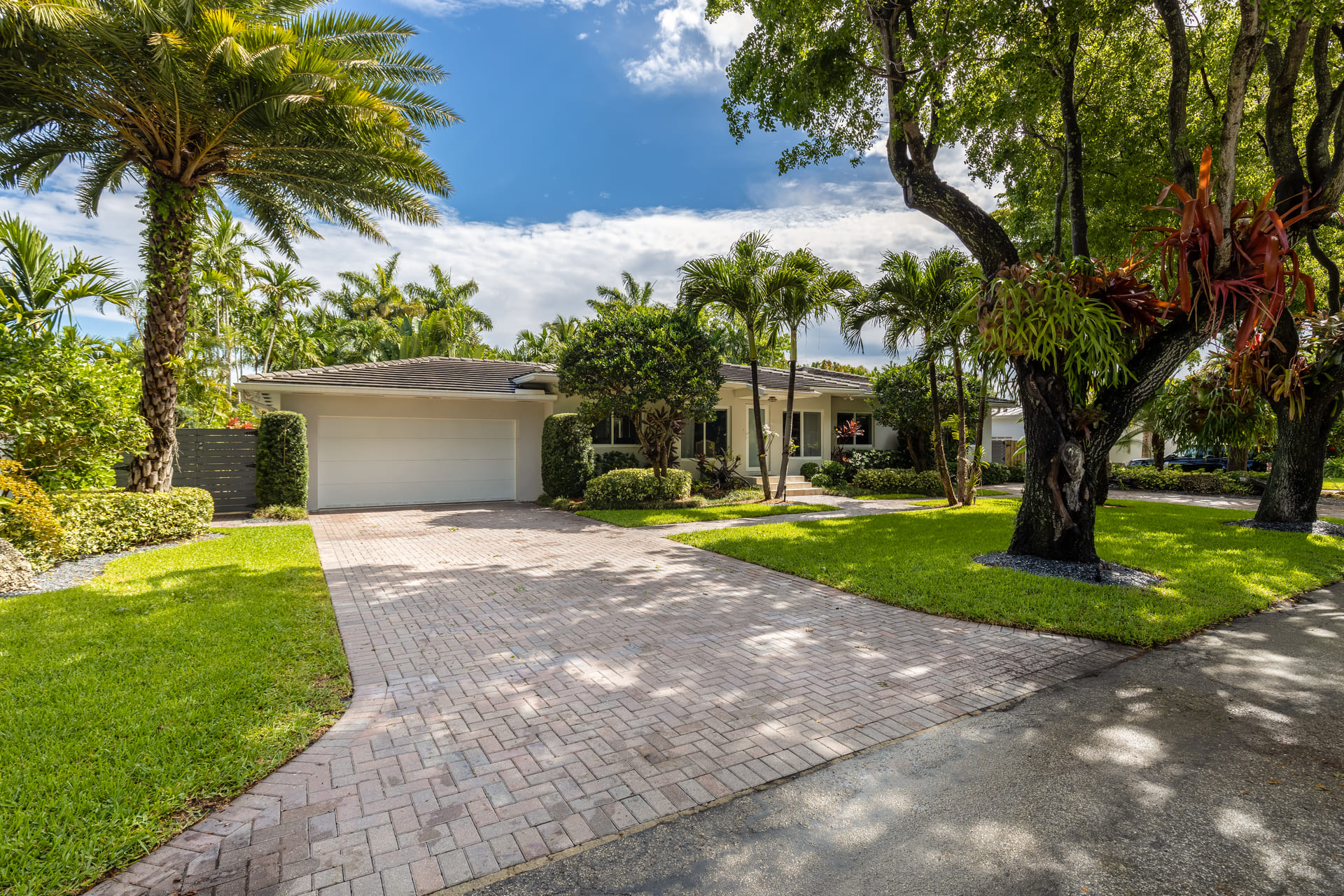
- Driveways
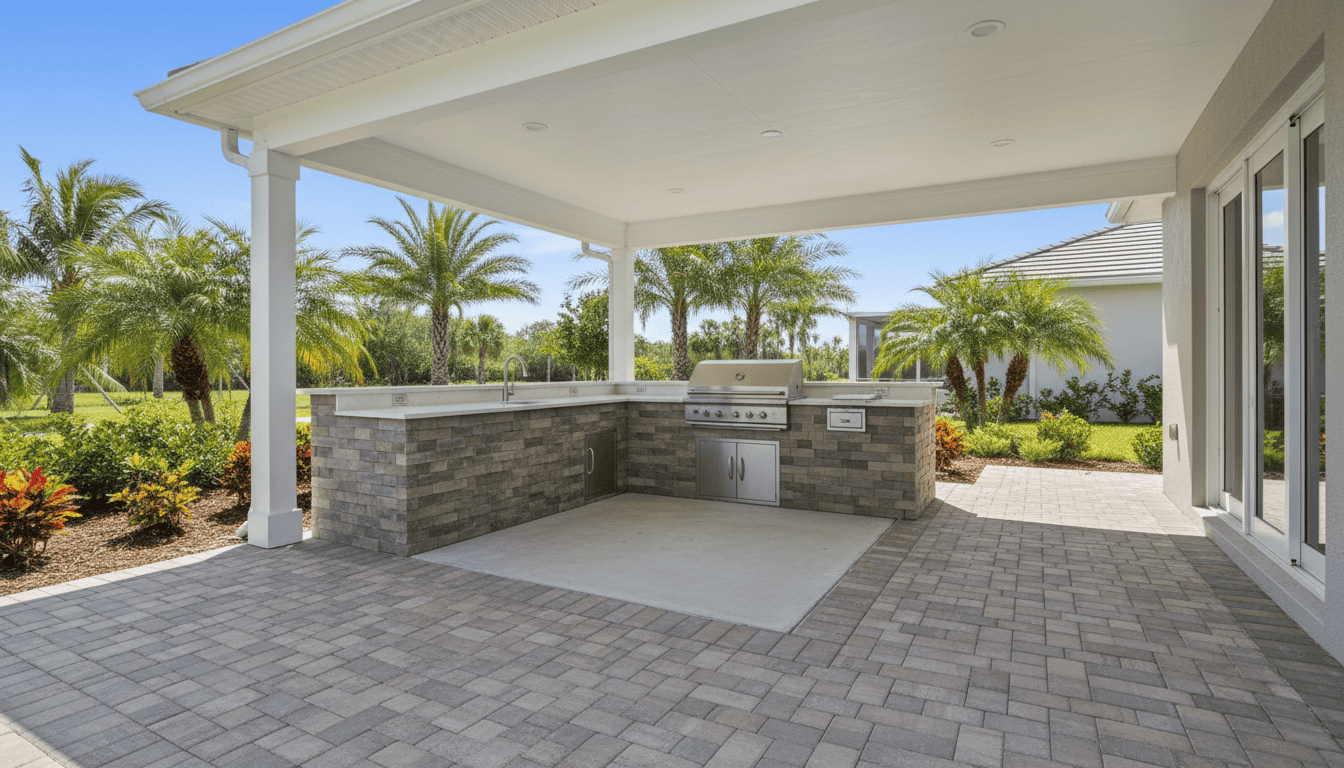
- Outdoor kitchens
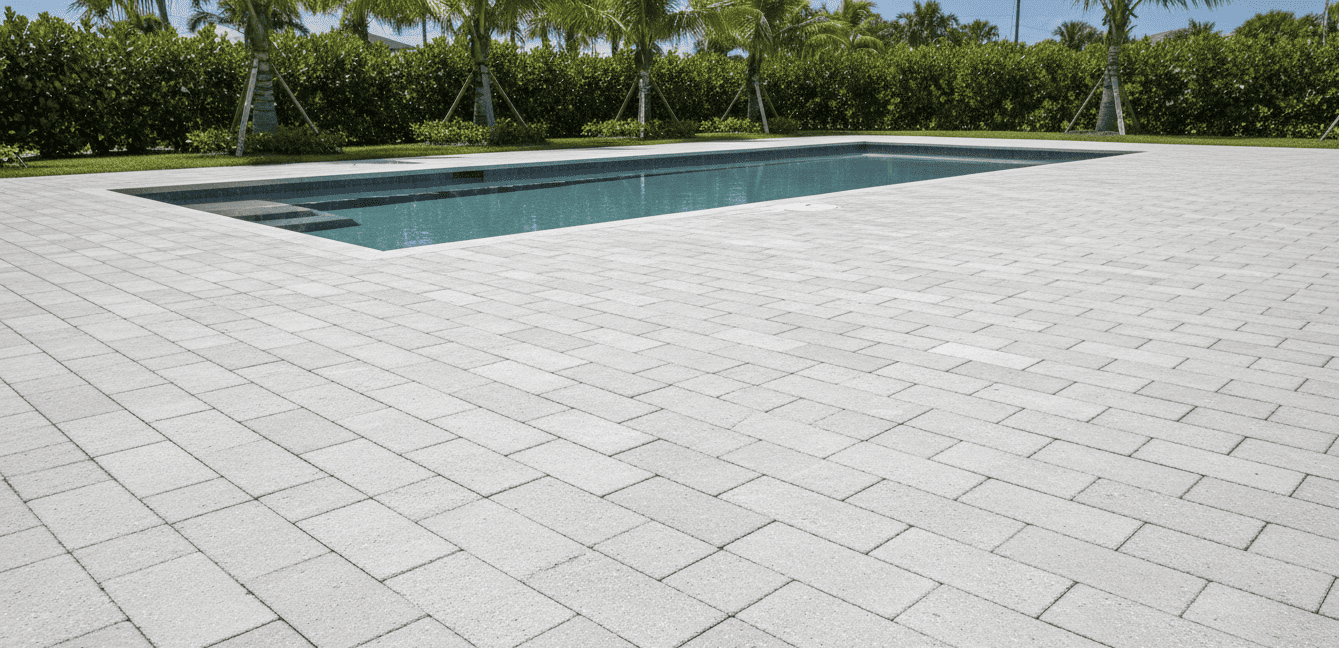
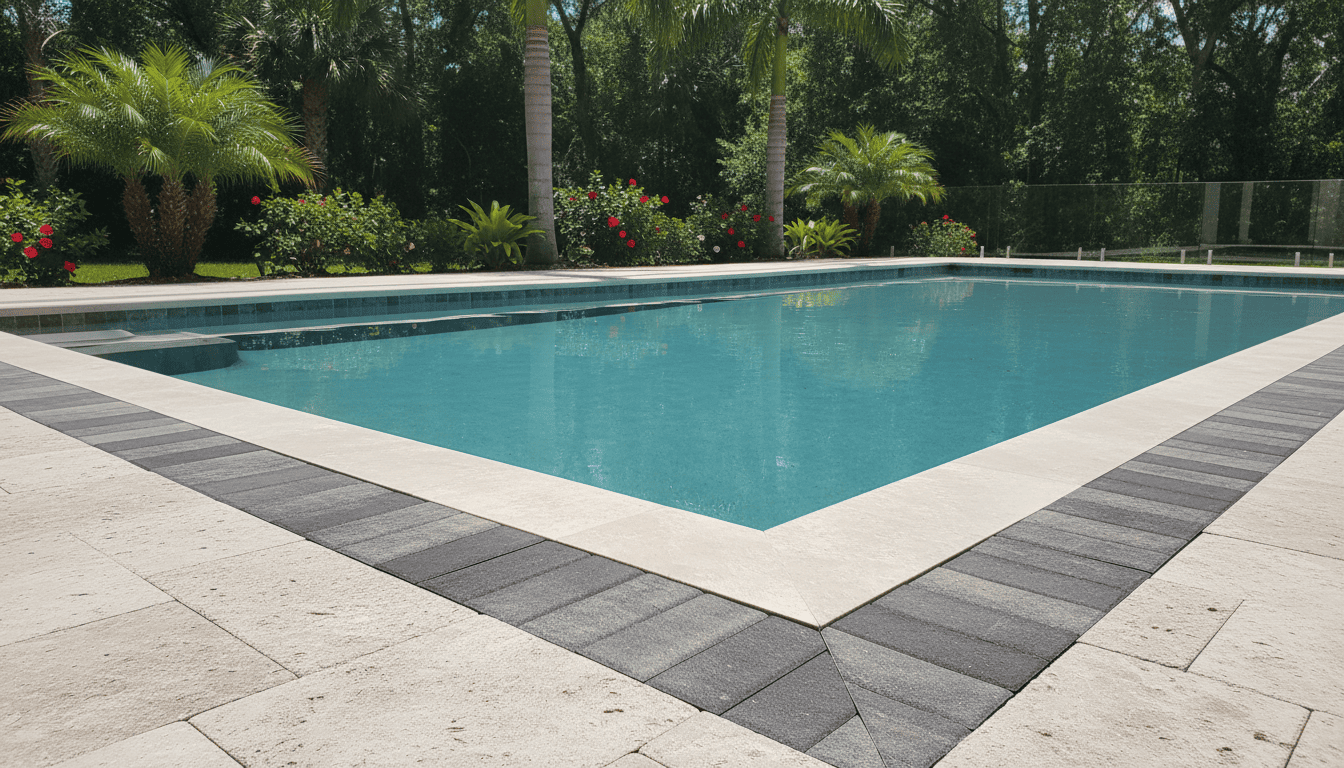
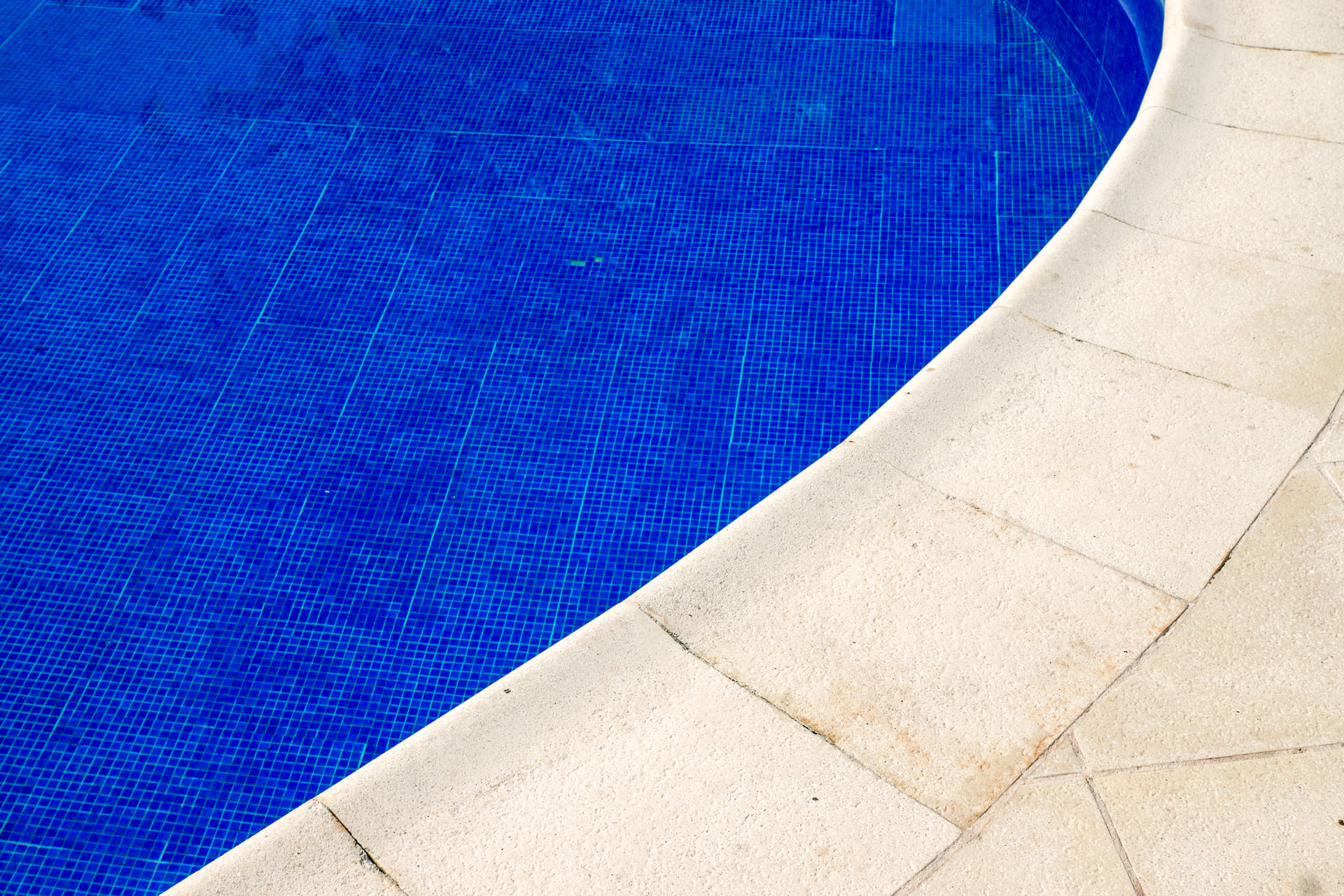
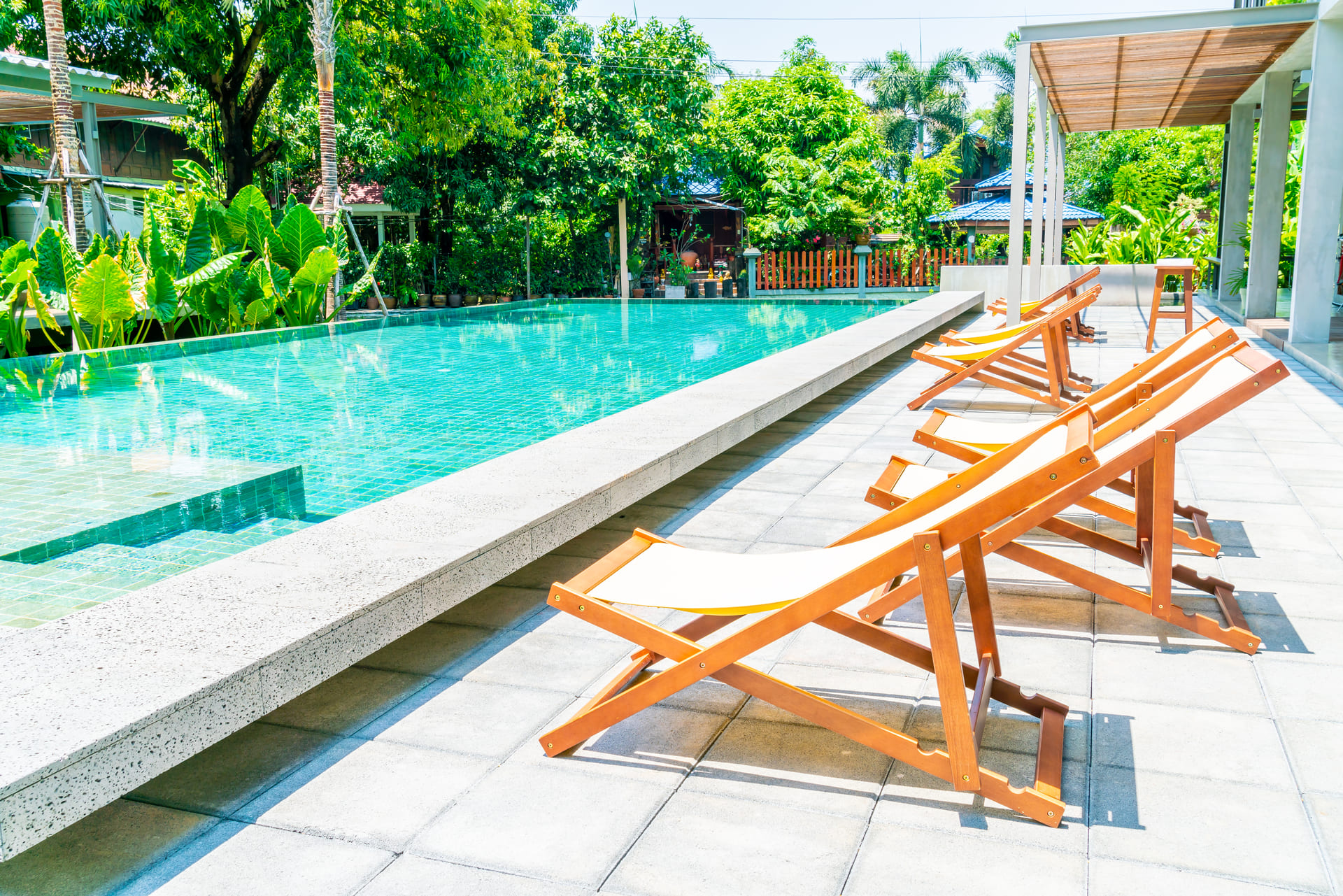
- Poolside areas
- High-traffic patios
Sealers must be compatible with Florida heat and humidity.
Addressing Minor Settlement Early
Minor paver settlement can occur over time, especially after extreme rain events.
The advantage of pavers is repairability.
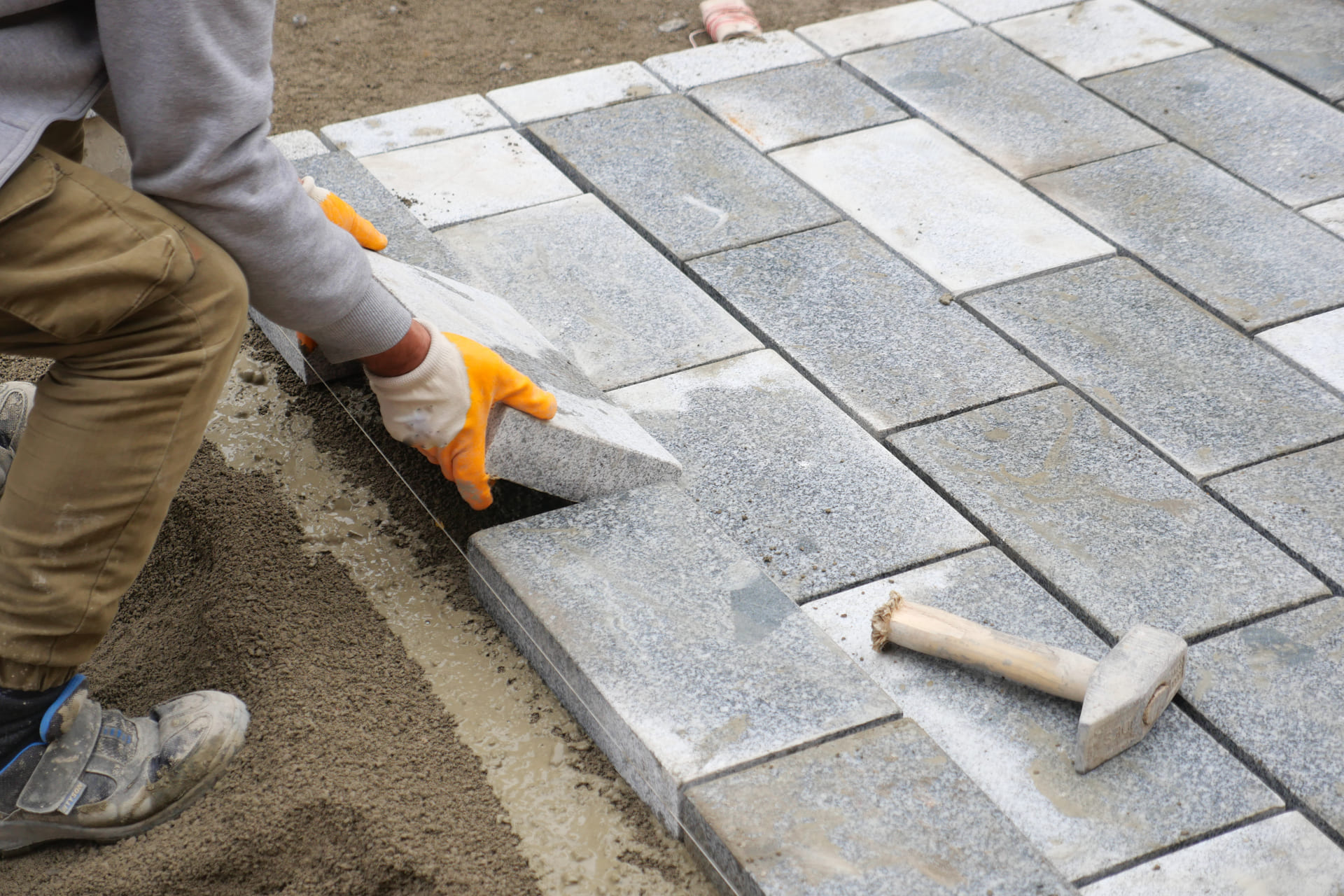
Professional repair involves:
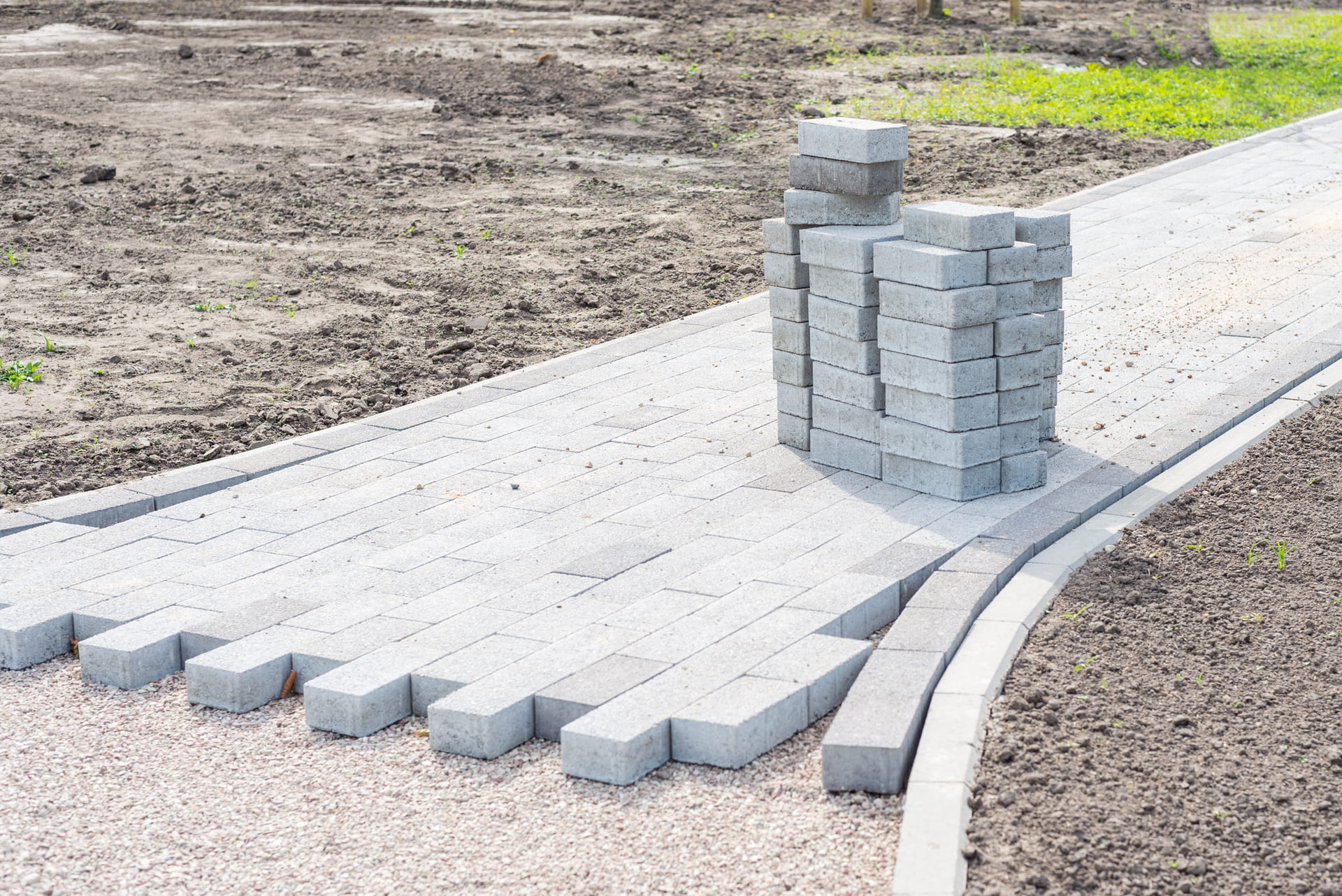
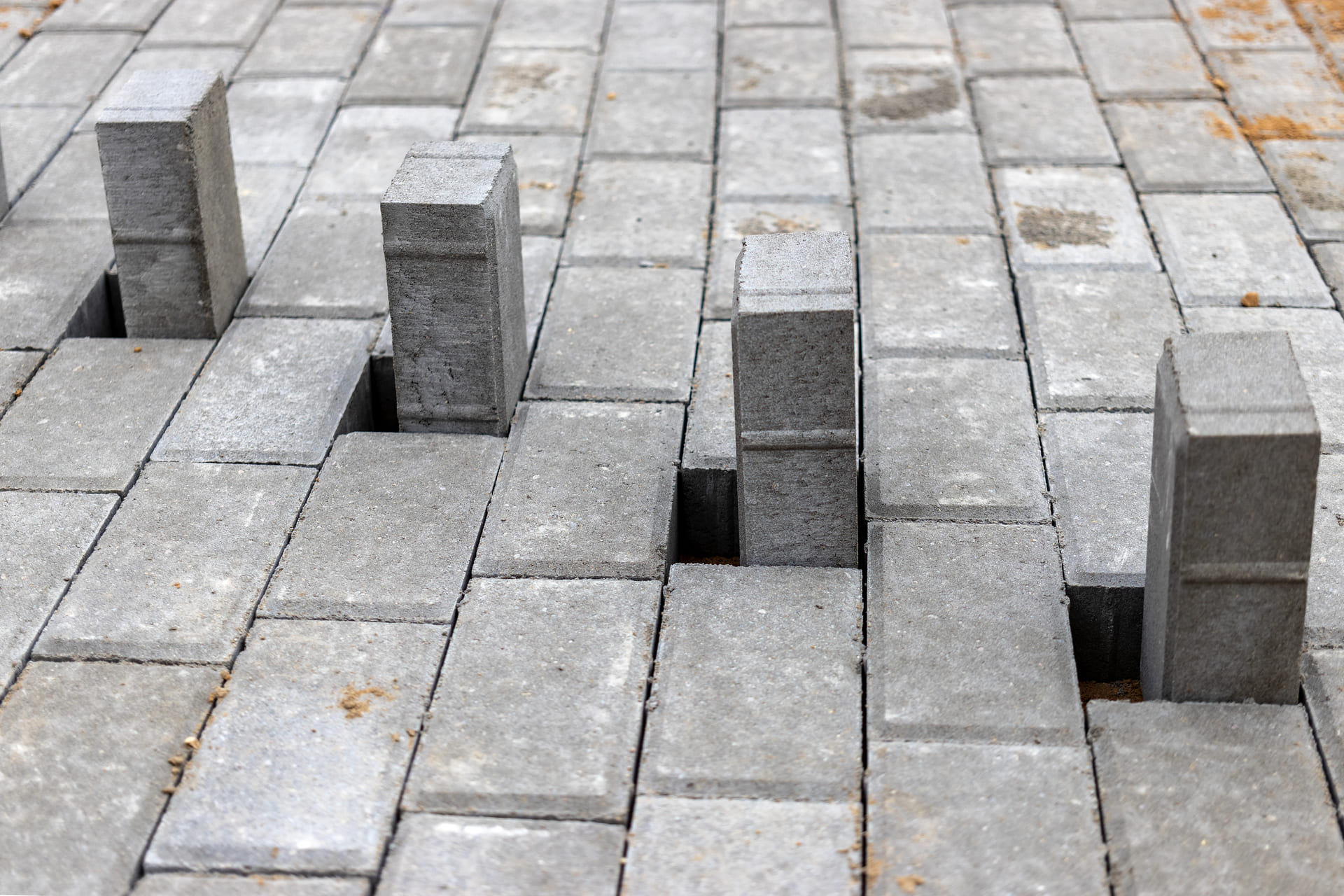
- Removing affected pavers
- Re-leveling the base
- Reinstalling original pavers
- Restoring joint sand
Early correction prevents larger structural issues.
Common Maintenance Mistakes to Avoid
Florida homeowners should avoid:
- Ignoring joint erosion
- Using improper cleaning chemicals
- Applying excessive pressure washing
- Blocking drainage paths
- Delaying small repairs
Routine care is significantly less costly than major restoration.
Long-Term Longevity Expectations
With proper maintenance, professionally installed paver systems can last:
- 25–30+ years structurally
- Decades longer than poured concrete
- With minimal repair costs
Longevity is achieved through proactive care rather than reactive fixes.
Explore More Installation Projects and Standards
For more projects completed in Florida, visit:
https://jaxtellerbrickpavers.com/projects
To review official installation standards, visit:
https://www.icpi.org/
Conclusion
Paver Maintenance and Longevity Tips for Florida Homeowners highlight how routine care preserves both performance and appearance. Florida’s heat, heavy rain, and soil movement make proactive maintenance essential.
When properly maintained, paver systems deliver unmatched durability, flexibility, and long-term value for Florida homes.
If you’re planning paver maintenance or repairs, contact JaxTeller Brick Pavers at +1 407-907-8308 or jaxtellerbrickpavers@gmail.com for a free estimate.