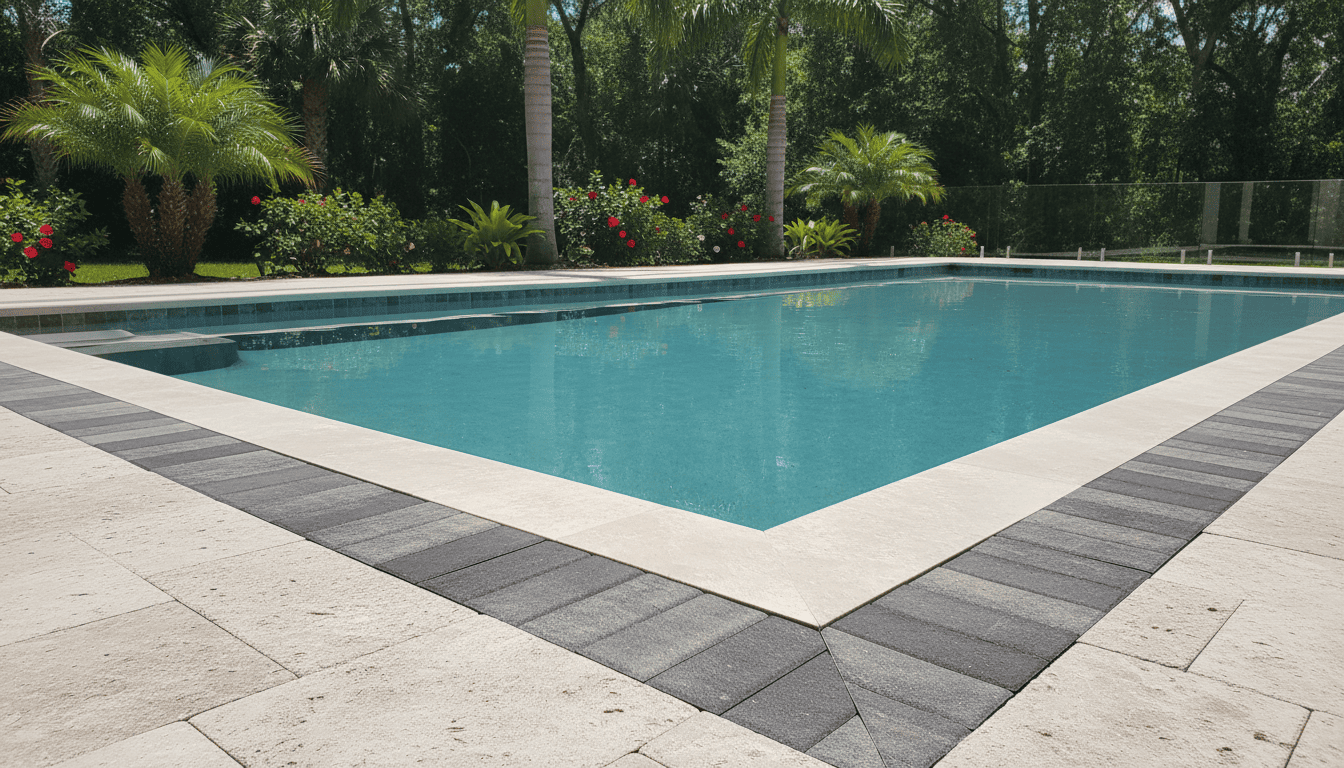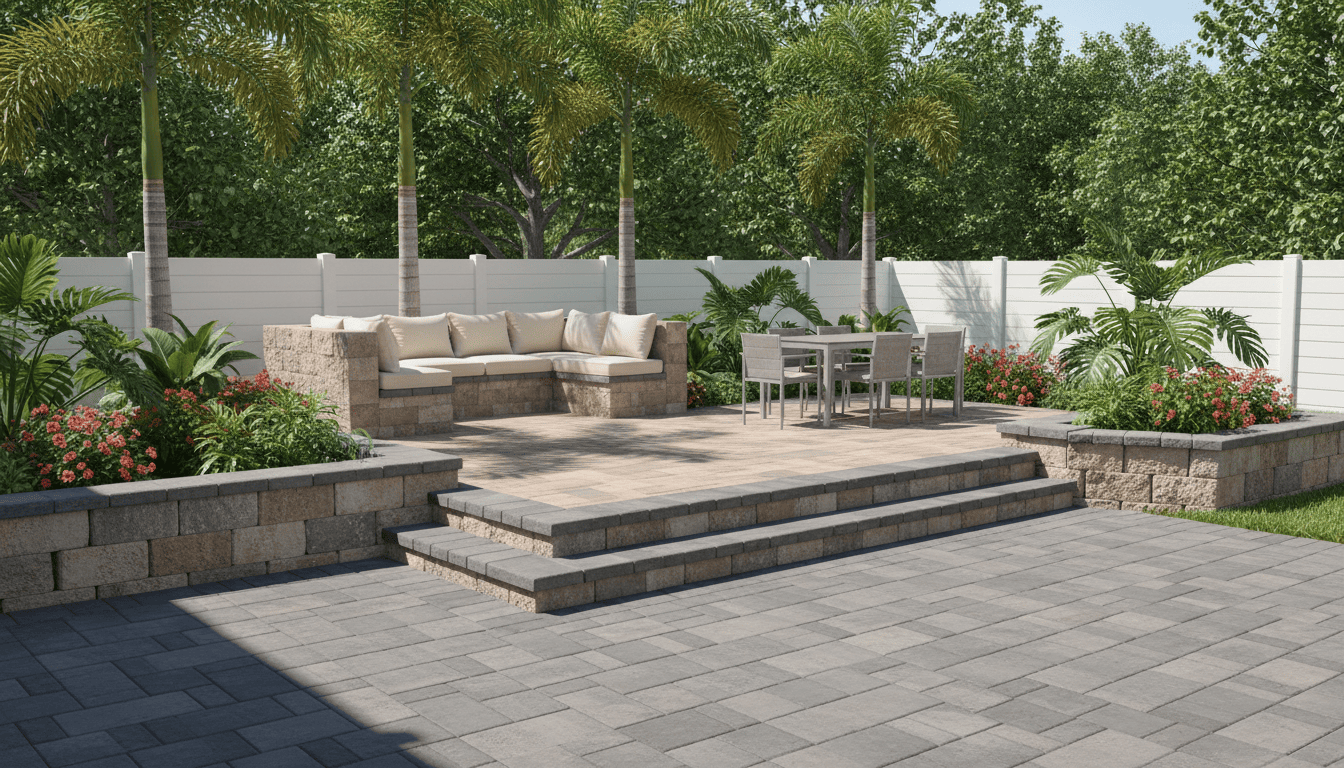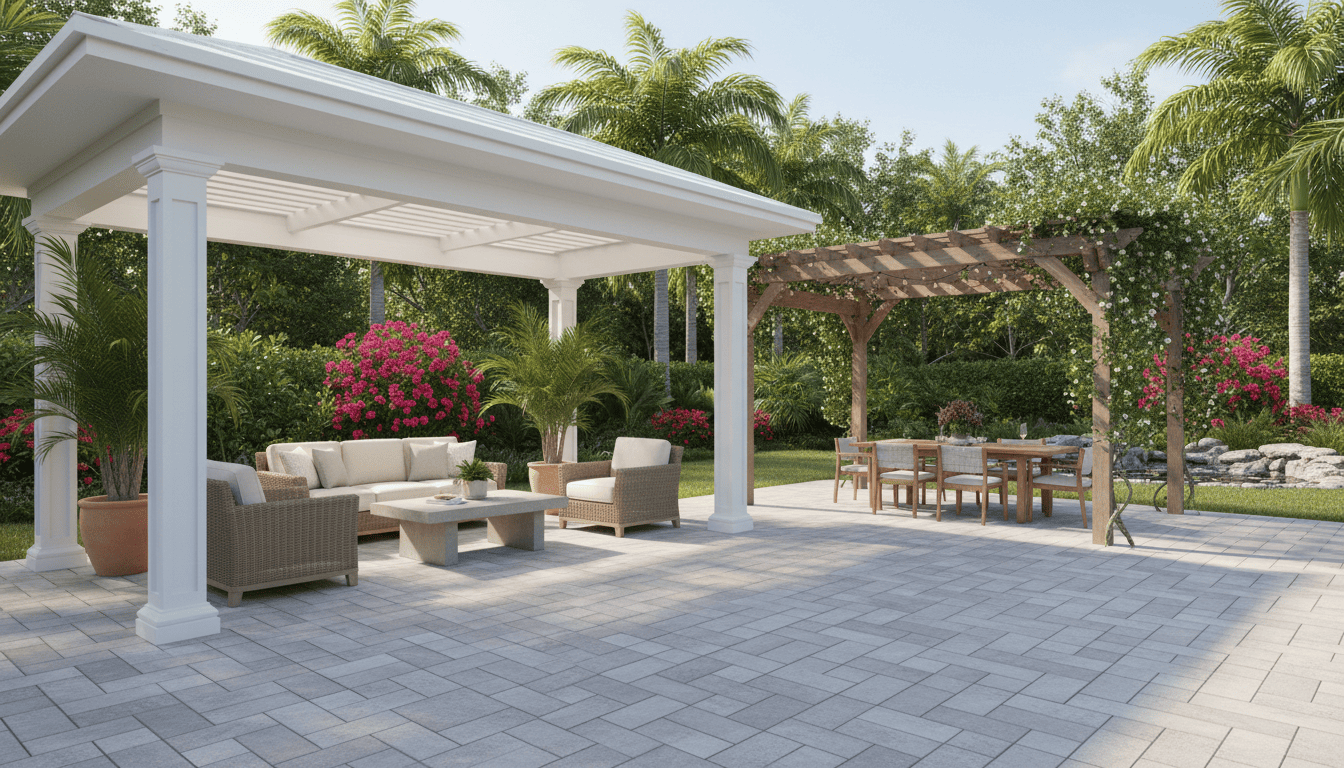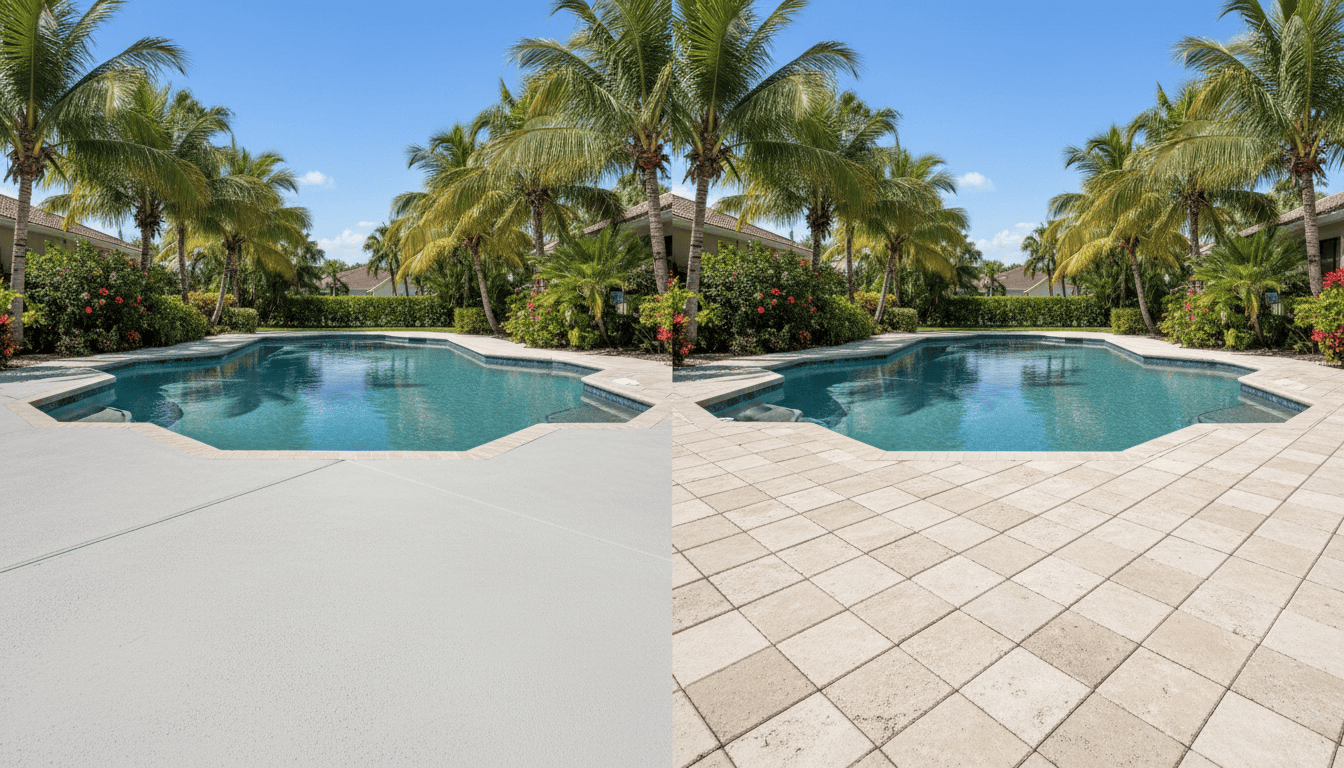

One of the most common questions Florida homeowners ask after installing pavers is simple:
“Do I really need to seal my pavers?”
The short answer is: it depends.
The long answer — and the important one — is that in Florida’s climate, paver sealing can be a major advantage when done correctly and at the right time.
Between intense UV exposure, heavy rain, humidity, mold growth, and everyday wear, outdoor pavers in Florida face constant stress. Sealing isn’t mandatory, but when used properly, it can protect your investment, preserve color, and reduce long-term maintenance.
This guide explains what paver sealing does, when it’s worth it, when it’s not, and how Florida homeowners should approach it.
What Is Paver Sealing?
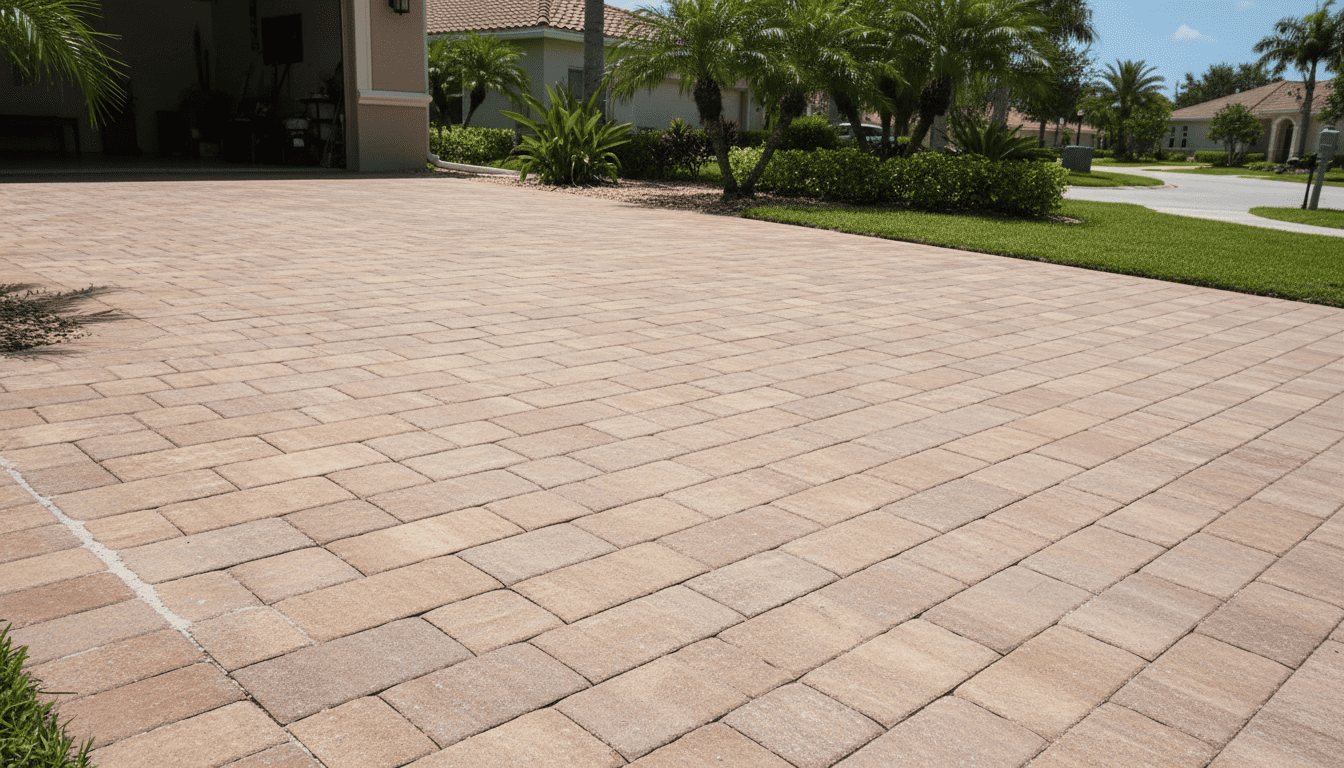
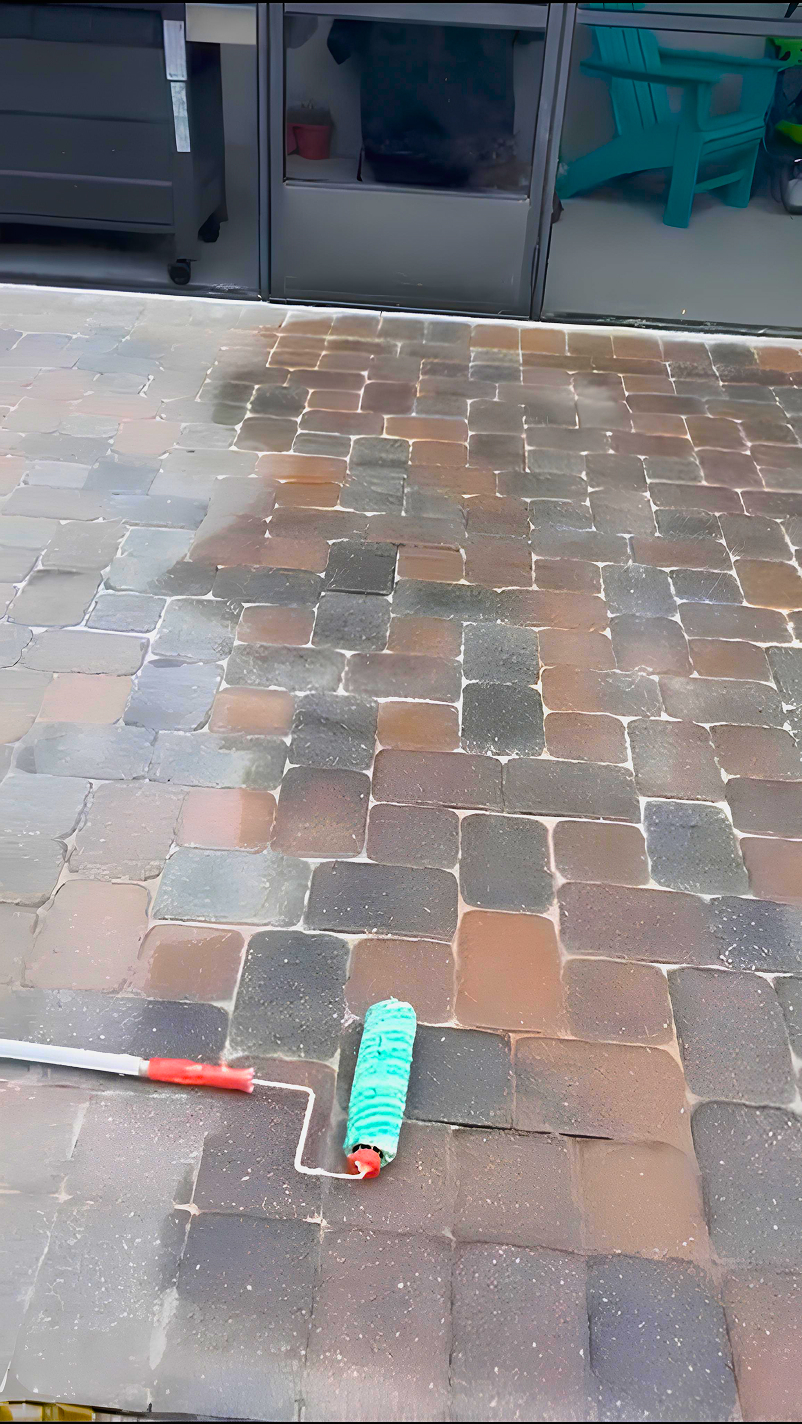
Paver sealing involves applying a protective sealant over the surface of the pavers and into the joints.
What sealing does
- Protects against stains (oil, grease, rust)
- Enhances or stabilizes color
- Reduces fading from sun exposure
- Helps lock joint sand in place
- Makes cleaning easier
Sealants can be matte, satin, or glossy depending on the desired finish.
Why Florida Is a Special Case for Paver Sealing
Florida conditions accelerate wear on unprotected surfaces.
Environmental factors
- Strong UV rays fade colors
- Heavy rain erodes joint sand
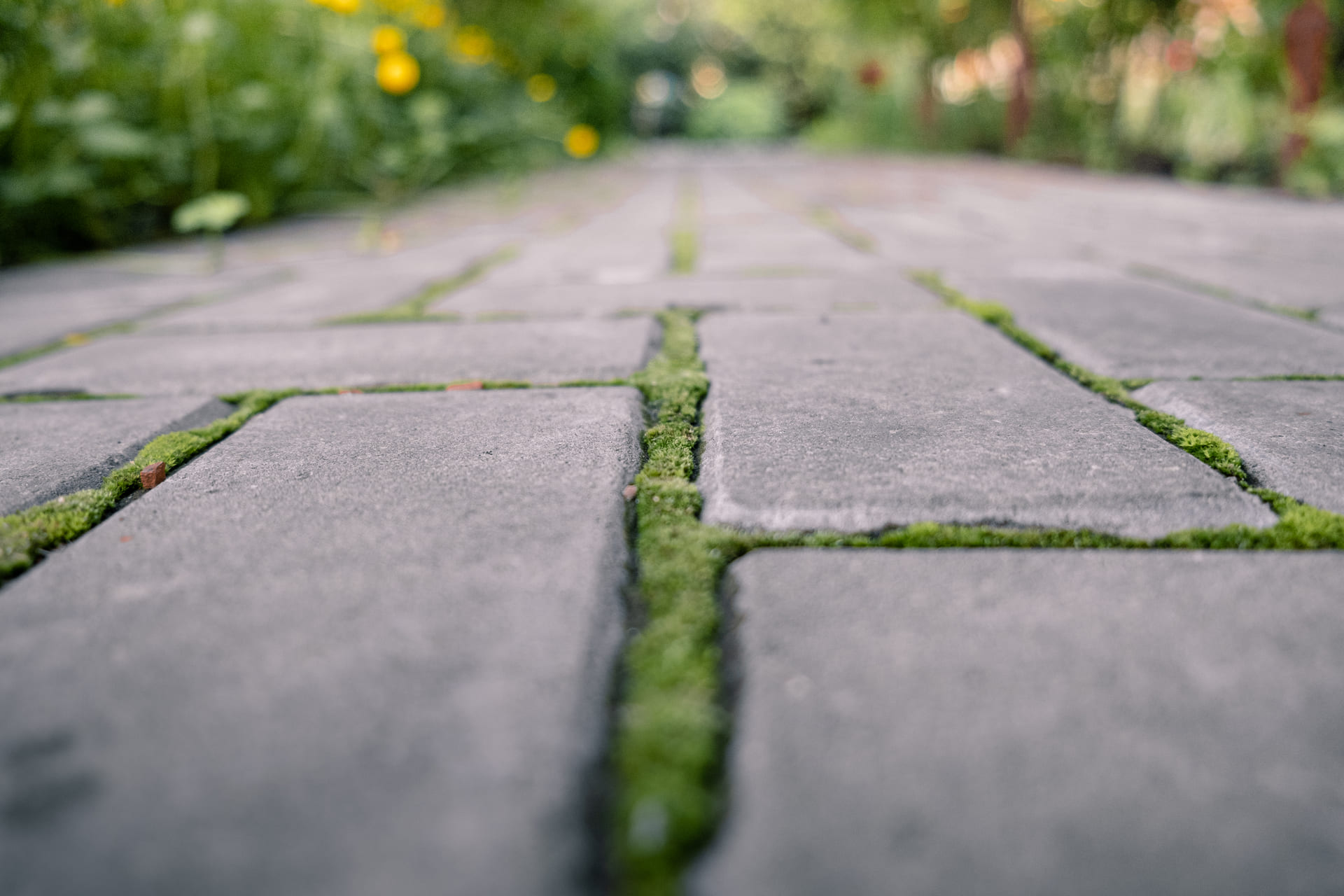
- Humidity encourages algae and mold
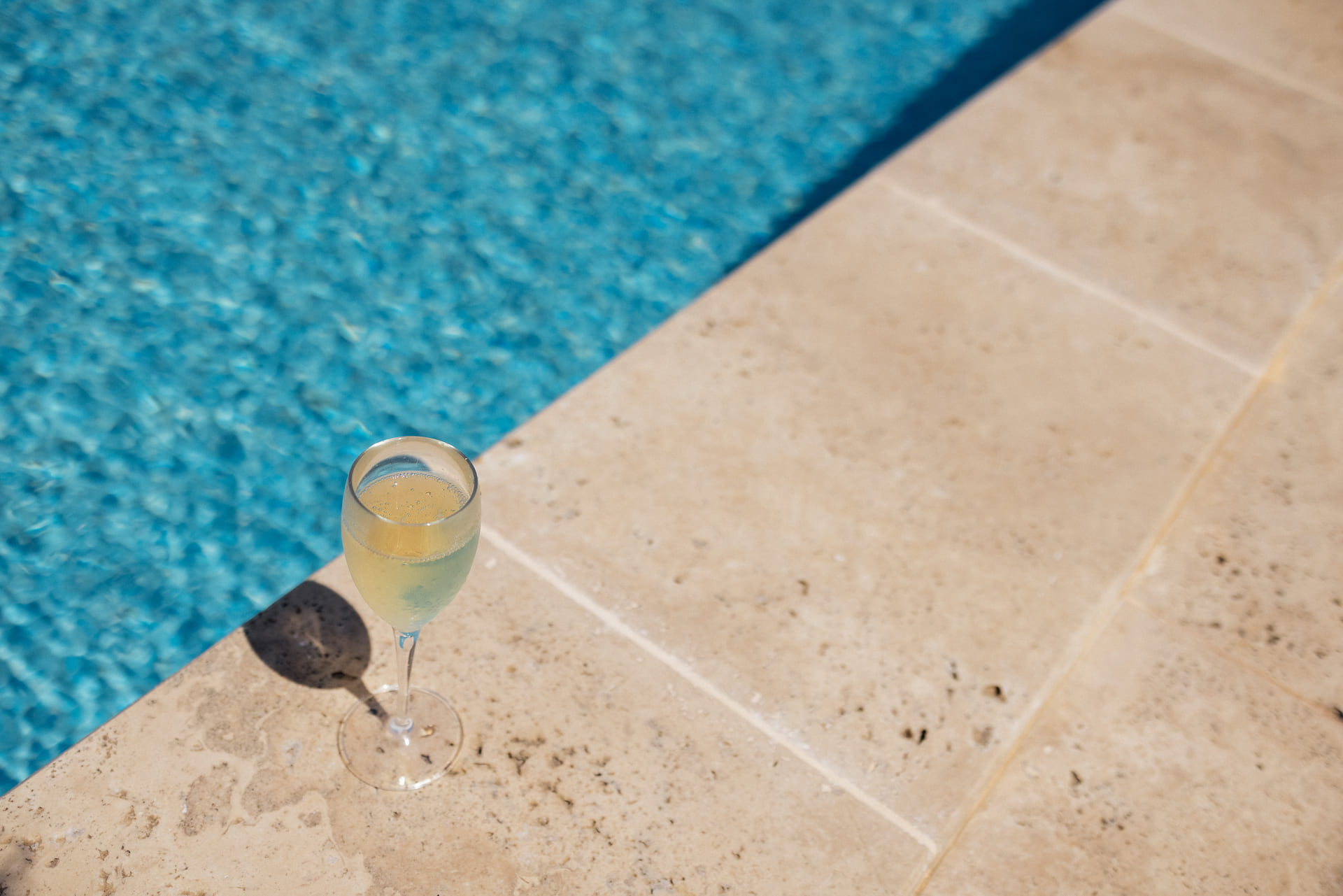
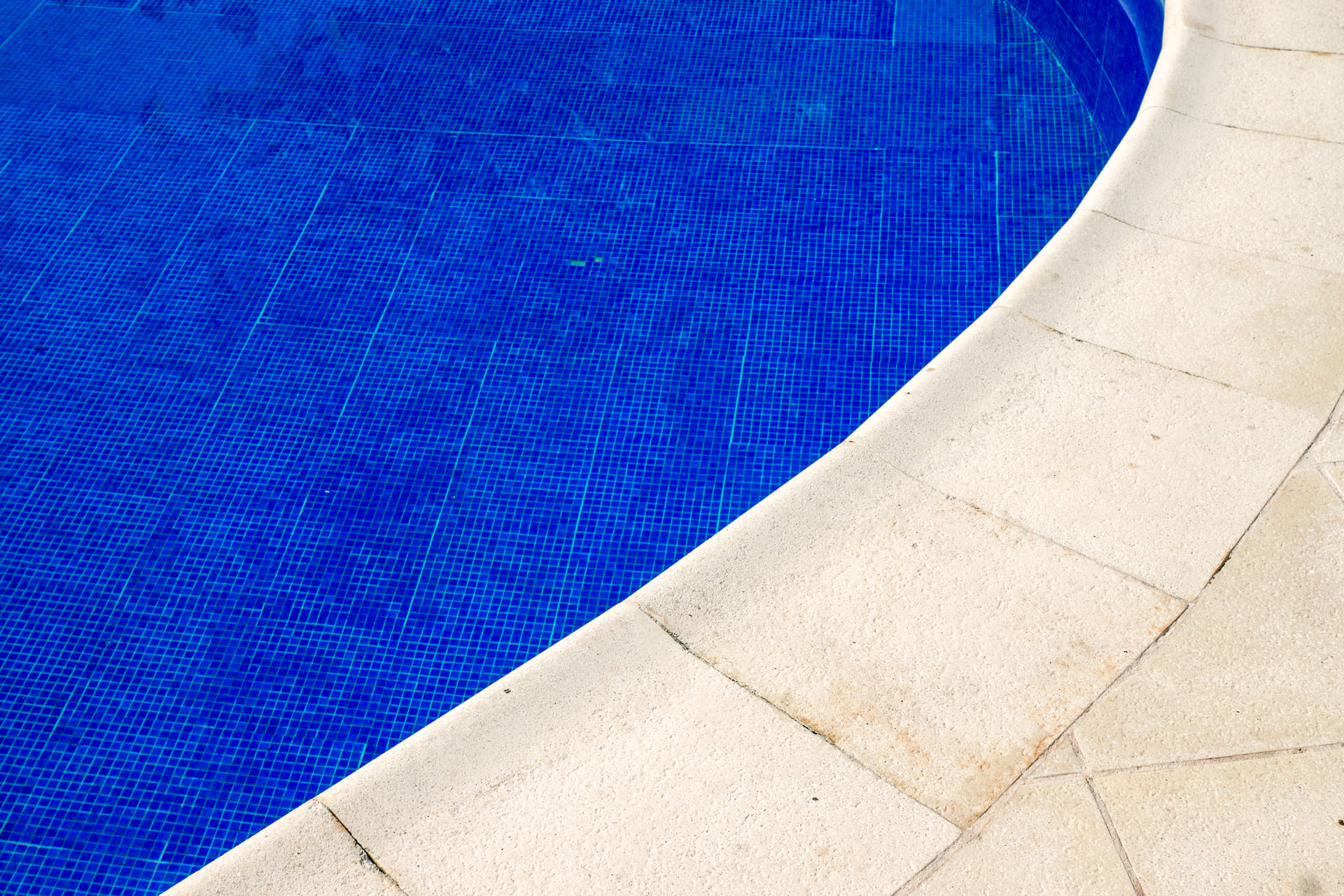
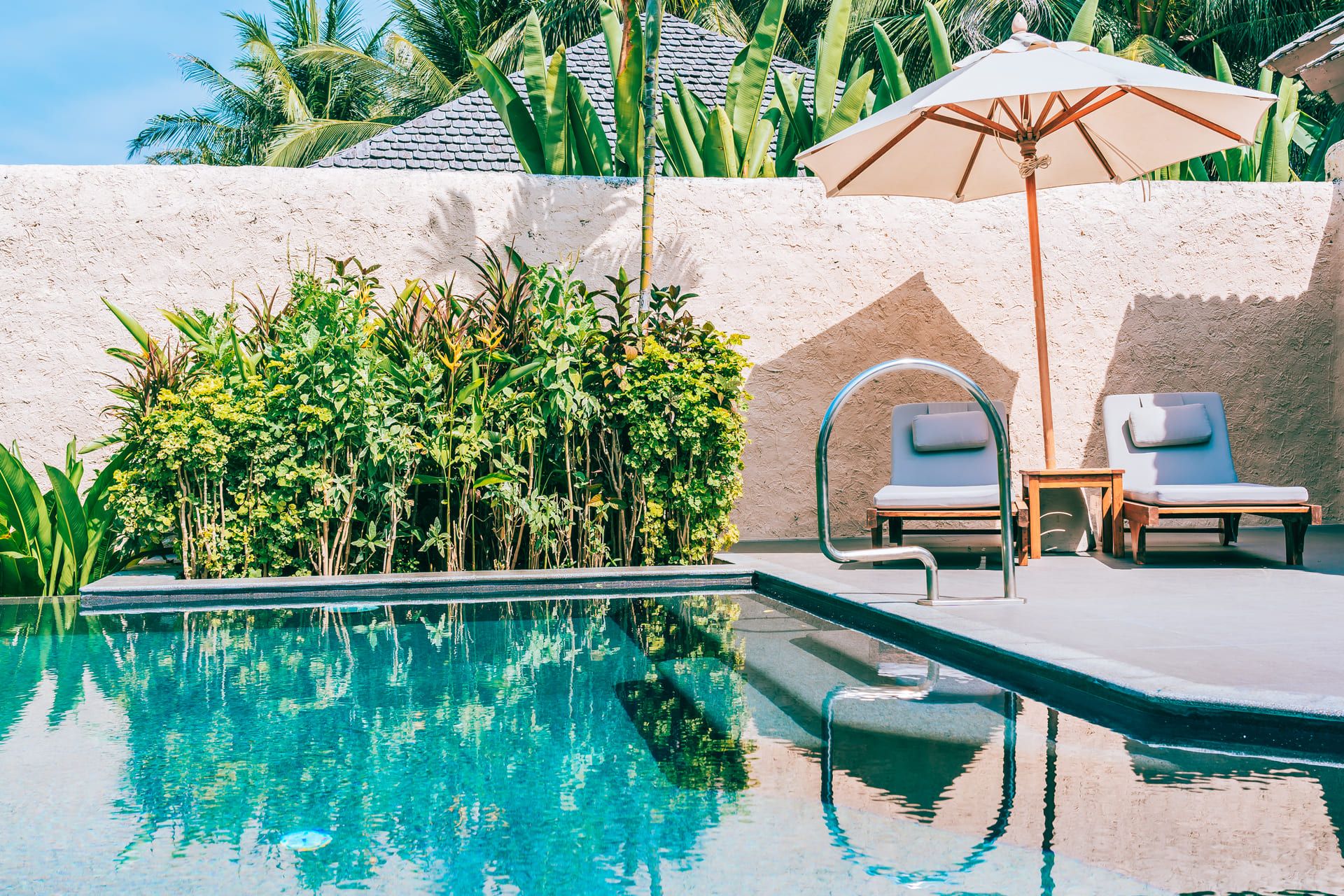
- Pool chemicals stain nearby pavers
Because of this, sealing often provides more value in Florida than in cooler or drier climates.
Benefits of Sealing Pavers in Florida
1) Color Protection and Enhancement
Sealing helps maintain the original color of pavers and prevents sun fading. Some sealers also enhance color, giving pavers a richer appearance.
2) Stain Resistance
Driveways, patios, and pool decks are exposed to spills. Sealed pavers are much easier to clean and less likely to absorb stains.
3) Joint Sand Stability
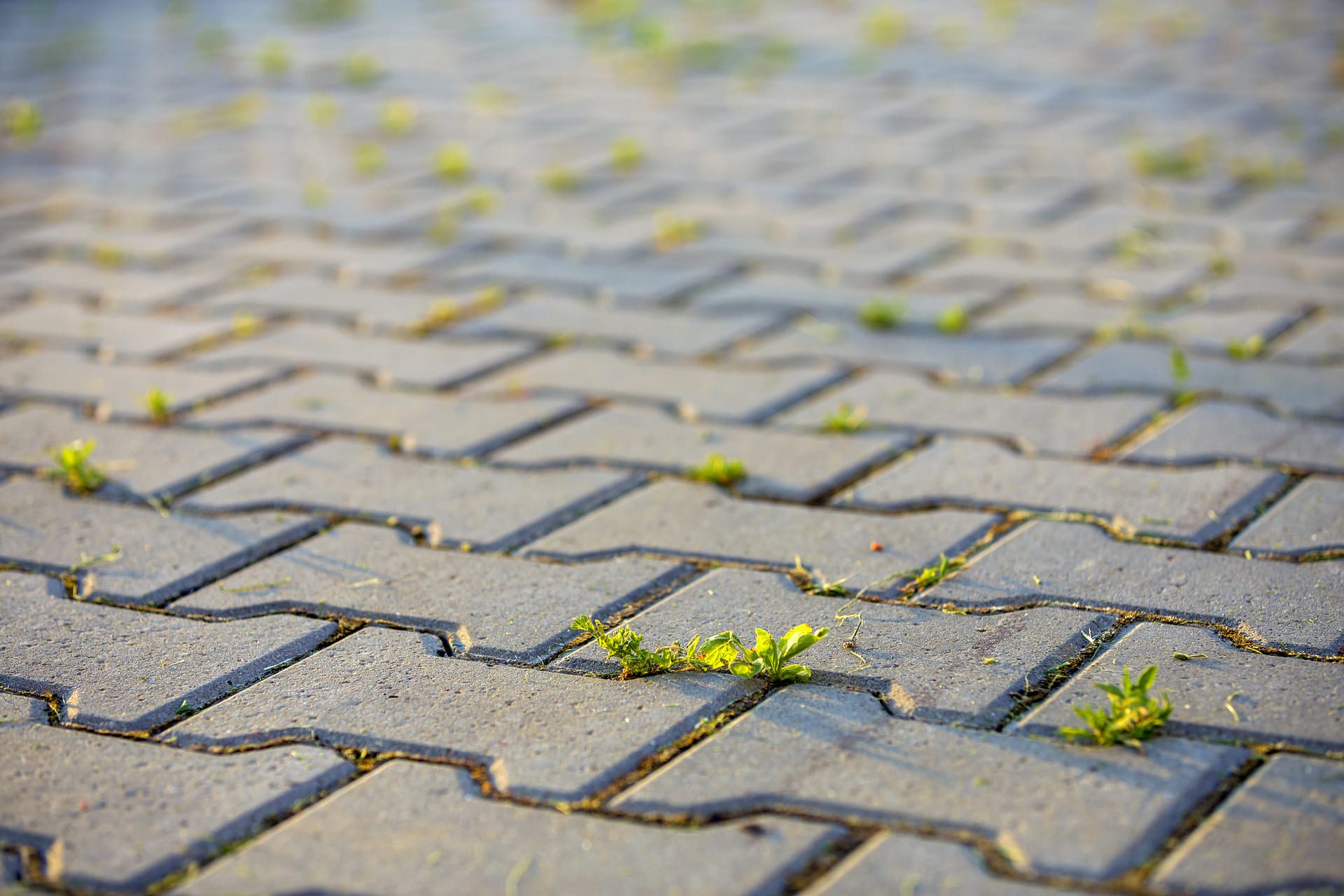
Sealants help stabilize joint sand, reducing weed growth and ant infestations.
4) Easier Maintenance
Dirt, algae, and grime don’t bond as easily to sealed surfaces.
When Sealing Is Especially Worth It
Sealing is highly recommended for:
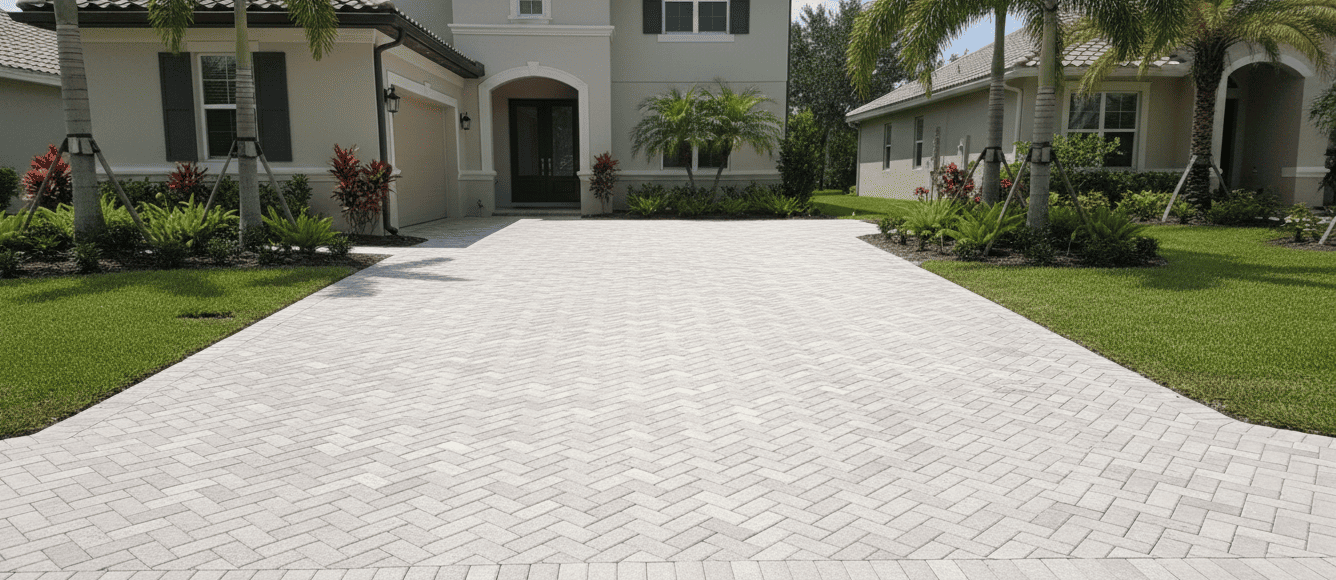
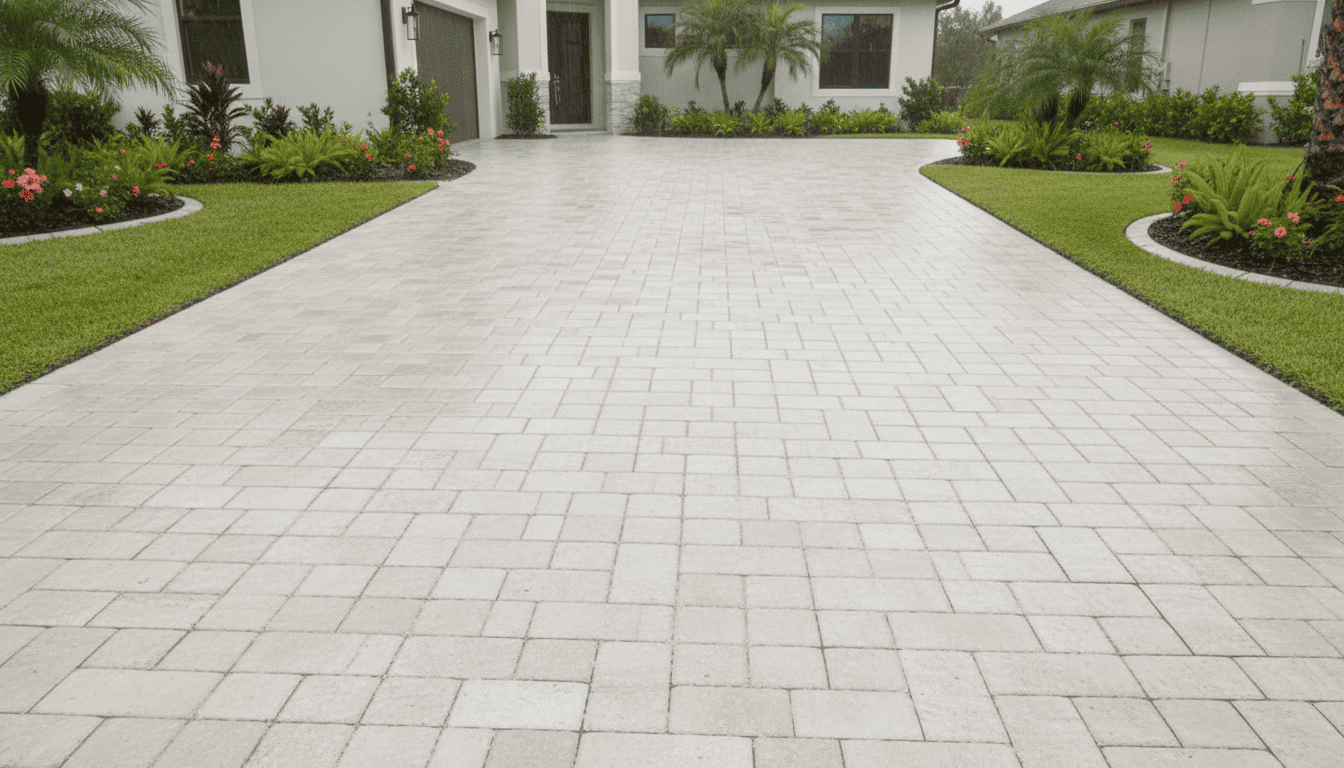
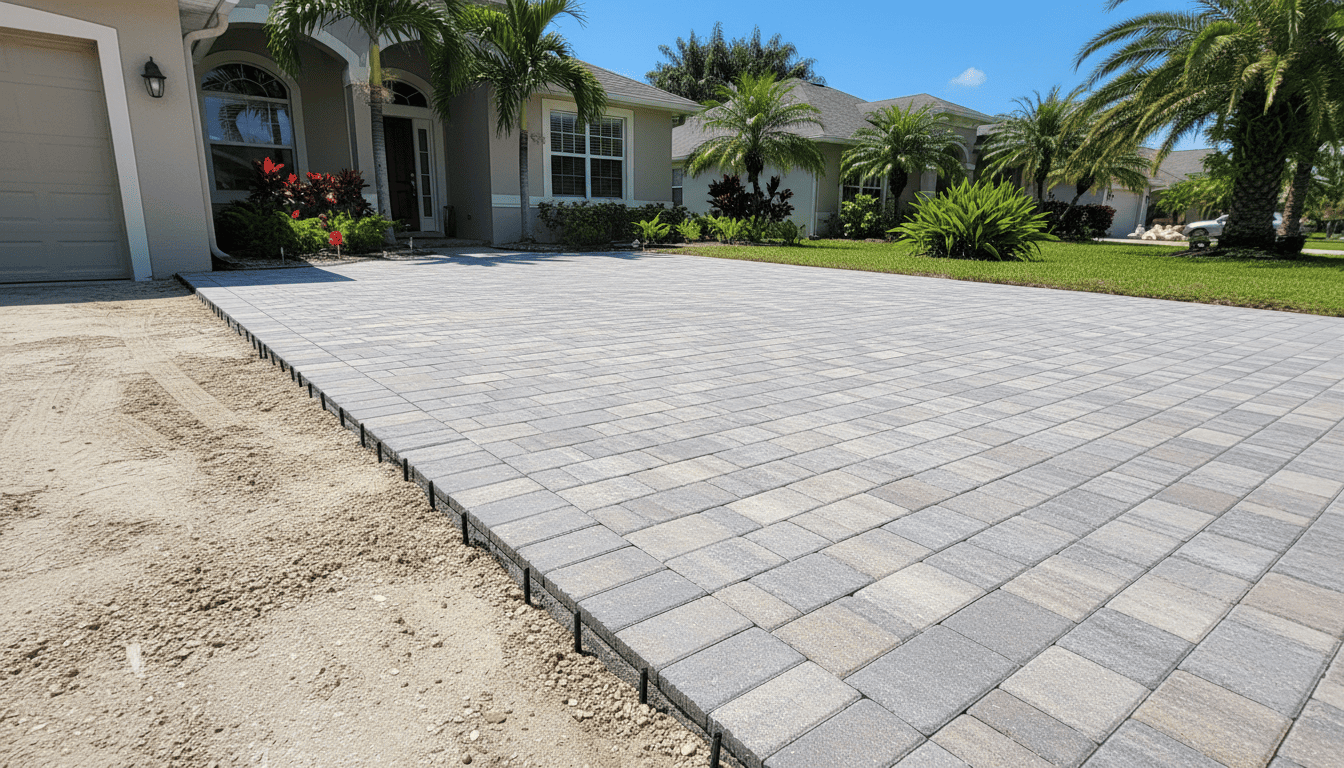
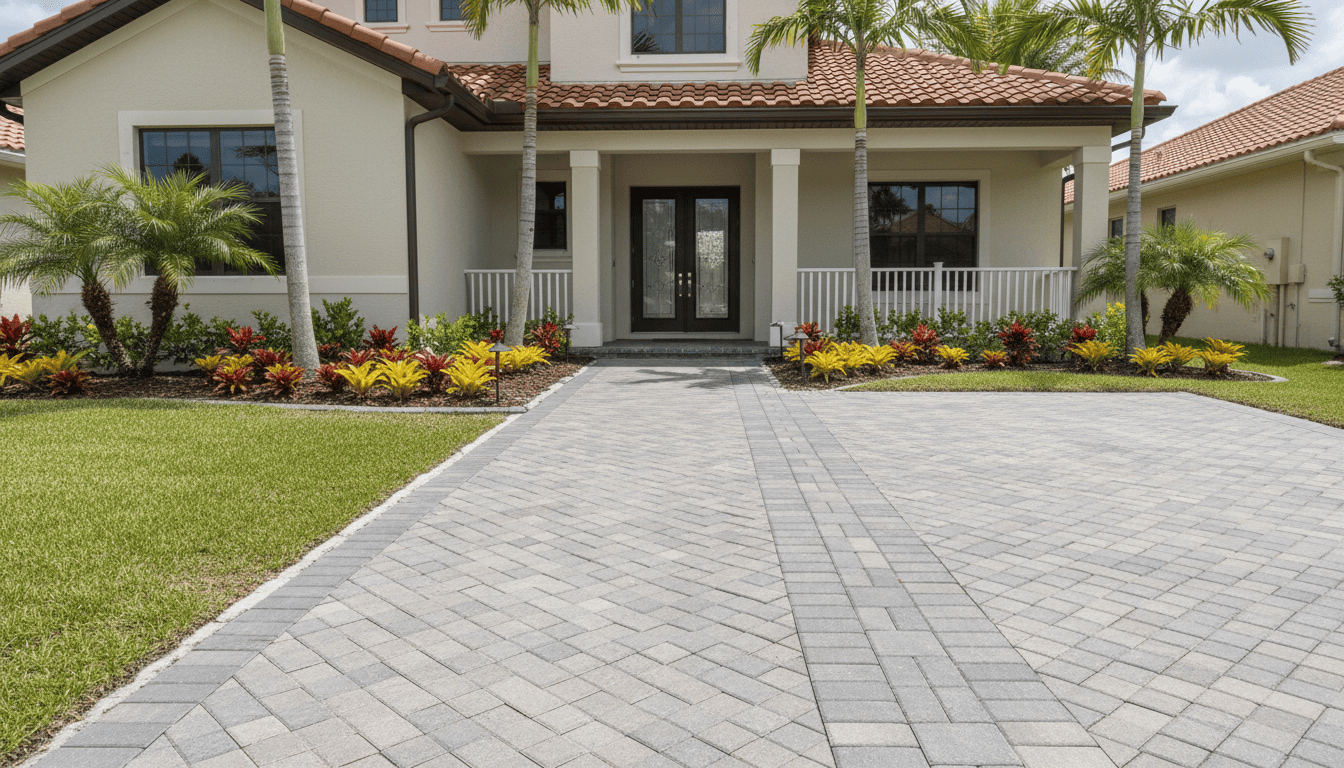
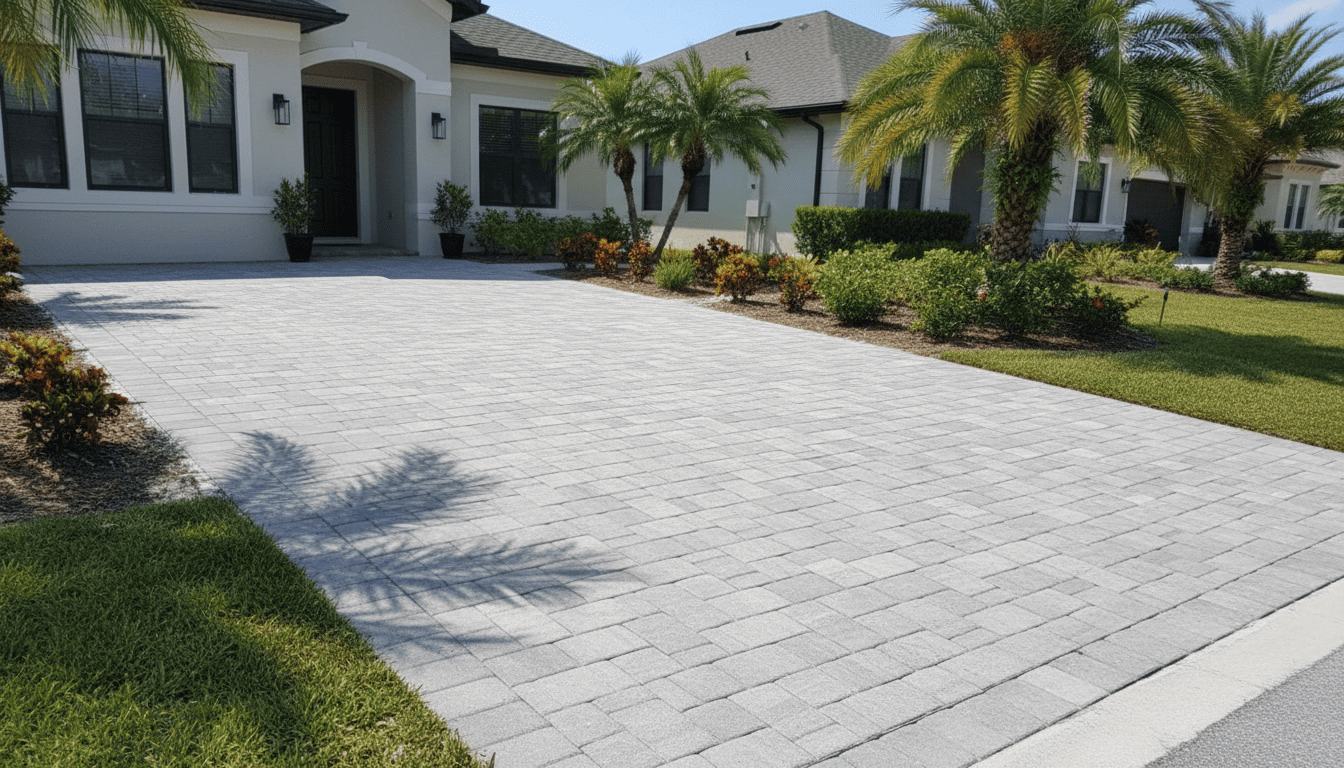
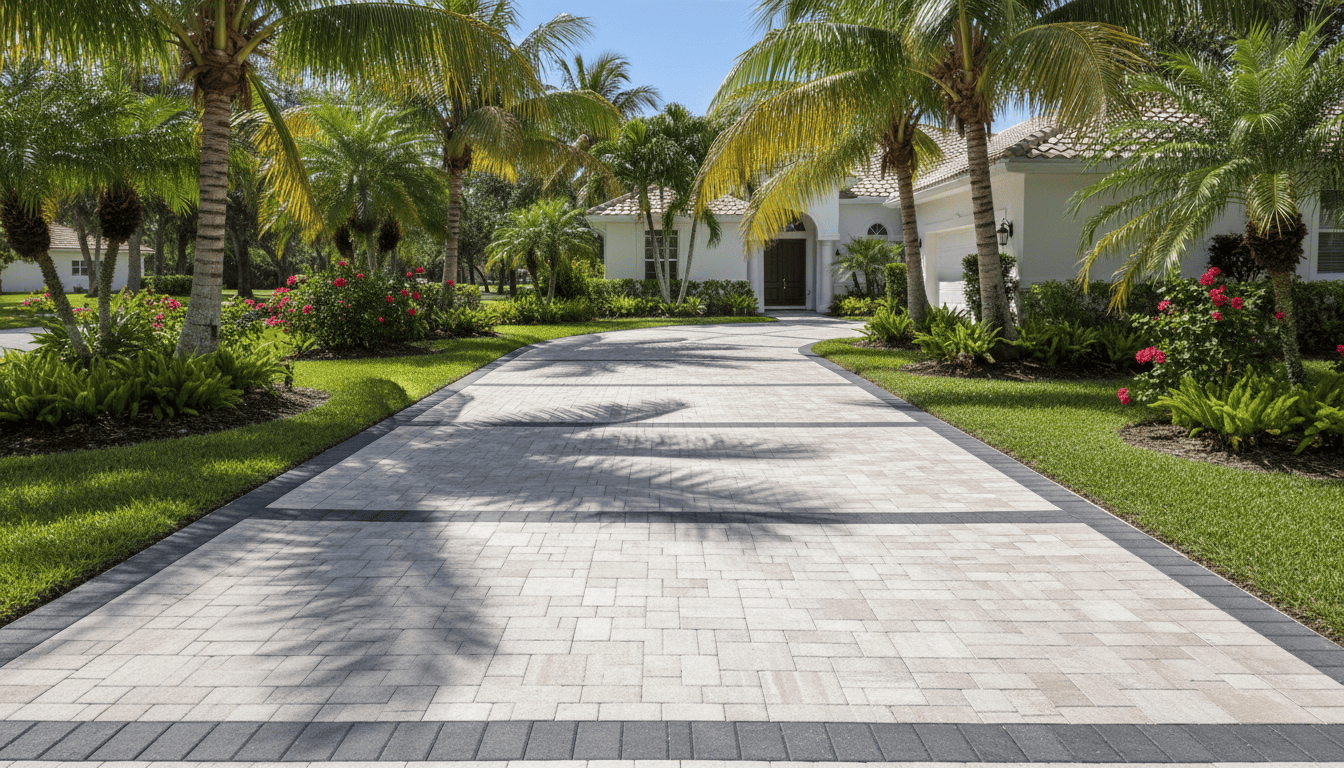
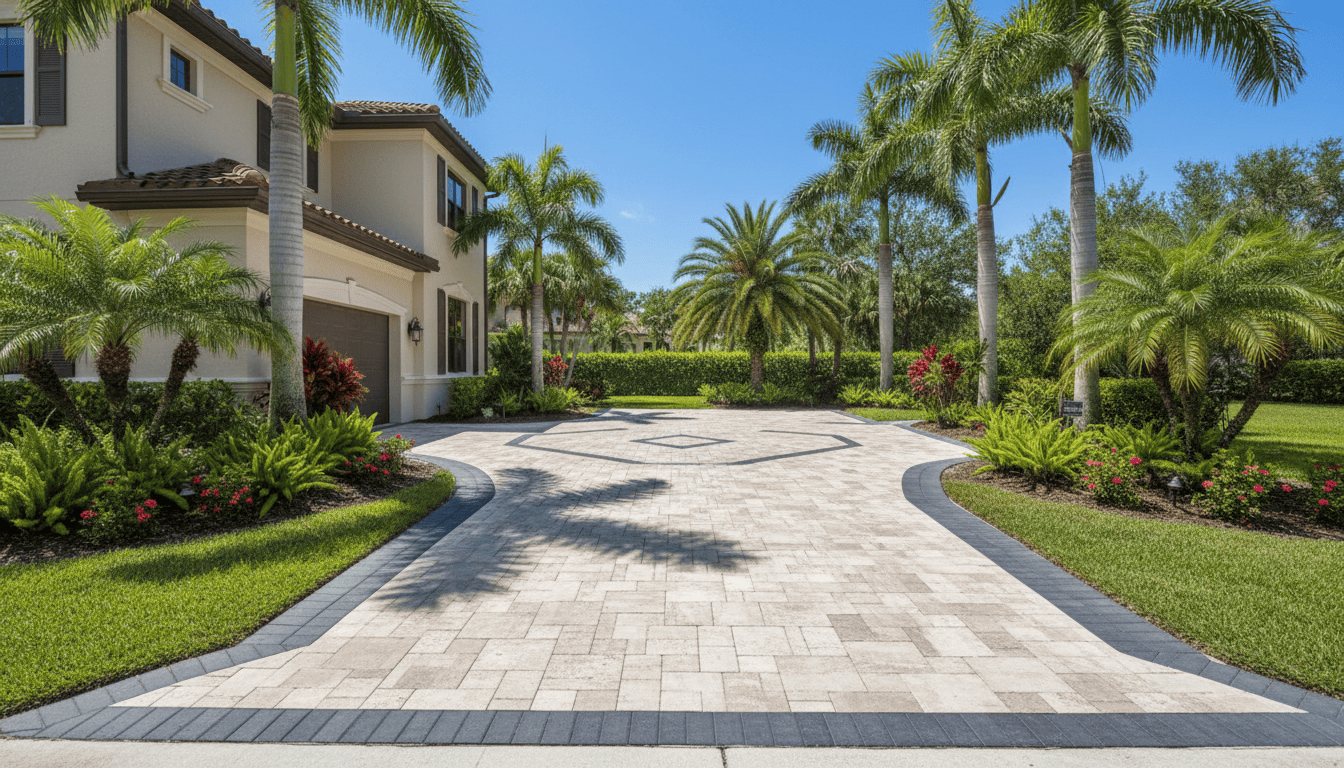
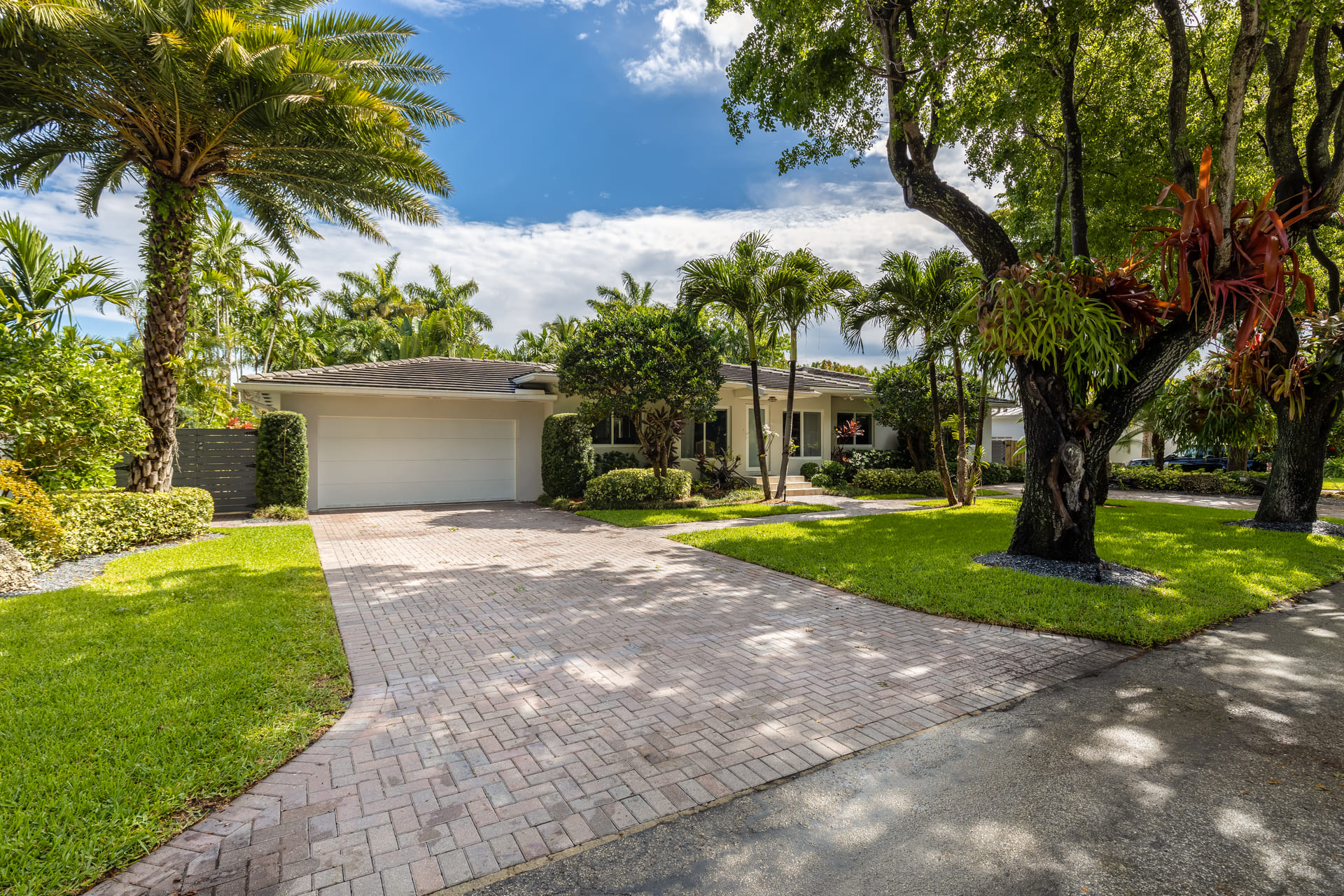
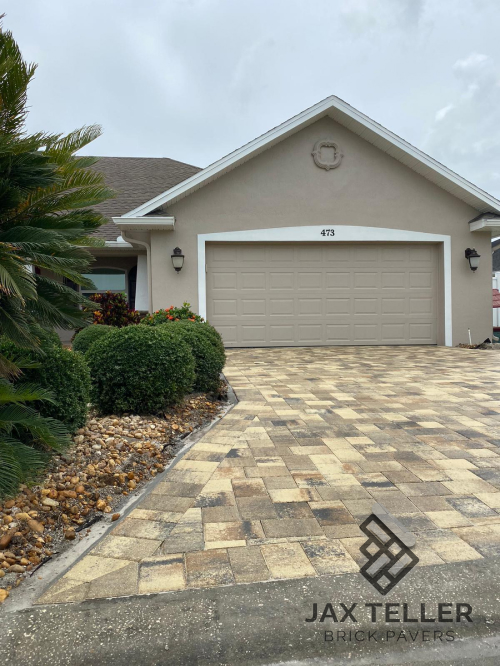
- Driveways
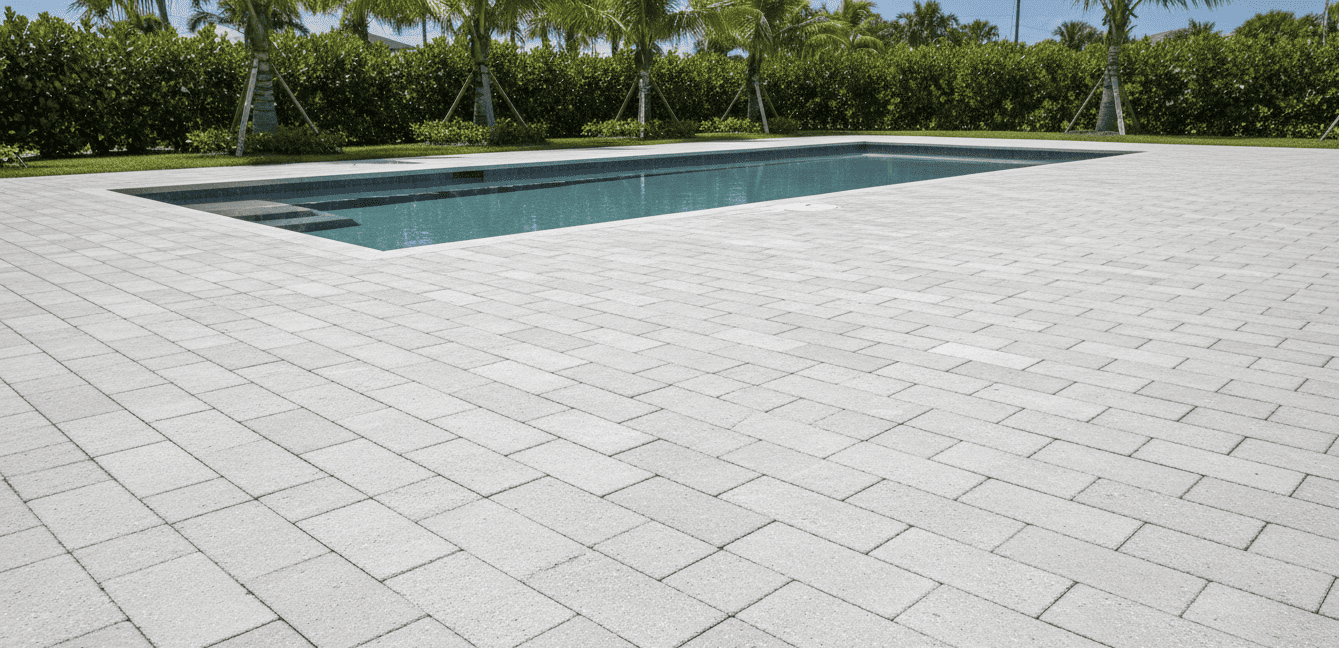
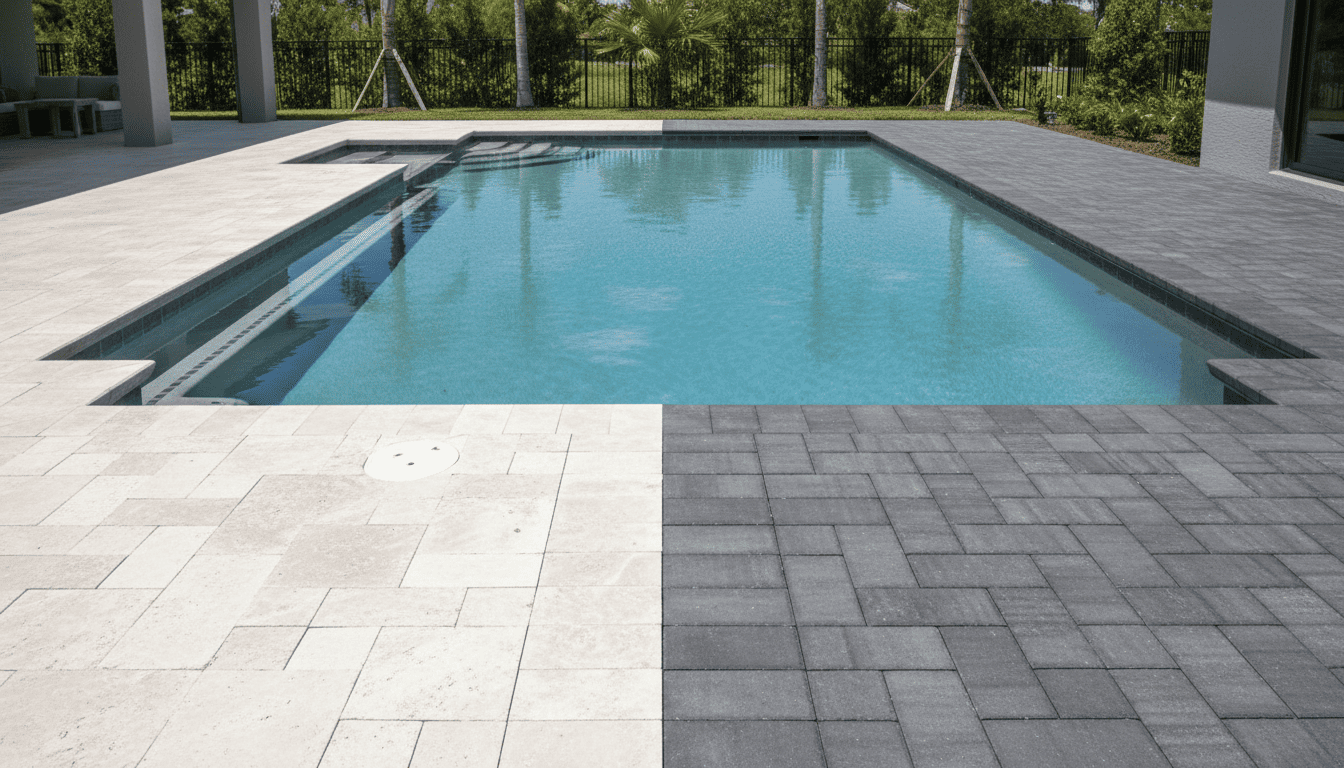
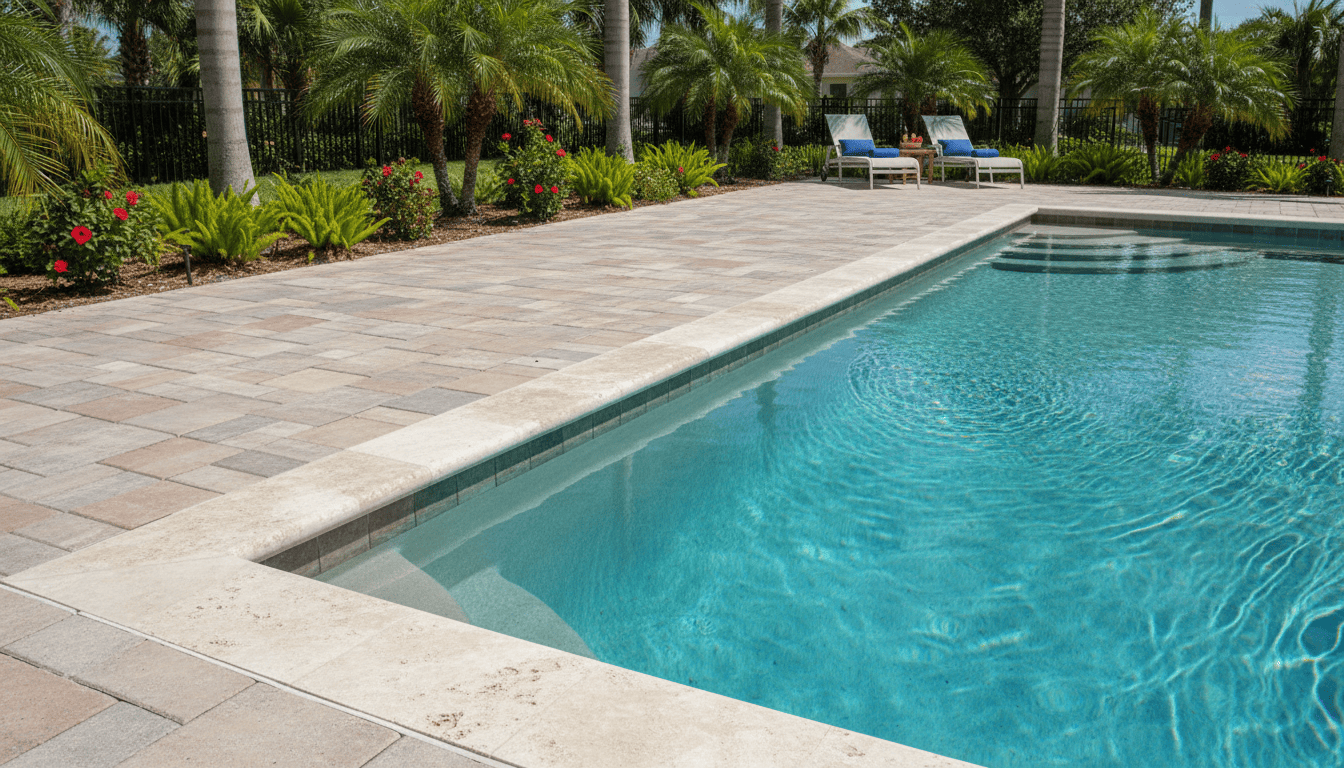
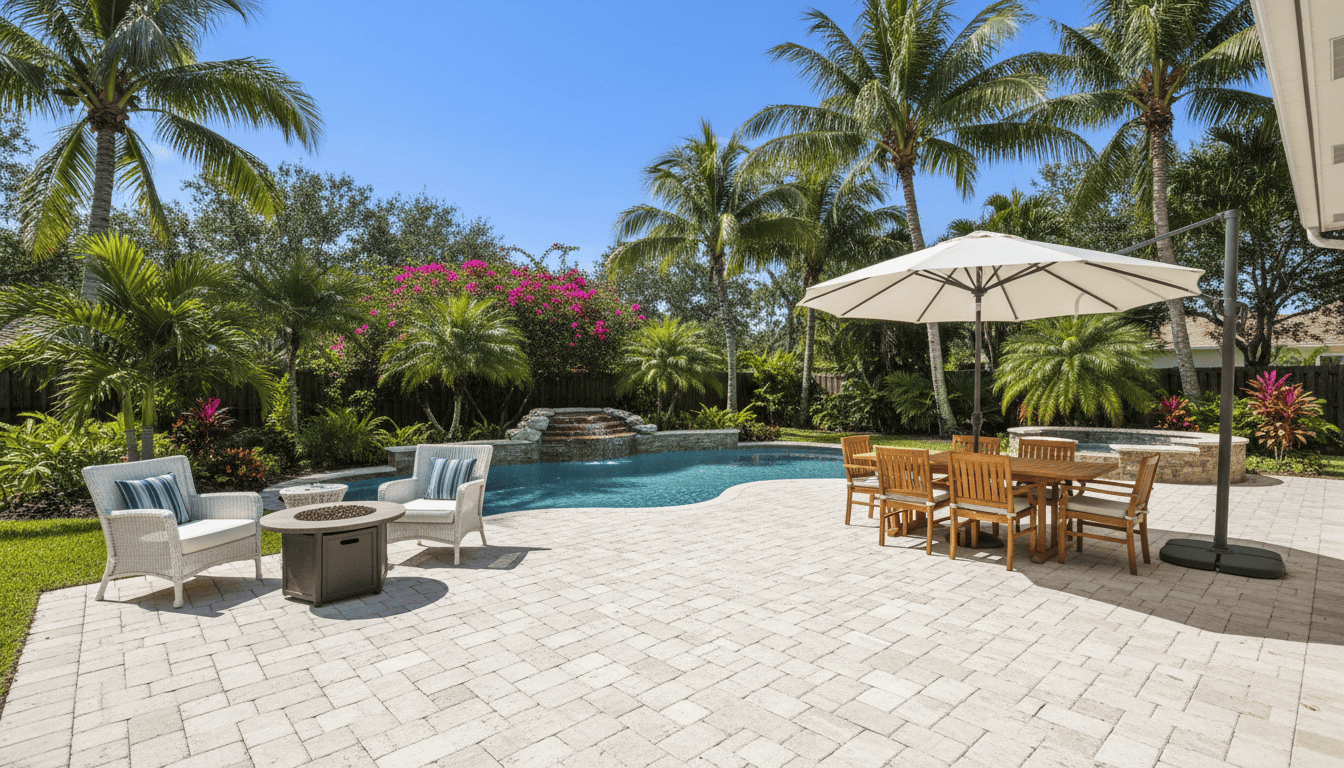
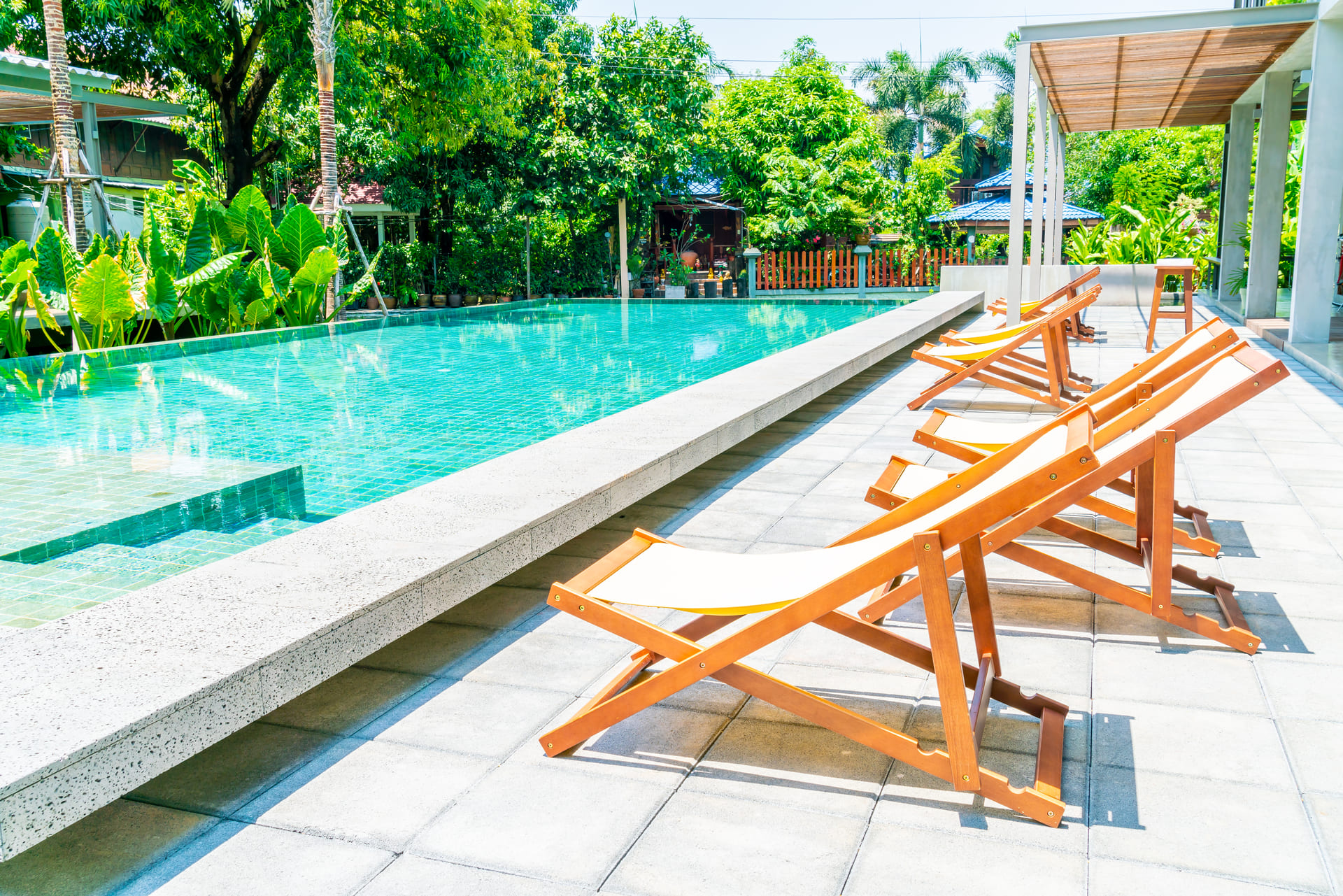
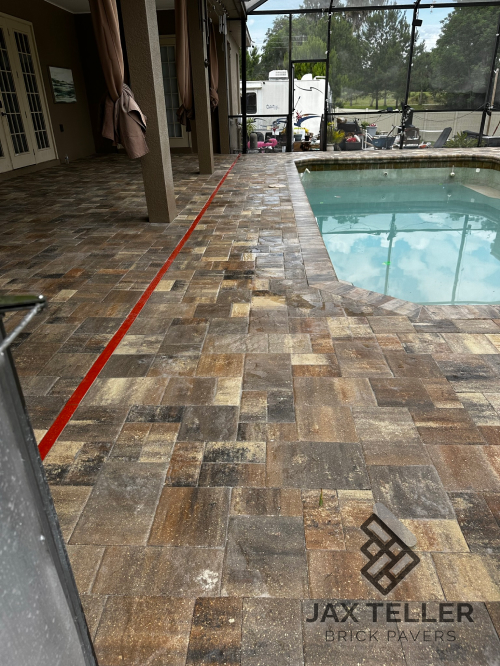
- Pool decks
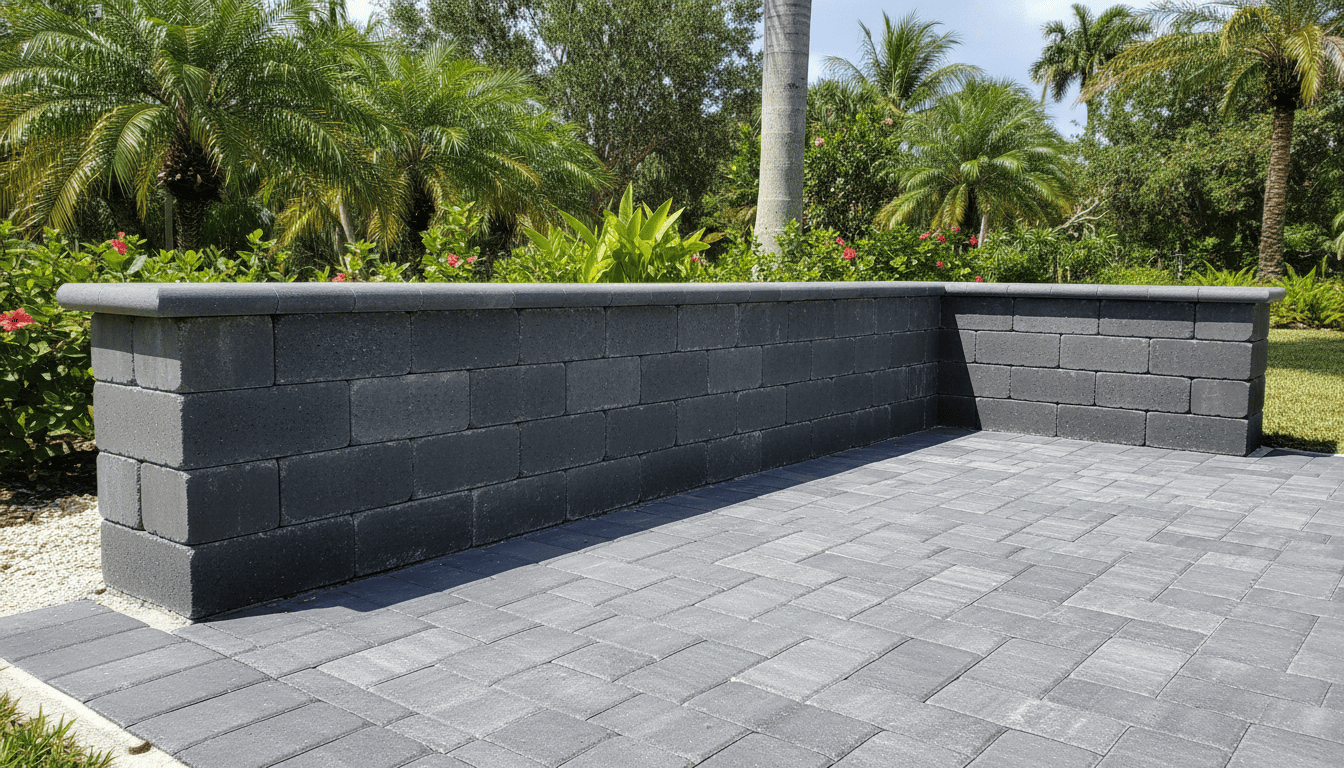
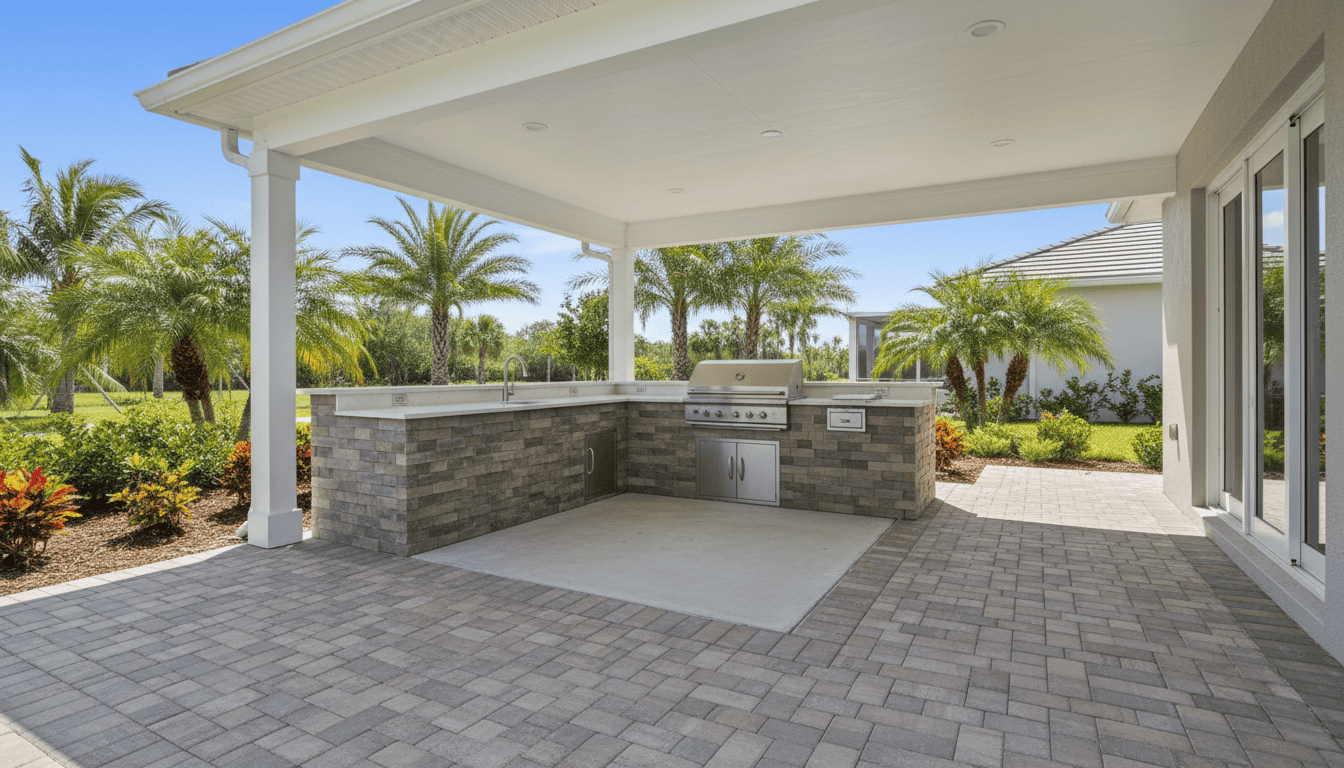
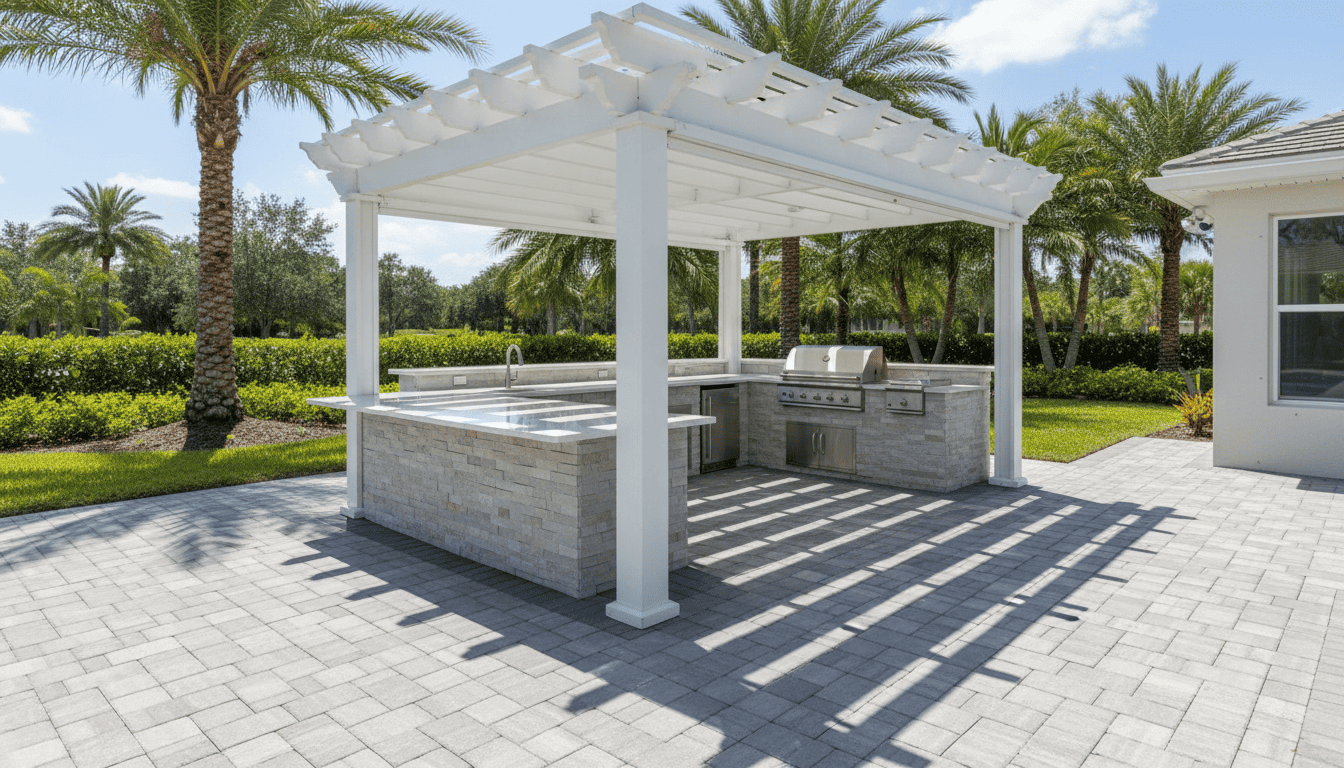
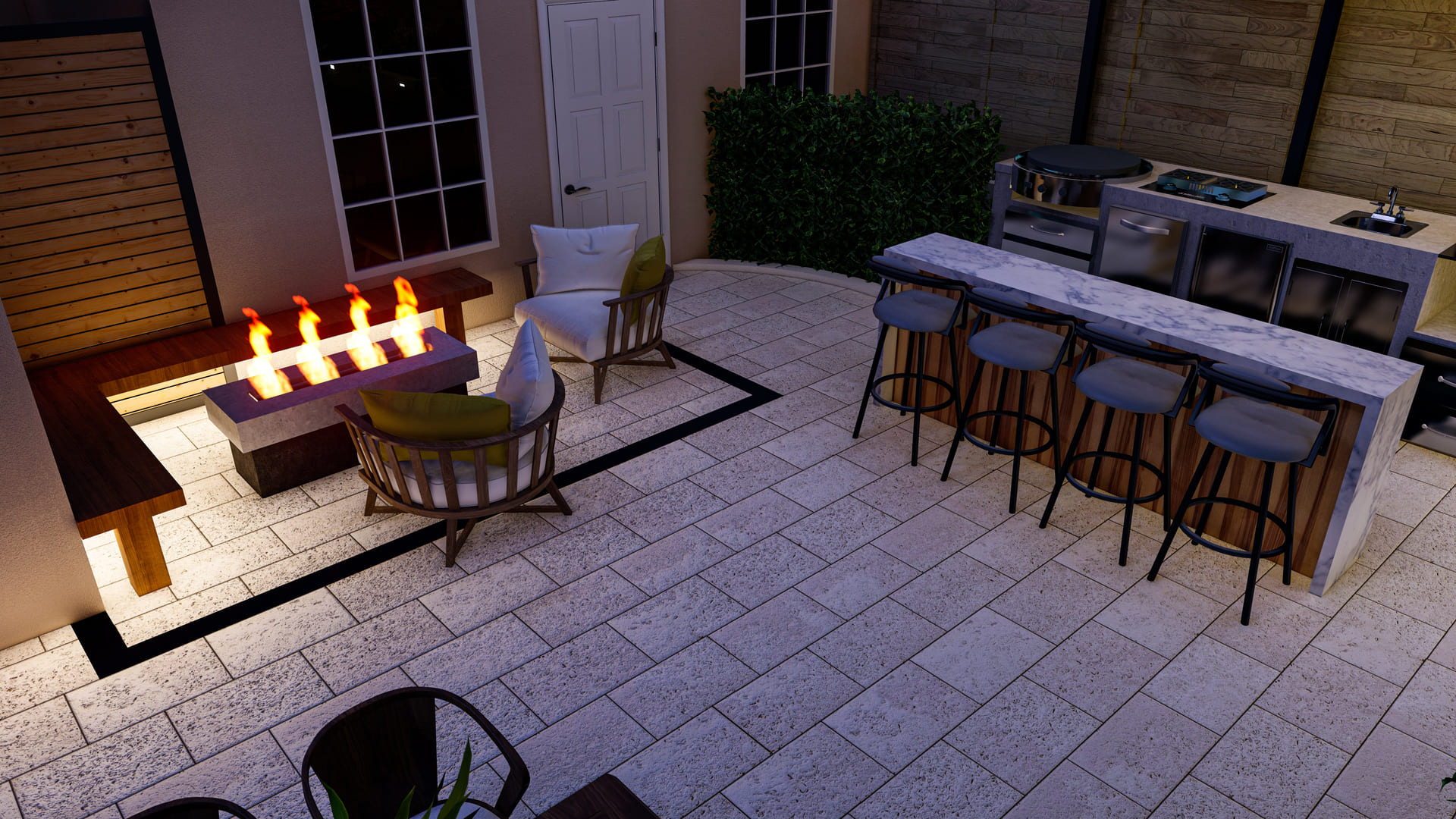
- Outdoor kitchens
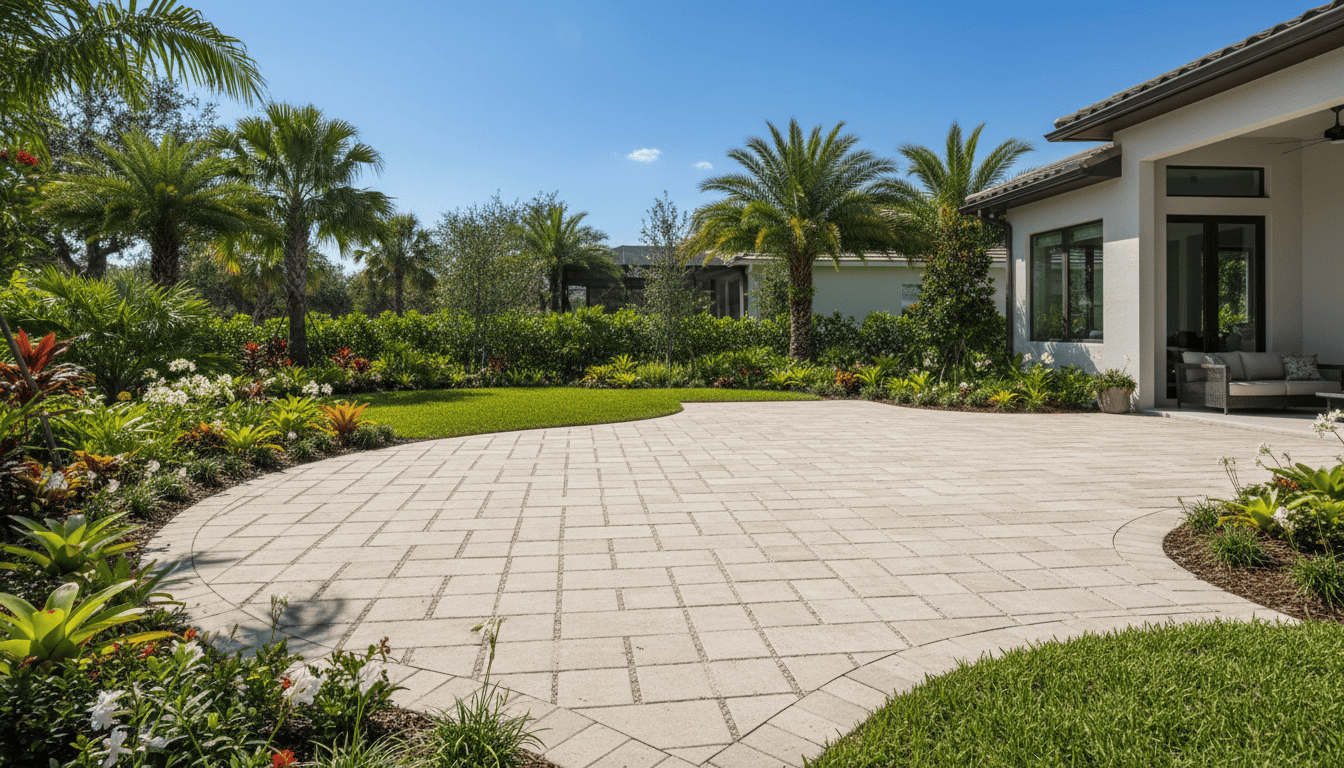
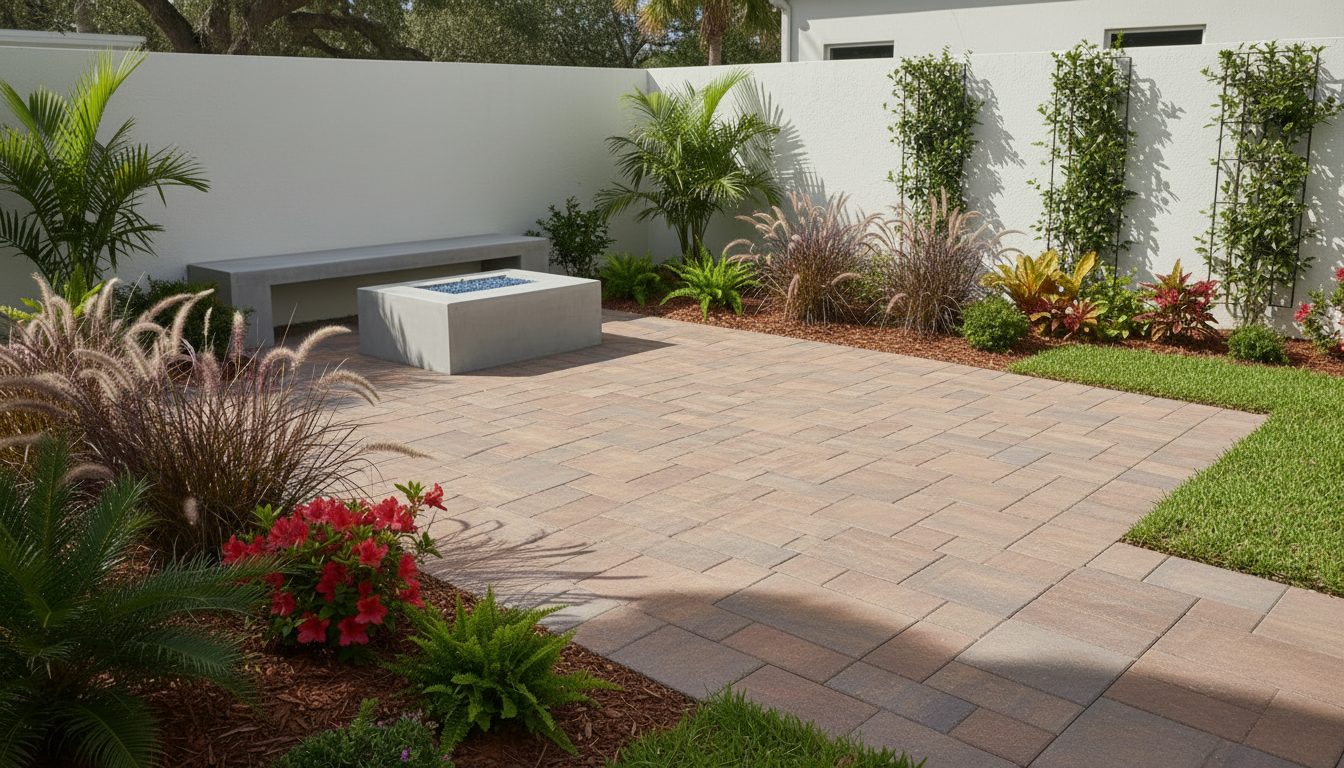
- High-traffic patios
- Light-colored pavers
In these areas, sealing protects both appearance and performance.
When Sealing May Not Be Necessary
Sealing may be optional if:
- Pavers are in low-traffic areas
- Natural weathered look is preferred
- Permeable pavers are used (often not sealed)
Not every paver surface needs sealing — it should be a strategic decision.
Best Time to Seal Pavers in Florida
Timing matters.
Recommended sealing timeline
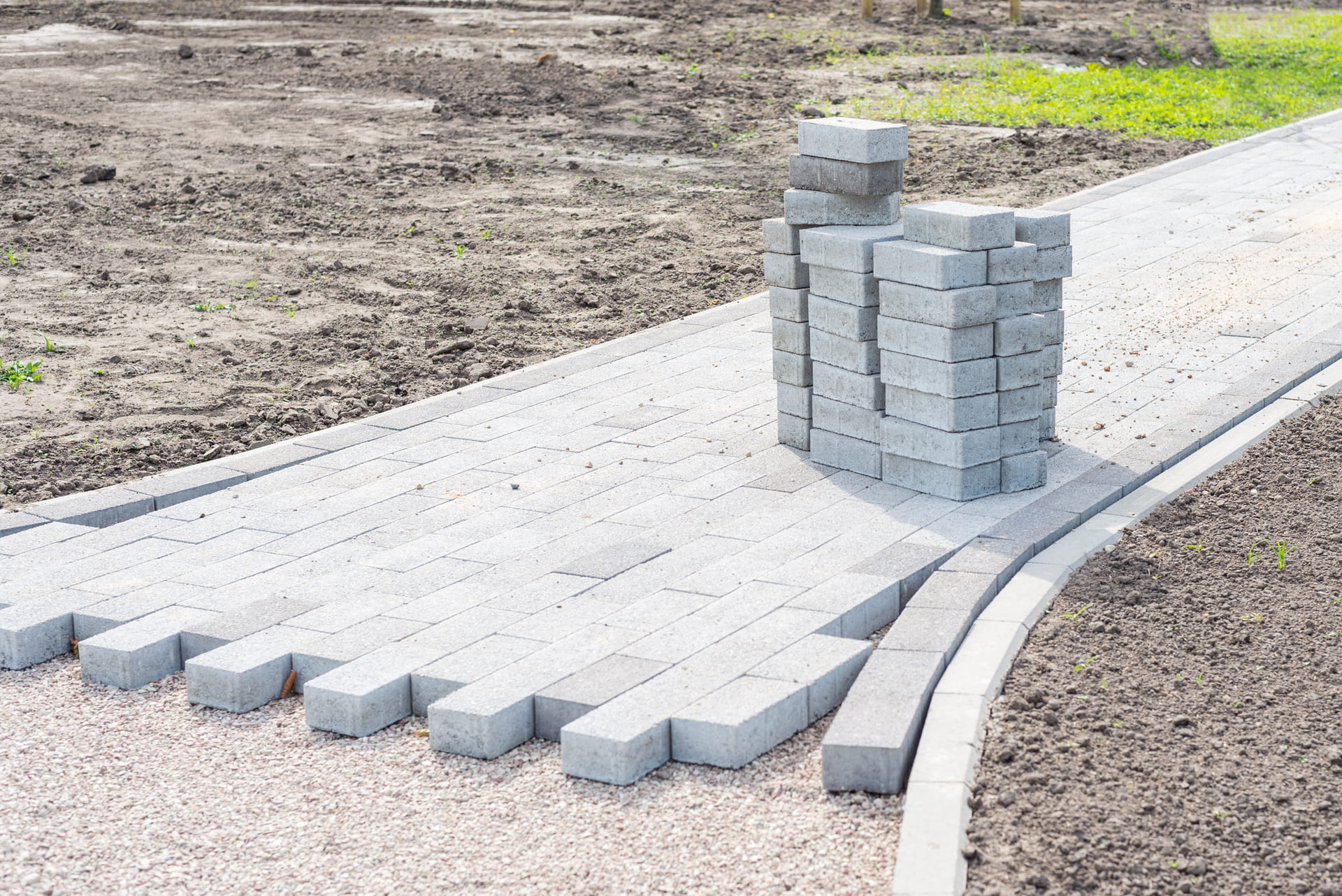
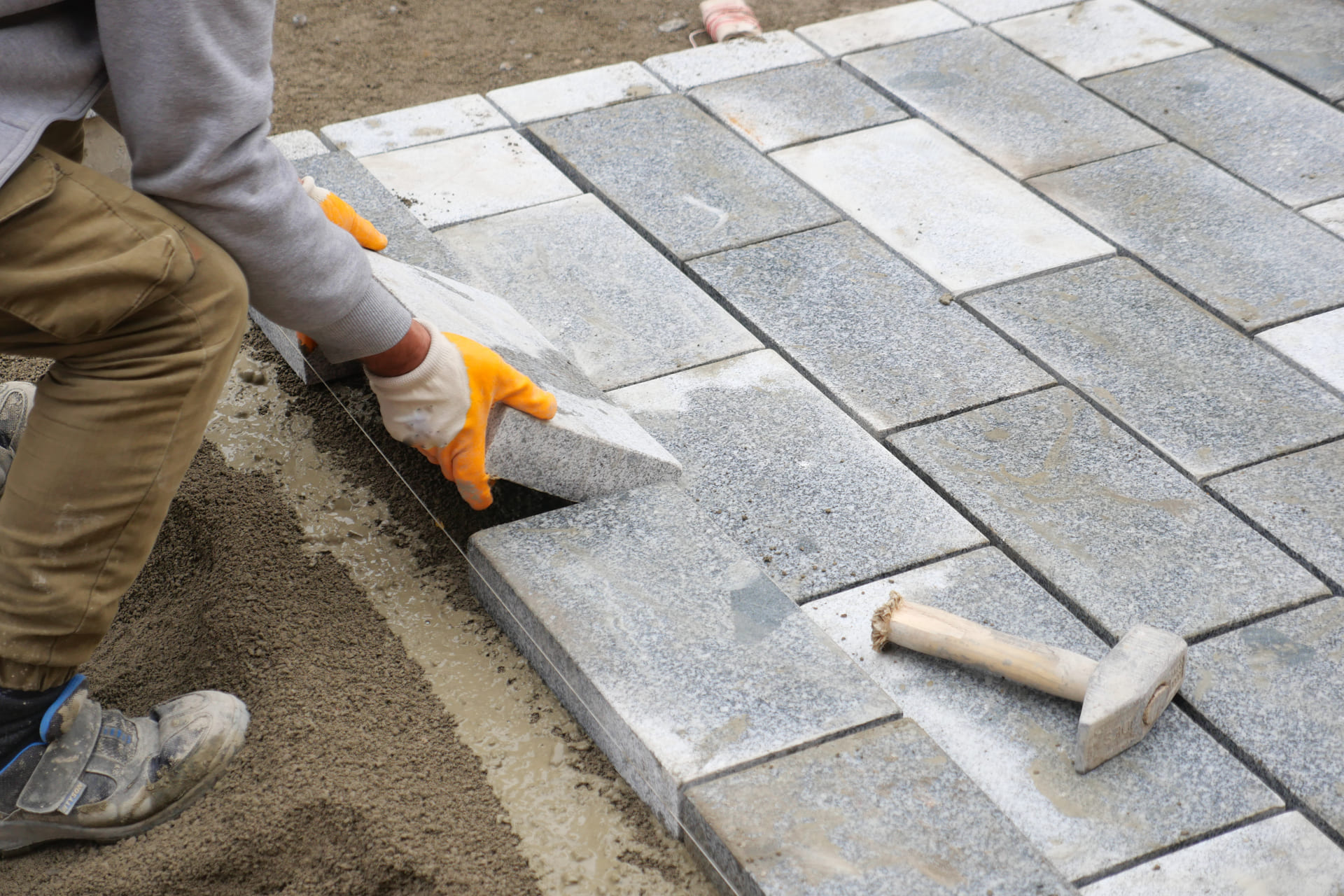
- Wait until pavers are fully installed and settled
- Allow joint sand to stabilize
- Seal during dry weather
- Avoid extreme heat or rain windows
Most professionals recommend sealing after installation is complete and the surface is clean and dry.
Types of Paver Sealers
Penetrating sealers
- Soak into the paver
- Preserve natural appearance
- Good for subtle protection
Film-forming sealers
- Create a surface layer
- Enhance color and sheen
- Offer strong stain protection
The right sealer depends on usage, appearance goals, and location.
Common Sealing Mistakes to Avoid
- Sealing too soon after installation
- Trapping moisture under the sealer
- Using the wrong sealer type
- Applying uneven coats
- Sealing dirty or stained pavers
Improper sealing can cause hazing, peeling, or discoloration.
How Often Should Pavers Be Resealed?
In Florida, resealing is usually needed every 3 to 5 years, depending on:
- Sun exposure
- Traffic level
- Type of sealer used
- Maintenance habits
Driveways may require more frequent attention than patios.
Sealing and Permeable Pavers
Most permeable paver systems should not be sealed, as sealing can block water infiltration.
Always confirm whether sealing is appropriate for permeable applications.
Professional Sealing vs DIY
Professional sealing advantages
- Correct product selection
- Proper surface preparation
- Even application
- Longer-lasting results
DIY sealing can work, but mistakes are common and often costly.
Cost vs Long-Term Value
Sealing adds upfront cost, but often saves money long-term by:
- Preventing stains
- Reducing maintenance
- Extending paver lifespan
- Preserving curb appeal
For many Florida homeowners, sealing is a smart protective step.
Explore More Paver Projects and Standards
For examples of sealed and unsealed paver projects in Florida, explore our project gallery:
https://jaxtellerbrickpavers.com/projects
To review official sealing and maintenance standards, visit the Interlocking Concrete Pavement Institute:
https://www.icpi.org/
Conclusion
Paver Sealing in Florida is not always required, but when done correctly, it offers significant benefits. From protecting color and reducing stains to simplifying maintenance, sealing helps pavers withstand Florida’s harsh climate and stay beautiful longer.
If you’re unsure whether sealing is right for your pavers, contact JaxTeller Brick Pavers at +1 407-907-8308 or jaxtellerbrickpavers@gmail.com for a free estimate and expert guidance. 🧴☀️