Walls play a critical role in Florida outdoor construction, but not all walls serve the same purpose. Homeowners often use the terms “retaining wall” and “seating wall” interchangeably, even though they are structurally and functionally different systems.
In Florida, choosing the wrong wall type can lead to drainage failure, movement, cracking, and long-term structural issues. Soil conditions, heavy rain, and elevation changes demand precise engineering and correct wall selection.
Understanding the difference between retaining walls and seating walls allows homeowners to make informed decisions that protect their property and investment.
This guide explains how each wall system works, when it should be used, and what Florida-specific factors must be considered.
Understanding Florida Soil and Climate Challenges
Florida construction must account for:
- Sandy and shifting soil
- High water tables in many regions
- Heavy rainfall events
- Heat-driven expansion
- Long-term moisture exposure
These conditions directly affect wall performance. Proper wall selection is not just a design decision — it is a structural necessity.
What Is a Retaining Wall?
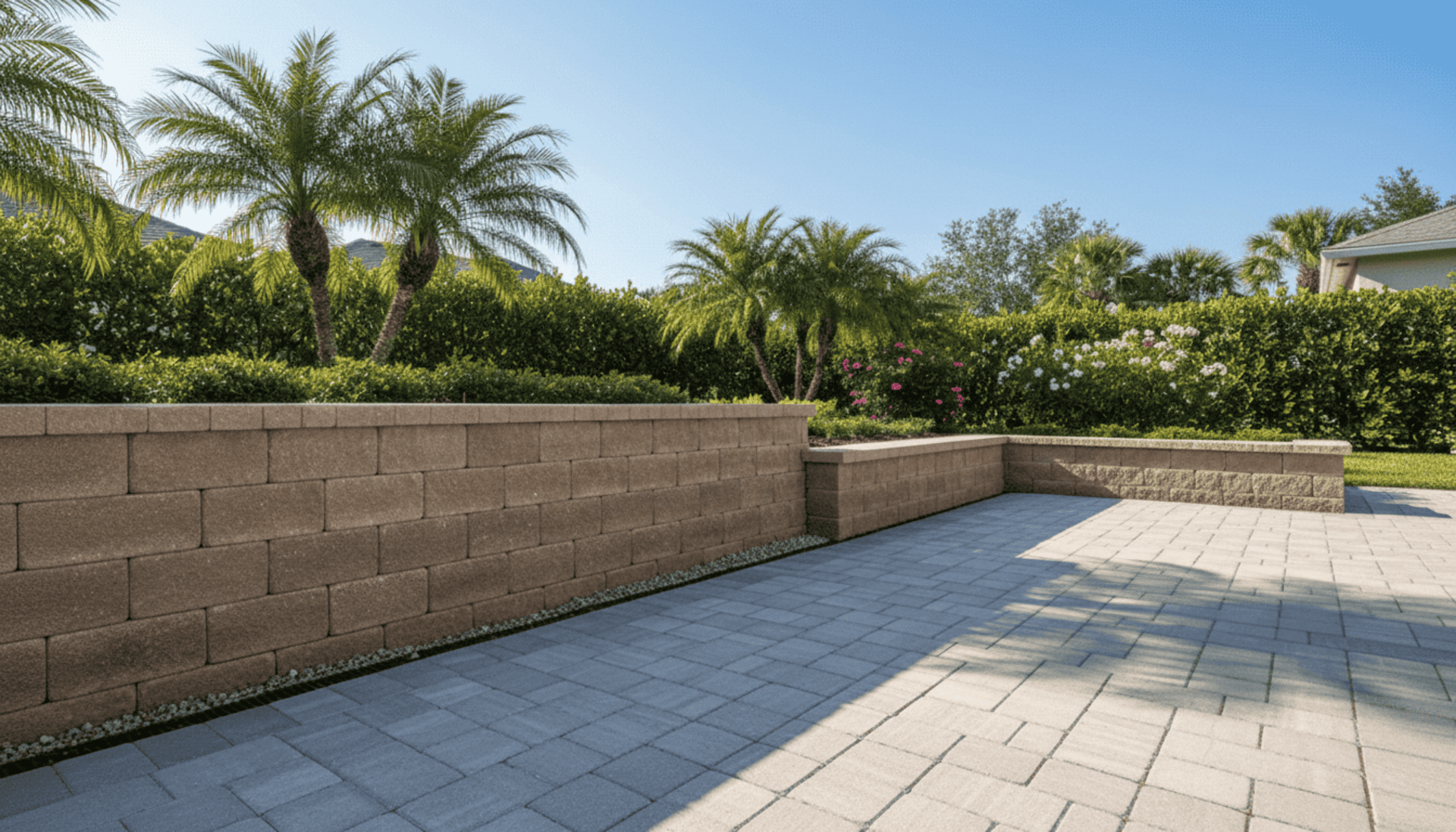
A retaining wall is a structural system designed to hold back soil and manage elevation changes.
Its primary functions include:
- Preventing soil erosion
- Supporting grade transitions
- Stabilizing slopes
- Managing drainage pressure
Retaining walls resist lateral earth pressure and often require deeper excavation and reinforcement.
Structural Requirements of Retaining Walls
Professional retaining wall construction in Florida includes:
- Deep compacted base preparation
- Proper wall batter (backward lean)
- Gravel backfill behind the wall
- Drainage fabric
- Water relief through drainage zones
Without proper drainage, hydrostatic pressure can build behind the wall, leading to failure.
What Is a Seating Wall?
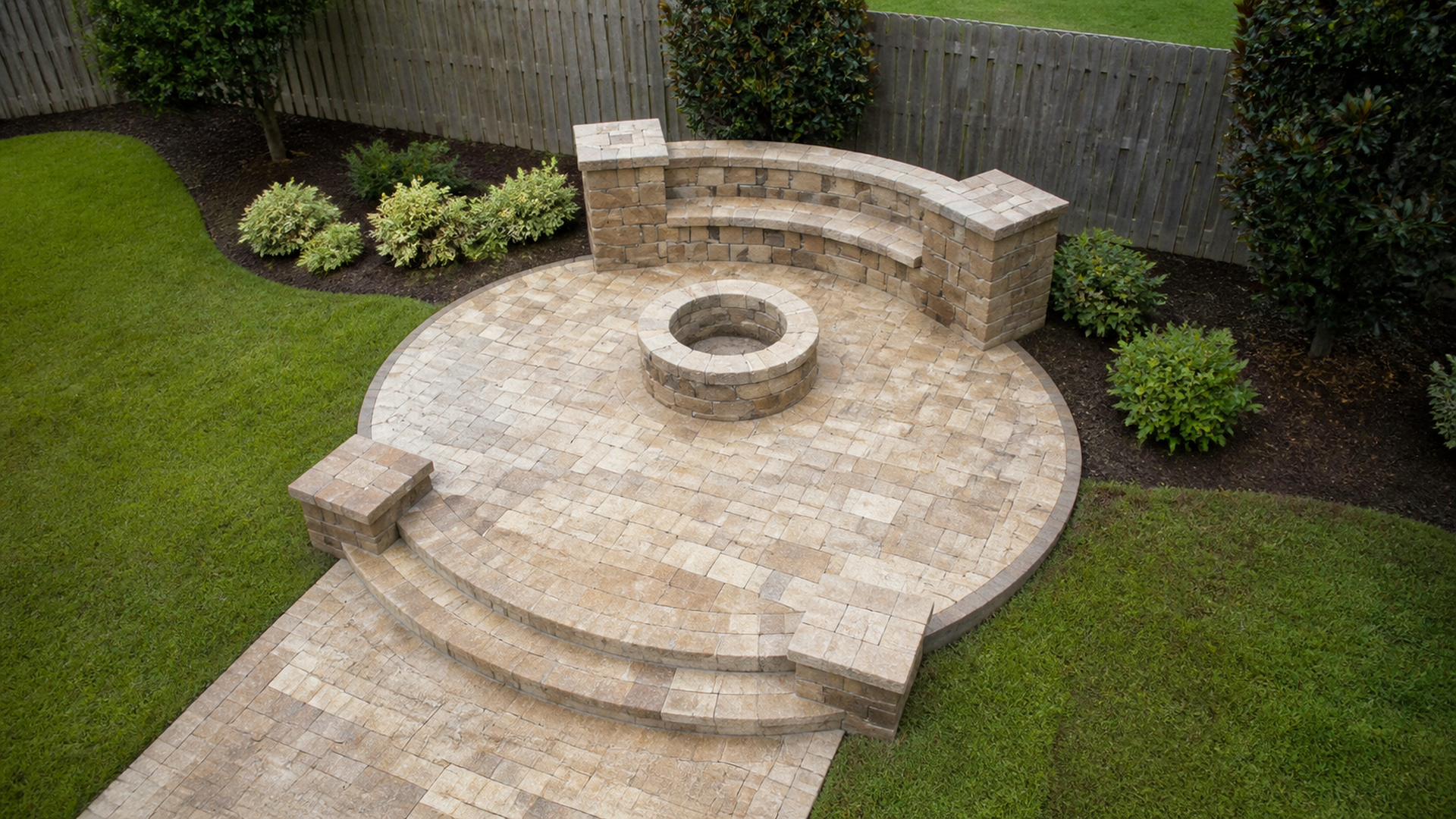
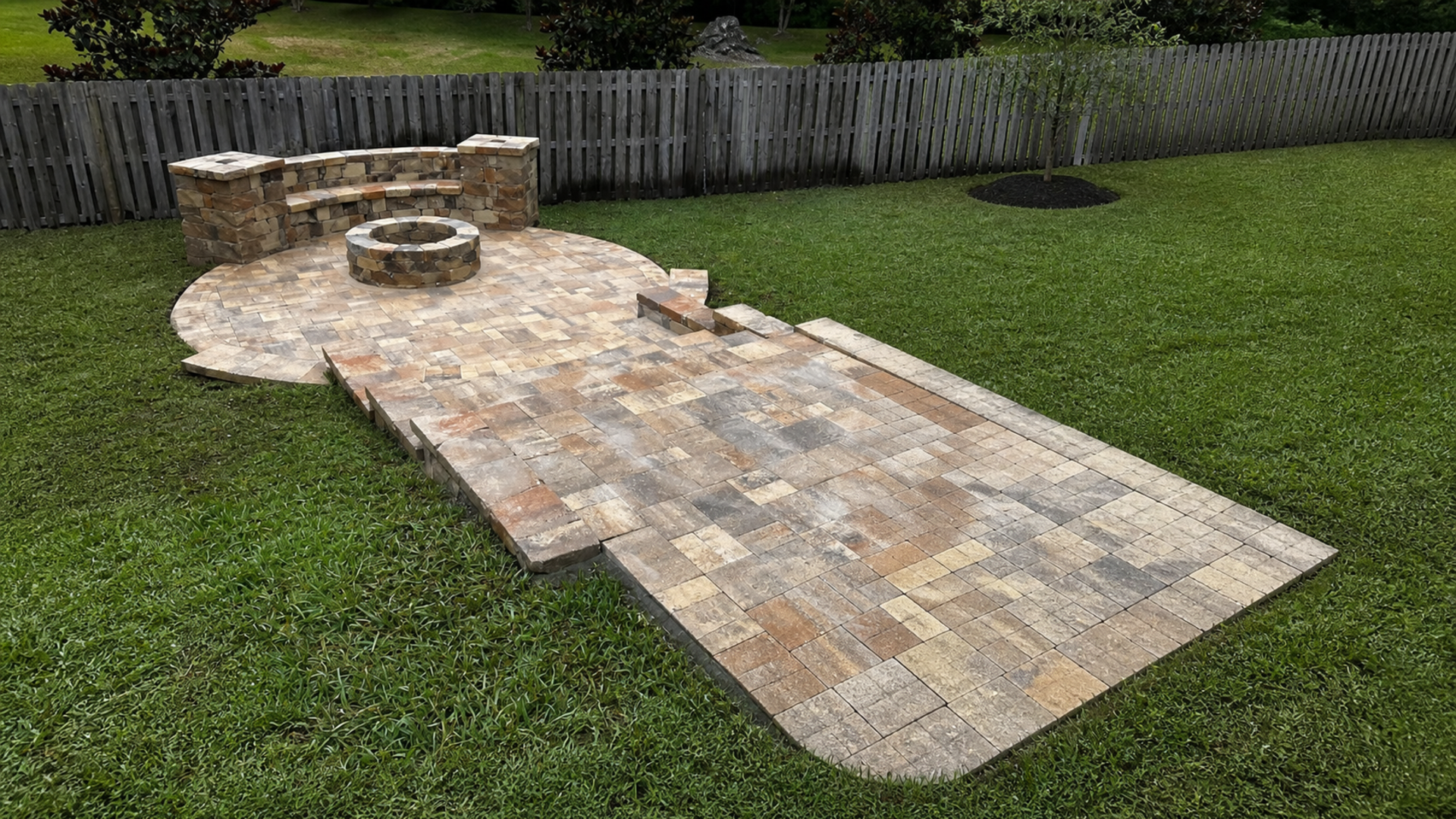
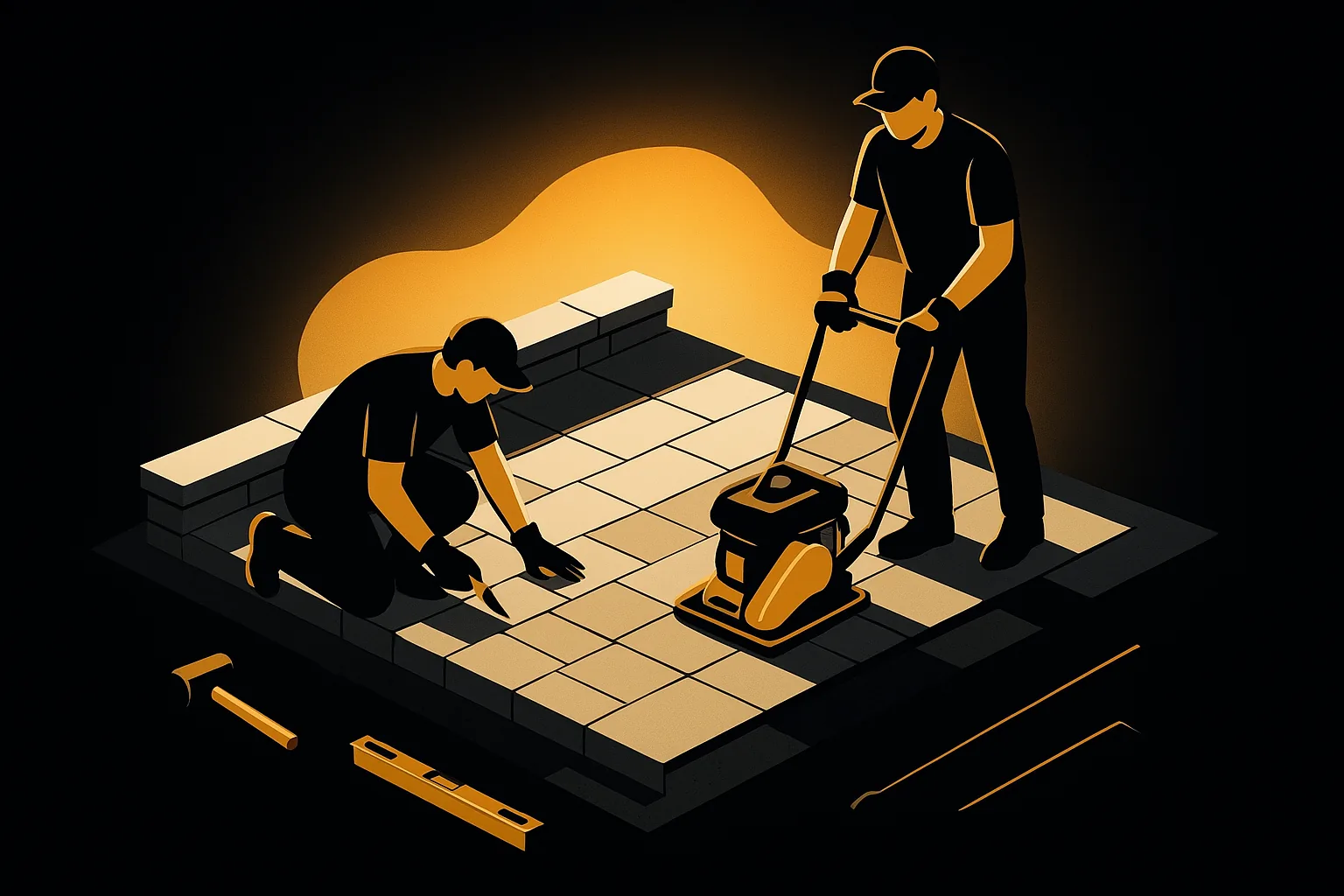
A seating wall is a low-height wall designed primarily for seating and space definition, not soil retention.
Typical seating wall characteristics:
- Height between 16–20 inches
- Minimal soil pressure
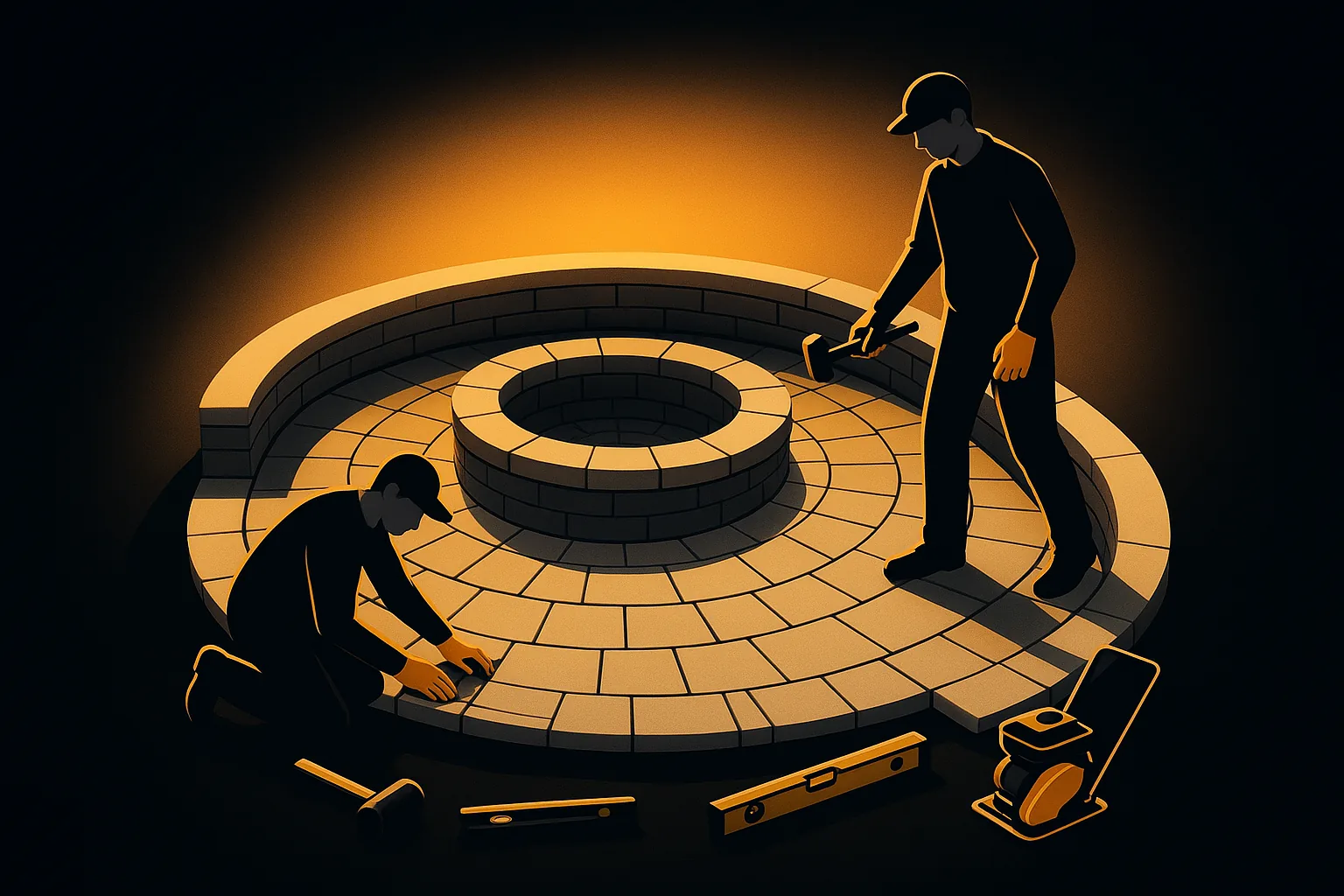
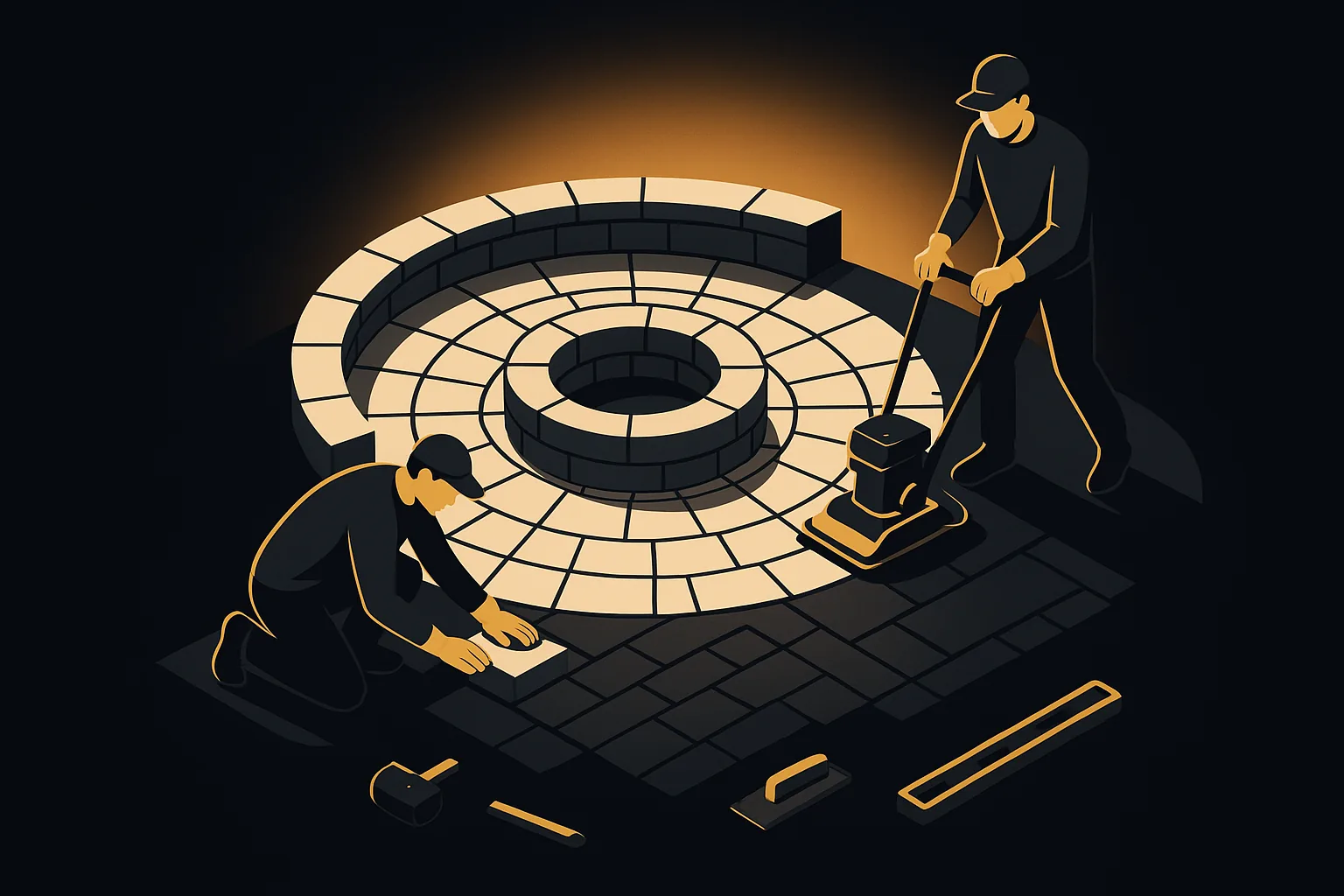
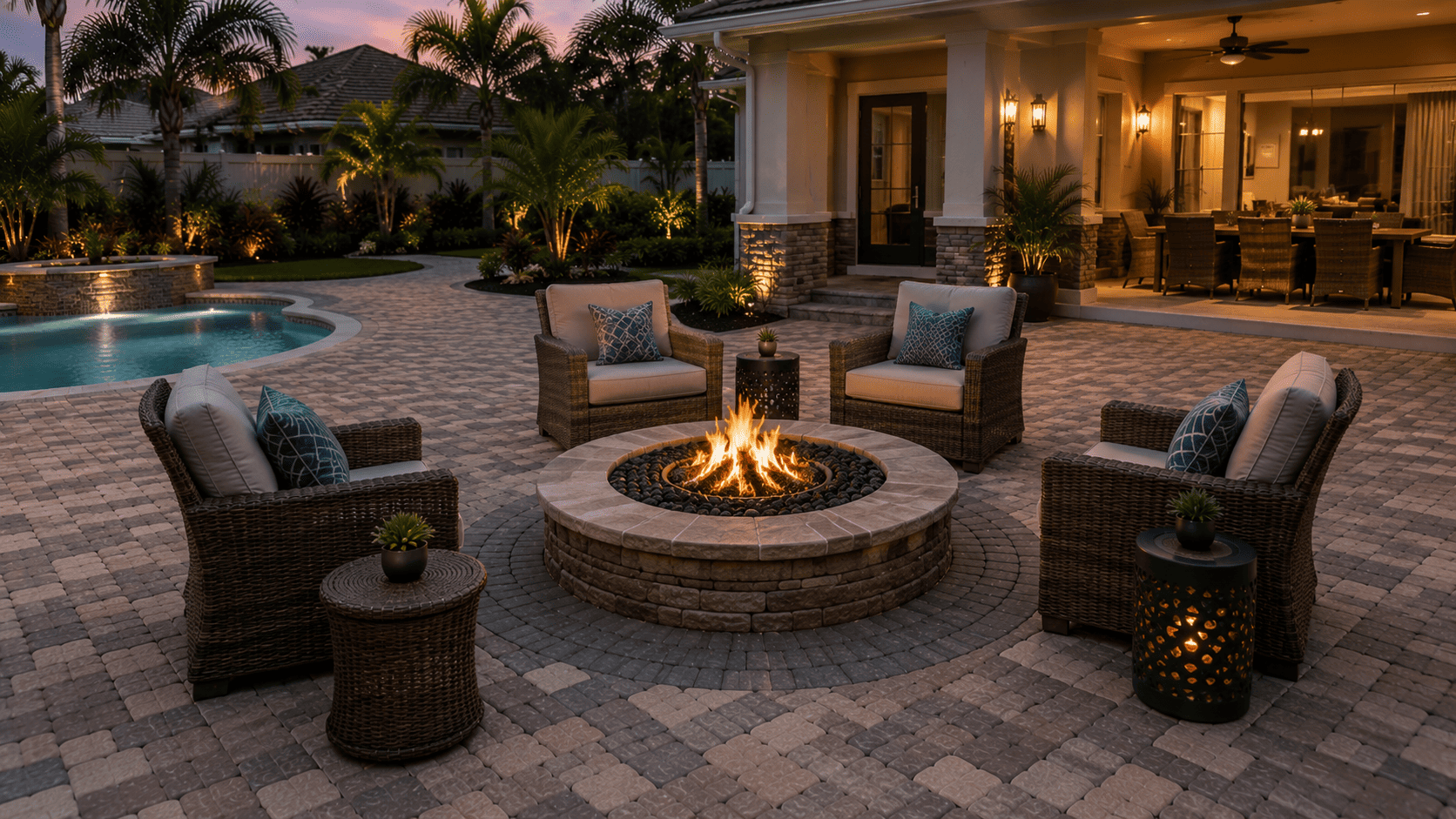
- Integrated into patios or fire pit areas
- Designed for comfort and accessibility
Seating walls enhance functionality without managing grade changes.
Structural Requirements of Seating Walls
Even though seating walls are lower, they still require professional installation.
Key construction elements include:
- Compacted crushed stone base
- Precise leveling
- Secure block bonding
- Capstone adhesion
- Basic drainage consideration
Seating walls are not designed to hold back soil. Using them incorrectly can result in leaning or movement.
Key Differences Between Retaining and Seating Walls
Understanding the distinction is critical.
Retaining walls:
- Manage elevation changes
- Resist lateral soil pressure
- Require drainage systems
- Are structural by necessity
Seating walls:
- Provide seating and visual structure
- Do not retain soil
- Have lower load requirements
- Focus on comfort and layout
Using a seating wall where a retaining wall is required is a common and costly mistake.
Drainage Considerations in Florida
Drainage is the most critical factor in wall performance.
Florida walls must account for:
- Rapid soil saturation
- Heavy rain accumulation
- Subsurface water movement
Retaining walls require engineered drainage behind the structure. Seating walls rely primarily on surface drainage and base stability.
Design Integration with Outdoor Spaces
Both wall types play important roles in outdoor design.
Retaining walls:
- Define terraces
- Support elevated patios
- Shape landscape transitions
Seating walls:
- Frame fire pits
- Define patio edges
- Provide built-in seating
Choosing the correct wall ensures both safety and design cohesion.
Common Wall Installation Mistakes
Florida homeowners should avoid:
- Using seating walls to retain soil
- Skipping drainage behind retaining walls
- Insufficient base compaction
- Ignoring soil conditions
- Choosing walls based only on appearance
Professional assessment prevents structural failure.
Long-Term Value of Correct Wall Selection
Choosing the proper wall system:
- Prevents structural failure
- Improves drainage performance
- Enhances outdoor usability
- Reduces maintenance costs
- Increases property value
Correct engineering always outperforms aesthetic-only decisions.
Explore More Home Improvement Projects and Standards
For more projects completed in Florida, visit:
https://jaxtellerbrickpavers.com/projects
To review official installation standards, visit:
https://www.icpi.org/
Conclusion
Retaining Walls vs Seating Walls: Choosing the Right Solution for Florida Homes highlights the importance of structural purpose, drainage planning, and professional installation. Florida’s soil movement, heat, and heavy rain require walls that are engineered for their specific role.
Selecting the correct wall system protects your investment and ensures long-term performance.
If you’re planning a wall installation or outdoor upgrade, contact JaxTeller Brick Pavers at +1 407-907-8308 or jaxtellerbrickpavers@gmail.com for a free estimate.