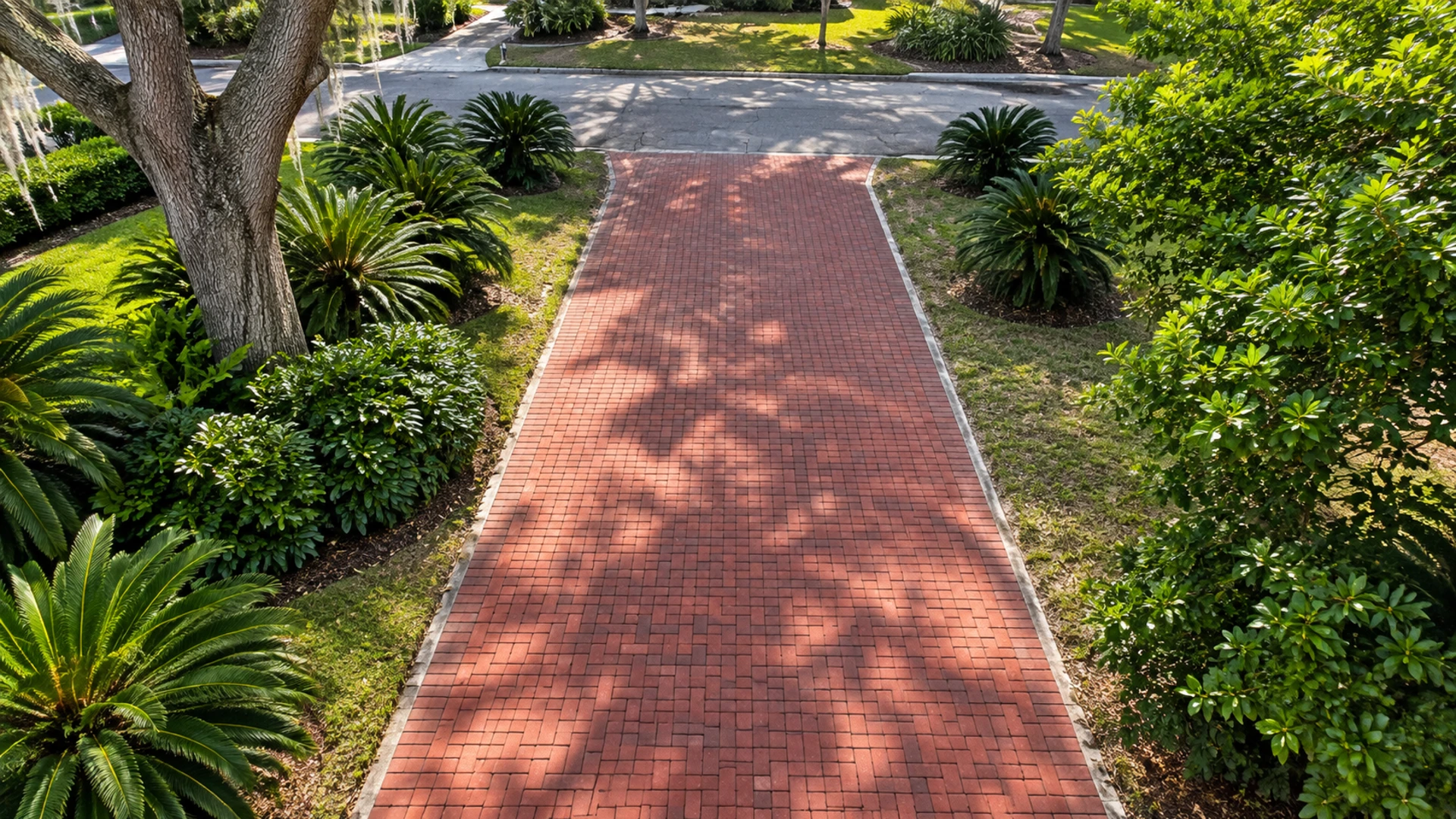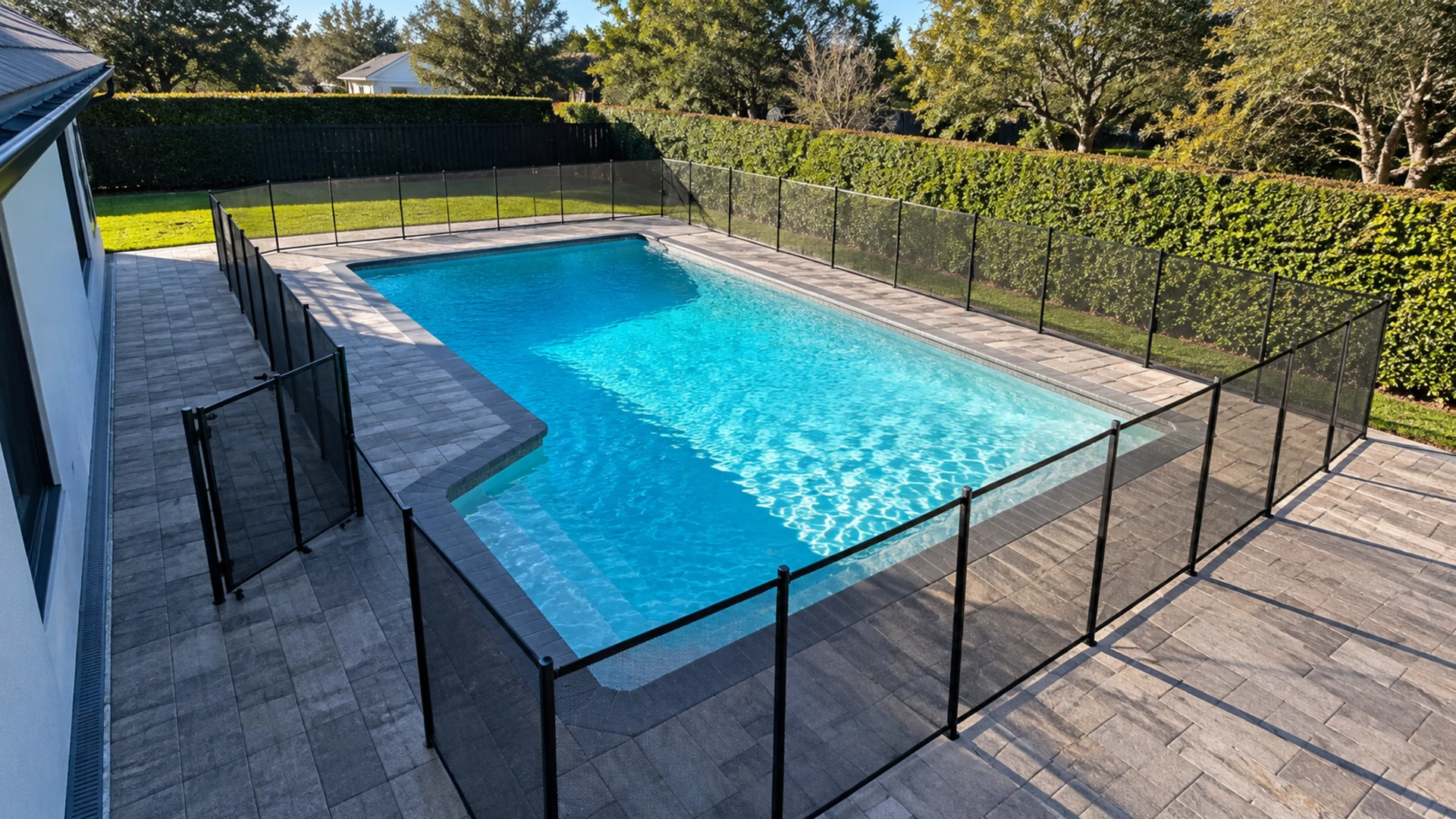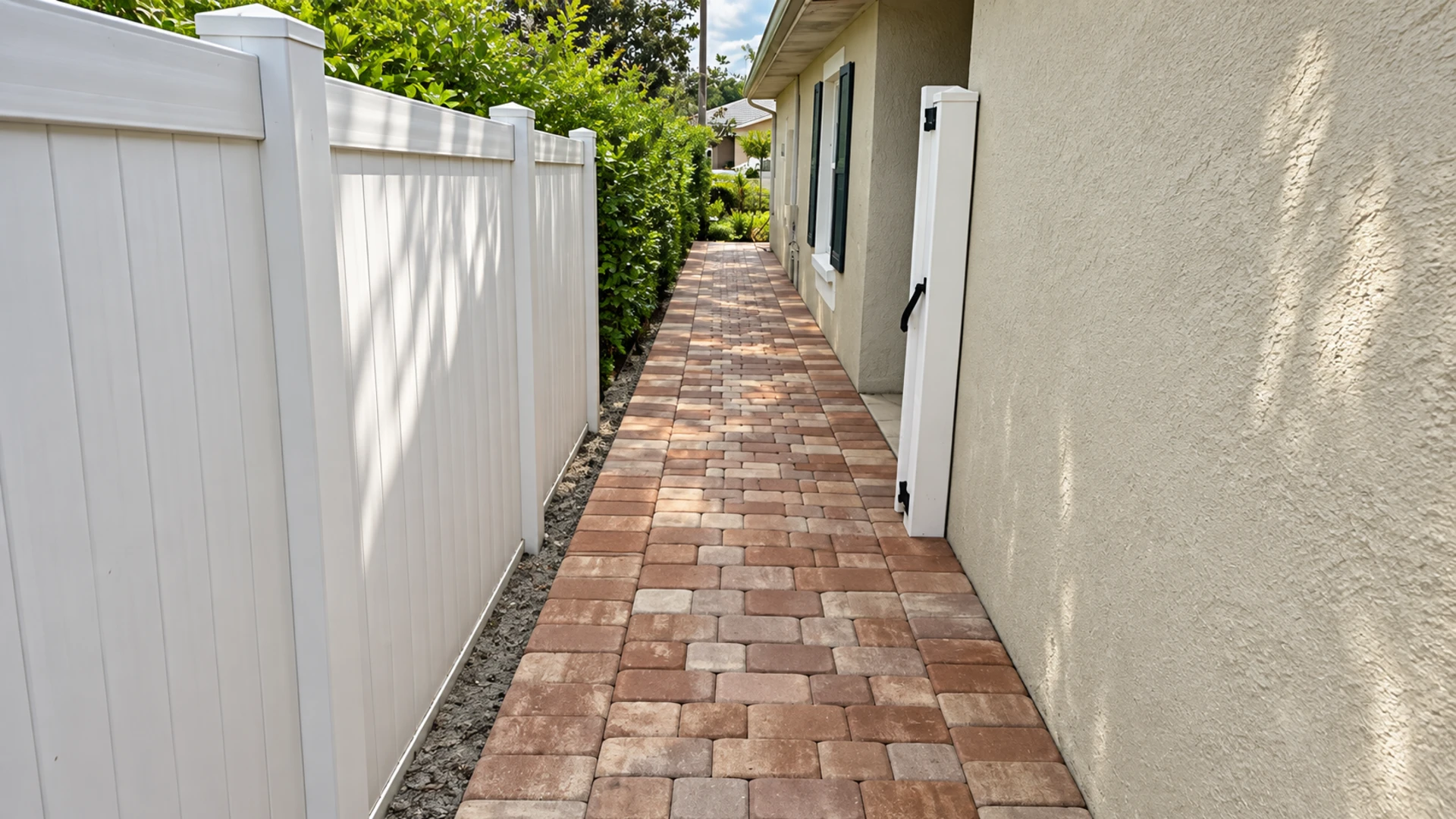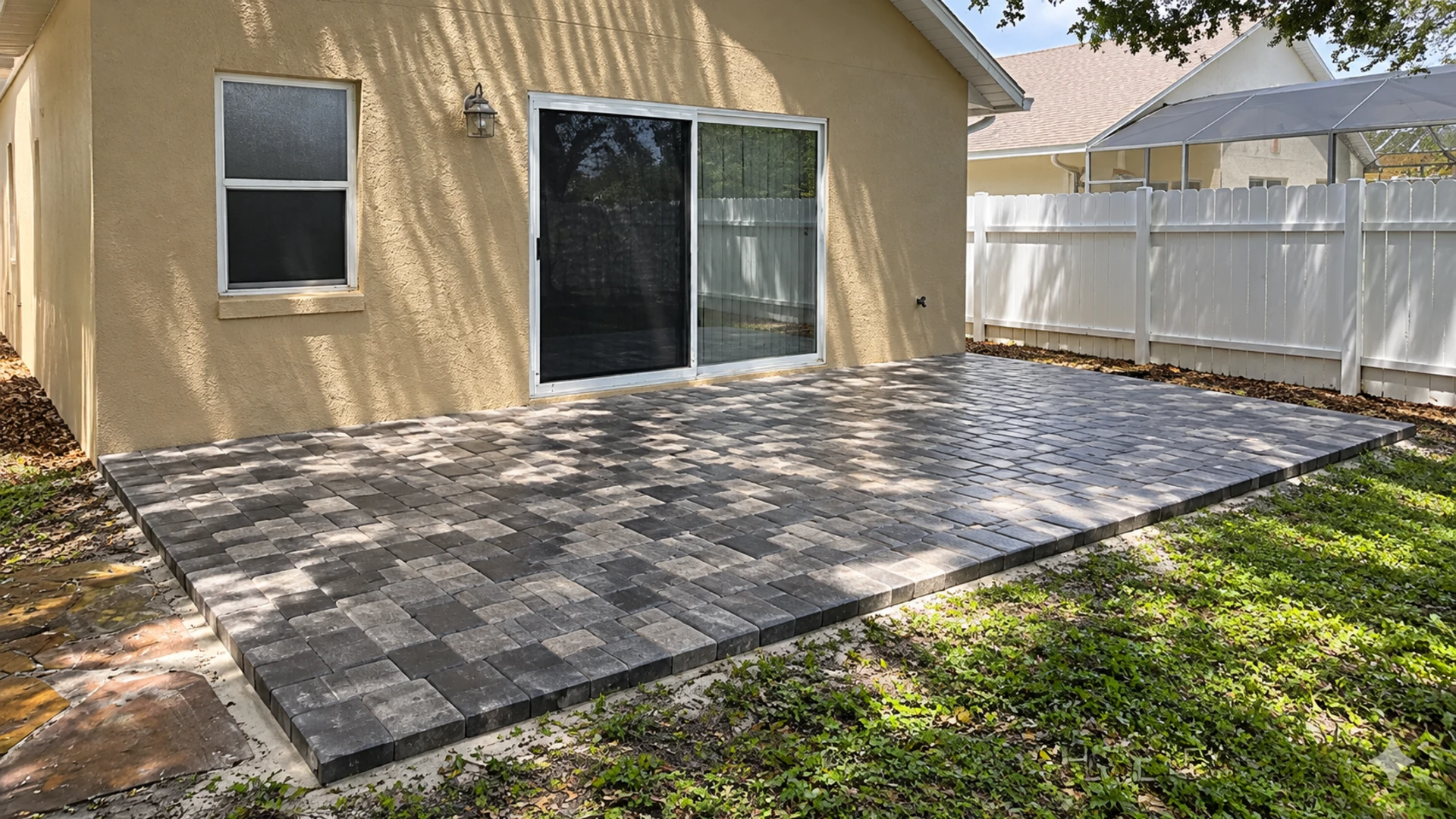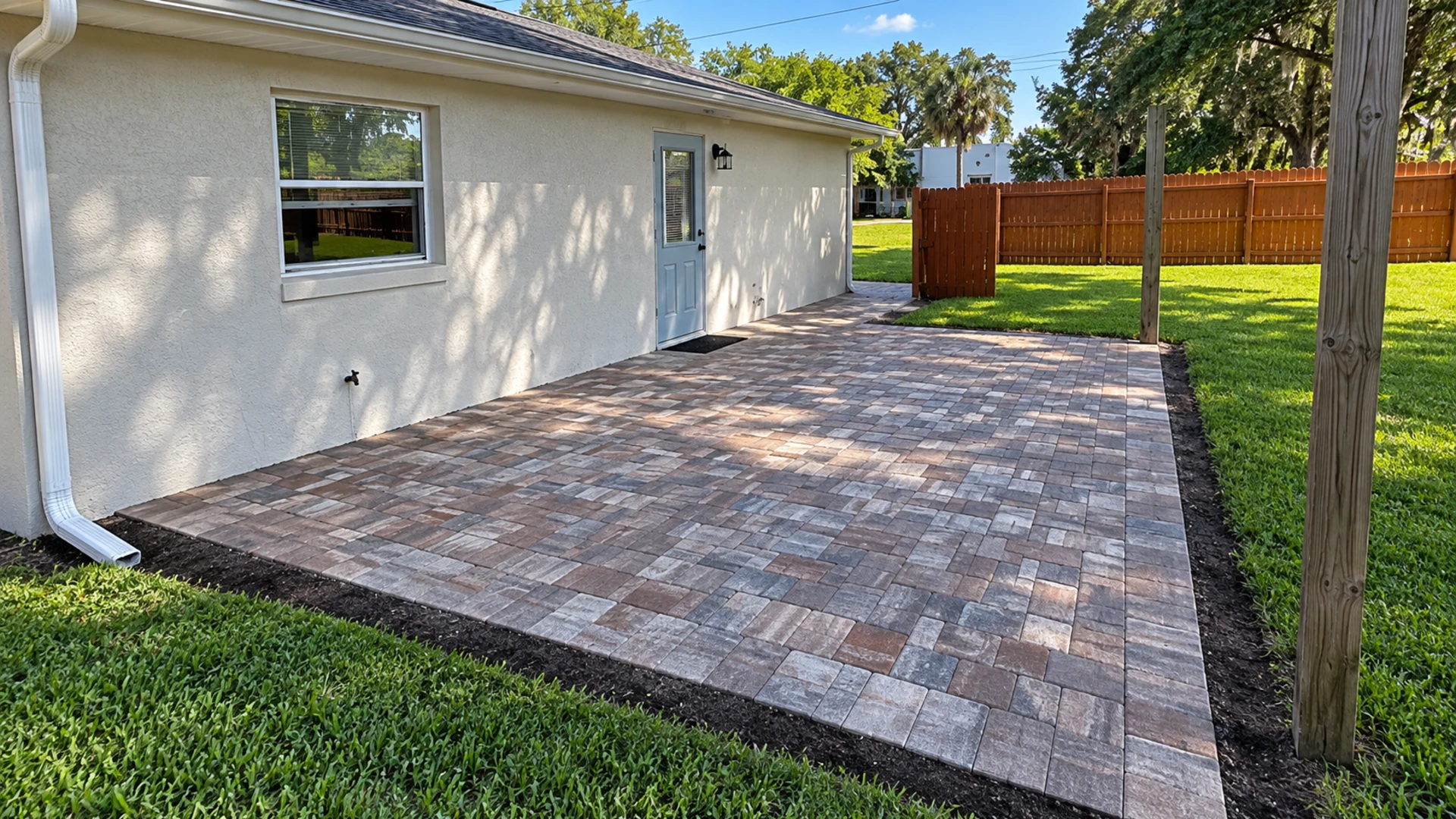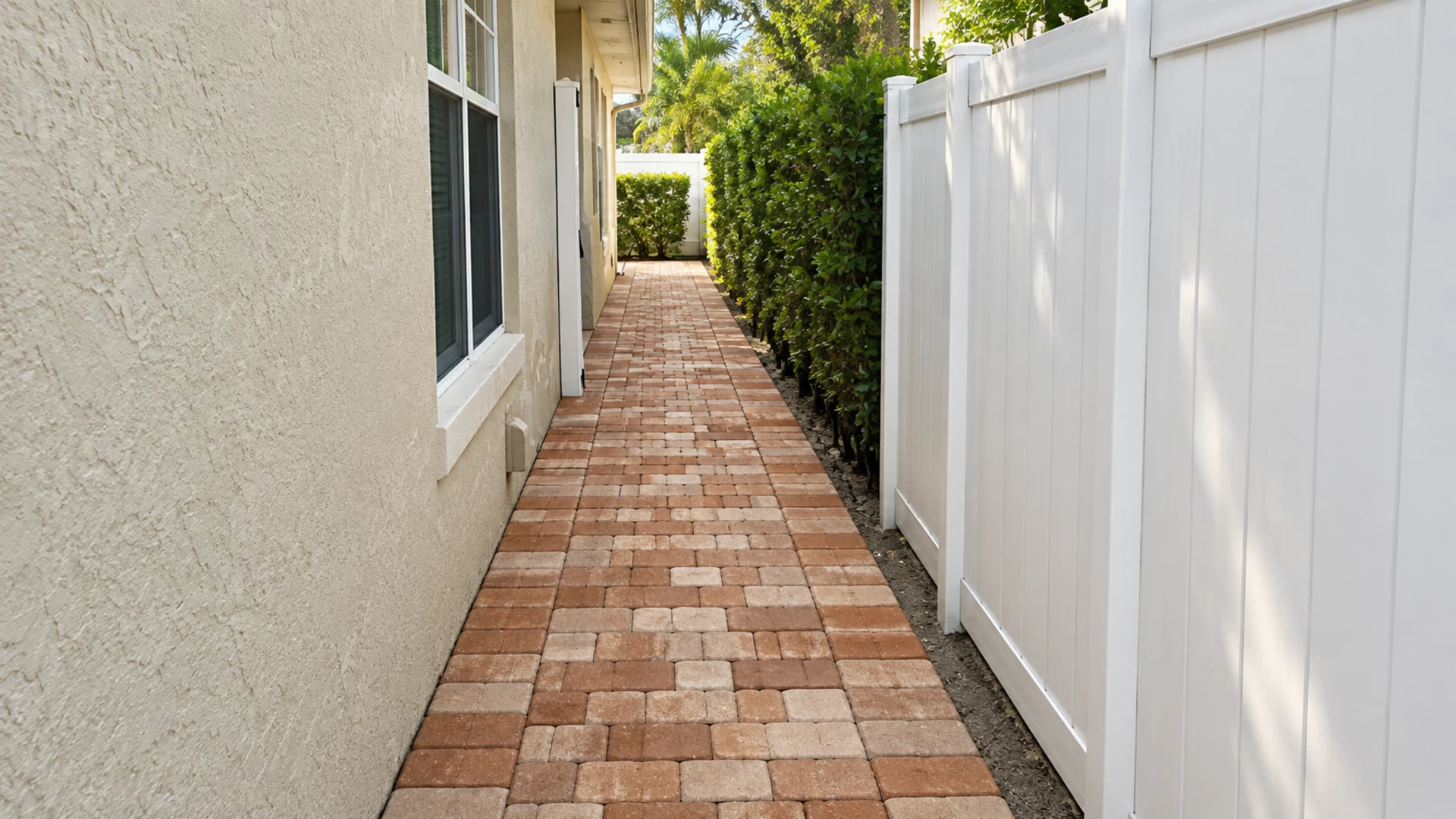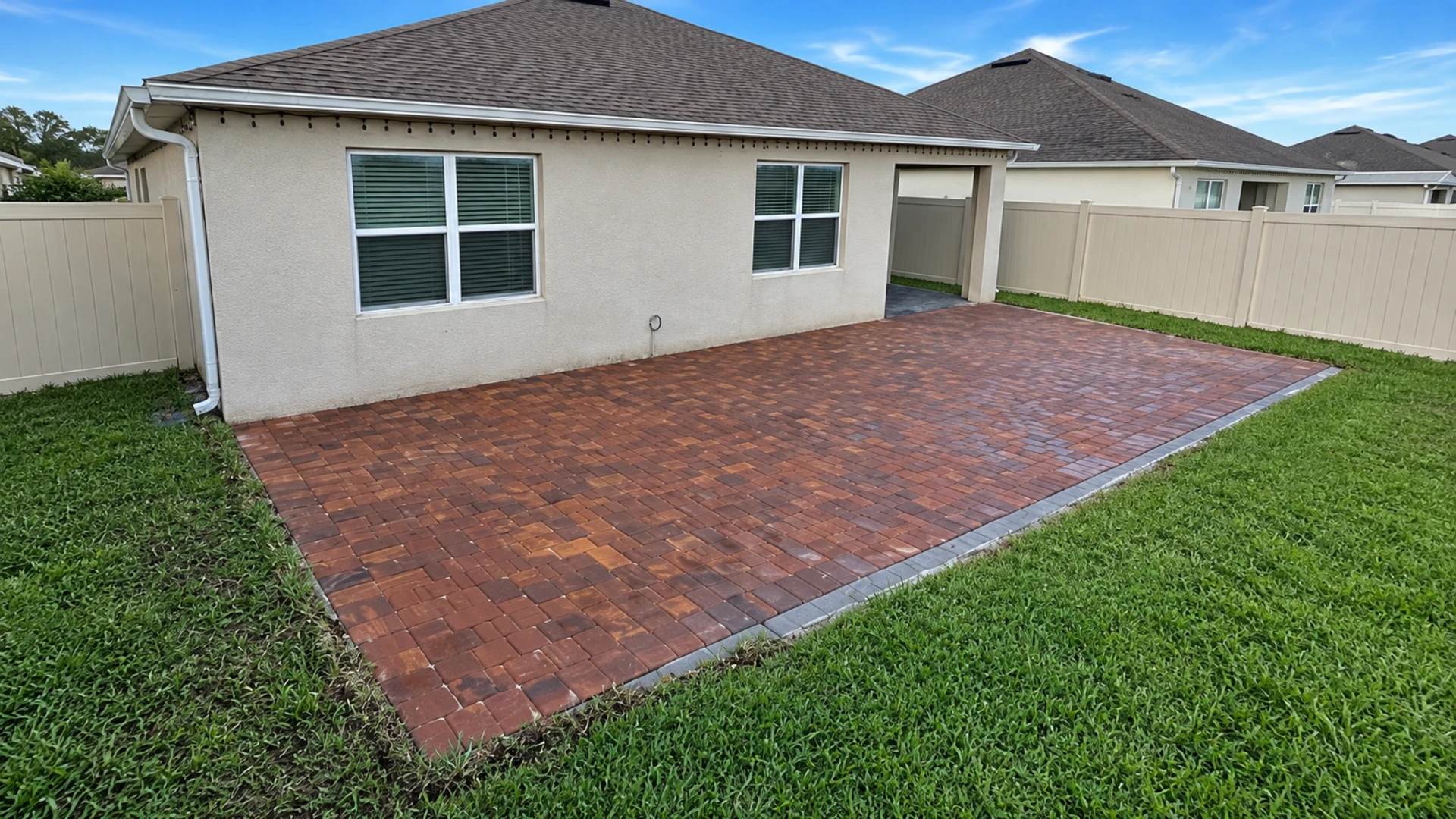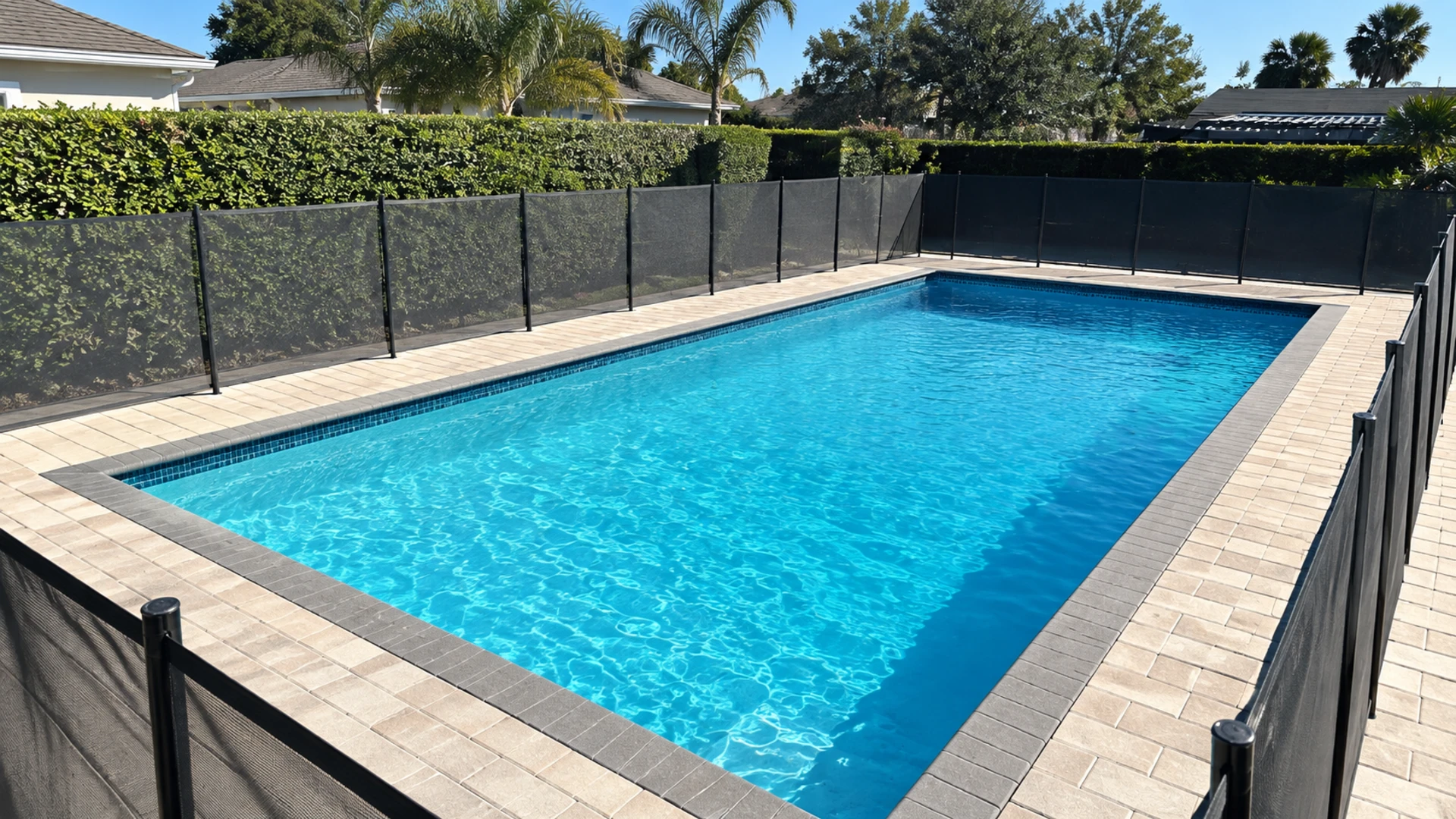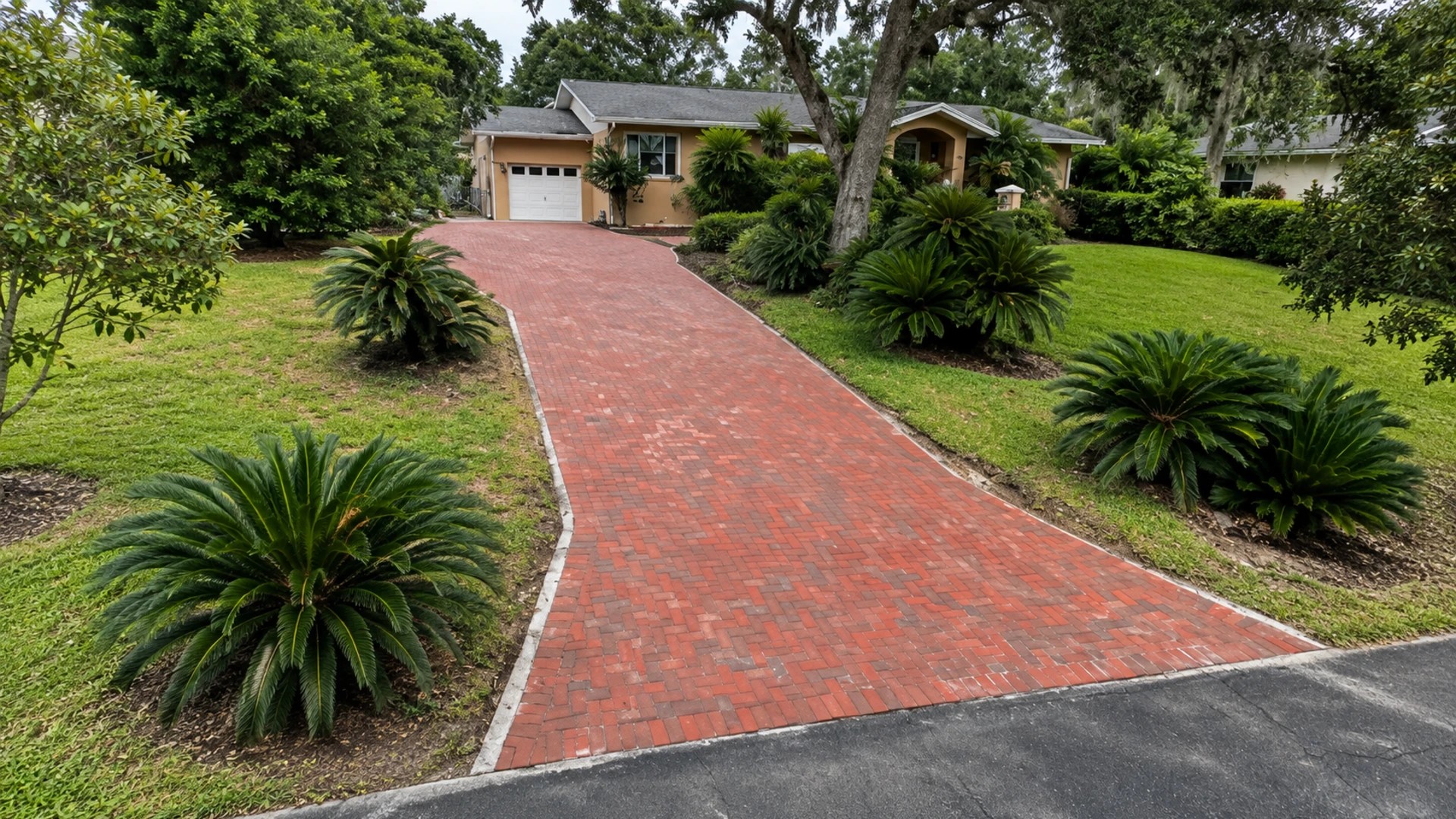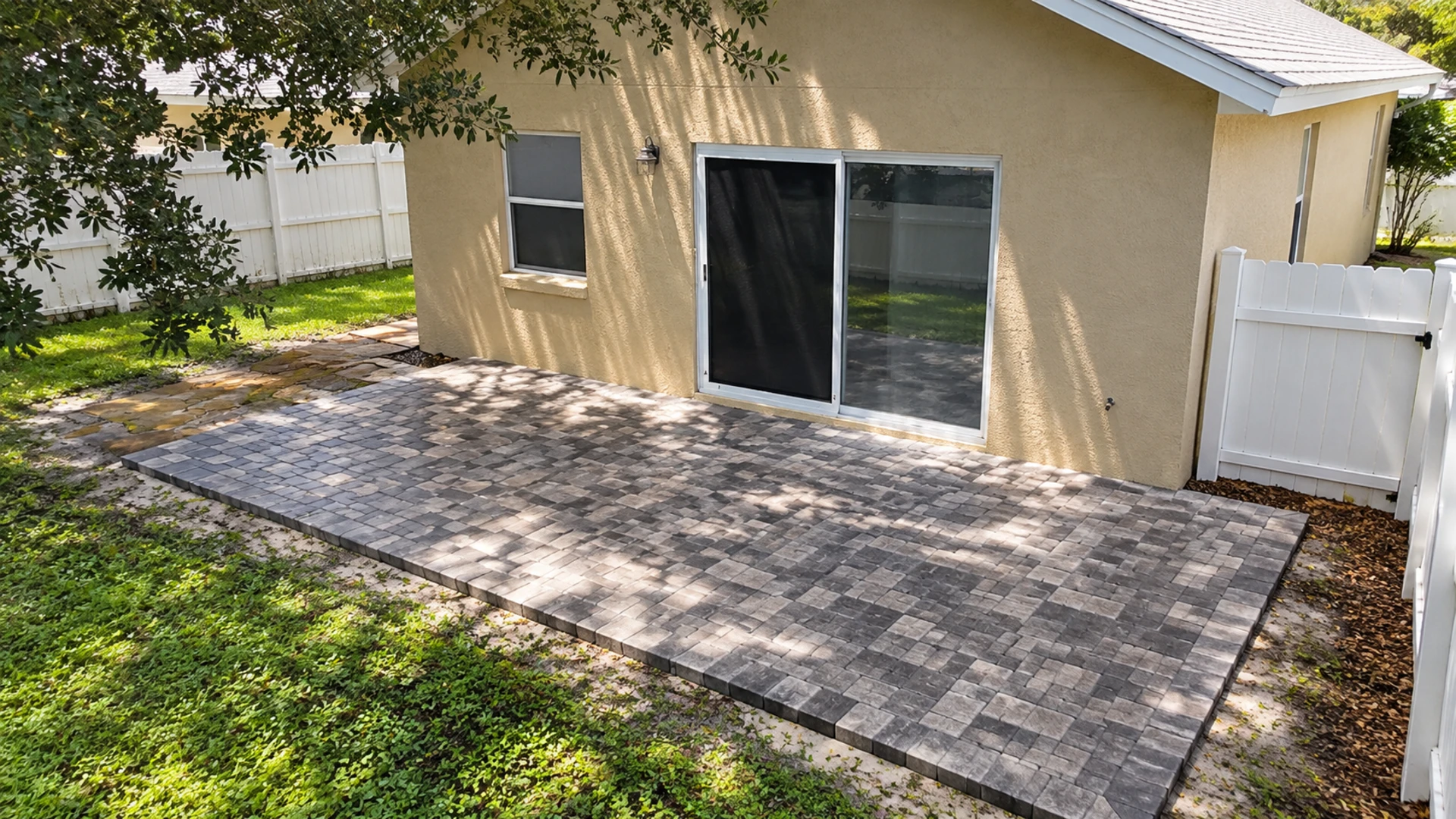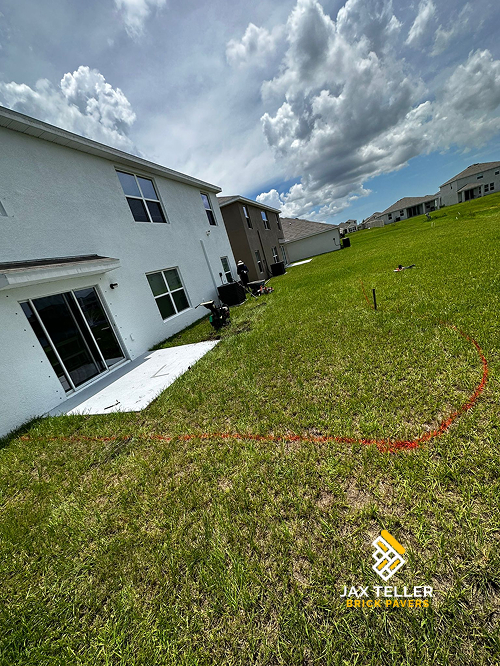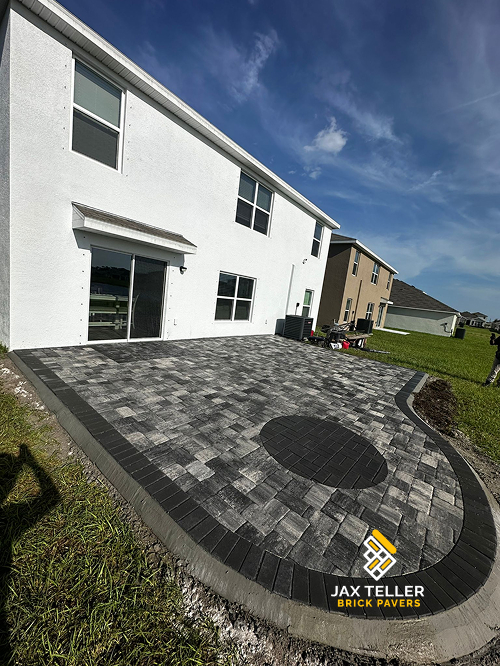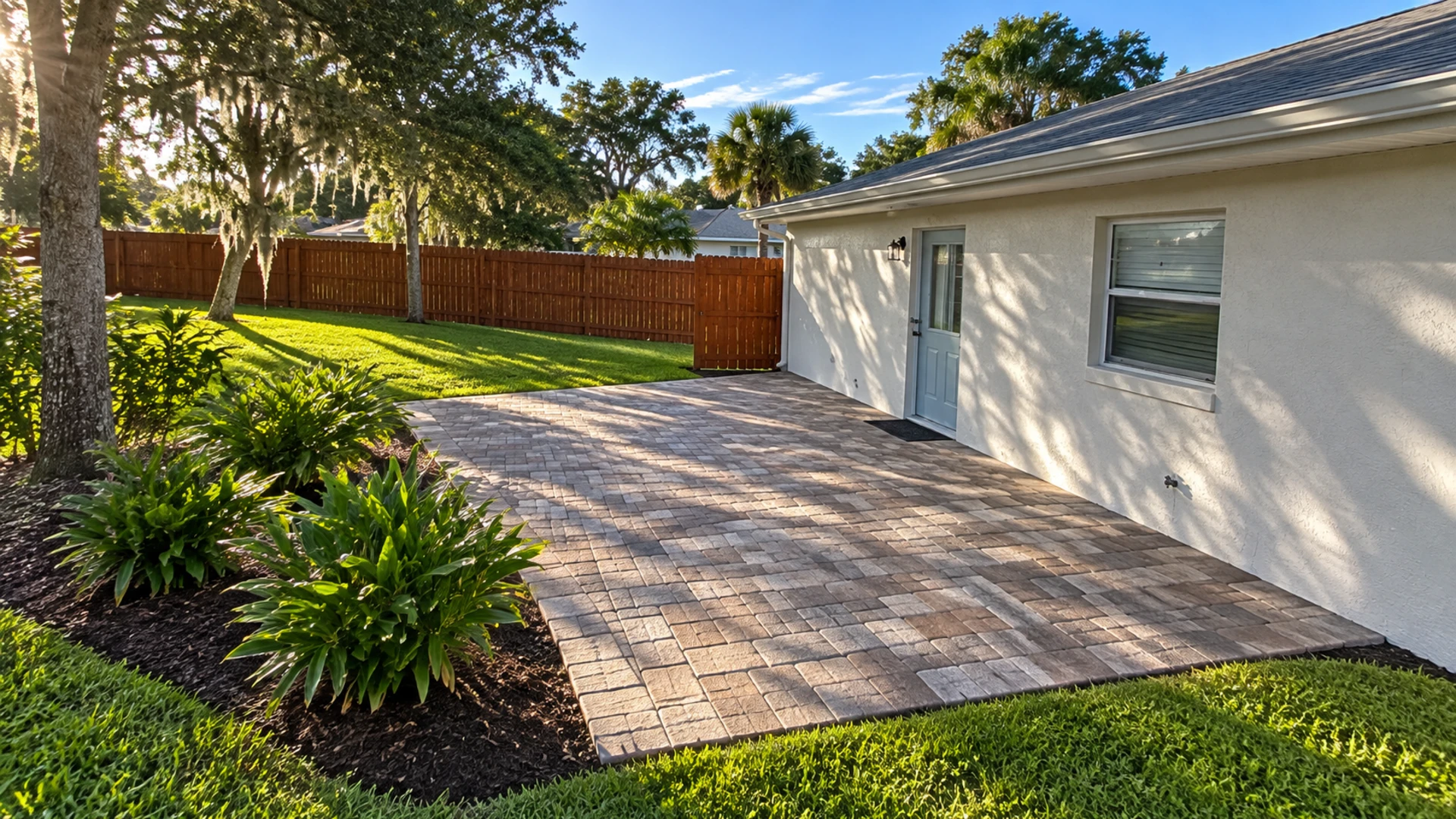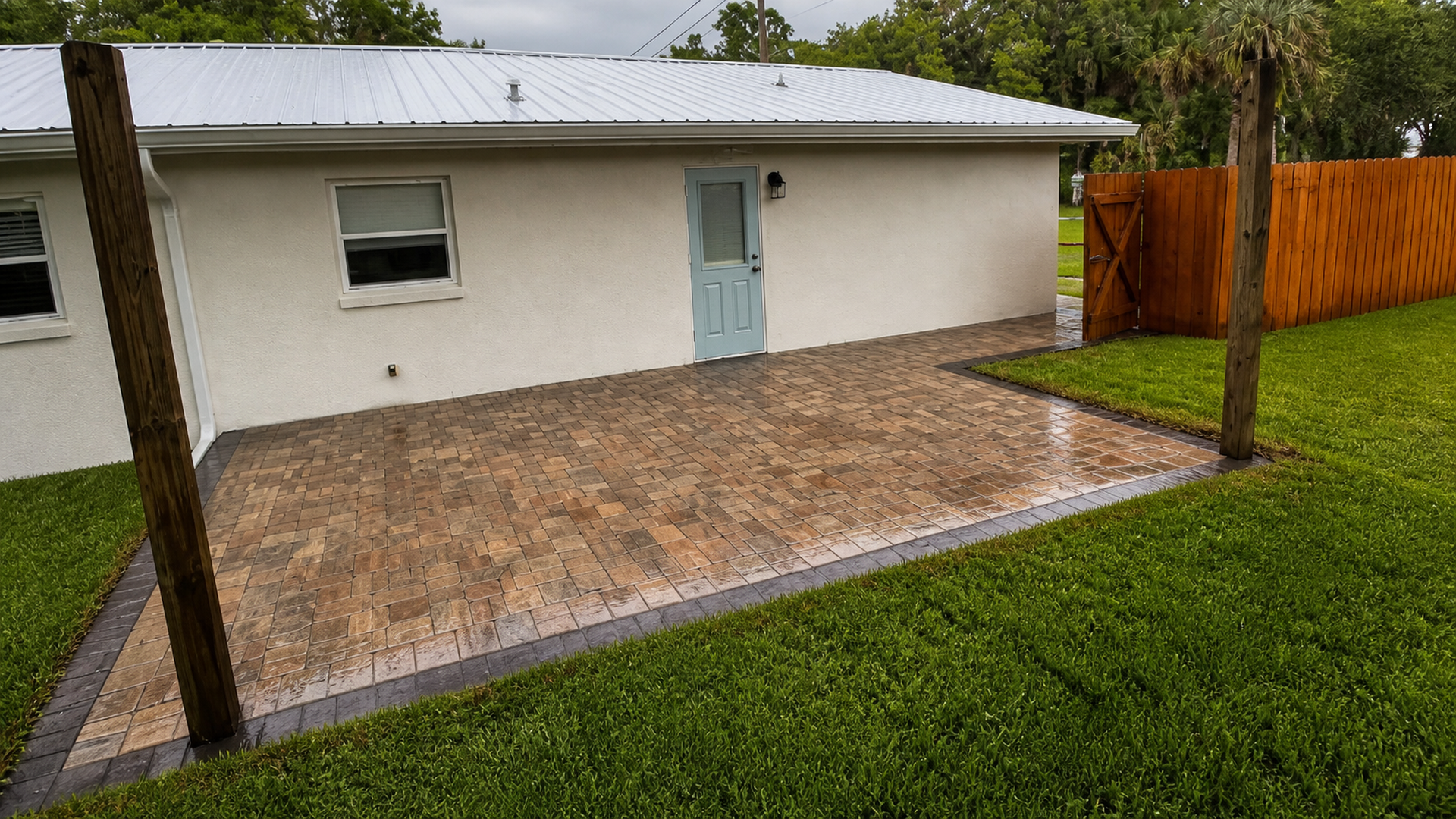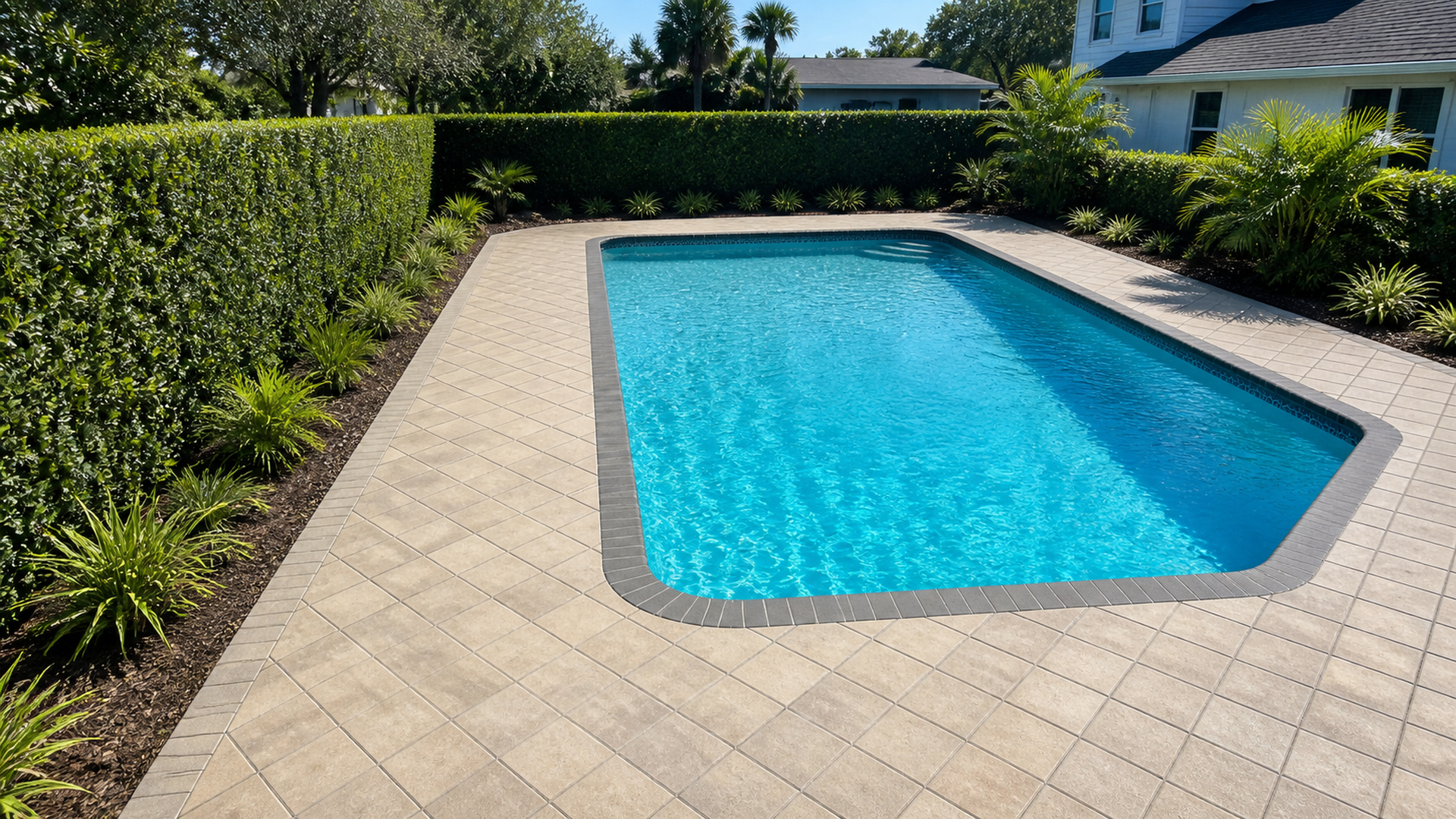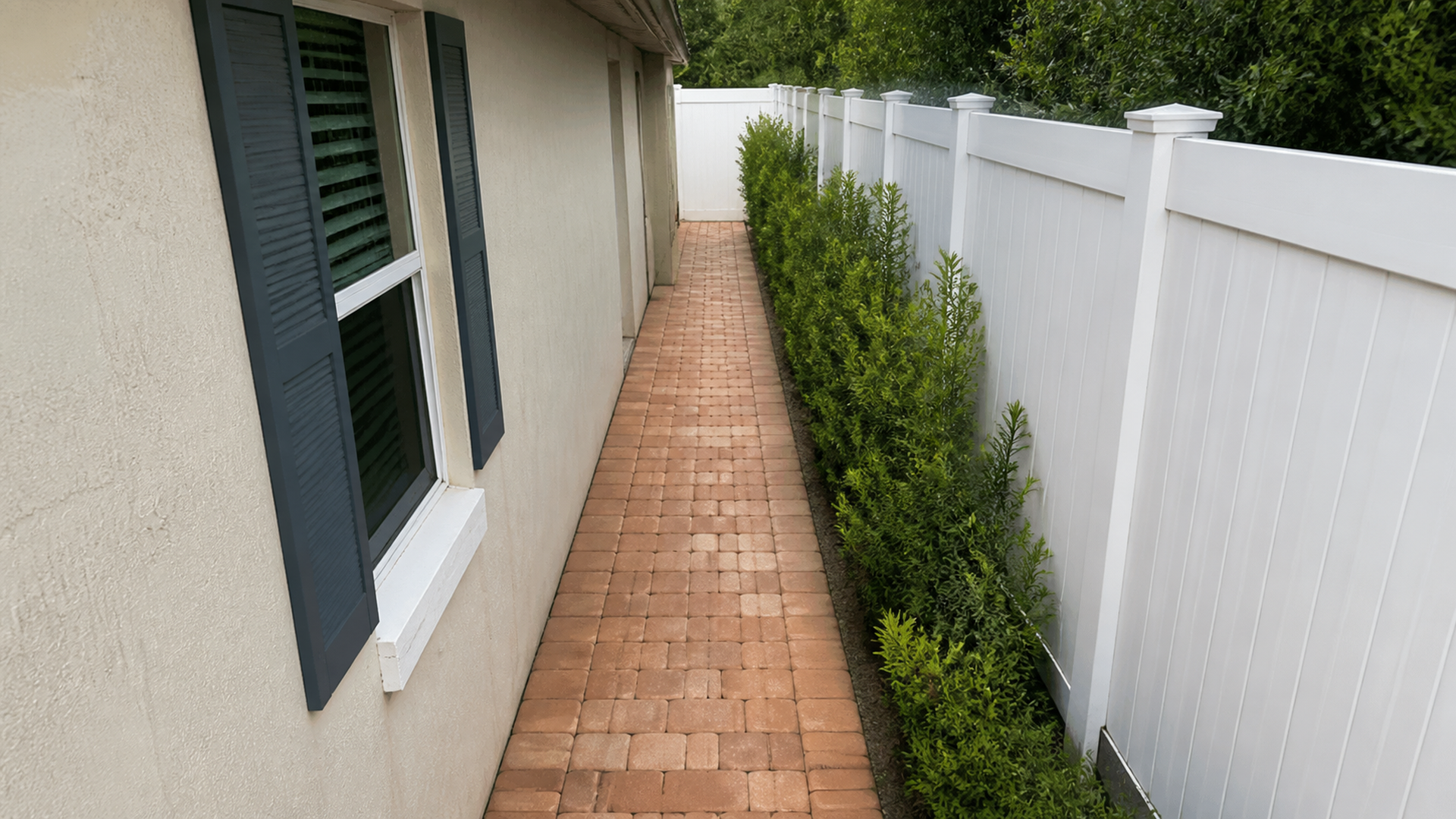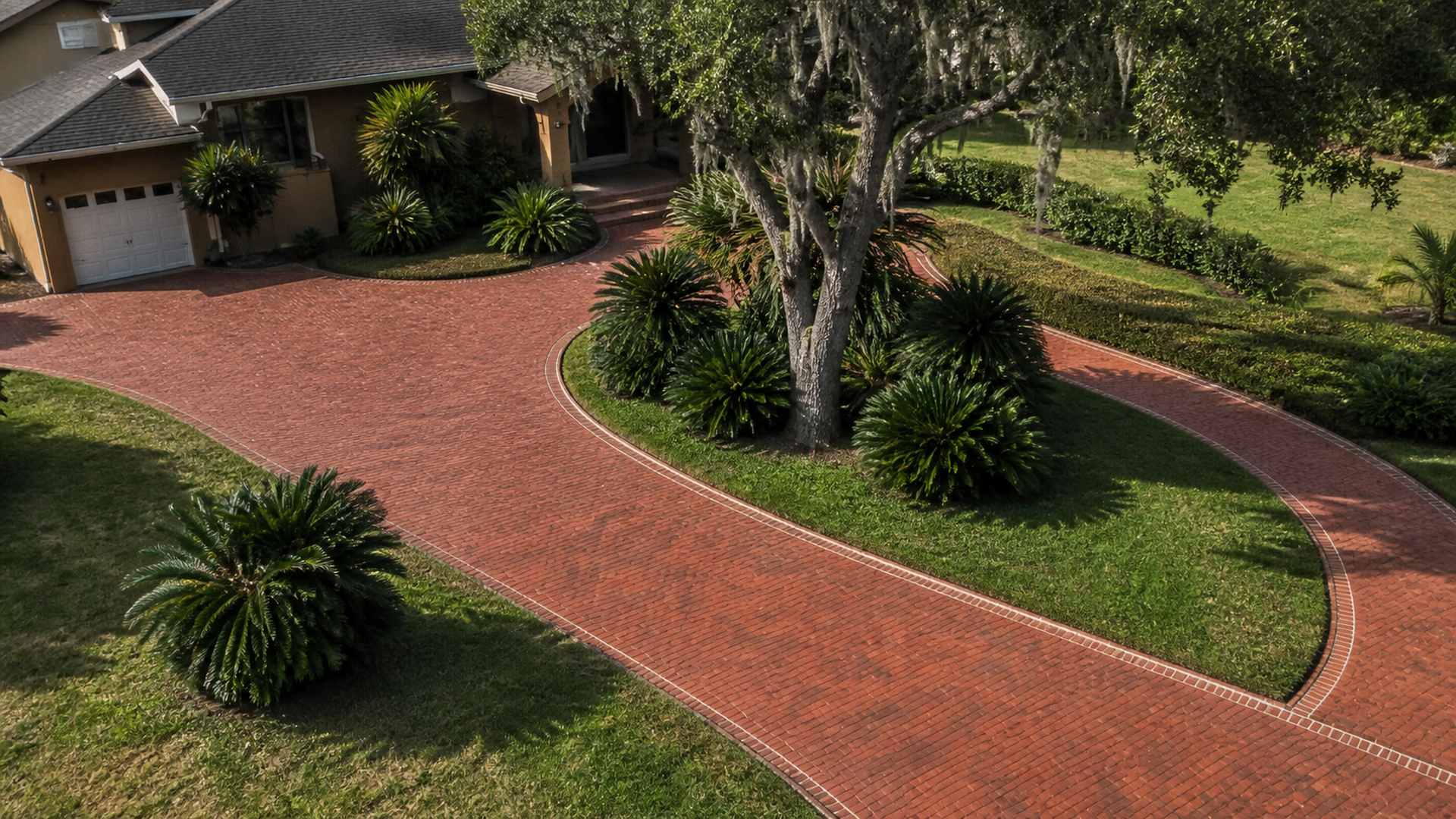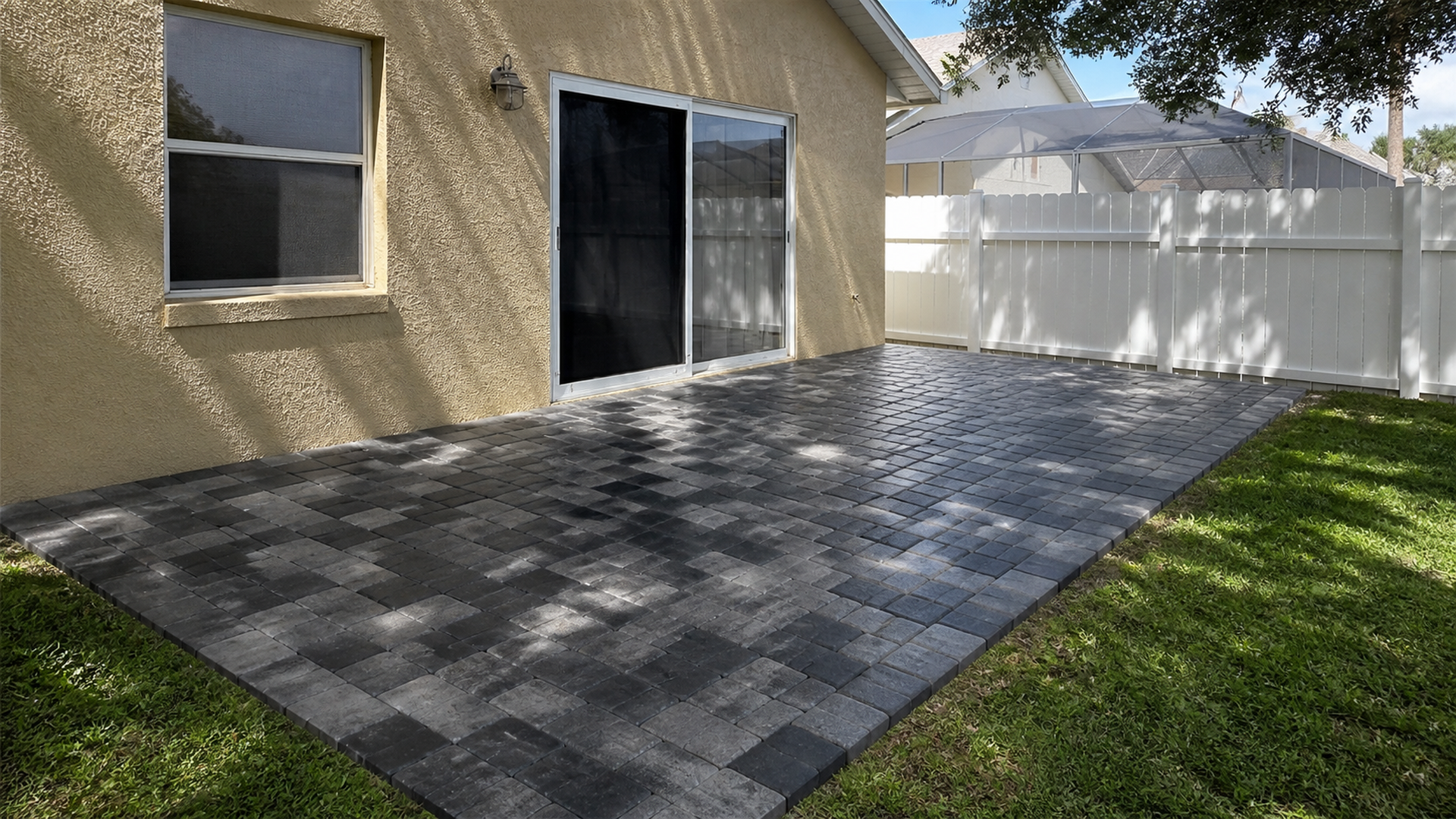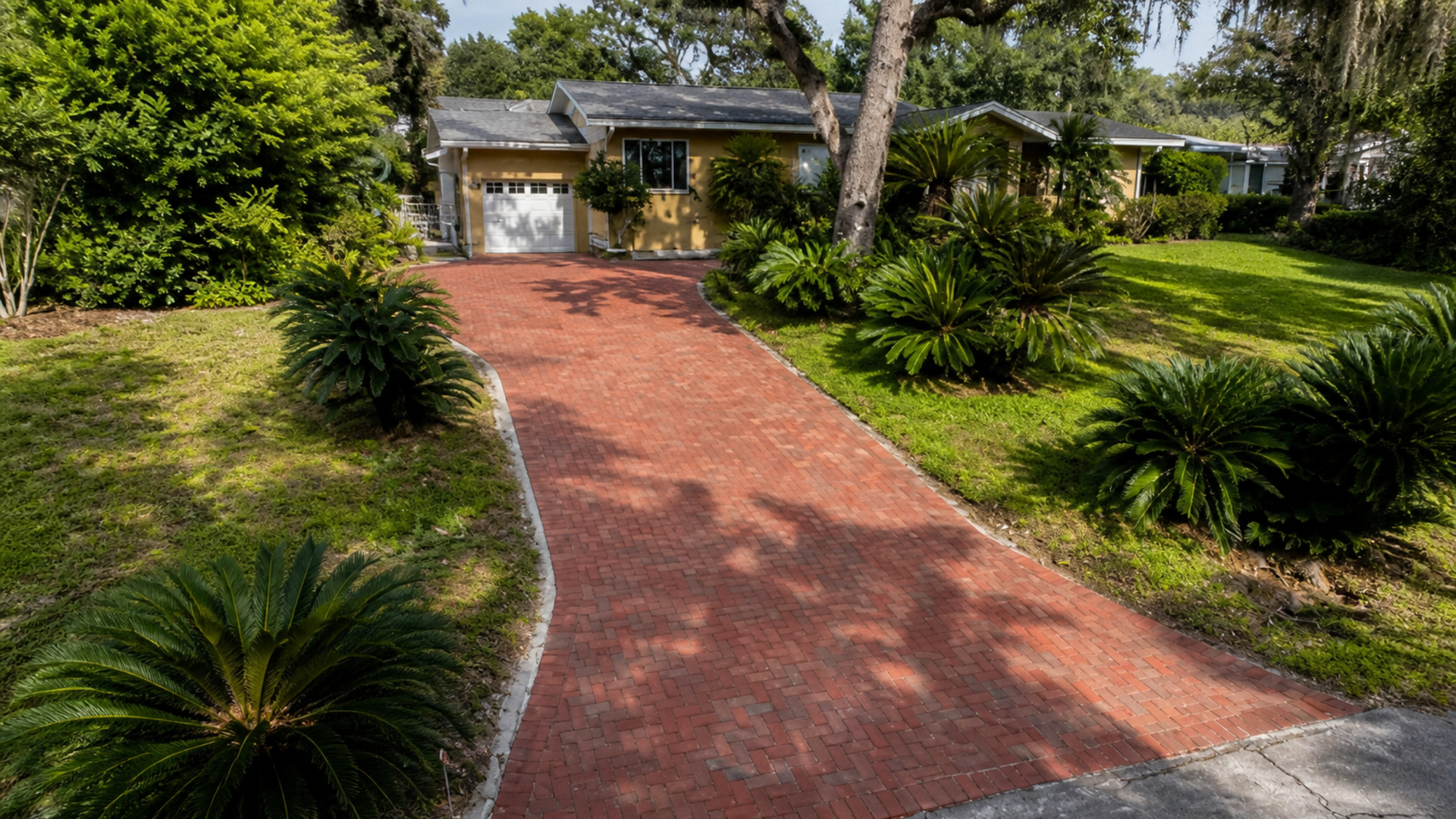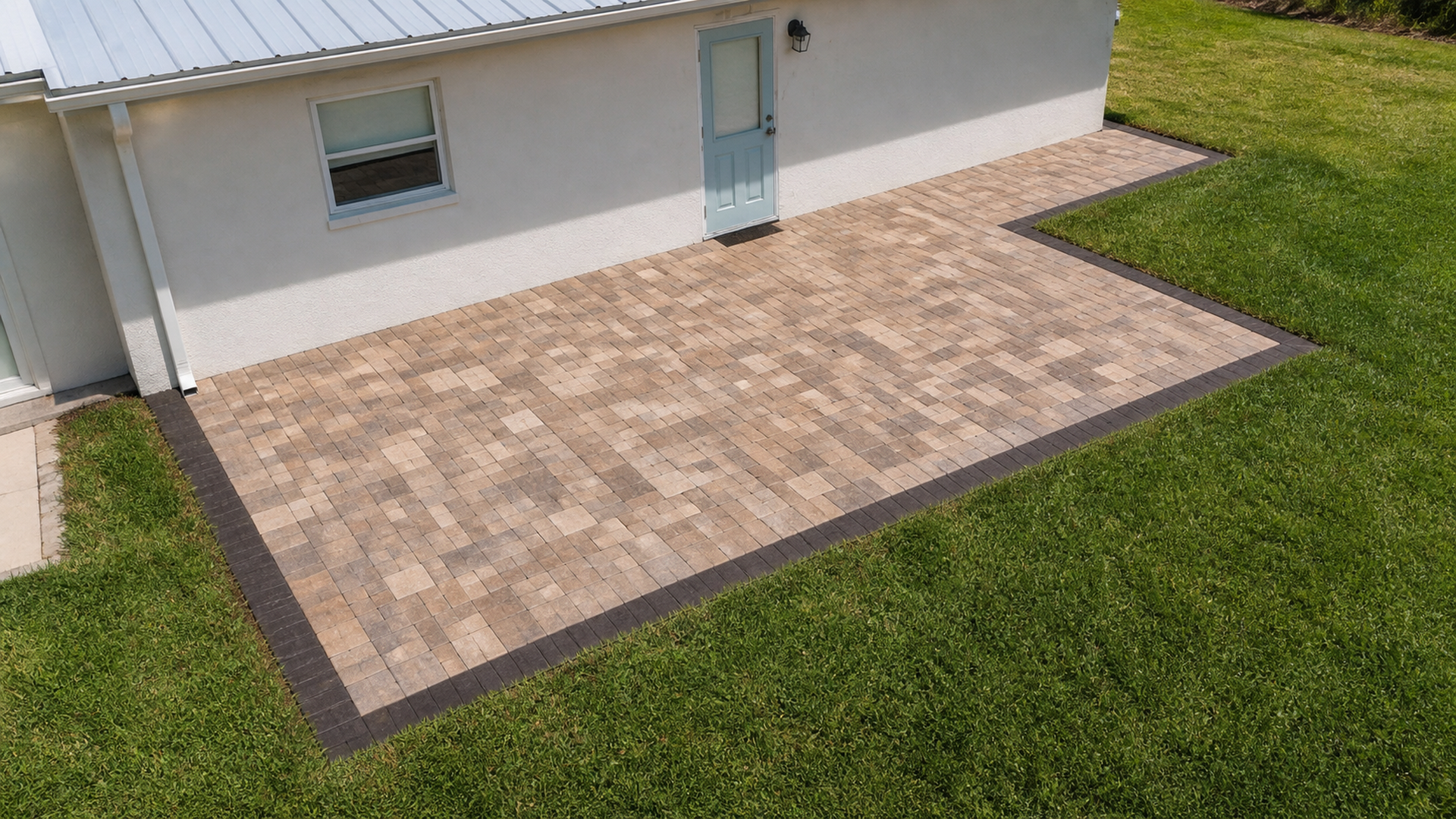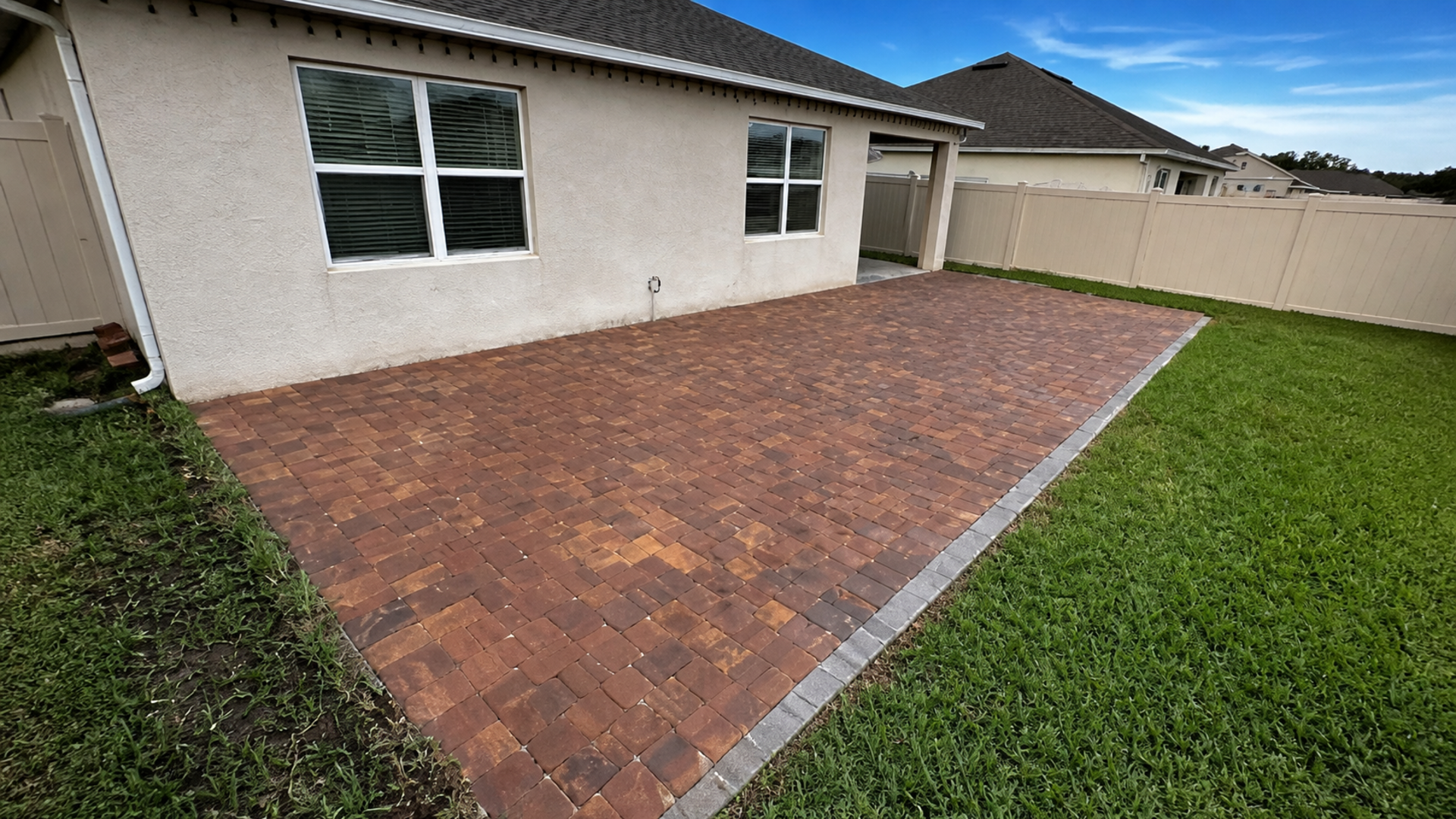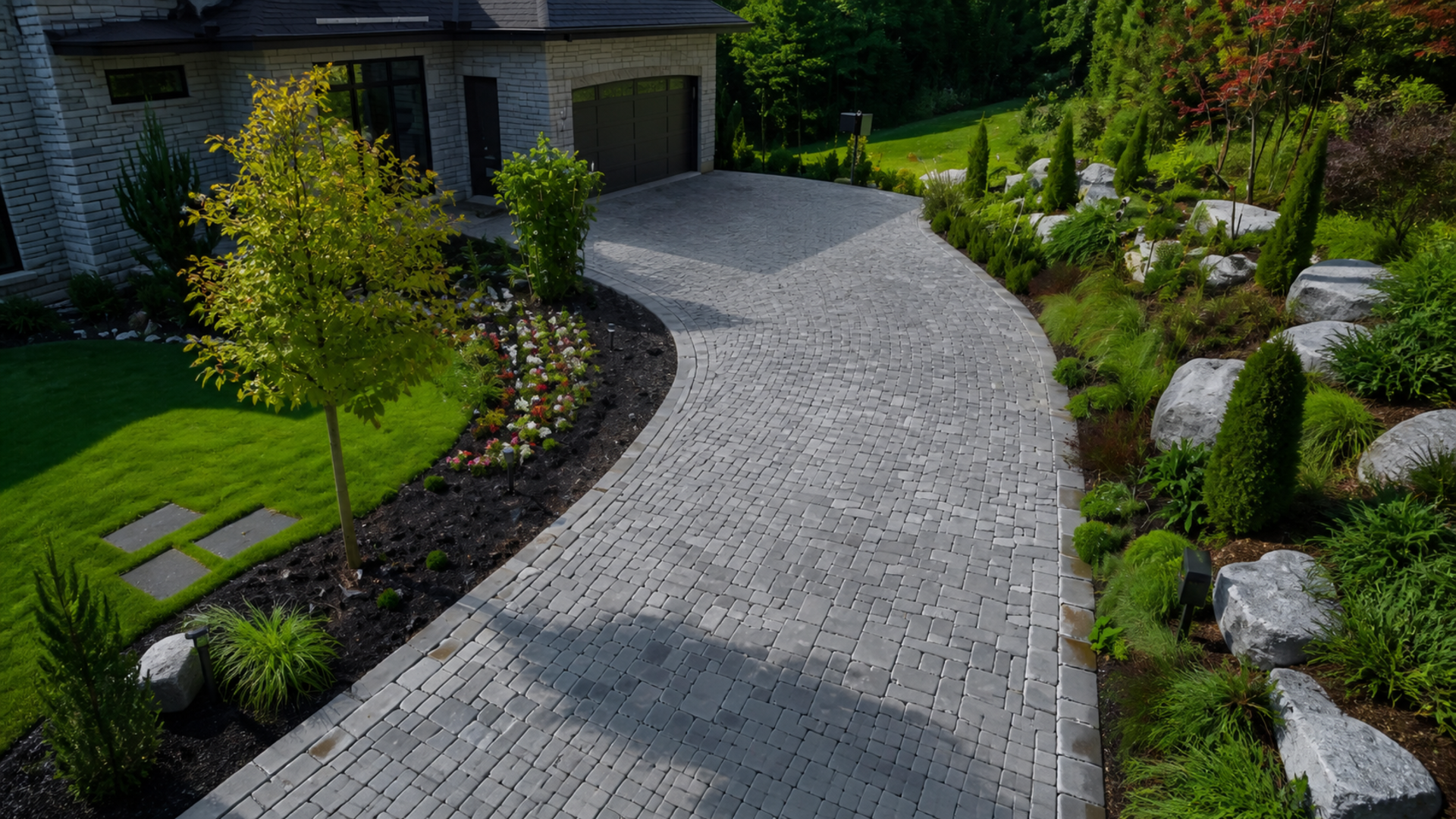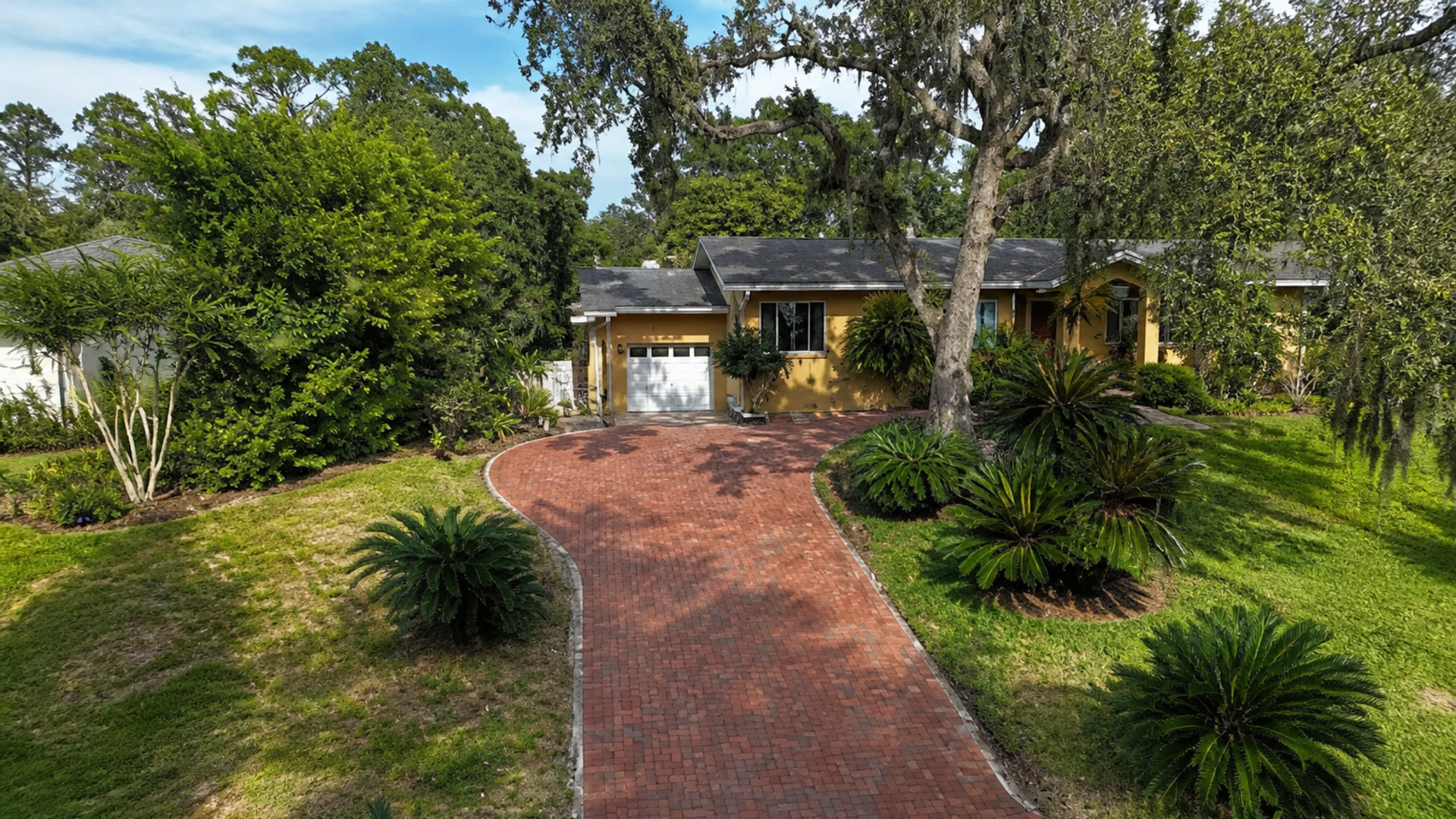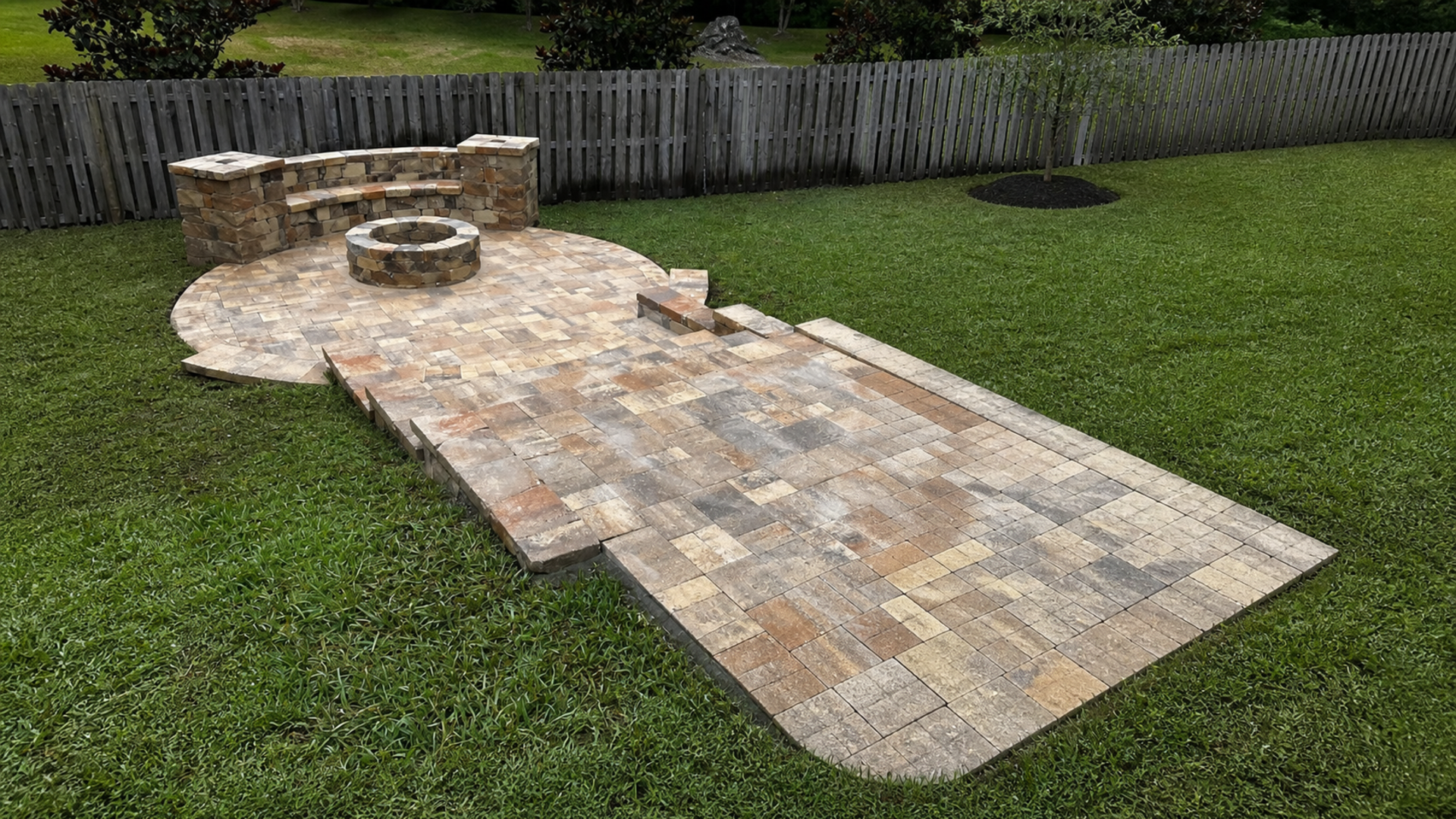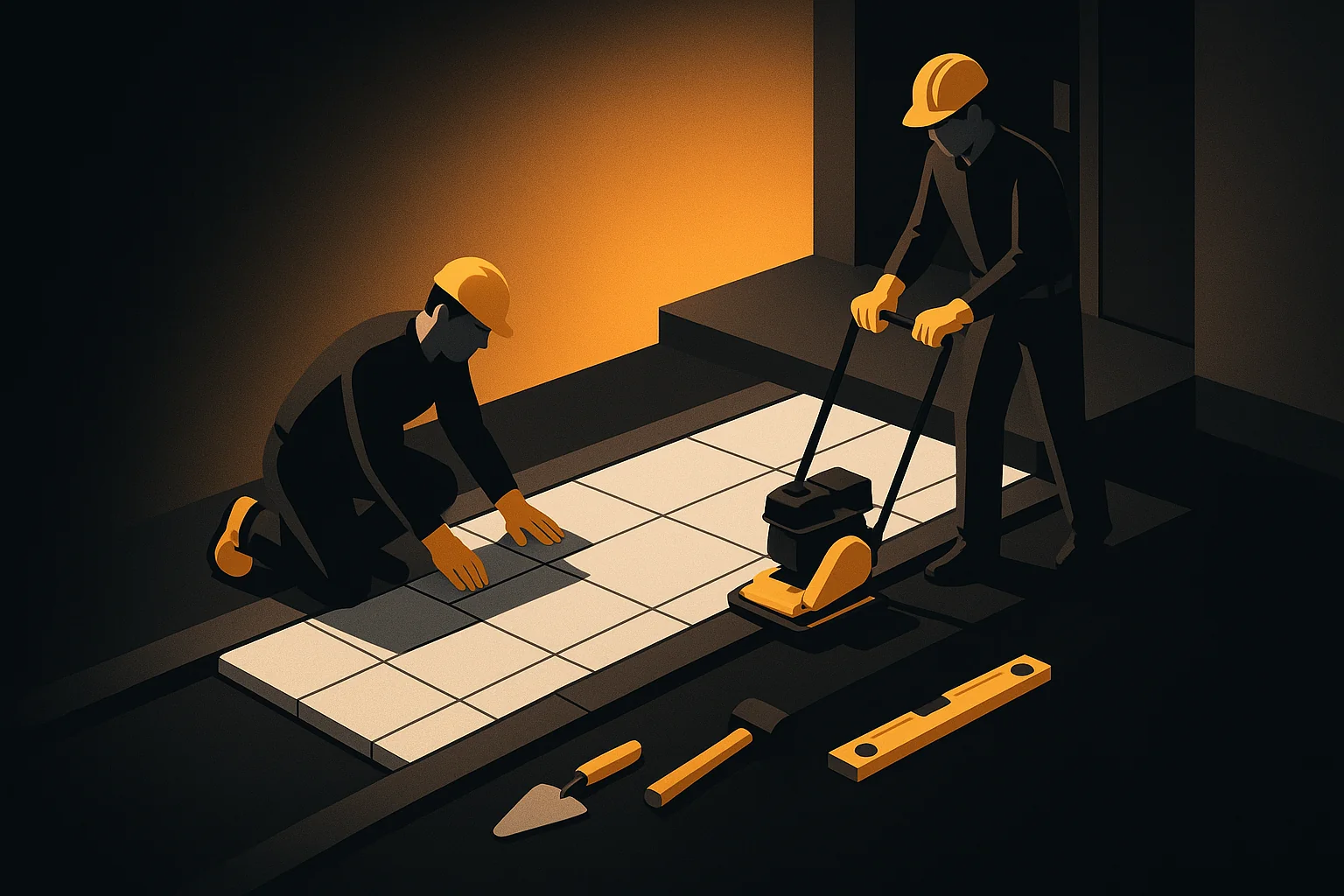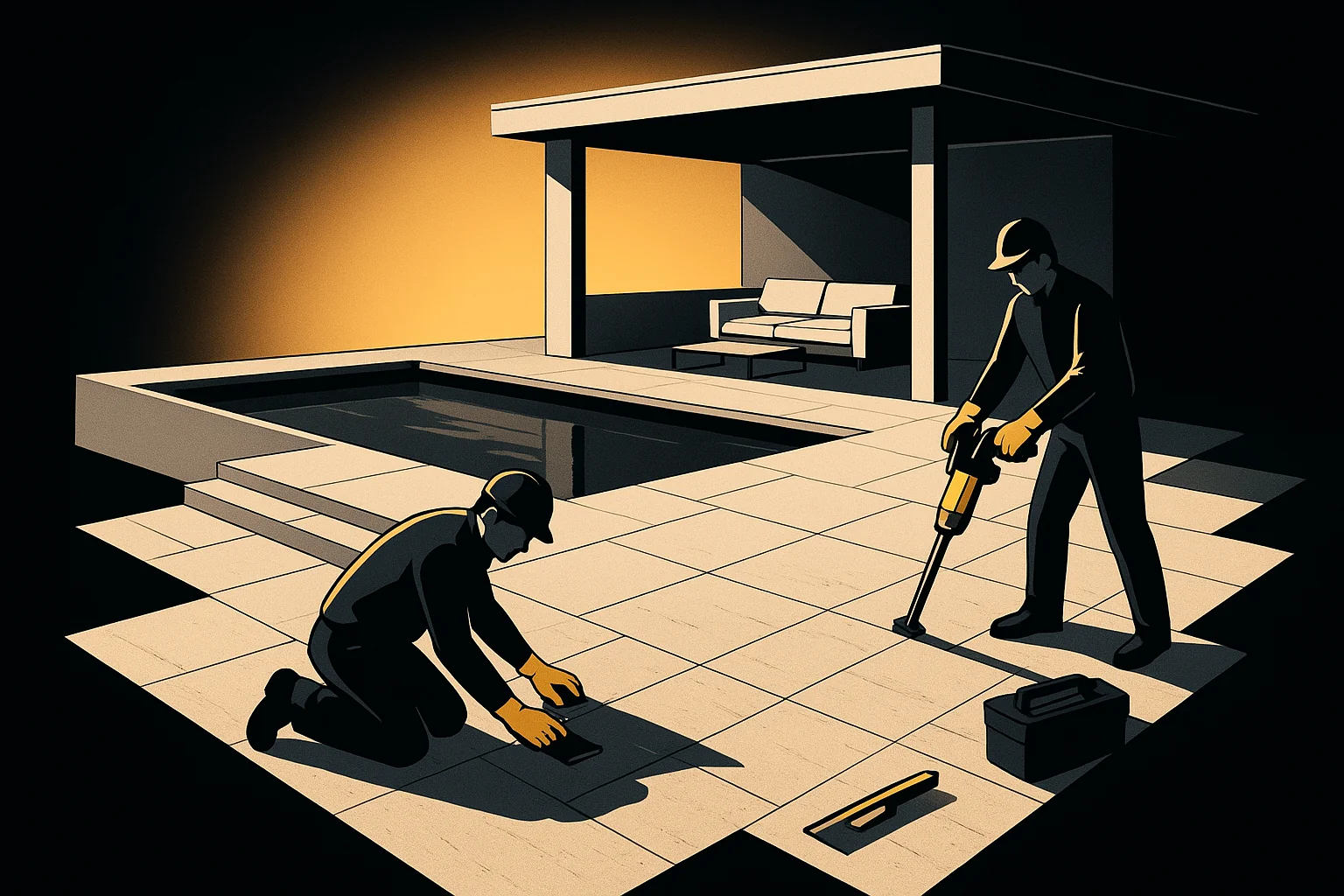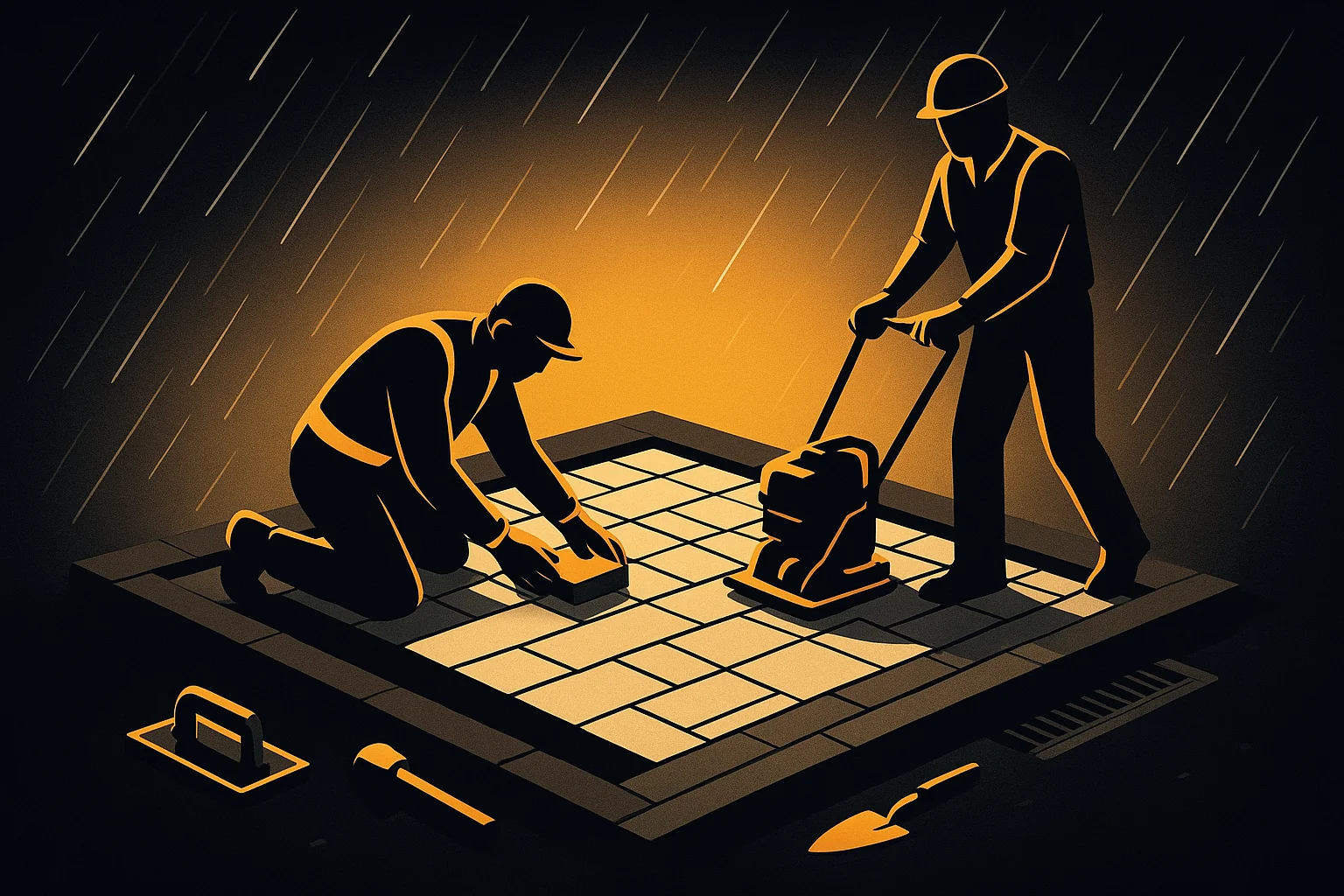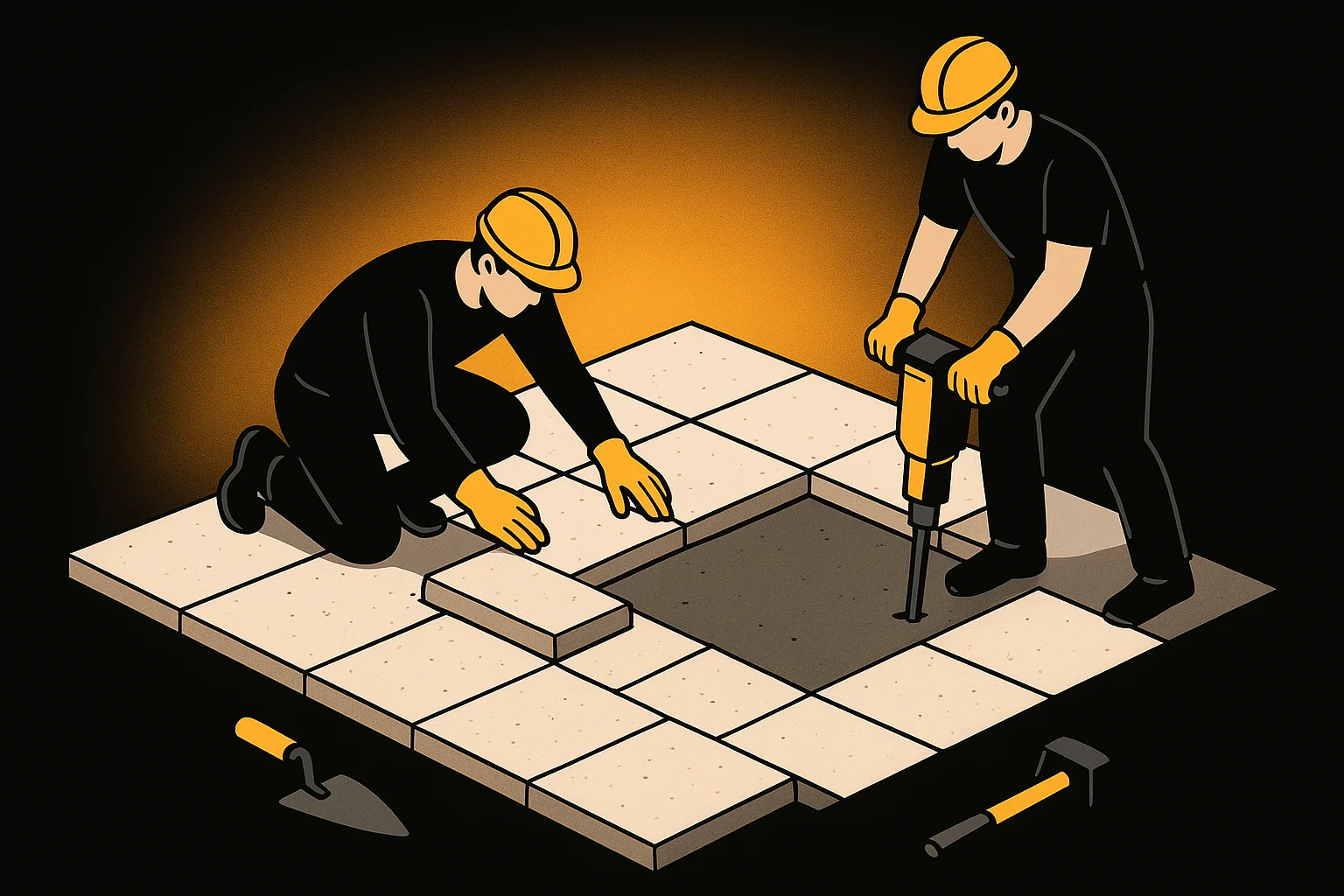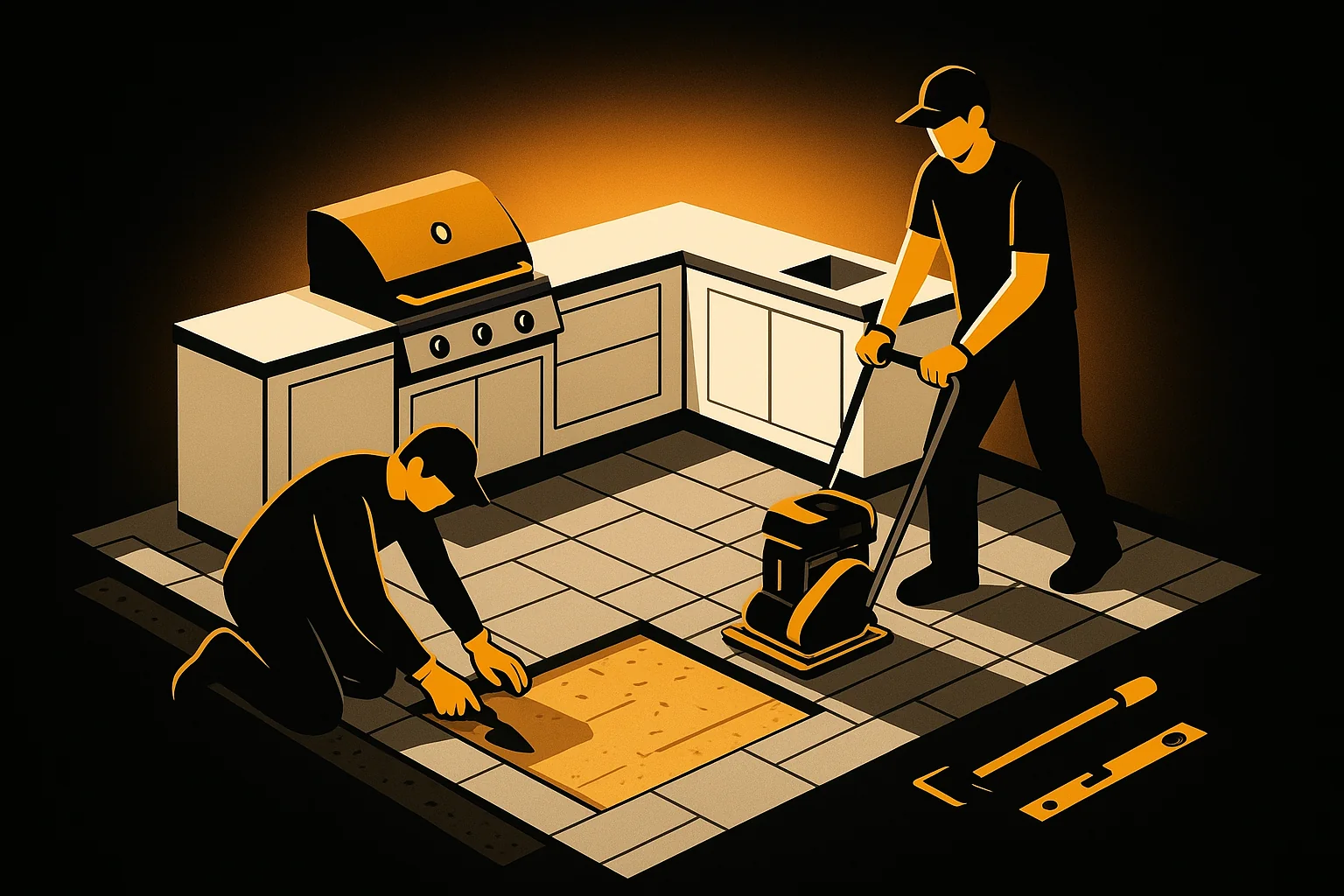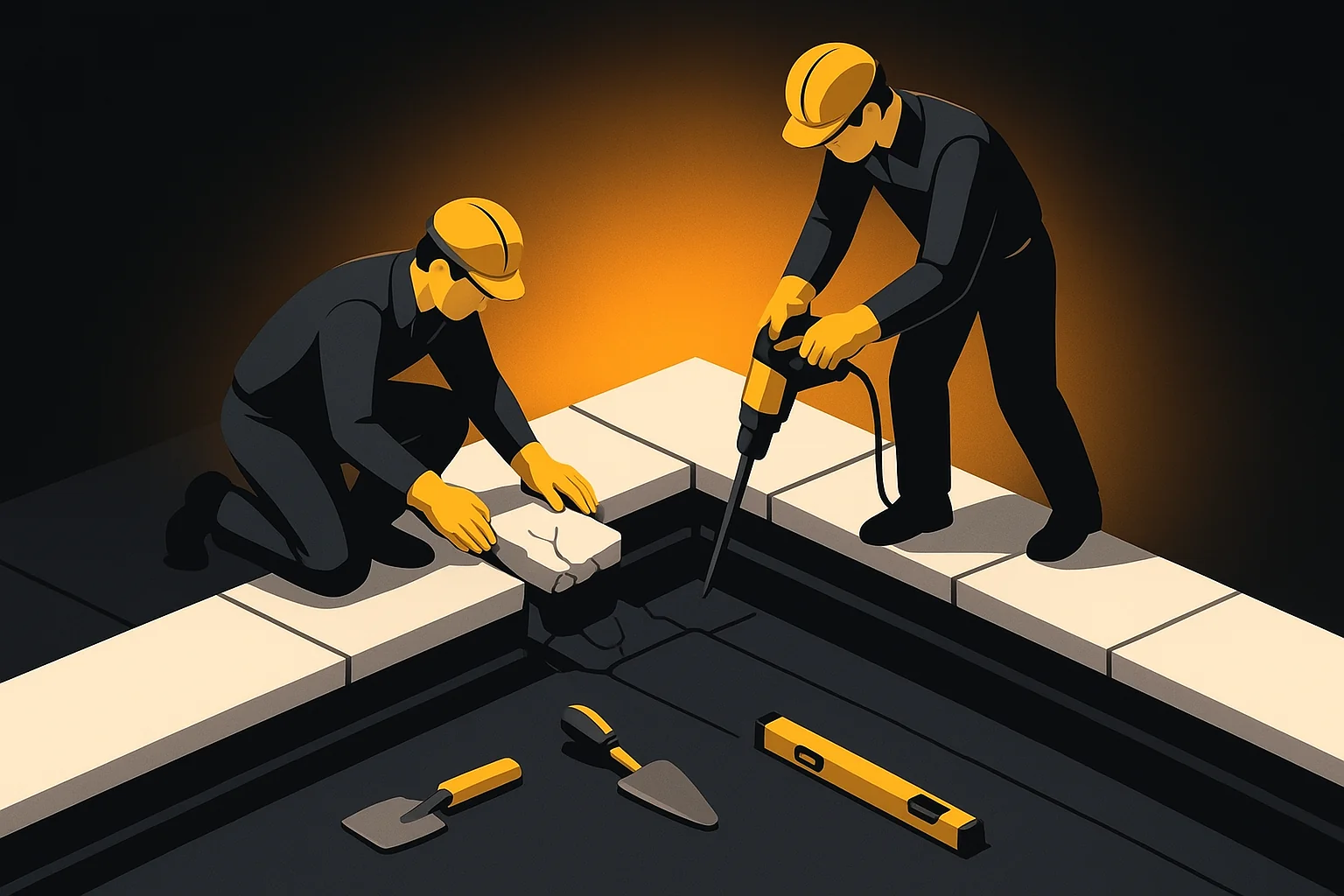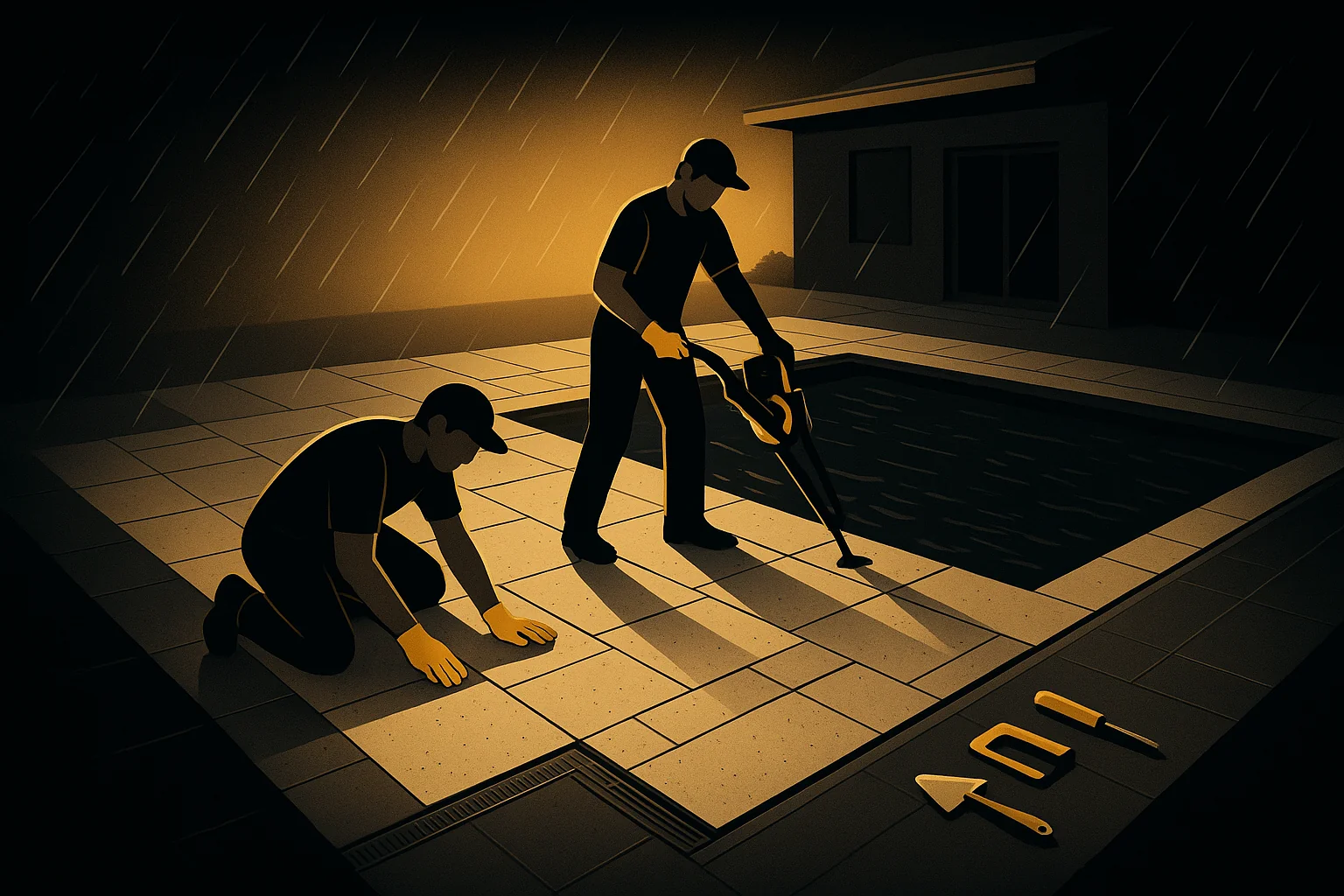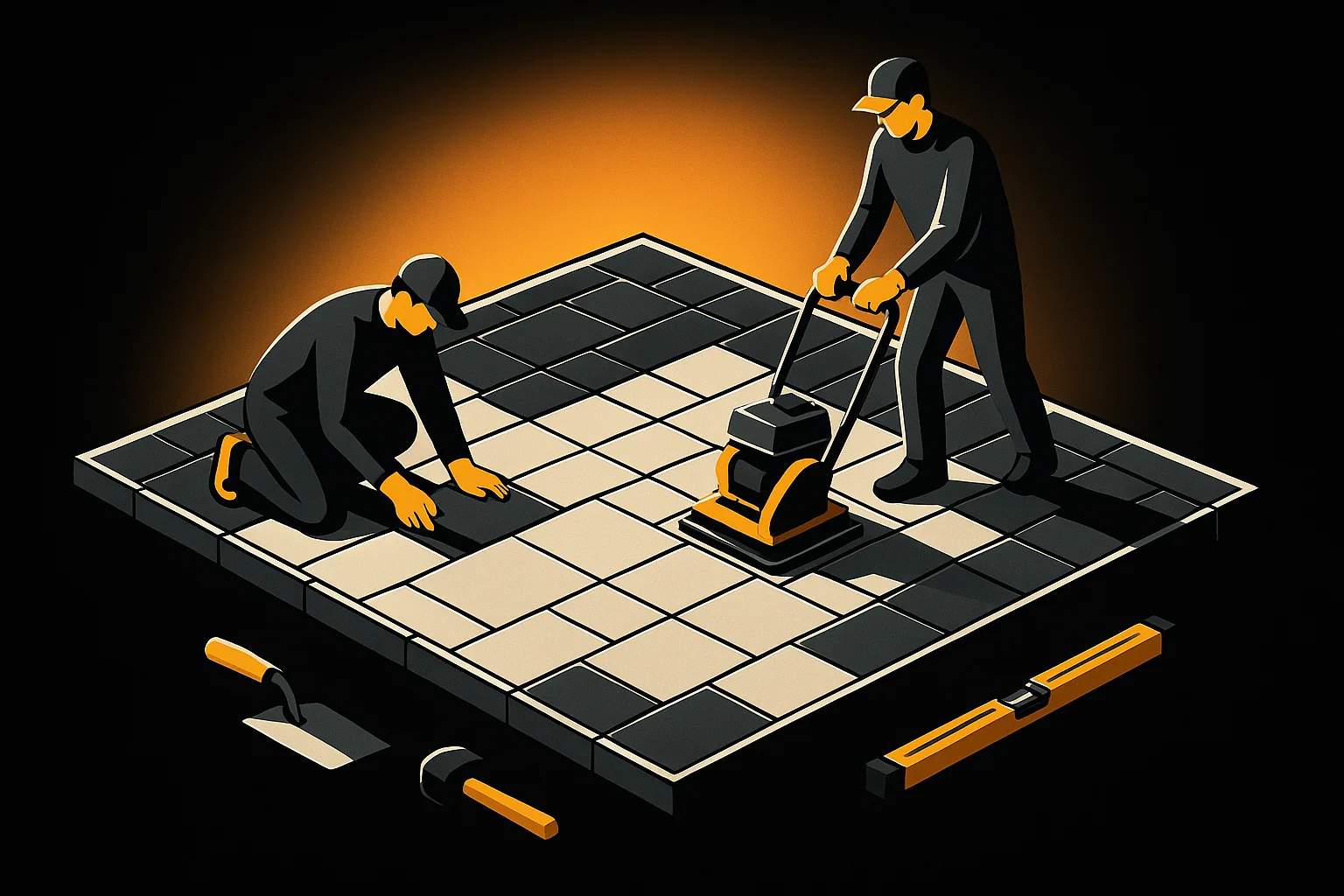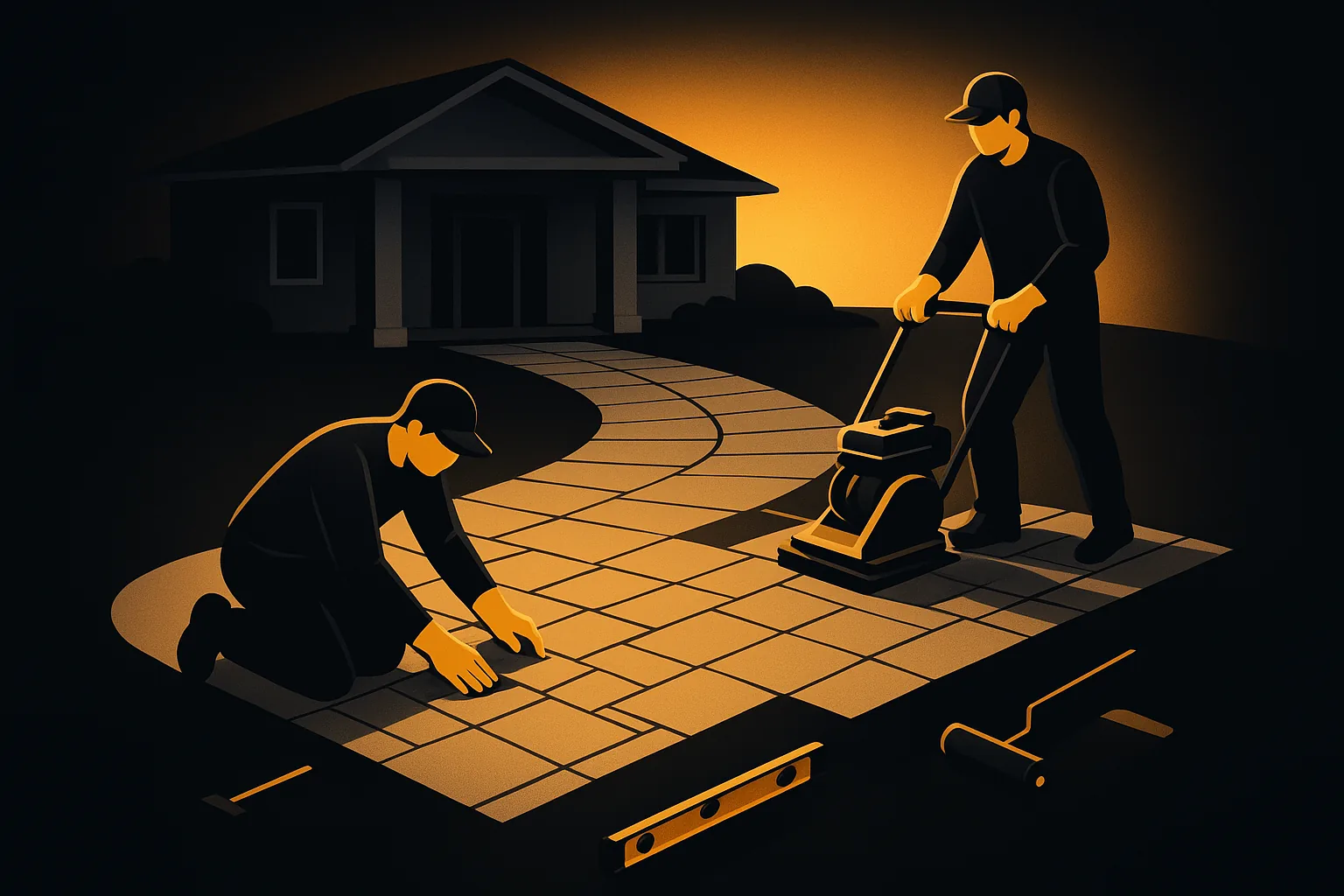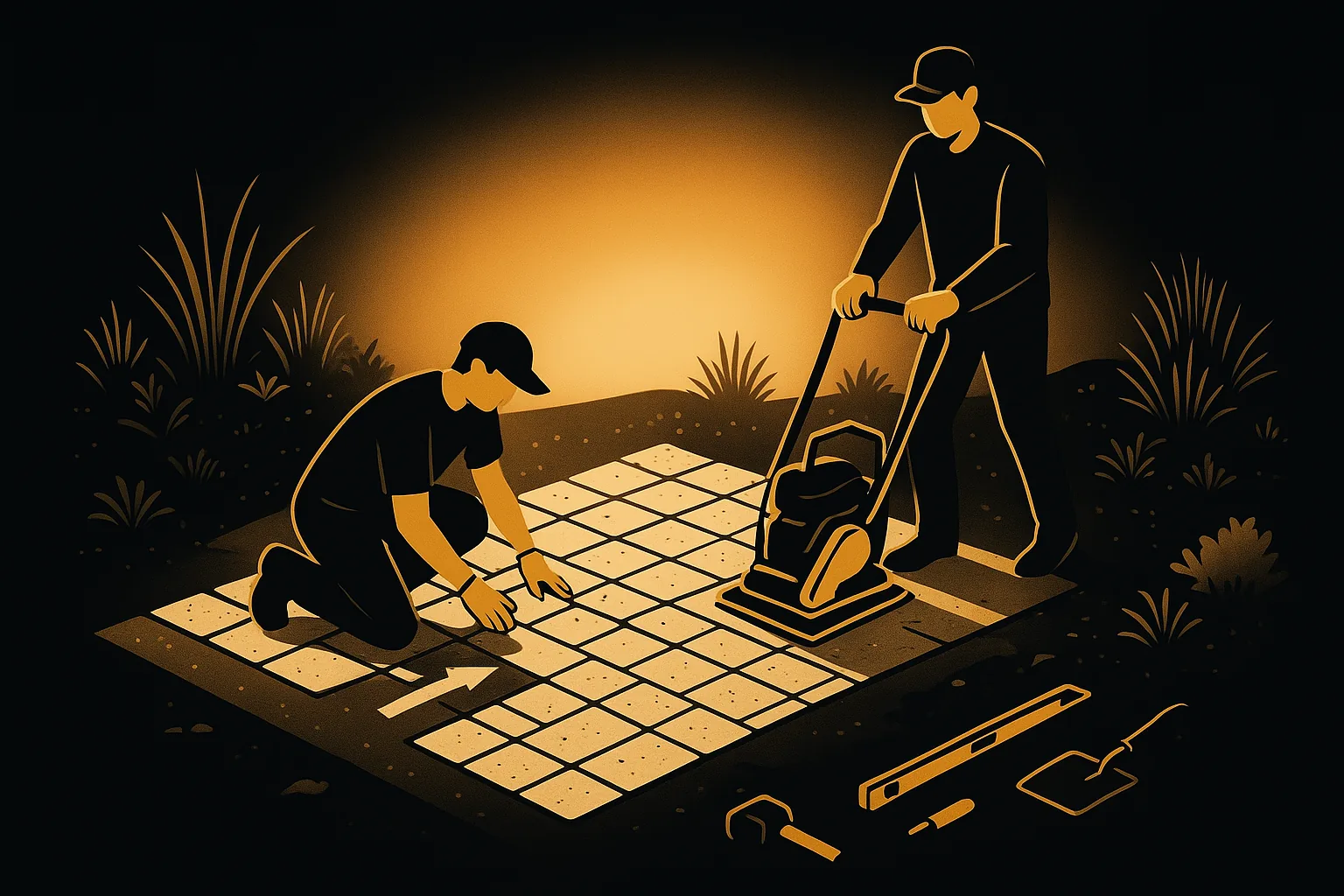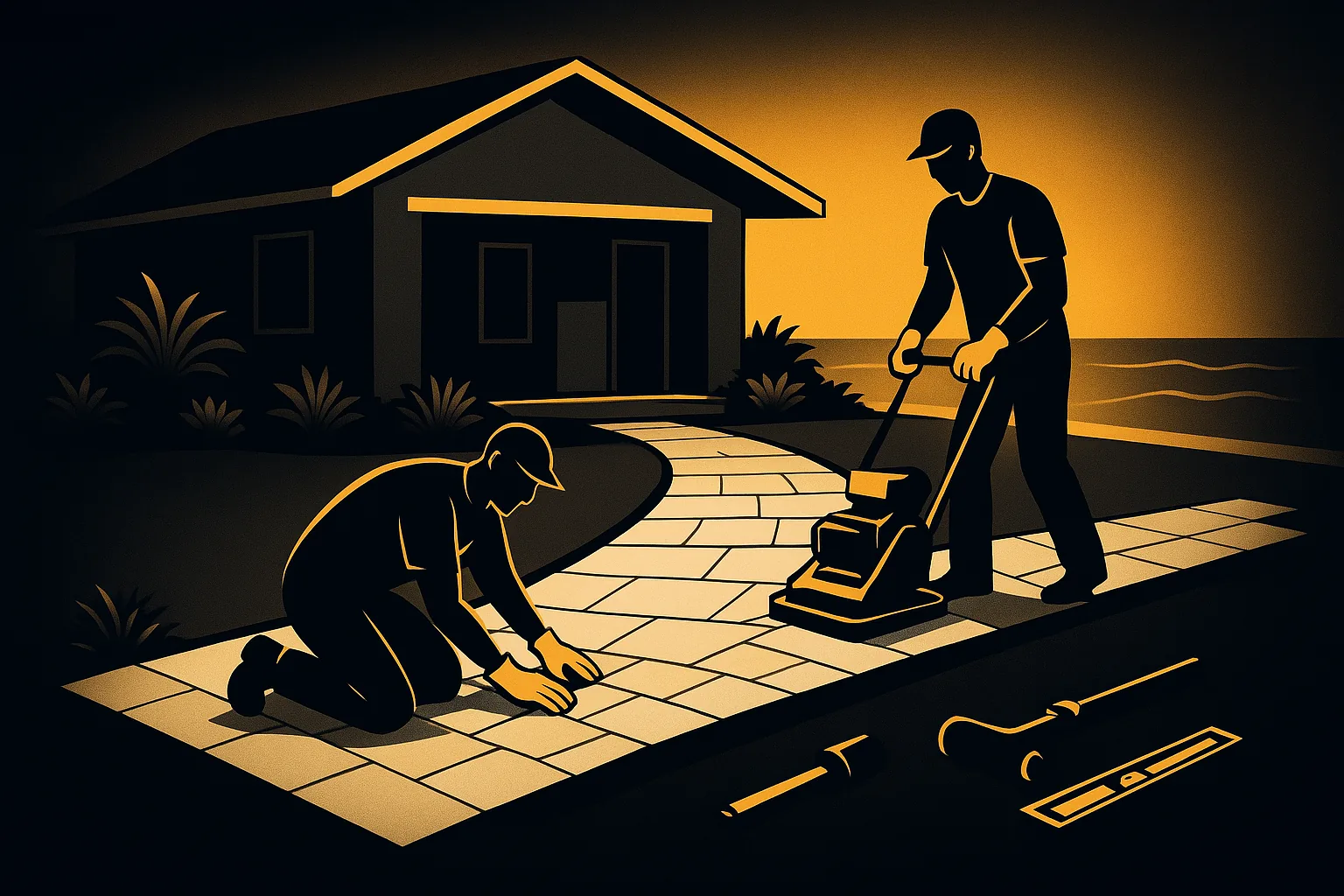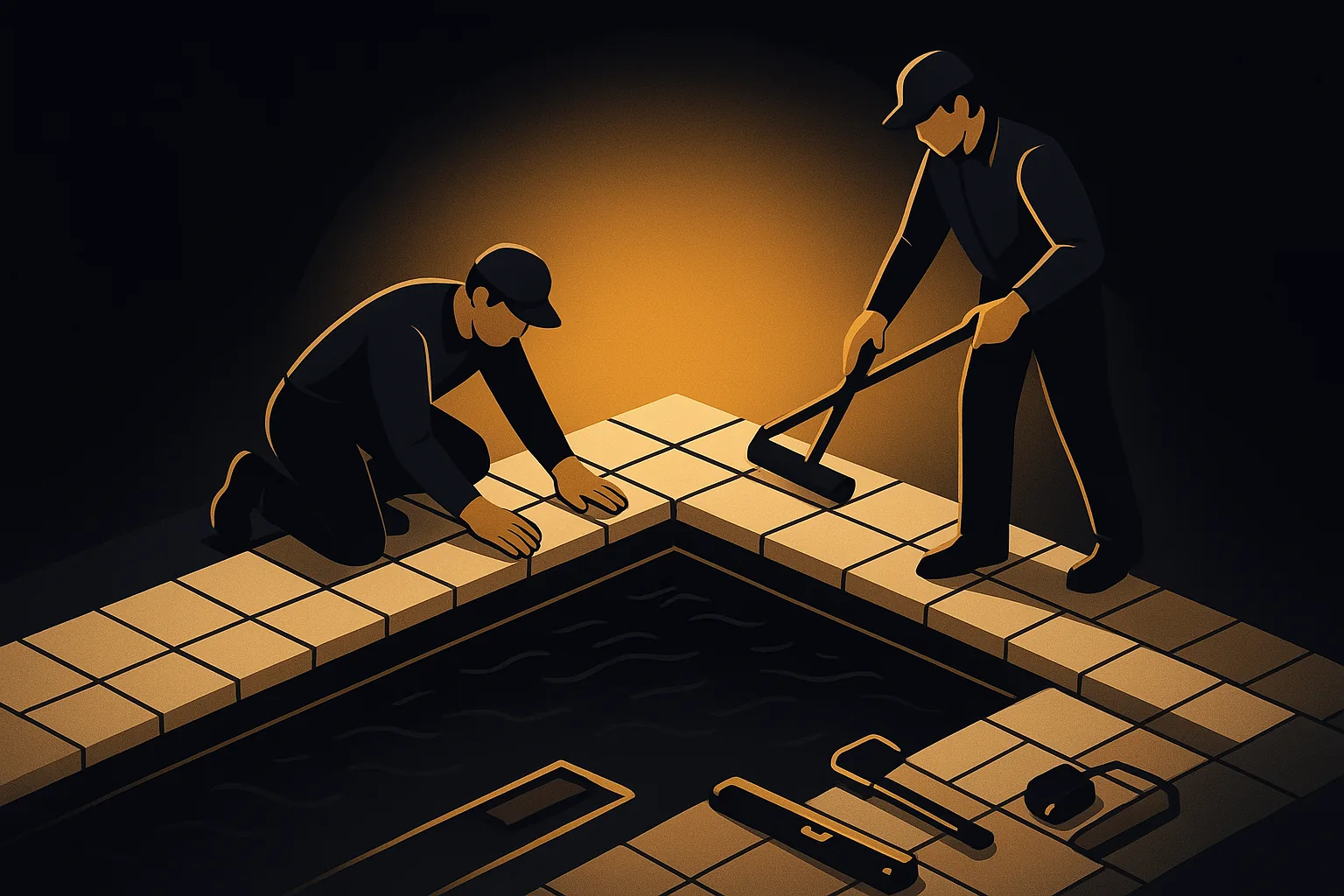
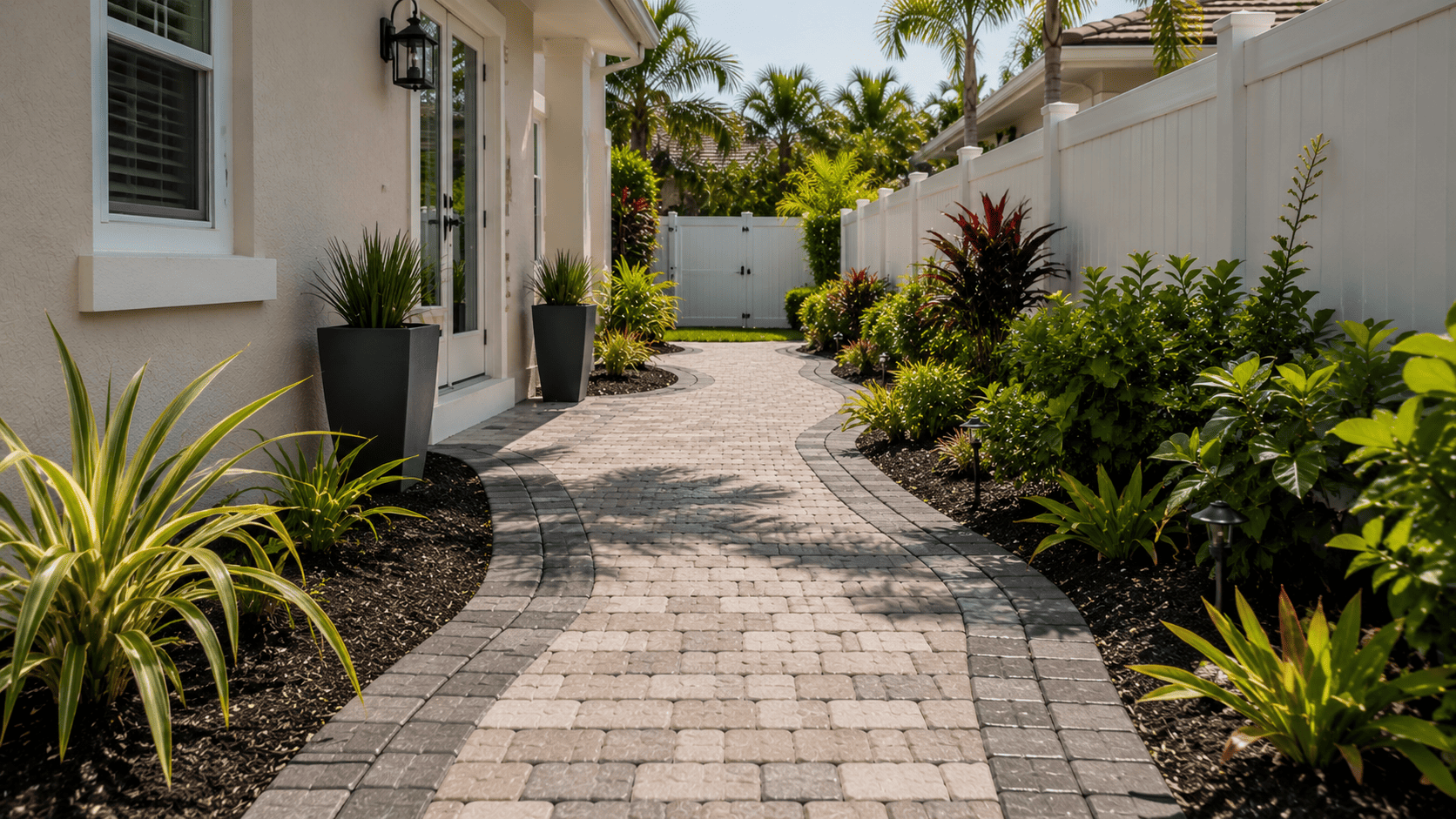
side yard paver ideas Largo FL is not a small cosmetic topic for homeowners in Largo, Florida. Instead, it usually affects how safely the surface performs, how clean the hardscape looks, and how much money the owner will spend over the next few years. Because of that, the smartest plan is rarely the fastest visible fix. Rather, the right move is the one that respects drainage, base stability, comfort, and long-term maintenance at the same time.
Moreover, Florida properties place unique pressure on any paver-related surface. Heat, rain, humidity, algae, and shifting subgrade conditions create wear patterns that homeowners can miss when they only judge the surface by color or age. As a result, side yard paver ideas Largo FL should always be evaluated in the context of site conditions, traffic, and how the hardscape ties into the rest of the yard. That is why quick patchwork often looks cheaper at first but costs more later.
In addition, homeowners usually get better results when they connect this decision to the right service path from the beginning. For example, a project may lean toward a focused backyard paver and patio service, while another property may benefit more from a related guide such as project gallery. Therefore, this article breaks the topic into practical homeowner language so the next step feels clearer before anyone commits to materials, labor, or a larger remodel.
What Homeowners Should Know About side yard paver ideas Largo FL
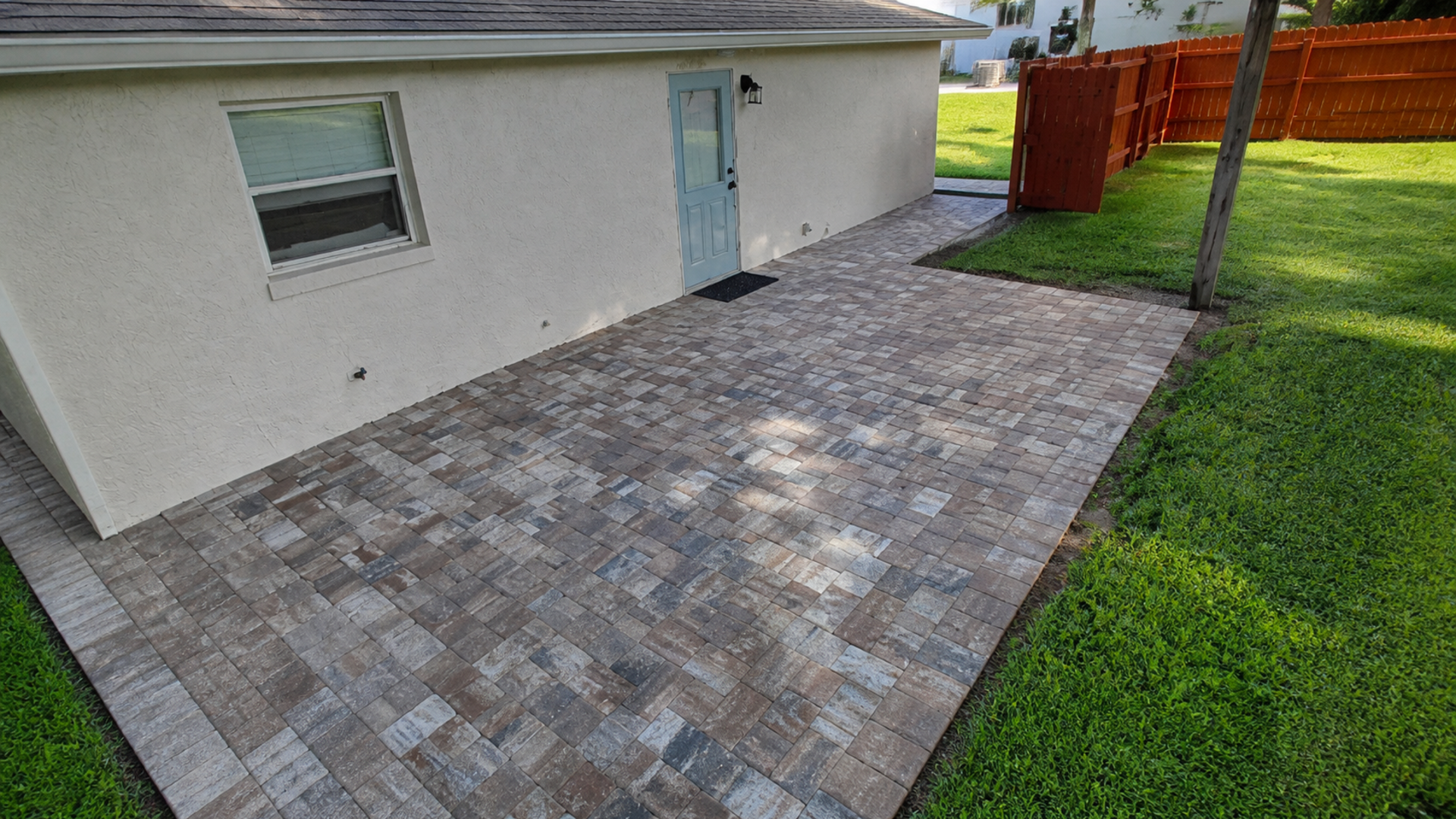
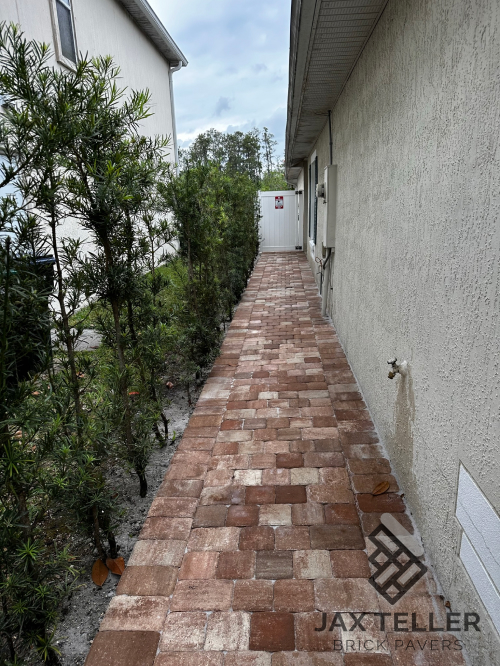
First, side yard paver ideas Largo FL becomes easier to evaluate when homeowners stop looking at it as an isolated detail and start treating it like a side yard hardscape design. That shift matters because every visible finish depends on what happens under and around the surface. Therefore, the real question is not only whether the space looks good today. It is whether the layout, base preparation, and water movement support the result after the next wet season and the next year of normal use.
Furthermore, the best outcomes almost always come from aligning the project with a clear purpose. For this topic, that purpose is to turn a narrow side space into something useful instead of leaving it muddy or wasted. When homeowners stay focused on that goal, they make better decisions about pattern, texture, drainage, and scope. In contrast, when the plan is driven only by trend photos or a rushed quote, important performance details can be missed even before the work starts.
Why side yard paver ideas Largo FL Needs a Florida-Specific Plan
However, a Florida-specific plan matters because tight width, drainage pinch points, service access, shade, and awkward transitions to gates or patios. Those conditions change how pavers age, how surfaces feel underfoot, and how quickly minor defects become visible. Consequently, the right specification in Largo, Florida is not always the same as the one that looks attractive in a generic inspiration image from another climate. Regional weather pressure should shape the entire recommendation.
Likewise, homeowner expectations should match how the space will actually be used. If the surface will host guests, children, pets, or heavier traffic, then comfort and traction matter just as much as aesthetics. Because of this, guidance from Concrete Masonry and Hardscapes Association can be helpful when evaluating broader hardscape principles, while the local property still needs a site-specific decision. That combination of general standards and local observation usually leads to stronger results.
Design and Material Decisions That Shape the Result
Next, material and layout decisions shape both performance and appearance. The strongest projects combine paver selection, edge treatment, pattern logic, and slope planning in a way that feels integrated instead of pieced together. As a result, the finished surface delivers cleaner movement, better storage or utility access, and a side space that supports the whole property. That is why the smartest design decisions usually look quiet and effortless after the job is done.
Similarly, homeowners should compare empty side yards versus spaces designed for drainage, access, and visual continuity. The lower-cost or more familiar option may still be right in some cases. Even so, it should only win after the performance tradeoffs are understood clearly. Otherwise, the project can start with a clean visual impression and still create avoidable repairs, discomfort, or maintenance frustration later.
Which Details Change Performance First
In particular, small construction details often change performance first. Joint behavior, edge restraint, base thickness, water direction, and tie-in elevations may sound technical, yet they directly control whether the surface stays stable and usable. Therefore, a premium-looking finish still needs the invisible layers to be right. Without that, the hardscape may age poorly even if the paver itself is a strong product.
Beyond that, homeowners should think about moving trash cans, garden tools, pets, and guests through the side of the property without mess. A driveway, pool deck, patio, or walkway performs best when the design follows the way people actually move through the property. As a result, good planning reduces awkward transitions, avoids water traps, and supports furniture, vehicles, or foot traffic more naturally. That day-to-day usability is one of the clearest signs of quality.
Common Problems, Tradeoffs, and Mistakes
On the other hand, many disappointing results are not caused by the paver itself. They come from rushed sequencing, incomplete diagnosis, or an overly narrow budget conversation. In other words, the project underperforms because critical tradeoffs were never discussed honestly. Once that happens, even good materials can end up sitting on top of the wrong assumptions.
Most importantly, homeowners should watch for repeated failure patterns before approving any scope. If movement, washout, slick buildup, fading, or mismatched transitions already exist, then the proposal should address the cause and not only the symptom. Therefore, these are the mistakes that most often create rework or regret:
- Choosing the surface only by color and ignoring how the base, slope, and edge restraint affect performance.
- Postponing drainage corrections even when puddling, washout, or settlement is already visible.
- Assuming any paver system will perform the same without checking thickness, texture, and installation method.
- Treating repair, sealing, or reset work as cosmetic even when the root cause is structural movement.
- Waiting too long to involve a specialist after the first visible signs of movement or wear.
Cost, Maintenance, and Long-Term Value
Meanwhile, long-term value is usually created by choosing the right scope before choosing the cheapest line item. When the hardscape is designed and built around the property’s real conditions, the owner gets a surface that stays attractive and easier to maintain. As a result, the project tends to feel more economical over time even if the upfront proposal is not the lowest number on paper. That is the difference between price and value.
Equally important, the owner’s maintenance expectations should be discussed early. Some surfaces ask for light ongoing attention, while others need more deliberate sealing, cleaning, or joint correction to keep their best appearance. Therefore, a realistic conversation about keeping edges tight, controlling runoff from roofs, and avoiding slippery algae buildup in shade helps the homeowner budget both money and effort more accurately from the beginning.
What Usually Affects Pricing More Than Homeowners Expect
Then, pricing usually moves the most when hidden conditions force the scope to expand. Demolition, drainage correction, edge rebuilds, low-area remediation, and awkward access can all change the labor profile quickly. Consequently, a quote that ignores those factors may look attractive at first but become less reliable once the crew starts uncovering the real site conditions.
- Site access, demolition, and base correction requirements often shifts the scope before any visible finish work begins.
- Material type, finish level, and pattern complexity often shifts the scope before any visible finish work begins.
- Drainage adjustments, edge restraint work, and tie-in conditions often shifts the scope before any visible finish work begins.
- Whether the project includes repairs, sealing, coping, or lighting at the same time often shifts the scope before any visible finish work begins.
Finally, the most accurate budgets come from matching the proposal to the property instead of guessing by surface area alone. If two homes have the same square footage but different drainage, access, tie-ins, or repair history, then they are not truly the same project. As a result, homeowners should compare estimates based on scope clarity, not only on the lowest initial number.
How Maintenance Changes the Long-Term Result
Additionally, maintenance changes how well the project ages in ways that are easy to underestimate. A surface that is washed correctly, inspected periodically, and corrected early will usually keep its shape and finish much longer. In contrast, a surface that is ignored until multiple symptoms appear often needs deeper intervention later. That is why maintenance should be seen as part of ownership, not as a sign that the original installation failed.
Likewise, maintenance should be proportional to exposure and use. A shaded pool deck, a busy driveway, and a rarely used side path do not age the same way. Because of this, homeowners should expect slightly different timelines for cleaning, resealing, or minor repair depending on where the pressure shows up first. A custom maintenance rhythm usually protects the investment better than a one-size-fits-all schedule.
When Professional Help Makes the Most Sense
At that point, professional help makes the most sense when the surface is already showing structural symptoms, when the scope involves drainage or tie-in complexity, or when appearance and performance both matter to the homeowner. Those conditions raise the cost of guessing wrong. Therefore, bringing in an experienced paver team early often shortens the path to a stable solution instead of making the process more complicated.
Even so, homeowners do not need to be ready for a full project before asking for guidance. Oftentimes, a focused site conversation is enough to separate cosmetic concerns from structural ones and to set a realistic phase plan. In turn, the owner can prioritize the right work first, compare options with better context, and move forward with less uncertainty. That is where a practical local specialist adds the most value.
Frequently Asked Questions
How long should a well-built paver surface last in Florida?
Generally, a well-built paver project in Florida can last for many years when the base, slope, and edge conditions are correct. However, lifespan is always tied to exposure, maintenance, and whether the project started with the right diagnosis. Therefore, the better question is not only how long the paver lasts, but how long the whole system stays stable under local weather and daily use.
What usually changes the budget the most?
Usually, hidden site conditions change the budget more than the visible finish does. For example, drainage correction, demolition, tie-ins, root interference, or coping resets can affect pricing more than homeowners expect. As a result, the most reliable estimate is the one that explains where the uncertainty lives before the job begins.
Can homeowners phase this kind of project?
Yes, many projects can be phased when the sequence is planned intelligently. Even so, the first phase should protect future work instead of forcing rework later. That means the owner should decide which structural or drainage issues must happen first and which appearance upgrades can wait until a later stage.
When is it smarter to call a specialist instead of waiting?
Usually, it is smarter to call a specialist once the problem affects safety, water movement, or broader scope decisions. If the symptom keeps returning, if the surface feels unstable, or if the project touches more than one hardscape zone, then waiting often adds cost rather than saving it. Therefore, earlier guidance is often the more efficient move.
Ready to talk through side yard paver ideas Largo FL with a local team? Contact JaxTeller Brick Pavers or call +1 407-907-8308 for a project review, browse recent work in the projects gallery, read the FAQ, explore more ideas on the blog, or send a quick message through WhatsApp. Moreover, if you already know which service path fits best, backyard paver and patio service is the cleanest next step.
Project Planning Checklist
Before approving side yard paver ideas Largo FL, homeowners usually benefit from one final planning pass. That pass should confirm where the water goes, how adjacent surfaces tie in, whether access affects the crew’s approach, and which details need to happen before any visible finish work begins. Therefore, the best checklist is not decorative. It is operational, and it protects the investment before money gets locked into the wrong scope.
- Confirm the surface problem and the root cause are not being confused.
- Check whether drainage, grading, or edge restraint needs to be corrected before finish work.
- Make sure any related patio, driveway, pool, or walkway transitions are being considered together.
- Clarify what maintenance the finished surface will need over the next year.
- Review whether the proposal fits the long-term plan for the property and not only the immediate symptom.
Consequently, a shorter planning conversation now often prevents a longer repair conversation later. When owners understand the checklist clearly, they compare quotes better, ask sharper questions, and spot missing scope earlier. That clarity does not slow the project down. Instead, it usually makes the next step move faster with fewer surprises.
What Strong Results Usually Have in Common
Strong results usually have a few common traits. First, the visible design matches the property’s architecture and usage. Second, the hidden prep is treated with as much seriousness as the final finish. Third, the owner receives realistic guidance about maintenance and future phases instead of a vague promise that everything will take care of itself.
In addition, the best projects feel easy after completion. People walk, park, host, or move through the space naturally, and the hardscape no longer asks for constant attention. As a result, the owner notices comfort and reliability as much as appearance. That is usually the clearest sign that the original planning decisions were correct.