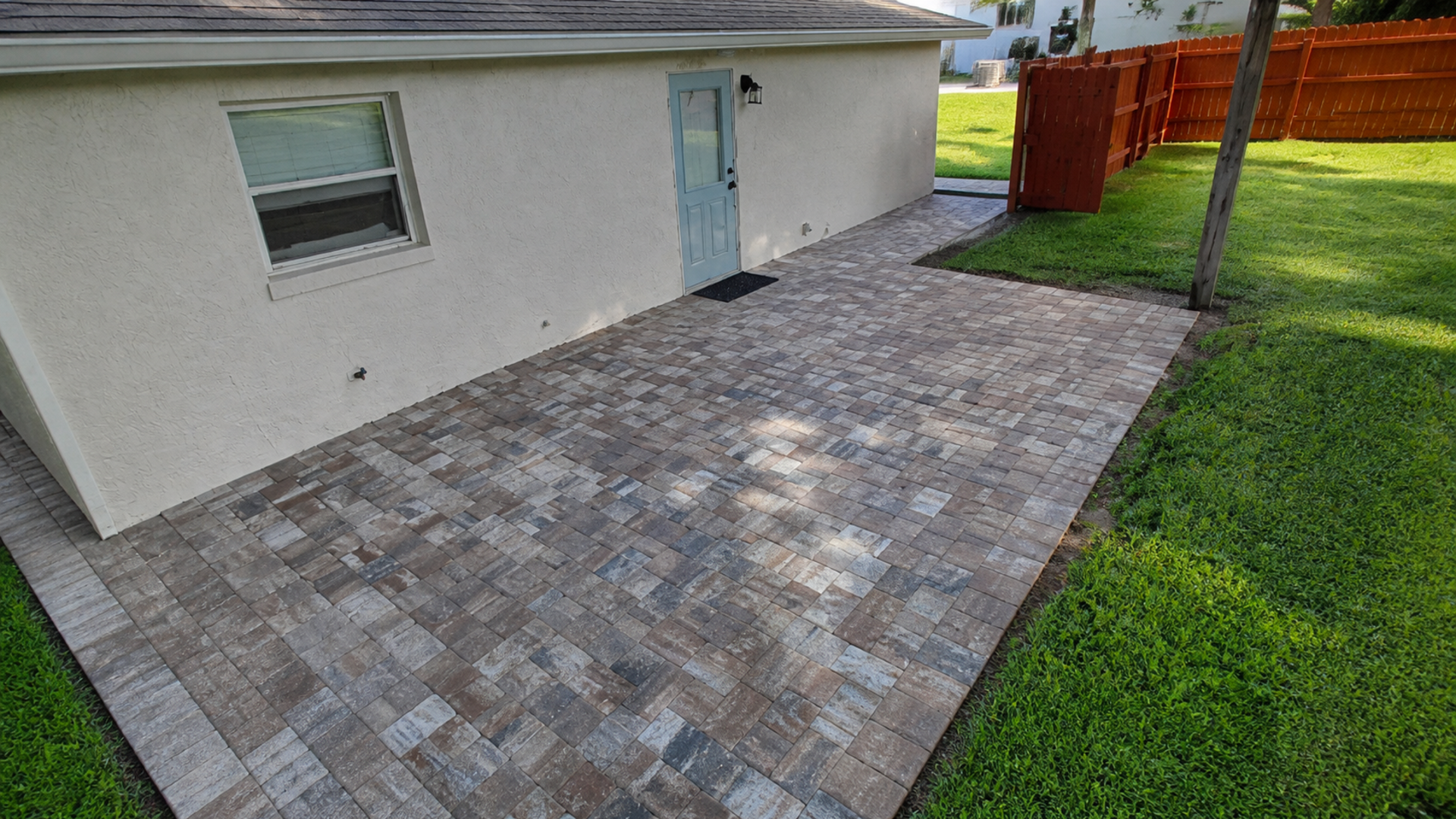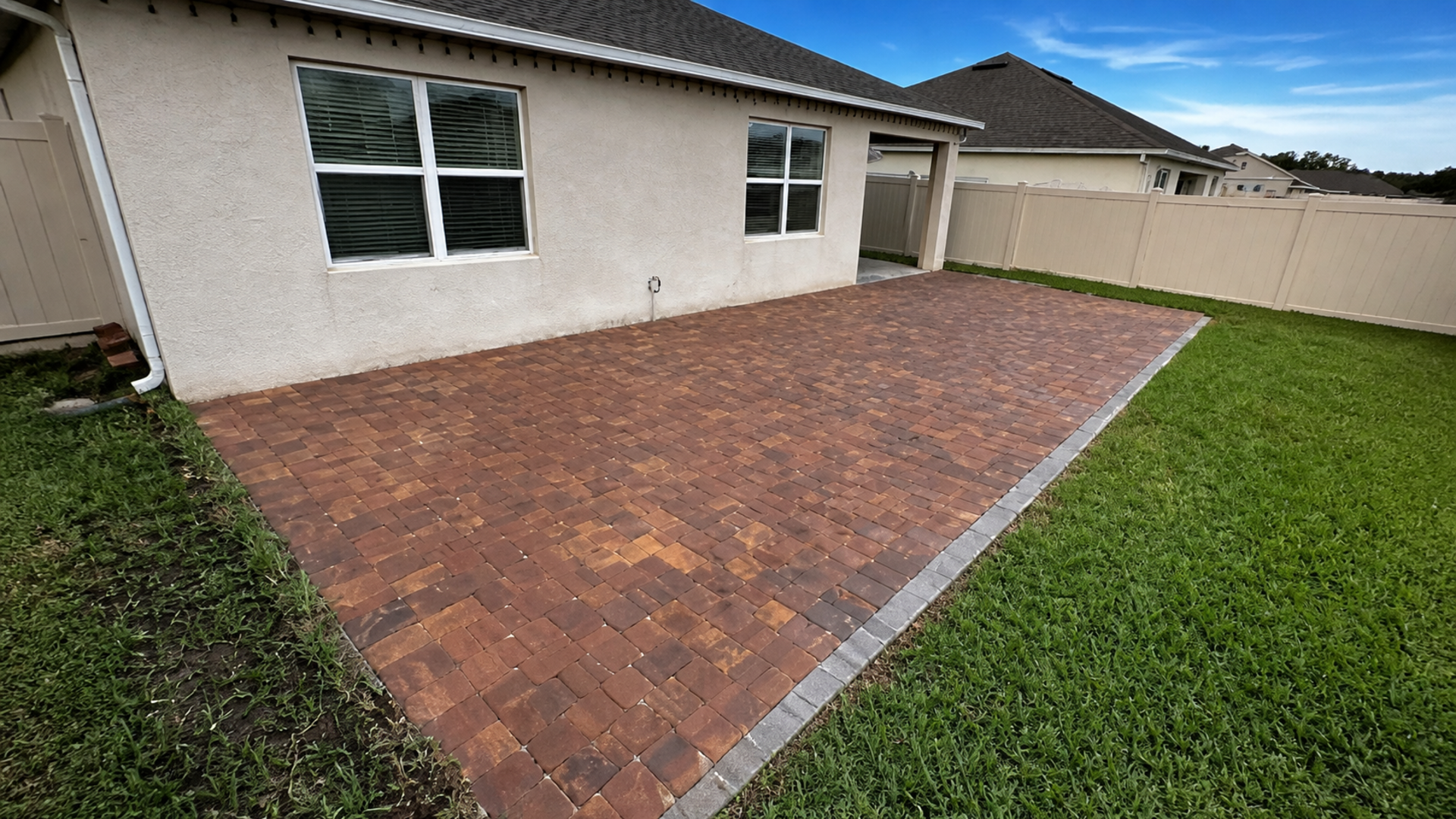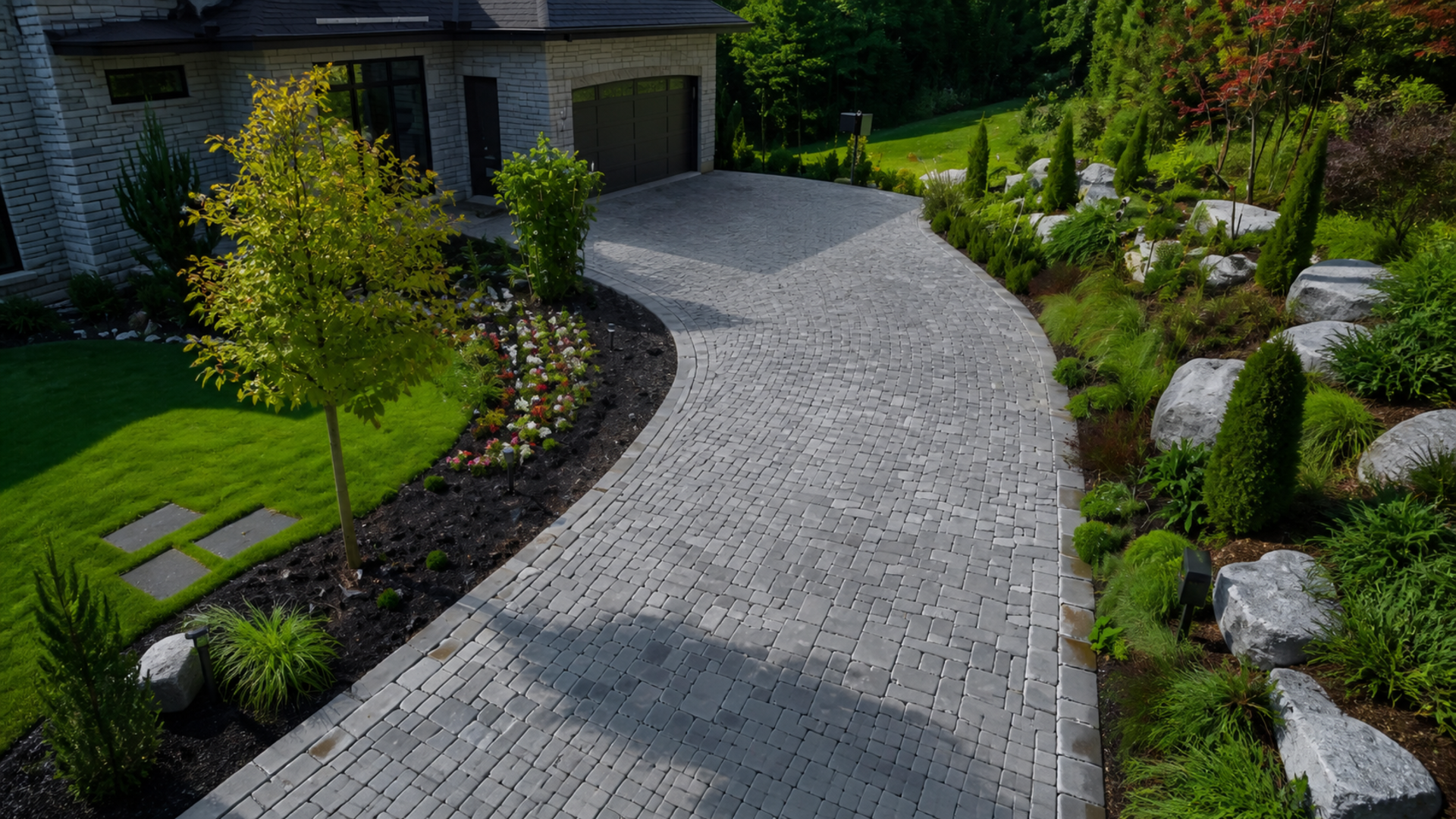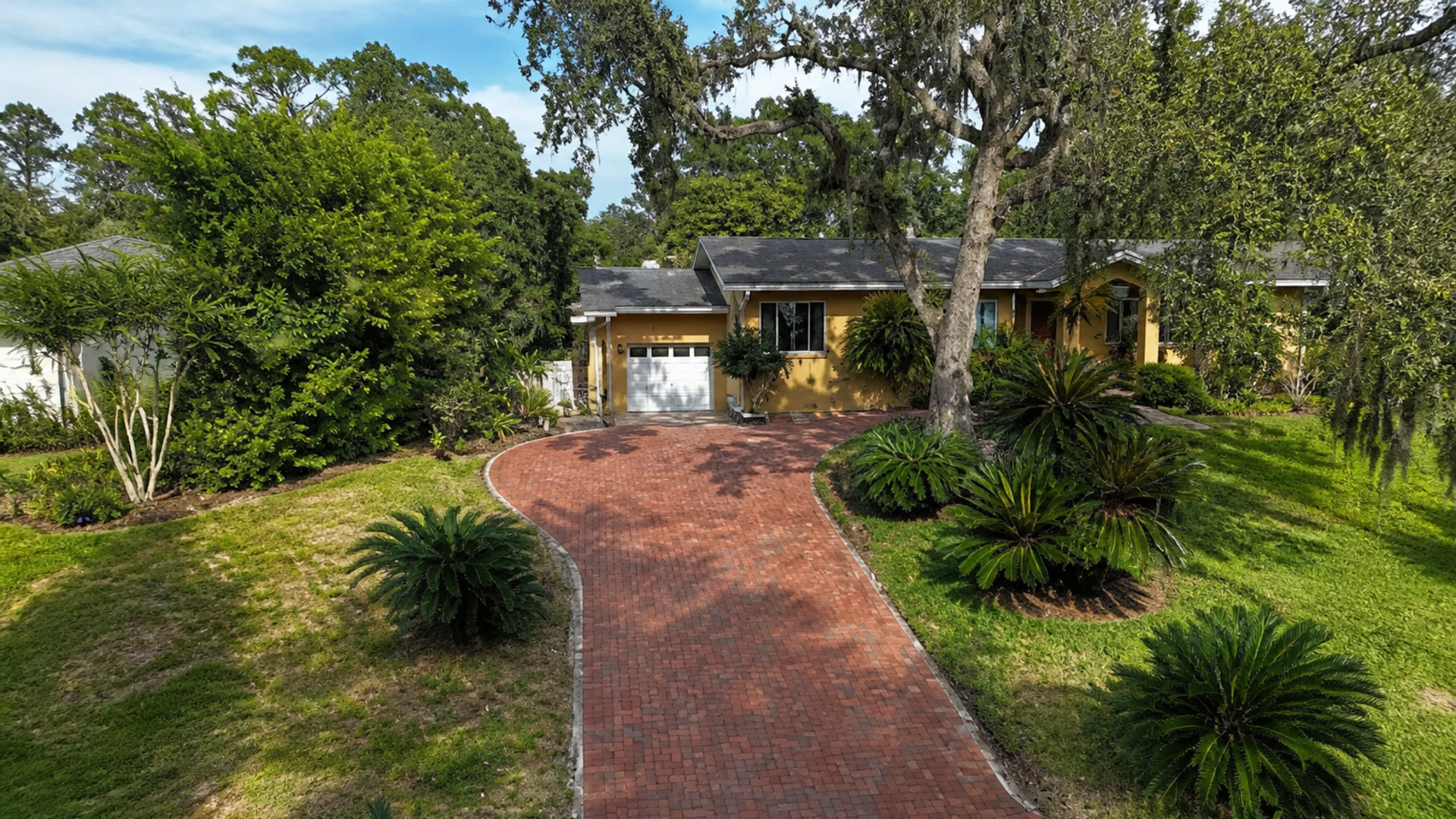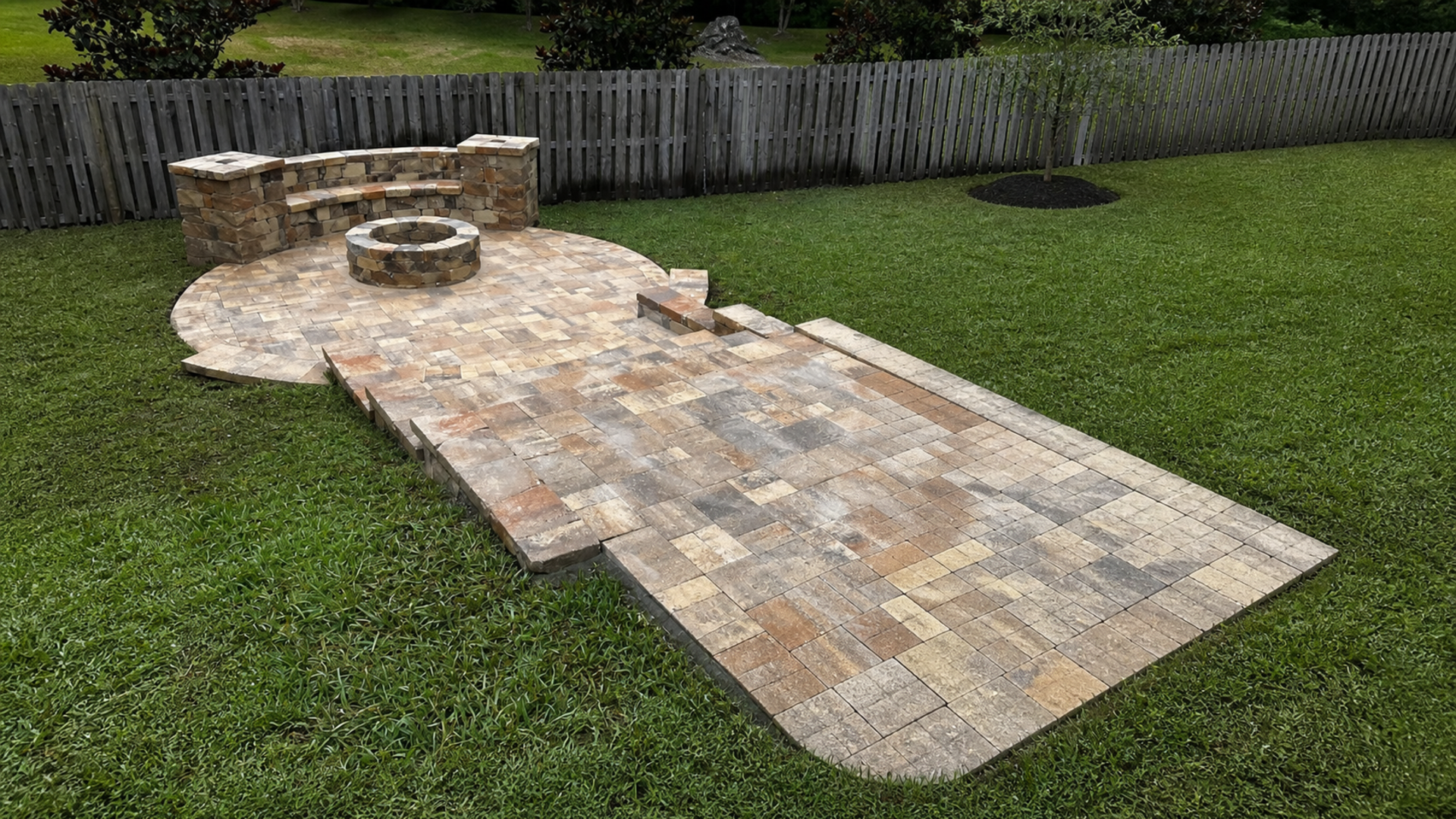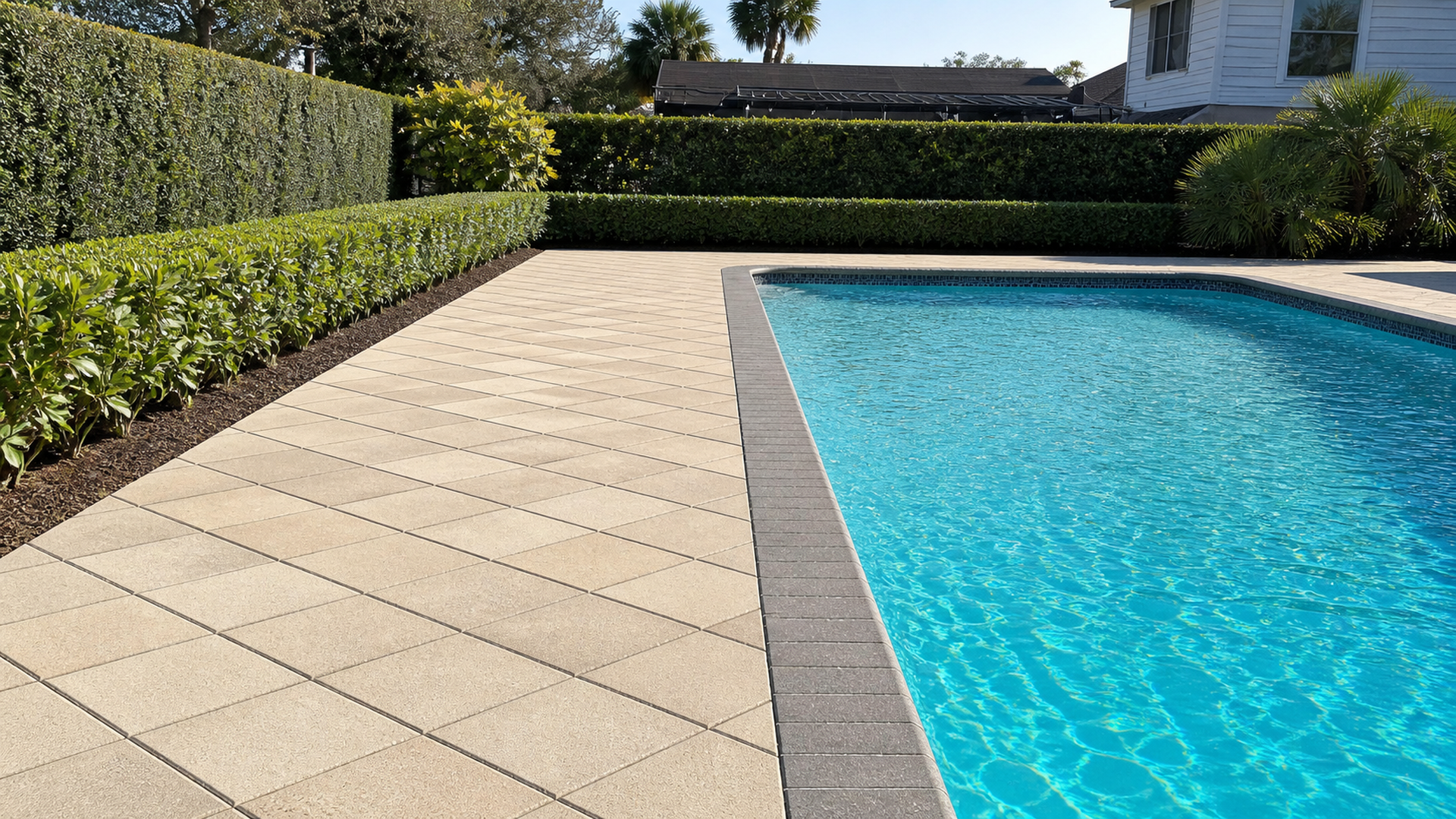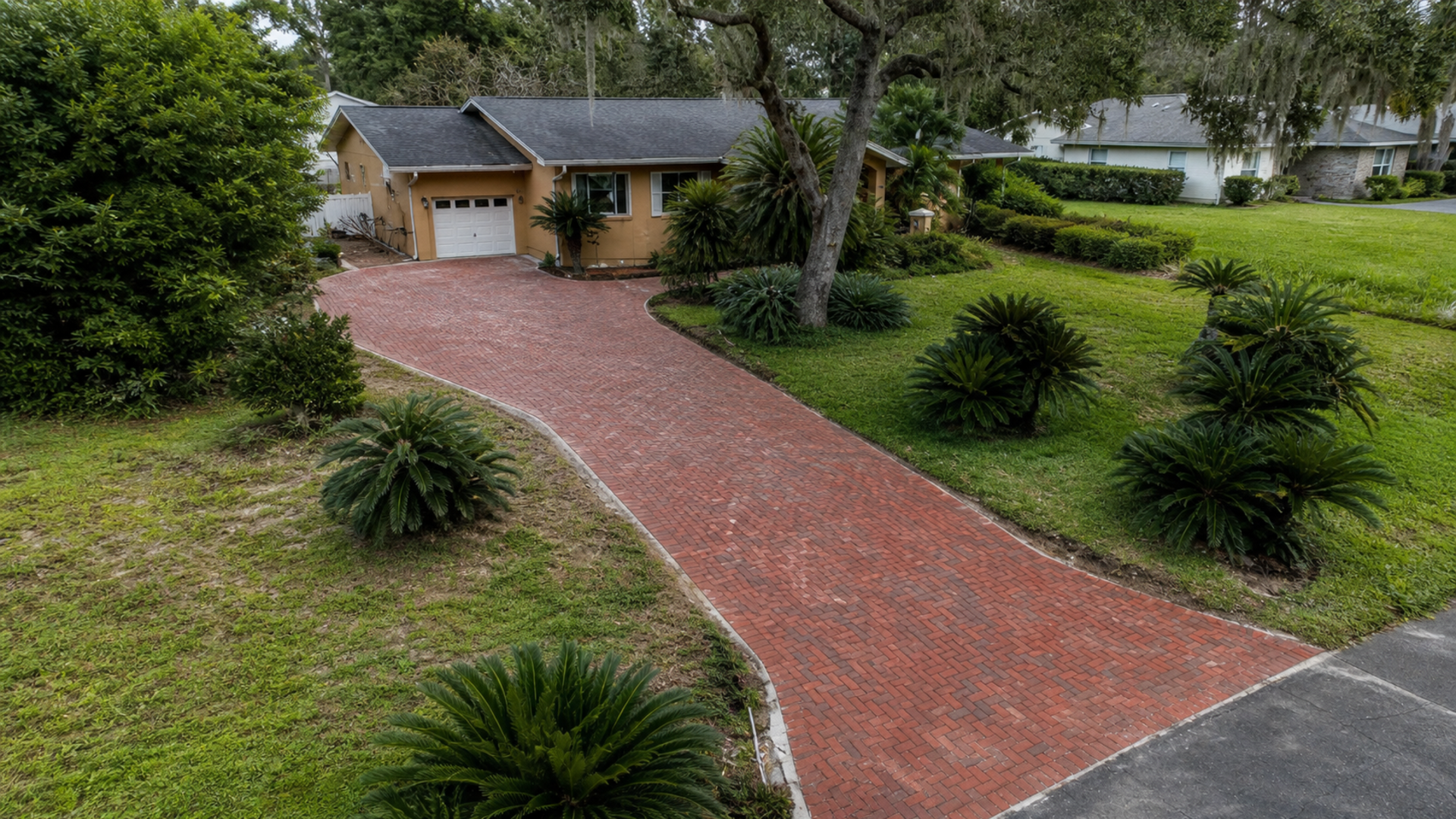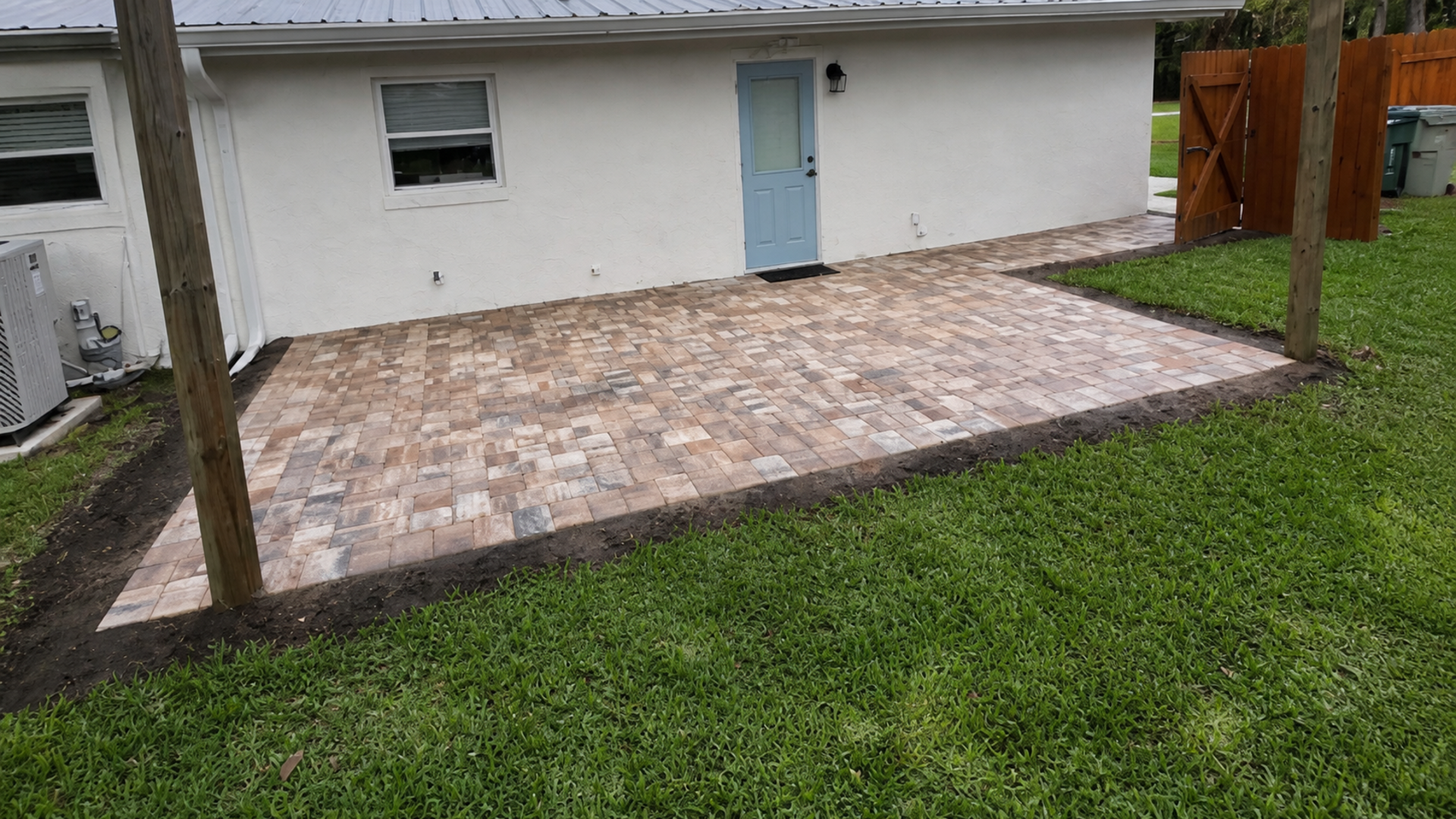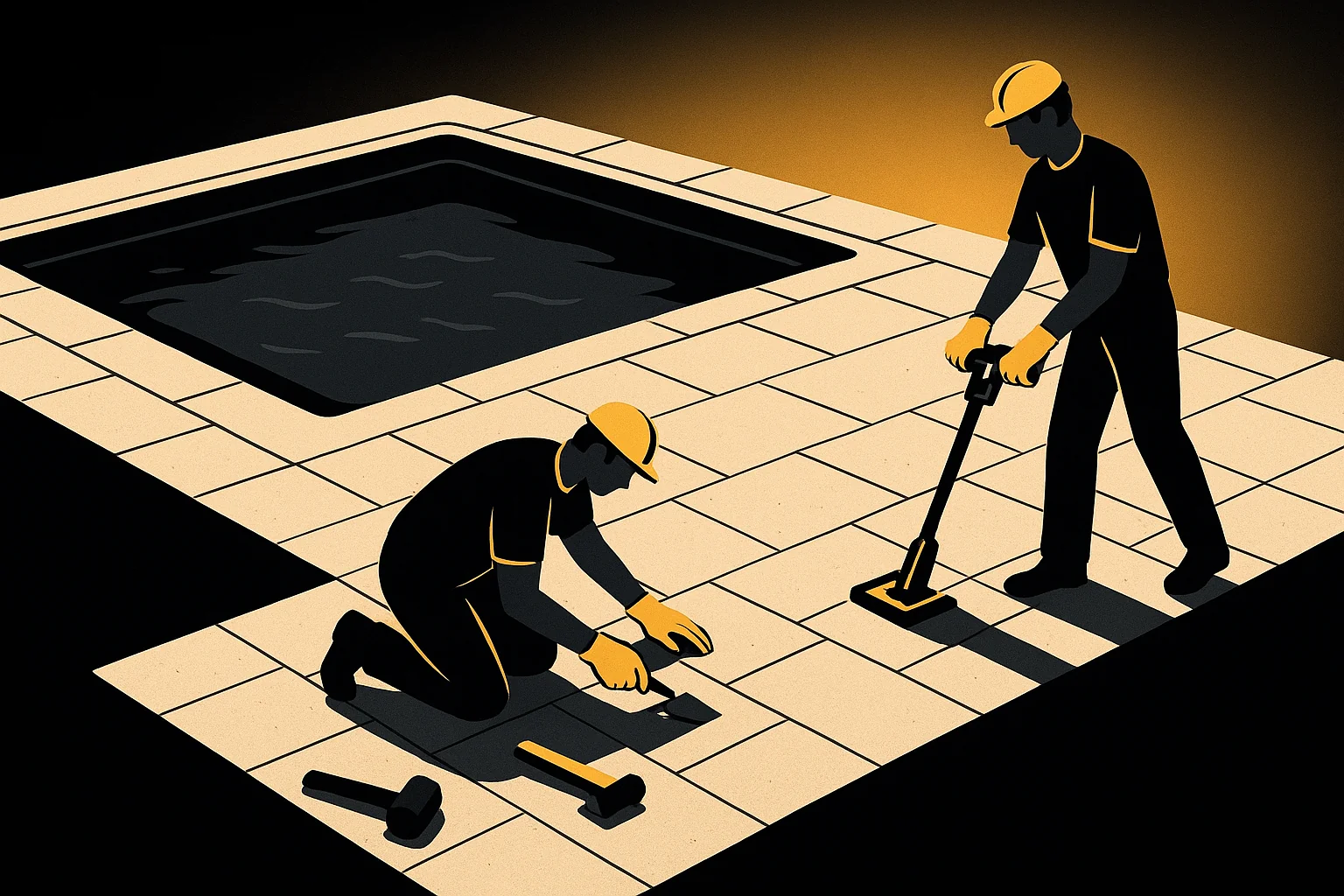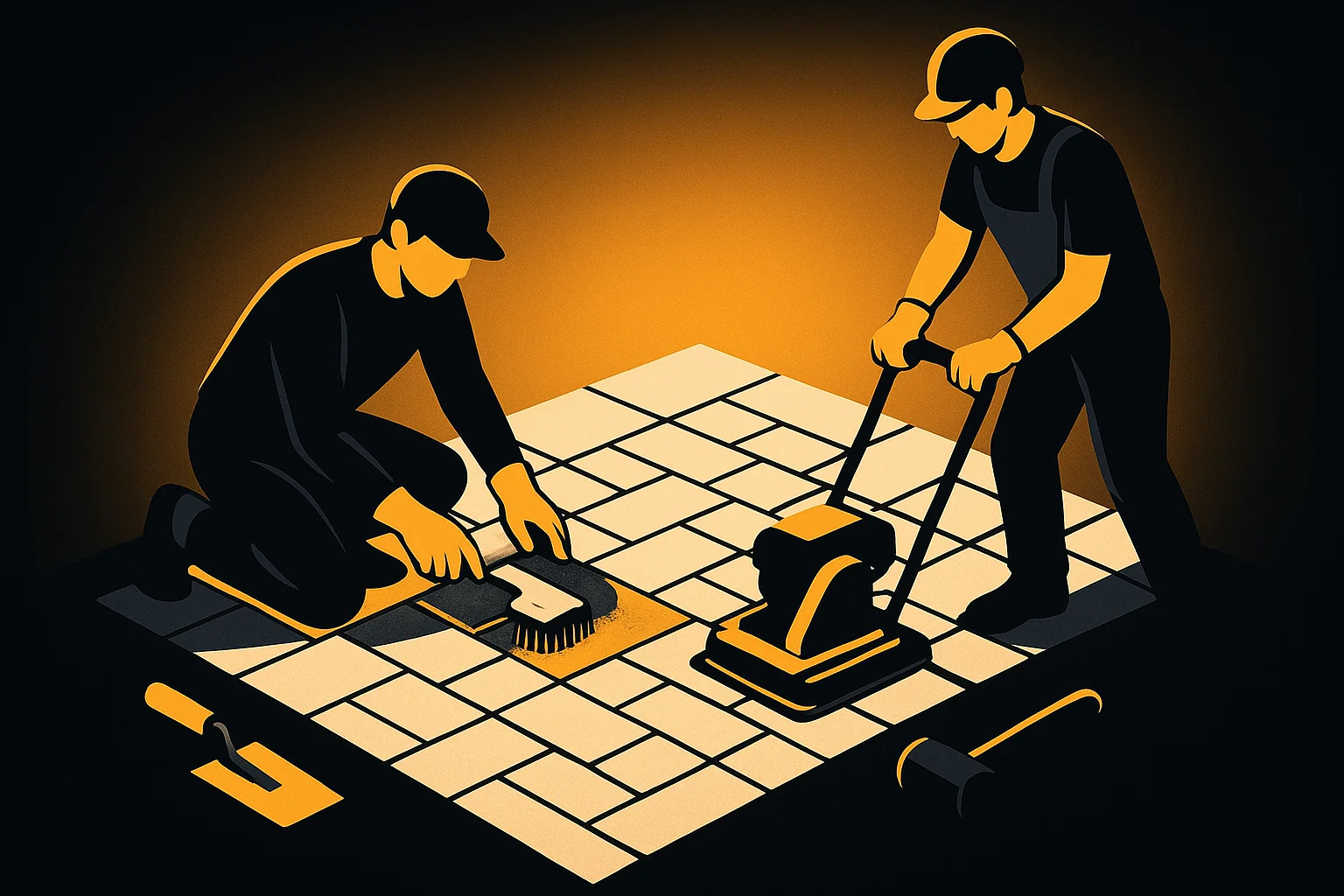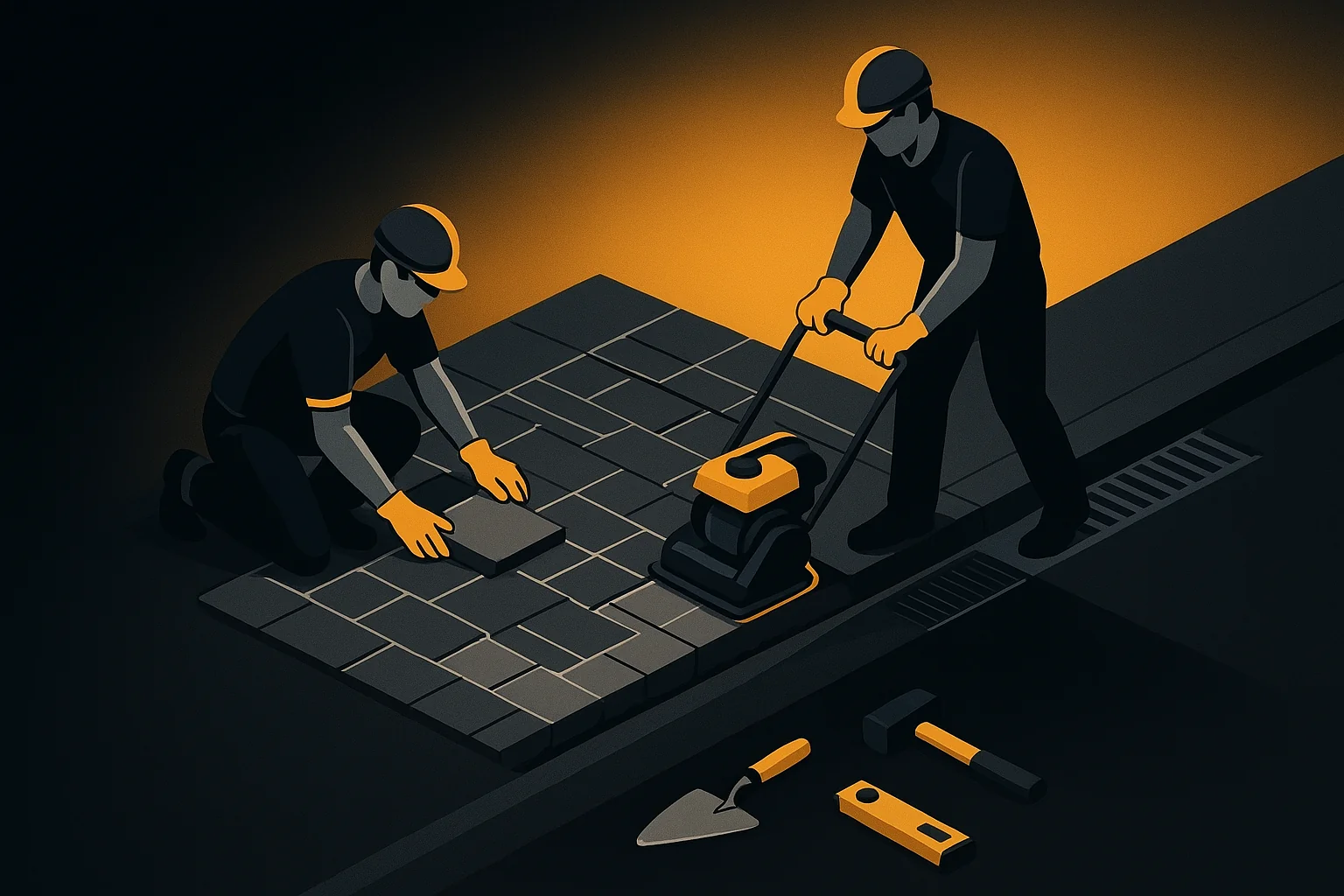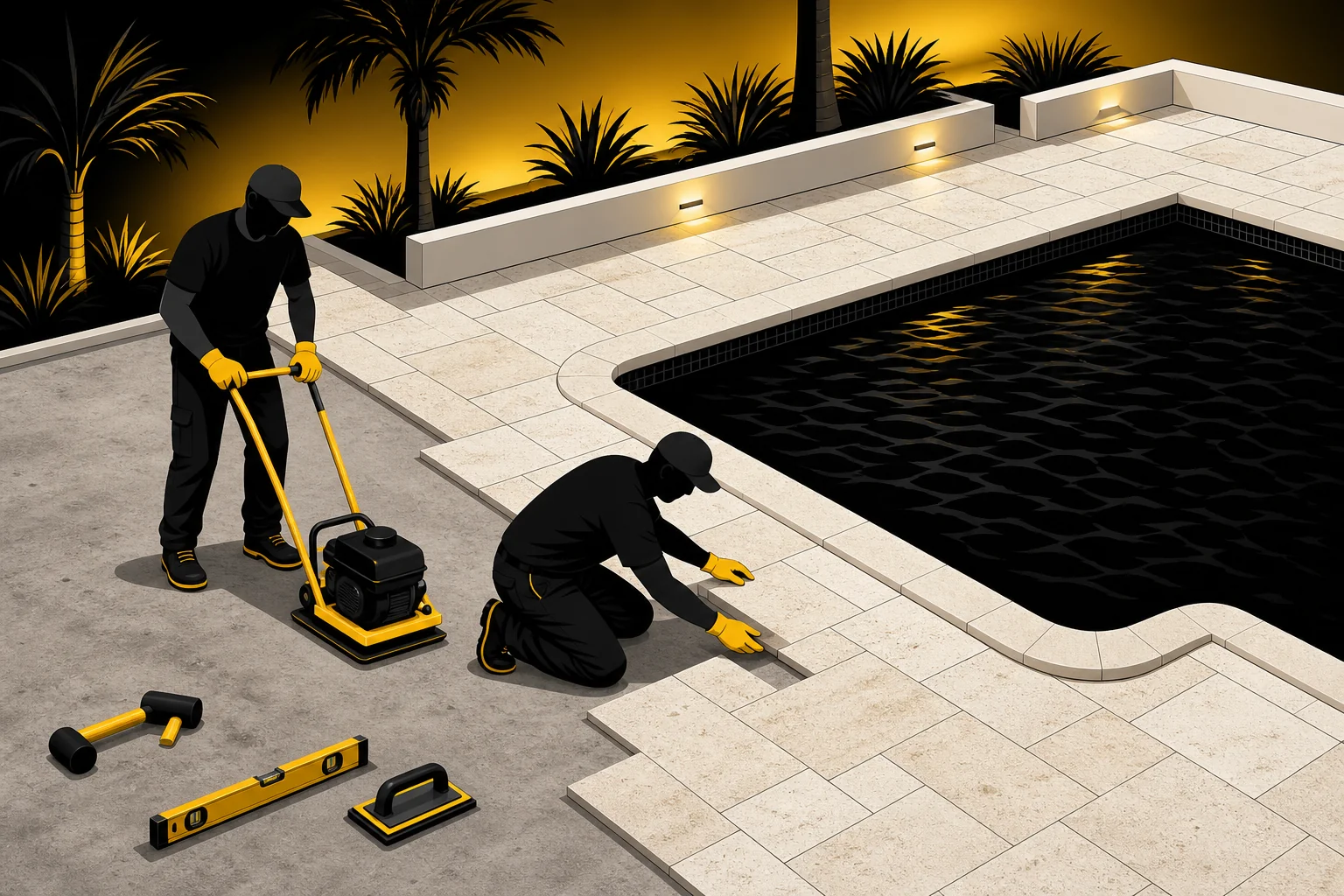
Pool deck resurfacing in Largo, FL is one of the highest-impact renovation decisions a homeowner can make. It transforms a cracked, faded, or unsafe surface into a durable space that performs through Florida’s demanding climate. Whether your existing deck is spalling concrete or worn kool-deck coating, understanding your options helps you decide before the first contractor visit. This guide covers when to resurface, which materials last longest, and what the installation process involves for Largo homeowners.
When Pool Deck Resurfacing in Largo FL Becomes Necessary
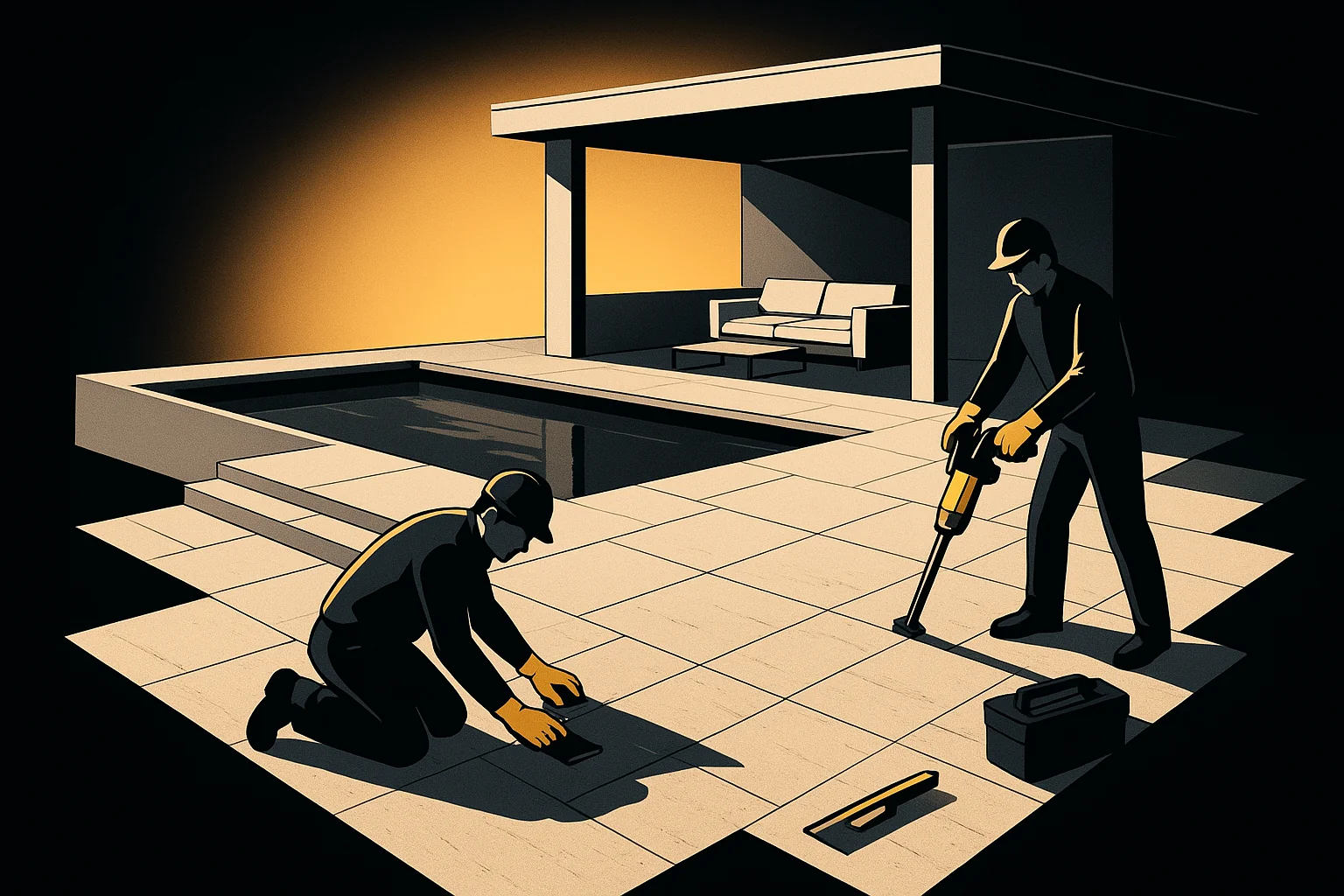
Pool deck resurfacing in Largo FL becomes necessary when deterioration moves beyond cosmetic concern into safety territory. Florida’s climate accelerates degradation faster than most homeowners expect. UV exposure, pool chemical contact, and temperature-driven expansion all work against concrete surfaces simultaneously. Recognizing the signs early helps you plan proactively rather than reactively after a surface failure.
Cracking and Surface Spalling
Hairline cracks in a concrete pool deck are cosmetic concerns initially. However, when cracks widen beyond one-eighth of an inch, water penetrates the slab and begins undermining the base. Florida’s frequent rain accelerates this process significantly. Water infiltrates the crack, softens the subbase, and causes further settlement. As a result, a surface crack becomes a structural problem that resurfacing alone cannot fully address.
Spalling indicates the surface has reached the end of its functional life. It creates tripping hazards and accelerates deterioration rapidly. In contrast to simple cracking, spalling signals that the surface layer has delaminated structurally. Full removal is required rather than patching or overlay.
Fading and Coating Failure
Kool-deck, acrylic coatings, and painted concrete surfaces fade significantly under Largo’s intense UV exposure. Most coatings require reapplication every three to five years in Florida’s climate. That maintenance cycle compounds in cost over a decade. Furthermore, when a coating begins to peel or bubble, the adhesion has failed. Recoating over the damaged layer produces poor results with a short lifespan.
At this stage, complete removal and paver resurfacing delivers a better financial outcome over ten years than continued patching. Most importantly, the finished result looks dramatically better. It also requires only routine maintenance rather than periodic full recoating cycles.
Safety Concerns
Slippery, uneven, or structurally compromised pool decks create genuine safety risks. This is particularly true for children and older adults using the pool area regularly. Uneven surfaces from settling create tripping hazards that expose homeowners to liability. Additionally, surfaces that lose slip-resistant texture become dangerously smooth when wet.
Therefore, when safety concerns develop alongside surface deterioration, pool deck resurfacing in Largo FL moves from a preference to a priority. Addressing the issue promptly protects the people using the space. It also protects the long-term value of the property.
Pool Deck Resurfacing Options for Largo FL Homeowners
Largo homeowners have several material options for pool deck resurfacing. Each carries distinct performance characteristics, cost ranges, and maintenance requirements. Understanding the differences helps you match the right solution to your budget and long-term expectations.
Travertine Pavers — The Premium Choice
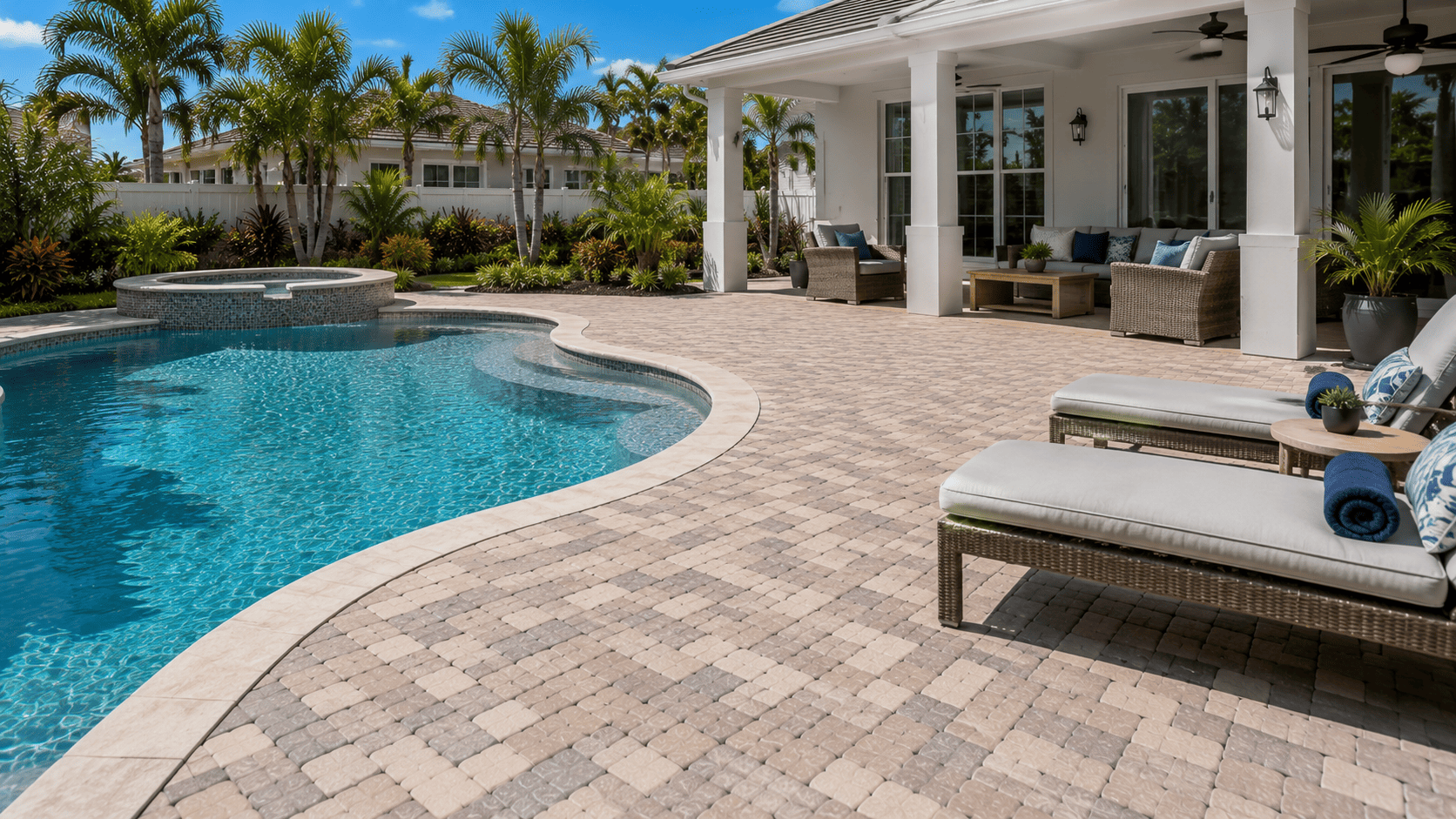
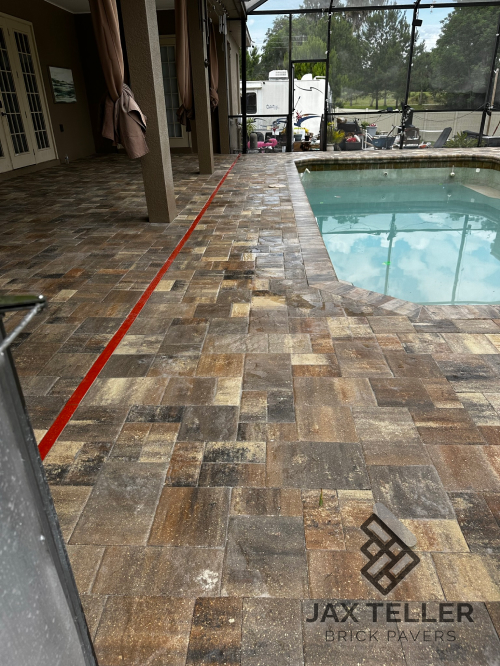
Travertine pavers consistently rank as the top material choice for pool deck resurfacing in Largo FL. Their natural surface texture provides slip resistance that exceeds most synthetic alternatives when wet. Furthermore, travertine’s thermal properties reflect solar radiation rather than absorbing it. This keeps the surface noticeably cooler underfoot than concrete under direct Florida sun.
Travertine’s natural color variation creates a custom appearance that no two installations replicate exactly. Additionally, individual units lift and reset if the base shifts or a unit cracks. This eliminates full surface replacement when isolated damage occurs. For homeowners evaluating travertine for their Largo pool deck, the travertine pool decks Largo FL guide covers installation specifics and long-term performance data relevant to the local climate.
Concrete Pavers — The Versatile Option
High-density concrete pavers offer strong performance for pool deck resurfacing at a lower material cost than travertine. They come in a wide range of colors, textures, and sizes. This gives designers and homeowners significant flexibility in achieving the desired aesthetic. Textured or tumbled finishes provide adequate slip resistance for pool surround applications.
However, lighter color selections are strongly recommended for Largo pool decks. Dark concrete pavers absorb solar radiation intensely and become uncomfortably hot underfoot in Florida’s peak summer months. In contrast, lighter tones — tan, cream, buff, and light grey — reflect heat effectively. Sealing is essential for concrete pavers in pool environments to resist chemical exposure from splashing water and routine cleaning.
Brick Pavers — The Classic Alternative
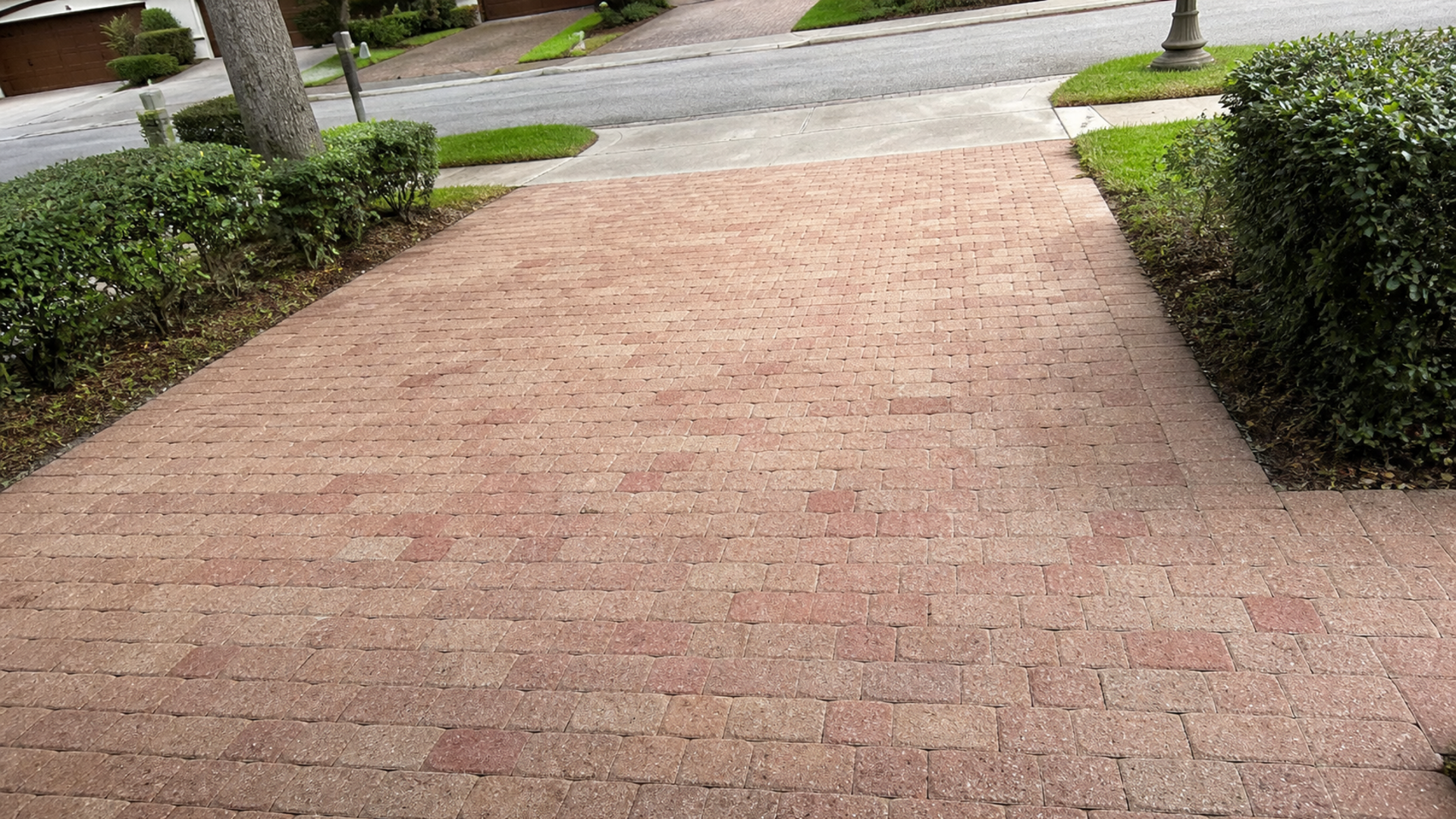
Genuine clay brick pavers bring warmth and permanence to pool deck resurfacing projects. They suit homes with traditional or Mediterranean-style architecture common in Largo’s neighborhoods. Brick’s color runs through the full depth of the unit. UV exposure never fades it to an uneven or chalky appearance, unlike surface coatings or pigmented concrete.
Moreover, brick pavers develop a natural patina over time that many homeowners find more appealing than uniform new material. On the other hand, brick’s thermal mass means it holds heat longer than travertine. Selecting a lighter brick tone and incorporating shaded zones into the deck design mitigates this issue effectively.
Concrete Overlay — When to Avoid It
Concrete overlays appear attractive as a budget resurfacing option. In practice, they fail quickly and consistently over structurally compromised or spalling concrete in Florida’s climate. The thermal movement of the existing slab causes overlays to crack and delaminate within two to five years in most cases.
Therefore, concrete overlays work only when the existing slab is structurally sound with no active cracking or settlement. In most Largo pool deck resurfacing scenarios, the existing surface has already progressed beyond this threshold. Consequently, full removal and paver installation delivers better value over ten years than repeated overlay applications.
The Pool Deck Resurfacing Process in Largo FL
Understanding the resurfacing process helps homeowners evaluate contractor proposals accurately. It also sets realistic expectations for timeline and site disruption. A properly executed pool deck resurfacing project in Largo follows a clear sequence. Each stage builds on the last to produce a surface that performs correctly from day one.
Stage One — Assessment and Planning
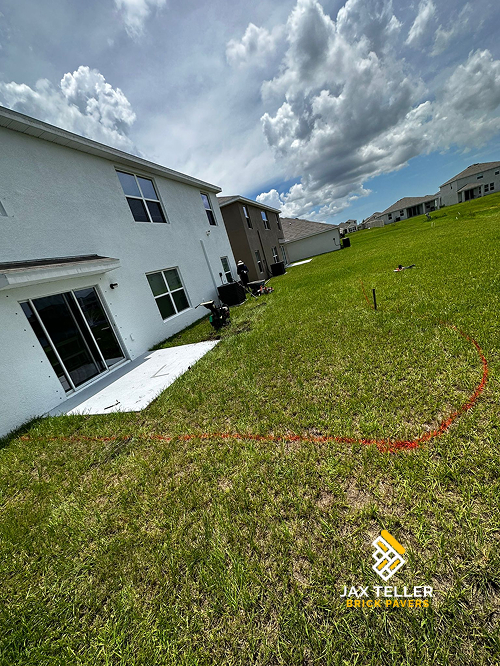
Every resurfacing project begins with a thorough site assessment. The contractor evaluates the existing surface condition, measures the deck area, and inspects the pool coping detail. This assessment determines whether the existing slab can serve as a base for new pavers. It also identifies whether full demolition is required before installation begins.
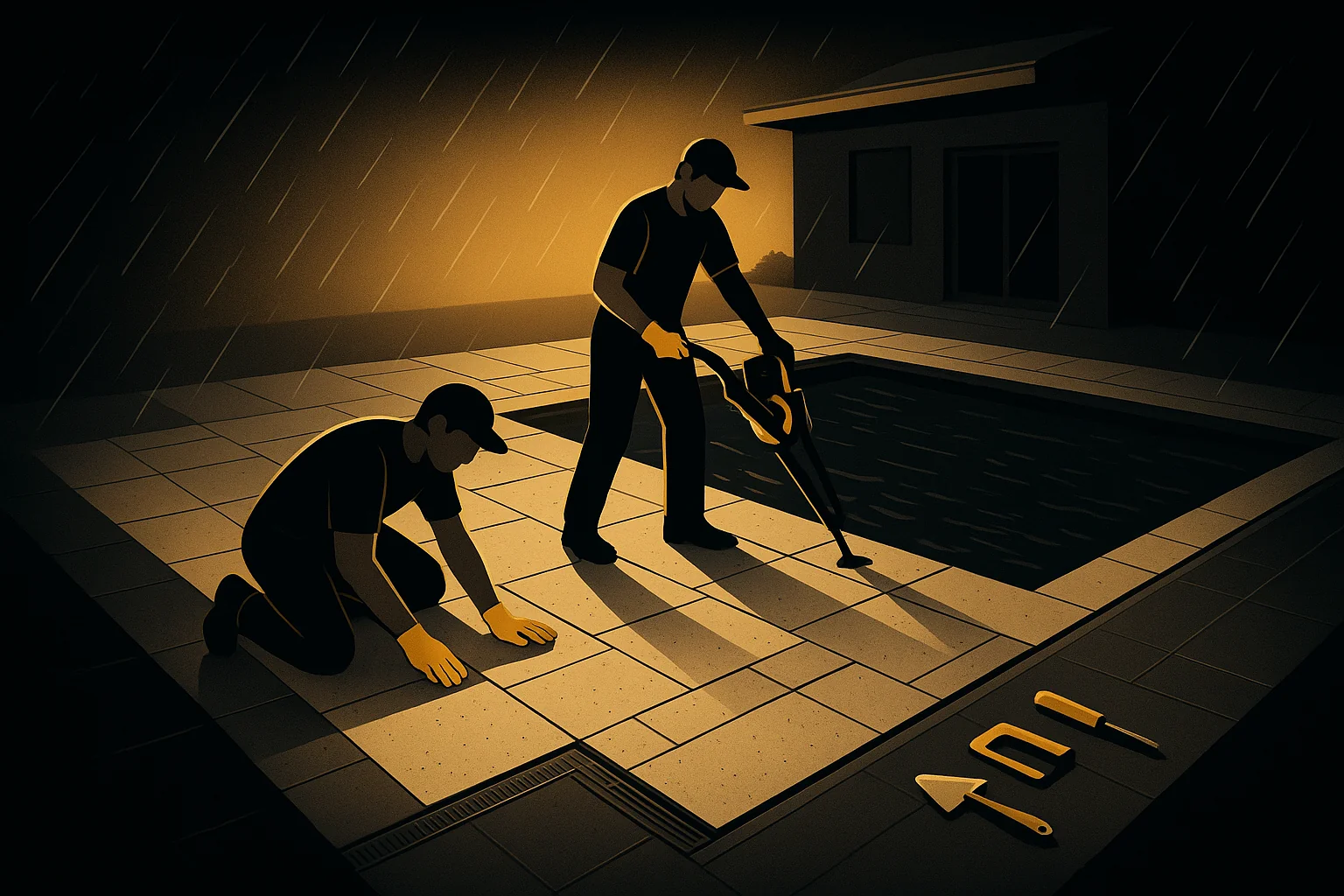
Additionally, this stage confirms drainage flow direction and identifies areas where water pools or flows toward the pool shell. Correcting drainage grades during resurfacing prevents the same problems from recurring on the new surface. Therefore, the assessment stage is not simply a measurement exercise. It is a diagnostic process that shapes every decision that follows.
Stage Two — Demolition and Base Preparation
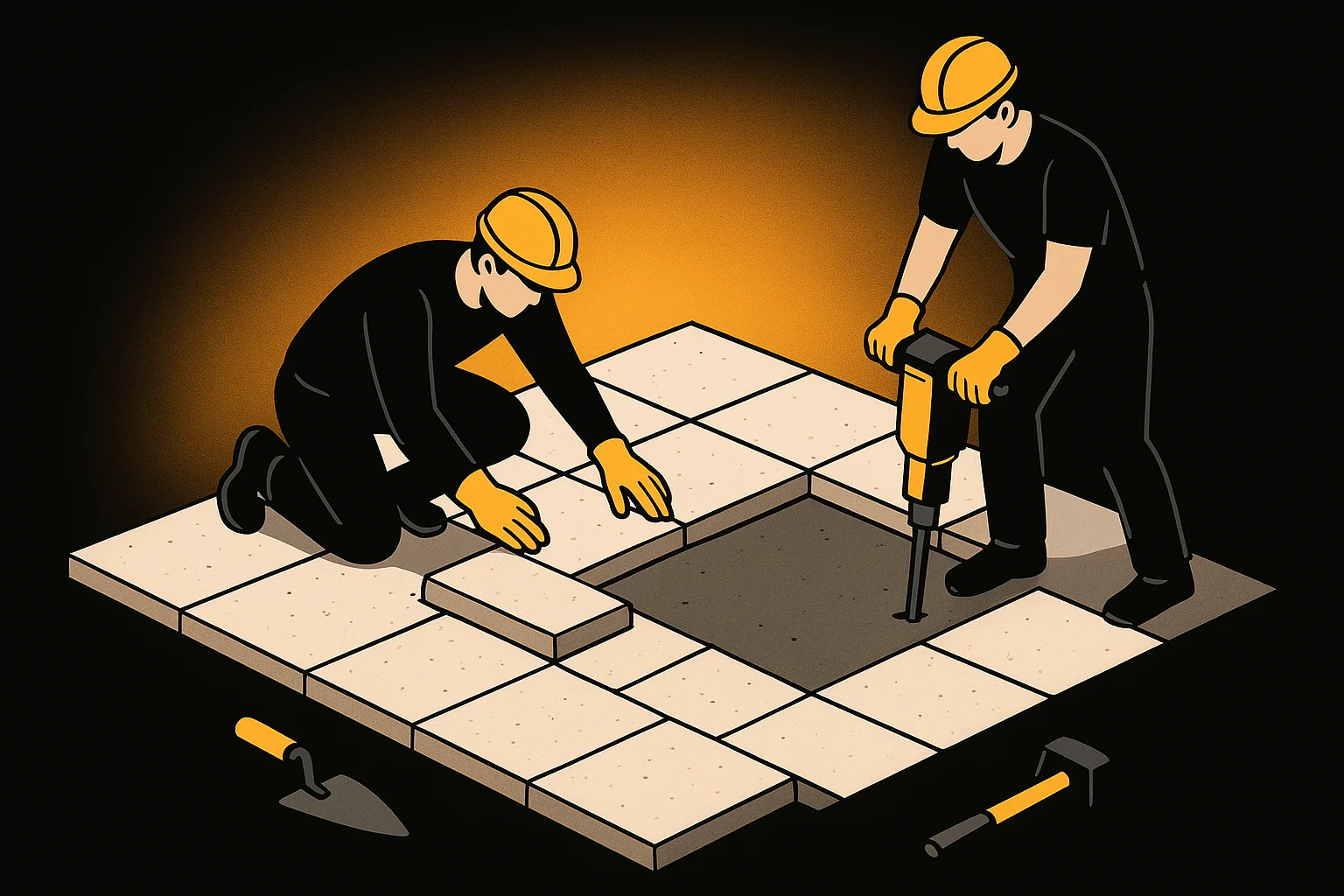
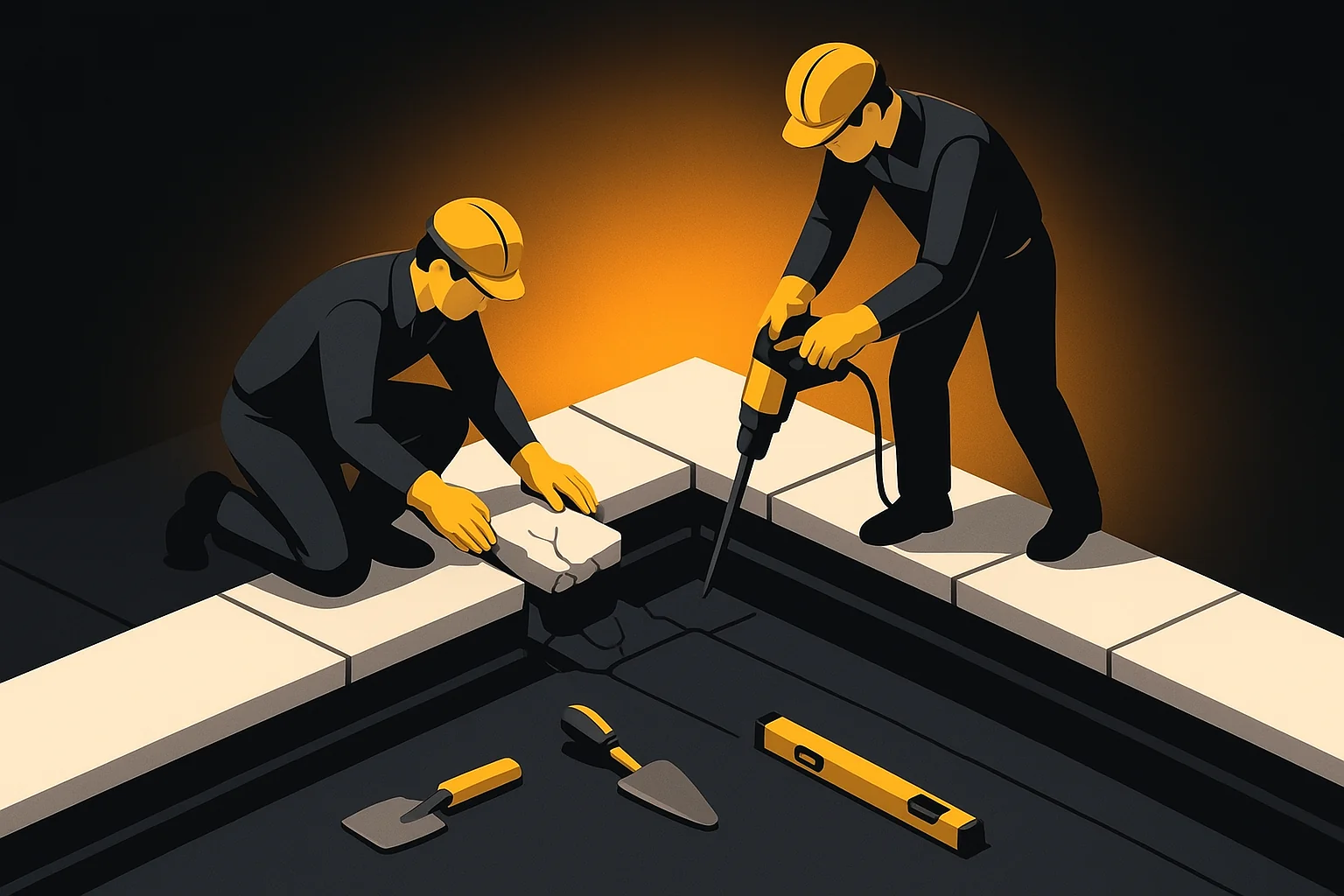
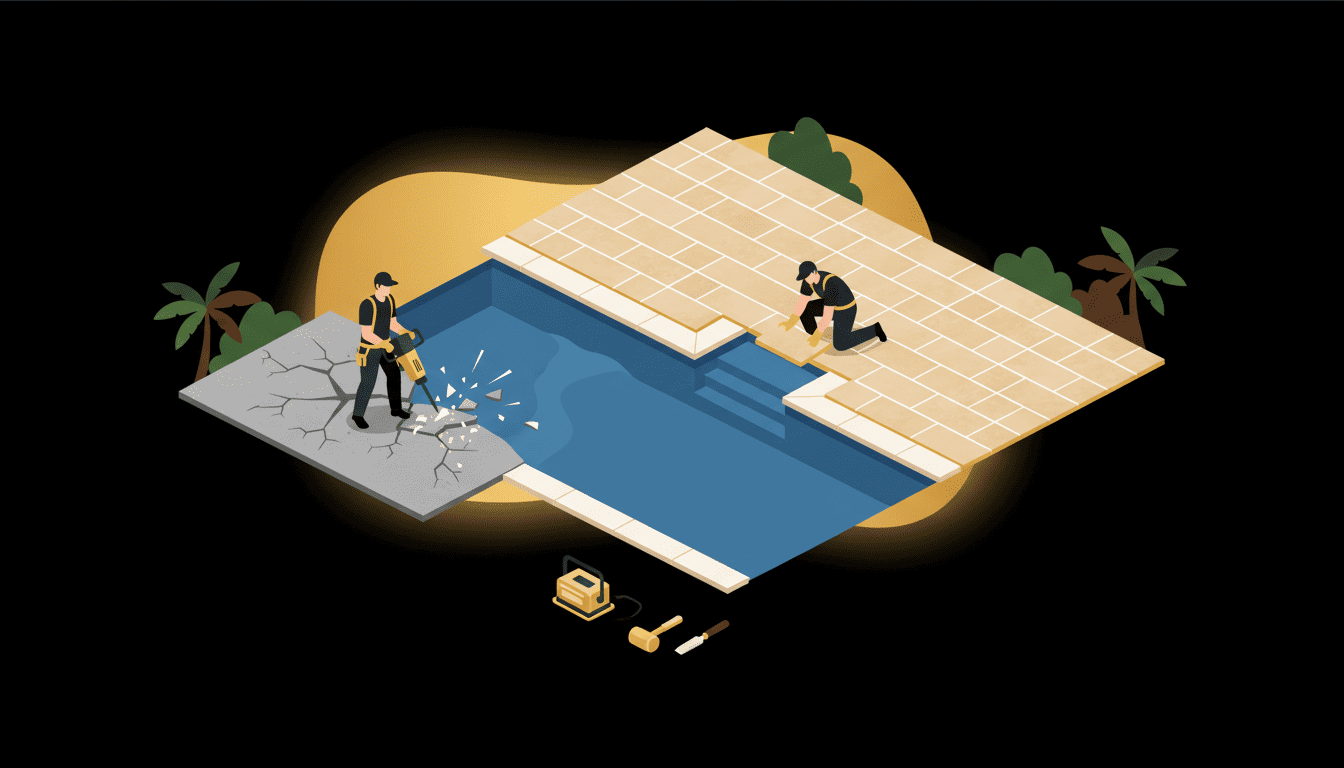
When the existing surface requires removal, demolition involves breaking up old concrete with mechanical equipment. The debris then hauls away from the site. In Largo, concrete disposal must comply with Pinellas County waste management requirements. A reputable contractor handles demolition and disposal as a defined scope item — not an ambiguous add-on charge.
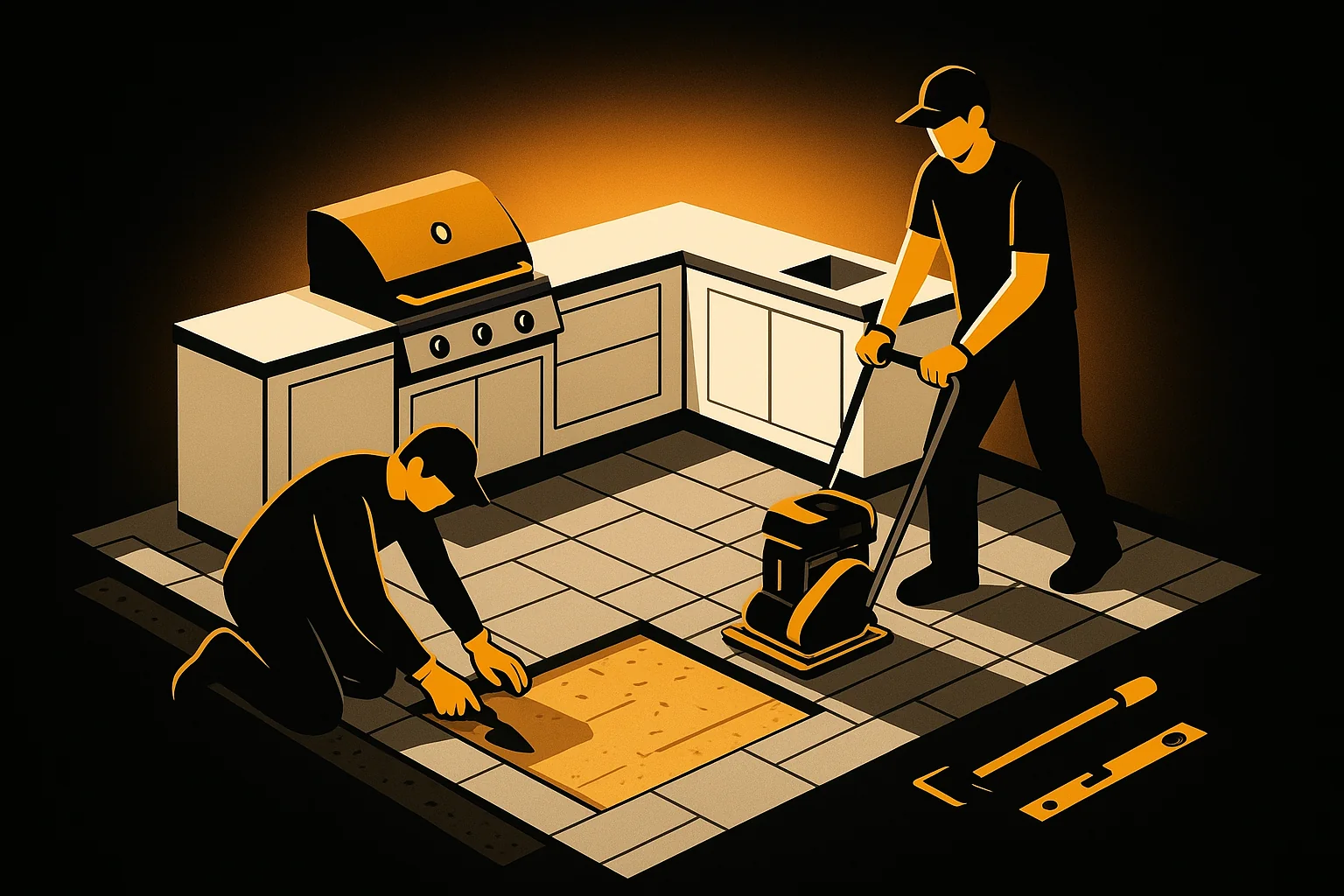
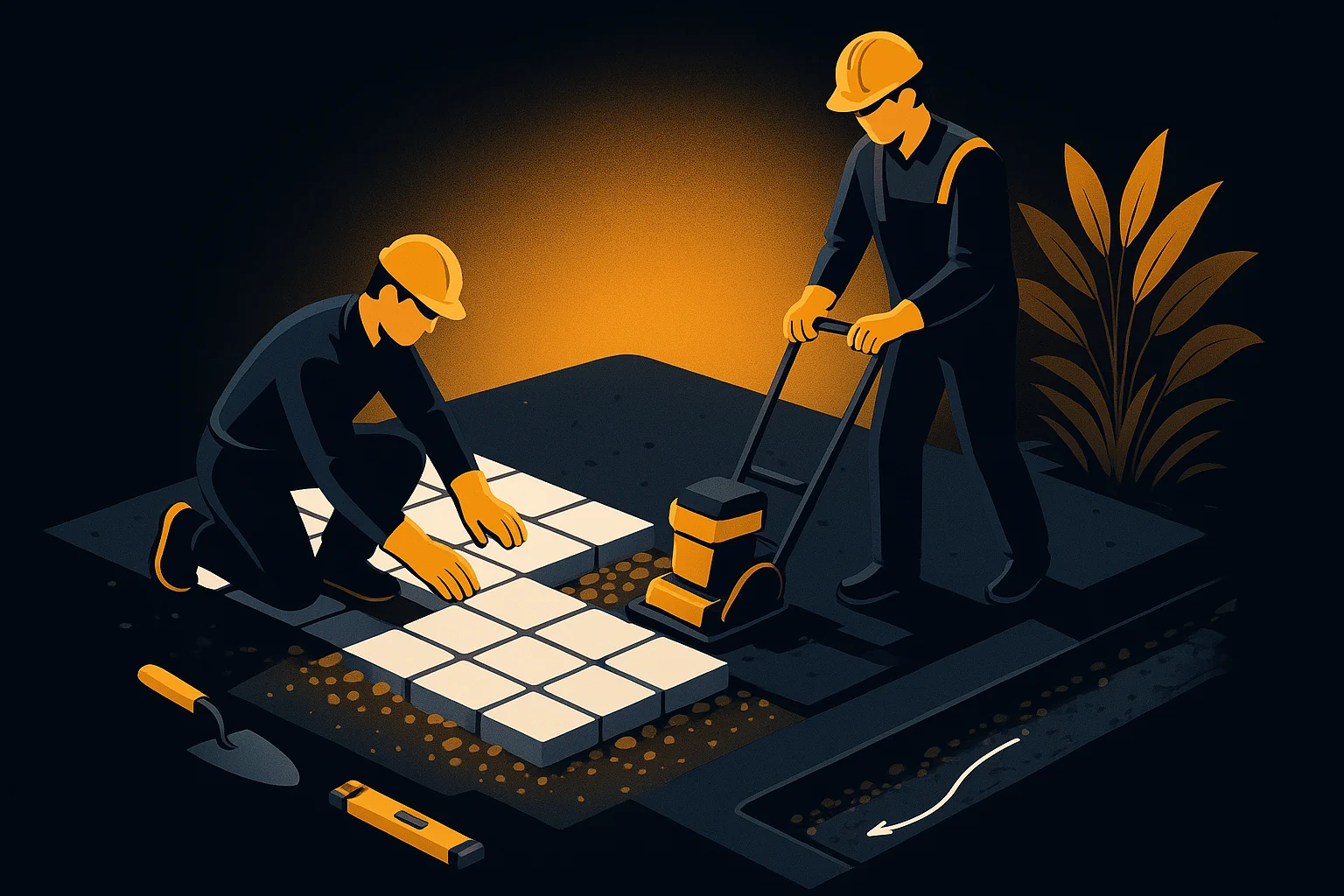
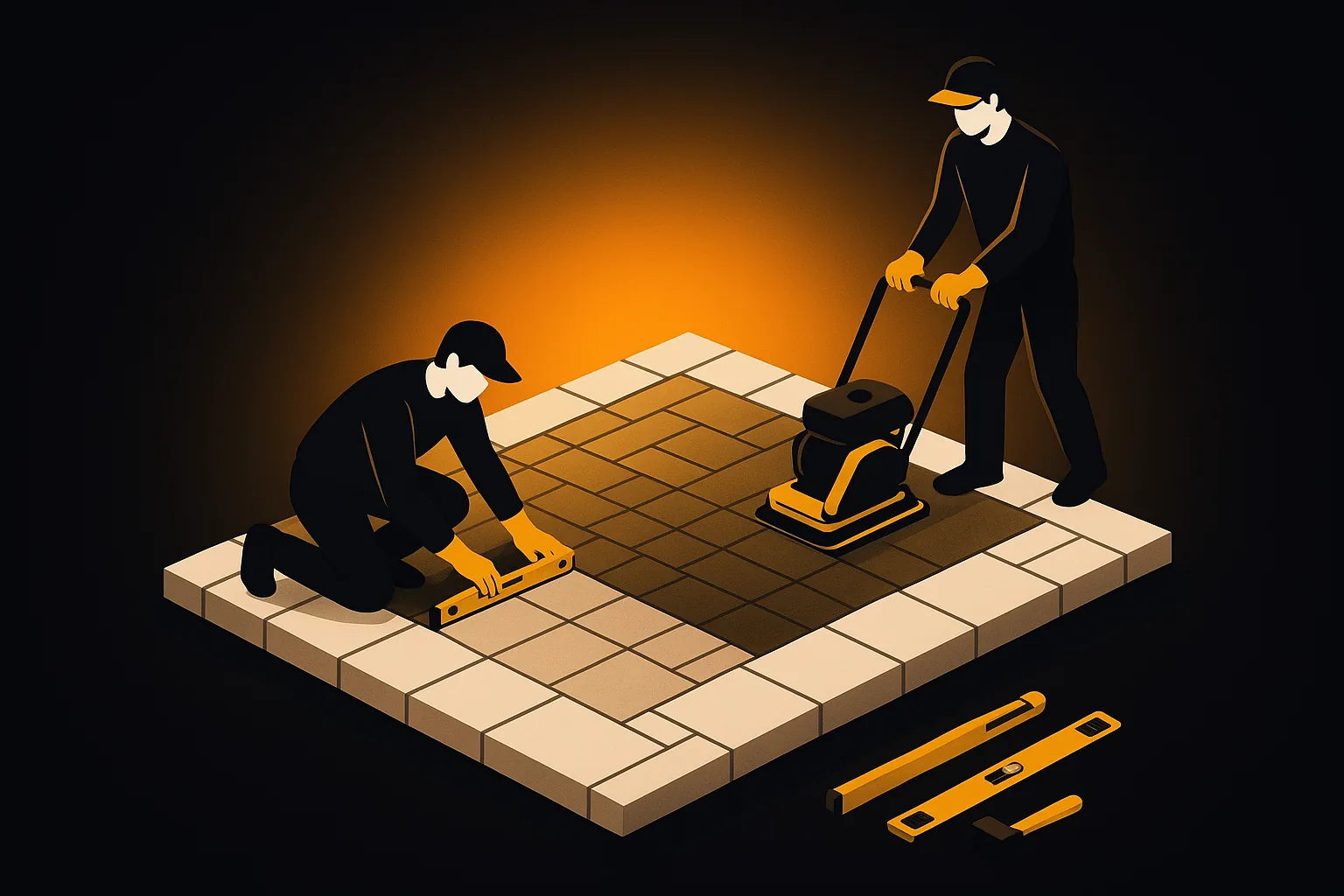
Base preparation follows demolition. It is the most critical stage of the entire project. A compacted aggregate base of minimum four to six inches installs and compacts in lifts before the sand setting bed and pavers place. Furthermore, the base grades at this stage to establish correct drainage slopes across the full deck area. Rushing base preparation is the primary cause of premature surface failure in pool deck projects across Florida.
Stage Three — Paver Installation and Coping
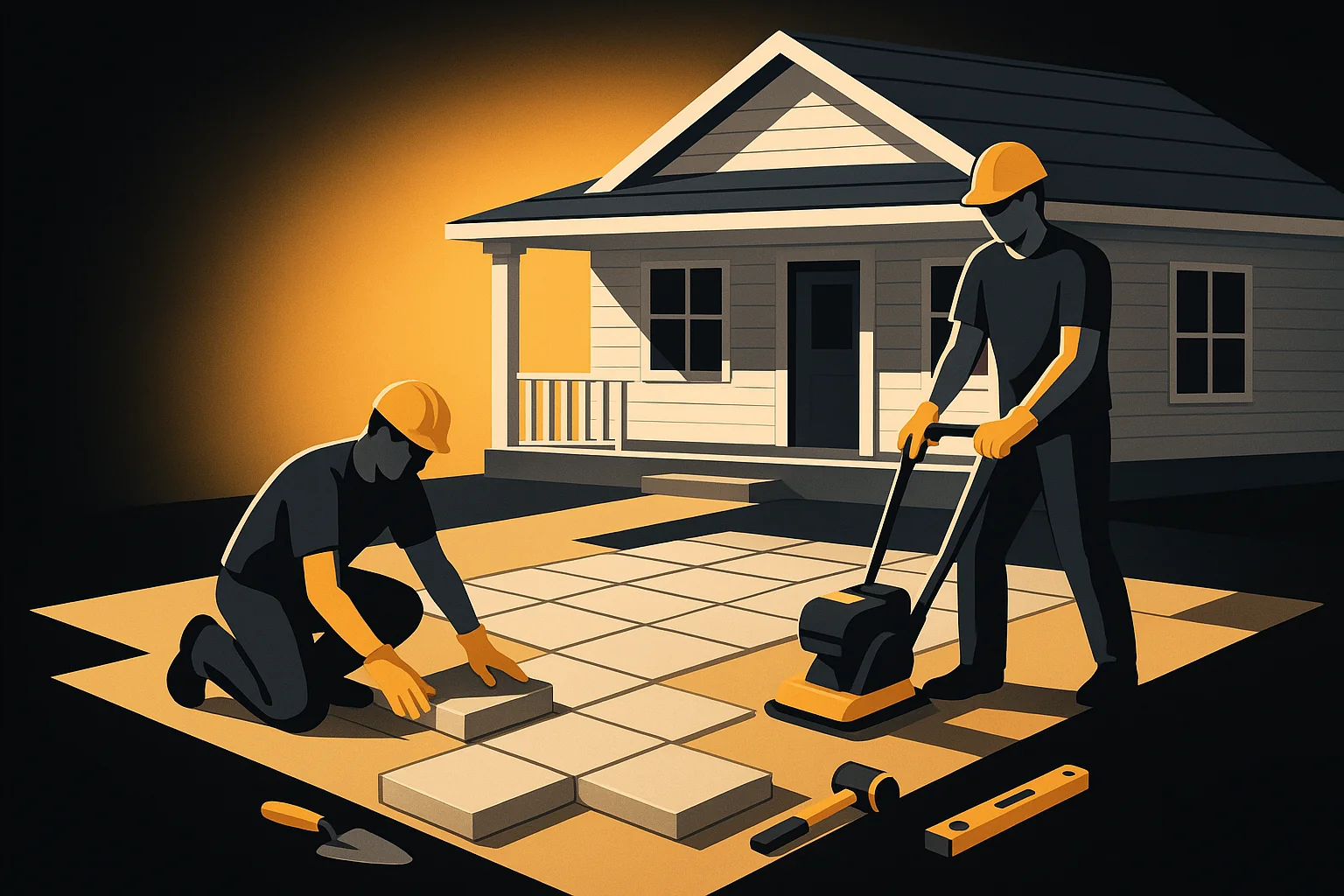
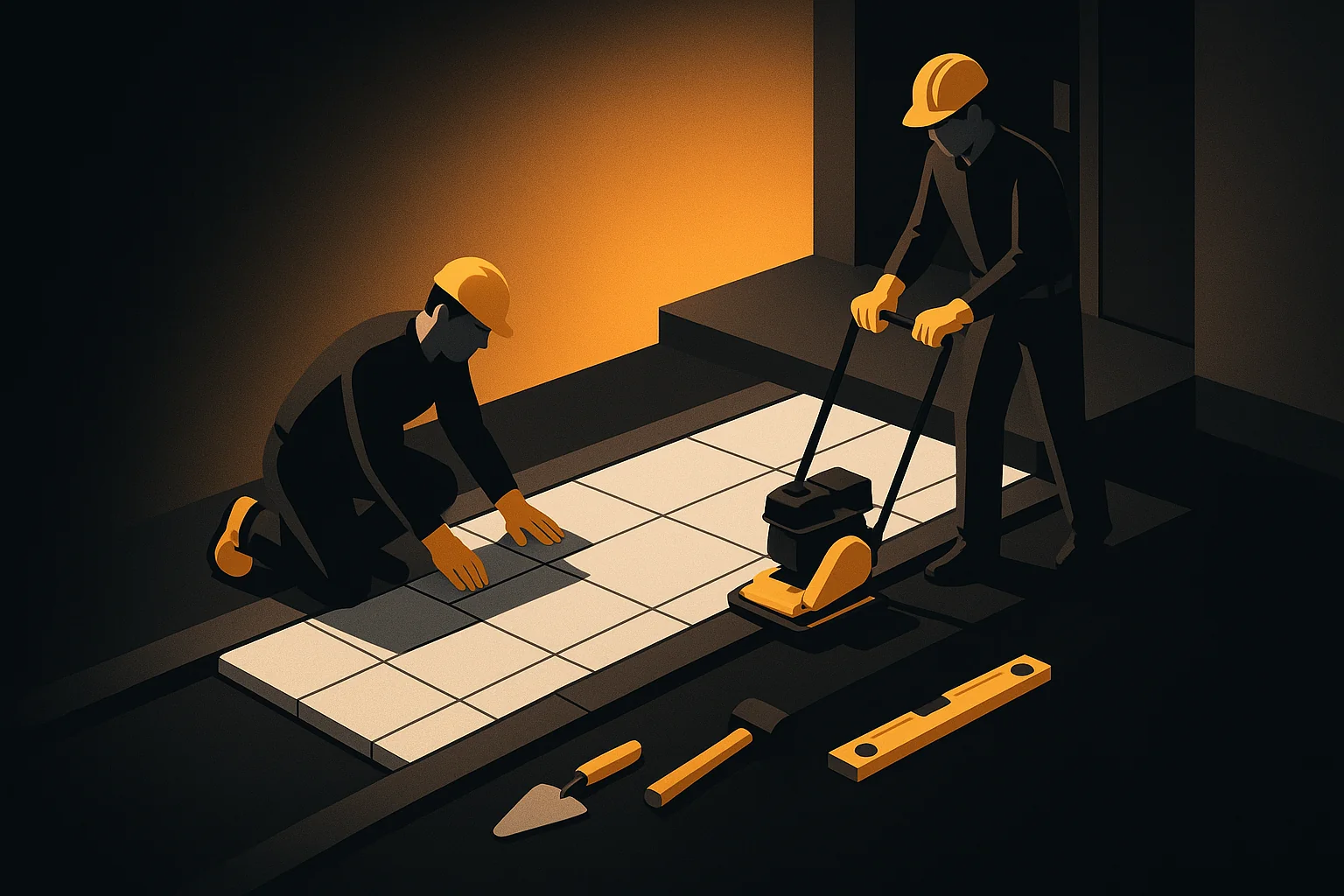
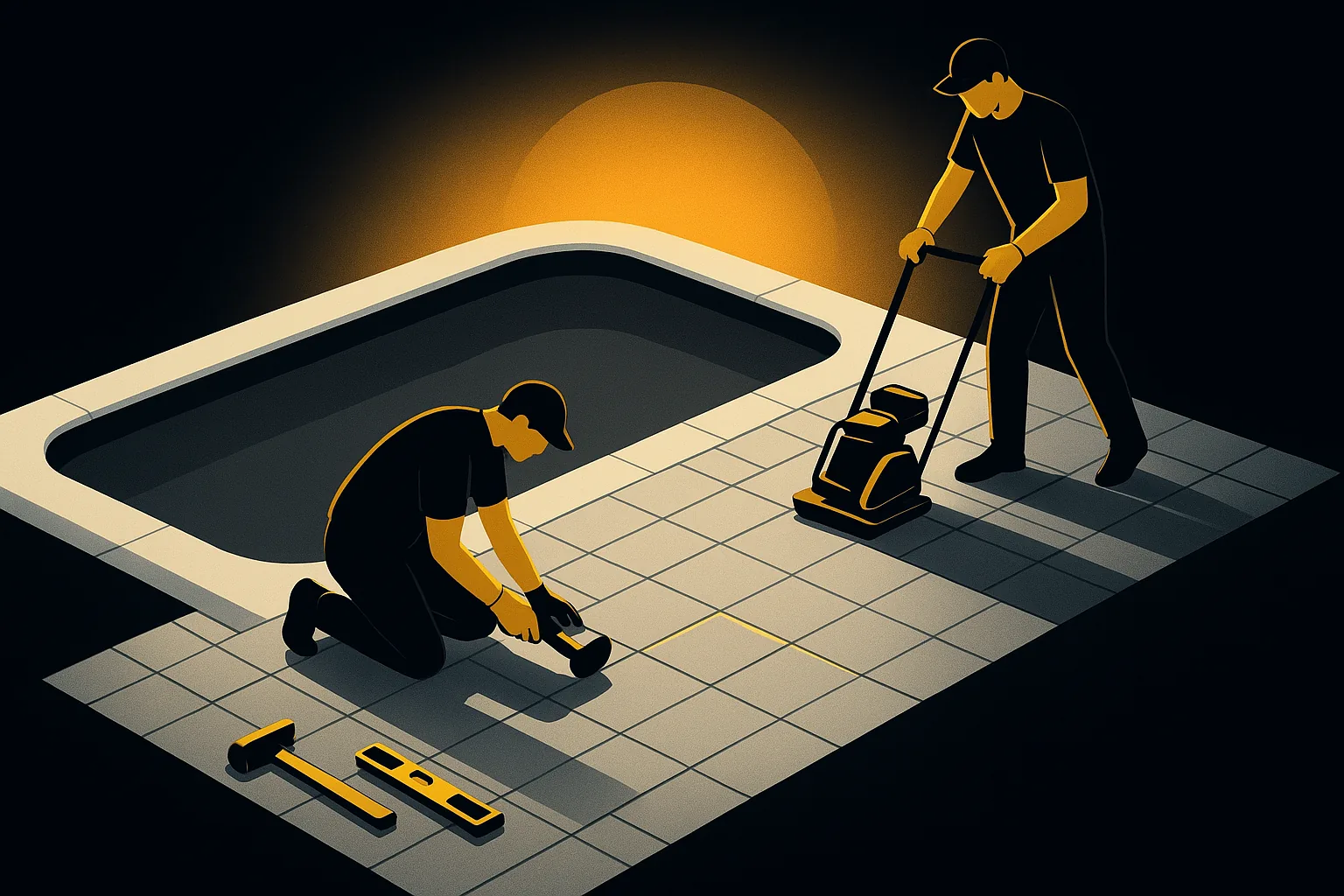
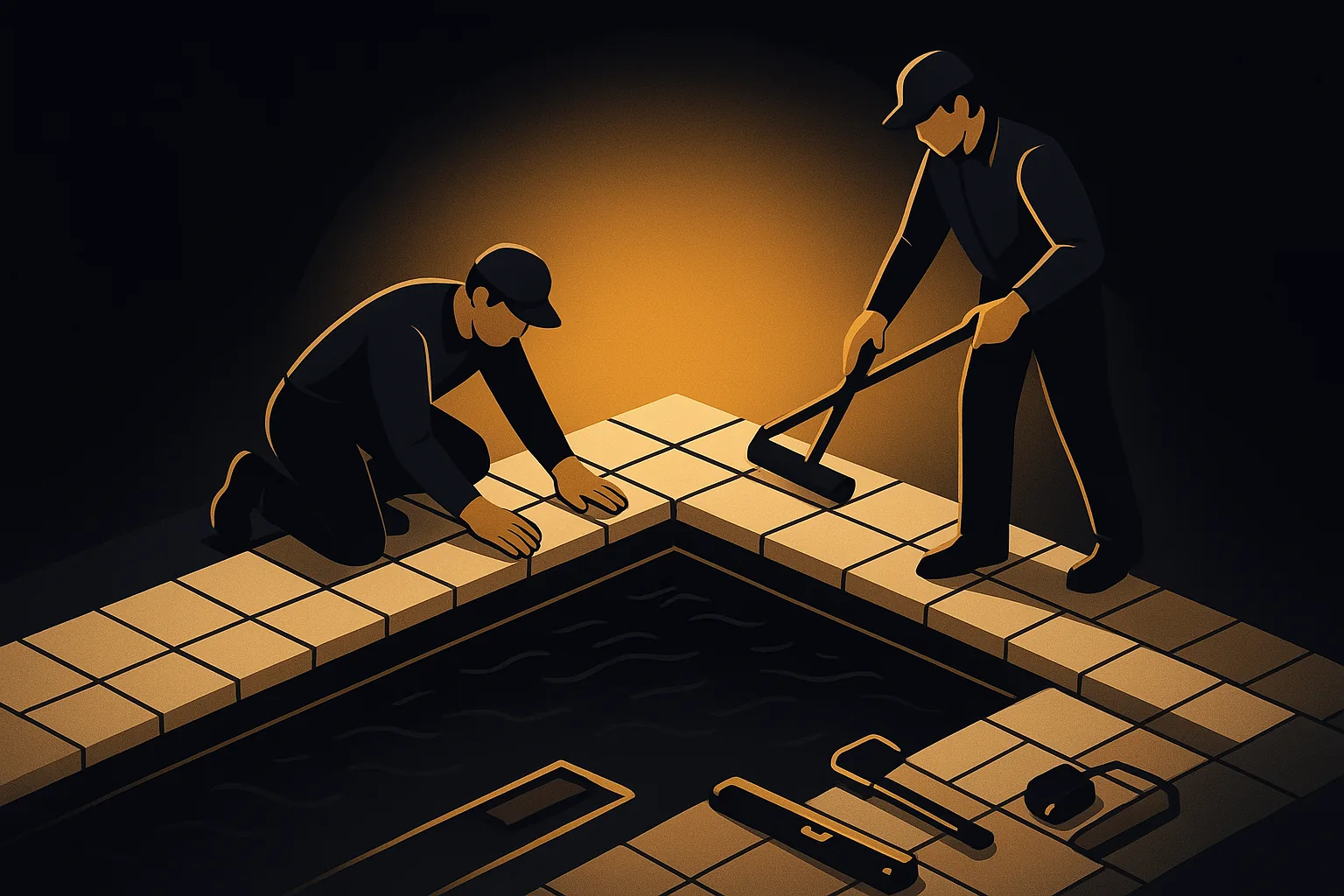
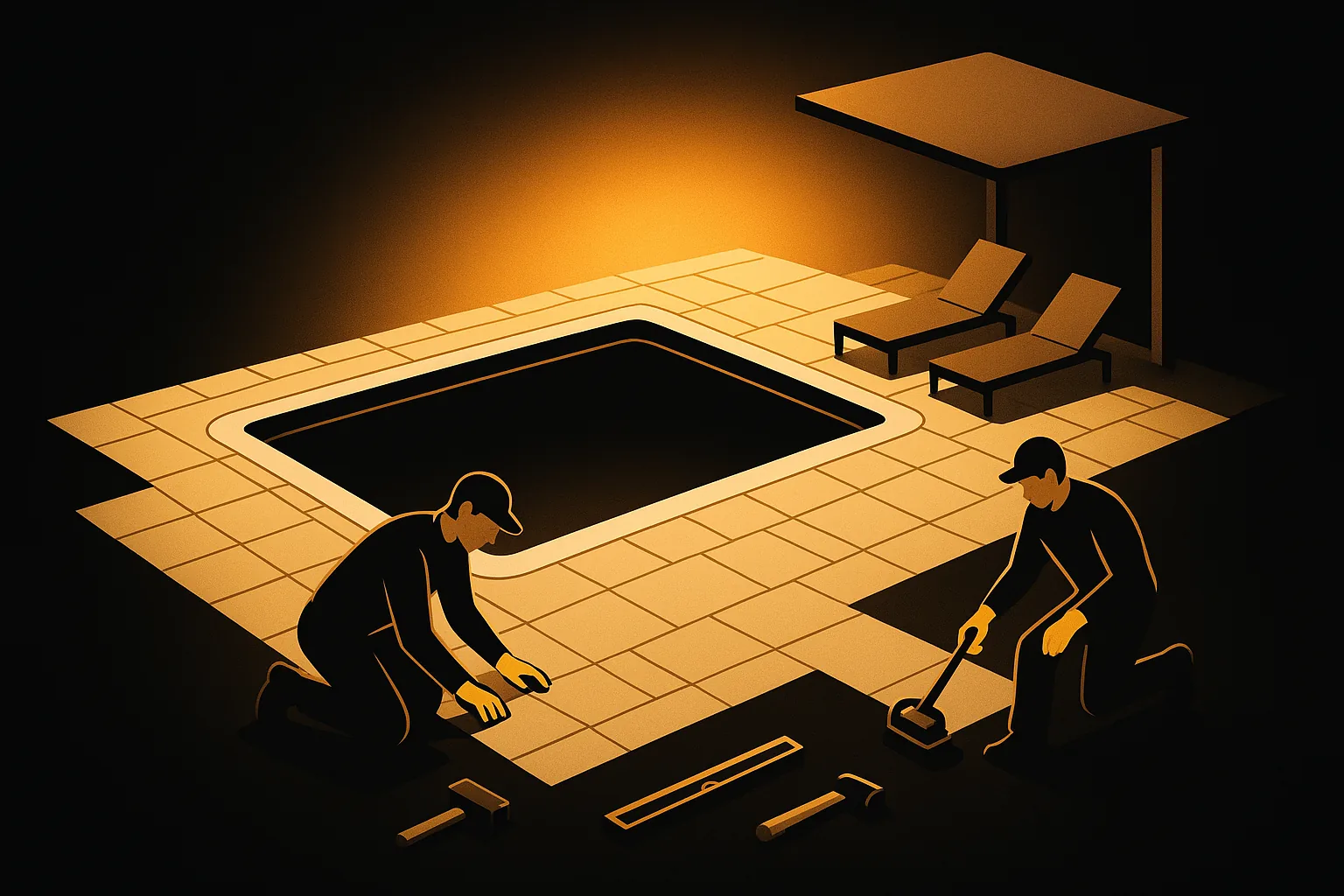
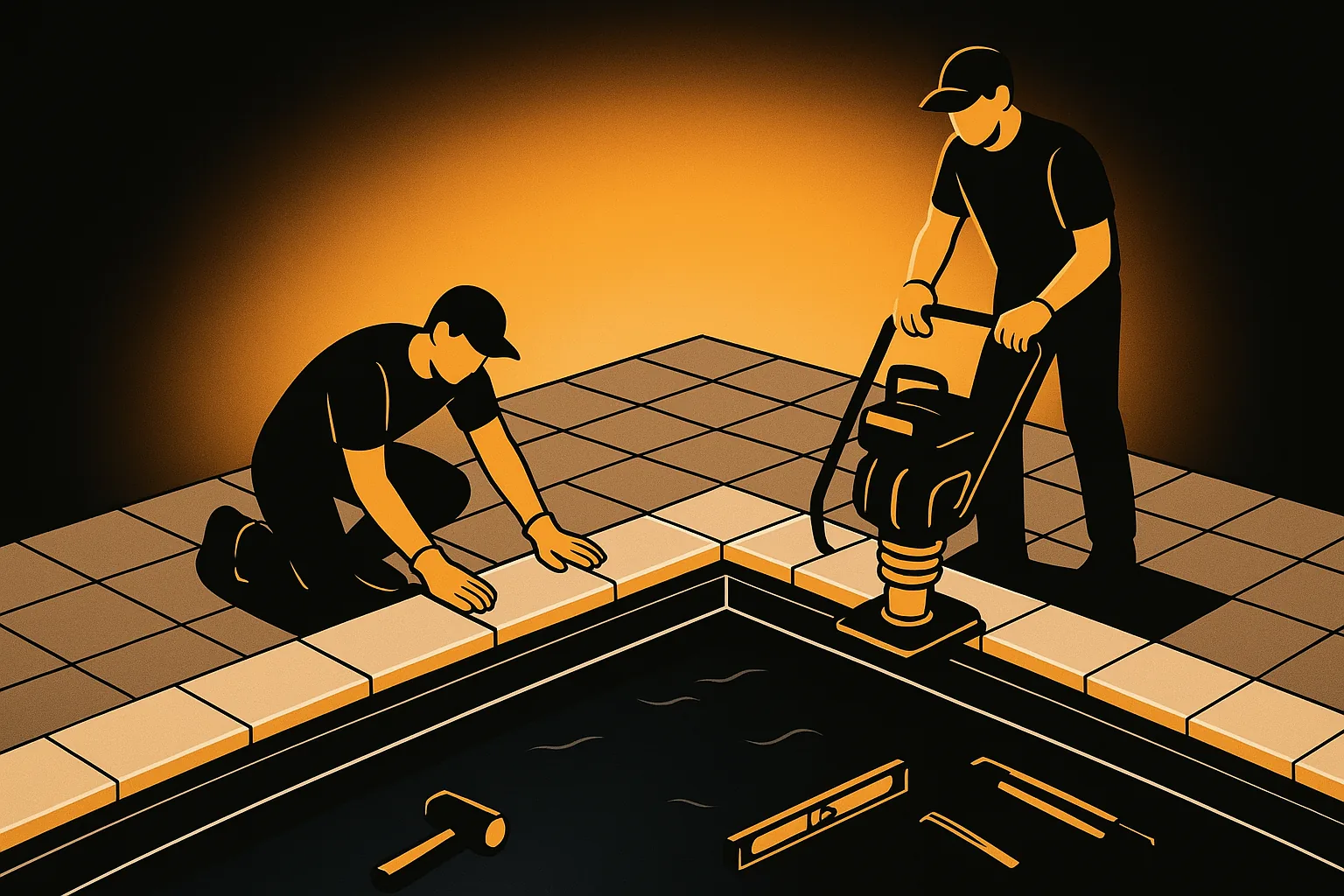
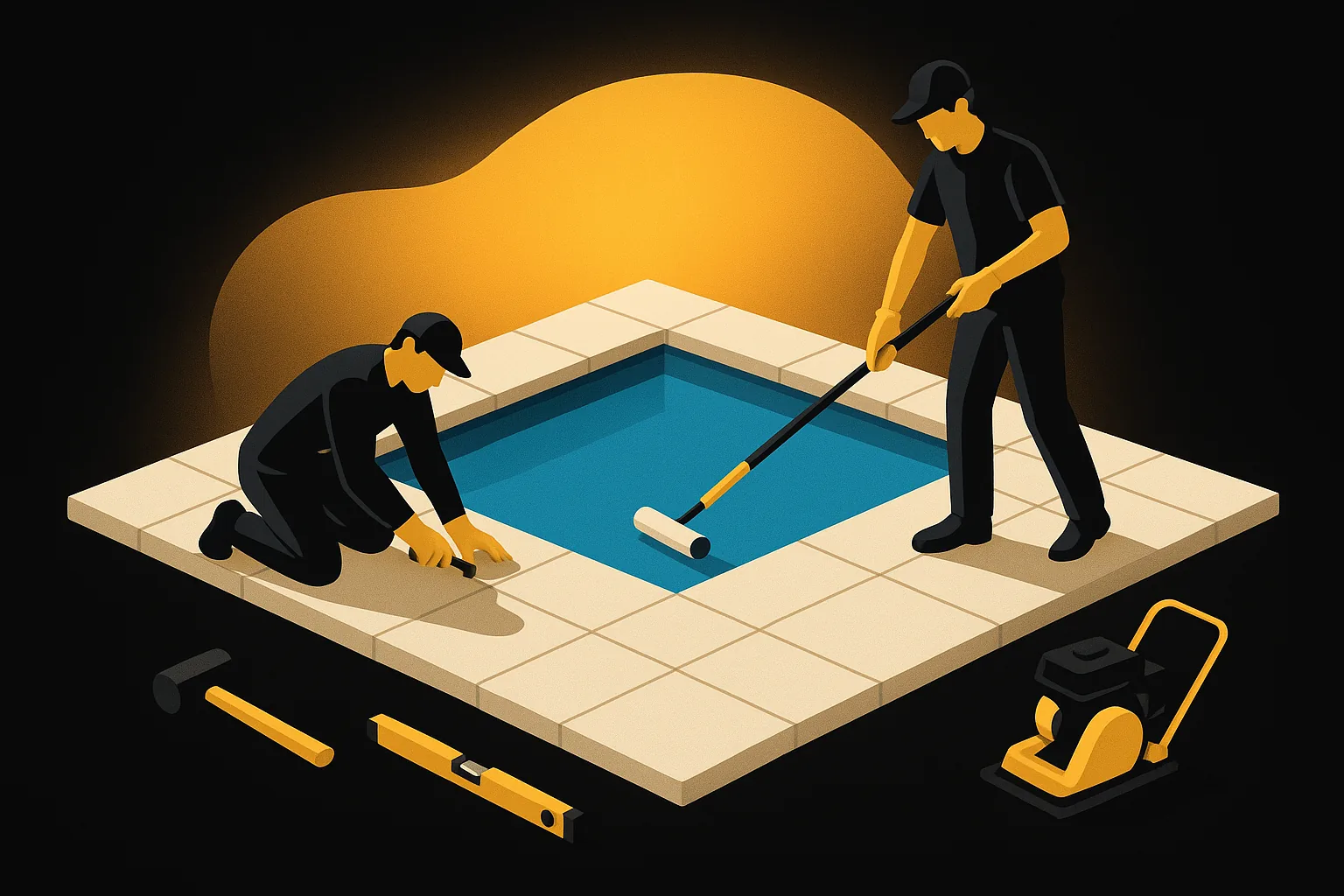
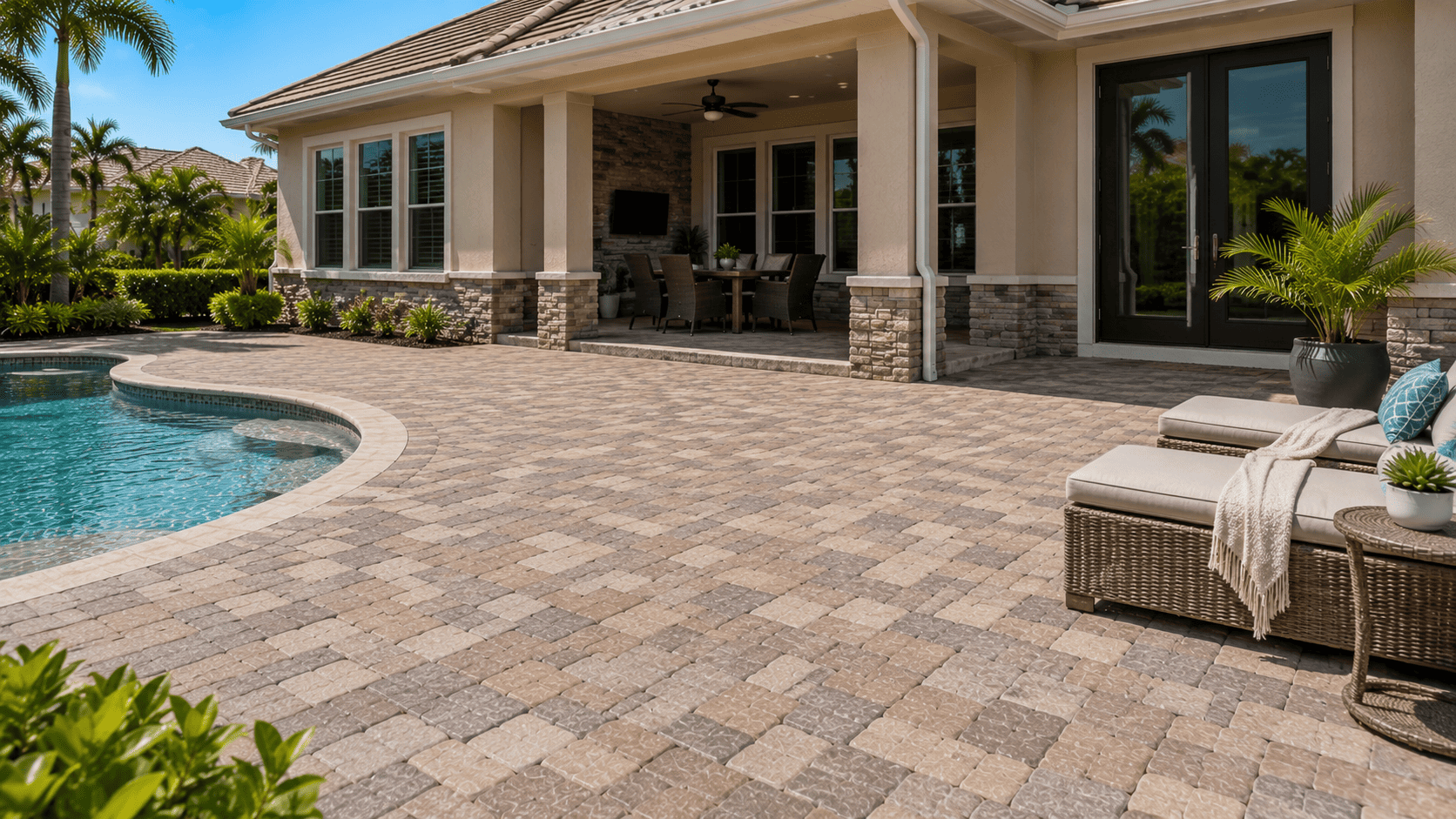
Paver installation begins from the pool edge working outward. Pool coping installs first and serves as the reference point for the entire deck layout. Matching the coping material to the deck surface creates a unified, custom appearance. In contrast, mismatched coping and deck materials produce a fragmented visual result that diminishes the quality of the finished project.
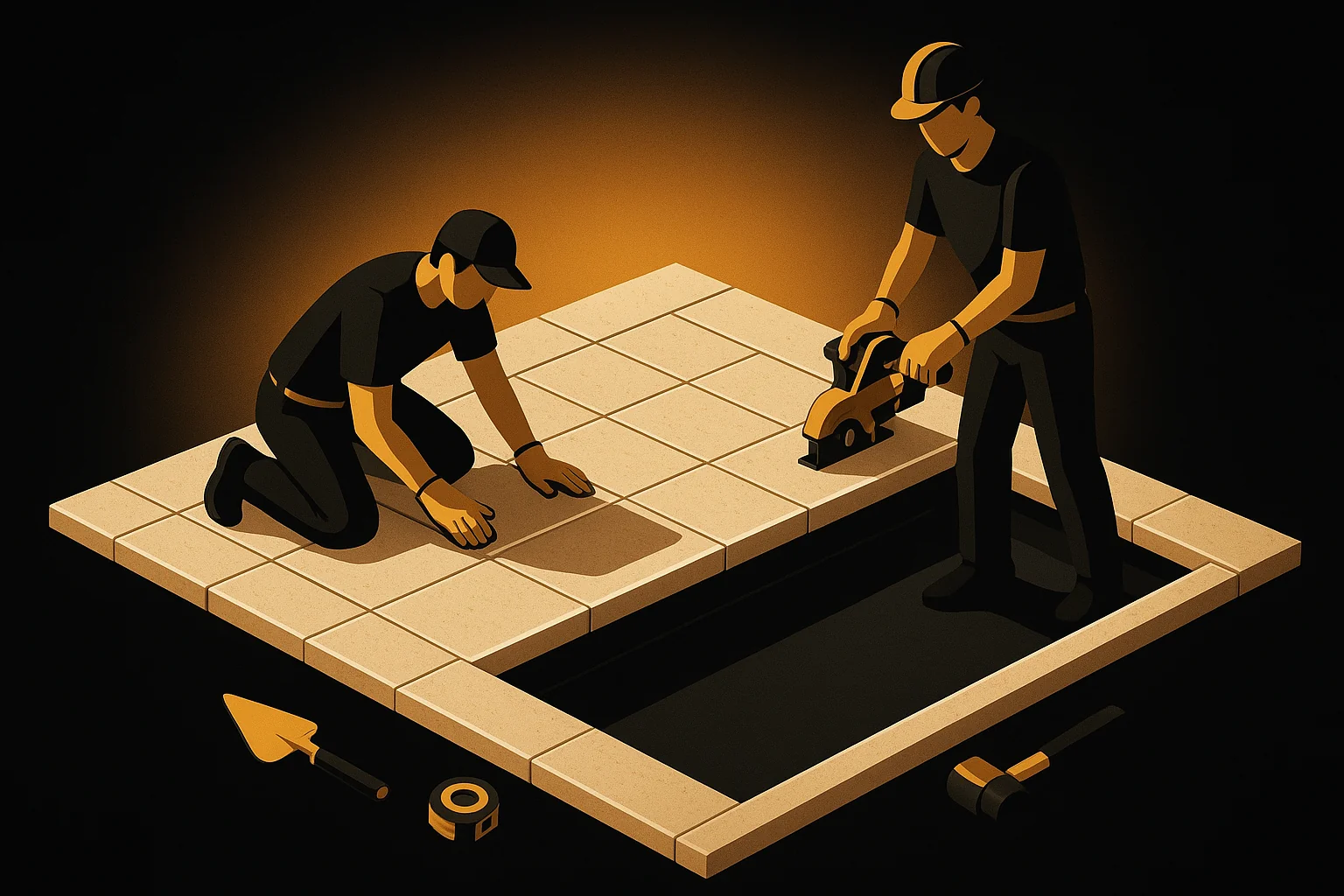
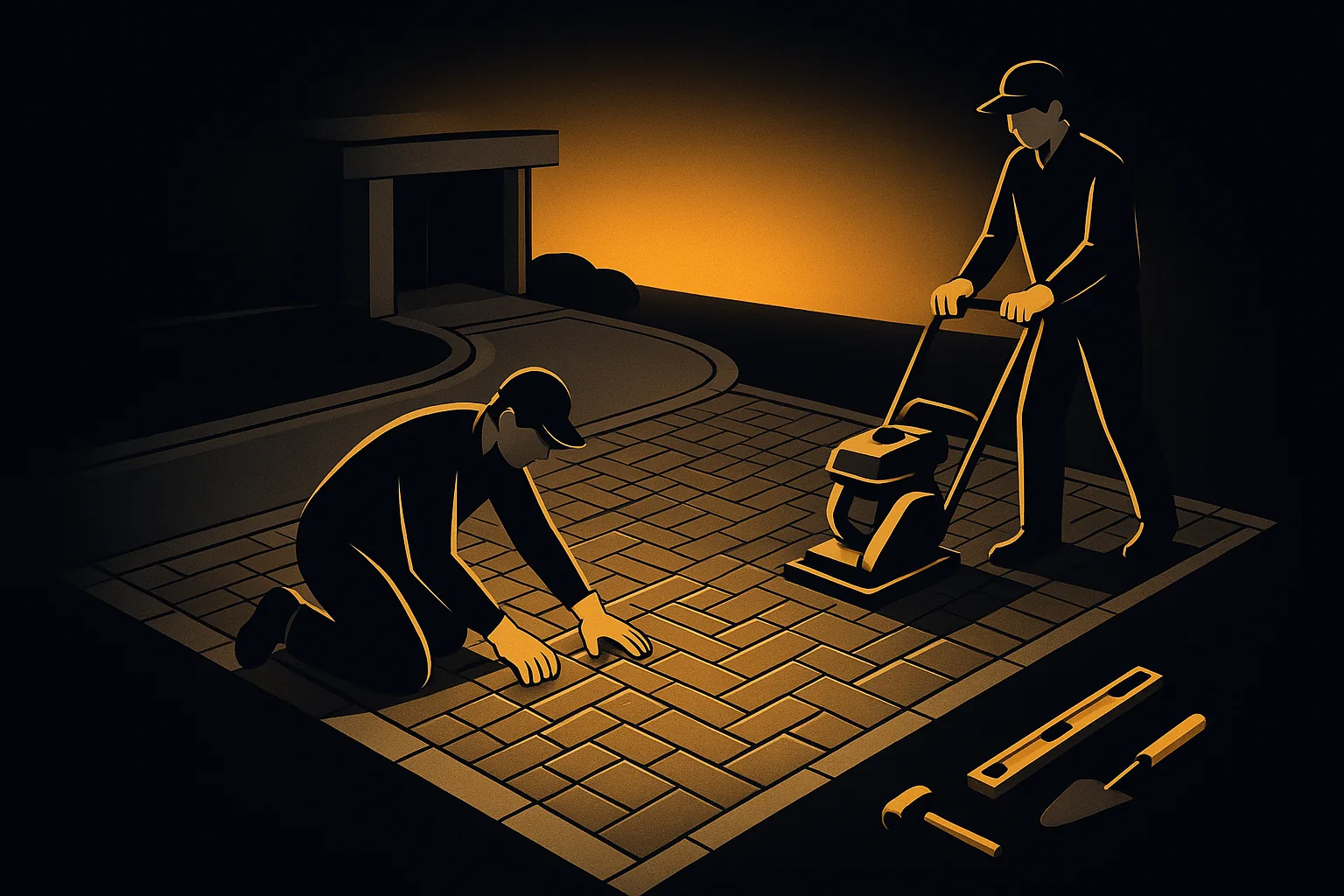
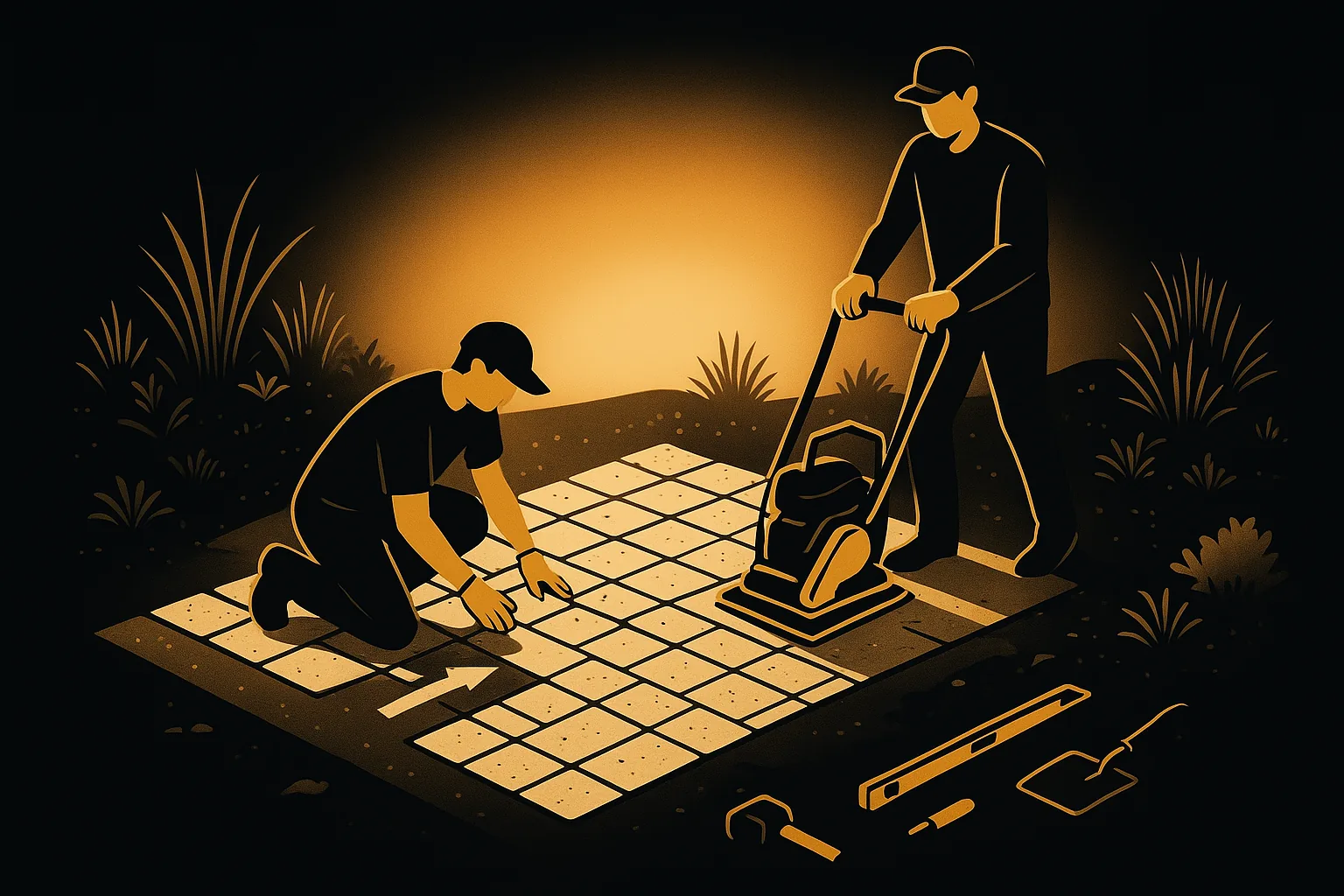
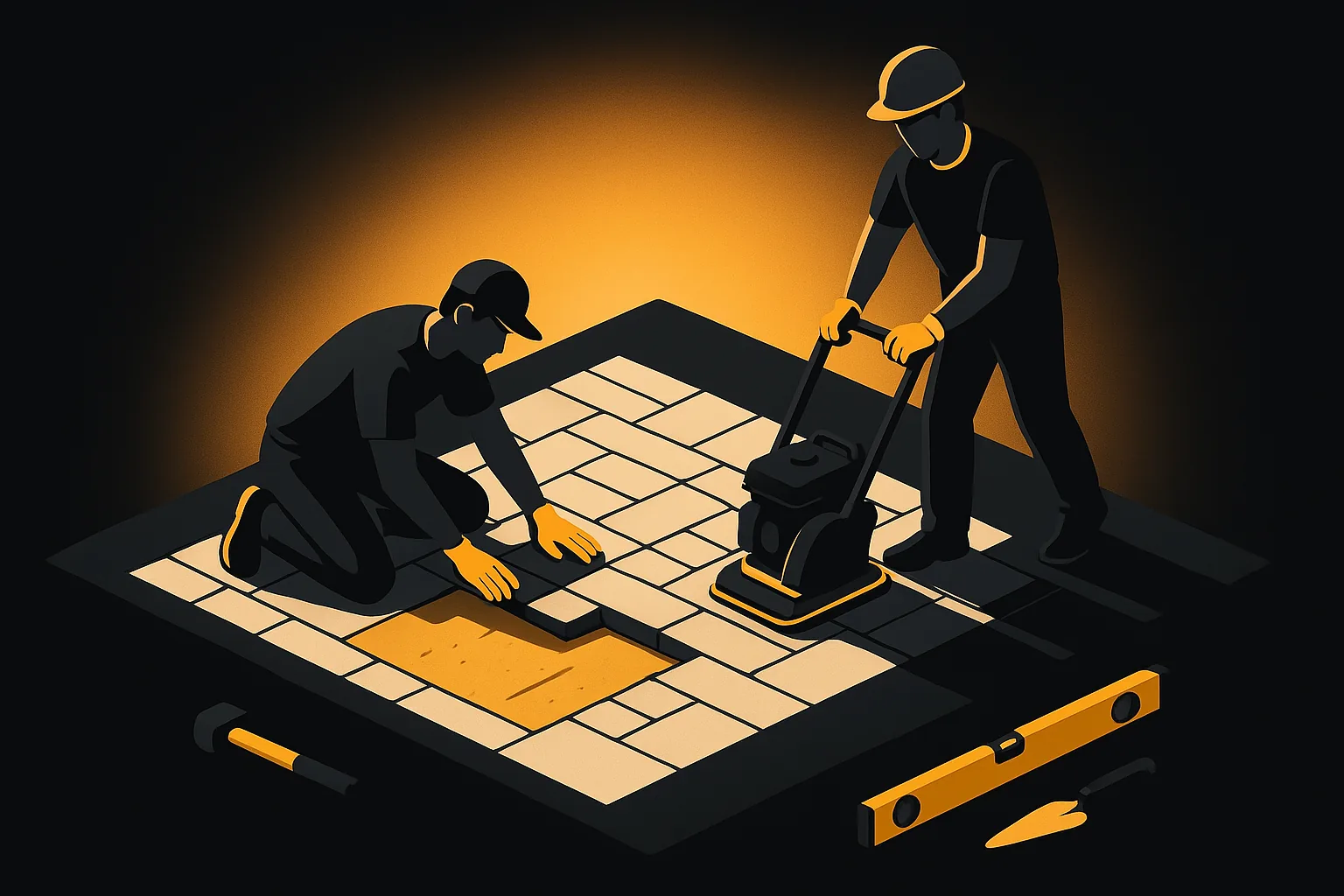
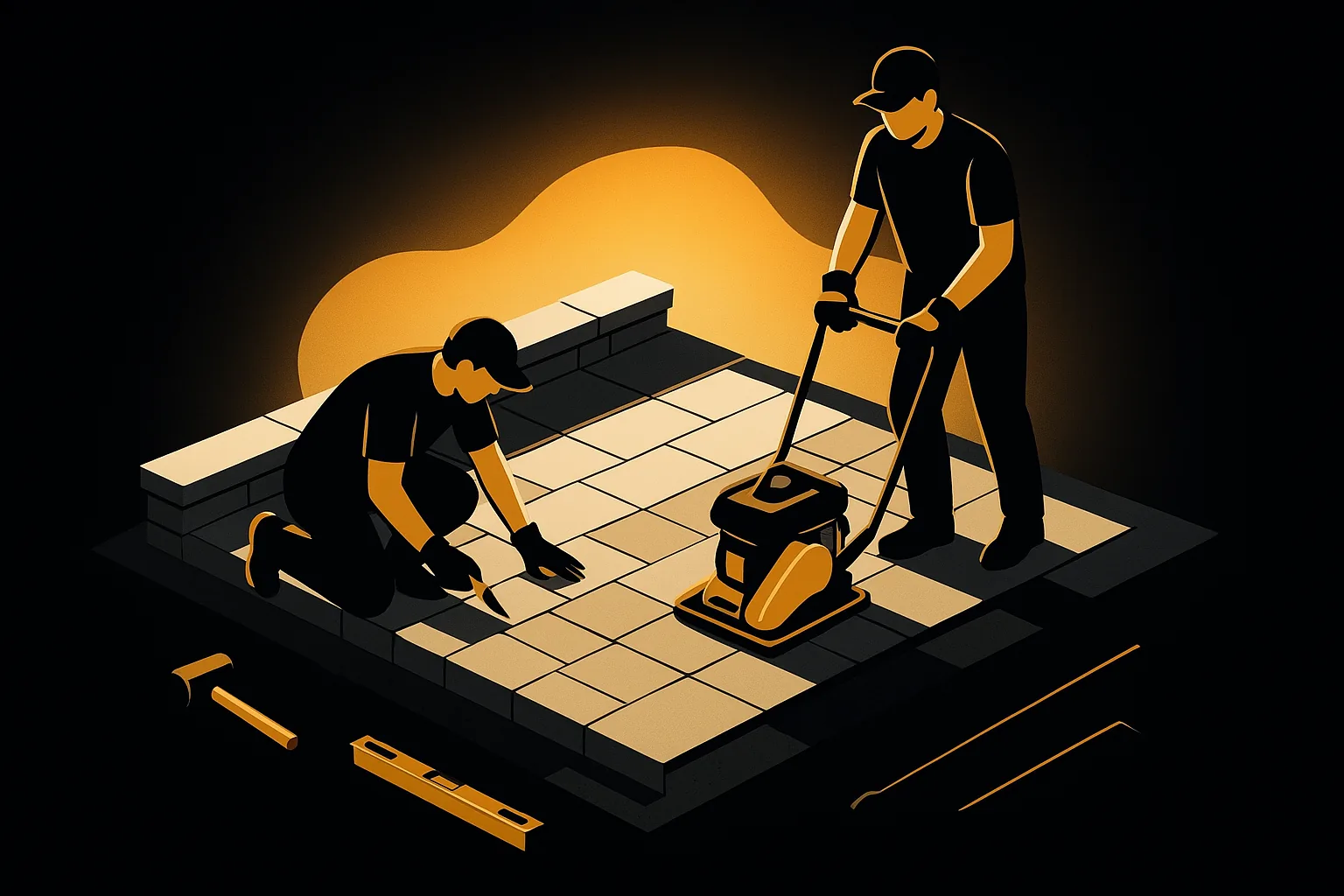
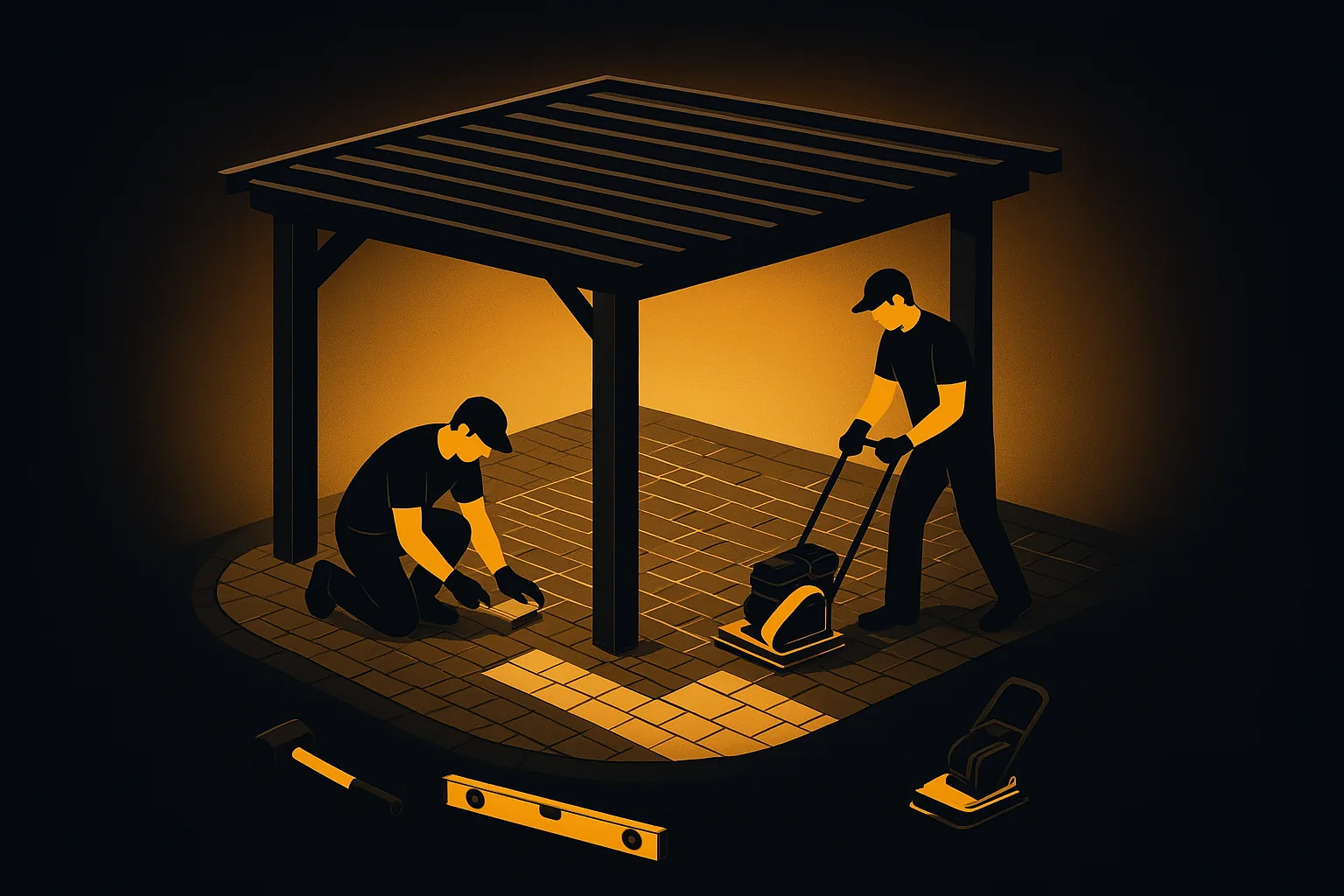
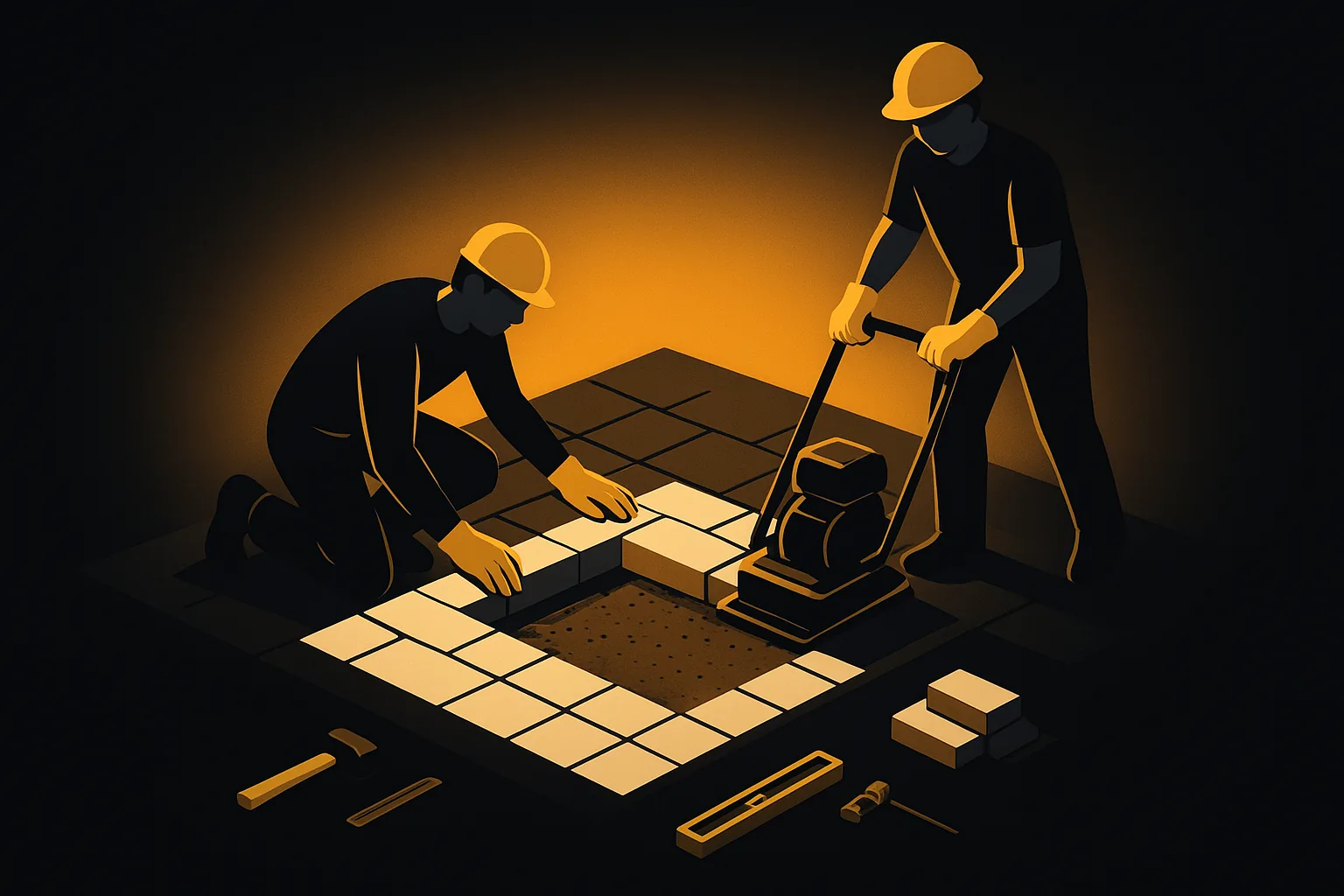
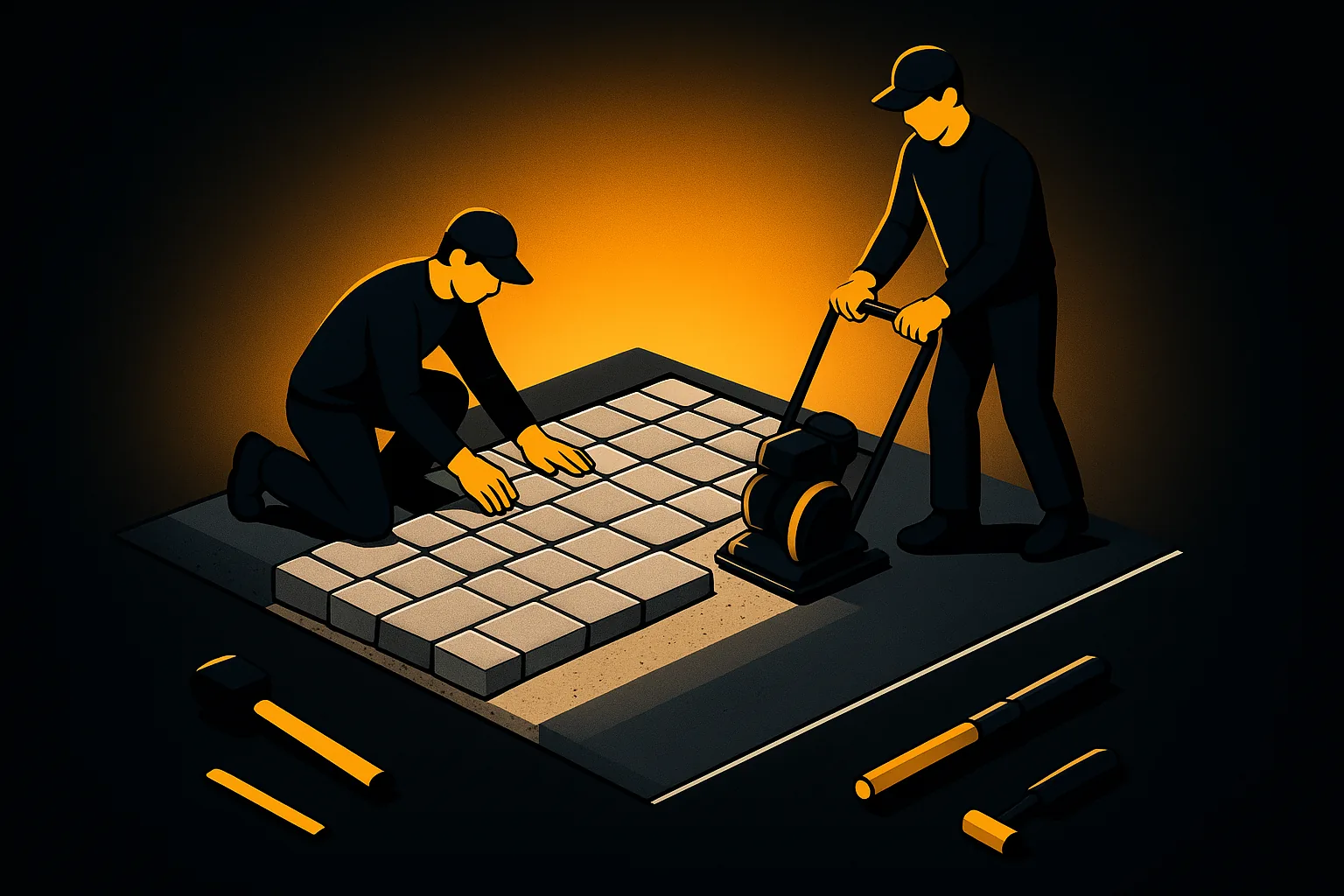
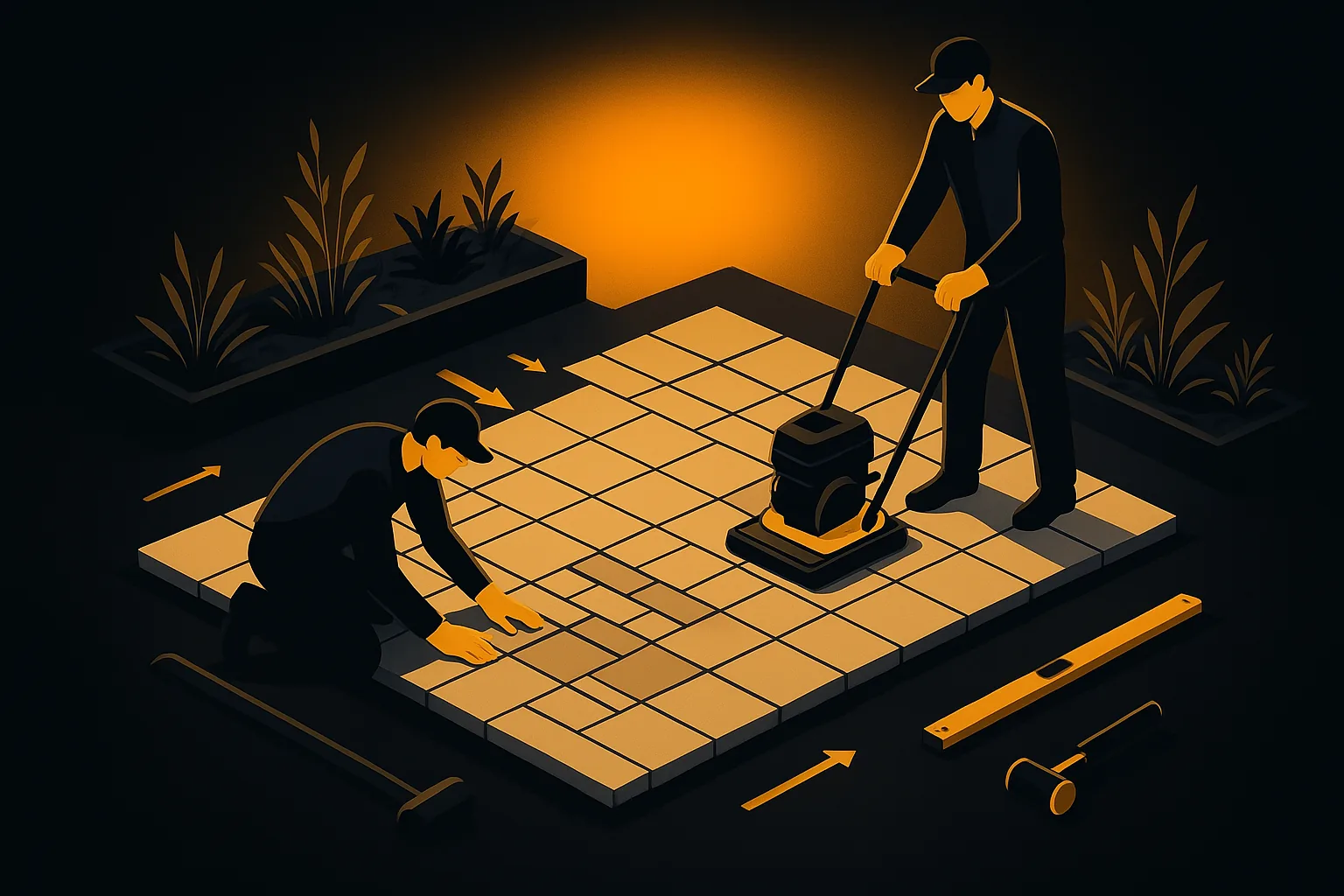
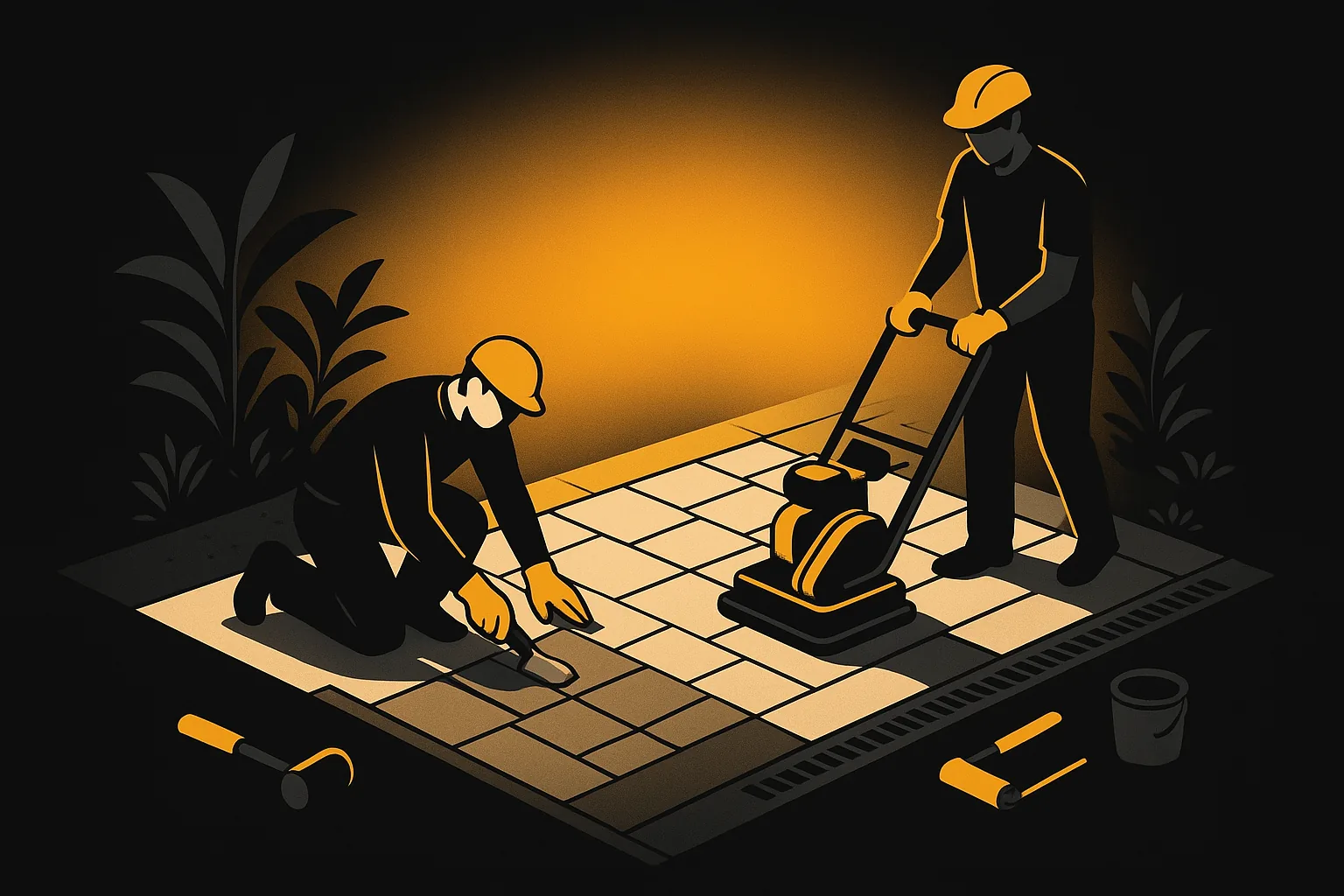
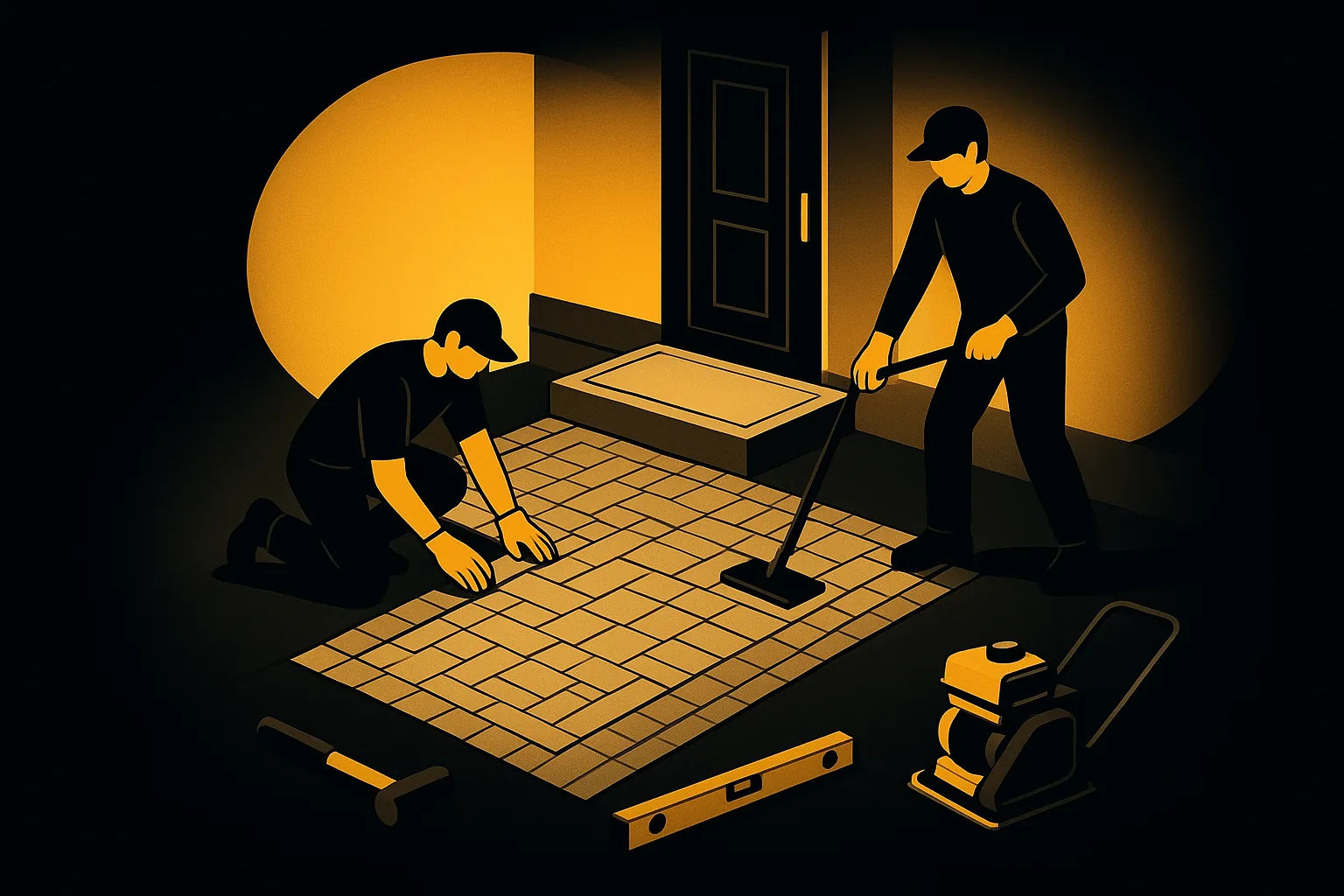
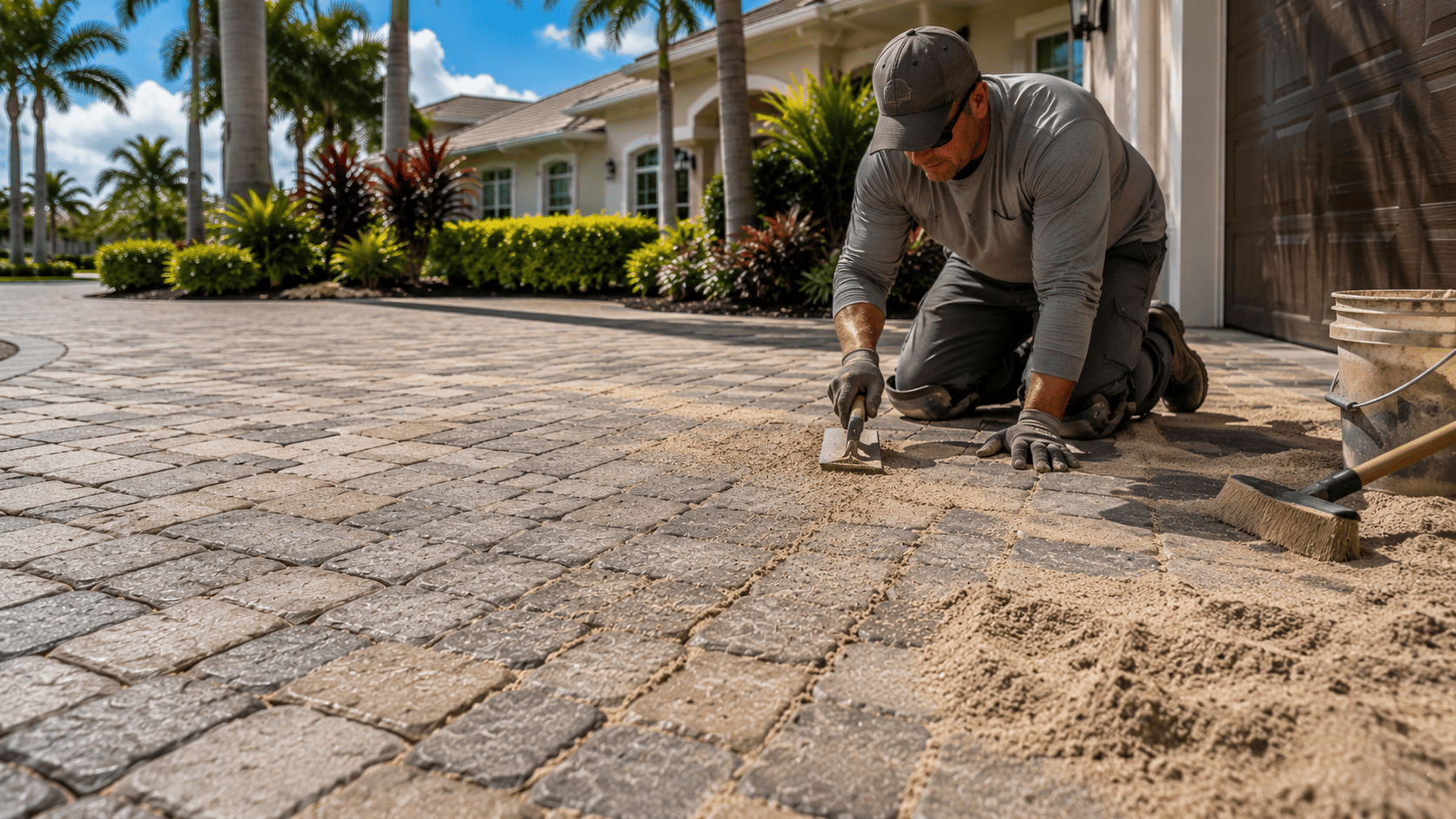
Workers set individual paver units in the sand bed and align them to the established pattern and grade. Edge restraints lock the outer perimeter to prevent lateral movement. Polymeric joint sand sweeps into the joints, compacts, and activates with water to create a stabilized surface resistant to erosion, ant intrusion, and weed growth.
Stage Four — Sealing and Final Inspection
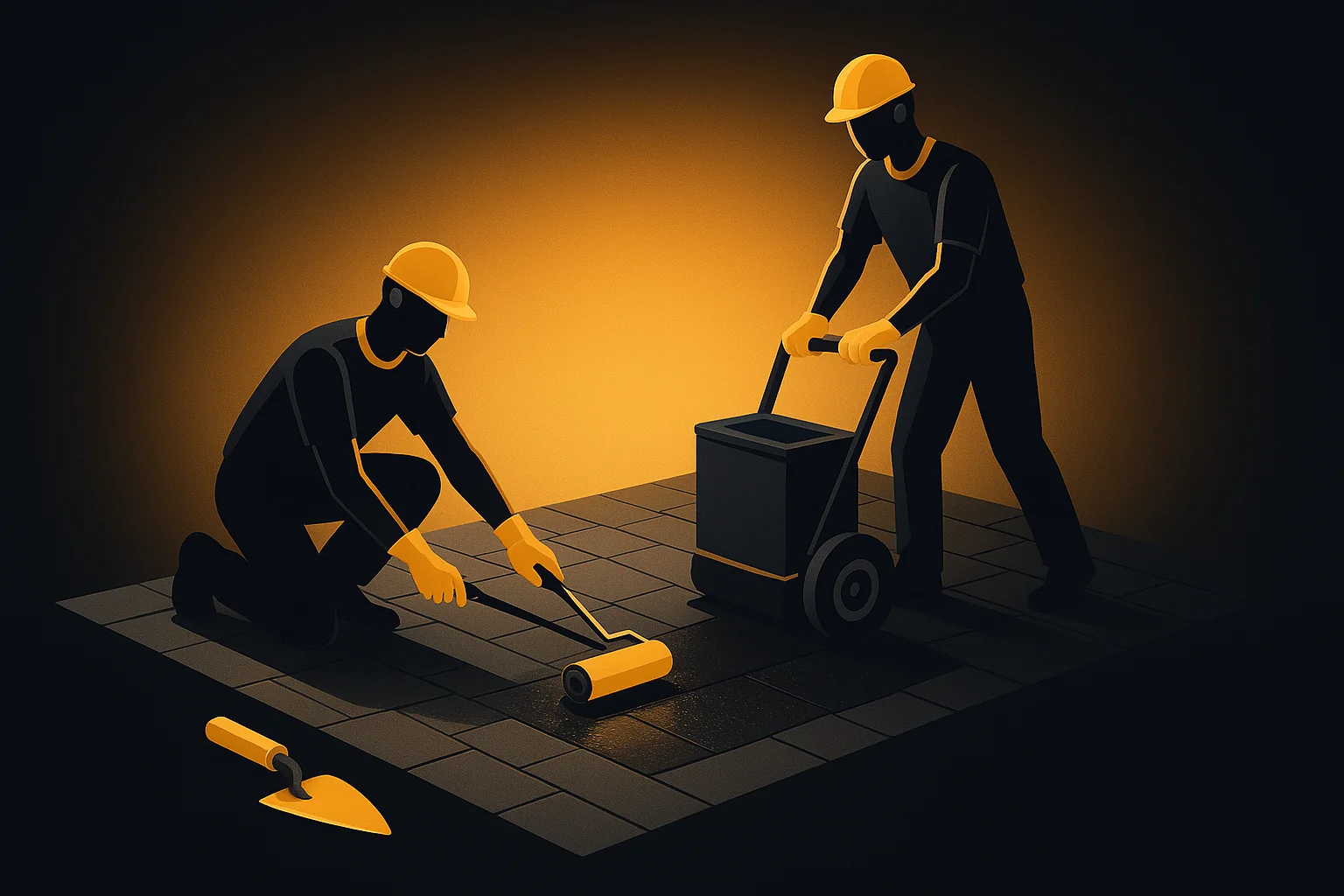
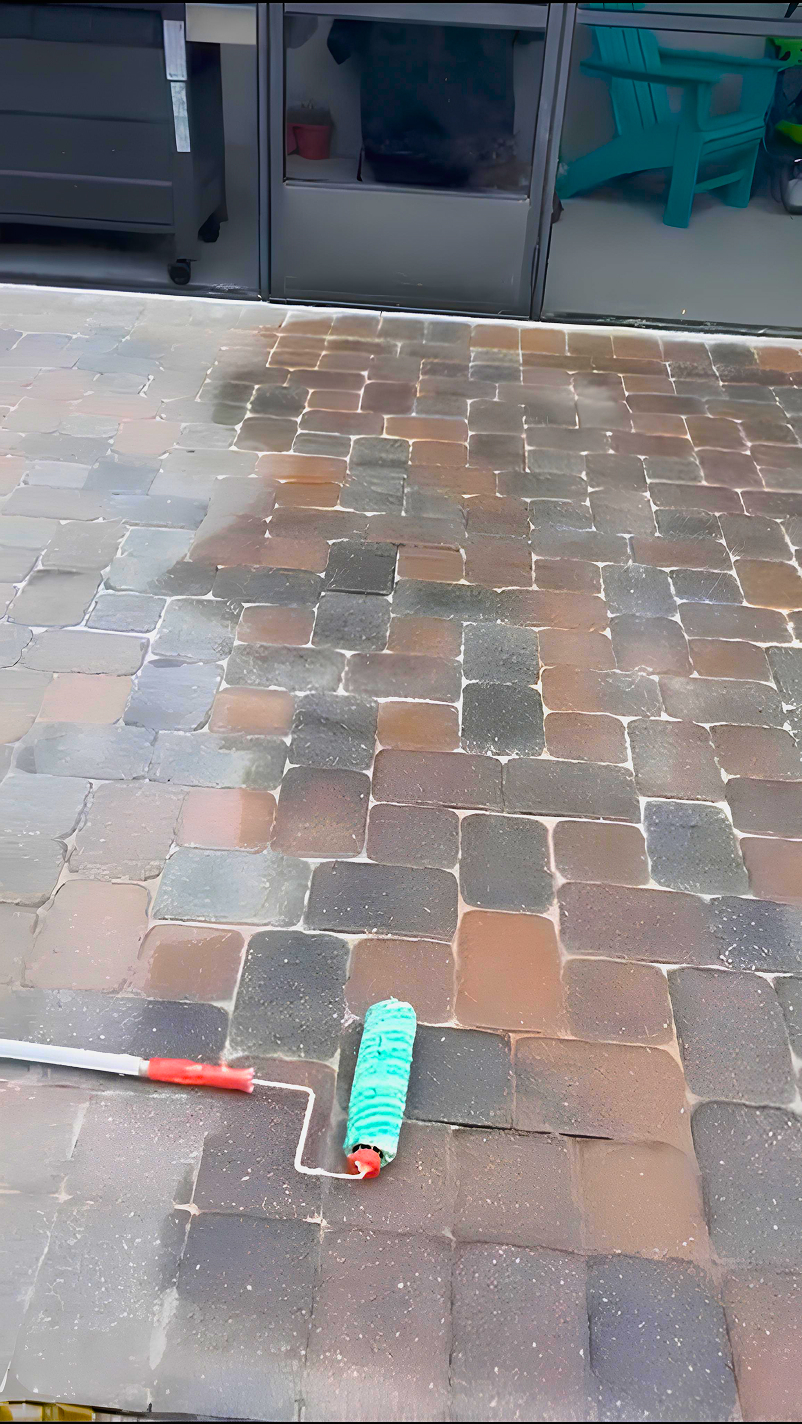
Sealing the finished pool deck surface completes the installation. For travertine, a penetrating sealer guards against pool chemical absorption and staining. It also preserves natural surface texture and slip resistance. For concrete pavers, a topcoat sealer enhances color vibrancy and provides stronger chemical resistance. The sealer cures fully before pool use resumes — typically 24 to 48 hours depending on the product and temperature.
A final inspection walks through the completed surface to verify slope consistency, joint sand completeness, and coping alignment. Reputable contractors in Largo document this inspection and address any adjustment items before closing the project. Consequently, homeowners receive a verified surface — not just an assumed one — before the contractor leaves the site.
Cost of Pool Deck Resurfacing in Largo FL
Pool deck resurfacing cost in Largo FL depends on the existing surface condition, the material selected, and the total square footage of the deck. Understanding the cost components helps homeowners evaluate quotes accurately. It also helps avoid being misled by unusually low estimates that exclude critical scope items.
Typical Price Ranges
Concrete paver pool deck resurfacing in Largo typically costs between $12 and $20 per square foot installed. This includes demolition, base preparation, paver installation, and sealing. Travertine resurfacing runs between $18 and $30 per square foot depending on grade and coping specification. For a standard residential pool deck of 600 to 900 square feet, total project costs commonly range from $10,000 to $25,000.
Pool coping replacement adds to the total cost but is strongly recommended when resurfacing. Installing new pavers against deteriorated or mismatched coping undermines visual quality and creates a functional edge that fails prematurely. Therefore, addressing coping as part of the resurfacing scope protects the primary surface investment.
What Affects the Final Quote
Several variables shift the final resurfacing cost above or below the typical range. First, the condition of the existing concrete determines whether full demolition is required — a cost difference of $2 to $4 per square foot. Second, drainage corrections add labor time and material cost. Third, complex pool shapes with curves and multiple level changes require more cutting than a standard rectangular deck.
Additionally, permitting costs apply in some Largo resurfacing projects — particularly when drainage alterations are included in the scope. A reputable local contractor identifies permitting requirements during the assessment stage. Associated costs should appear transparently in the written proposal. Surprises in this area signal a contractor who either overlooked the requirement or omitted it deliberately to appear more competitive.
Maintaining Your Resurfaced Pool Deck in Largo
A properly installed paver pool deck in Largo requires minimal maintenance compared to coated concrete alternatives. However, consistent attention to a few key tasks preserves appearance and structural integrity across the full surface lifespan.
Routine Care Schedule
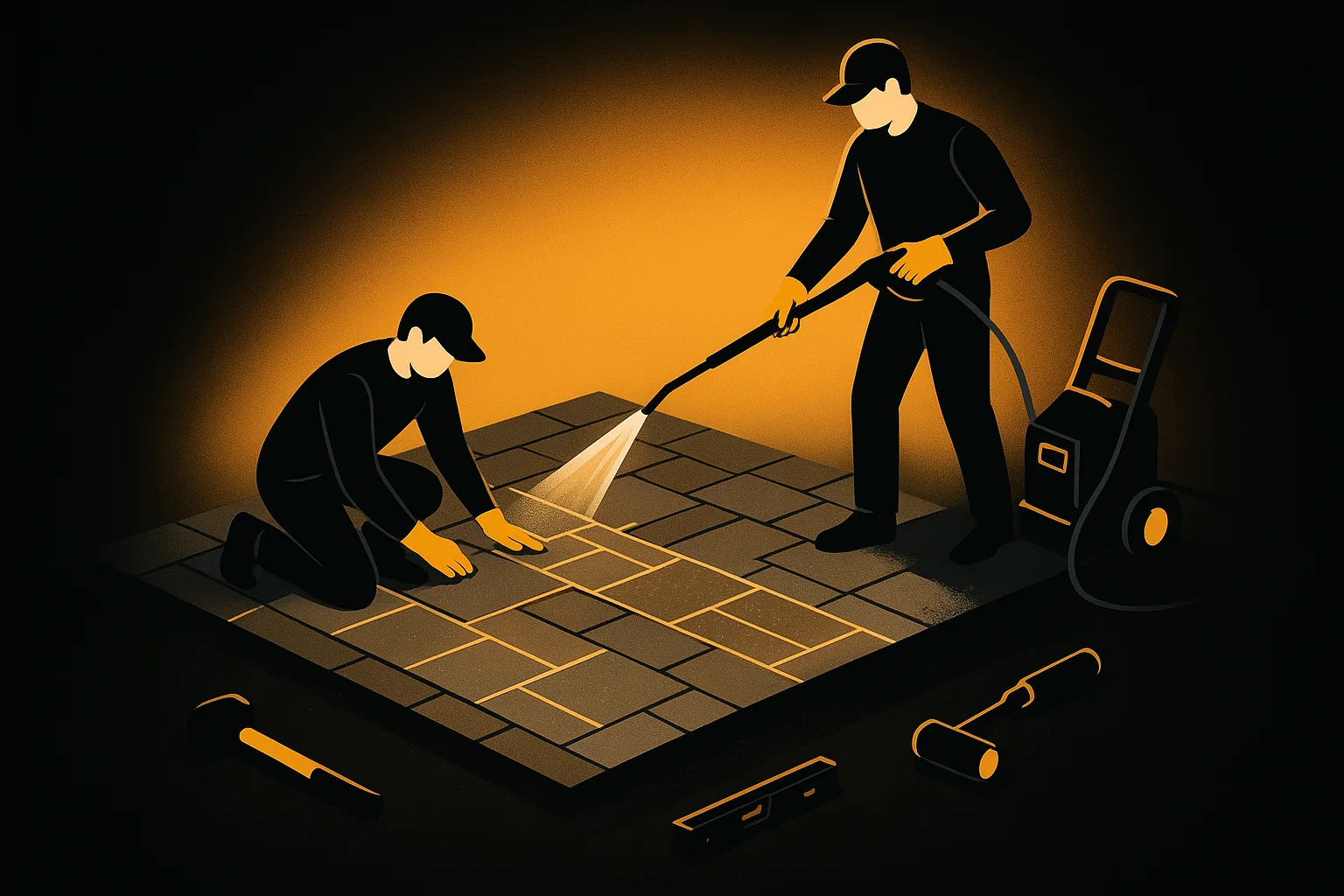
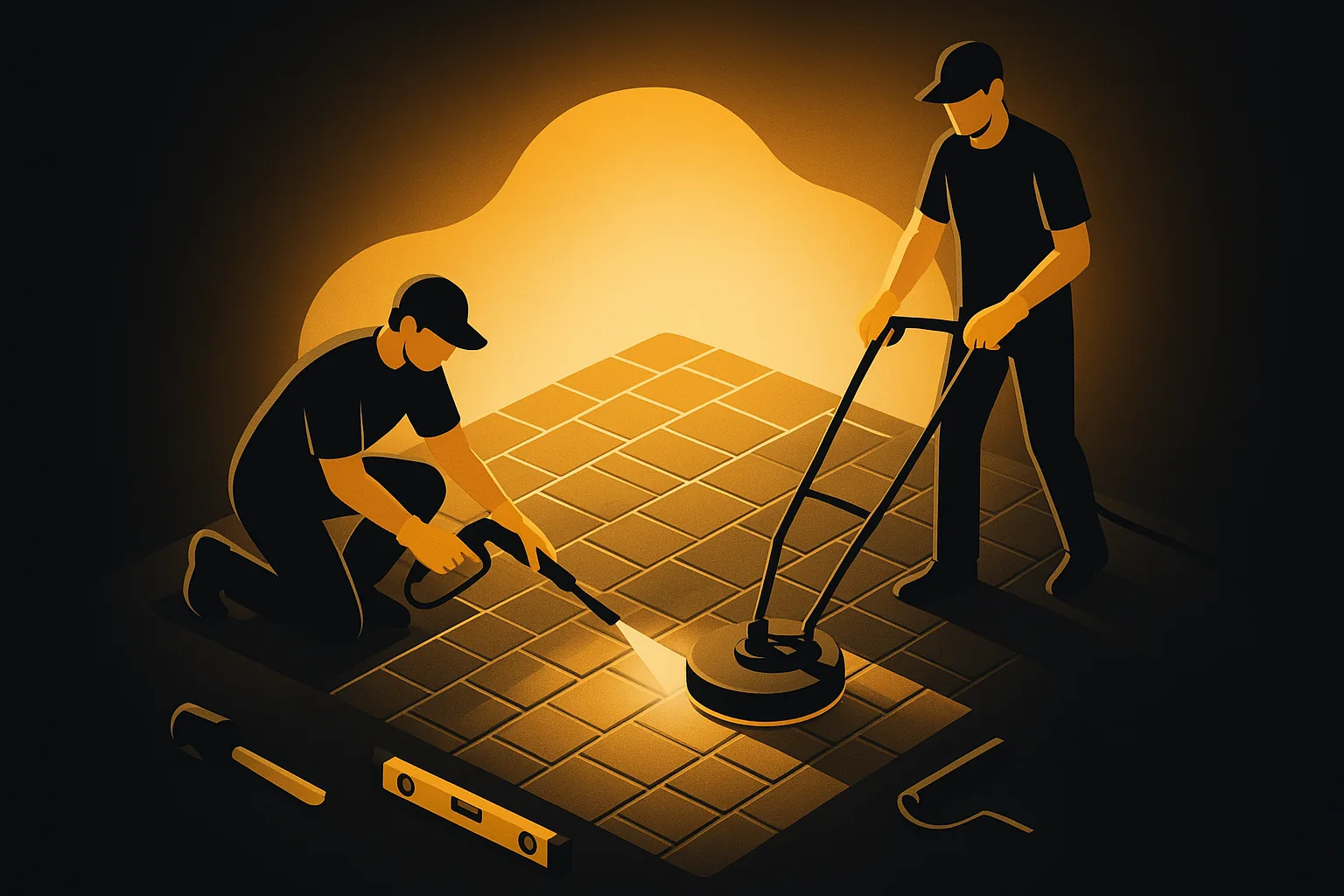
Weekly brushing removes leaf debris and organic matter before it breaks down into the joint sand. Monthly rinsing keeps algae and pollen accumulation manageable between deeper cleaning sessions. Annual professional pressure washing removes biological buildup — algae, mold, and mildew — that Florida’s humidity generates consistently on exterior surfaces exposed to moisture and shade.
Furthermore, inspecting the joint sand annually identifies areas where erosion or ant activity has displaced the stabilized fill. Refreshing joint sand before the next sealing cycle maintains surface cohesion. It also prevents individual paver units from developing rocking movement under foot traffic. This inspection takes less than an hour and prevents minor issues from becoming structural concerns.
Sealing Maintenance
Resealing the pool deck every two to three years maintains chemical resistance, stain protection, and UV color stability. Pool decks near saltwater pools or those in full afternoon sun benefit from resealing on the shorter end of this interval. Applying sealer to a clean, dry surface immediately after pressure washing maximizes penetration depth and durability of each application cycle.
For homeowners managing their own maintenance schedule, the paver maintenance Florida guide provides a complete seasonal care framework developed specifically for Florida’s climate — covering cleaning, sealing, joint sand management, and early problem identification across all paver types.
The Pool & Hot Tub Alliance (PHTA) publishes safety and surface standards for residential pool decks. These standards establish minimum slip resistance, drainage, and material performance requirements relevant to resurfacing projects in Florida. Reviewing their residential pool deck standards helps homeowners understand the safety benchmarks a qualified contractor should meet and provides useful context when evaluating proposals for your Largo pool deck project.
Conclusion
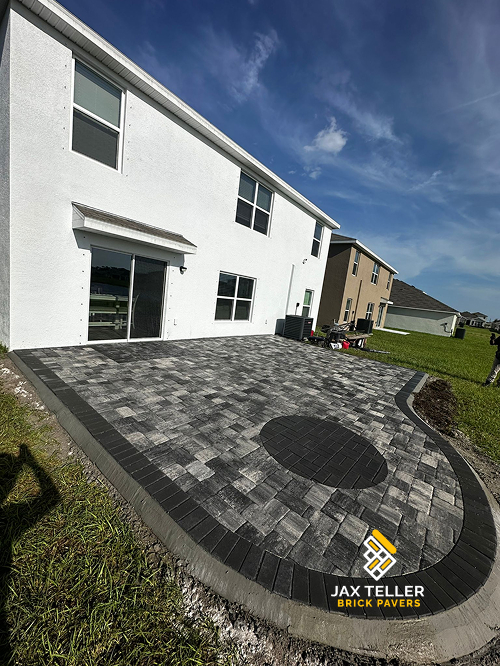
Pool deck resurfacing in Largo, FL is a significant investment. It pays consistent returns in safety, comfort, and property value when the right materials and installation standards apply. Travertine, concrete pavers, and brick each deliver strong long-term results when a qualified local contractor installs them over a properly prepared base. Understanding the process, the cost drivers, and the maintenance requirements puts you in the strongest position to choose the right professional and enjoy a finished pool deck that performs beautifully for decades.
Ready to transform your pool deck? 🏡 Contact JaxTeller Brick Pavers to schedule your free on-site assessment and resurfacing estimate in Largo. Explore our completed pool deck projects to see real installations across Pinellas County. Follow us on Instagram and Facebook for project inspiration and seasonal tips. Reach us directly on WhatsApp for a fast response, or find us on Google Maps at 616 9th St NW, Largo, FL 33770. Contact JaxTeller Brick Pavers at +1 407-907-8308 or jaxtellerbrickpavers@gmail.com for your free estimate!