If you’re planning or upgrading a pool area in Florida, one question always comes up:
Concrete or pavers — which one is better for a pool deck?
At first glance, concrete may seem simpler and cheaper. But Florida’s intense sun, heavy rain, soil movement, and safety requirements around pools change the equation completely.
This guide delivers a direct, honest, and commercial comparison between concrete and pavers for pool decks in Florida, so homeowners can make the right long-term decision.
Why Pool Deck Material Matters More in Florida
Florida pool decks face unique challenges:
- Constant UV exposure
- Heavy rainfall and humidity
- Expansive and shifting soil
- Slip-risk around water
The wrong surface choice leads to cracks, heat buildup, safety issues, and costly repairs.
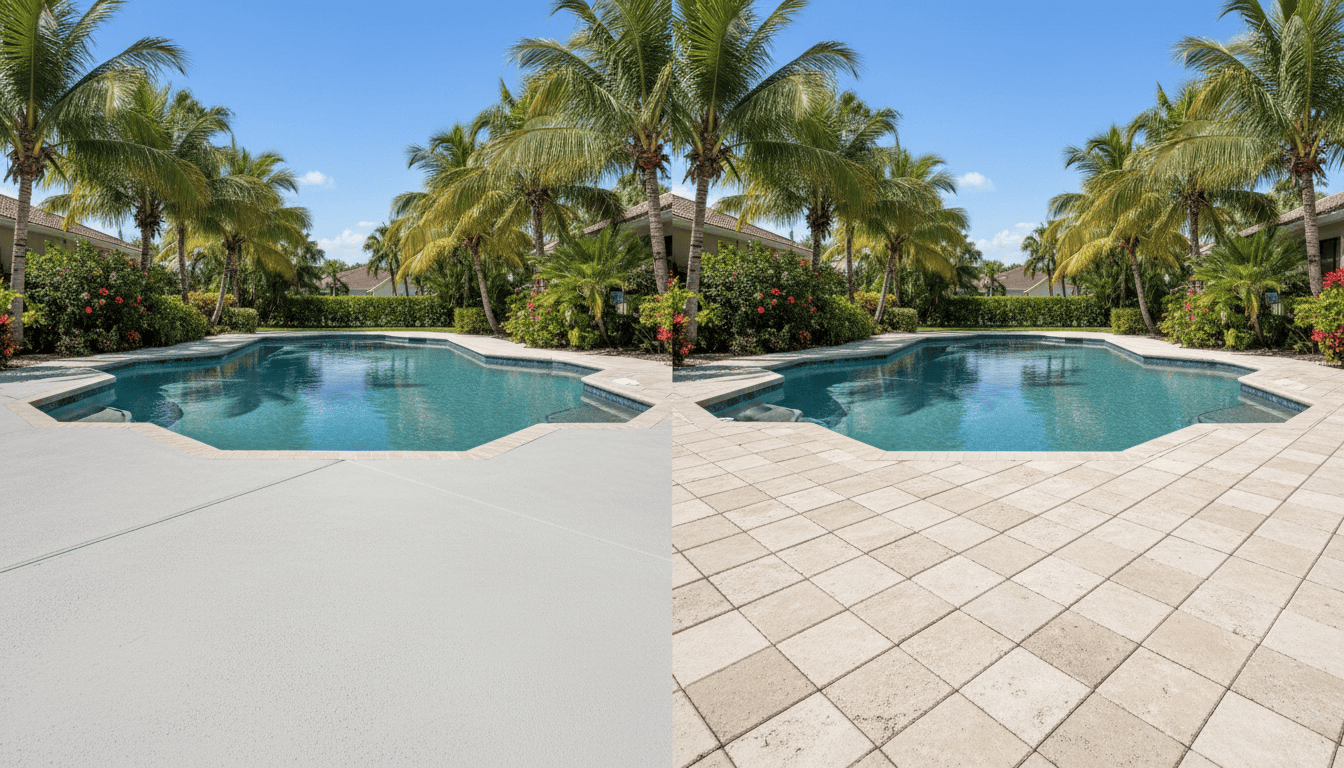
Overview: Concrete vs Pavers
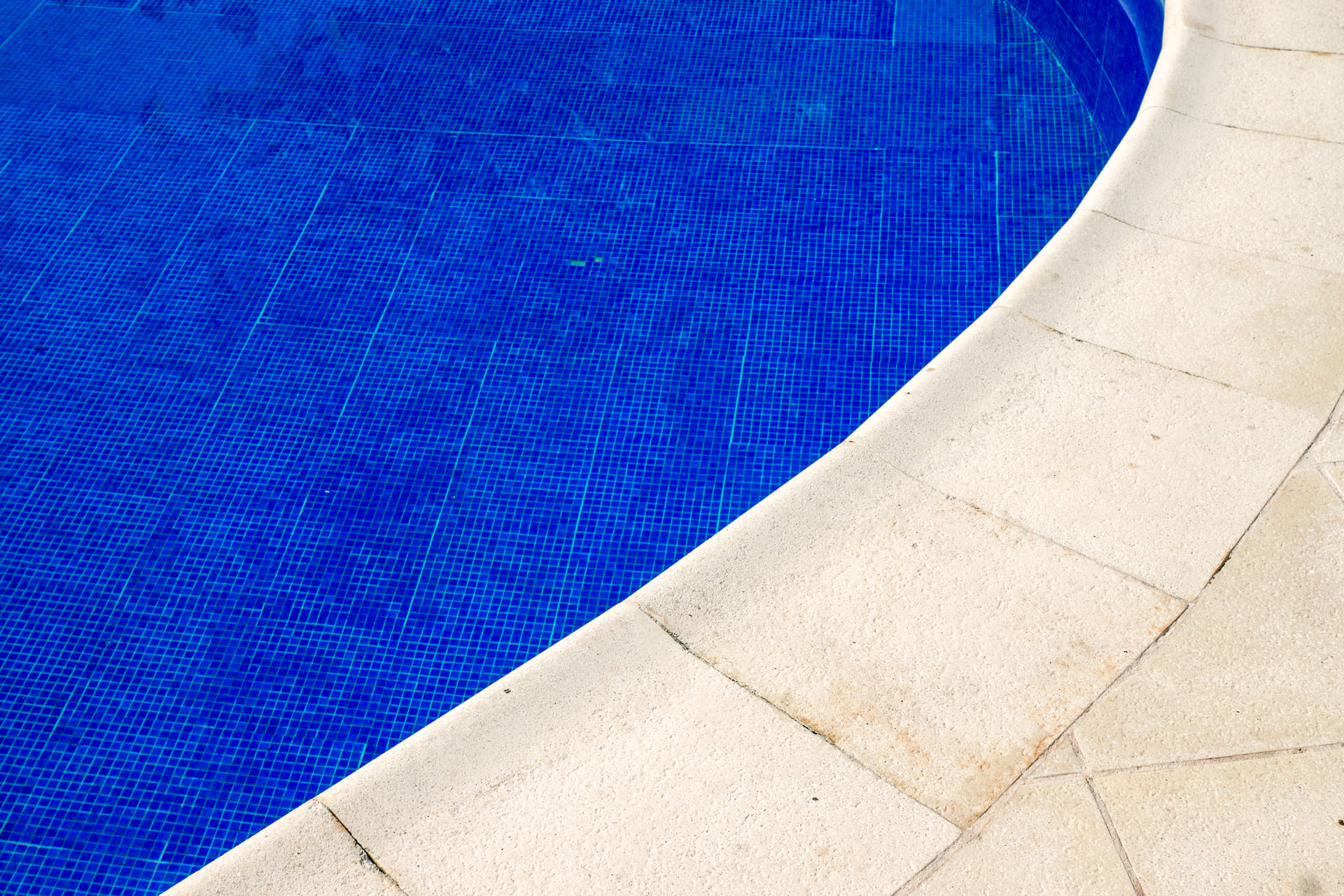
Concrete pool decks
- Poured slab
- Uniform appearance
- Lower upfront cost
- Limited flexibility
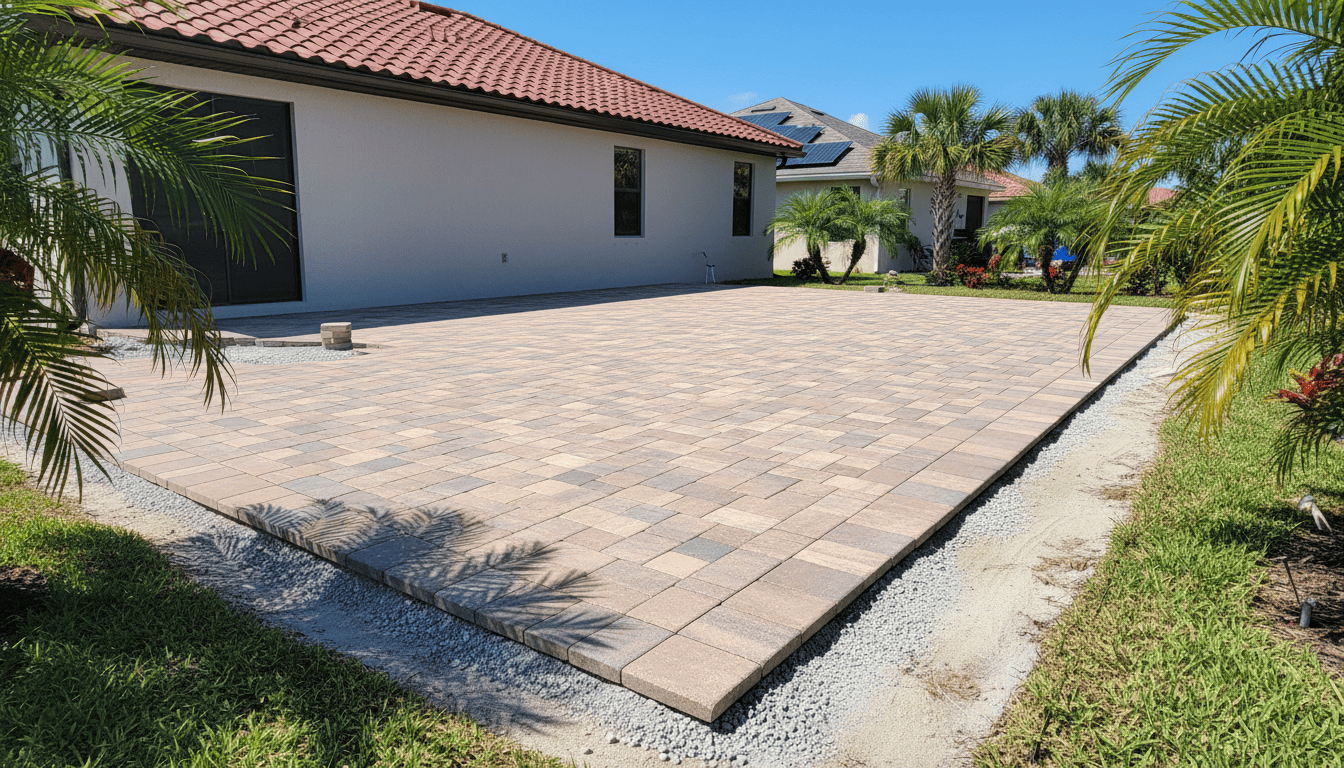
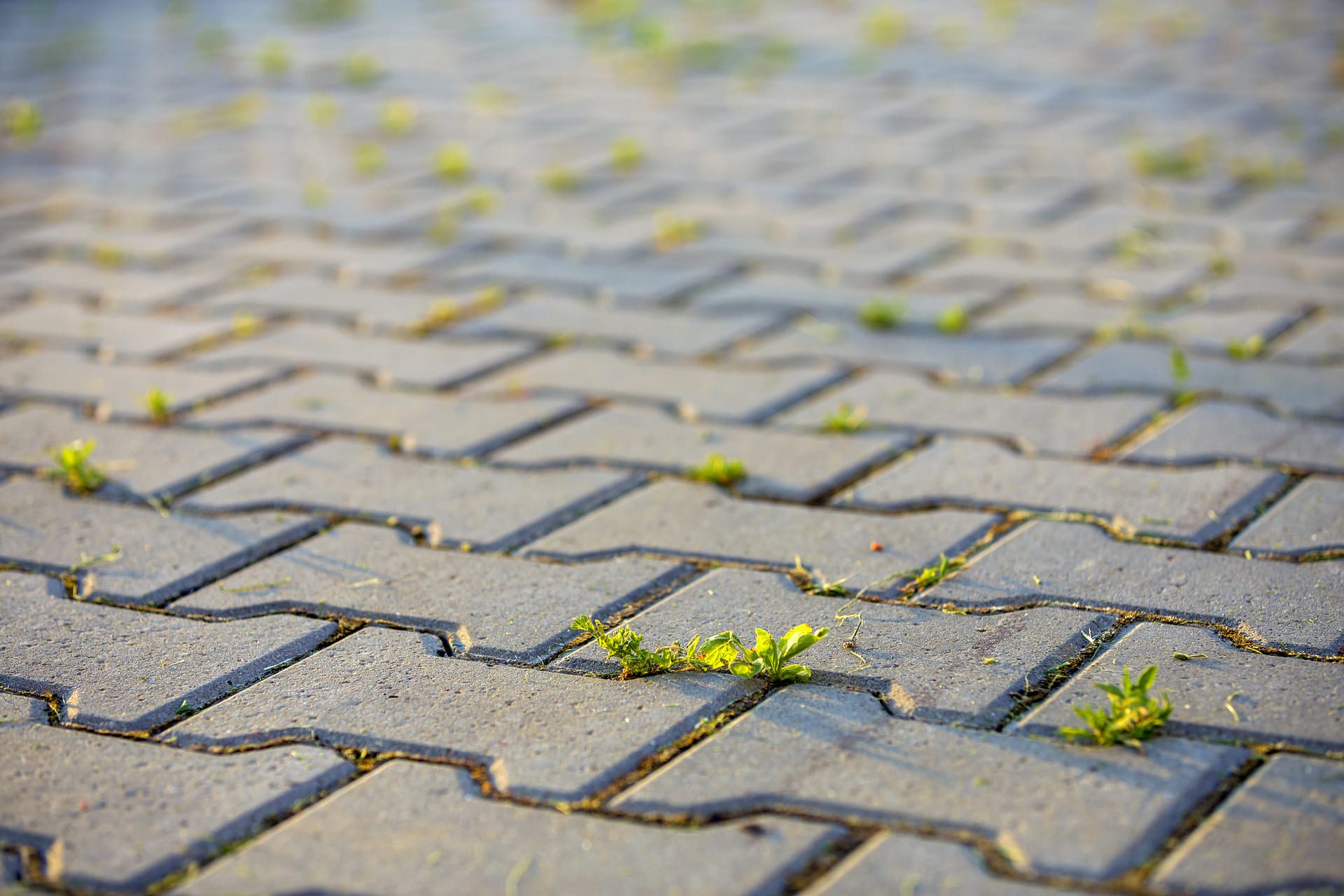
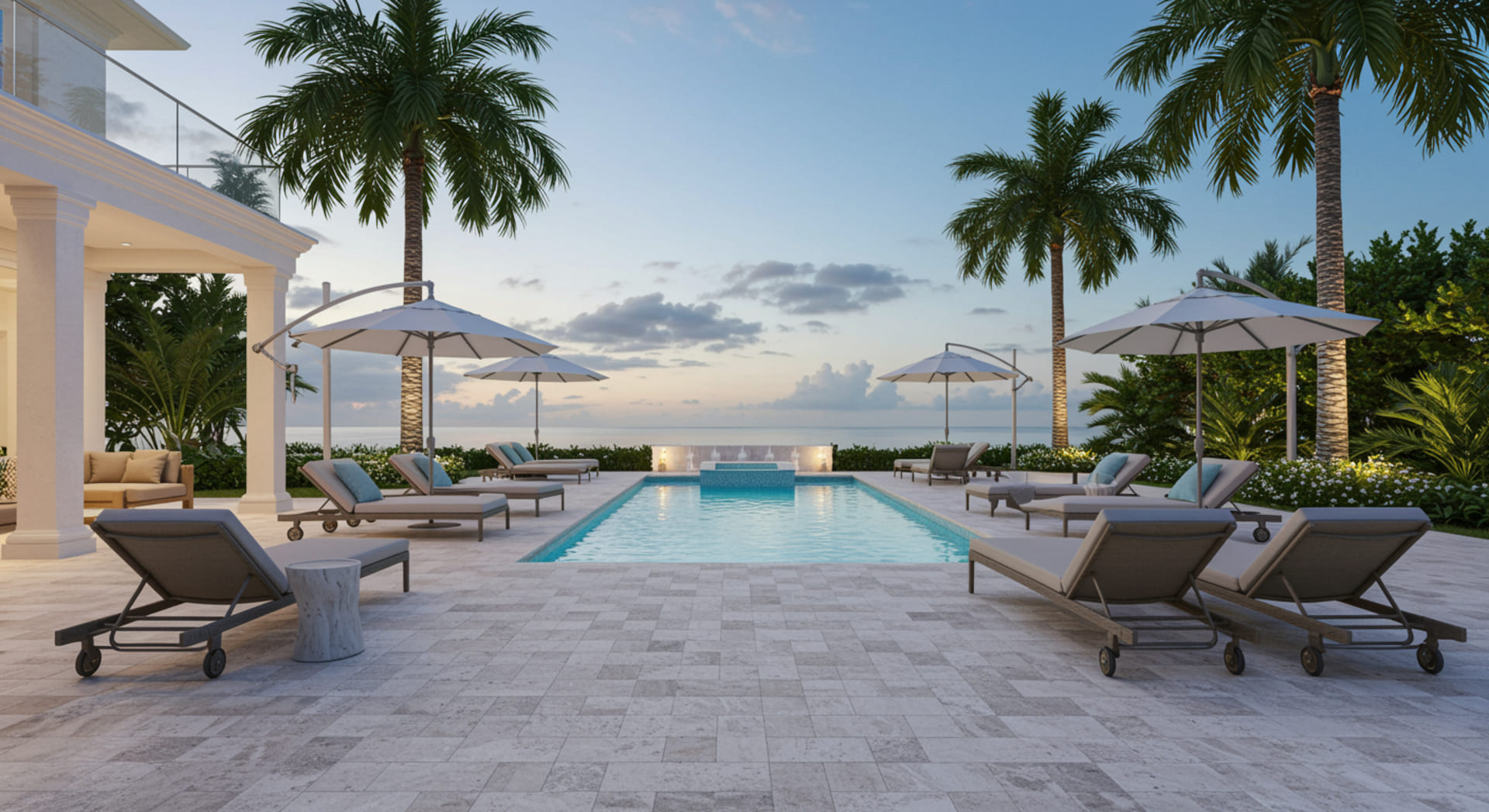
Paver pool decks
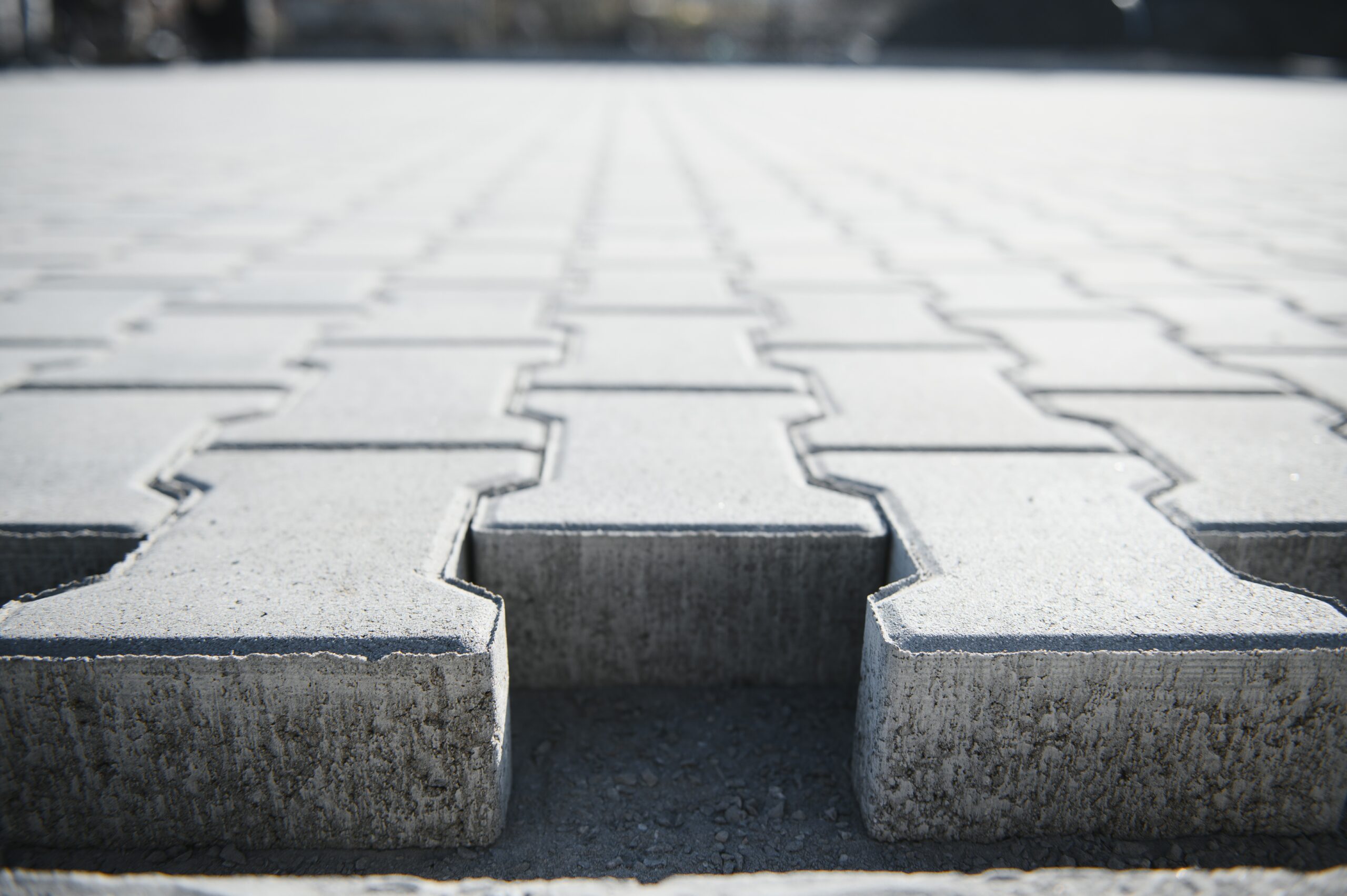
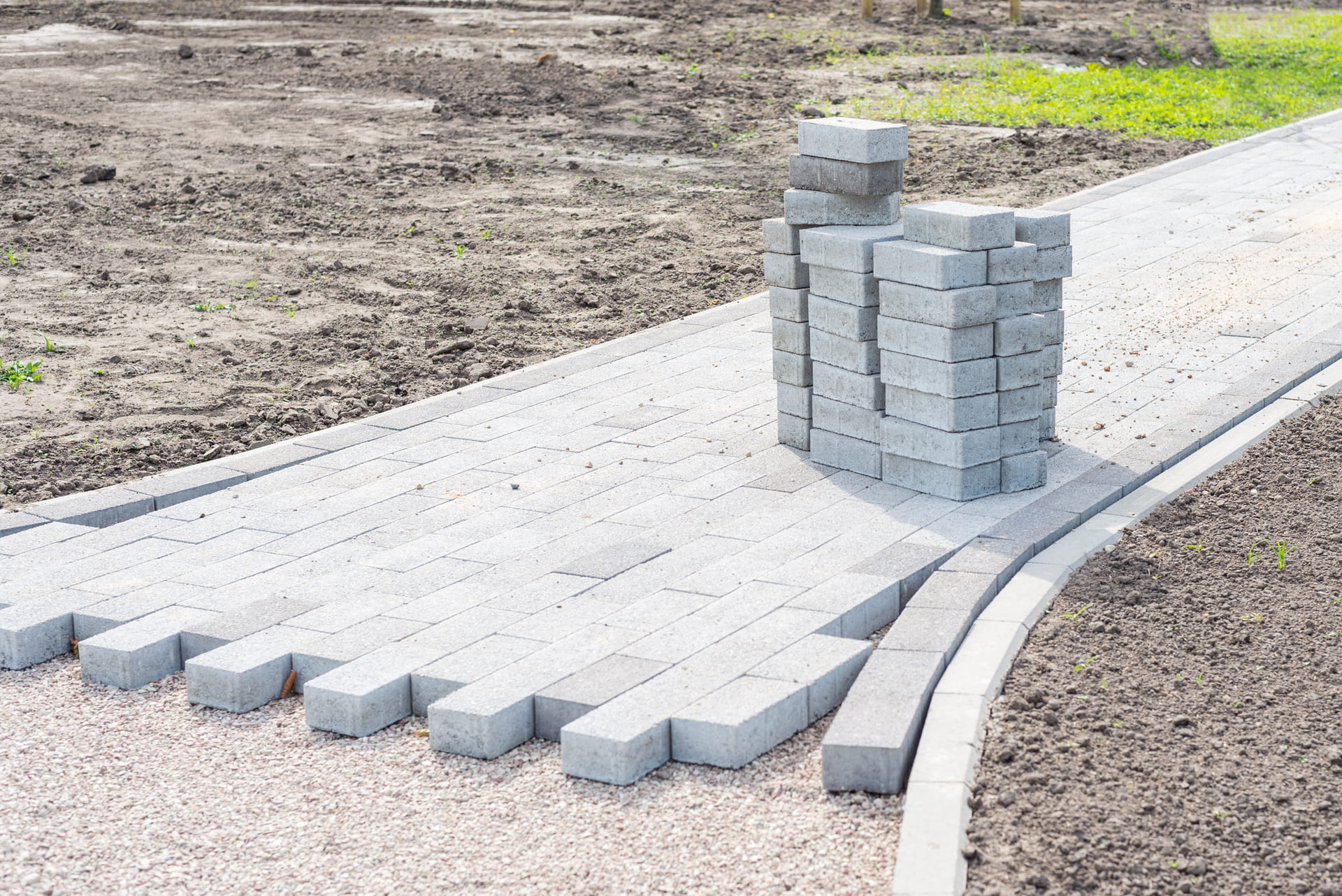
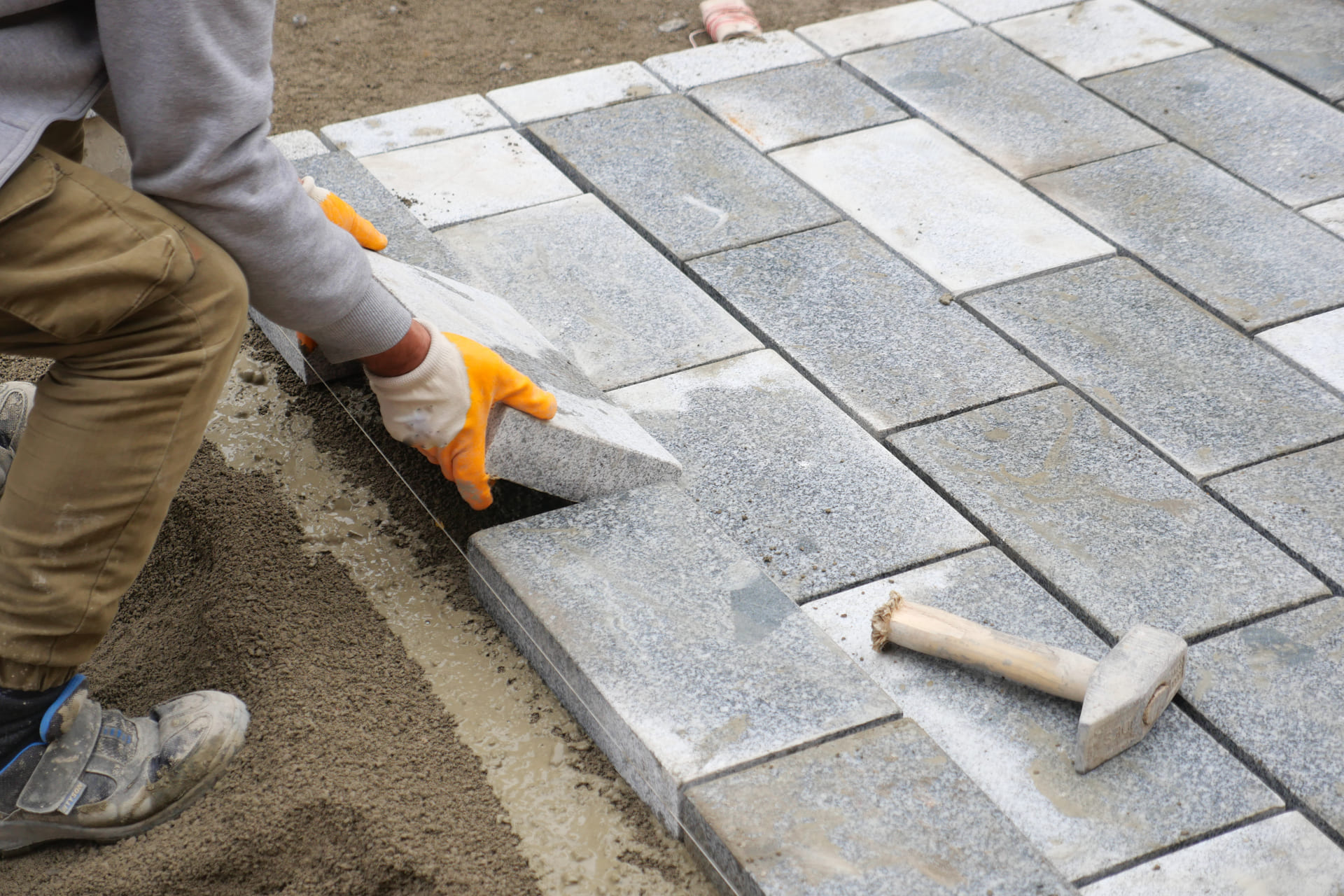
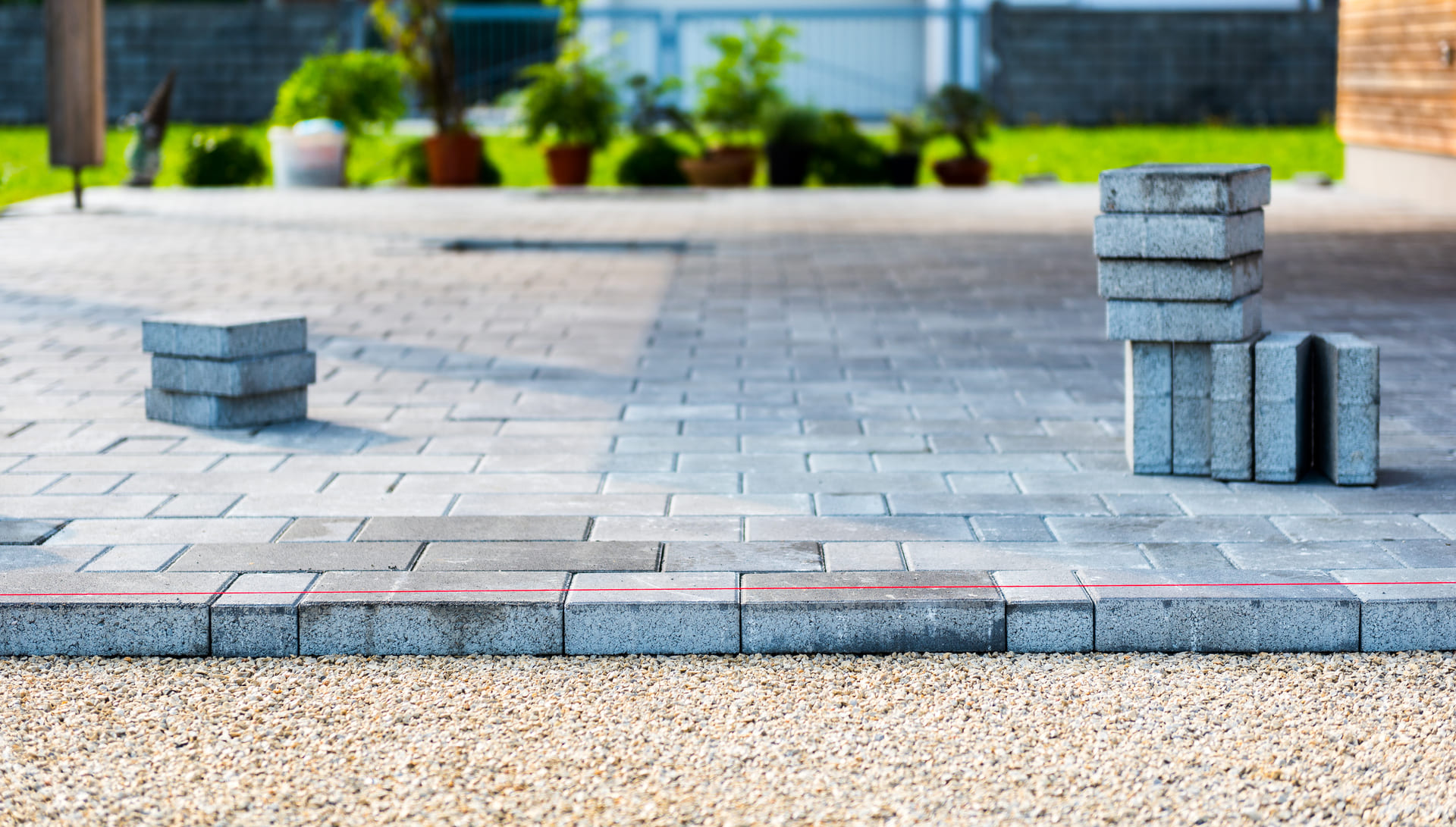
- Individual interlocking units
- Flexible installation system
- Higher design versatility
- Longer lifespan
Let’s break it down category by category.
Heat Resistance: Which Stays Cooler?
Concrete
- Absorbs and retains heat
- Can become uncomfortable under bare feet
- Limited color options to reduce heat
Pavers
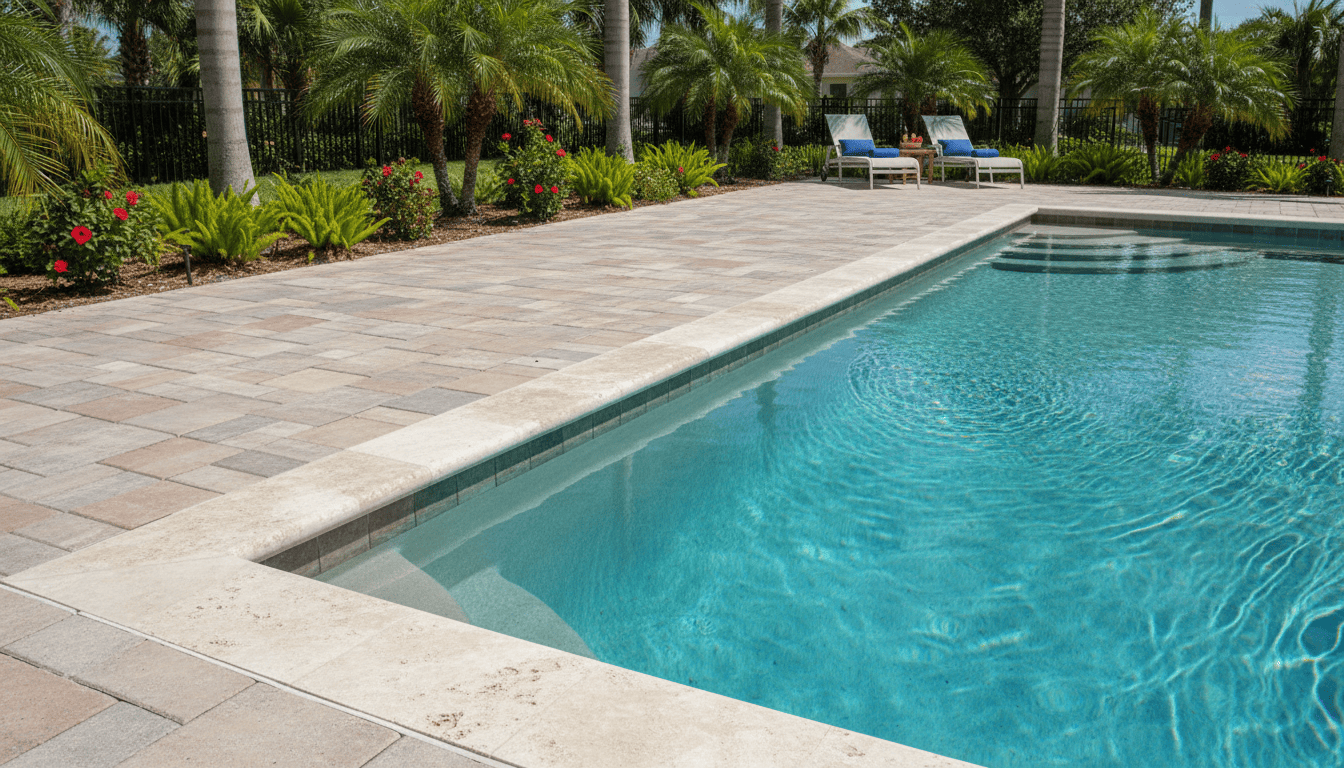
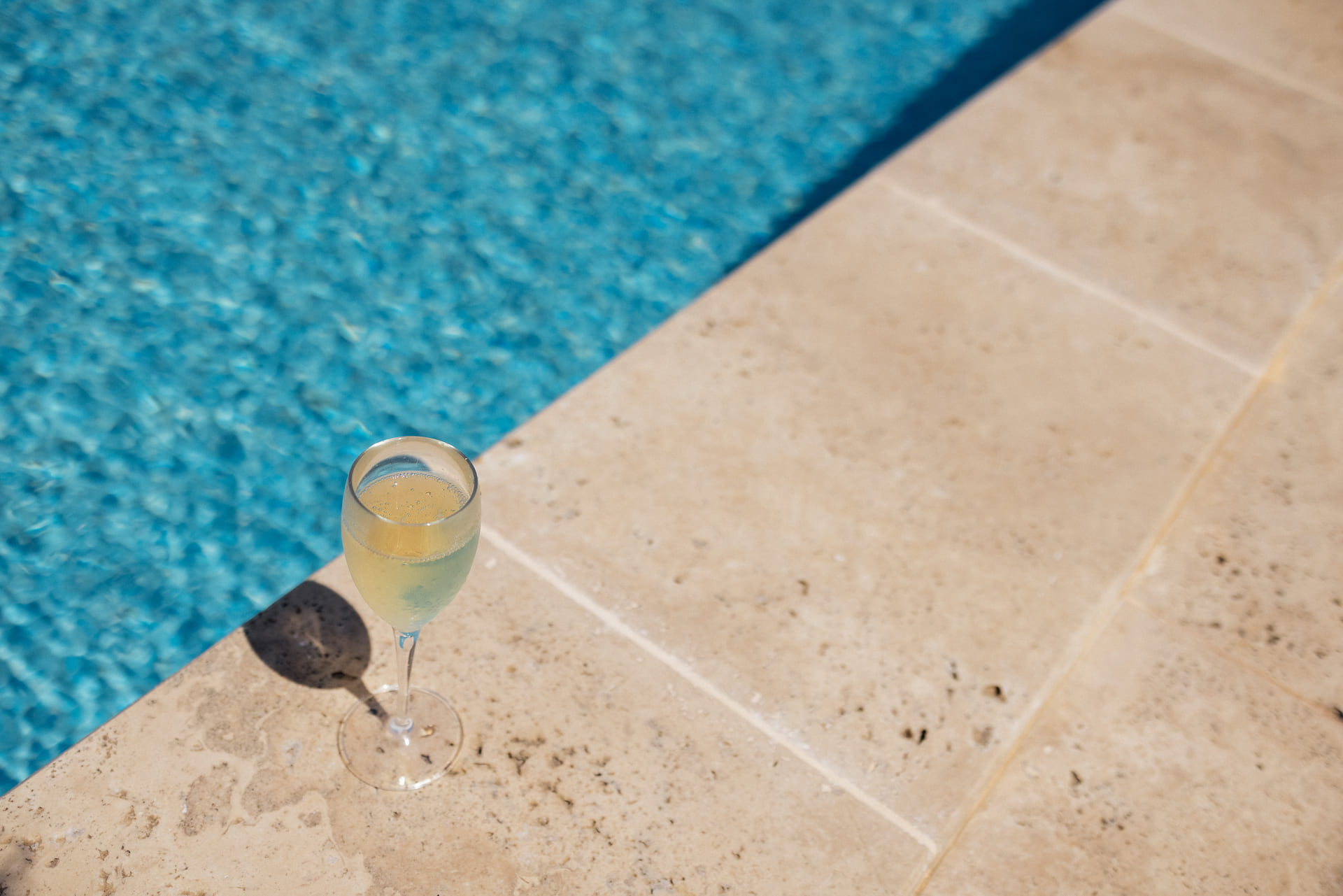
- Available in light, heat-reflective colors
- Better airflow through joints
- Cooler surface temperature
✅ Winner: Pavers
Especially important for families and barefoot pool use.
Slip Resistance and Safety
Concrete
- Can become slippery when wet
- Requires special finishes or coatings
- Surface wear reduces grip over time
Pavers
- Naturally textured surfaces
- Slip-resistant options designed for pool areas
- Better traction when wet
✅ Winner: Pavers
Safety is non-negotiable around pools.
Cracking and Longevity in Florida Soil
Concrete
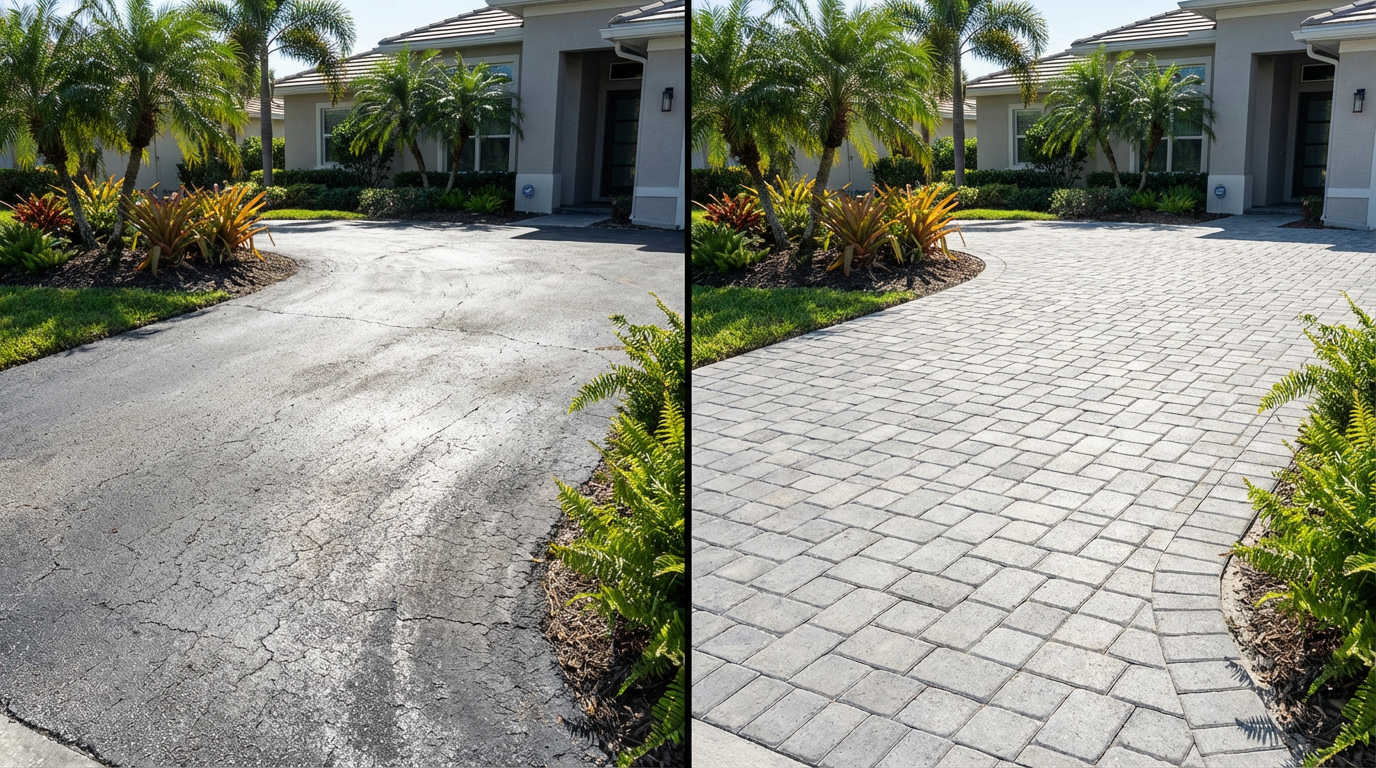
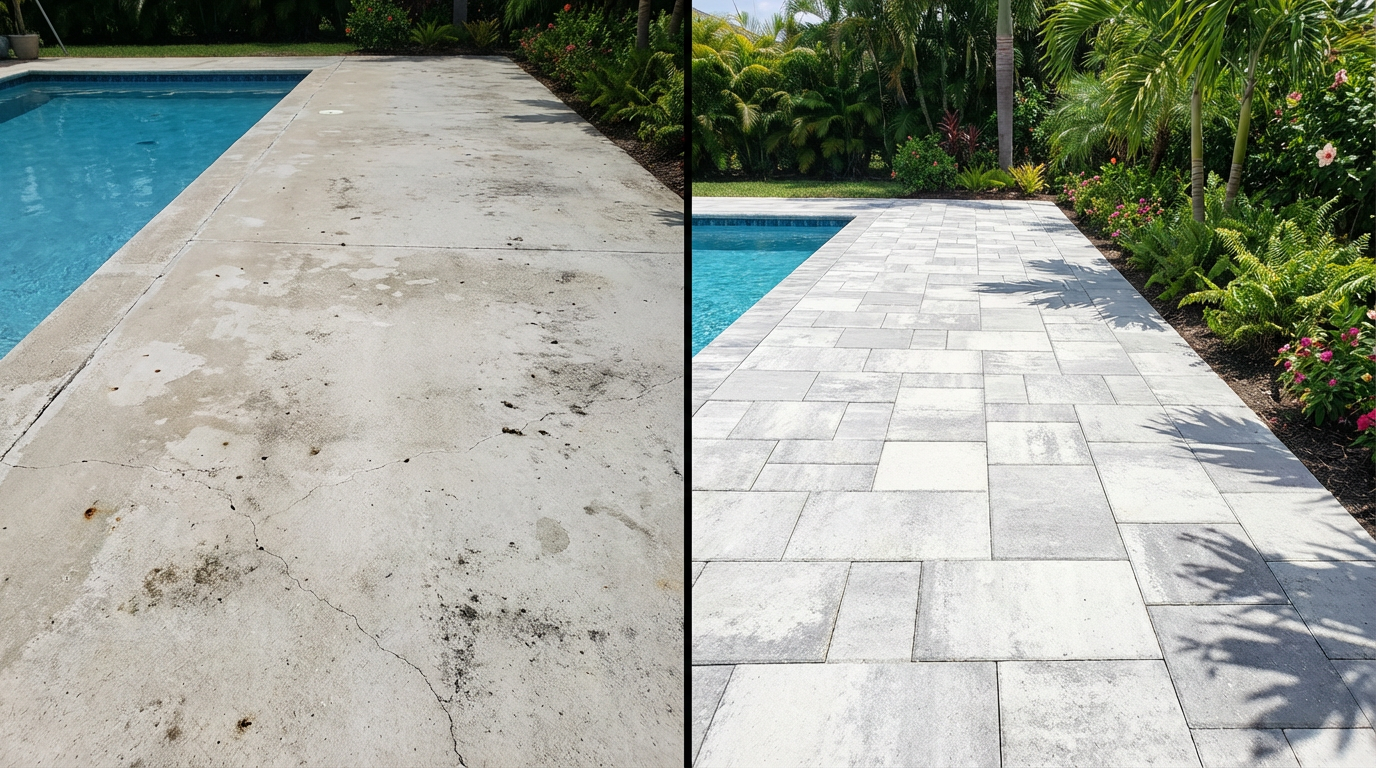
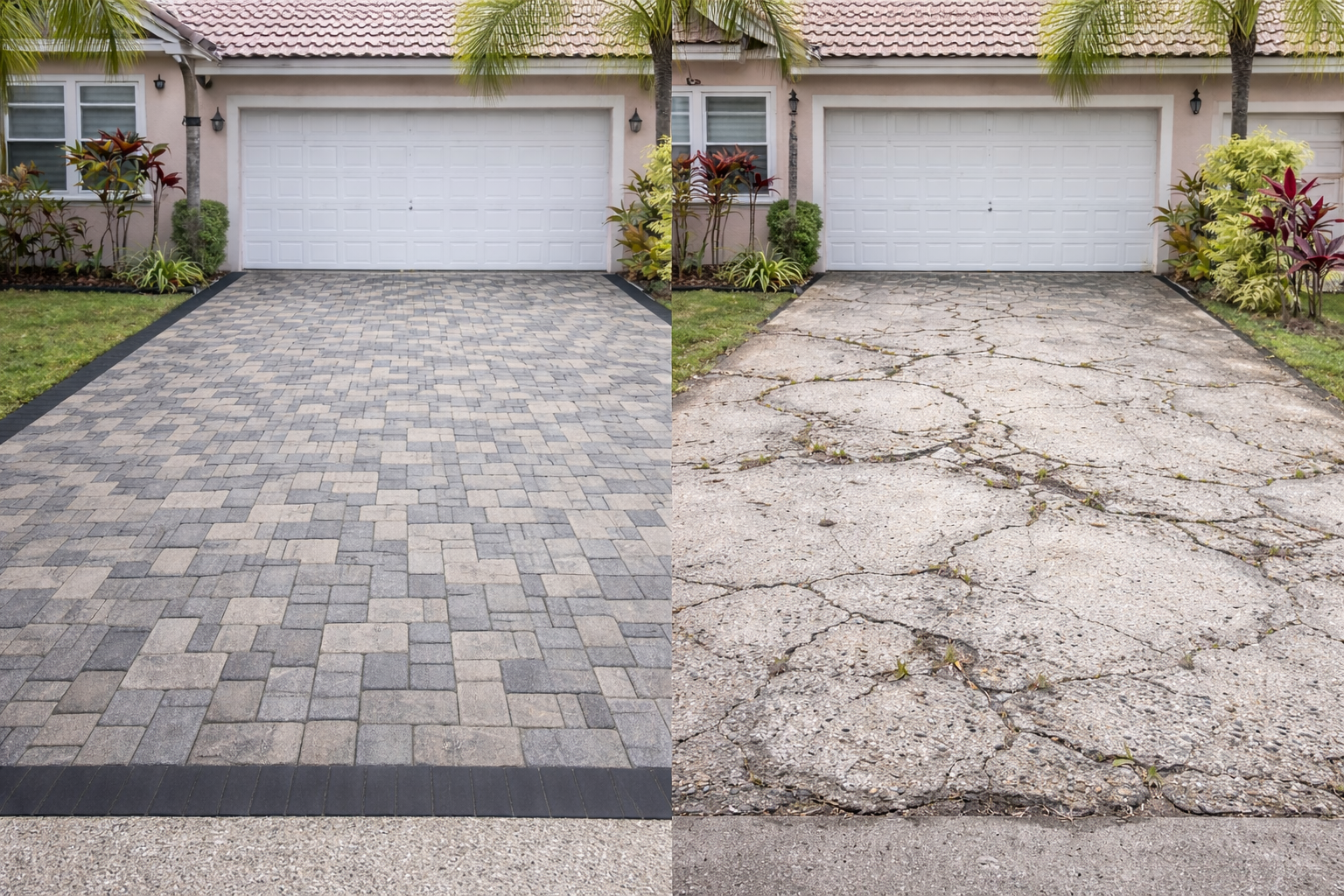
- Cracks over time due to soil movement
- Cracks are permanent and visible
- Repairs often stand out
Pavers
- Flexible system adapts to soil movement
- No cracking—only minor shifting if poorly installed
- Individual pavers can be replaced
✅ Winner: Pavers
Florida soil makes flexibility critical.
Drainage Performance
Concrete
- Water runs across the surface
- Can cause pooling if slope is imperfect
- Requires expansion joints
Pavers
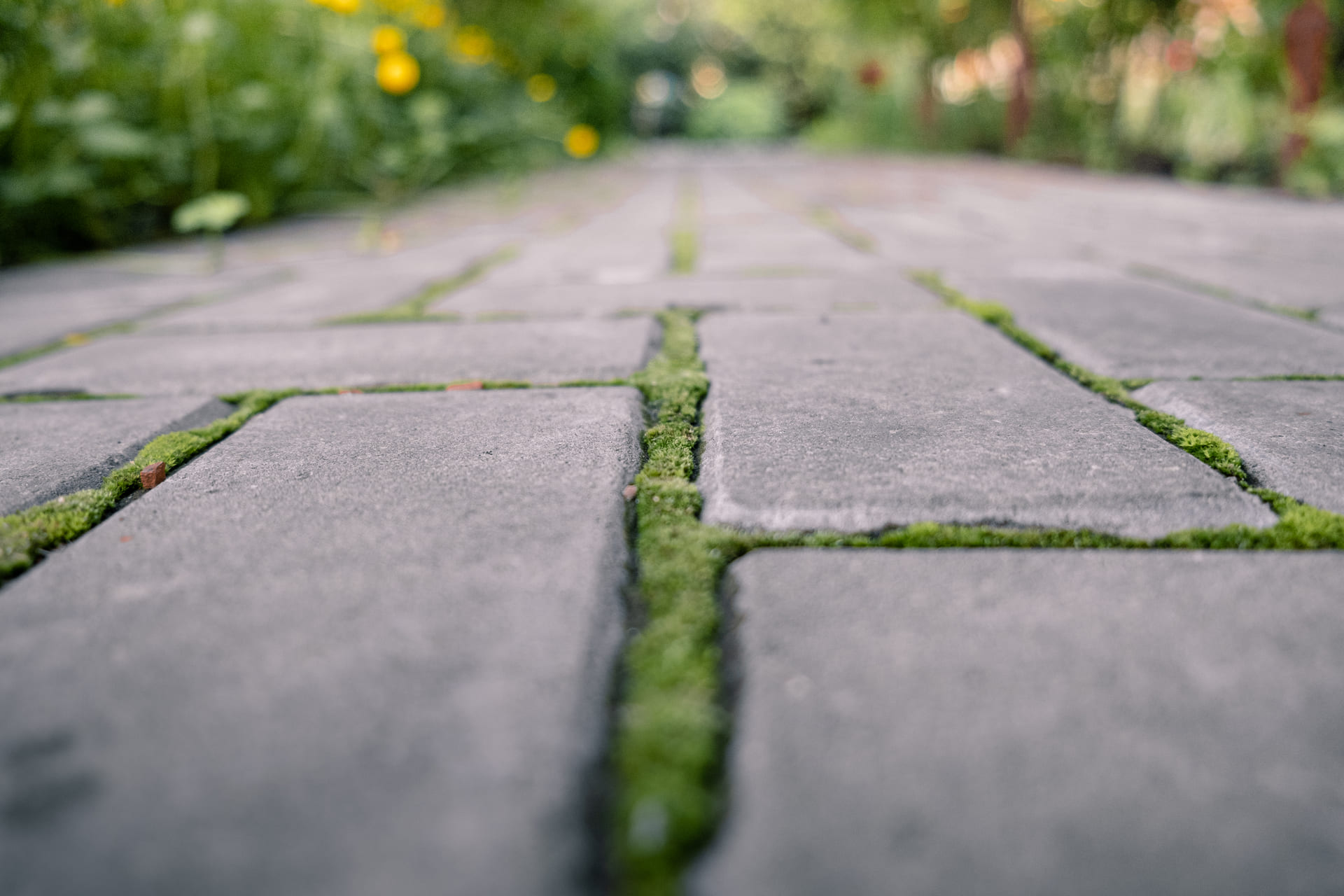
- Water drains naturally through joints
- Reduced puddling and runoff
- Optional permeable paver systems
✅ Winner: Pavers
Design and Aesthetic Options
Concrete
- Limited finishes and colors
- Decorative concrete can fade
- Harder to customize later
Pavers
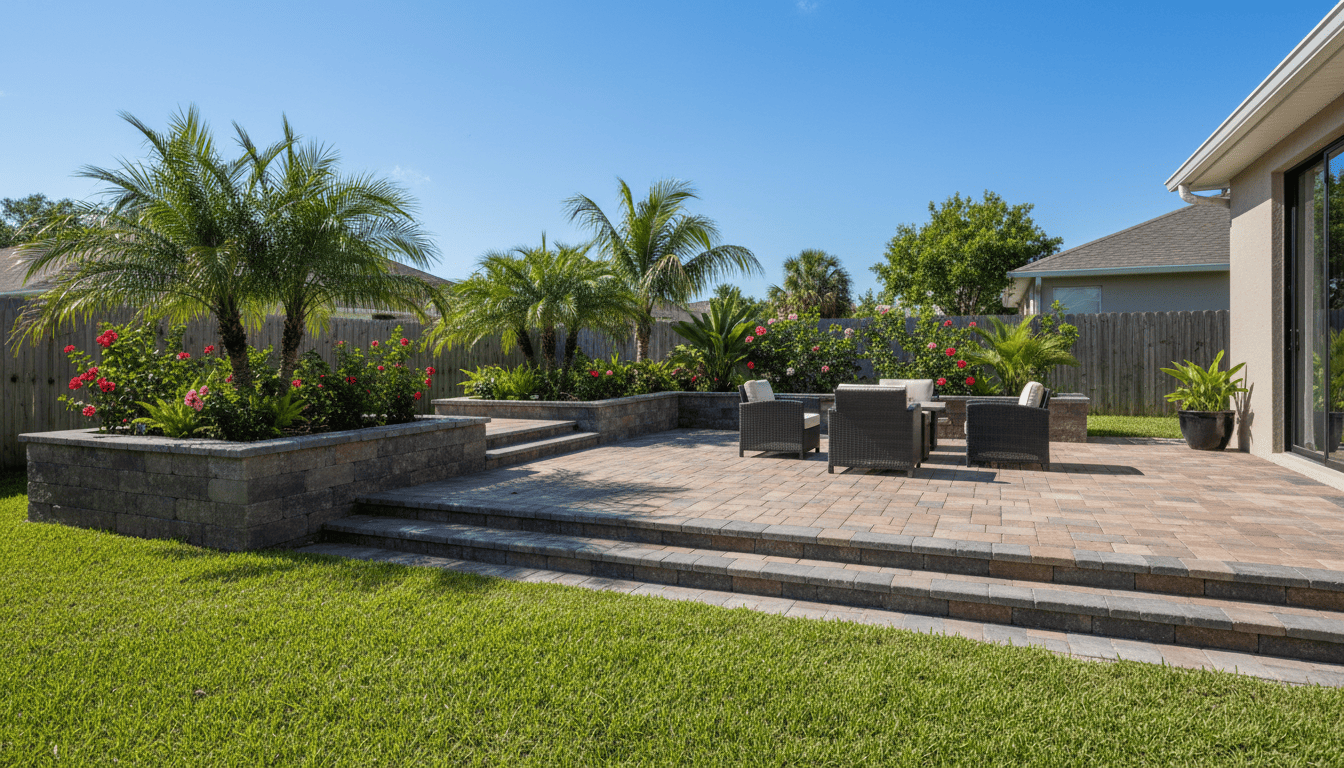
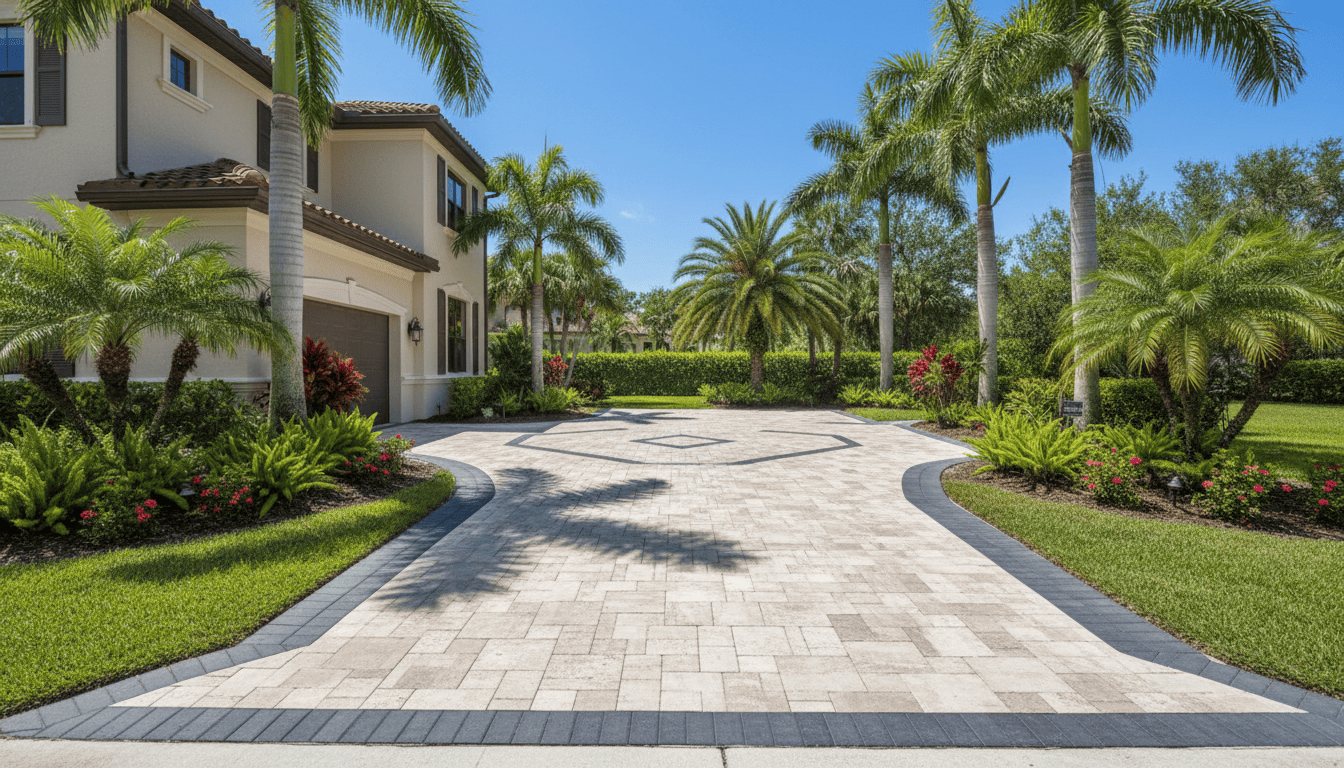
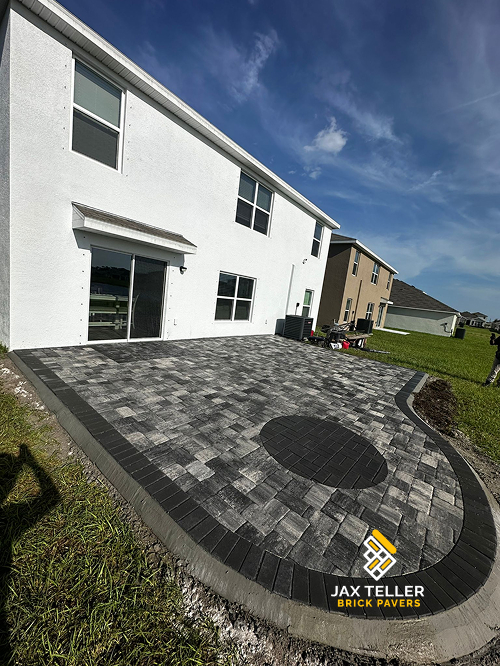
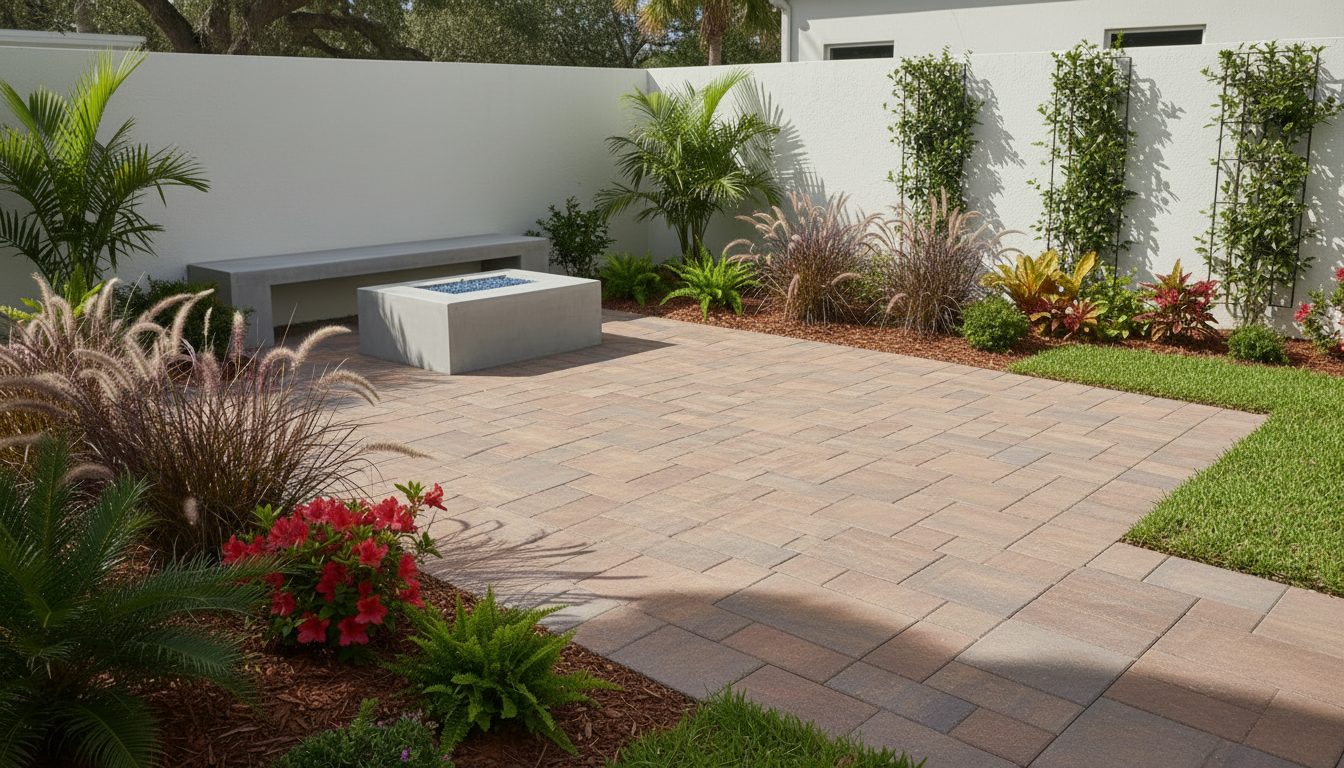
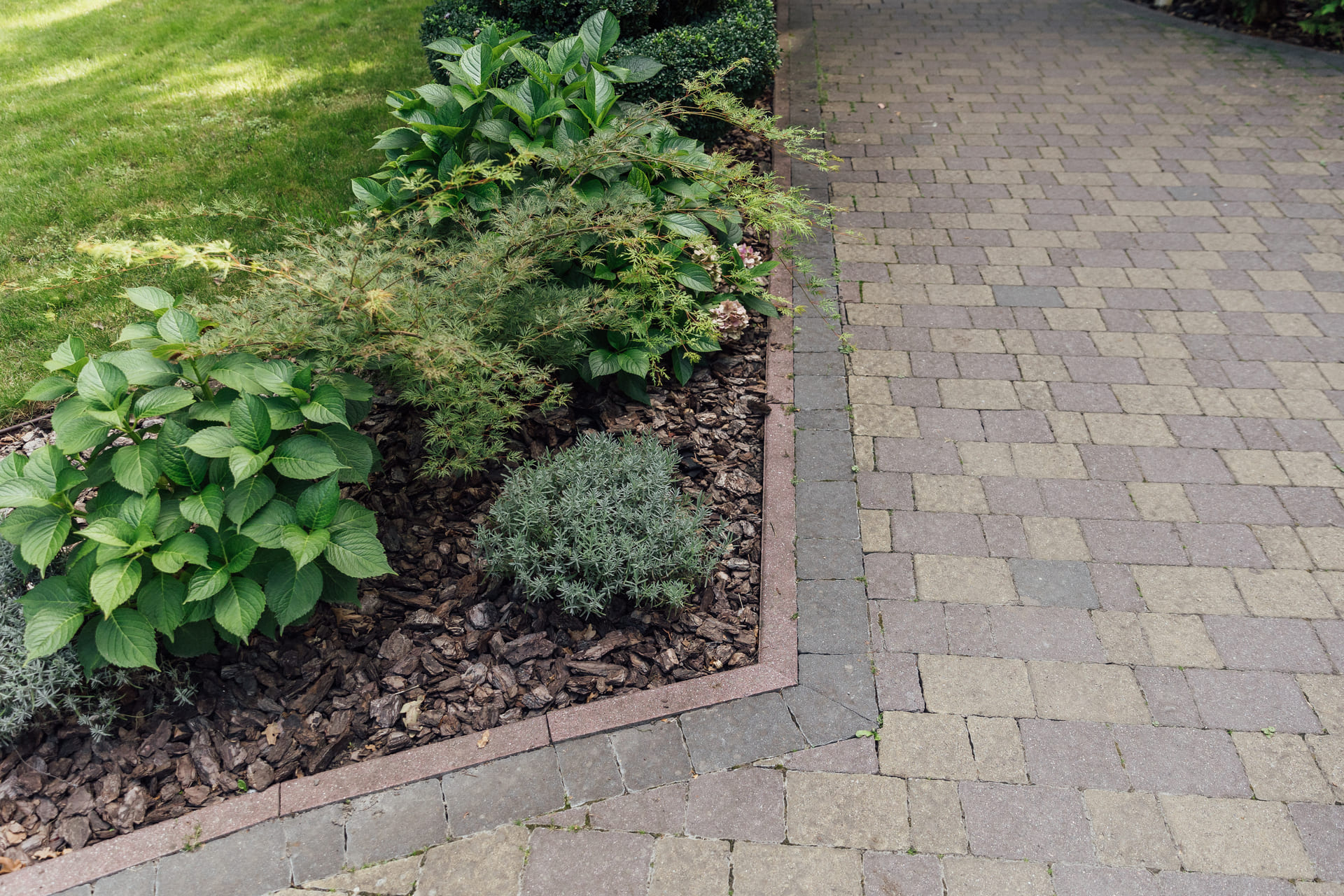
- Multiple colors, textures, and patterns
- Easy to match home style
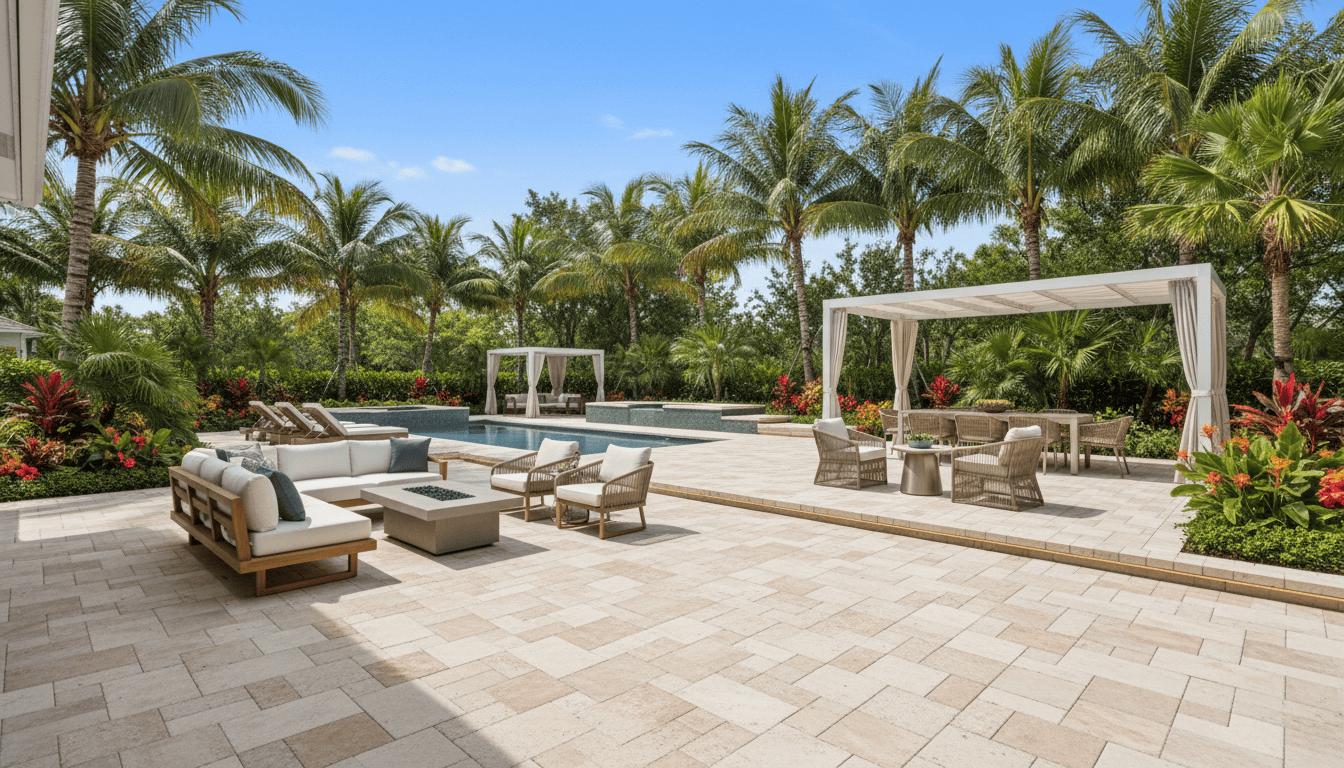
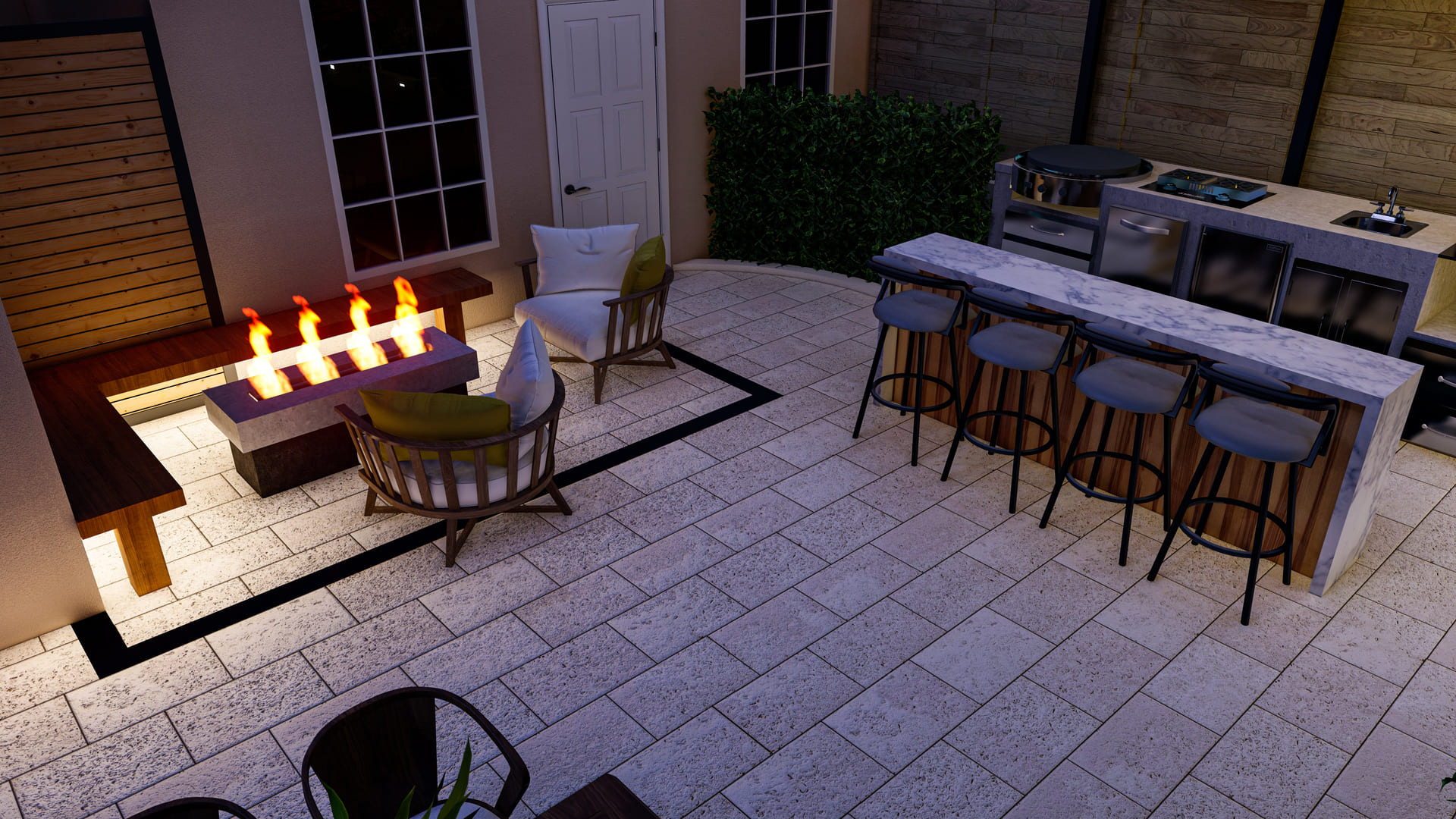
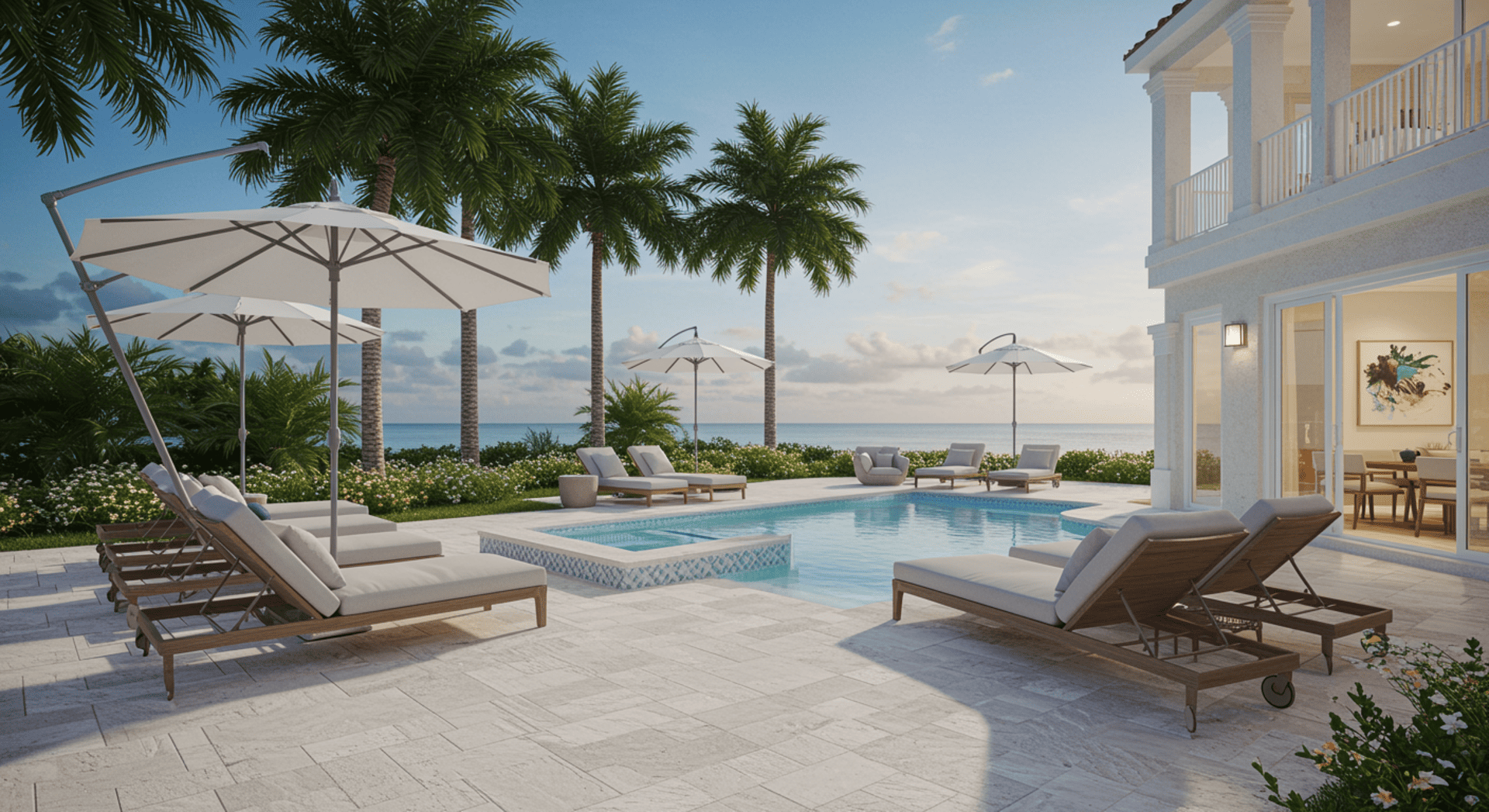
- High-end, resort-style appearance
✅ Winner: Pavers
Installation Time and Disruption
Concrete
- Faster initial pour
- Longer curing time
- Weather-sensitive installation
Pavers
- Slightly longer installation
- Immediately usable after completion
- Easier to modify or expand later
⚖️ Tie, depending on project size.
Repair and Maintenance Comparison
Concrete
- Cracks require patching or replacement
- Color mismatches after repairs
- Repairs often visible
Pavers
- Replace individual damaged pavers
- No visible repair lines
- Easy access to underground utilities
✅ Winner: Pavers
Long-Term Cost: What’s Really Cheaper?
Concrete
- Lower upfront cost
- Higher repair and replacement costs
- Shorter lifespan
Pavers
- Higher upfront investment
- Minimal long-term repair costs
- Longer lifespan and better resale value
✅ Winner: Pavers (long-term)
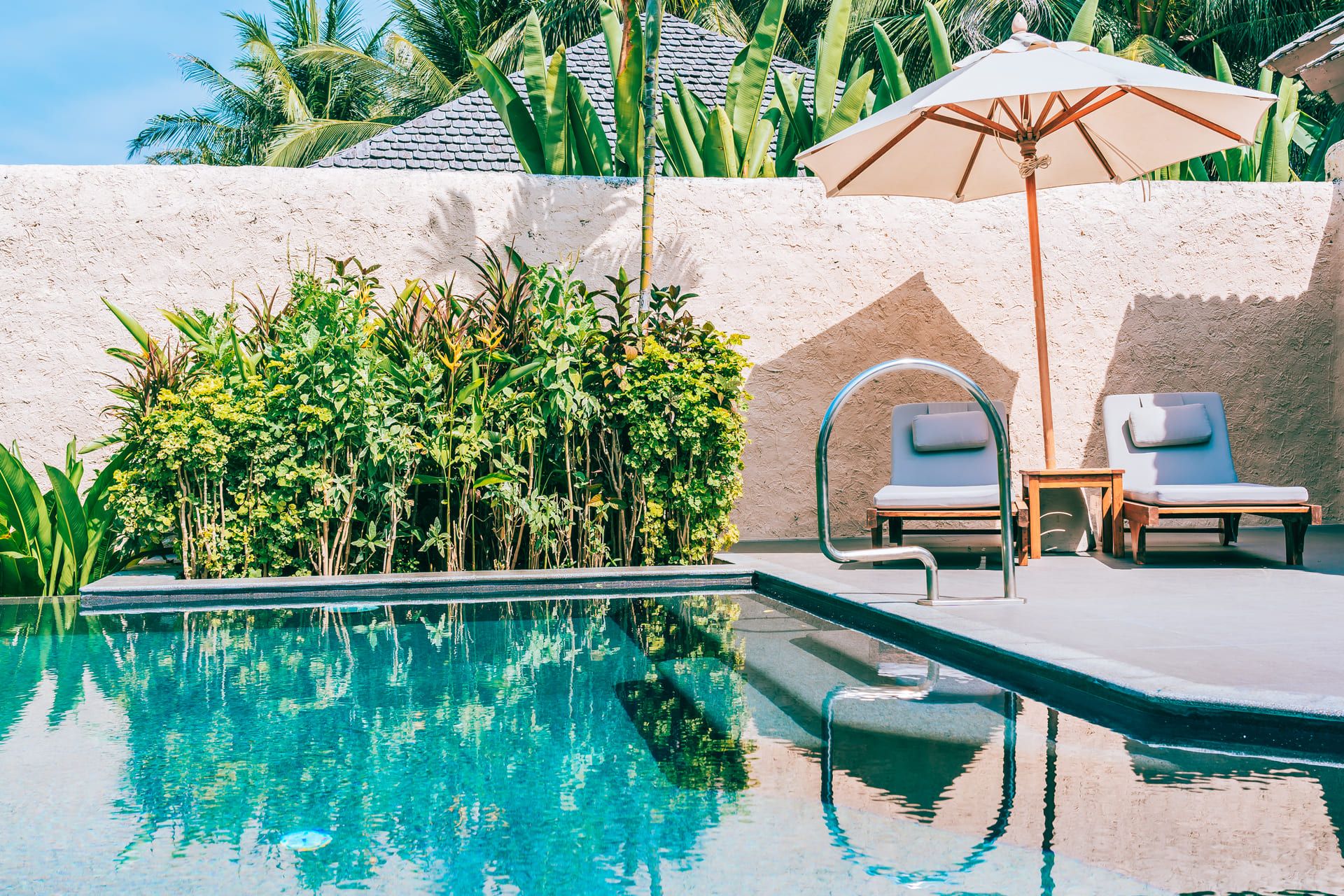
Poolside Comfort and Usability
Comfort matters around pools.
Pavers offer:
- Cooler surfaces
- Safer footing
- Better drainage
- Cleaner appearance
Concrete struggles to match this performance over time.
HOA and Property Value Considerations
In many Florida communities:
- Pavers are HOA-preferred
- Paver pool decks photograph better
- Buyers associate pavers with premium homes
Pavers increase perceived home value more consistently.
When Concrete Might Still Make Sense
Concrete can work if:
- Budget is extremely limited
- The pool deck is temporary
- Design flexibility is not important
Even then, homeowners should understand the trade-offs.
Final Verdict: Which Is Better for Florida Pool Decks?
🏆 The clear winner: Pavers
For Florida pool decks, pavers outperform concrete in:
- Heat resistance
- Safety
- Durability
- Design flexibility
- Long-term value
They’re simply better suited to Florida’s climate and lifestyle.
Explore More Poolside Projects and Standards
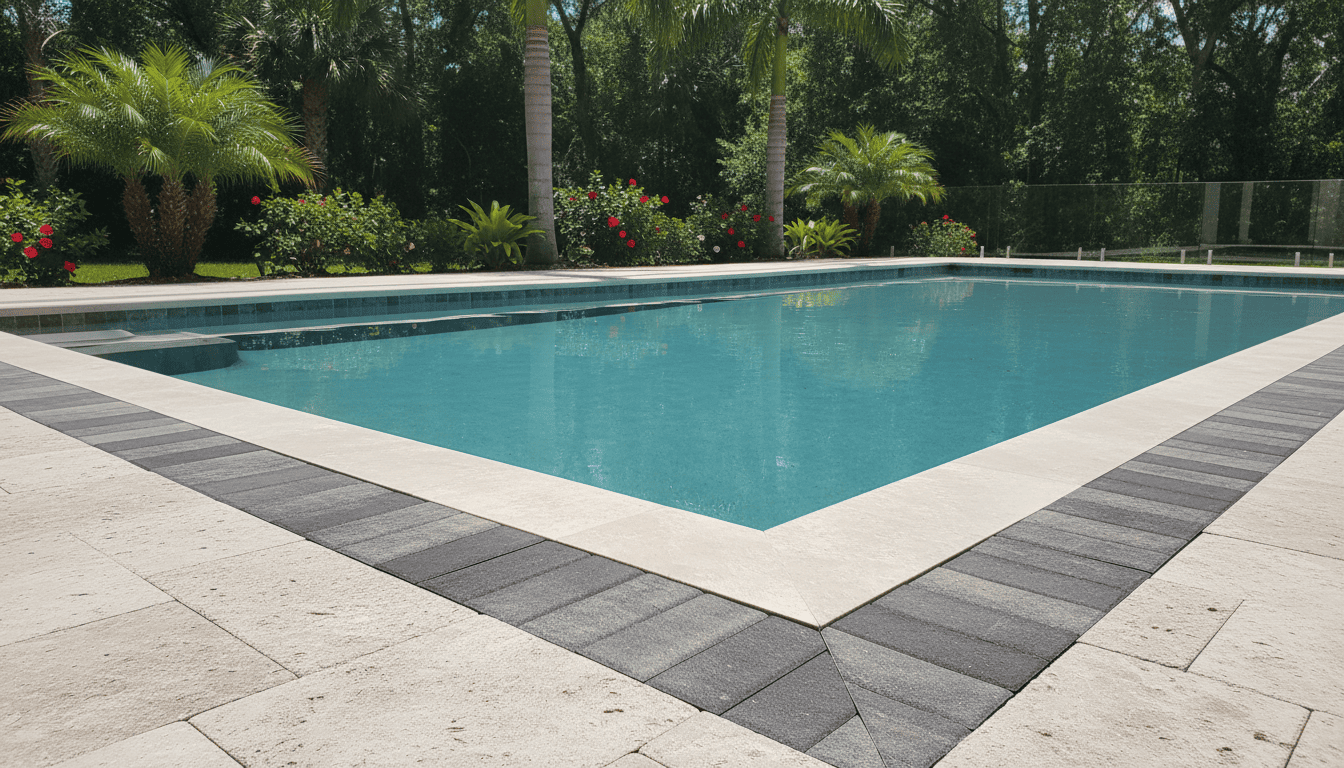
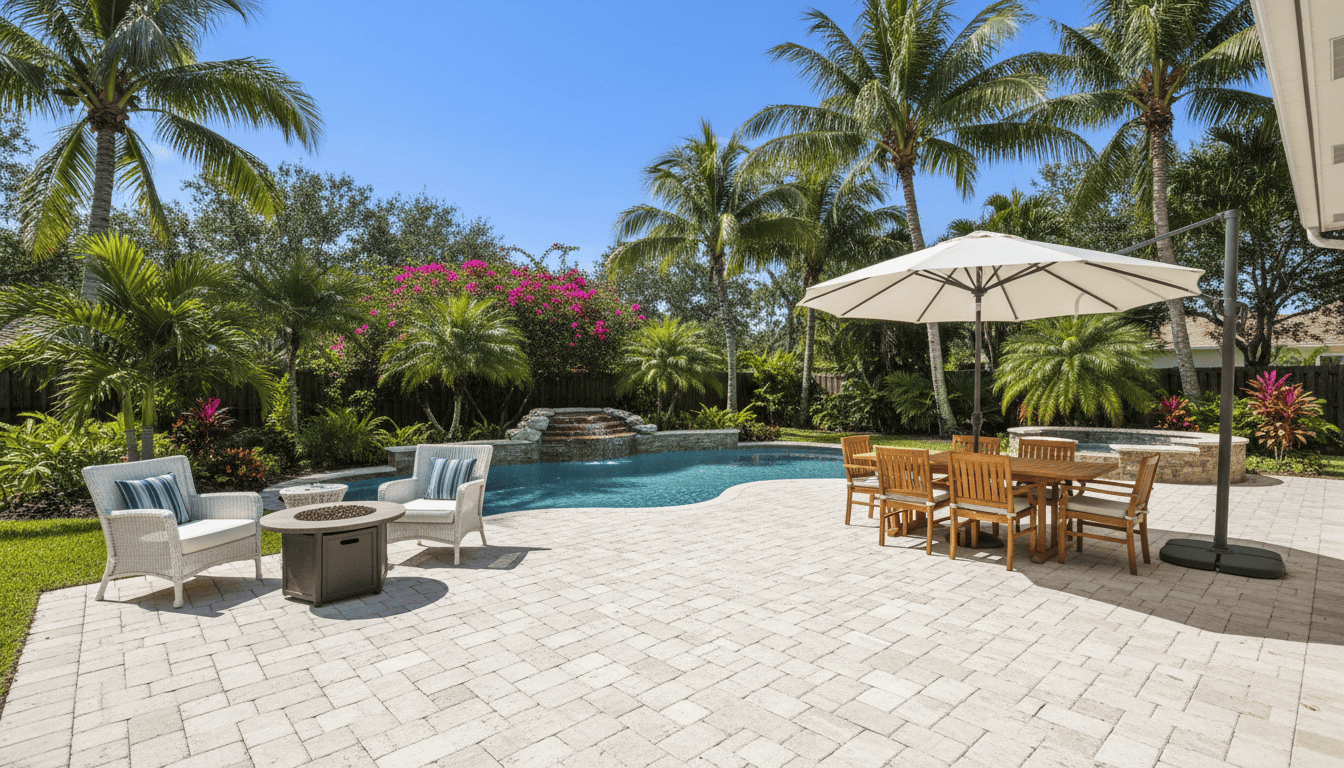
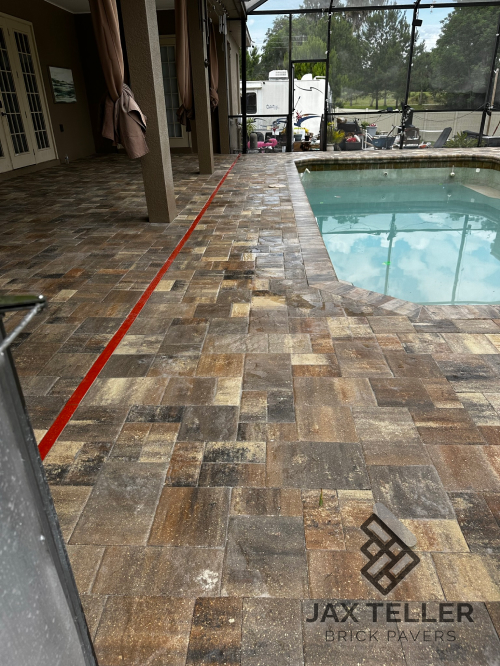
For real Florida pool deck projects built with pavers, explore our gallery:
https://jaxtellerbrickpavers.com/projects
To review official poolside paving standards, visit the Interlocking Concrete Pavement Institute:
https://www.icpi.org/
Conclusion
Concrete vs Pavers for Pool Decks in Florida isn’t a close comparison when long-term performance, safety, and value are considered. While concrete may seem appealing upfront, pavers deliver superior results for Florida homeowners who want a cooler, safer, and more durable poolside environment.
For a custom pool deck built to last, contact JaxTeller Brick Pavers at +1 407-907-8308 or jaxtellerbrickpavers@gmail.com for a free estimate. 🏊♂️🌴