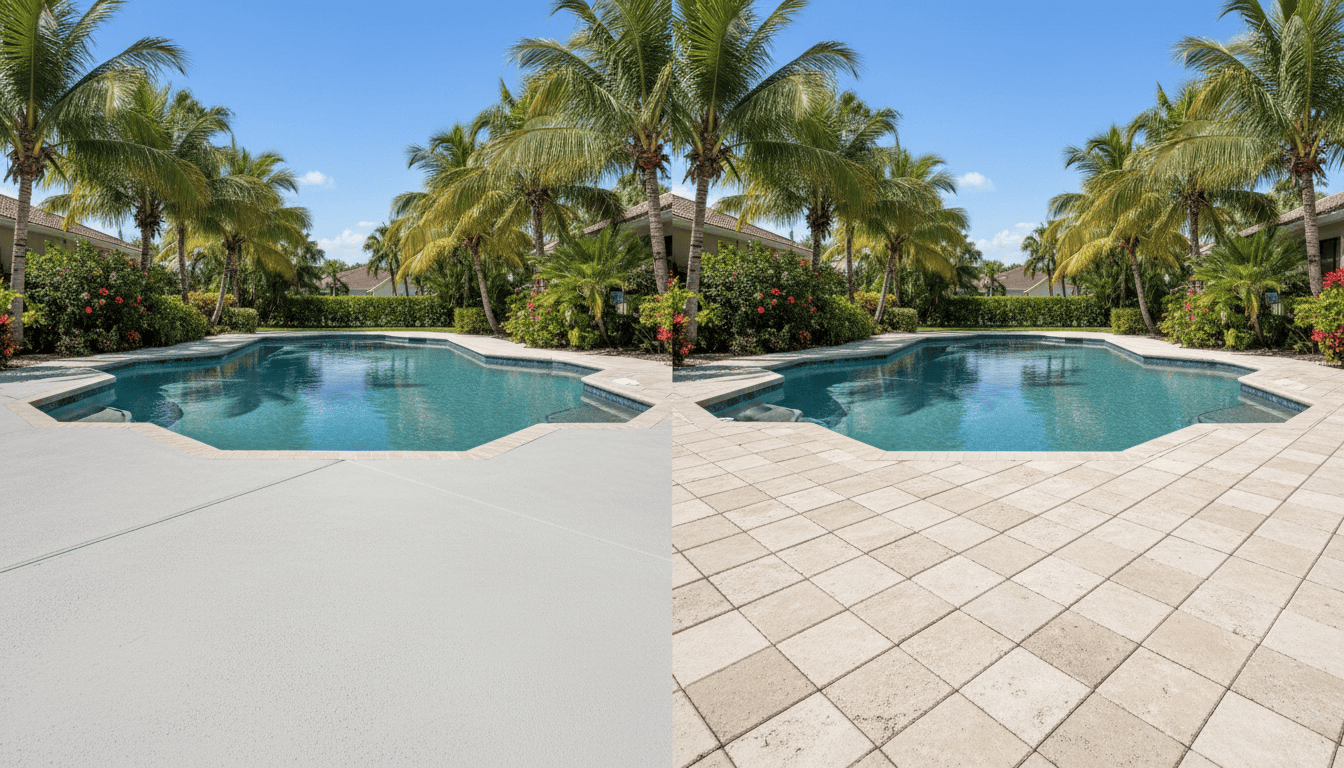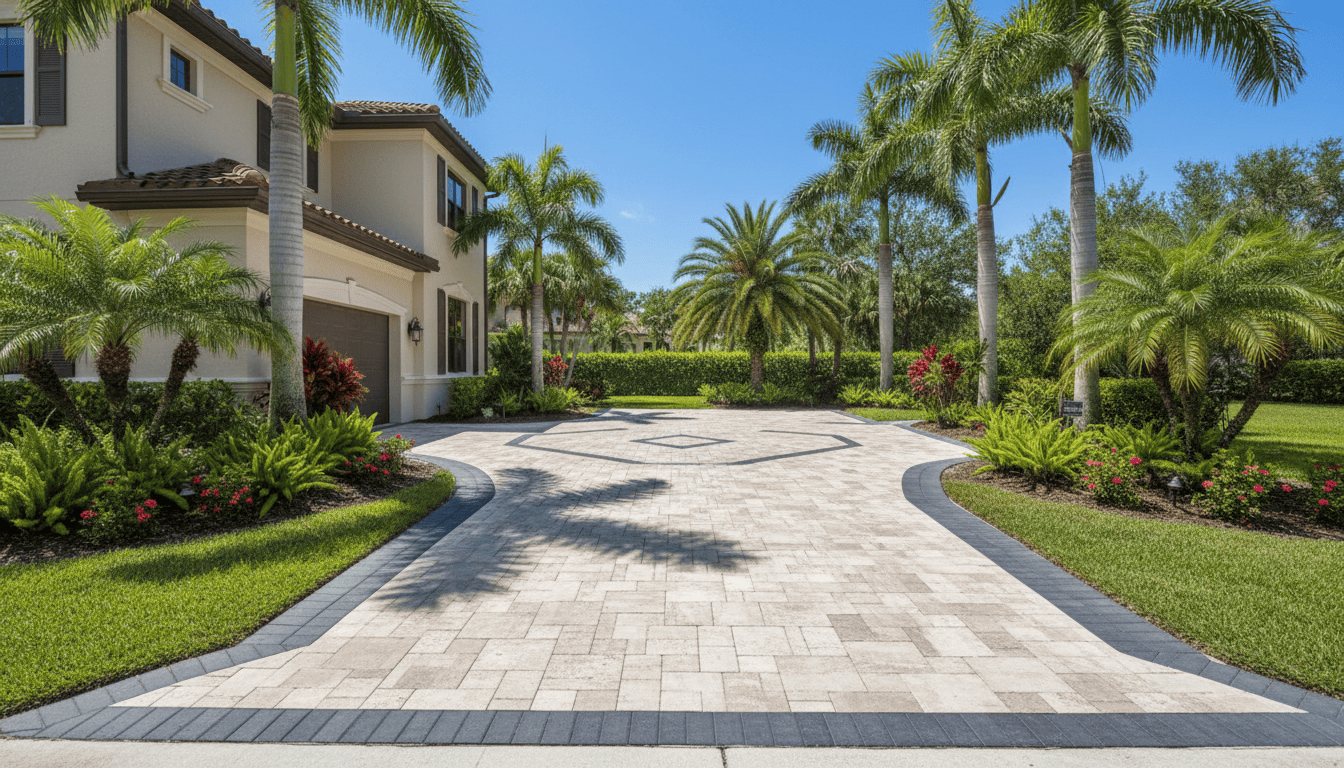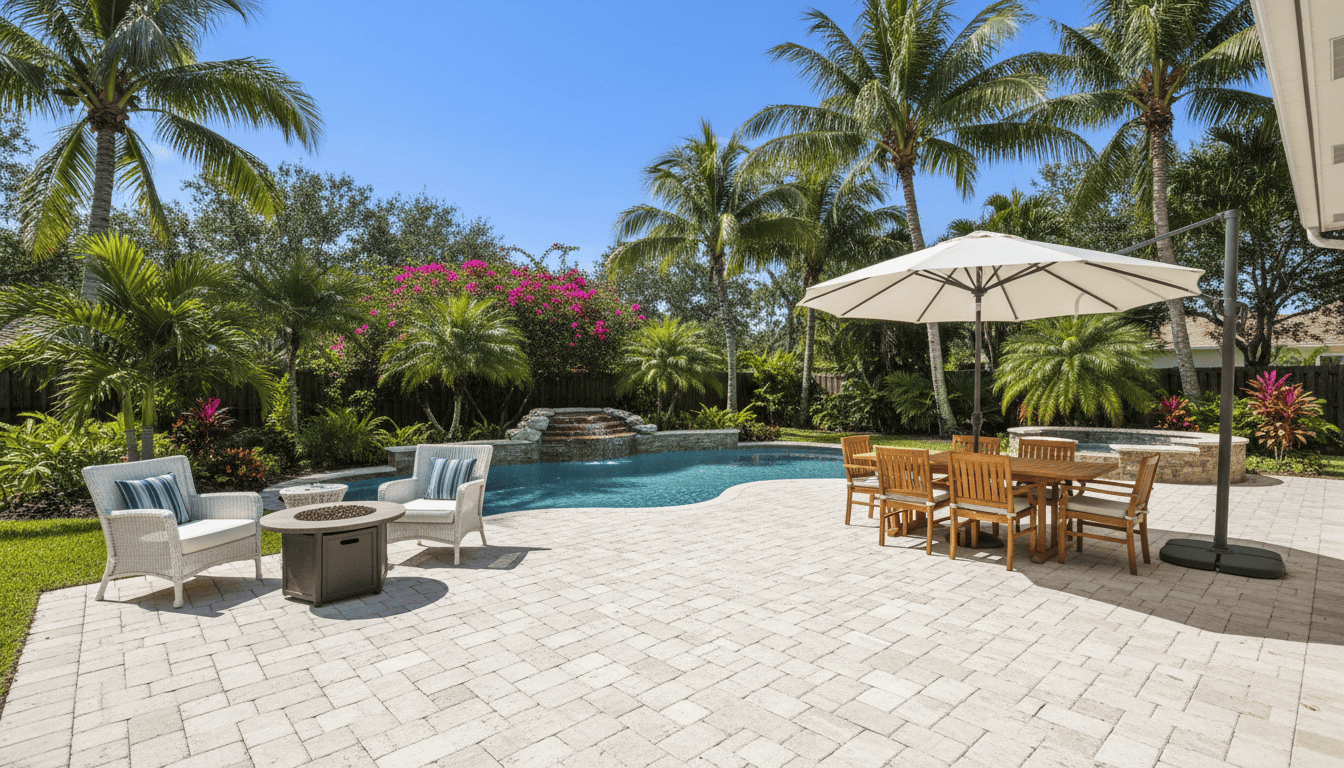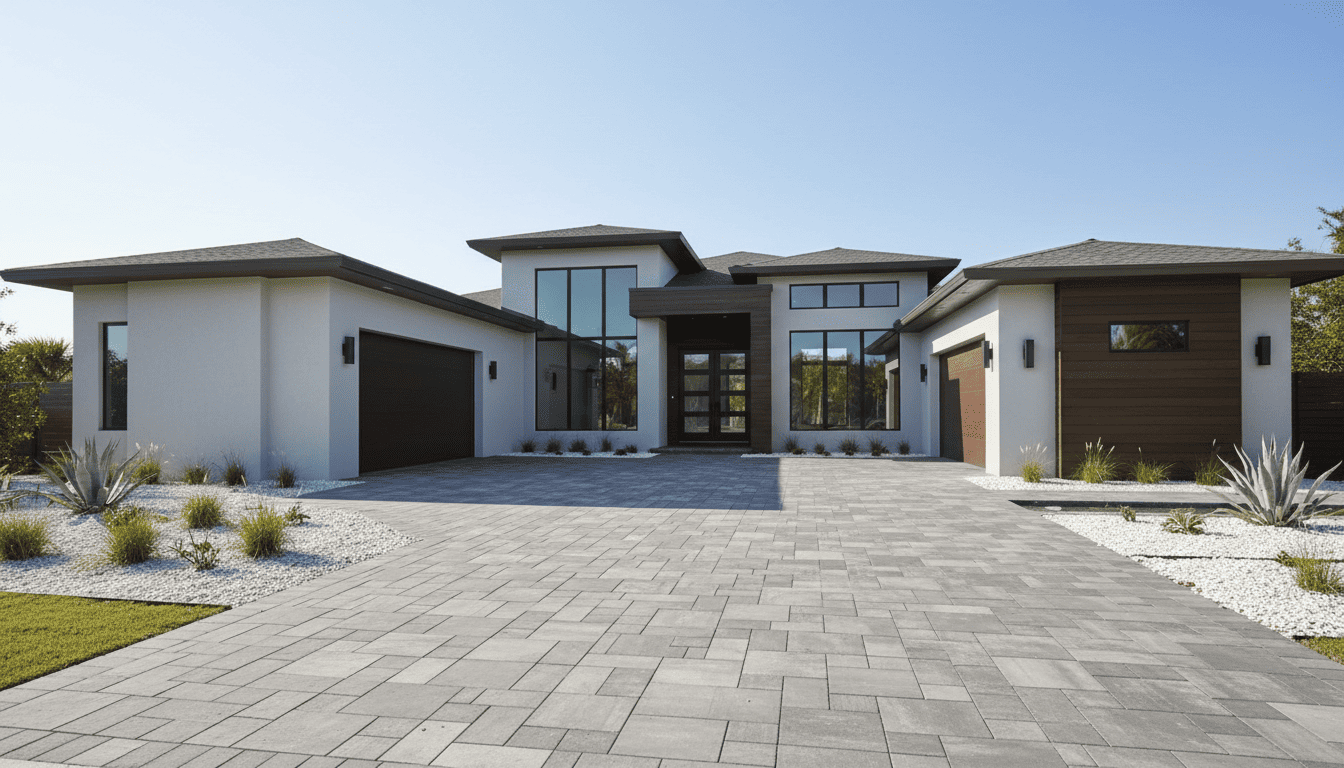
When homeowners plan a pool or renovate an existing one, most attention goes to the pool shape and deck material. However, one detail has a huge impact on safety, comfort, durability, and visual appeal: pool coping.
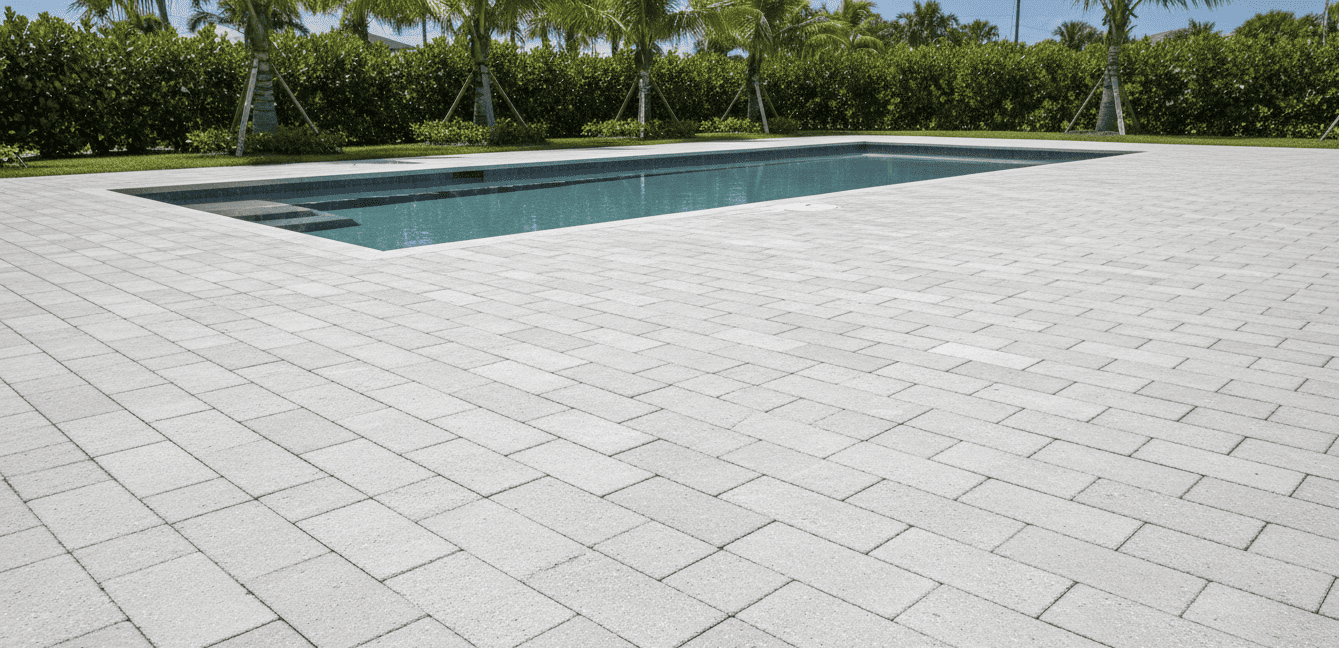
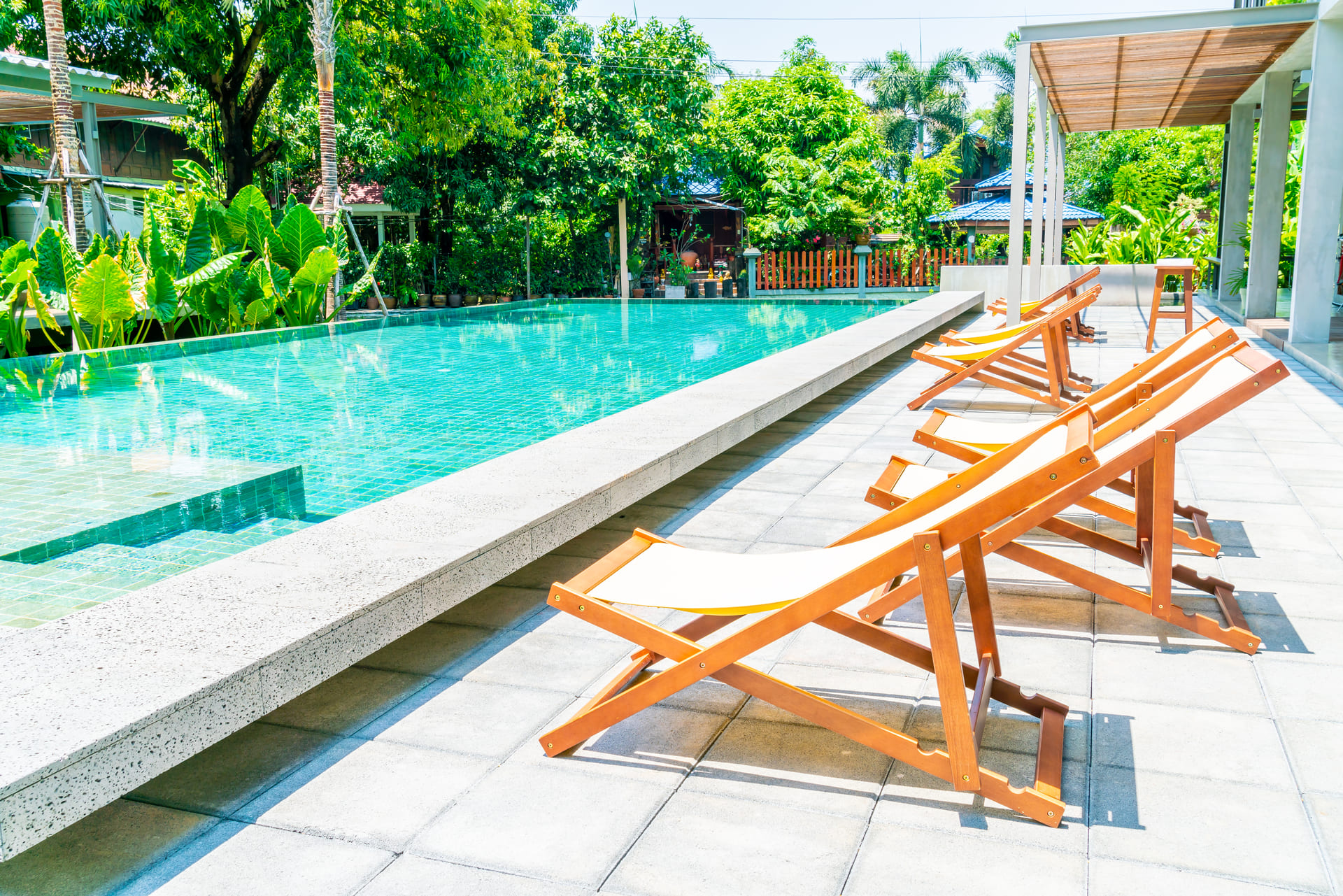
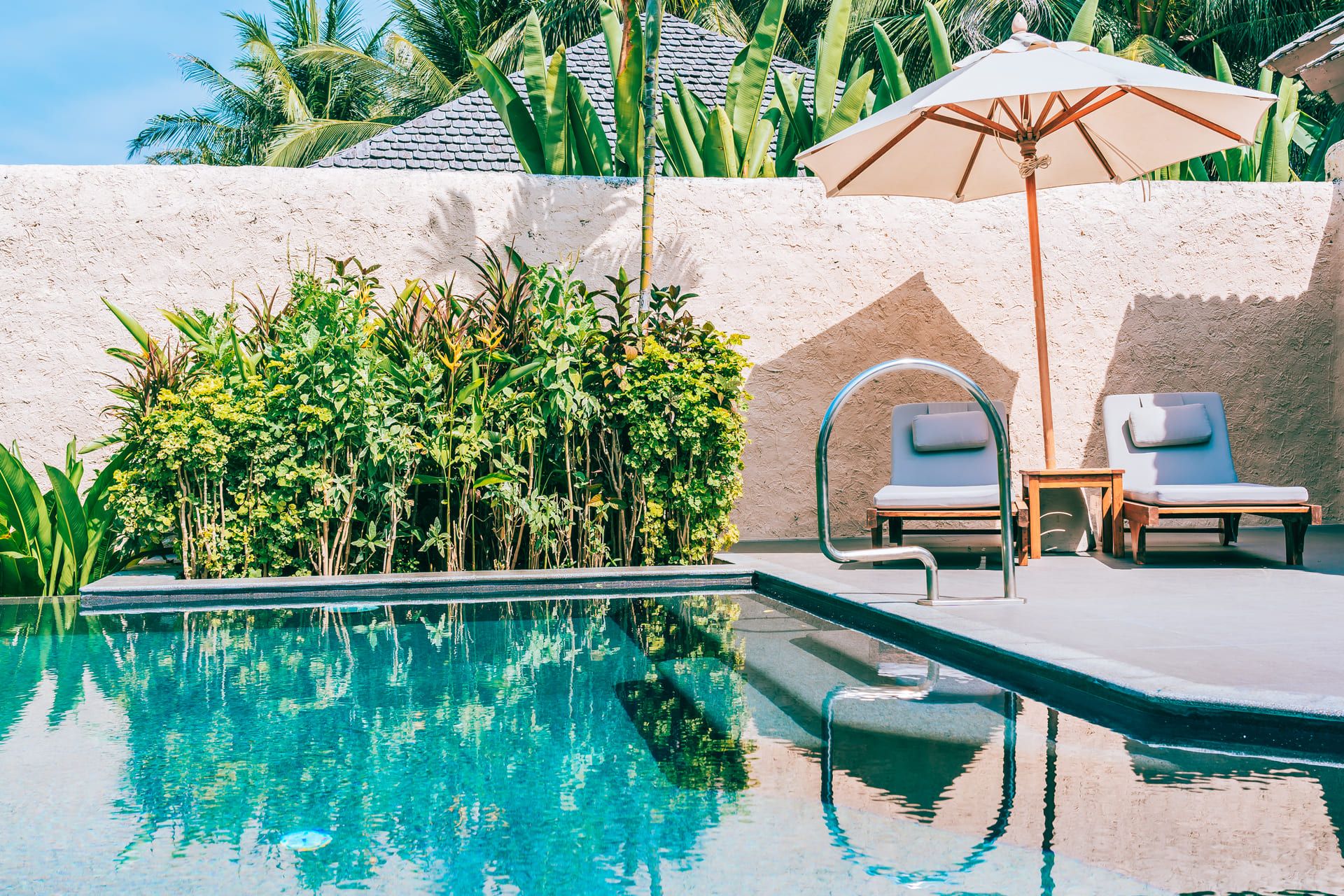
Pool coping is the material that caps the edge of the pool, separating the water from the deck. In Florida, where pools are used year-round and exposed to intense sun, humidity, and chemicals, choosing the right coping material is essential.
The three most common options are pavers, travertine, and concrete. Each has advantages and limitations. This guide compares them clearly so you can decide which pool coping option is best for your Florida home.
Why Pool Coping Matters in Florida
Florida pool coping must handle:
- Constant water exposure
- Pool chemicals (chlorine or saltwater)
- Barefoot traffic
- Strong sun and heat
- Expansion and movement
Poor coping choices can lead to slippery edges, cracked materials, uncomfortable heat, and frequent repairs.
What Pool Coping Does (Beyond Looks)
Pool coping isn’t just decorative. It plays a functional role by:
- Providing a safe, non-slip edge
- Preventing water from seeping behind the pool shell
- Protecting the pool structure
- Creating a smooth transition to the deck
Choosing the right coping improves both safety and longevity.
Option 1: Paver Pool Coping
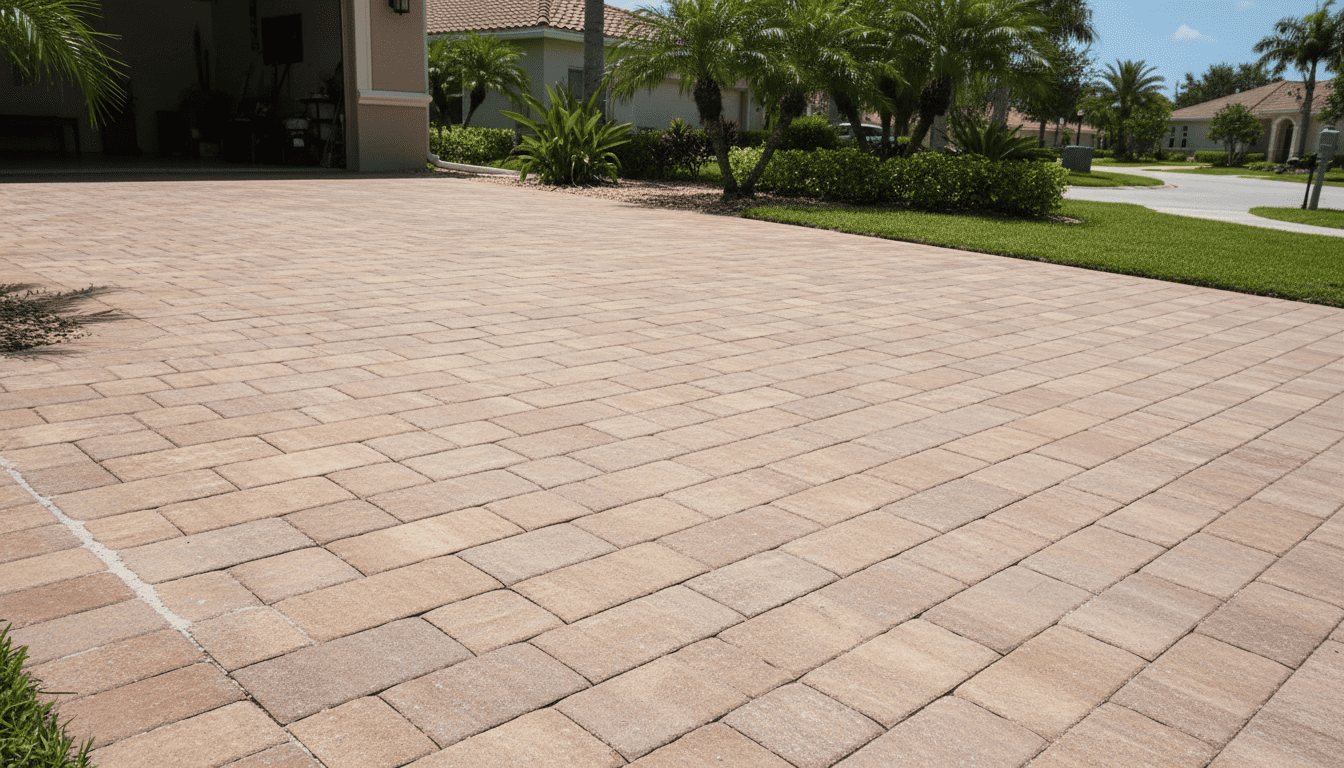
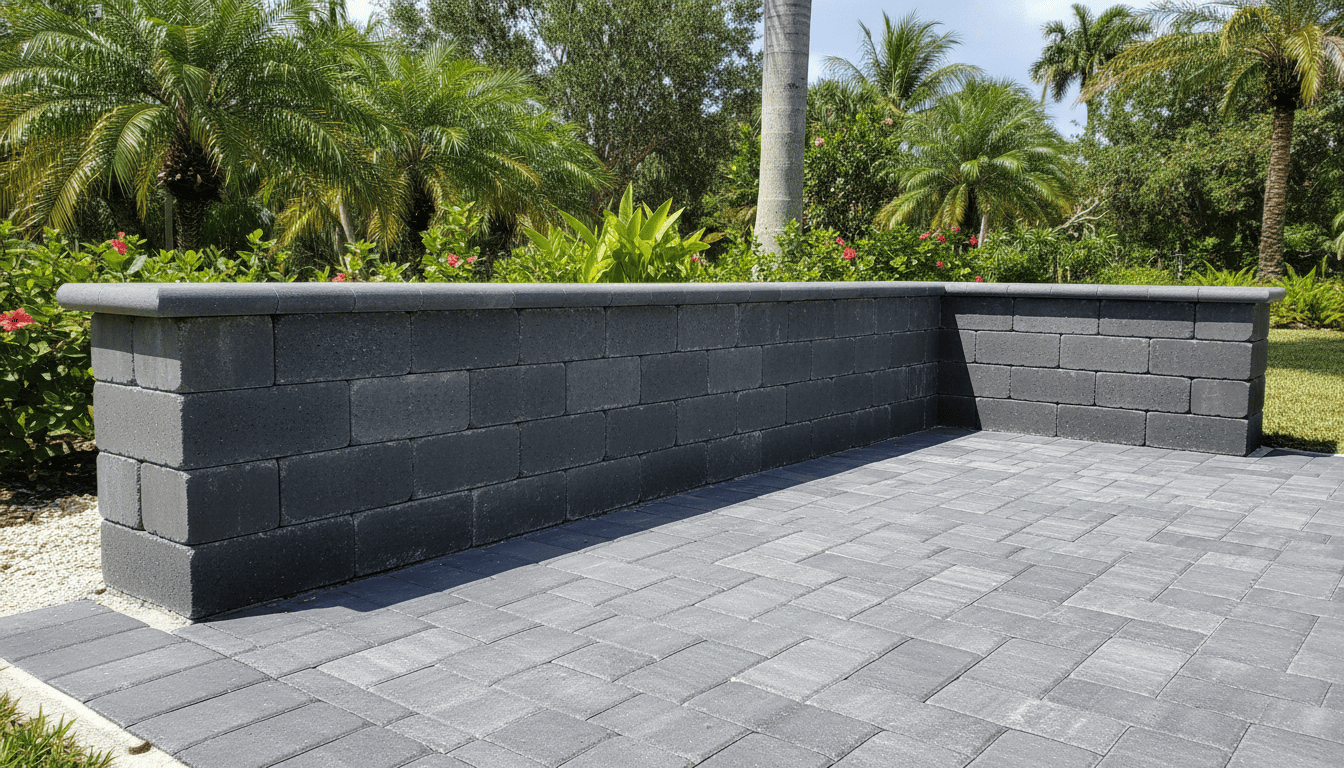
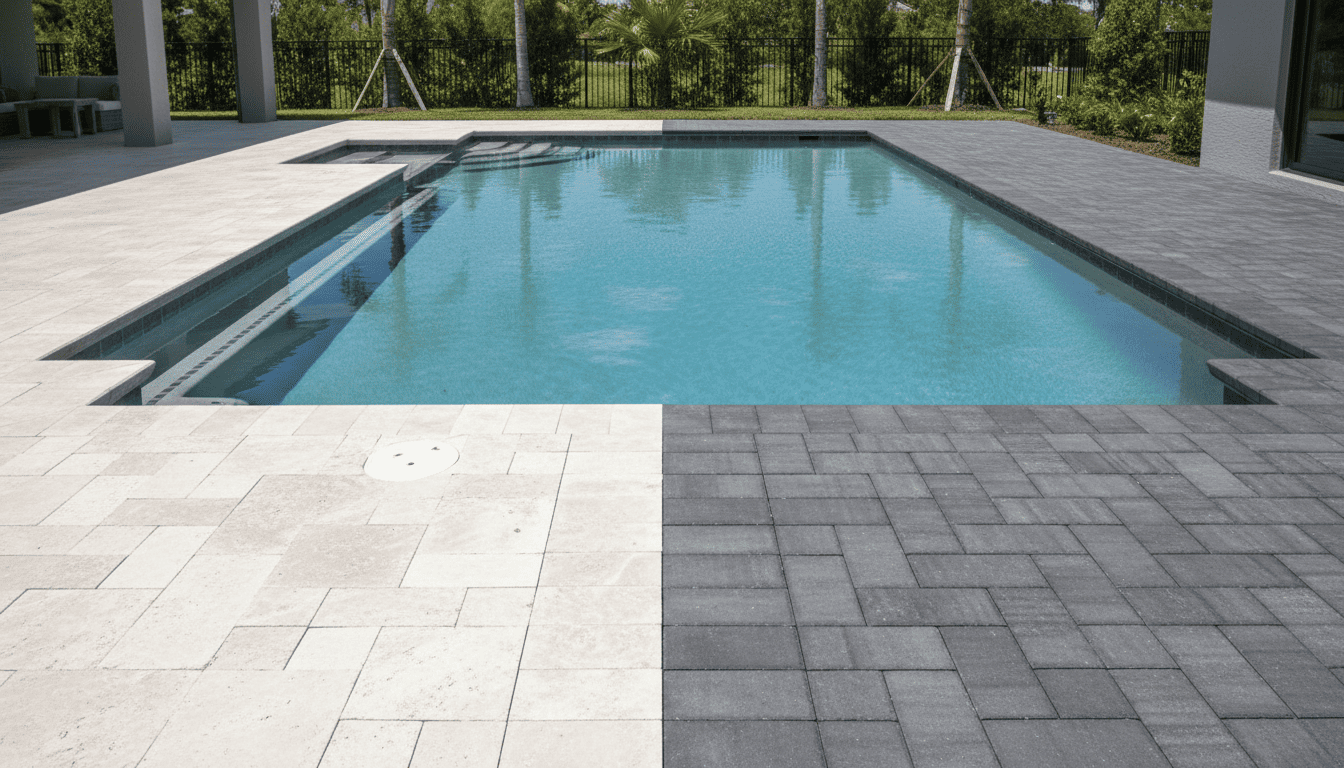
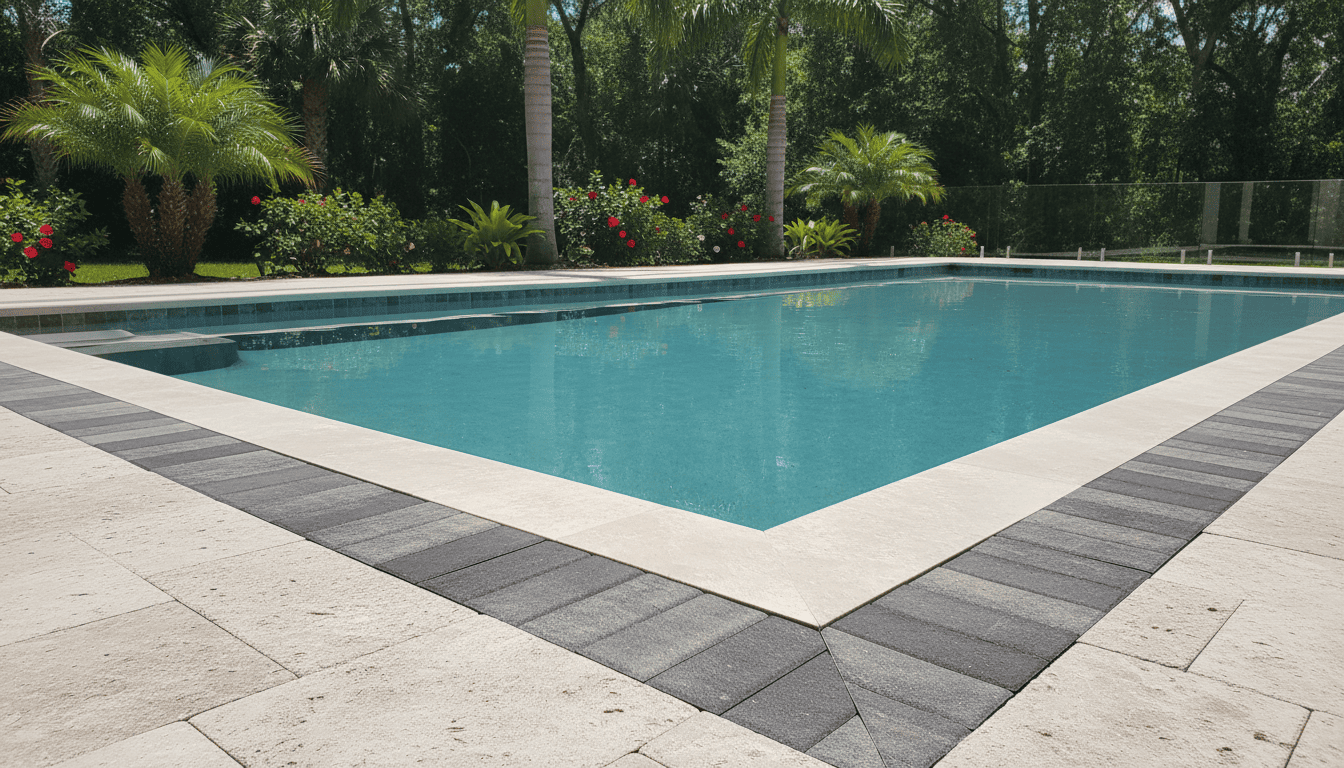
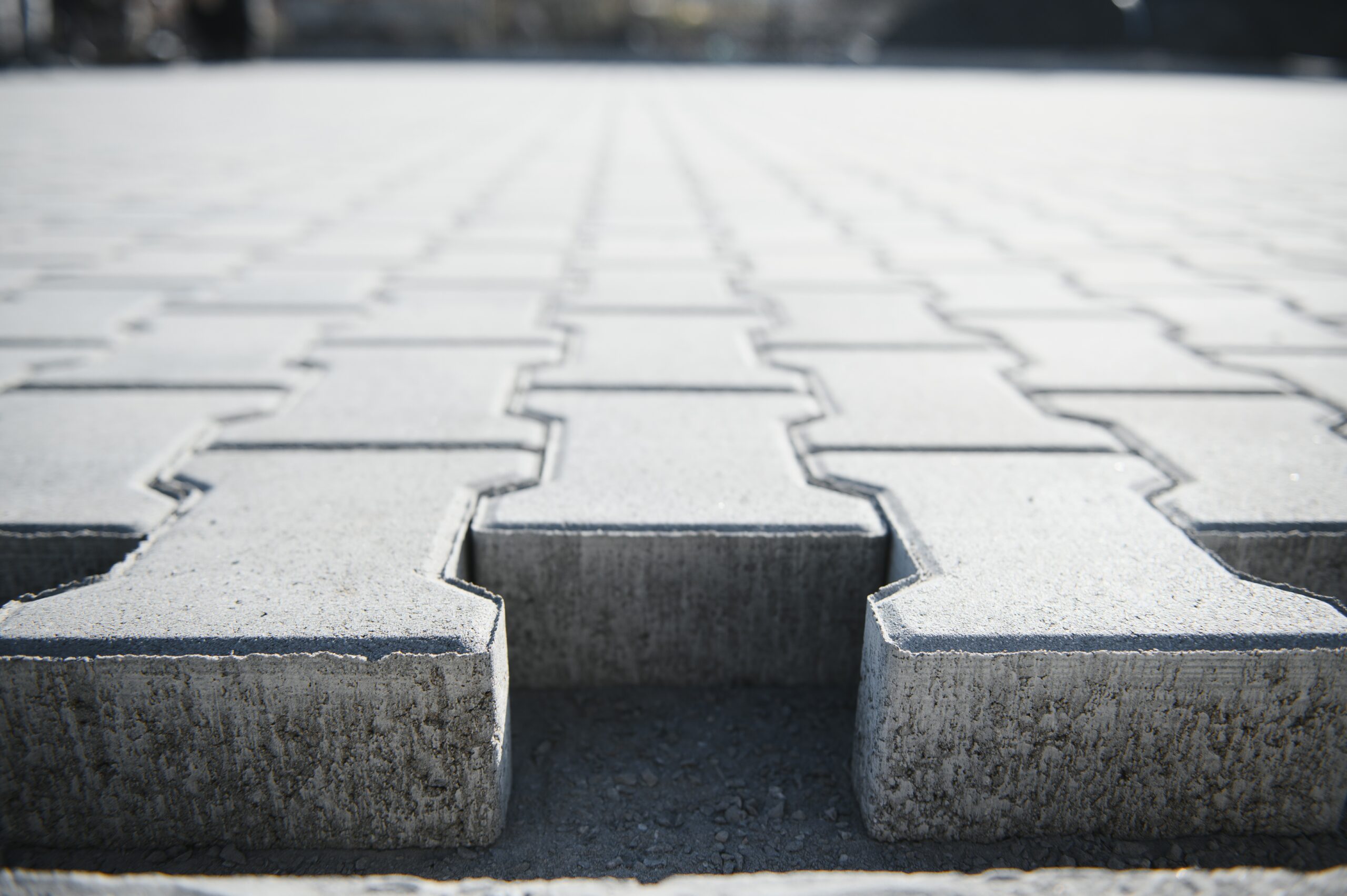
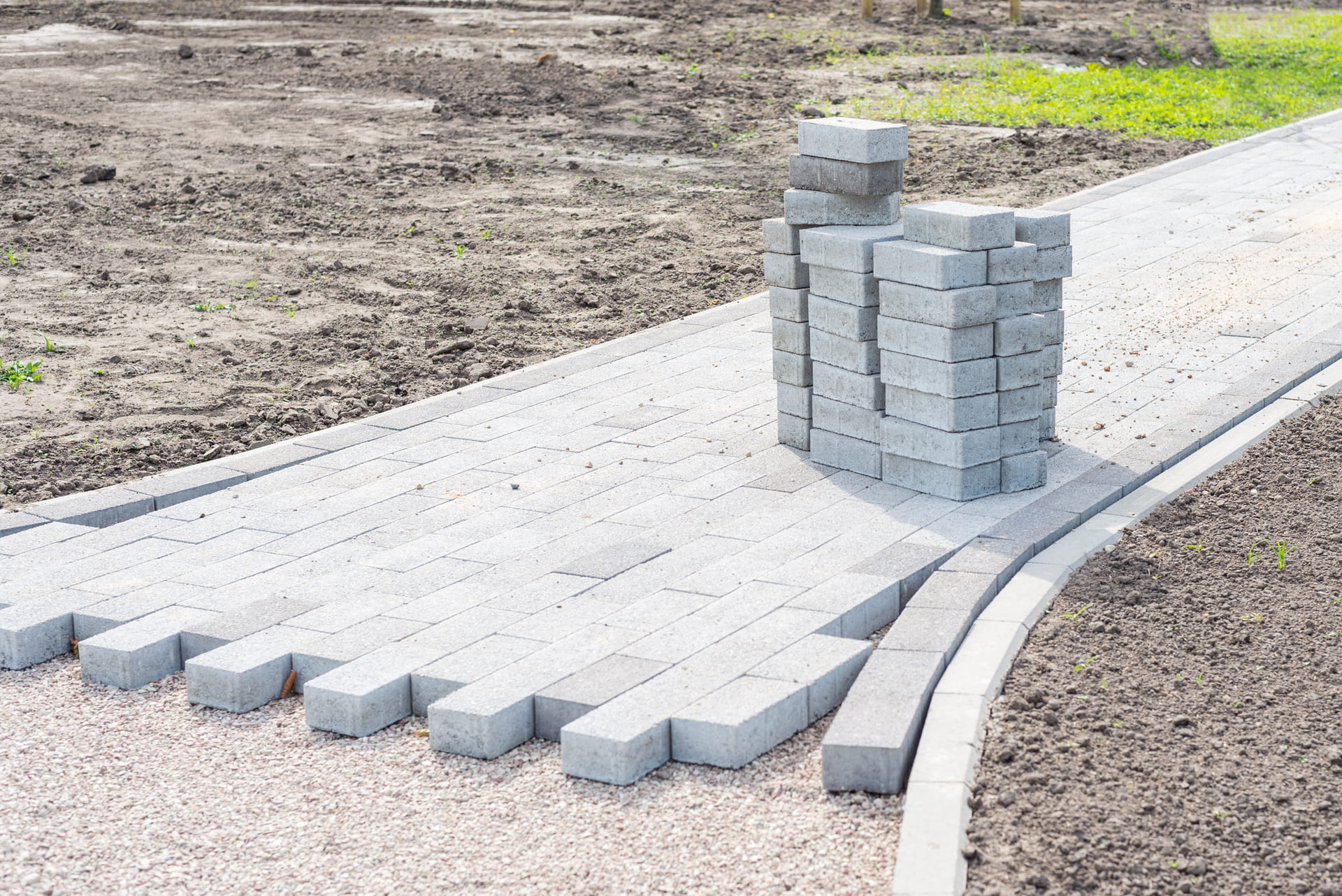
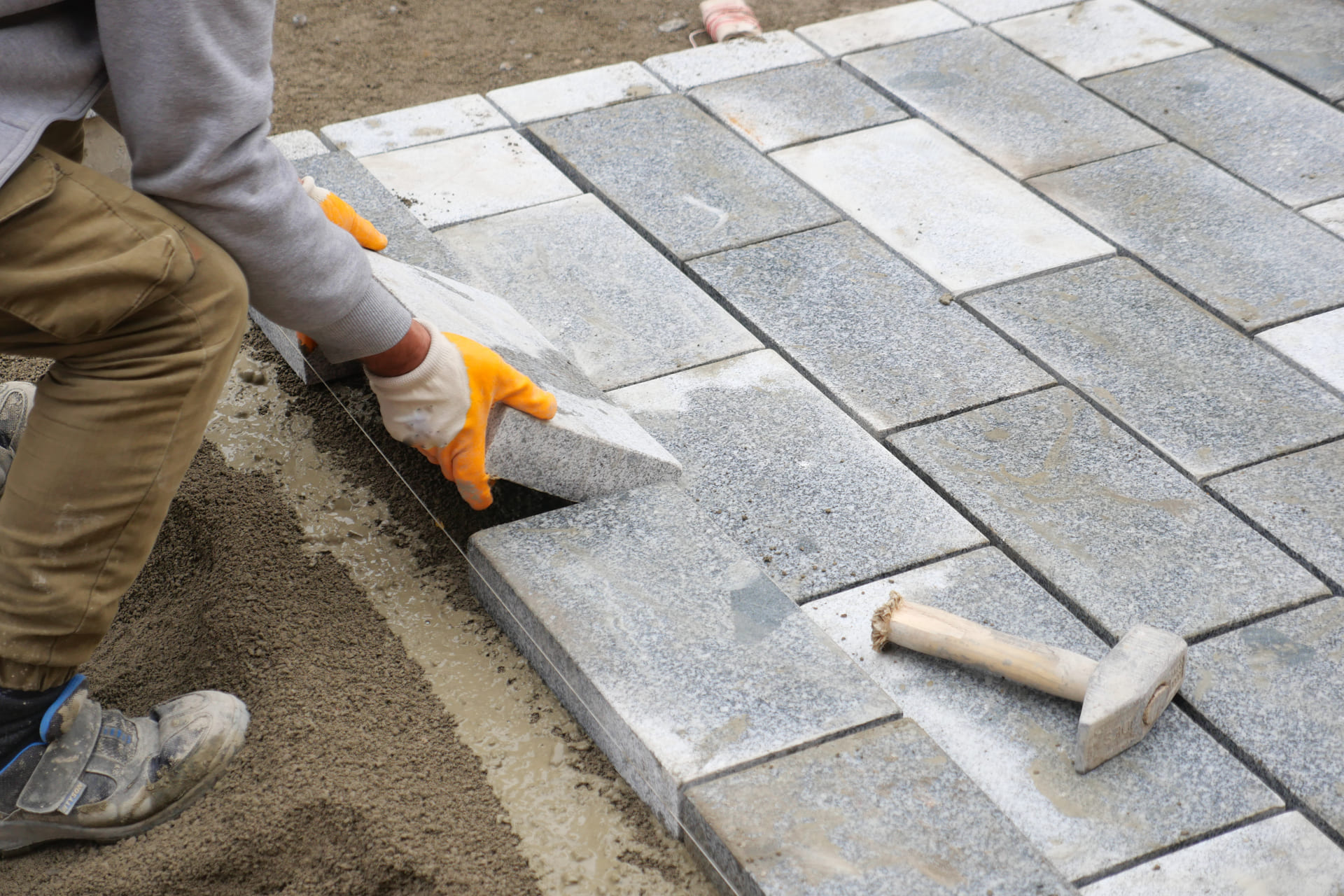
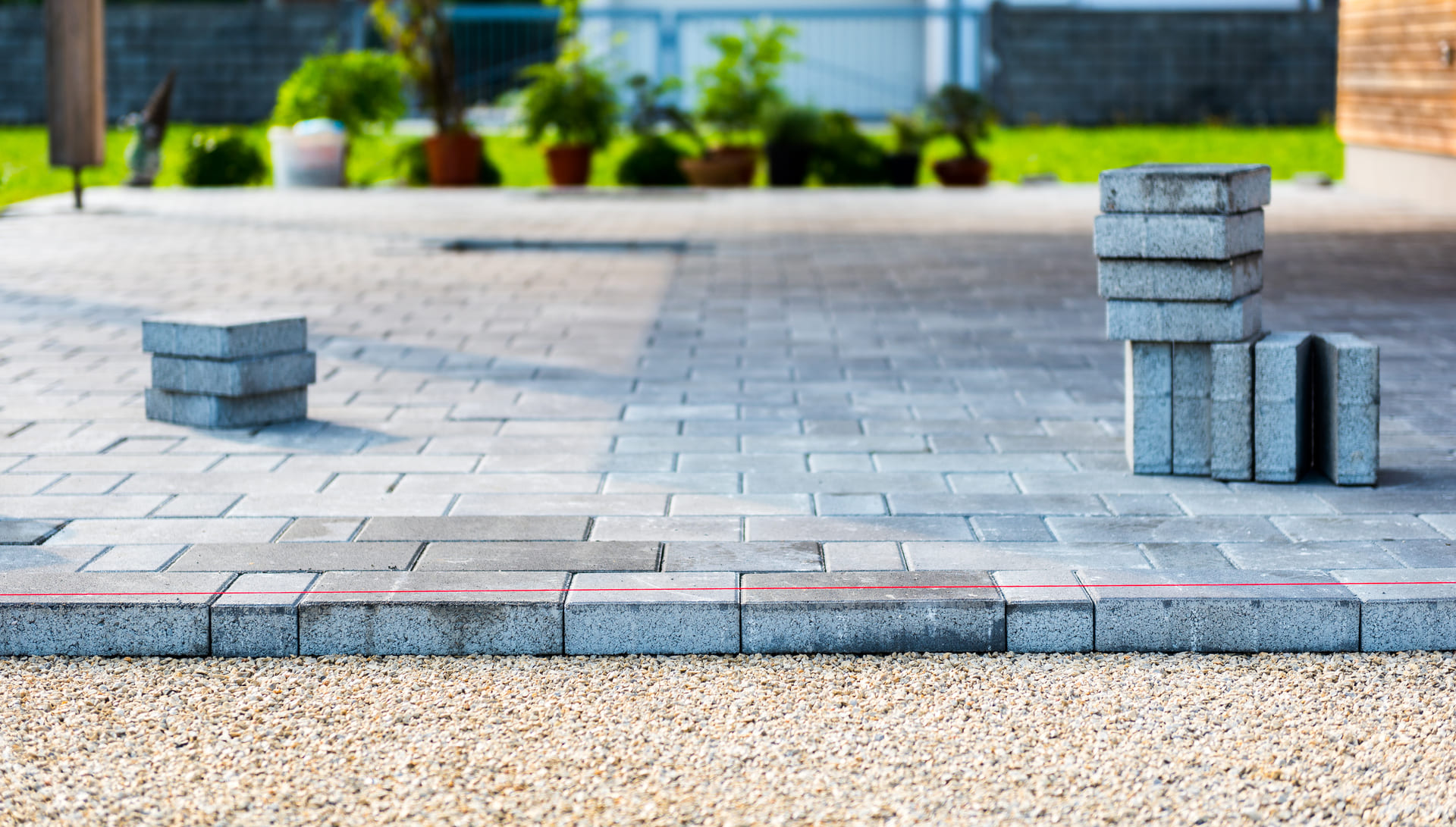
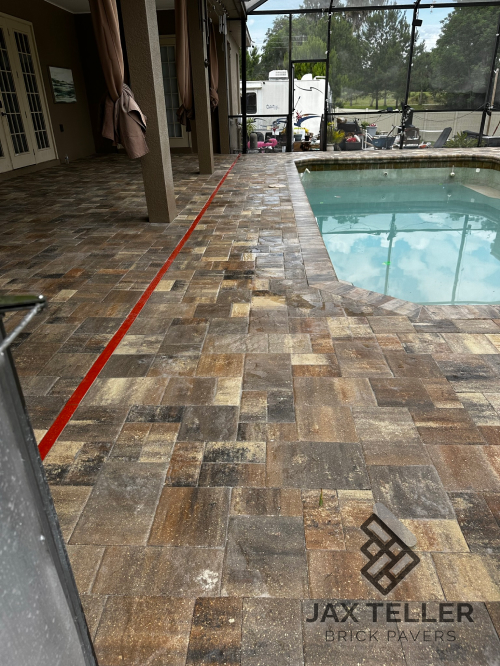
Paver coping uses specially shaped pavers or cut units installed around the pool edge.
Pros of paver pool coping
- Durable and flexible system
- Resistant to cracking
- Easy to replace individual pieces
- Wide range of colors and styles
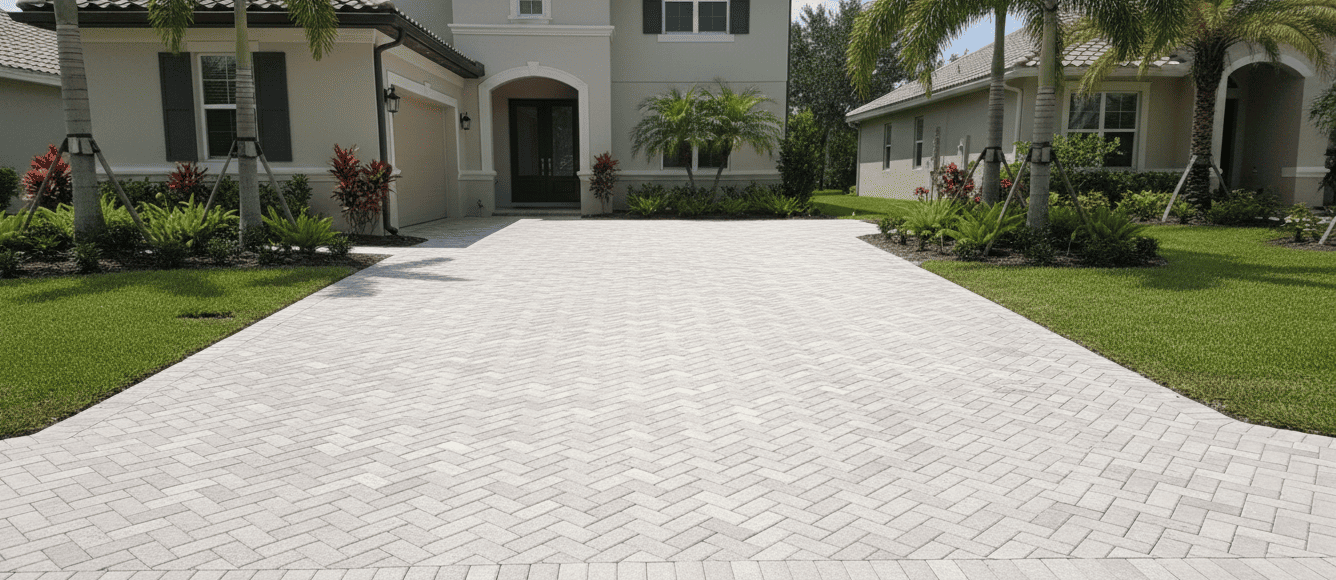
- Matches paver pool decks seamlessly
Cons
- Requires precise installation
- Slightly higher upfront cost than basic concrete
Paver coping is ideal for homeowners who want a cohesive pool and deck design with long-term reliability.
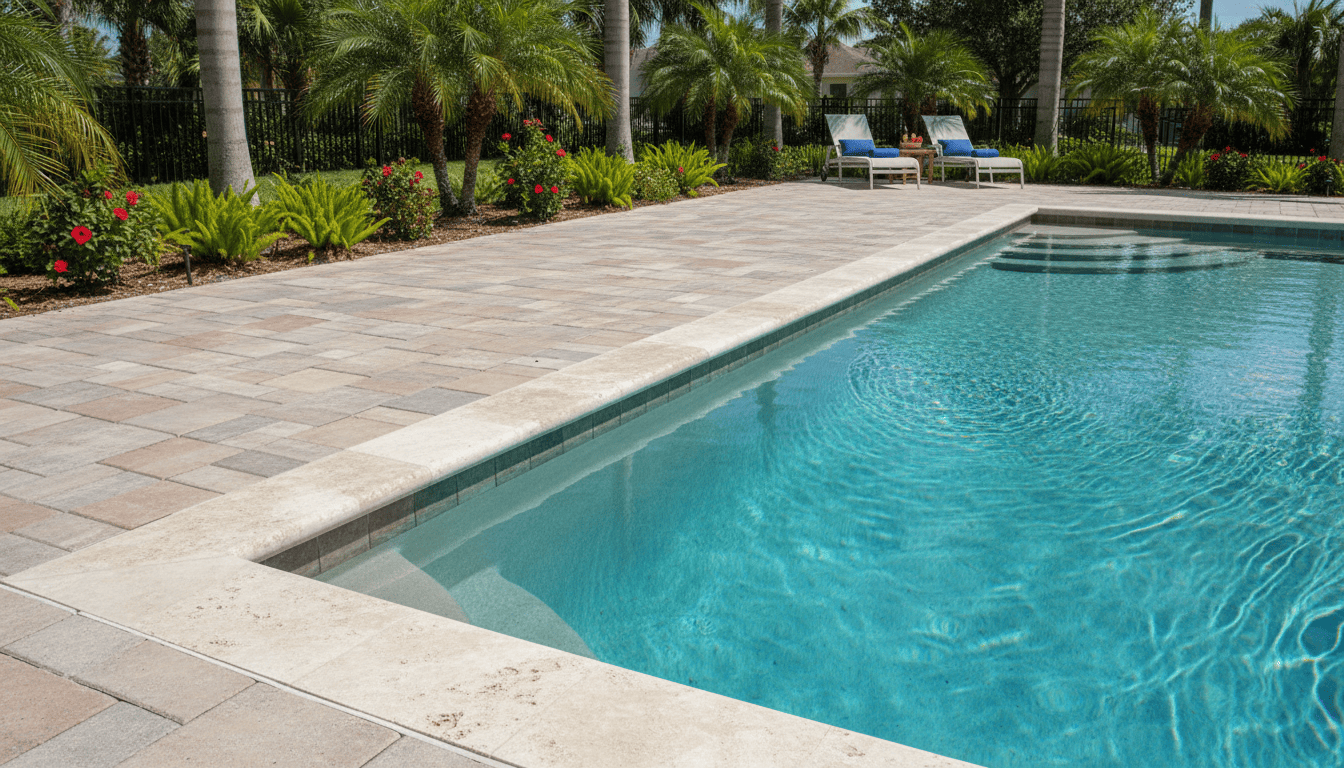
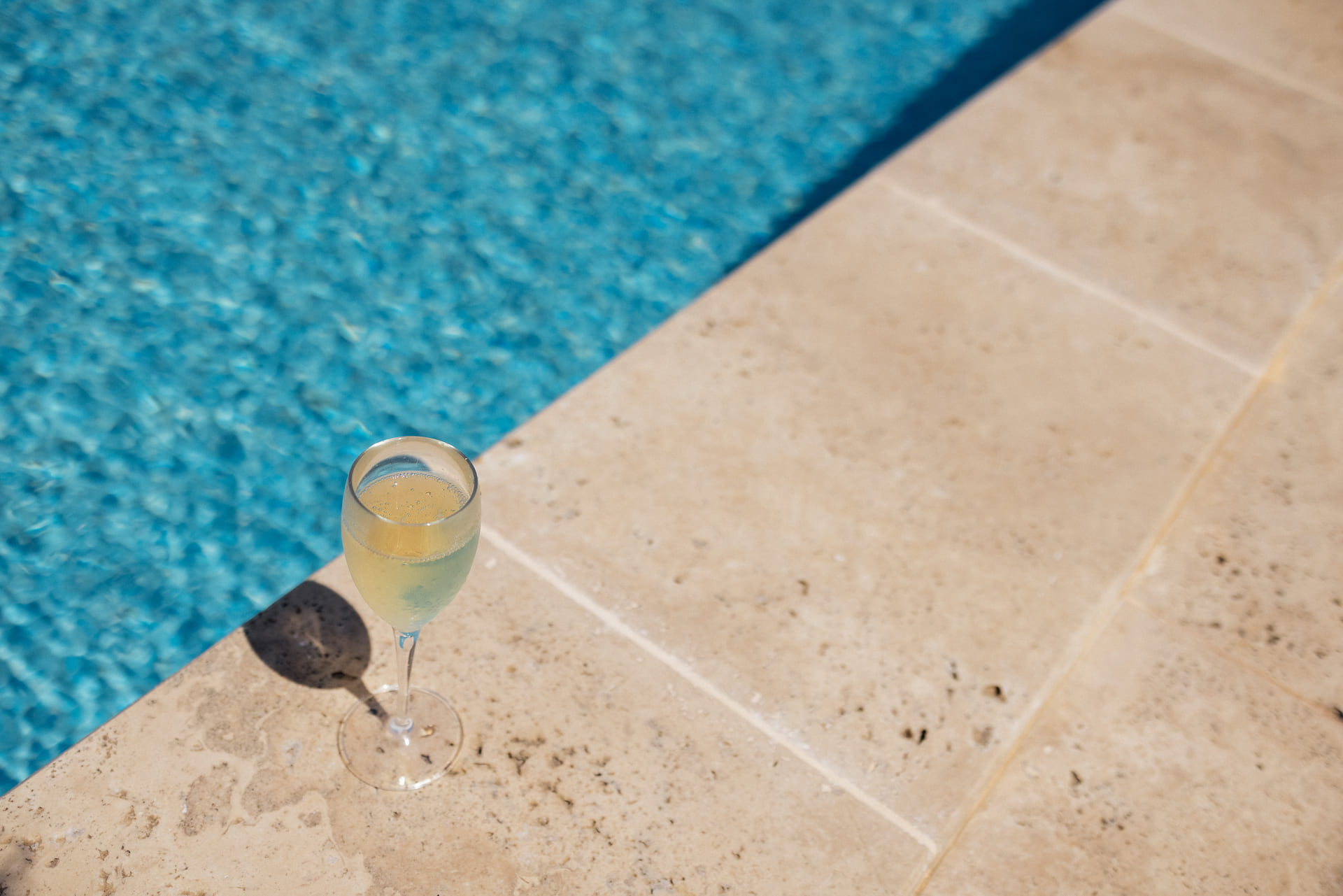
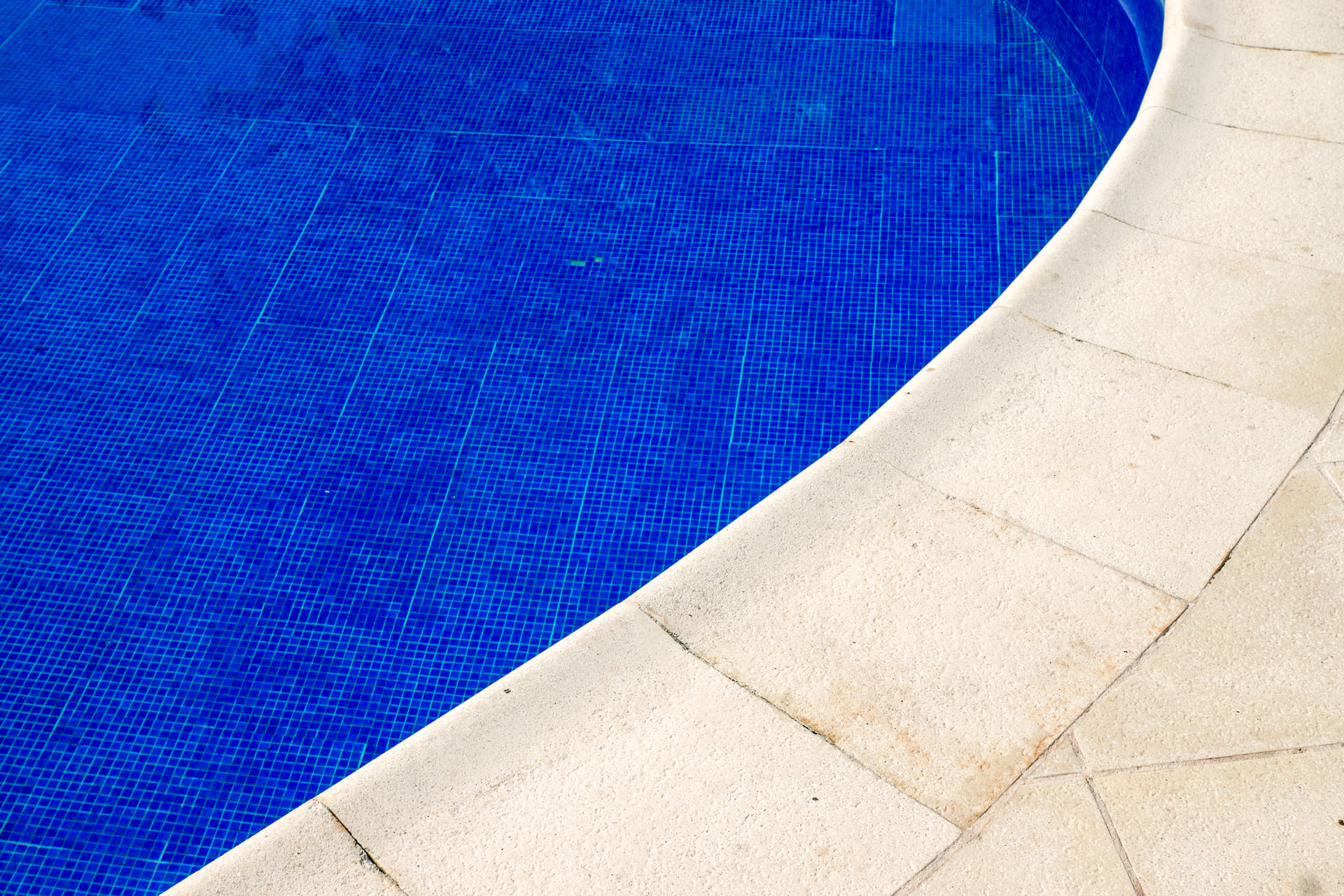
Option 2: Travertine Pool Coping
Travertine is one of the most popular luxury options for Florida pools.
Pros of travertine coping
- Naturally cool underfoot
- Excellent slip resistance
- Elegant, high-end appearance
- Resistant to heat and UV exposure
Cons
- Higher material cost
- Requires sealing
- Professional installation is essential
Travertine coping is often chosen for resort-style pools and upscale outdoor living areas.
Option 3: Concrete Pool Coping
Concrete coping is typically poured or precast around the pool edge.
Pros of concrete coping
- Lower upfront cost
- Simple installation
- Uniform appearance
Cons
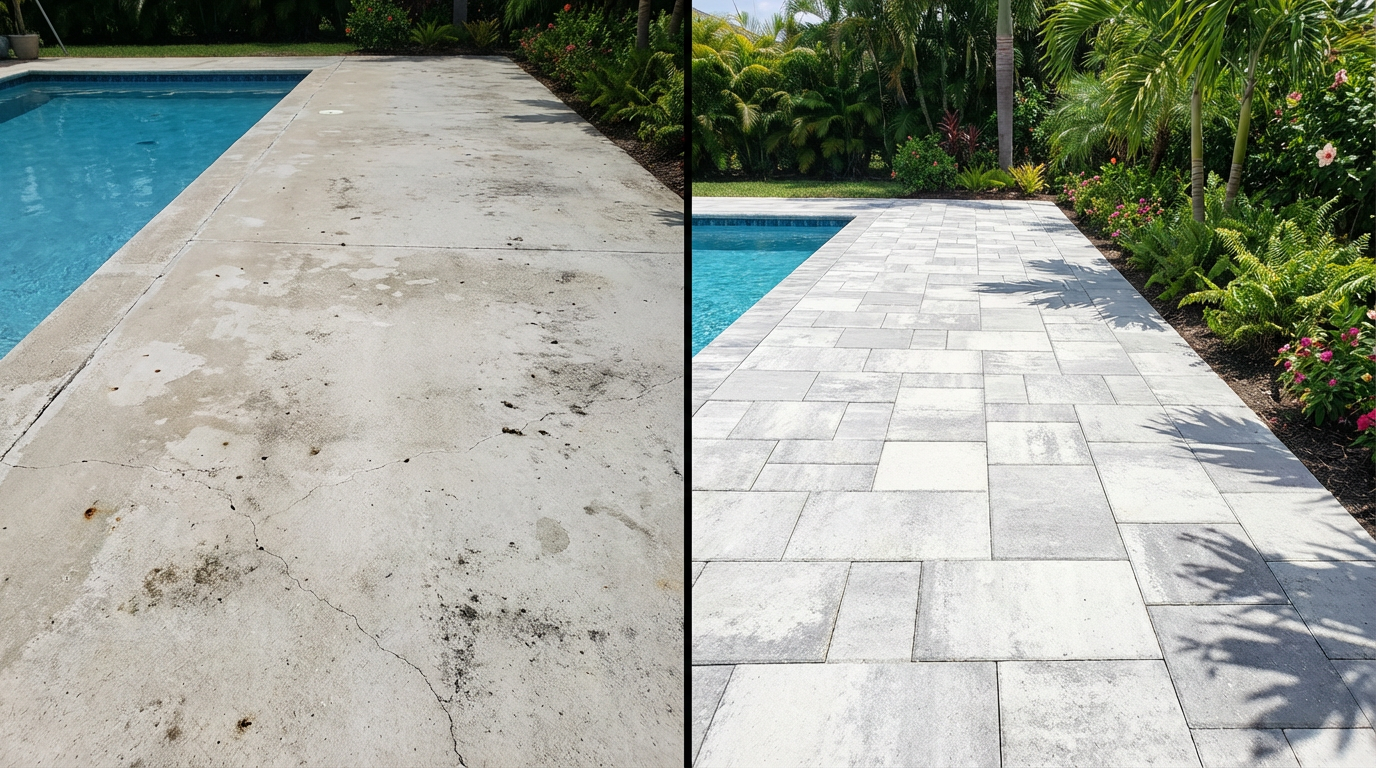
- Absorbs heat
- Can crack over time
- Slippery when wet
- Repairs are noticeable
Concrete coping is common in older Florida pools but is increasingly replaced during renovations.
Head-to-Head Comparison: Pavers vs Travertine vs Concrete
🔥 Heat Resistance
- Travertine: Best (stays cool)
- Pavers: Good (especially lighter colors)
- Concrete: Poor
🦶 Safety & Slip Resistance
- Travertine: Excellent
- Pavers: Very good
- Concrete: Moderate to poor
🧱 Durability
- Pavers: Excellent
- Travertine: Excellent
- Concrete: Fair
🔧 Repairs
- Pavers: Easy, seamless
- Travertine: Moderate
- Concrete: Difficult, visible
🎨 Aesthetics
- Travertine: Luxury
- Pavers: Custom and versatile
- Concrete: Basic
Matching Coping with Pool Deck Materials
Pool coping should complement the deck.
Best pairings
- Travertine coping + travertine pool deck
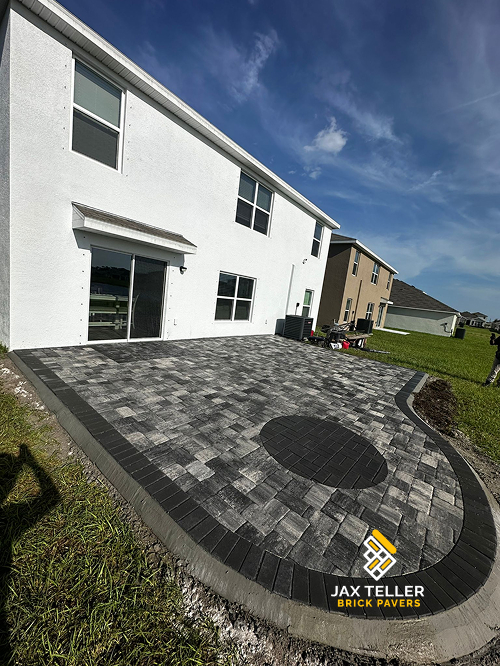
- Paver coping + paver deck
- Mixed stone coping + paver patio
Consistency creates a polished, high-end look.
Drainage and Expansion Considerations
Florida pools must handle expansion and water movement.
Professional installations include:
- Expansion joints
- Proper slope away from pool
- Secure bonding to pool structure
This prevents cracking and water damage.
Maintenance Comparison
Paver coping
- Minimal maintenance
- Periodic joint sanding
- Optional sealing
Travertine coping
- Regular cleaning
- Periodic sealing
- Gentle cleaners only
Concrete coping
- Crack repairs
- Frequent resurfacing
- Higher long-term maintenance
Cost vs Long-Term Value
While concrete may seem cheaper upfront, pavers and travertine often deliver better long-term value due to durability, safety, and appearance.
For many Florida homeowners, travertine or paver coping becomes a one-time investment, while concrete often requires future repairs.
Common Pool Coping Mistakes to Avoid
- Choosing coping based only on price
- Ignoring heat and safety
- Poor installation near expansion joints
- Using smooth surfaces near water
Avoiding these mistakes improves safety and longevity.
Explore More Poolside Projects and Standards
For examples of pool coping and poolside paving projects tailored to Florida, explore our project gallery:
https://jaxtellerbrickpavers.com/projects
To review official pool coping and paving standards, visit the Interlocking Concrete Pavement Institute:
https://www.icpi.org/
Conclusion
Pool Coping Options in Florida vary widely in performance, safety, and appearance. While concrete offers simplicity, pavers and travertine outperform it in durability, comfort, and long-term value. Choosing the right pool coping creates a safer, cooler, and more beautiful pool area that lasts for years.
If you’re planning a pool build or renovation, contact JaxTeller Brick Pavers at +1 407-907-8308 or jaxtellerbrickpavers@gmail.com for a free estimate. 🏊♂️🌴