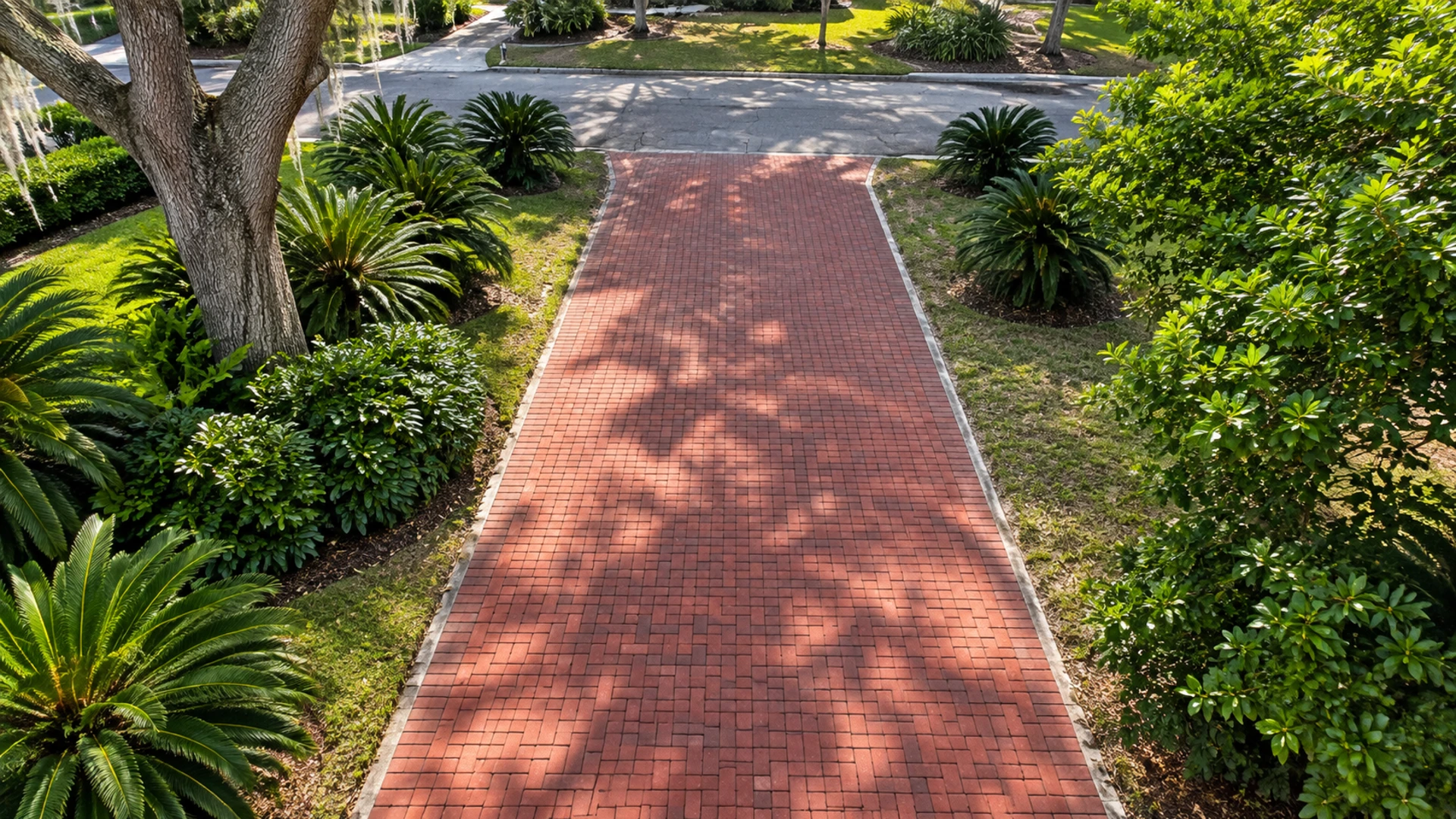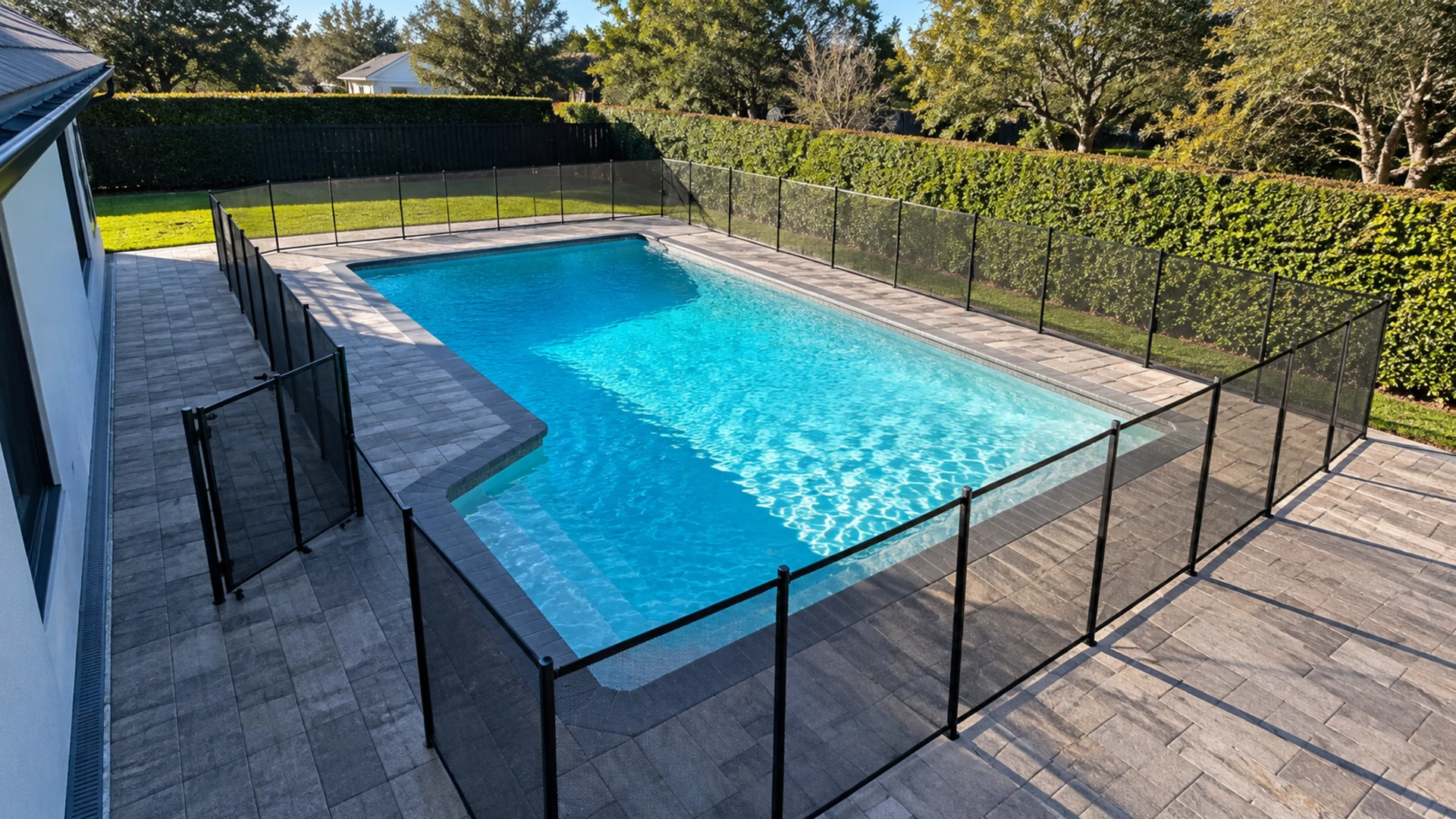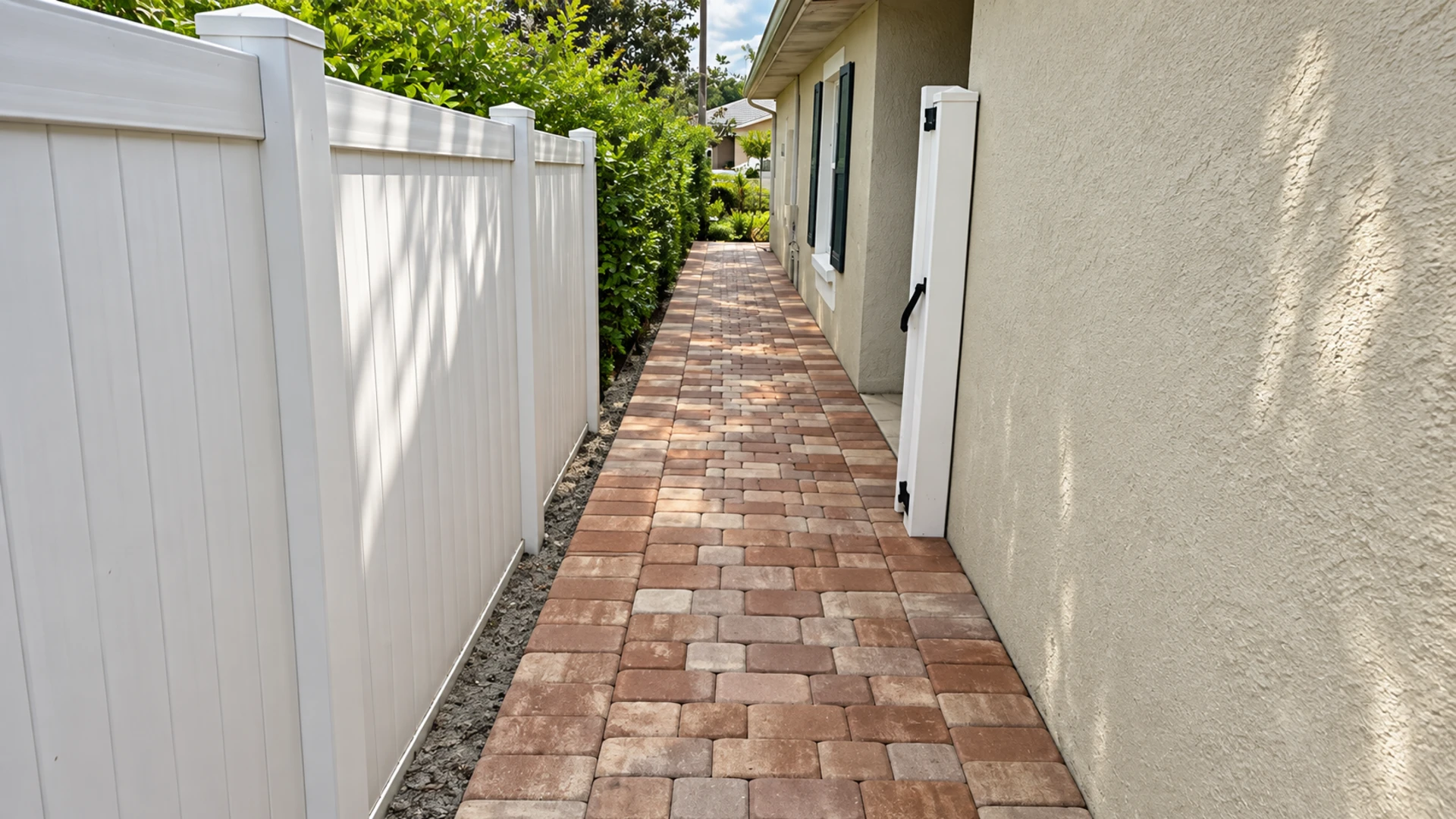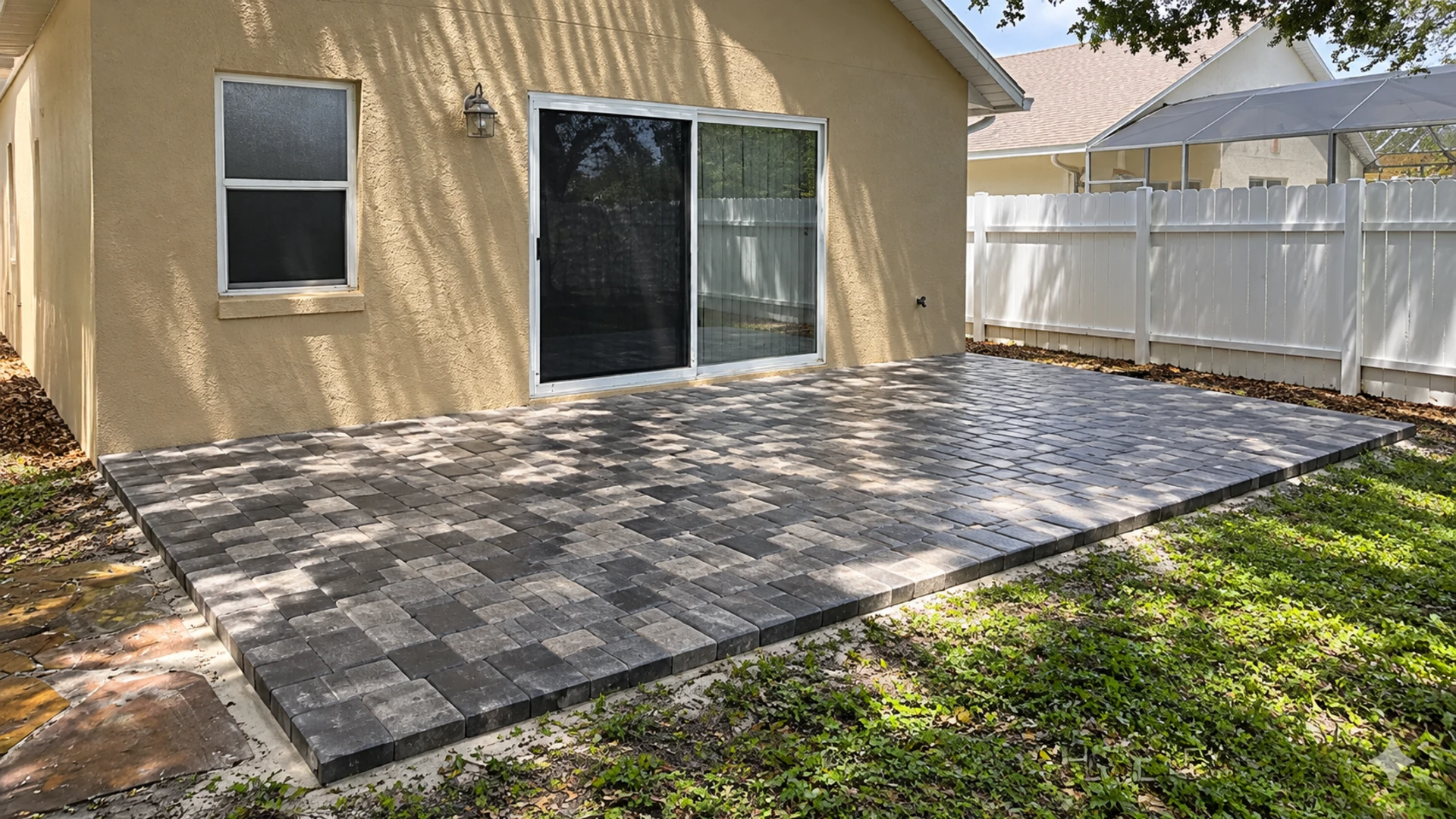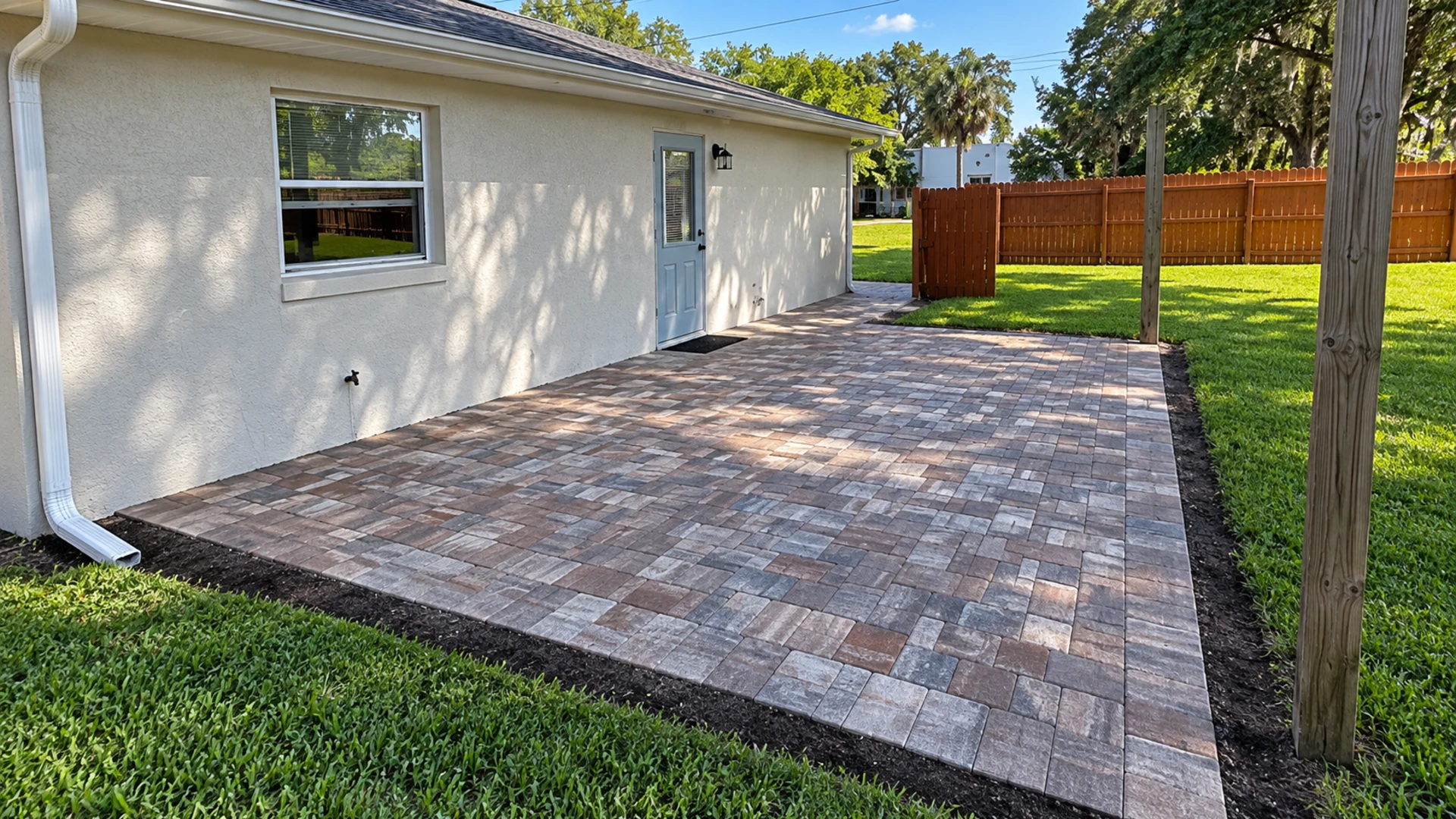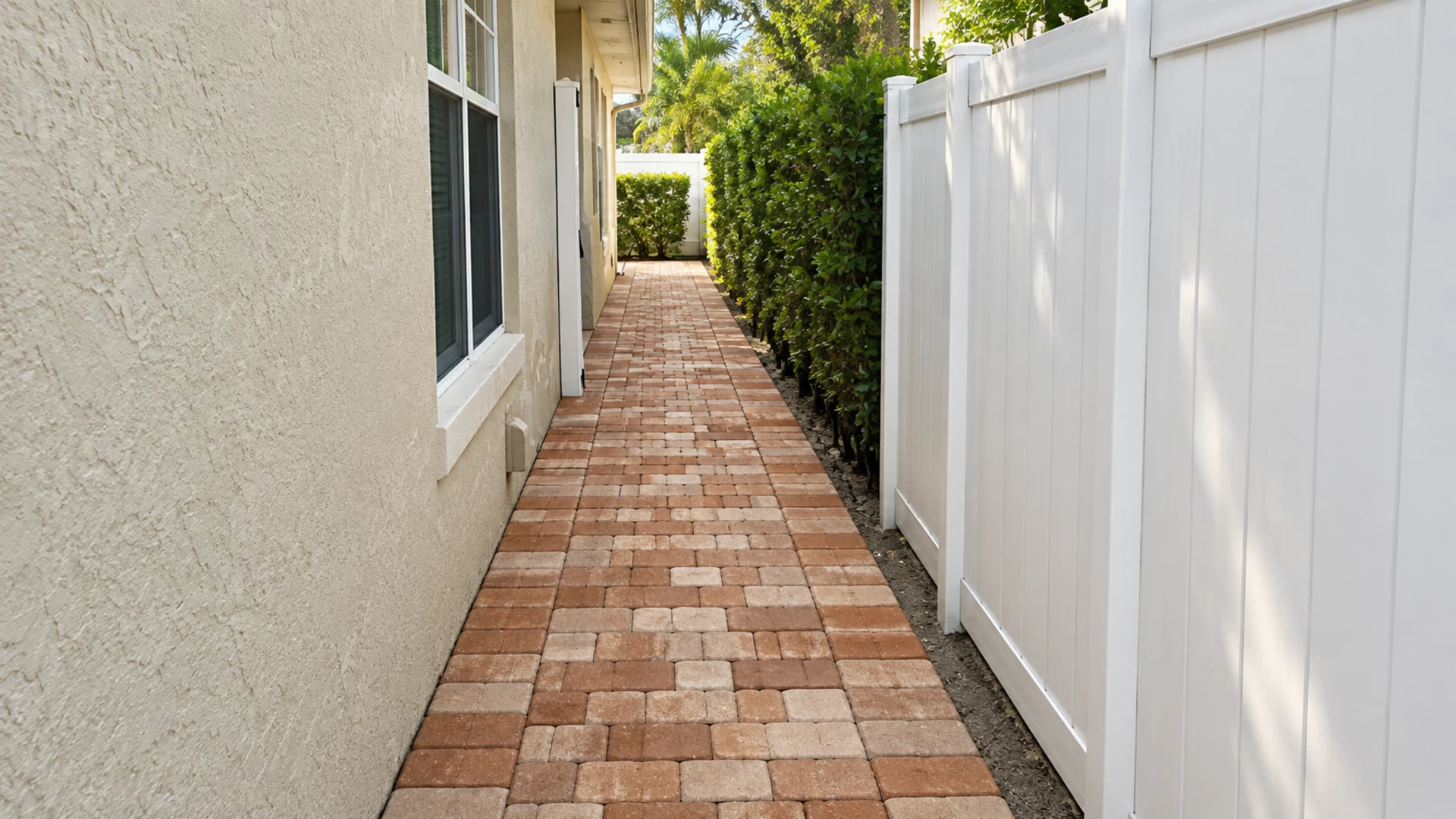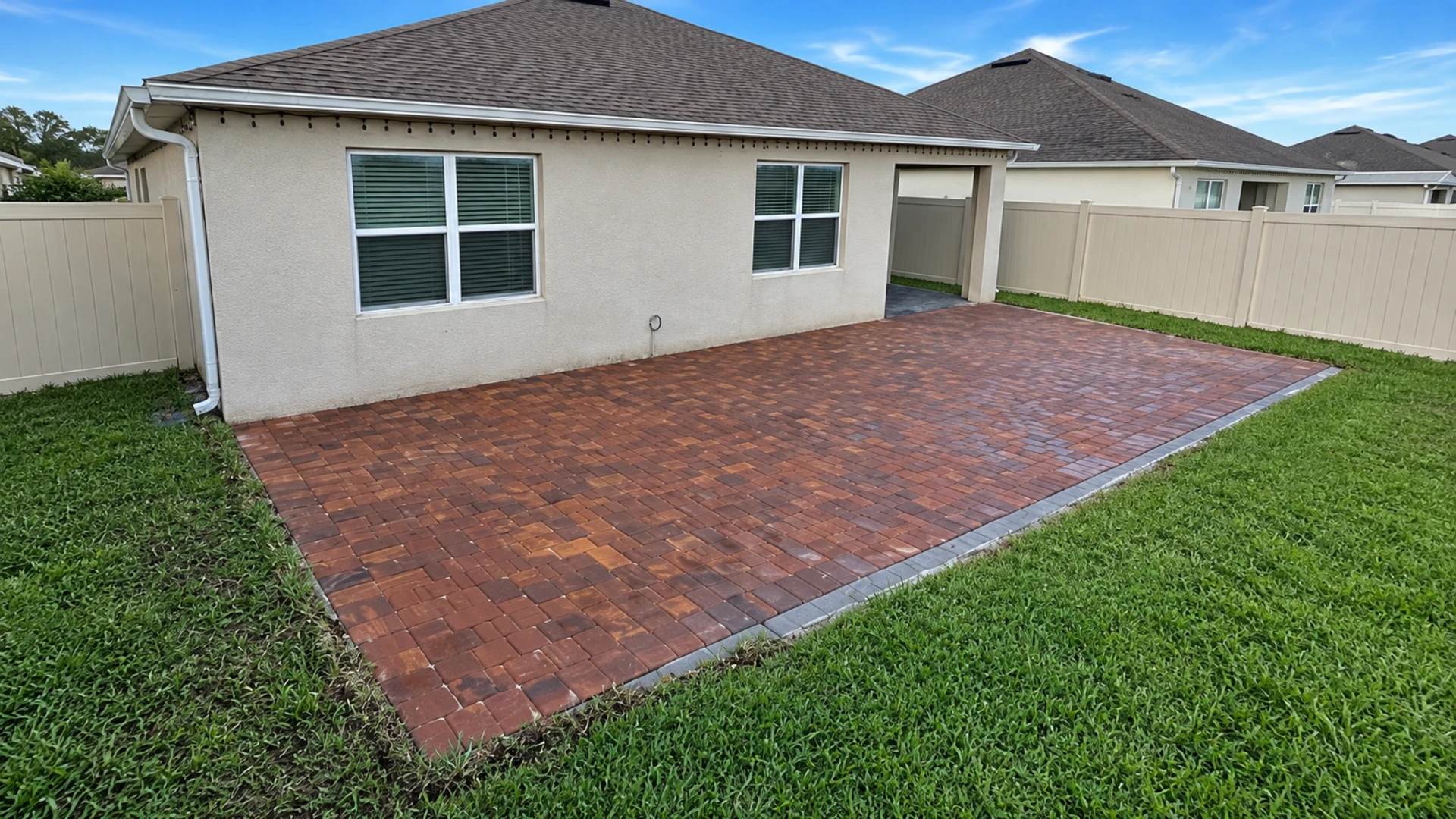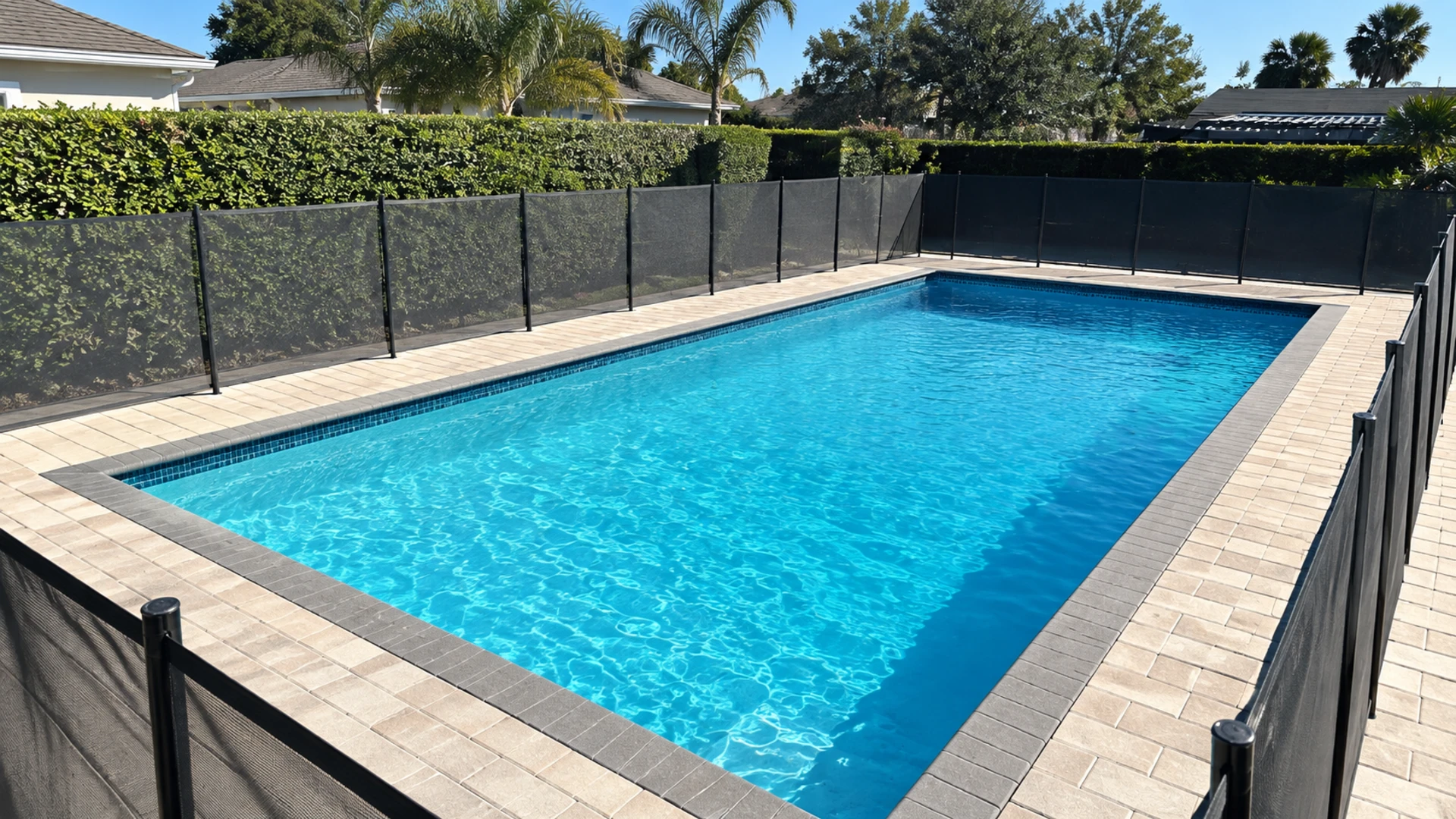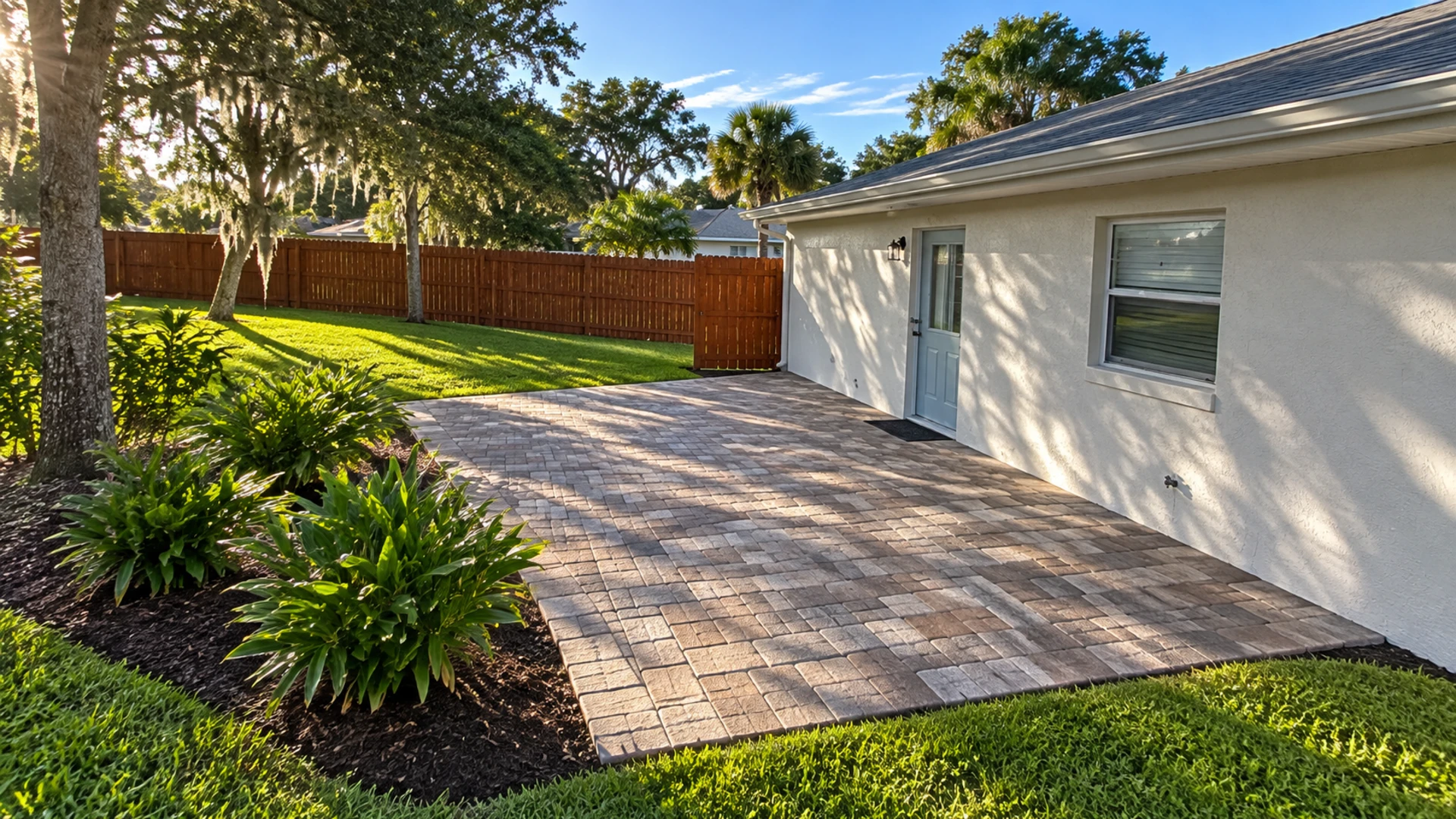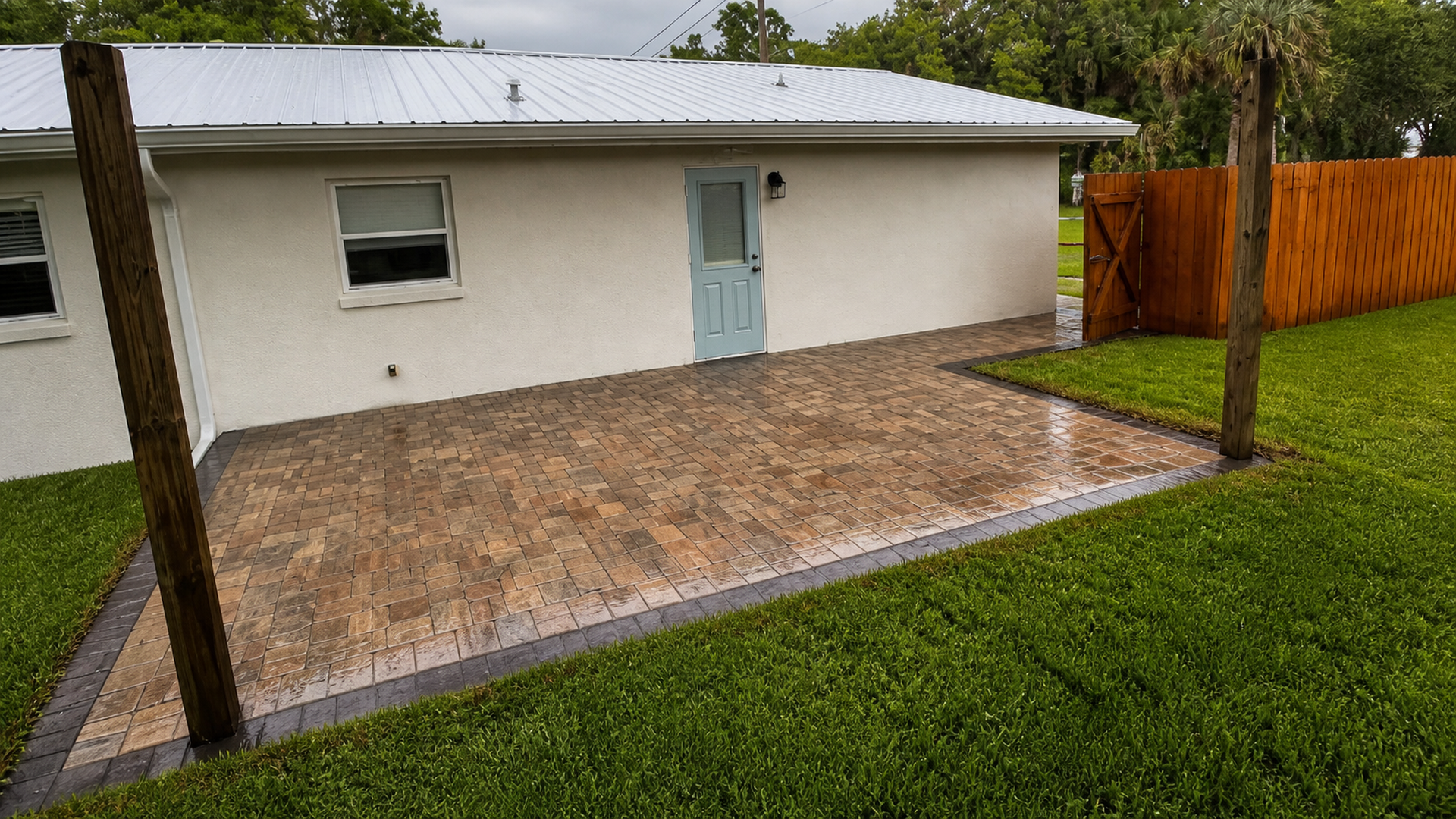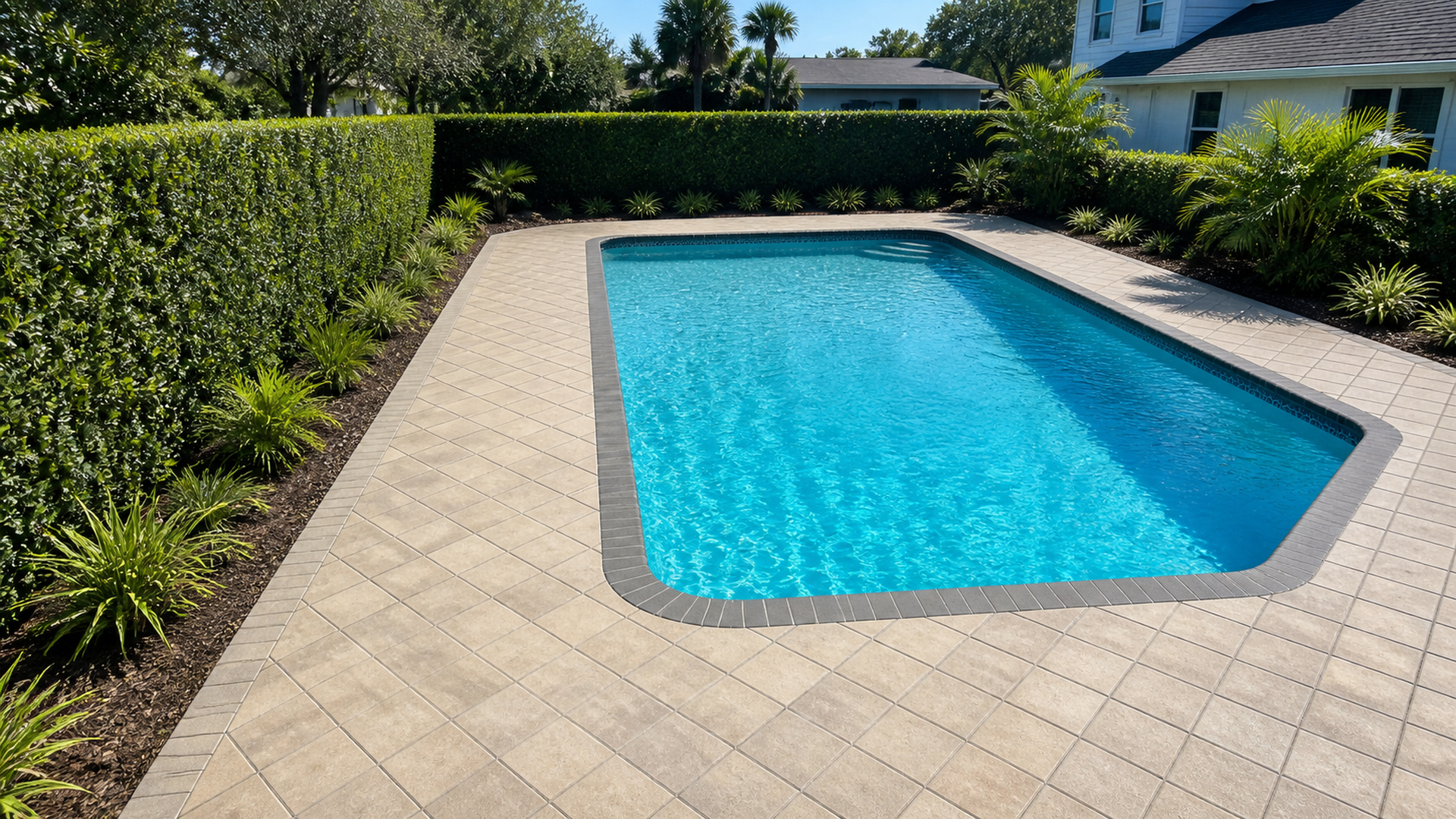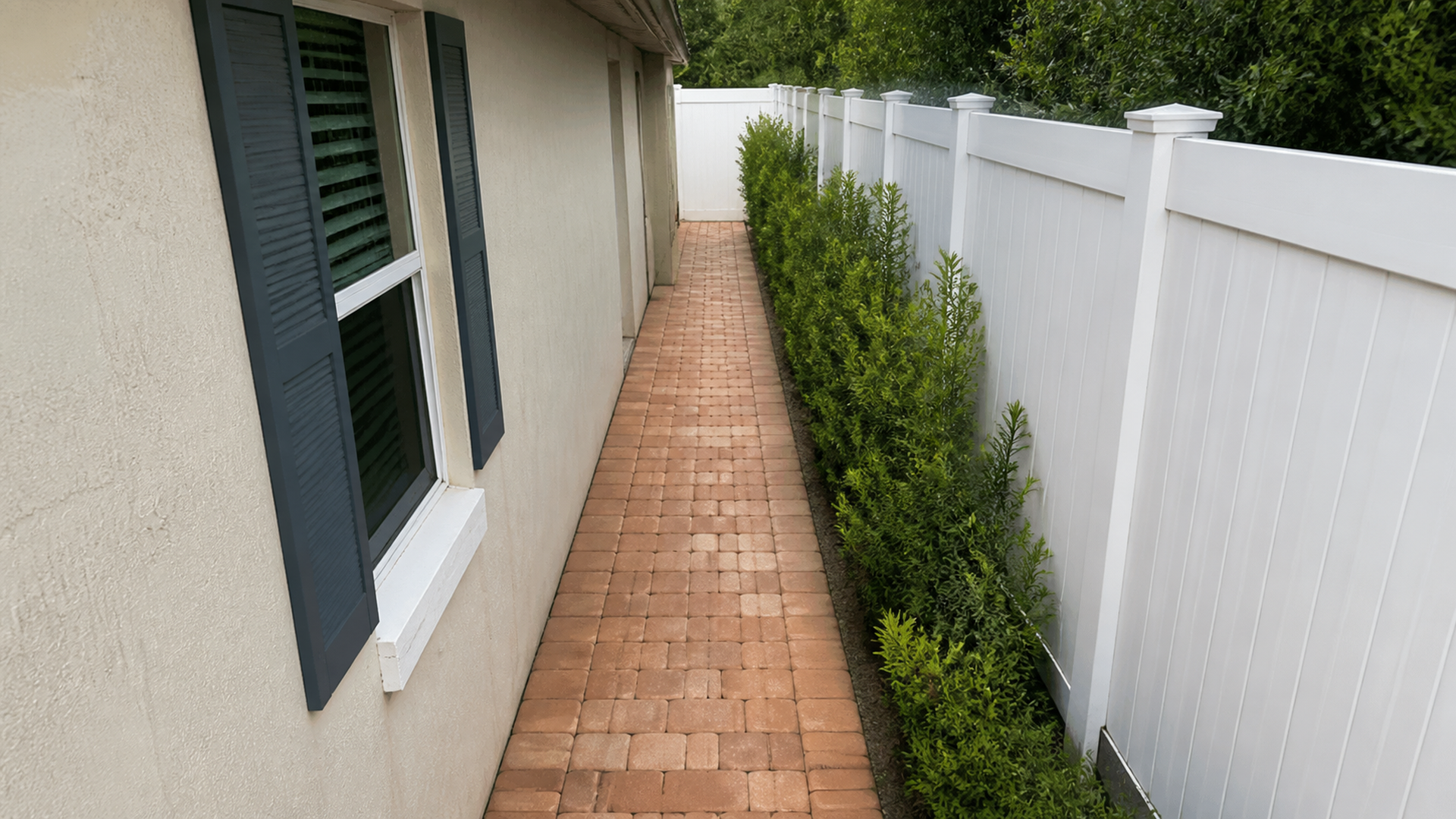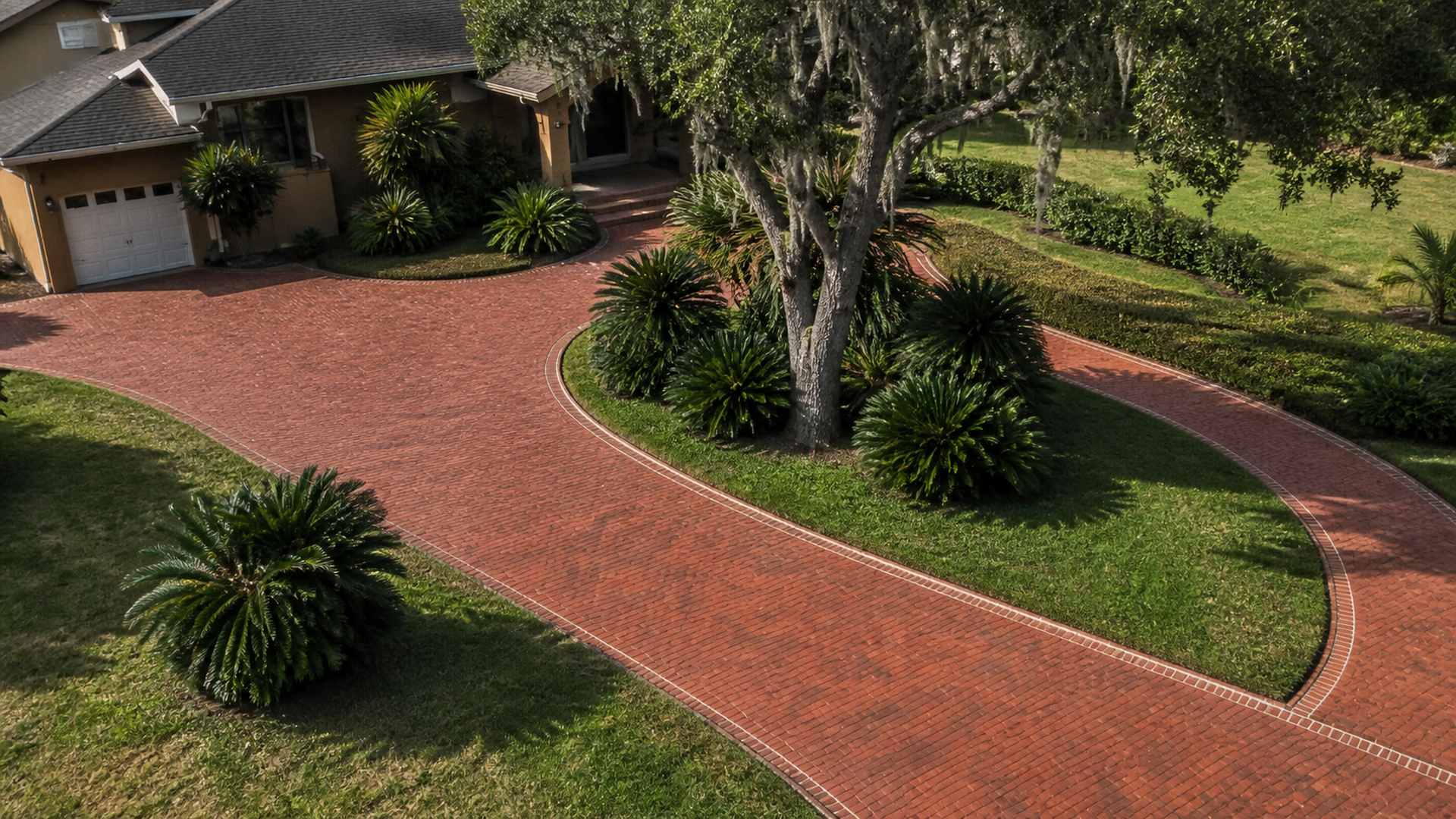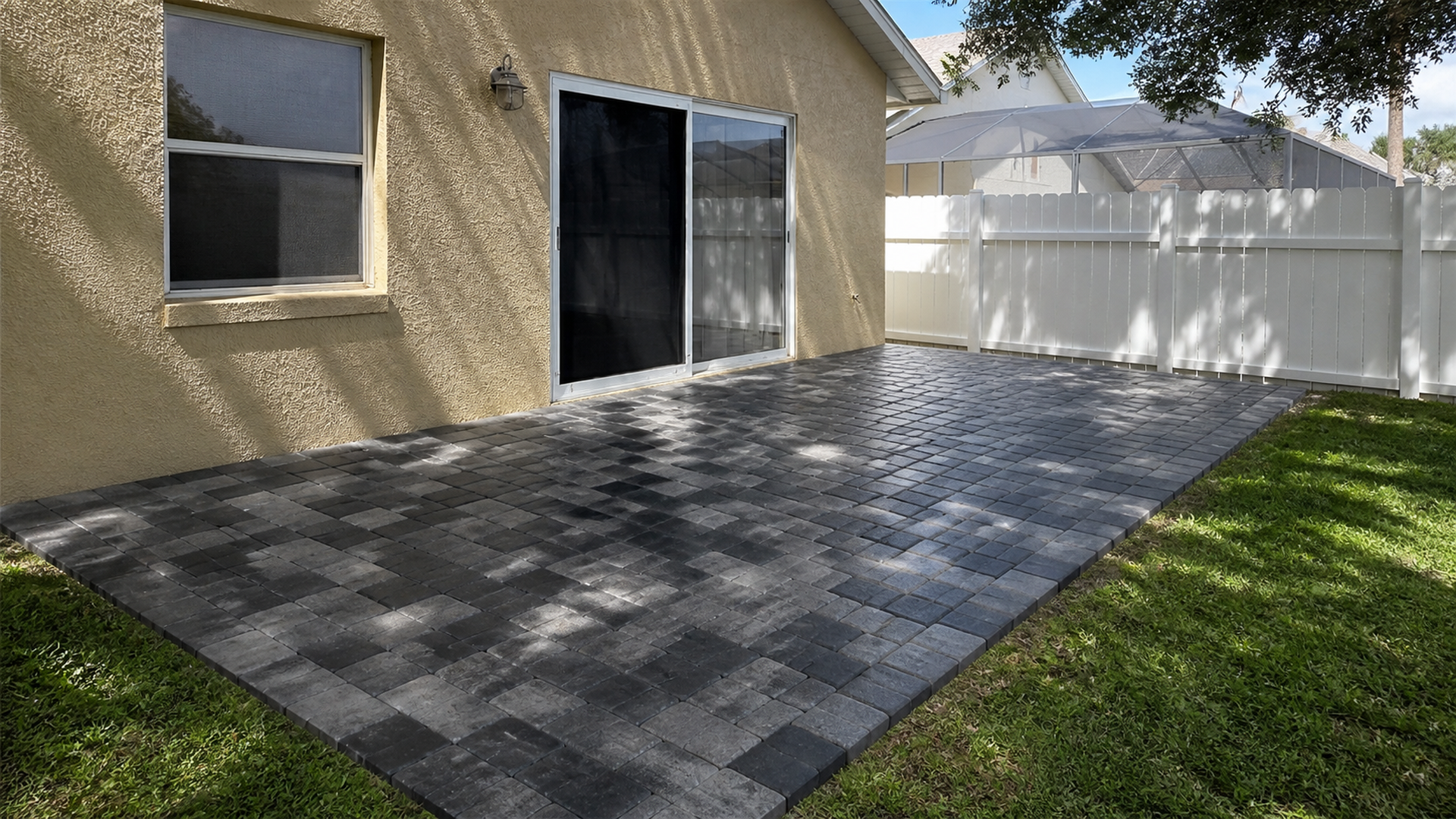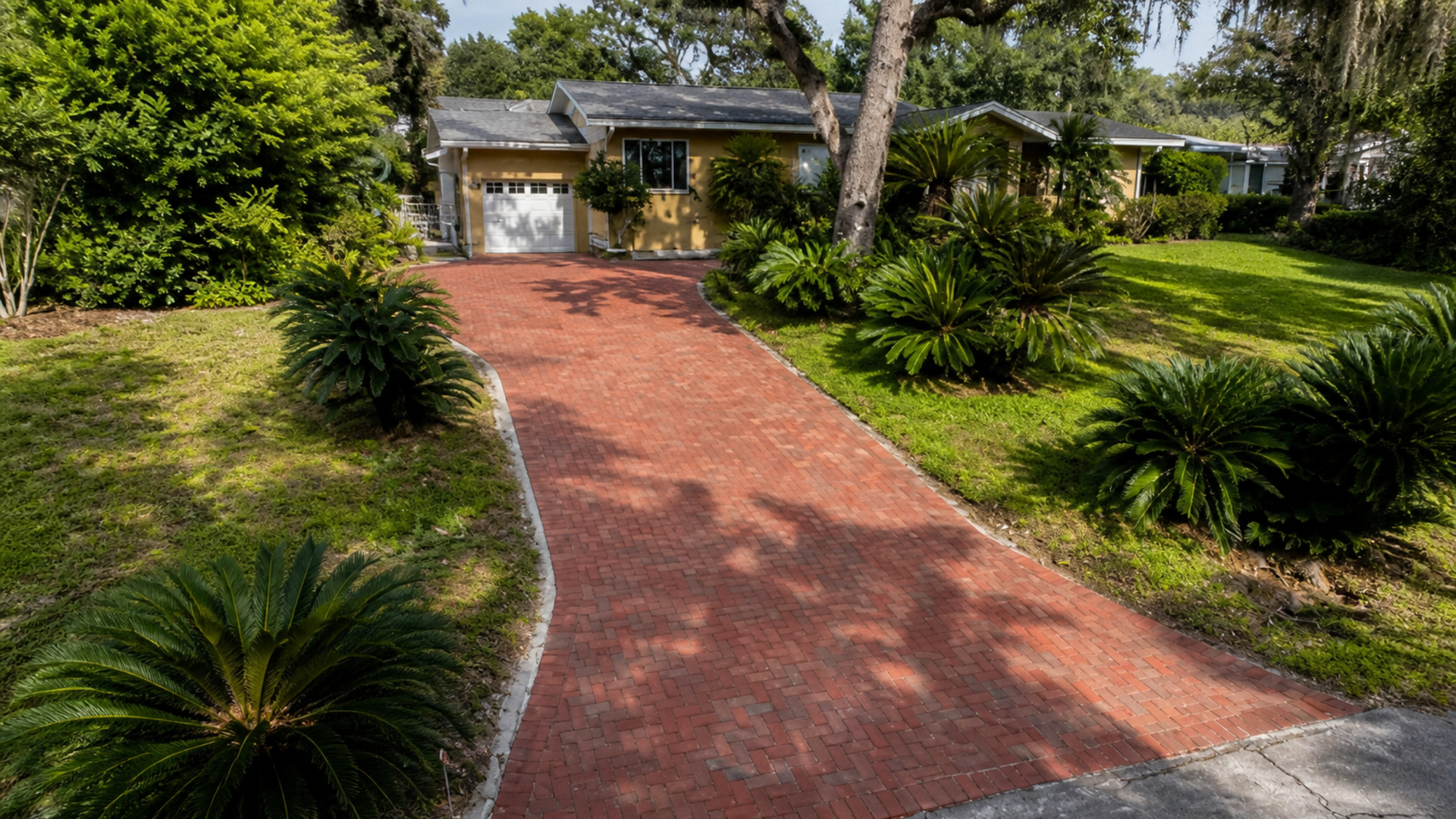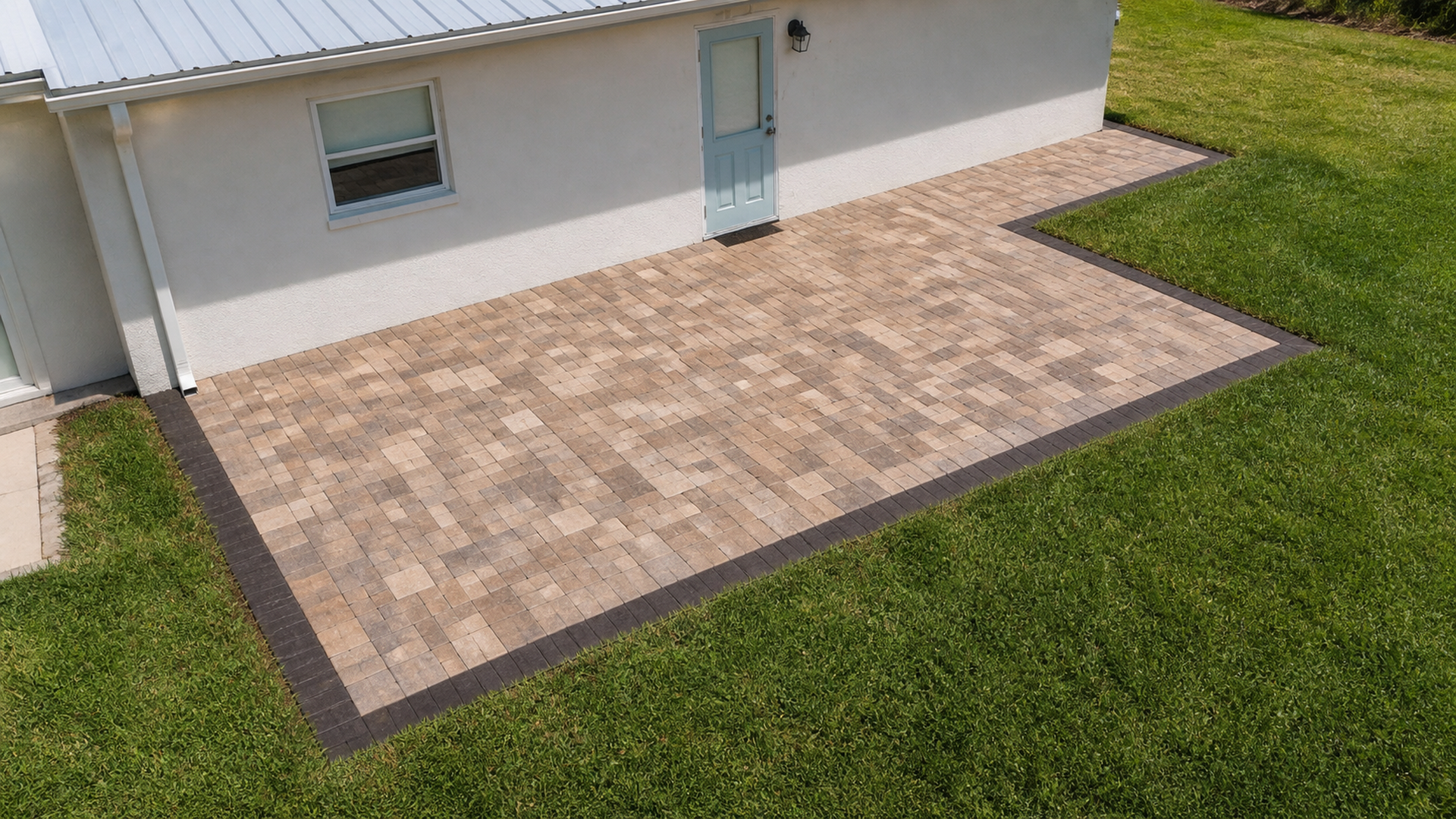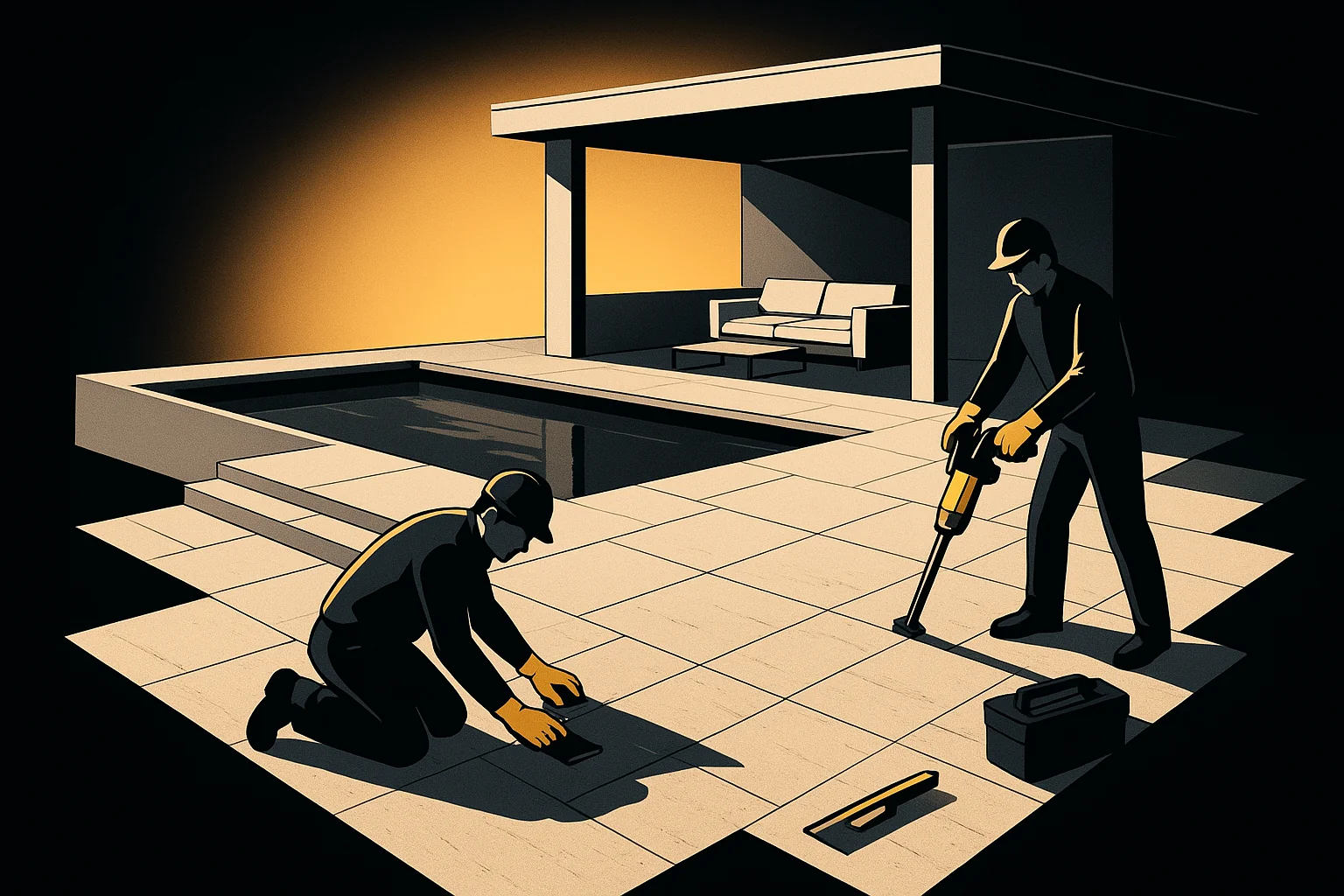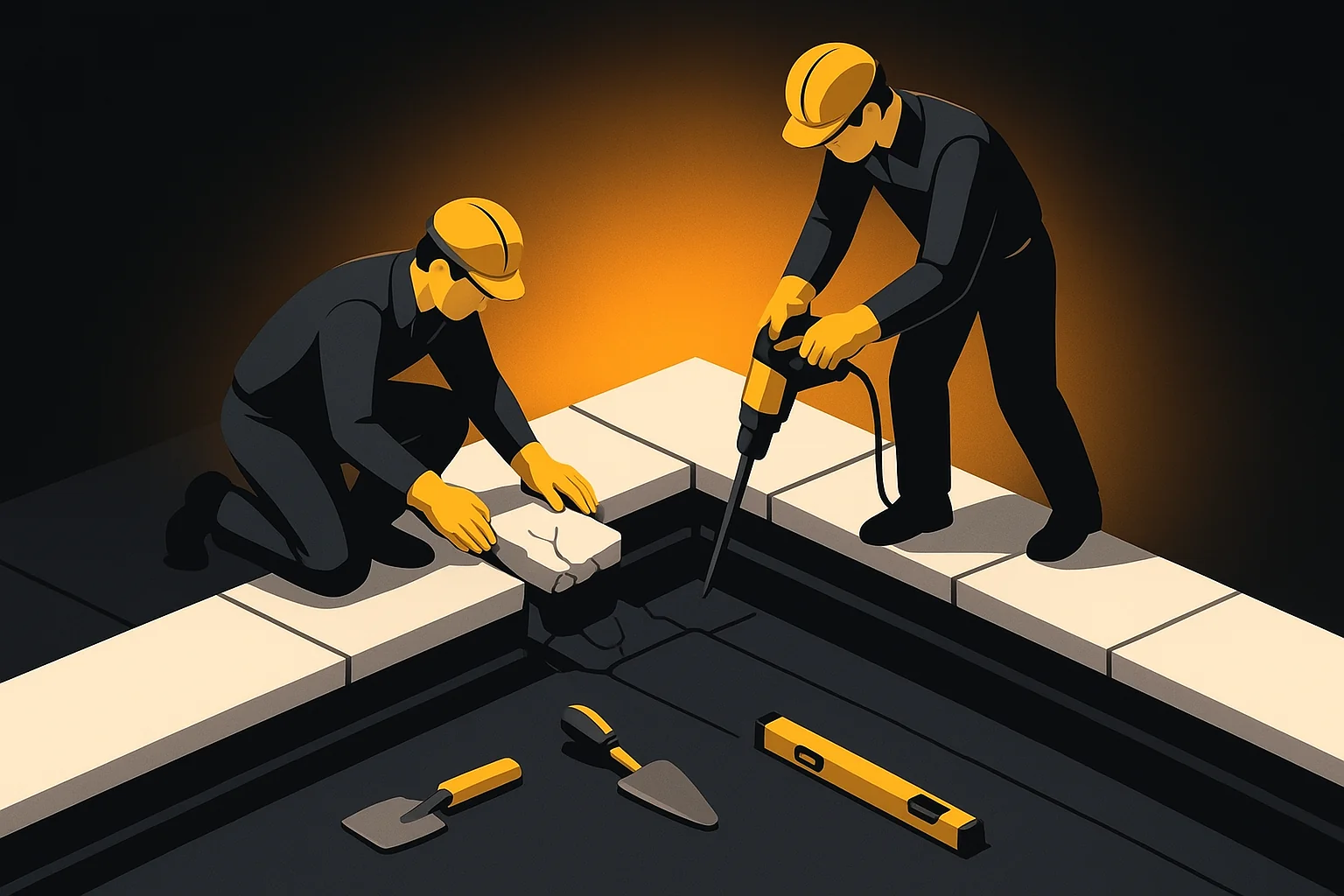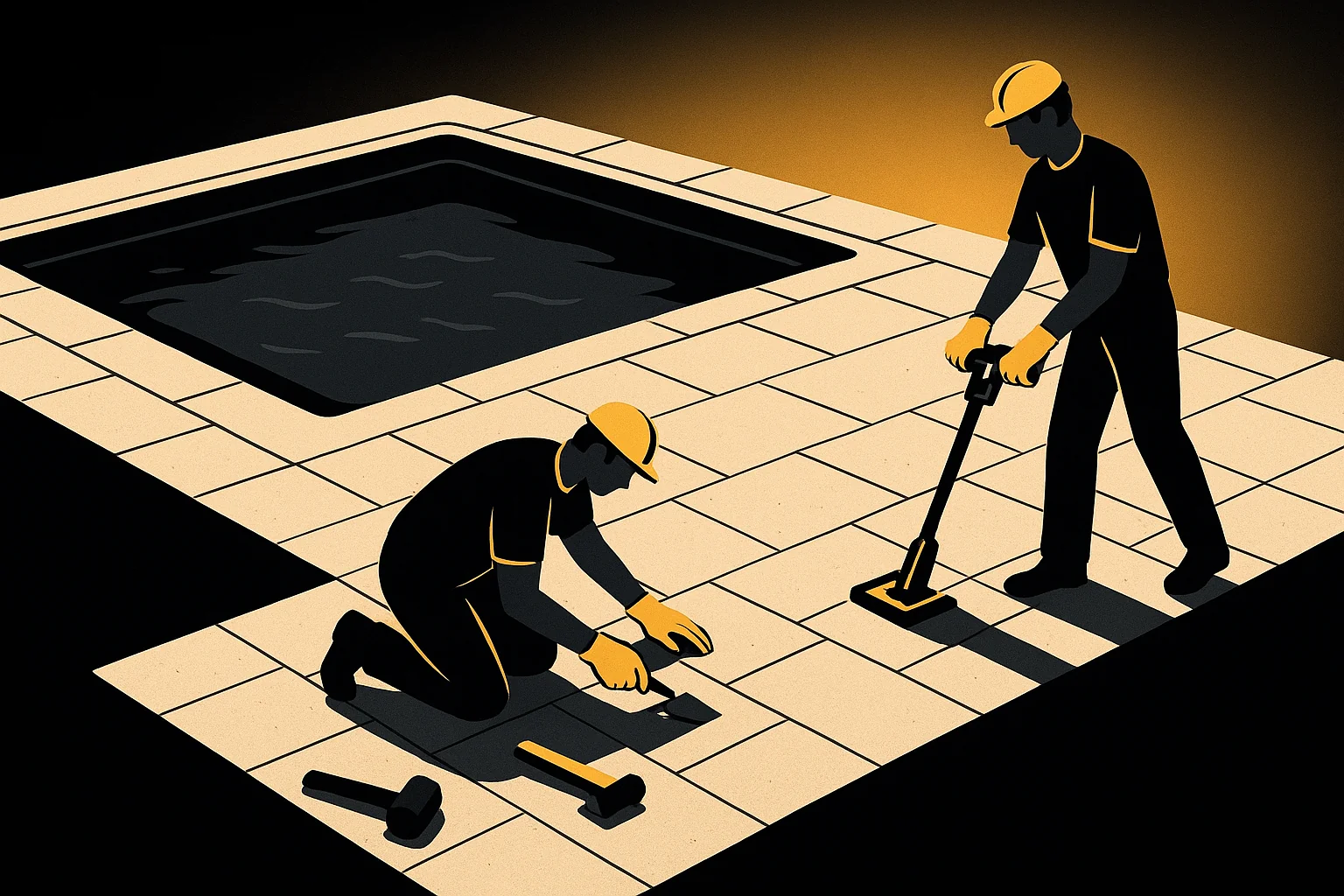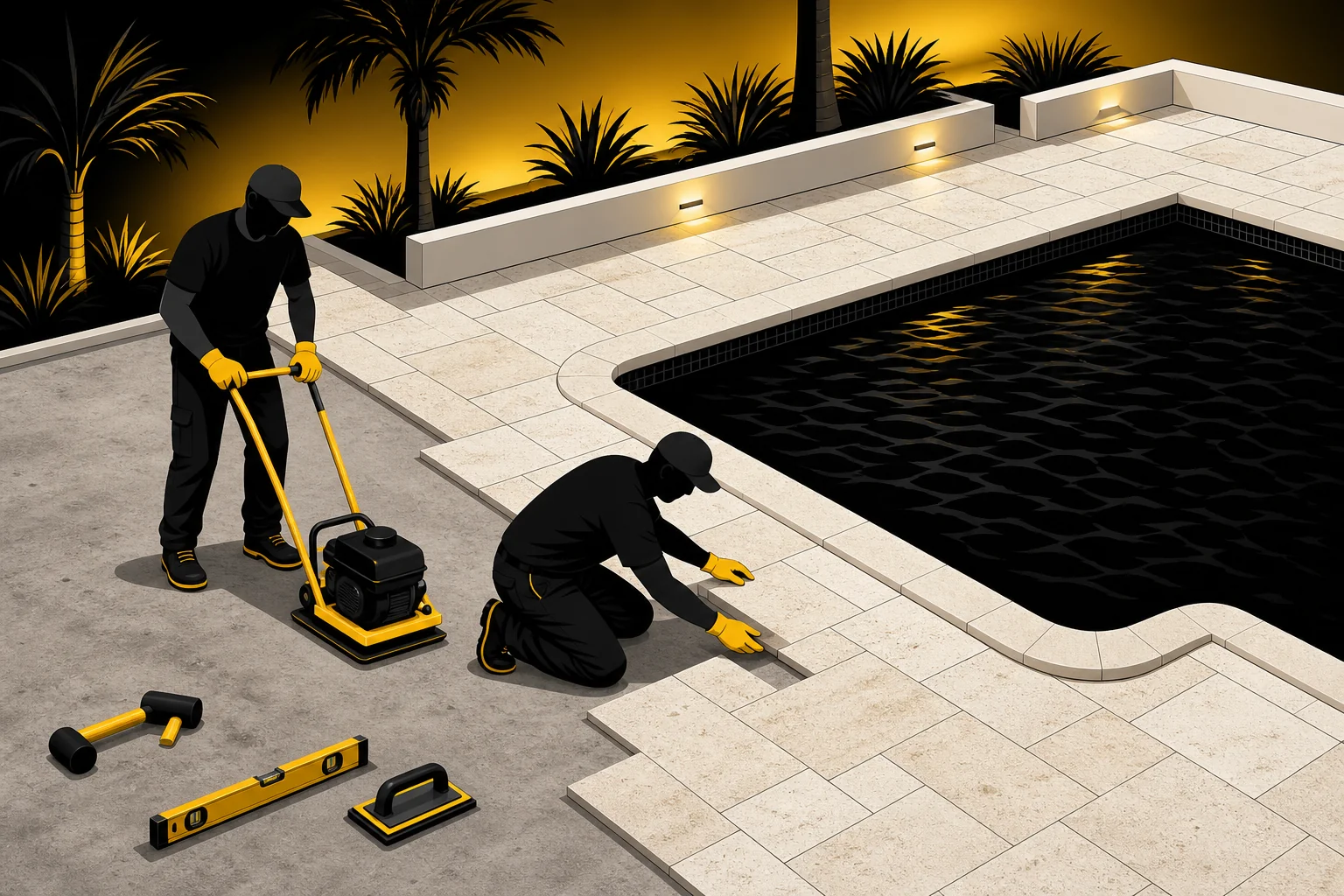
Pool coping is one of the most important — and often overlooked — elements of a pool design. More than a decorative edge, coping protects the pool structure, improves safety, and defines the overall style of the pool area.
In Florida, where pools are exposed to intense sun, constant moisture, and frequent use, choosing the right coping material makes a major difference in comfort, durability, and long-term maintenance.
This guide breaks down the three most common pool coping options in Florida — pavers, travertine, and concrete — so homeowners can make a confident, informed decision.
What Is Pool Coping and Why It Matters
Pool coping is the cap or edge installed around the pool perimeter.
Key functions of pool coping
- Protects the pool shell
- Prevents water intrusion behind the pool
- Improves slip resistance
- Creates a clean visual transition to the deck
In Florida, coping must perform under heat, humidity, and constant moisture.
Option #1: Paver Pool Coping
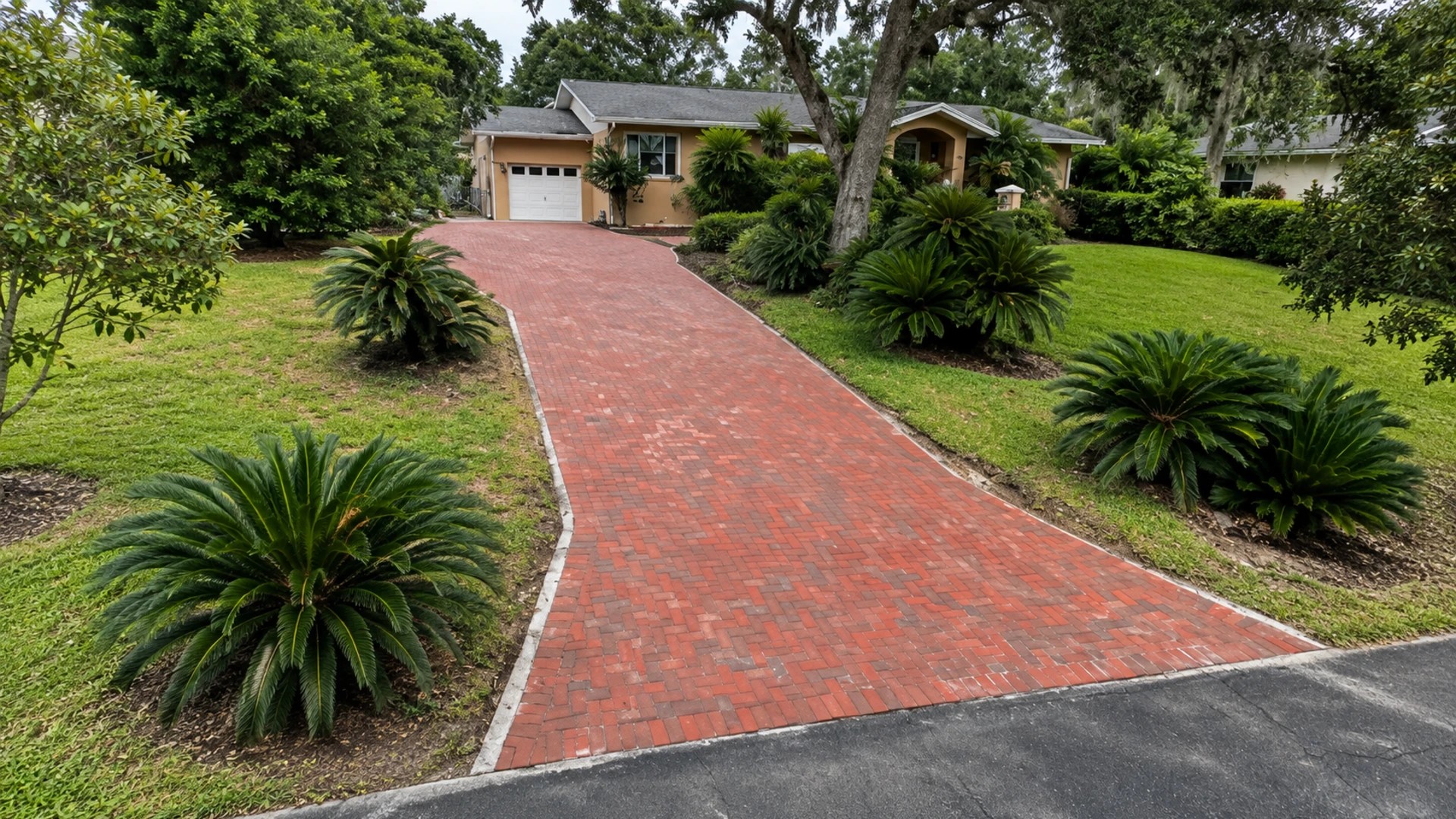
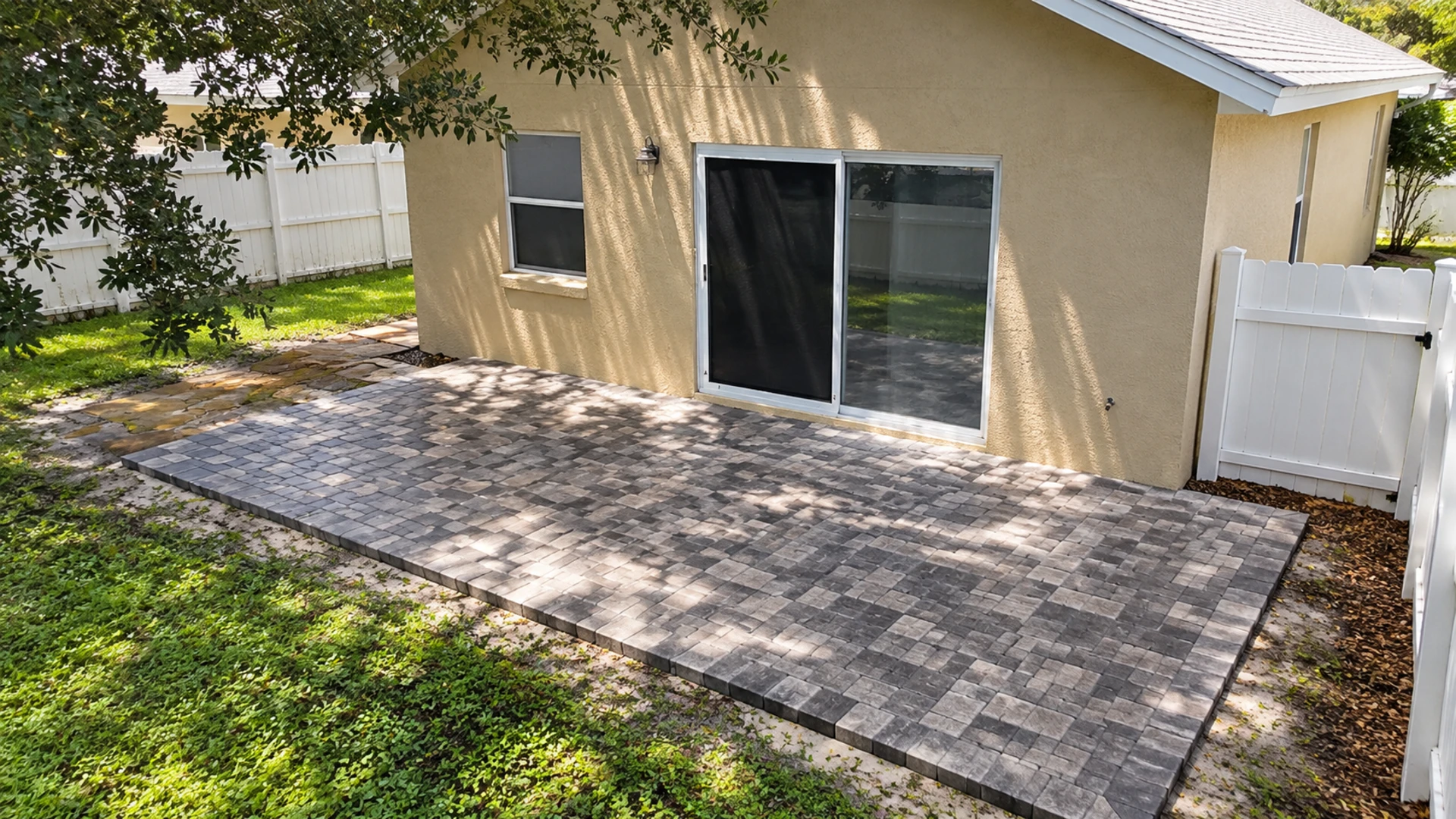
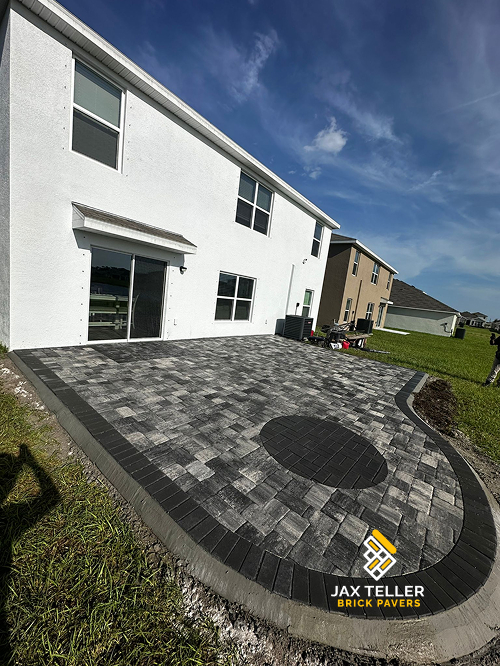
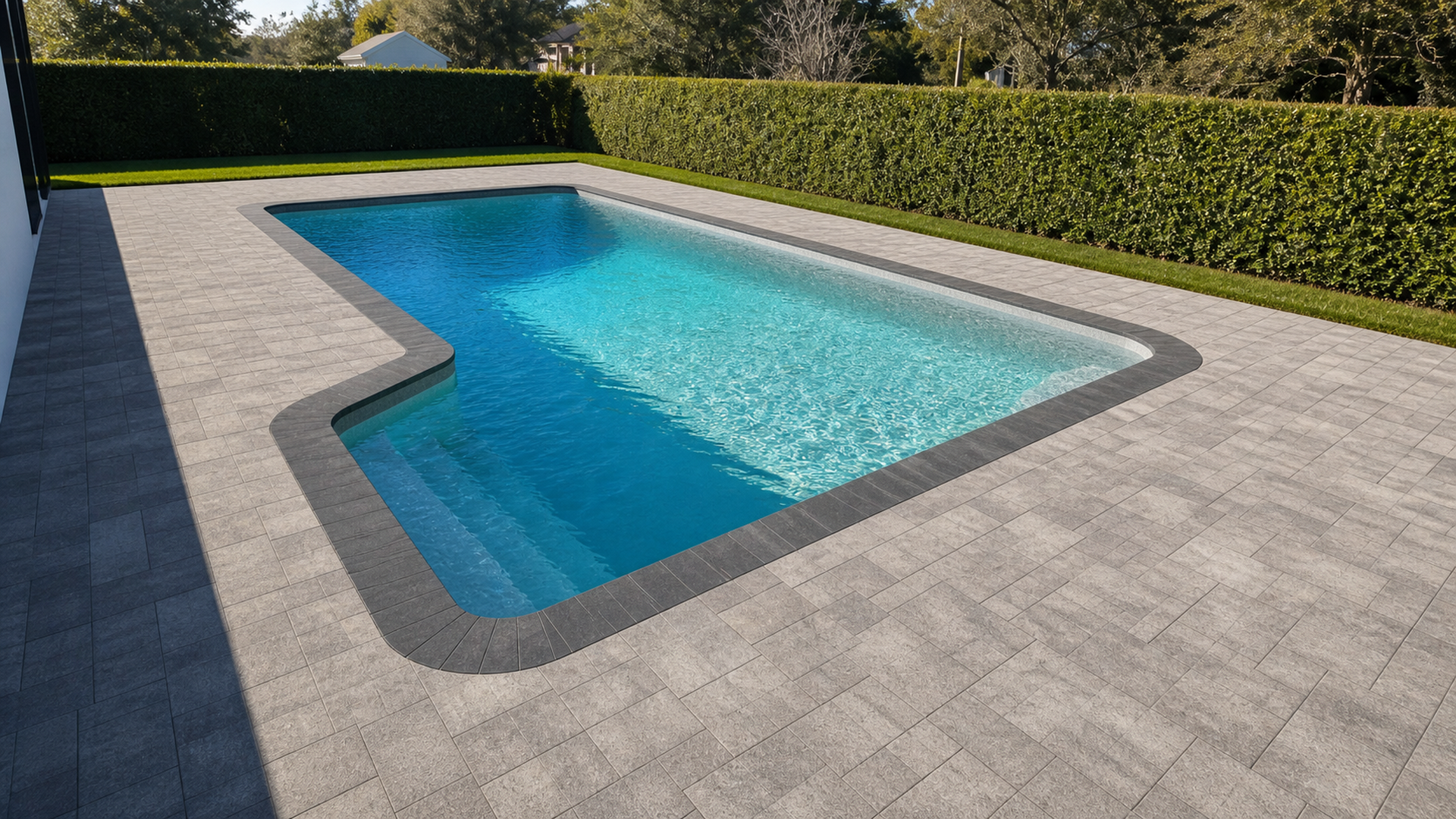
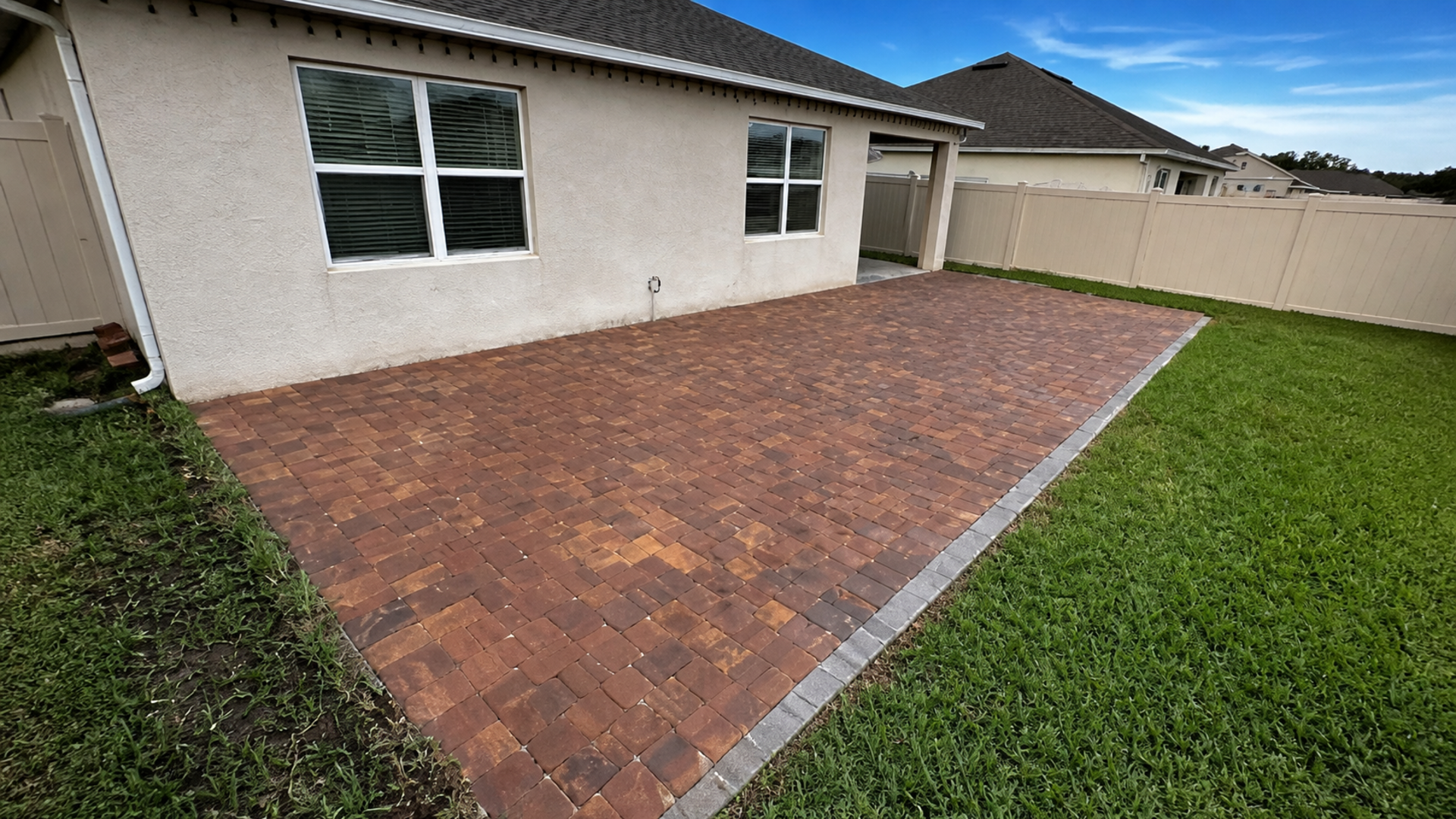
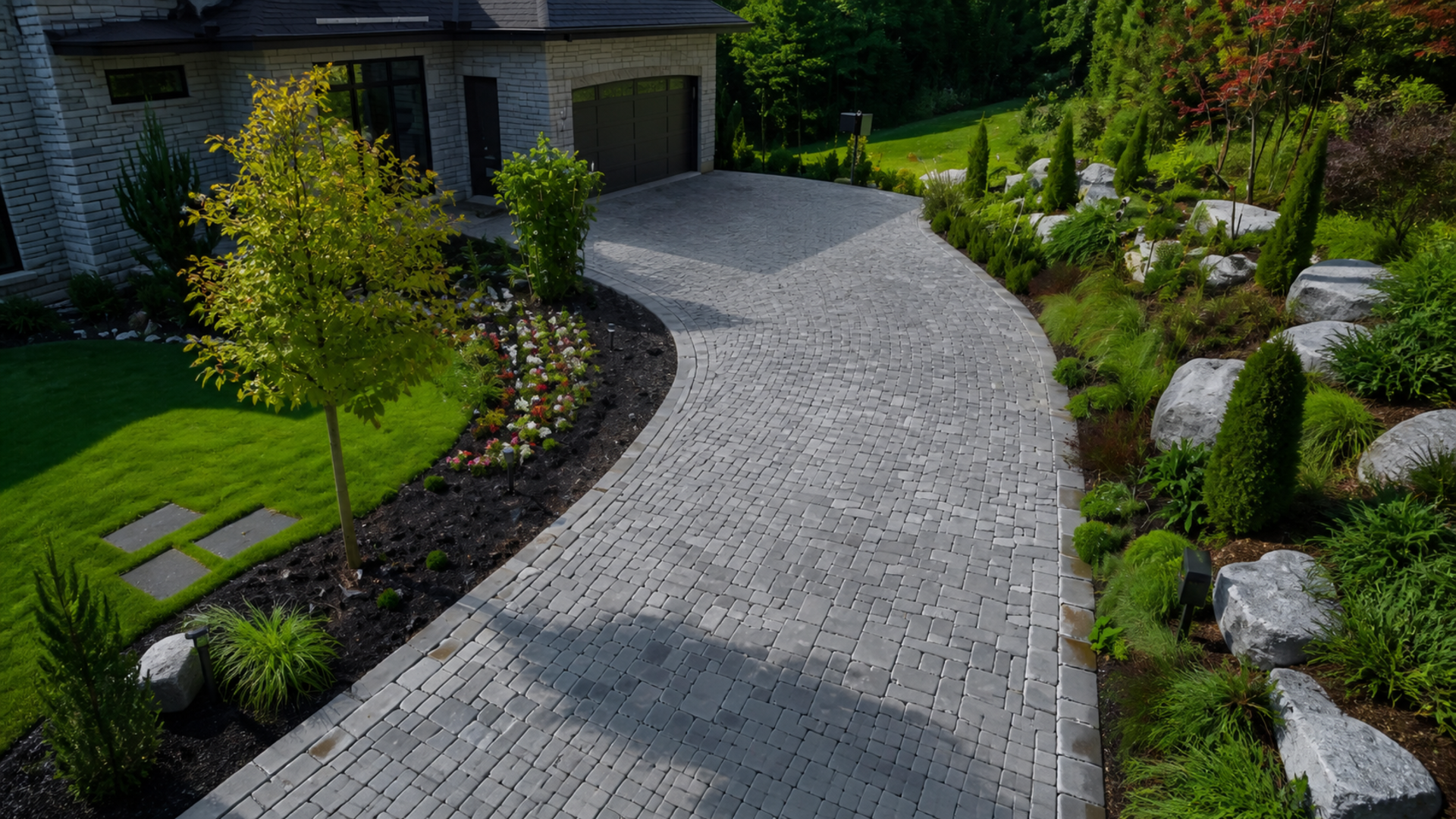
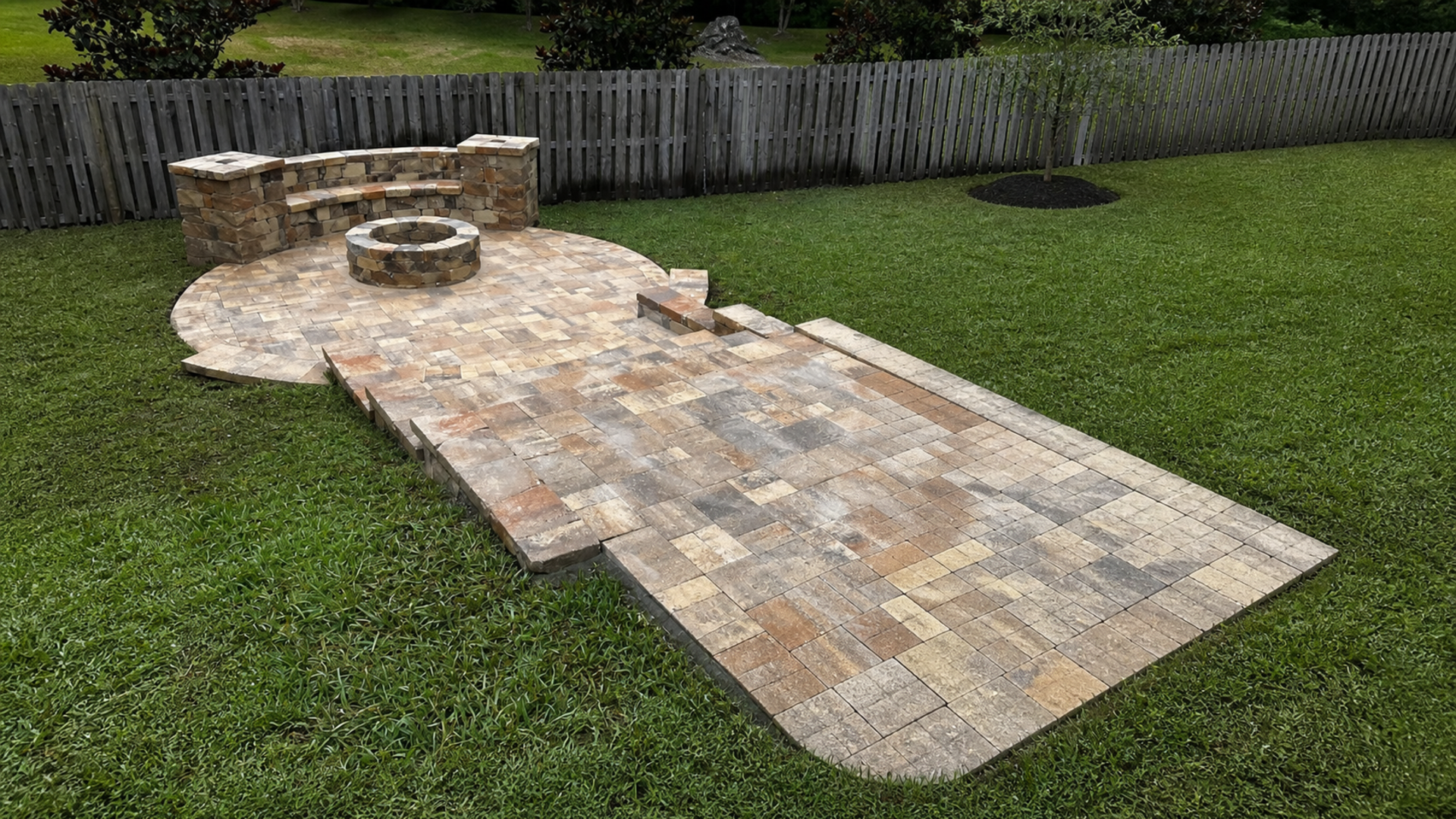
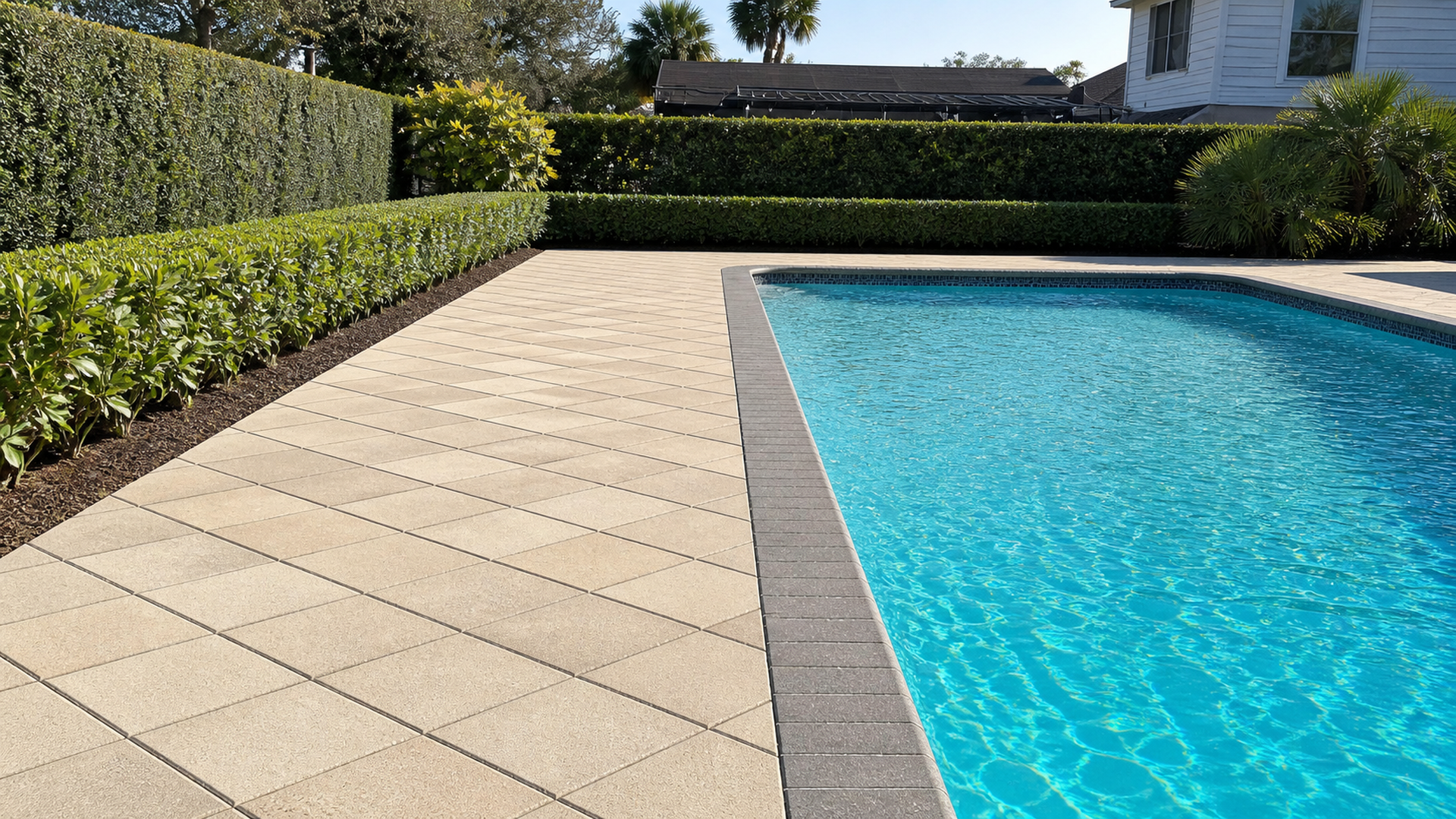
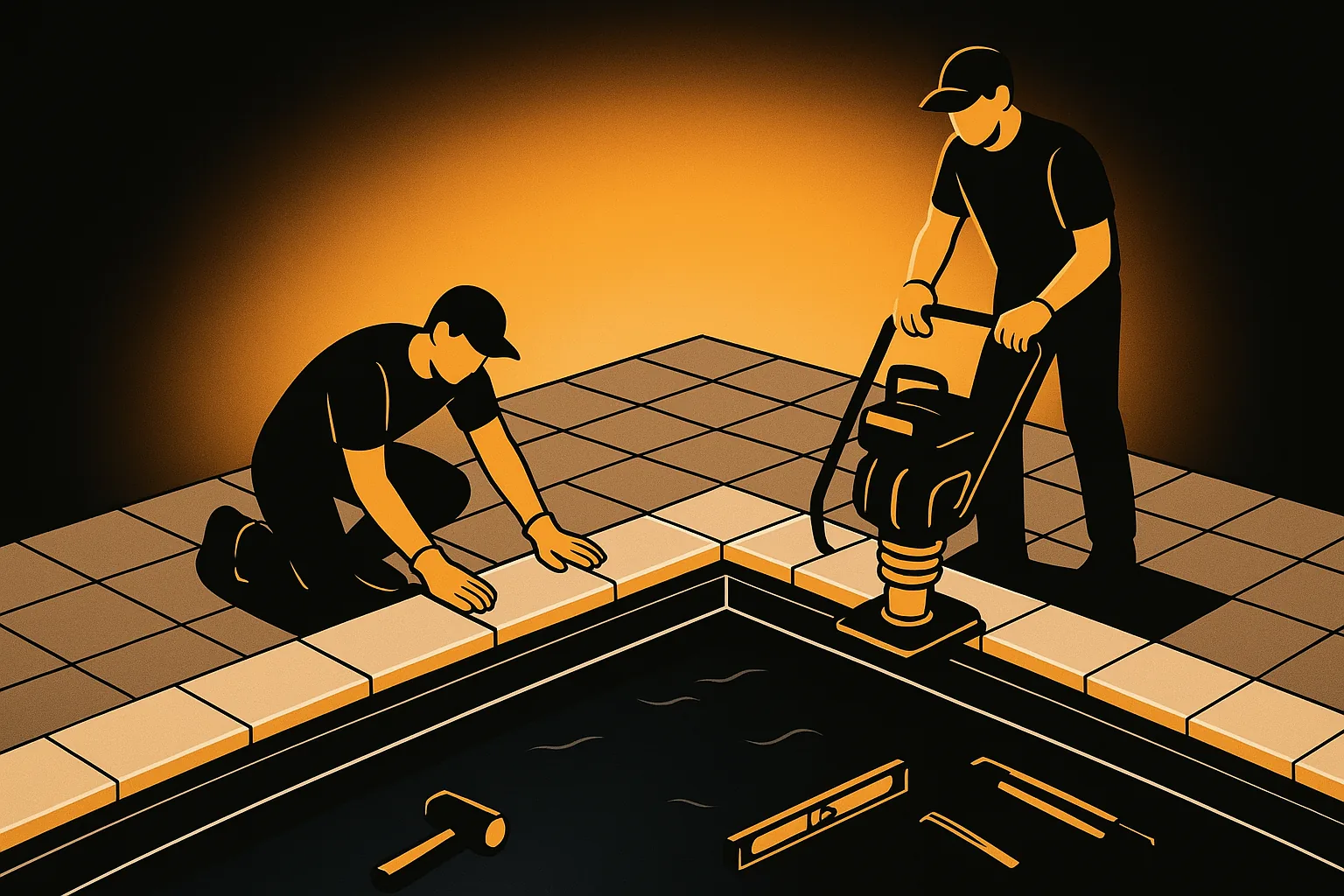
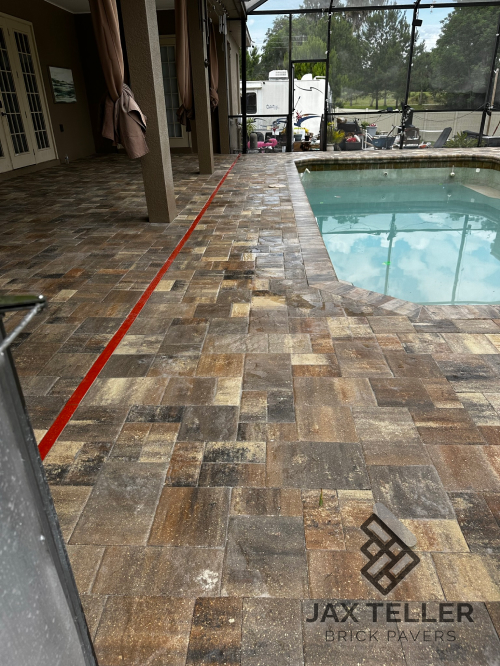
Paver coping uses specially shaped or cut pavers to cap the pool edge.
Advantages of paver coping
- Strong durability and flexibility
- Excellent slip resistance
- Easy replacement of individual units
- Seamless integration with paver decks
Pavers adapt well to Florida’s shifting soil conditions.
Design flexibility with pavers
- Straight or curved pool shapes
- Matching deck and coping materials
- Modern or traditional looks
Paver coping works especially well for custom pool designs.
Considerations
- Requires precise installation
- Slightly higher cost than basic concrete
- Professional experience is essential
Option #2: Travertine Pool Coping
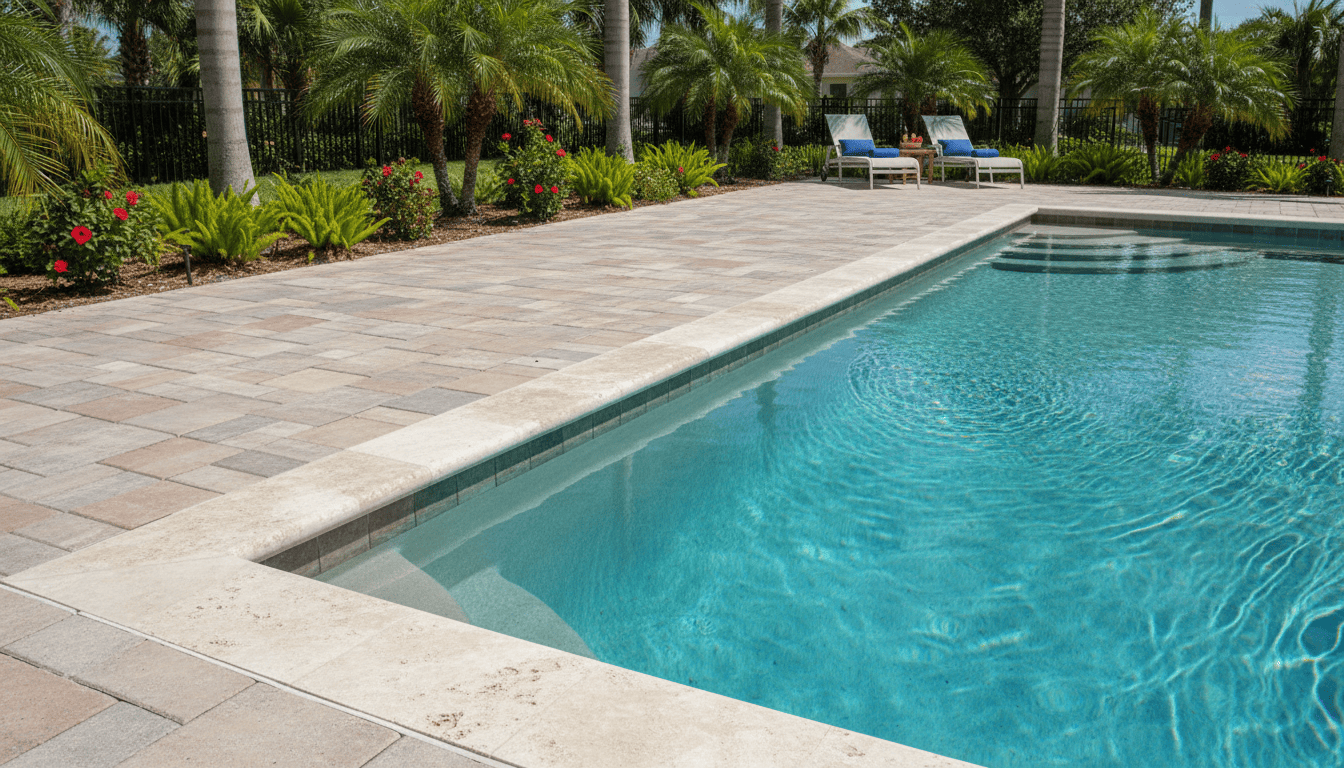
Travertine is a natural stone widely used in luxury pool designs.
Advantages of travertine coping
- Stays cooler under direct sun
- Naturally slip-resistant texture
- High-end, resort-style appearance
- Complements tropical landscaping
Travertine is a favorite for upscale Florida pools.
Design appeal
- Soft, natural color tones
- Timeless elegance
- Seamless luxury aesthetic
Travertine coping elevates the entire pool area.
Considerations
- Higher material cost
- Requires sealing
- Natural variations in color and texture
Travertine needs proper care to maintain appearance.
Option #3: Concrete Pool Coping
Concrete coping is poured or precast along the pool edge.
Advantages of concrete coping
- Lower upfront cost
- Simple installation
- Uniform appearance
Concrete is often used in basic pool builds.
Limitations in Florida
- Absorbs heat quickly
- Prone to cracking over time
- Repairs are often visible
- Limited design flexibility
Concrete struggles with Florida’s soil movement.
Heat Resistance Comparison
Pavers
- Moderate heat retention
- Cooler than concrete
- Available in light colors
Travertine
- Excellent heat reflection
- Comfortable for bare feet
Concrete
- Retains heat
- Often uncomfortable in summer
🏆 Best for heat: Travertine
🥈 Second: Pavers
Slip Resistance and Safety
Safety is critical around pools.
Ranking
- Travertine (naturally textured)
- Pavers (slip-resistant finishes)
- Concrete (requires special treatments)
Travertine and pavers offer safer footing when wet.
Durability and Longevity in Florida
Pavers
- Flexible system
- Easy localized repairs
- Long lifespan
Travertine
- Durable natural stone
- Requires sealing
- Sensitive to improper installation
Concrete
- Cracks over time
- Difficult repairs
- Shorter lifespan
🏆 Most durable overall: Pavers
Maintenance Requirements
Pavers
- Sweep and rinse
- Re-sand joints as needed
- Optional sealing
Travertine
- Regular cleaning
- Periodic sealing
- Avoid acidic cleaners
Concrete
- Crack repairs
- Surface resurfacing
- Stain removal challenges
Lowest maintenance typically comes from pavers.
Cost Comparison (Long-Term)
- Concrete: Lowest upfront, highest repair cost
- Travertine: Highest upfront, premium value
- Pavers: Balanced investment with long-term savings
When lifespan and repairs are considered, pavers often deliver the best ROI.
Which Pool Coping Option Is Best for Florida?
Choose pavers if you want:
- Durability and flexibility
- Easy repairs
- Consistent performance
Choose travertine if you want:
- Luxury appearance
- Cooler surface
- Resort-style design
Choose concrete if:
- Budget is the main concern
- Design flexibility is not a priority
Explore More Poolside Projects and Standards
For real Florida pool coping projects using pavers and travertine, explore our gallery:
https://jaxtellerbrickpavers.com/projects
To review official pool coping and paving standards, visit the Interlocking Concrete Pavement Institute:
https://www.icpi.org/
Conclusion
Pool Coping Options in Florida vary widely in performance, comfort, and appearance. While concrete offers affordability, pavers and travertine outperform it in safety, durability, and long-term value. The right choice depends on budget, design goals, and how the pool will be used.
For expert guidance on pool coping design and installation, contact JaxTeller Brick Pavers at +1 407-907-8308 or jaxtellerbrickpavers@gmail.com for a free estimate. 🏊♂️🧱