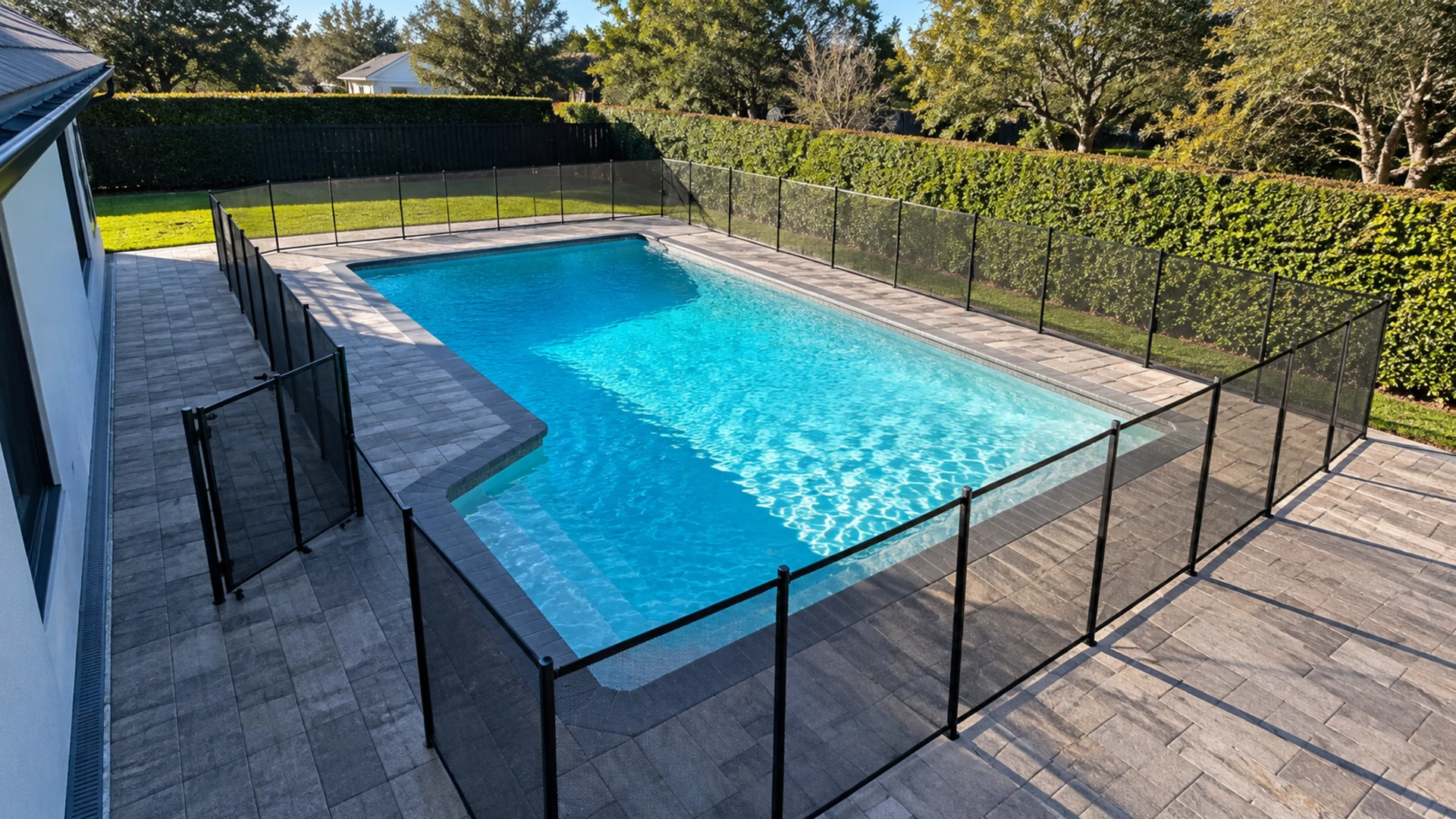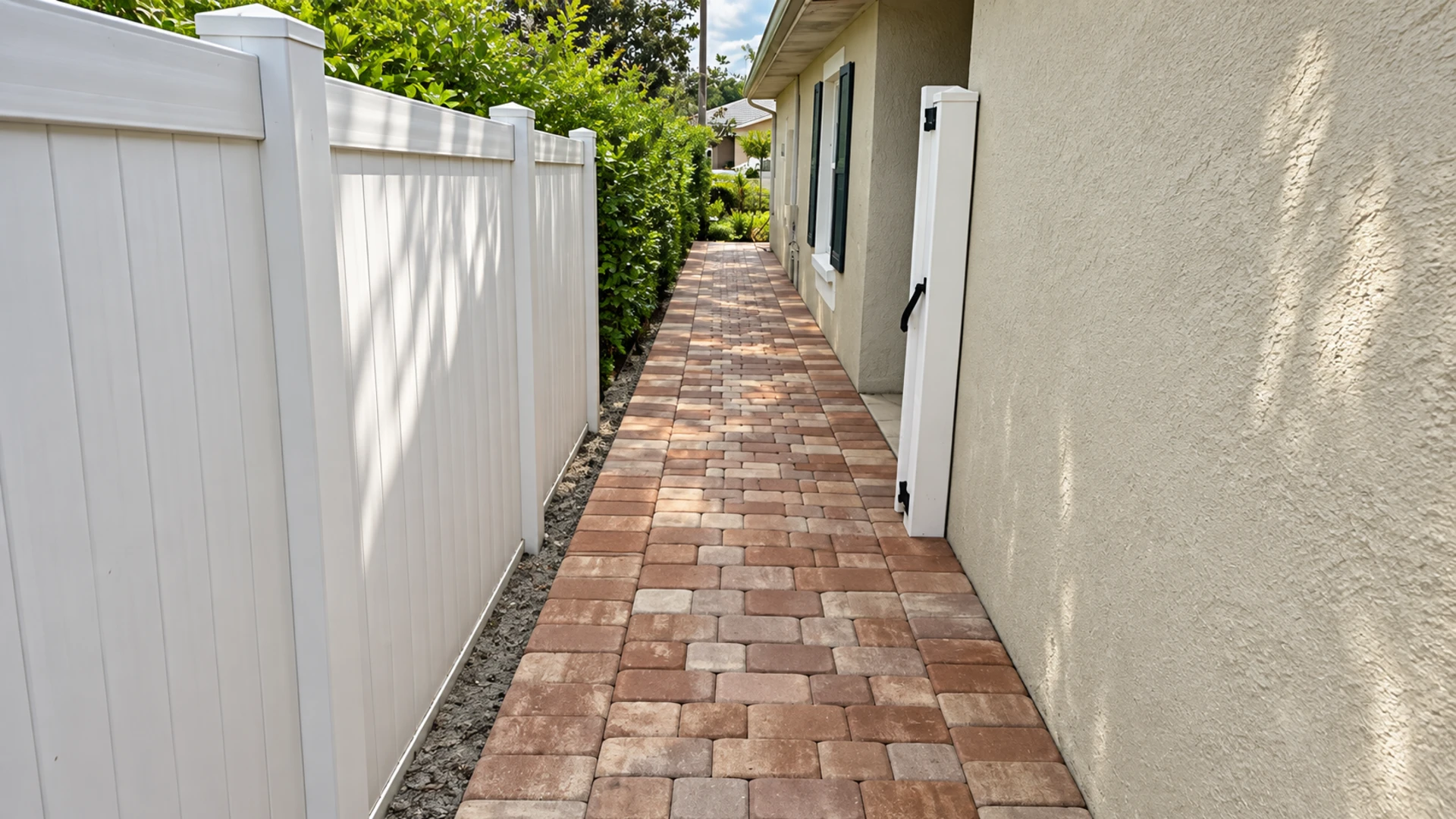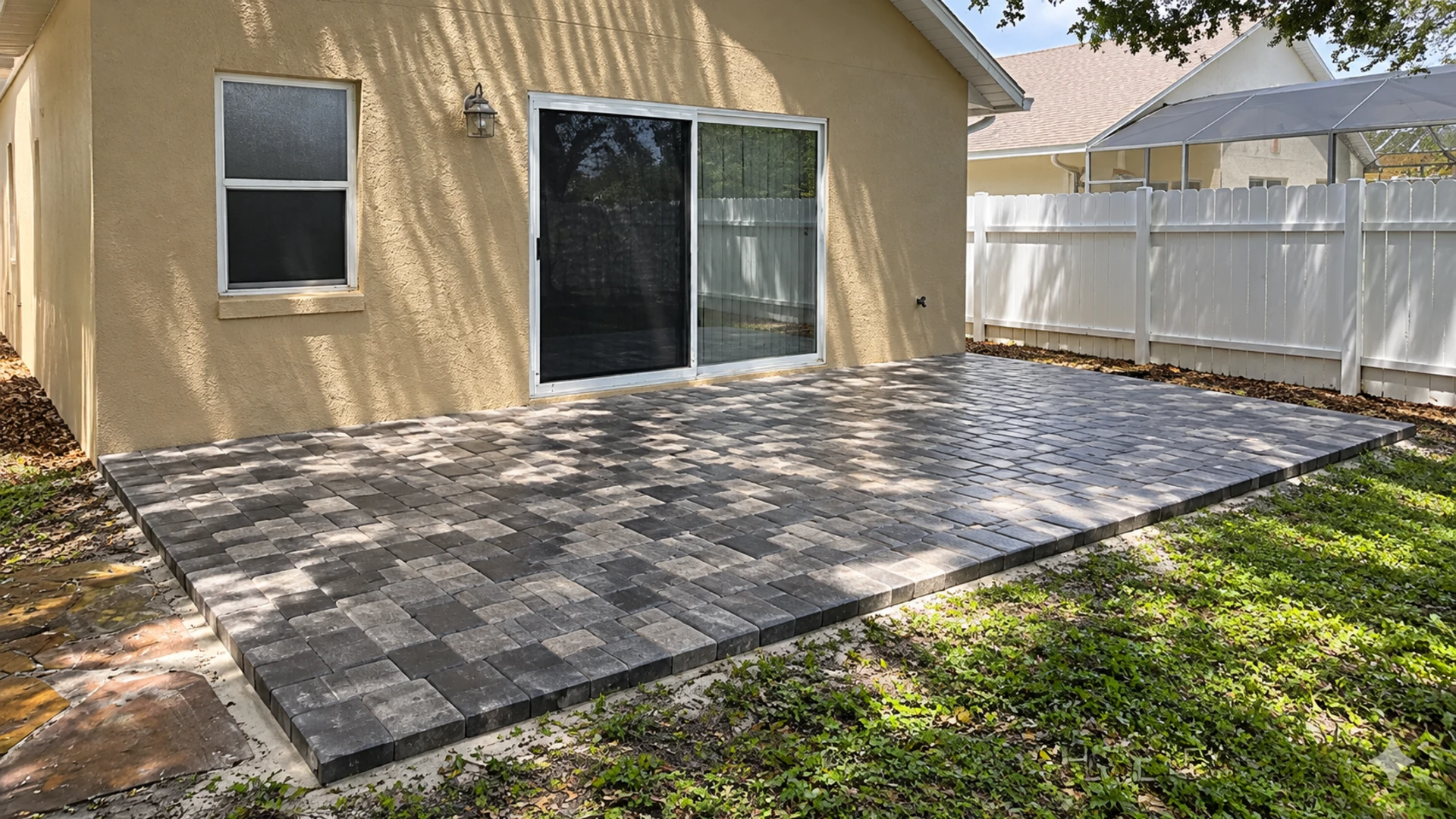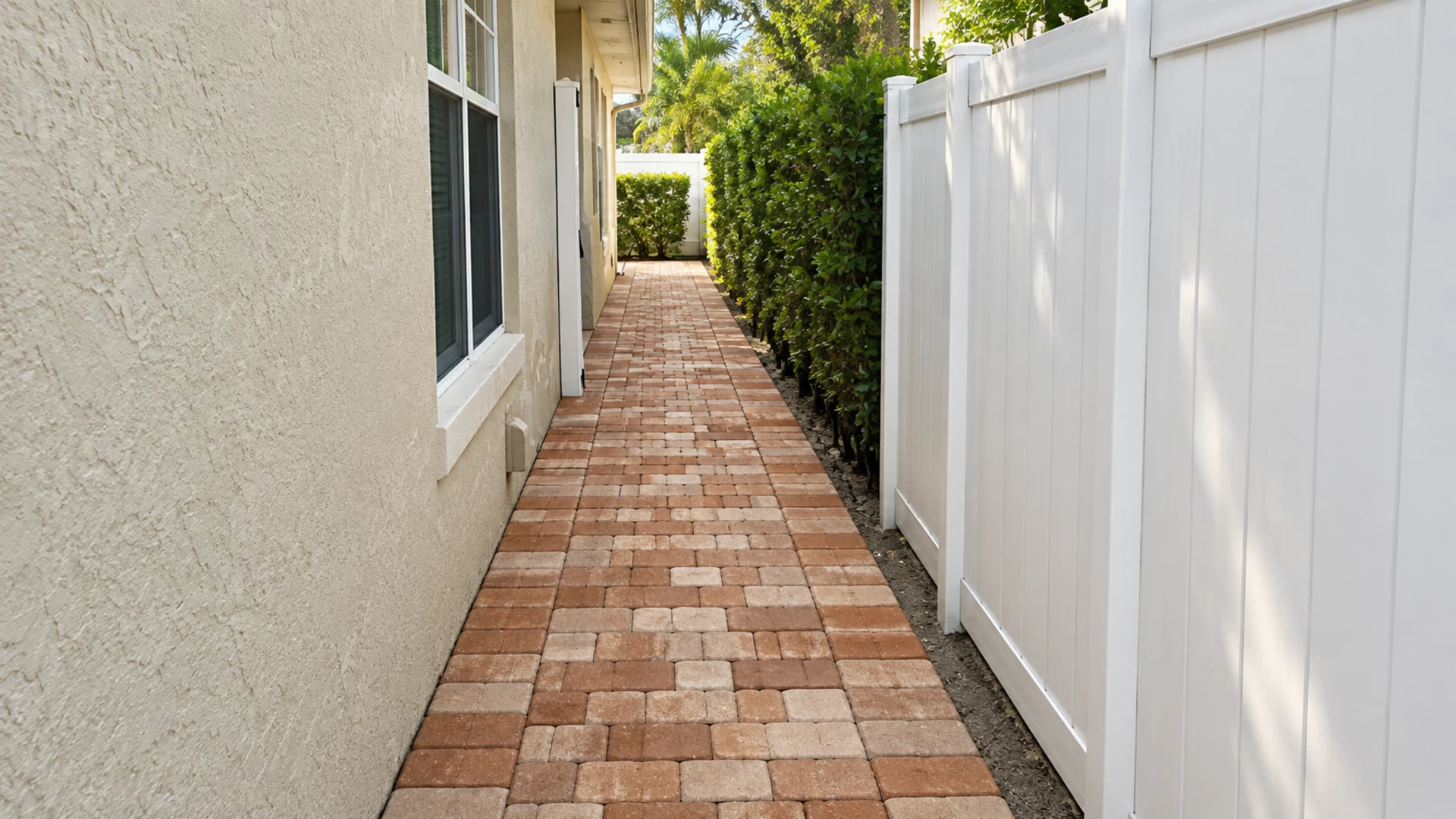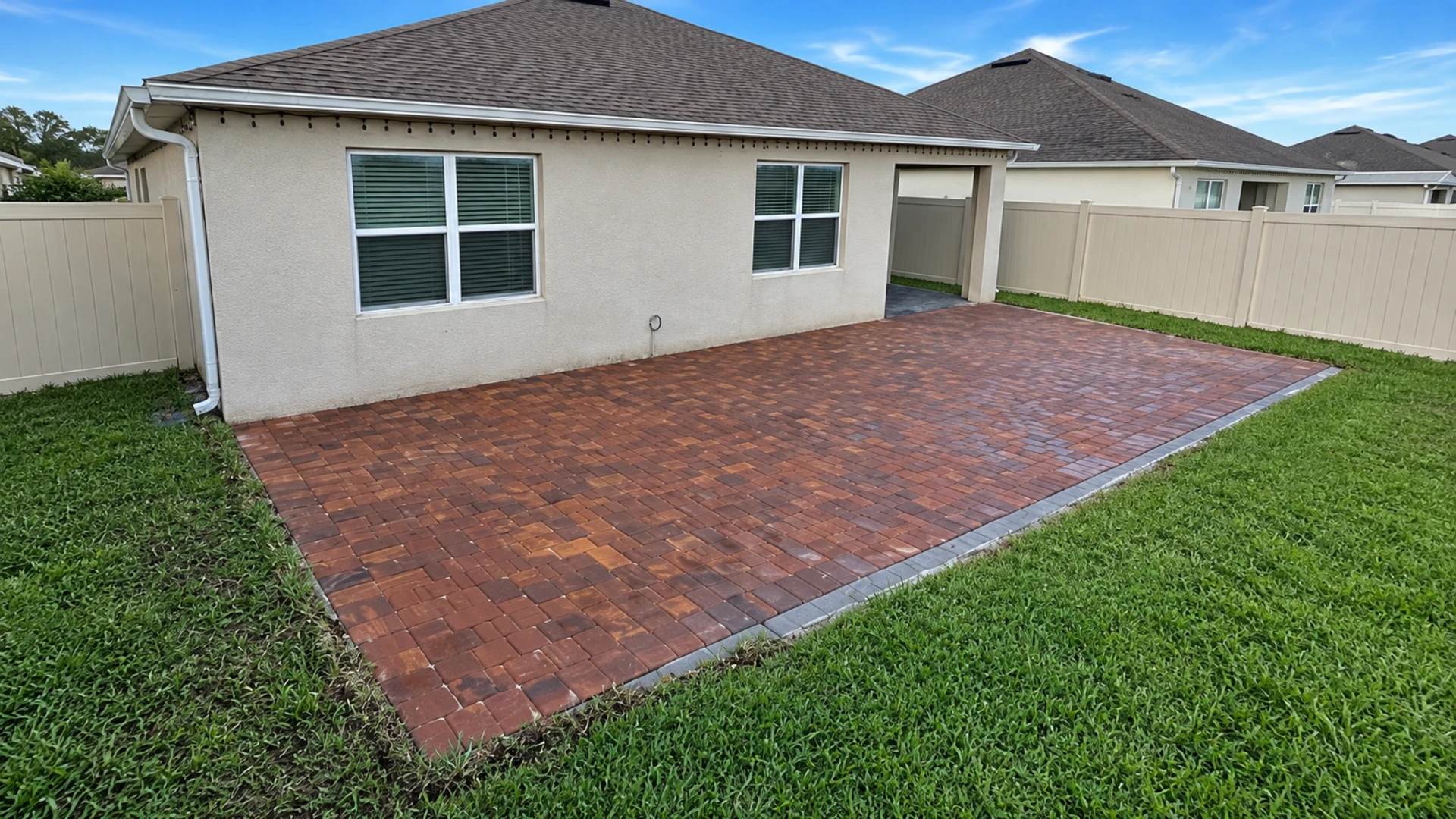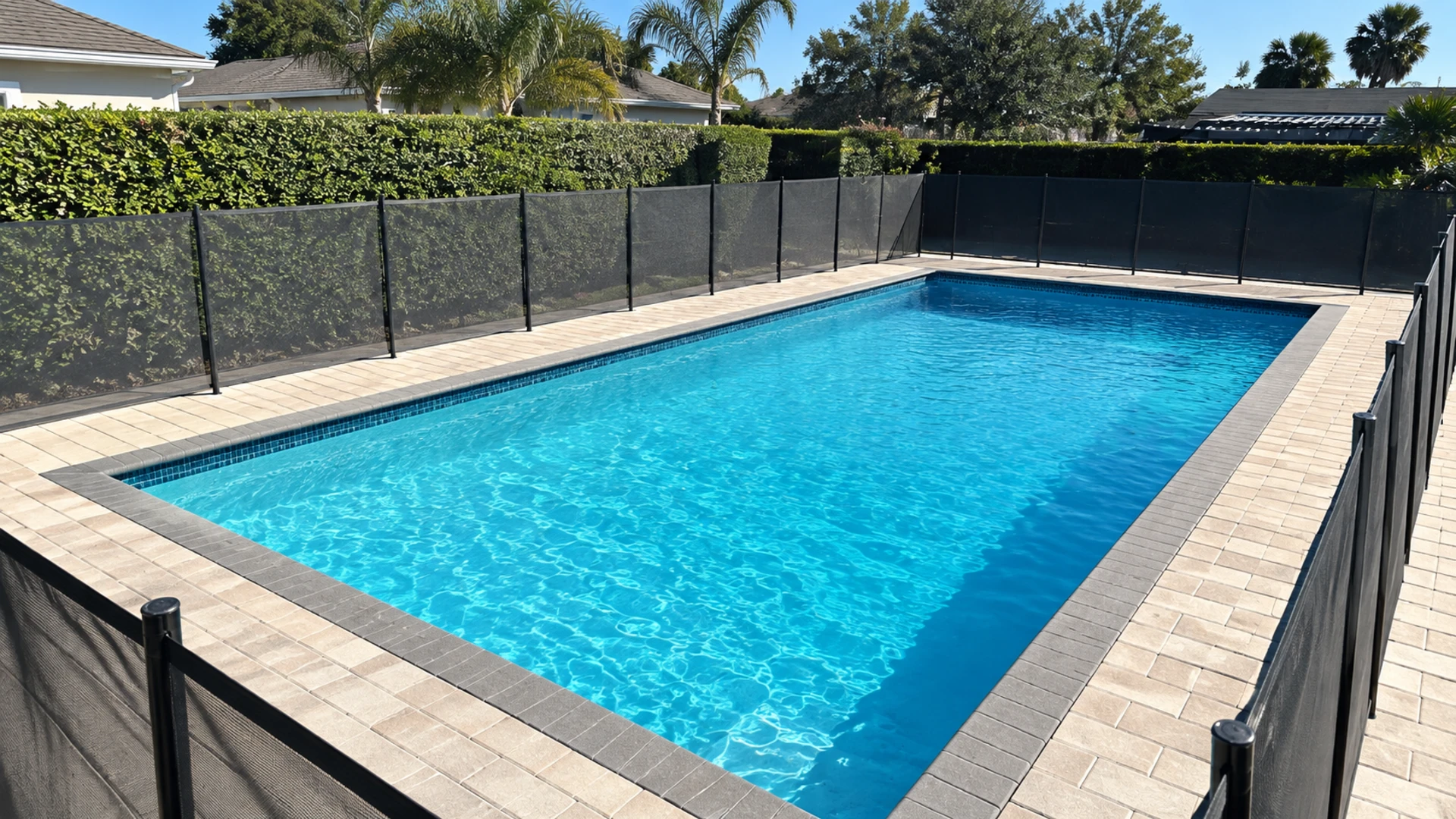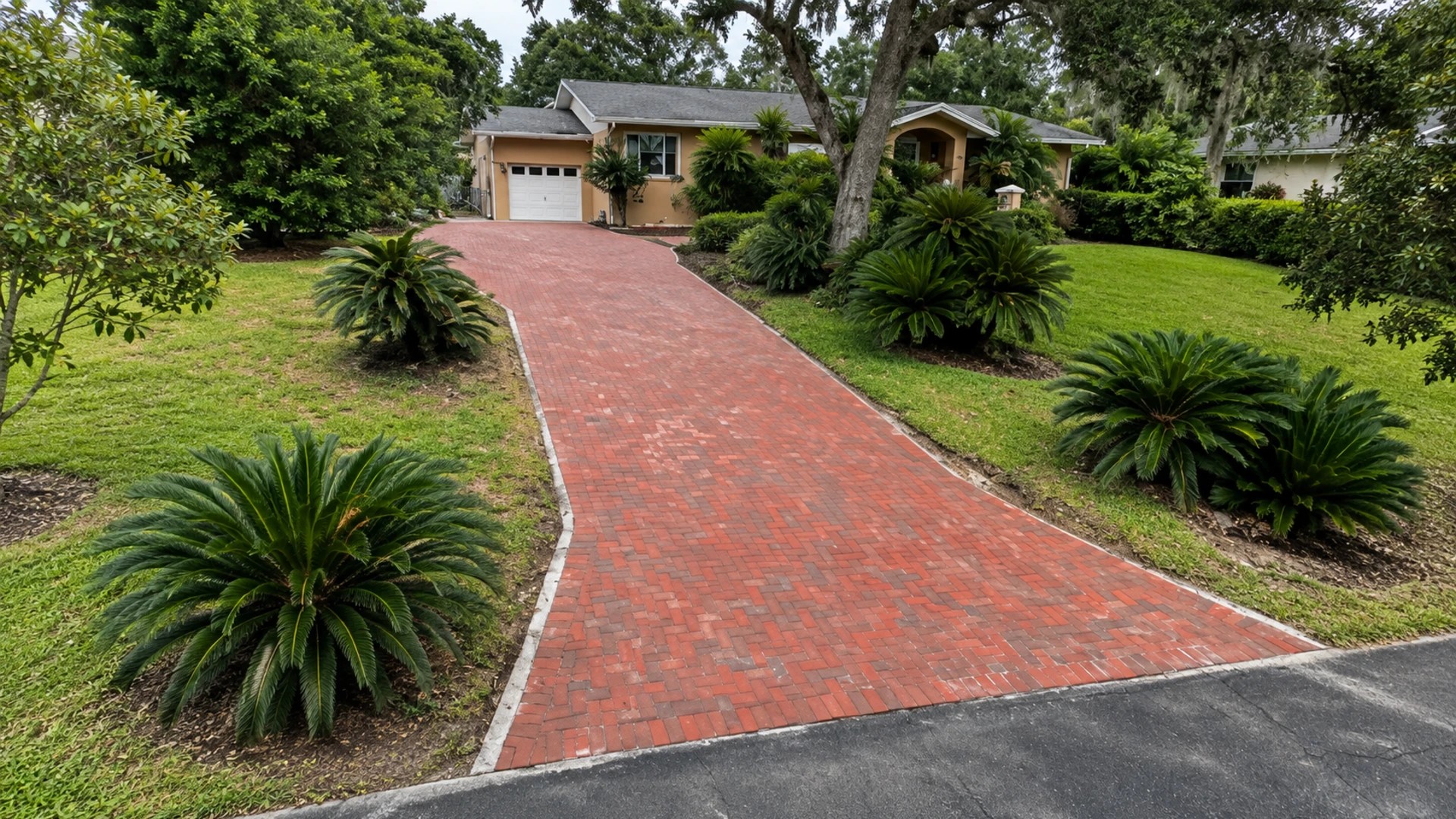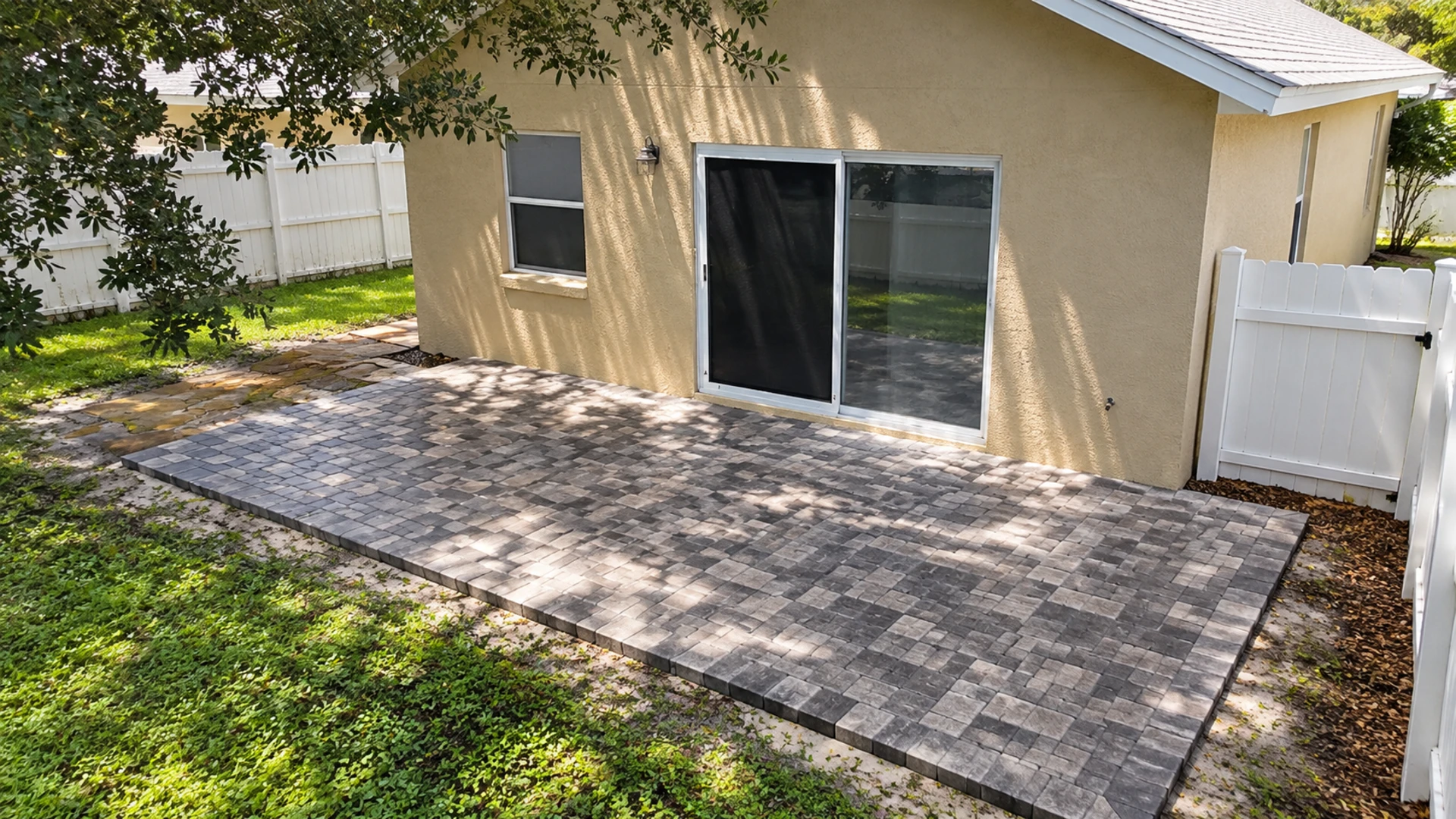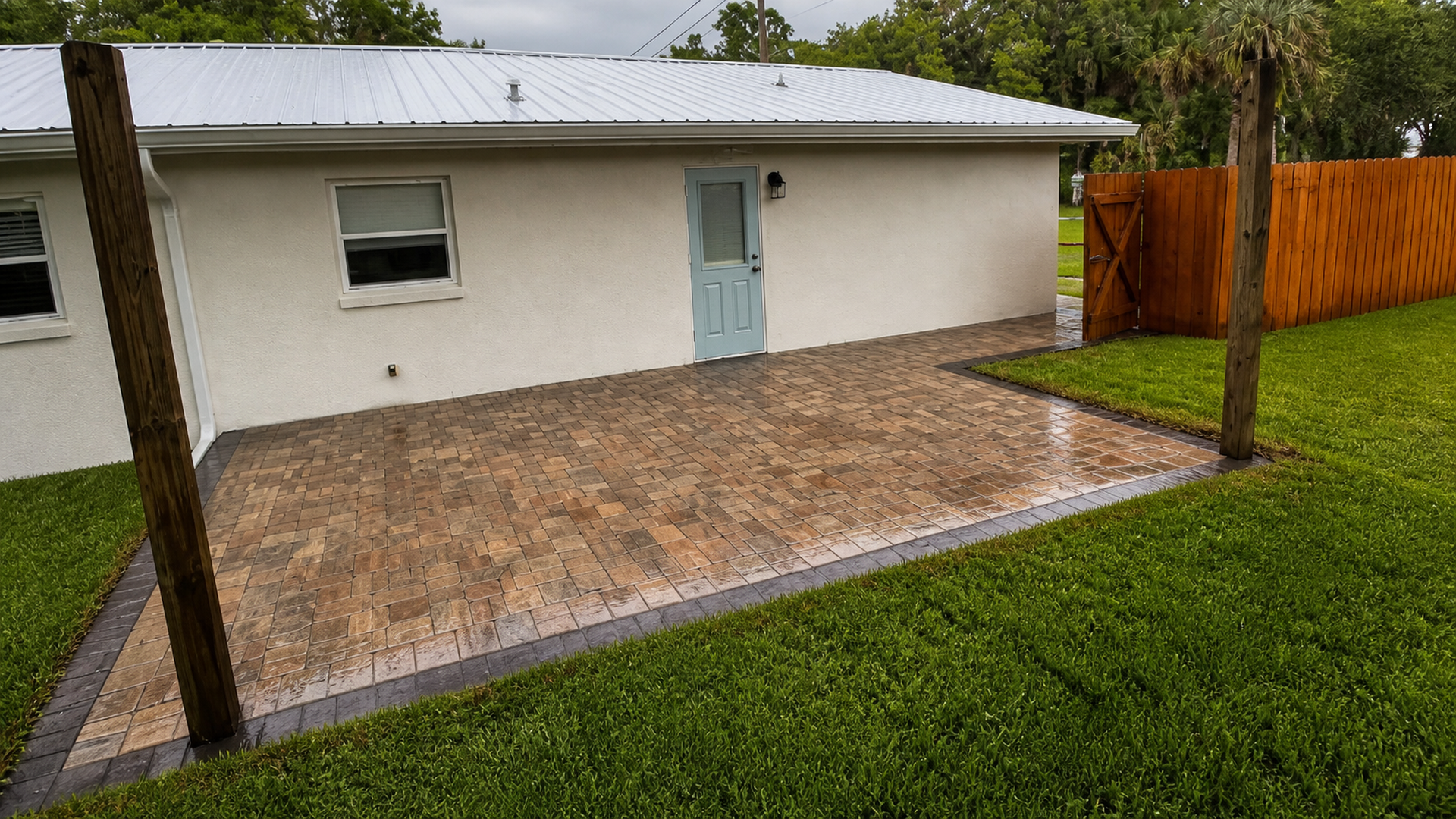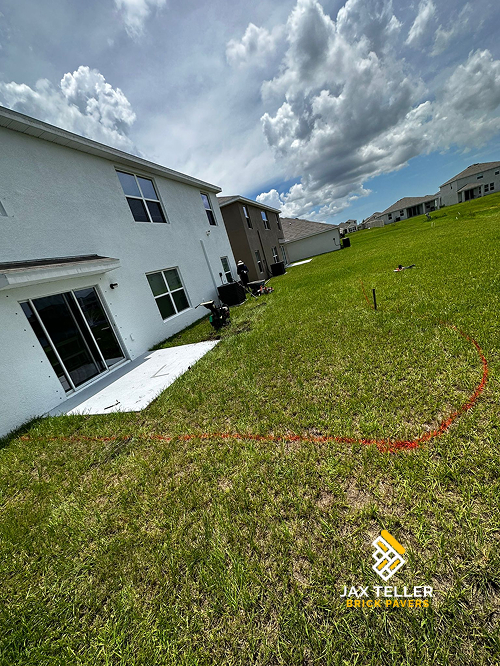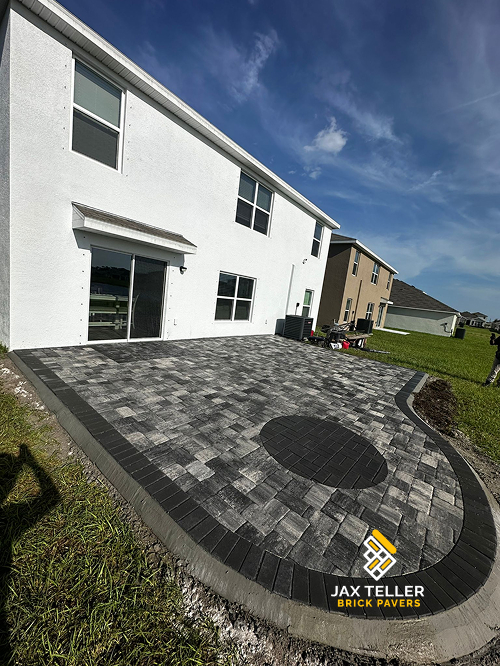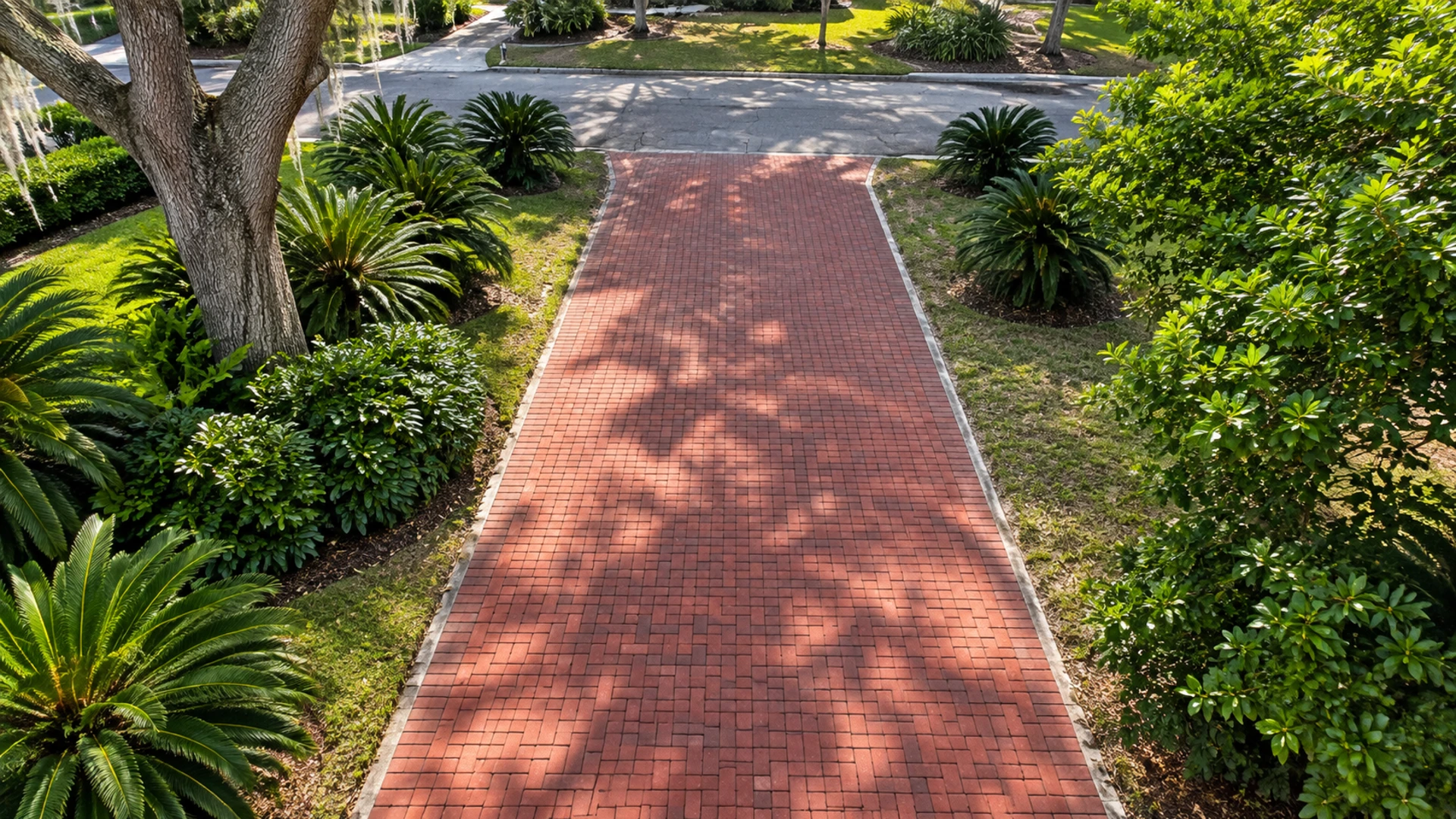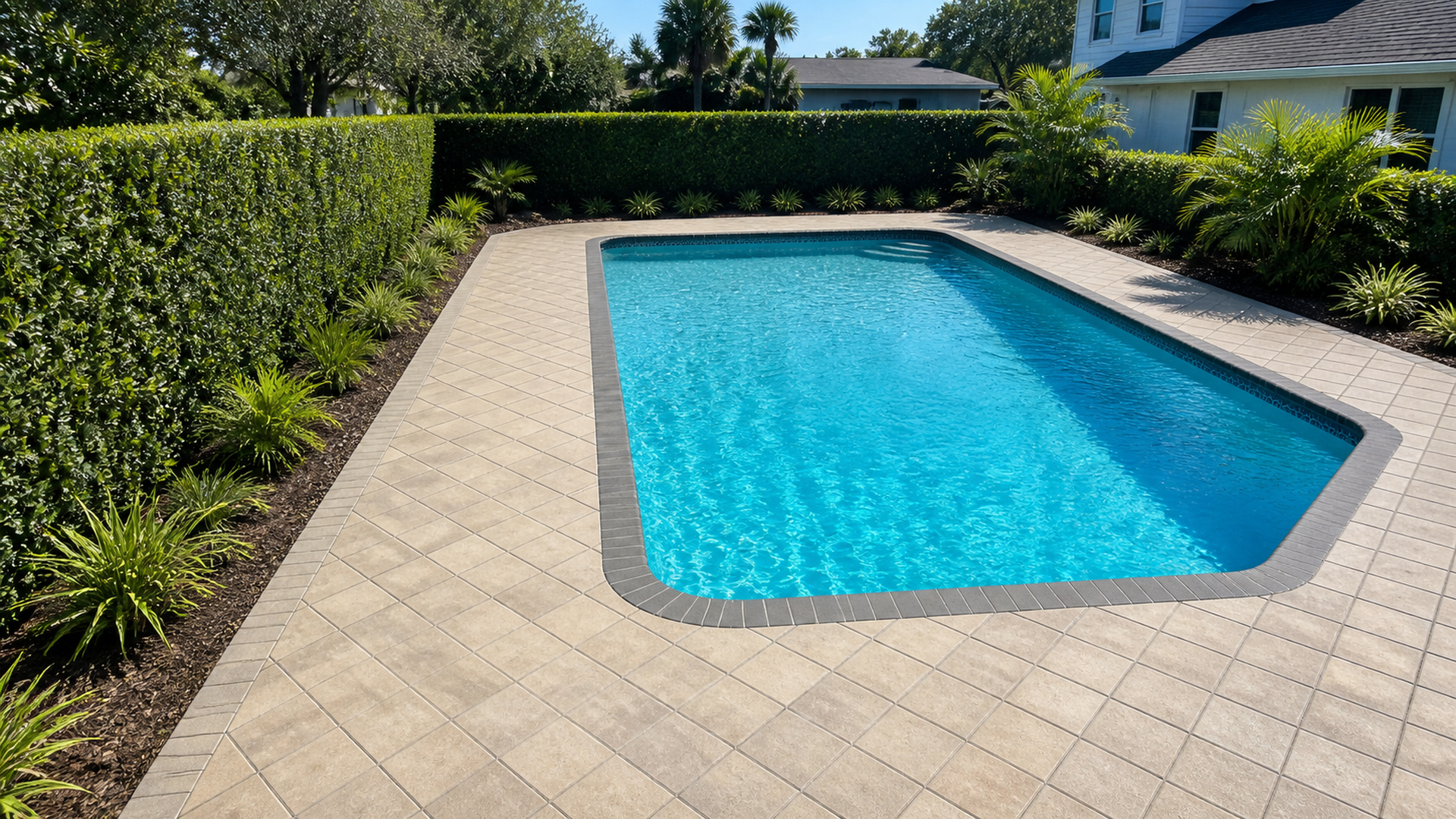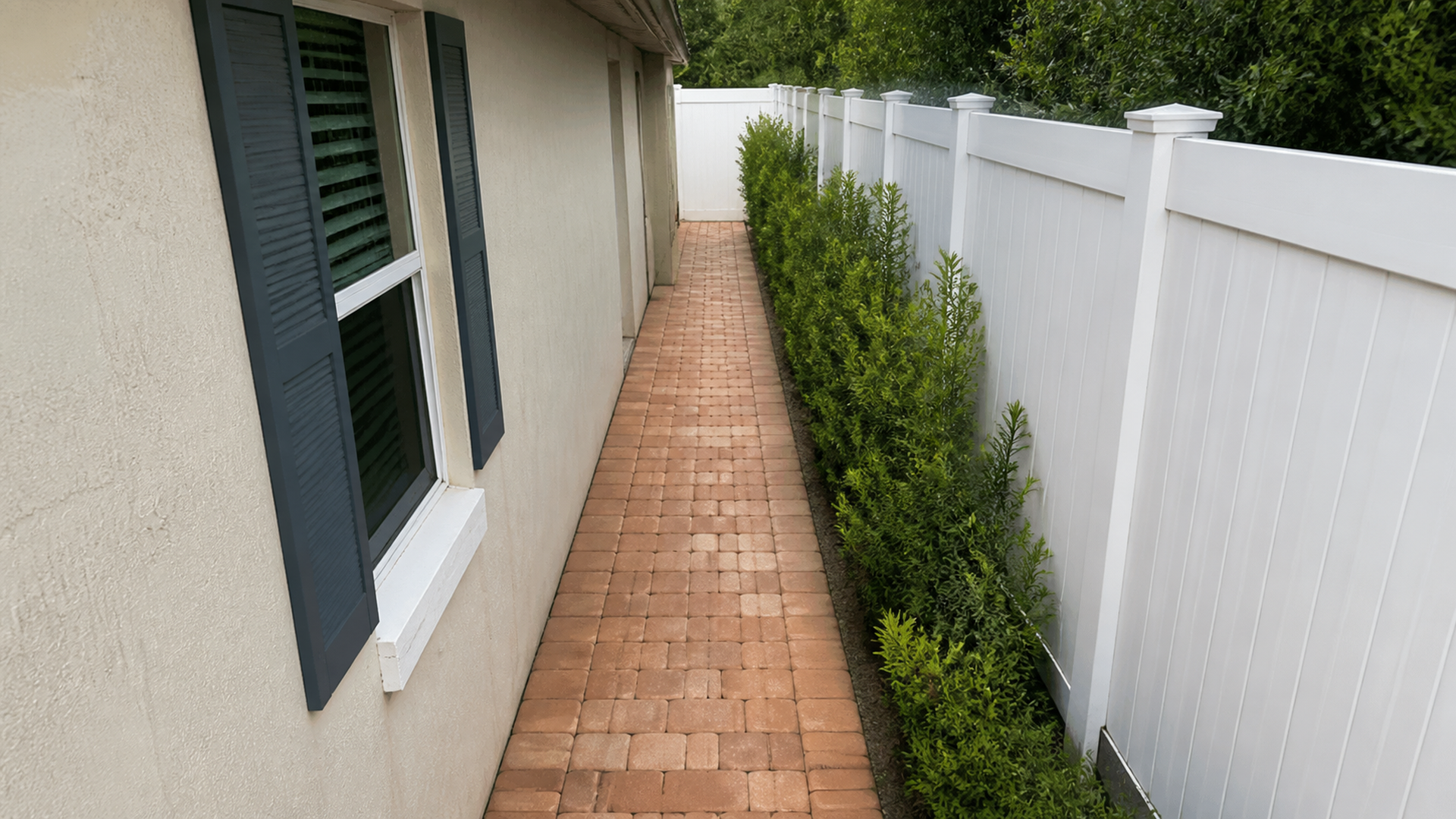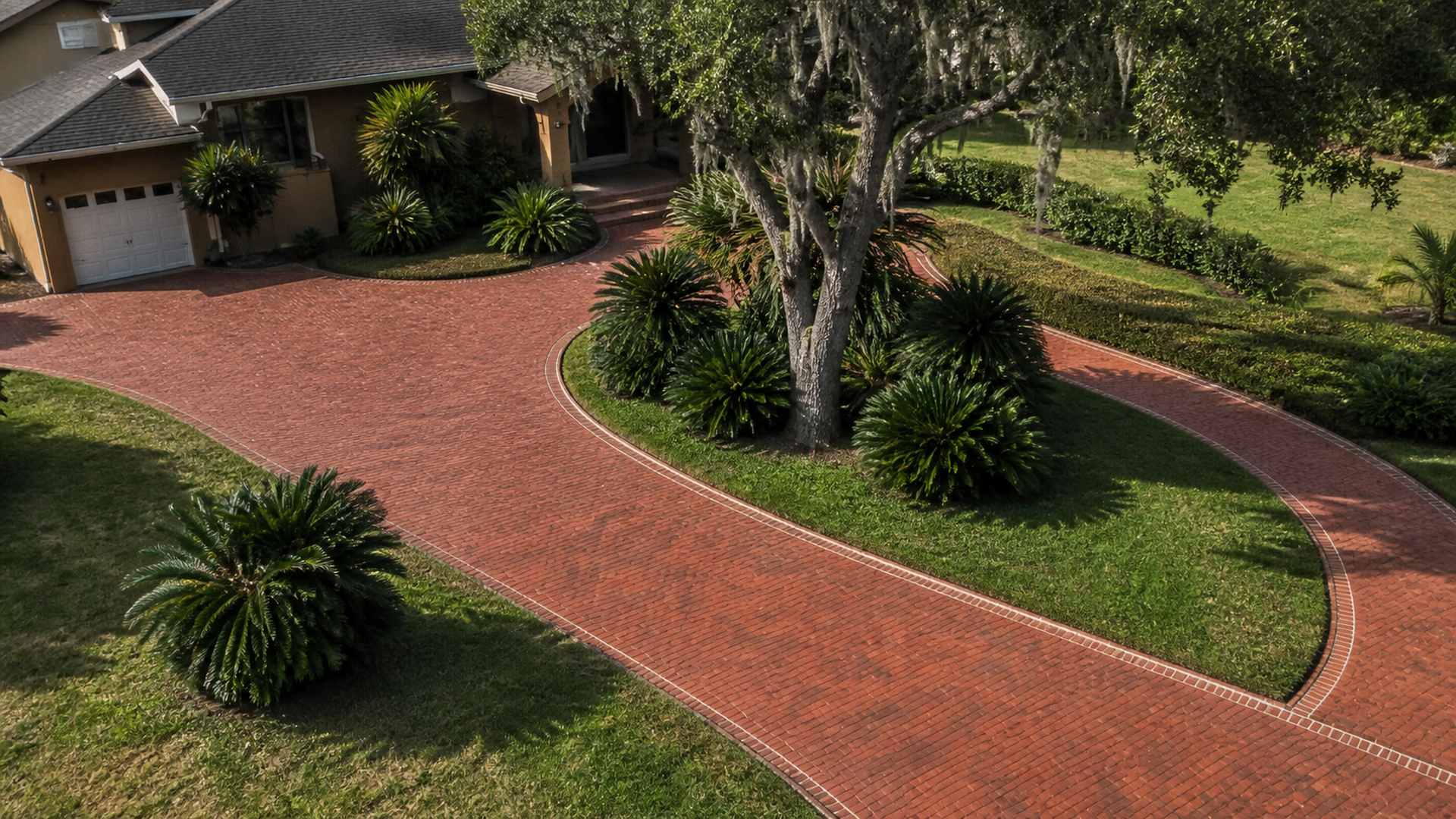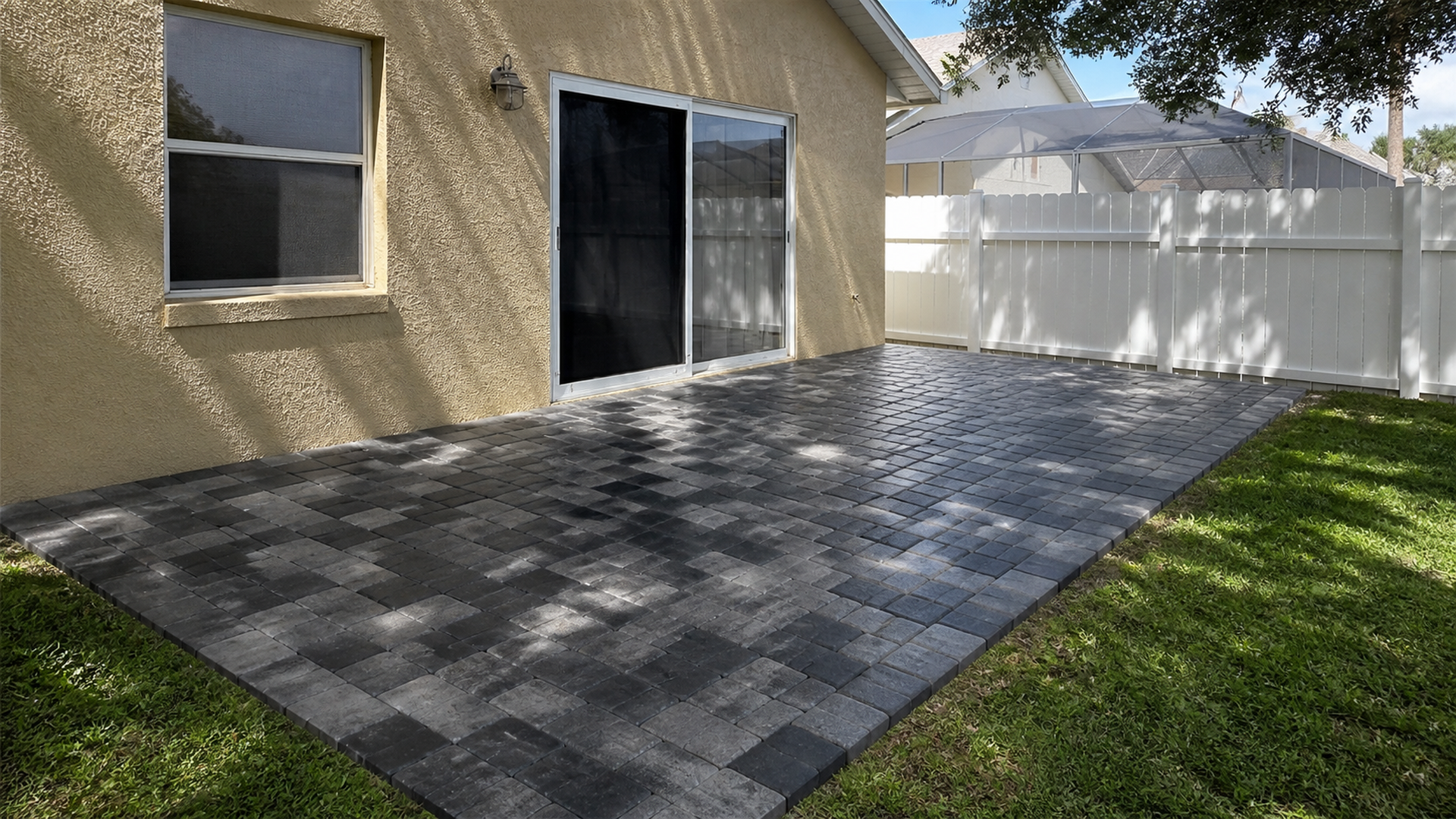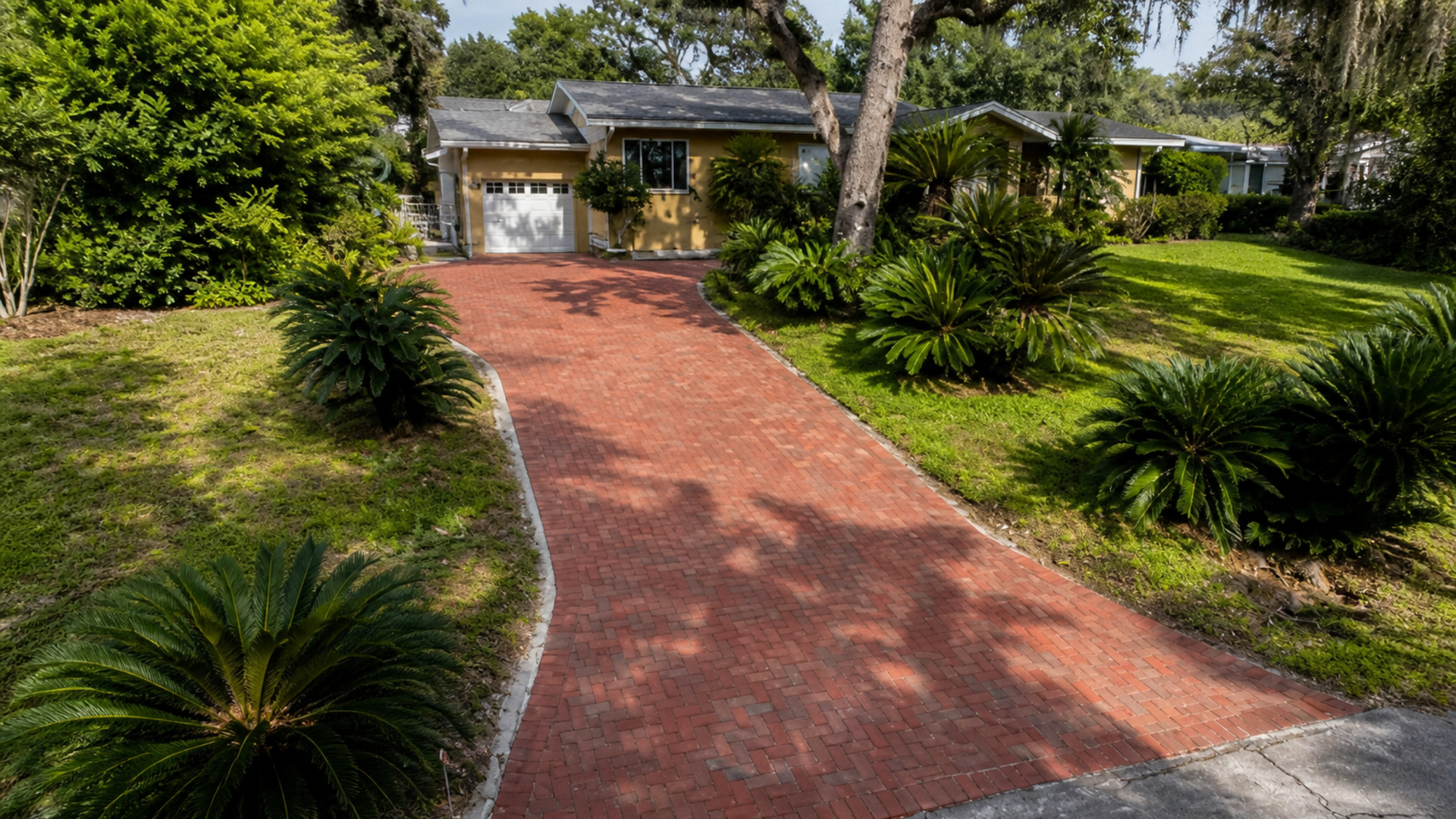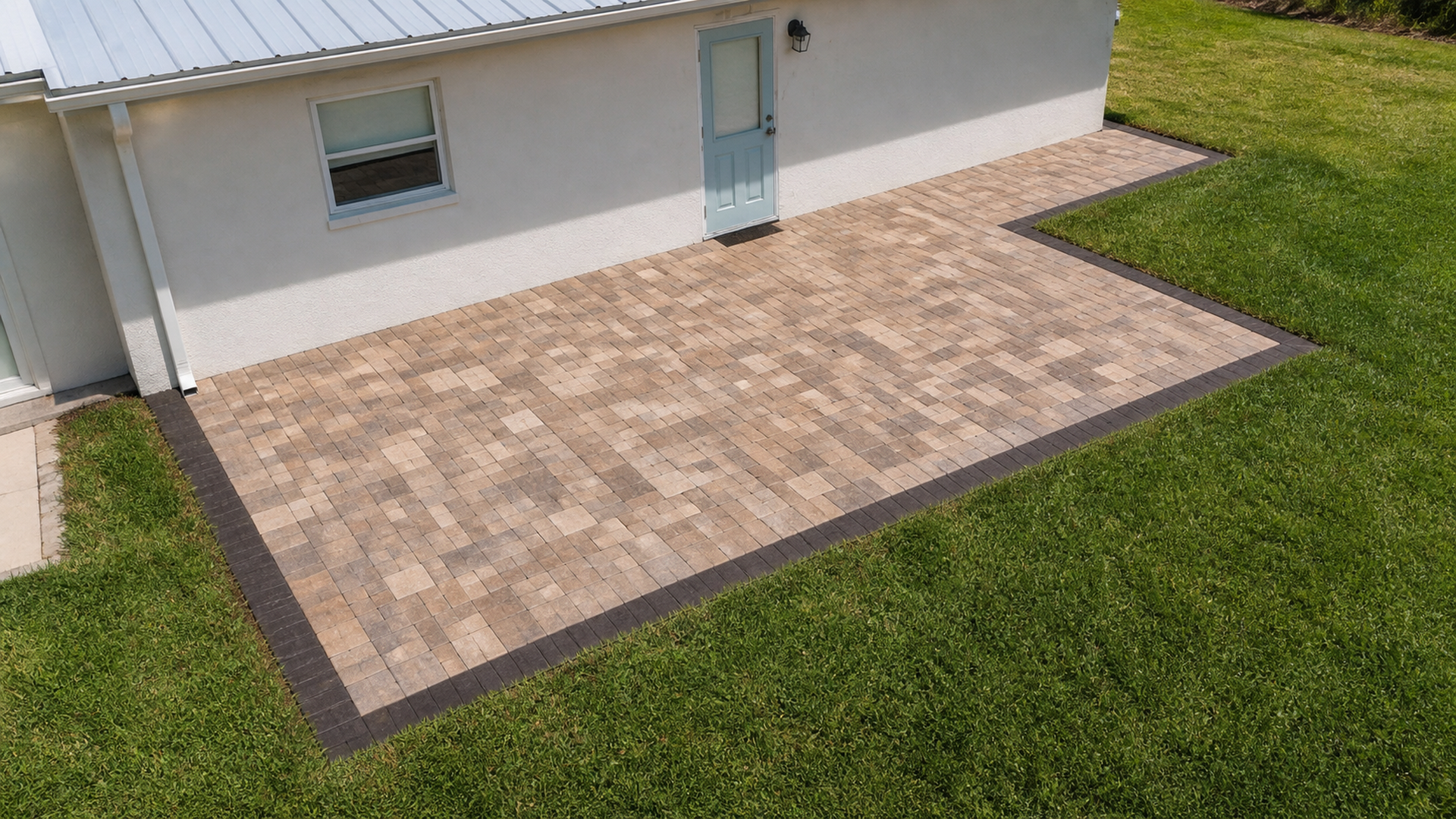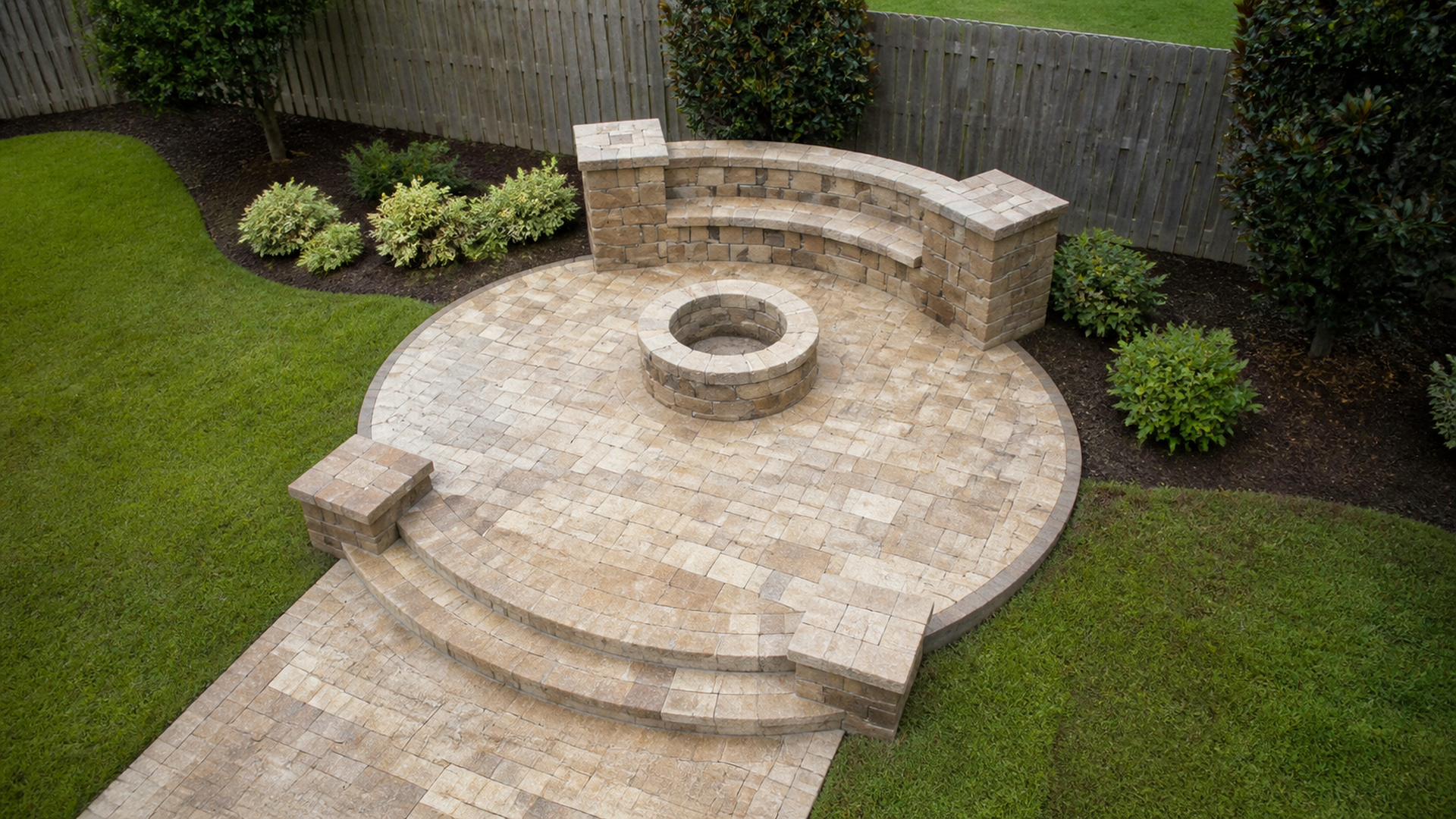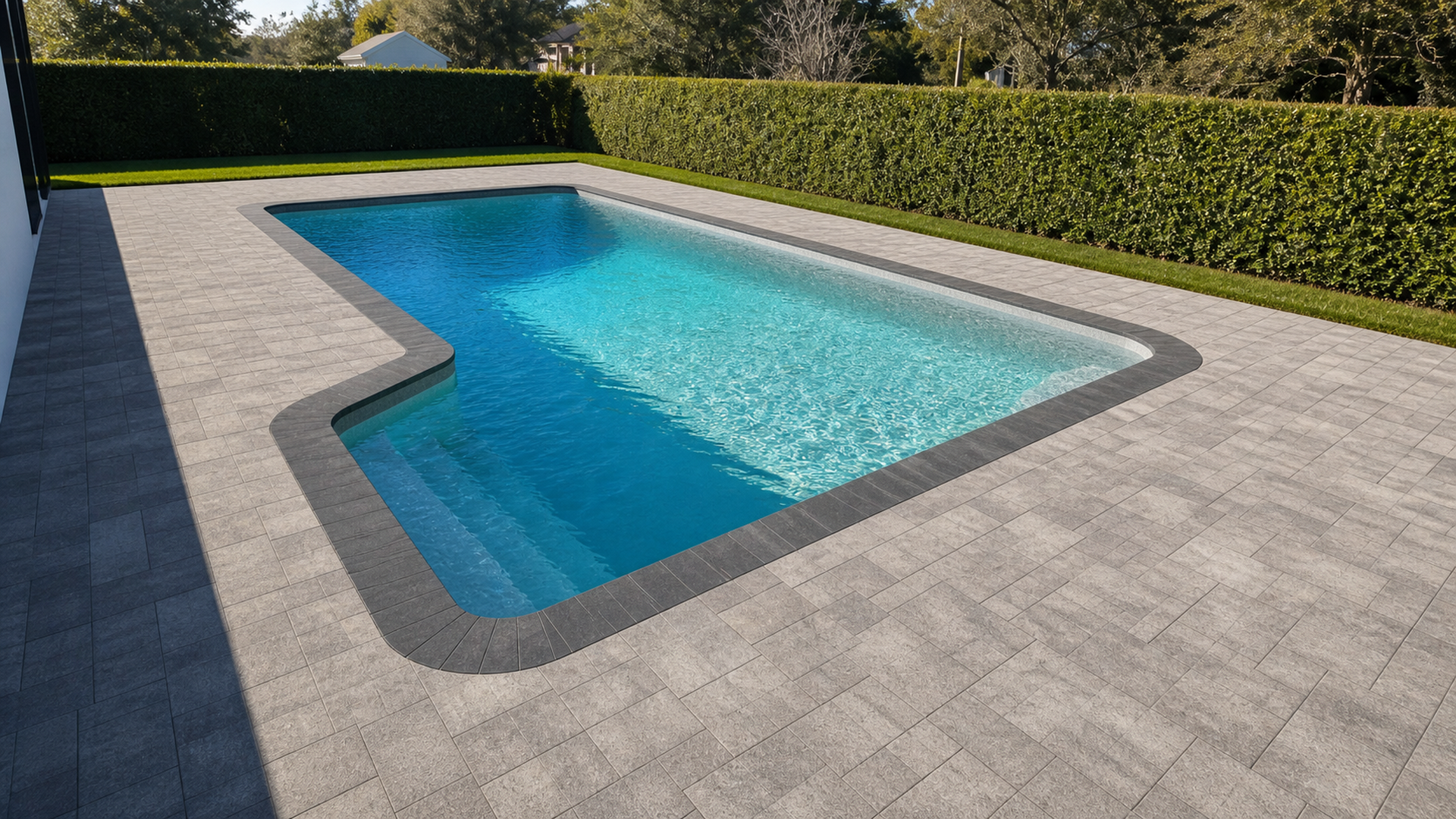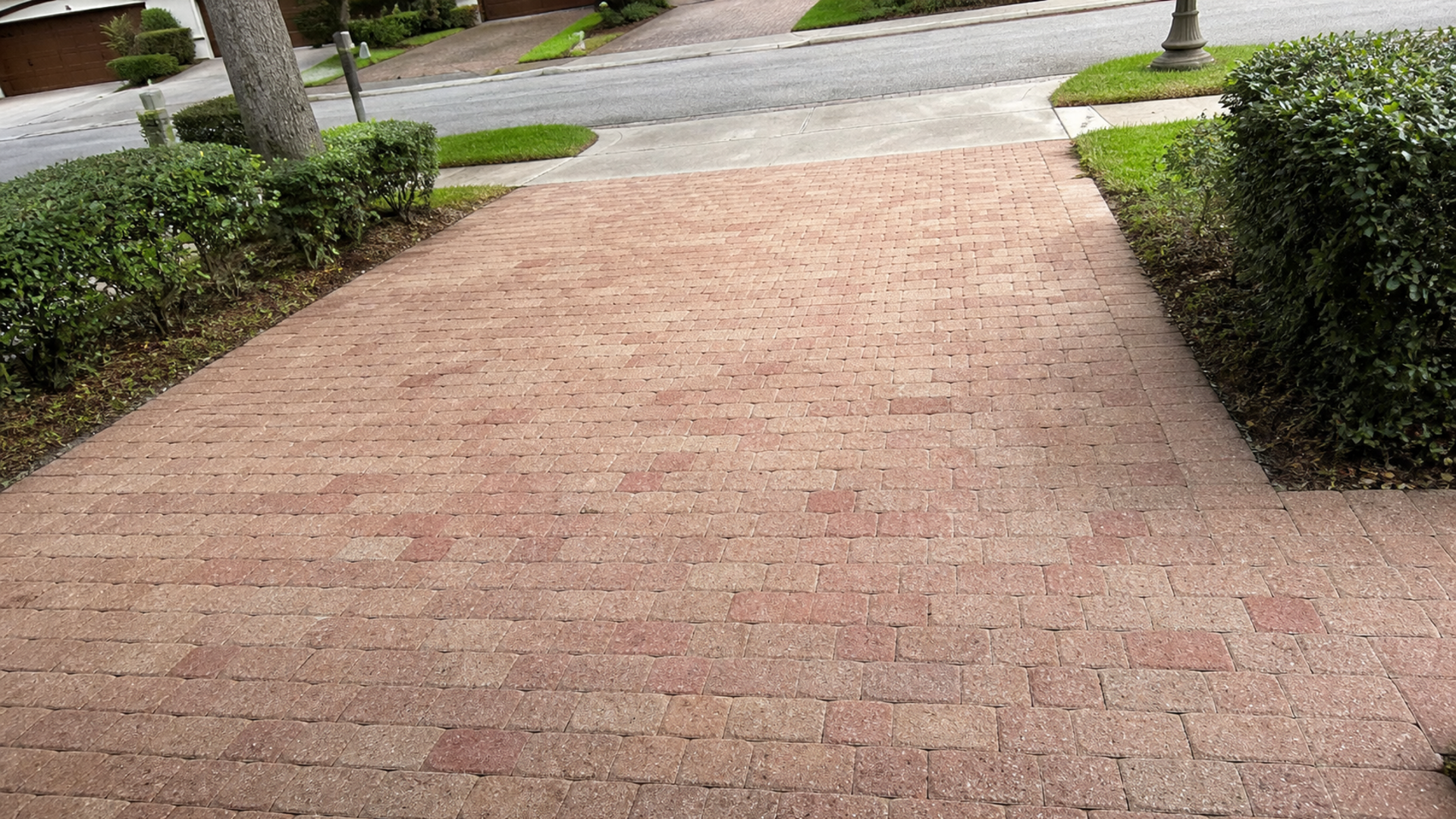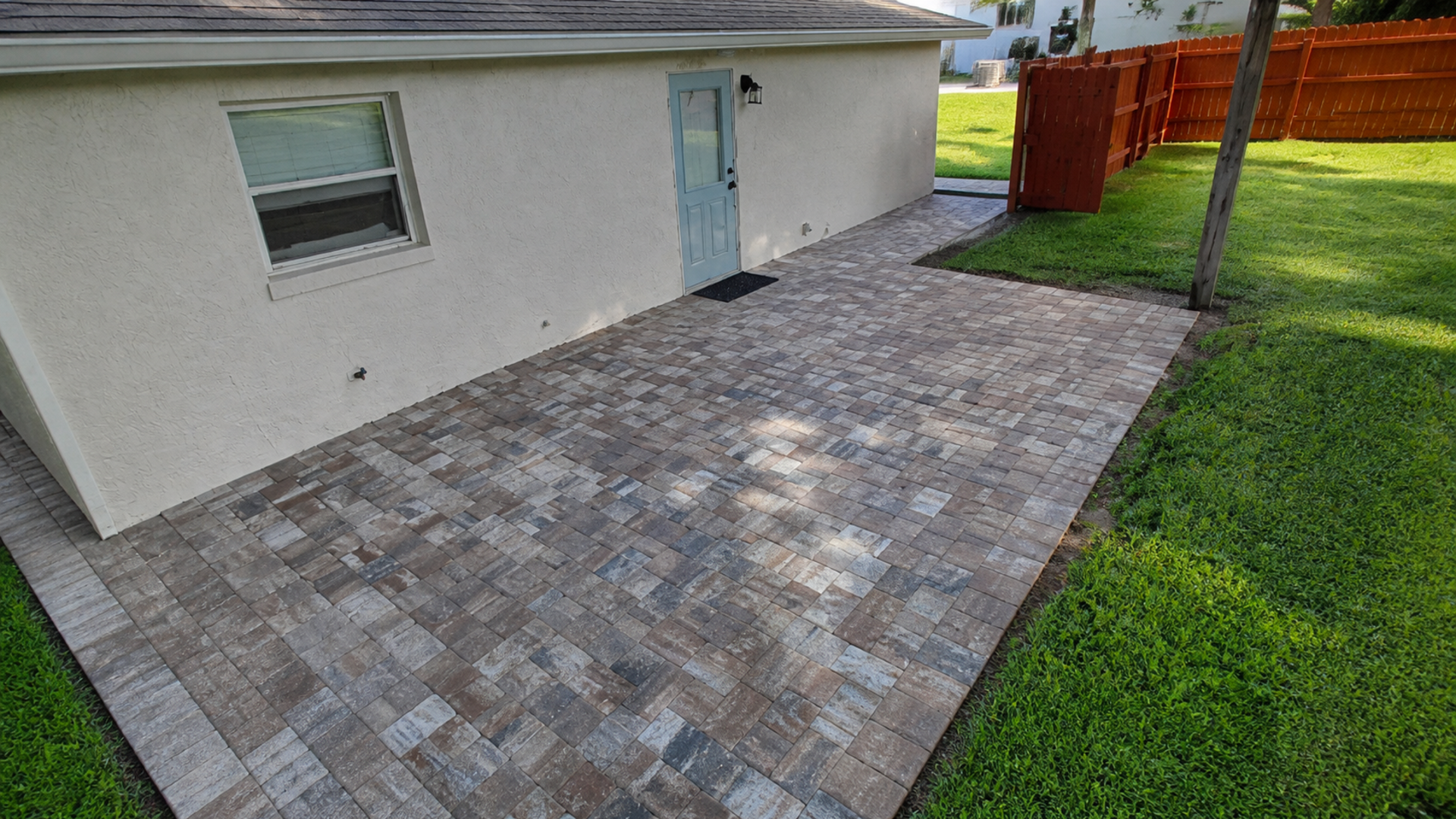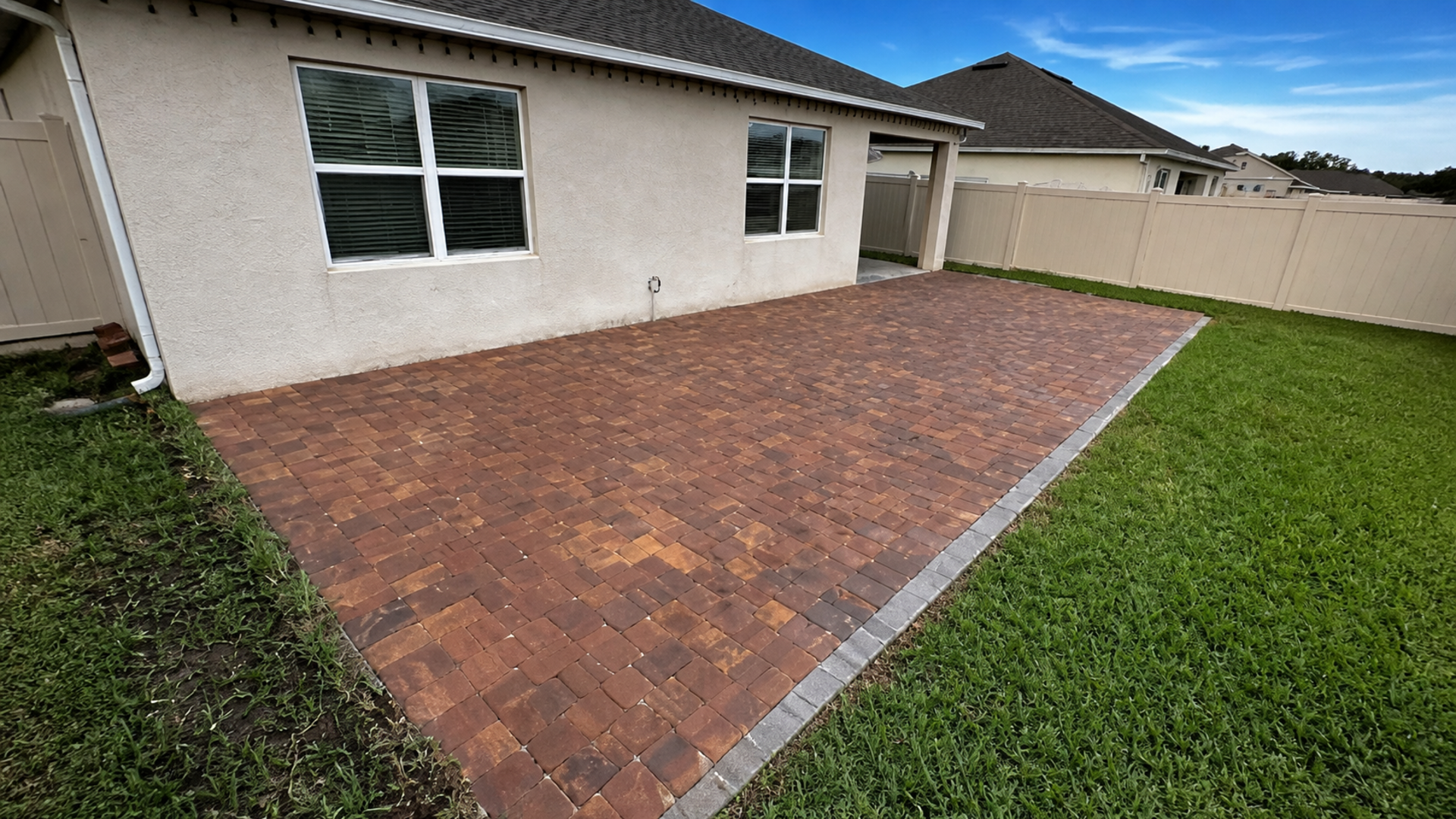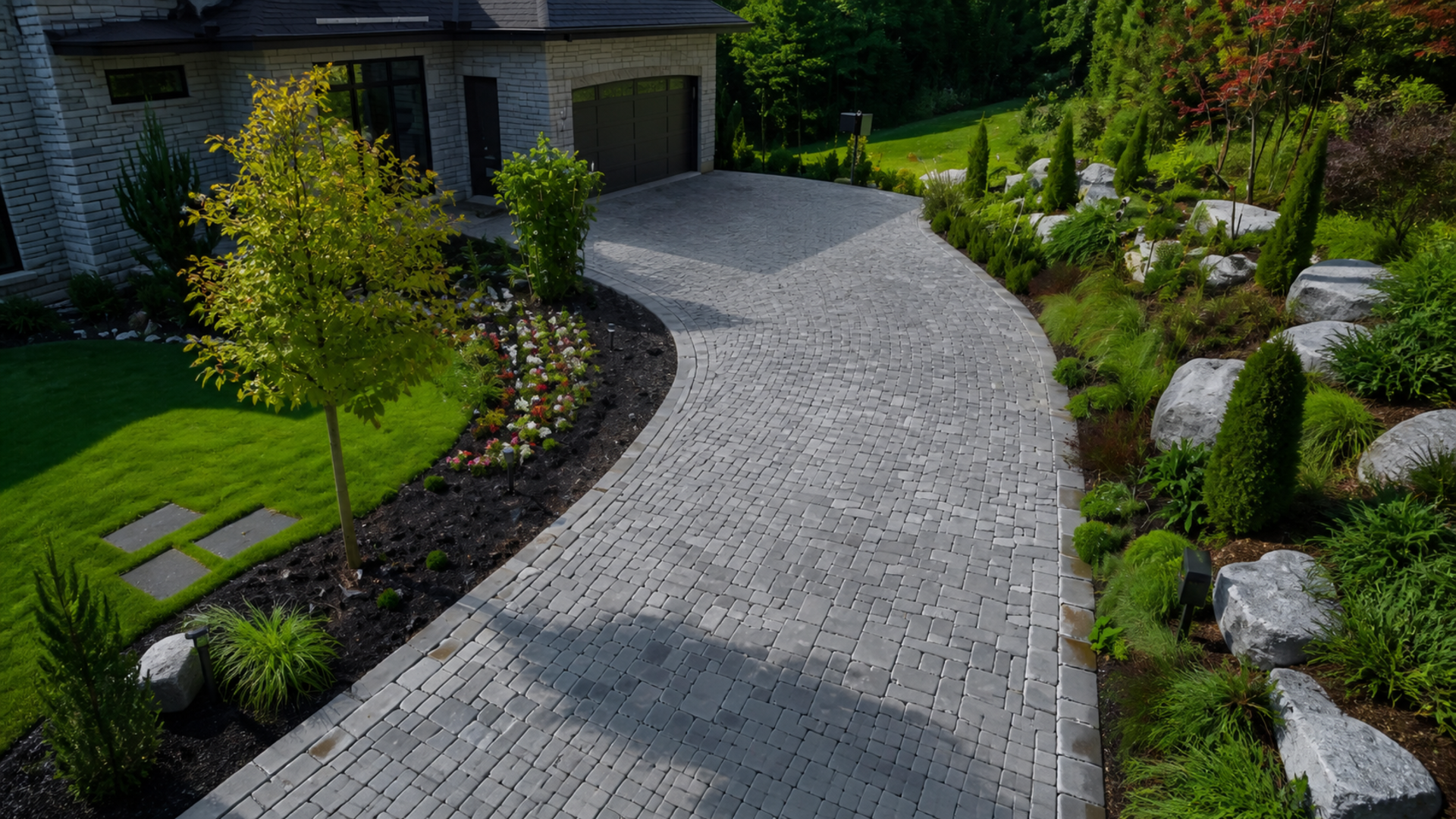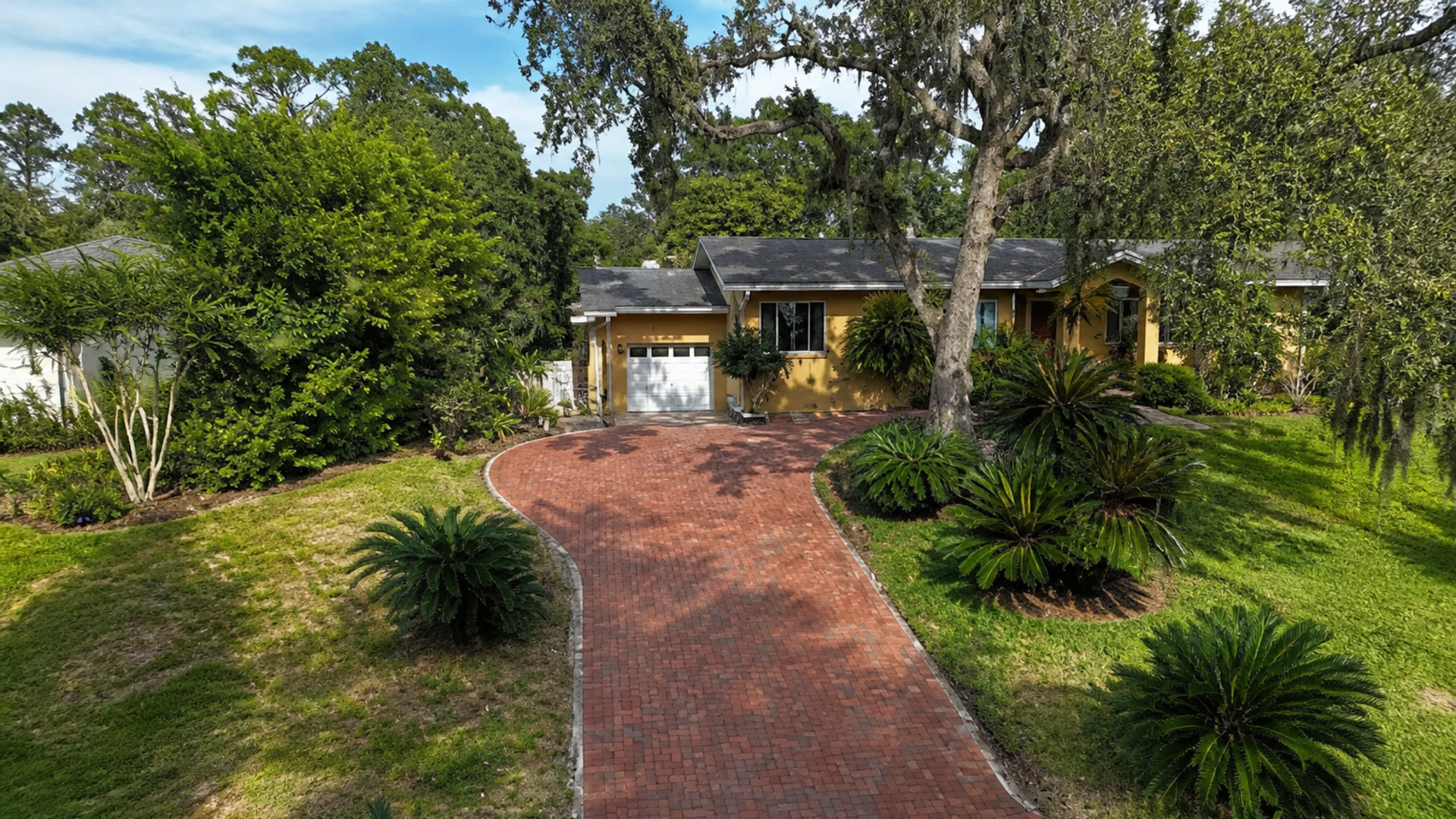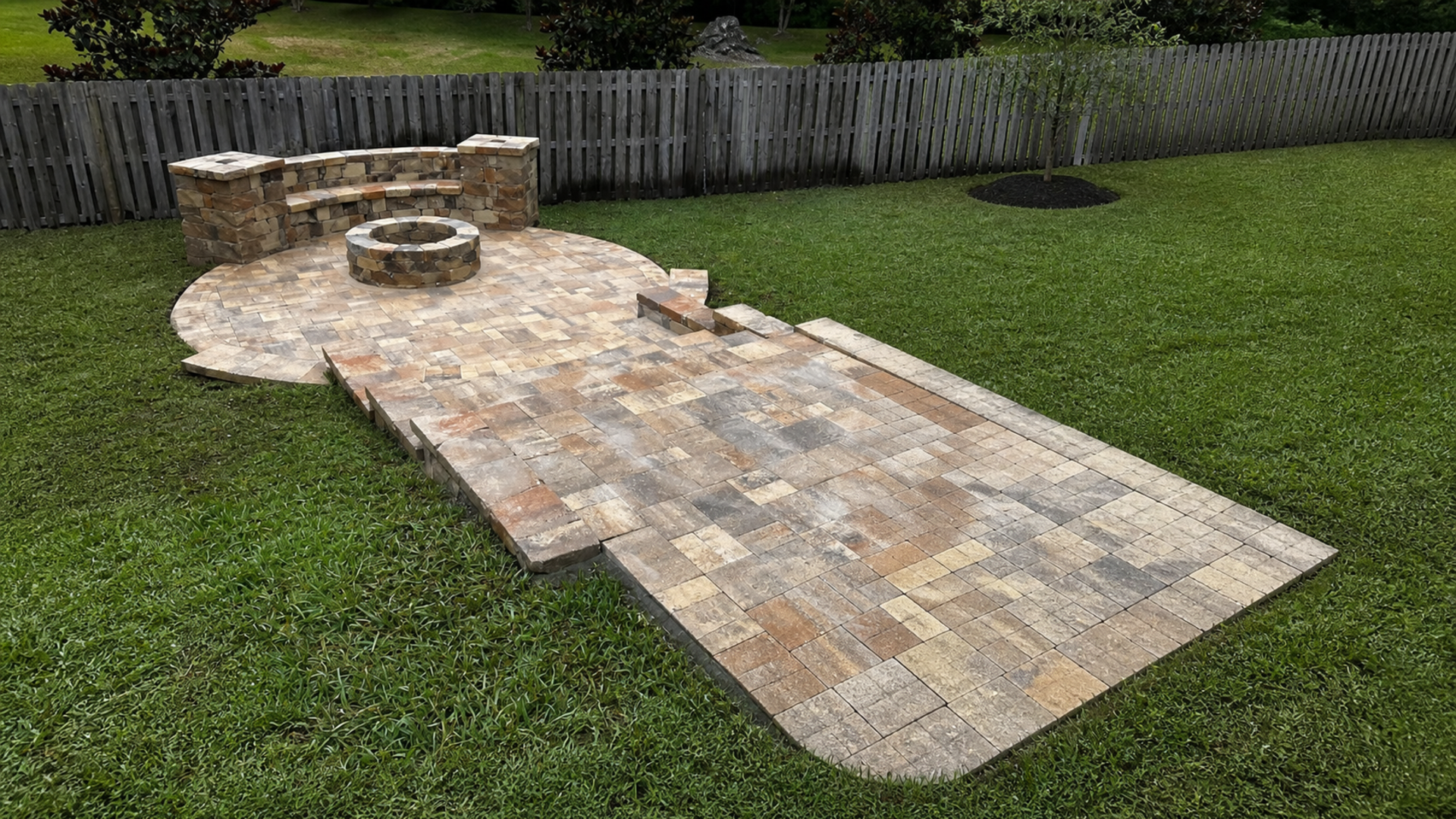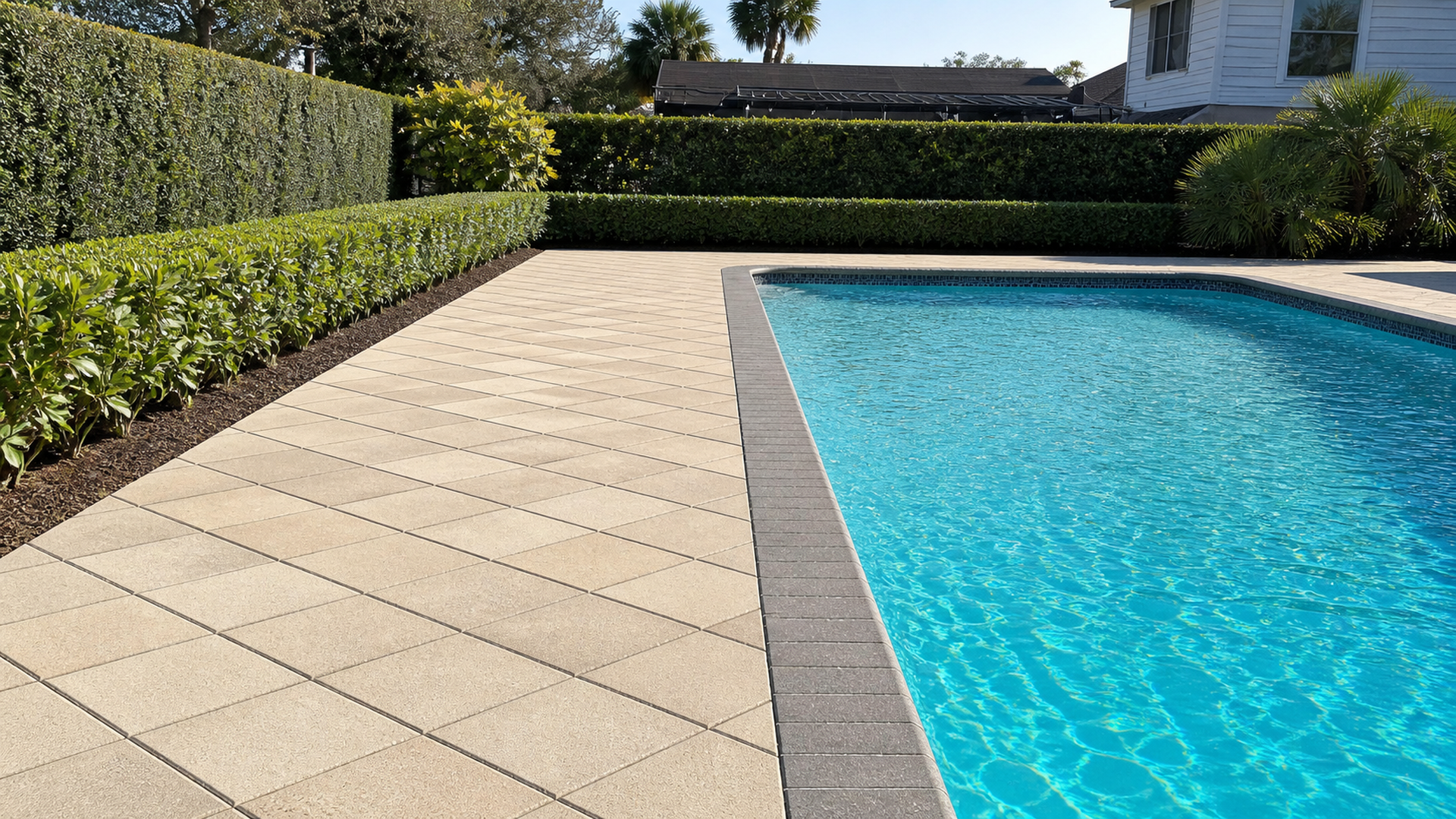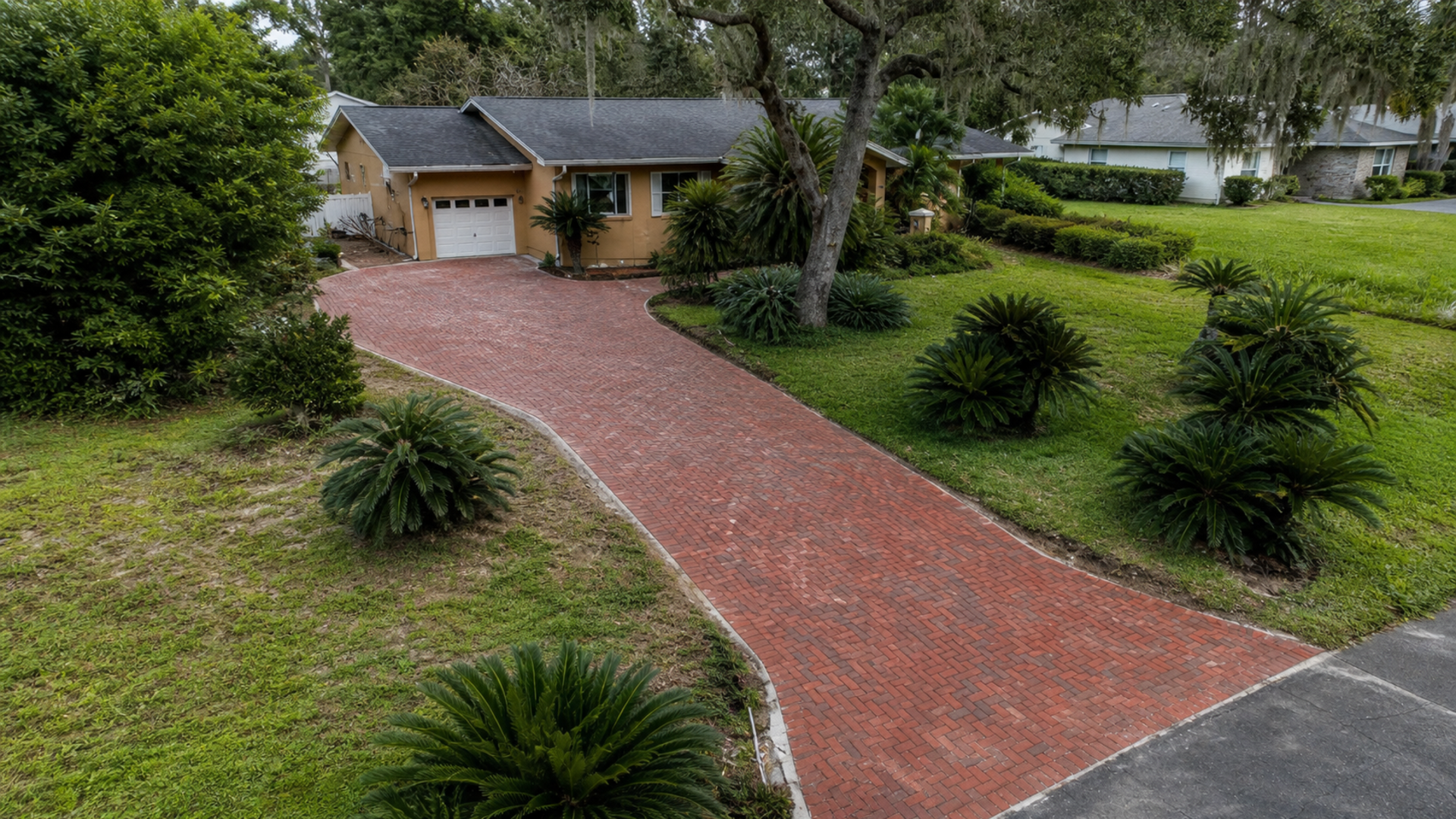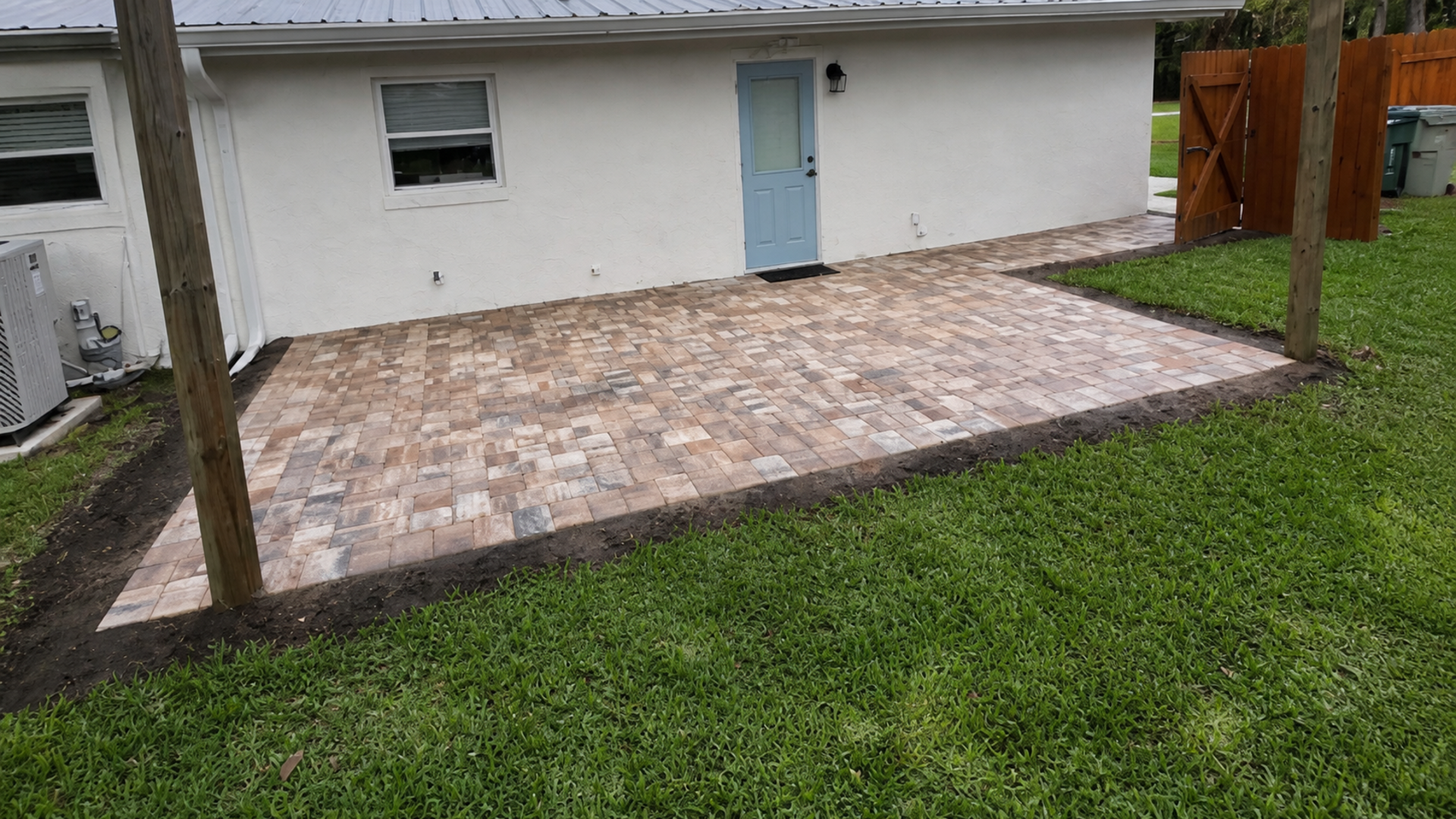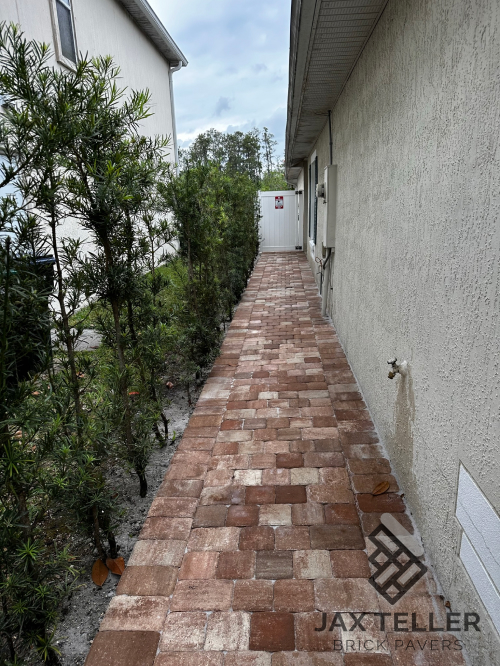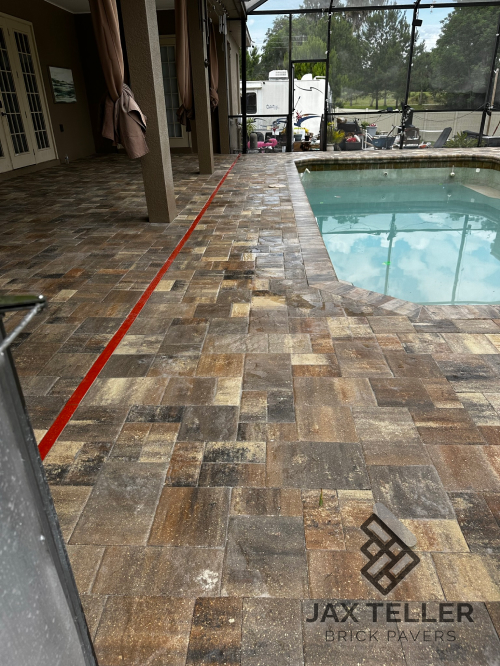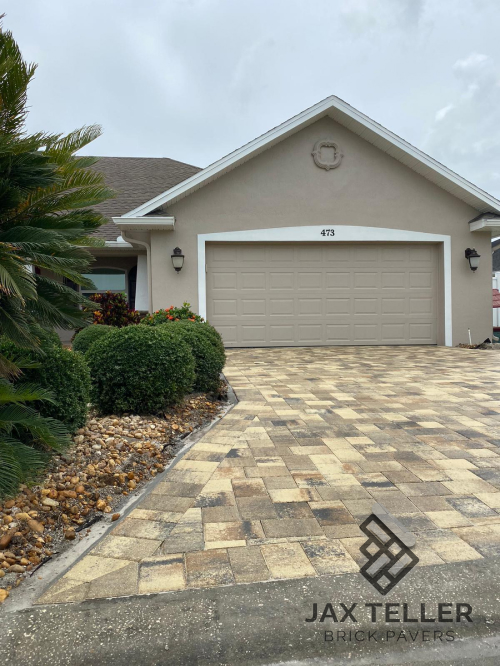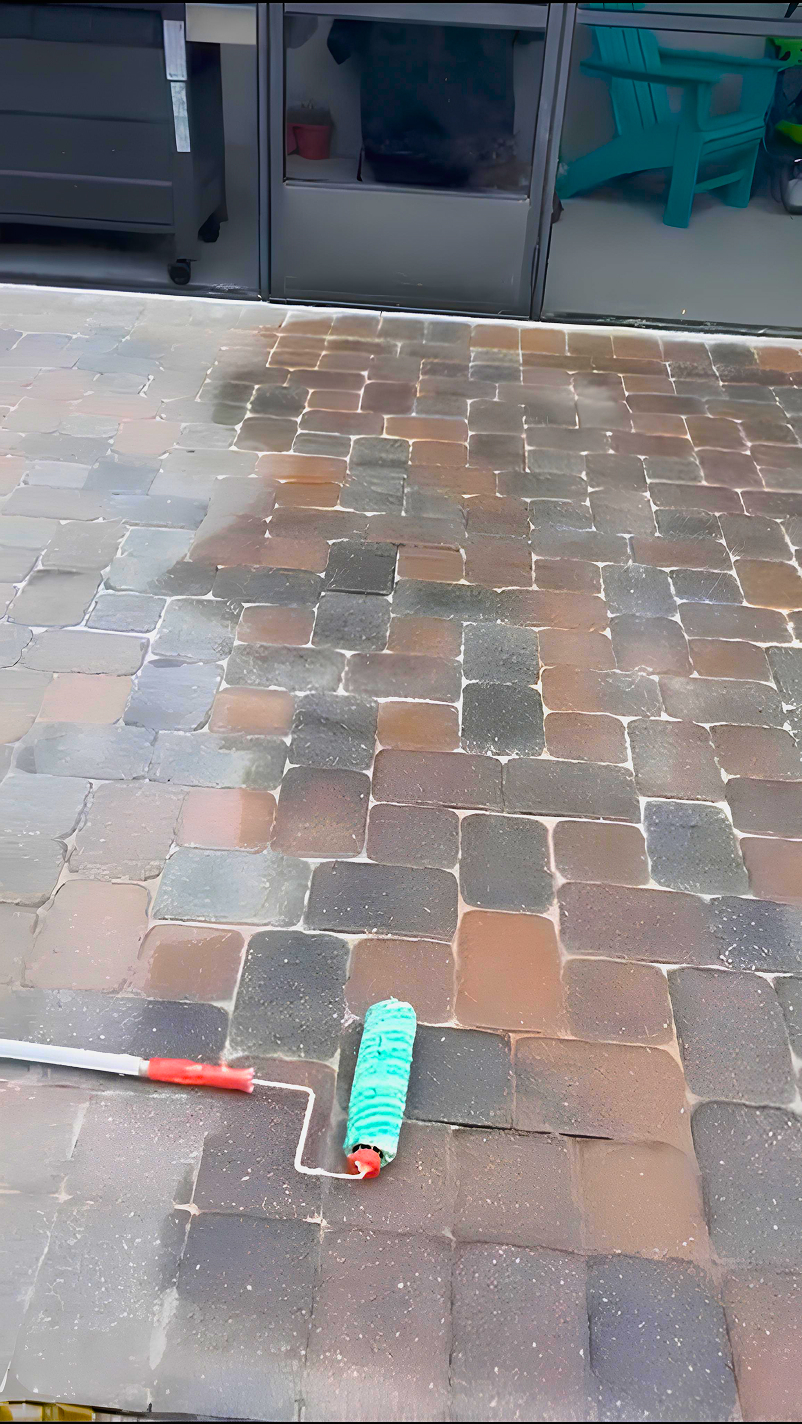
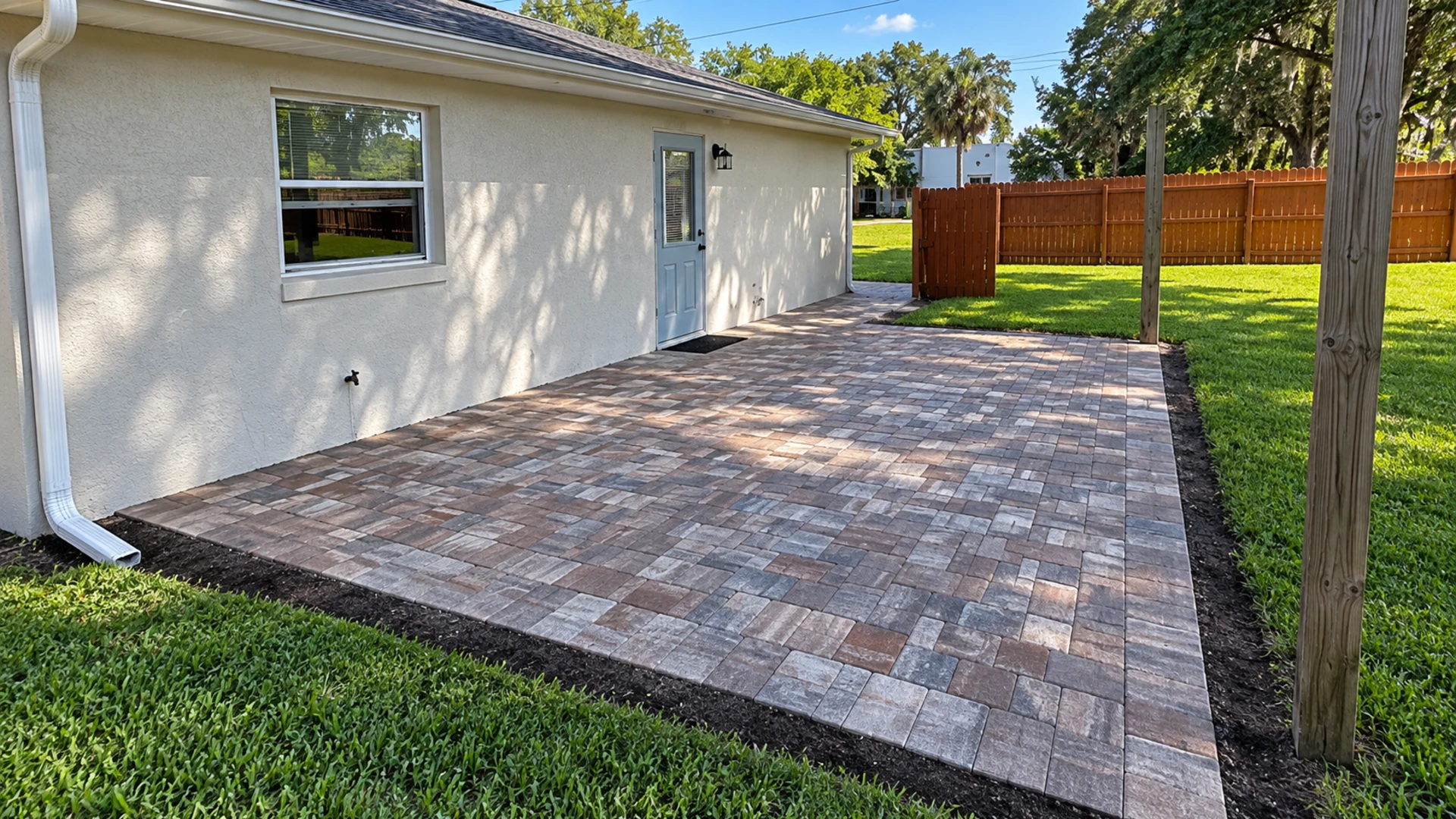
Good documentation of the lawn-side paver border answers three questions: what is visible, where it sits within the property, and what changed over time. Those questions are especially useful for finished paver borders beside maintained Florida lawns. They create a factual the lawn-side paver border record without turning photographs or memory into a technical diagnosis.
The same record supports a realistic discussion of patio border lawn protection. Water routes, access, borders, connected masonry, landscape edges, and stable paving around the lawn-side paver border can affect how a scope is measured. Together, observations around the lawn-side paver border show what an on-site reviewer needs to examine, although no single observation proves a cause.
The main risk is yard work or soil loss weakening a supported patio edge. To control it around the lawn-side paver border, this guide uses natural rainfall observations, repeatable camera positions, explicit limits, and written closeout criteria. Cleaning and sealing around the lawn-side paver border remain separate from repair or installation requirements unless the site review supports those optional services.
Lawn Edge Pavers: Read the existing condition before choosing a fix
Document border alignment, edge support, turf height, and exposed bedding material before cleaning, lifting, resetting, or sealing begins. At the lawn-side paver border, photograph the same location from a wide viewpoint and include the connected paving.
For the lawn-side paver border, compare it under ordinary dry conditions and after normal Florida rain; record how it relates to joints, borders, grade, and nearby structures. Together, those views establish a dated baseline for the lawn-side paver border without pretending to diagnose it remotely.
Keep observations separate from possible causes
Record mower contact, irrigation washout, roots, and normal seasonal soil movement, but leave the cause open for the property visit. For the lawn-side paver border, separate those observations from unrelated marks or normal color variation.
When reviewing the lawn-side paver border, compare the affected location with stable pavers from the same installed area; reserve base, drainage, edge, and structural conclusions for the site visit. That distinction keeps the discussion about the lawn-side paver border factual until measurements and site conditions can be checked in person.
Plan around the whole paved area
Review the lawn edge around corners, doors, beds, and the complete patio perimeter as part of the complete installed layout. Across the lawn-side paver border, preserve the installed pattern, border rhythm, and practical walking or driving path.
Across the lawn-side paver border, keep transitions usable where the pavers meet lawn, doors, steps, coping, or pavement; use the existing material family as the visual baseline for any approved correction. The layout plan should preserve the useful connections around the lawn-side paver border and make every visible matching limit explicit.
Define a controlled work sequence
Document border correction before resetting adjacent field pavers or adding joint material before installed units are removed. Within the lawn-side paver border, limit removal to the area needed to expose and address the confirmed condition.
Within the lawn-side paver border, protect reusable units and maintain their orientation when the scope allows; inspect alignment, compaction, joints, and connected edges before closeout. The work sequence for the lawn-side paver border also needs a clear pause point if the exposed condition differs from the accepted scope.
Follow water through the surrounding grade
Document irrigation overspray and landscape runoff meeting the finished edge under ordinary weather and site conditions. Around the lawn-side paver border, distinguish roof runoff, irrigation, landscape flow, and paved-surface movement.
Around the lawn-side paver border, confirm that water has a practical route away from buildings and occupied areas; escalate repeated ponding or soil washout for a property-specific drainage review. Water notes for the lawn-side paver border should identify what was observed and what still requires another trade or property-specific review.
Protect connected property details
Protect turf, roots, planting beds, house walls, and the installed restraint line throughout access, removal, cleaning, or compaction work. Beside the lawn-side paver border, keep doors, walls, coping, curbs, fences, lawn, and planting beds outside the work zone.
Beside the lawn-side paver border, match joint width, border alignment, and surface plane across the finished transition; document the completed condition before equipment and temporary protection leave the site. Written boundaries protect both the lawn-side paver border and the connected features meant to remain untouched.
Use a maintenance routine that fits Florida conditions
Add gentle edging practices and repeated checks after landscaping service to the recurring observation log. In records for the lawn-side paver border, sweep organic debris before it holds moisture or hides changing joint conditions.
For routine notes about the lawn-side paver border, repeat photographs from the same safe viewpoints after heavy rain or service work; follow product and contractor guidance before washing or applying any sealer. A dated routine for the lawn-side paver border is more useful than aggressive treatment performed before the condition is understood.
Recognize shortcuts that can hide the real issue
Avoid cutting too close, burying the border, or adding unsupported loose soil; leave the final method open until the site condition and limits are understood. Before decisions about the lawn-side paver border, do not use aggressive pressure or improvised chemicals as a substitute for diagnosis.
Before approving work on the lawn-side paver border, reject isolated cosmetic work that redirects water or transfers movement to another edge; avoid promises of an invisible match when age, availability, and exposure affect color. The proposal for the lawn-side paver border should state unresolved cause, material, color, drainage, and compatibility questions plainly.
Turn the site visit into a clear written scope
Measure perimeter length, access, root conflicts, restraint condition, and restoration limits during the property visit. During the estimate for the lawn-side paver border, list access, removals, reusable material, replacement limits, exclusions, and final checks.
In the quote for the lawn-side paver border, separate optional cleaning or sealing from installation and repair requirements; keep photographs, dates, assumptions, and the accepted finished condition with the quote. This written document should separate required work, optional surface care, exclusions, assumptions, and final checks for the lawn-side paver border.
Homeowner observation checklist
- Document border alignment, edge support, turf height, and exposed bedding material before cleaning, lifting, resetting, or sealing begins
- Record mower contact, irrigation washout, roots, and normal seasonal soil movement, but leave the cause open for the property visit
- Review the lawn edge around corners, doors, beds, and the complete patio perimeter as part of the complete installed layout
- Document border correction before resetting adjacent field pavers or adding joint material before installed units are removed
- Document irrigation overspray and landscape runoff meeting the finished edge under ordinary weather and site conditions
- Protect turf, roots, planting beds, house walls, and the installed restraint line throughout access, removal, cleaning, or compaction work
- Add gentle edging practices and repeated checks after landscaping service to the recurring observation log
- Avoid cutting too close, burying the border, or adding unsupported loose soil; leave the final method open until the site condition and limits are understood
- Measure perimeter length, access, root conflicts, restraint condition, and restoration limits during the property visit
For ongoing observations related to the lawn-side paver border, keep the checklist with dates, wide photographs, and notes about normal weather or service changes. Update records for the lawn-side paver border after heavy rain, landscape work, cleaning, repair, or a visible change. Preserve every earlier image as its own dated observation so later comparisons of the lawn-side paver border do not rewrite the property history.
Recheck borders after ordinary landscape service
A lawn-side edge can change gradually as turf height, soil, irrigation, roots, or repeated yard service affects the visible border. Take a wide image before routine service when practical, then compare it with the same edge afterward without pulling soil away or disturbing installed units. Note gaps, exposed support, soil loss, or a change in the line, but leave the cause open for the property review. Include nearby irrigation and planting-bed transitions because water or landscape conditions may need separate attention. The estimate should state which edge length is included, what adjacent areas are protected, and what remains outside the paving scope. That record keeps ordinary maintenance from becoming an undocumented alteration to the patio or walkway border.
Watch the lawn-side border through normal yard-care cycles
A paver edge beside turf can appear different before and after mowing, irrigation, planting, or heavy rain. Use the same wide viewpoint to record the border line, nearby soil level, and the transition into stable paving without pulling soil away or testing the units. Note whether a visible gap, exposed support, or soil washout is new, recurring, or unchanged. Roots, turf height, runoff, and service activity can all be relevant observations, but photographs alone do not establish which one controls the condition. A dated record across ordinary yard-care cycles helps the site visit focus on the actual edge length and connected landscape conditions. It also shows when a landscape or irrigation question may need to be separated from the paving proposal rather than hidden by a quick cosmetic adjustment.
Write the paving and landscape boundaries into one practical plan
The estimate should state where the paving responsibility ends and which adjacent lawn, bed, irrigation, or root condition remains outside the approved work. This does not mean ignoring the landscape; it means documenting the connection so a repaired border is not weakened again by an unresolved nearby condition. Identify the length under review, the stable sections that remain, and the features protected during access. Ask how border alignment and surface plane will be checked after the work and whether restoration beside the edge is included or excluded. Routine yard care after completion should preserve support and avoid burying or exposing the finished line. With those boundaries in writing, the homeowner can coordinate separate work when needed and compare later changes to a clear closeout record.
Turning scattered observations into one clear record
Begin the property walk for the lawn-side paver border at a safe wide viewpoint and name the paved area in ordinary property language. Mark the visible change around the lawn-side paver border, its approximate limits, and one stable comparison area. The first pass should connect the lawn-side paver border to the normal route without trying to prove why the condition exists.
For a second safe view of the lawn-side paver border, wait for ordinary dry weather or rainfall and approach only when the paving is safe. Compare the water path and drying pattern around the lawn-side paver border from the same viewpoints, then add the date and any known irrigation or landscape change. Protect the evidence: do not move units, lean on barriers, enter standing water, or create an artificial test around the lawn-side paver border.
Use the final pass to prepare site-visit questions about the lawn-side paver border, access, measurements, connected edges, reusable sections, matching limits, trade boundaries, optional care, and exclusions. The practical goal is to recheck borders after ordinary landscape service; it is not to write a technical specification or price the lawn-side paver border from unverified assumptions.
Questions homeowners often ask before the site visit
What should I document first for lawn edge pavers?
Begin the record for the lawn-side paver border with its property connections rather than a suspected cause. Use a wide view of the lawn-side paver border, note its visible limits, and include one stable area from the same installation for comparison. Preserve the original dated images so measurements and technical conclusions can be added during the visit without rewriting the earlier evidence for the lawn-side paver border.
Should the lawn-side paver border be cleaned or sealed before it is evaluated?
Surface care and repair answer different questions at the lawn-side paver border. Avoid aggressive pressure or improvised chemicals around the lawn-side paver border until the visible condition and installed finish are understood. Cleaning may suit confirmed buildup around the lawn-side paver border; sealing requires compatible preparation, moisture, joints, and product history. Neither service should be sold as the correction for unverified movement, grade, drainage, or edge conditions at the lawn-side paver border.
What should an on-site estimate say about the lawn-side paver border?
The visit should place the lawn-side paver border in its access route, surrounding transitions, water paths, and matching constraints. Ask the reviewer to list removals, reusable work, replacement limits, exclusions, and closeout checks specifically for the lawn-side paver border. That written scope keeps the main project risk visible and separates required work, optional services, and assumptions from a remote guess about the lawn-side paver border.
Use the record to plan the next step for lawn edge pavers
For service context related to lawn edge pavers, review JaxTeller Brick Pavers’ Backyard Pavers and Patios page. The Sustainable Landscaping Solutions archive provides related homeowner topics for the context around the lawn-side paver border. These pages frame the services around the lawn-side paver border; they do not determine the condition or scope of a specific property.
For general industry or public guidance related to lawn edge pavers, consult the UF/IFAS Florida-Friendly Landscaping guidance. Use that resource as background only; decisions about the lawn-side paver border still depend on local measurements, applicable requirements, installed-product directions, and property-specific professional review.
A sound plan for lawn edge pavers begins with dated evidence, protects the connected installation, and ends with a written scope and closeout record. If conditions around the lawn-side paver border change before work begins, update the observations and ask whether the estimate needs revision instead of assuming the earlier limits still apply.
Request a property-specific review
Ready to discuss lawn edge pavers at your property? Contact JaxTeller Brick Pavers or review the company’s completed projects. For current visual references, visit Instagram or Facebook.
Send property details about the lawn-side paver border through WhatsApp, call +1 407-907-8308, or email jaxtellerbrickpavers@gmail.com. The Maps listing provides location context. Share wide photographs and observable facts about the lawn-side paver border, but rely on the site visit for diagnosis, measurements, and the final estimate.