Driveway Apron Pavers planning helps Largo homeowners evaluate the transition where a paver driveway meets the street. Therefore, inspect the installed pavers before assuming why an entrance edge moves or wears unevenly. In addition, Florida rain and sandy soils can change how the driveway apron behaves. Most importantly, reserve structural, drainage, code, and permit decisions for an on-site professional.
For example, a homeowner can document water paths, joint condition, edge movement, surface marks, and transitions before requesting an estimate. However, cleaning cannot correct base movement or redirect water from another part of the property. Because of this, planning for driveway apron pavers needs inspection, scope, execution, and follow-up care. Finally, this guide stays within JaxTeller paver installation, repair, washing, and sealing services.
Driveway Apron Pavers: Read the existing condition before choosing a fix
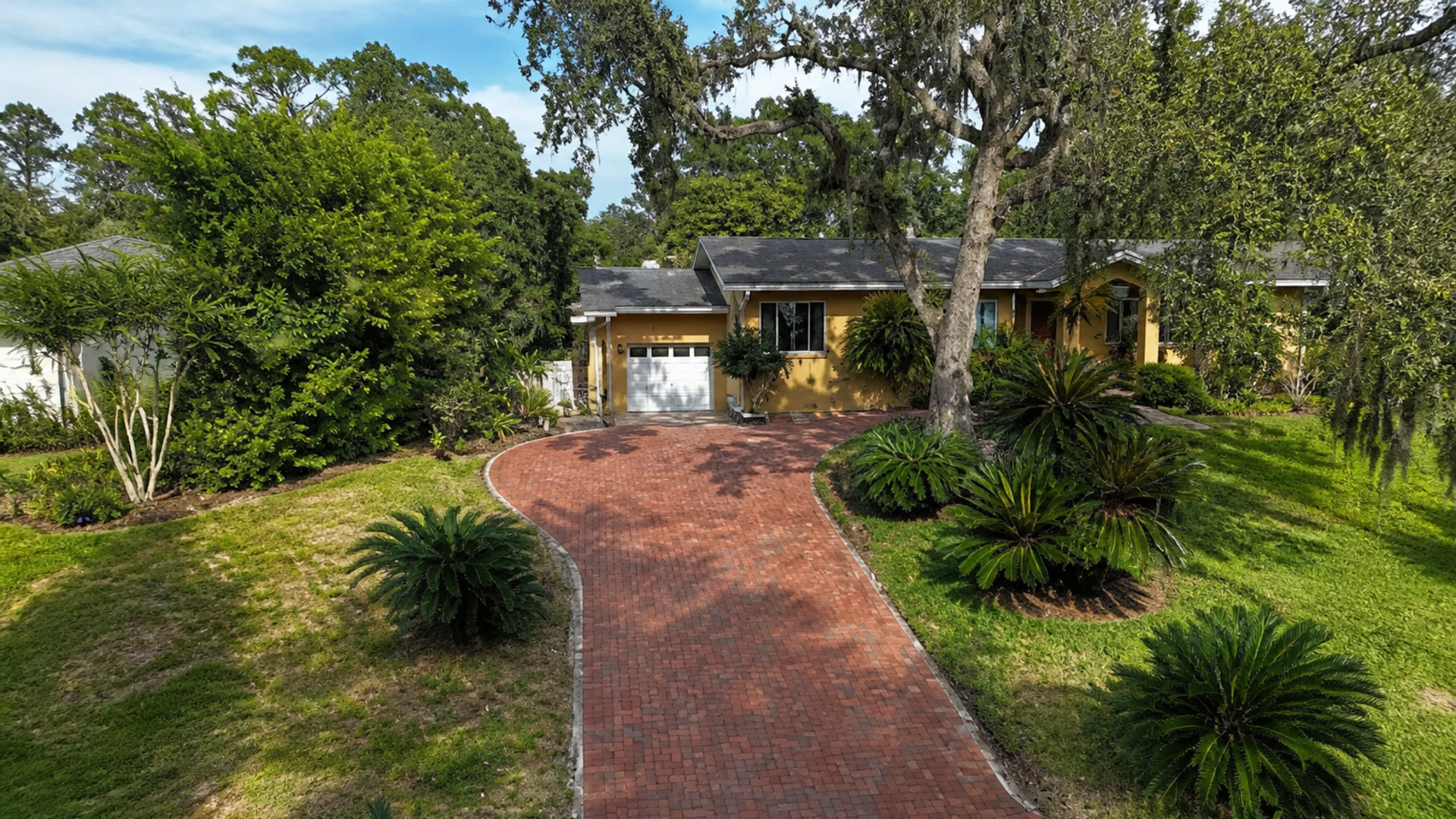
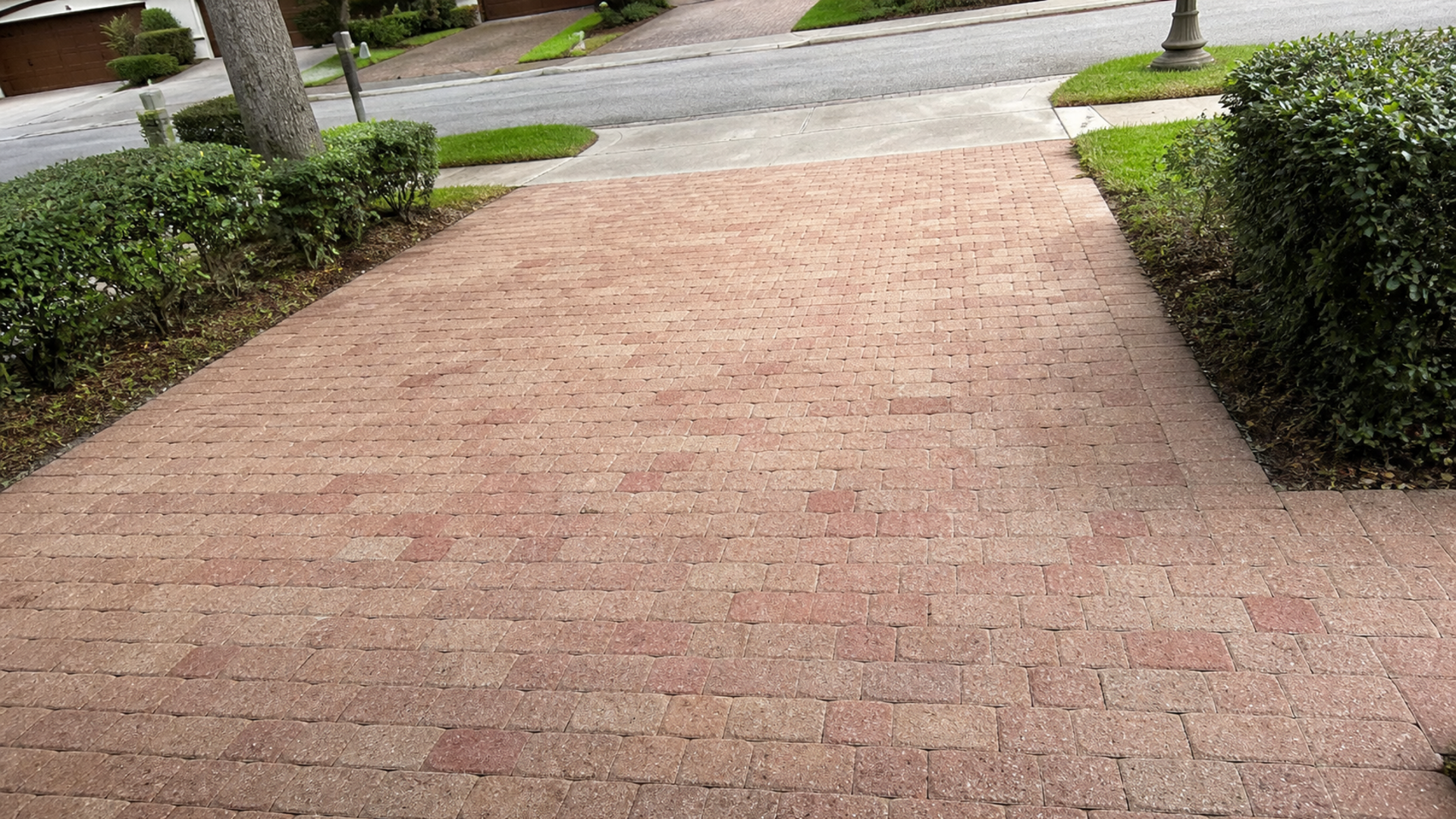
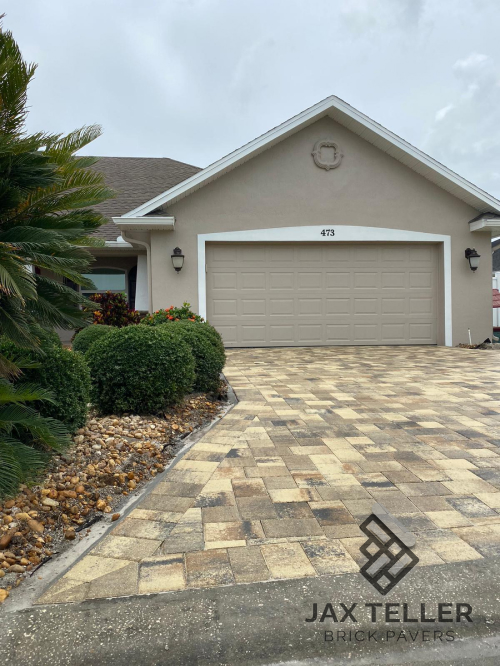
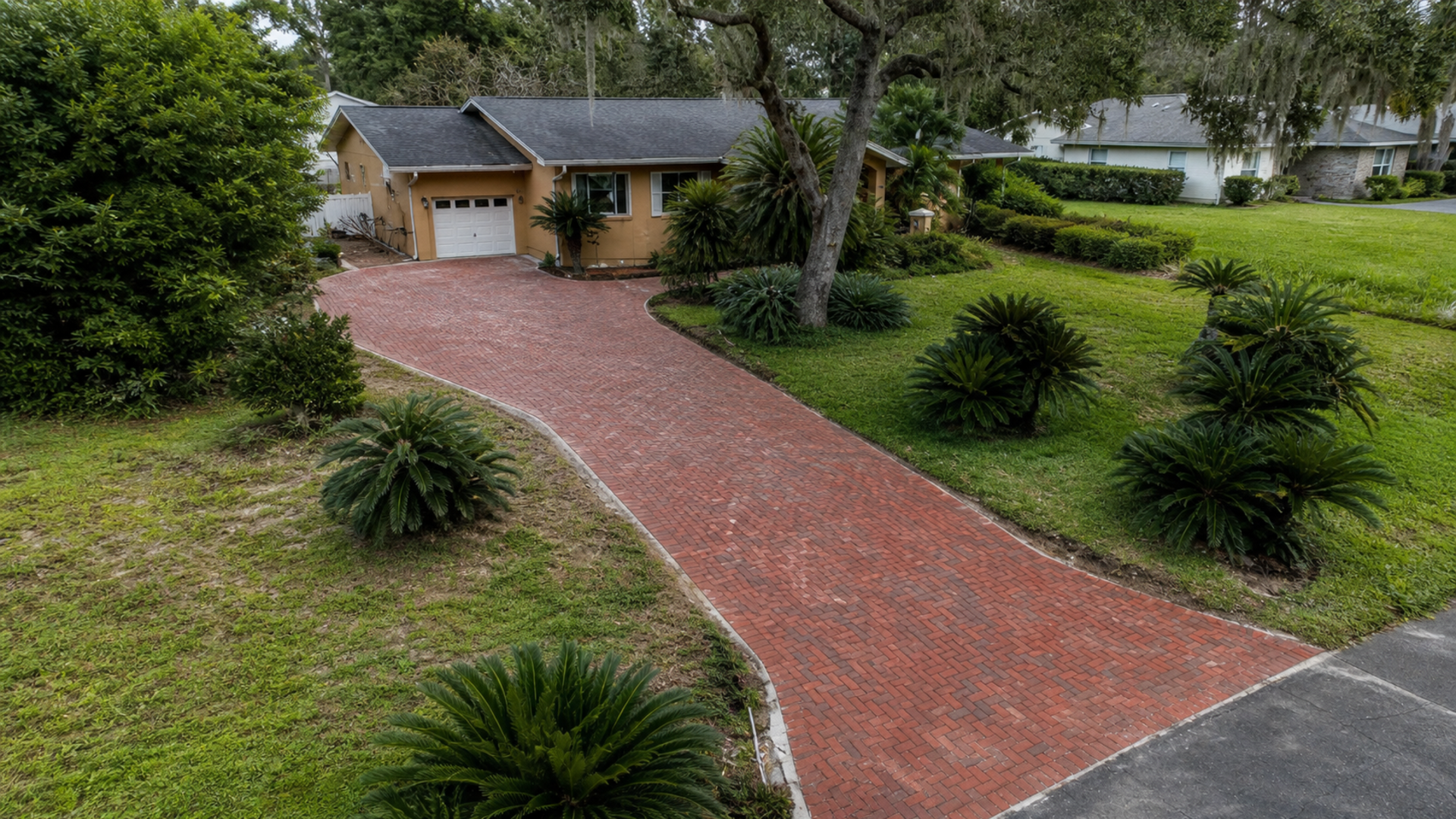
First, inspect the full width where installed pavers meet the street surface. Moreover, driveway apron pavers planning should use that evidence before the scope expands. In addition, mark rocking units, open joints, chipped corners, and displaced border pieces. Because of this, the comparison keeps a visible symptom from becoming the only basis for the decision.
However, observe tire paths during ordinary entry without placing a vehicle for a photo. Most importantly, the next step should match the actual site instead of a generic repair recipe. Therefore, compare both driveway edges for unequal settlement or soil loss. Similarly, the record helps a contractor explain which work belongs inside the estimate.
Understand the likely causes in Largo properties
For example, consider repeated turning loads where tires cross the apron at an angle. As a result, driveway apron pavers planning should use that evidence before the scope expands. Moreover, check whether street runoff reaches one side more often than the other. On the other hand, the result should support normal use without promising performance that the site cannot prove.
Because of this, look for weak edge support beside lawn, curb, or an older paved surface. Finally, the distinction matters because Florida rain can expose a weak detail very quickly. Most importantly, separate surface wear from base movement before choosing a response. First, a clear scope separates routine care from installation or repair work.
Make design decisions around the whole paved area
Similarly, keep the entrance width compatible with the existing driveway and property access. In addition, driveway apron pavers planning should use that evidence before the scope expands. As a result, continue pattern lines so the apron belongs to the same installed design. However, the comparison keeps a visible symptom from becoming the only basis for the decision.
On the other hand, use border placement to support the edge without inventing a new product. Therefore, the next step should match the actual site instead of a generic repair recipe. Finally, coordinate color variation with the real driveway instead of a catalog sample. For example, the record helps a contractor explain which work belongs inside the estimate.
Plan the work sequence without hiding the cause
First, map the apron limits before lifting any paver near the public edge. Moreover, driveway apron pavers planning should use that evidence before the scope expands. In addition, preserve reusable units in installation order when a repair allows. Because of this, the result should support normal use without promising performance that the site cannot prove.
However, prepare and compact the confirmed base area in controlled lifts. Most importantly, the distinction matters because Florida rain can expose a weak detail very quickly. Therefore, reset the pattern and verify a smooth transition across the repaired width. Similarly, a clear scope separates routine care from installation or repair work.
Coordinate water movement with the surrounding grade
For example, watch how street water approaches the apron during a routine rain event. As a result, driveway apron pavers planning should use that evidence before the scope expands. Moreover, avoid creating a low strip that traps runoff at the property entrance. On the other hand, the comparison keeps a visible symptom from becoming the only basis for the decision.
Because of this, protect adjacent lawn from washout along both paver borders. Finally, the next step should match the actual site instead of a generic repair recipe. Most importantly, refer public drainage or right-of-way questions to the proper local authority. First, the record helps a contractor explain which work belongs inside the estimate.
Protect the installed surface and connected details
Similarly, match existing joint spacing across the main field and border course. In addition, driveway apron pavers planning should use that evidence before the scope expands. As a result, protect the street edge from loose bedding material during the work. However, the result should support normal use without promising performance that the site cannot prove.
On the other hand, inspect cut units for stable support rather than judging appearance alone. Therefore, the distinction matters because Florida rain can expose a weak detail very quickly. Finally, finish the visible entrance without adding unverified decorative materials. For example, a clear scope separates routine care from installation or repair work.
Build a practical Florida maintenance routine
First, remove leaves and grit that collect where the driveway meets the street. Moreover, driveway apron pavers planning should use that evidence before the scope expands. In addition, track recurring sand loss at the same apron corner after rain. Because of this, the comparison keeps a visible symptom from becoming the only basis for the decision.
However, clean tire marks with a paver-appropriate method before considering sealer. Most importantly, the next step should match the actual site instead of a generic repair recipe. Therefore, review edge movement early instead of waiting for several units to loosen. Similarly, the record helps a contractor explain which work belongs inside the estimate.
Avoid shortcuts that create repeat problems
For example, avoid filling a moving joint with a rigid surface patch. As a result, driveway apron pavers planning should use that evidence before the scope expands. Moreover, do not promise a seamless color match on weathered existing pavers. On the other hand, the result should support normal use without promising performance that the site cannot prove.
Because of this, skip pressure washing settings that strip joint sand from the apron. Finally, the distinction matters because Florida rain can expose a weak detail very quickly. Most importantly, reject a narrow repair line when movement continues beyond it. First, a clear scope separates routine care from installation or repair work.
Use an on-site estimate to define the real scope
Similarly, confirm ownership boundaries before including the street edge in the scope. In addition, driveway apron pavers planning should use that evidence before the scope expands. As a result, measure apron width, border length, access, and the affected base area. However, the comparison keeps a visible symptom from becoming the only basis for the decision.
On the other hand, identify reusable pavers and any realistic replacement needs on site. Therefore, the next step should match the actual site instead of a generic repair recipe. Finally, write the estimate around the observed transition and stated exclusions. For example, the record helps a contractor explain which work belongs inside the estimate.
Homeowner checklist for driveway apron pavers
- Document: inspect the full width where installed pavers meet the street surface
- Document: consider repeated turning loads where tires cross the apron at an angle
- Document: keep the entrance width compatible with the existing driveway and property access
- Document: map the apron limits before lifting any paver near the public edge
- Document: watch how street water approaches the apron during a routine rain event
- Document: match existing joint spacing across the main field and border course
- Document: remove leaves and grit that collect where the driveway meets the street
- Document: avoid filling a moving joint with a rigid surface patch
- Document: confirm ownership boundaries before including the street edge in the scope
In addition, keep this checklist with photos and dates so driveway apron pavers decisions remain tied to observable changes. Therefore, update the notes after heavy rain, cleaning, repair work, or any change to nearby landscaping.
Documenting driveway apron pavers decisions and follow-up
First, document driveway apron pavers before any cleaning, lifting, resetting, or sealing begins. In addition, include wide photographs, close context views, and weather notes. Also record this fact: inspect the full width where installed pavers meet the street surface. However, label unproved causes as assumptions about why an entrance edge moves or wears unevenly. Therefore, the estimate can respond to evidence while avoiding a remote diagnosis.
For example, set this follow-up task: remove leaves and grit that collect where the driveway meets the street. Moreover, protect this detail during work: match existing joint spacing across the main field and border course. Because of this, driveway apron pavers needs a measurable finished condition. Most importantly, compare pattern, joints, edges, access, and surrounding grade.
Similarly, check this after normal use: clean tire marks with a paver-appropriate method before considering sealer. As a result, review early changes promptly. Avoid this shortcut: avoid filling a moving joint with a rigid surface patch. On the other hand, stable conditions create a baseline for future driveway apron pavers decisions. Finally, keep the estimate, photos, maintenance notes, and product directions with property records.
In particular, compare this design choice: continue pattern lines so the apron belongs to the same installed design. Beyond that, review this water detail: protect adjacent lawn from washout along both paver borders. Therefore, confirm this final check: reset the pattern and verify a smooth transition across the repaired width. Finally, keep driveway apron pavers tied to those documented property conditions.
Frequently asked questions about driveway apron pavers
What should homeowners check first for driveway apron pavers?
First, inspect the full width where installed pavers meet the street surface. In addition, mark rocking units, open joints, chipped corners, and displaced border pieces. However, photograph the area in dry weather and again after ordinary rainfall. Therefore, compare one isolated symptom with the condition of the surrounding installed pavers. As a result, driveway apron pavers stays tied to the real Largo property instead of a one-size-fits-all answer.
Can cleaning or sealing solve the entire problem?
First, remove leaves and grit that collect where the driveway meets the street. In addition, track recurring sand loss at the same apron corner after rain. However, treat cleaning as surface care rather than a substitute for base or drainage correction. Therefore, choose sealing only after the surface, joints, and moisture conditions support it.
When does a small repair need a wider evaluation?
First, map the apron limits before lifting any paver near the public edge. In addition, preserve reusable units in installation order when a repair allows. However, expand the evaluation when movement crosses several pavers or returns after earlier work. Therefore, request local advice when doors, coping, walls, curbs, or utilities connect to the affected area.
How long should a durable correction take?
First, avoid using a fixed timeline before the crew sees access, size, drainage, and existing materials. In addition, allow time for careful removal, base preparation, alignment, compaction, and final joint work. However, include weather and curing limits when cleaning or sealing forms part of the approved scope. Therefore, judge completion by the agreed condition and QA checks rather than speed alone.
Why request an on-site estimate for driveway apron pavers?
First, confirm ownership boundaries before including the street edge in the scope. In addition, measure apron width, border length, access, and the affected base area. However, use the visit to separate observations from recommendations and optional upgrades. Therefore, ask for a written scope that identifies assumptions, exclusions, and the intended finished condition. As a result, driveway apron pavers stays tied to the real Largo property instead of a one-size-fits-all answer.
Next steps for a practical driveway apron pavers plan
In addition, review JaxTeller Brick Pavers’ Paver Driveways page. Then connect driveway apron pavers with that relevant service and the company’s approach. Therefore, use this context before requesting a property-specific estimate.
For authoritative background, consult the Masonry and Hardscapes Association. However, general resources do not replace local measurements or product instructions. They also cannot replace a professional property review.
Therefore, driveway apron pavers should start with evidence, continue with a defined scope, and finish with a documented review. In particular, homeowners should preserve the surrounding grade, connected structures, installed pattern, and safe access while the work proceeds. As a result, a focused correction can support appearance and normal use without an invented guarantee. Finally, JaxTeller can inspect the area and explain a suitable paver service.
Ready to upgrade your driveway or patio? First, contact JaxTeller Brick Pavers for a property-specific review. In addition, explore our completed projects to see finished paver settings. Moreover, follow Instagram and Facebook for current visual references.
Therefore, send project details through WhatsApp. You can also call +1 407-907-8308 or email jaxtellerbrickpavers@gmail.com. Finally, use our Maps listing for location context. Contact JaxTeller Brick Pavers at +1 407-907-8308 or jaxtellerbrickpavers@gmail.com for your free estimate!