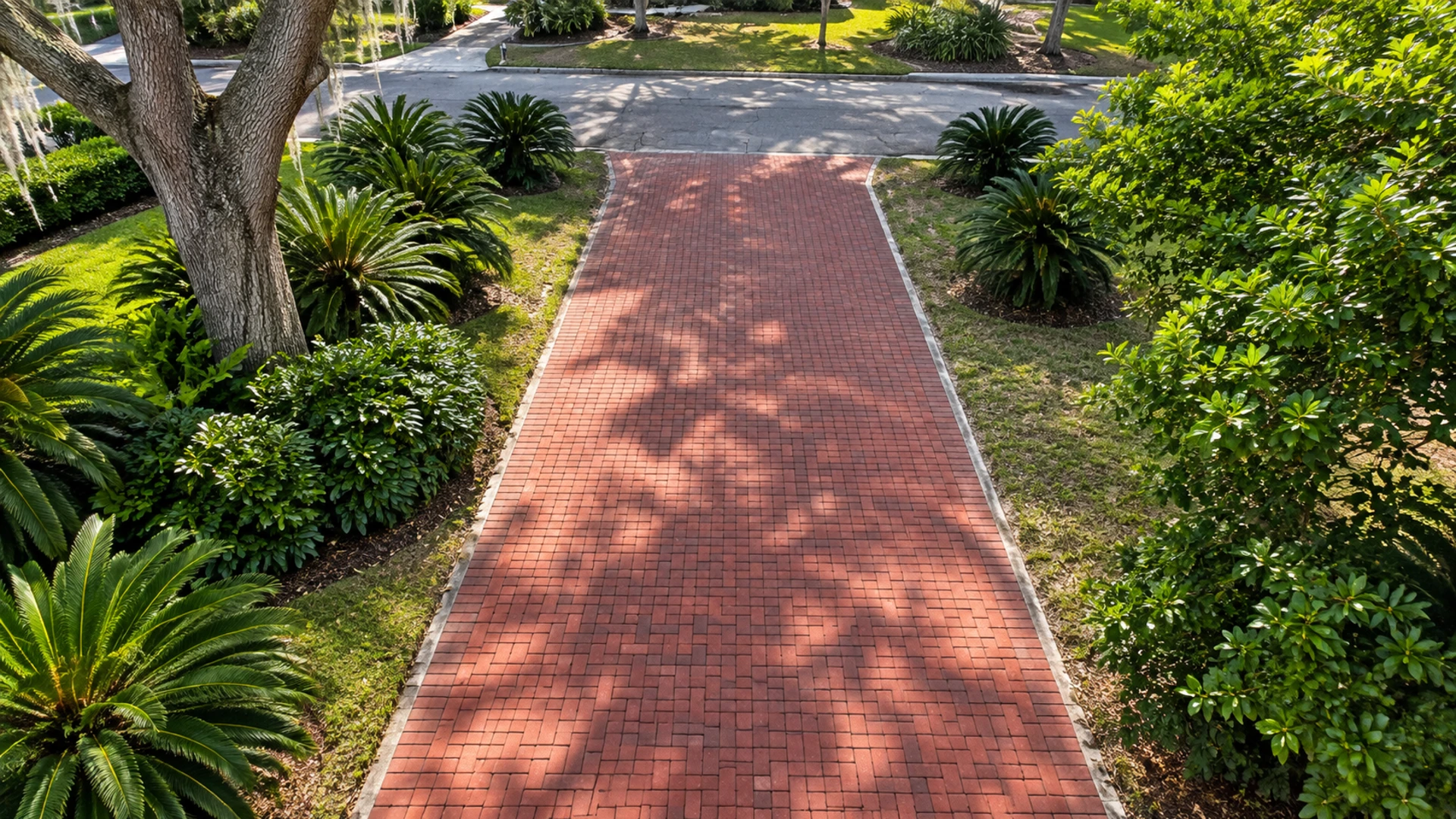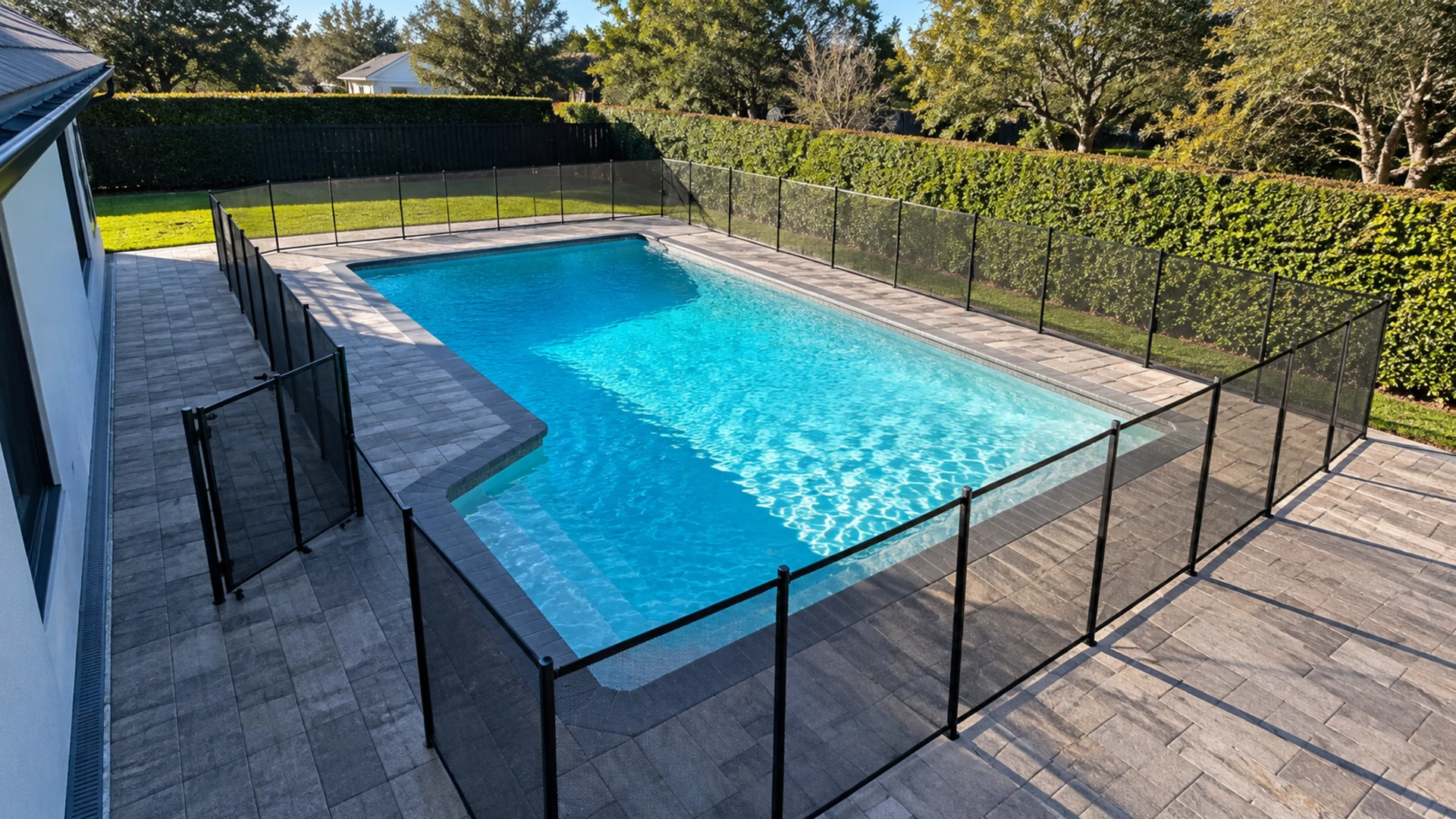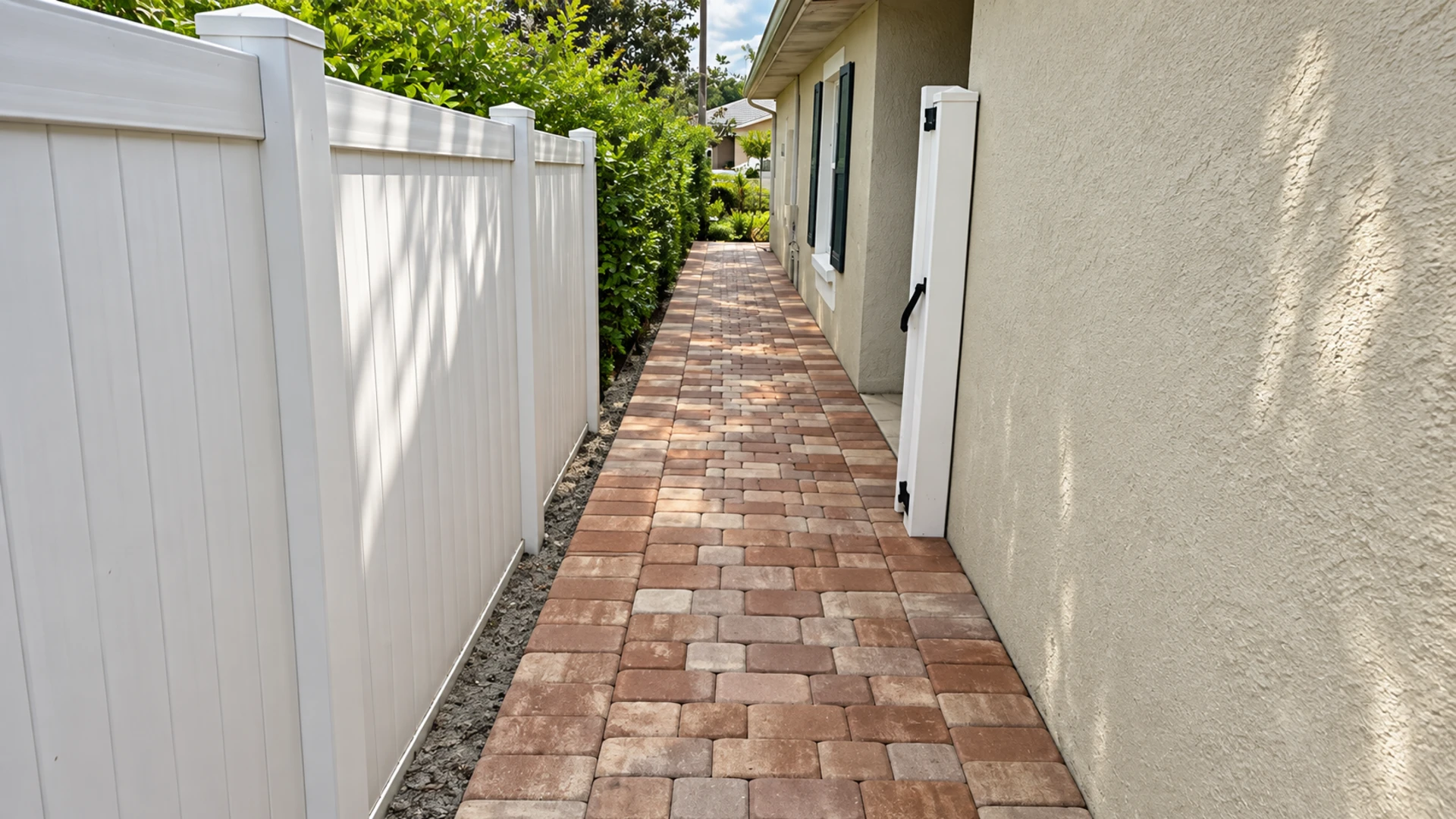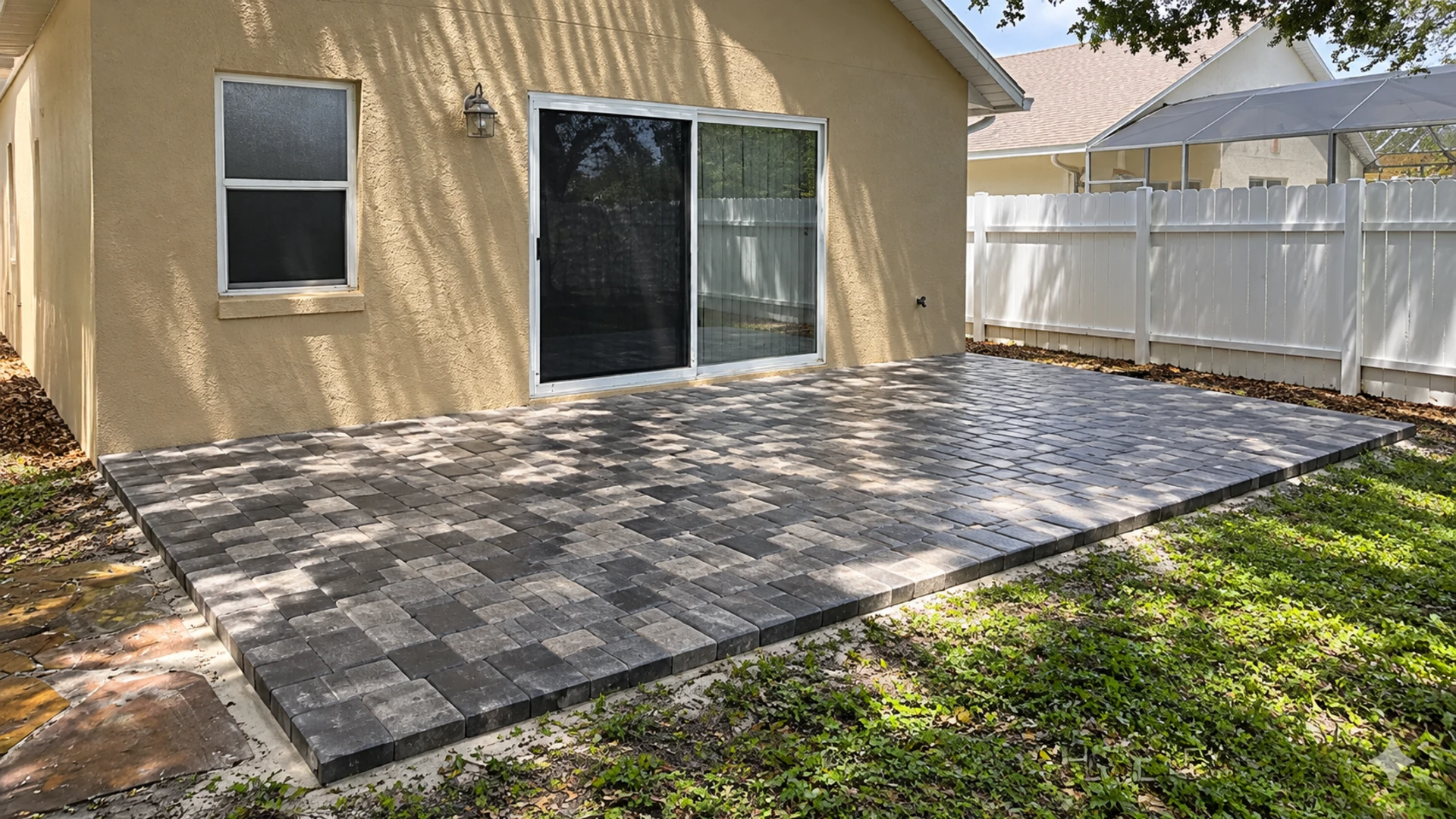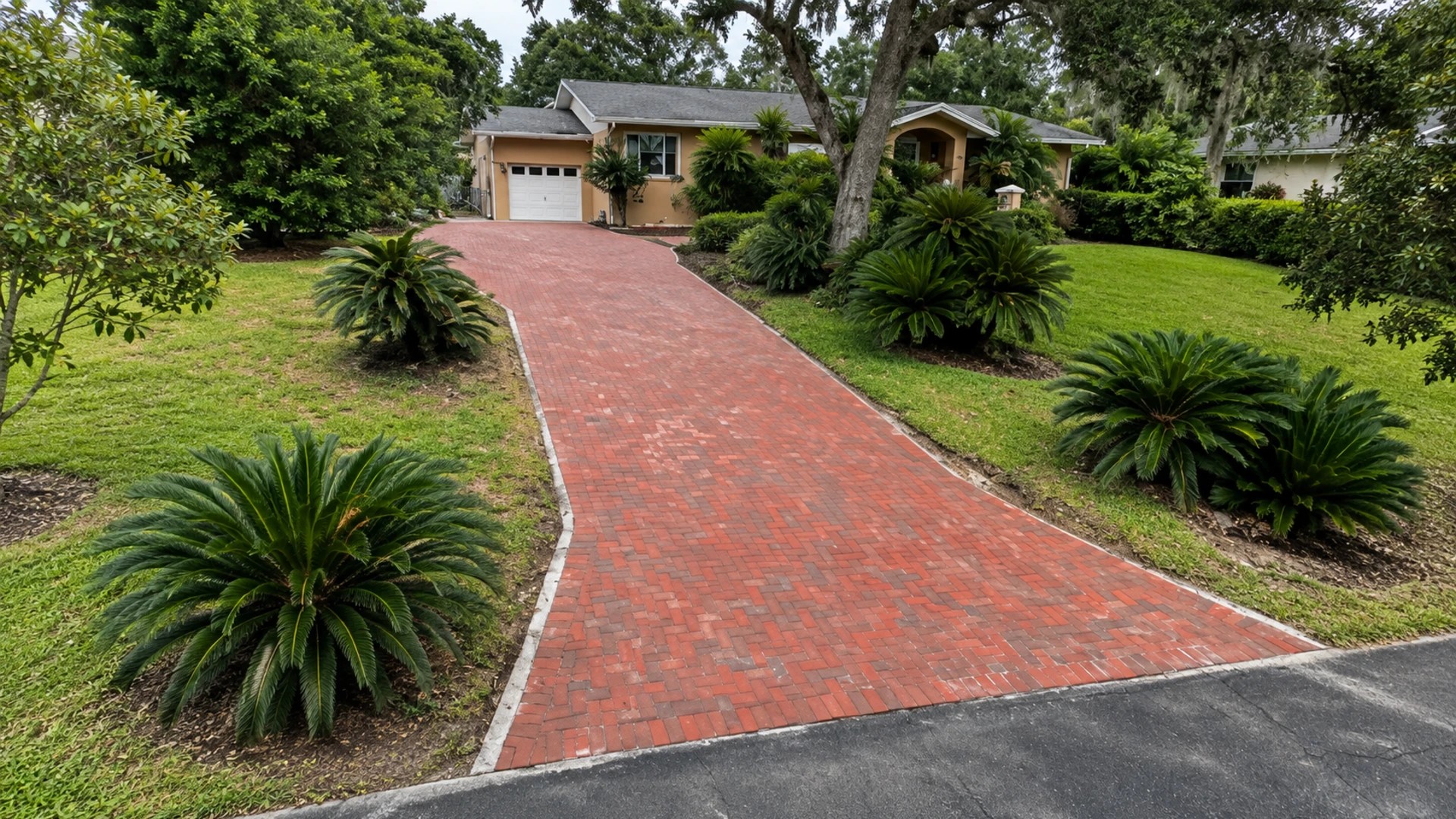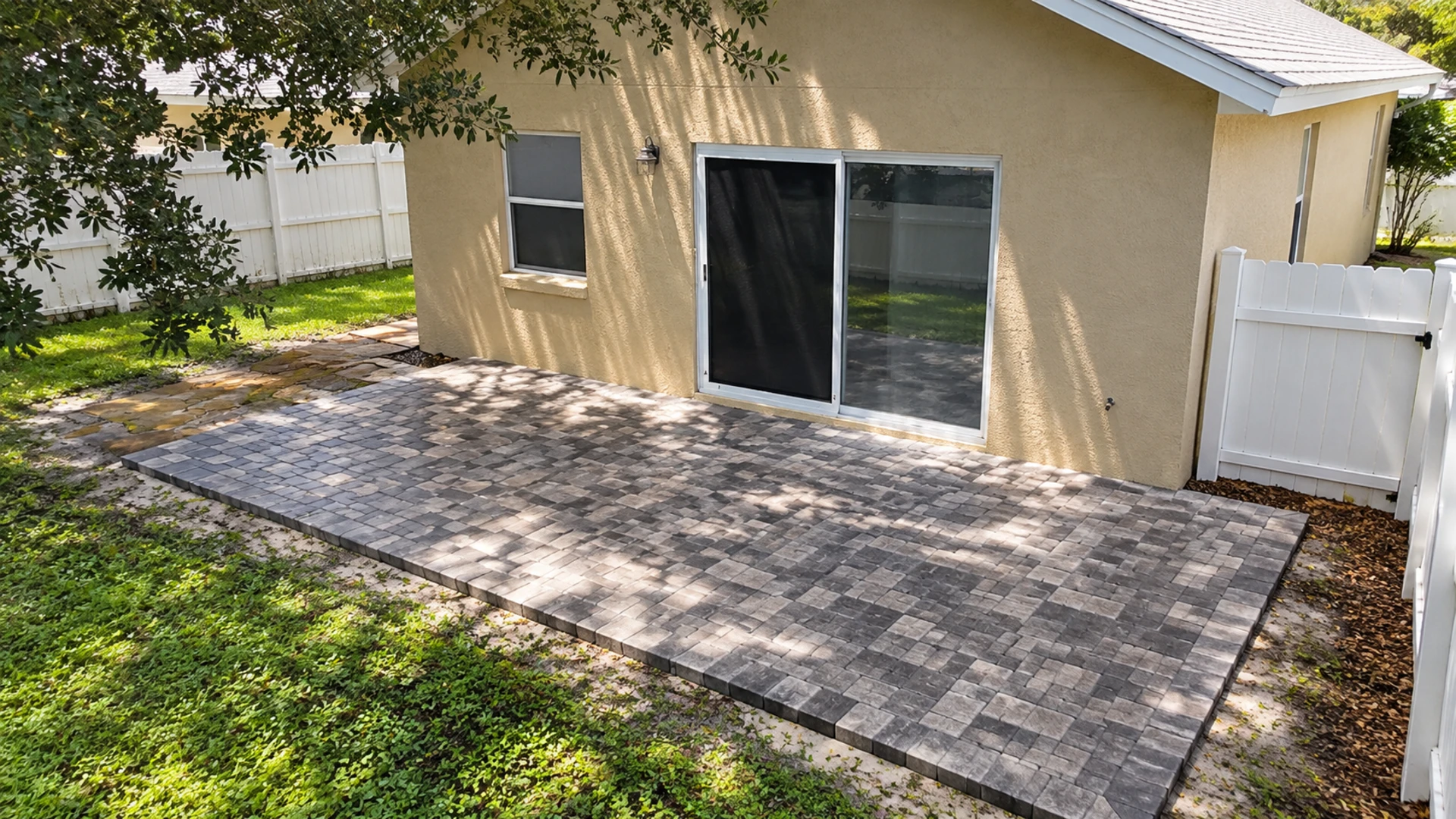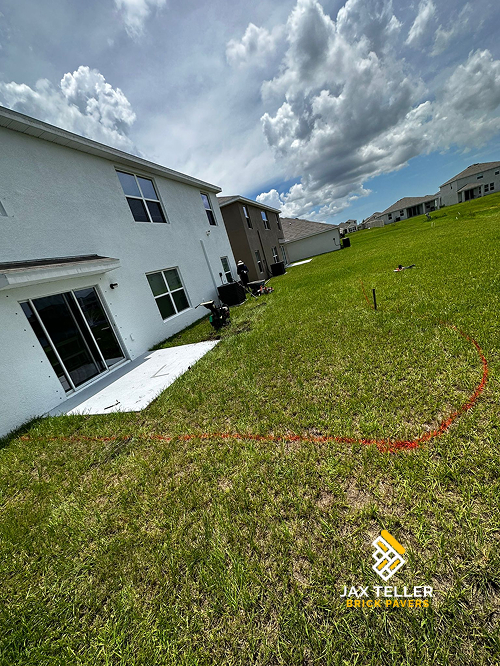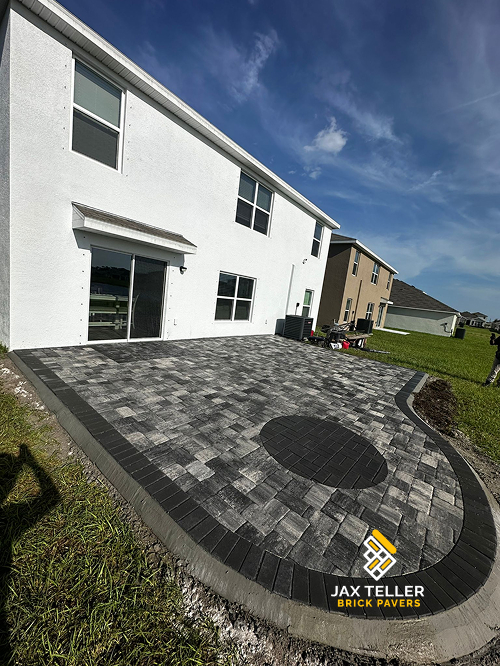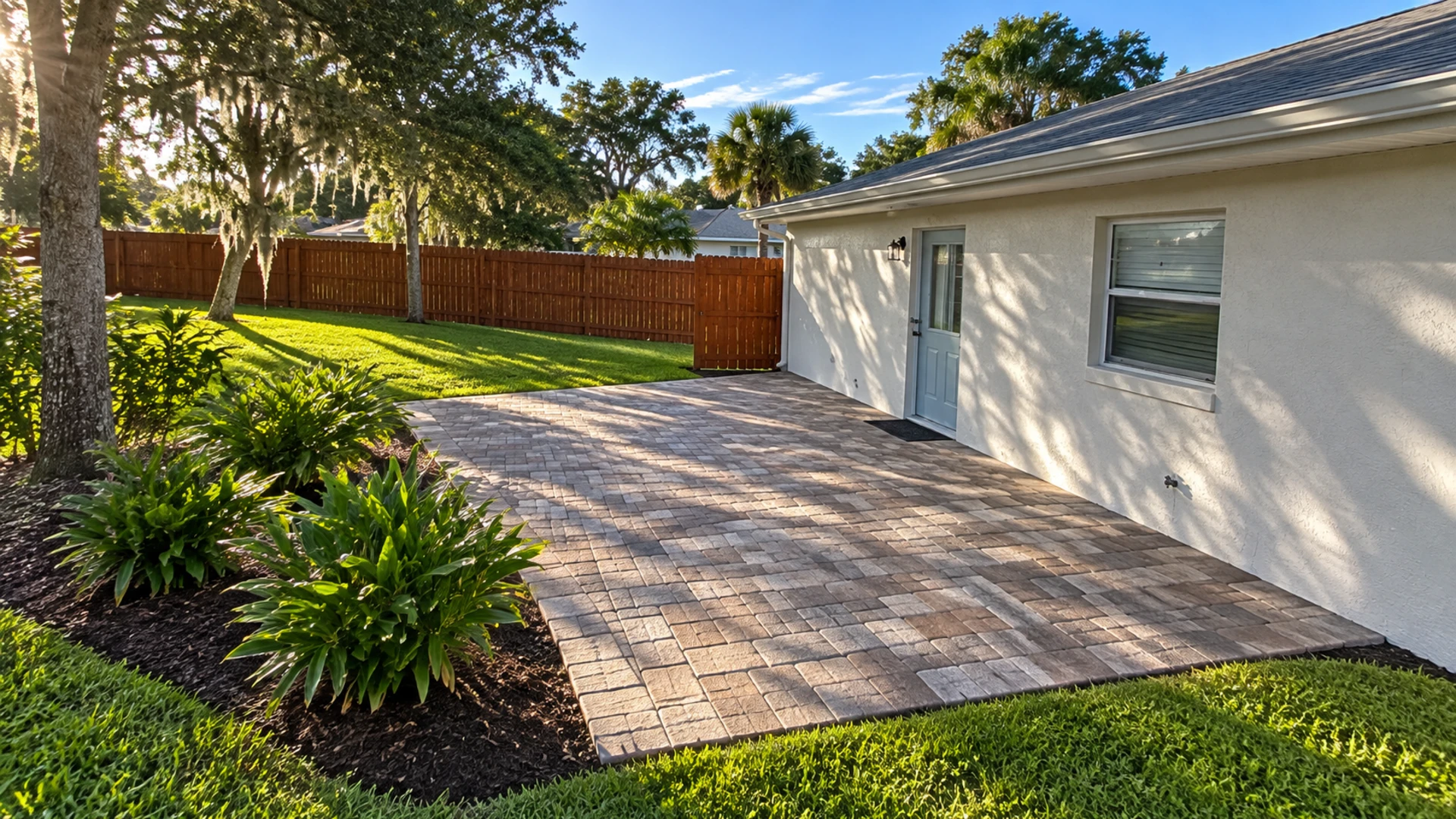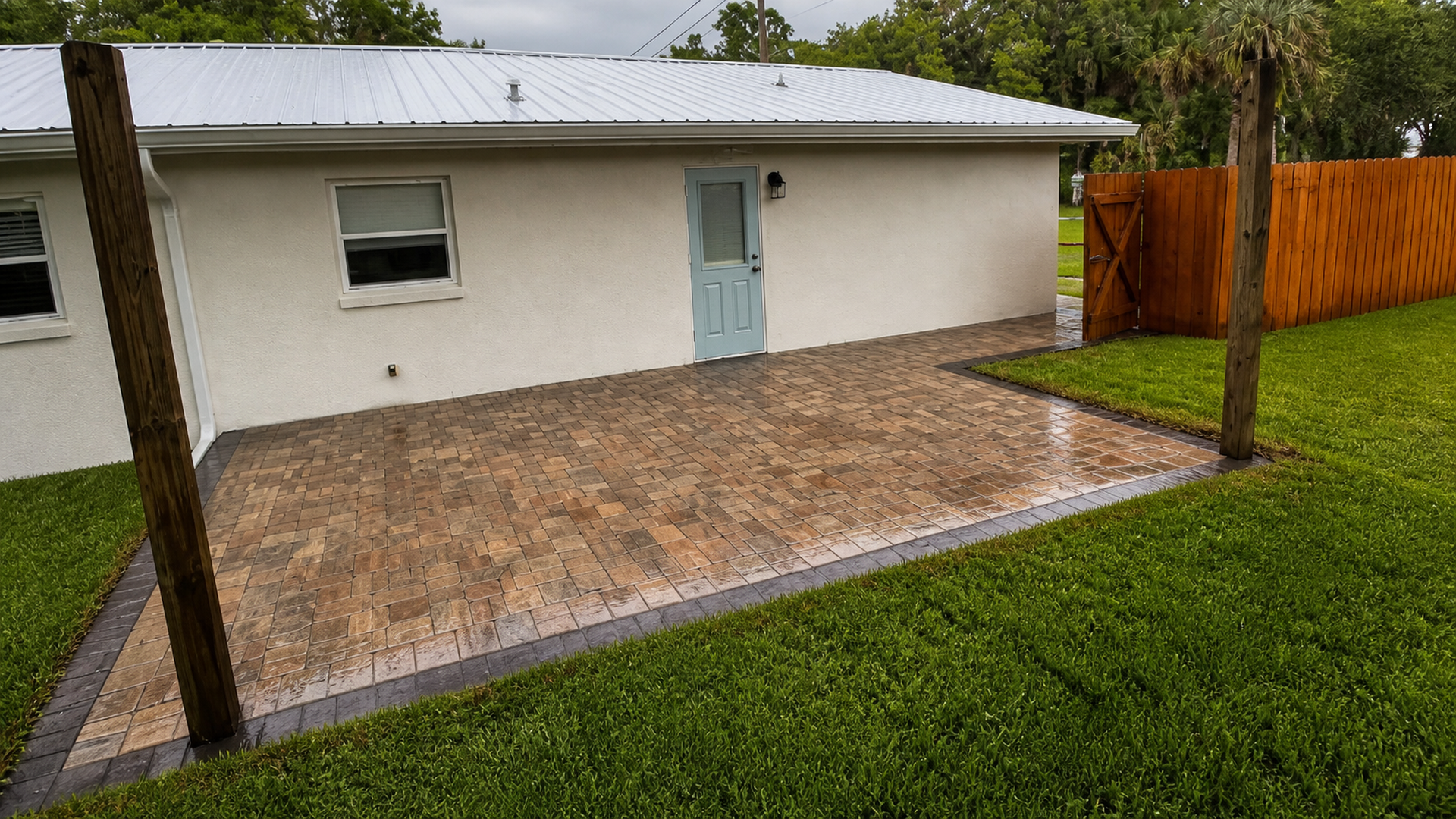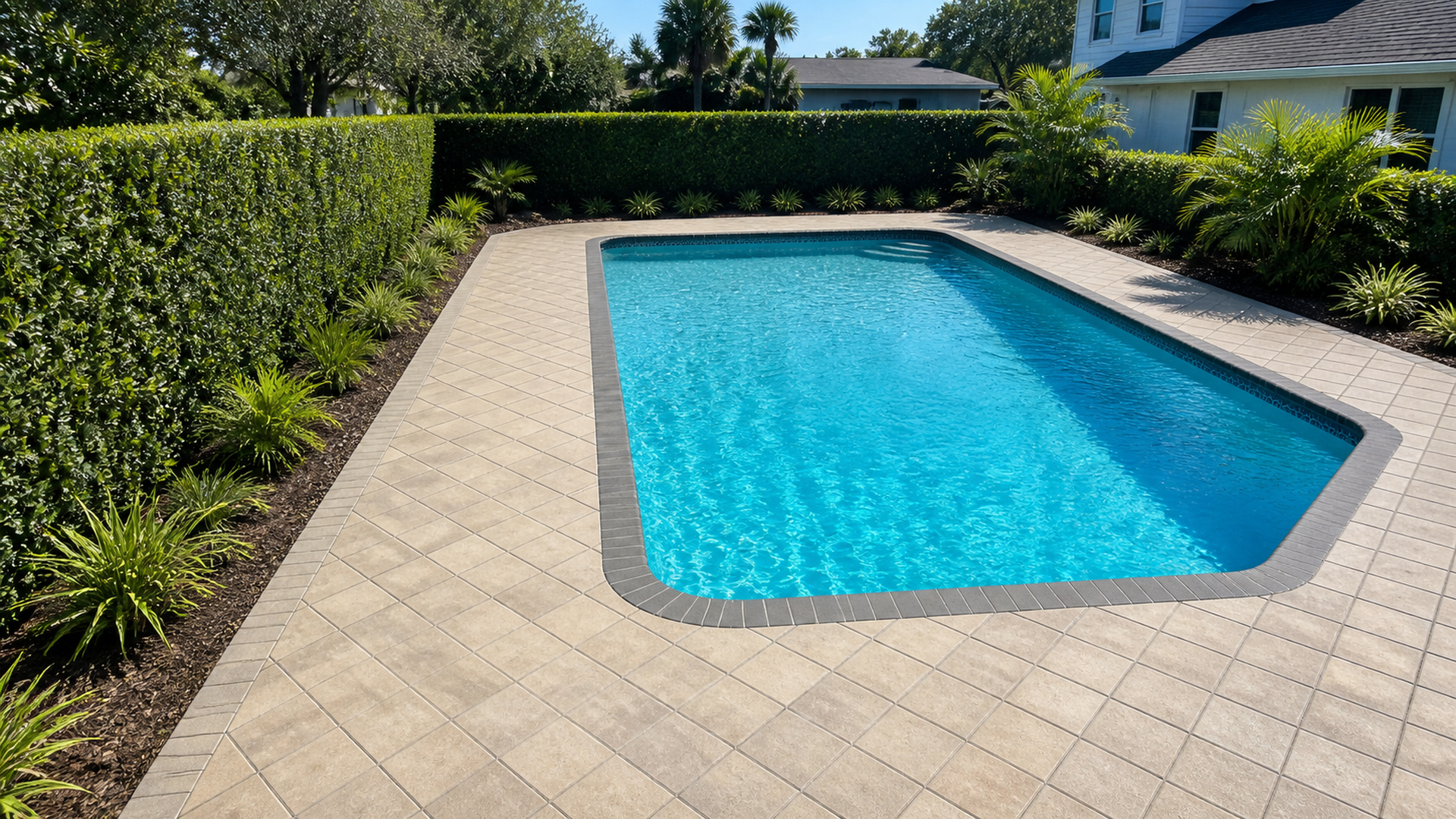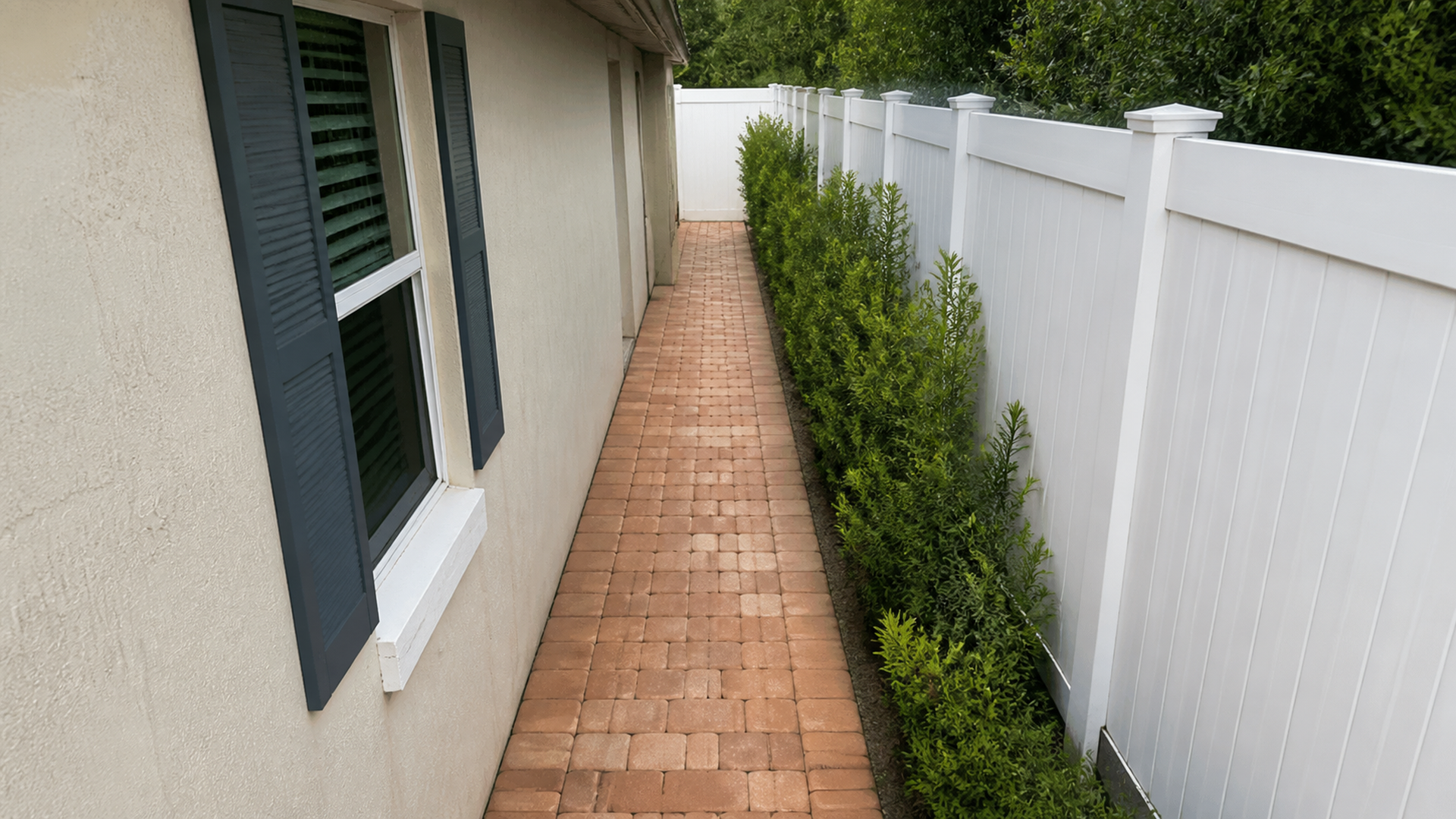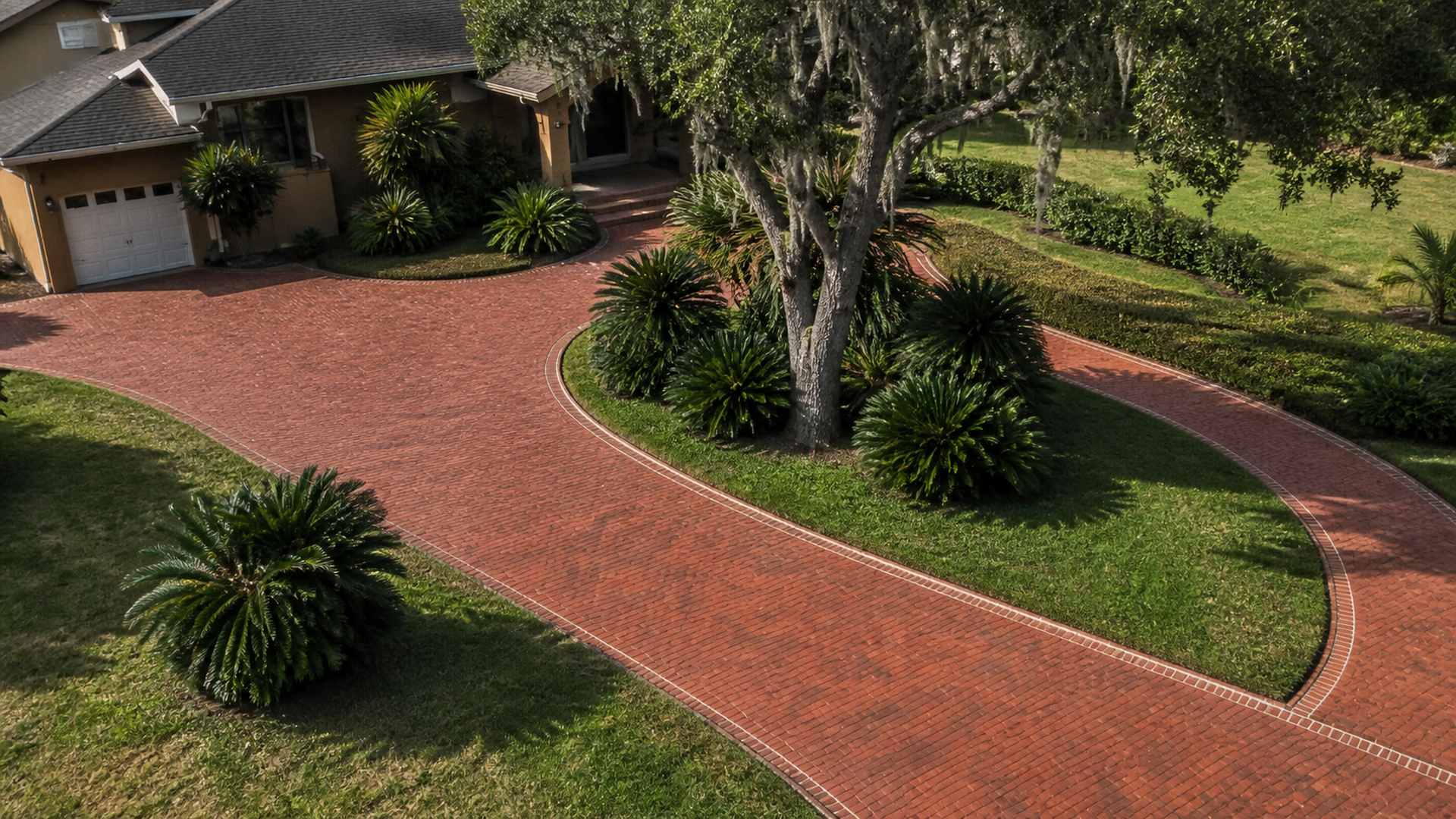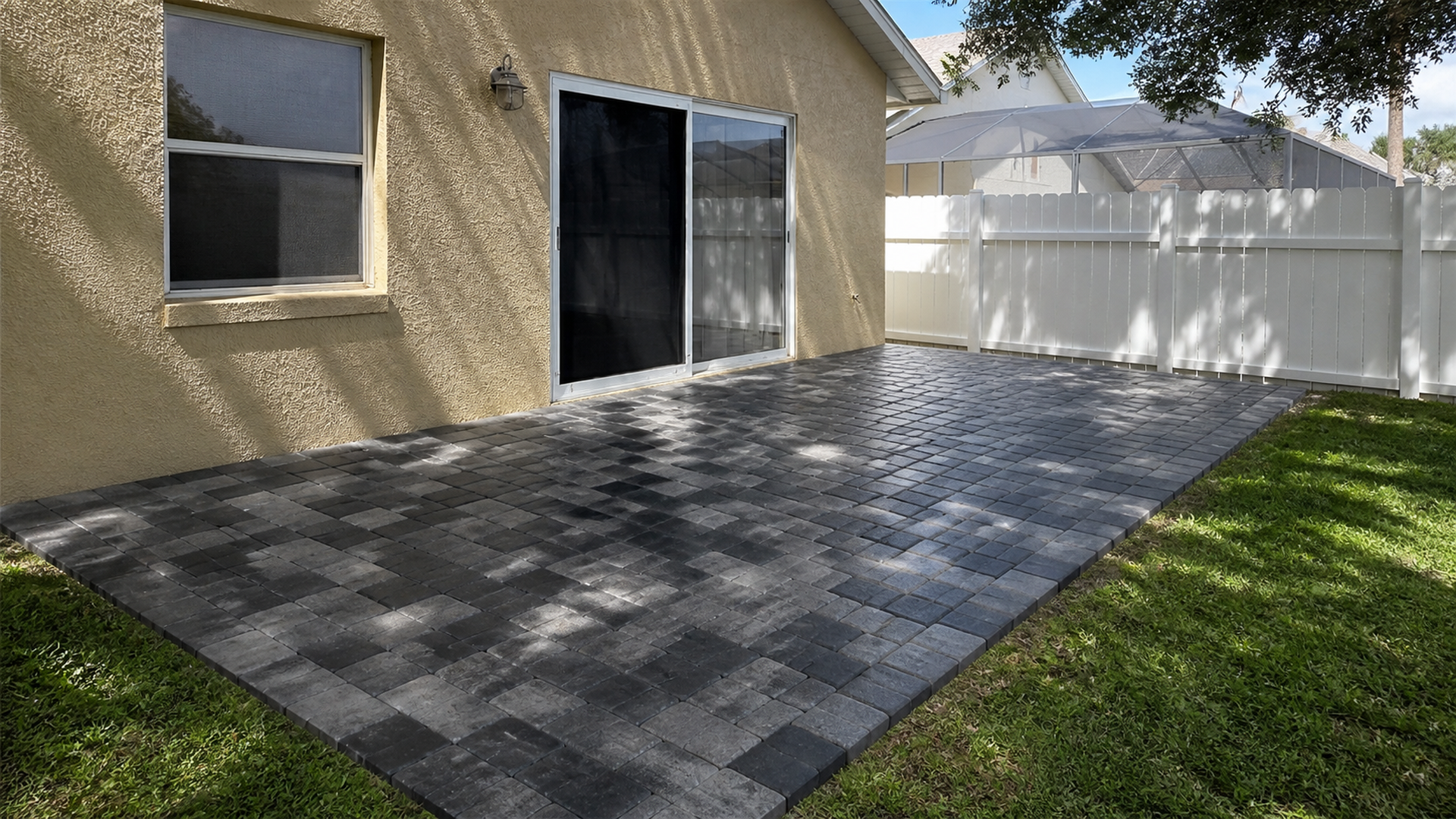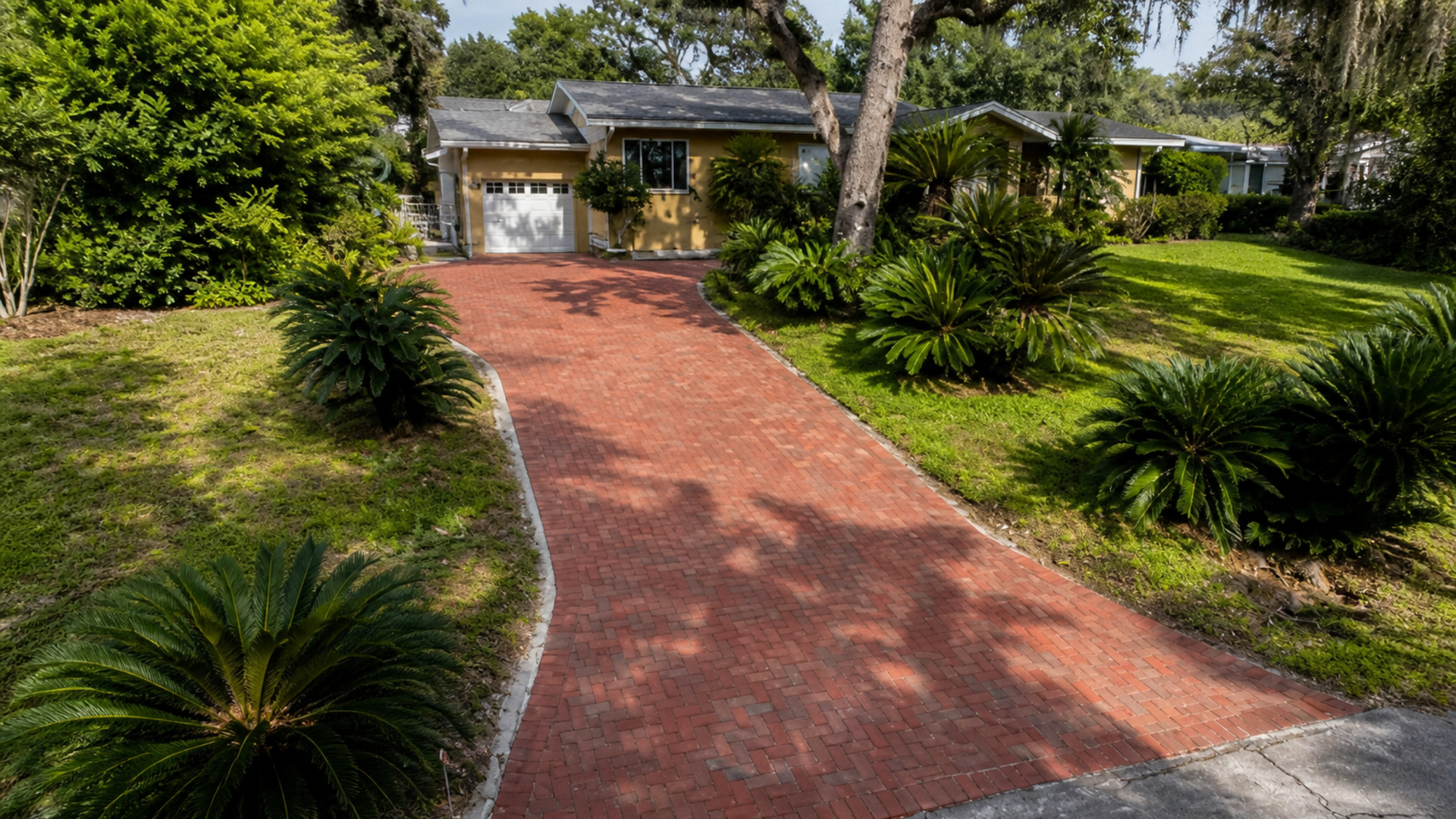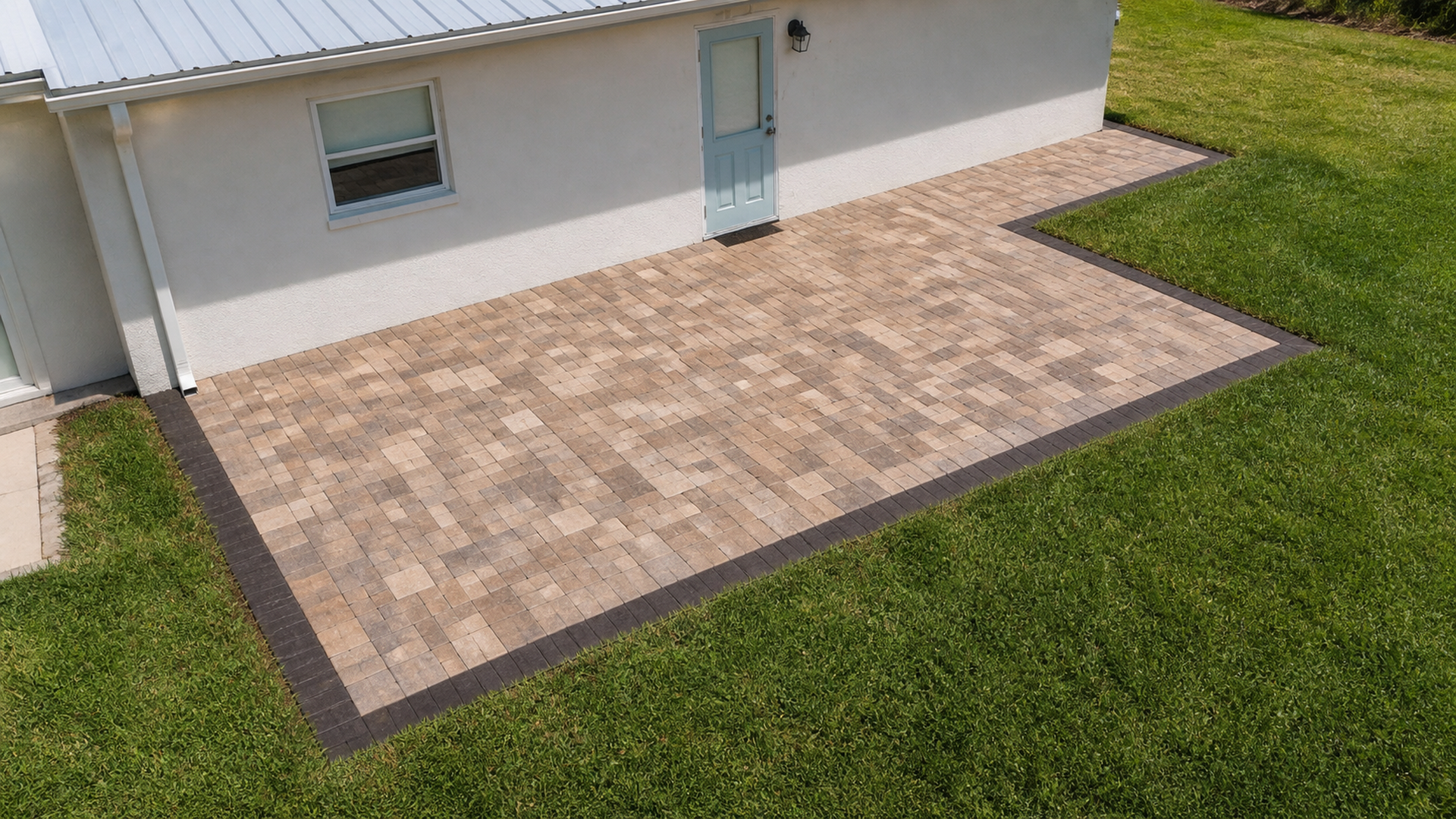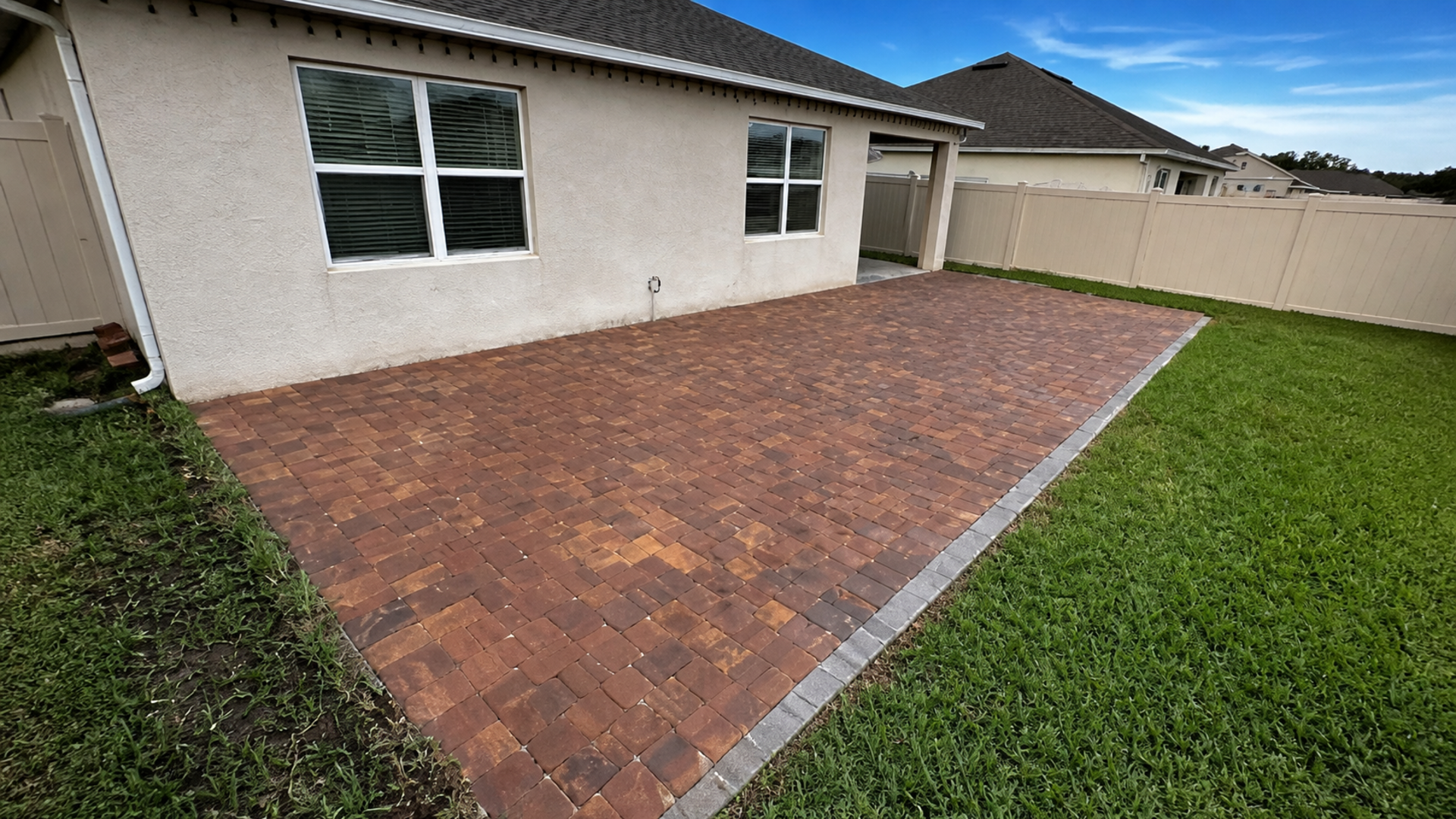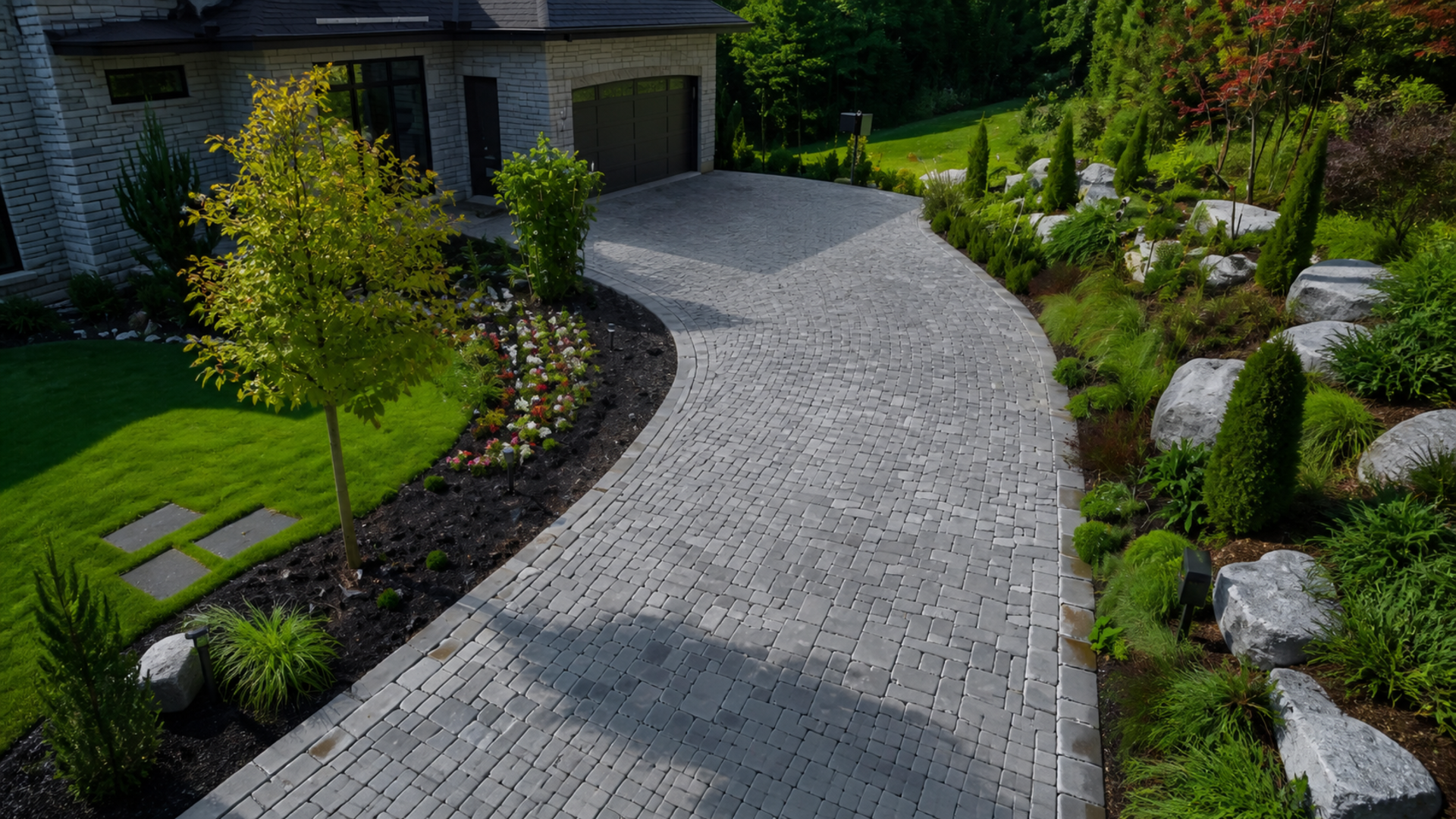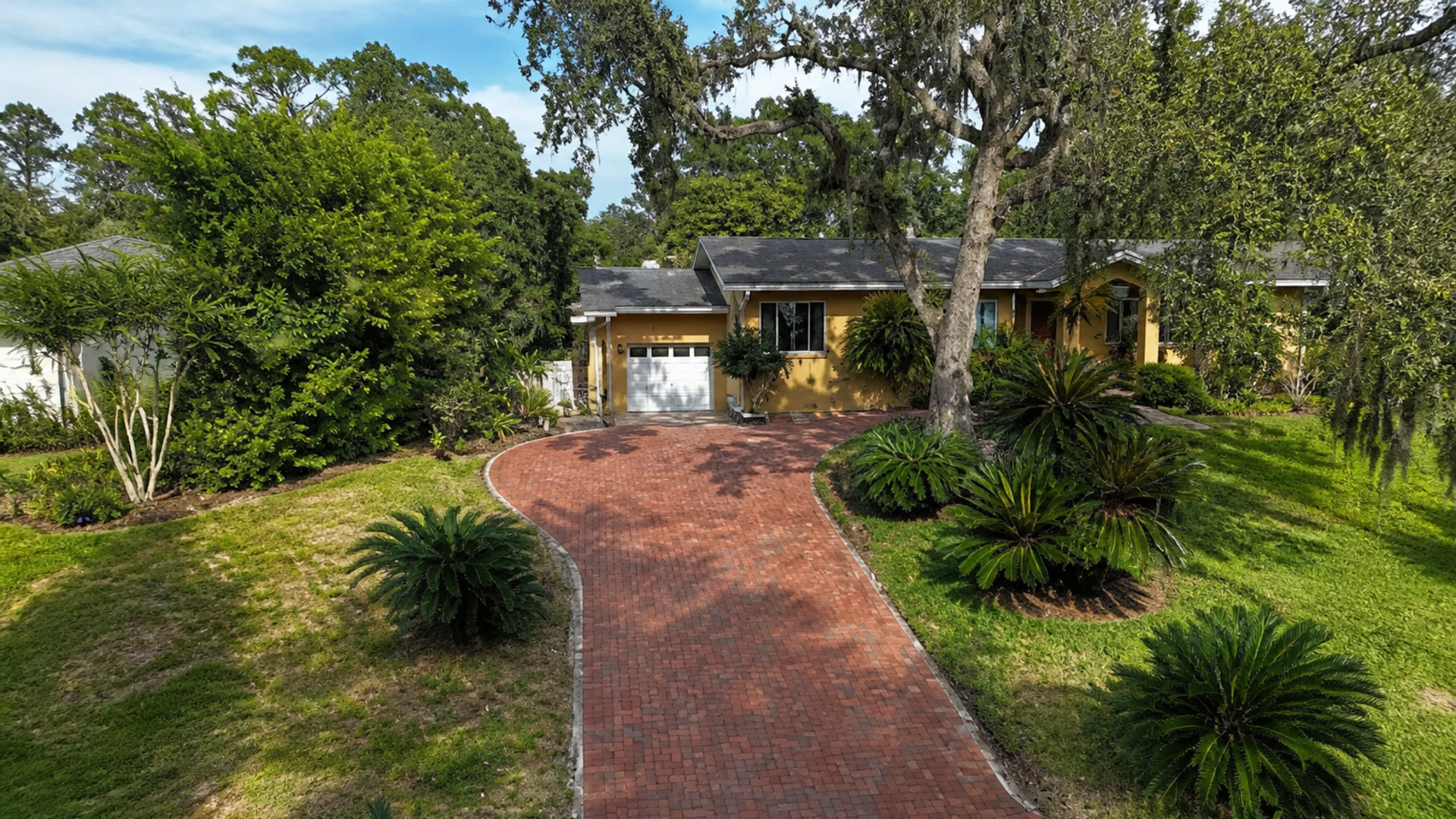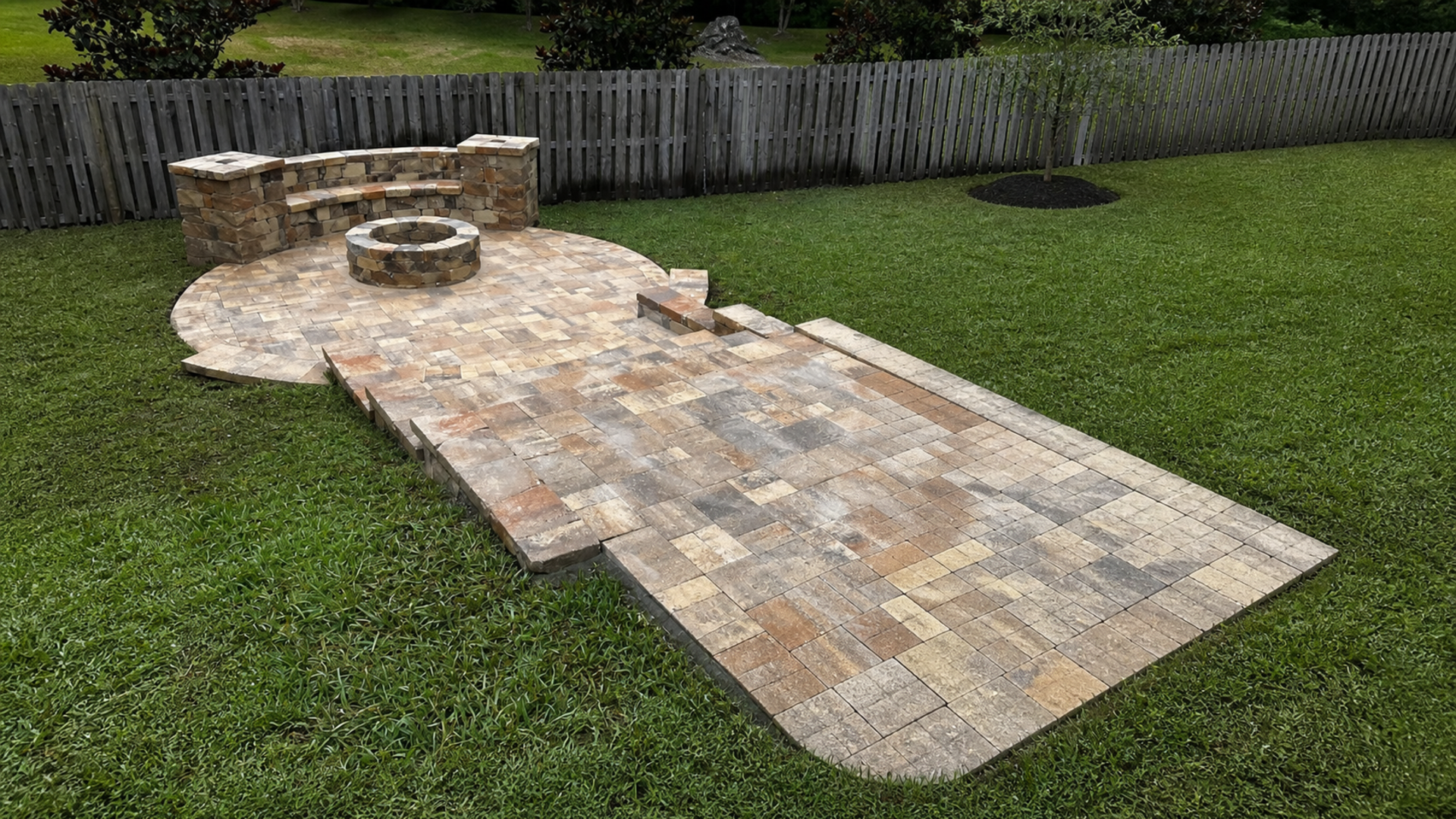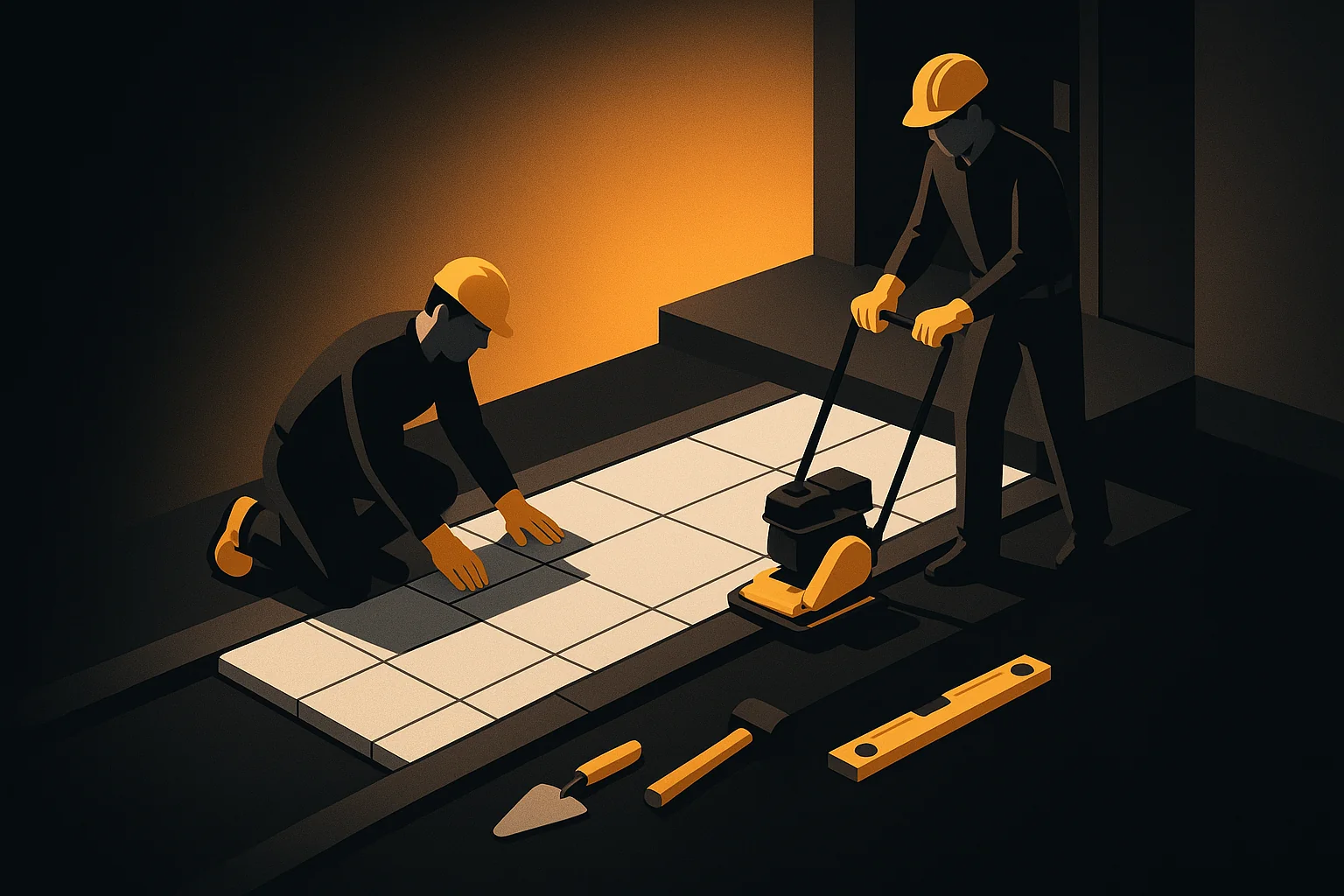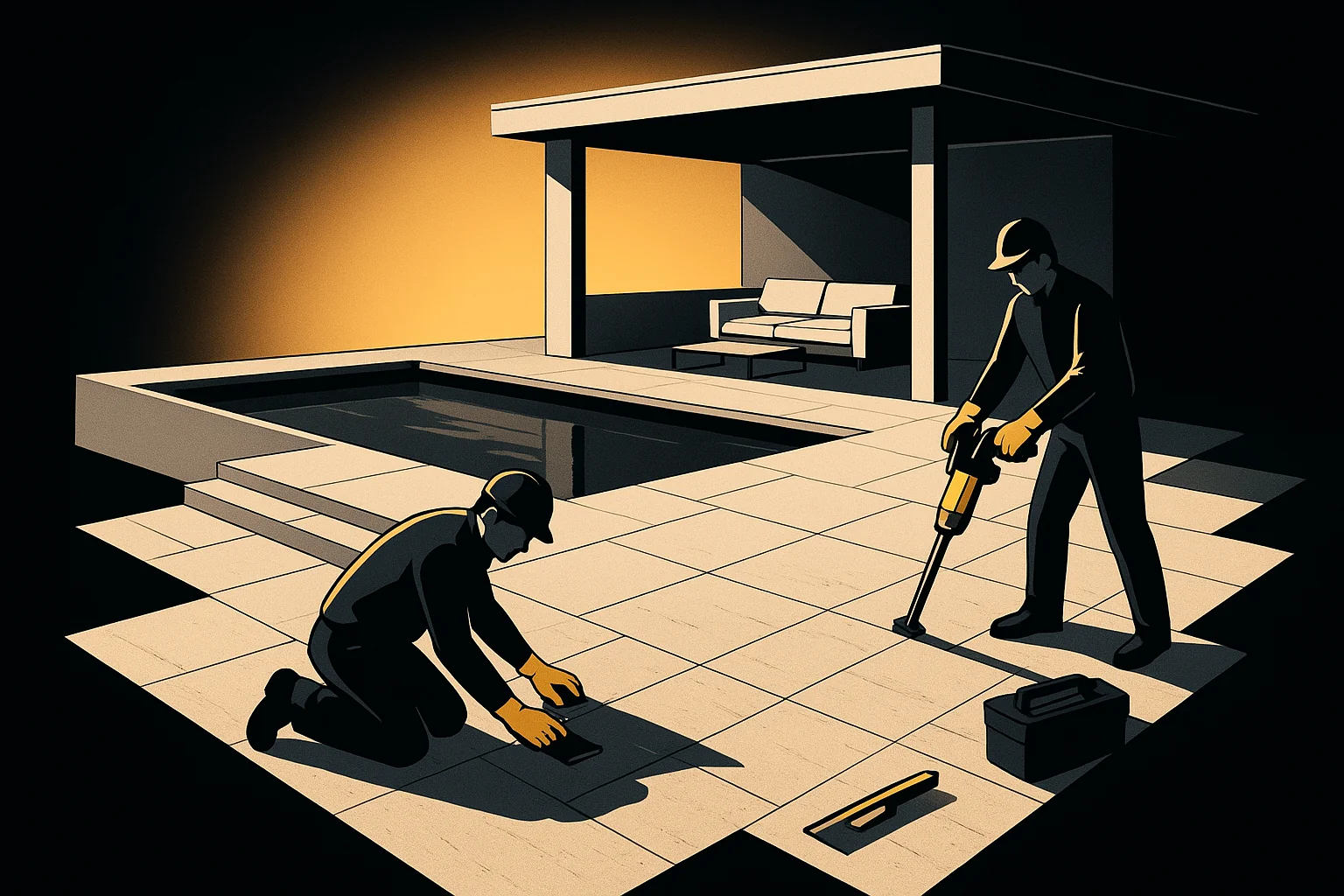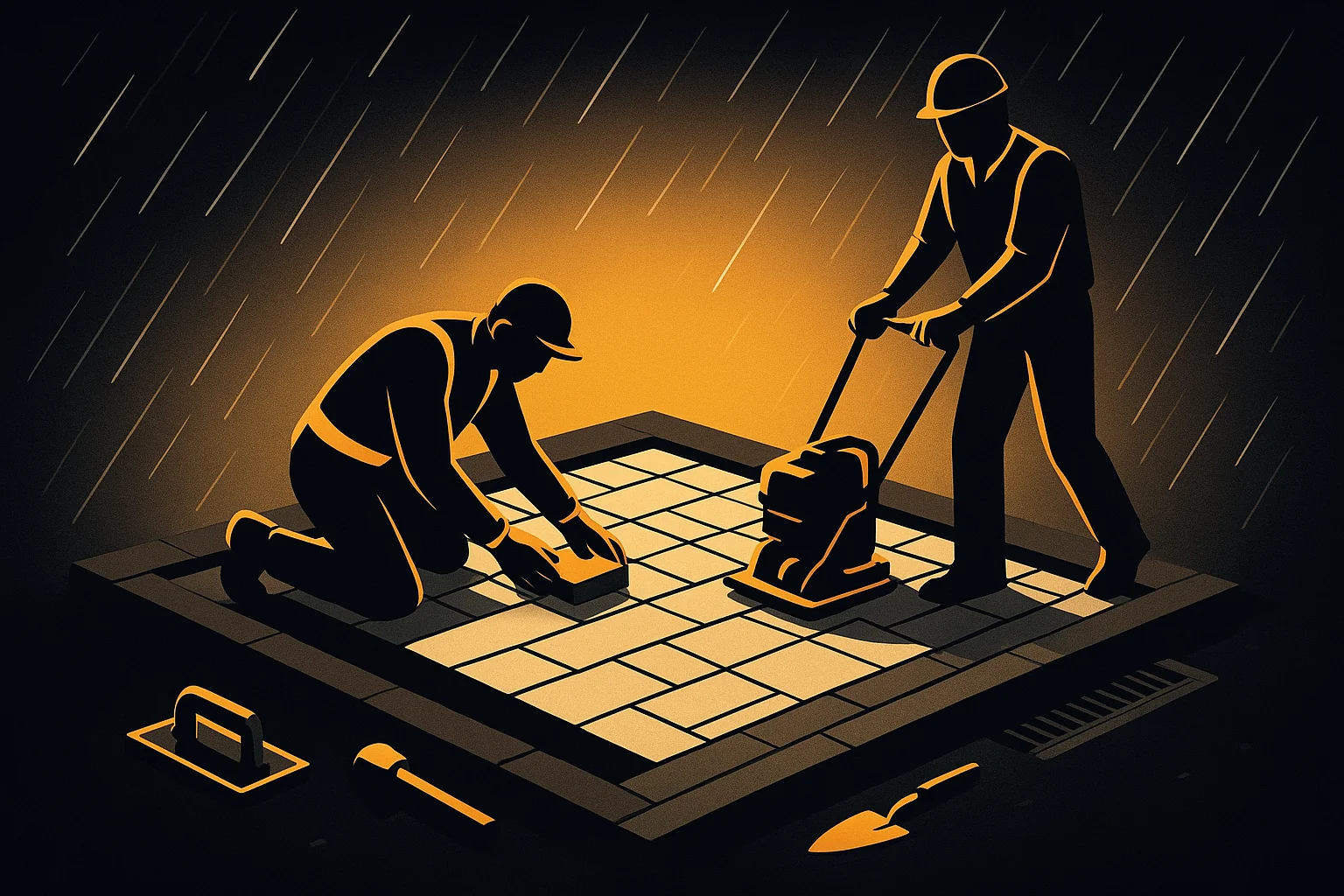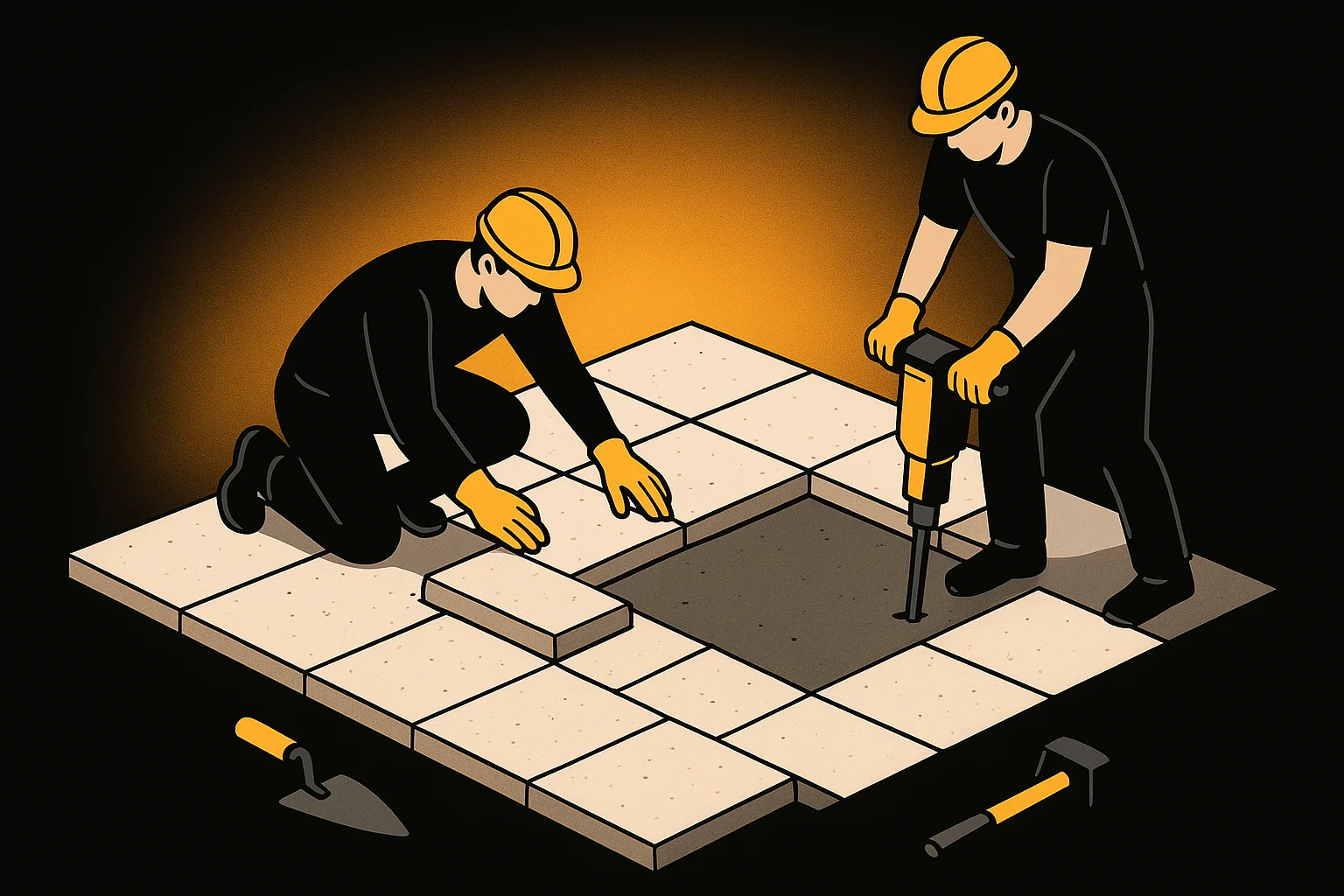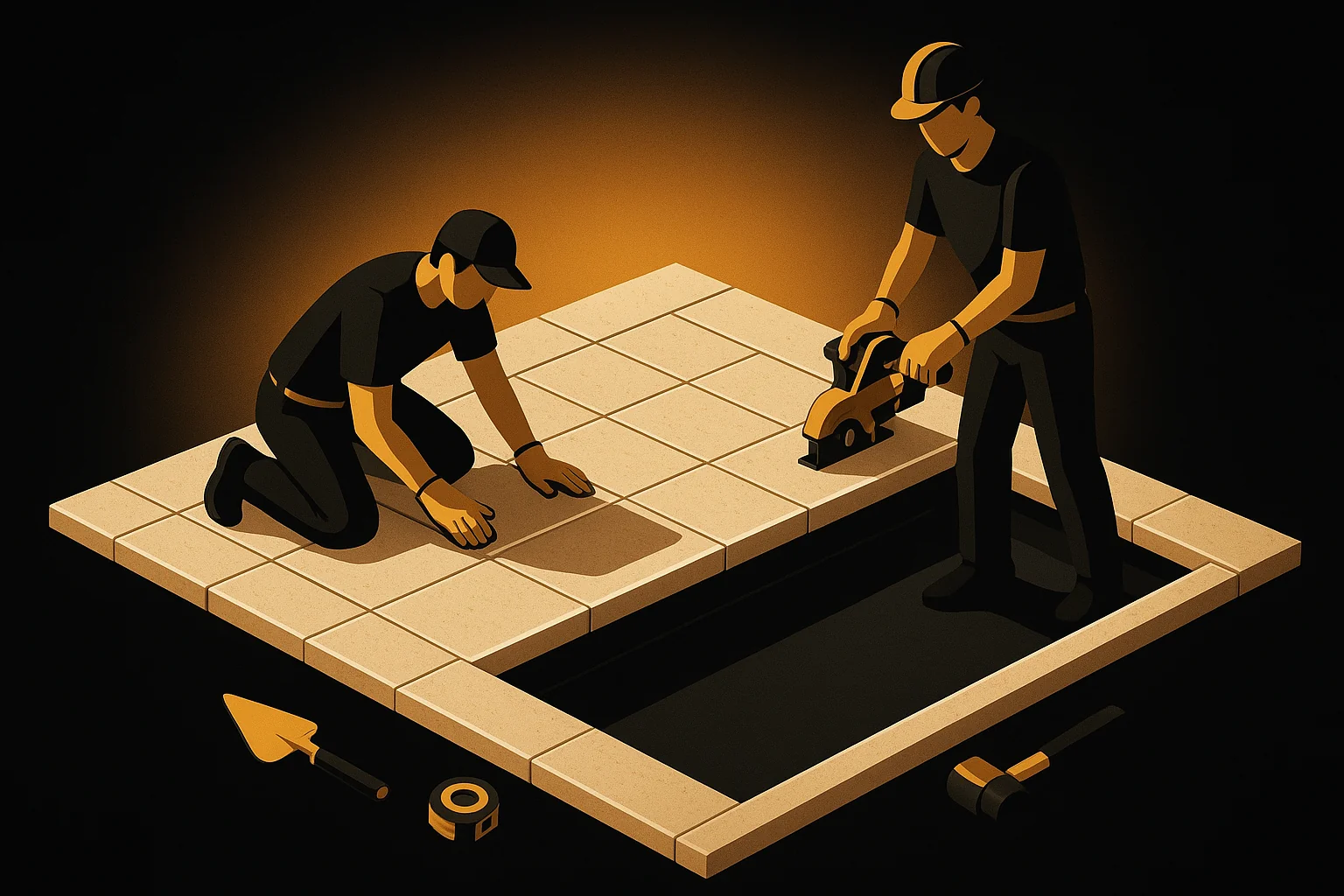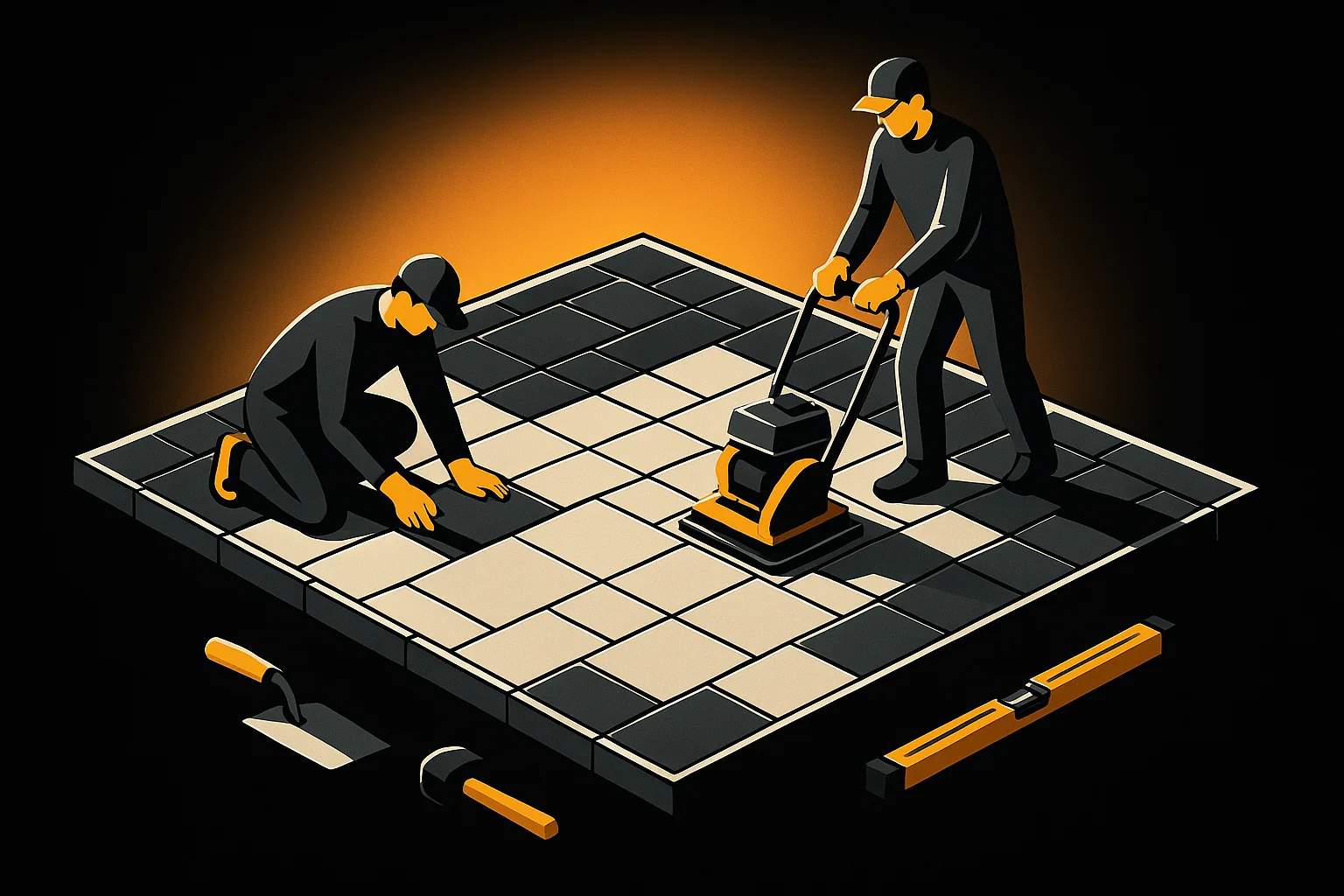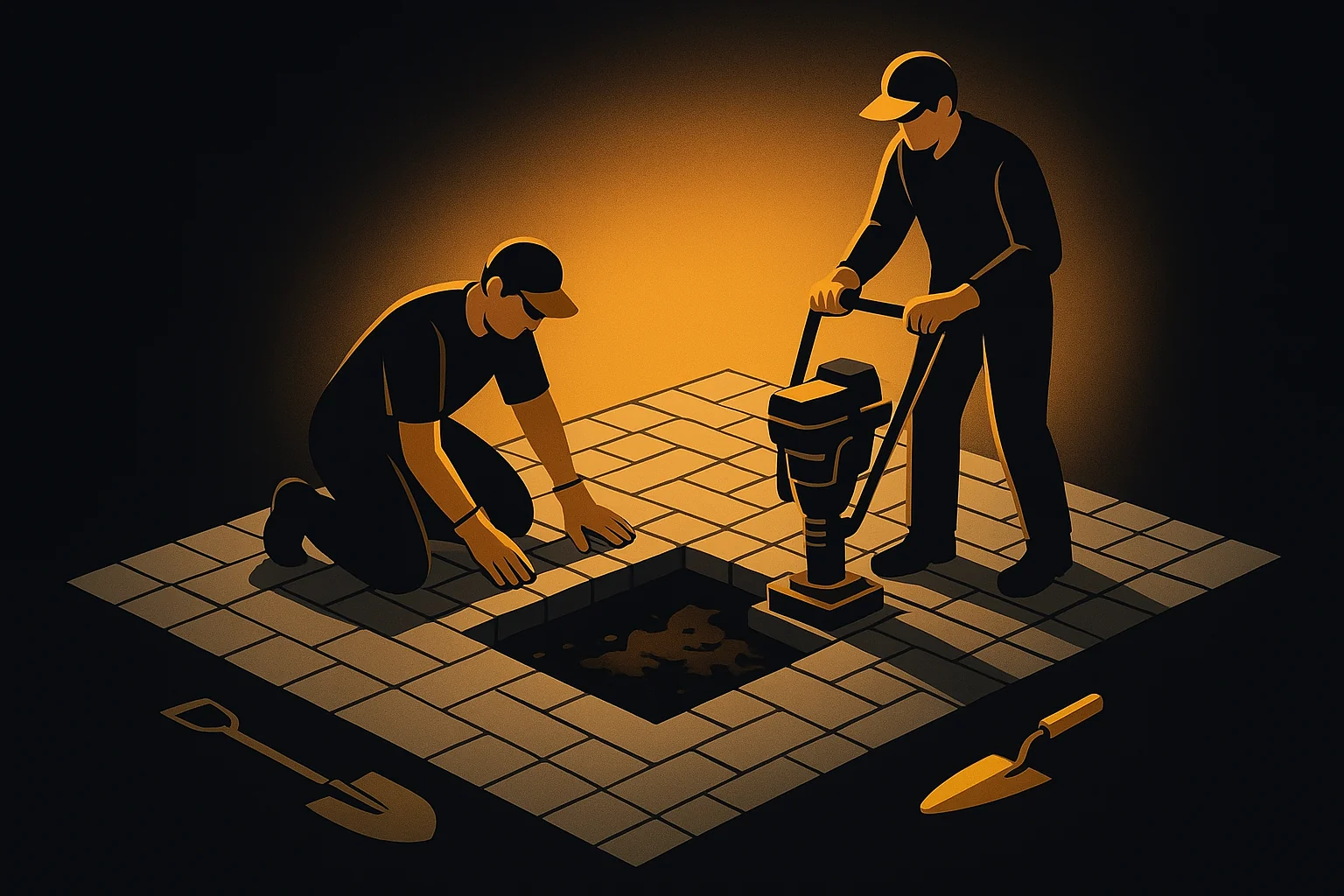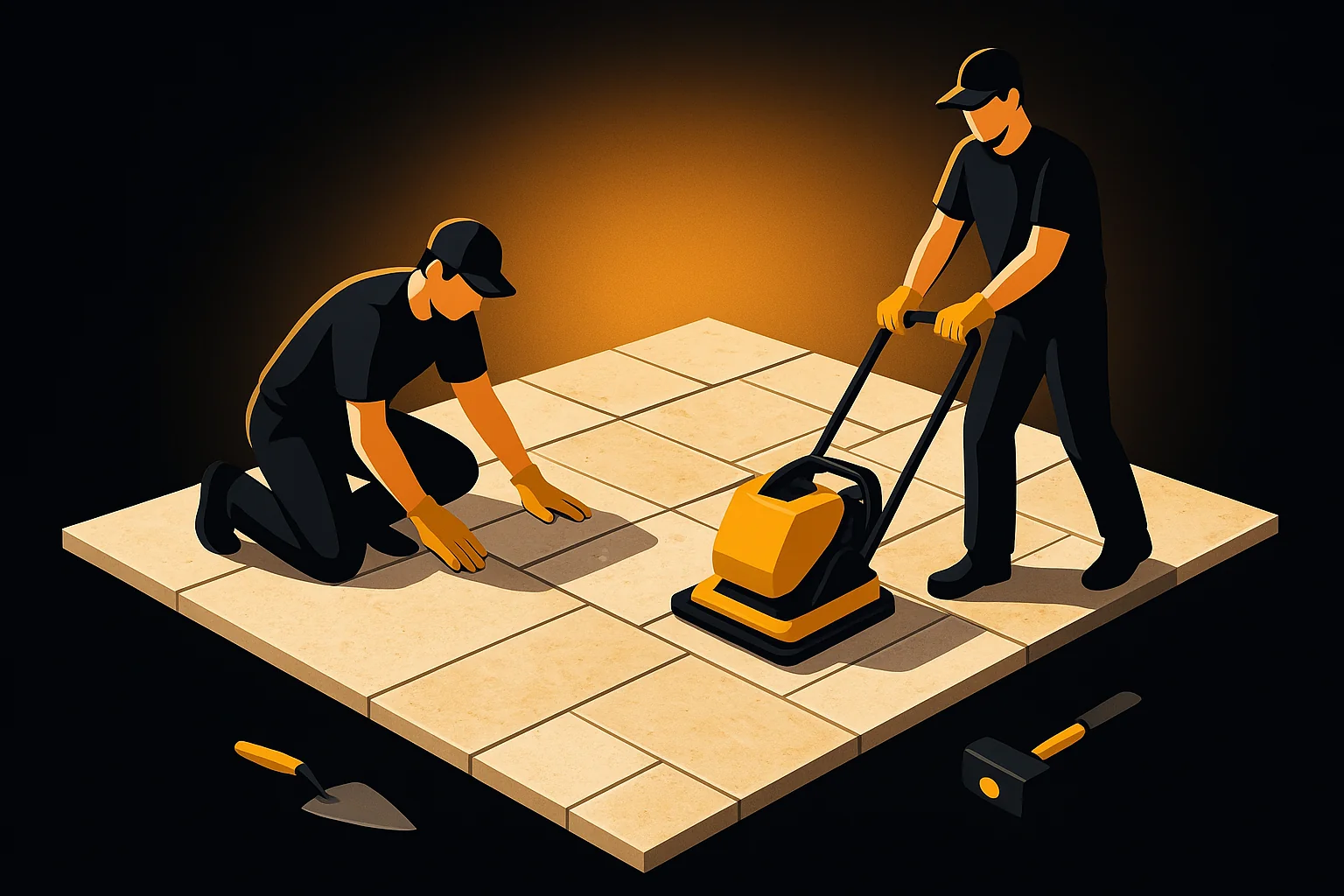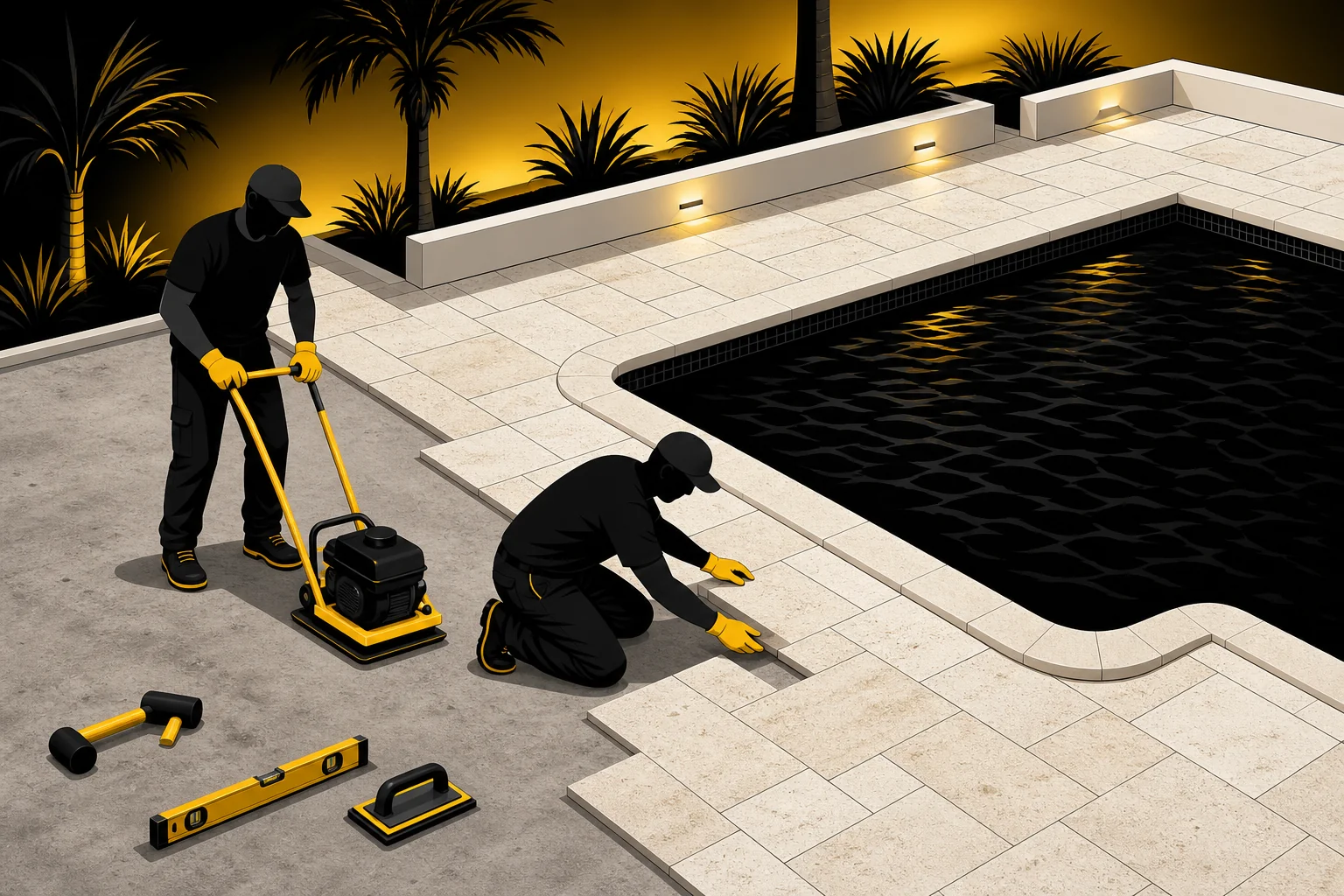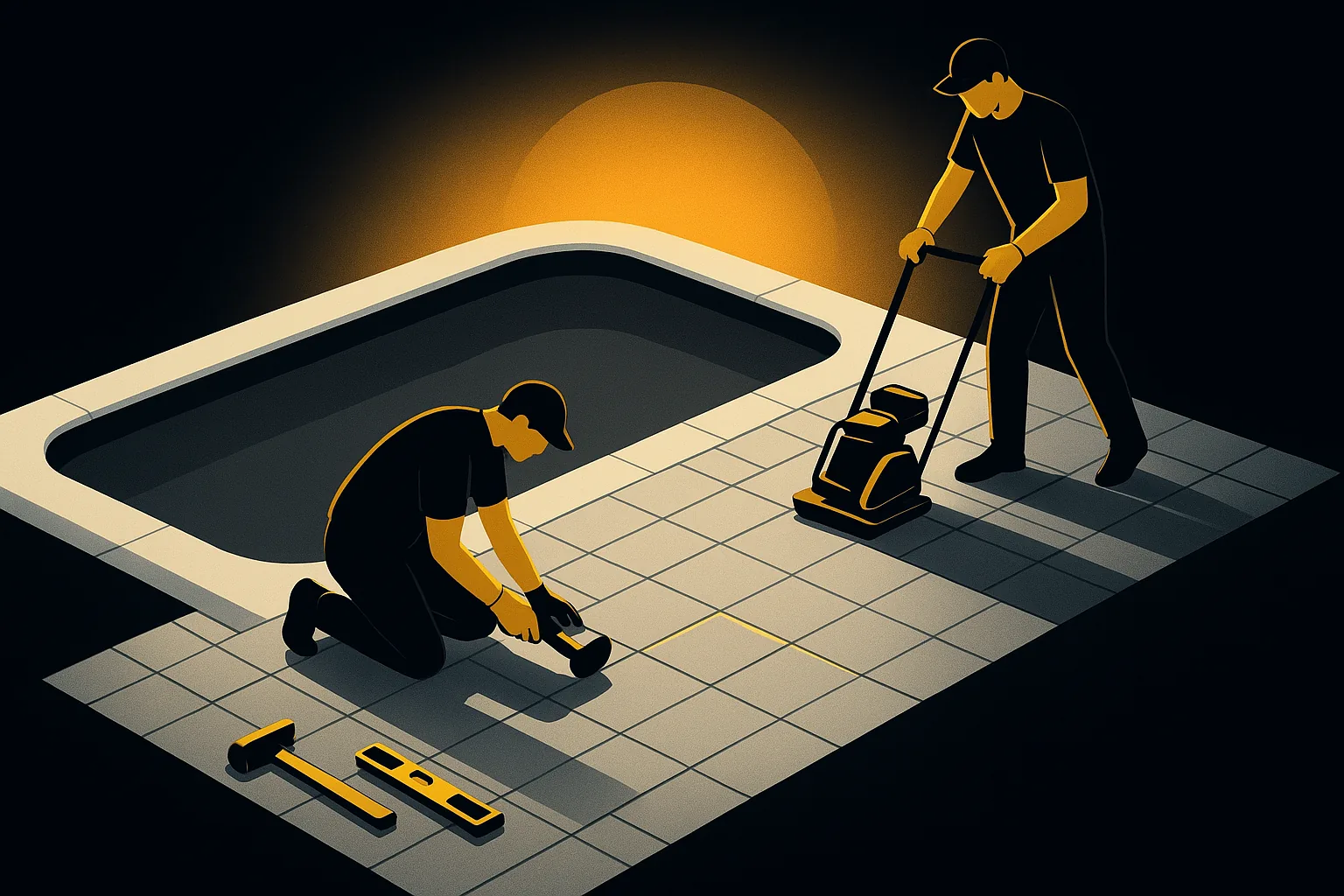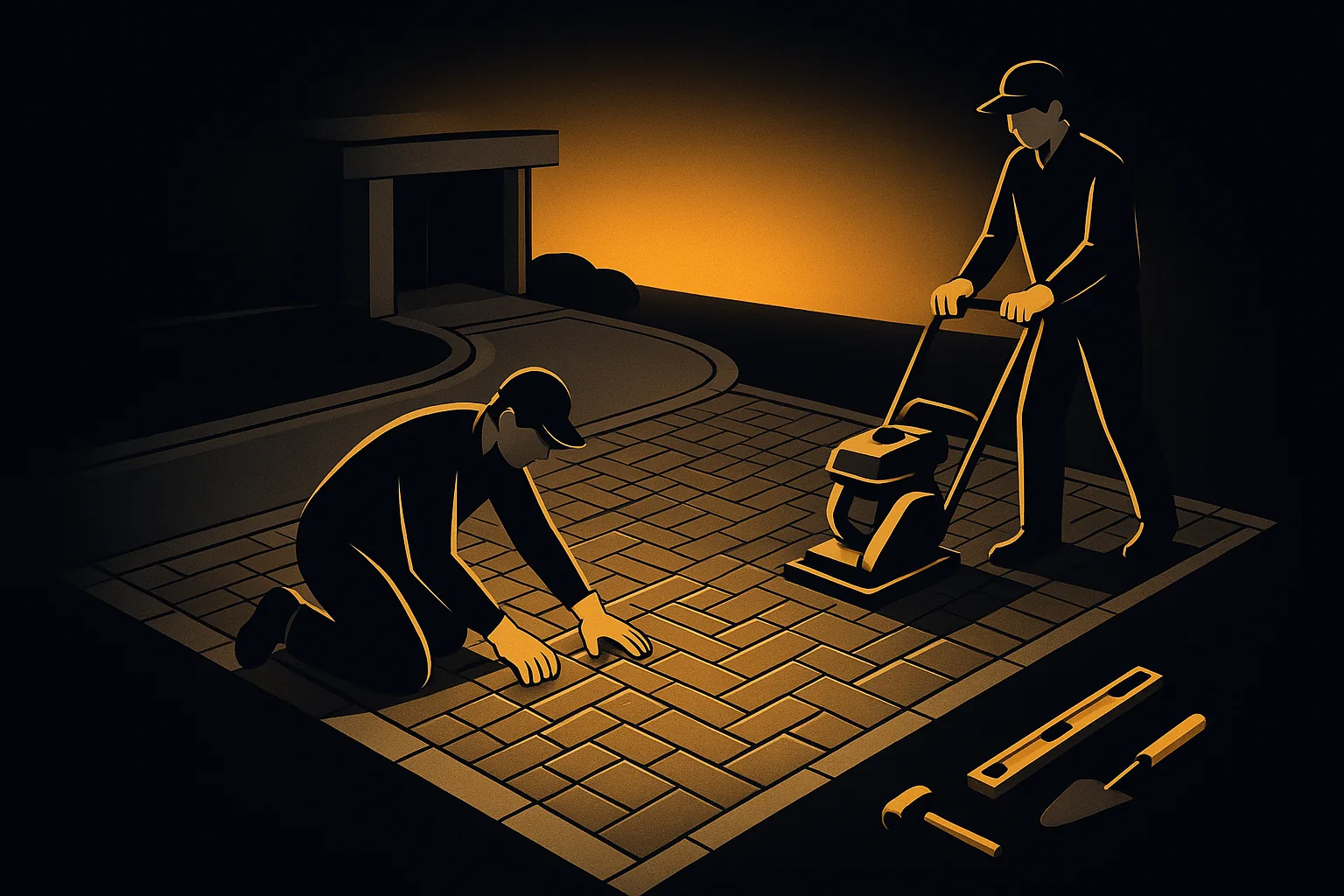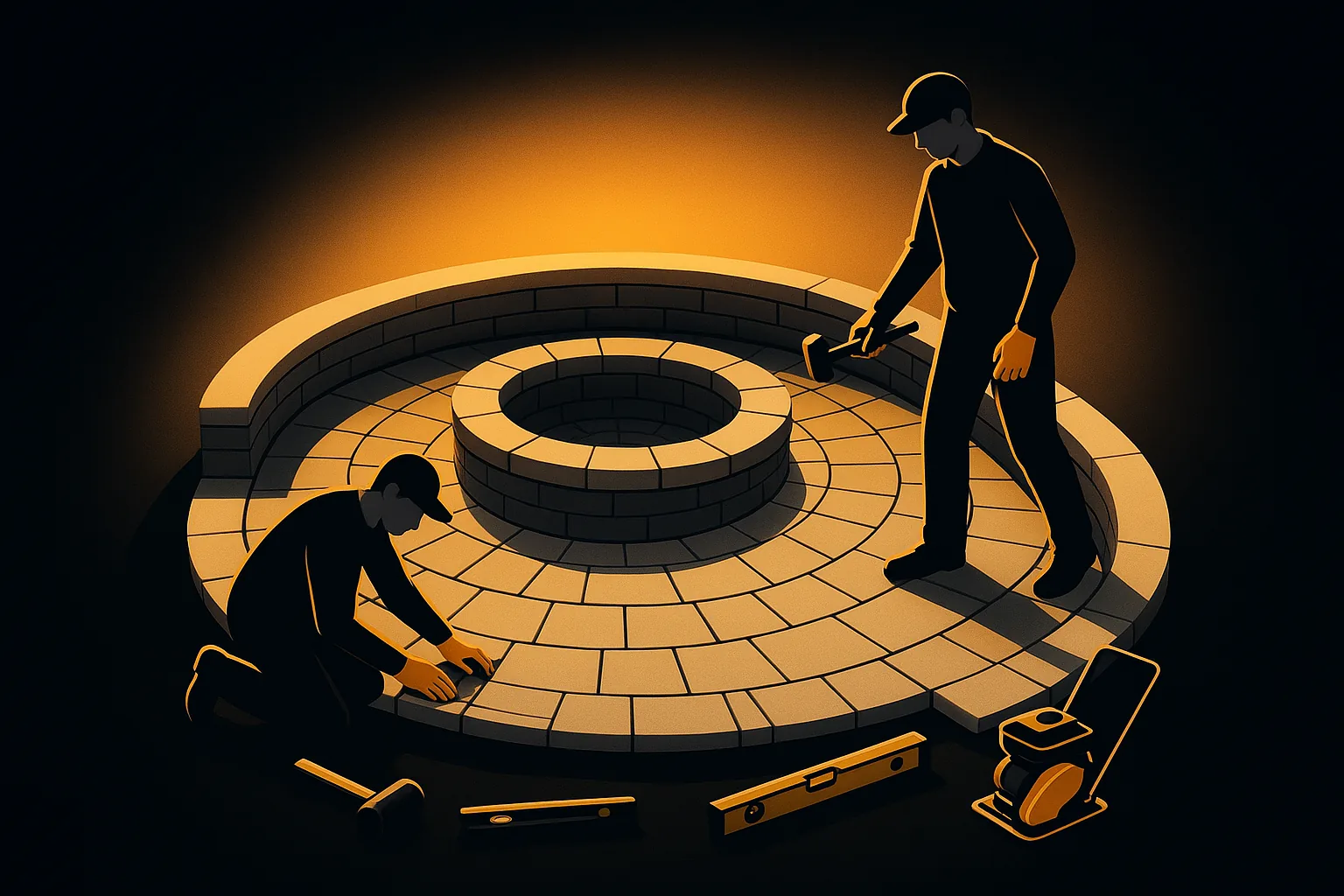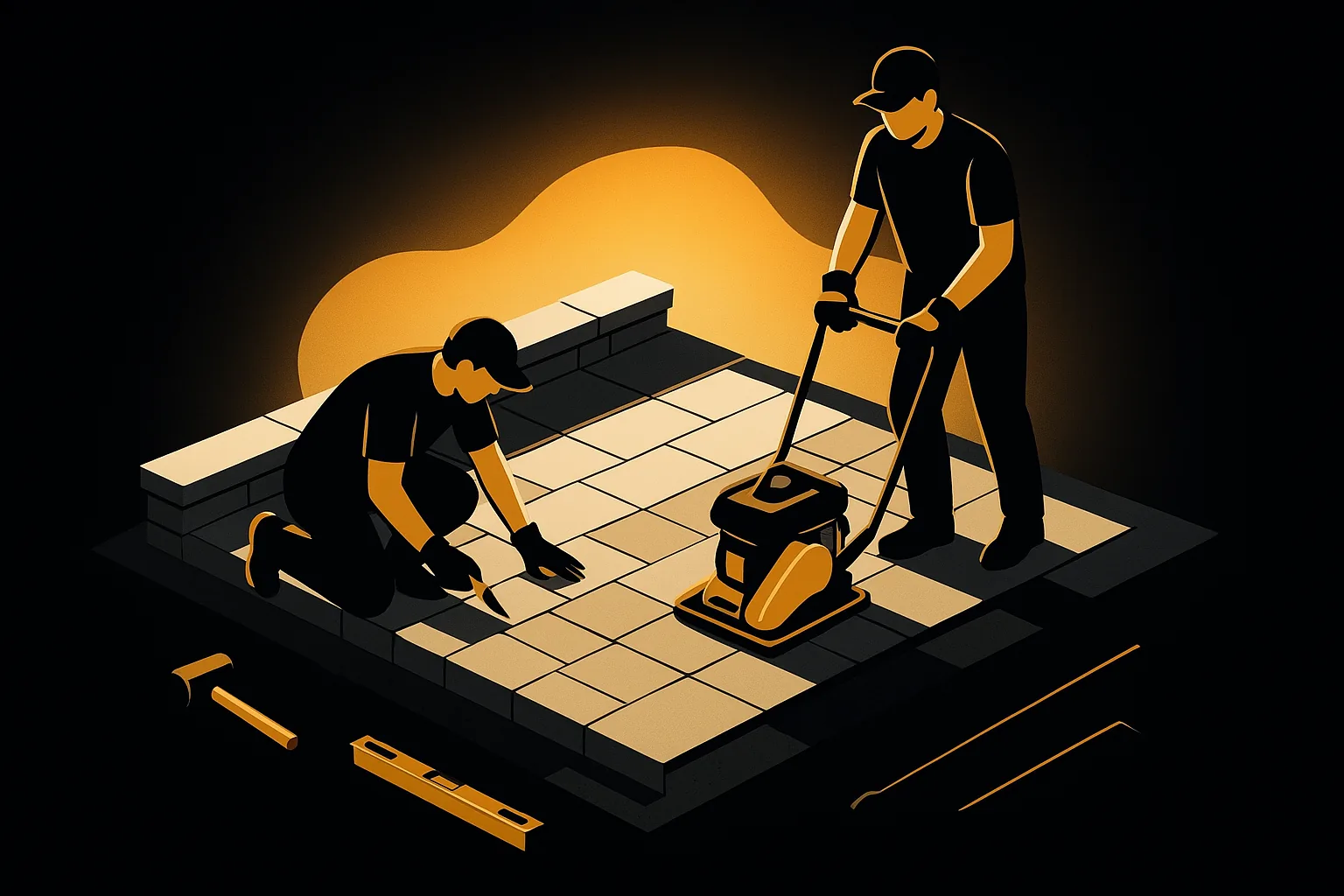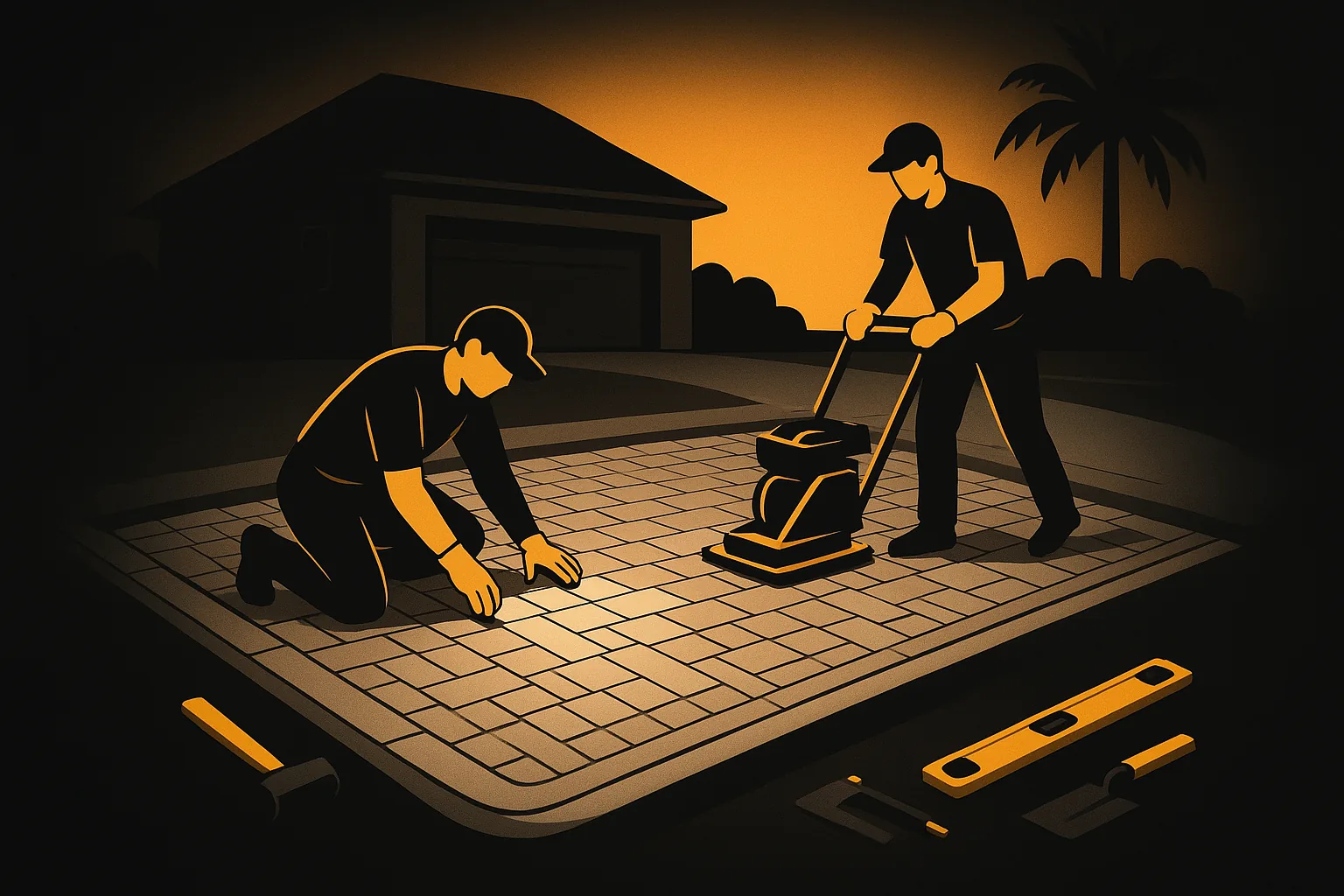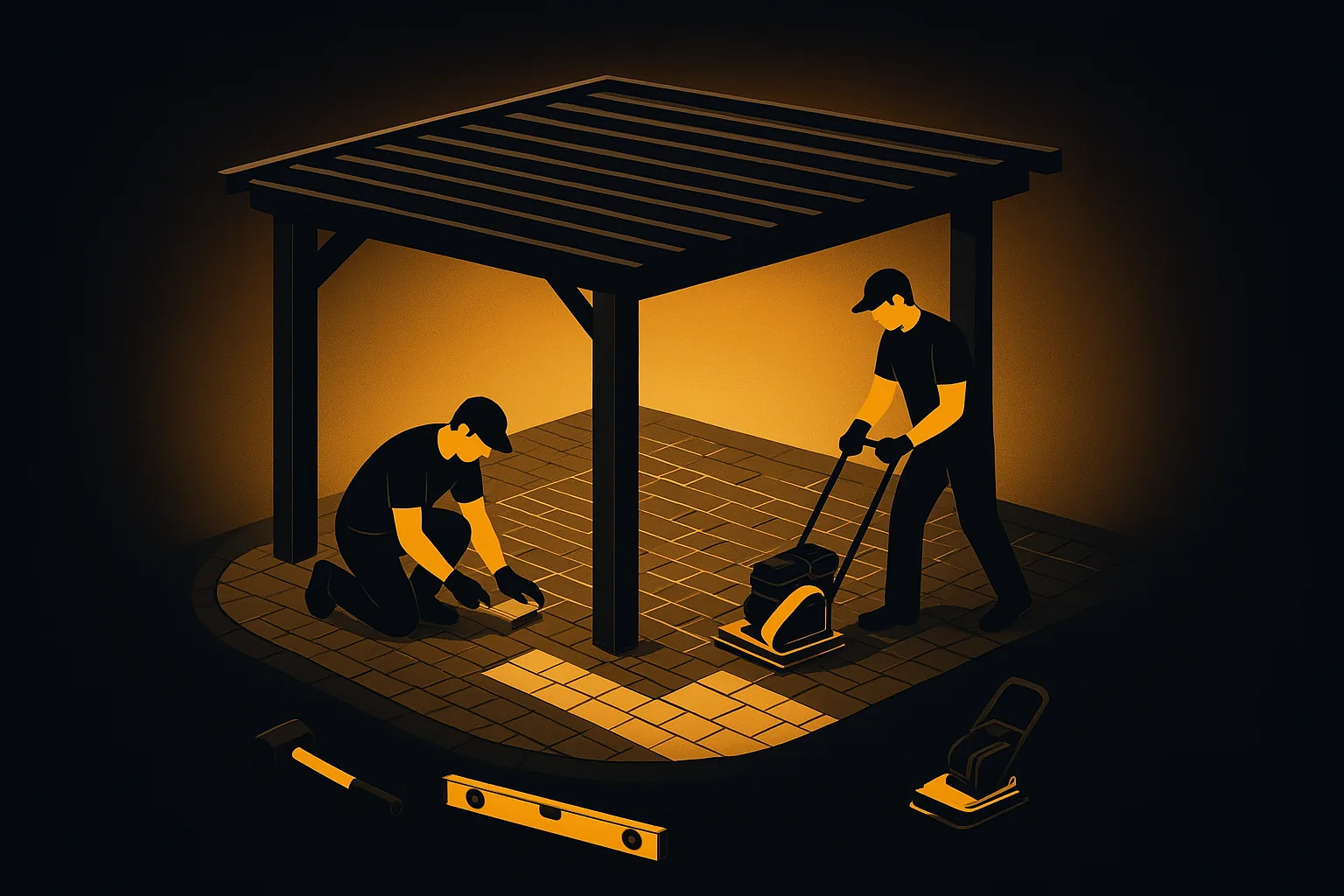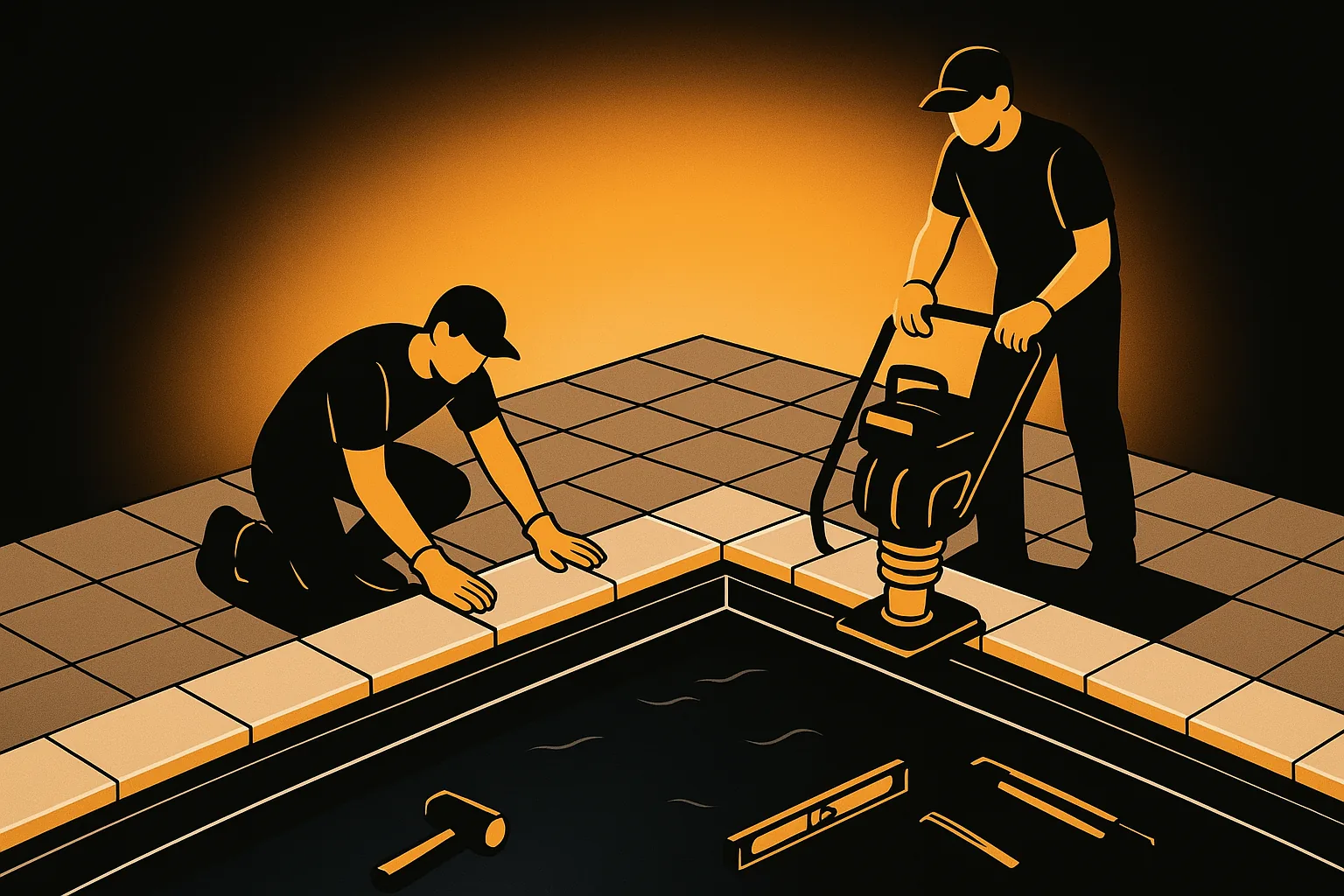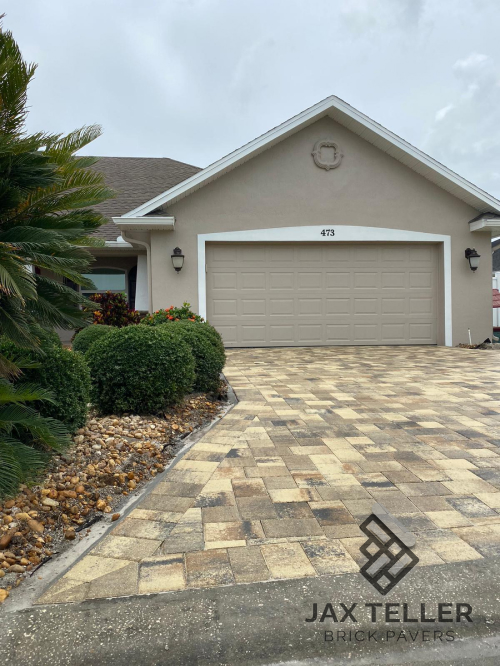
One of the most common questions homeowners ask is simple: how long do pavers actually last in Florida?
With intense heat, heavy rainfall, sandy soil, and frequent vehicle traffic, Florida presents demanding conditions for any hardscape surface. Many people assume that all pavers perform the same, but the truth is that lifespan depends heavily on installation quality and long-term maintenance.
When installed correctly and maintained properly, pavers can last 25 to 50 years — often longer.
This guide explains what determines paver lifespan in Florida and what homeowners must know about installation and maintenance to protect their investment.
What Affects Paver Lifespan in Florida?
Several factors determine how long pavers last:
- Quality of base preparation
- Soil stability
- Drainage planning
- Load-bearing design
- Traffic type
- Maintenance consistency
Material quality matters, but installation is the most critical factor.
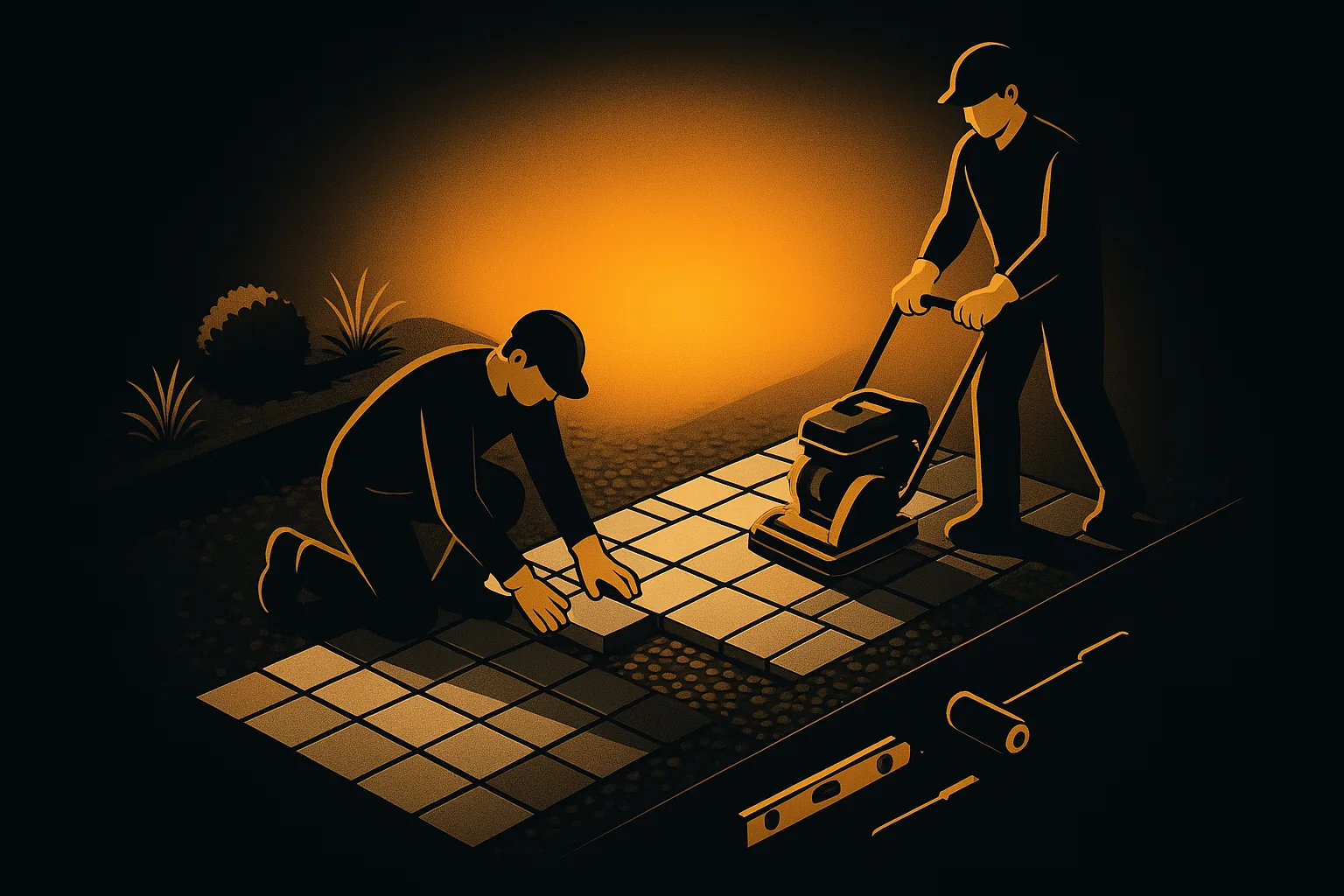
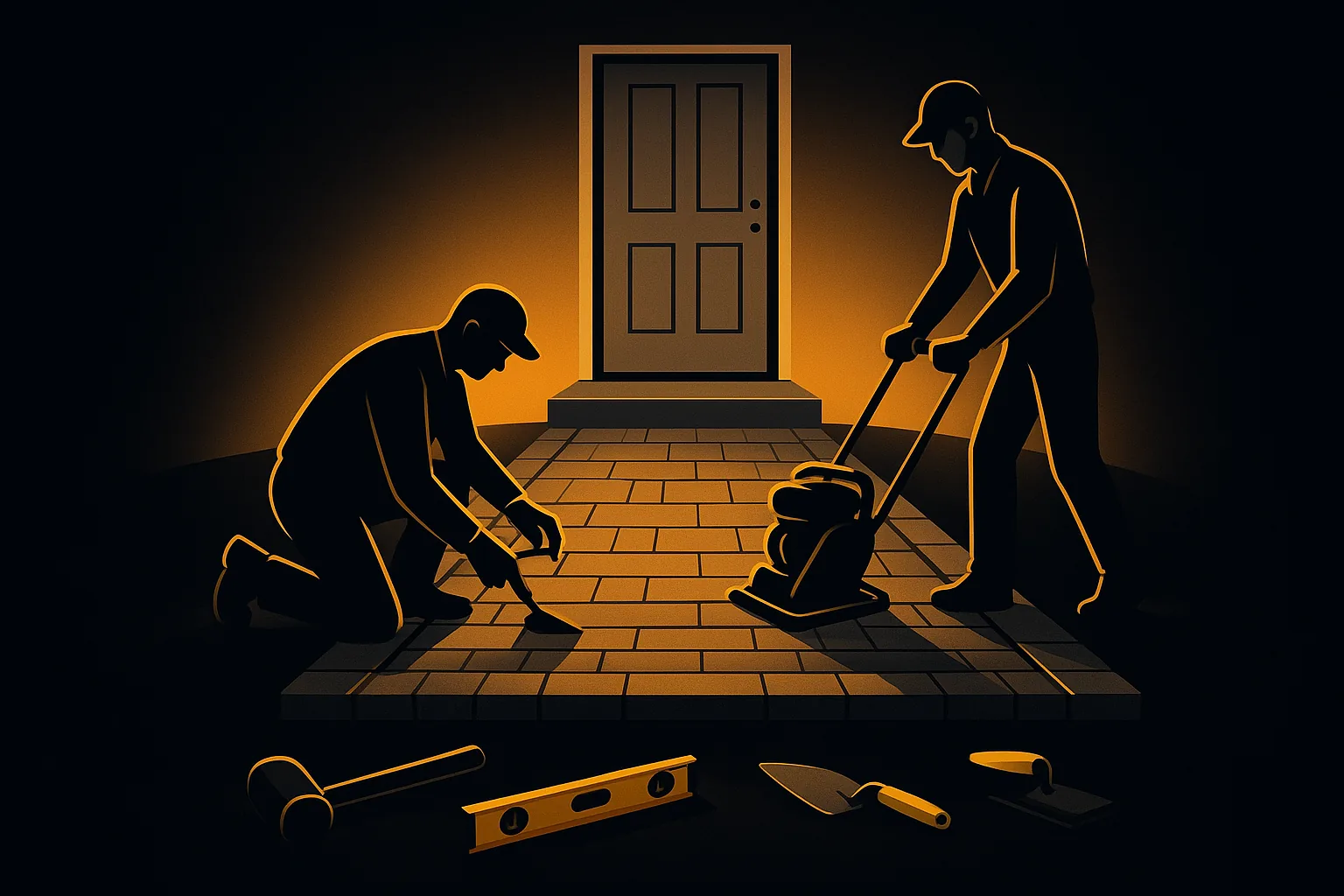
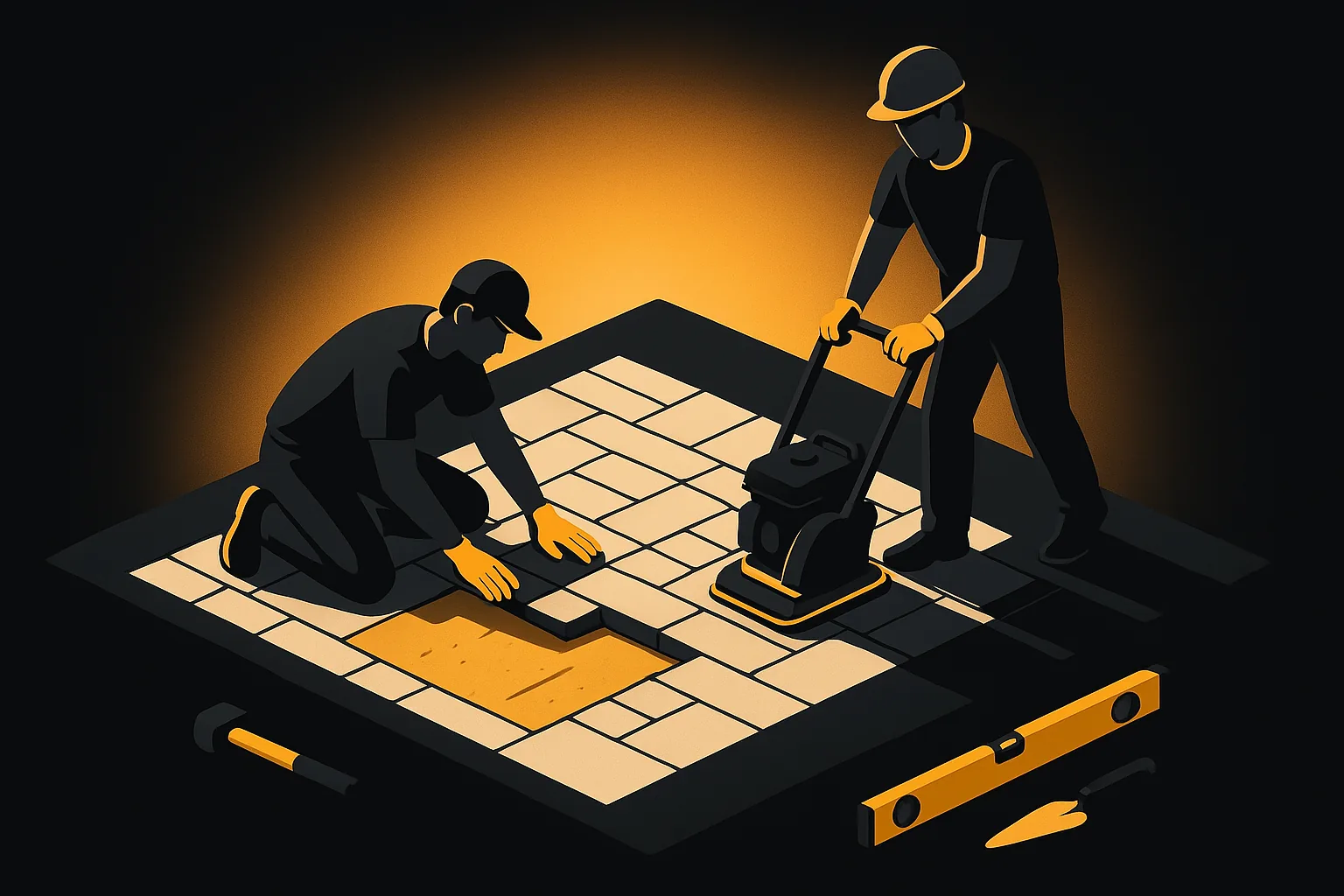
The Importance of Proper Installation
1. Excavation Depth
In Florida’s sandy soil, excavation must be deep enough to support:
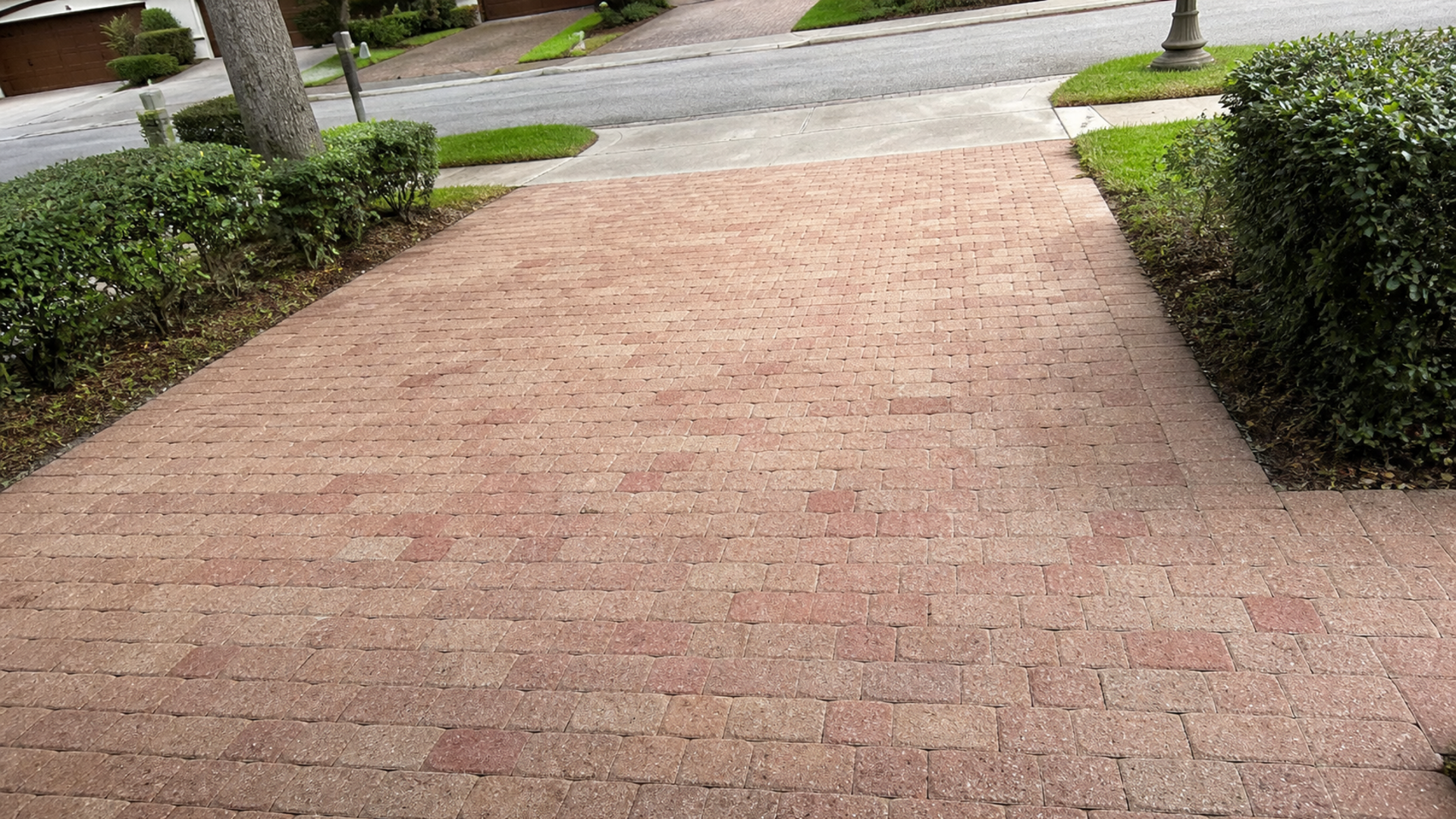
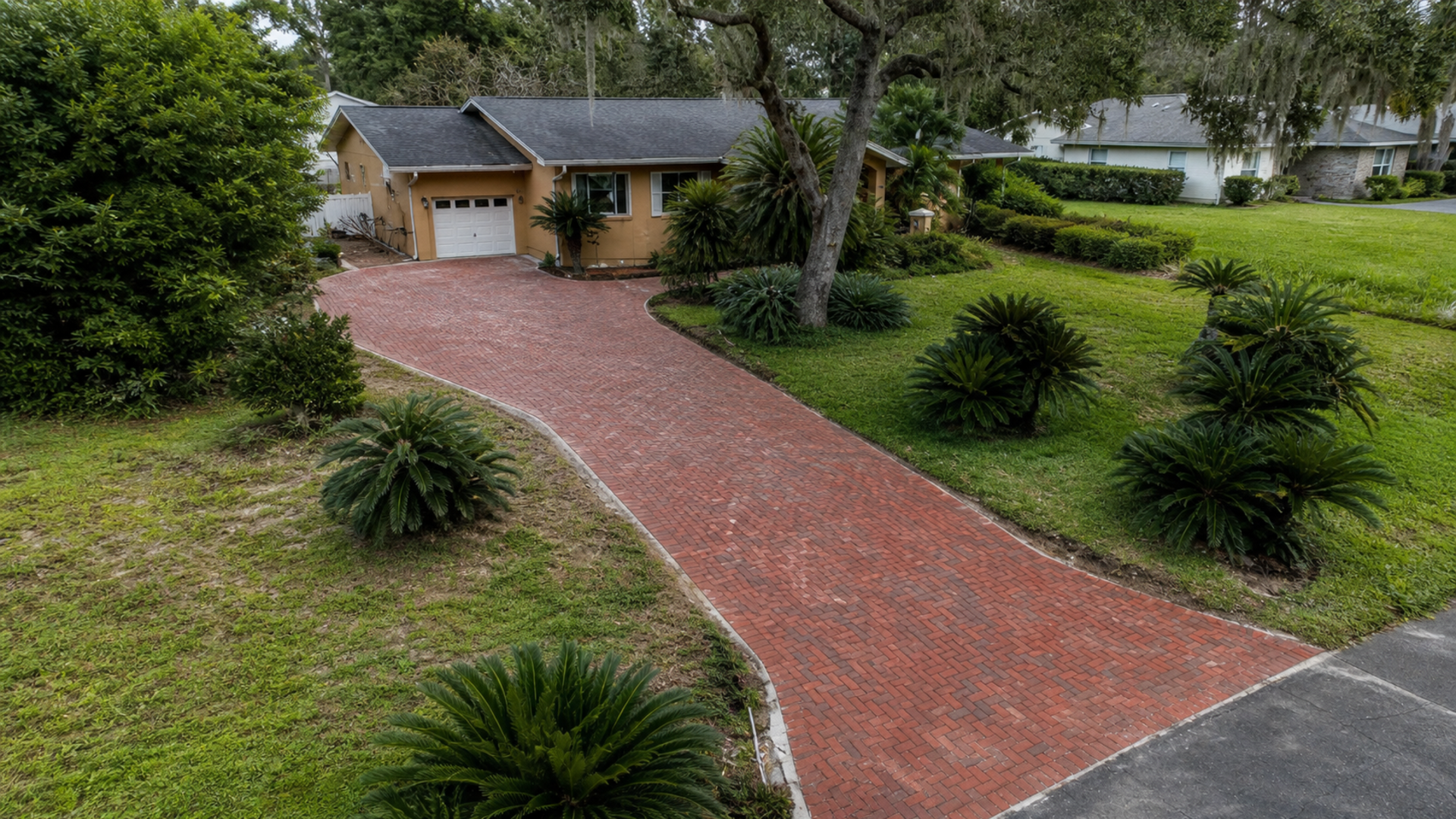
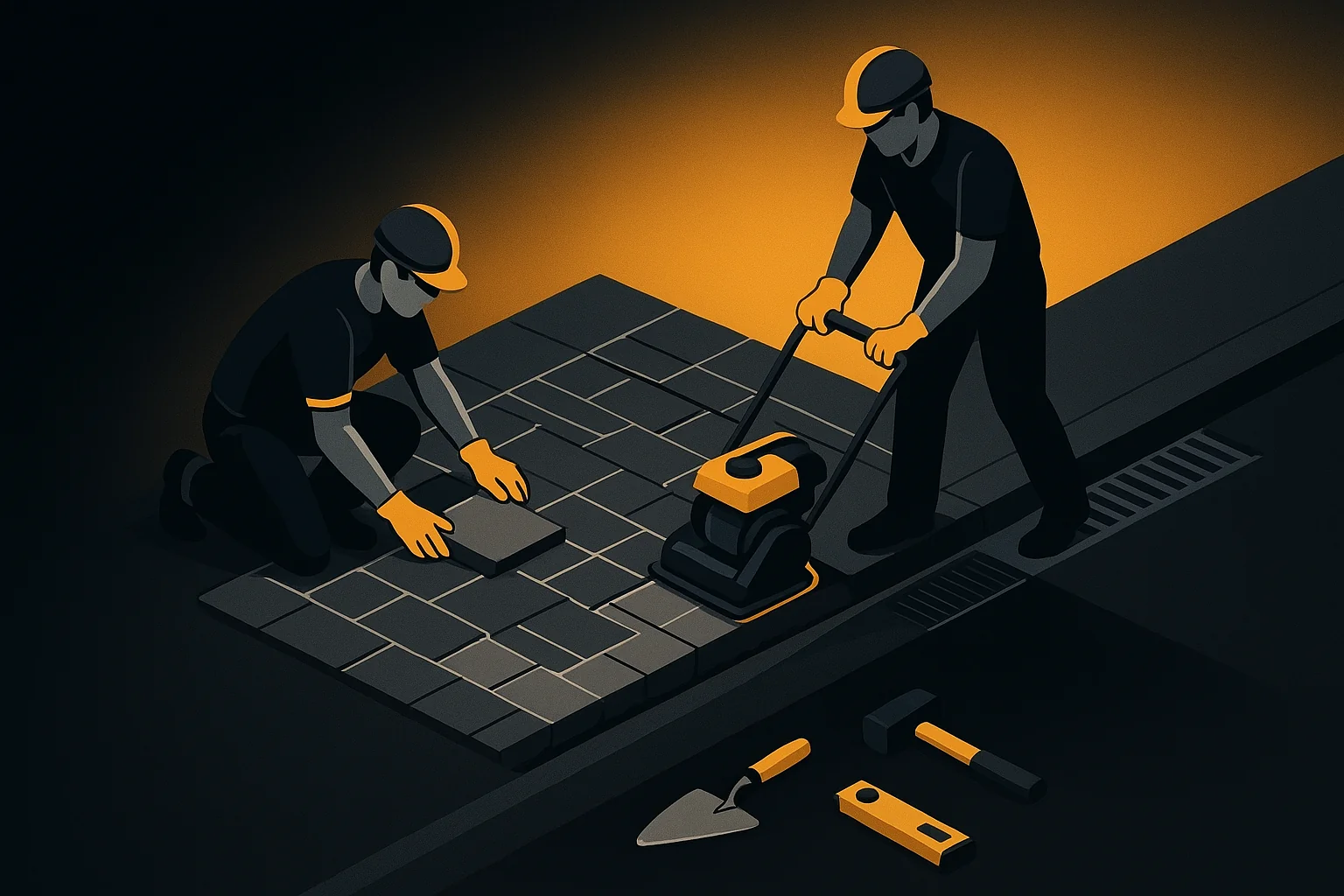
- Driveway loads
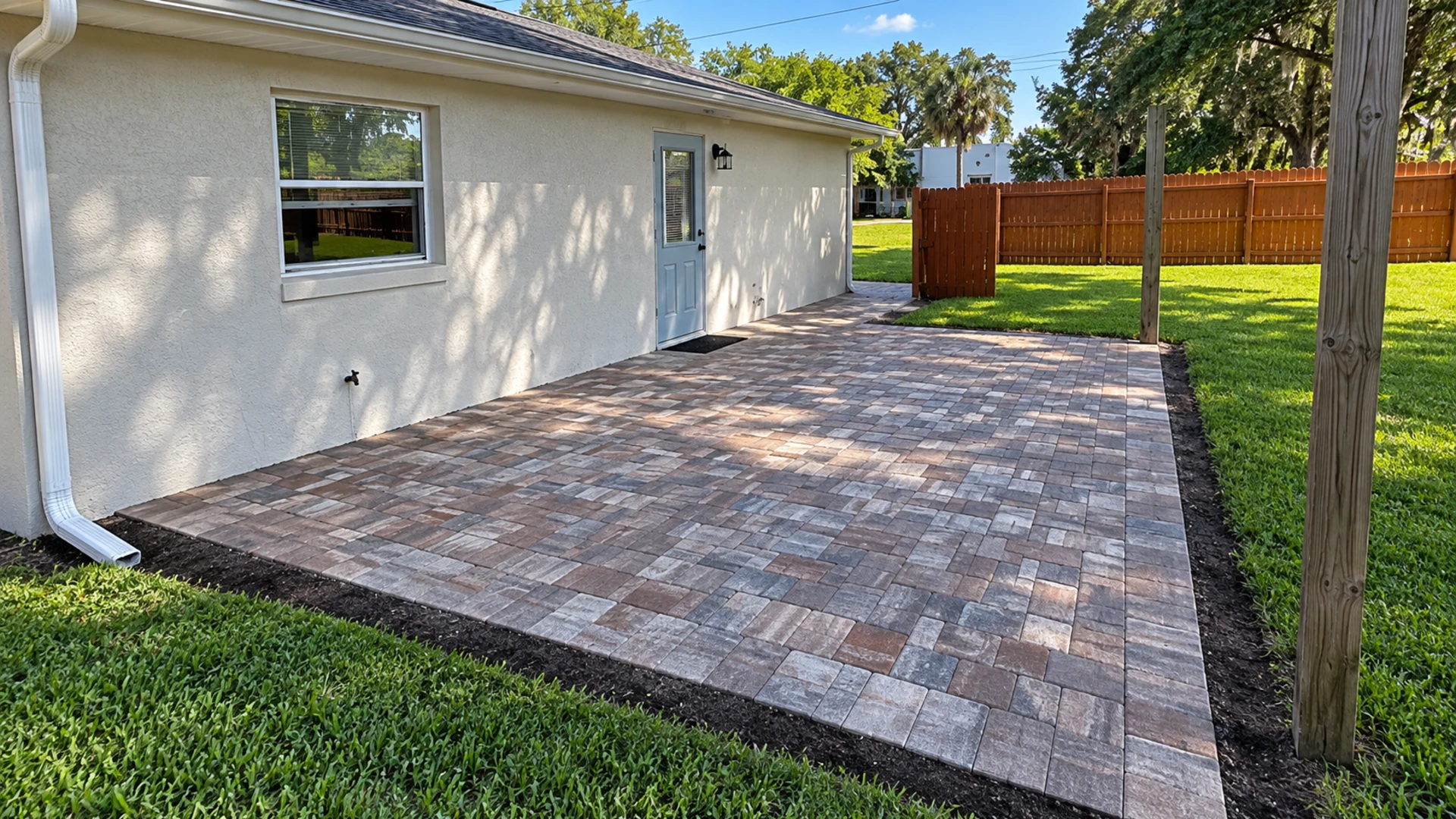
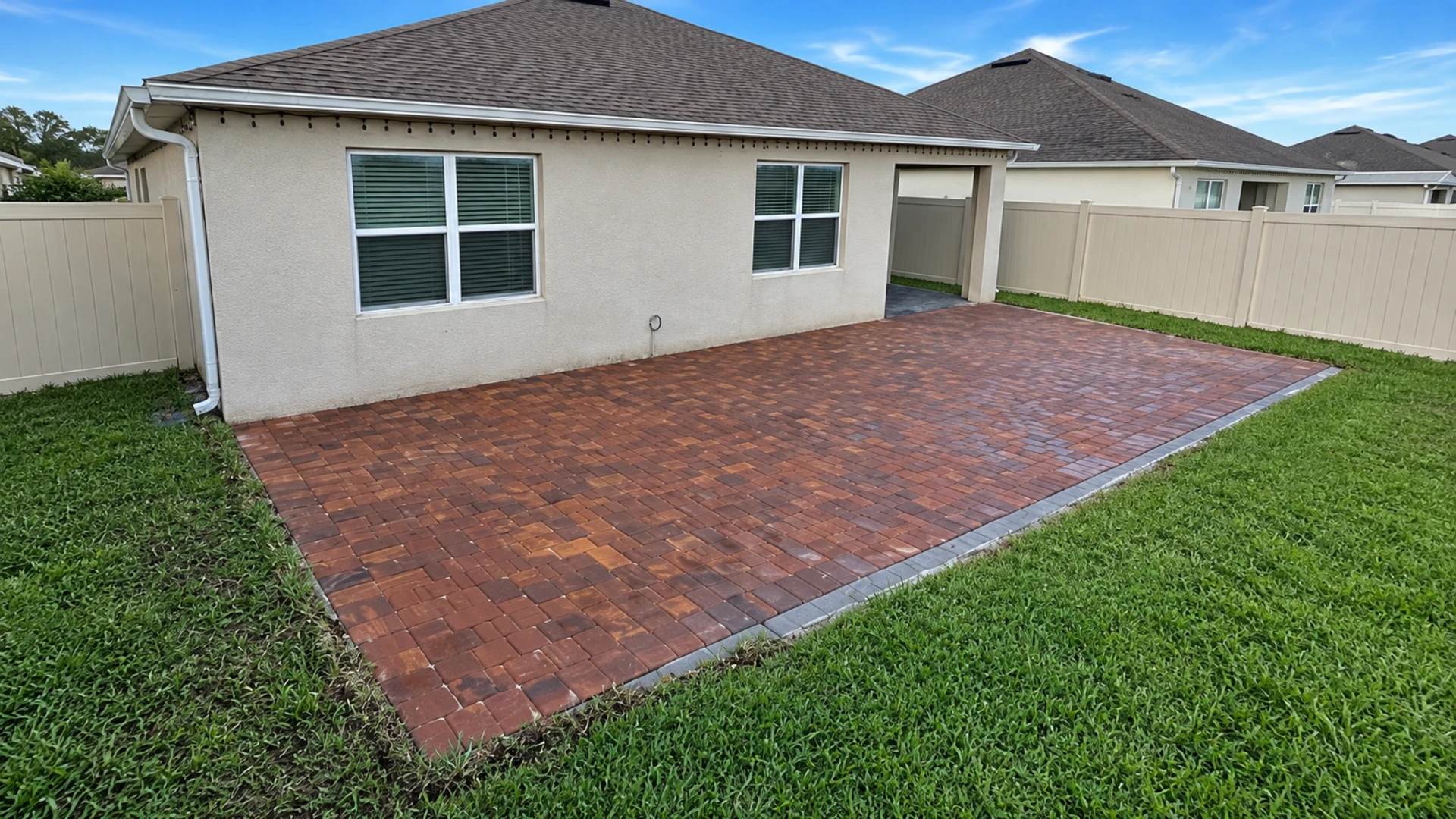
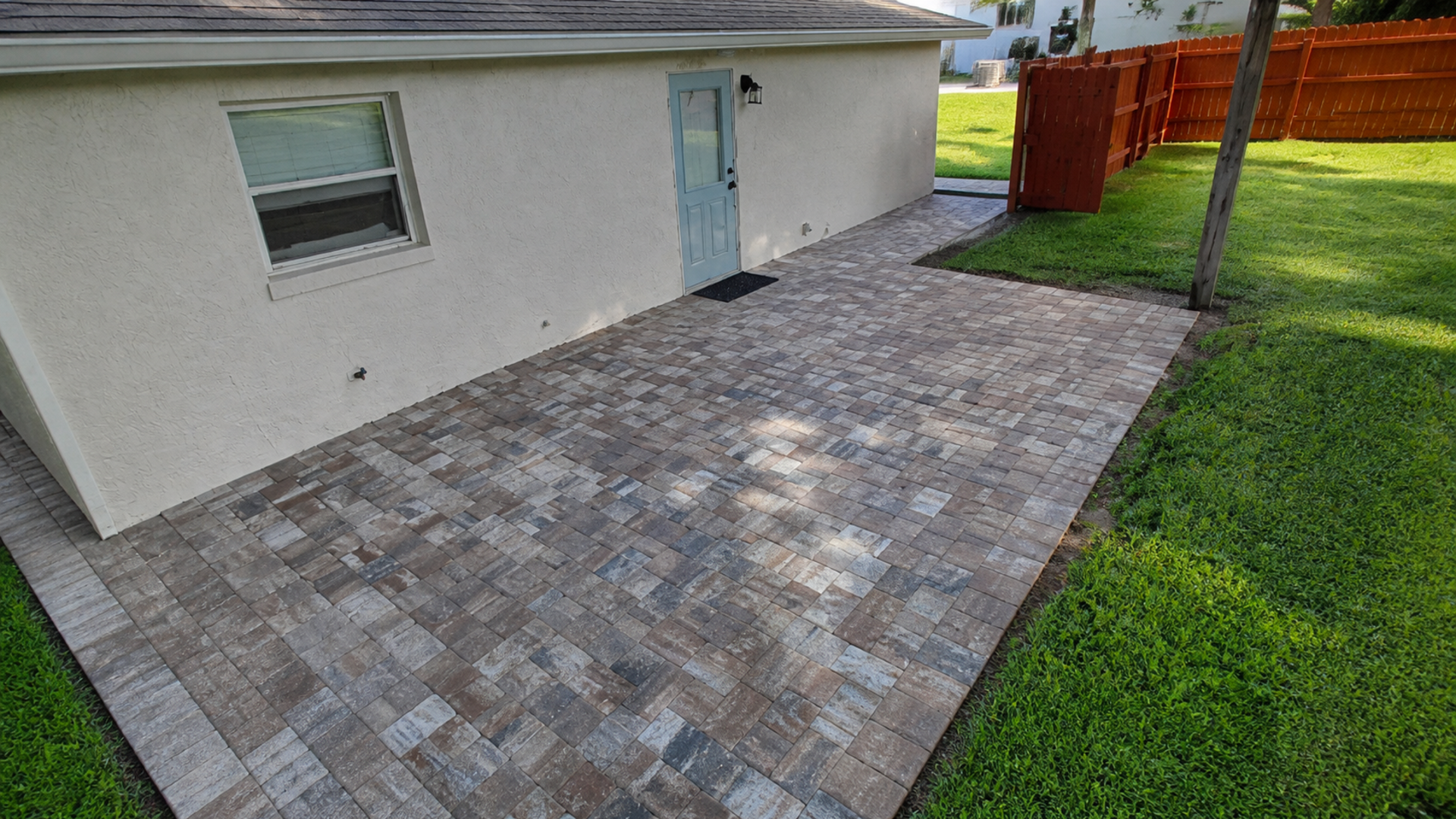
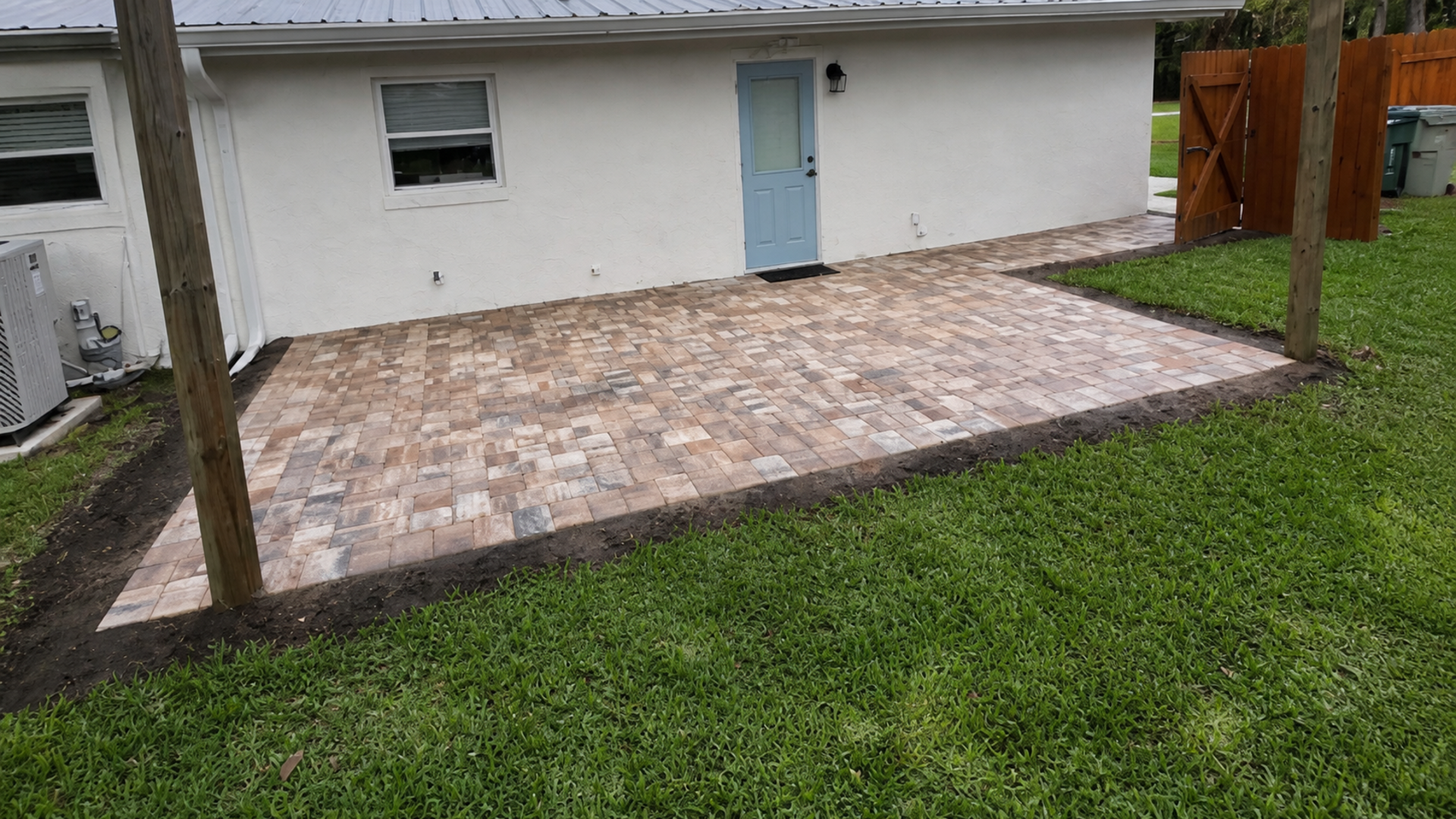
- Patio foot traffic
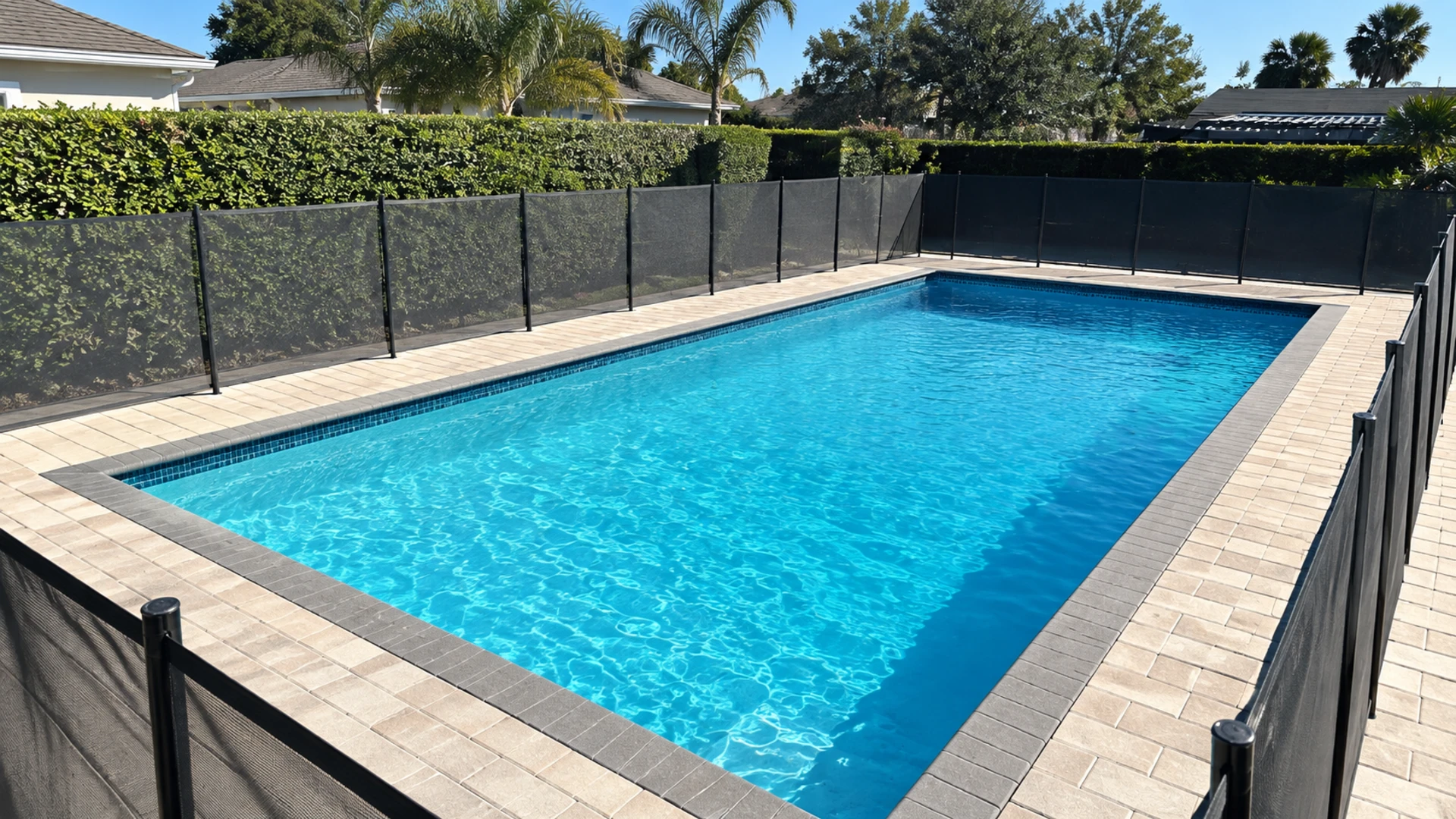
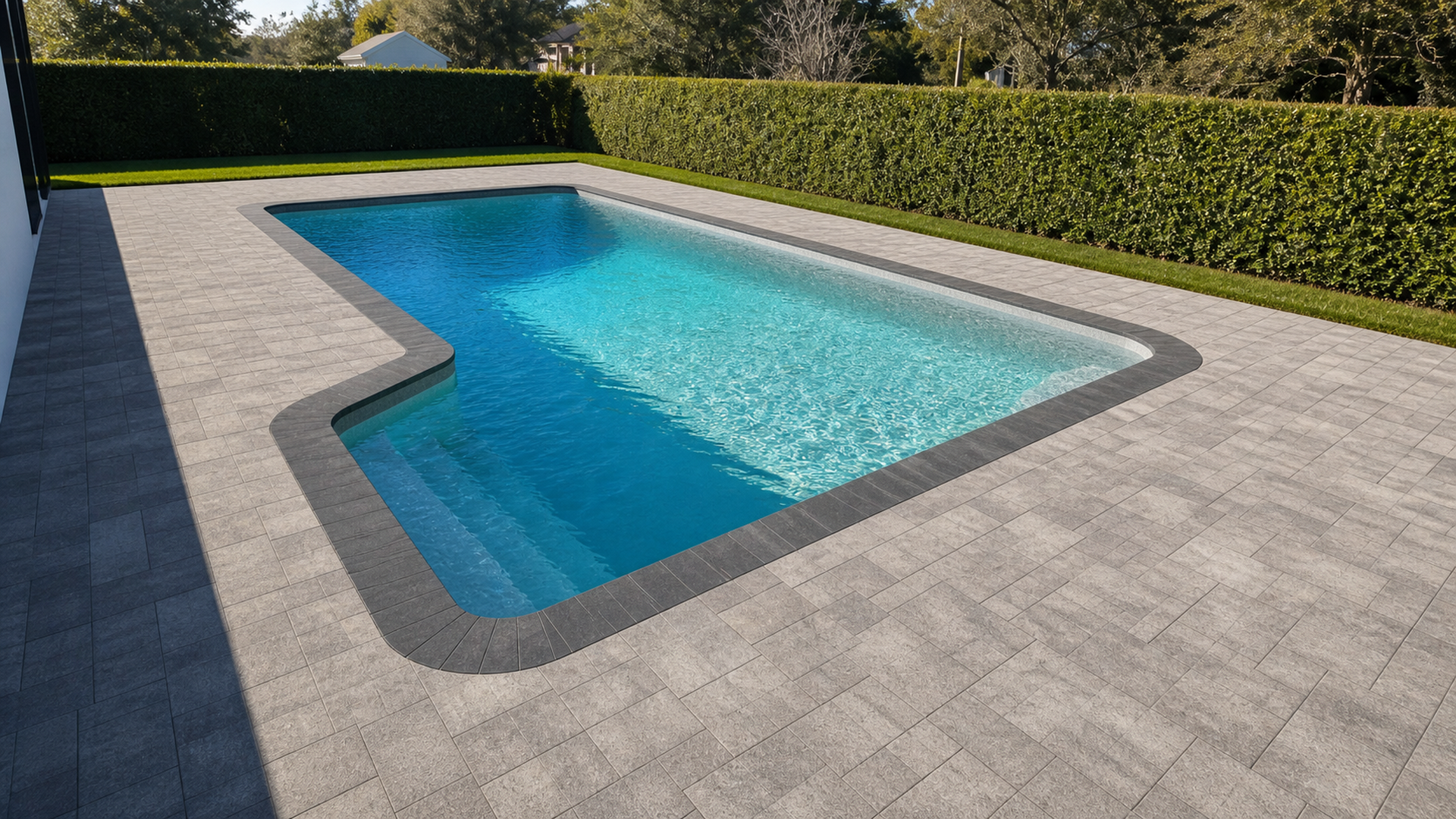
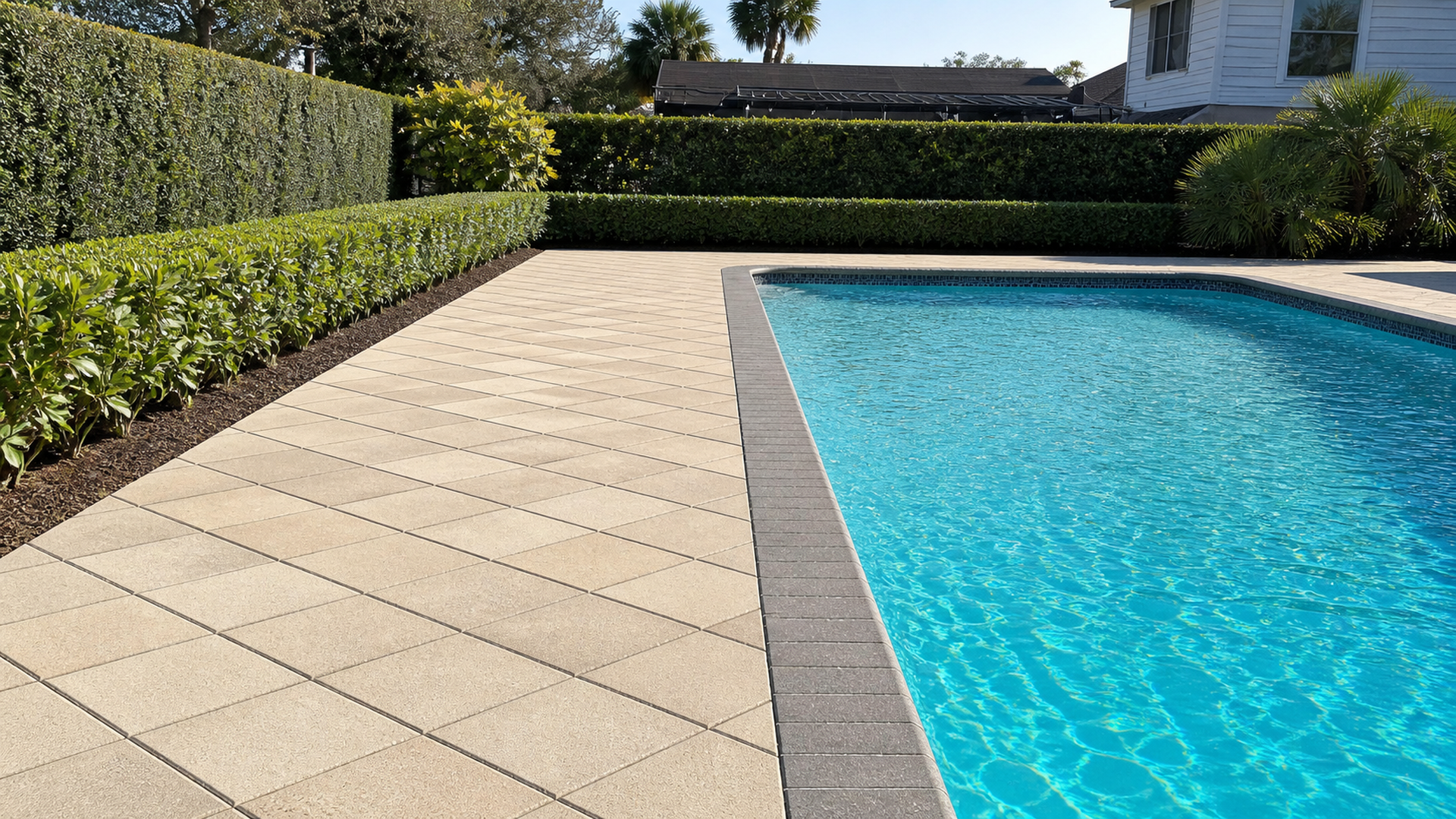
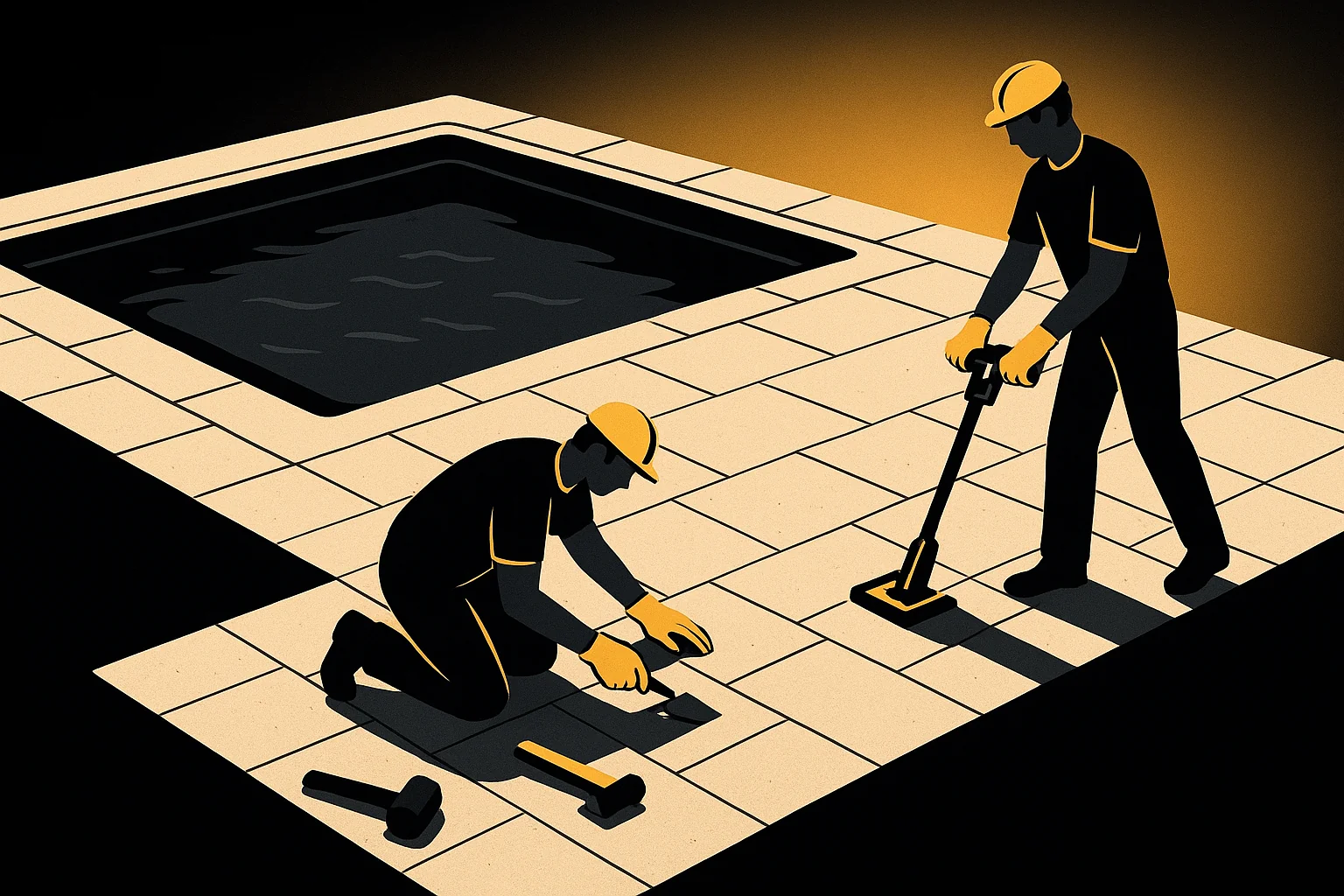
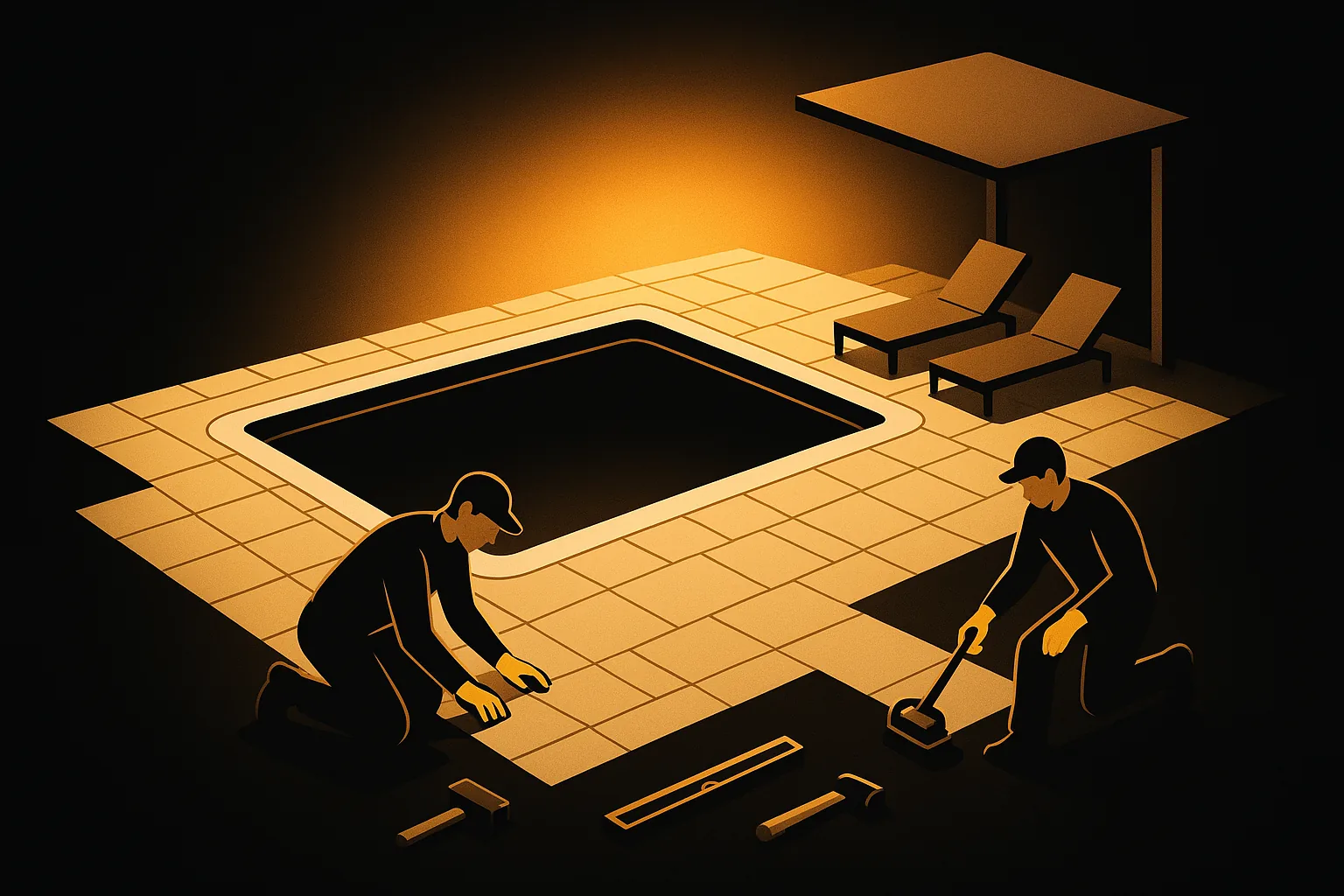
- Pool deck structures
Shallow excavation leads to sinking and uneven surfaces.
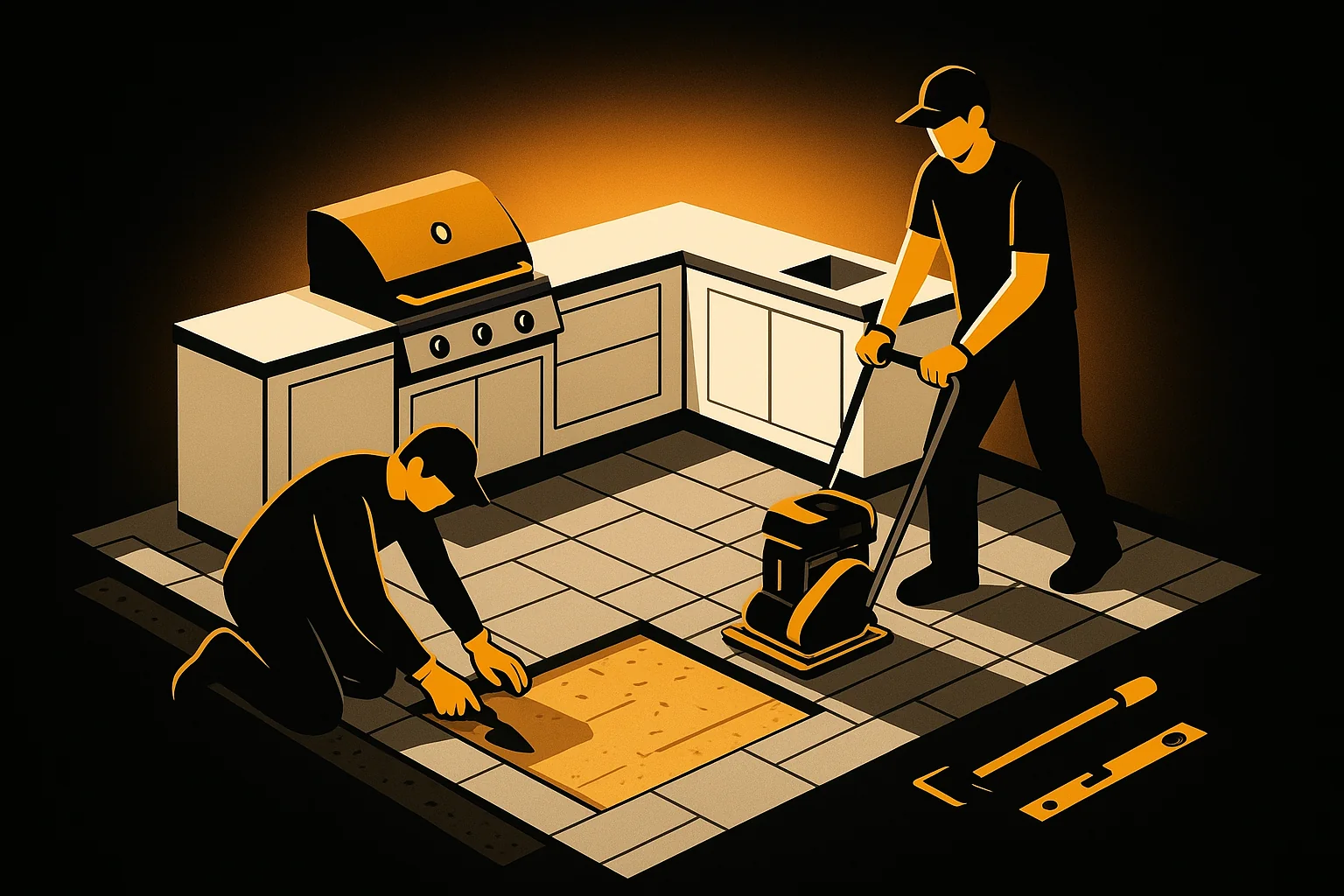
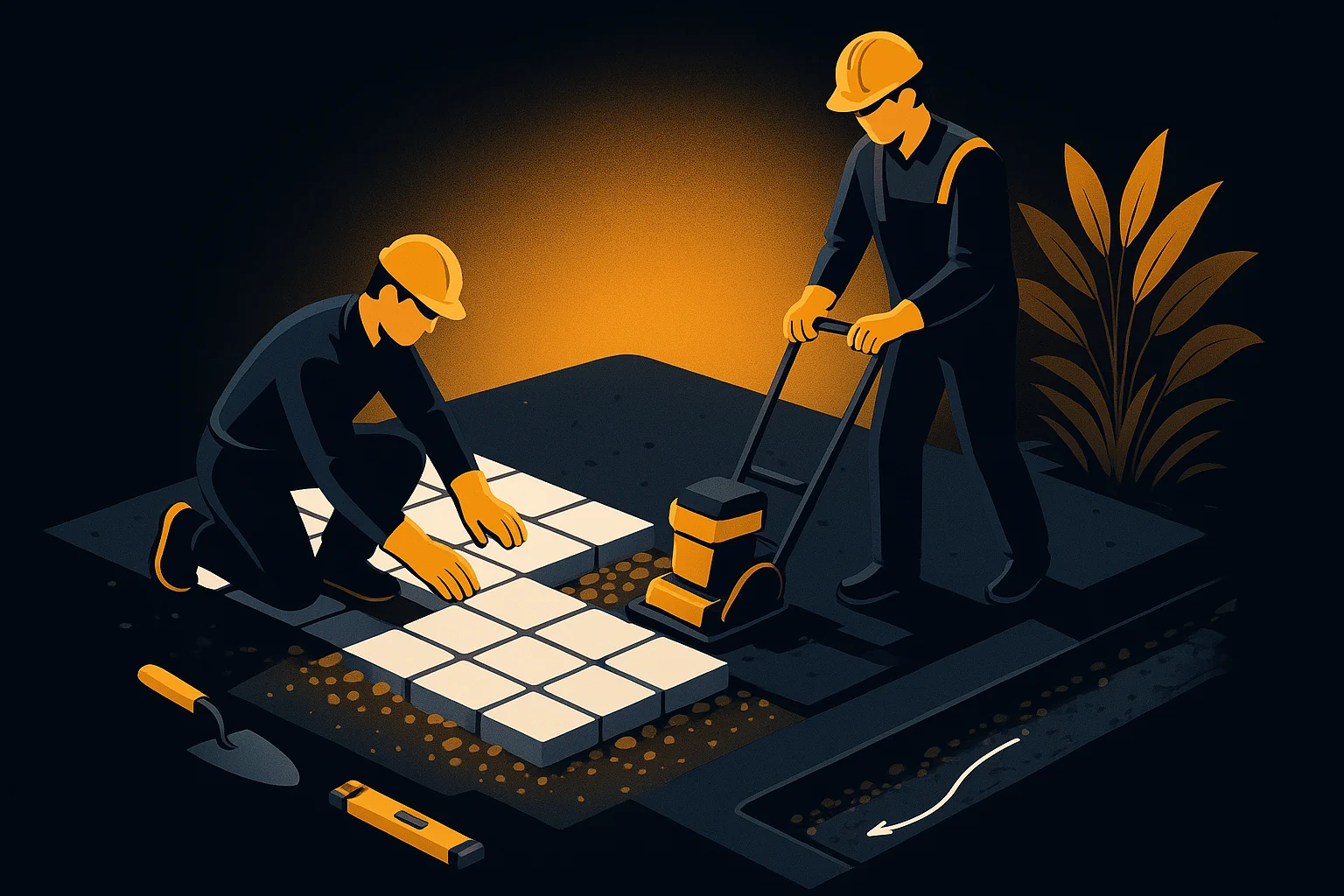
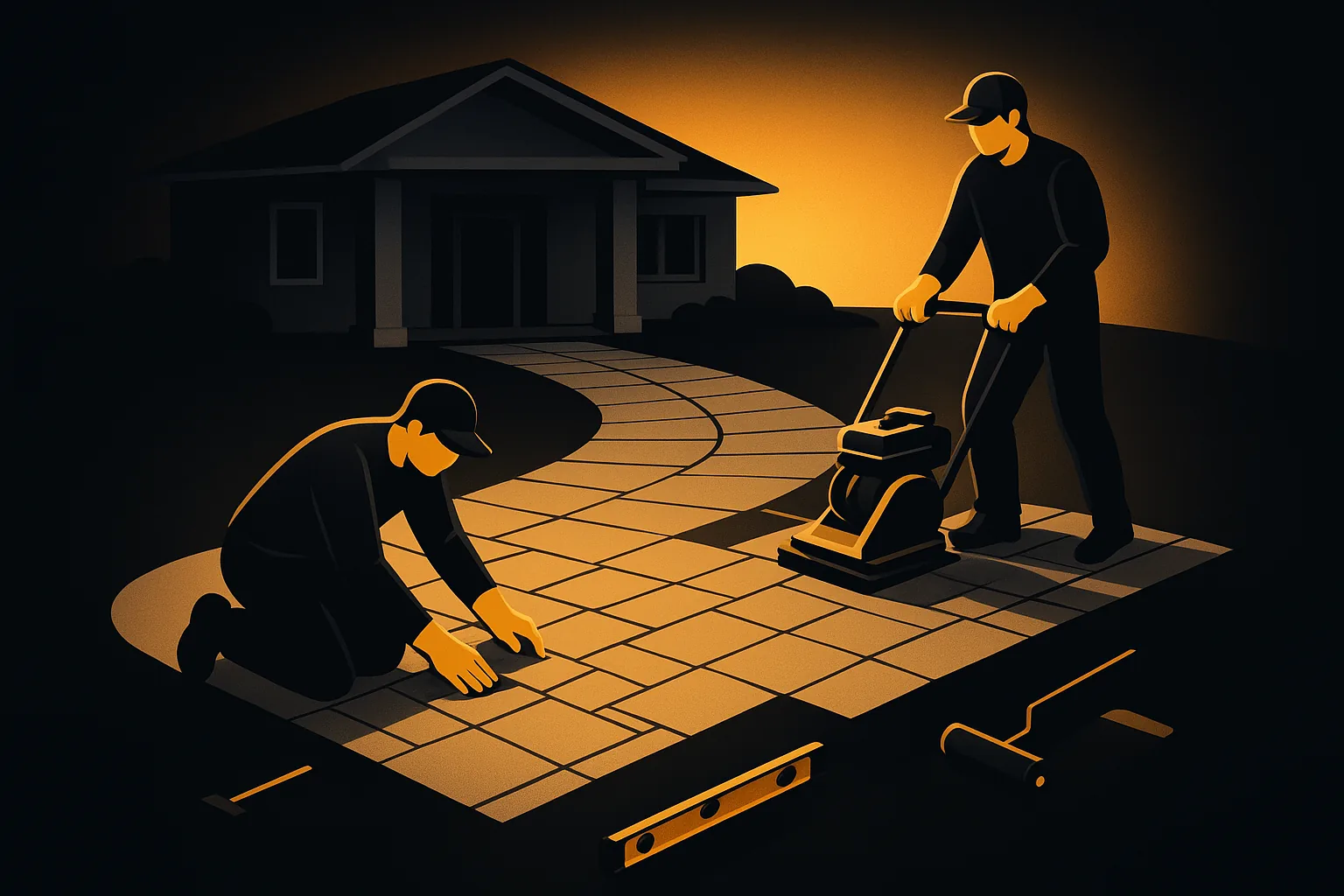
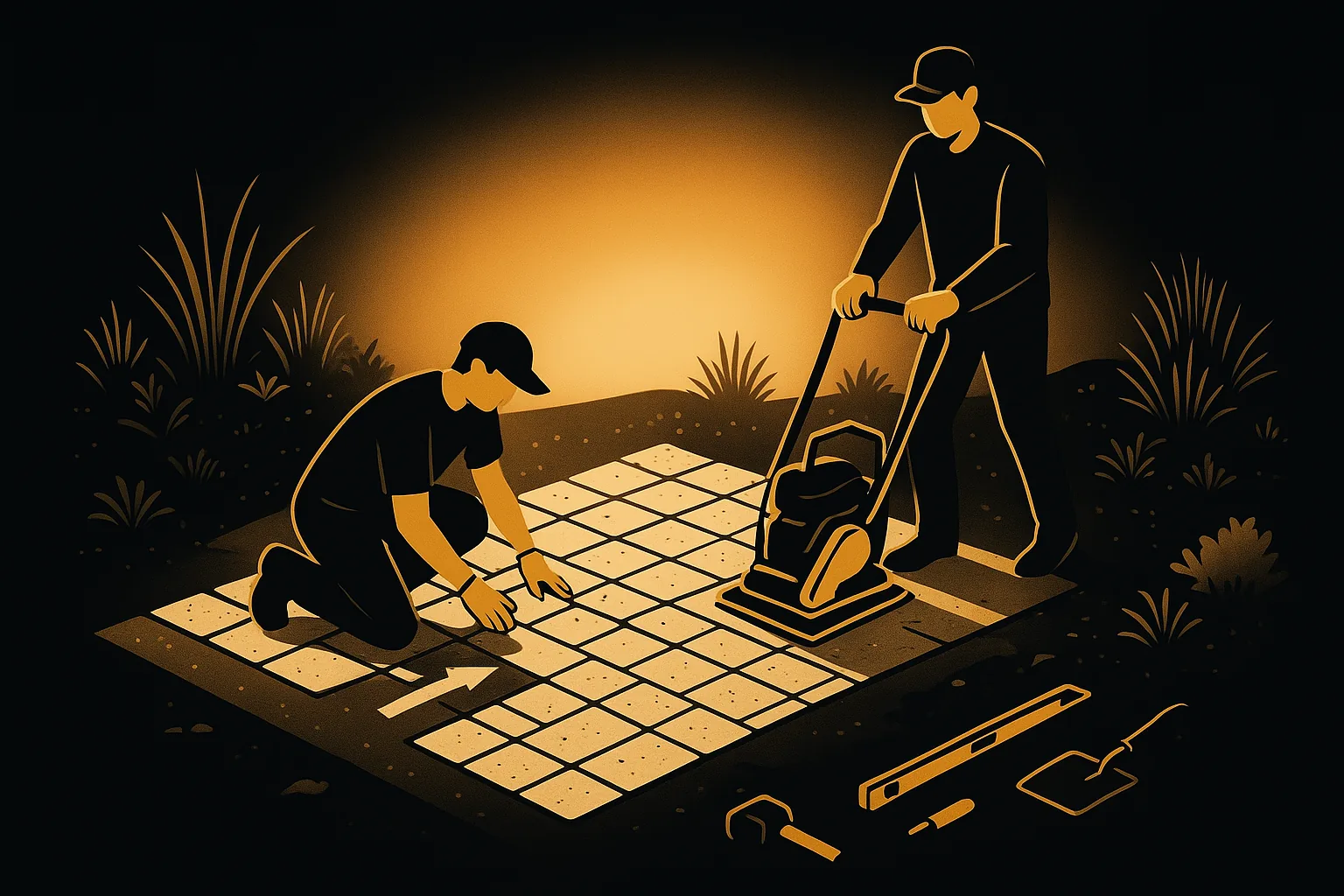
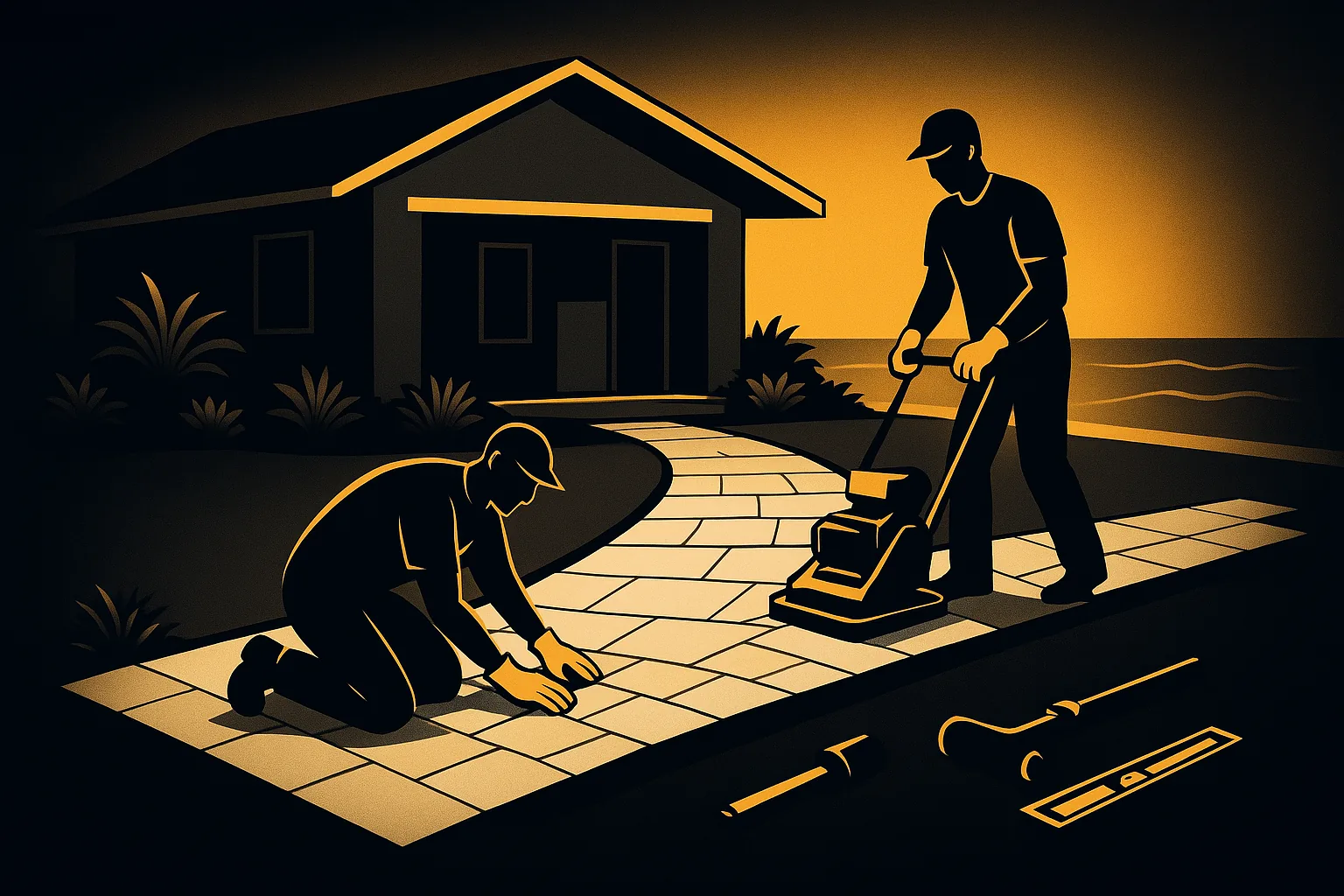
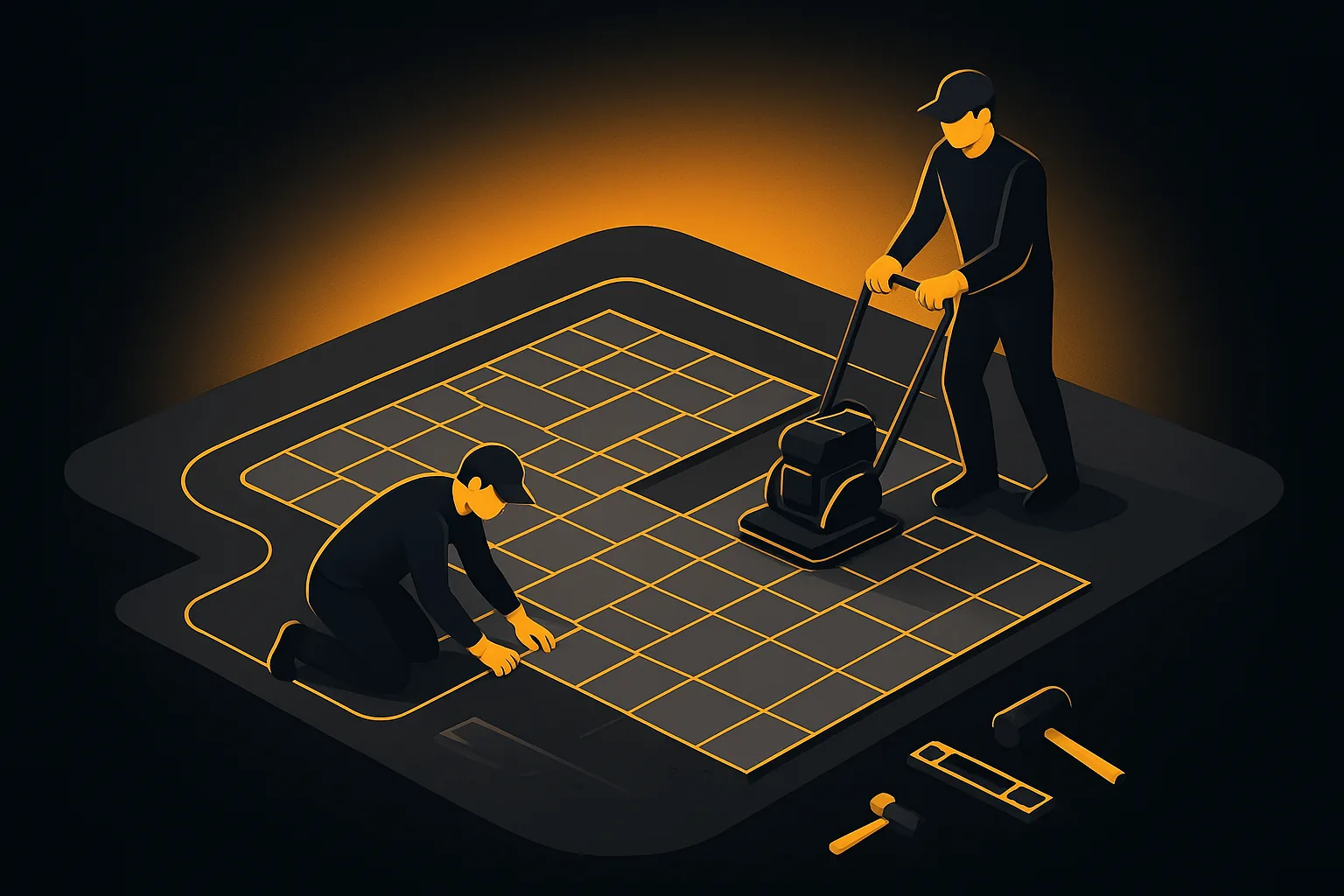
2. Compacted Crushed Stone Base
The base layer determines structural strength.
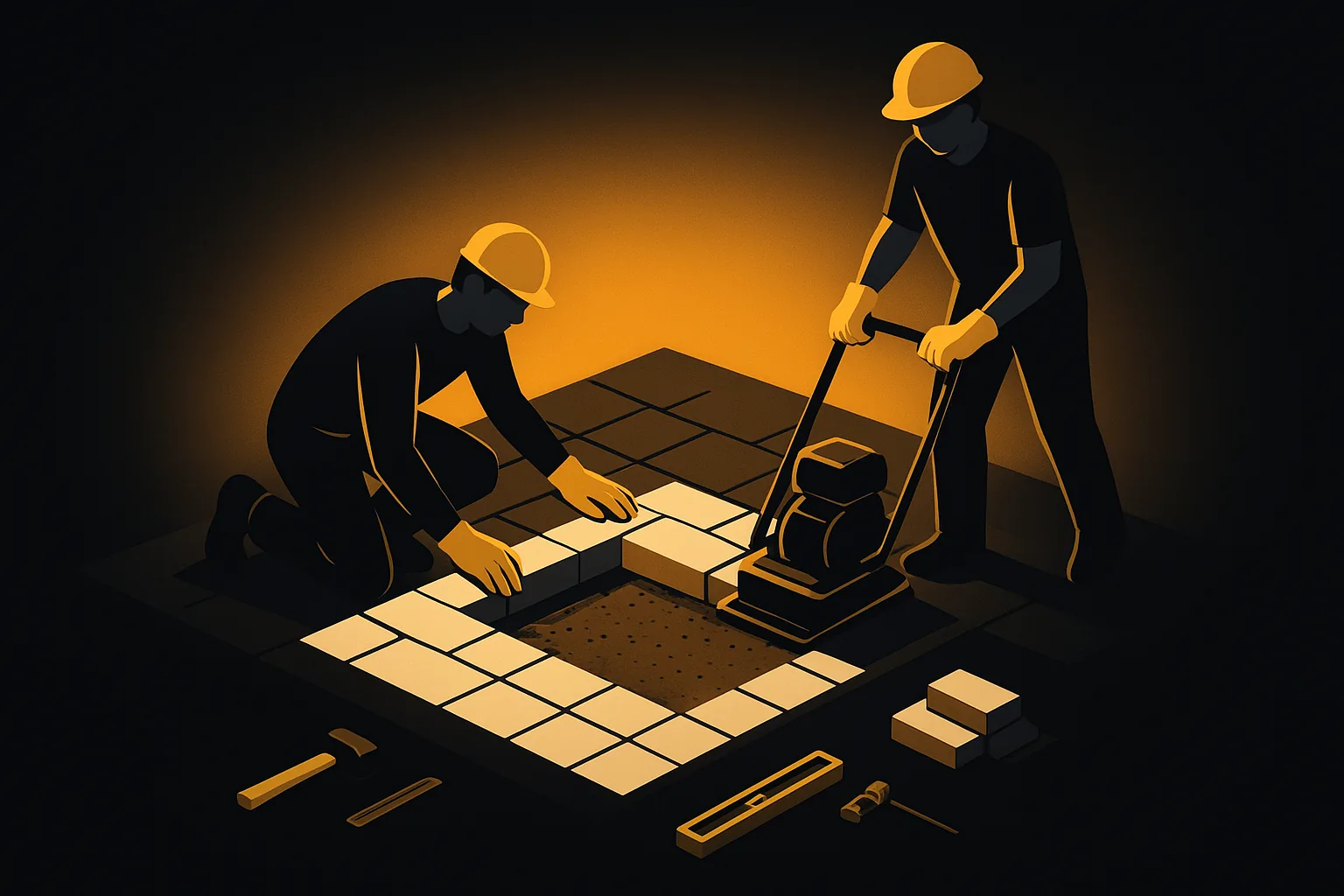
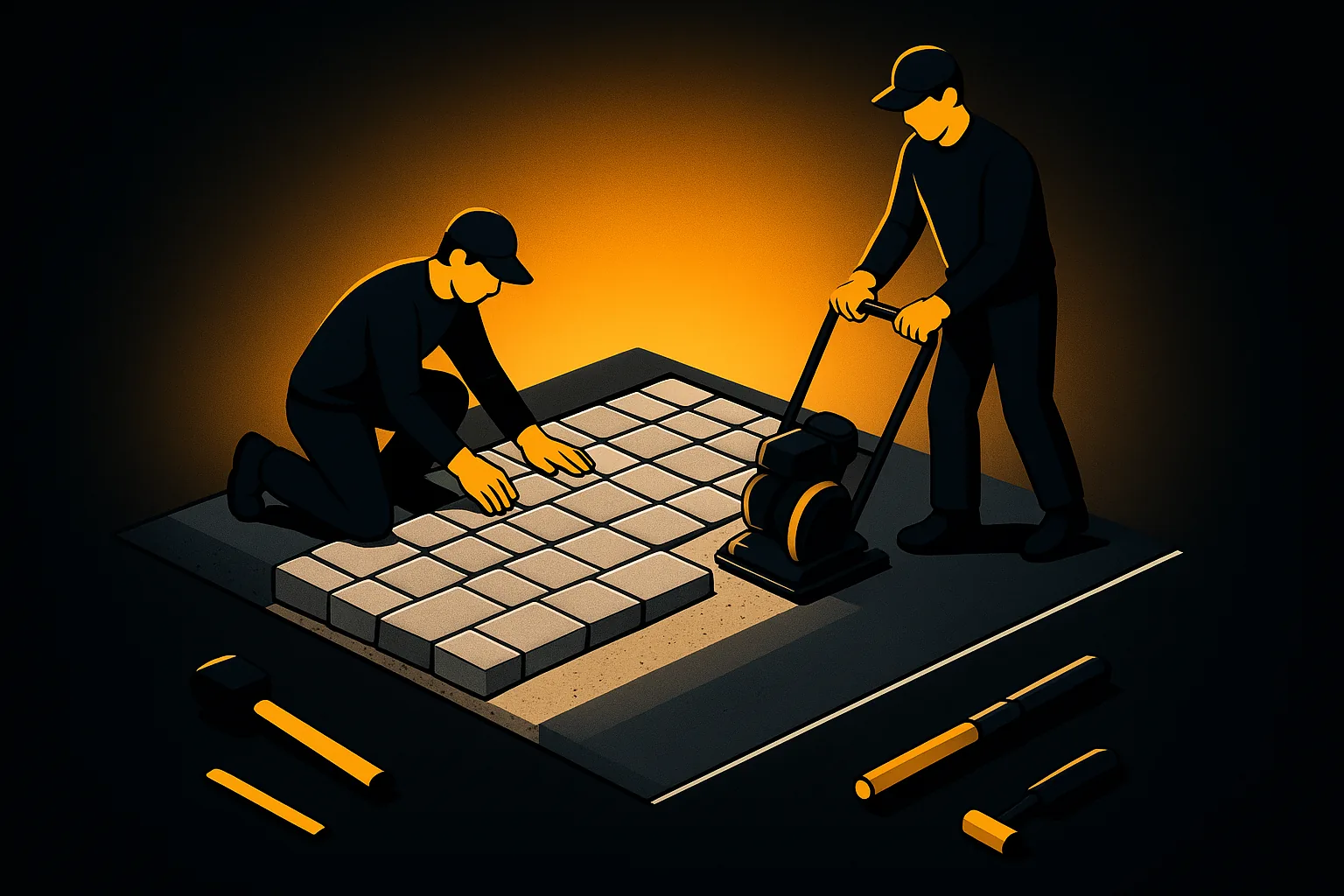
Professional installation includes:
- Multiple compacted layers
- Correct thickness for load
- Proper slope for drainage
A weak base is the number one cause of premature failure.
3. Bedding Sand Layer
A thin leveling layer ensures:
- Proper alignment
- Even surface
- Height consistency
Sand should never replace crushed stone base.
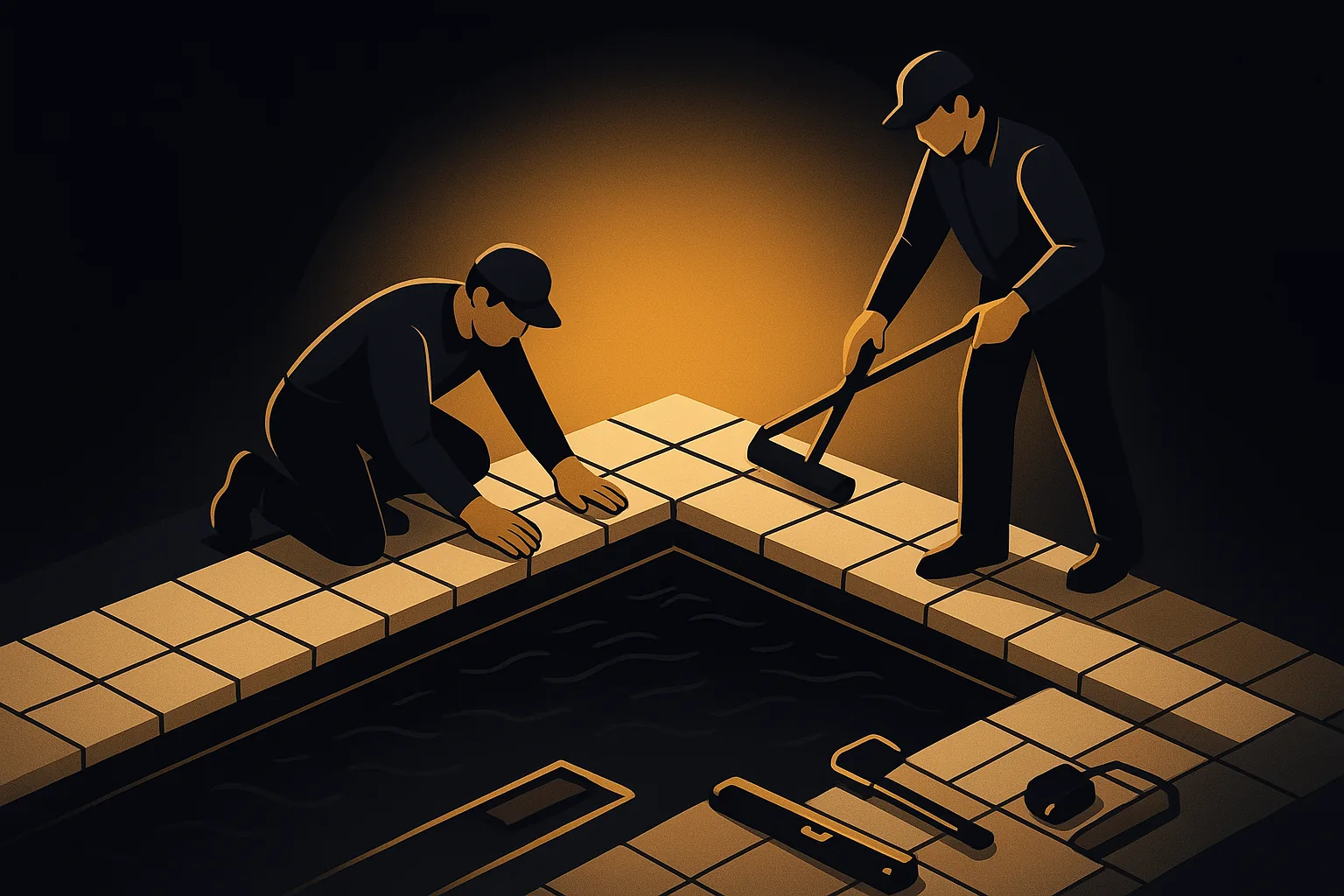
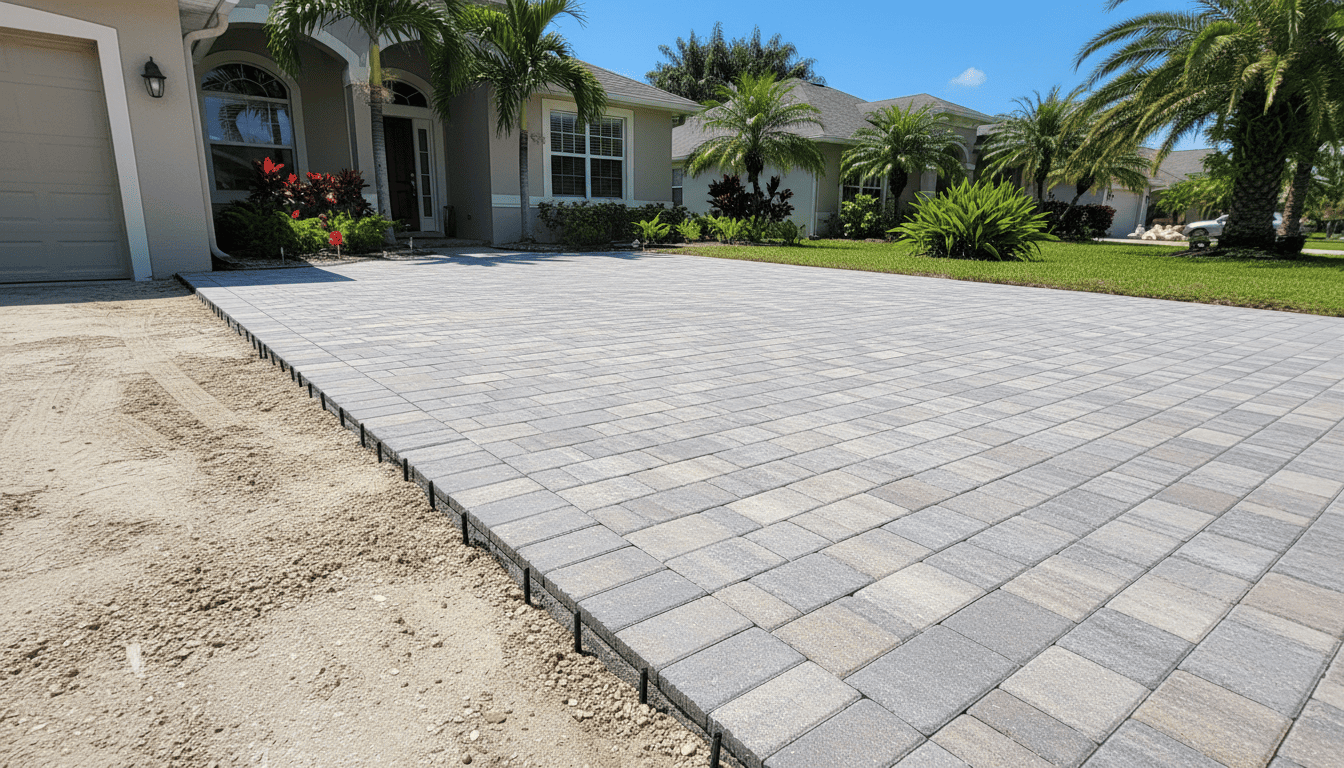
4. Edge Restraints
Edge restraints prevent lateral movement.
Without them, pavers shift over time — especially in driveways.
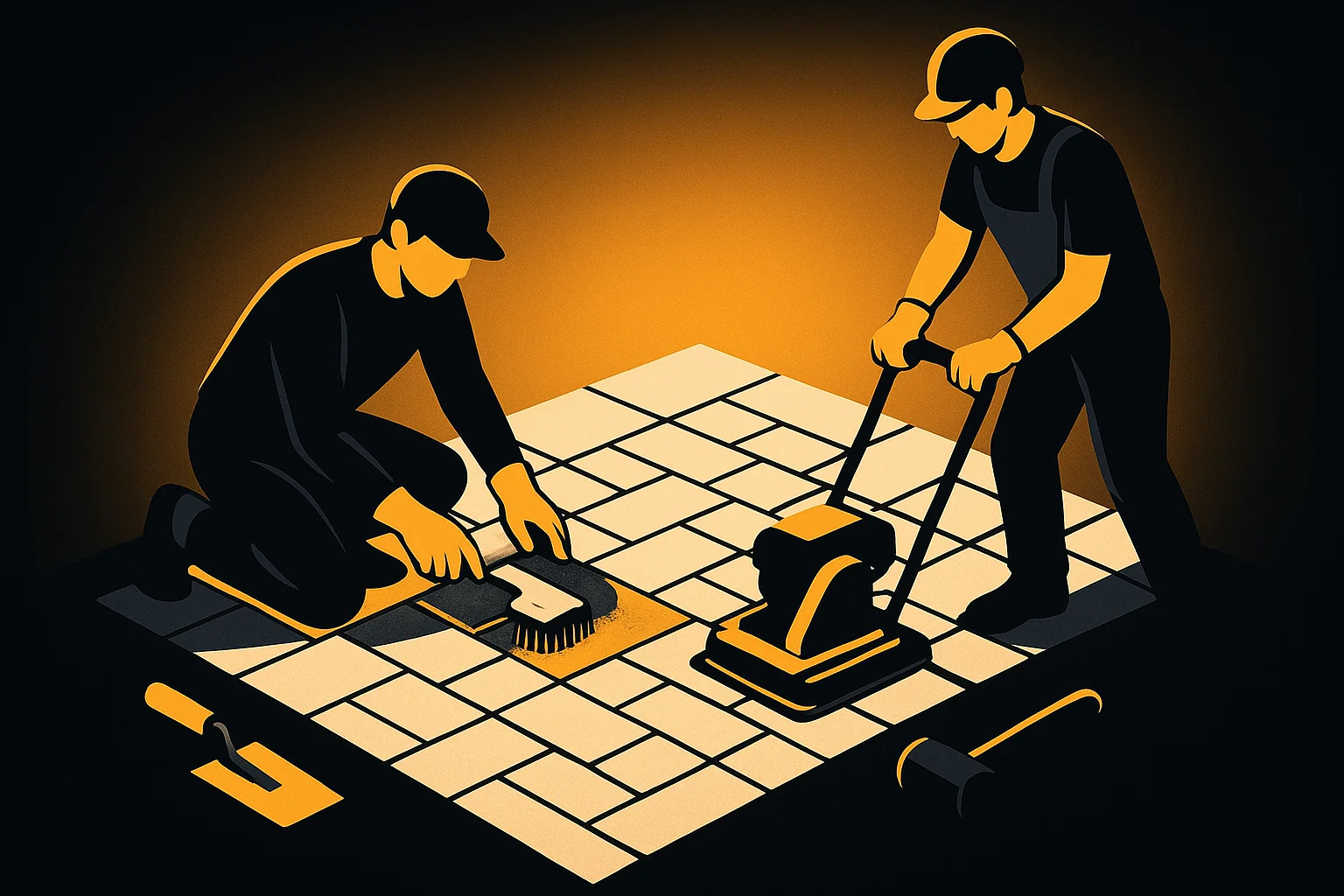
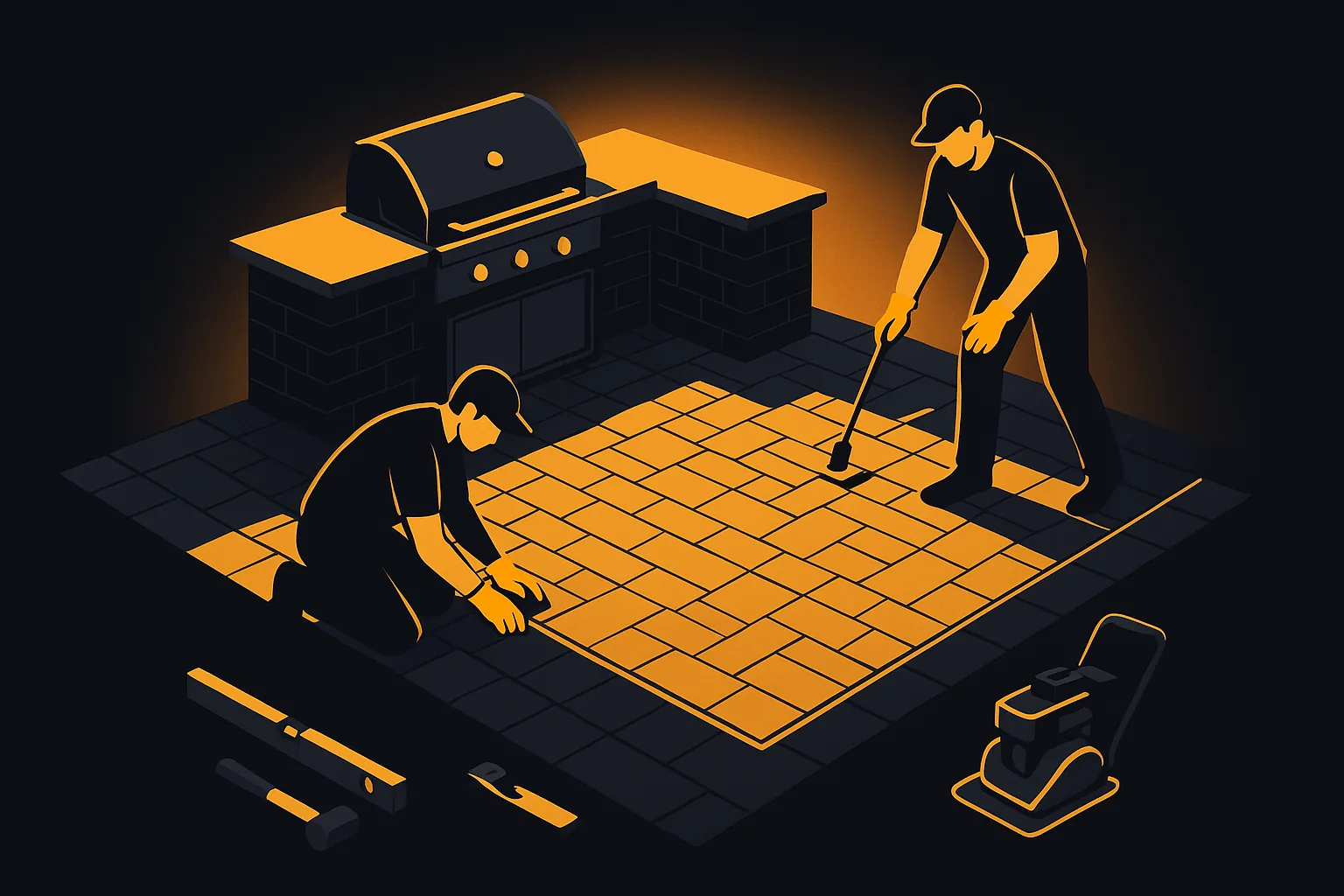
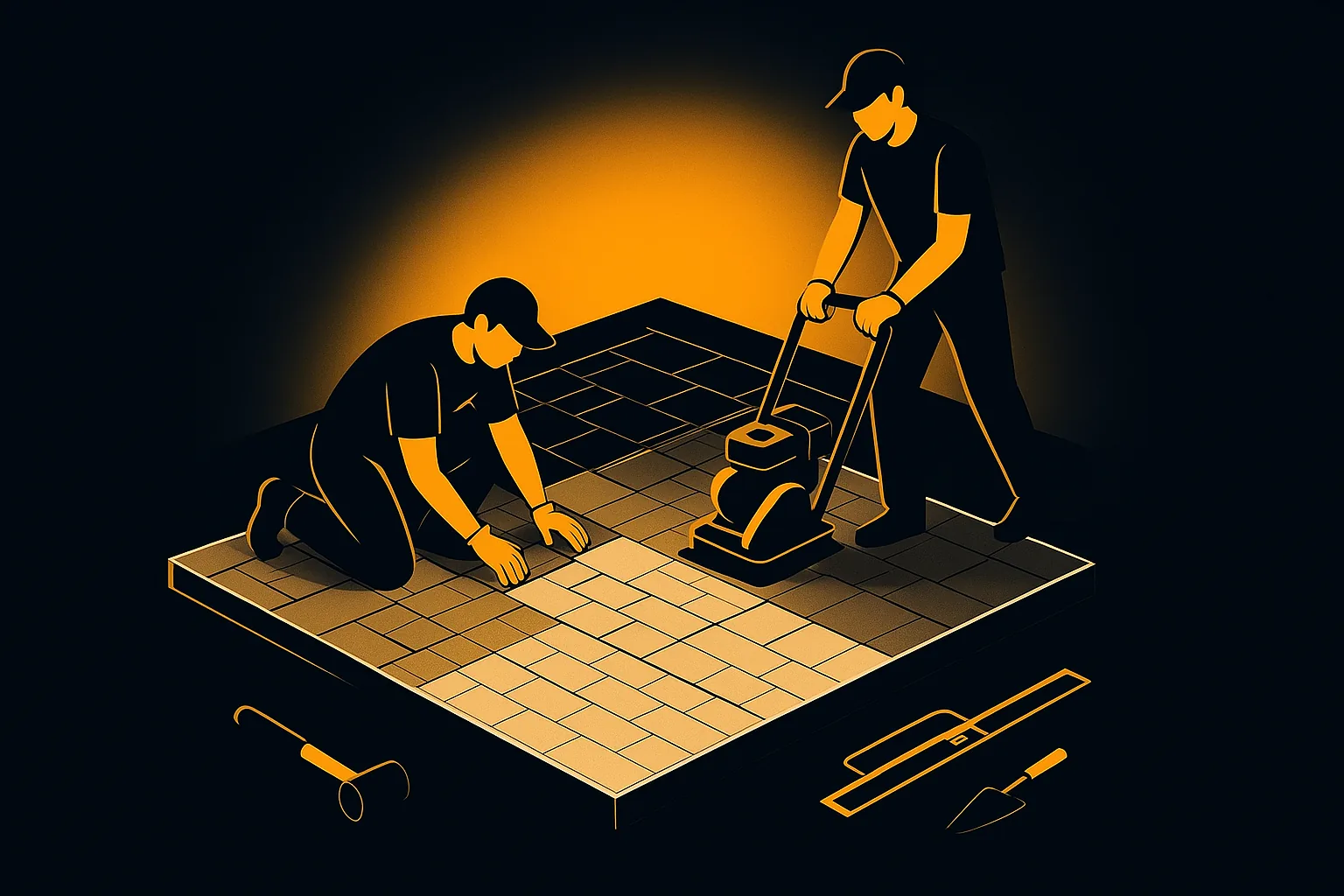
5. Joint Sand and Compaction
Joint sand locks the system together.
Polymeric sand:
- Reduces weed growth
- Increases joint stability
- Improves durability
Full surface compaction completes the system.
Typical Lifespan of Pavers in Florida
When properly installed:
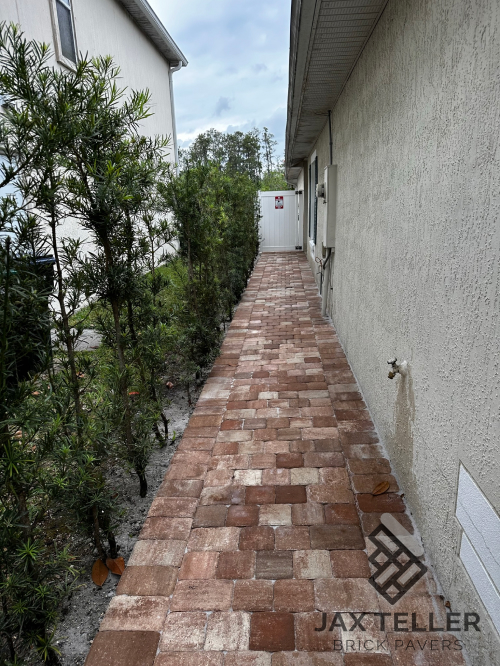
- Driveway pavers: 25–40+ years
- Patio pavers: 30–50+ years
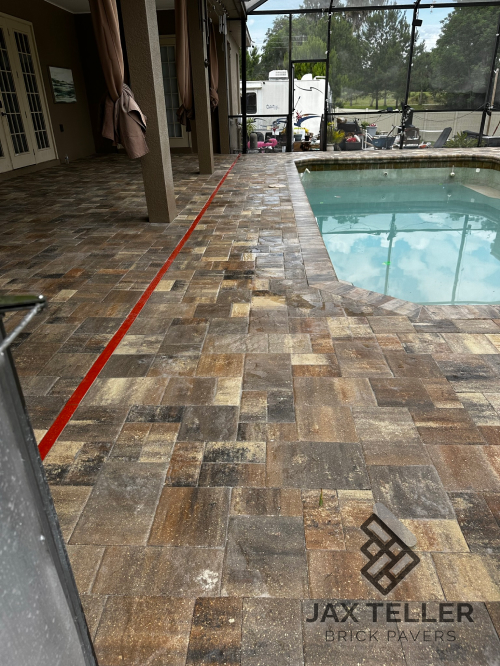
- Pool deck pavers: 25–40+ years
Poor installation can reduce lifespan dramatically.
Common Reasons Pavers Fail Early
- Inadequate excavation
- Poor compaction
- Improper slope
- Missing edge restraints
- DIY installation mistakes
Most failures are installation-related, not material defects.
How Maintenance Impacts Longevity
Pavers are low maintenance — not maintenance-free.
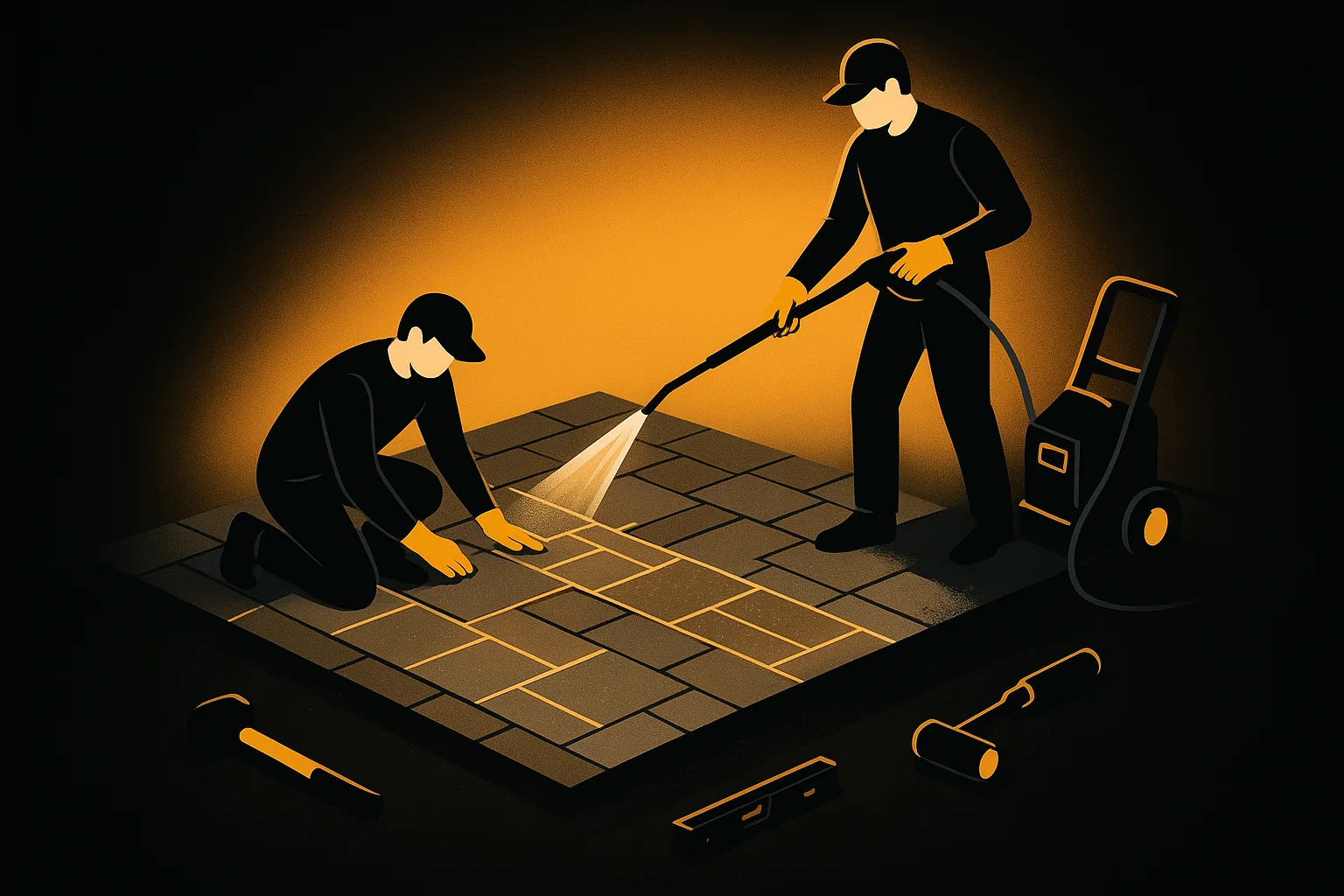
Routine care includes:
- Sweeping debris
- Rinsing stains
- Inspecting joints annually
- Reapplying sand when needed
Small maintenance efforts prevent larger structural issues.
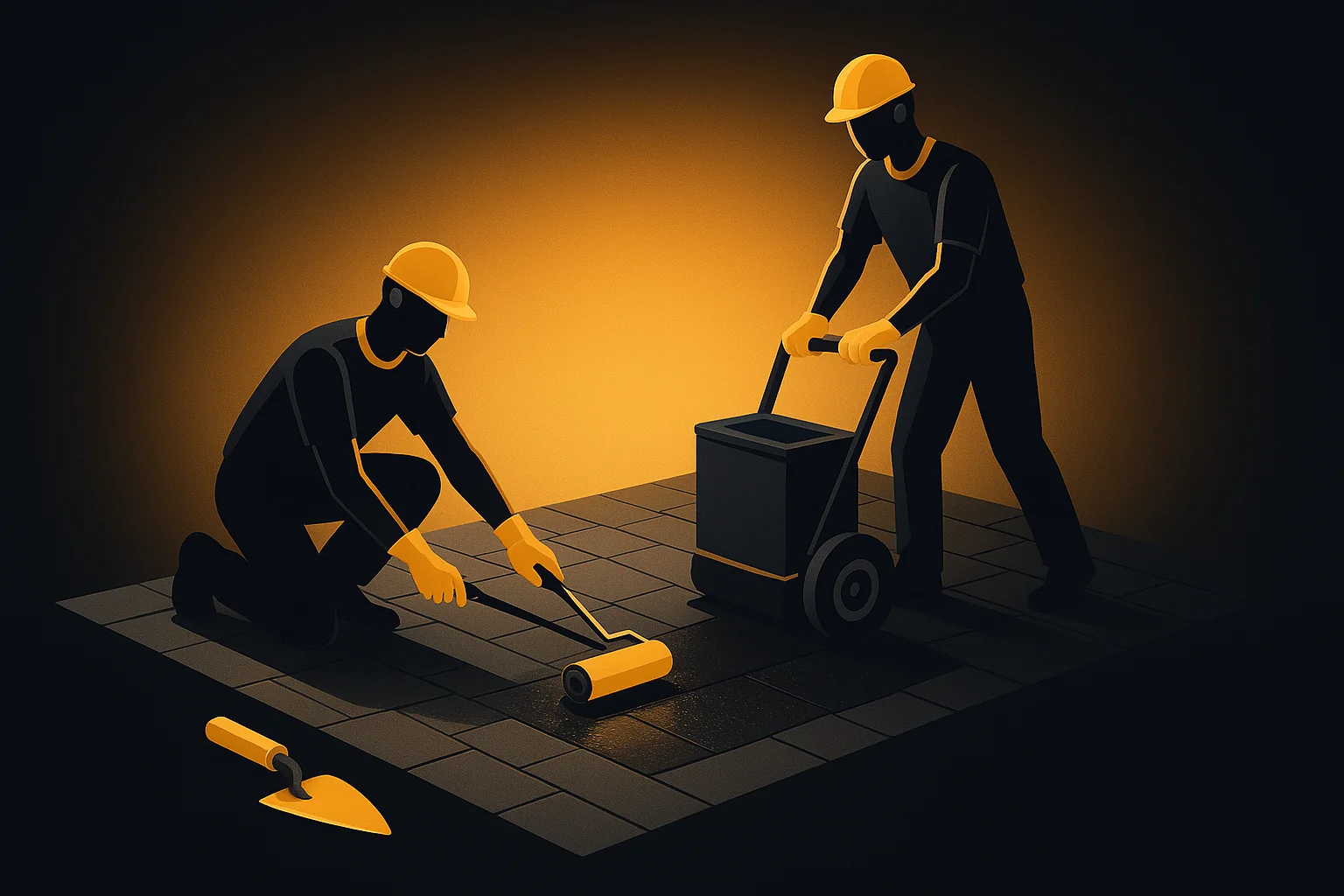
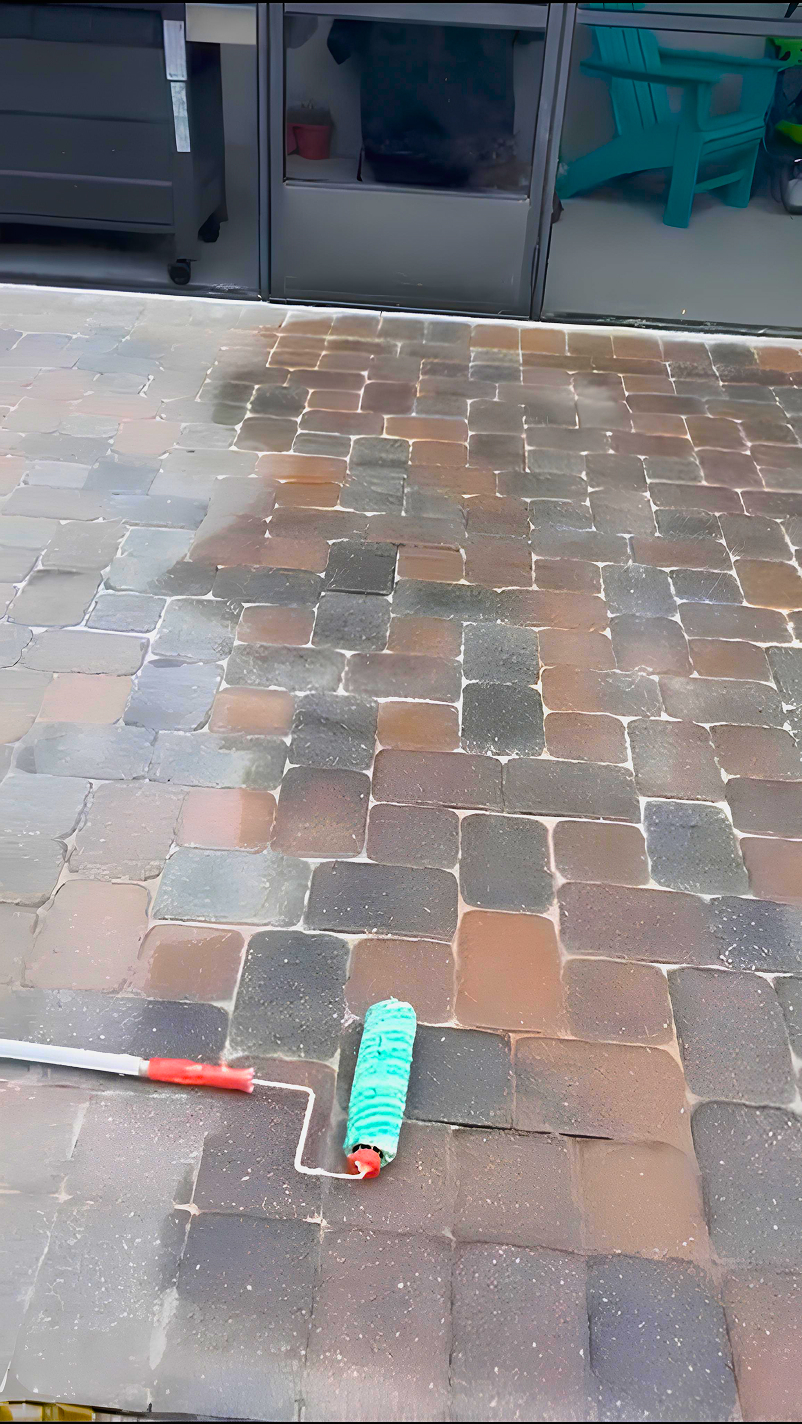
Should Pavers Be Sealed?
Sealing is optional but beneficial.
Benefits include:
- Enhanced color
- Stain resistance
- UV protection
- Easier cleaning
Sealing typically lasts 2–4 years depending on exposure.
Repair Advantages Over Concrete
Unlike poured concrete:
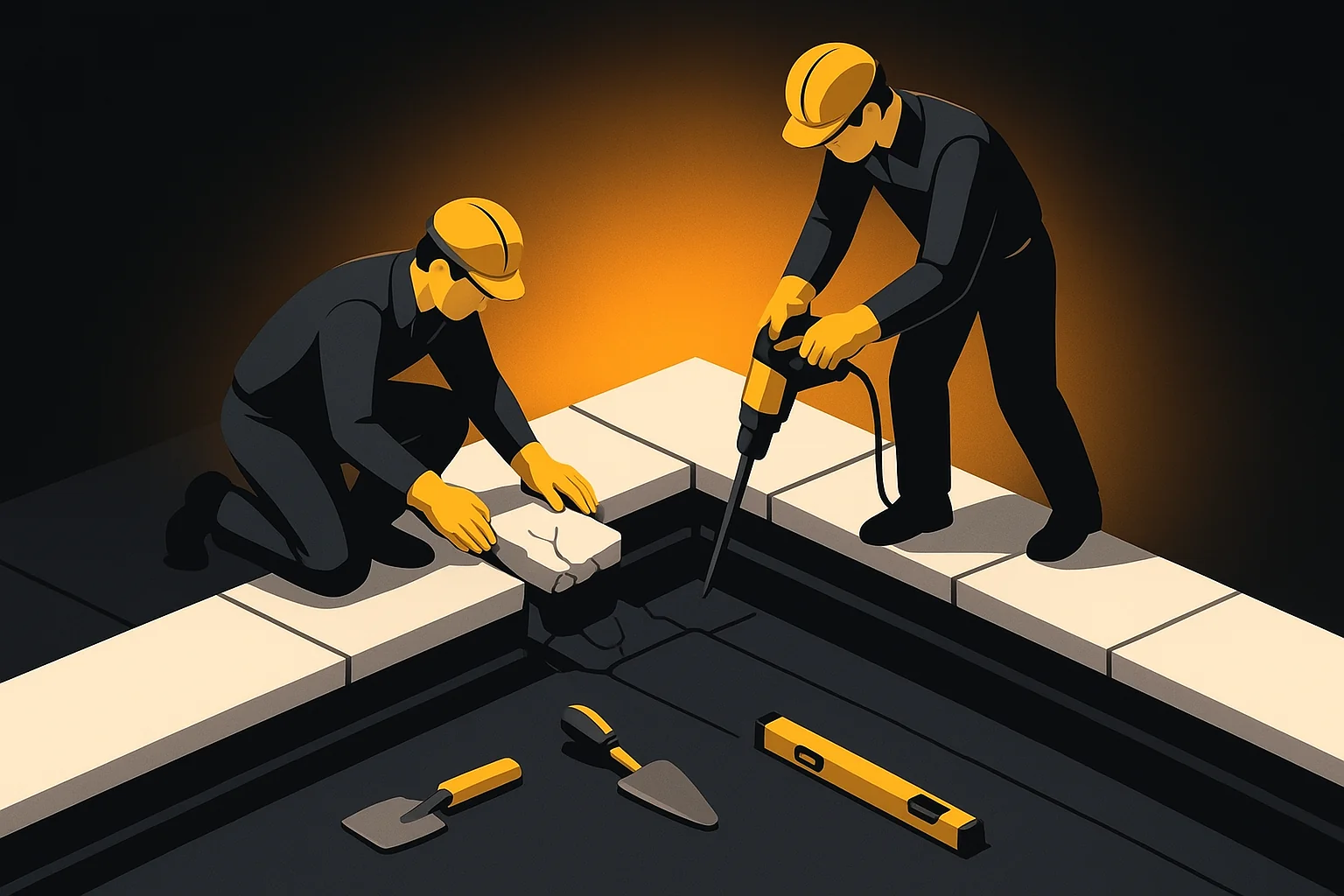
- Individual pavers can be replaced
- Sunken areas can be re-leveled
- Repairs are localized
- No visible patchwork
This repairability extends functional lifespan significantly.
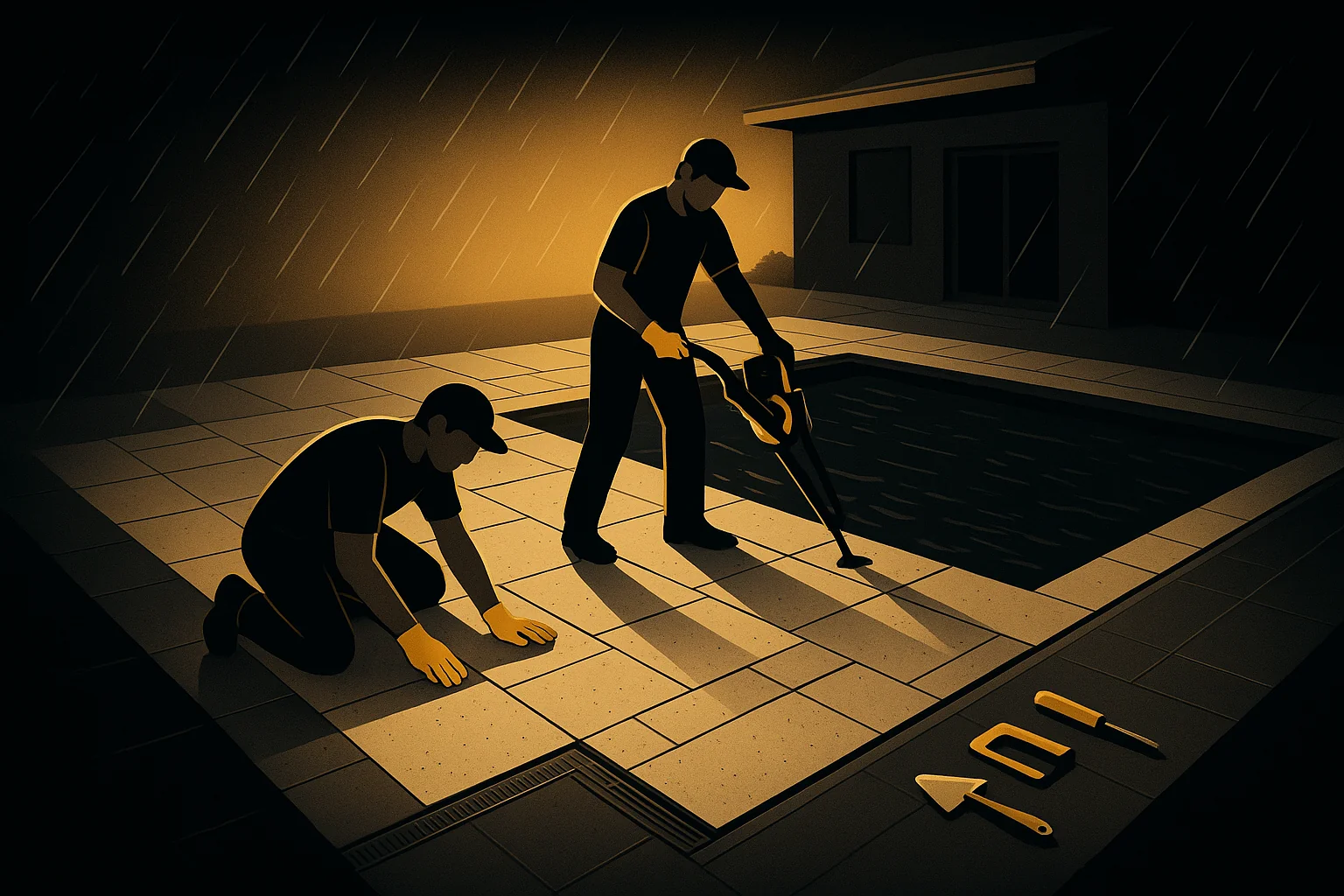
Drainage and Soil Movement in Florida
Florida soil shifts due to:
- Rain saturation
- Drying cycles
- Sand composition
Interlocking pavers flex slightly, adapting better than rigid slabs.
Proper slope ensures water drains away from the home and prevents erosion.
Explore More Installation Projects and Standards
For more professionally installed paver projects in Florida, visit:
https://jaxtellerbrickpavers.com/projects
To review official installation standards, visit:
https://www.icpi.org/
Conclusion
How Long Do Pavers Last in Florida depends almost entirely on proper installation and responsible maintenance. When installed professionally with correct base preparation, drainage planning, and joint stabilization, pavers can provide decades of structural stability and visual appeal.
If you’re planning a new paver project or need maintenance support, contact JaxTeller Brick Pavers at +1 407-907-8308 or jaxtellerbrickpavers@gmail.com for a free estimate.