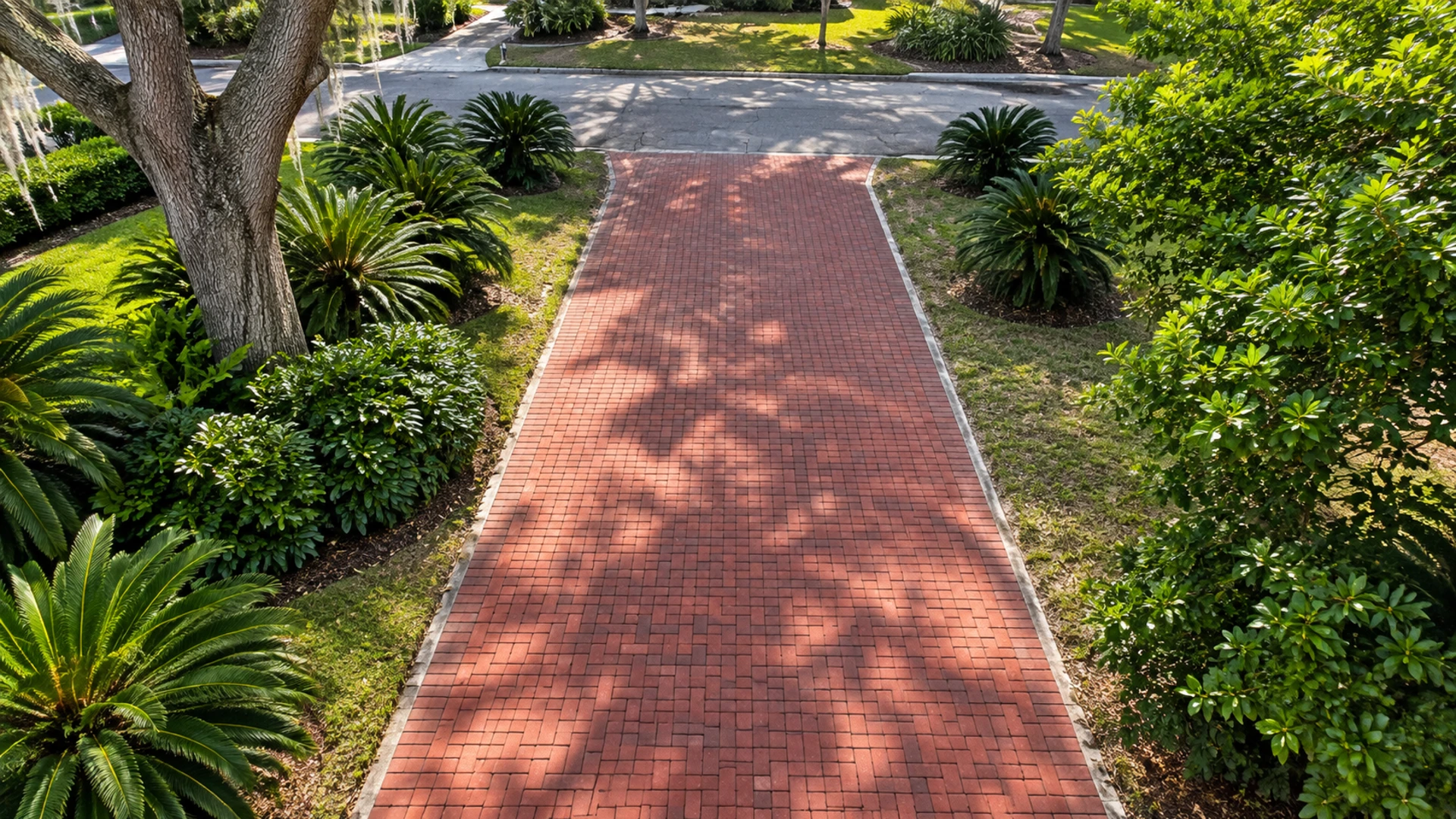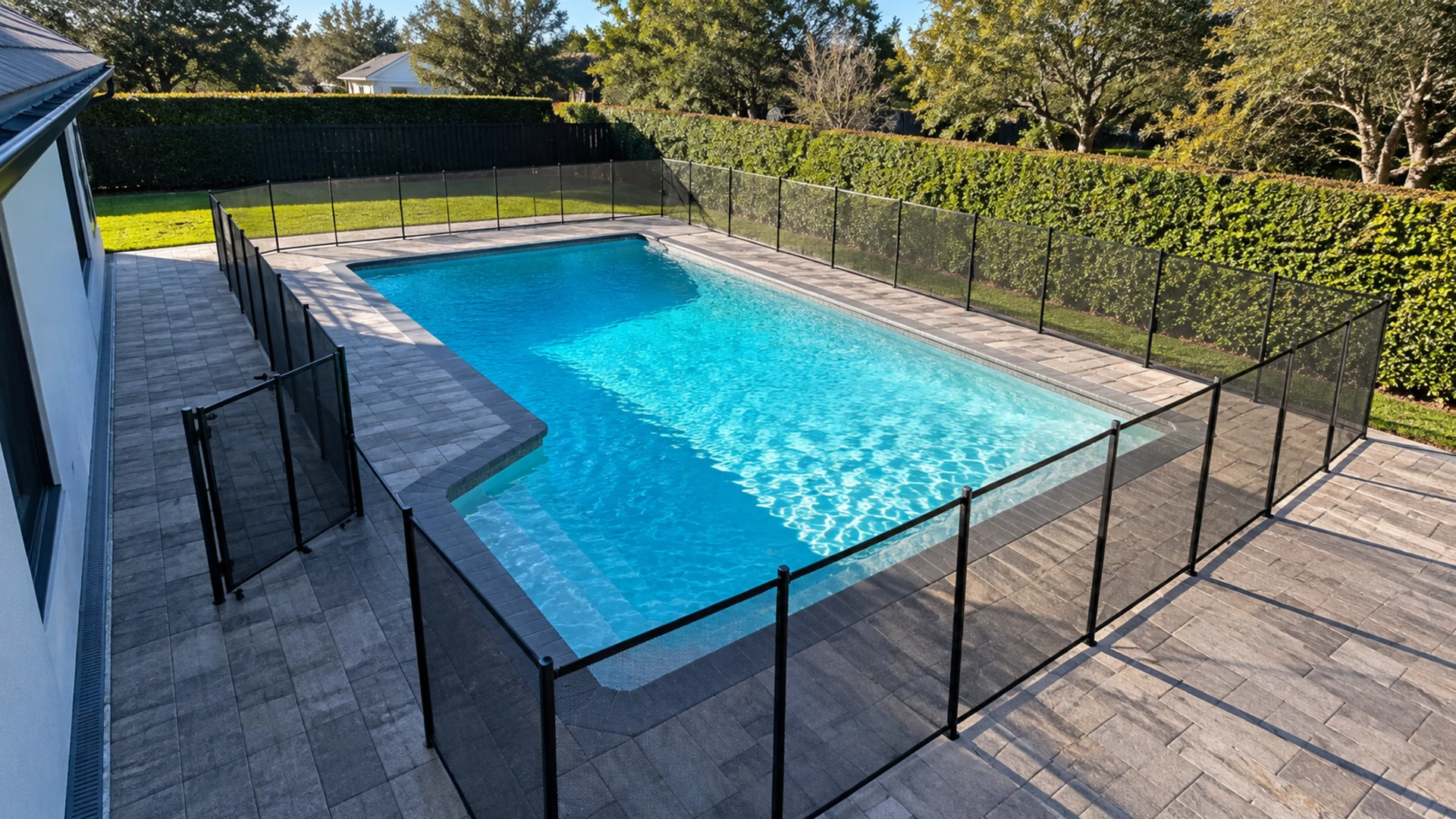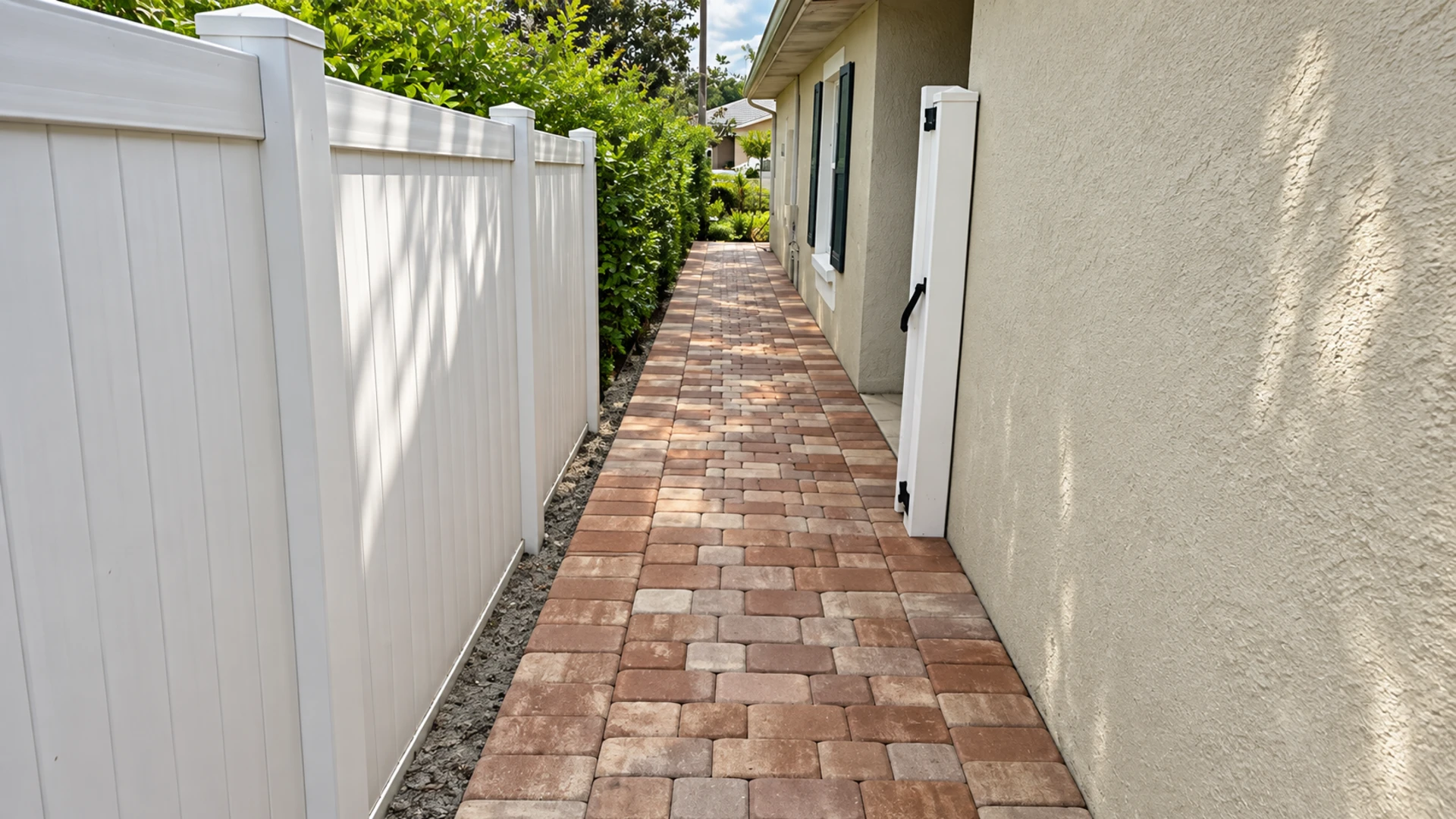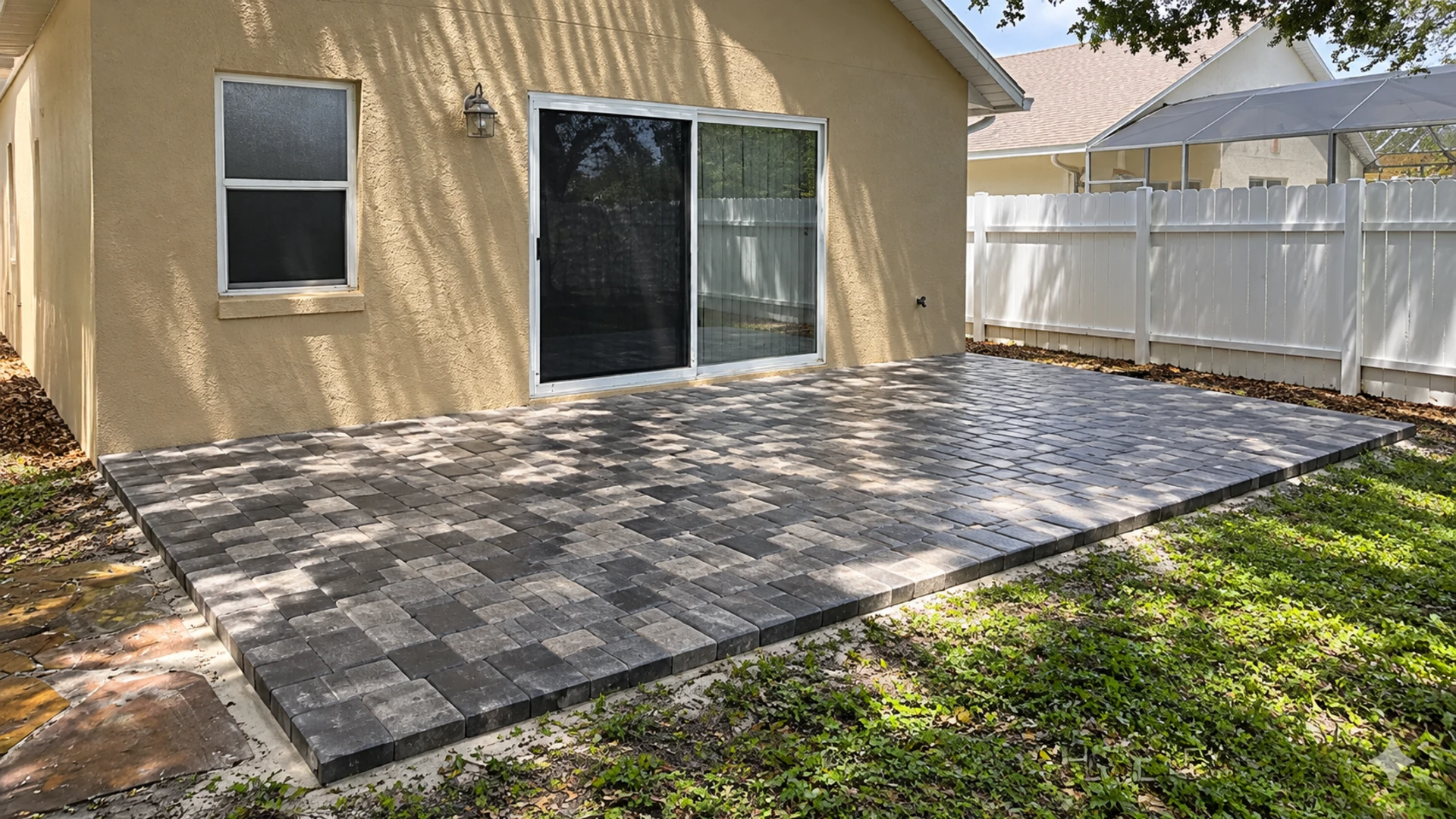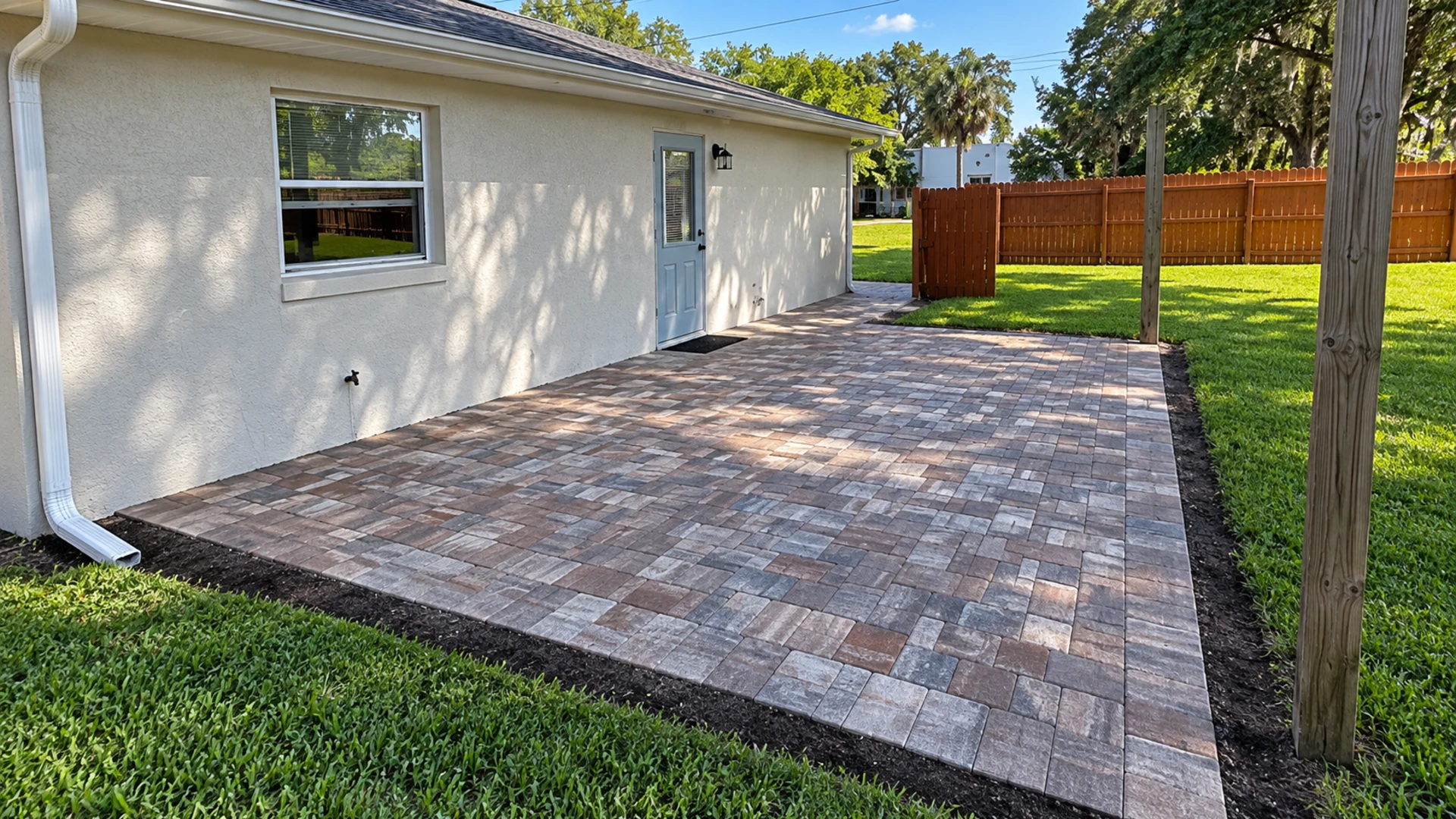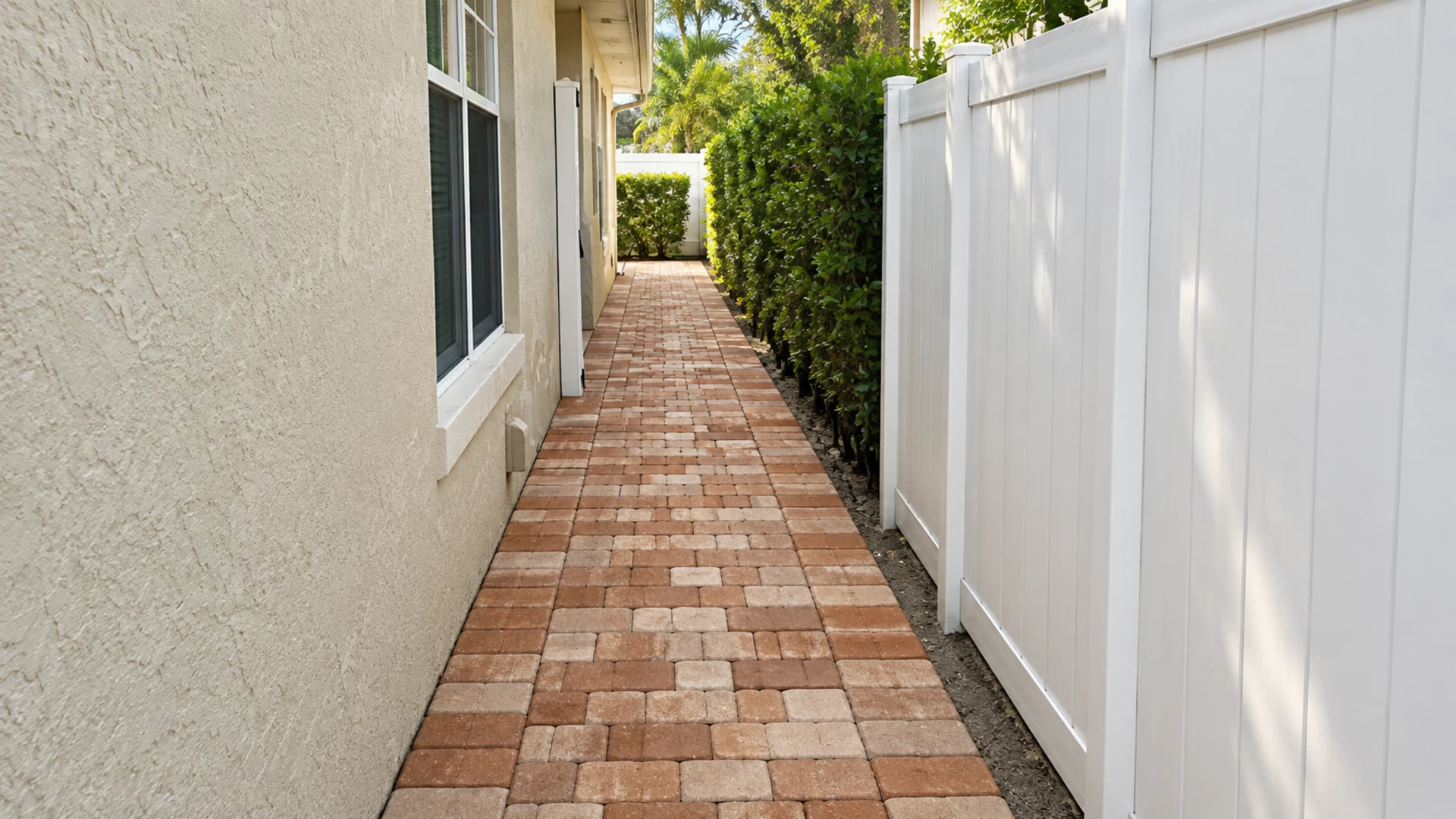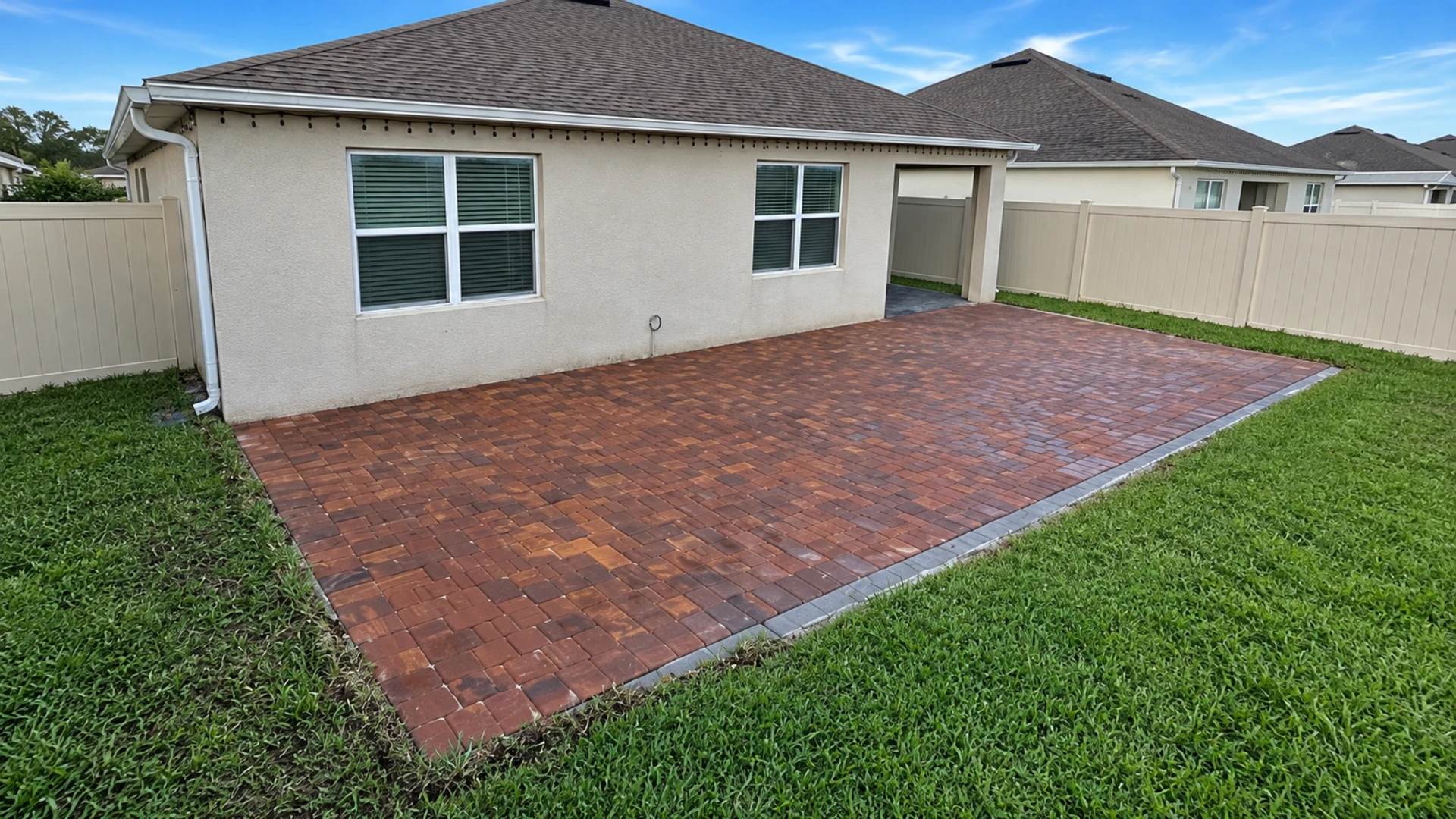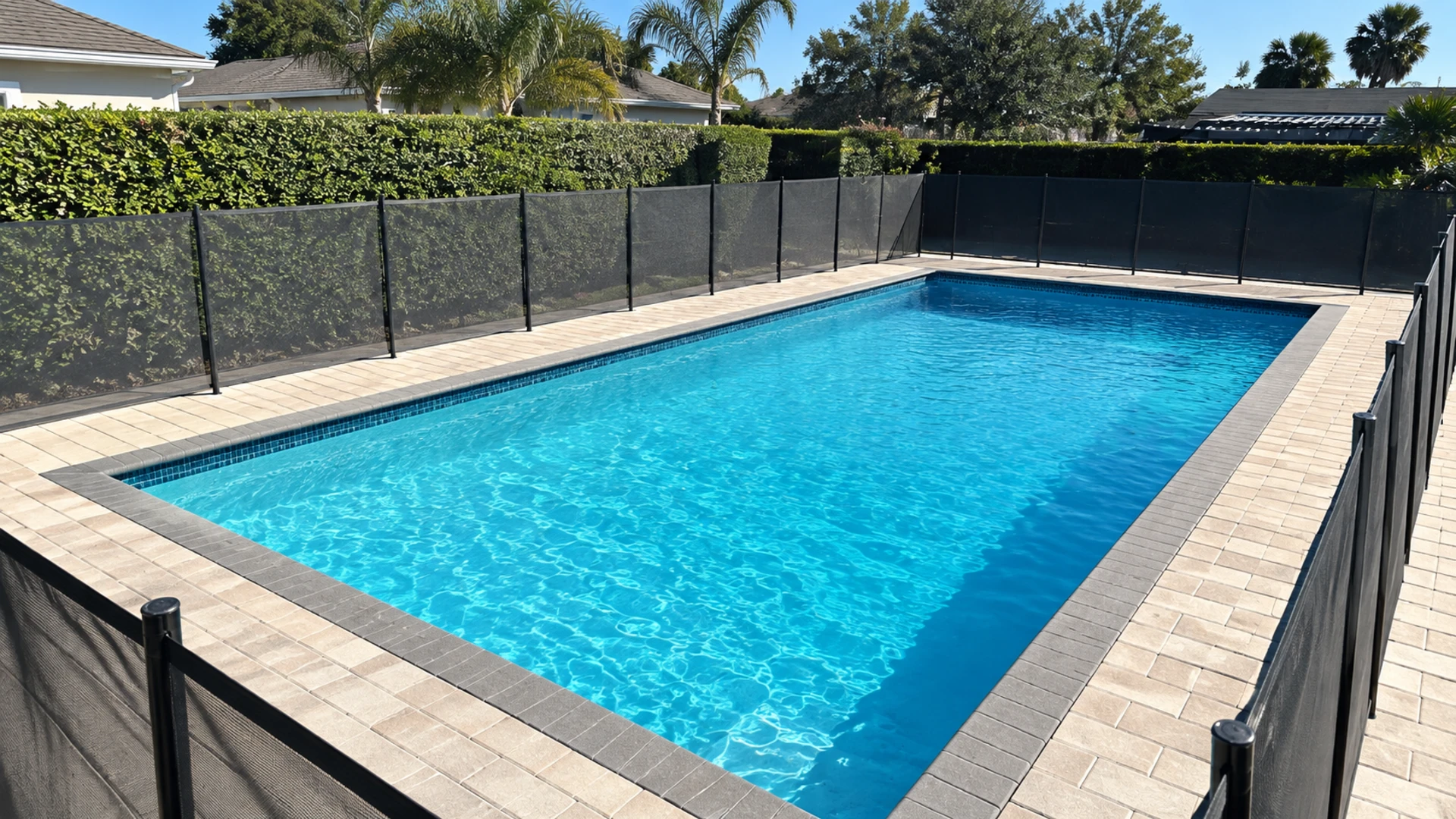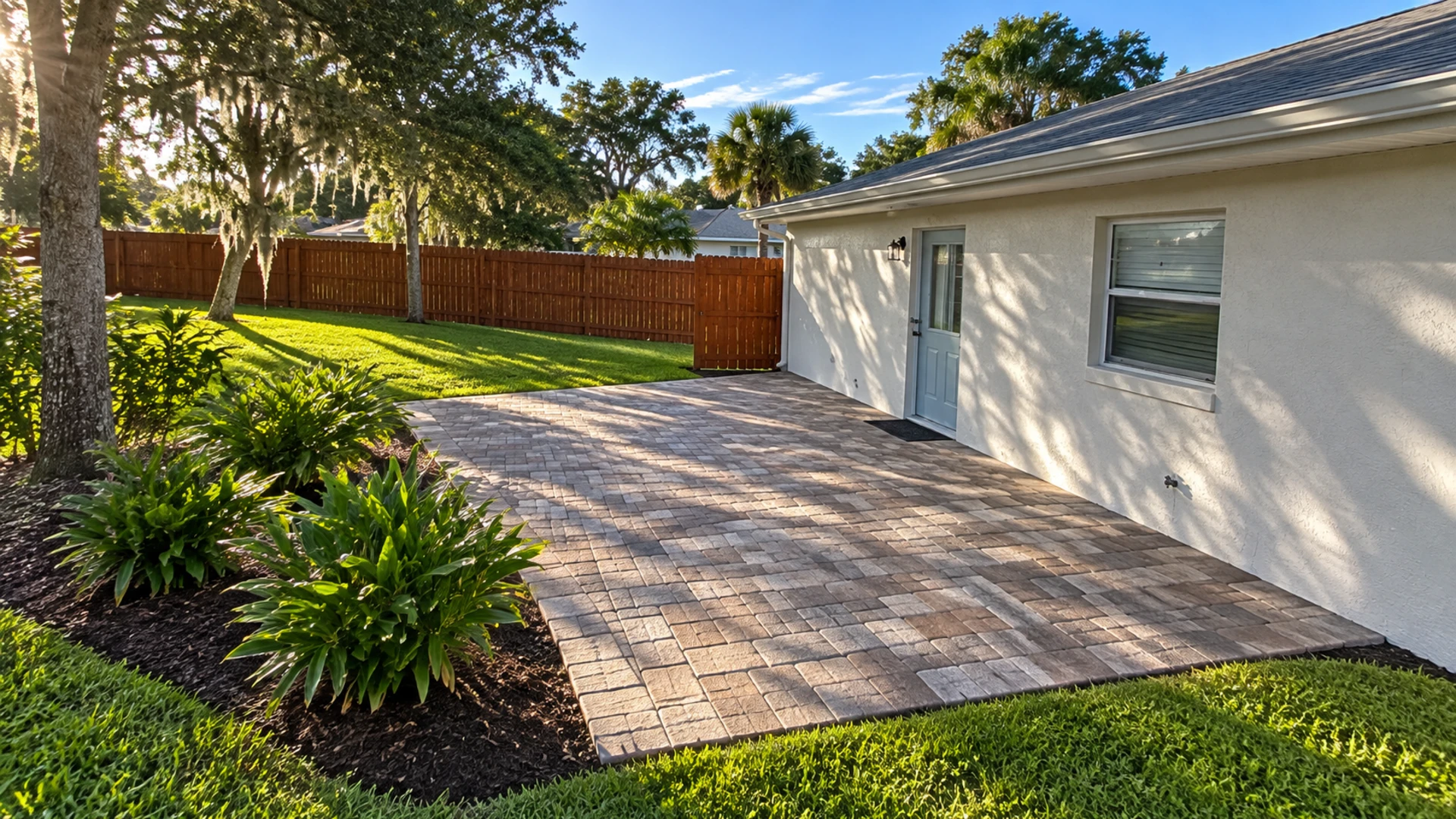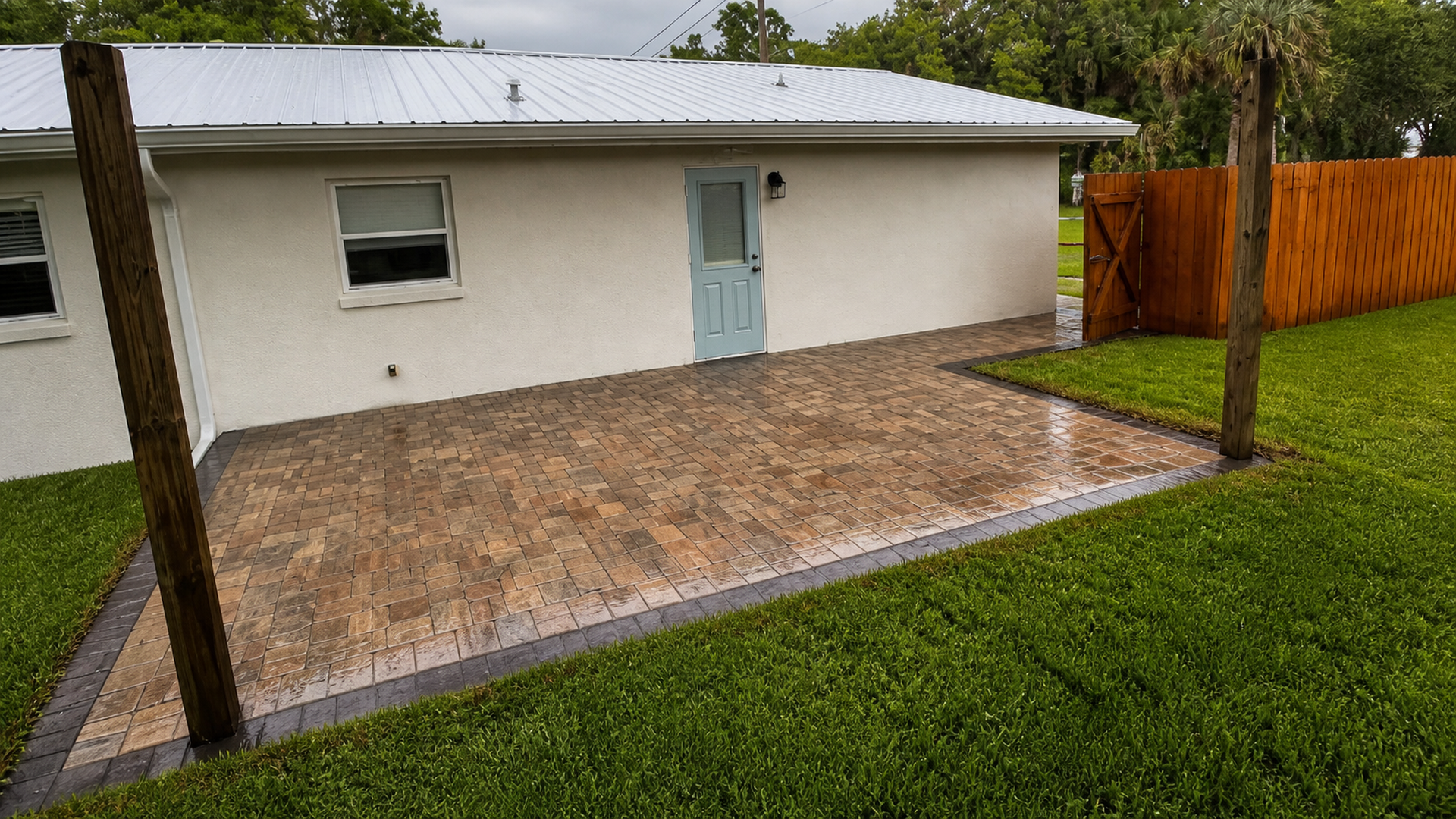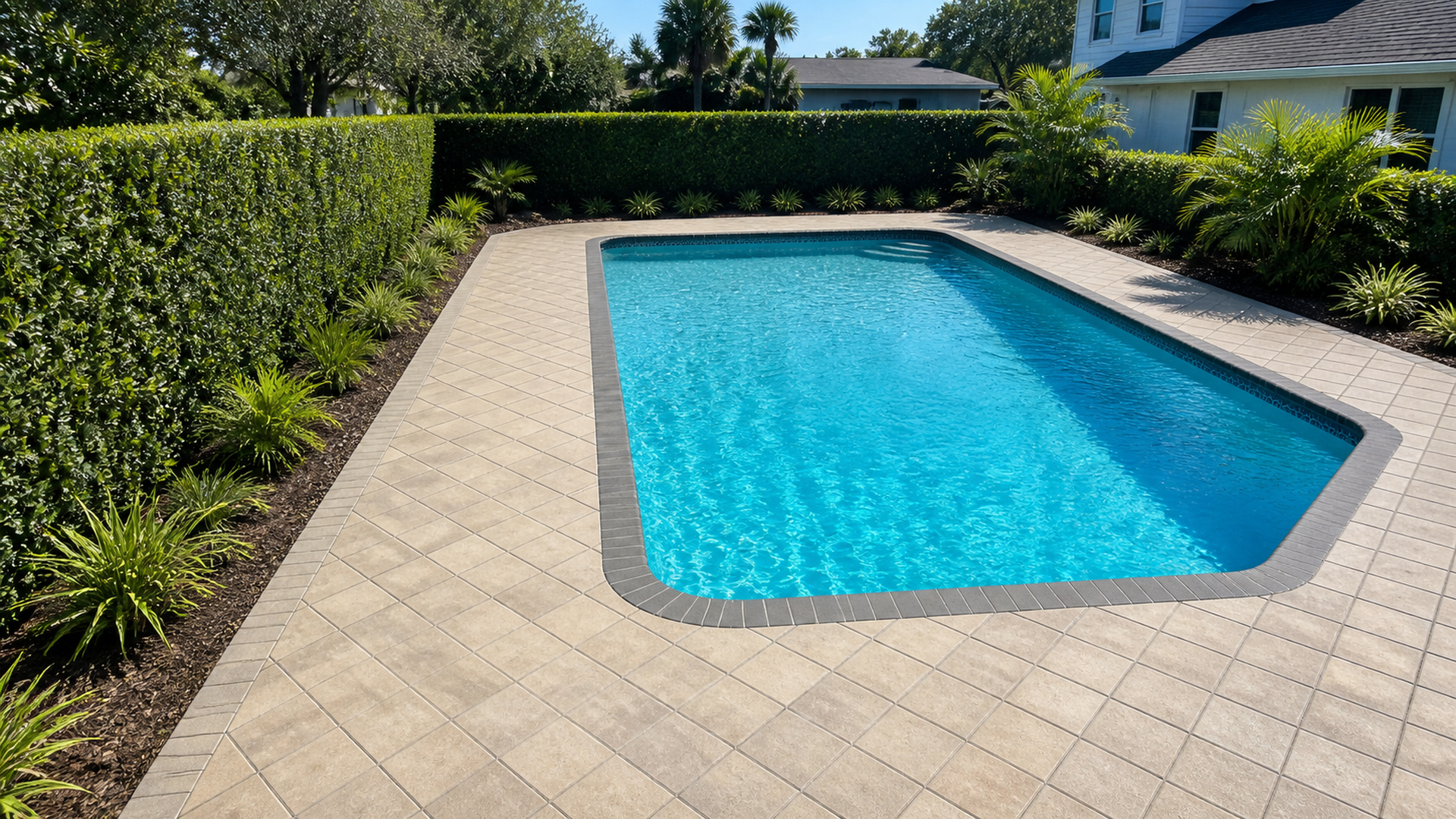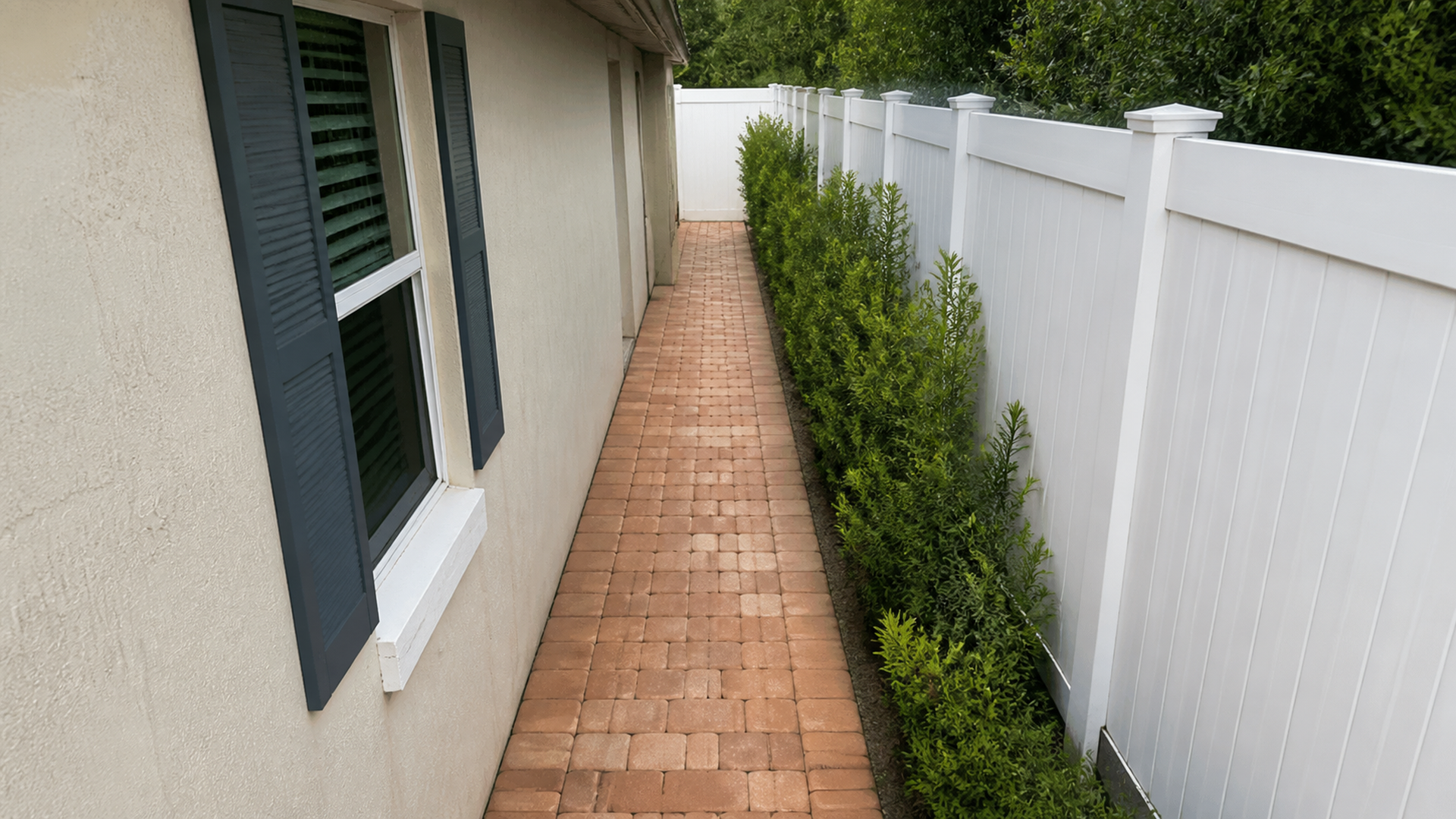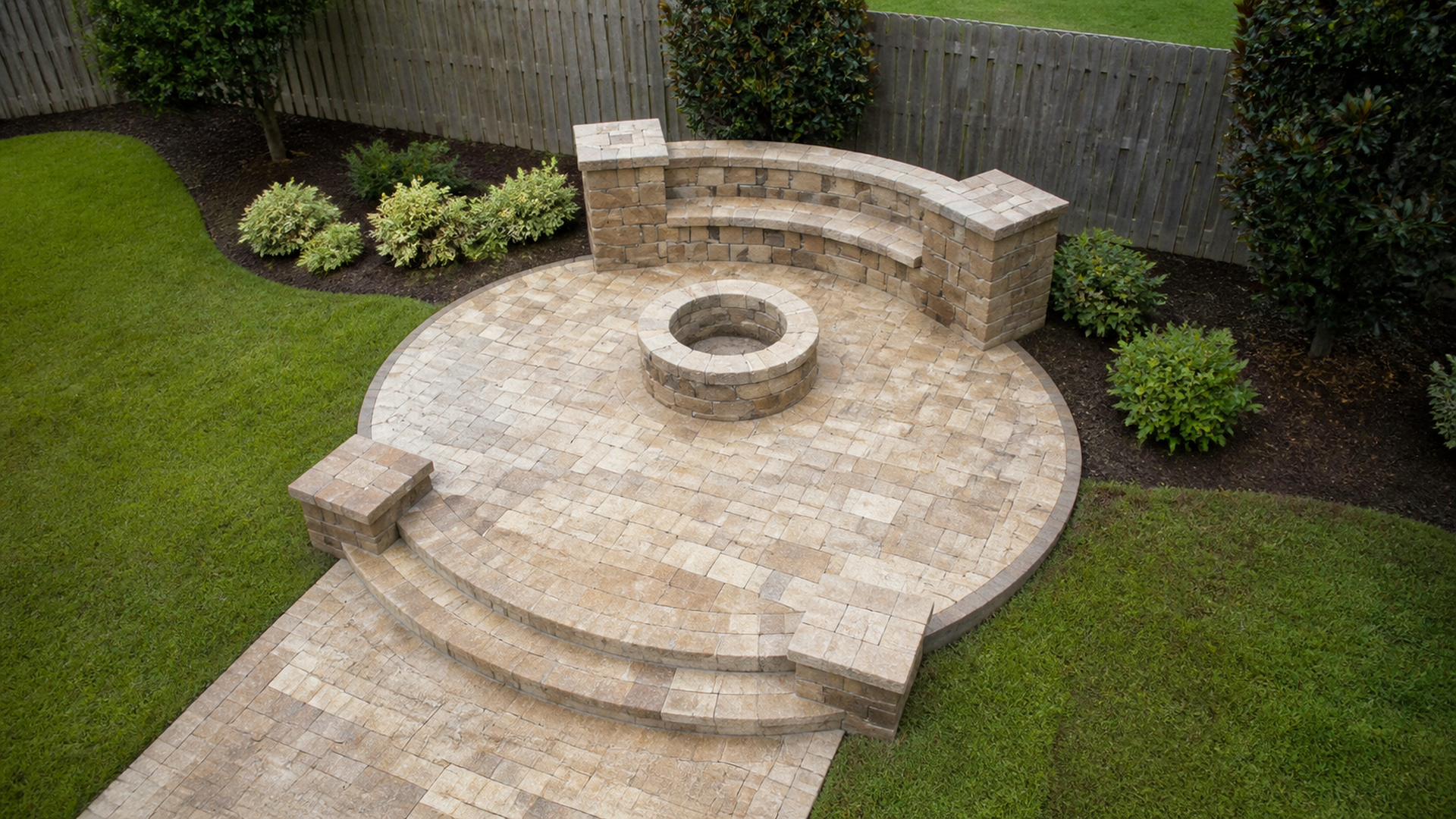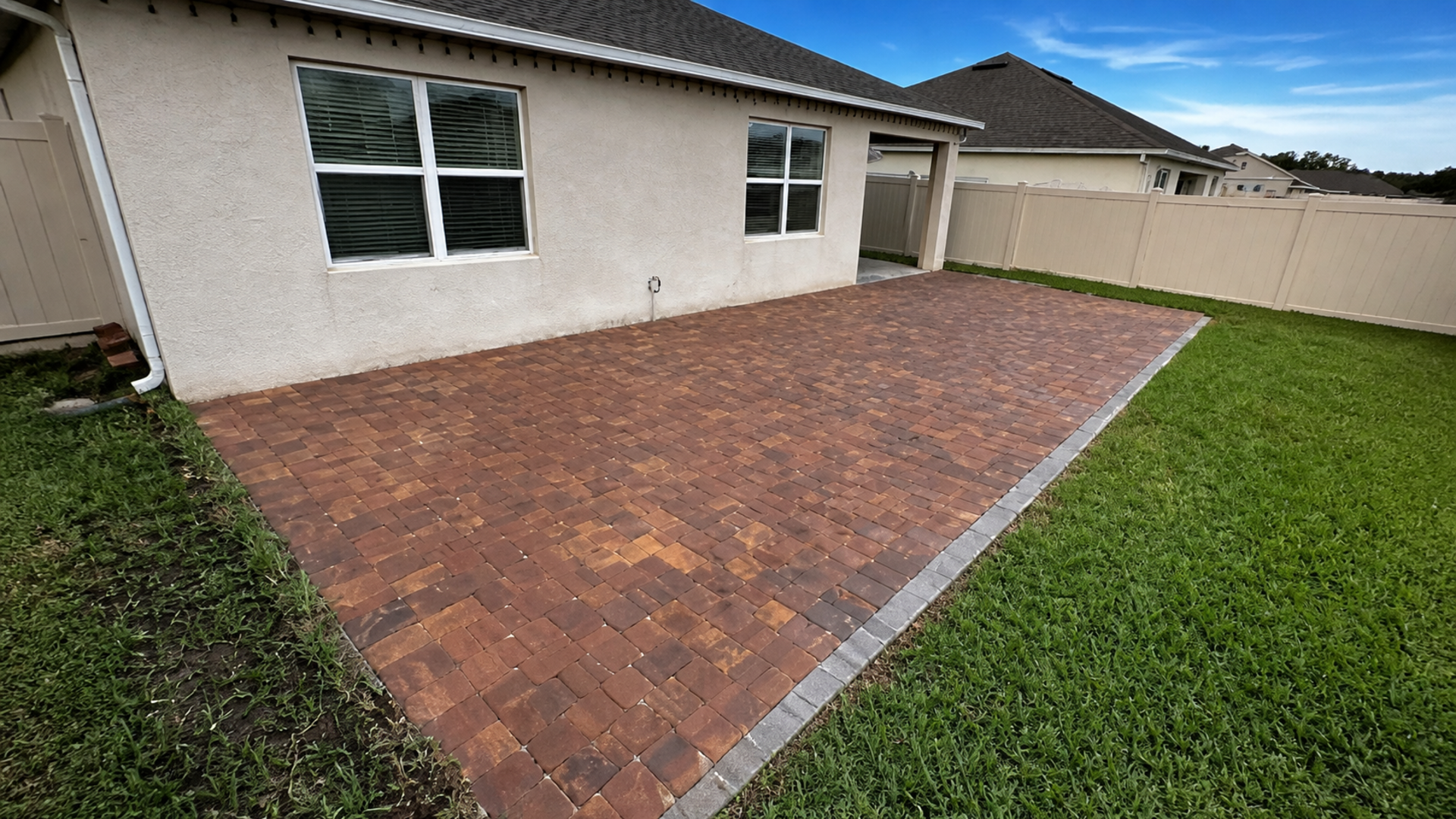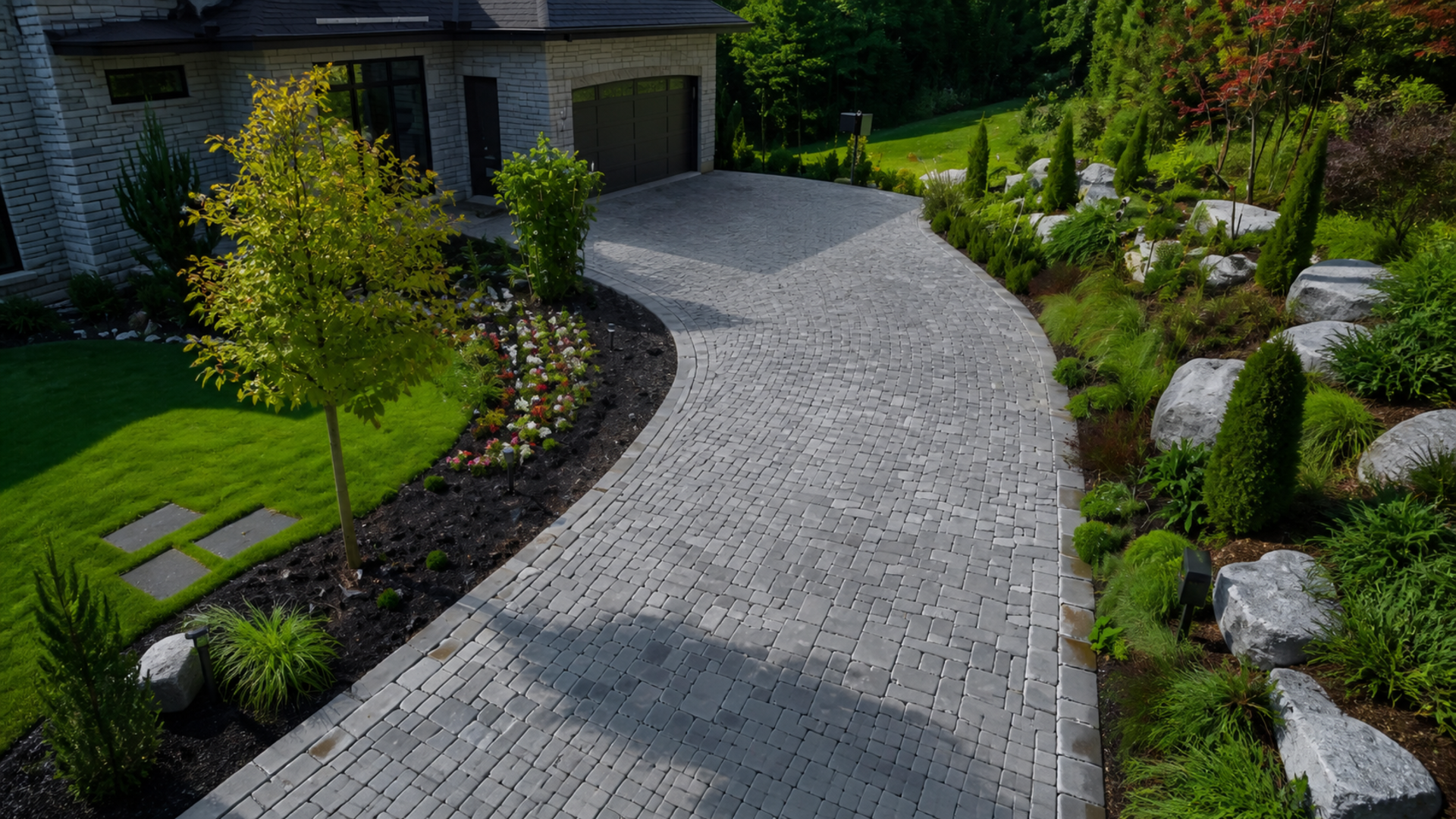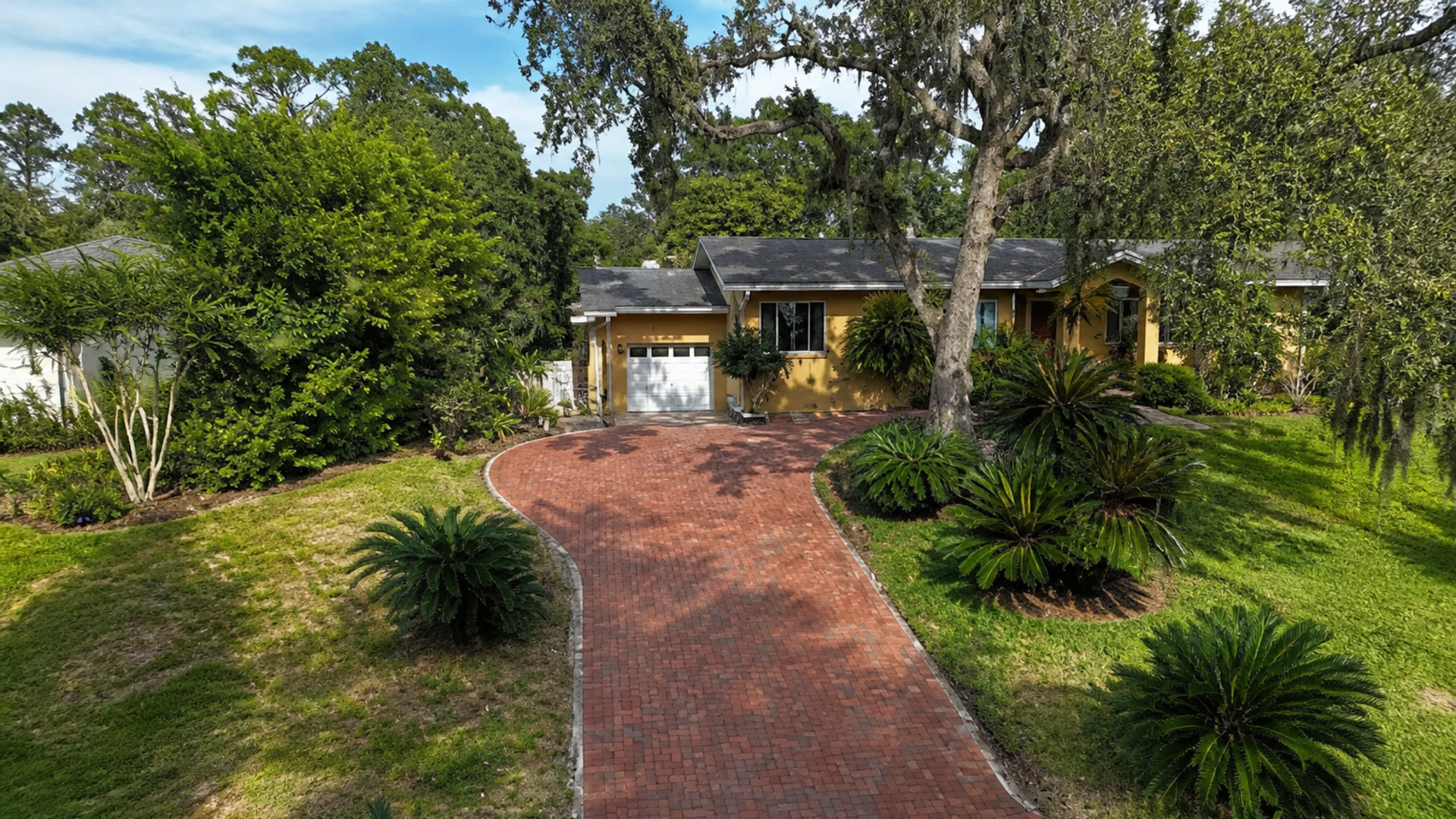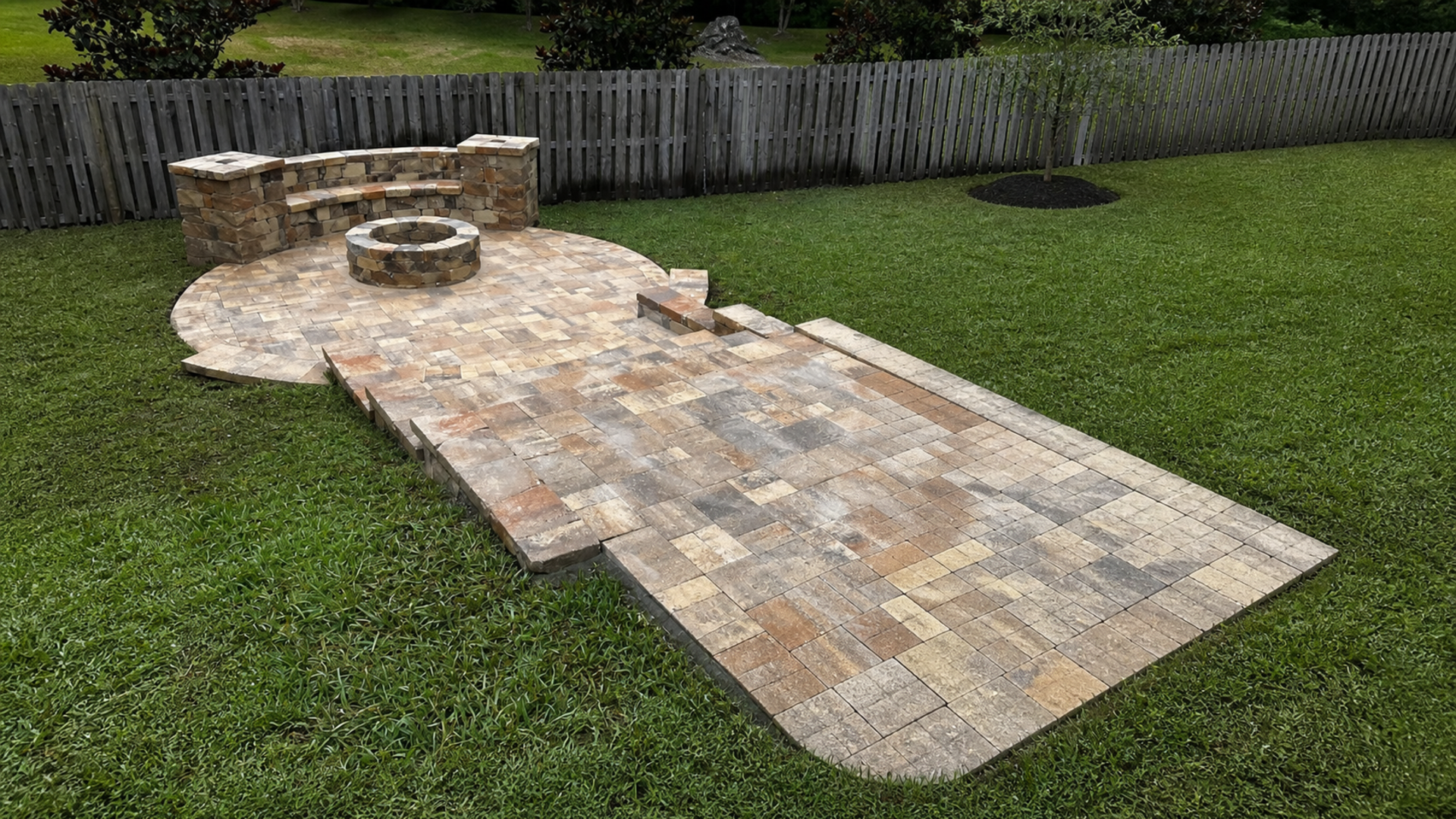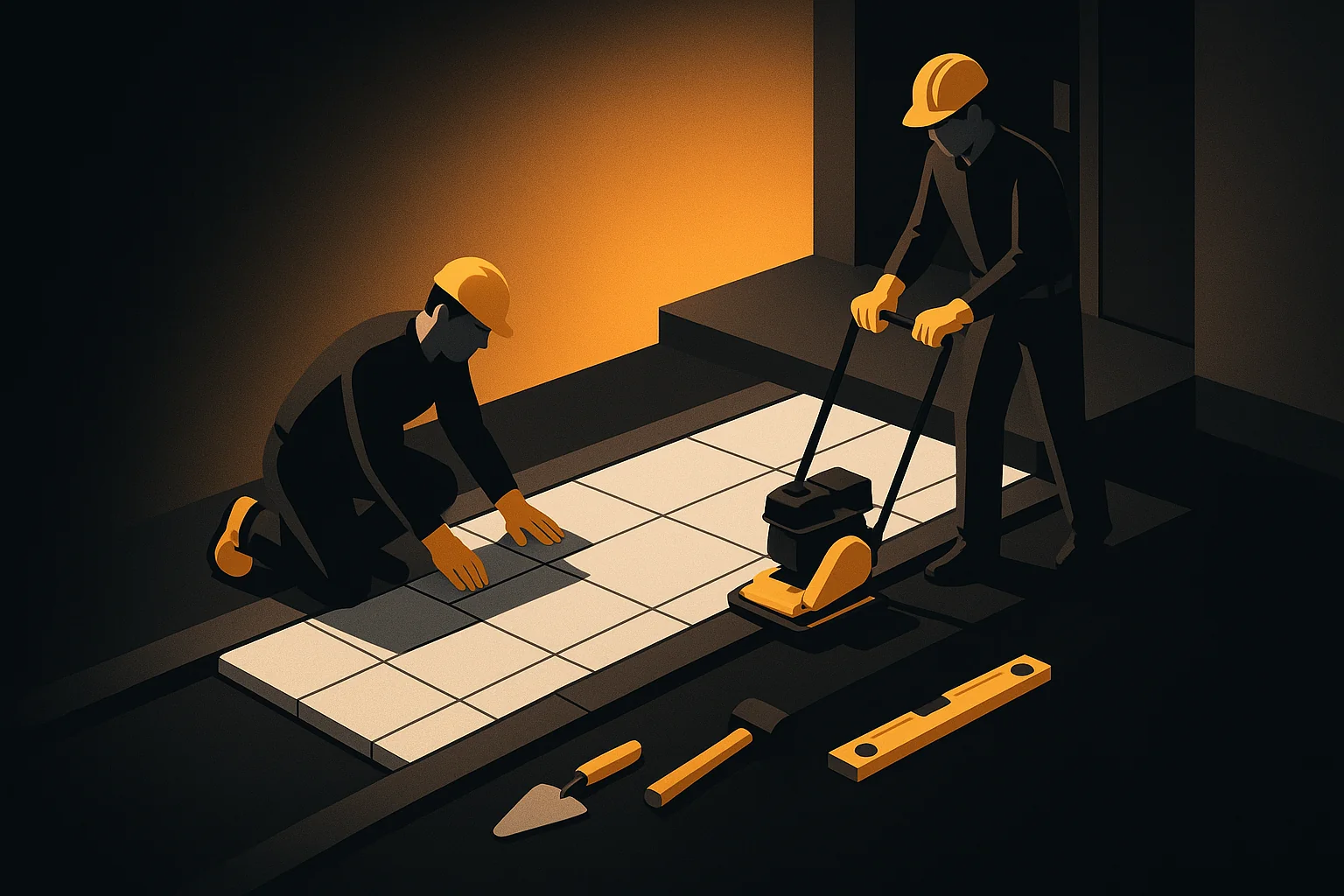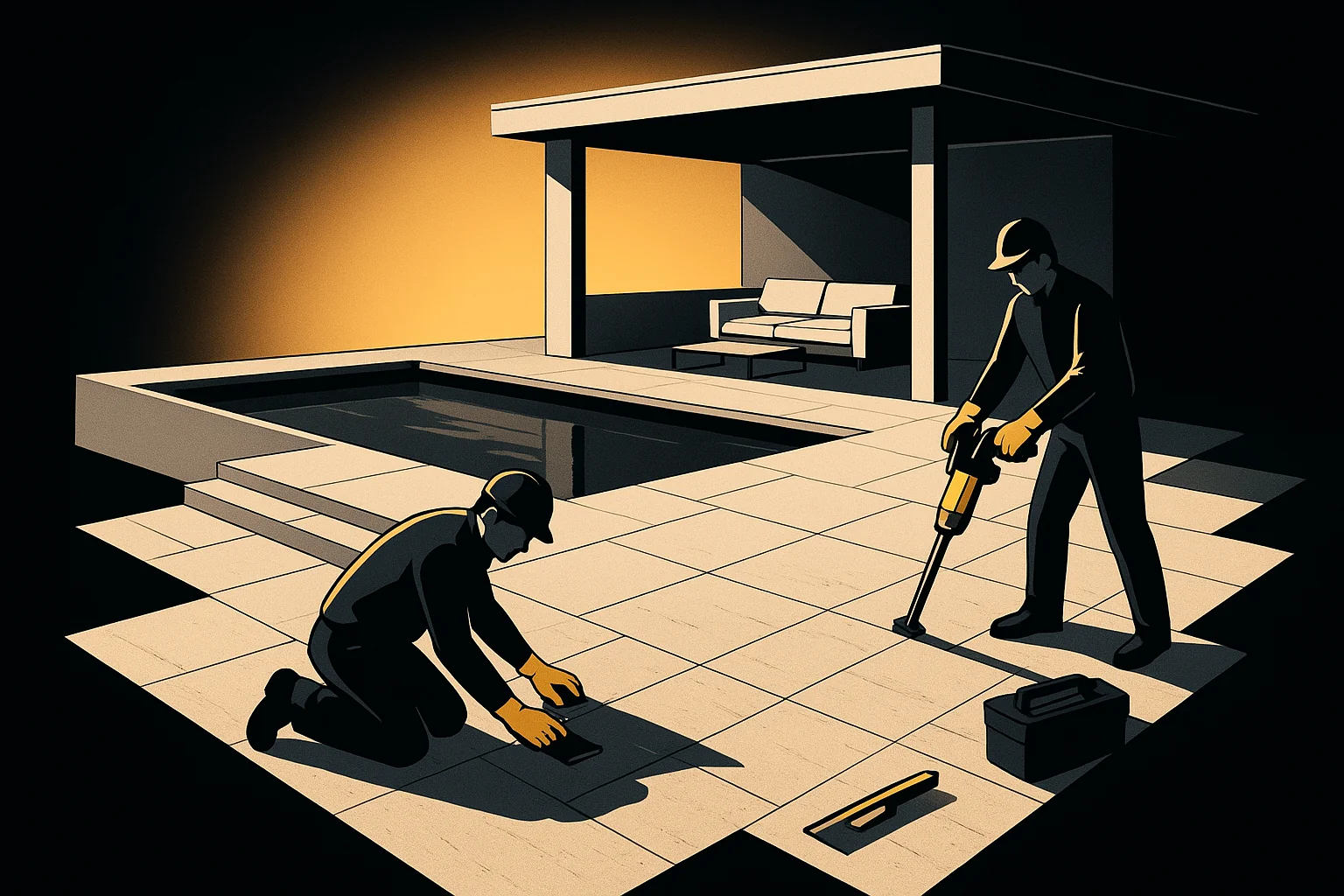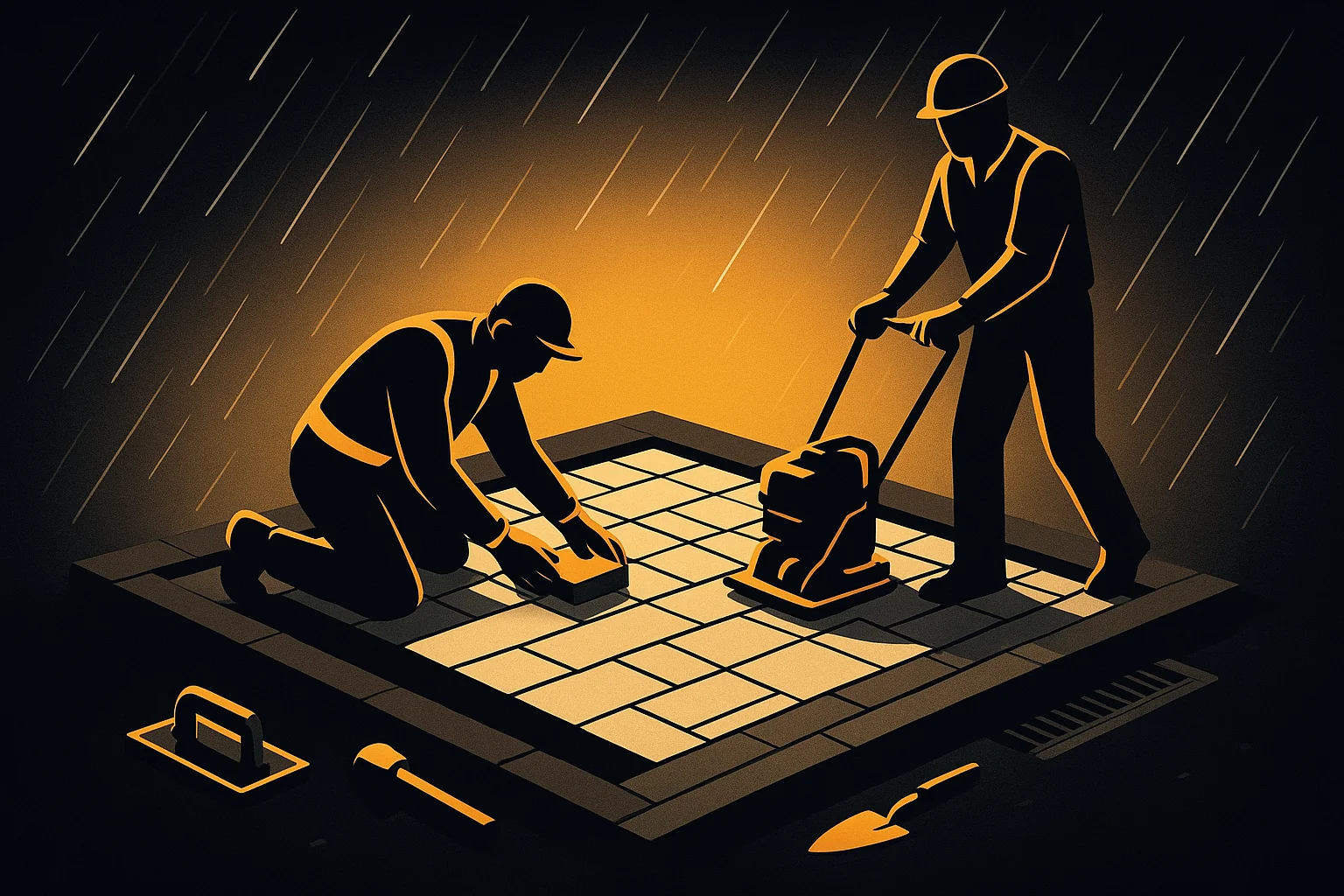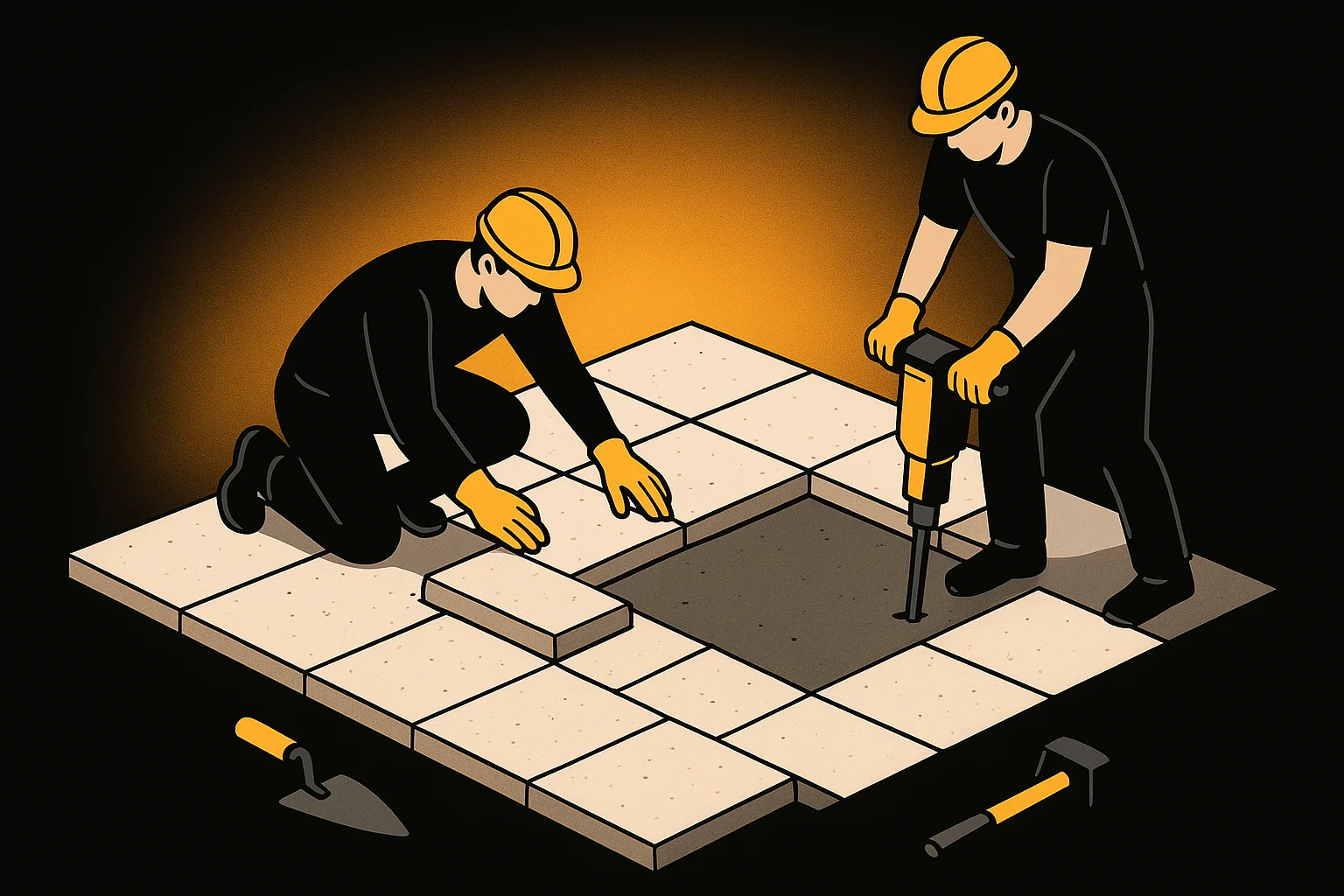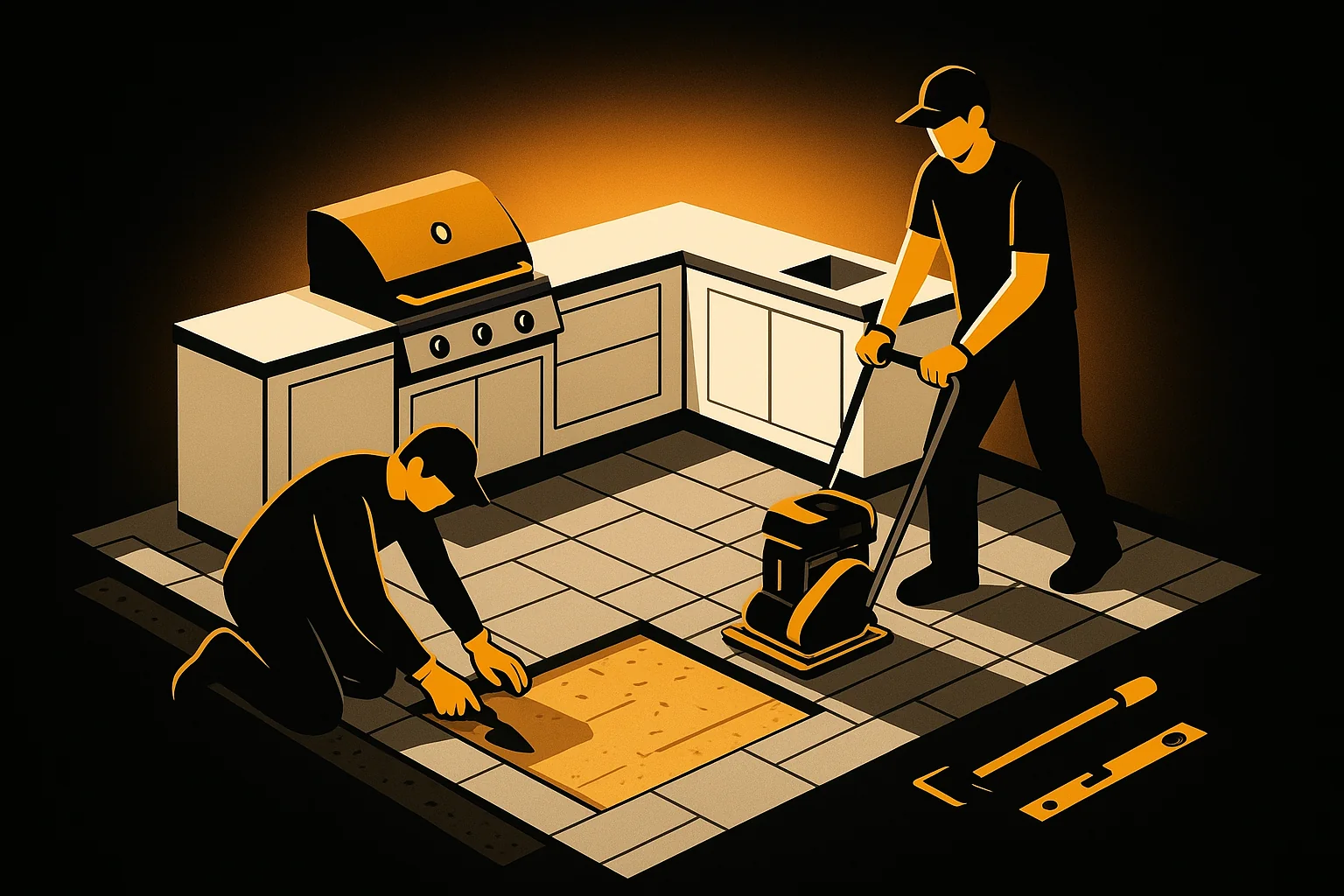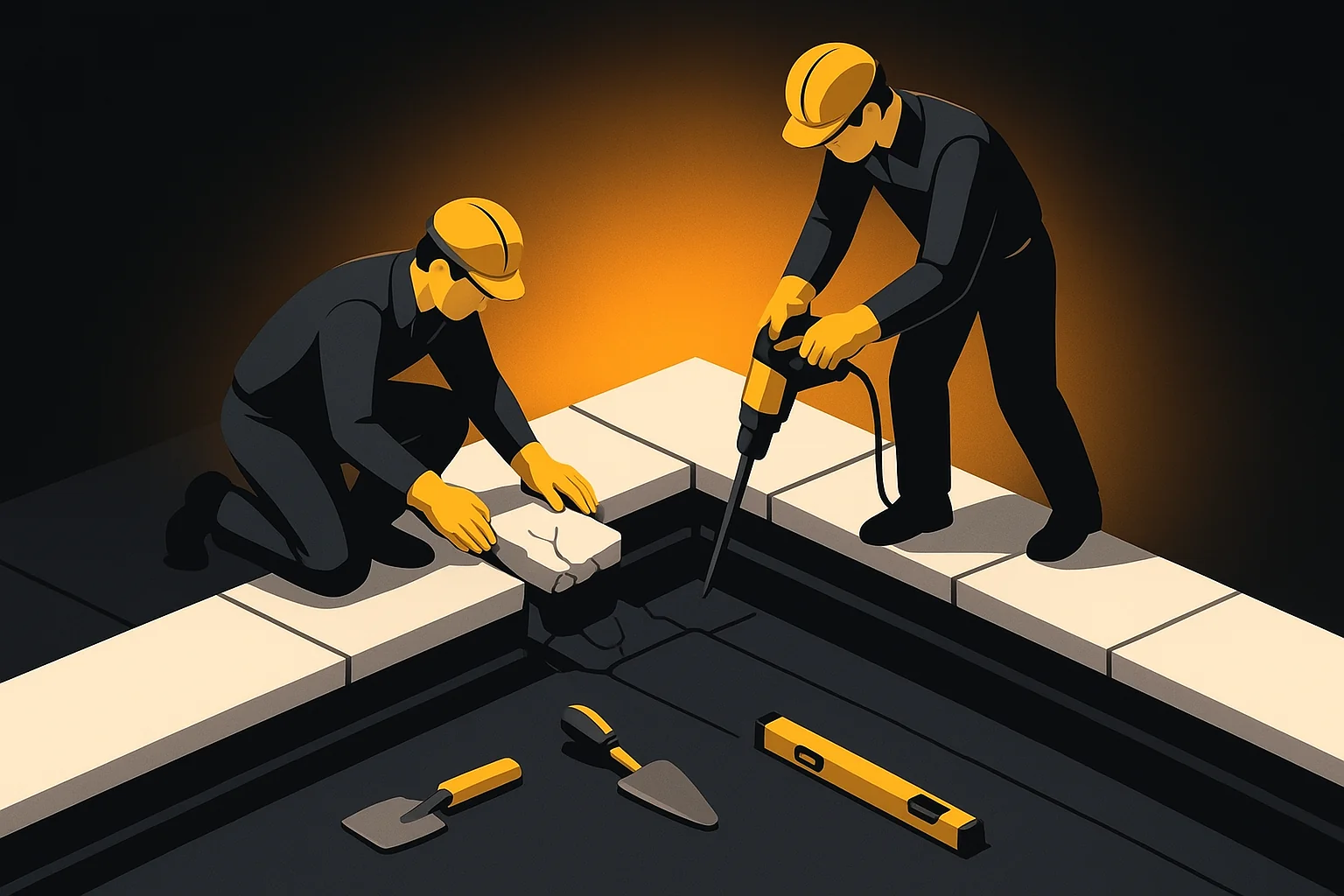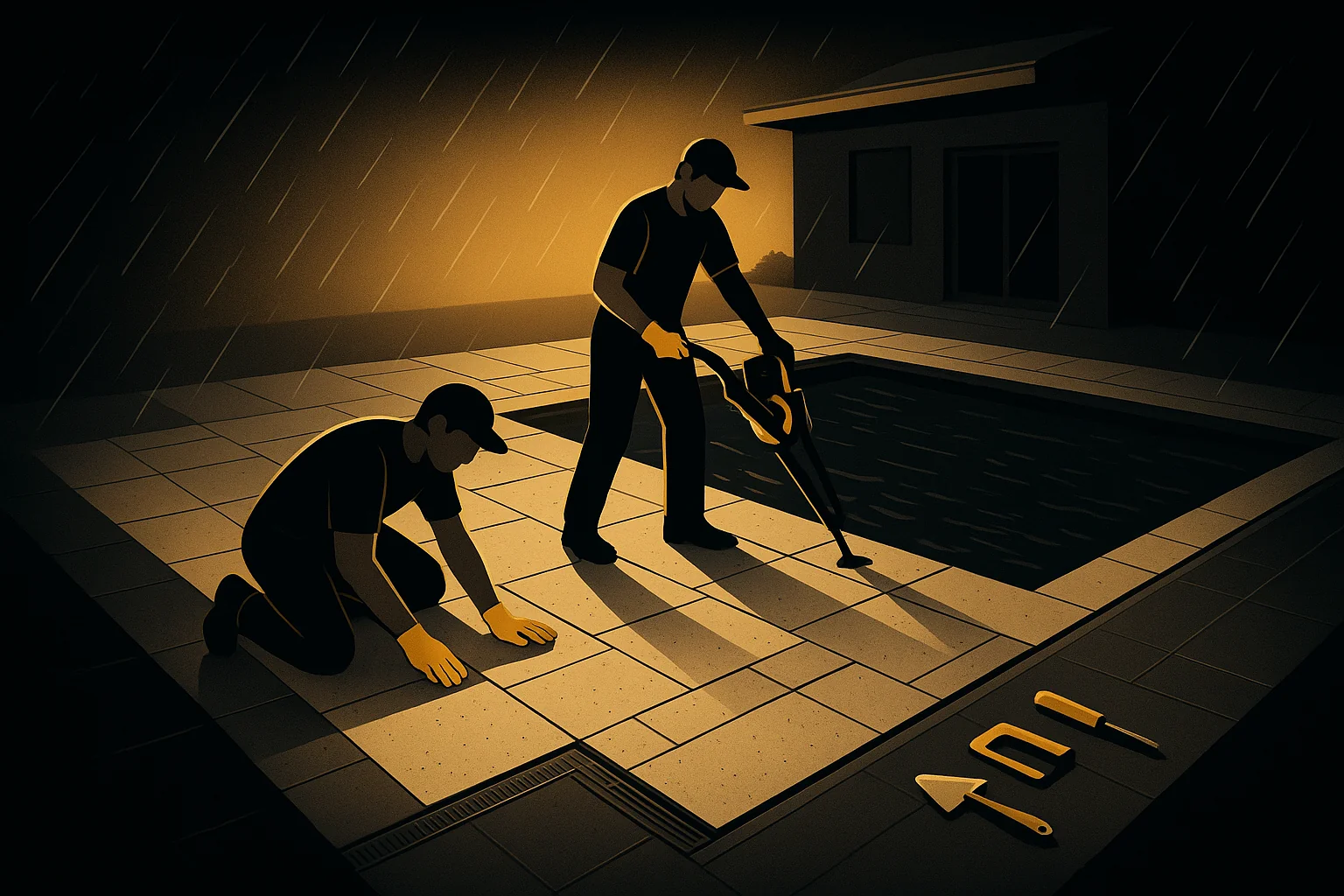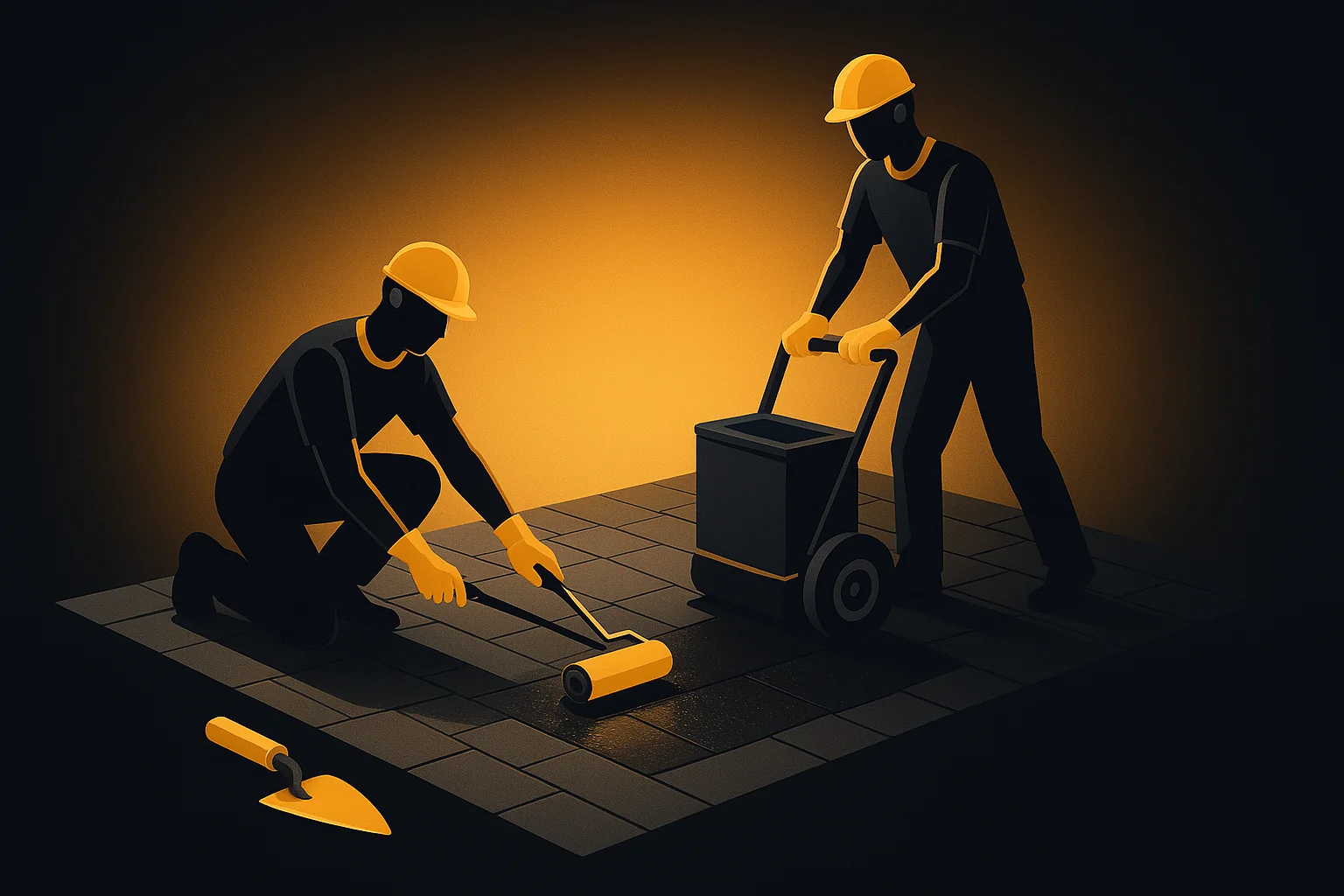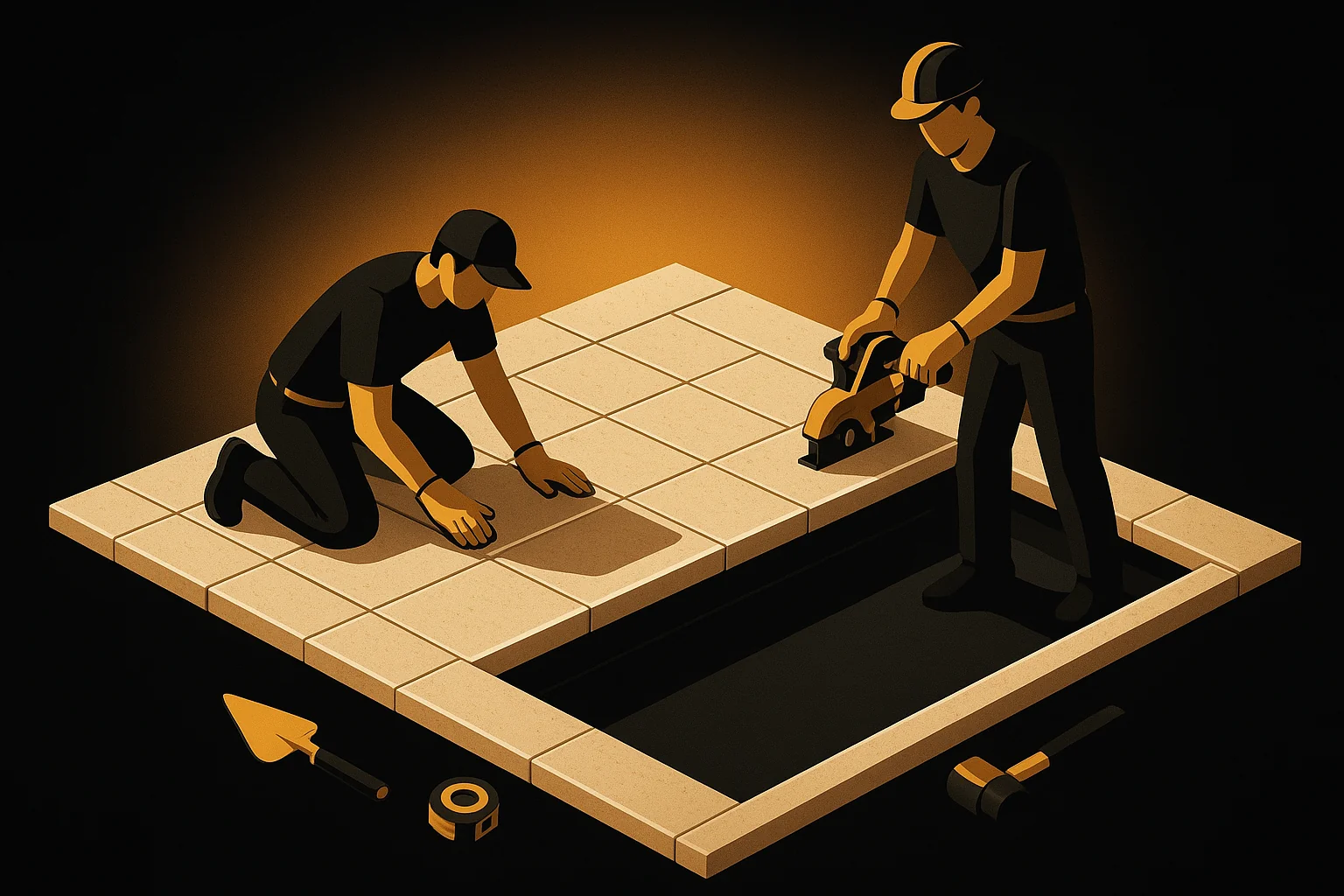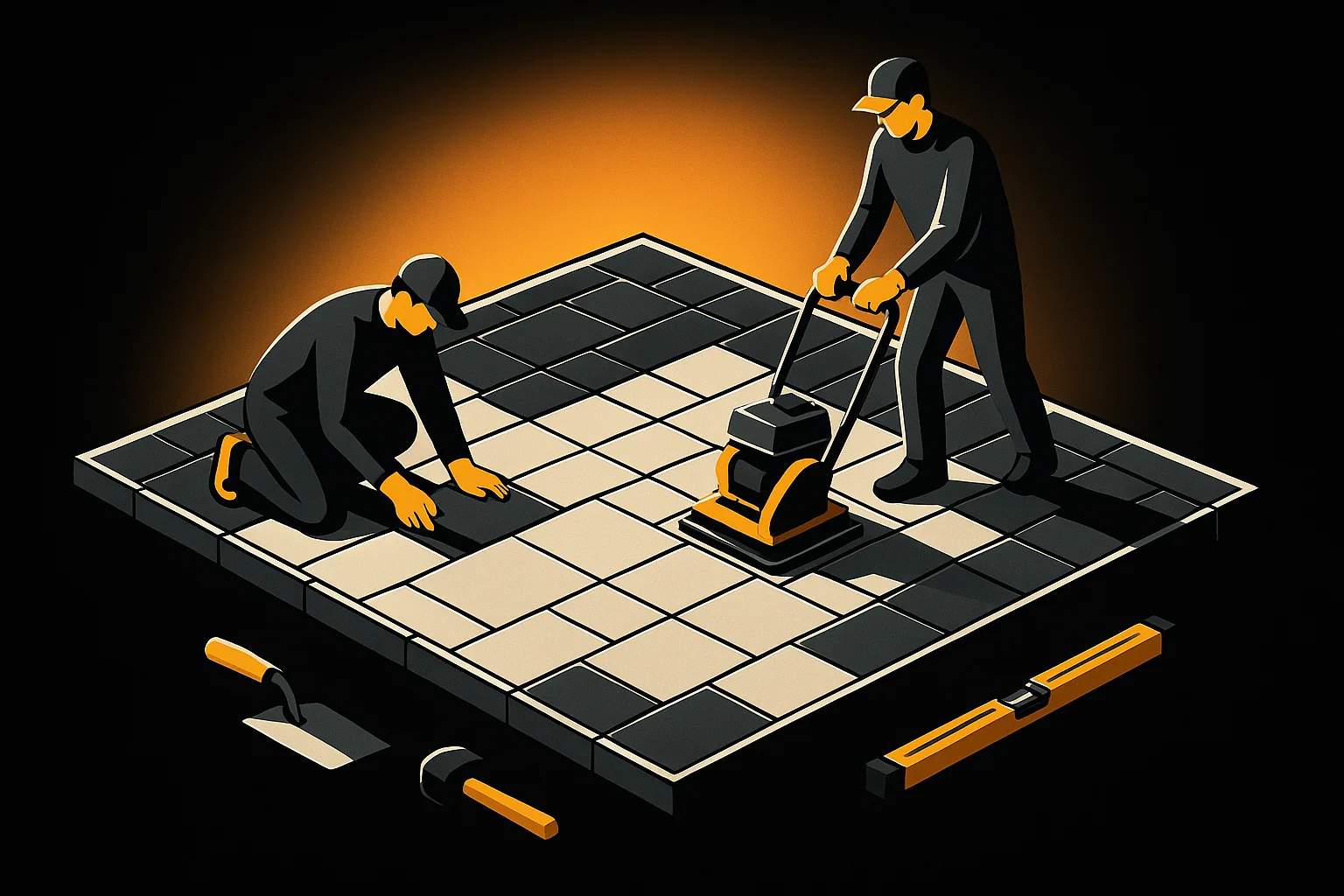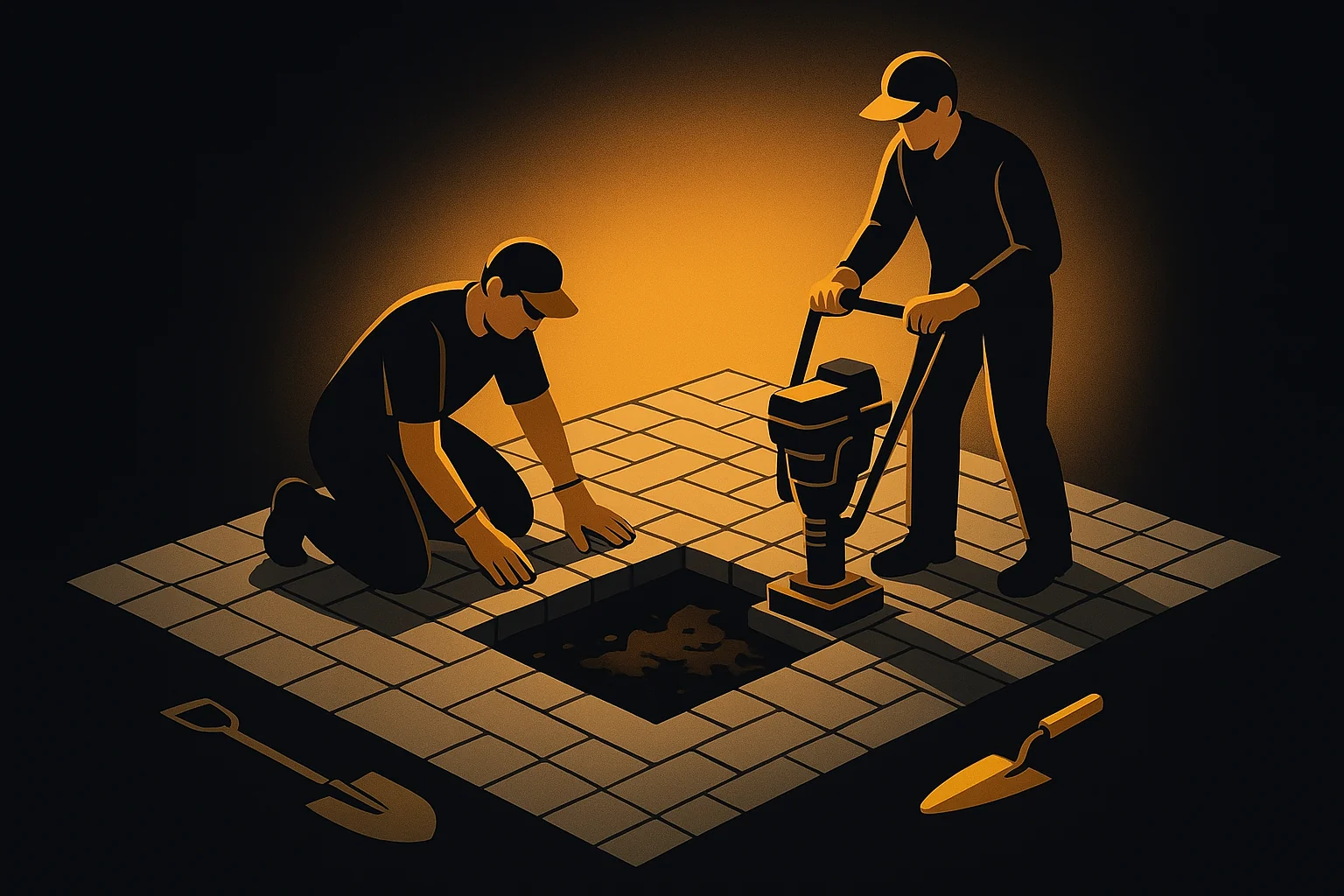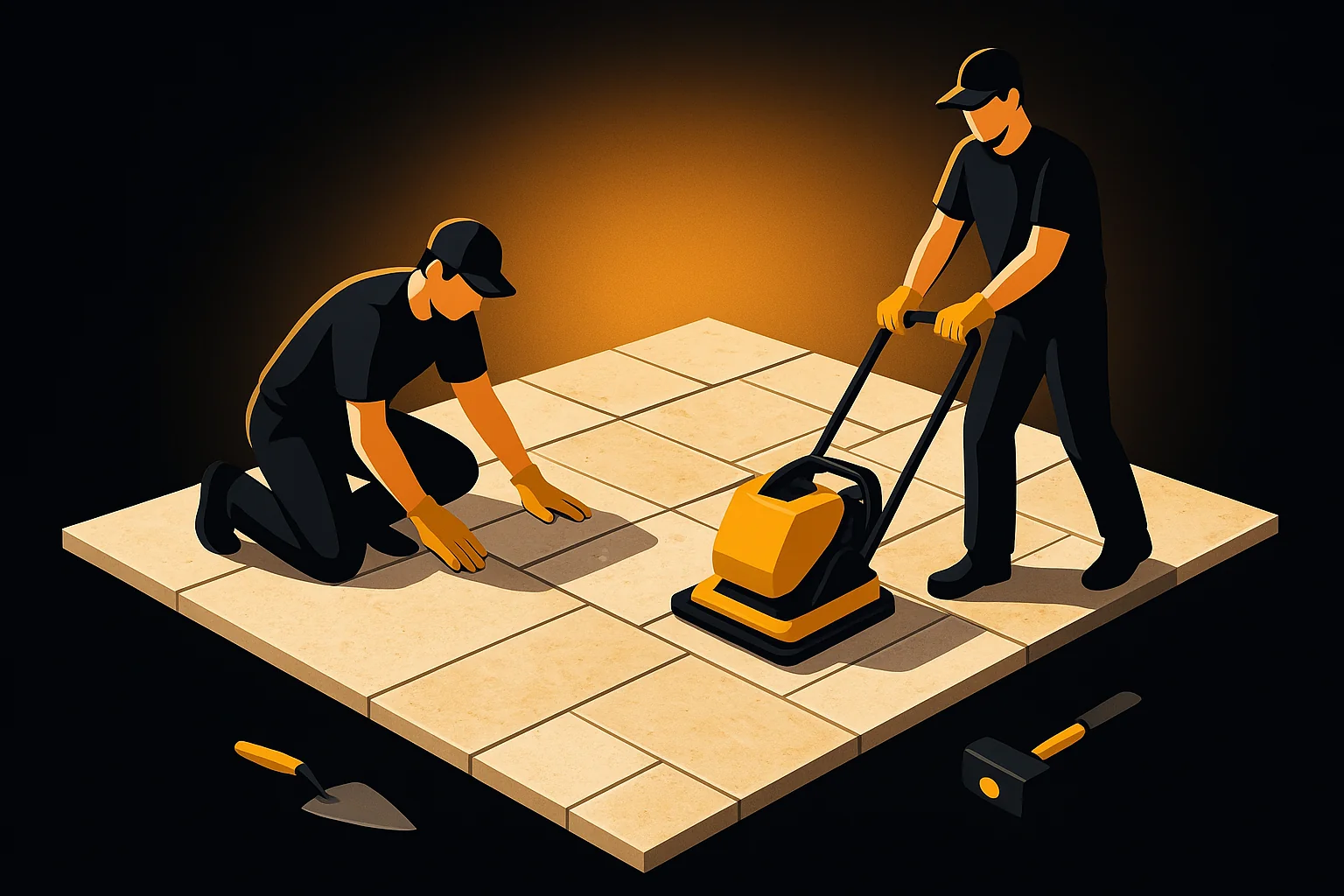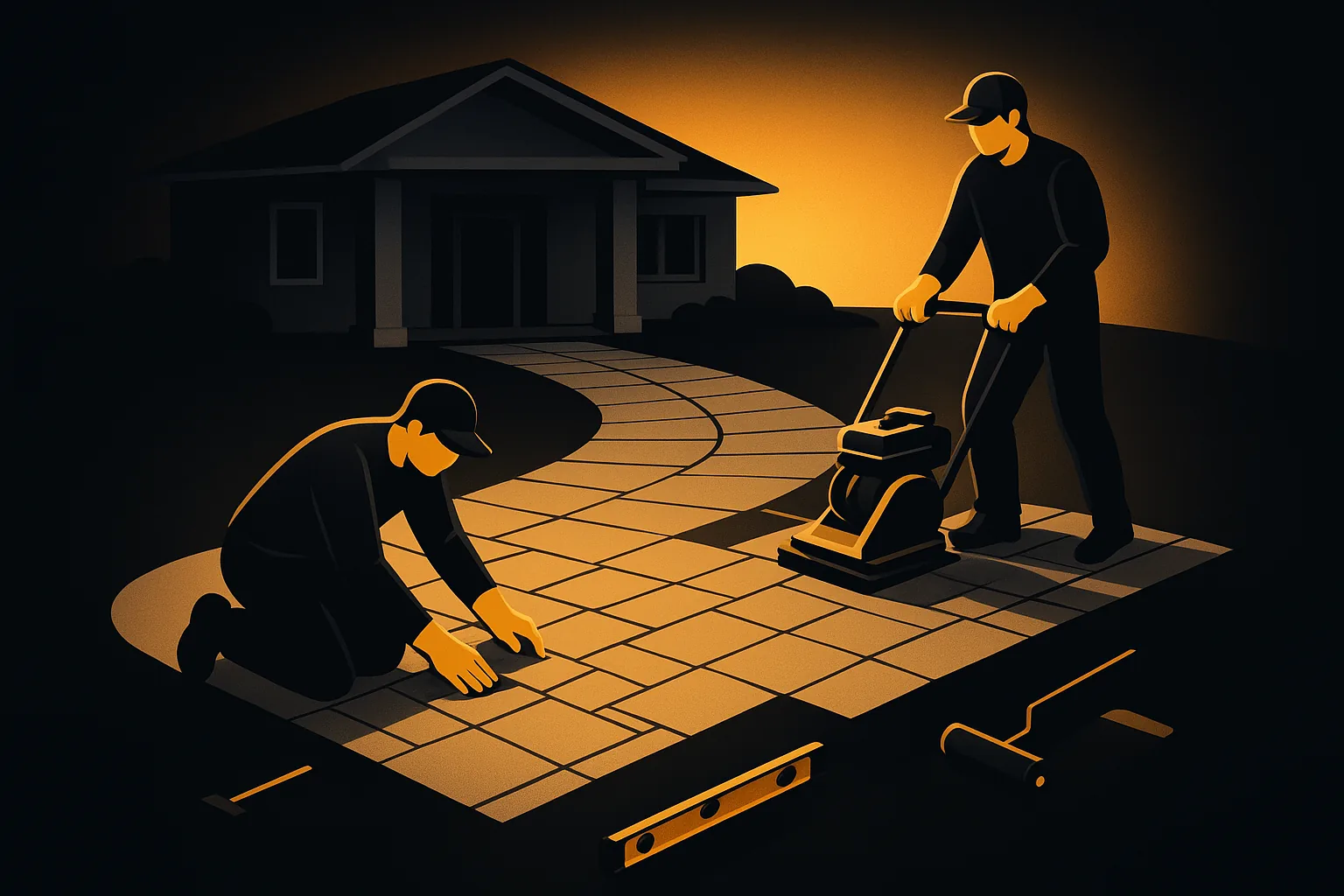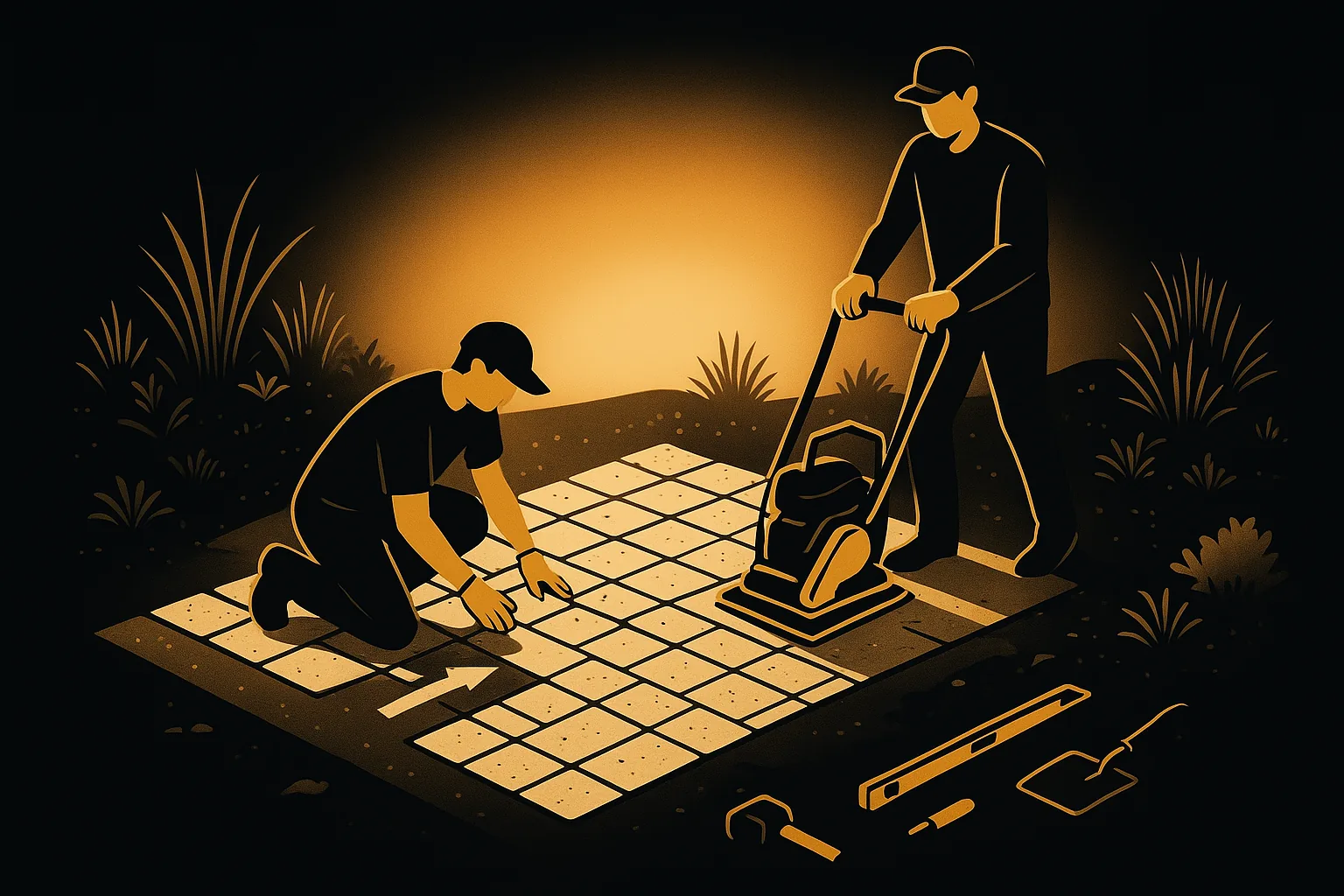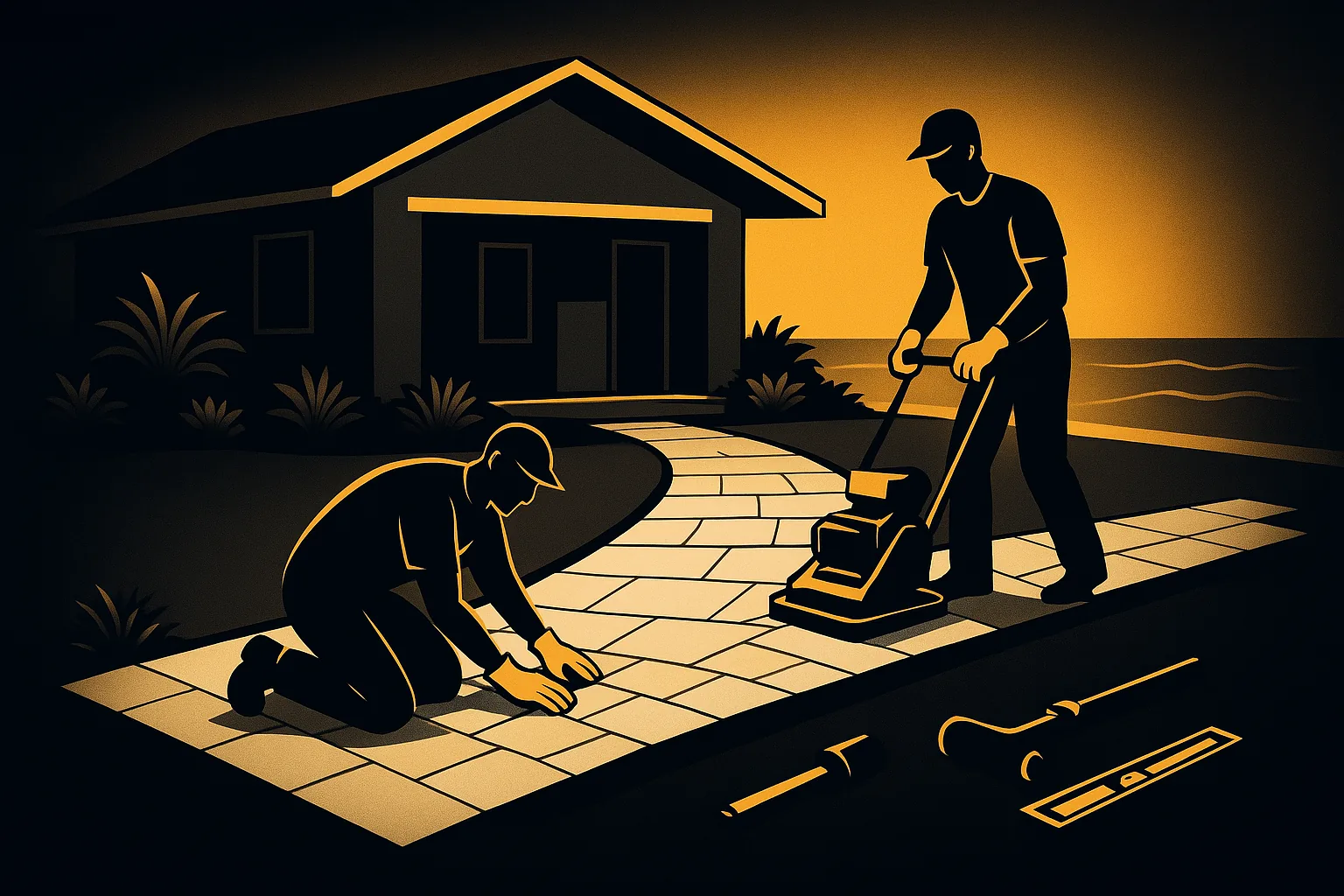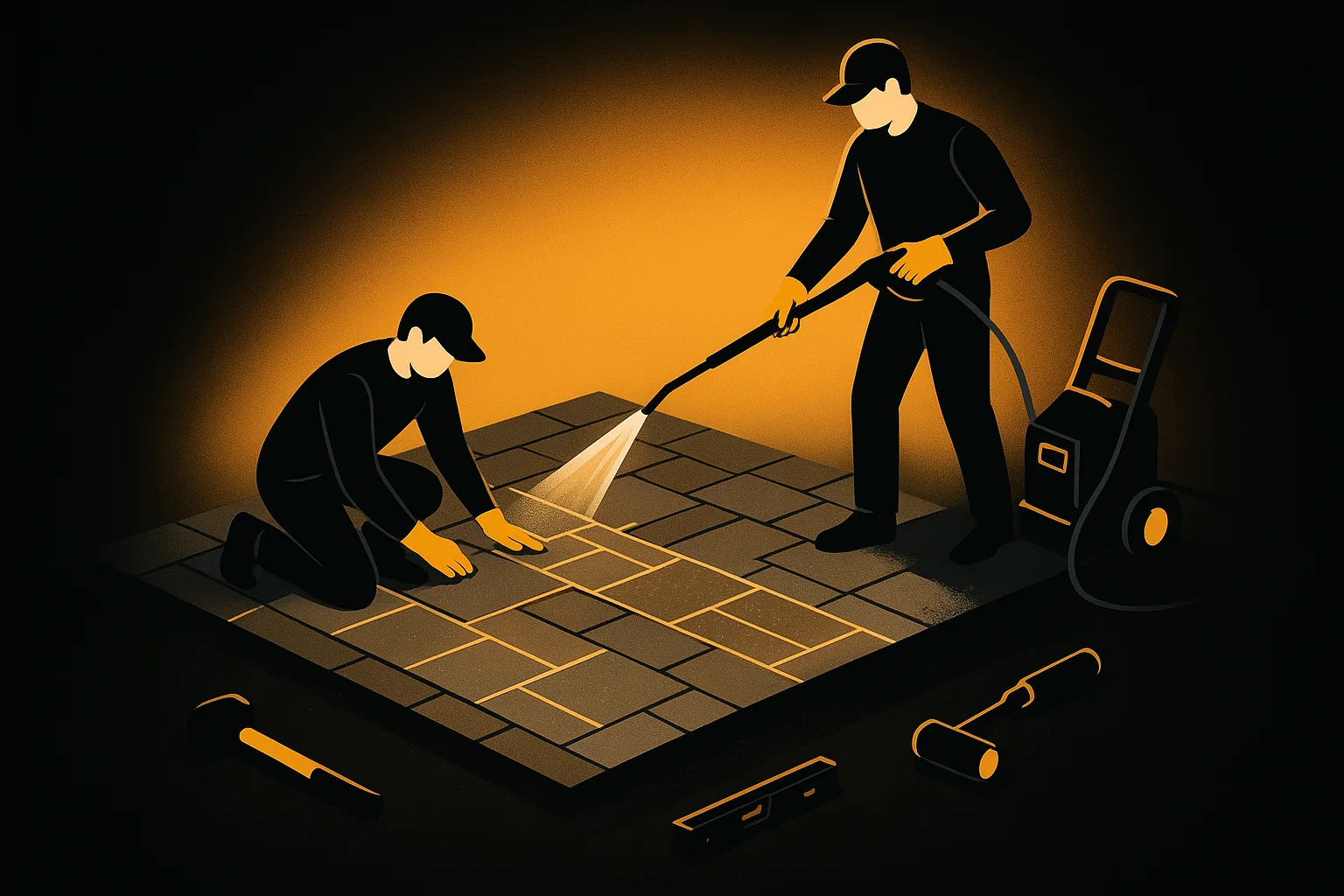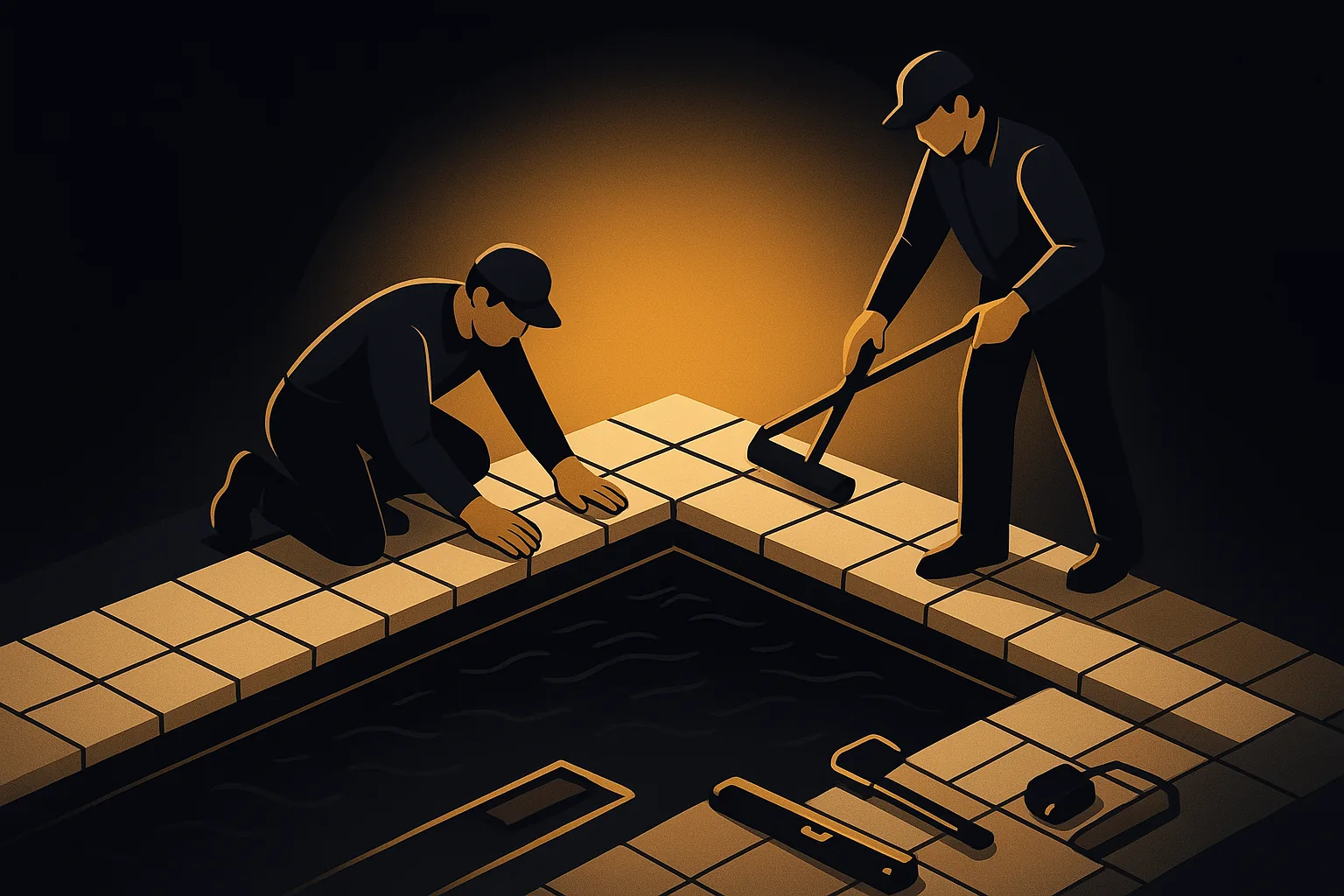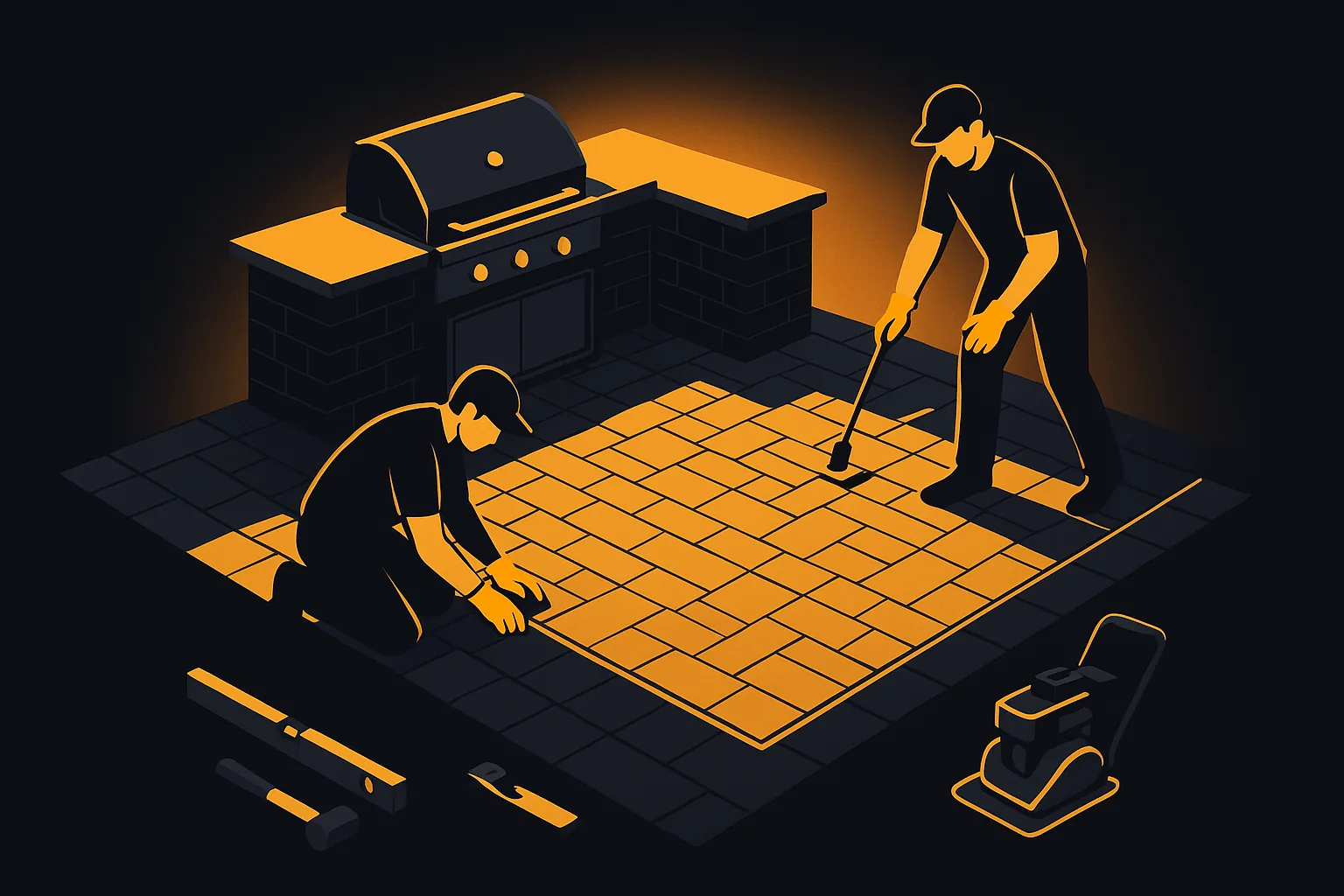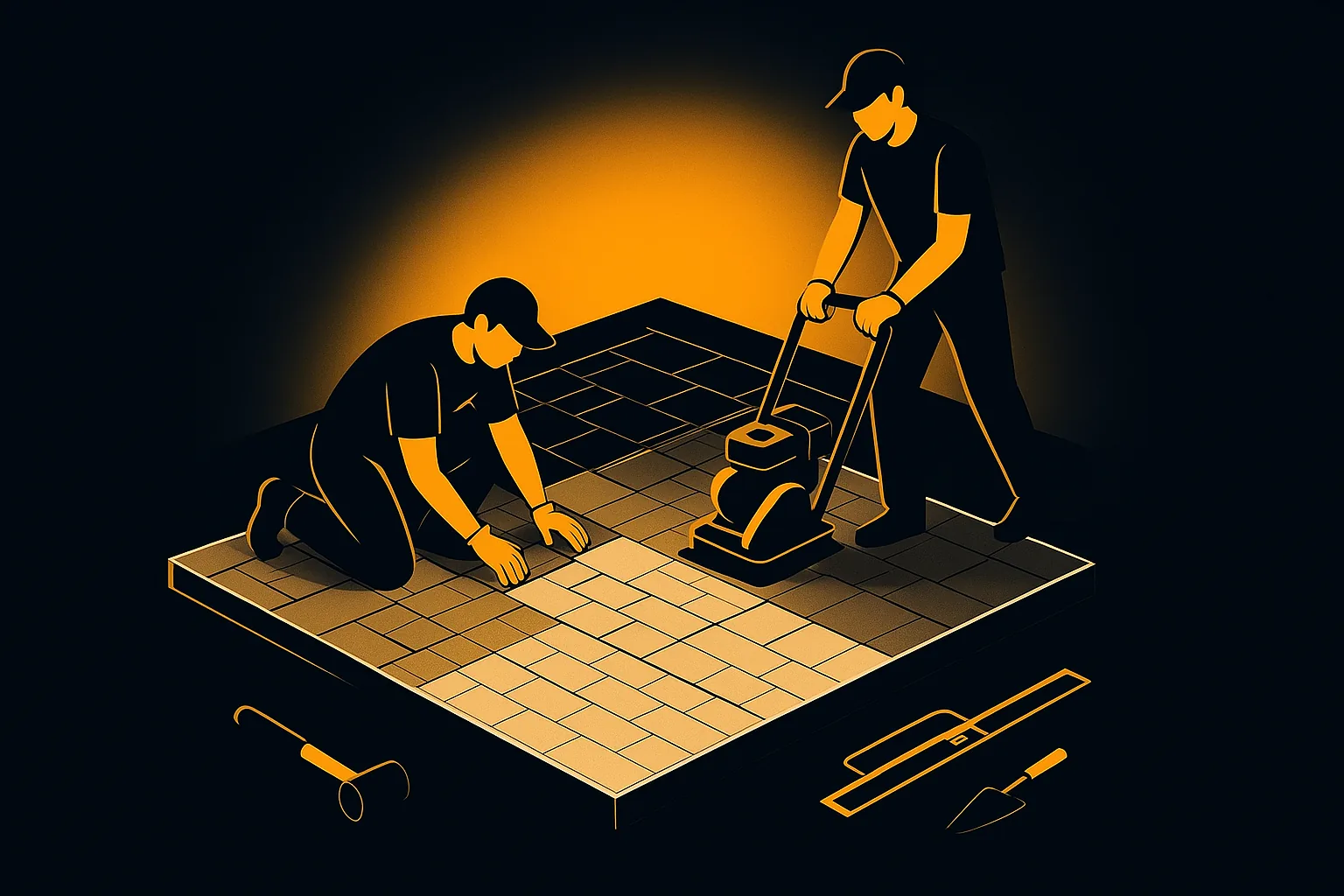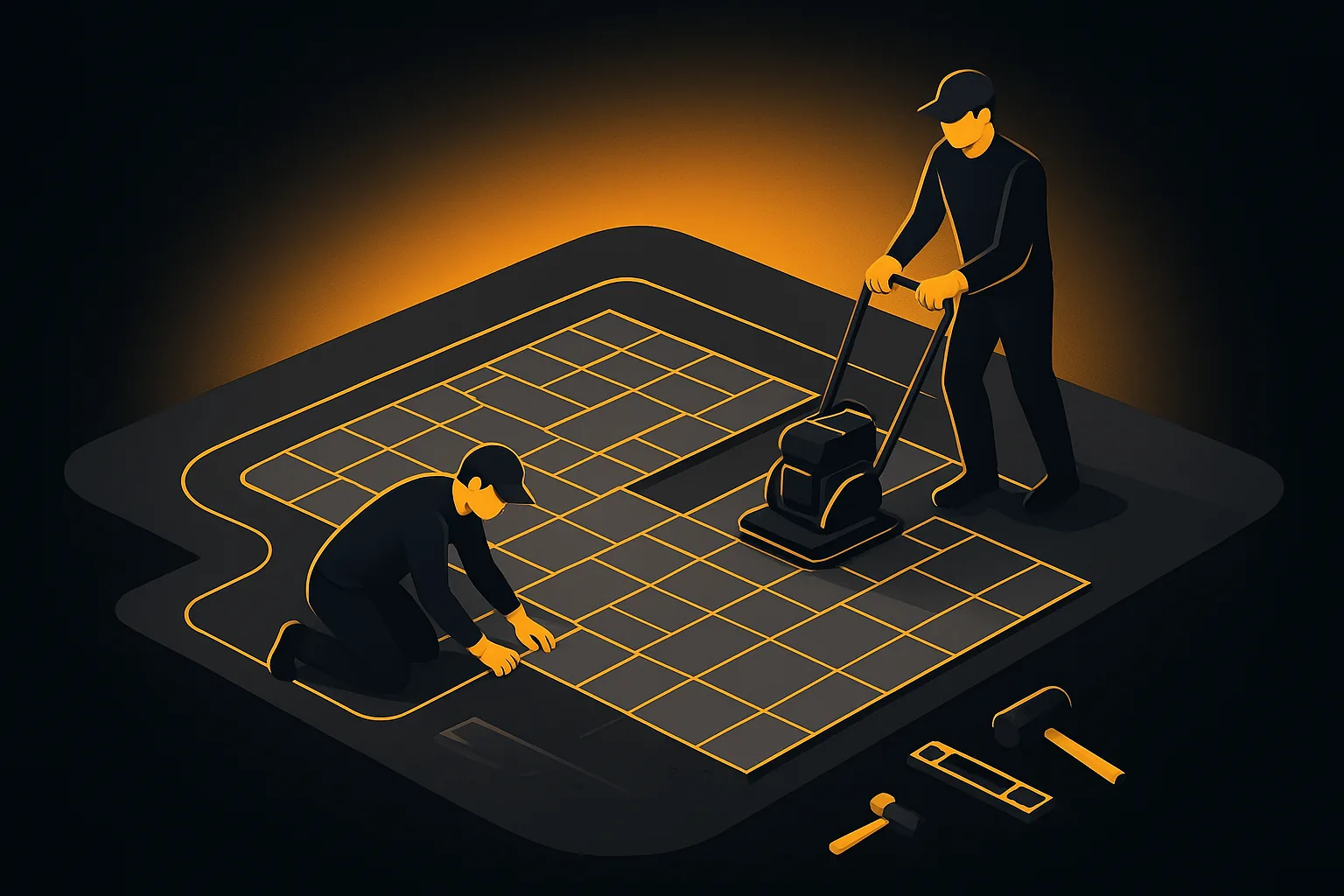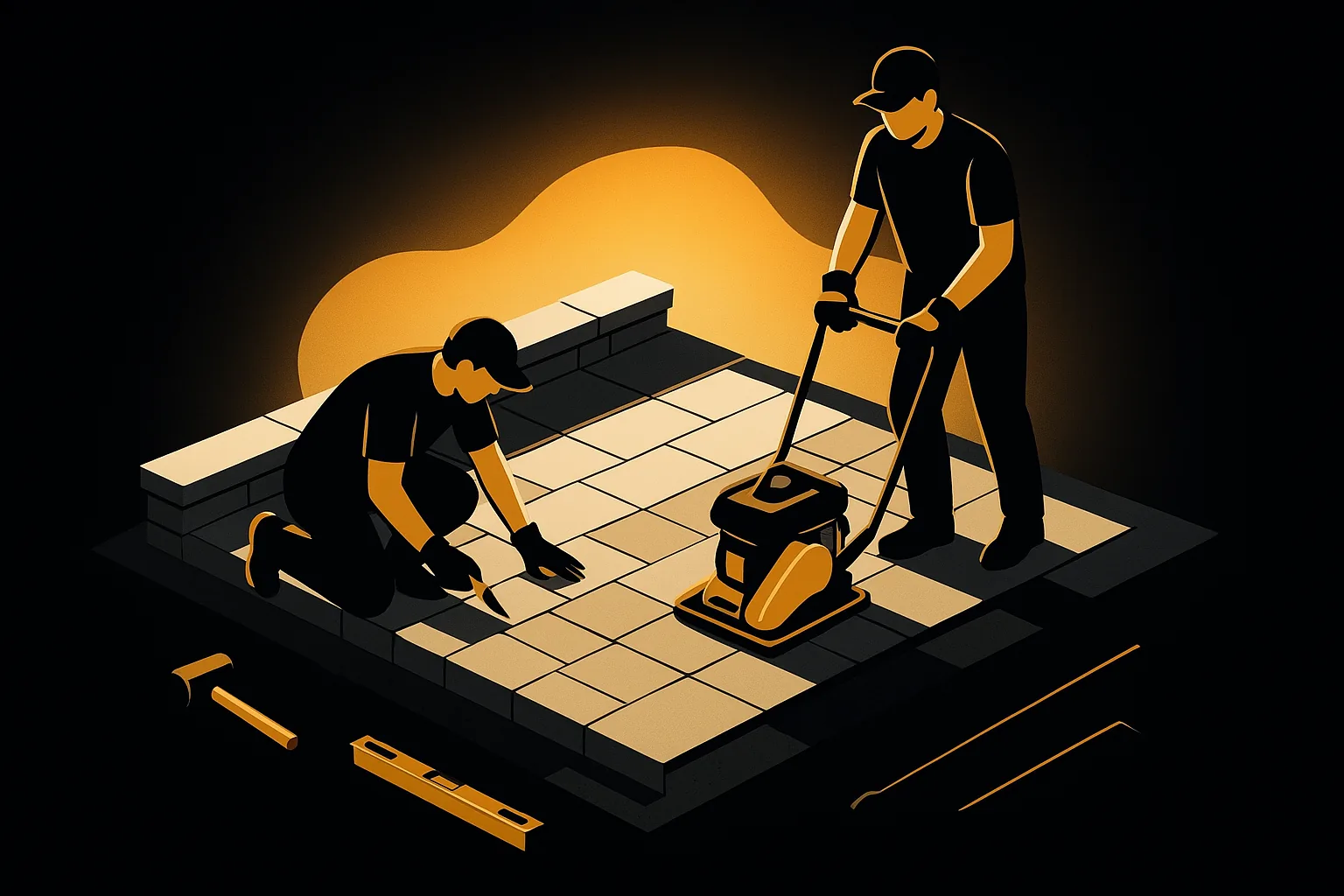
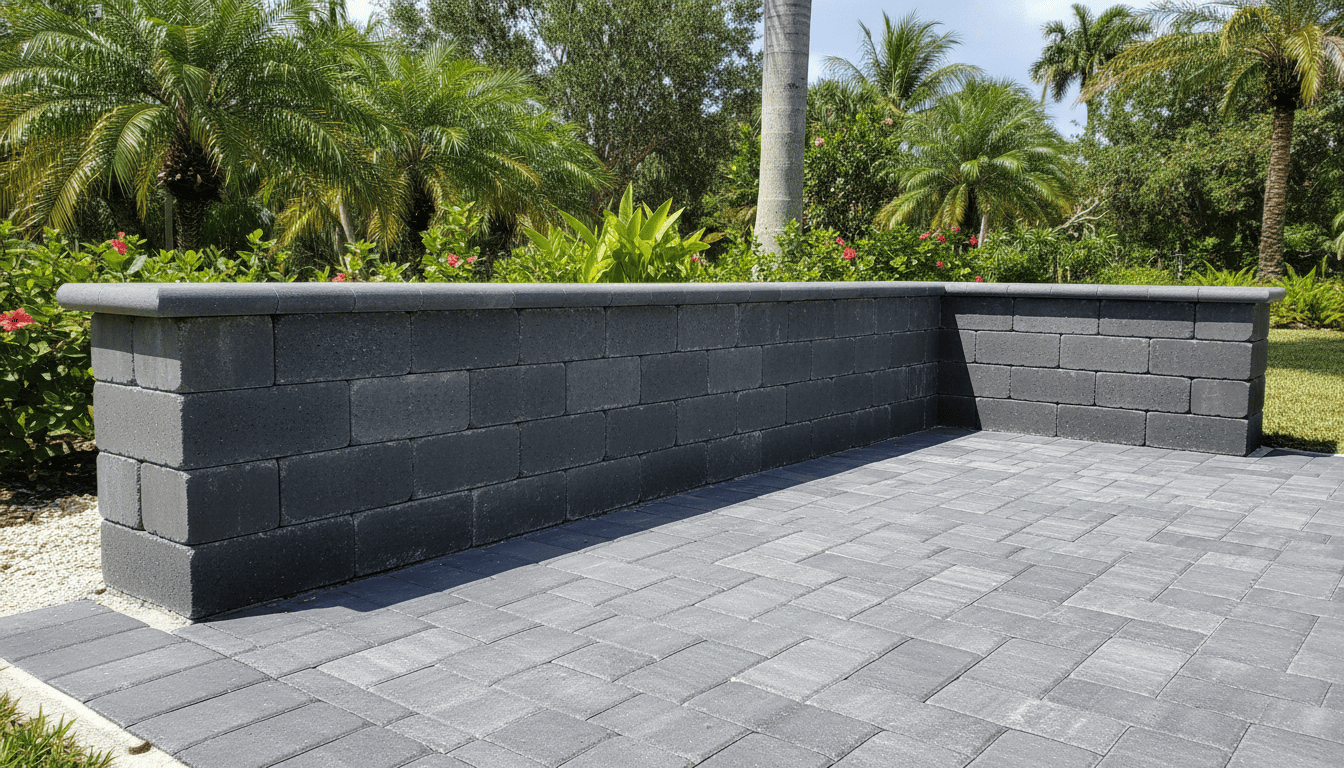
Outdoor living spaces in Florida are designed for gathering, entertaining, and everyday use. Seating walls have become one of the most practical and visually appealing additions to patios, fire pit areas, and outdoor kitchens.
Unlike standalone furniture, seating walls provide permanent, space-efficient seating that integrates directly into the hardscape design. However, in Florida’s climate, seating walls must be engineered correctly to prevent shifting, cracking, and drainage-related failures.
Heat exposure, frequent rainstorms, and sandy soil conditions place constant stress on masonry structures. Without proper base preparation and drainage control, seating walls can quickly lose alignment and structural integrity.
This guide explains how seating wall paver systems deliver functional outdoor seating while meeting Florida’s demanding environmental conditions.
Why Seating Walls Are Popular in Florida Homes
Florida homeowners favor seating walls because they:
- Maximize usable patio space
- Eliminate the need for bulky furniture
- Provide durable, long-term seating
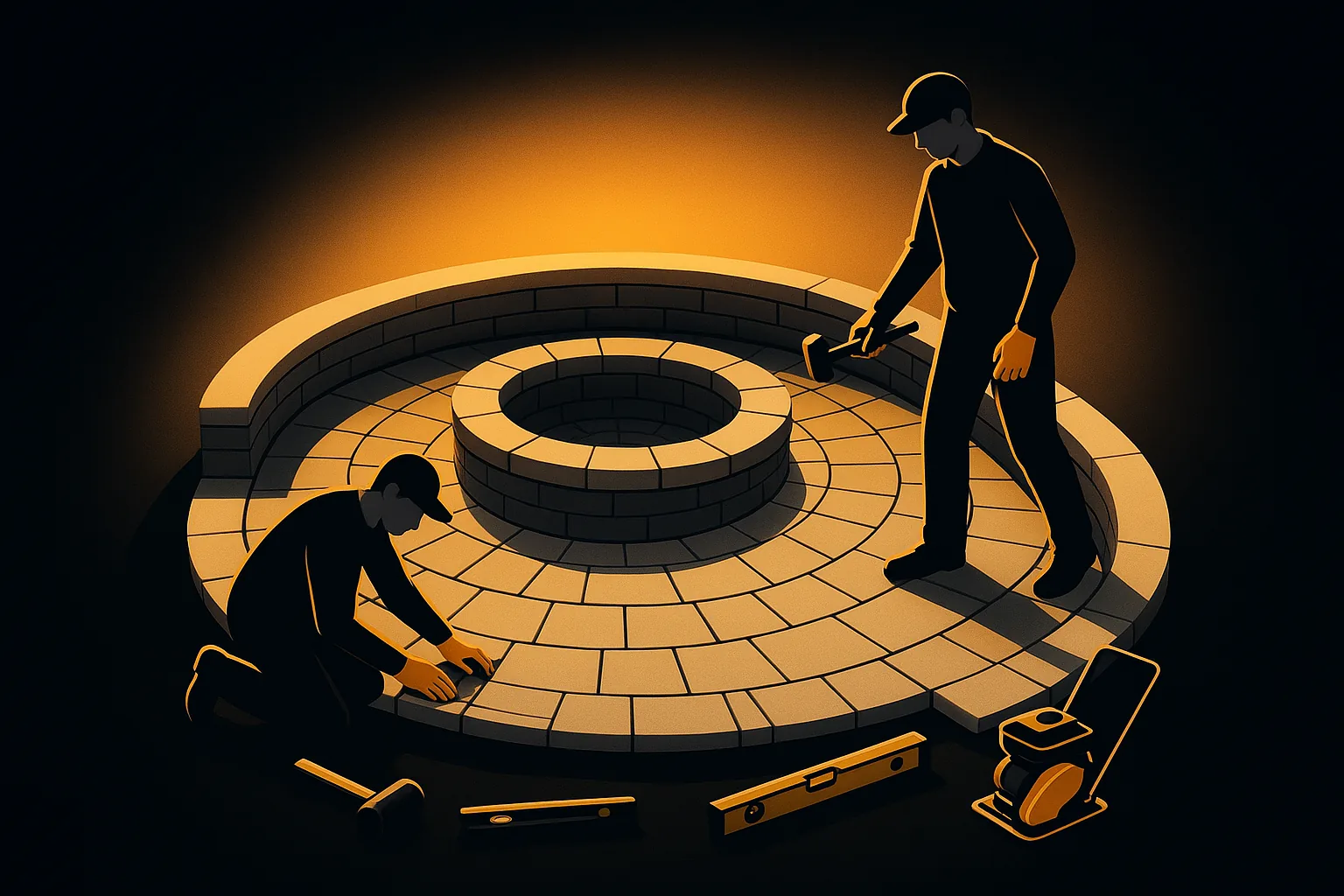
- Enhance fire pit and outdoor kitchen layouts
- Add architectural structure to outdoor areas
Seating walls are commonly installed around:
- Fire pit zones
- Outdoor kitchens
- Patio perimeters
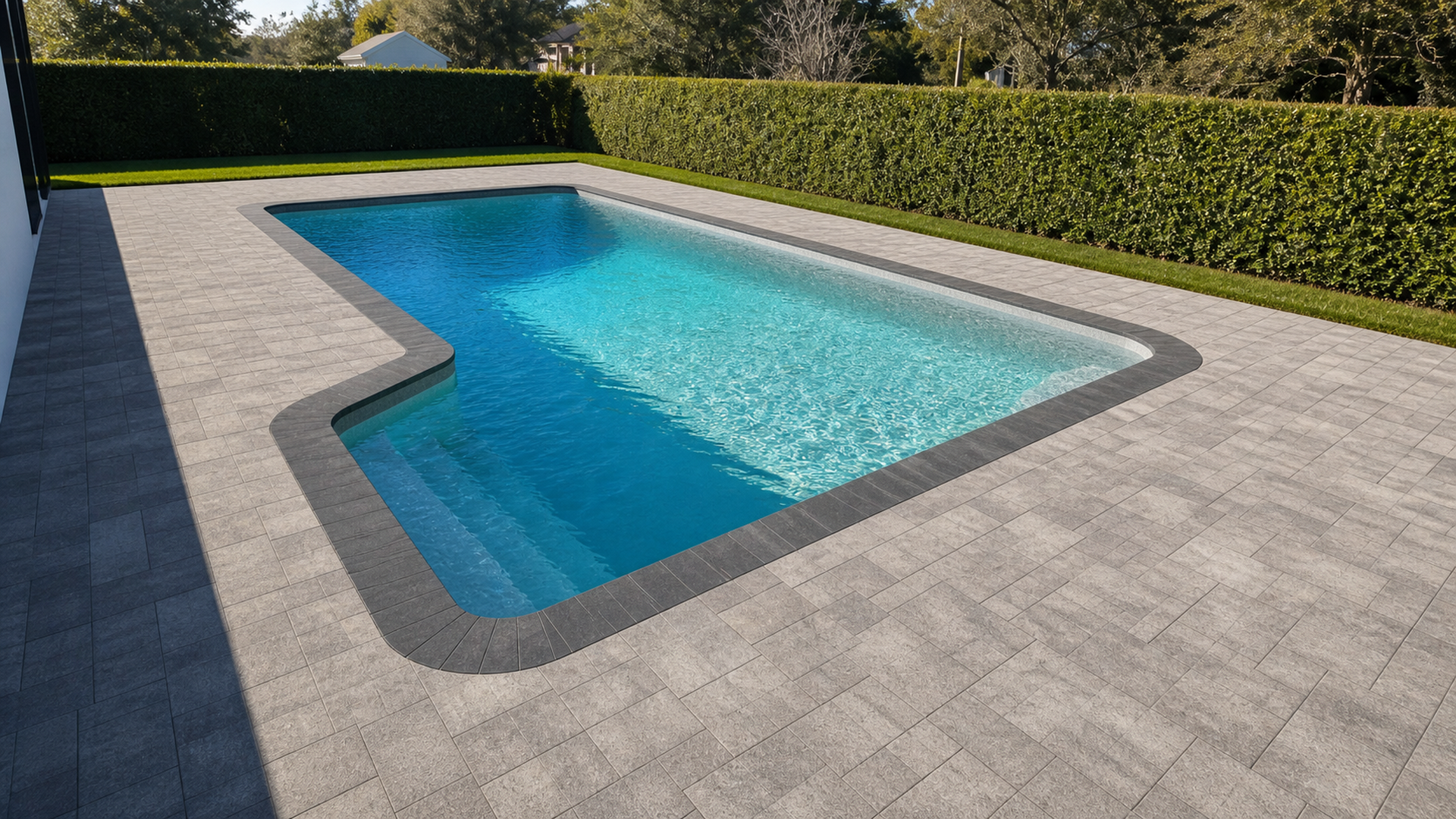
- Poolside buffer areas
- Garden and landscape transitions
When designed correctly, they improve both usability and visual flow.
Structural Differences Between Seating Walls and Retaining Walls
Although similar in appearance, seating walls and retaining walls serve different purposes.
Seating walls:
- Primarily provide seating
- Typically range from 16–20 inches in height
- May experience lateral load from seating and movement
Retaining walls:
- Hold back soil or elevation changes
- Require additional reinforcement
- Must resist sustained earth pressure
Even seating walls must be structurally engineered to handle lateral forces, especially in Florida soil conditions.
Why Pavers and Segmental Wall Systems Are Ideal
Segmental paver wall systems outperform poured concrete walls because they offer:
- Modular interlocking strength
- Controlled flexibility for soil movement
- Consistent sizing and alignment
- Integrated cap systems
- Clean, finished appearance
Rigid concrete walls often crack due to thermal expansion and soil shifting. Segmental systems adapt better to Florida’s environment.
Base Preparation: The Foundation of Wall Stability
Proper base preparation is critical for seating wall longevity.
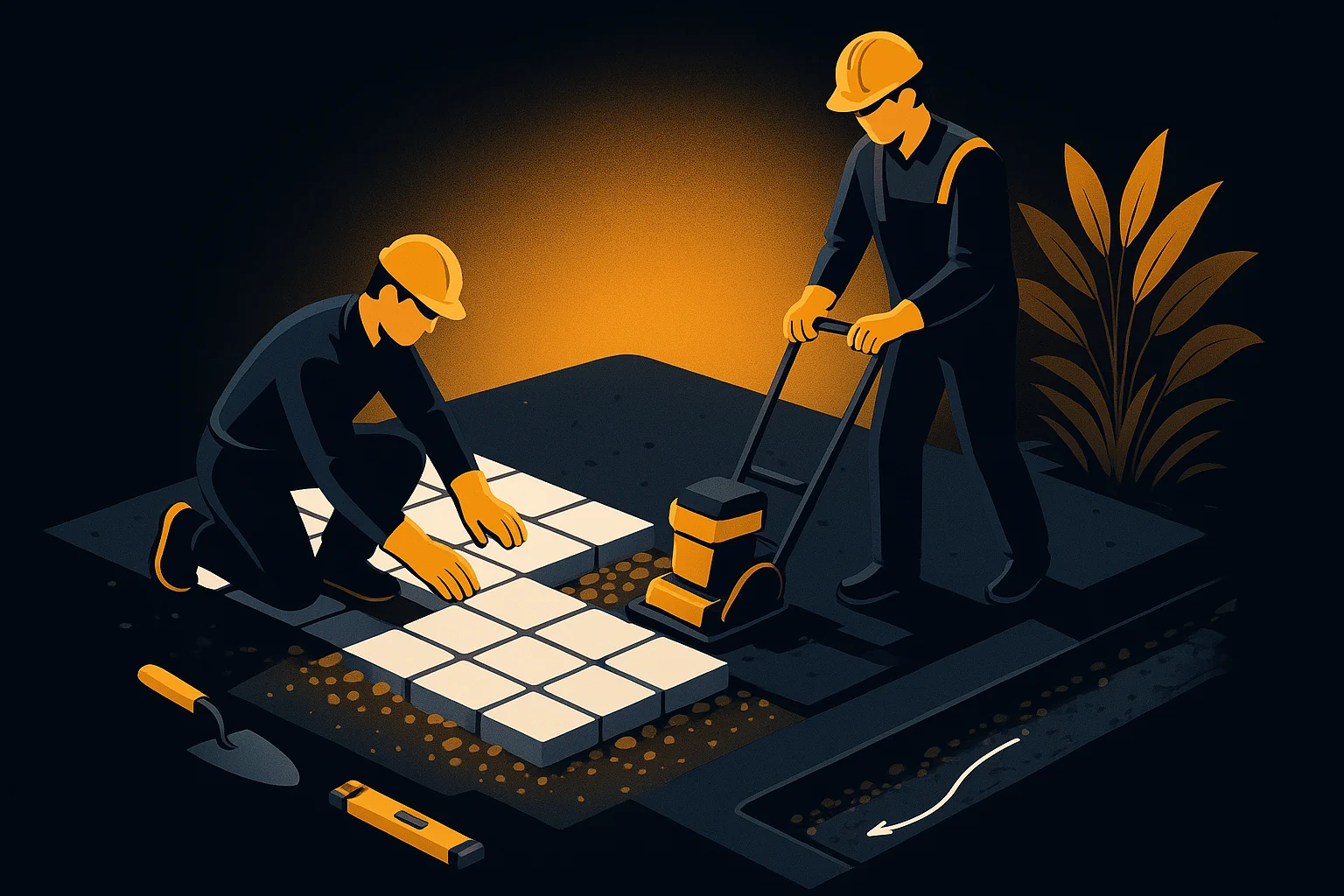
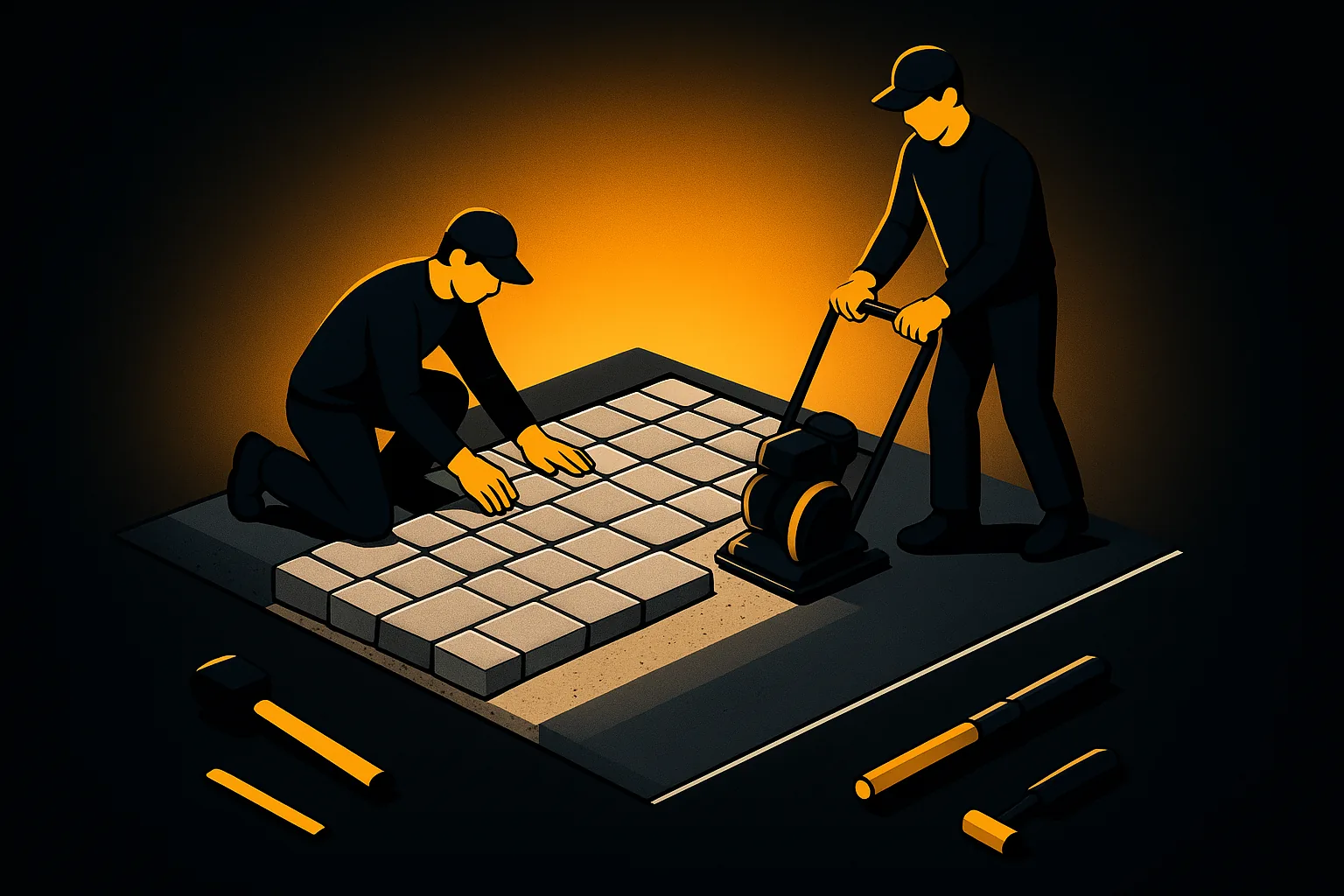
Professional installation includes:
- Excavation below finished grade
- Compacted crushed stone base
- Leveling pad for wall blocks
- Mechanical compaction
- Accurate block alignment
- Secure cap installation
Skipping base compaction or setting blocks directly on soil leads to settlement and leaning.
Drainage Control Behind Seating Walls
Even low-height seating walls require drainage consideration.
Florida’s heavy rain can saturate soil quickly.
Proper drainage planning includes:
- Gravel backfill behind the wall
- Drainage fabric separation
- Preventing water pressure buildup
- Maintaining slope away from the structure
Water accumulation behind walls increases lateral pressure and compromises stability.
Heat Resistance and Material Selection
Florida heat affects wall materials differently.
Recommended seating wall materials include:
- Concrete segmental blocks
- Light-colored finishes
- Textured surfaces for grip
- Heat-resistant capstones
Lighter colors reflect sunlight and remain cooler, improving seating comfort.
Design Integration with Outdoor Features
Seating walls should integrate seamlessly with surrounding elements.
Key design considerations include:
- Fire pit alignment
- Patio layout continuity
- Consistent color palettes
- Smooth cap transitions
- Coordinated elevations
Well-integrated seating walls enhance outdoor flow and functionality.
Seating Wall Height and Comfort Standards
Comfort is a functional requirement.
Industry standards recommend:
- 16–18 inches seat height
- Flat, smooth capstones
- Adequate seat depth
- Rounded or chamfered edges
Proper proportions improve usability and safety.
Common Seating Wall Installation Mistakes
Avoiding installation errors is essential.
Common mistakes include:
- Insufficient base depth
- No drainage behind the wall
- Improper block bonding
- Weak cap adhesion
- Poor alignment
These issues lead to premature failure and costly repairs.
Long-Term Value of Seating Wall Systems
Professionally installed seating walls offer:
- Permanent, maintenance-free seating
- Improved outdoor functionality
- Enhanced design cohesion
- Increased property value
- Long-term durability in Florida climate
They serve both structural and lifestyle purposes.
Explore More Hardscape Projects and Standards
For more projects completed in Florida, visit:
https://jaxtellerbrickpavers.com/projects
To review official installation standards, visit:
https://www.icpi.org/
Conclusion
Seating Wall Paver Systems for Functional Florida Outdoor Spaces combine structural engineering, climate awareness, and thoughtful design. In Florida, proper base preparation, drainage control, and material selection are essential for long-term performance.
When installed correctly, seating walls provide durable, comfortable, and visually integrated seating that enhances outdoor living year-round.
If you’re planning a seating wall or outdoor hardscape project, contact JaxTeller Brick Pavers at +1 407-907-8308 or jaxtellerbrickpavers@gmail.com for a free estimate.