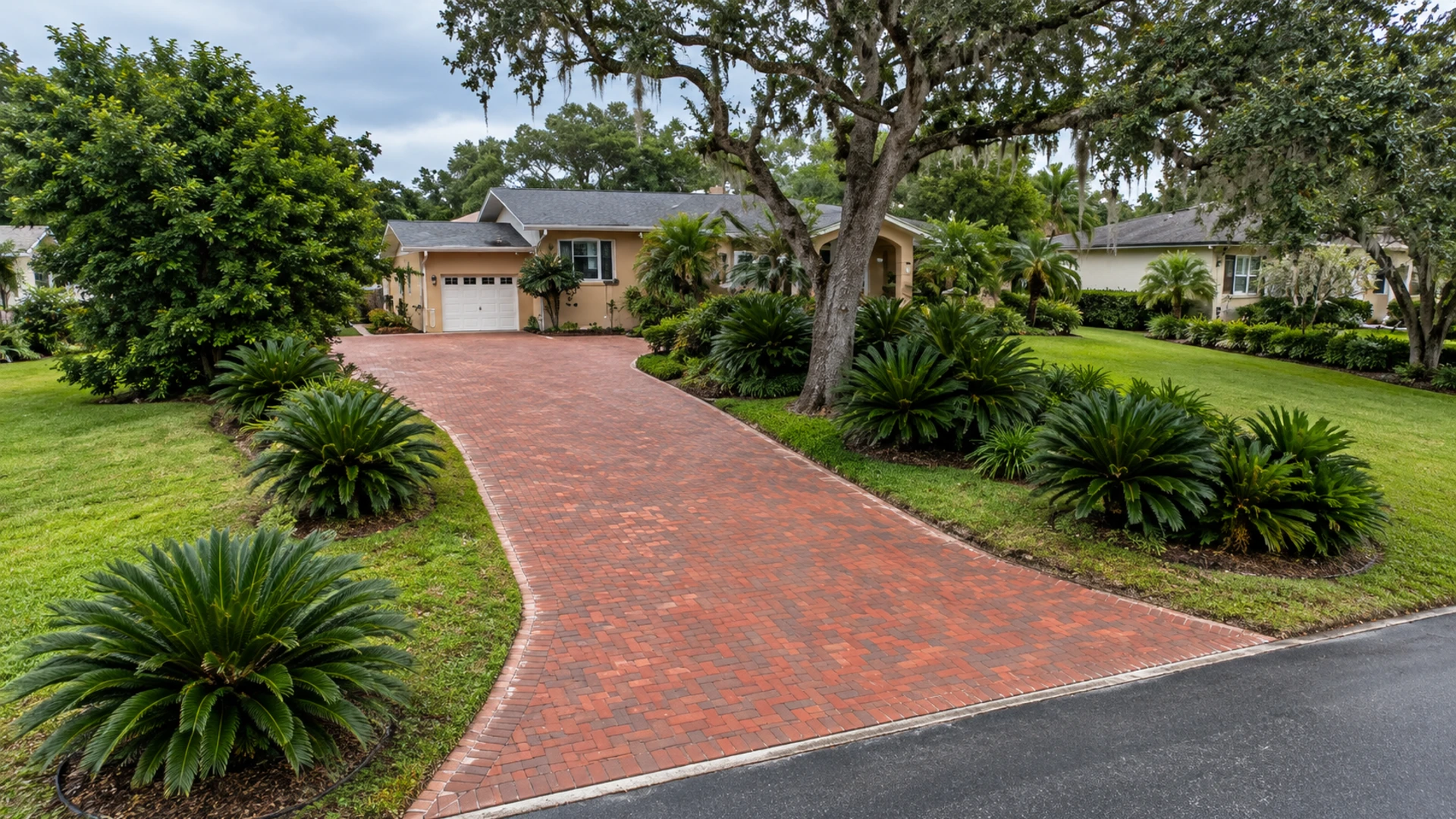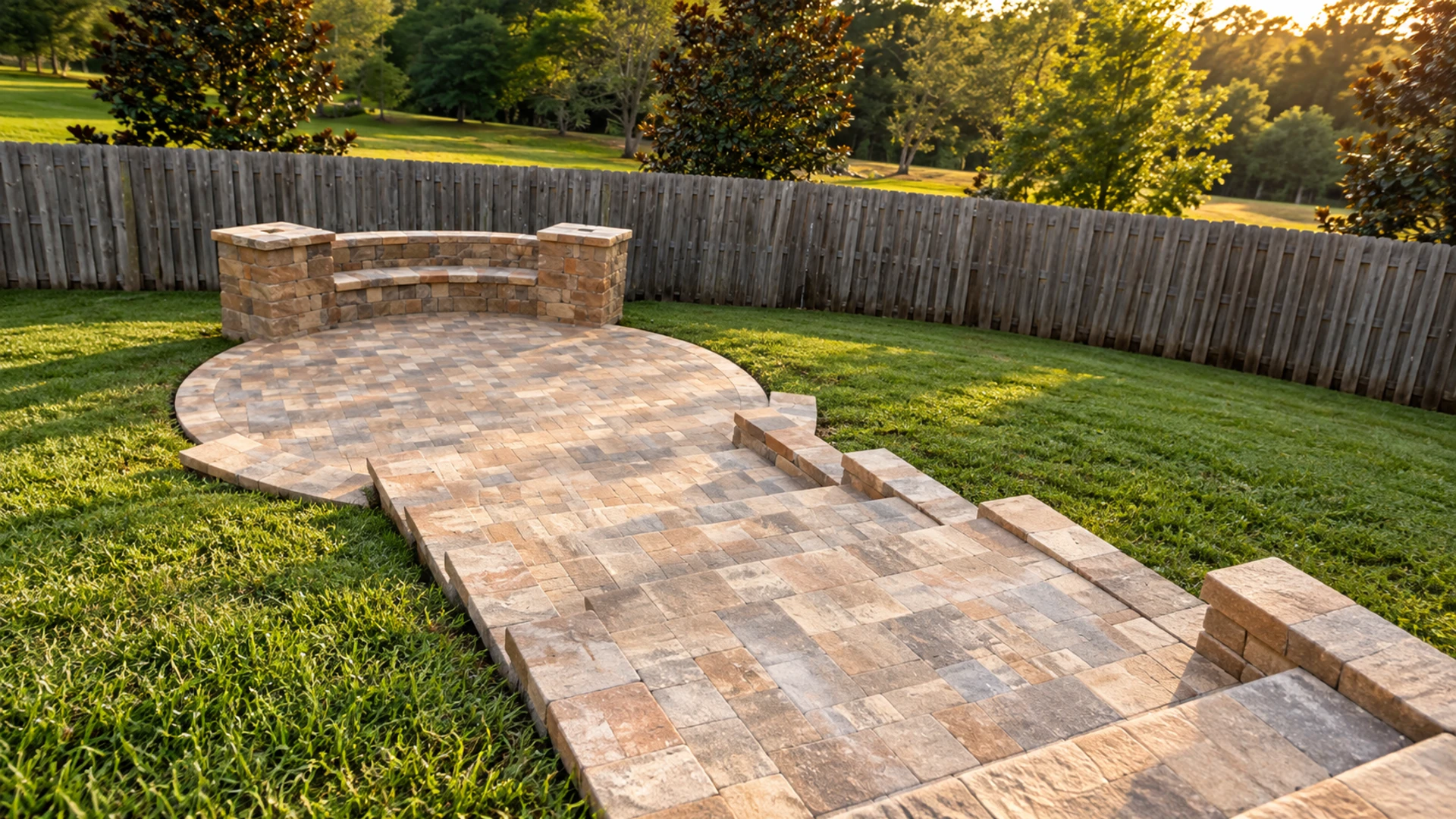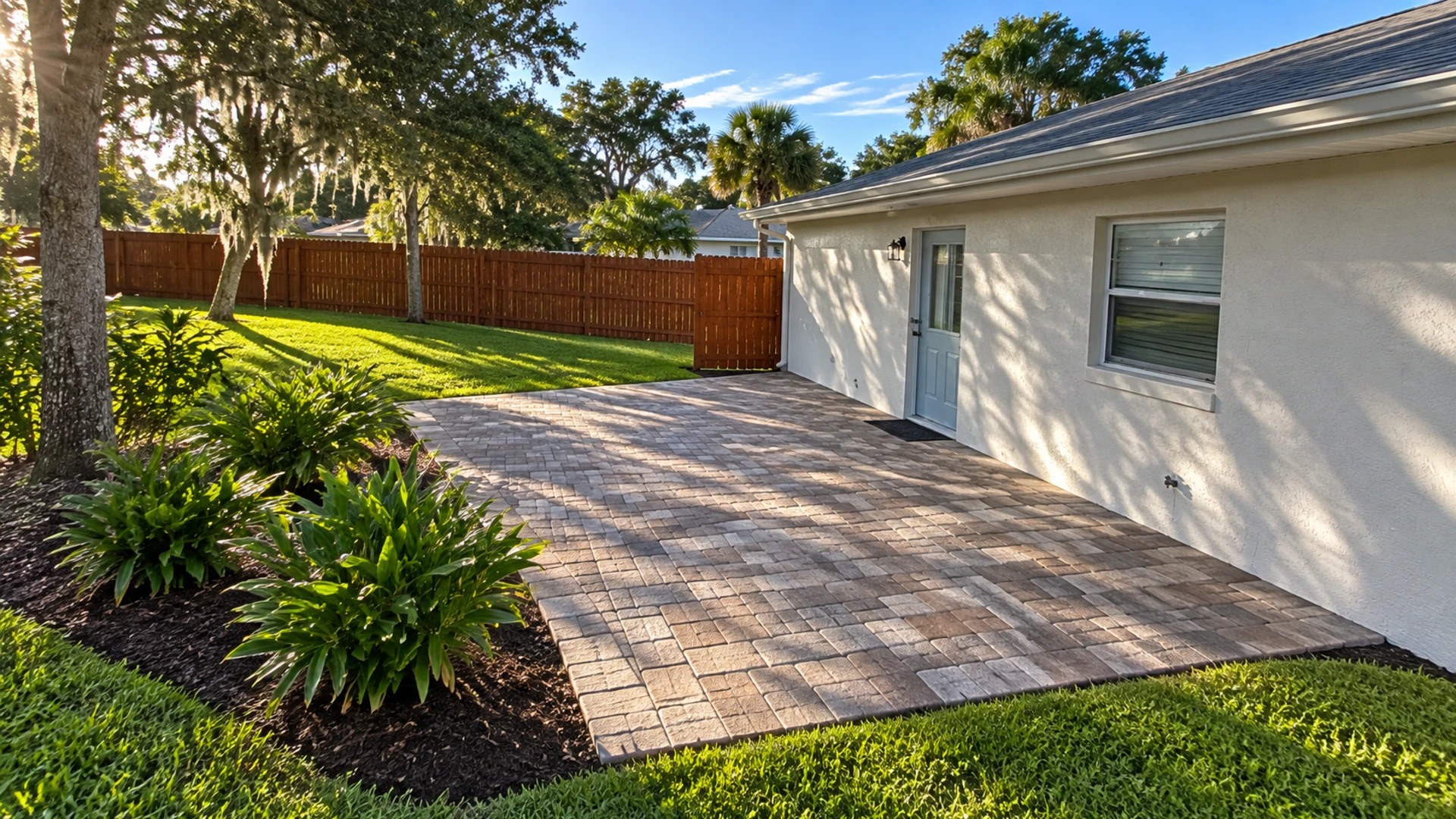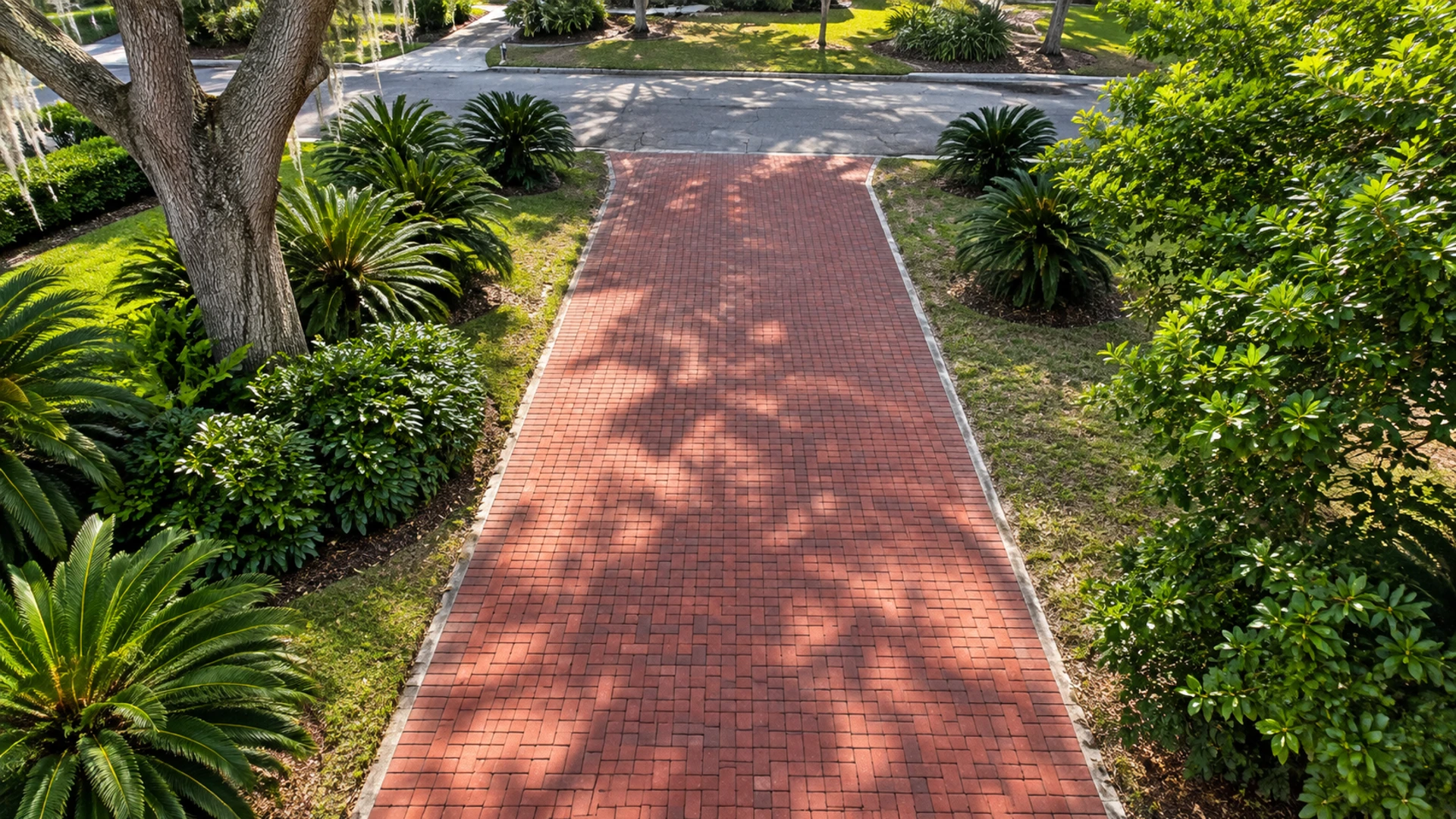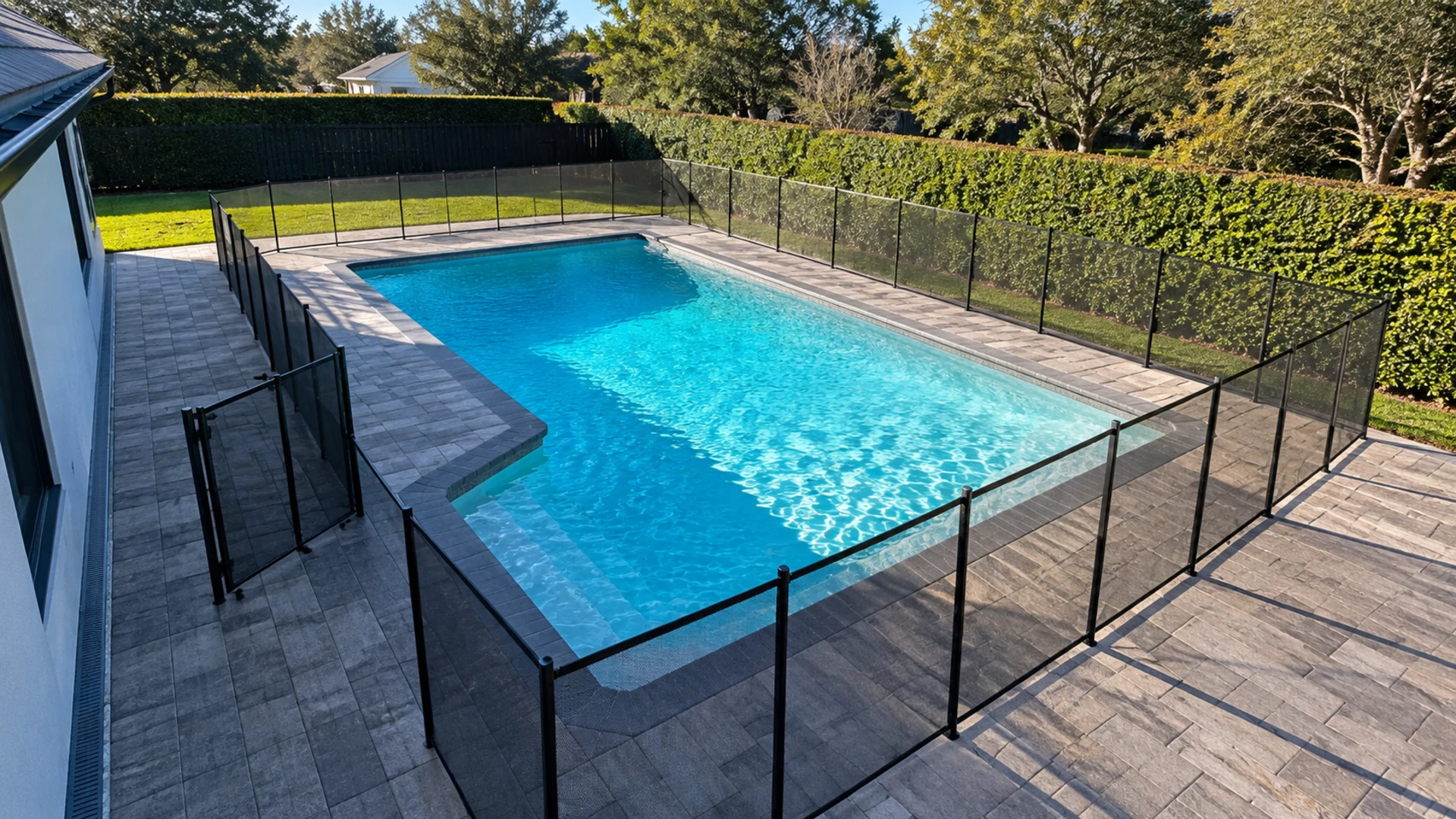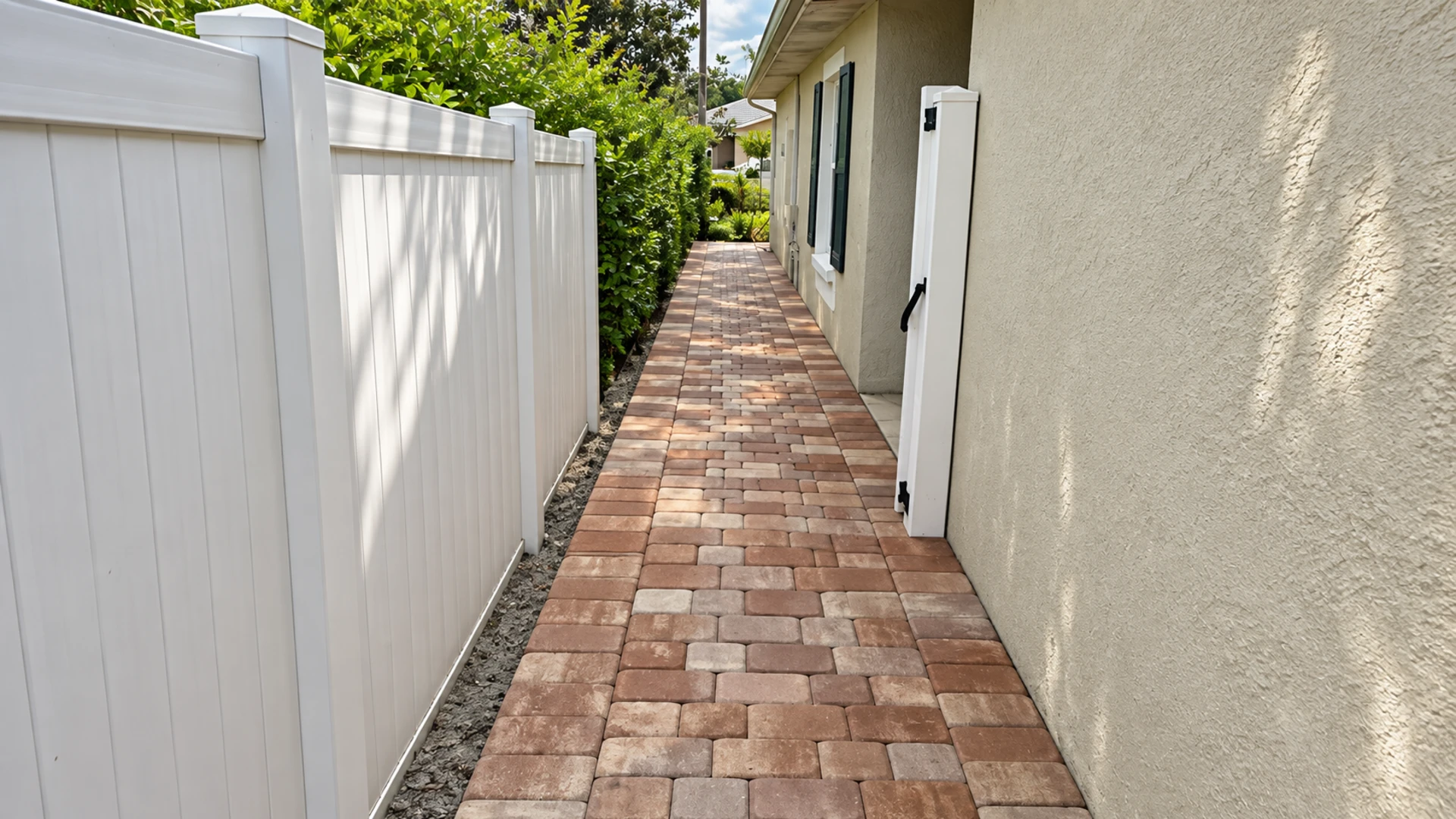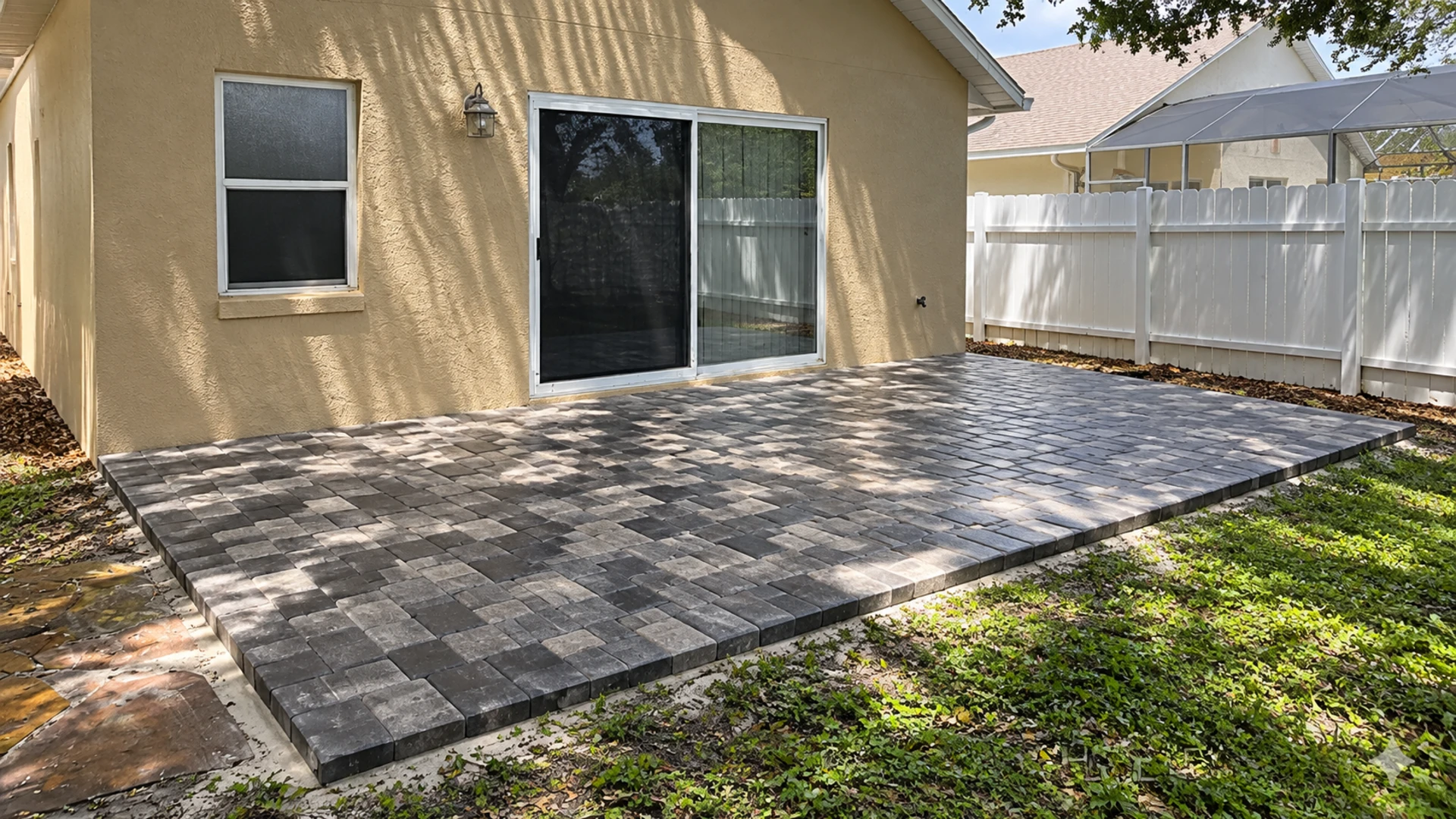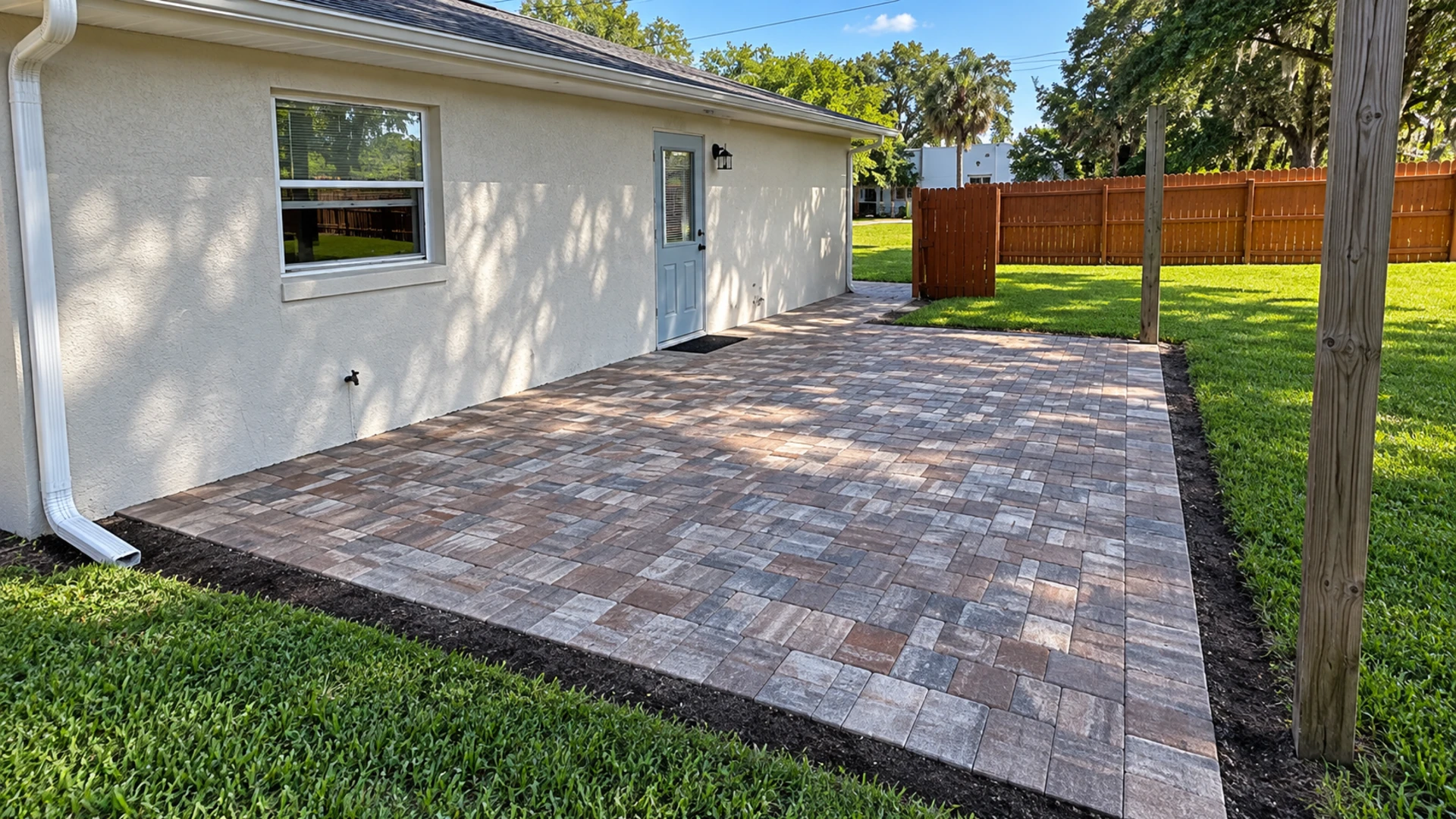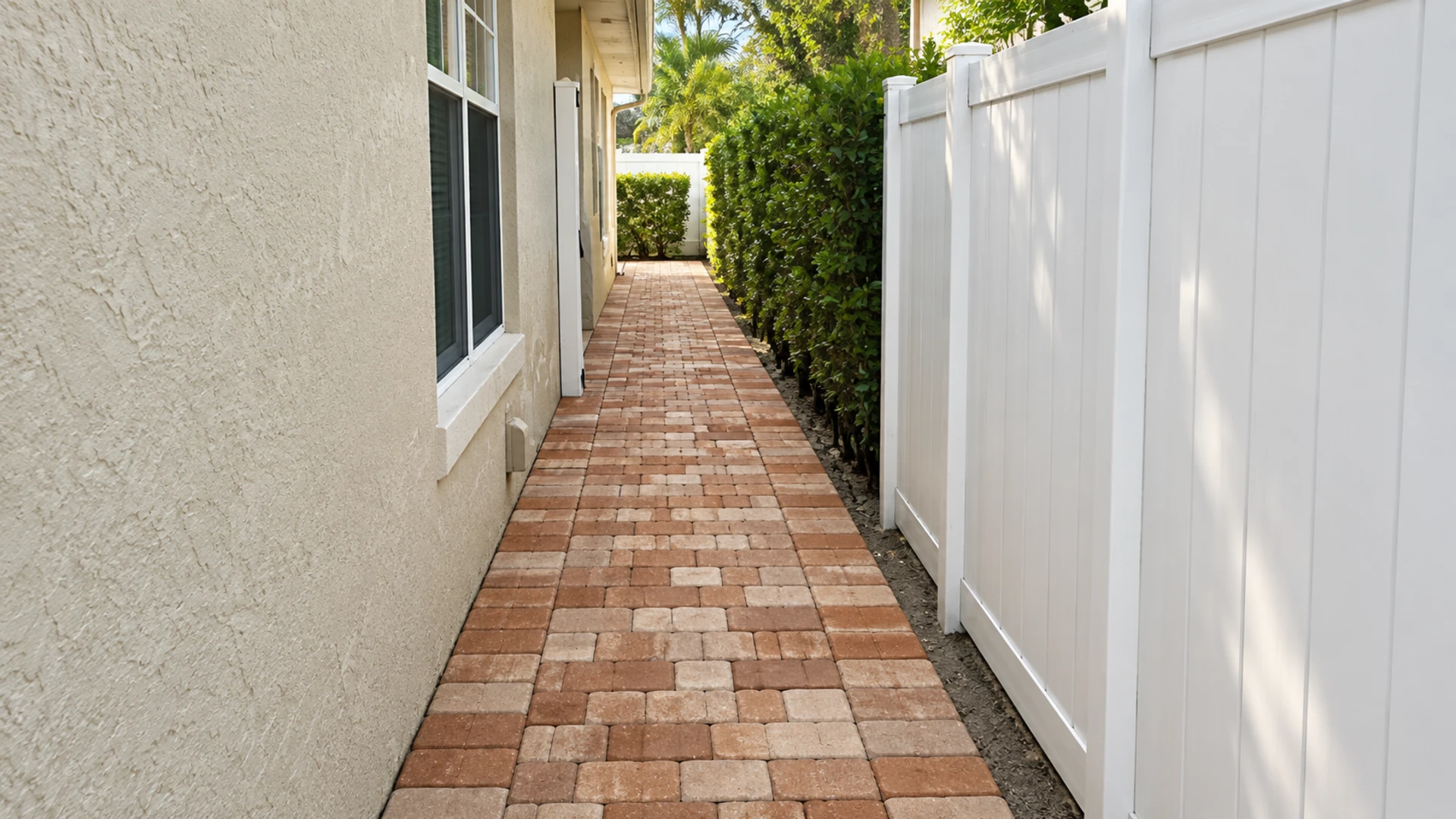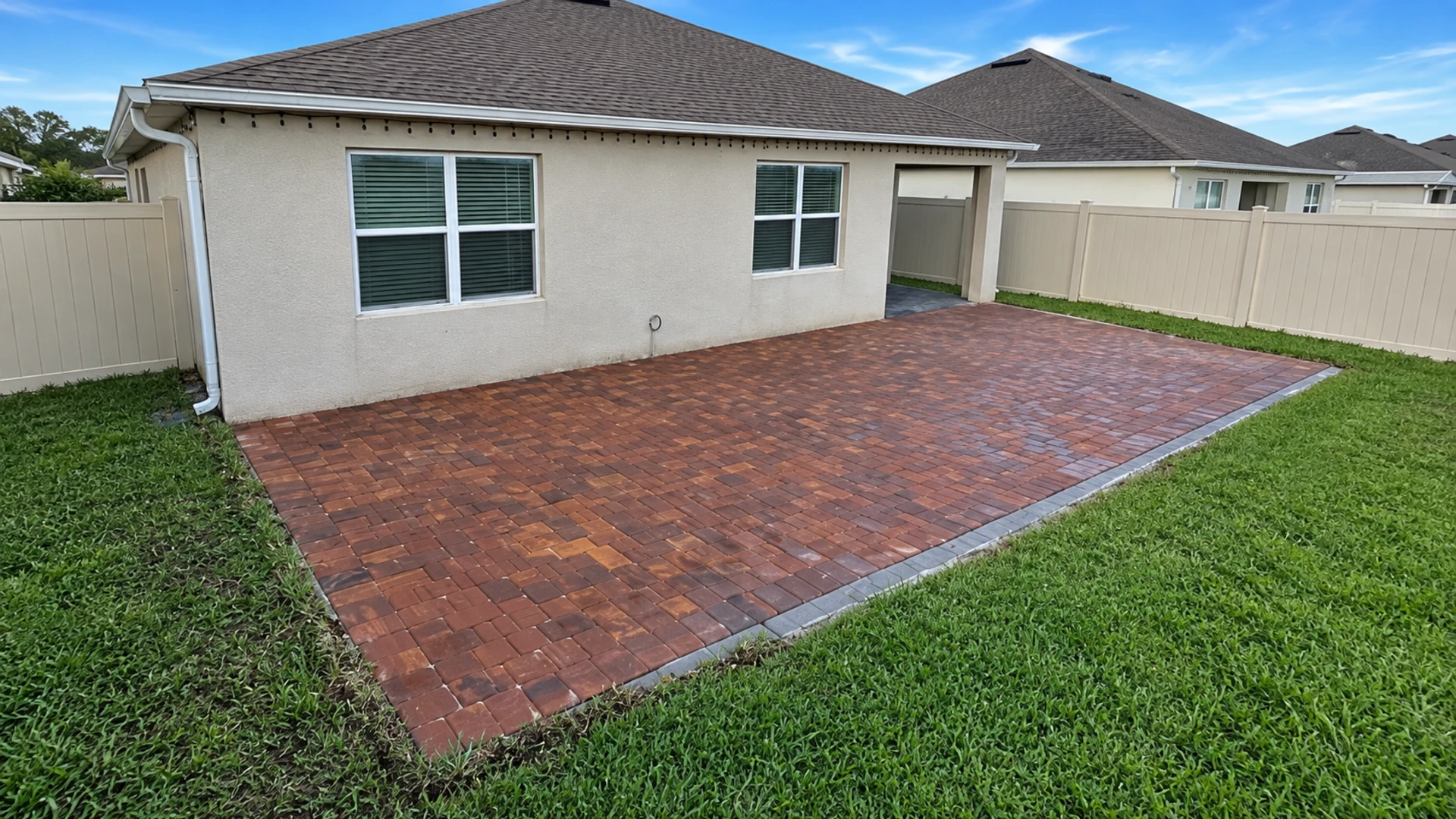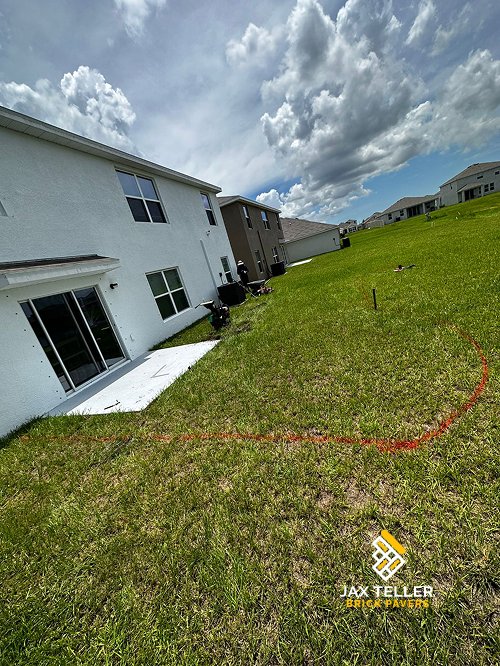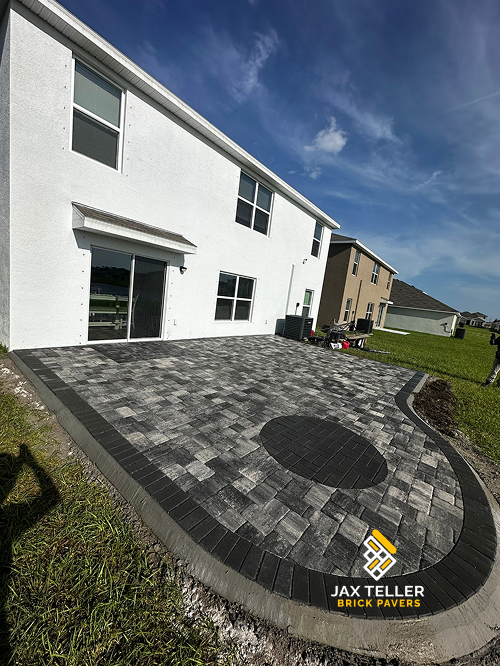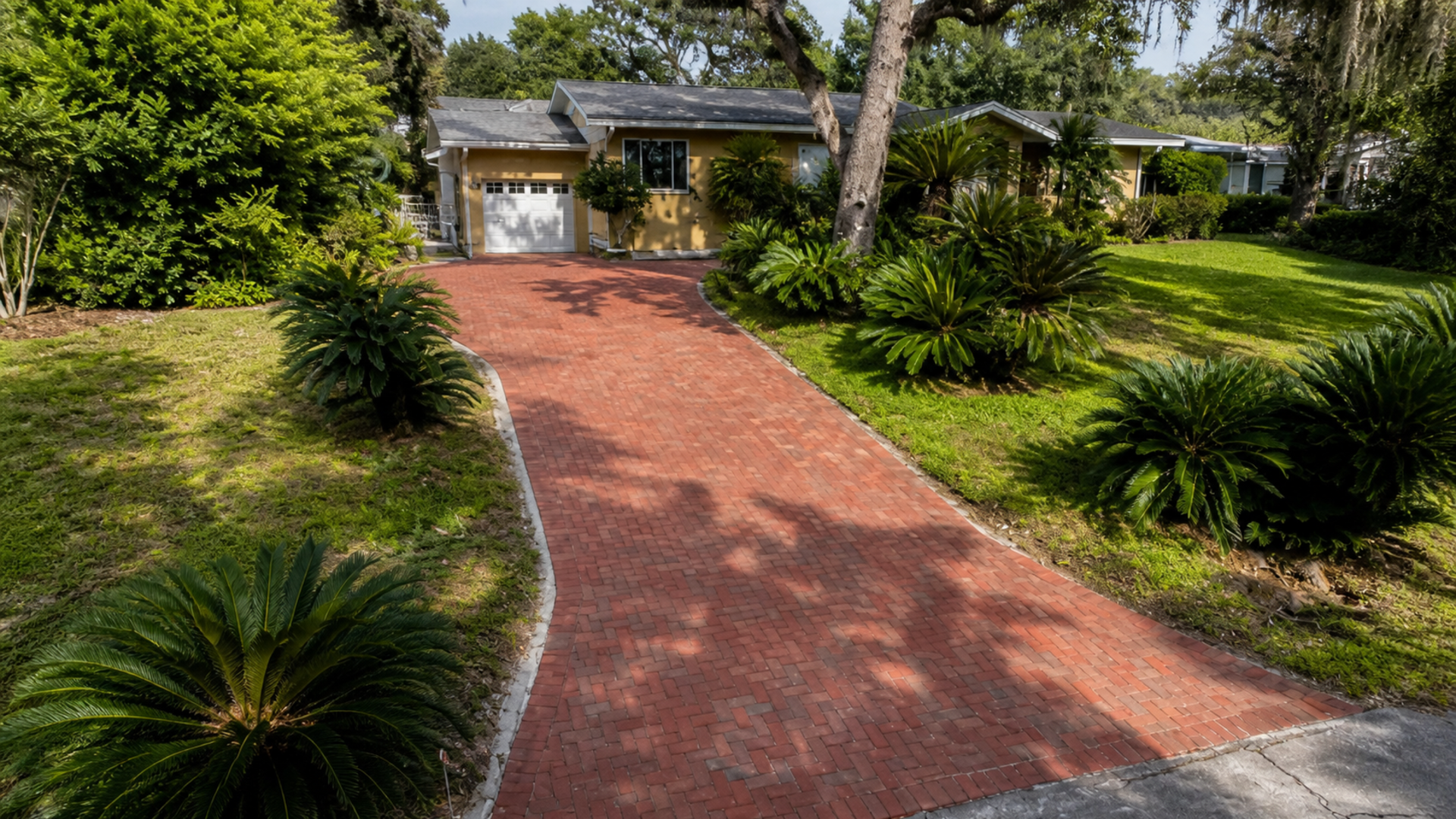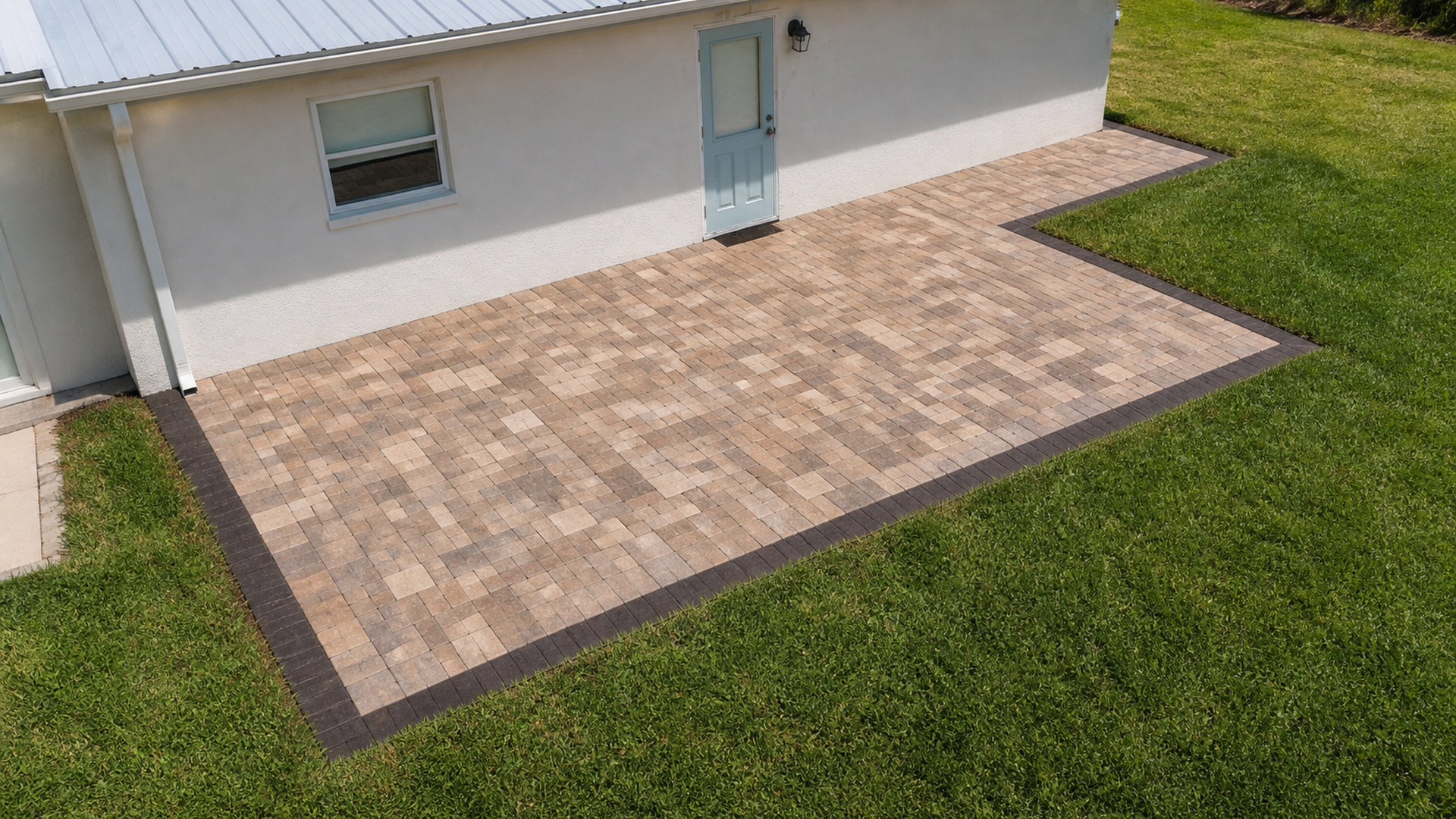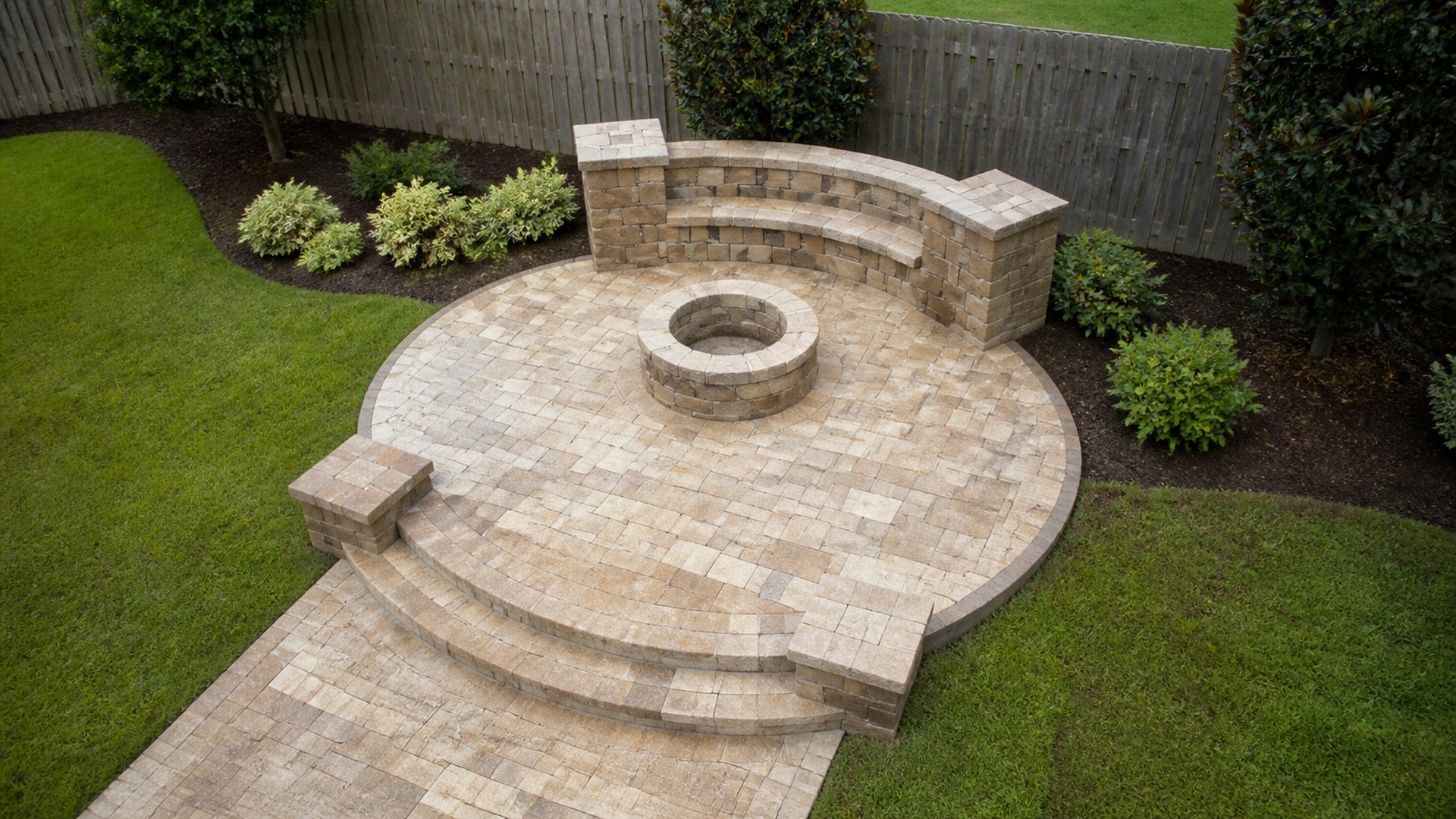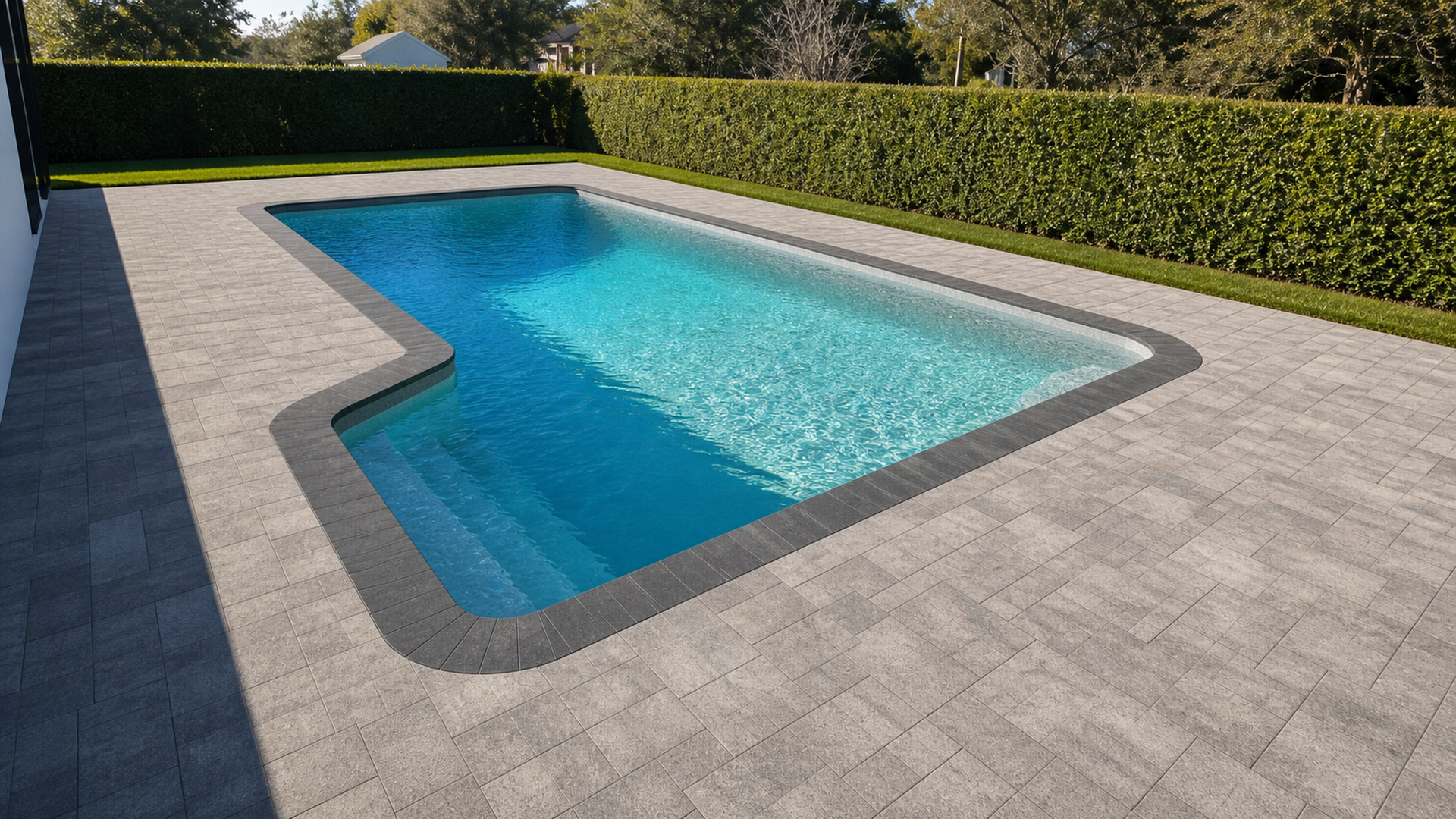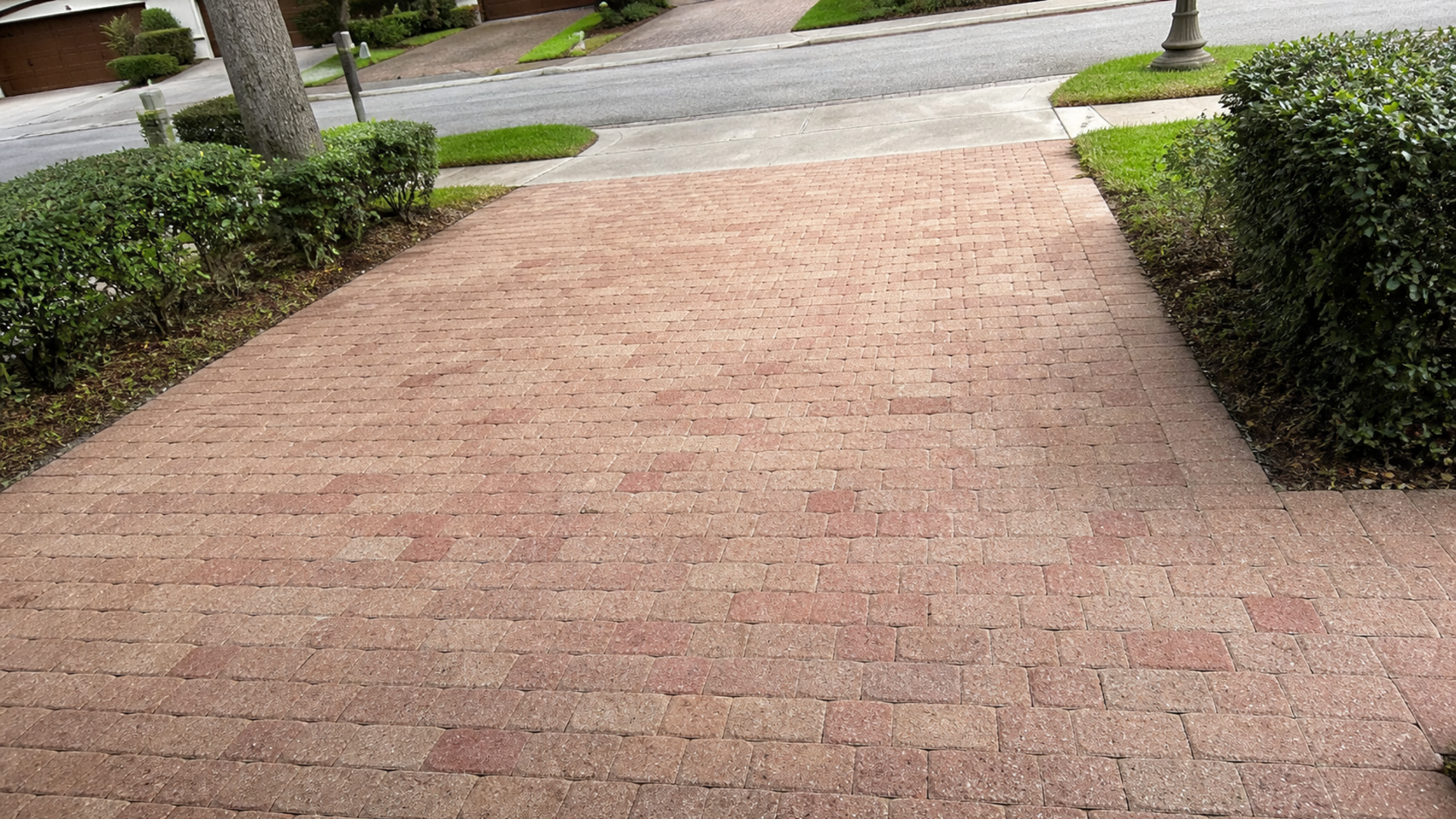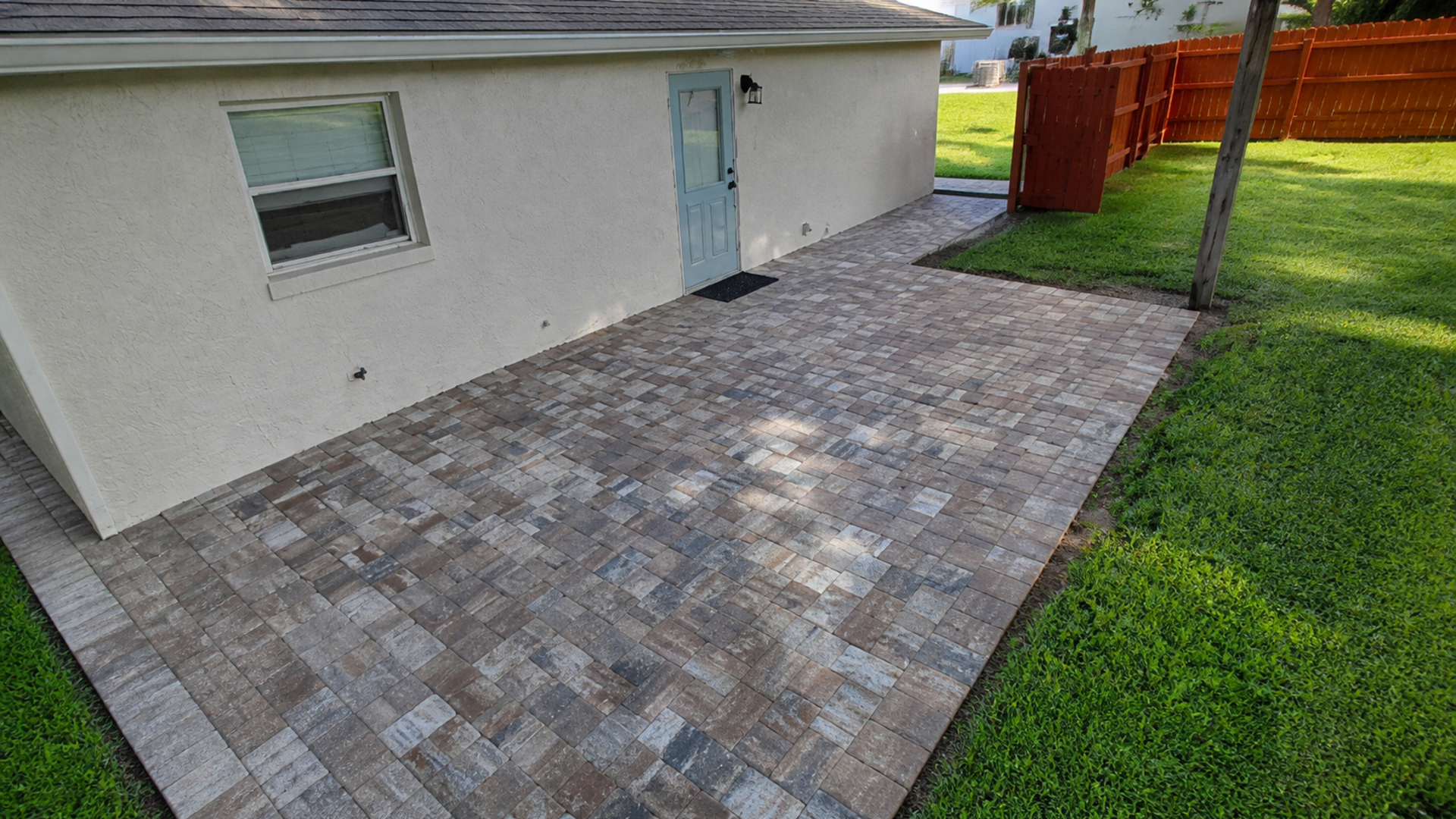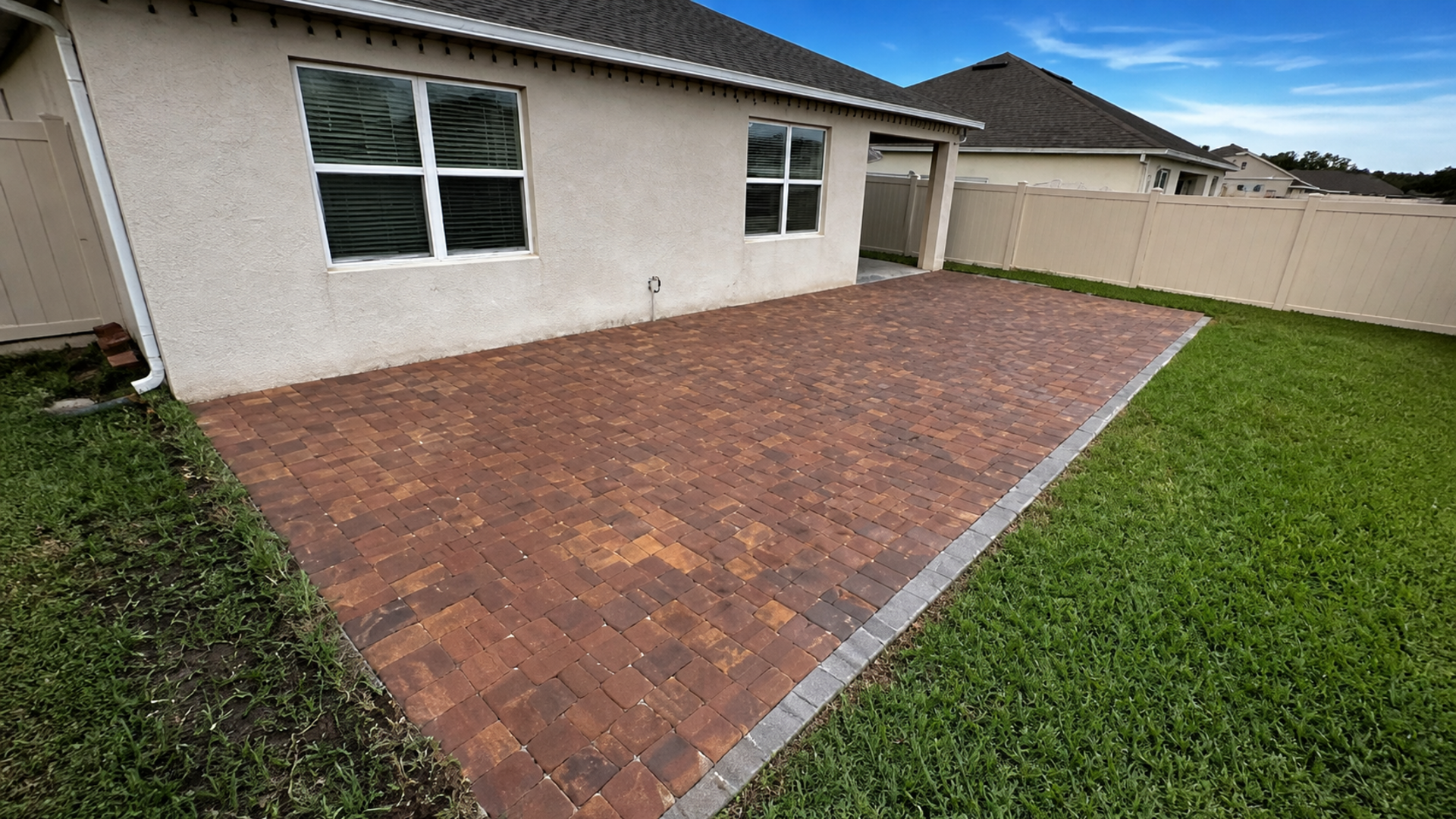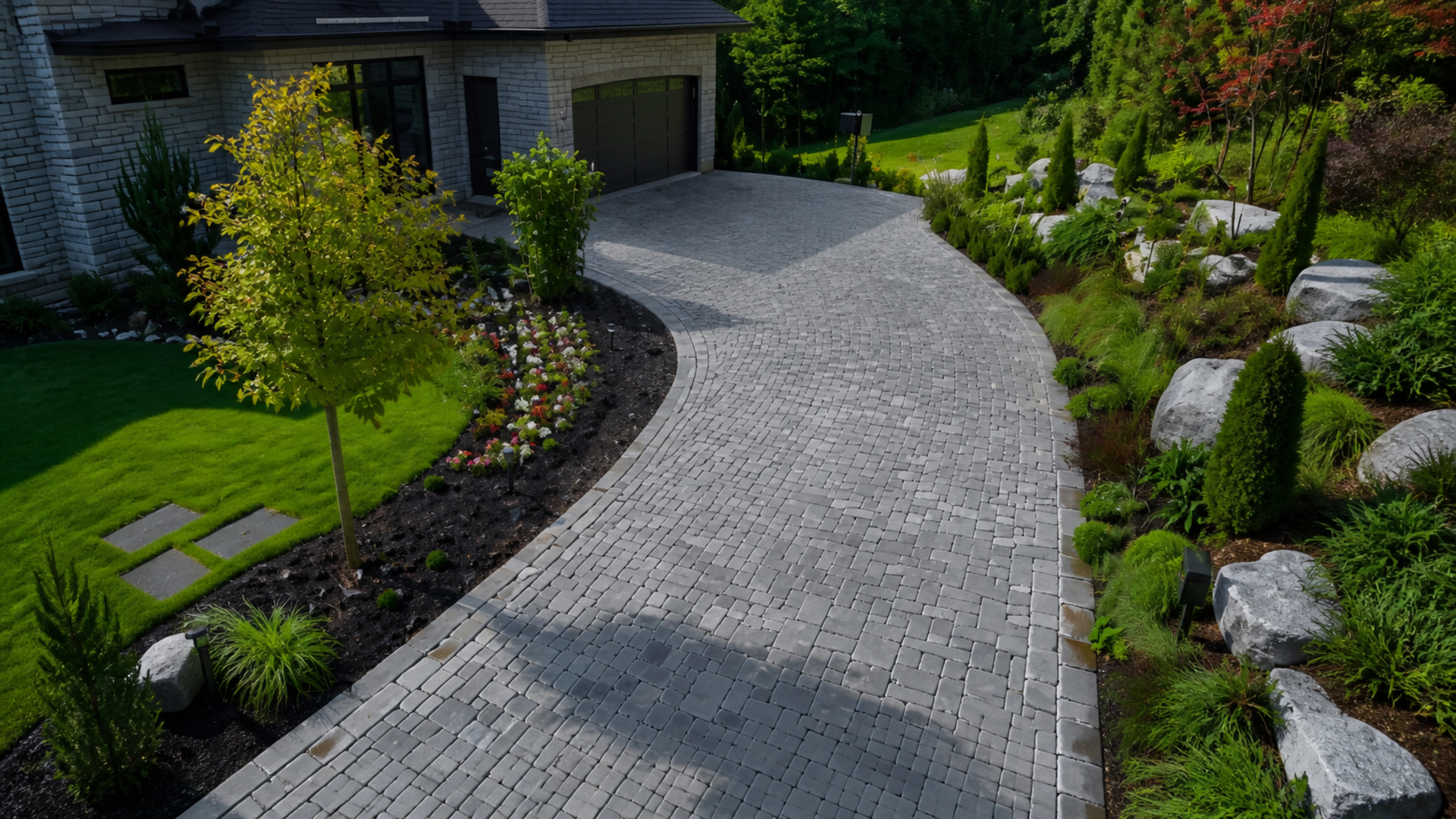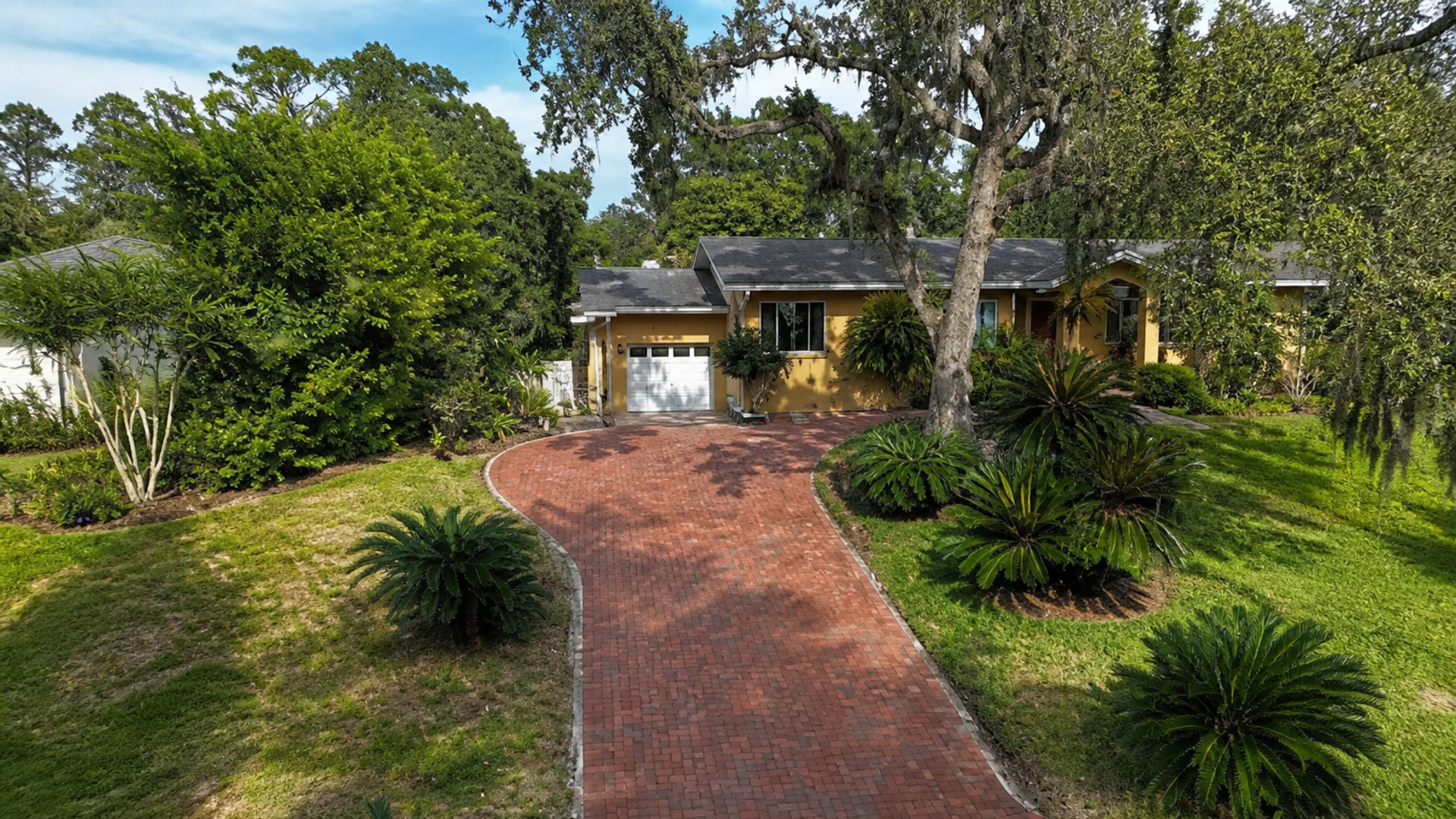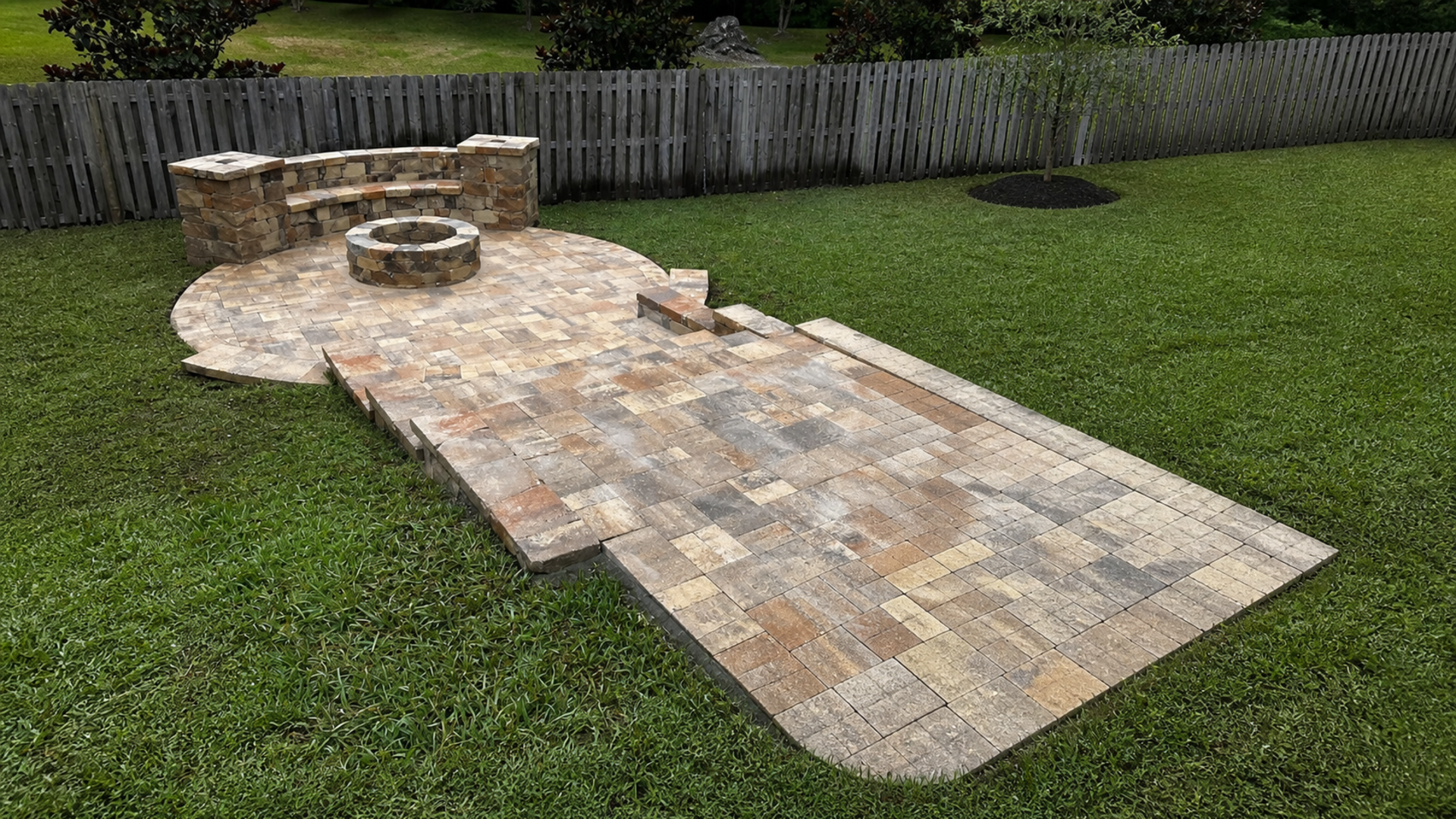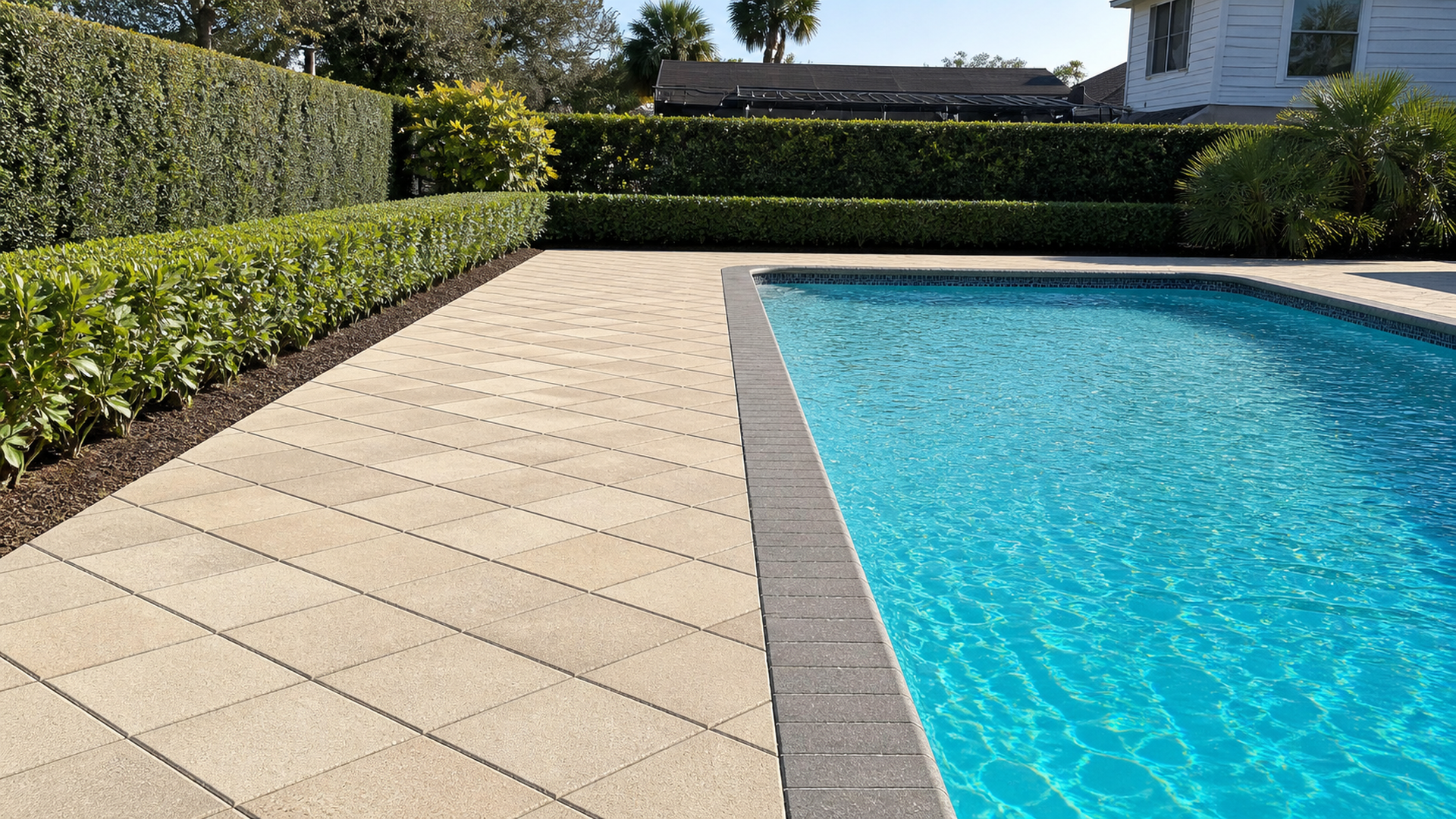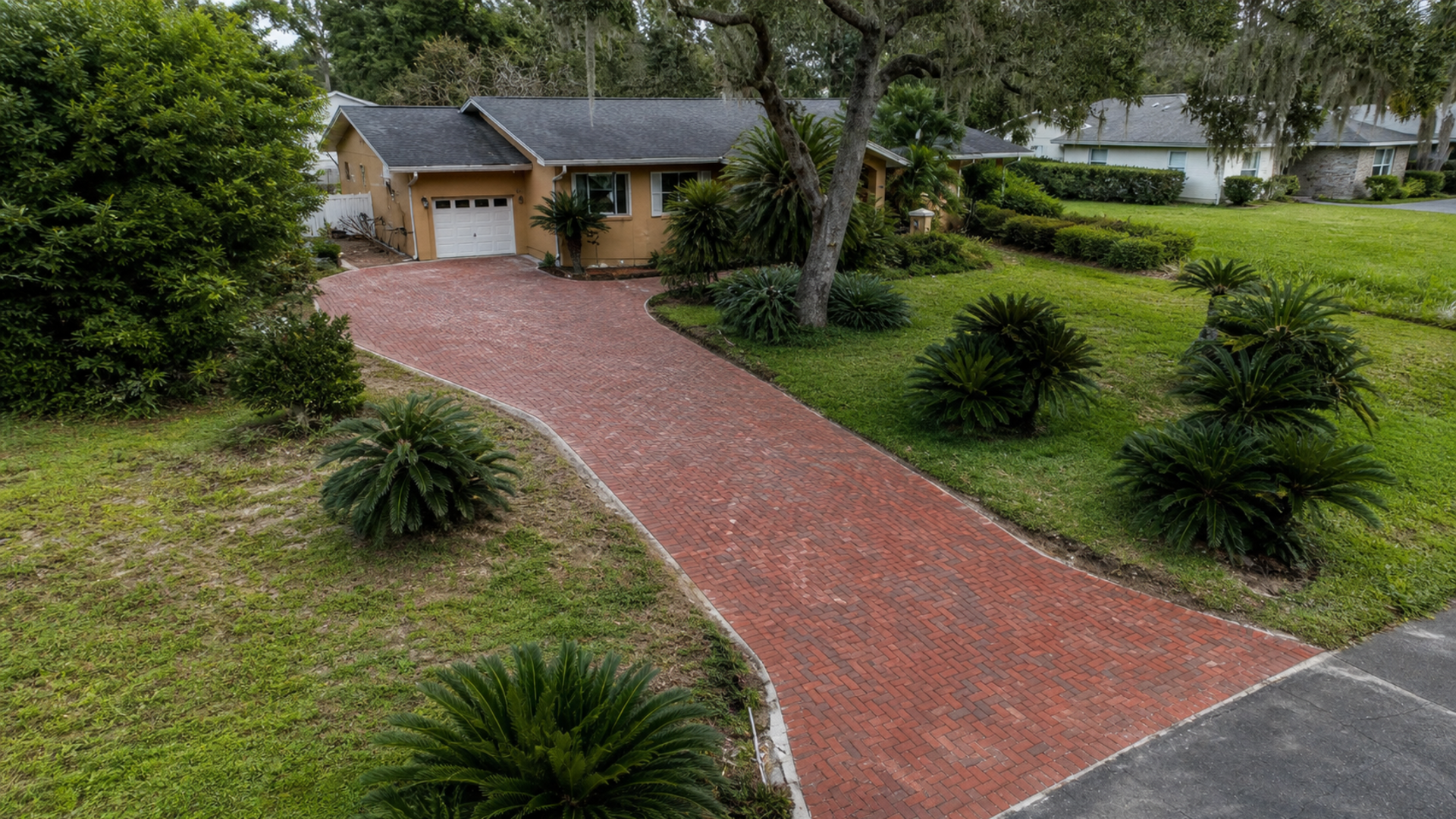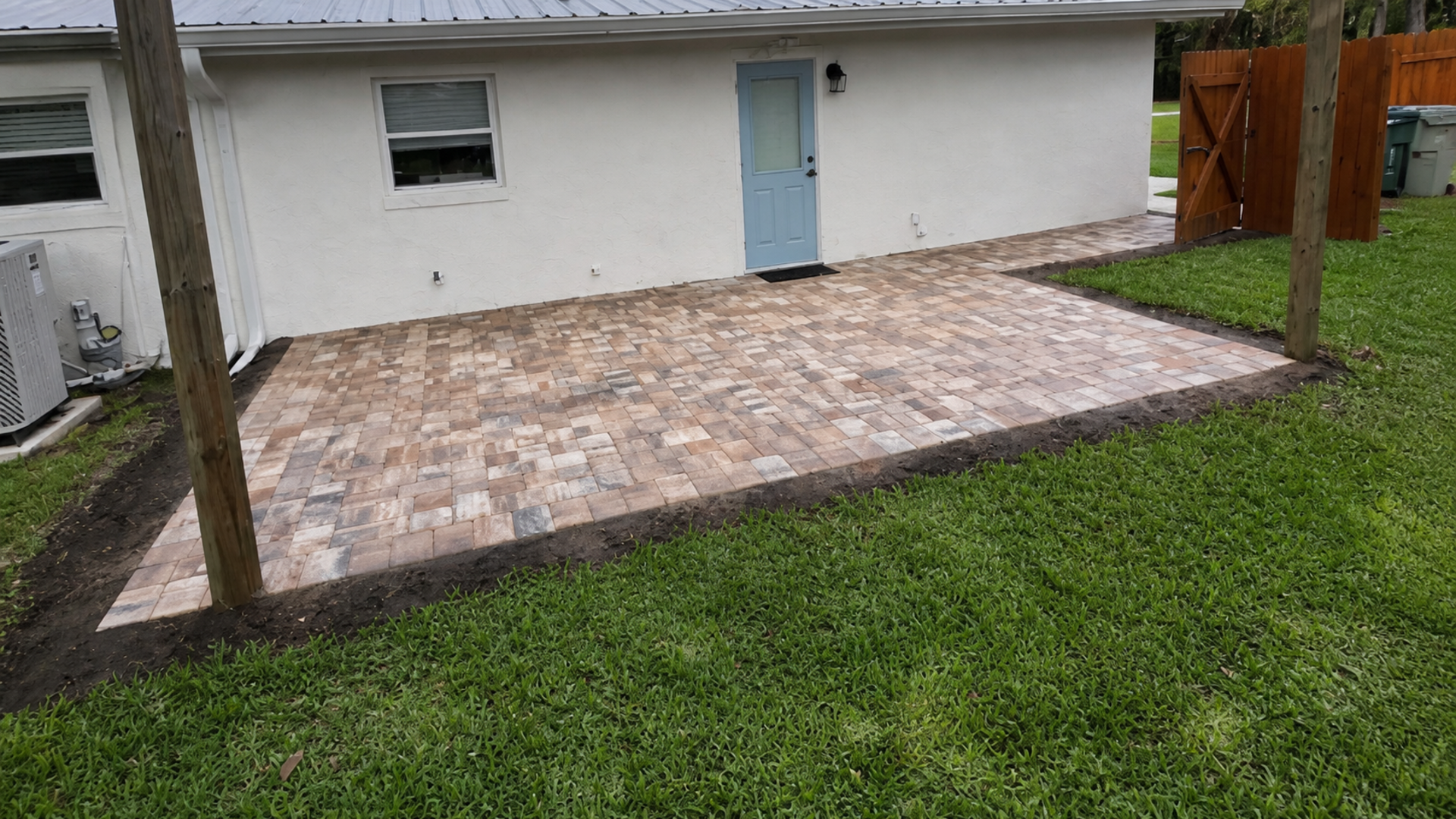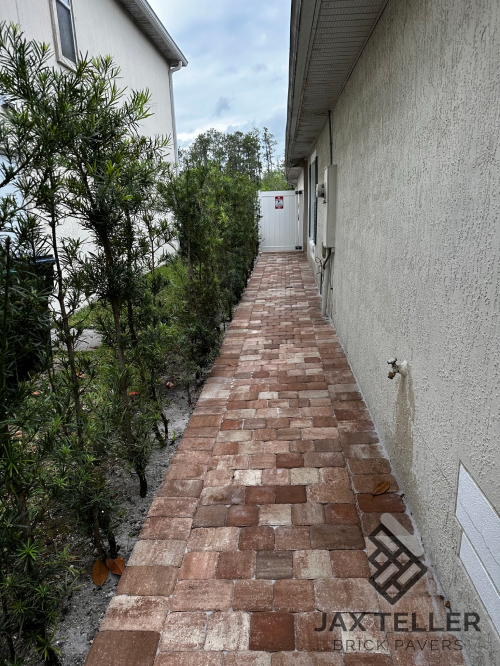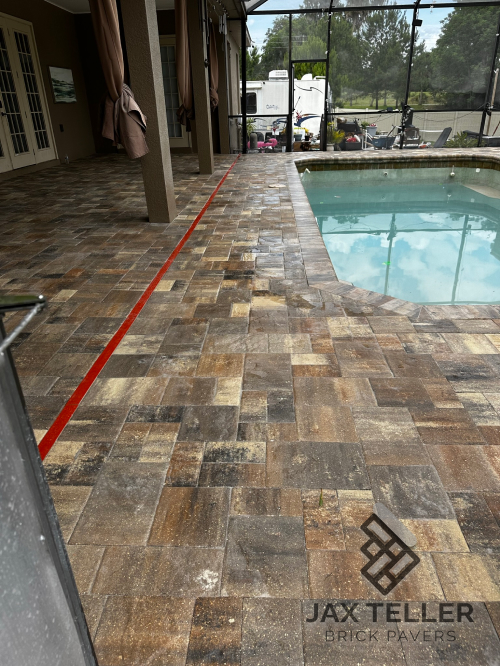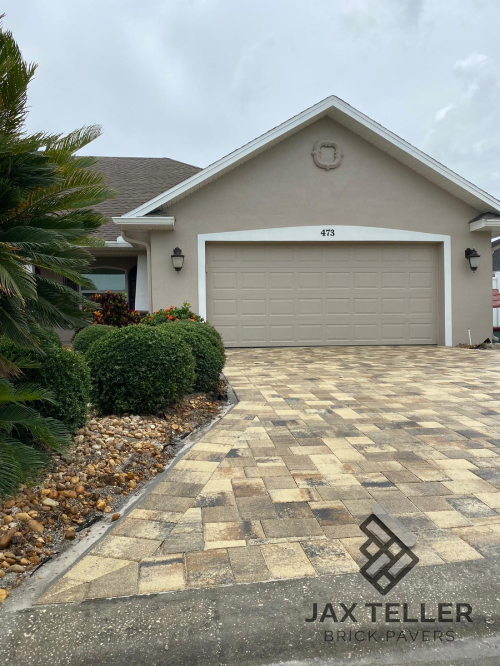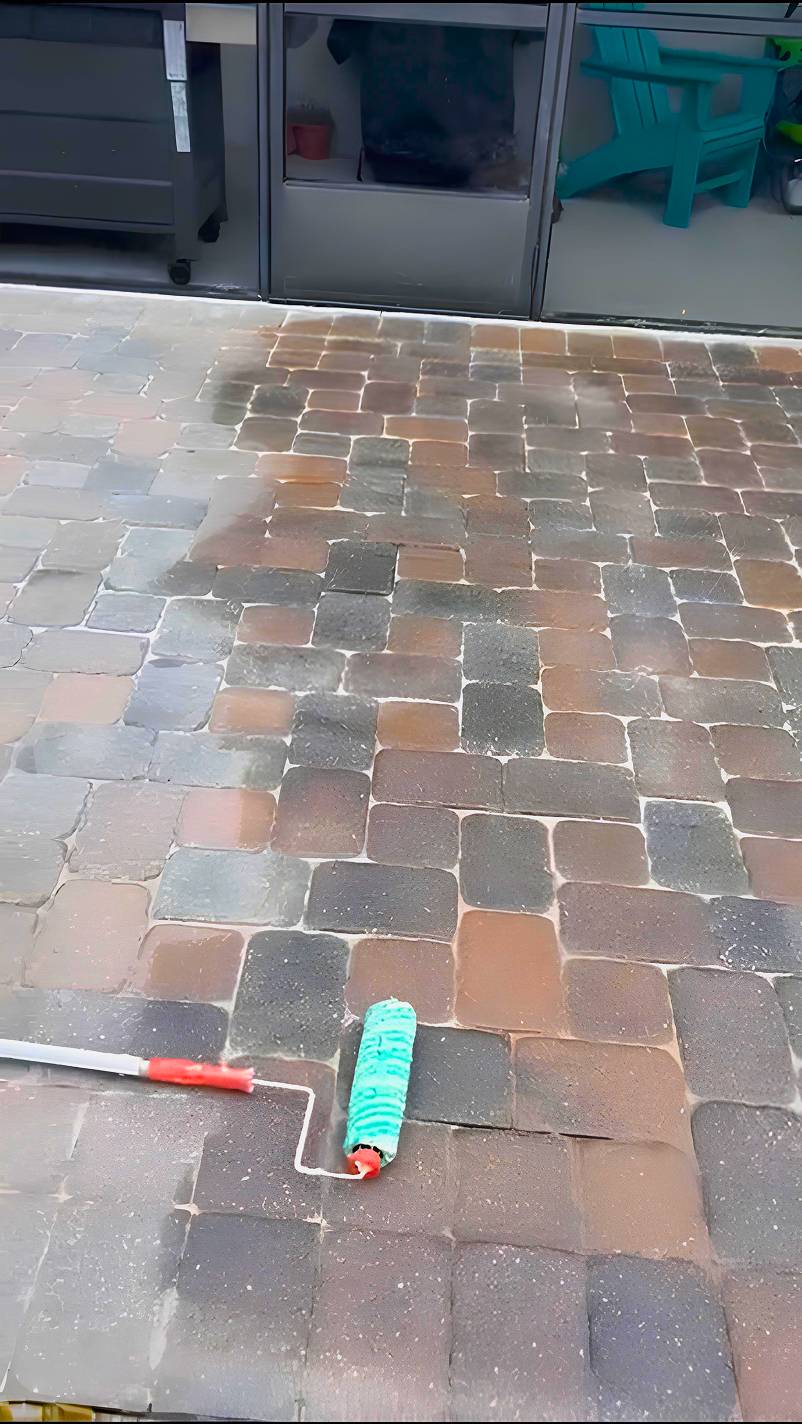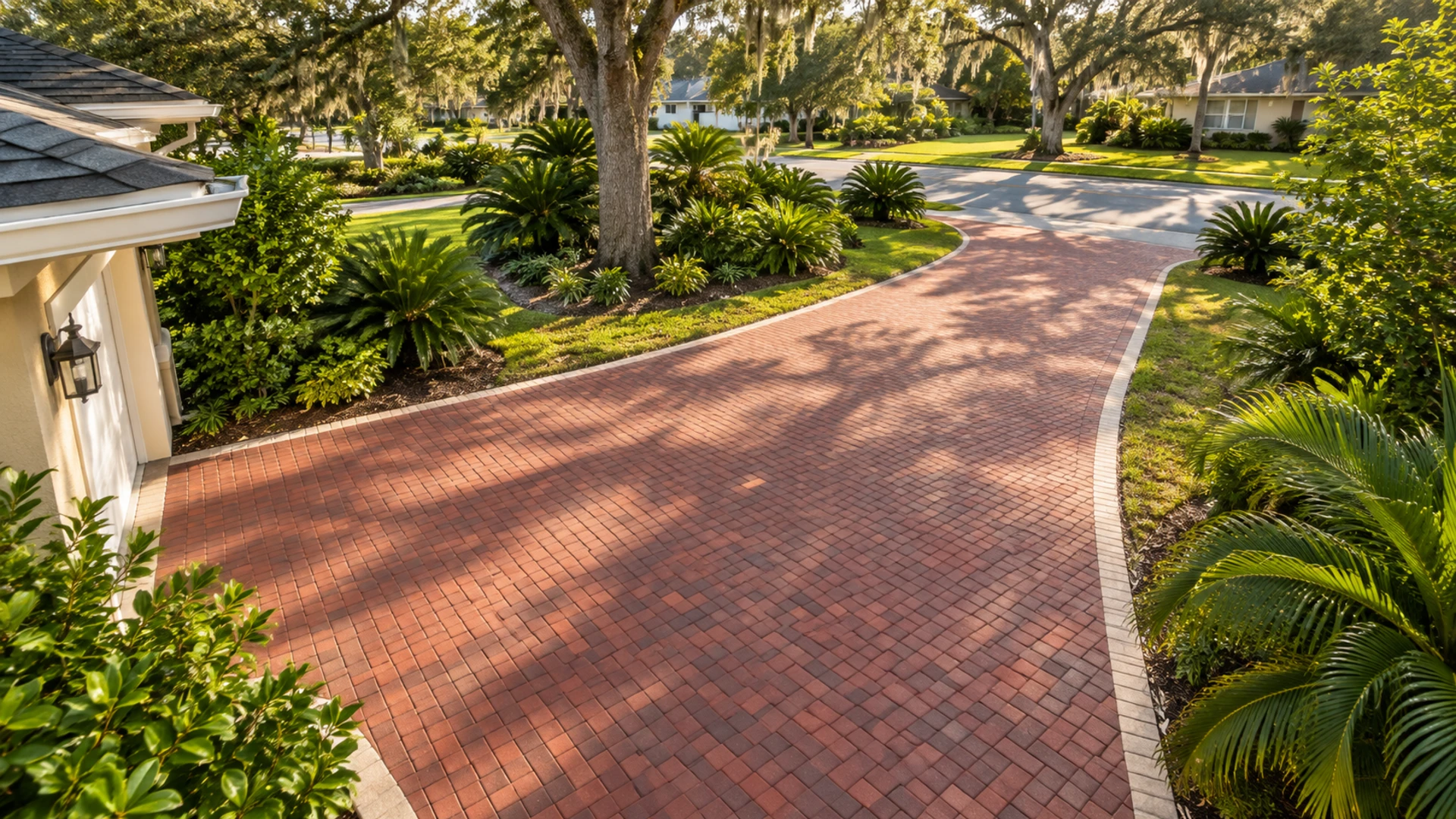
A useful review of the driveway work zone begins before any paver is lifted, washed, reset, or sealed. For clear access and household traffic planning during driveway repair, the homeowner needs a reliable baseline: location, surrounding pattern, connected edges, and the conditions under which the change is visible. That baseline for the driveway work zone makes the site conversation more precise without pretending to diagnose the property remotely.
When documenting the driveway work zone, context matters as much as the close view. Show the doors, lawn, borders, coping, pavement, or other features that influence access and water movement around the driveway work zone. Because the driveway work zone may look different when wet and dry, use ordinary weather observations instead of an artificial test that could create a new problem.
A key risk is the work zone blocking essential movement or expanding beyond its limits. A measured review of the driveway work zone keeps observed facts, open questions, and recommendations distinct. The process below prepares the homeowner for an estimate of the driveway work zone, protects stable work, and documents the finished condition while leaving the actual limits to qualified on-site review.
Driveway Repair Access: Read the existing condition before choosing a fix
Document the exact repair limits, approach width, parking needs, and pedestrian route before cleaning, lifting, resetting, or sealing begins. At the driveway work zone, photograph the same location from a wide viewpoint and include the connected paving.
For the driveway work zone, compare it under ordinary dry conditions and after normal Florida rain; record how it relates to joints, borders, grade, and nearby structures. Together, those views establish a dated baseline for the driveway work zone without pretending to diagnose it remotely.
Keep observations separate from possible causes
Record crew access, homeowner traffic, material handling, and emergency passage, but leave the cause open for the property visit. For the driveway work zone, separate those observations from unrelated marks or normal color variation.
When reviewing the driveway work zone, compare the affected location with stable pavers from the same installed area; reserve base, drainage, edge, and structural conclusions for the site visit. That distinction keeps the discussion about the driveway work zone factual until measurements and site conditions can be checked in person.
Plan around the whole paved area
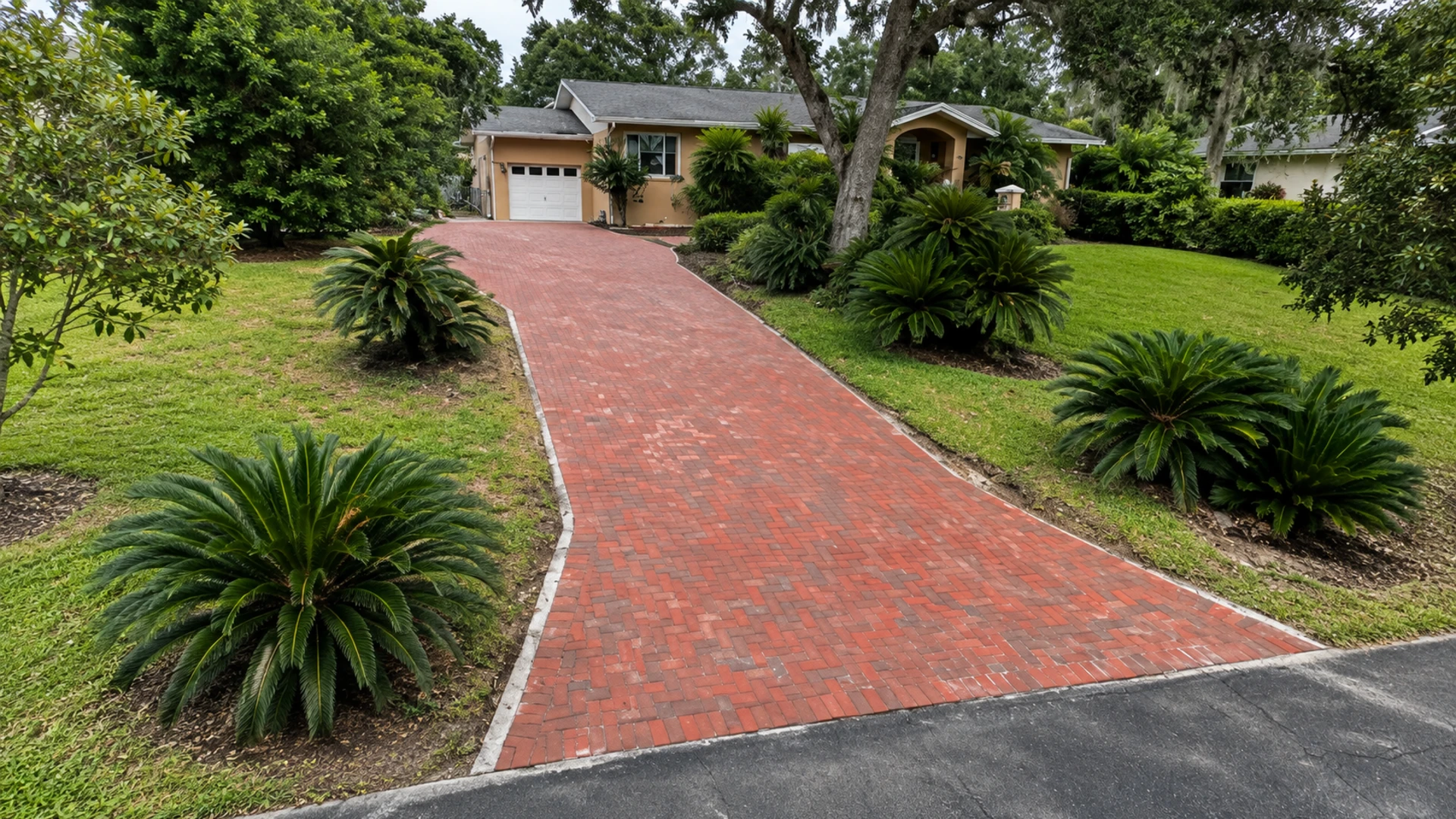
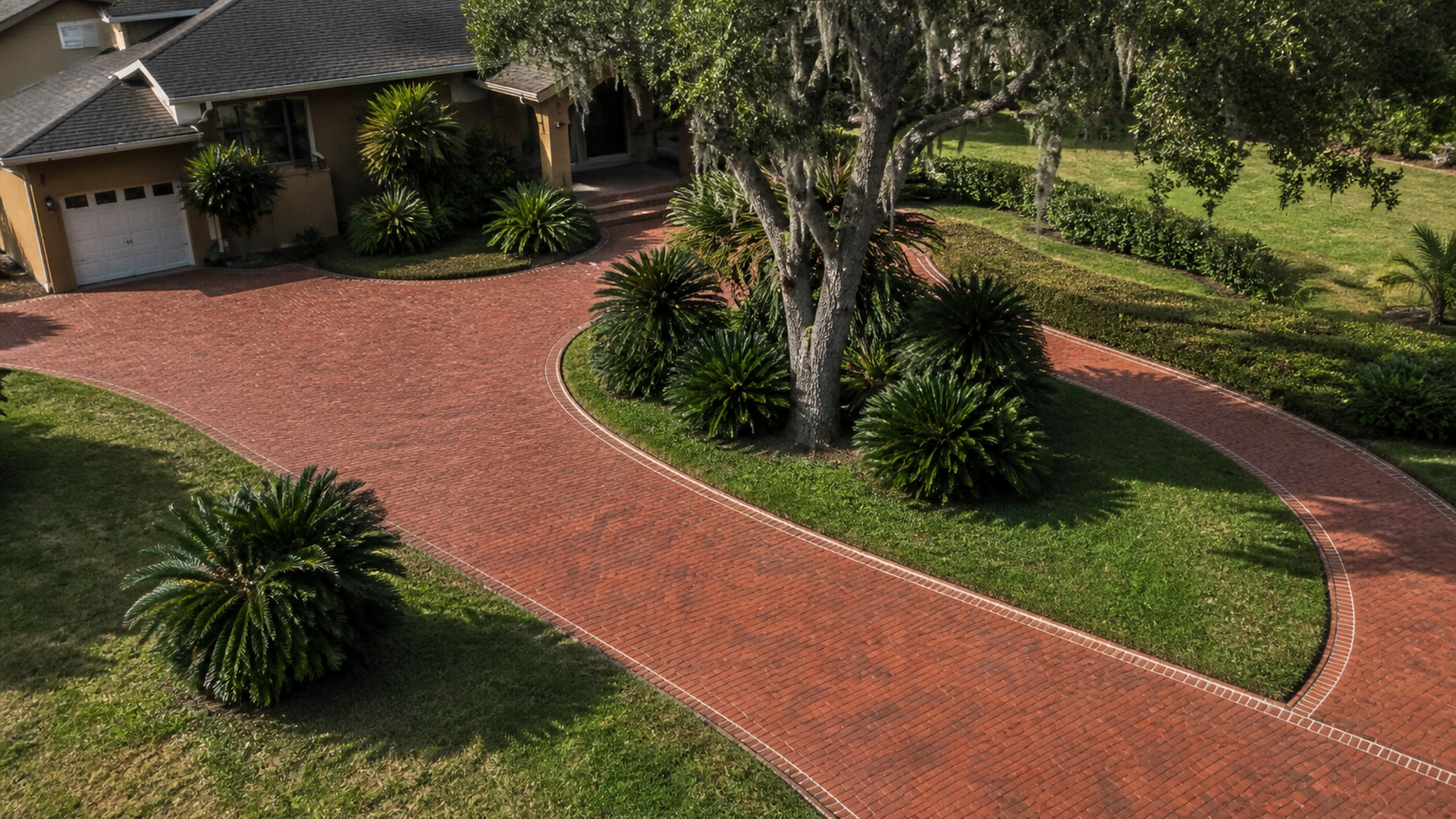
Review the driveway as a connection between garage, street, walkway, and side yard as part of the complete installed layout. Across the driveway work zone, preserve the installed pattern, border rhythm, and practical walking or driving path.
Across the driveway work zone, keep transitions usable where the pavers meet lawn, doors, steps, coping, or pavement; use the existing material family as the visual baseline for any approved correction. The layout plan should preserve the useful connections around the driveway work zone and make every visible matching limit explicit.
Define a controlled work sequence
Document staged removal and reinstatement that keeps the approved area identifiable before installed units are removed. Within the driveway work zone, limit removal to the area needed to expose and address the confirmed condition.
Within the driveway work zone, protect reusable units and maintain their orientation when the scope allows; inspect alignment, compaction, joints, and connected edges before closeout. The work sequence for the driveway work zone also needs a clear pause point if the exposed condition differs from the accepted scope.
Follow water through the surrounding grade
Document rain routes through temporary openings and along the active work boundary under ordinary weather and site conditions. Around the driveway work zone, distinguish roof runoff, irrigation, landscape flow, and paved-surface movement.
Around the driveway work zone, confirm that water has a practical route away from buildings and occupied areas; escalate repeated ponding or soil washout for a property-specific drainage review. Water notes for the driveway work zone should identify what was observed and what still requires another trade or property-specific review.
Protect connected property details
Protect garage threshold, walls, lawn, irrigation, street edge, and unaffected pavers throughout access, removal, cleaning, or compaction work. Beside the driveway work zone, keep doors, walls, coping, curbs, fences, lawn, and planting beds outside the work zone.
Beside the driveway work zone, match joint width, border alignment, and surface plane across the finished transition; document the completed condition before equipment and temporary protection leave the site. Written boundaries protect both the driveway work zone and the connected features meant to remain untouched.
Use a maintenance routine that fits Florida conditions
Add clear communication about curing, cleaning, sealing, and return-to-use timing to the recurring observation log. In records for the driveway work zone, sweep organic debris before it holds moisture or hides changing joint conditions.
For routine notes about the driveway work zone, repeat photographs from the same safe viewpoints after heavy rain or service work; follow product and contractor guidance before washing or applying any sealer. A dated routine for the driveway work zone is more useful than aggressive treatment performed before the condition is understood.
Recognize shortcuts that can hide the real issue
Avoid allowing vehicles or deliveries into an unfinished or newly treated work zone; leave the final method open until the site condition and limits are understood. Before decisions about the driveway work zone, do not use aggressive pressure or improvised chemicals as a substitute for diagnosis.
Before approving work on the driveway work zone, reject isolated cosmetic work that redirects water or transfers movement to another edge; avoid promises of an invisible match when age, availability, and exposure affect color. The proposal for the driveway work zone should state unresolved cause, material, color, drainage, and compatibility questions plainly.
Turn the site visit into a clear written scope
Measure access hours, staging limits, traffic plan, weather assumptions, and closeout during the property visit. During the estimate for the driveway work zone, list access, removals, reusable material, replacement limits, exclusions, and final checks.
In the quote for the driveway work zone, separate optional cleaning or sealing from installation and repair requirements; keep photographs, dates, assumptions, and the accepted finished condition with the quote. This written document should separate required work, optional surface care, exclusions, assumptions, and final checks for the driveway work zone.
Homeowner observation checklist
- Document the exact repair limits, approach width, parking needs, and pedestrian route before cleaning, lifting, resetting, or sealing begins
- Record crew access, homeowner traffic, material handling, and emergency passage, but leave the cause open for the property visit
- Review the driveway as a connection between garage, street, walkway, and side yard as part of the complete installed layout
- Document staged removal and reinstatement that keeps the approved area identifiable before installed units are removed
- Document rain routes through temporary openings and along the active work boundary under ordinary weather and site conditions
- Protect garage threshold, walls, lawn, irrigation, street edge, and unaffected pavers throughout access, removal, cleaning, or compaction work
- Add clear communication about curing, cleaning, sealing, and return-to-use timing to the recurring observation log
- Avoid allowing vehicles or deliveries into an unfinished or newly treated work zone; leave the final method open until the site condition and limits are understood
- Measure access hours, staging limits, traffic plan, weather assumptions, and closeout during the property visit
For ongoing observations related to the driveway work zone, keep the checklist with dates, wide photographs, and notes about normal weather or service changes. Update records for the driveway work zone after heavy rain, landscape work, cleaning, repair, or a visible change. Preserve every earlier image as its own dated observation so later comparisons of the driveway work zone do not rewrite the property history.
Write an access plan before the driveway becomes a work zone
List the normal vehicle, pedestrian, delivery, and essential access needs that cross the driveway, then identify a safe alternative for the proposed work period. The contractor should confirm the measured work limits, staging boundaries, weather contingencies, and when each part of the surface may return to use. Those details belong in the scope because access assumptions can affect sequence and protection even when the repair area is small. Do not promise a reopening time without the property conditions and selected system being confirmed. A short written plan also helps prevent parked vehicles or routine household movement from expanding the work zone, interfering with closeout checks, or placing traffic onto an area before it is ready.
Map household access before the driveway becomes a work zone
Map every routine route across the driveway, including vehicle parking, pedestrian travel, deliveries, and any access that must remain available, then note which ones the proposed work may interrupt. Include the street connection, garage, side paths, doors, and any stable paving used as an alternative route. This map does not choose the work sequence; it gives the site visit the information needed to plan one. The written proposal should confirm staging limits, temporary protection, weather contingencies, and the conditions that control return to use. Avoid promising a reopening time before the installed system and property conditions are known. A clear access plan protects the household from surprises and keeps ordinary traffic from expanding the active repair area or interfering with closeout checks.
Keep traffic planning separate from the measured repair limit
The space needed to move around a driveway project may be larger than the section being repaired, so the estimate should distinguish the work area, access route, staging boundary, and protected paving. Mark where vehicles will be kept and how pedestrians will reach the property without crossing an active zone. If the scope changes after the surface is opened, update both the repair boundary and the access plan before proceeding. The closeout record should confirm which sections were addressed, which remained stable, and when normal use may resume under the approved guidance. These details prevent access logistics from becoming undocumented construction work and give the homeowner a practical way to coordinate the project without assuming that every part of the driveway is included.
How to build a useful photo record without diagnosing the site
Begin the property walk for the driveway work zone at a safe wide viewpoint and name the paved area in ordinary property language. Mark the visible change around the driveway work zone, its approximate limits, and one stable comparison area. The first pass should connect the driveway work zone to the normal route without trying to prove why the condition exists.
For a second safe view of the driveway work zone, wait for ordinary dry weather or rainfall and approach only when the paving is safe. Compare the water path and drying pattern around the driveway work zone from the same viewpoints, then add the date and any known irrigation or landscape change. Protect the evidence: do not move units, lean on barriers, enter standing water, or create an artificial test around the driveway work zone.
Use the final pass to prepare site-visit questions about the driveway work zone, access, measurements, connected edges, reusable sections, matching limits, trade boundaries, optional care, and exclusions. The practical goal is to write an access plan before the driveway becomes a work zone; it is not to write a technical specification or price the driveway work zone from unverified assumptions.
Questions homeowners often ask before the site visit
What should I document first for driveway repair access?
Begin the record for the driveway work zone with its property connections rather than a suspected cause. Use a wide view of the driveway work zone, note its visible limits, and include one stable area from the same installation for comparison. Preserve the original dated images so measurements and technical conclusions can be added during the visit without rewriting the earlier evidence for the driveway work zone.
Should the driveway work zone be cleaned or sealed before it is evaluated?
Surface care and repair answer different questions at the driveway work zone. Avoid aggressive pressure or improvised chemicals around the driveway work zone until the visible condition and installed finish are understood. Cleaning may suit confirmed buildup around the driveway work zone; sealing requires compatible preparation, moisture, joints, and product history. Neither service should be sold as the correction for unverified movement, grade, drainage, or edge conditions at the driveway work zone.
What should an on-site estimate say about the driveway work zone?
The visit should place the driveway work zone in its access route, surrounding transitions, water paths, and matching constraints. Ask the reviewer to list removals, reusable work, replacement limits, exclusions, and closeout checks specifically for the driveway work zone. That written scope keeps the main project risk visible and separates required work, optional services, and assumptions from a remote guess about the driveway work zone.
Use the record to plan the next step for driveway repair access
For service context related to driveway repair access, review JaxTeller Brick Pavers’ Paver Driveways page. The Driveway & Patio Design archive provides related homeowner topics for the context around the driveway work zone. These pages frame the services around the driveway work zone; they do not determine the condition or scope of a specific property.
For general industry or public guidance related to driveway repair access, consult the Florida Building Code information portal. Use that resource as background only; decisions about the driveway work zone still depend on local measurements, applicable requirements, installed-product directions, and property-specific professional review.
A sound plan for driveway repair access begins with dated evidence, protects the connected installation, and ends with a written scope and closeout record. If conditions around the driveway work zone change before work begins, update the observations and ask whether the estimate needs revision instead of assuming the earlier limits still apply.
Request a property-specific review
Ready to discuss driveway repair access at your property? Contact JaxTeller Brick Pavers or review the company’s completed projects. For current visual references, visit Instagram or Facebook.
Send property details about the driveway work zone through WhatsApp, call +1 407-907-8308, or email jaxtellerbrickpavers@gmail.com. The Maps listing provides location context. Share wide photographs and observable facts about the driveway work zone, but rely on the site visit for diagnosis, measurements, and the final estimate.