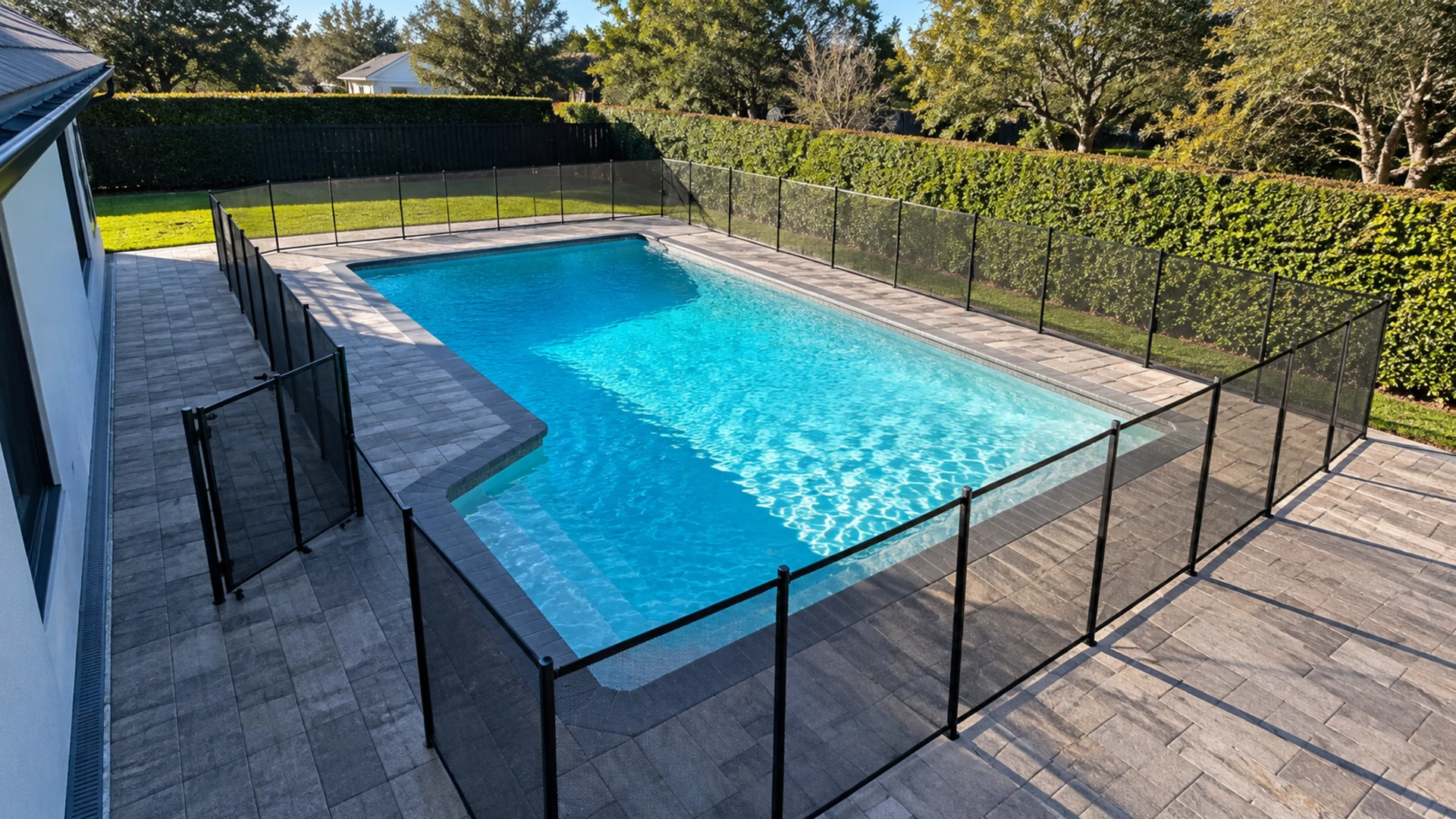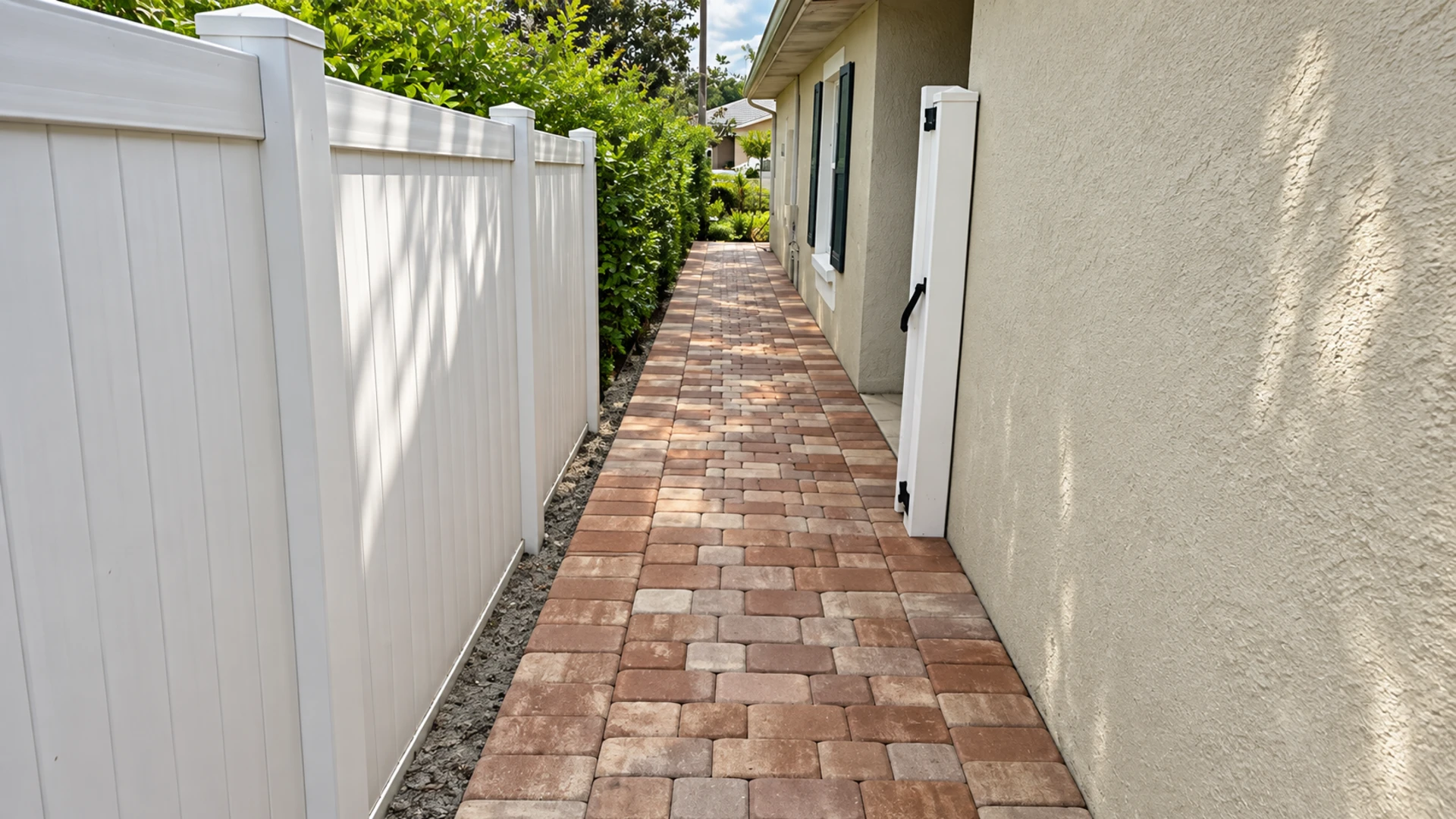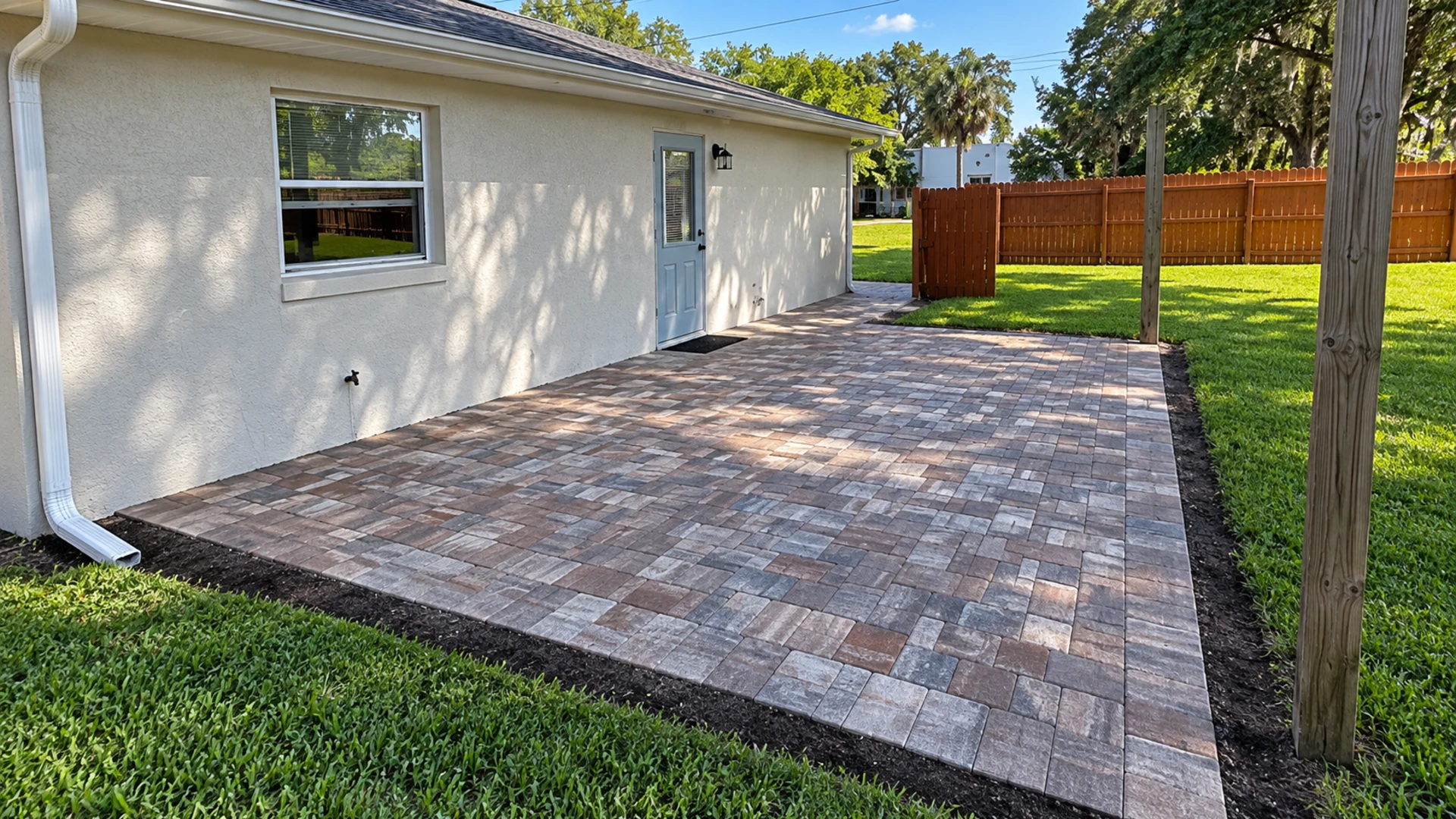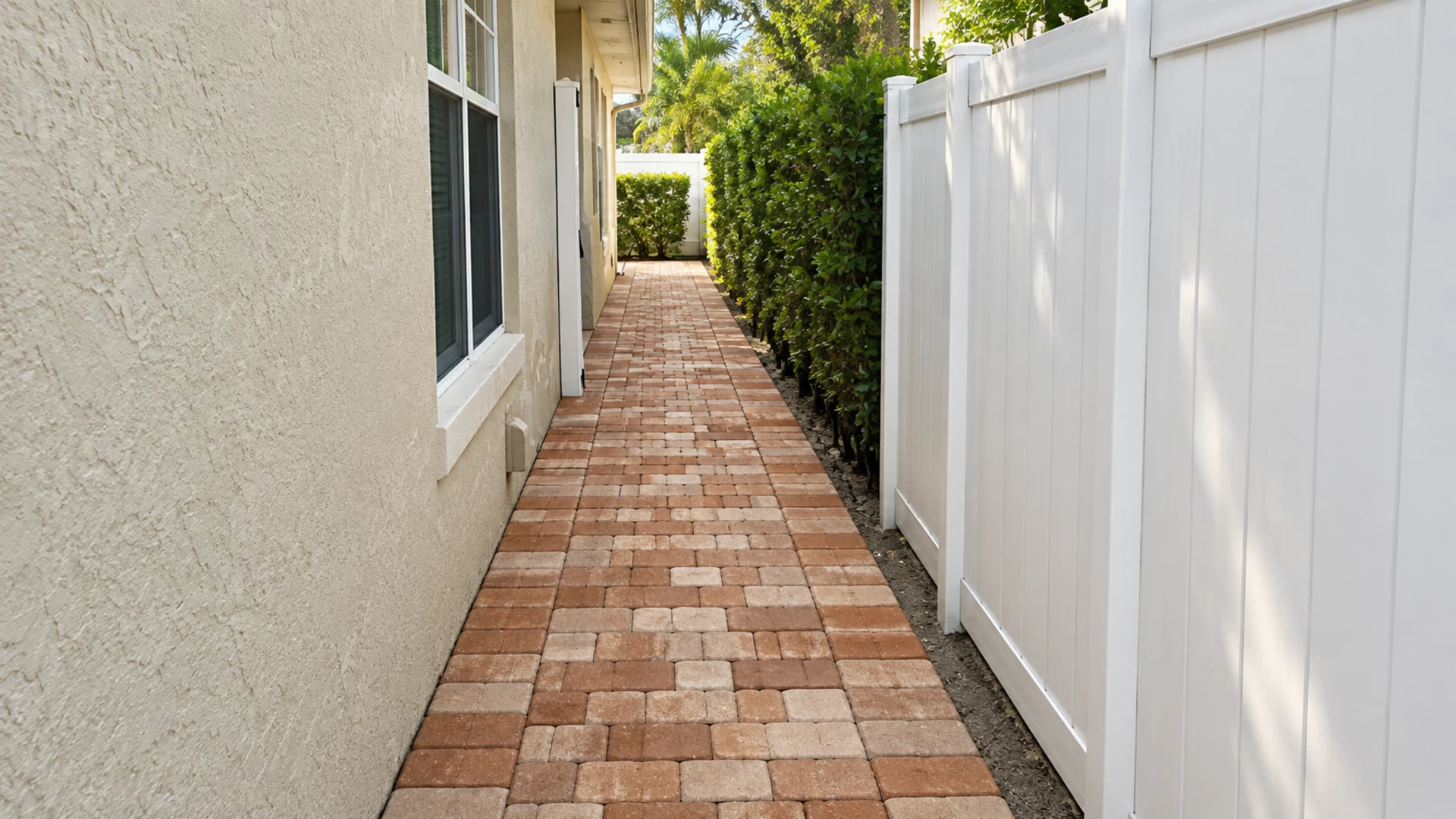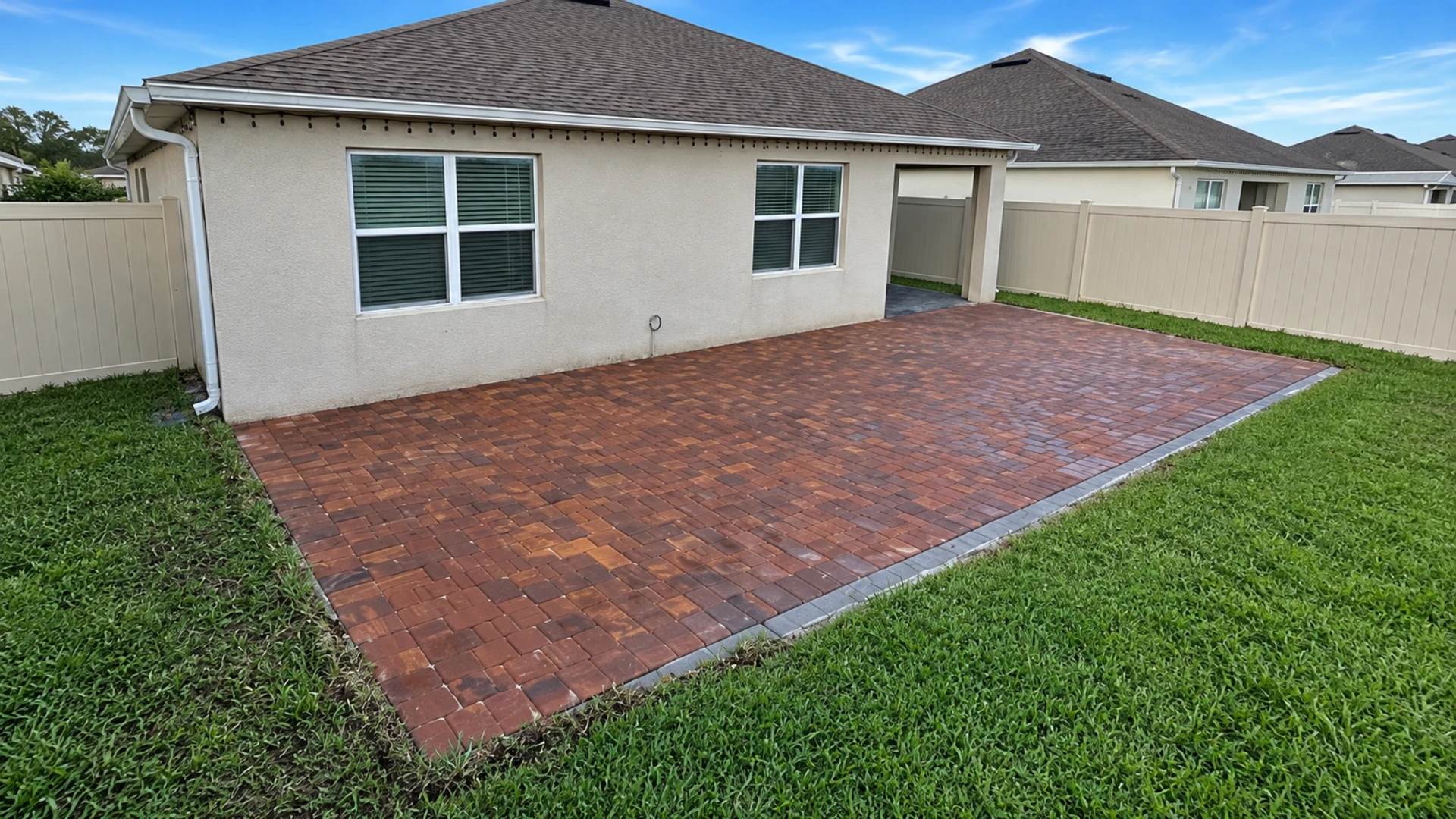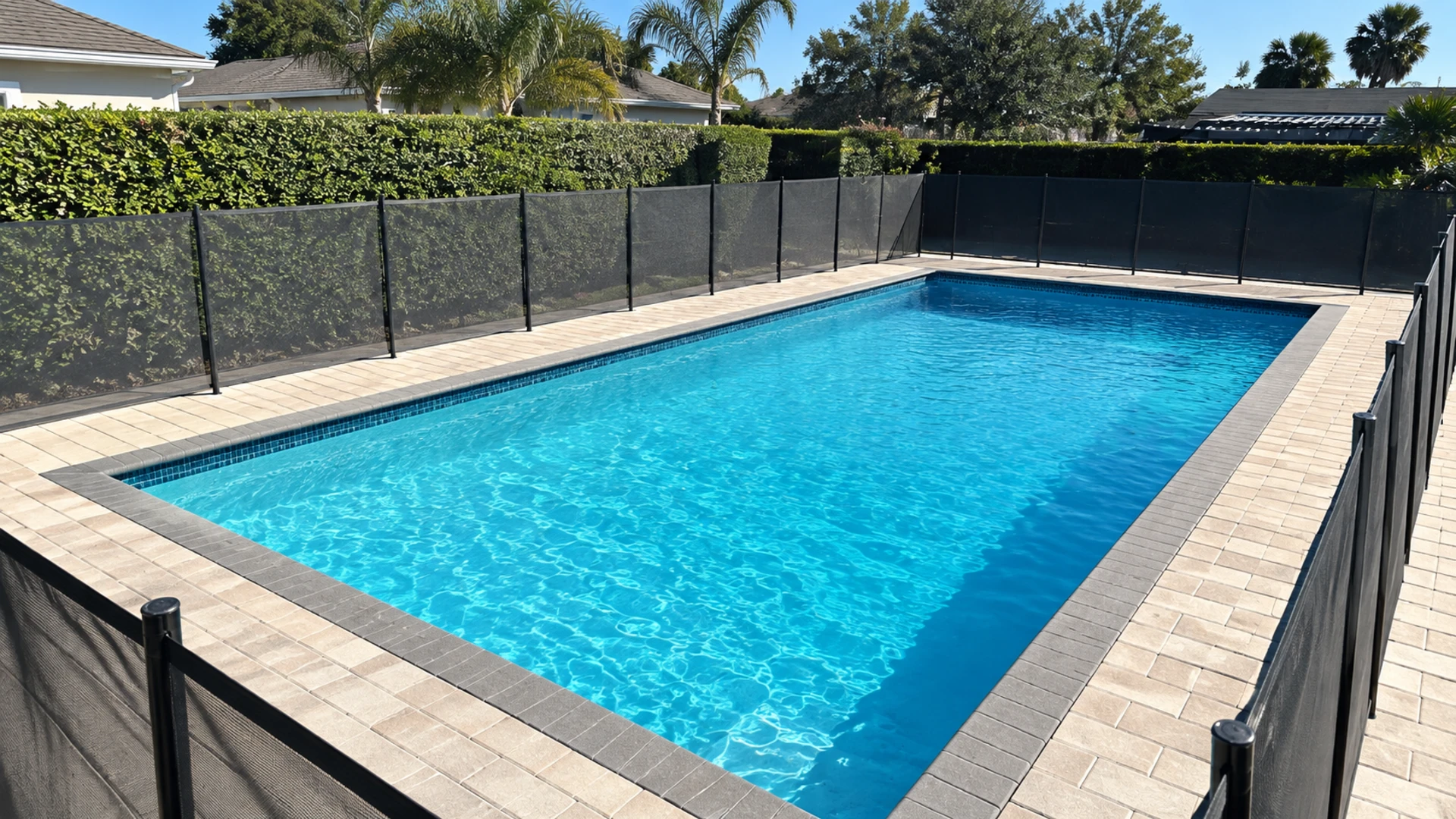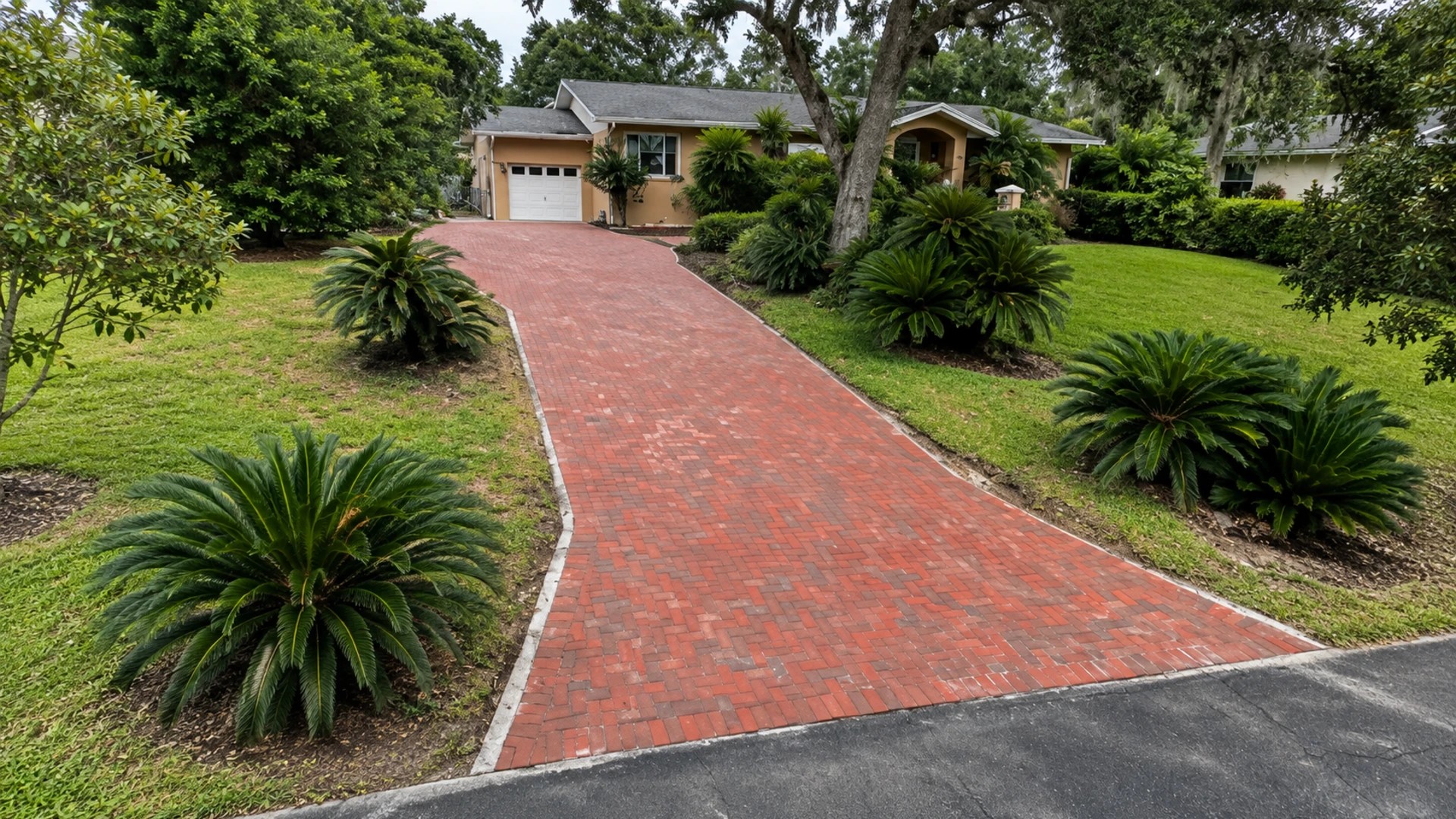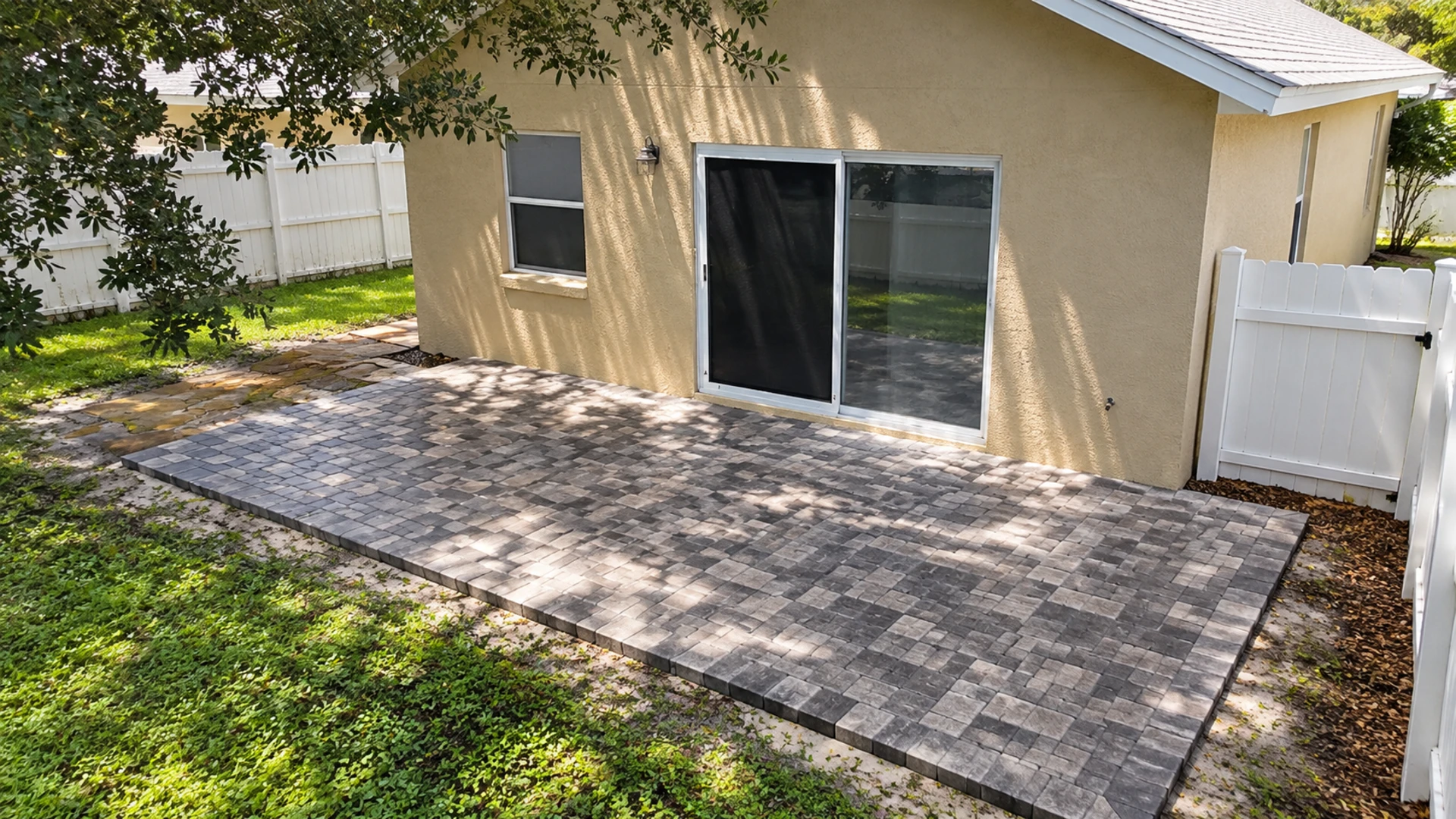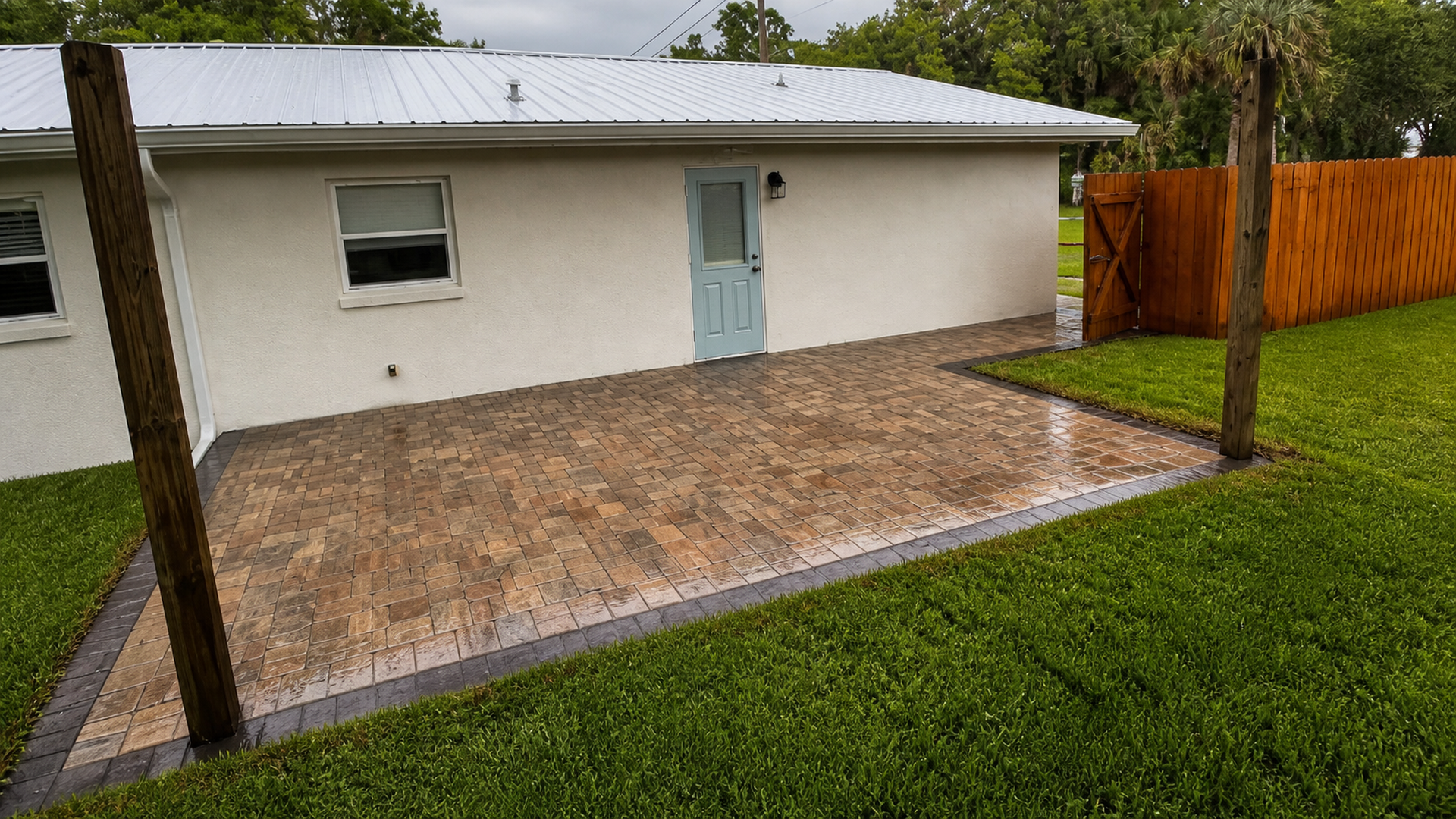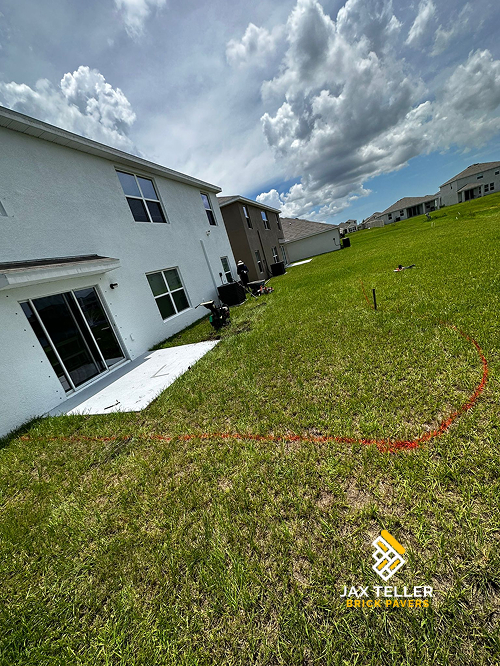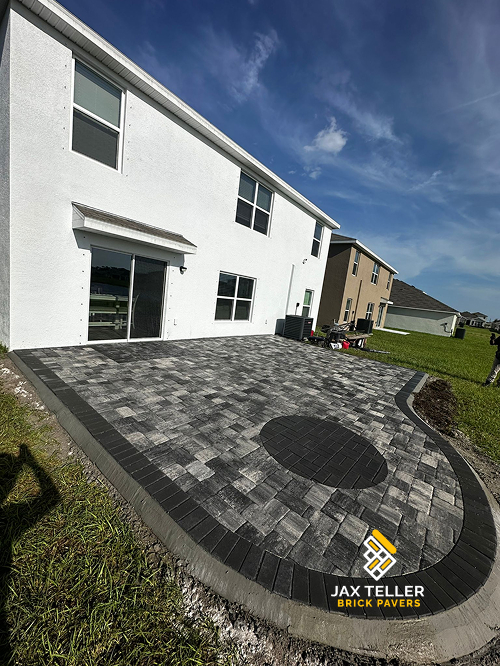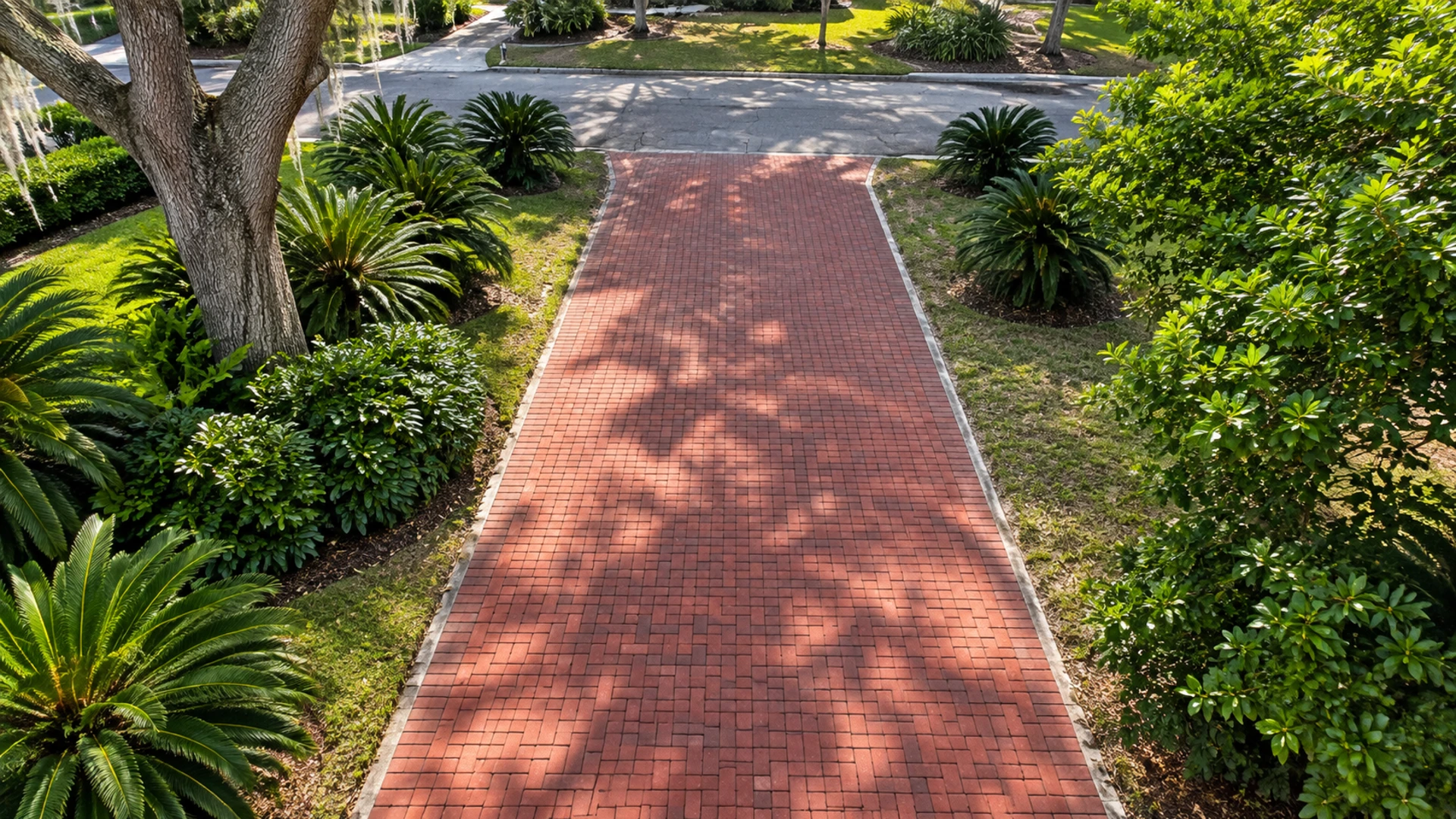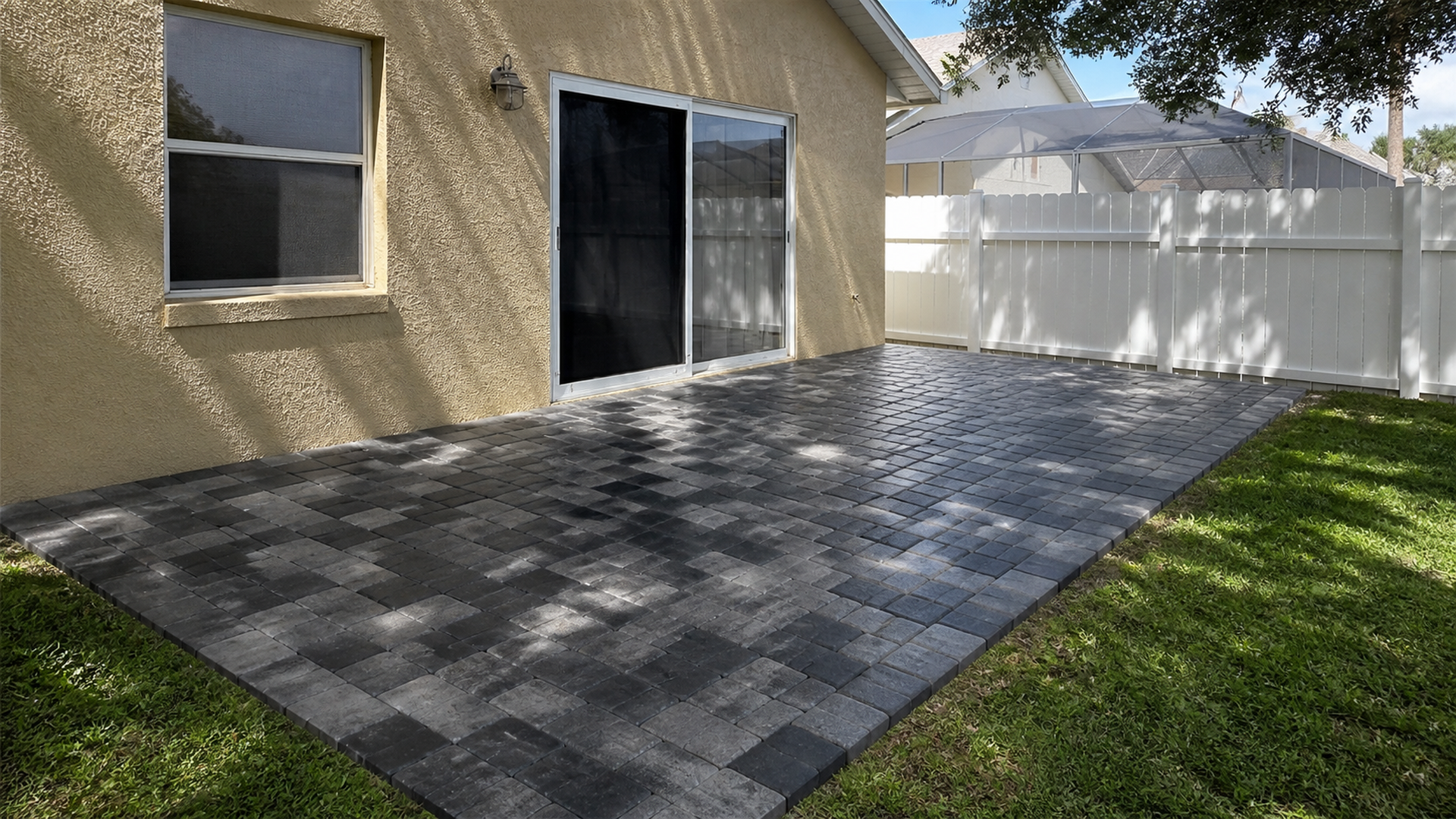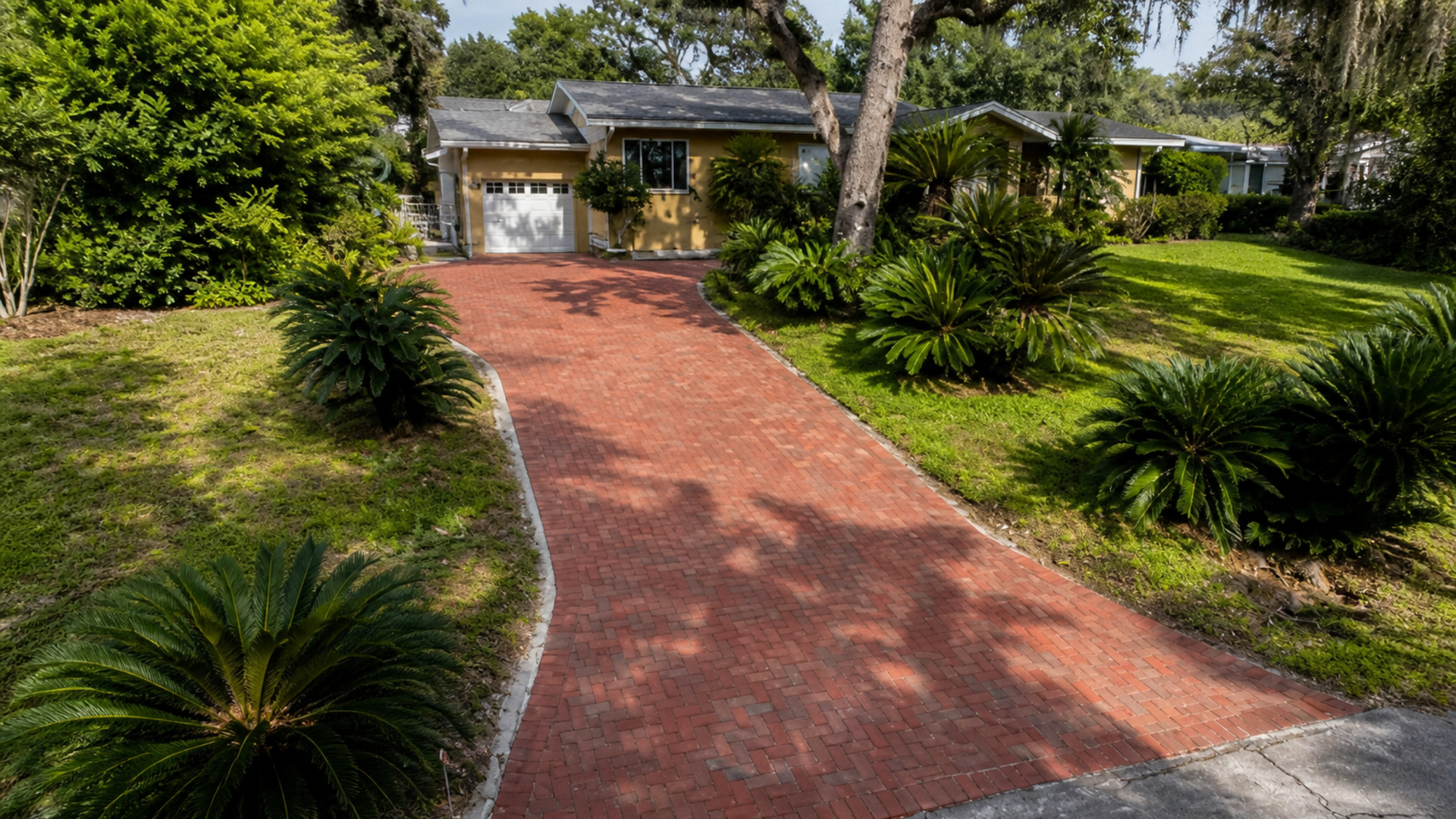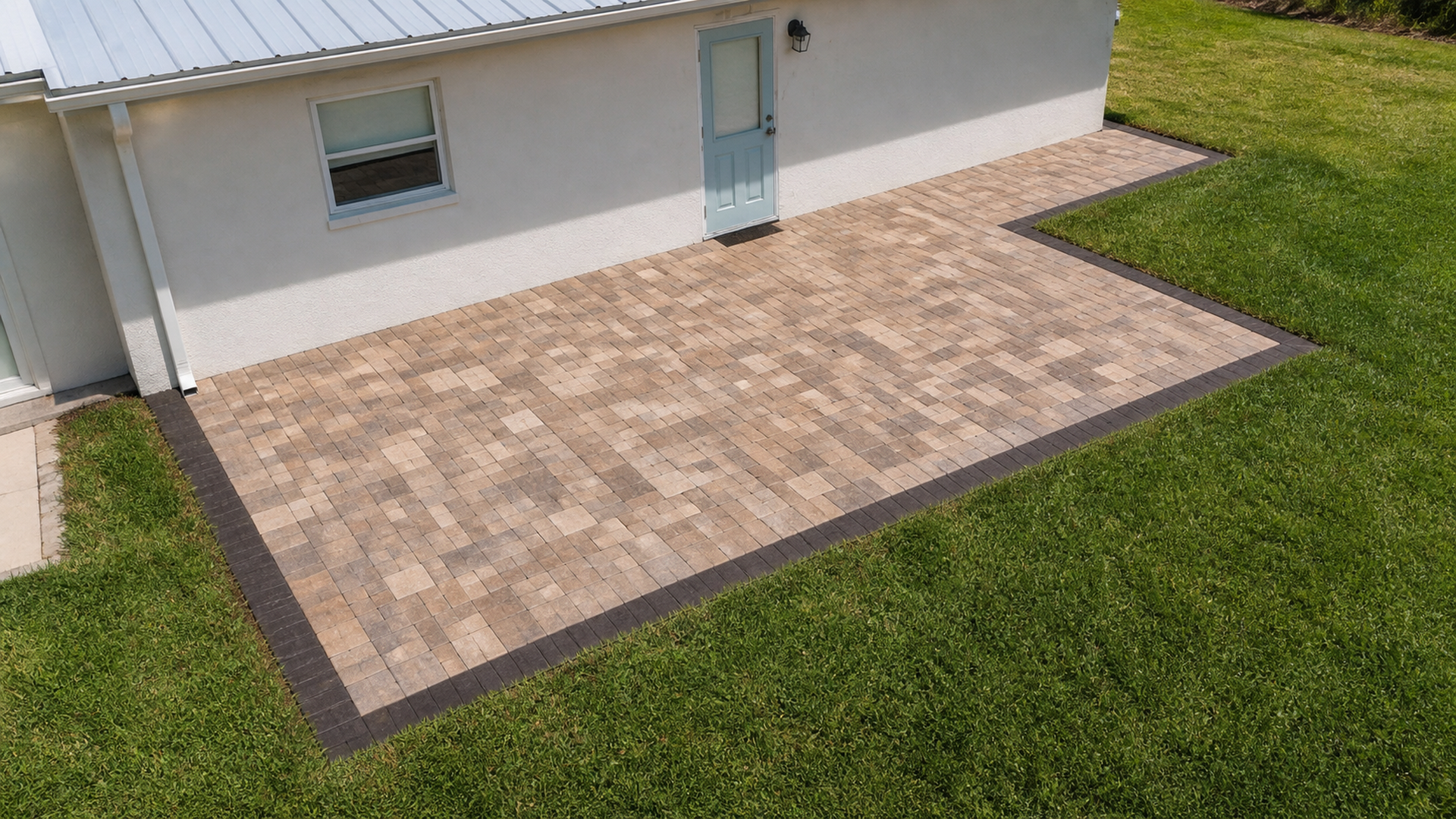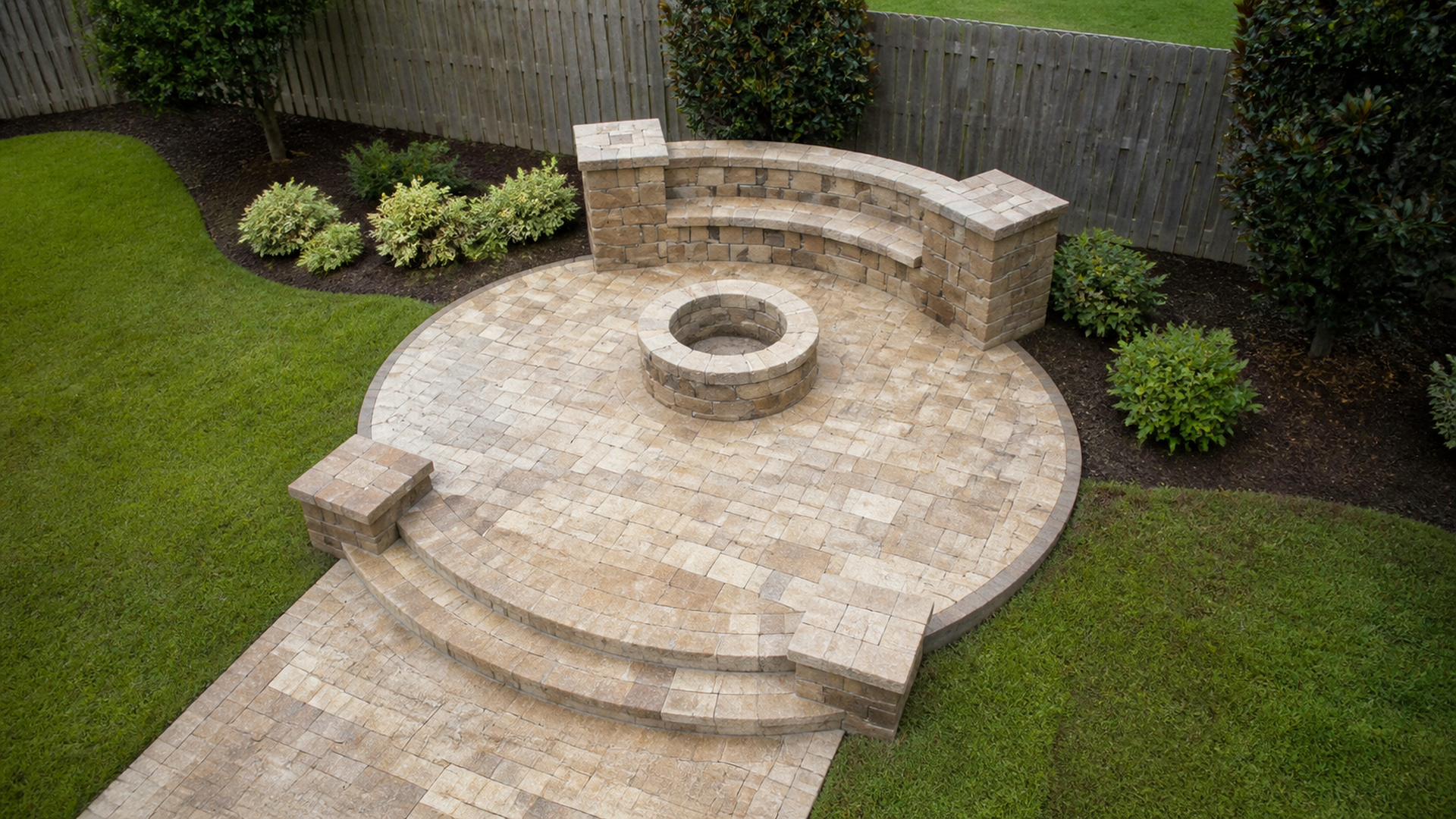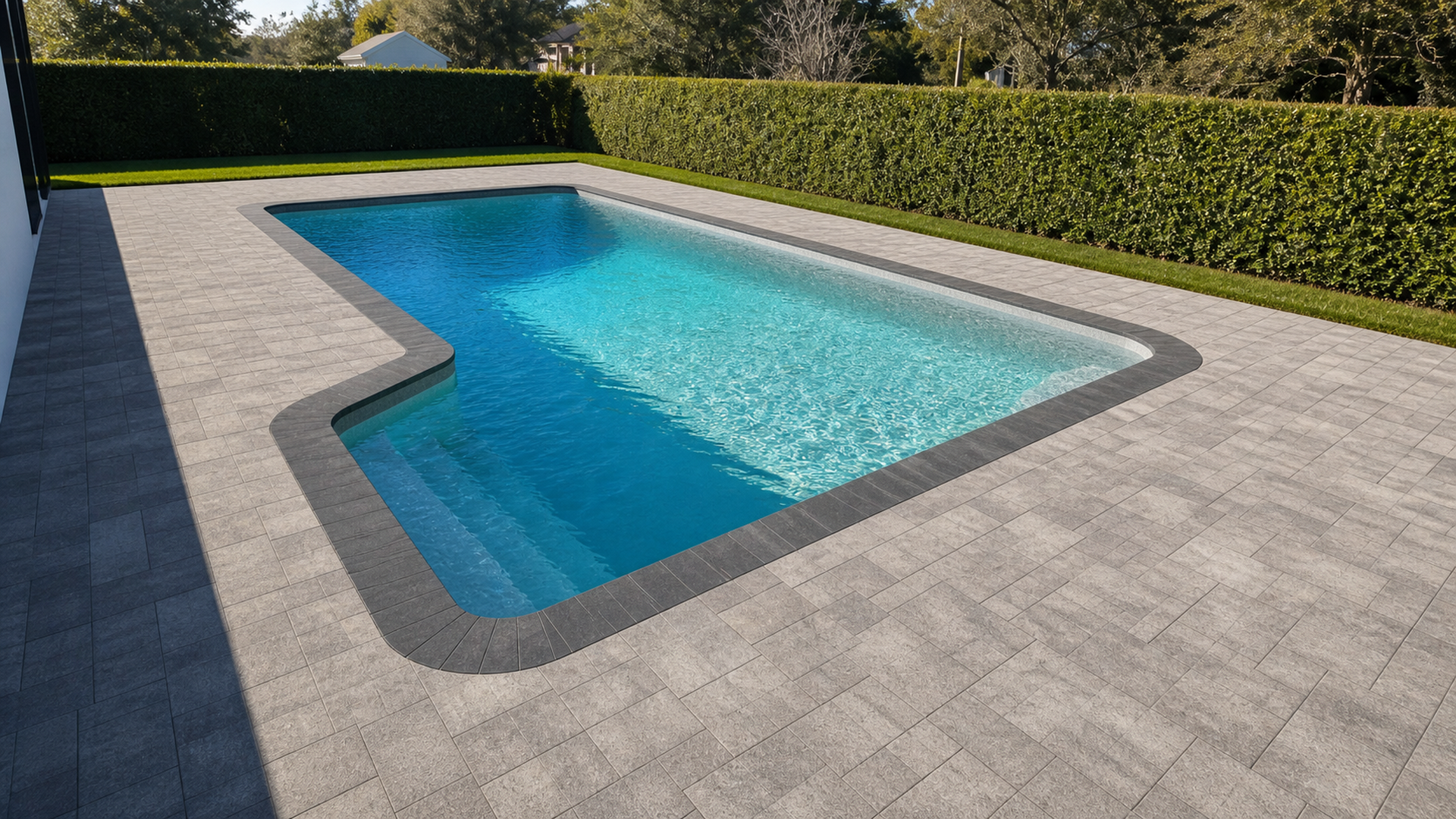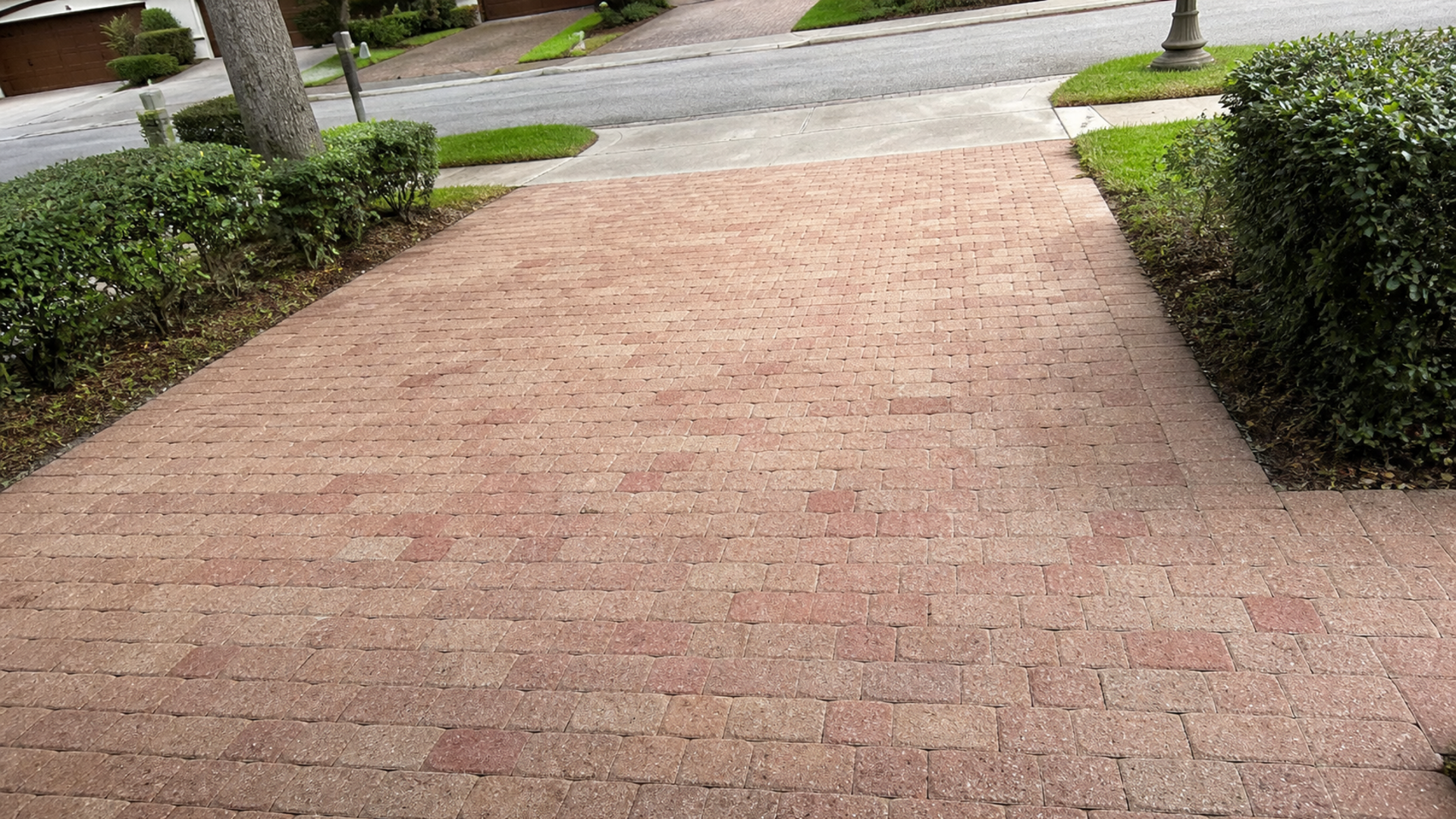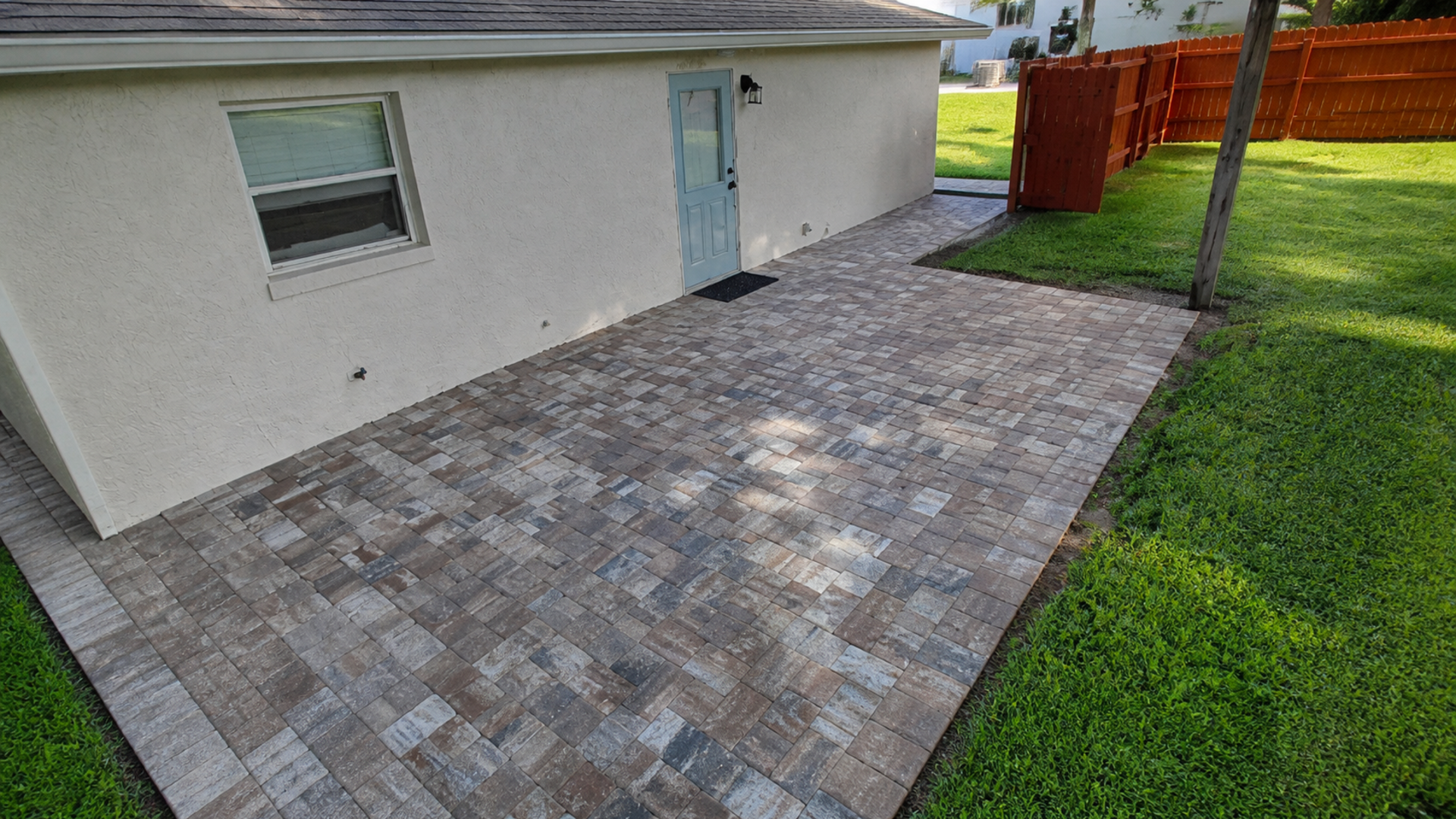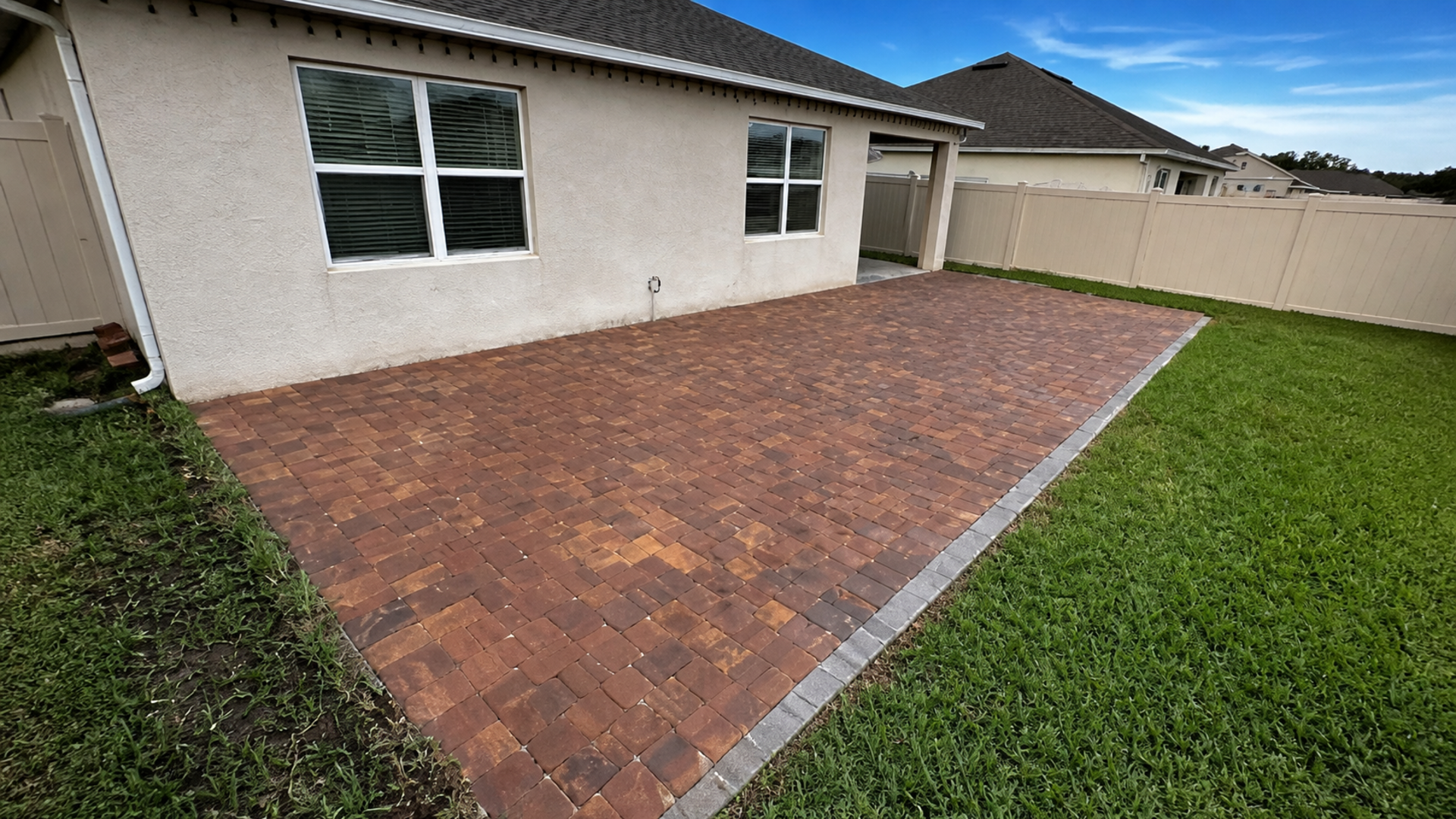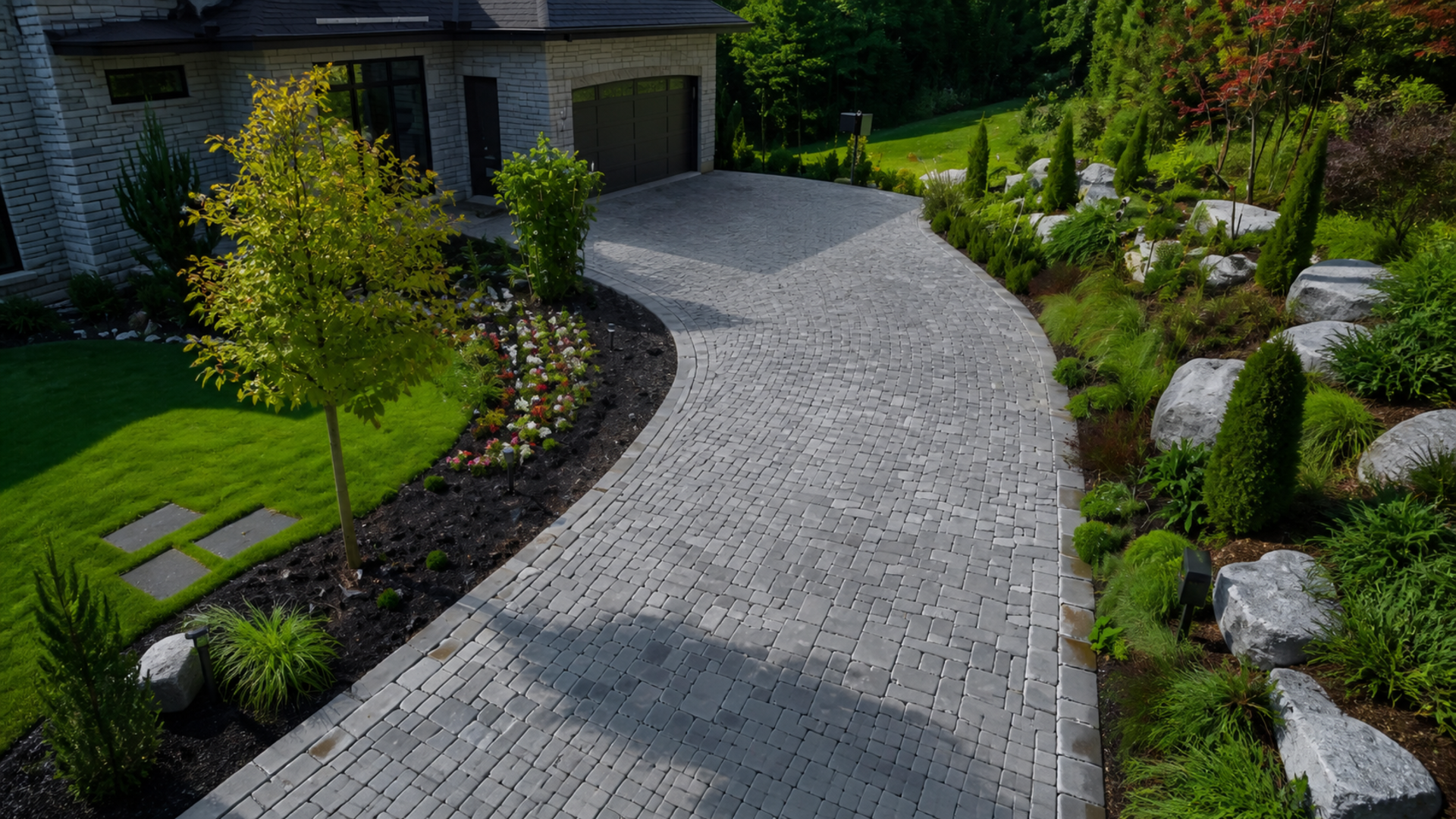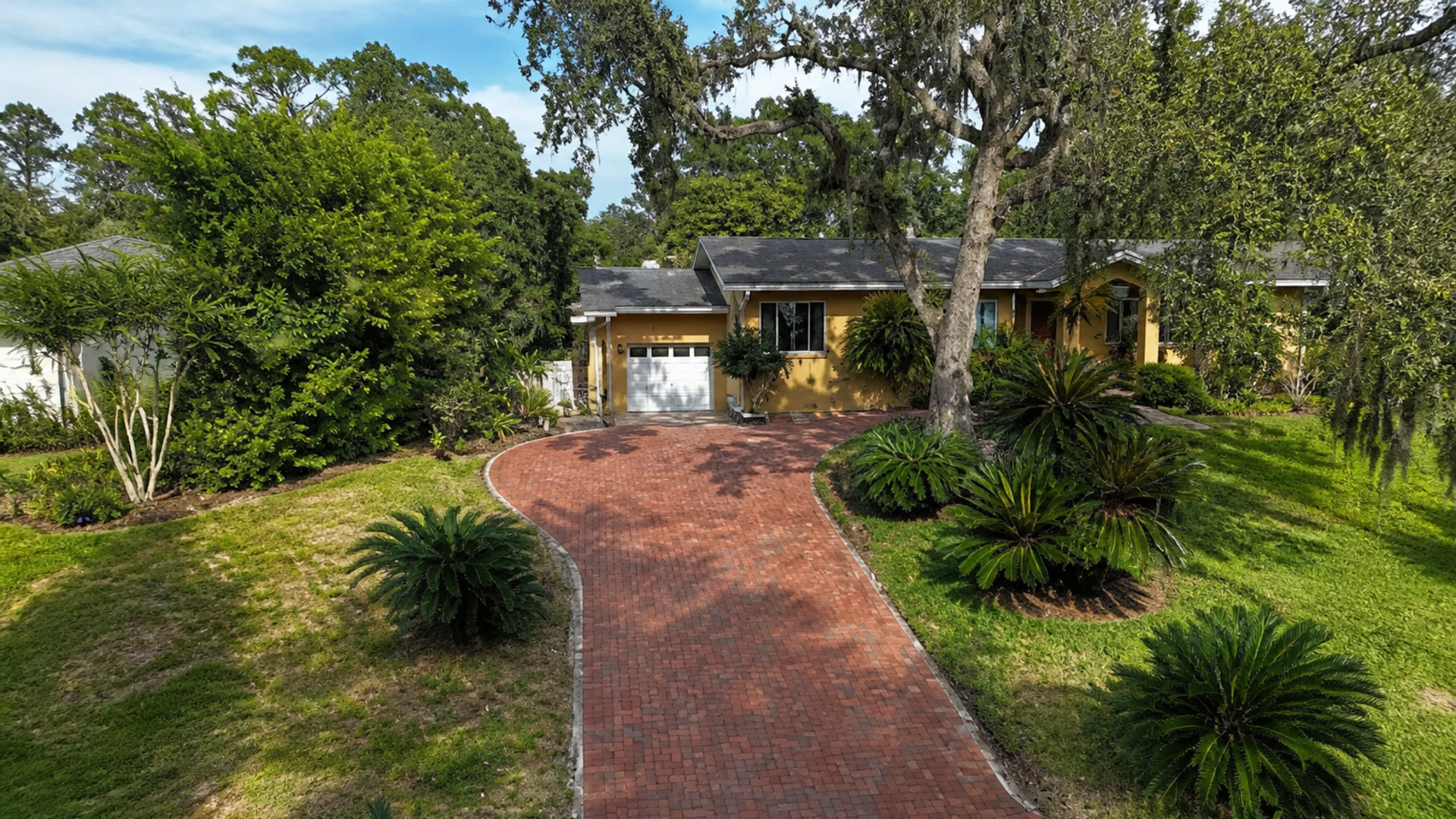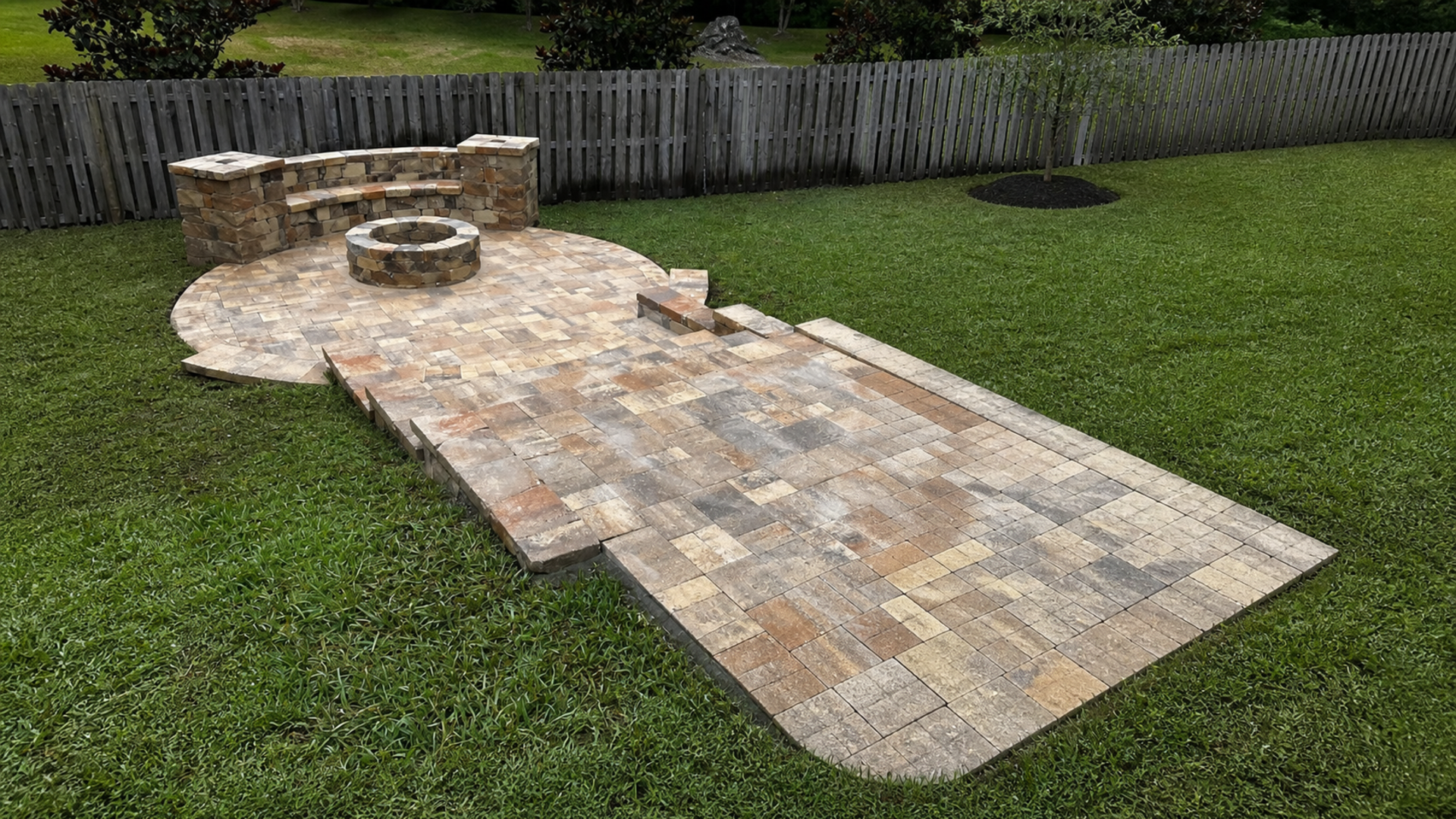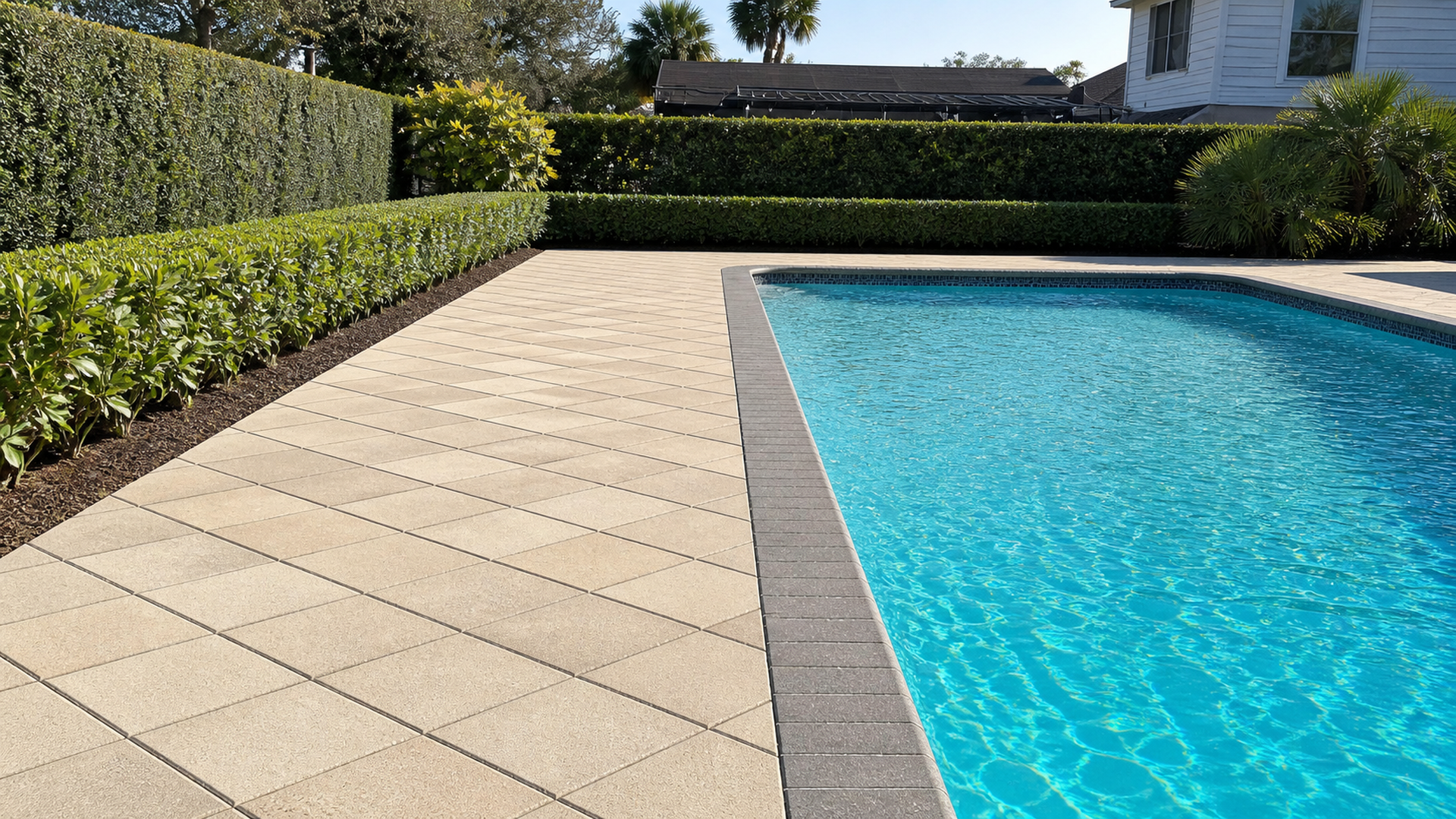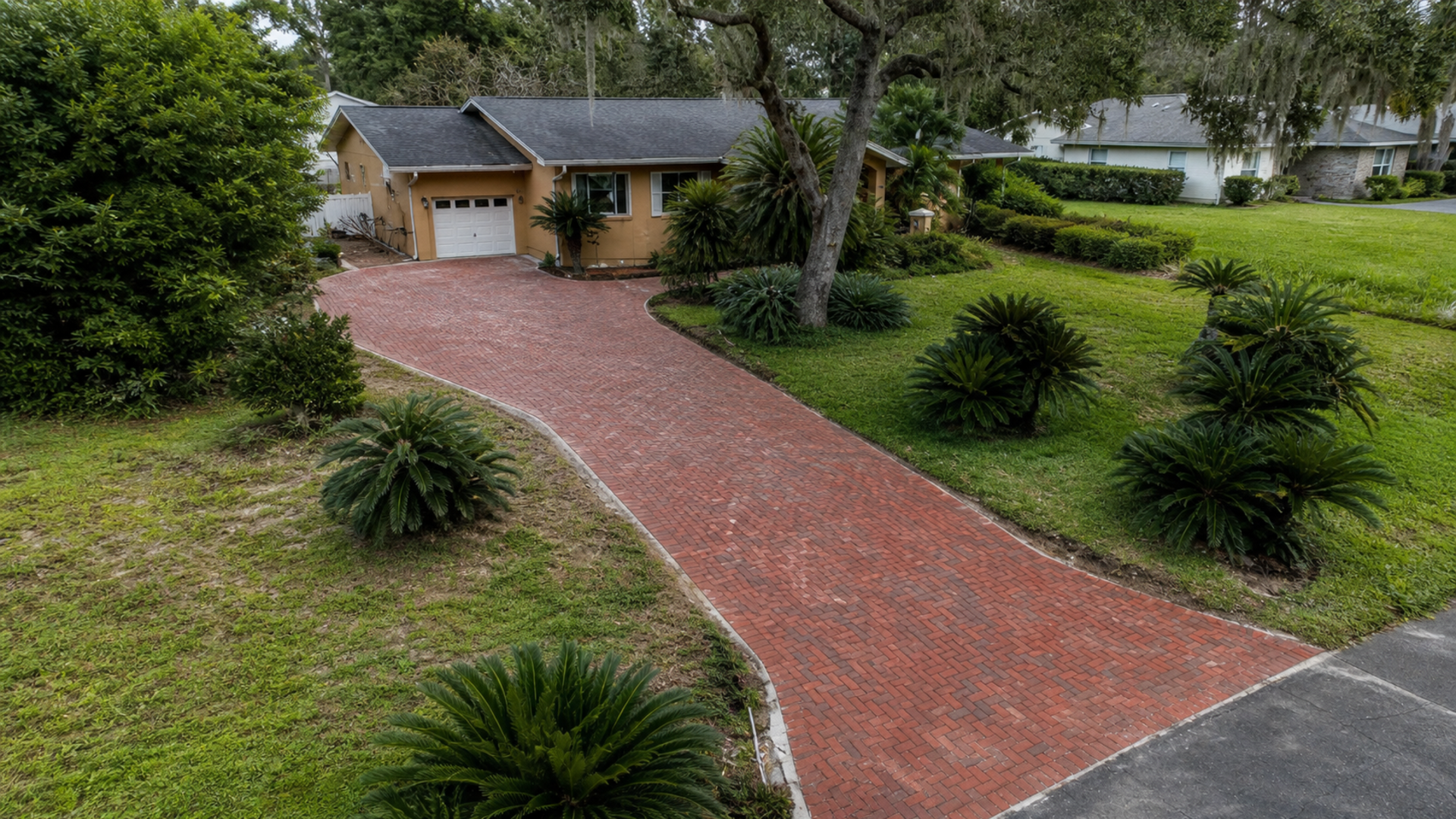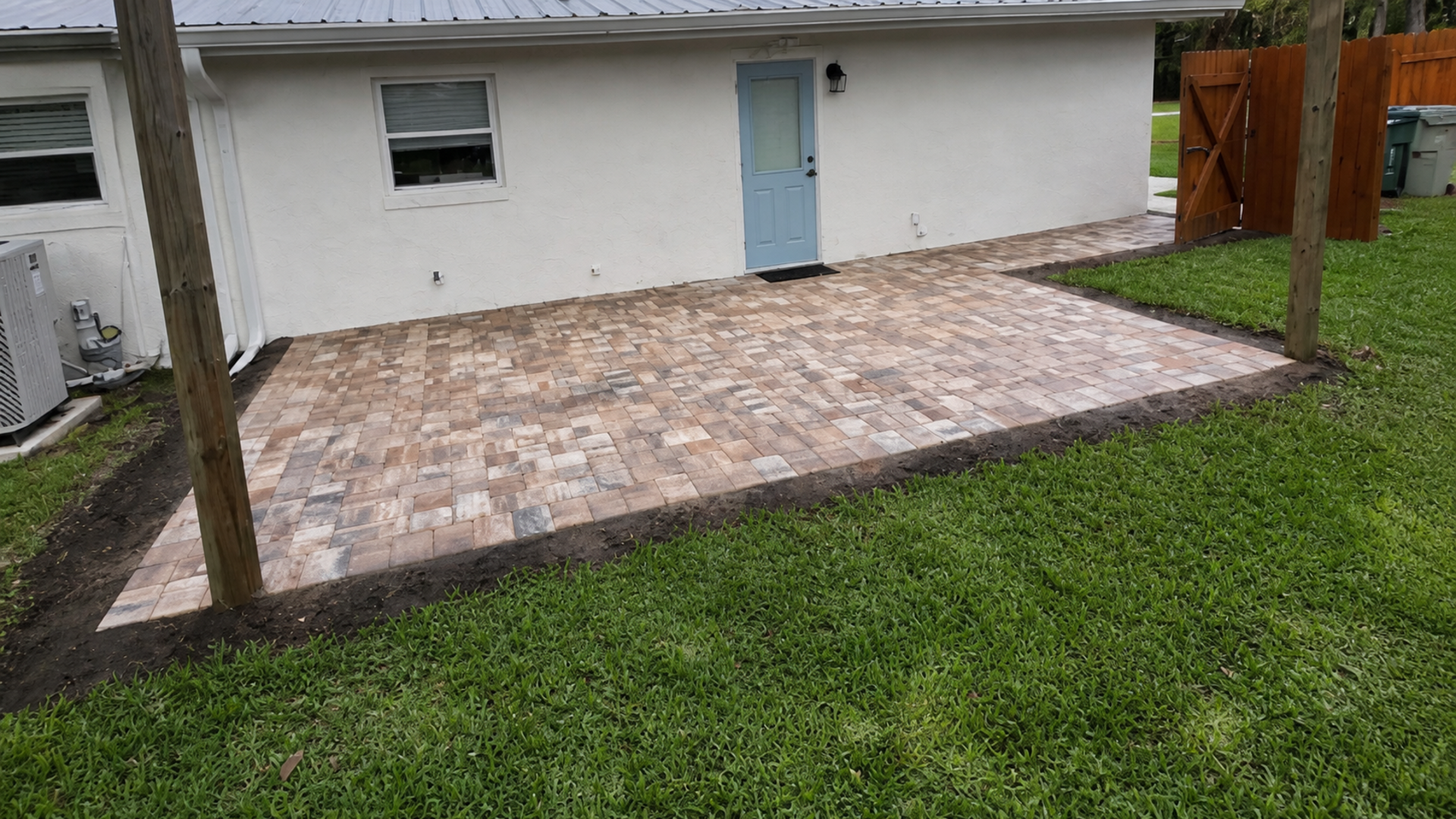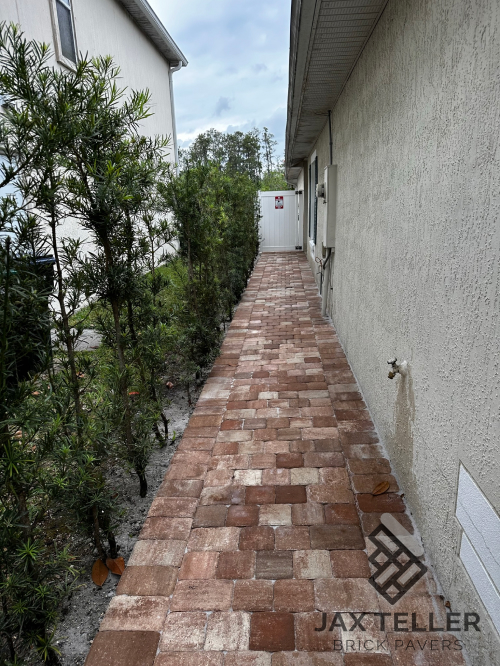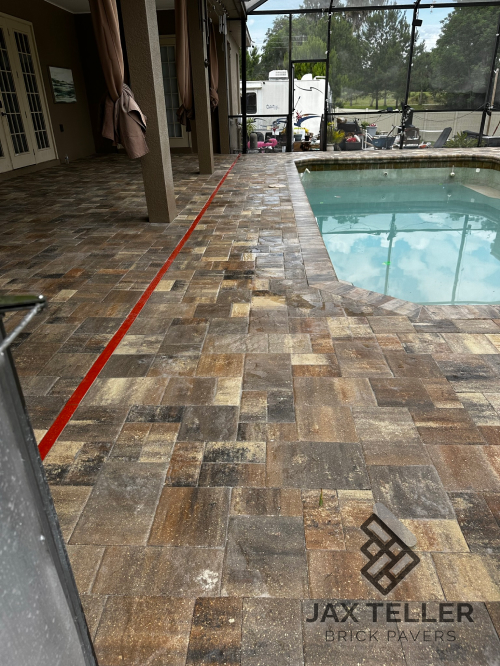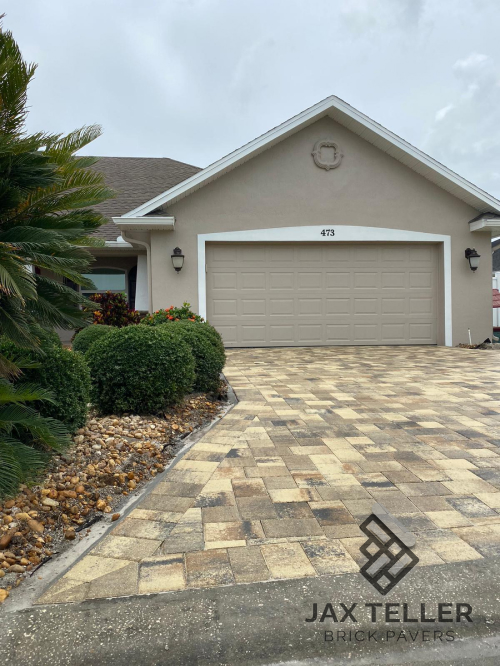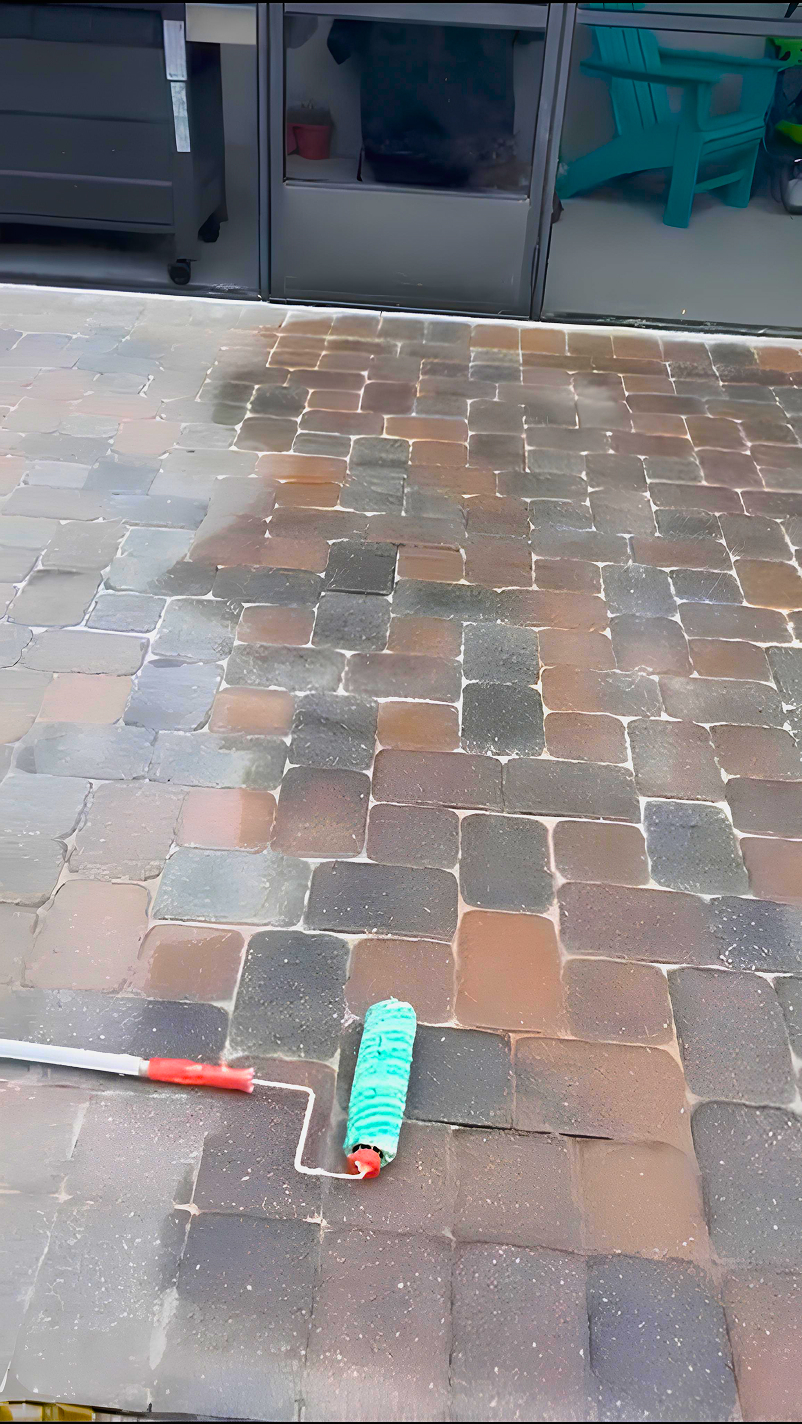
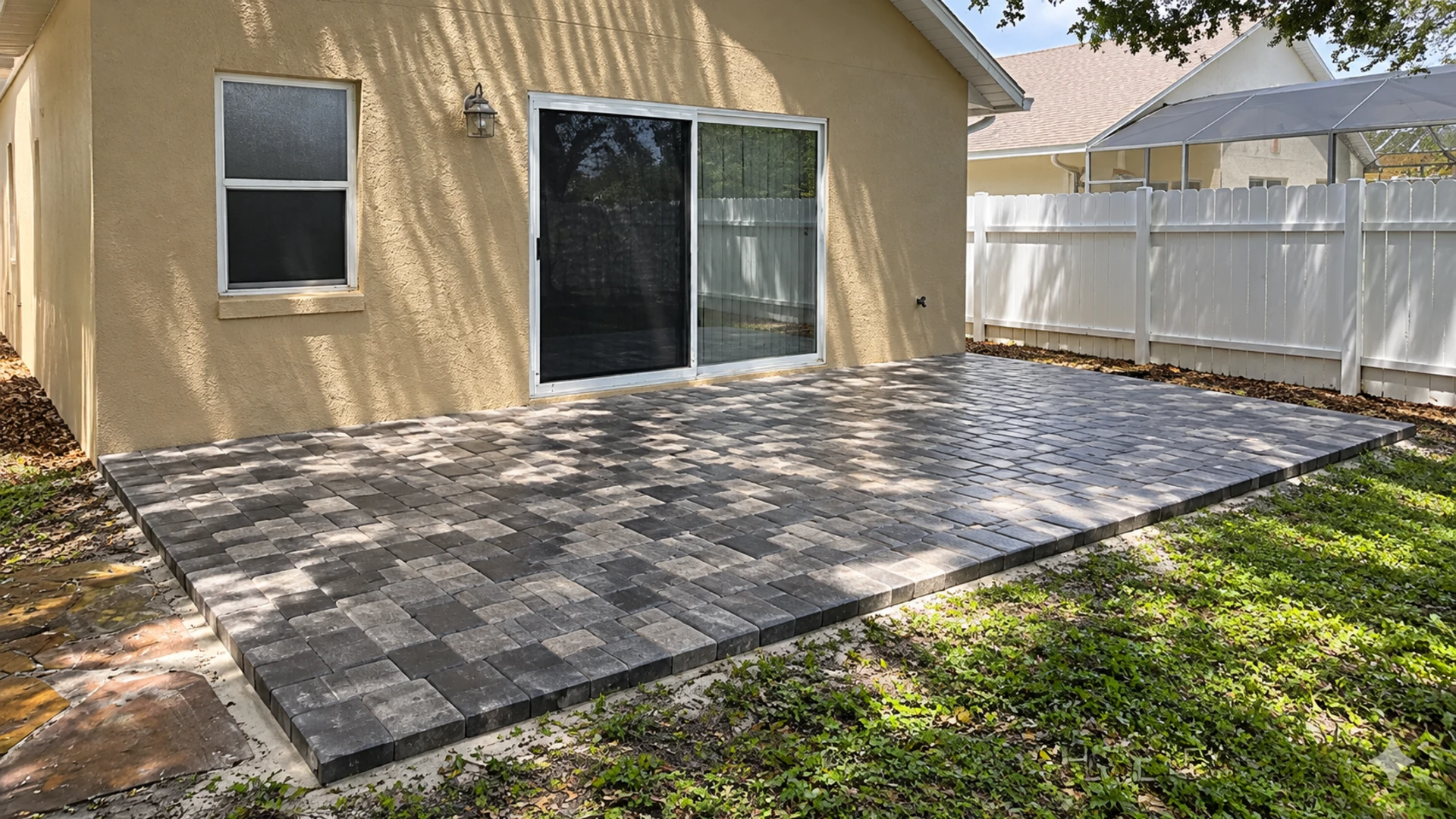
A useful site review starts with a careful look at organic buildup on shaded completed patio areas, not with a repair selected from a photograph. A wide, contextual view centered on the shaded patio surface, measured limits, and dated notes show how the visible area connects to the rest of the installation. Those records for the shaded patio surface give a Largo homeowner a useful starting point while leaving technical conclusions for the property visit.
For the shaded patio surface, the site record should separate observation from assumption. Moisture, exposure, deposits, joint condition, and movement can alter how the shaded patio surface looks, but an image alone cannot establish which factor matters. Describe what changed around the shaded patio surface, where it appears, and whether the surrounding field remains stable.
This guide is designed to prevent aggressive cleaning damaging joints or changing the surface appearance. Its documentation, layout, water-path, protection, maintenance, and estimate checks stay anchored to the shaded patio surface. Cleaning or sealing around the shaded patio surface may be optional surface care, but neither replaces an on-site evaluation of base, grade, edge, or drainage conditions.
Shaded Patio Pavers: Read the existing condition before choosing a fix
Document where shade, retained moisture, leaves, and surface buildup overlap before cleaning, lifting, resetting, or sealing begins. At the shaded patio surface, photograph the same location from a wide viewpoint and include the connected paving.
For the shaded patio surface, compare it under ordinary dry conditions and after normal Florida rain; record how it relates to joints, borders, grade, and nearby structures. Together, those views establish a dated baseline for the shaded patio surface without pretending to diagnose it remotely.
Keep observations separate from possible causes
Record organic growth, stains, efflorescence, and joint loss as different conditions, but leave the cause open for the property visit. For the shaded patio surface, separate those observations from unrelated marks or normal color variation.
When reviewing the shaded patio surface, compare the affected location with stable pavers from the same installed area; reserve base, drainage, edge, and structural conclusions for the site visit. That distinction keeps the discussion about the shaded patio surface factual until measurements and site conditions can be checked in person.
Plan around the whole paved area
Review the shaded zone in relation to sunny areas, doors, beds, and drainage paths as part of the complete installed layout. Across the shaded patio surface, preserve the installed pattern, border rhythm, and practical walking or driving path.
Across the shaded patio surface, keep transitions usable where the pavers meet lawn, doors, steps, coping, or pavement; use the existing material family as the visual baseline for any approved correction. The layout plan should preserve the useful connections around the shaded patio surface and make every visible matching limit explicit.
Define a controlled work sequence
Document a small test area and controlled cleaning sequence before full treatment before installed units are removed. Within the shaded patio surface, limit removal to the area needed to expose and address the confirmed condition.
Within the shaded patio surface, protect reusable units and maintain their orientation when the scope allows; inspect alignment, compaction, joints, and connected edges before closeout. The work sequence for the shaded patio surface also needs a clear pause point if the exposed condition differs from the accepted scope.
Follow water through the surrounding grade
Document drying patterns beneath trees and beside walls after ordinary rain under ordinary weather and site conditions. Around the shaded patio surface, distinguish roof runoff, irrigation, landscape flow, and paved-surface movement.
Around the shaded patio surface, confirm that water has a practical route away from buildings and occupied areas; escalate repeated ponding or soil washout for a property-specific drainage review. Water notes for the shaded patio surface should identify what was observed and what still requires another trade or property-specific review.
Protect connected property details
Protect joint material, borders, stucco, plants, glass, and adjacent finished surfaces throughout access, removal, cleaning, or compaction work. Beside the shaded patio surface, keep doors, walls, coping, curbs, fences, lawn, and planting beds outside the work zone.
Beside the shaded patio surface, match joint width, border alignment, and surface plane across the finished transition; document the completed condition before equipment and temporary protection leave the site. Written boundaries protect both the shaded patio surface and the connected features meant to remain untouched.
Use a maintenance routine that fits Florida conditions
Add frequent dry sweeping and prompt removal of leaves and organic debris to the recurring observation log. In records for the shaded patio surface, sweep organic debris before it holds moisture or hides changing joint conditions.
For routine notes about the shaded patio surface, repeat photographs from the same safe viewpoints after heavy rain or service work; follow product and contractor guidance before washing or applying any sealer. A dated routine for the shaded patio surface is more useful than aggressive treatment performed before the condition is understood.
Recognize shortcuts that can hide the real issue
Avoid high pressure, unverified chemicals, or sealer applied over retained moisture; leave the final method open until the site condition and limits are understood. Before decisions about the shaded patio surface, do not use aggressive pressure or improvised chemicals as a substitute for diagnosis.
Before approving work on the shaded patio surface, reject isolated cosmetic work that redirects water or transfers movement to another edge; avoid promises of an invisible match when age, availability, and exposure affect color. The proposal for the shaded patio surface should state unresolved cause, material, color, drainage, and compatibility questions plainly.
Turn the site visit into a clear written scope
Measure surface condition, access, test result, joint needs, and optional sealing scope during the property visit. During the estimate for the shaded patio surface, list access, removals, reusable material, replacement limits, exclusions, and final checks.
In the quote for the shaded patio surface, separate optional cleaning or sealing from installation and repair requirements; keep photographs, dates, assumptions, and the accepted finished condition with the quote. This written document should separate required work, optional surface care, exclusions, assumptions, and final checks for the shaded patio surface.
Homeowner observation checklist
- Document where shade, retained moisture, leaves, and surface buildup overlap before cleaning, lifting, resetting, or sealing begins
- Record organic growth, stains, efflorescence, and joint loss as different conditions, but leave the cause open for the property visit
- Review the shaded zone in relation to sunny areas, doors, beds, and drainage paths as part of the complete installed layout
- Document a small test area and controlled cleaning sequence before full treatment before installed units are removed
- Document drying patterns beneath trees and beside walls after ordinary rain under ordinary weather and site conditions
- Protect joint material, borders, stucco, plants, glass, and adjacent finished surfaces throughout access, removal, cleaning, or compaction work
- Add frequent dry sweeping and prompt removal of leaves and organic debris to the recurring observation log
- Avoid high pressure, unverified chemicals, or sealer applied over retained moisture; leave the final method open until the site condition and limits are understood
- Measure surface condition, access, test result, joint needs, and optional sealing scope during the property visit
For ongoing observations related to the shaded patio surface, keep the checklist with dates, wide photographs, and notes about normal weather or service changes. Update records for the shaded patio surface after heavy rain, landscape work, cleaning, repair, or a visible change. Preserve every earlier image as its own dated observation so later comparisons of the shaded patio surface do not rewrite the property history.
Separate shade, moisture, and surface buildup in the record
Photograph the shaded section and a nearby comparison area under similar dry conditions. Add notes about leaf cover, roof runoff, irrigation, and how long the area stays shaded, but avoid assuming that color alone identifies the buildup or the appropriate treatment. If surface care is considered, the proposal should identify a small controlled review area and confirm compatibility with the installed finish, joints, and any known coating history before broader work. Aggressive cleaning can change appearance or disturb joints, so the site discussion should keep cleaning pressure, chemistry, rinsing, and runoff controls within the approved method. The goal is a measured maintenance decision, not a dramatic before-and-after result obtained at the expense of the installation.
Document shade and moisture before choosing a cleaning response
Organic buildup is easier to discuss when the record separates appearance from environment. Use a wide dry-condition image of the shaded section, followed by a separate view of stable paving exposed to more light. Note leaf cover, roof runoff, irrigation, wall proximity, and how long the area remains shaded when those facts are known. Do not identify the growth or prescribe a treatment from color alone. Existing joints, finish, and any known coating history can affect which cleaning approach is compatible, so the first site conversation should focus on a controlled evaluation area rather than a dramatic whole-patio test. This evidence helps distinguish routine surface care from a water, joint, or edge question and gives the contractor enough context to explain why one method may be appropriate without claiming that it is universal for every installed surface.
Protect joints and appearance during shaded-patio care
Cleaning decisions should include pressure, chemistry, rinsing, runoff, and the condition of the installed joints, even when the visible concern seems limited to surface buildup. The written scope should identify the area included, the nearby landscape or structures protected, and the point at which the result will be reviewed before broader work continues. Avoid improvised mixtures or excessive force, and do not assume that sealing belongs in the same scope. If sealing is discussed, compatibility, preparation, moisture, joints, and known product history need separate confirmation. The closeout record should use ordinary dry conditions and the same viewpoints as the baseline. That approach supports a realistic appearance goal while reducing the risk that maintenance changes the surface or removes evidence of a condition that still needs evaluation.
A simple property walk before requesting the estimate
Begin the property walk for the shaded patio surface at a safe wide viewpoint and name the paved area in ordinary property language. Mark the visible change around the shaded patio surface, its approximate limits, and one stable comparison area. The first pass should connect the shaded patio surface to the normal route without trying to prove why the condition exists.
For a second safe view of the shaded patio surface, wait for ordinary dry weather or rainfall and approach only when the paving is safe. Compare the water path and drying pattern around the shaded patio surface from the same viewpoints, then add the date and any known irrigation or landscape change. Protect the evidence: do not move units, lean on barriers, enter standing water, or create an artificial test around the shaded patio surface.
Use the final pass to prepare site-visit questions about the shaded patio surface, access, measurements, connected edges, reusable sections, matching limits, trade boundaries, optional care, and exclusions. The practical goal is to separate shade, moisture, and surface buildup in the record; it is not to write a technical specification or price the shaded patio surface from unverified assumptions.
Questions homeowners often ask before the site visit
What should I document first for shaded patio pavers?
Begin the record for the shaded patio surface with its property connections rather than a suspected cause. Use a wide view of the shaded patio surface, note its visible limits, and include one stable area from the same installation for comparison. Preserve the original dated images so measurements and technical conclusions can be added during the visit without rewriting the earlier evidence for the shaded patio surface.
Should the shaded patio surface be cleaned or sealed before it is evaluated?
Surface care and repair answer different questions at the shaded patio surface. Avoid aggressive pressure or improvised chemicals around the shaded patio surface until the visible condition and installed finish are understood. Cleaning may suit confirmed buildup around the shaded patio surface; sealing requires compatible preparation, moisture, joints, and product history. Neither service should be sold as the correction for unverified movement, grade, drainage, or edge conditions at the shaded patio surface.
What should an on-site estimate say about the shaded patio surface?
The visit should place the shaded patio surface in its access route, surrounding transitions, water paths, and matching constraints. Ask the reviewer to list removals, reusable work, replacement limits, exclusions, and closeout checks specifically for the shaded patio surface. That written scope keeps the main project risk visible and separates required work, optional services, and assumptions from a remote guess about the shaded patio surface.
Use the record to plan the next step for shaded patio pavers
For service context related to shaded patio pavers, review JaxTeller Brick Pavers’ Paver Cleaning and Sealing page. The Paver Installation & Maintenance archive provides related homeowner topics for the context around the shaded patio surface. These pages frame the services around the shaded patio surface; they do not determine the condition or scope of a specific property.
For general industry or public guidance related to shaded patio pavers, consult the EPA stormwater guidance. Use that resource as background only; decisions about the shaded patio surface still depend on local measurements, applicable requirements, installed-product directions, and property-specific professional review.
A sound plan for shaded patio pavers begins with dated evidence, protects the connected installation, and ends with a written scope and closeout record. If conditions around the shaded patio surface change before work begins, update the observations and ask whether the estimate needs revision instead of assuming the earlier limits still apply.
Request a property-specific review
Ready to discuss shaded patio pavers at your property? Contact JaxTeller Brick Pavers or review the company’s completed projects. For current visual references, visit Instagram or Facebook.
Send property details about the shaded patio surface through WhatsApp, call +1 407-907-8308, or email jaxtellerbrickpavers@gmail.com. The Maps listing provides location context. Share wide photographs and observable facts about the shaded patio surface, but rely on the site visit for diagnosis, measurements, and the final estimate.