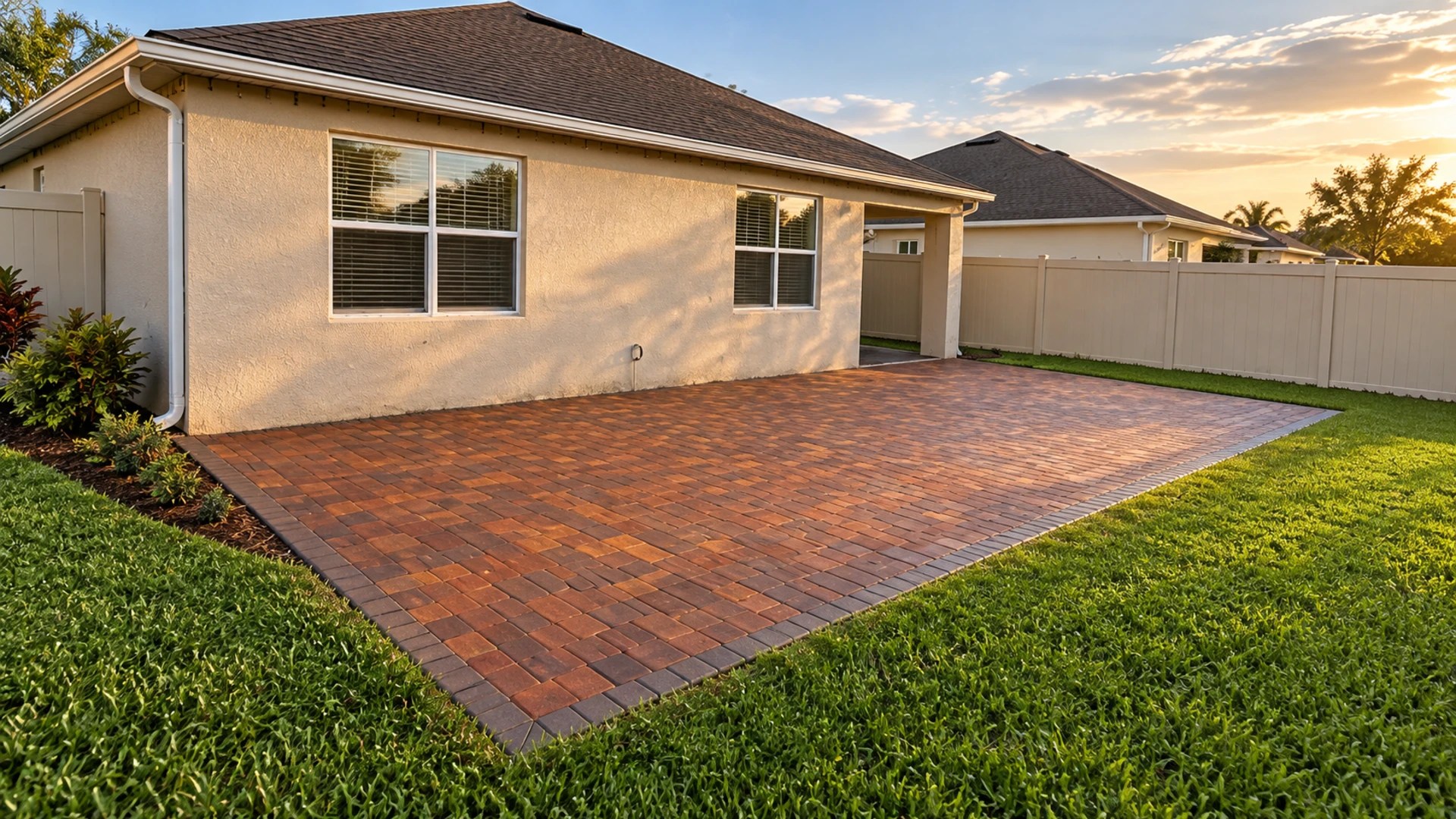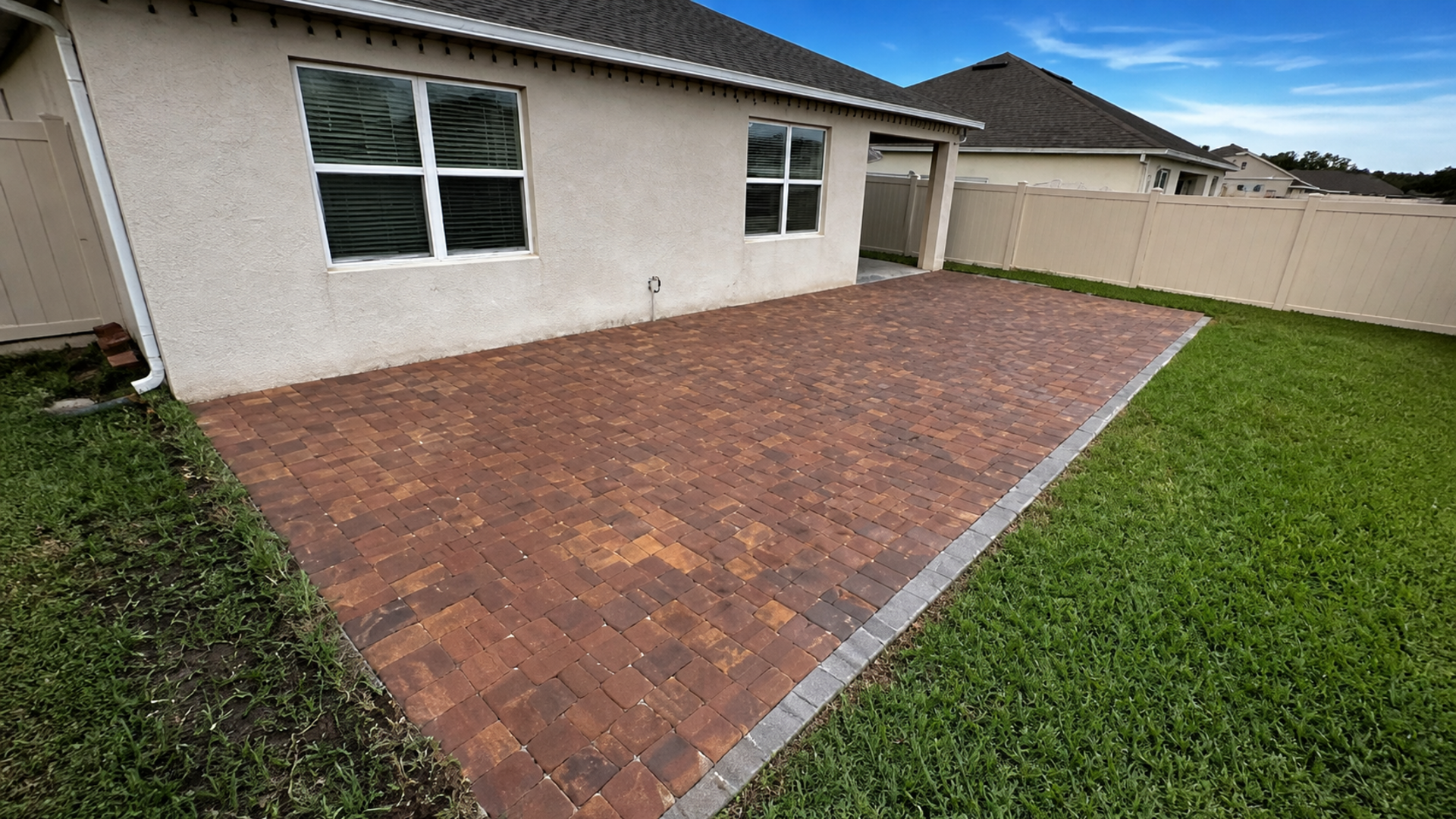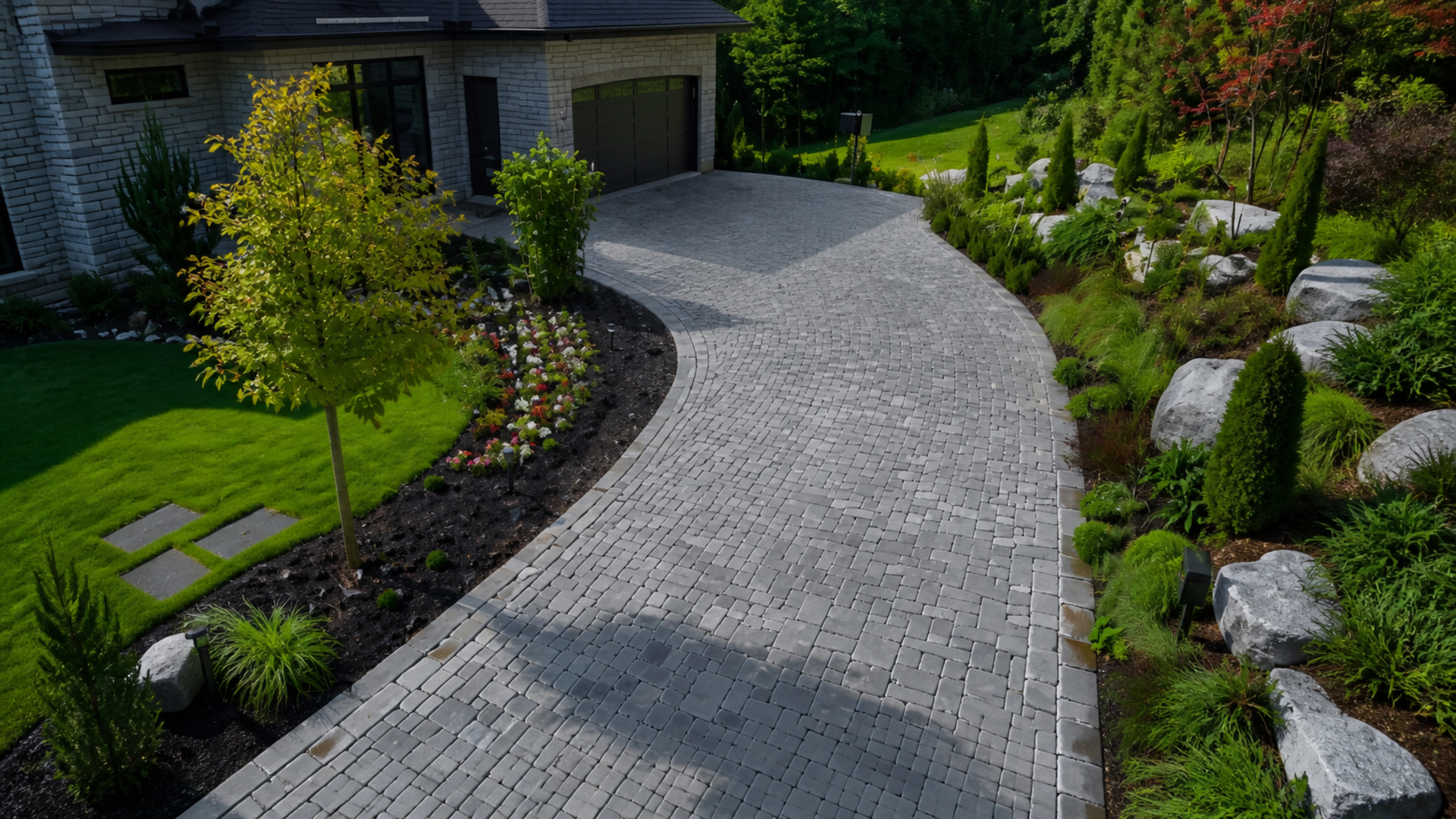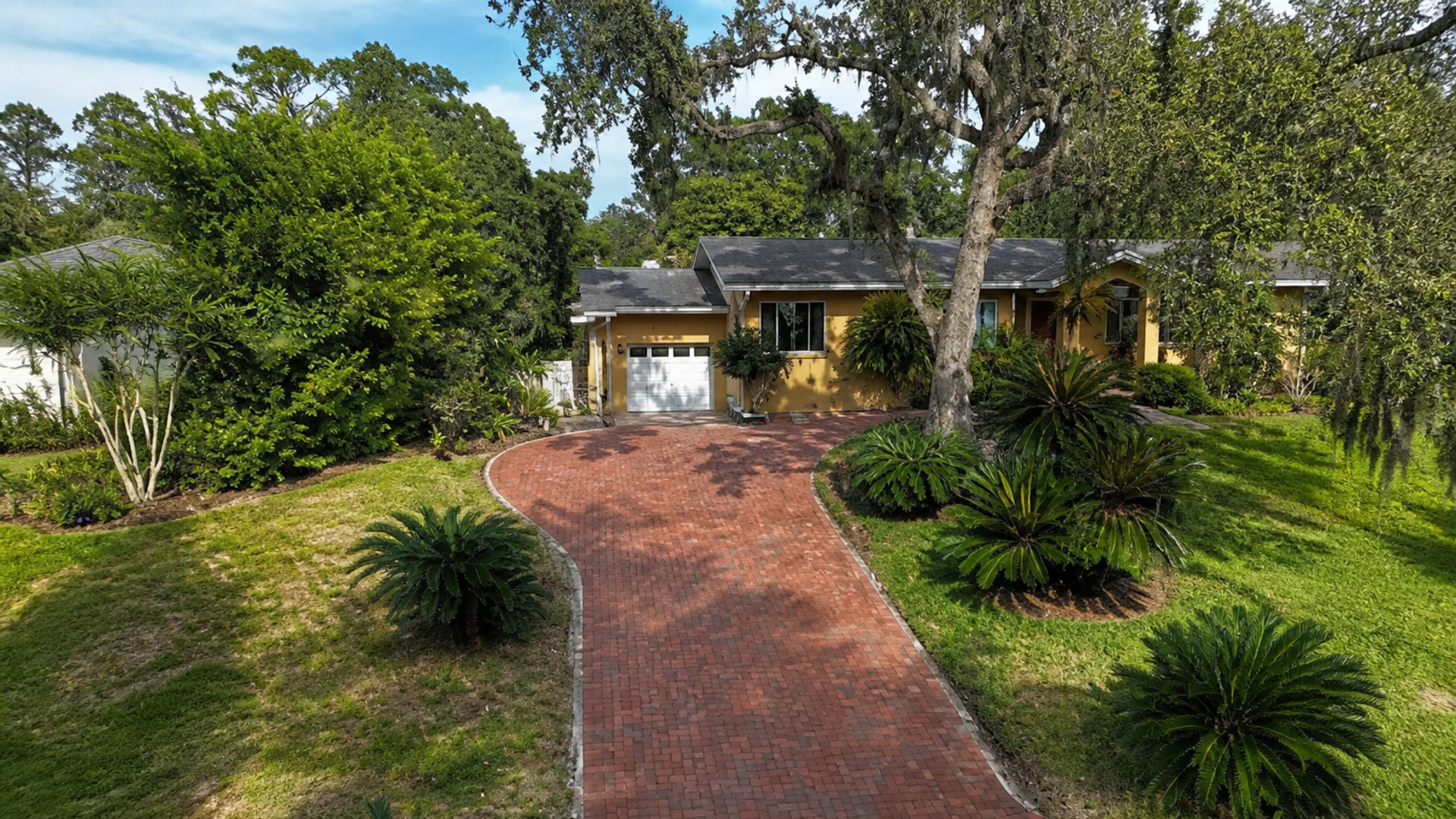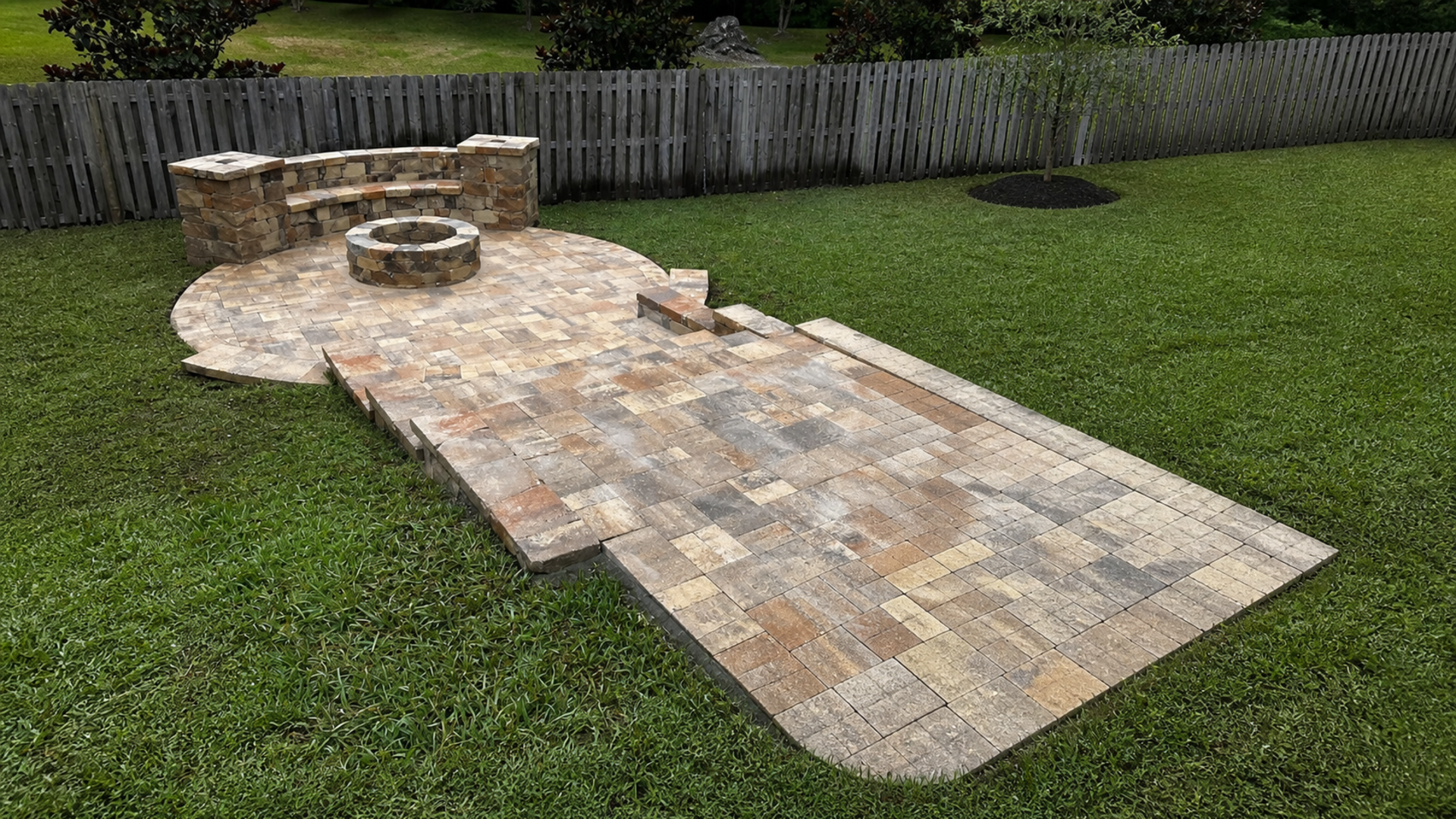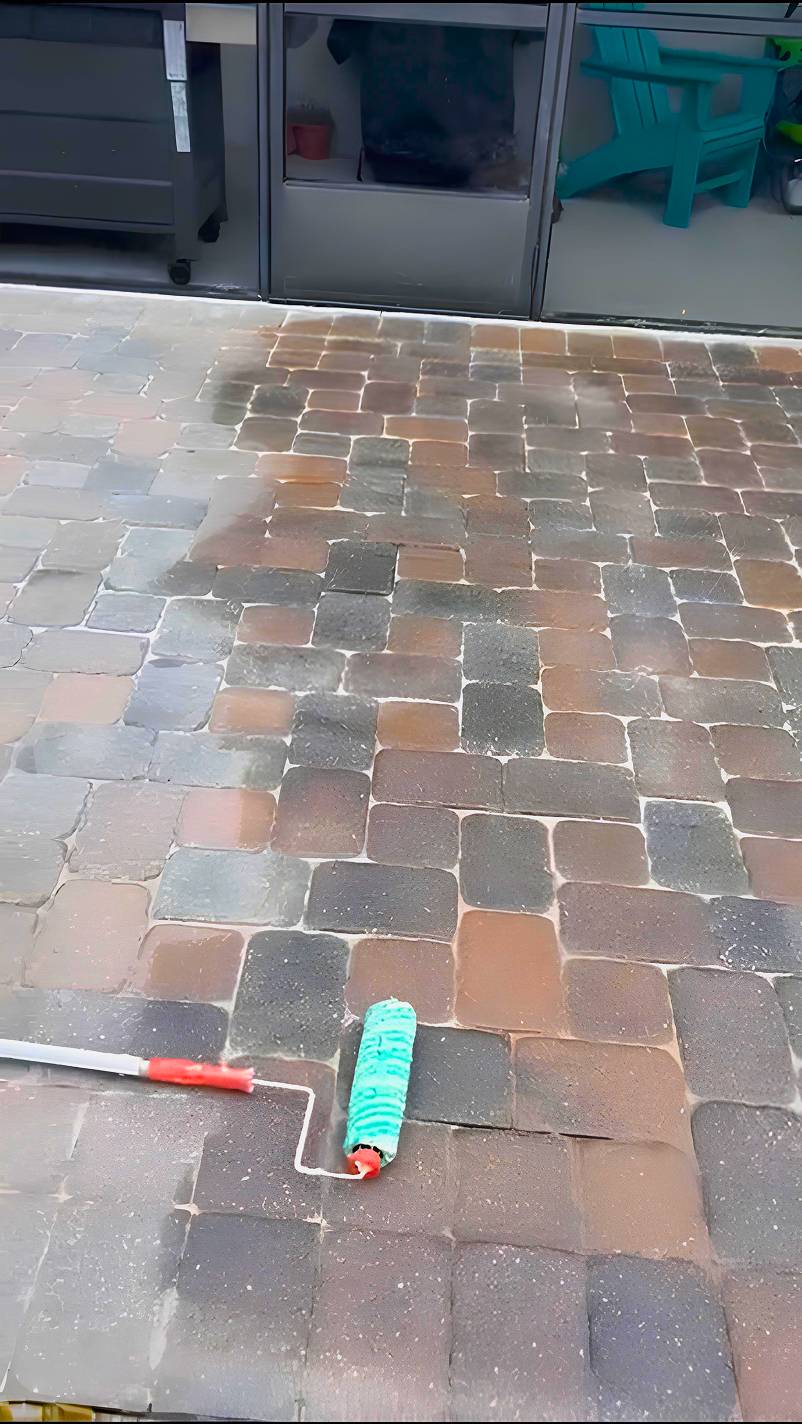

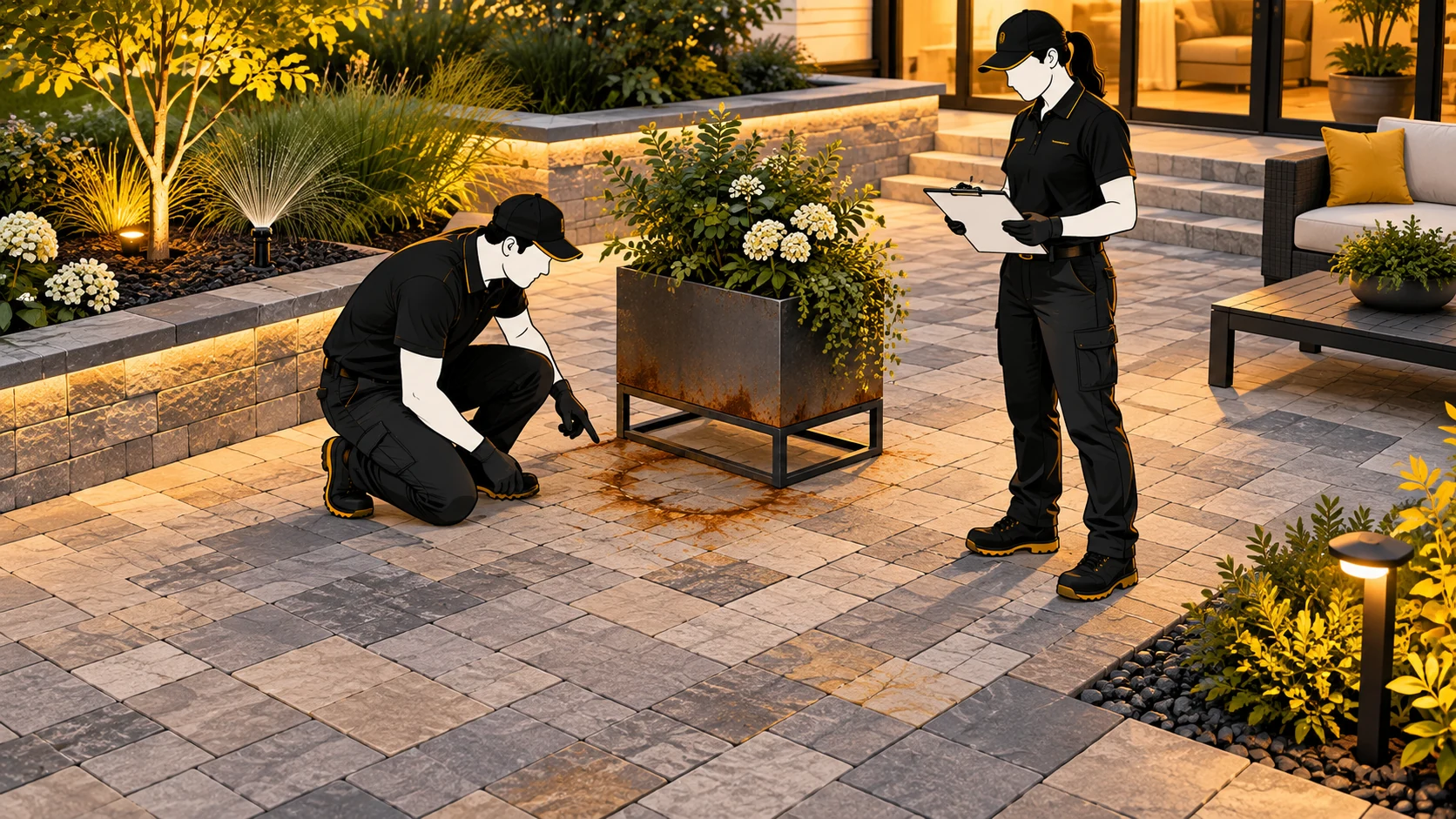
Rust stains on pavers can make an otherwise tidy Largo driveway or patio look neglected. However, the first useful question is not which cleaner removes orange marks fastest. It is where the stain comes from, what surface received it, and whether the source remains active. Those answers help you request a maintenance plan that addresses the actual problem.
A metal chair, a planter base, and an irrigation overspray pattern can leave very different clues. Moreover, an existing sealer may change how a mark looks. Treating every orange patch as the same job can waste time and complicate later work. Instead, begin with a small record of the location, timing, and surrounding objects. This guide explains how to build that record and discuss the next step with a paver professional.
Rust stains on pavers: start with the pattern
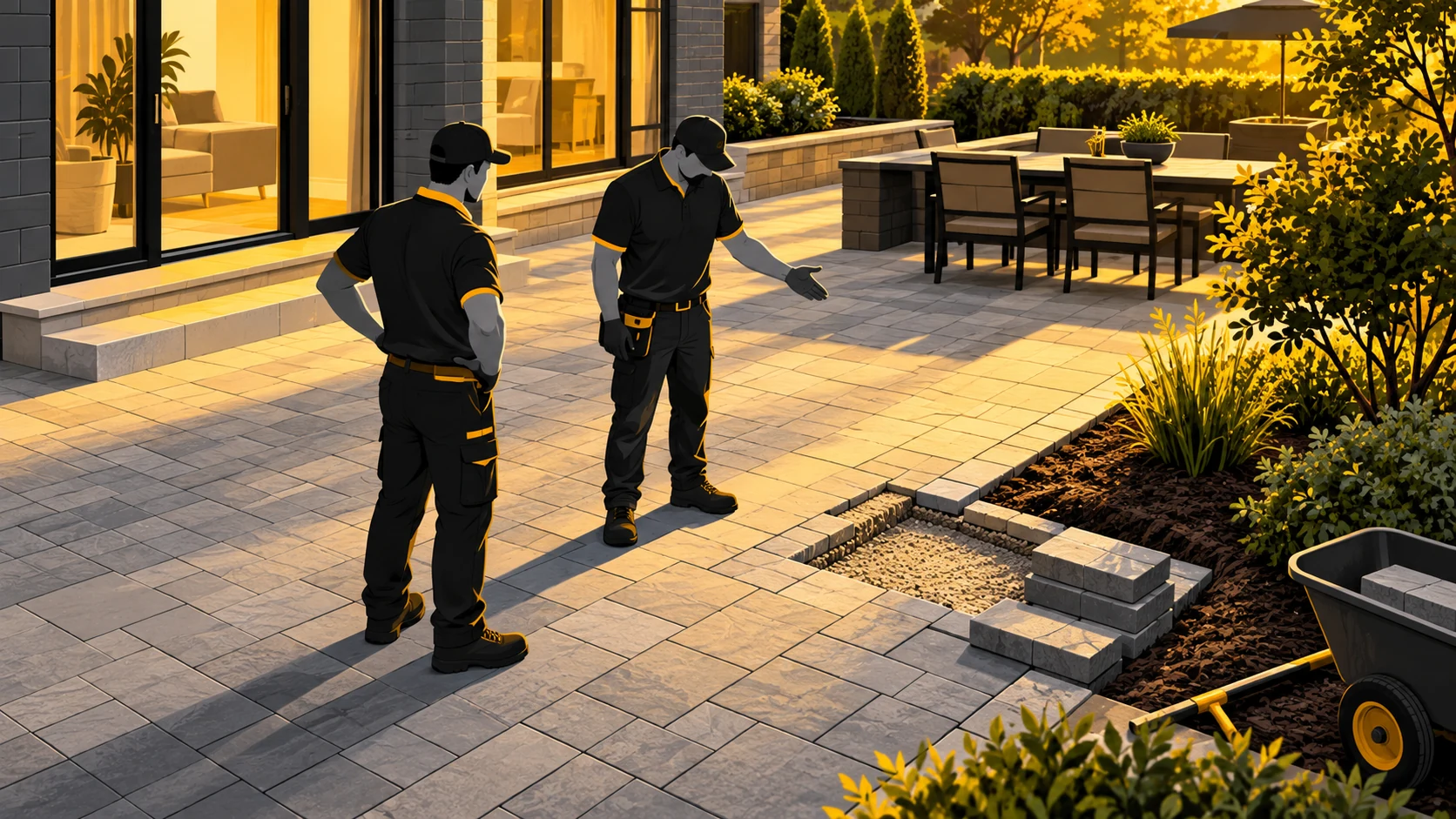
Look at the whole paved area before focusing on its darkest spot. For example, a small ring beneath a planter suggests a different investigation from a broad arc beside a lawn. A line directly below a gate also deserves a close look at that gate. The pattern does not prove the source, but it helps organize your questions.
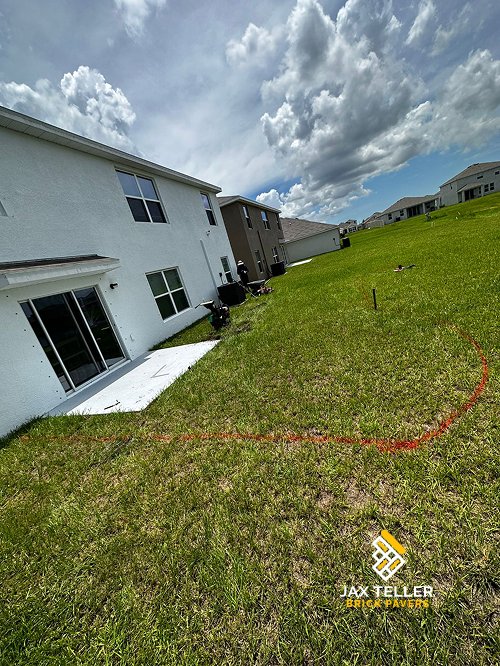
Next, photograph the stain from two distances. A wide view should show the nearby furniture, wall, landscape bed, or equipment. A closer image can show how the mark crosses individual pavers and joints. Keep the original files rather than relying only on a filtered social-media picture. Clear context gives a contractor a better starting point than a dramatic close-up alone.
Separate rust stains on pavers by location
Give each affected location a simple description, such as the front gate or the patio table. Then note whether the marks touch only one unit or extend across several. If the areas look different, keep separate photographs. That distinction can prevent several unrelated maintenance concerns from becoming one vague request to clean the entire property.
Check movable metal objects without assuming a diagnosis
Start with objects that normally sit over the affected area. Metal furniture feet, plant stands, and decorative items deserve attention when their position matches a stain. However, avoid declaring an object responsible solely because it contains metal. The useful observation is a relationship between the contact point and the mark beneath it.
If you can move a small item safely, record where it stood before relocating it. Otherwise, leave it for the site visit. Also photograph the underside when it is accessible without lifting something heavy. A professional can then consider the condition of the object and the pavement together. This approach preserves evidence while avoiding unnecessary handling of unstable furniture or large containers.
Consider irrigation as a separate investigation
A recurring spray pattern near a lawn may justify questions about irrigation water and overspray. However, orange color alone cannot establish water chemistry. Take photographs of the paved area when the system normally operates, if you can do so safely. Note which heads direct water toward the surface and where the visible marks appear afterward.
For background, the Rutgers Cooperative Extension guide to iron in irrigation water explains why irrigation water can contribute to iron staining. That technical context supports an investigation, not a diagnosis from a photograph. If irrigation appears relevant, coordinate any water or equipment assessment with the appropriate specialist. A paver cleaning proposal should clearly separate that work from pavement maintenance.
Identify the paving material and any coating
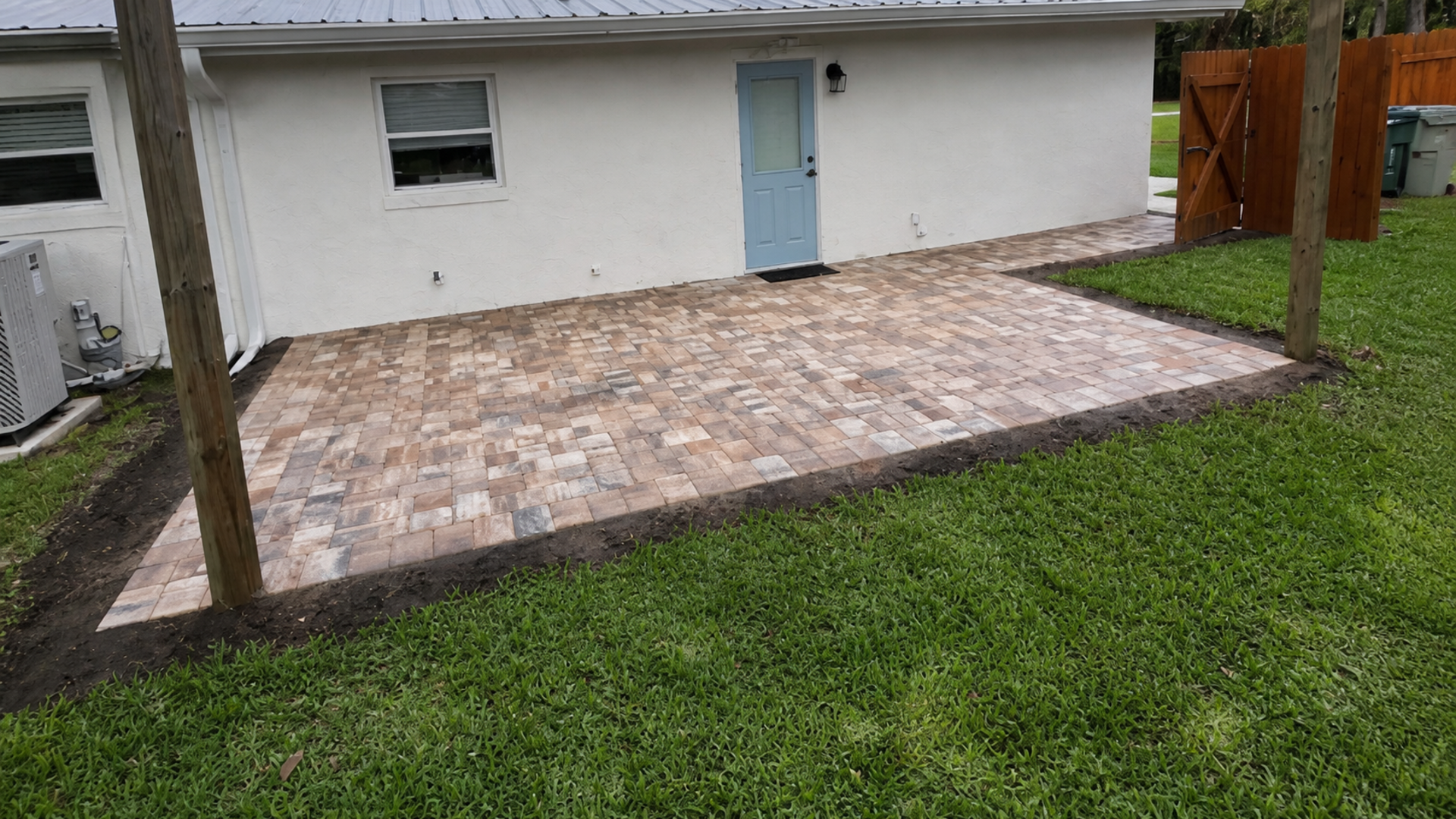
Rust stains on pavers do not create one universal cleaning specification. First, establish what is installed. Old invoices, product labels, and installation records may help distinguish concrete pavers from brick or natural stone. If you cannot identify the material, say so. Uncertainty is useful information when a professional plans an inspection or a test area.
Also gather the history of sealing and previous cleaning. A product name is more helpful than a description such as shiny treatment. Therefore, save any invoice or container photograph you already have. Include the approximate date and the company that performed the work. These details help the contractor decide which compatibility questions require further review before recommending a treatment.
Distinguish the stain from changes in the surface
An orange mark can be the main concern while another issue exists nearby. For example, you may also notice a coating edge, uneven sheen, or an older cleaning patch. Photograph those features separately rather than describing everything as rust. Otherwise, the proposed scope may overlook a finish-related concern that needs its own assessment.
Rust stains on pavers also differ from a loose unit or a low spot. A cleaning treatment does not automatically correct movement, joint loss, or poor surface drainage. Consequently, tell the contractor about those observations during the same conversation. The quote can then identify which concerns belong to cleaning and which may require a separate repair assessment.
Avoid turning the first inspection into a chemical experiment
Do not use a collection of household products to see which one changes the color. Instead, preserve the untreated condition for a professional review. Mixing products or layering different treatments can create additional risks and make the original problem harder to assess. Product selection should follow the actual material, coating history, and manufacturer's directions.
The same restraint applies to aggressive mechanical treatment. Before attempting strong pressure washing, discuss the surface and joints with a qualified professional. The point is not that every cleaning method is unsuitable. Rather, the method should fit the installed pavement and the identified issue. A quick attempt that changes the surface can leave you with two maintenance problems instead of one.
Discuss a small test area before broad treatment
Ask how the proposed contractor will evaluate a limited area before treating the full stain. A useful answer should identify the location, the product compatibility review, and the standard used to judge the result. Moreover, the discussion should explain what happens if the test changes the appearance or leaves a visible boundary.
Agree on how you will view the test after the appropriate drying or waiting period specified for the treatment. Wet and dry appearances can differ. Therefore, a quick photograph taken during cleaning should not be the only acceptance record. Ask the professional to explain when the test becomes representative and what observations would justify adjusting or stopping the proposed method.
Set realistic expectations for older marks
Rust stains on pavers may vary in intensity and history across the same property. Some marks have a clear recent source, while others have received several undocumented treatments. Explain what you know without trying to complete the missing history from memory. That helps a contractor distinguish a straightforward maintenance request from an area with greater uncertainty.
Discuss the desired result in practical terms. For instance, do you want the strongest visible mark reduced, a consistent patio appearance, or a broader maintenance assessment? Then ask which outcomes the contractor can reasonably include in the proposal. Avoid comparing your older installation with a newly installed display. Existing wear and previous coatings remain part of the surface being evaluated.
Compare proposals by scope rather than a single price
A useful proposal should describe the affected areas and the work included. In addition, it should identify significant exclusions. Check whether the price covers only spot treatment, a broader cleaning area, joint-related work, or a separate sealing stage. Two estimates can appear similar while addressing very different parts of the property.
For rust stains on pavers, source correction deserves a separate line of discussion. A contractor may clean pavement without repairing a metal object or modifying irrigation. Therefore, confirm who handles each item and in what order. This makes the comparison clearer and reduces the chance of assuming that one service automatically includes another professional's work.
Questions worth sending with your photographs
Ask what information is still needed before the contractor can define a method. Next, ask whether an in-person assessment is necessary and how the test area fits the scope. Finally, clarify whether another specialist should review a suspected recurring source first. These questions create a more useful conversation than asking for a guaranteed result from one image.
Plan access and protect the surrounding area
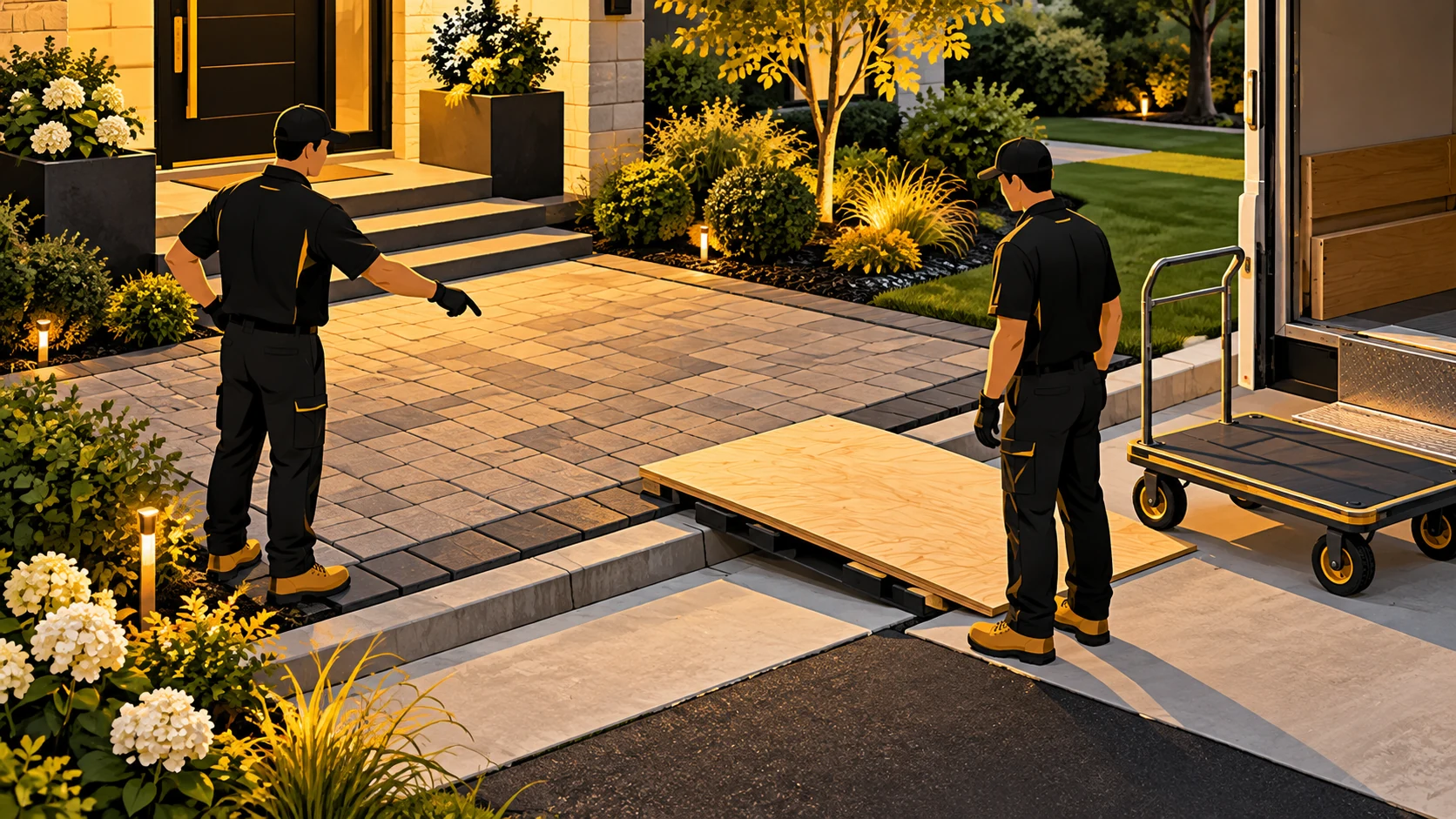
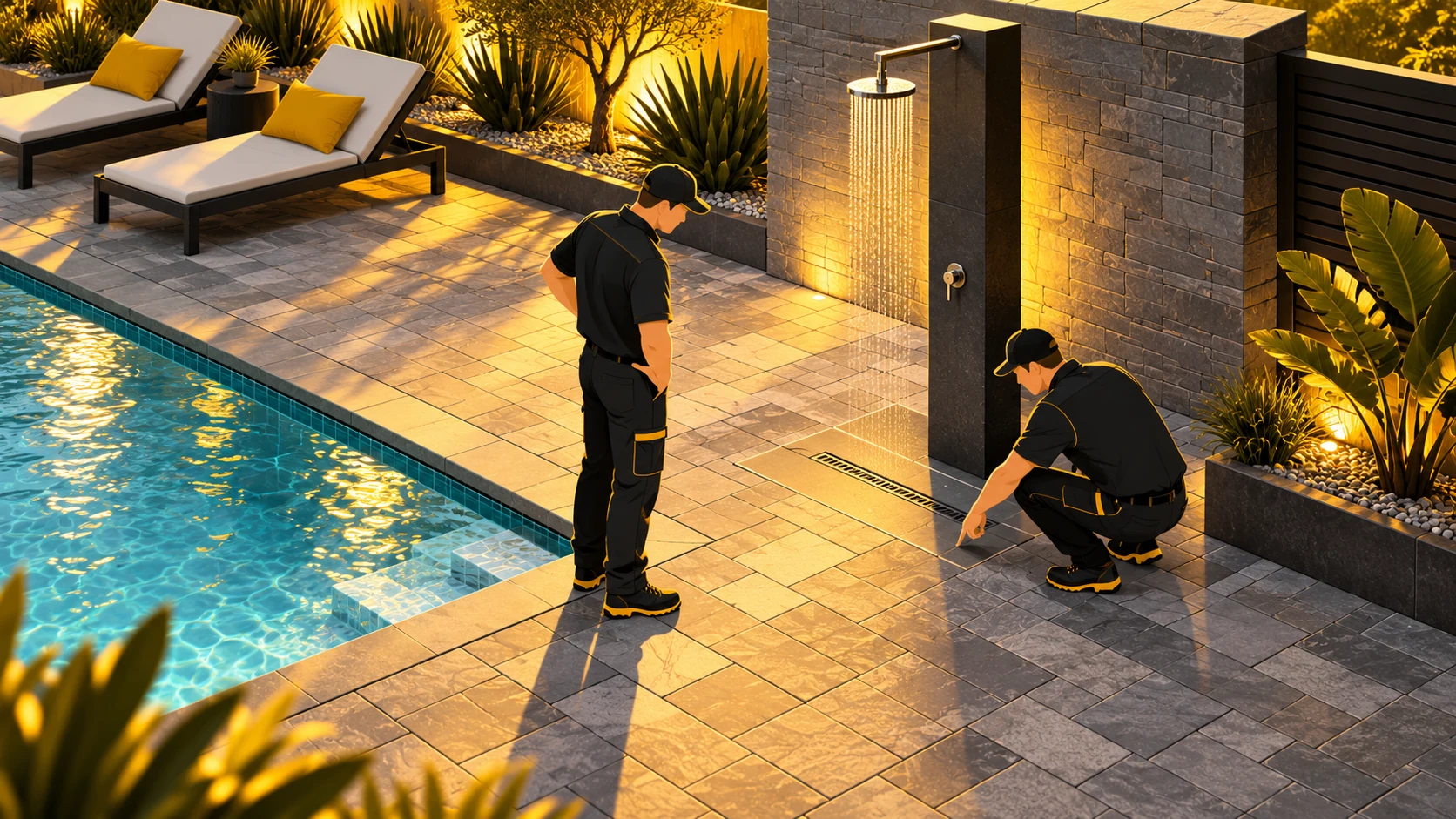
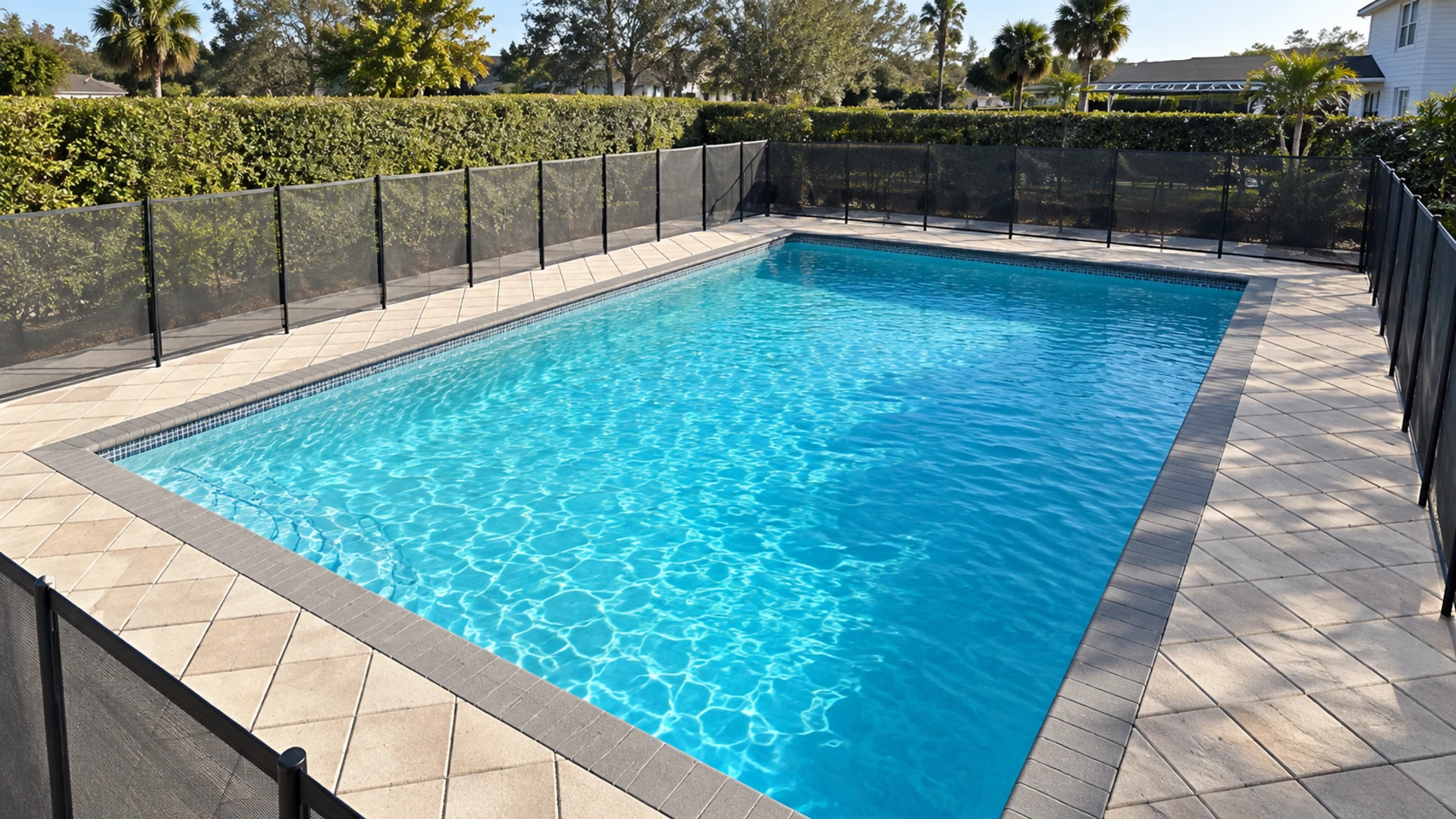
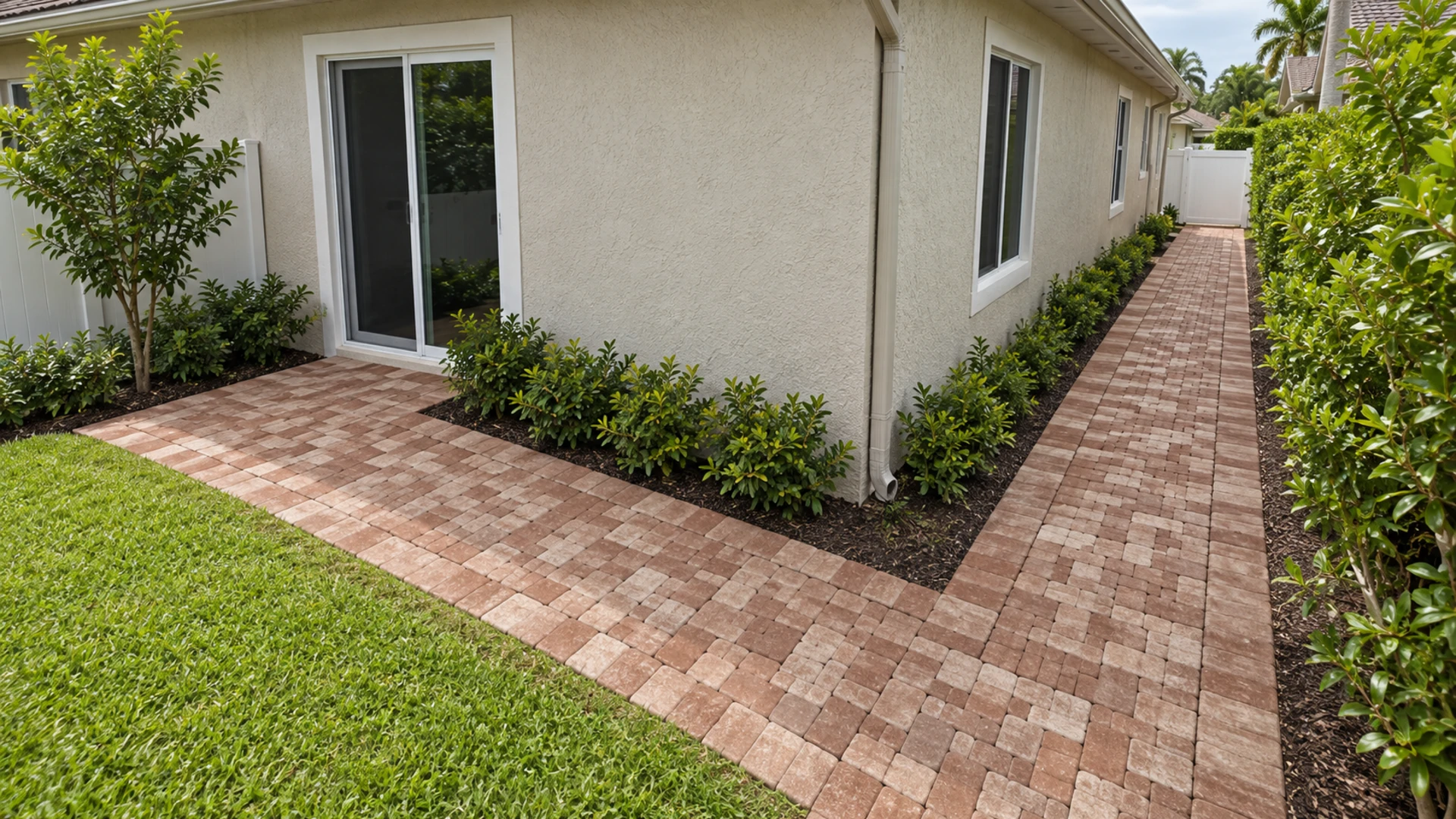
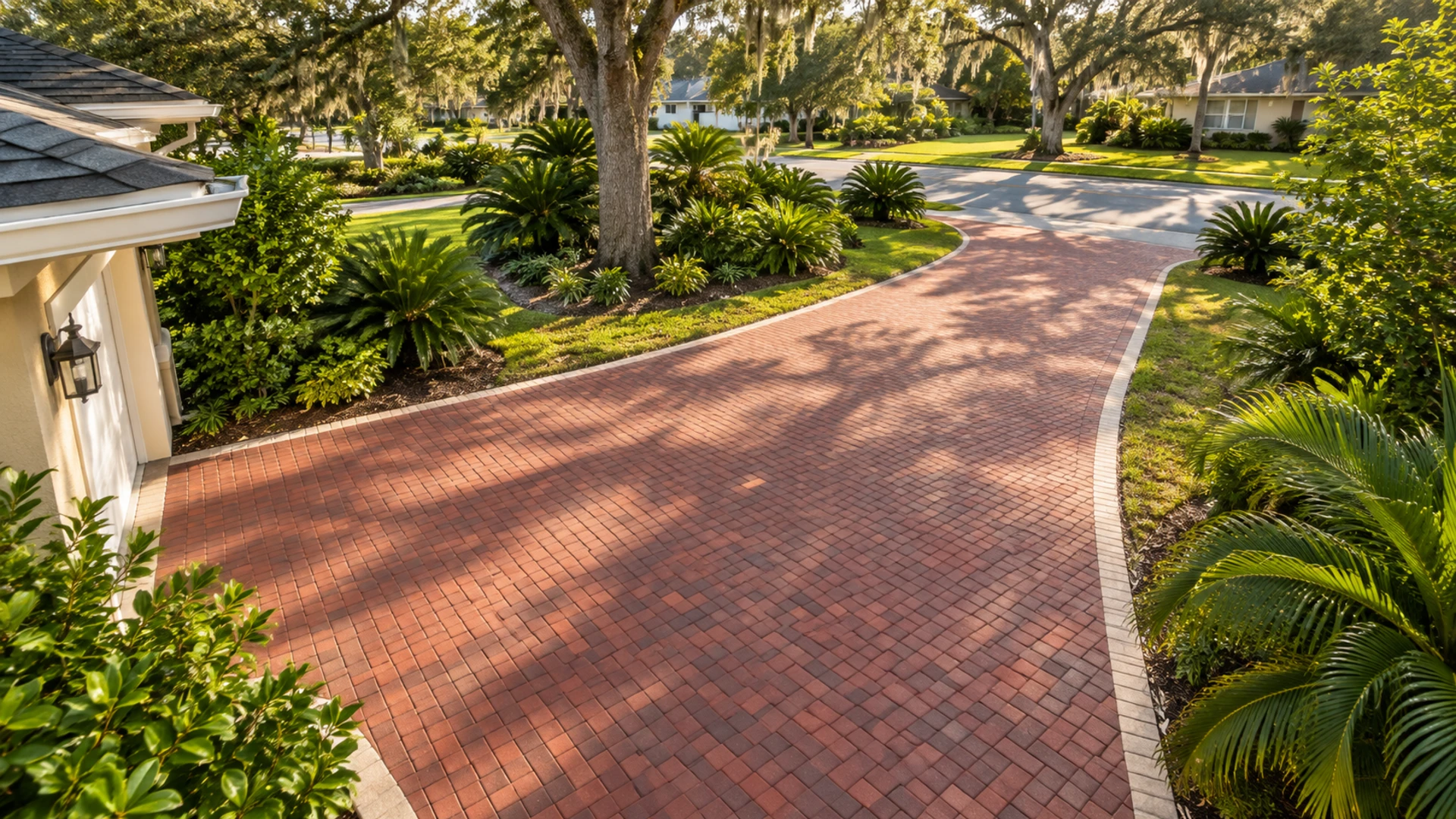
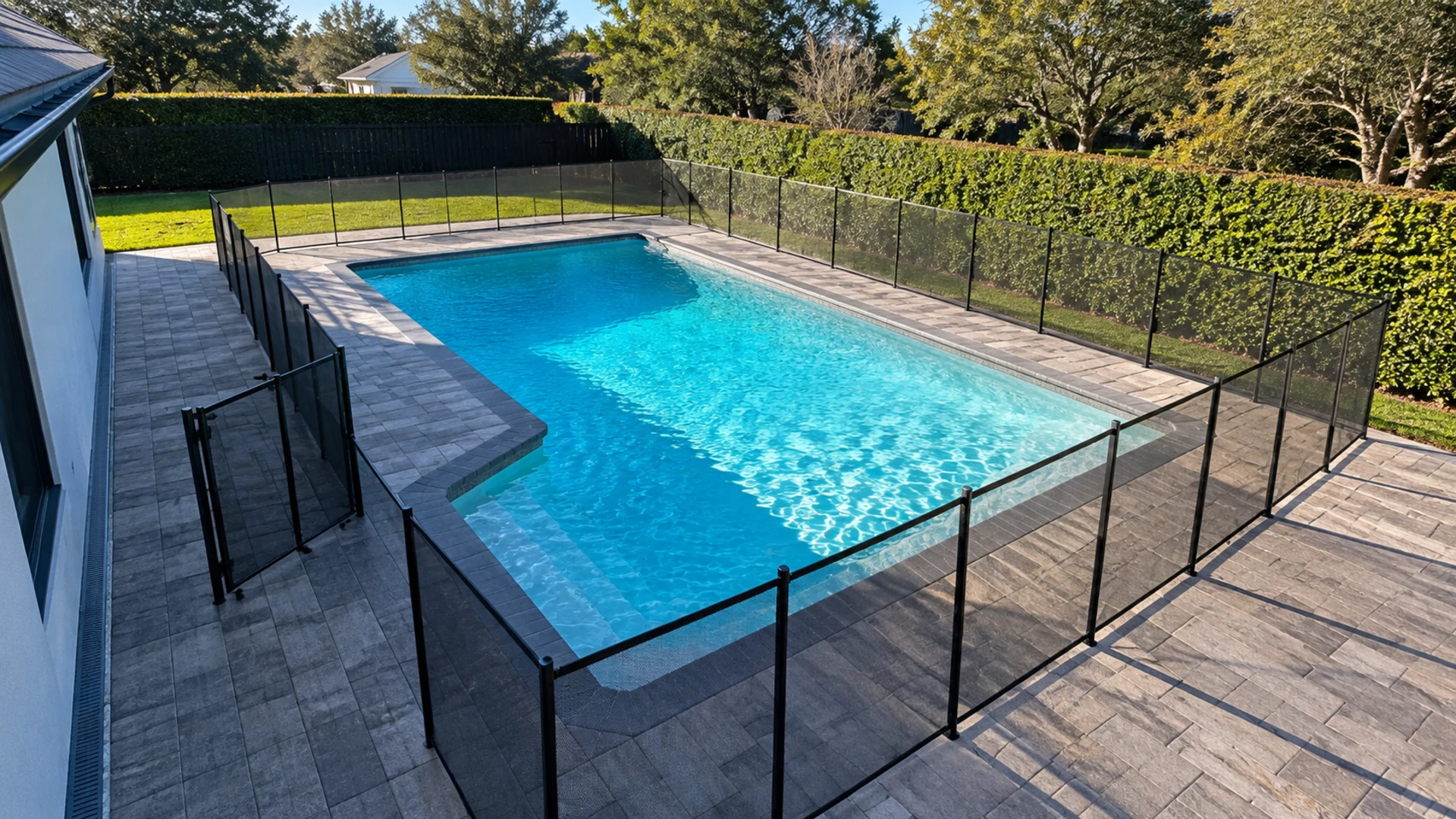
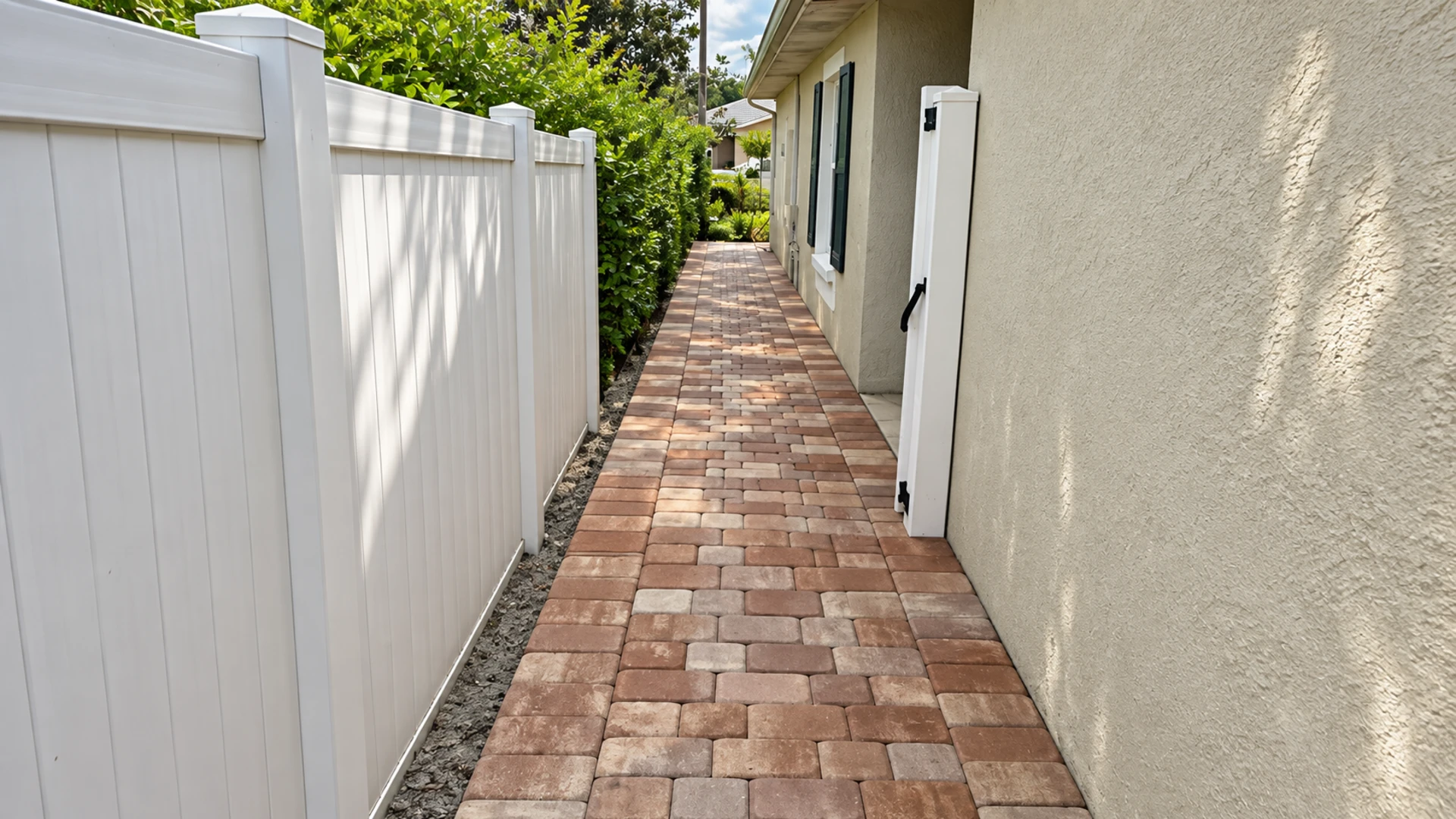
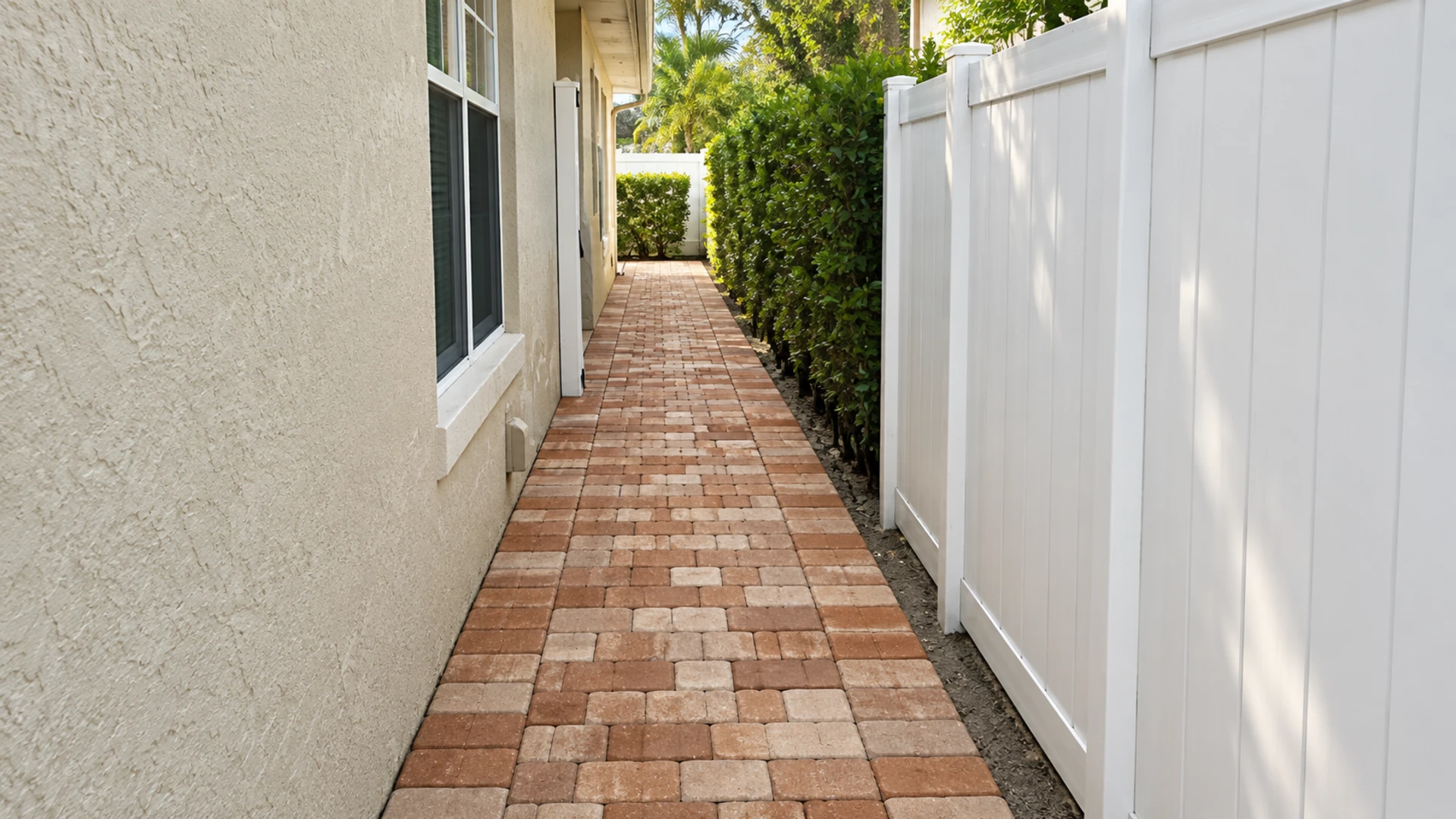
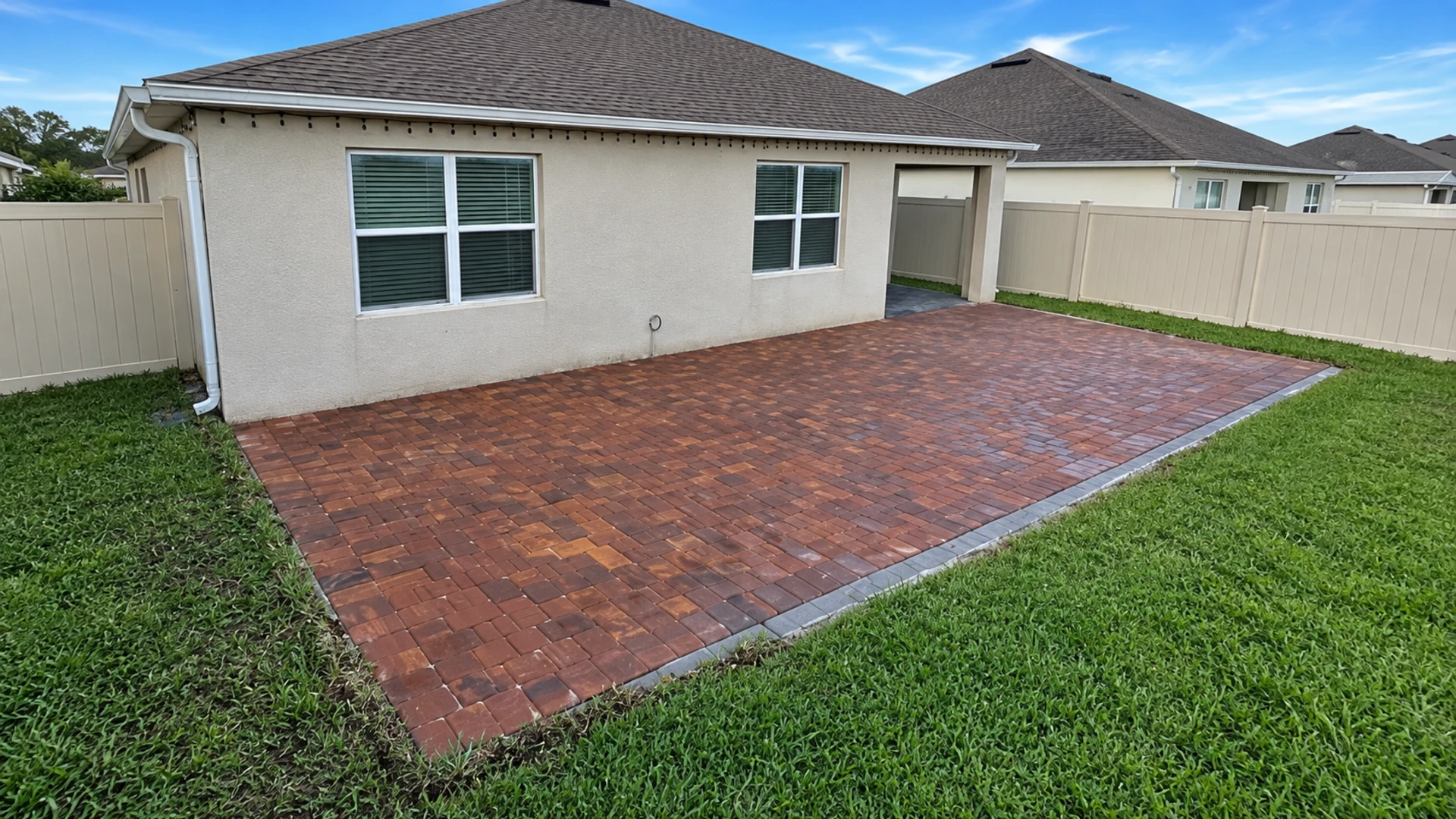
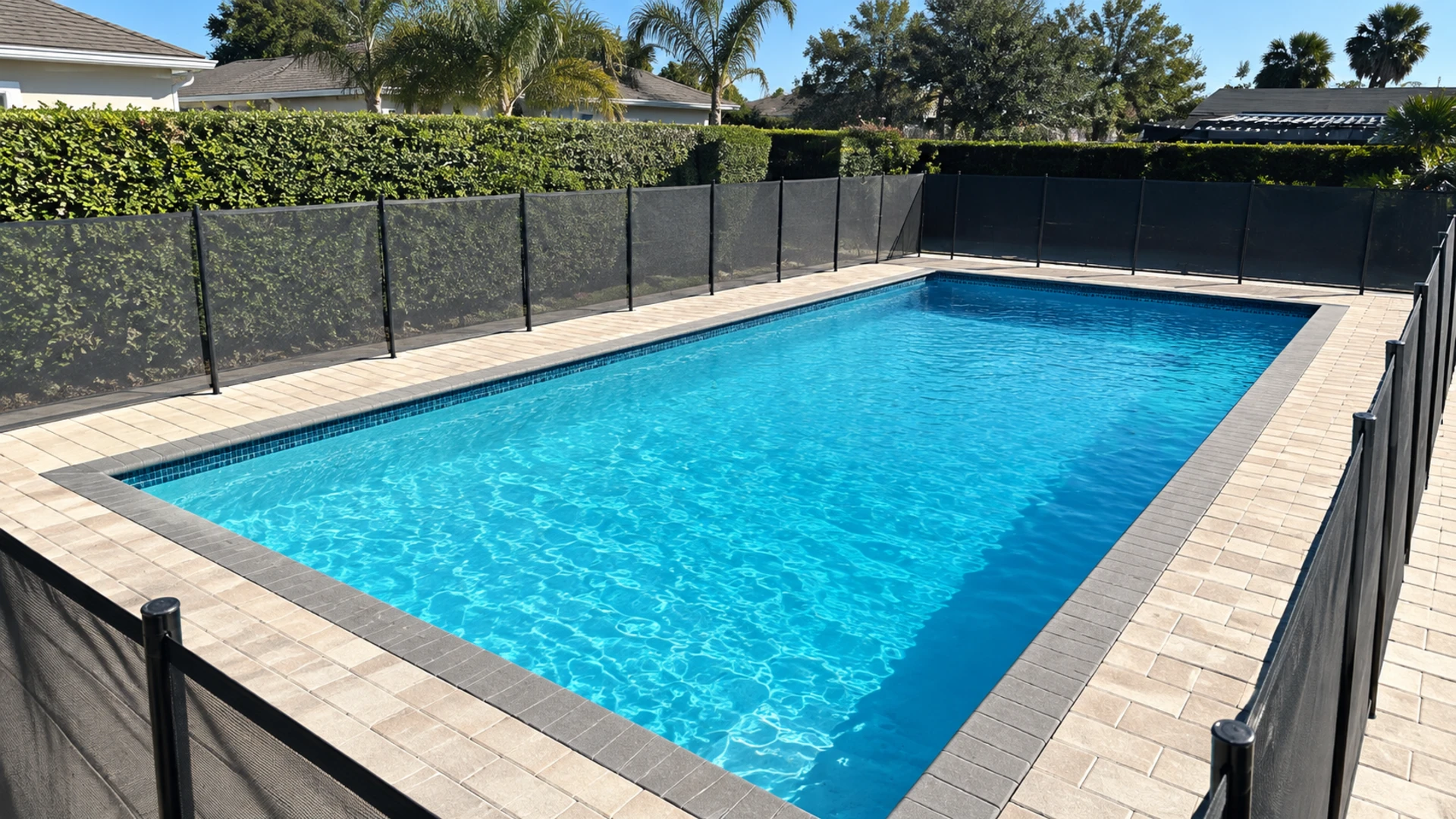
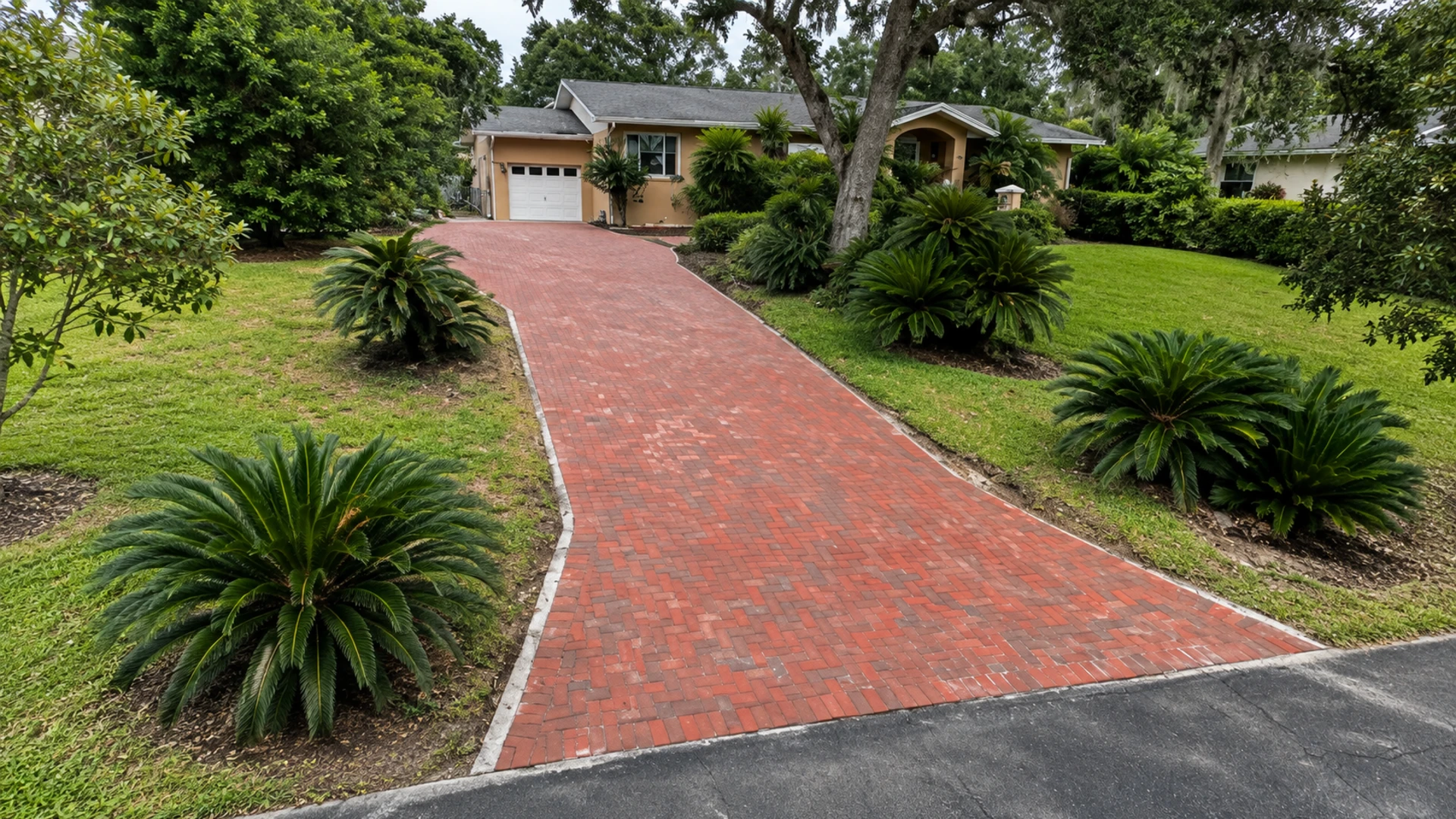
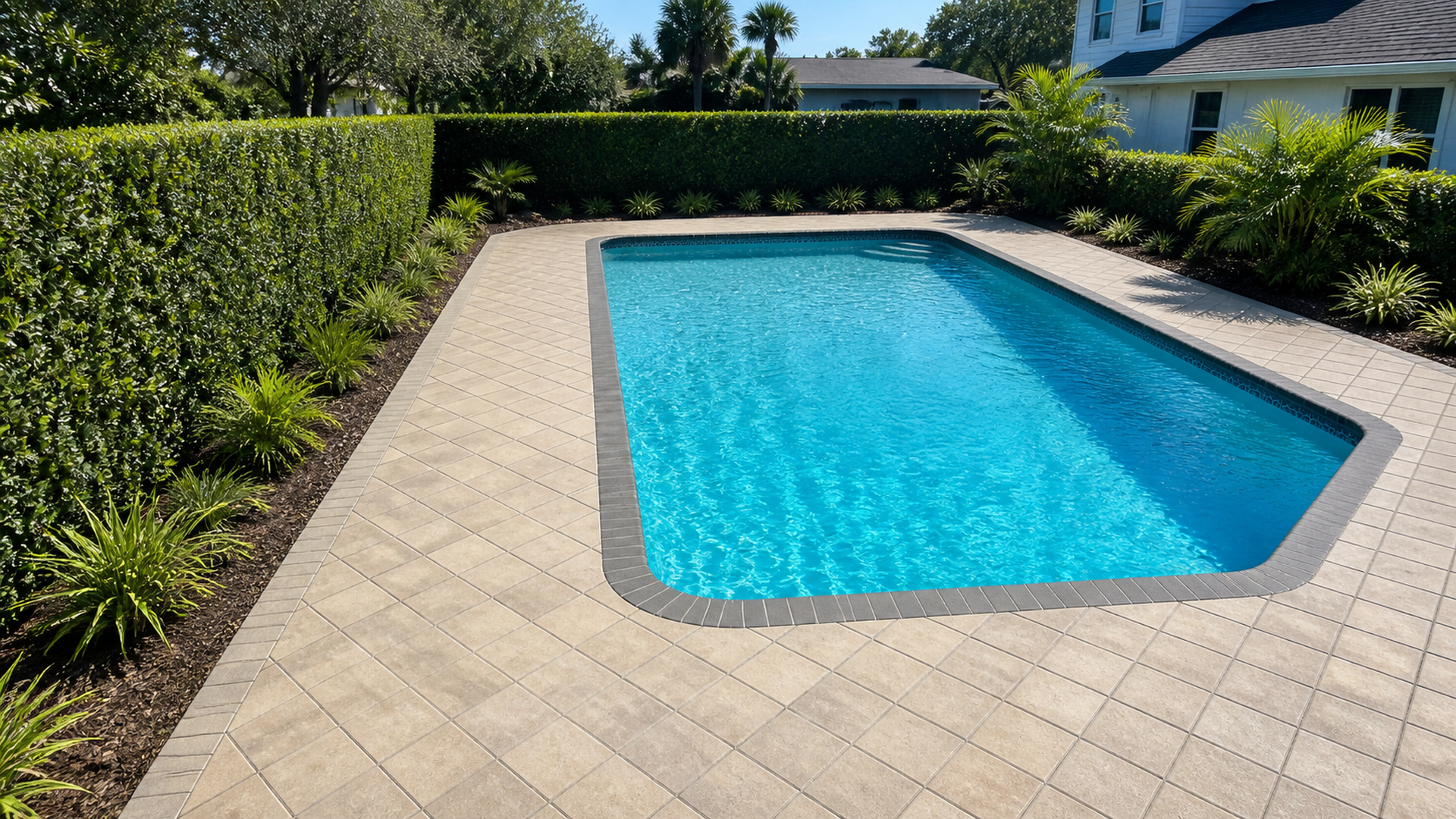
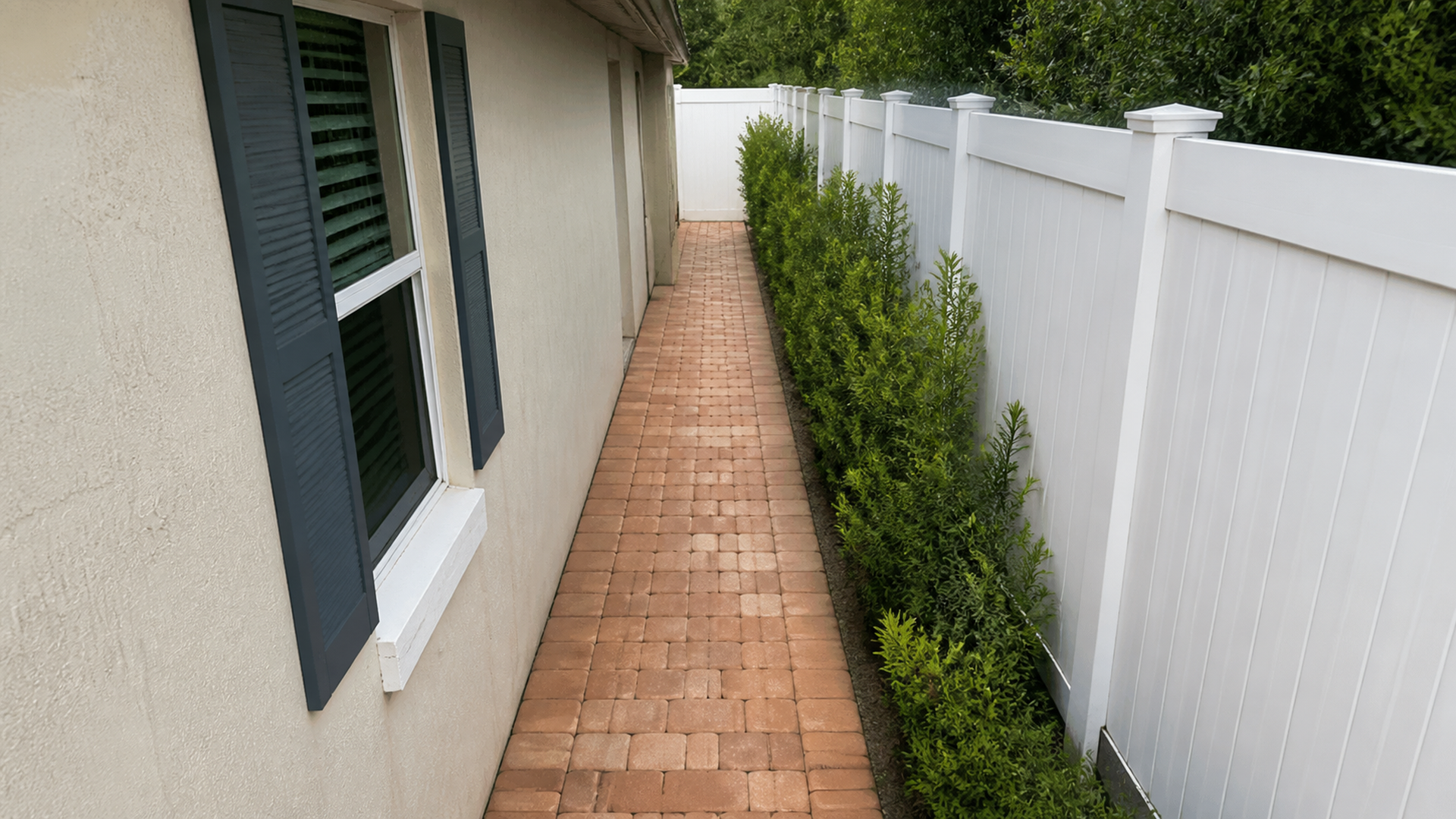
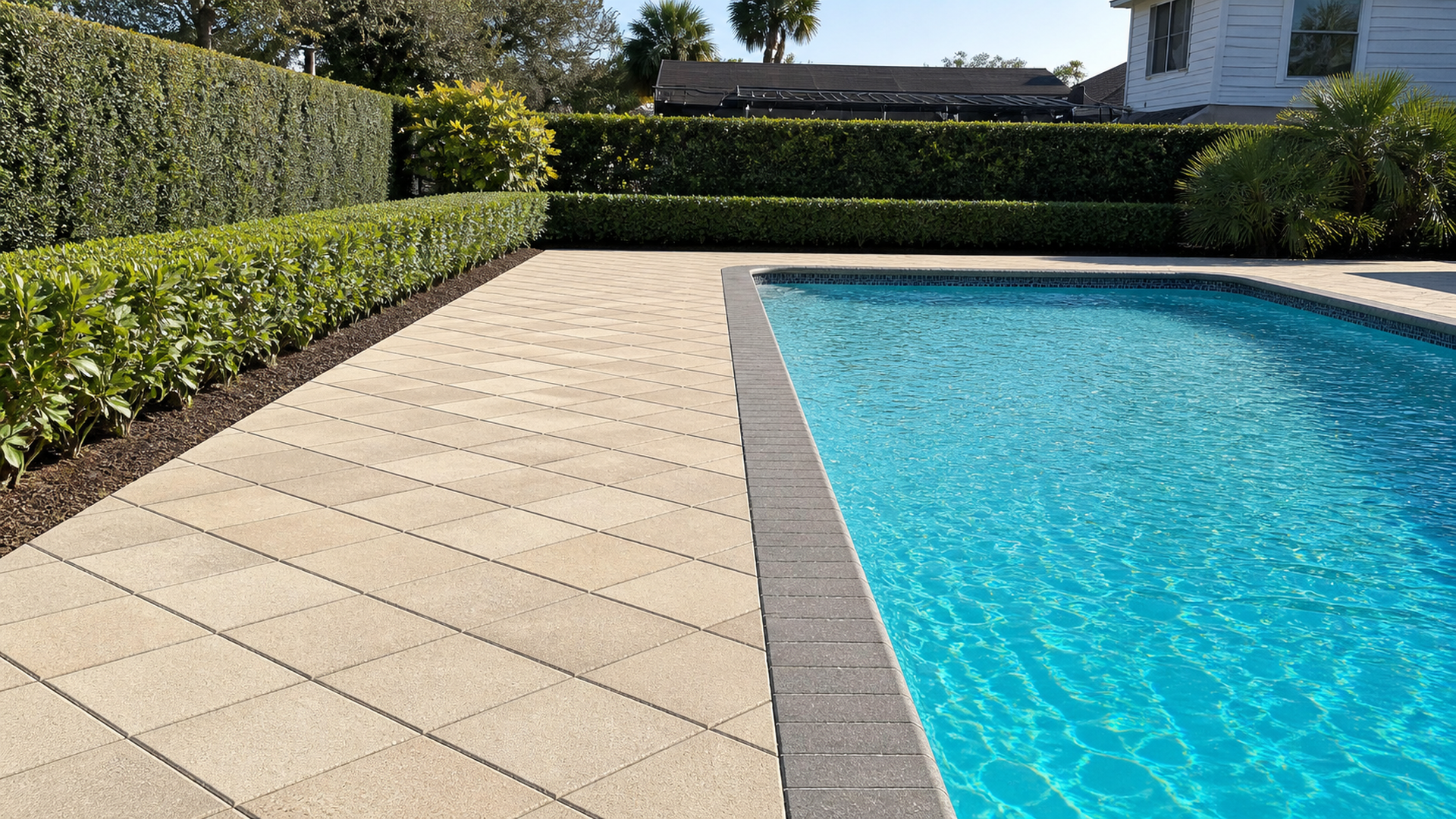
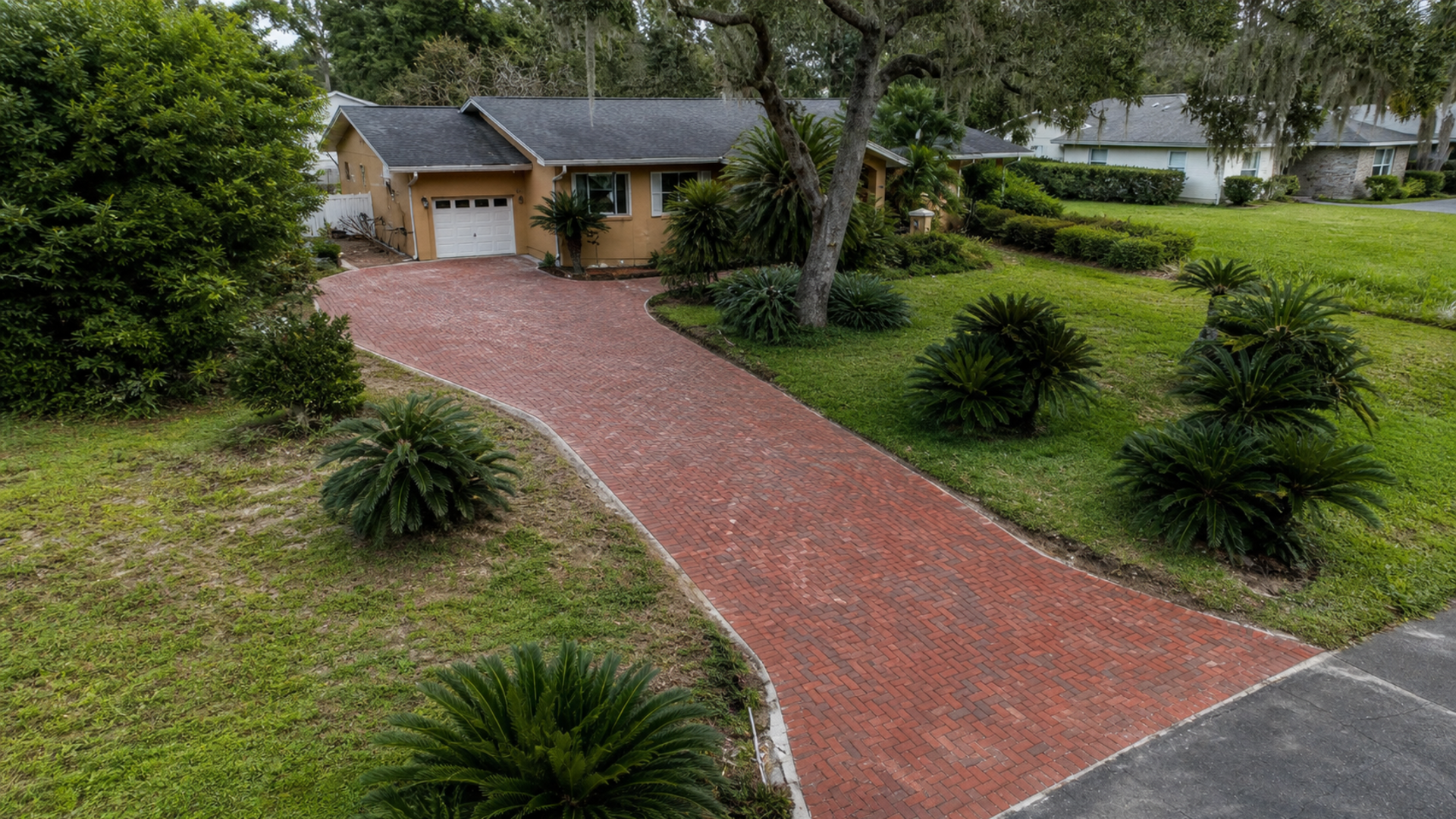
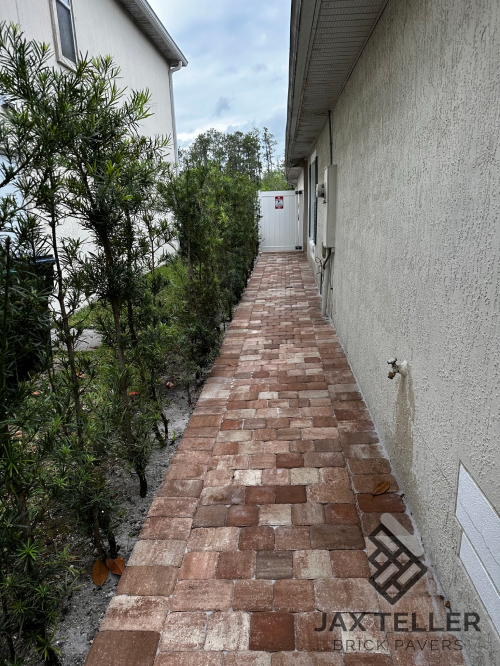
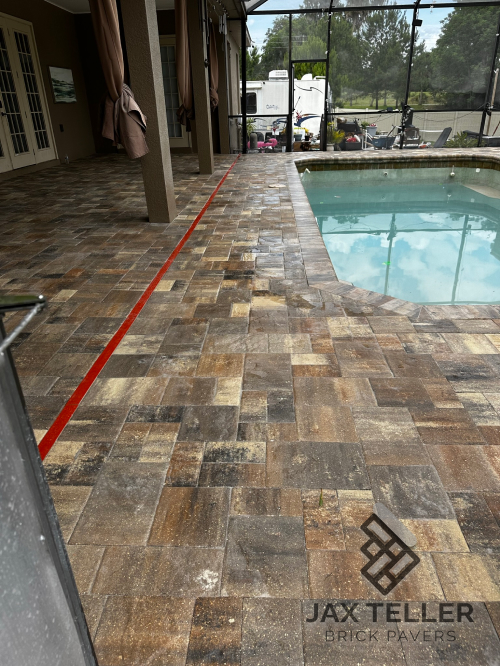
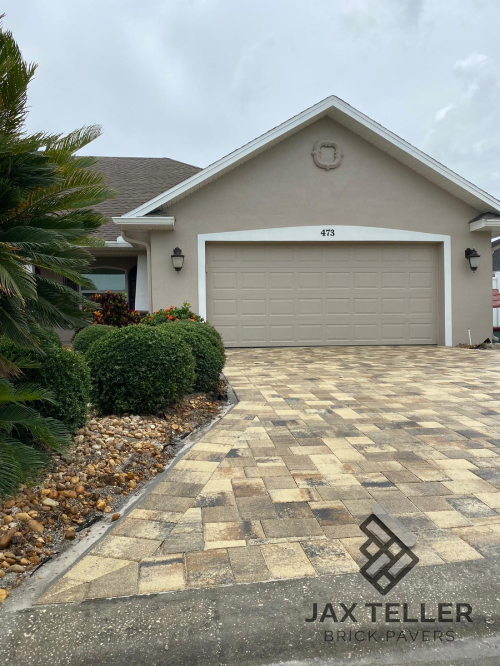
Before the service date, explain how the contractor will reach the stain. A front driveway, a fenced side path, and a poolside patio create different access questions. Also mention nearby doors, parked vehicles, landscape beds, and movable items. The contractor can then explain which preparations belong to you and which belong to the work plan.
Discuss household use of the area rather than assuming normal access throughout the job. For example, ask when furniture can return and when people or vehicles may use the treated surface. Those answers depend on the actual treatment and conditions. Consequently, use the contractor's confirmed instructions instead of a generic timetable found online. Keep those instructions with the service record.
Address recurrence through coordination
If the suspected source remains in place, ask how recurrence will be assessed after maintenance. A furniture issue may call for a conversation about the object itself. An irrigation concern may require separate review of overspray or water quality. However, neither situation justifies promising that a cleaning service alone will permanently prevent every future mark.
Rust stains on pavers are easier to track when you preserve a simple before-and-after record. Use the same broad viewing position when practical, and note relevant changes to nearby objects or irrigation. This is a documentation habit, not a maintenance schedule. A professional can help determine when follow-up makes sense for the actual source and the installed surface.
Decide when a replacement discussion is appropriate
Cleaning and replacement solve different problems. If a professional considers the remaining appearance unacceptable after a suitable assessment, ask what a limited replacement would involve. However, do not assume that a new unit will match an older paved area exactly. Availability, wear, and the original product blend all deserve discussion before any units are removed.
A replacement proposal should also explain the surrounding work. Ask how the contractor will handle joints, adjacent units, and the boundary of the repair. Then compare that scope with the cleaning option using the same photographs and priorities. The aim is to choose a proportionate solution, not to turn one stained paver into an unnecessary complete renovation.
Use contrasting examples to clarify the service request
Imagine a single orange ring underneath a planter and a second patch near an irrigation head. At first, both look like rust stains on pavers. However, their positions suggest different questions. Photograph the planter contact point and the spray pattern separately. Then ask whether the contractor sees one likely source or two unrelated maintenance concerns. Do not combine them merely because the color looks similar.
Now consider a mark beside a recently moved metal table. Perhaps the table has already left the property, while an older coating remains visible around its former position. In that case, the missing object limits what the contractor can inspect. Nevertheless, a dated photograph or service invoice may help. Share that evidence and identify the uncertainty, rather than requesting a treatment based on a confident but unsupported explanation.
Keep the inspection note useful after cleaning
A good record should remain understandable a month later. Therefore, write a short note naming the location, the suspected source, and the service that actually occurred. Add the contractor's care instructions and any follow-up arrangement. Keep product information when the provider supplies it. This creates a useful history without requiring you to diagnose the pavement or monitor it every day.
If another person manages the property, send them the same concise record. Otherwise, a future visit may begin with a different version of the story. Shared documentation also helps when furniture returns or landscape maintenance changes. The goal is practical continuity: each professional should know what you observed, what work took place, and which questions still require an answer.
Prepare a concise maintenance brief for your Largo property
Your first message can include the property location, the affected area, and when you first noticed the marks. Next, attach wide and close photographs and summarize any known coating history. If you suspect furniture or irrigation, describe the observation without presenting it as a confirmed cause. This gives the contractor useful evidence while leaving the technical assessment open.
For help with rust stains on pavers, explain whether you need a focused cleaning review or a broader maintenance visit. The JaxTeller pressure washing and sealing service page provides a direct place to discuss that scope. If movement or damaged units are also present, mention them so the team can consider the appropriate repair conversation separately.
The CMHA maintenance guide for interlocking concrete pavement offers further background on paver care and stain-specific cleaning. Use it to prepare informed questions, while leaving product selection and application instructions to the verified material and the professional assessment. No general article can establish the correct treatment from color alone.
Ready to elevate your outdoor space with custom brick pavers? Contact JaxTeller Brick Pavers to discuss the affected surface and a suitable next step. You can browse completed projects and follow the company on Instagram or Facebook. For location details, use the official map. To start a maintenance conversation, send your questions through WhatsApp. Contact JaxTeller Brick Pavers at +1 407-907-8308 or jaxtellerbrickpavers@gmail.com for your free estimate!