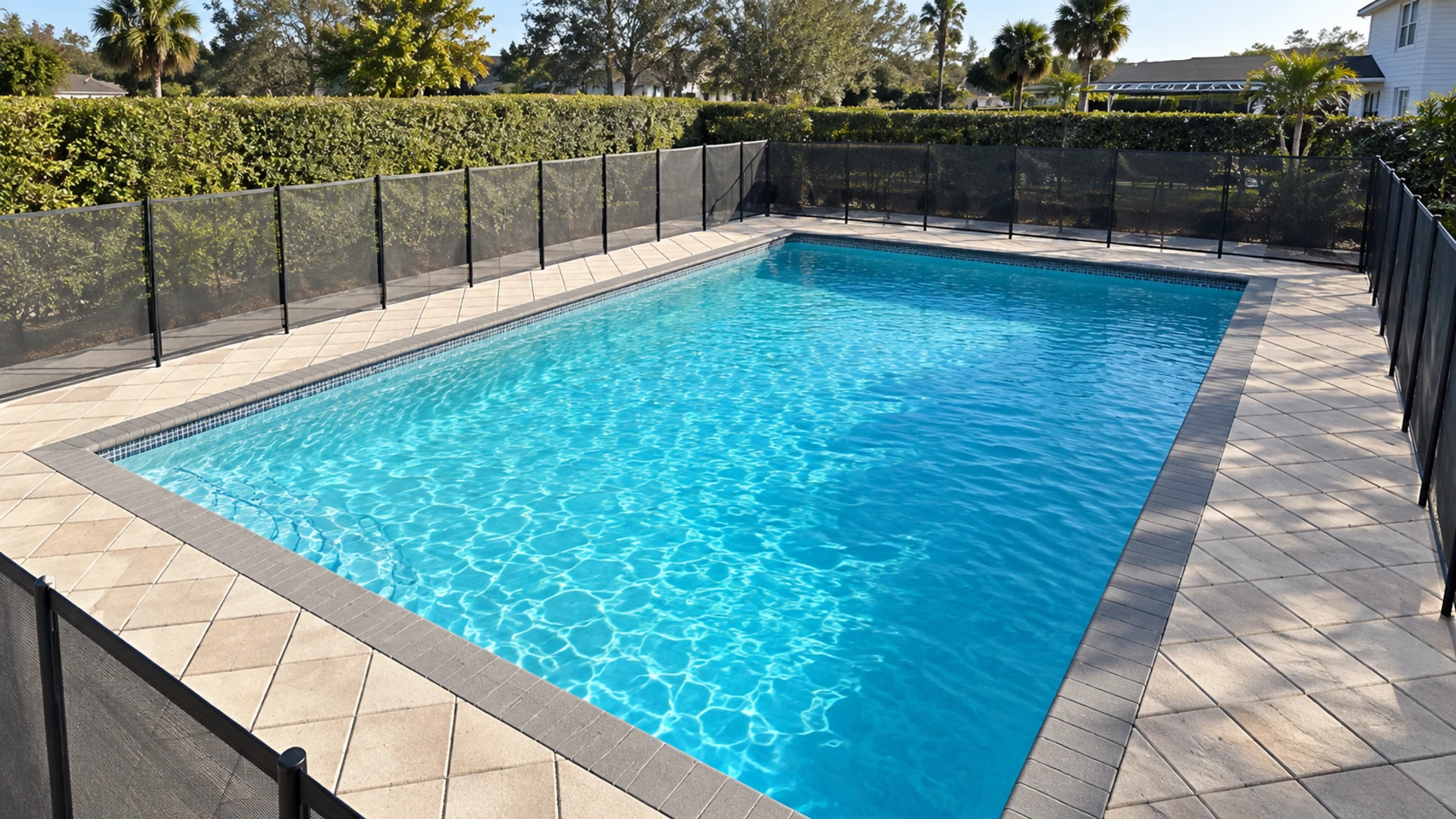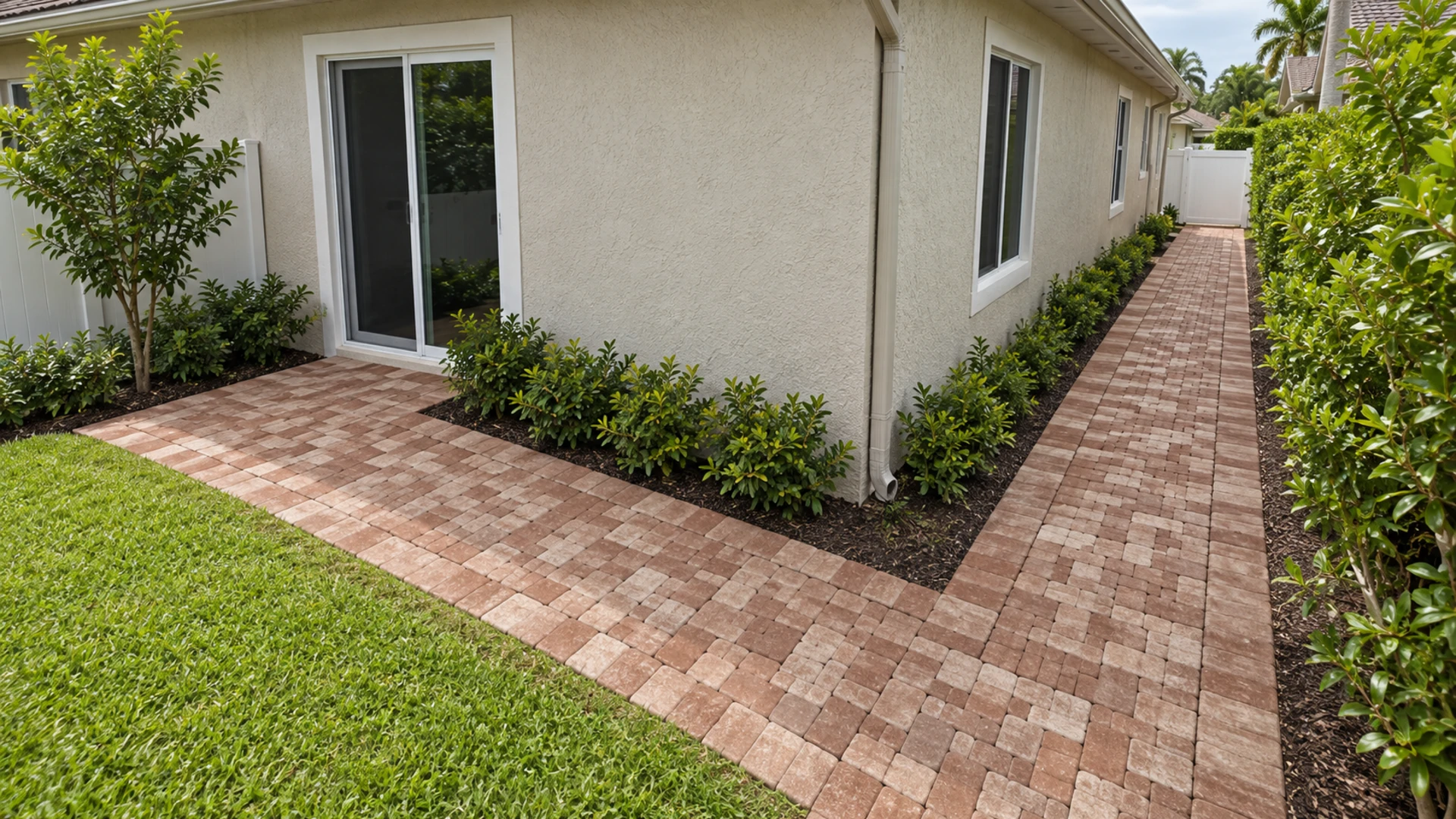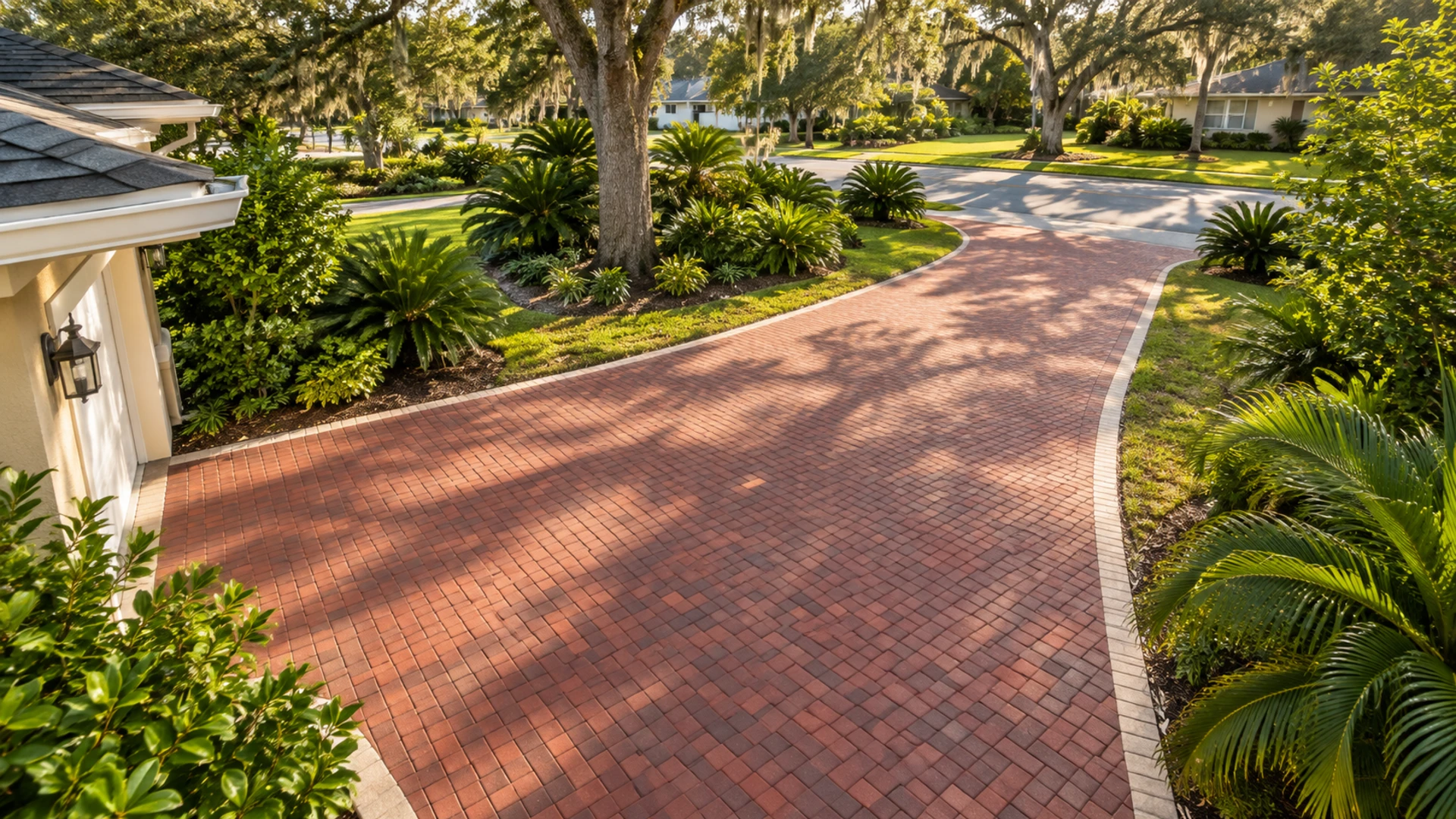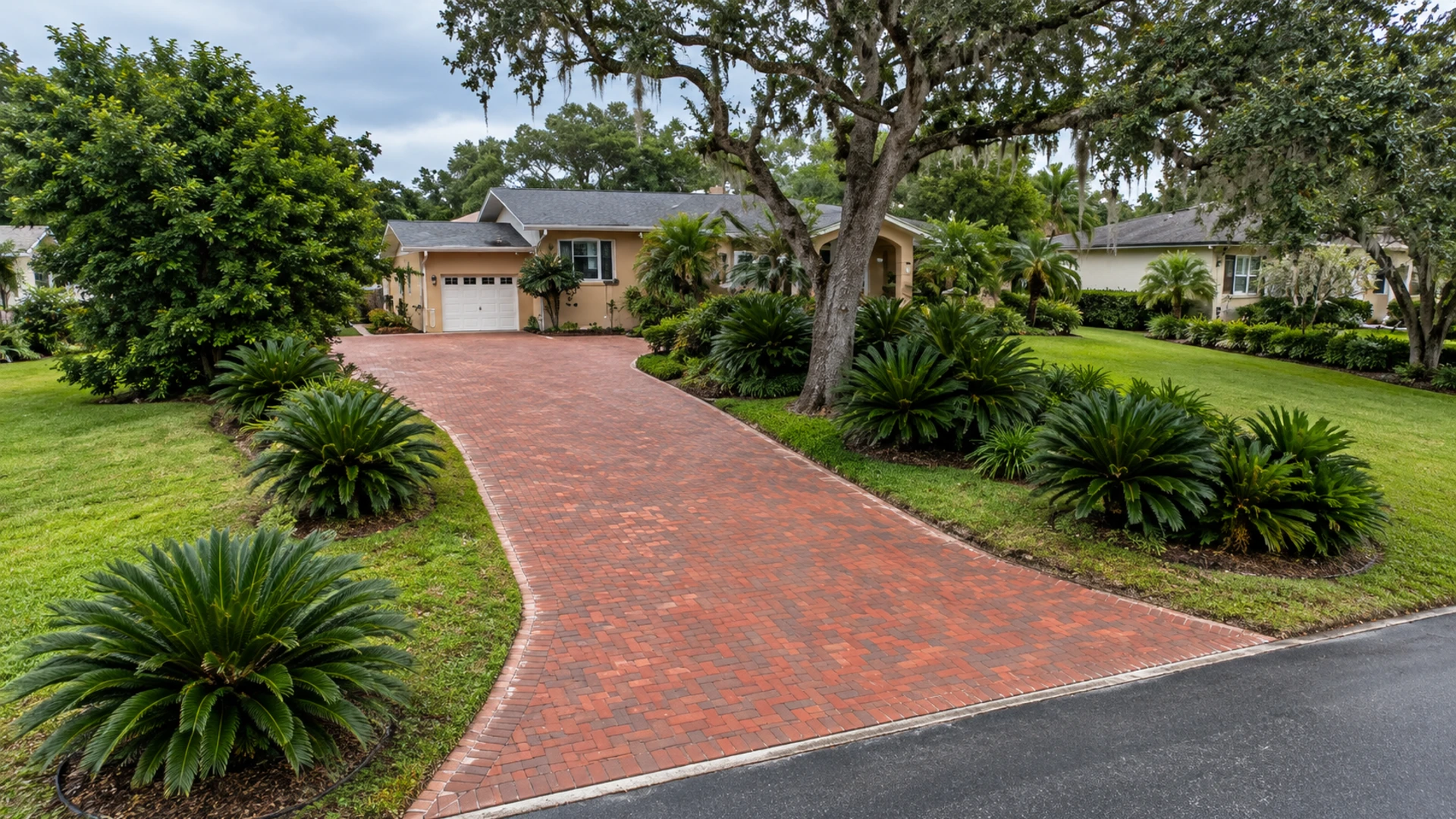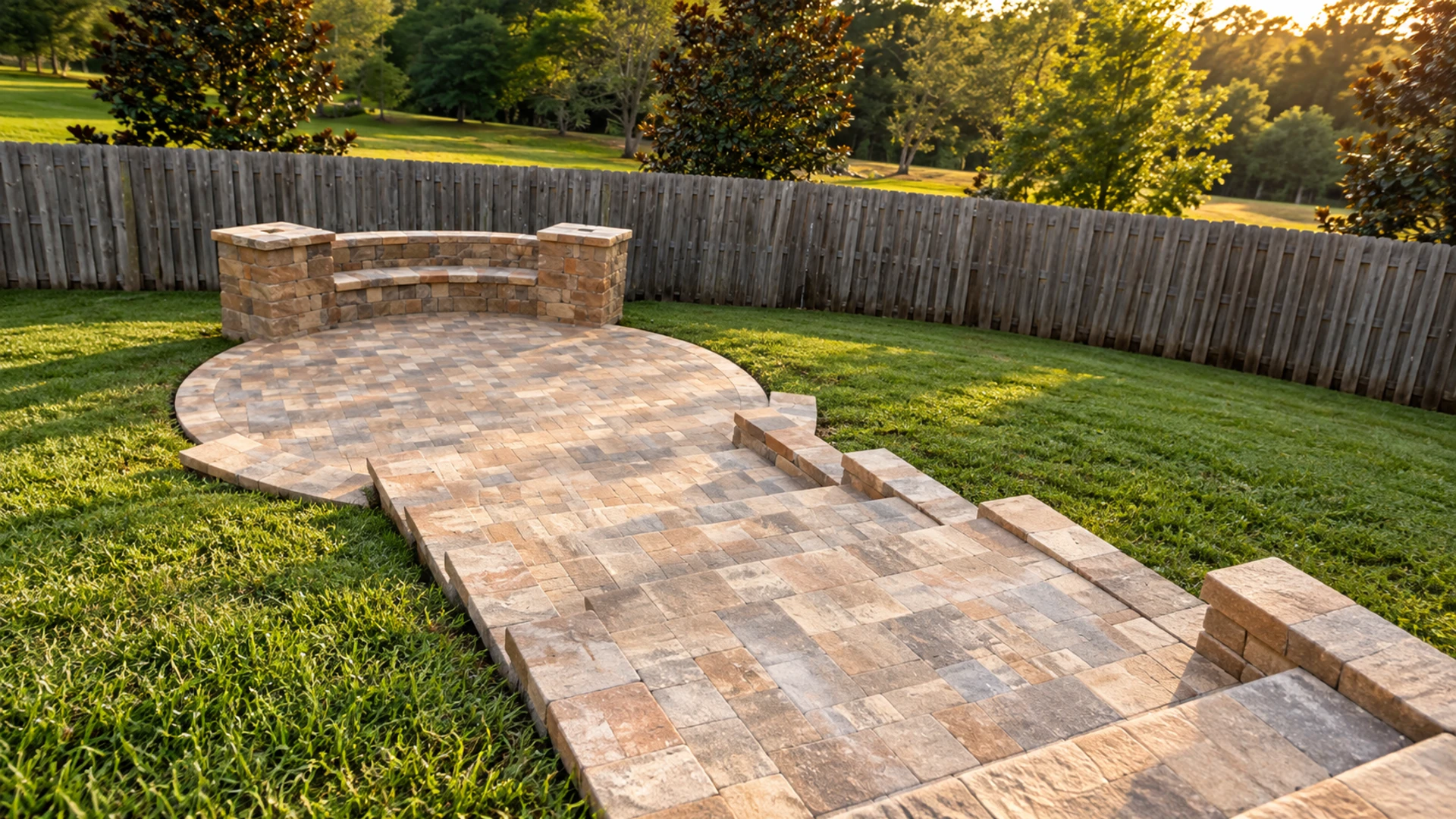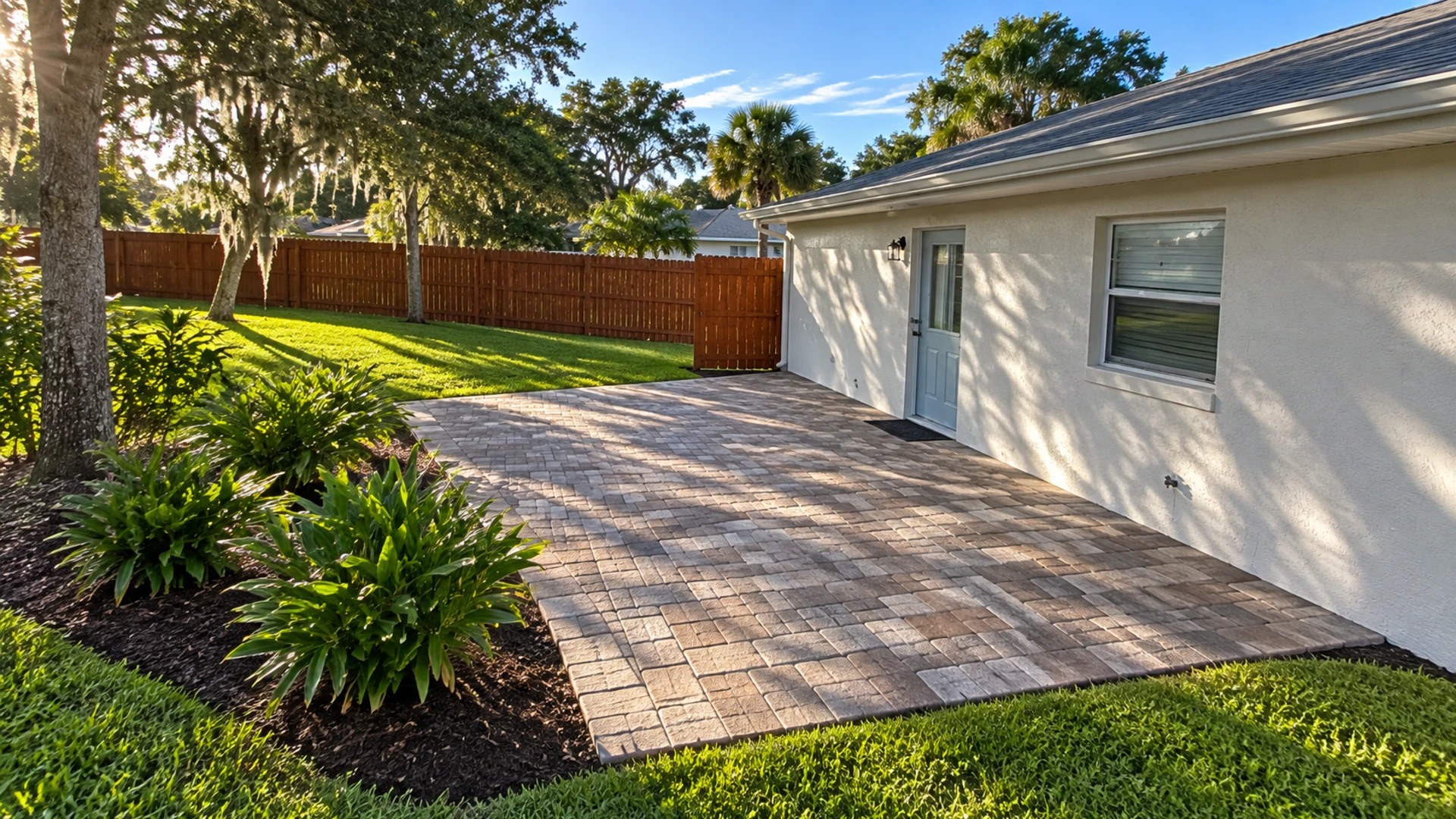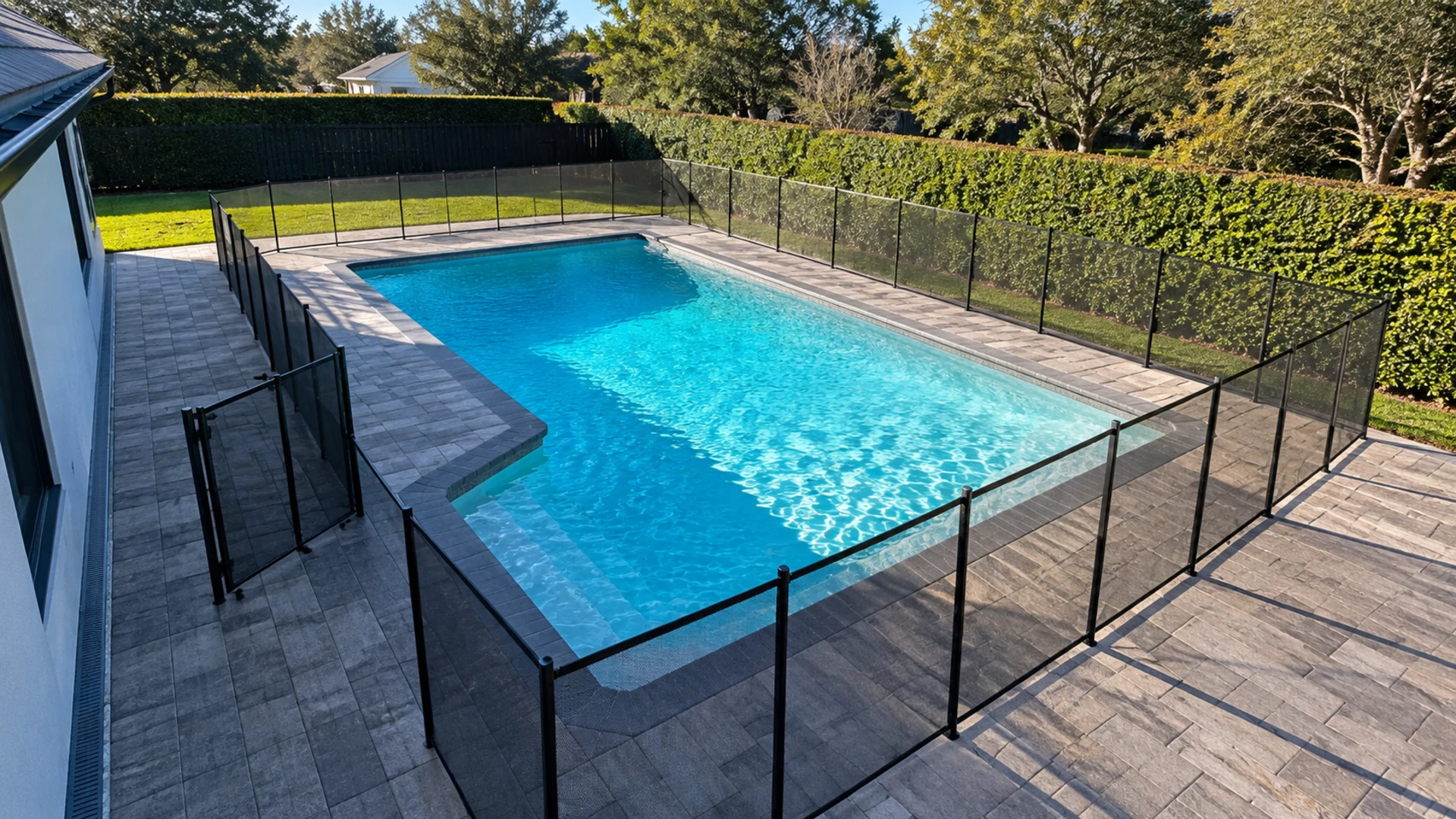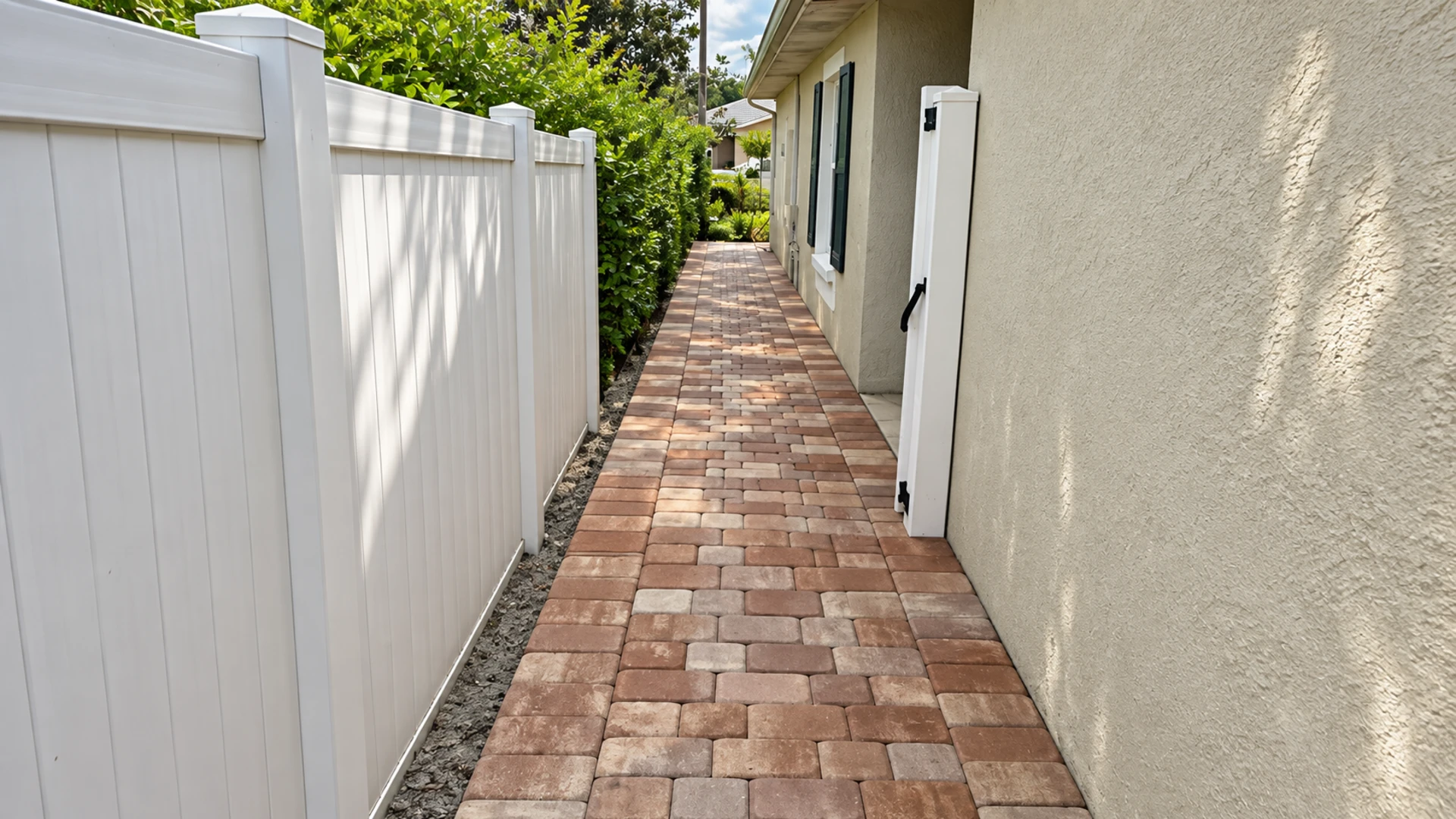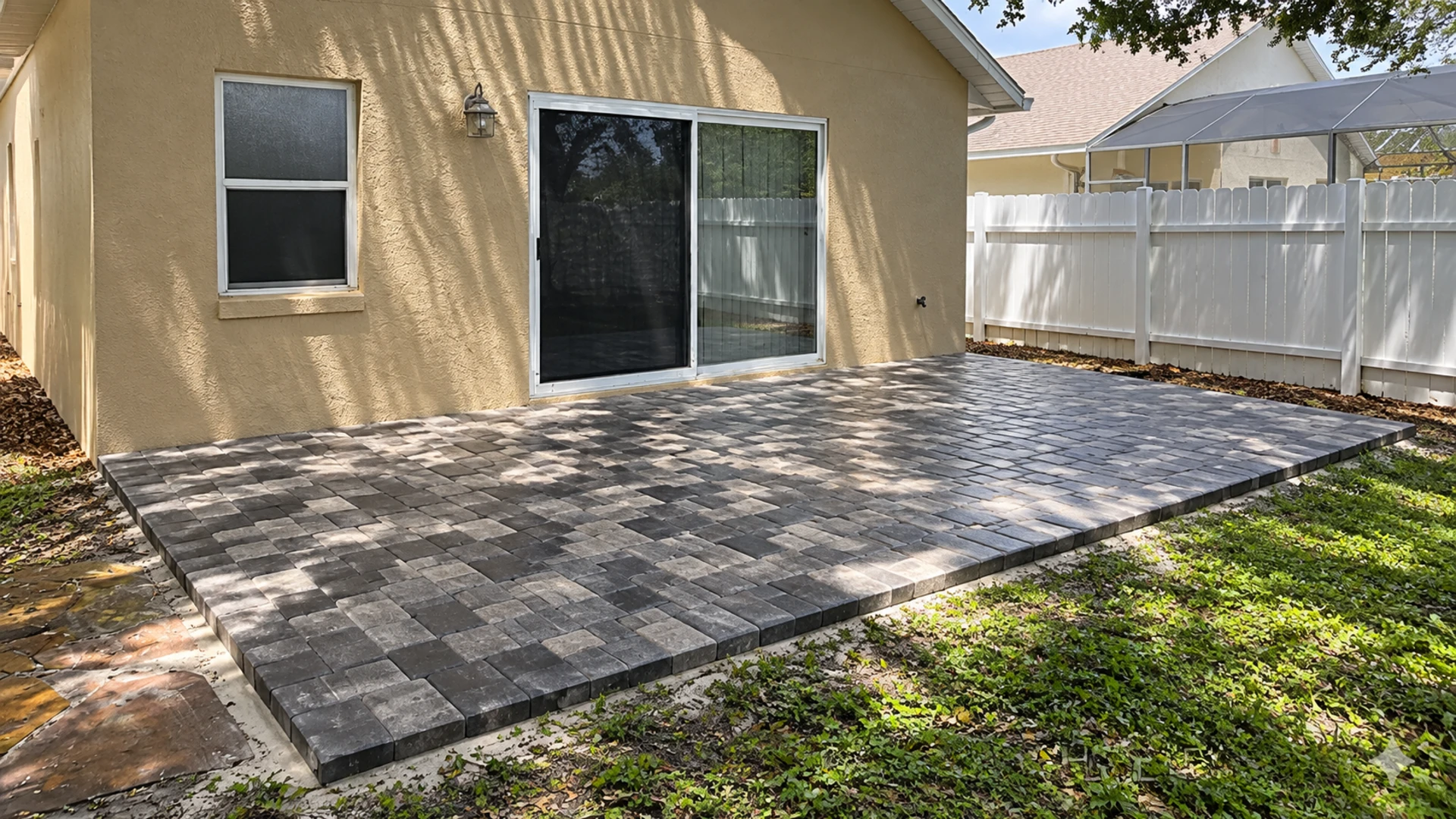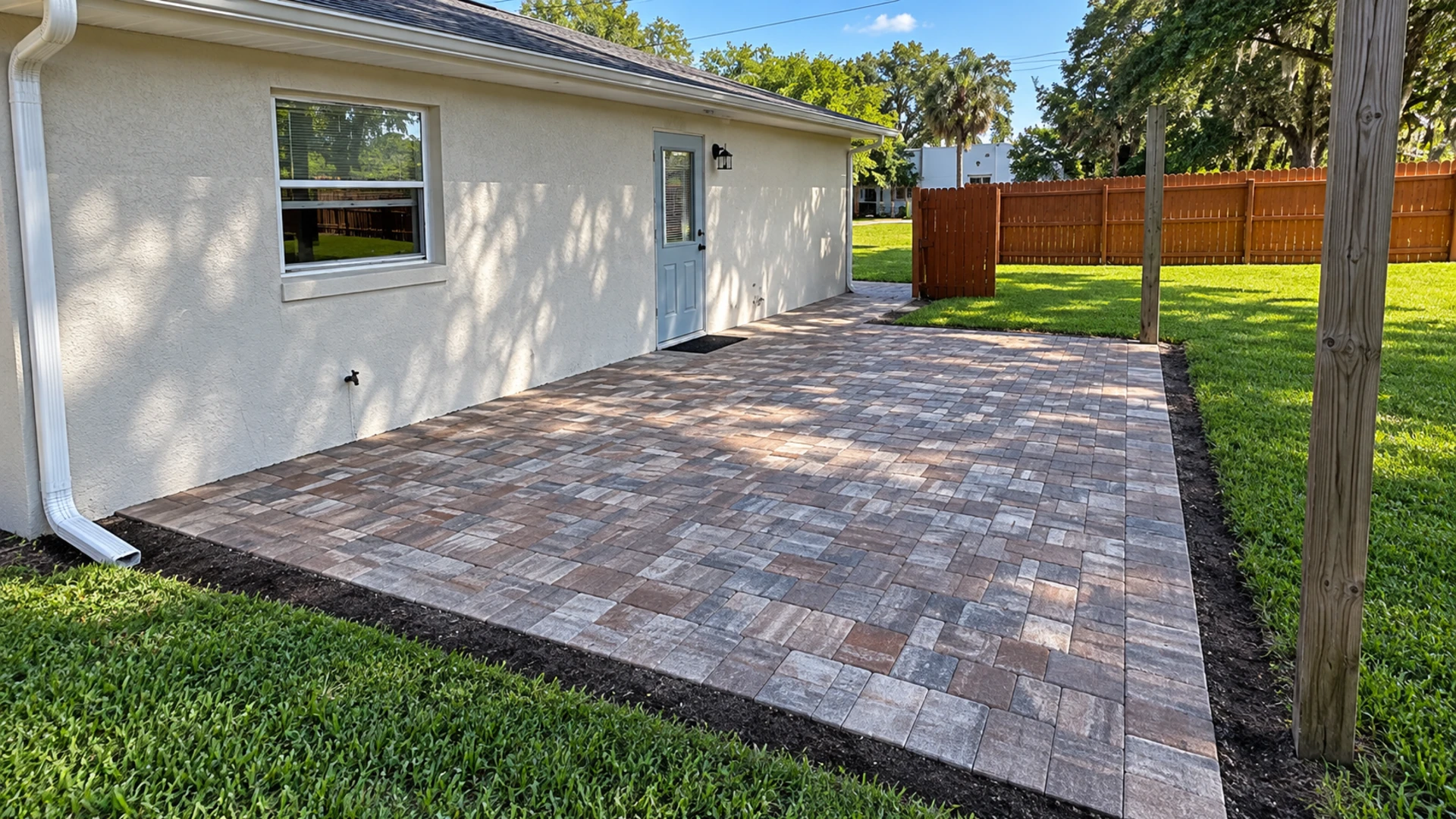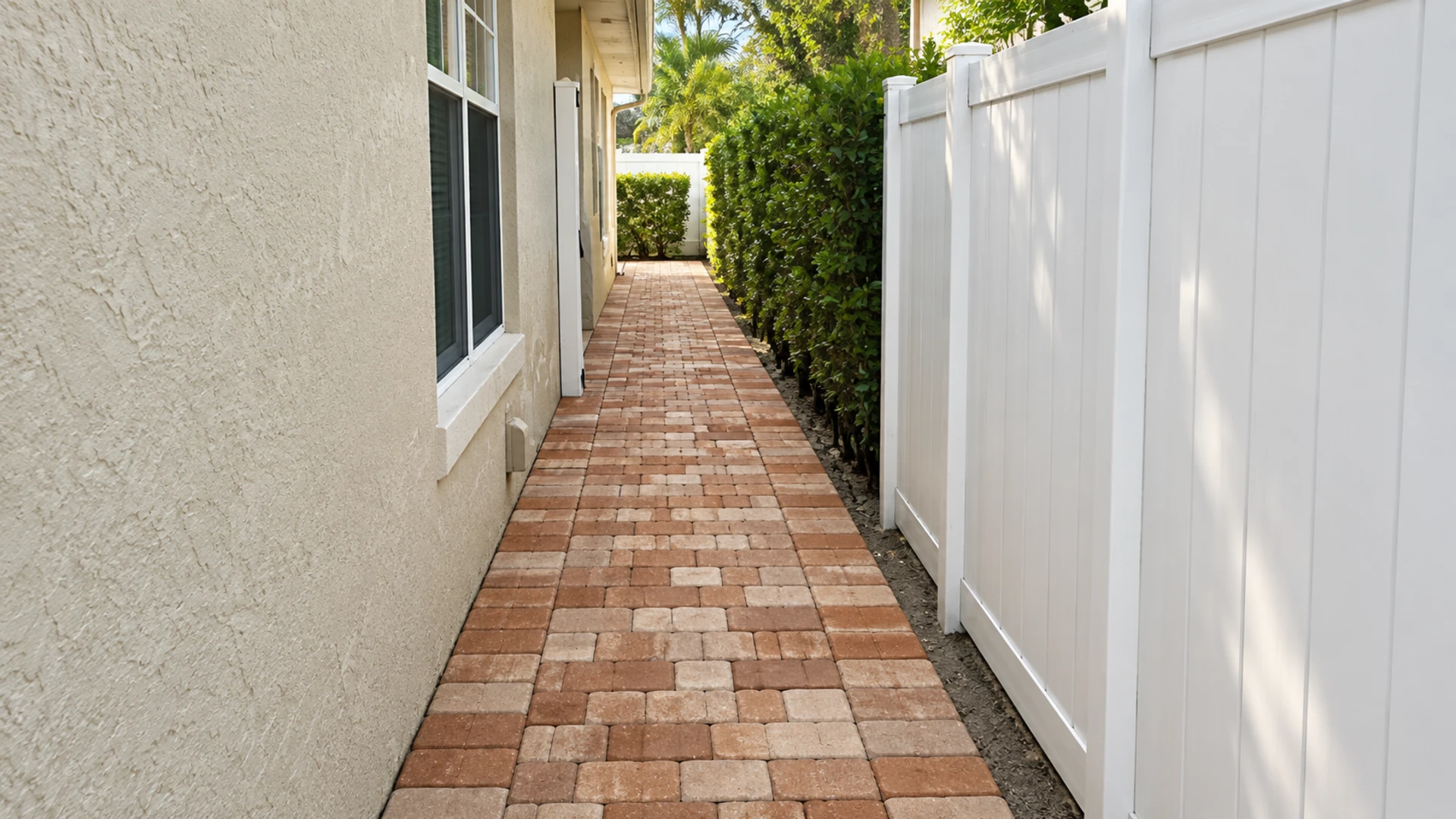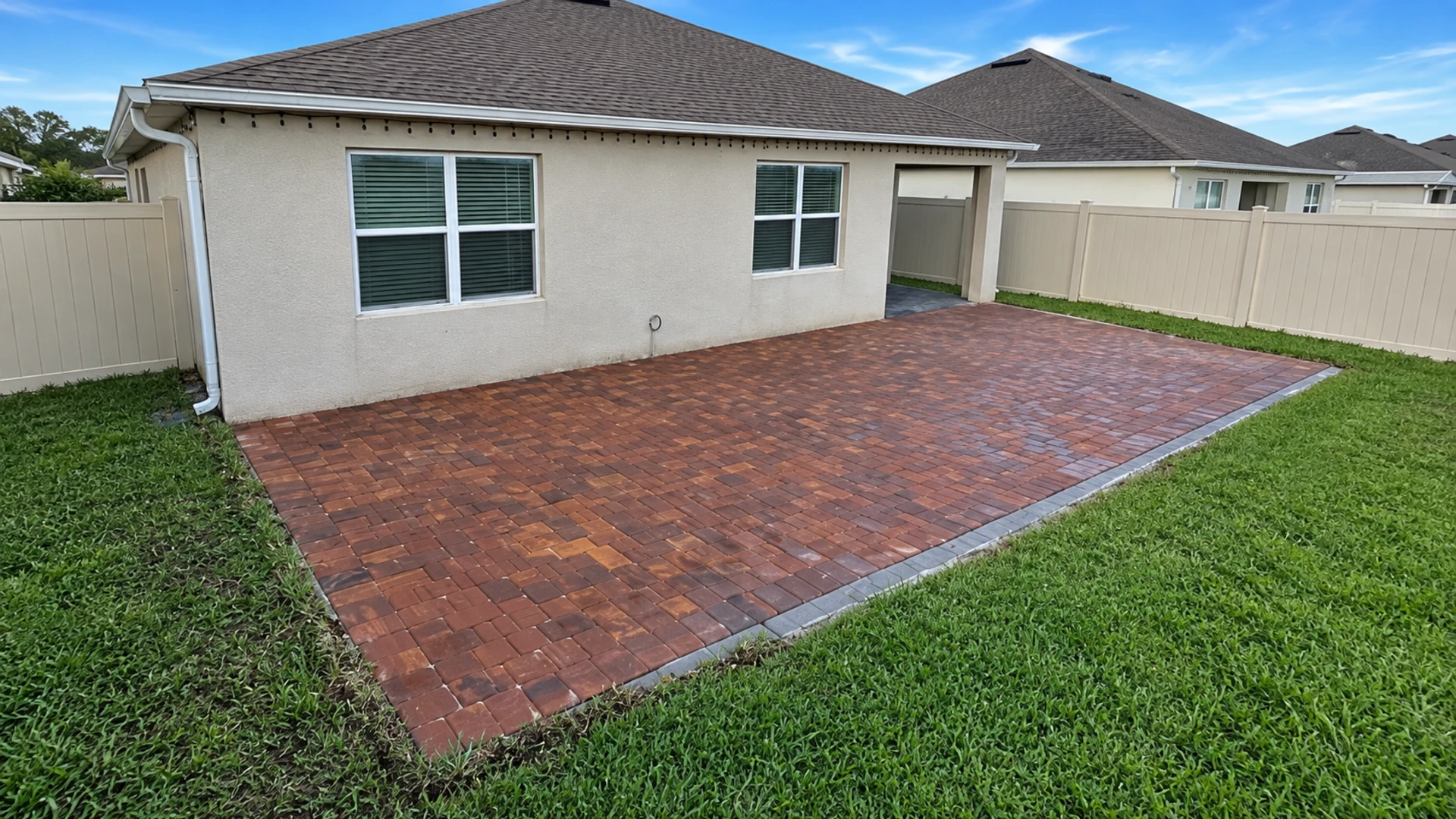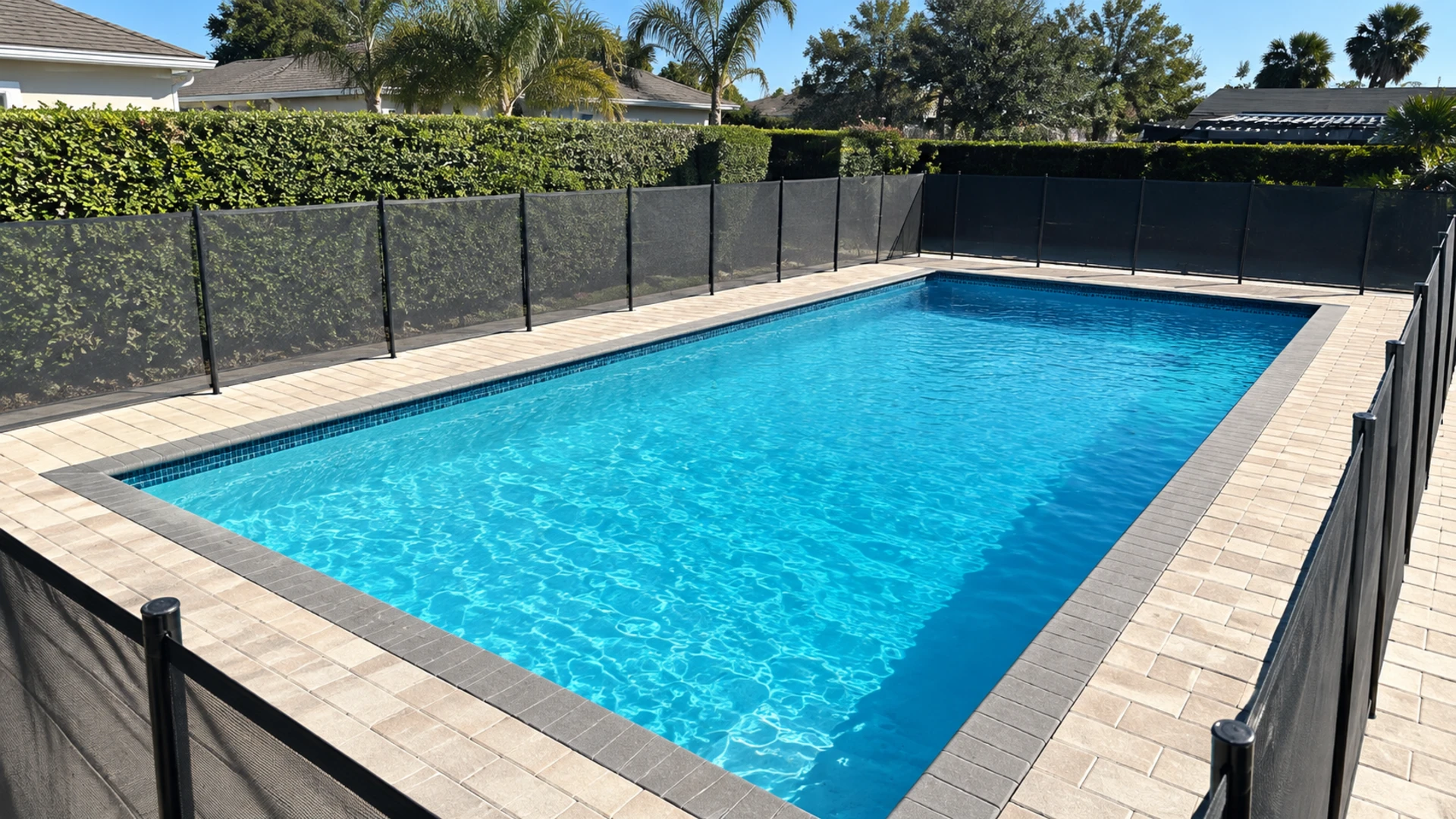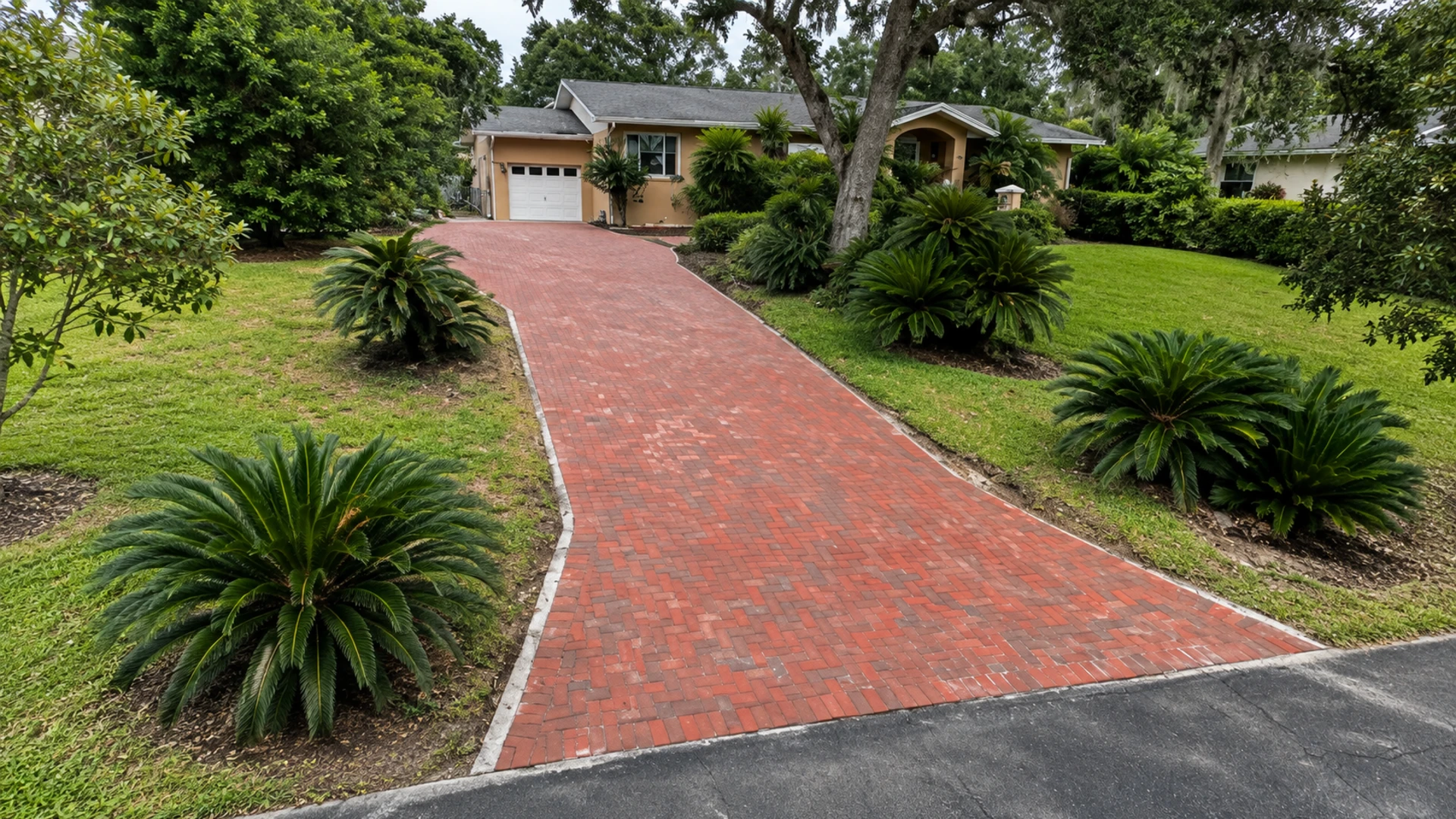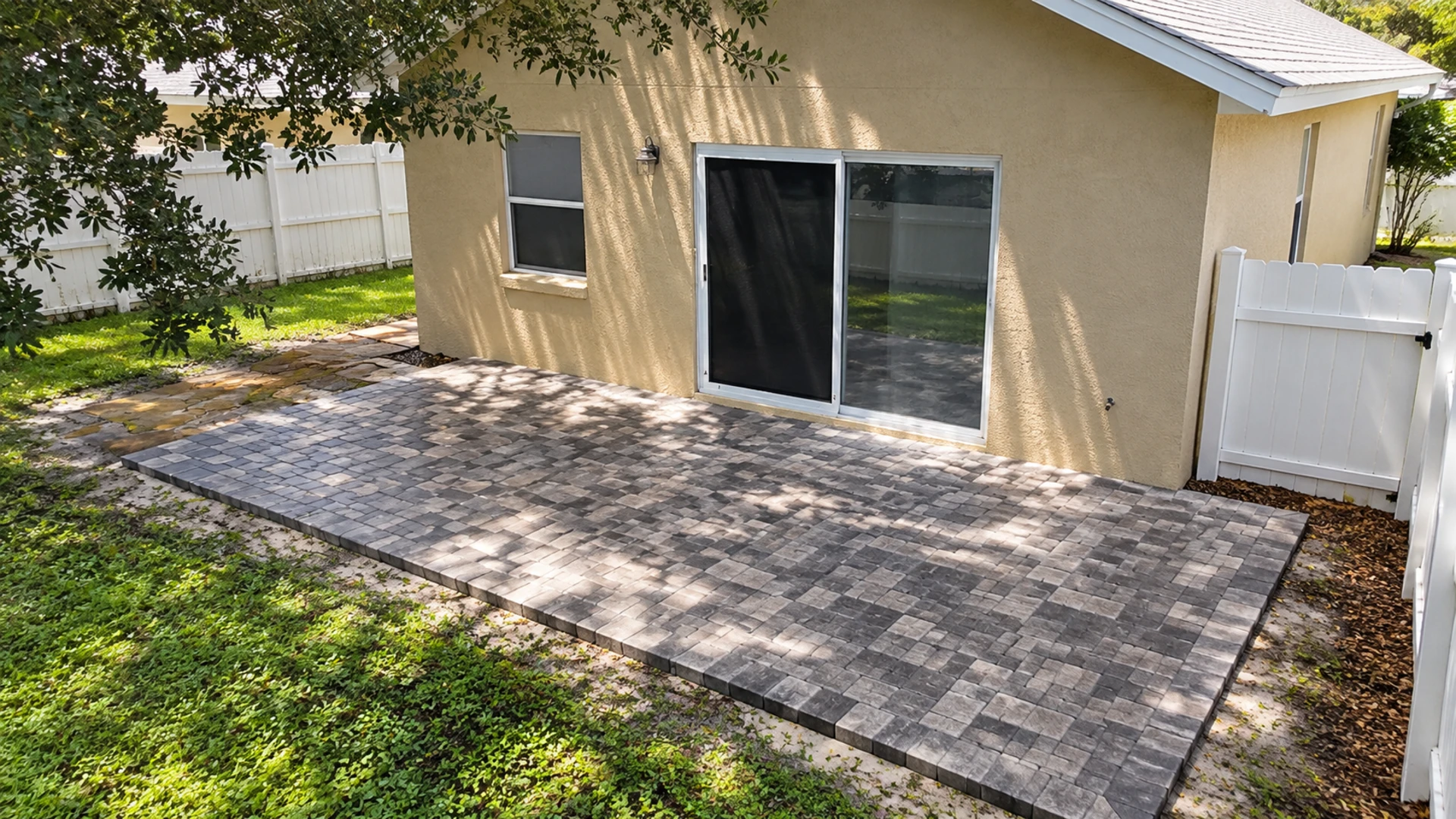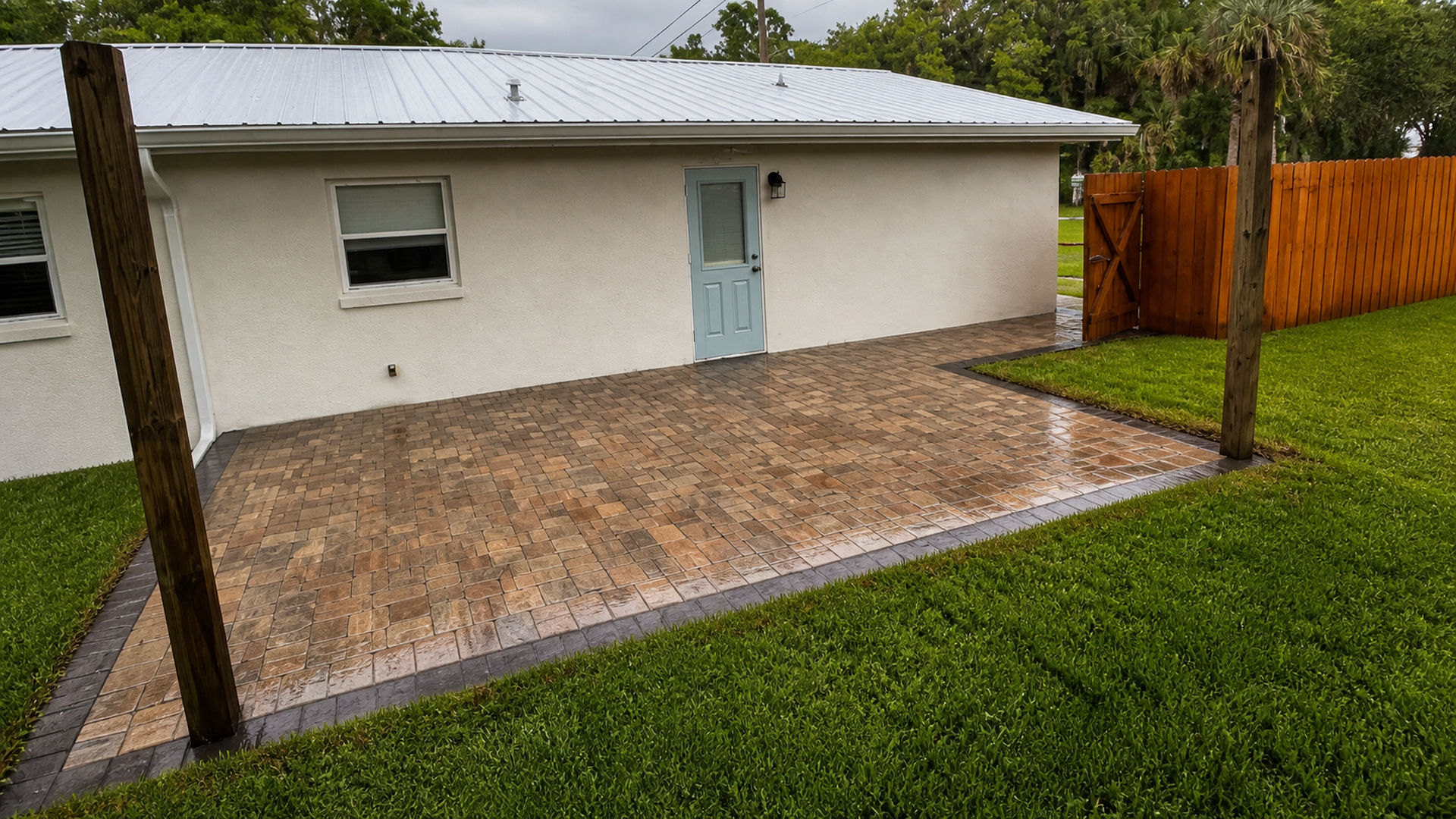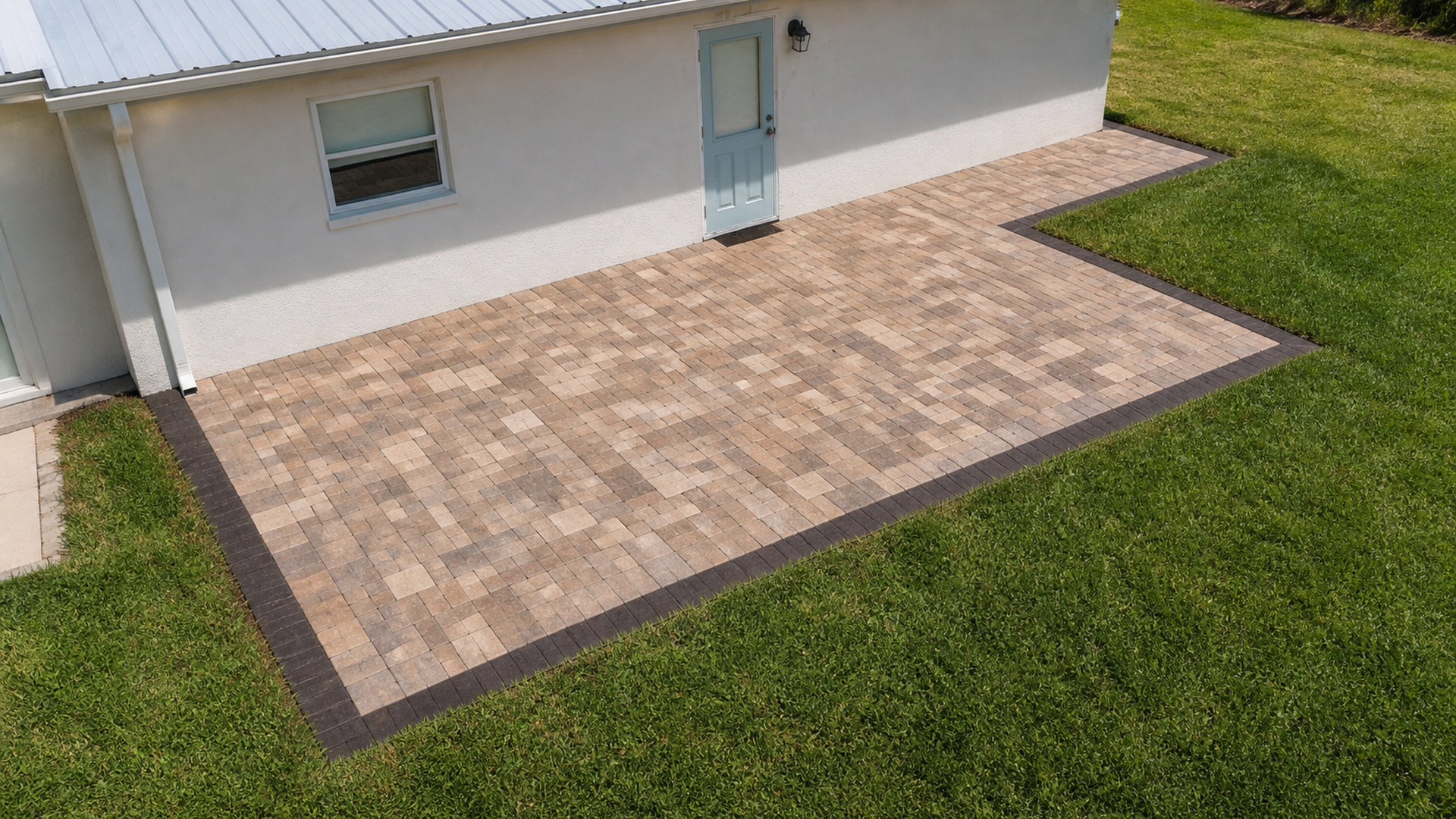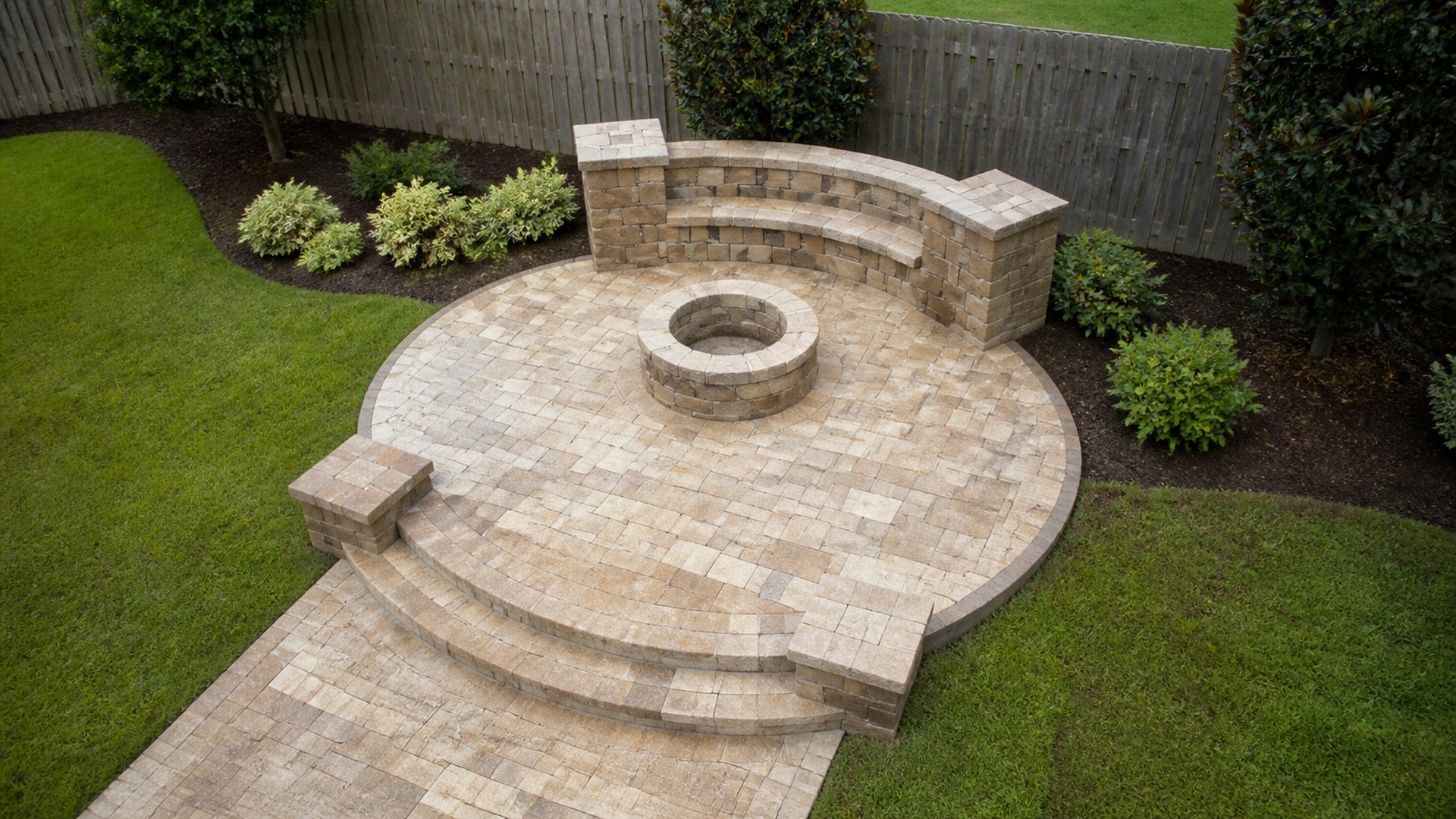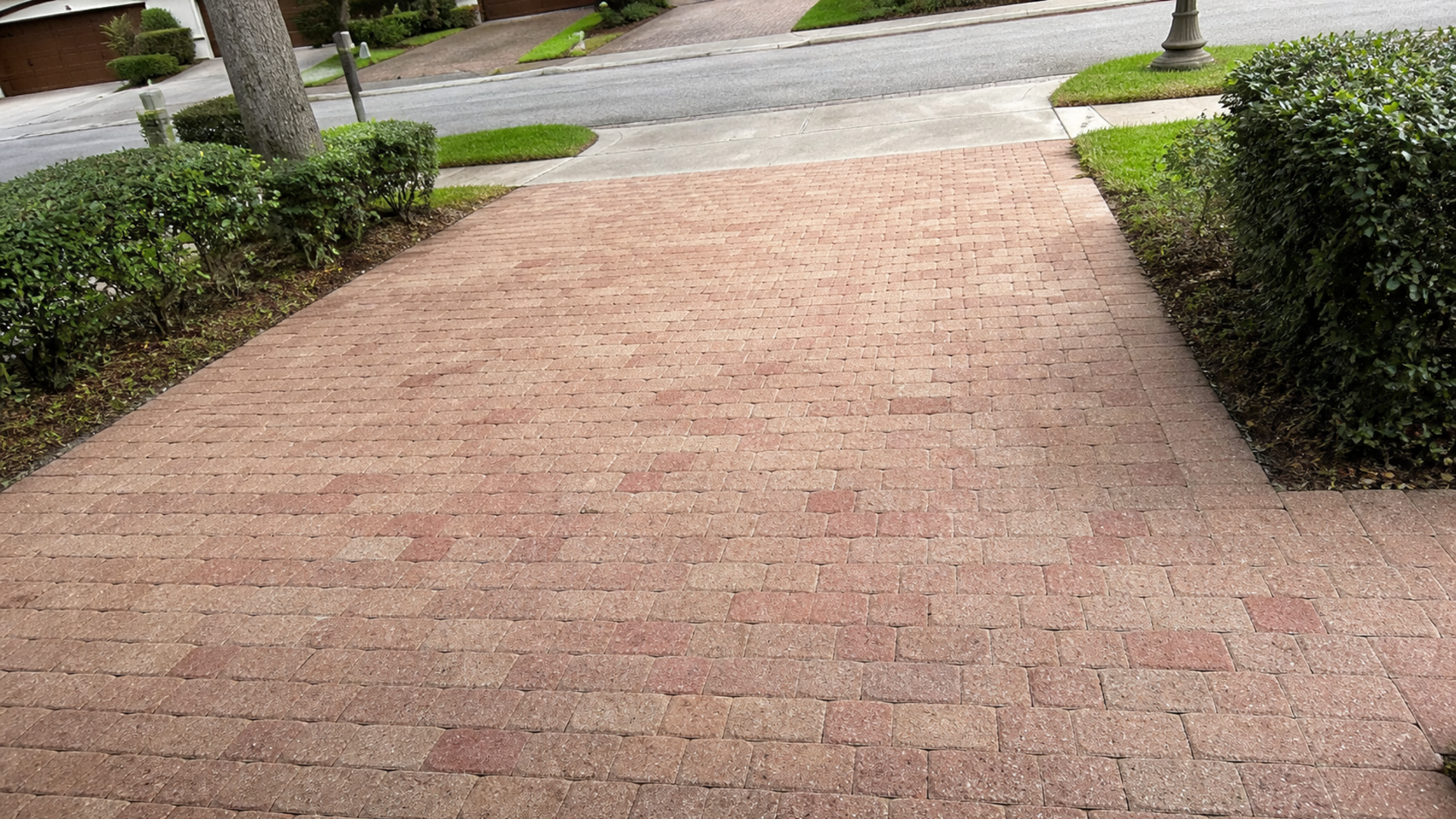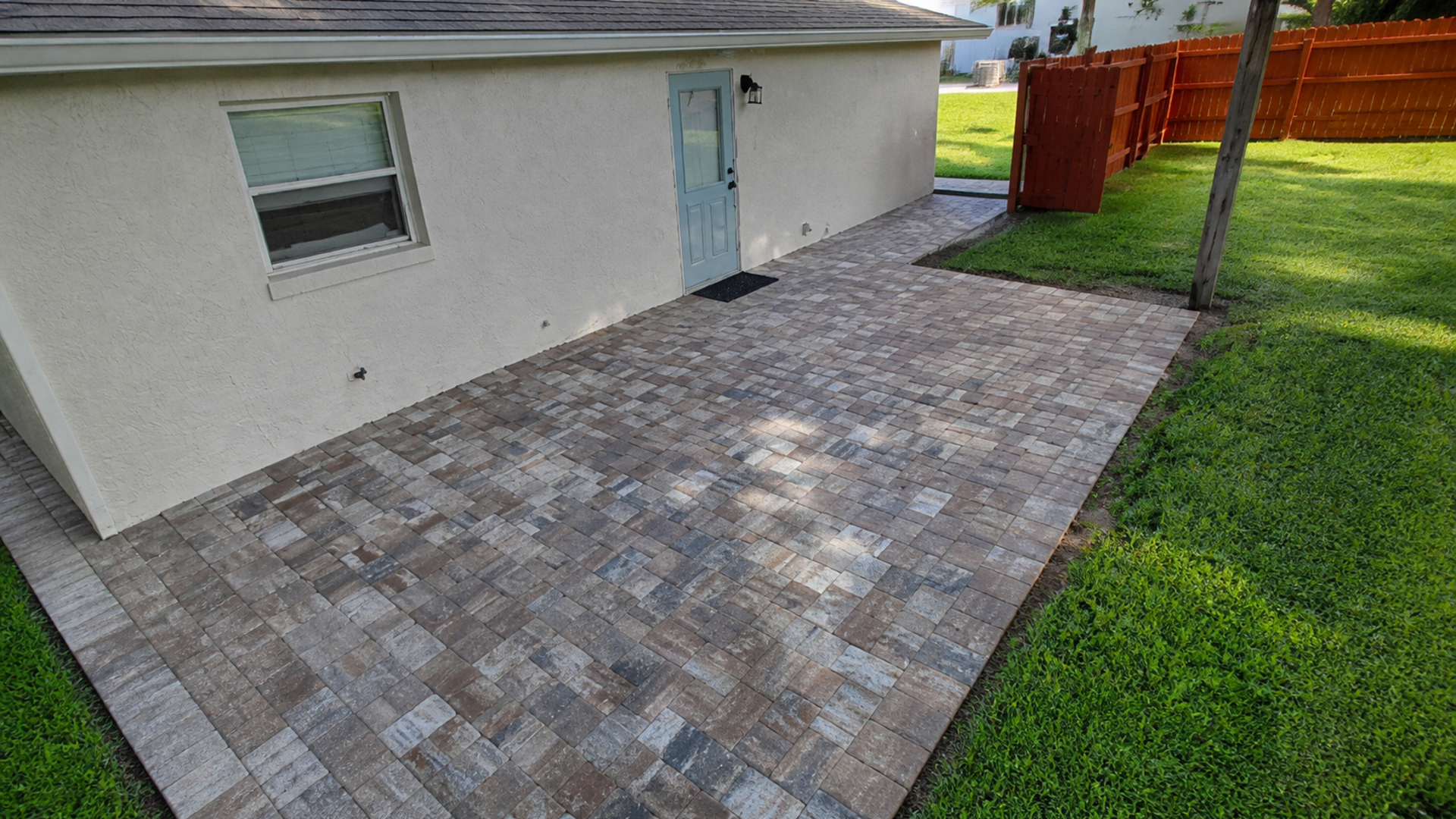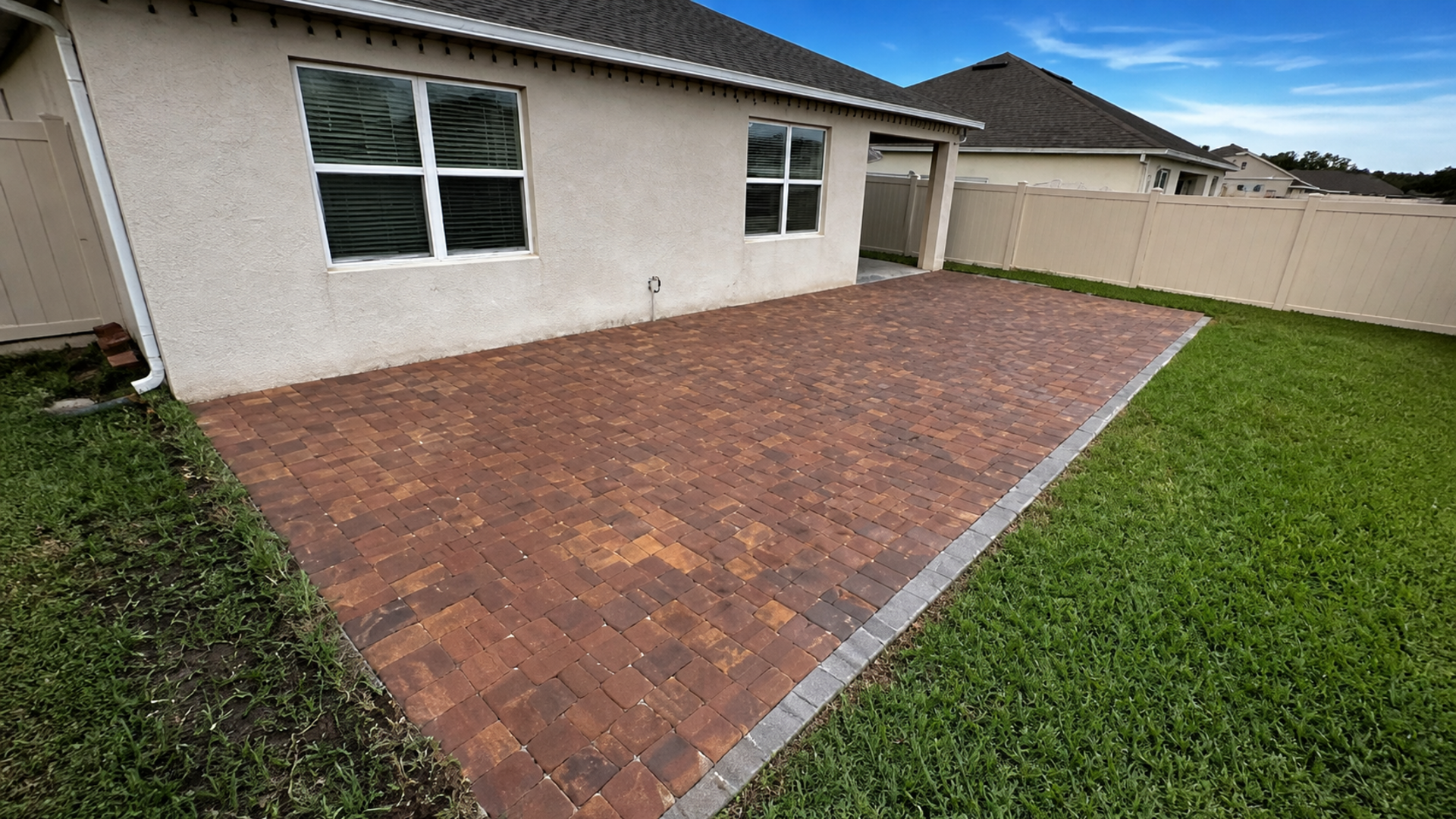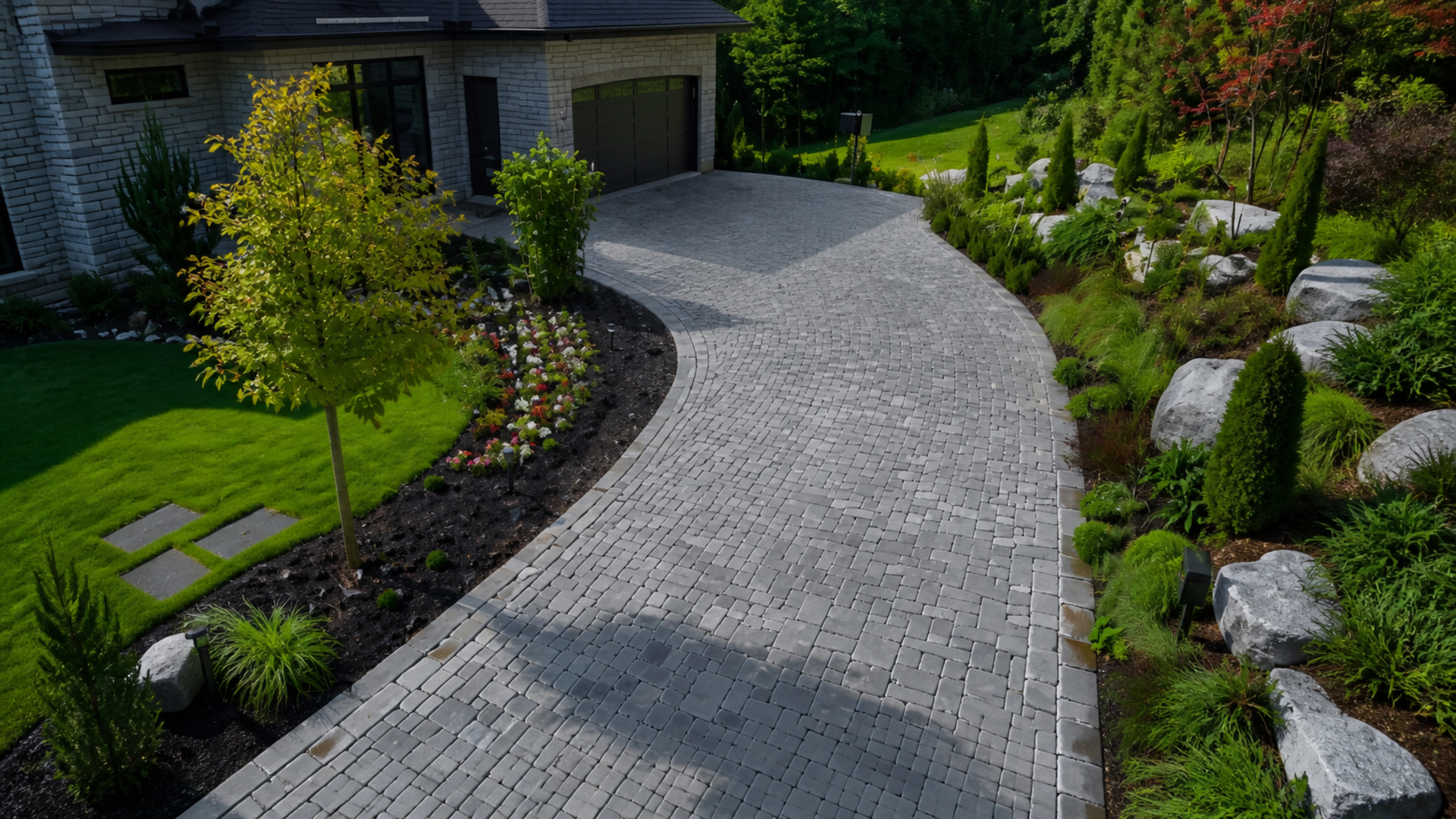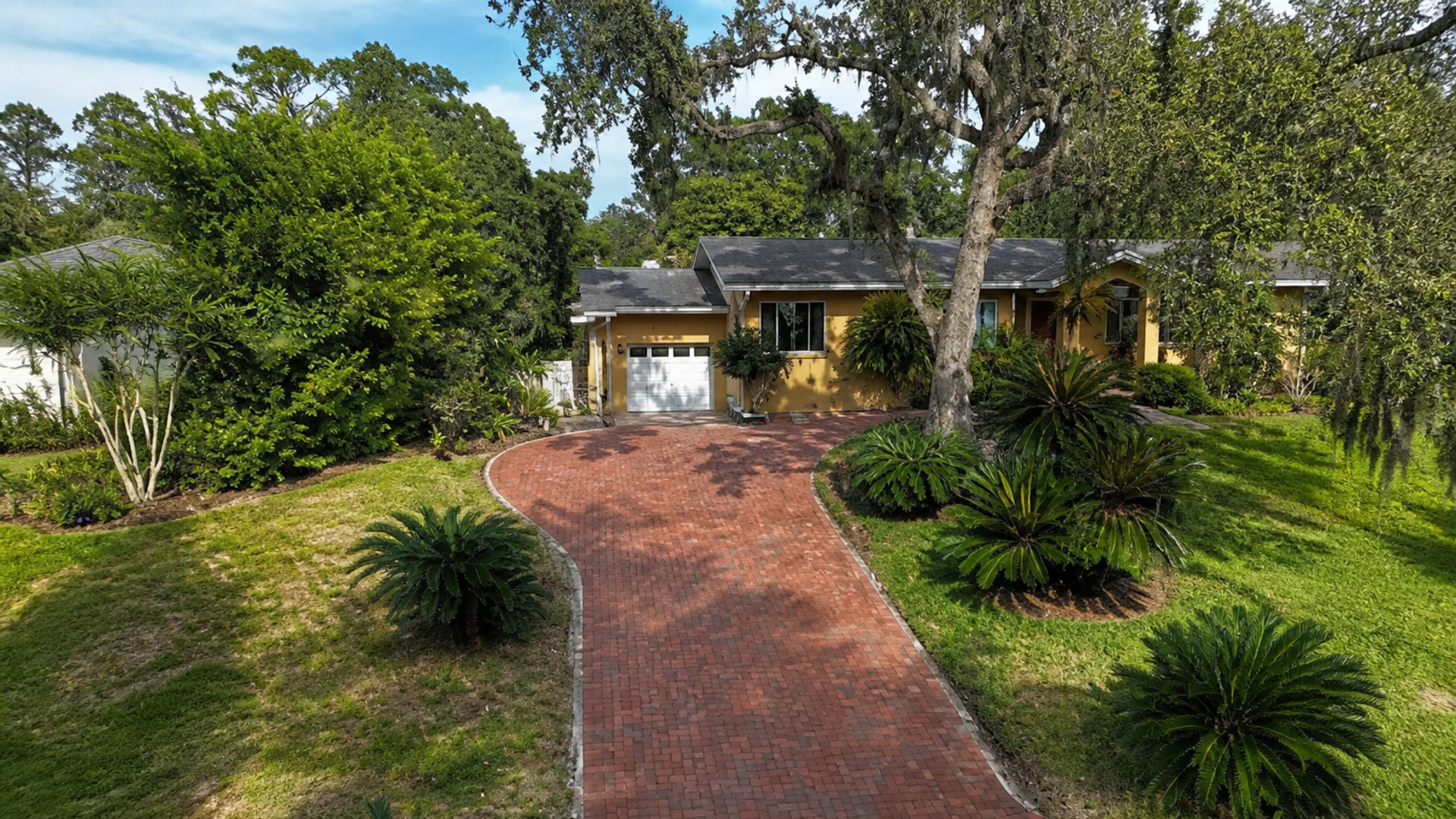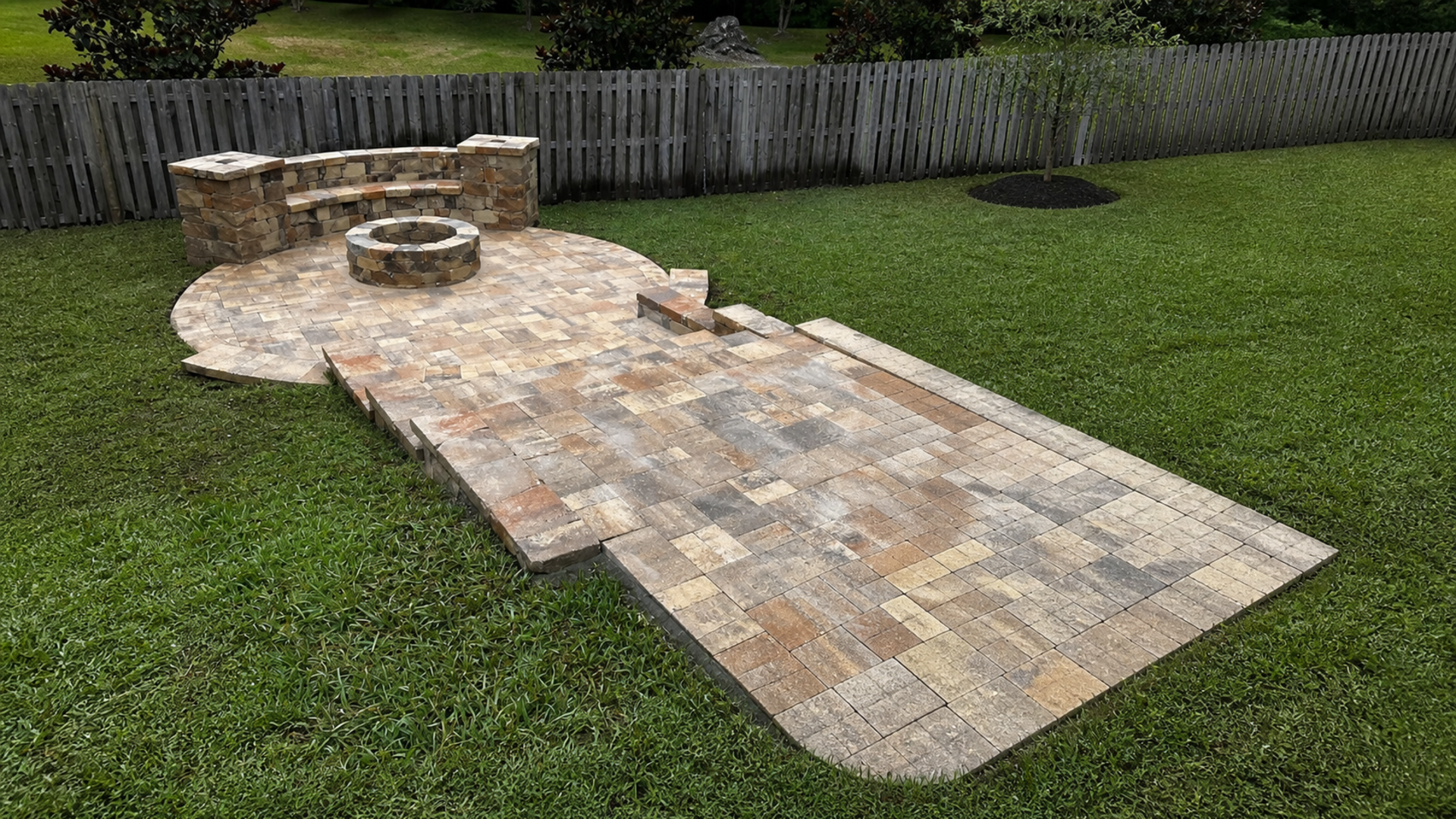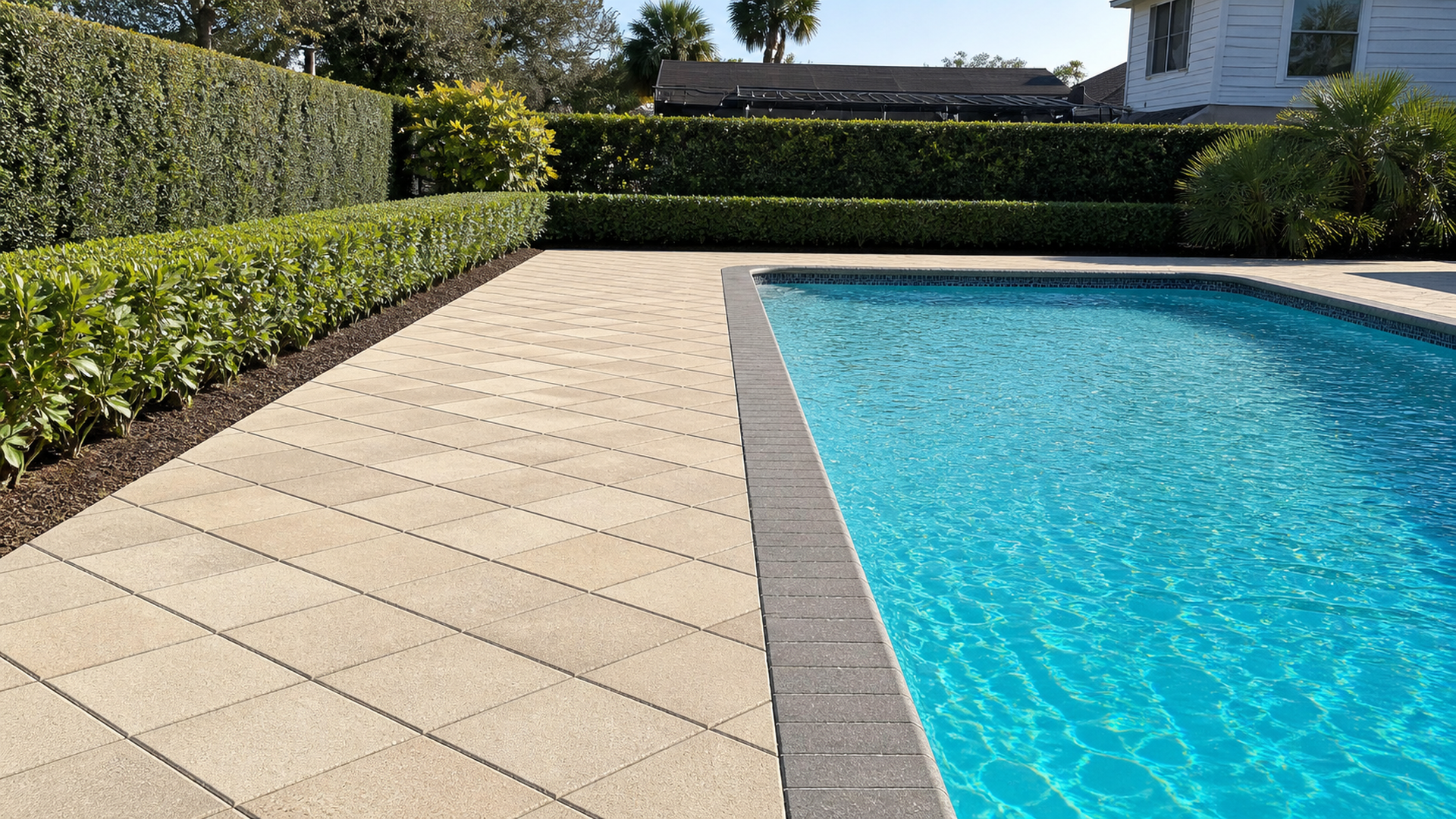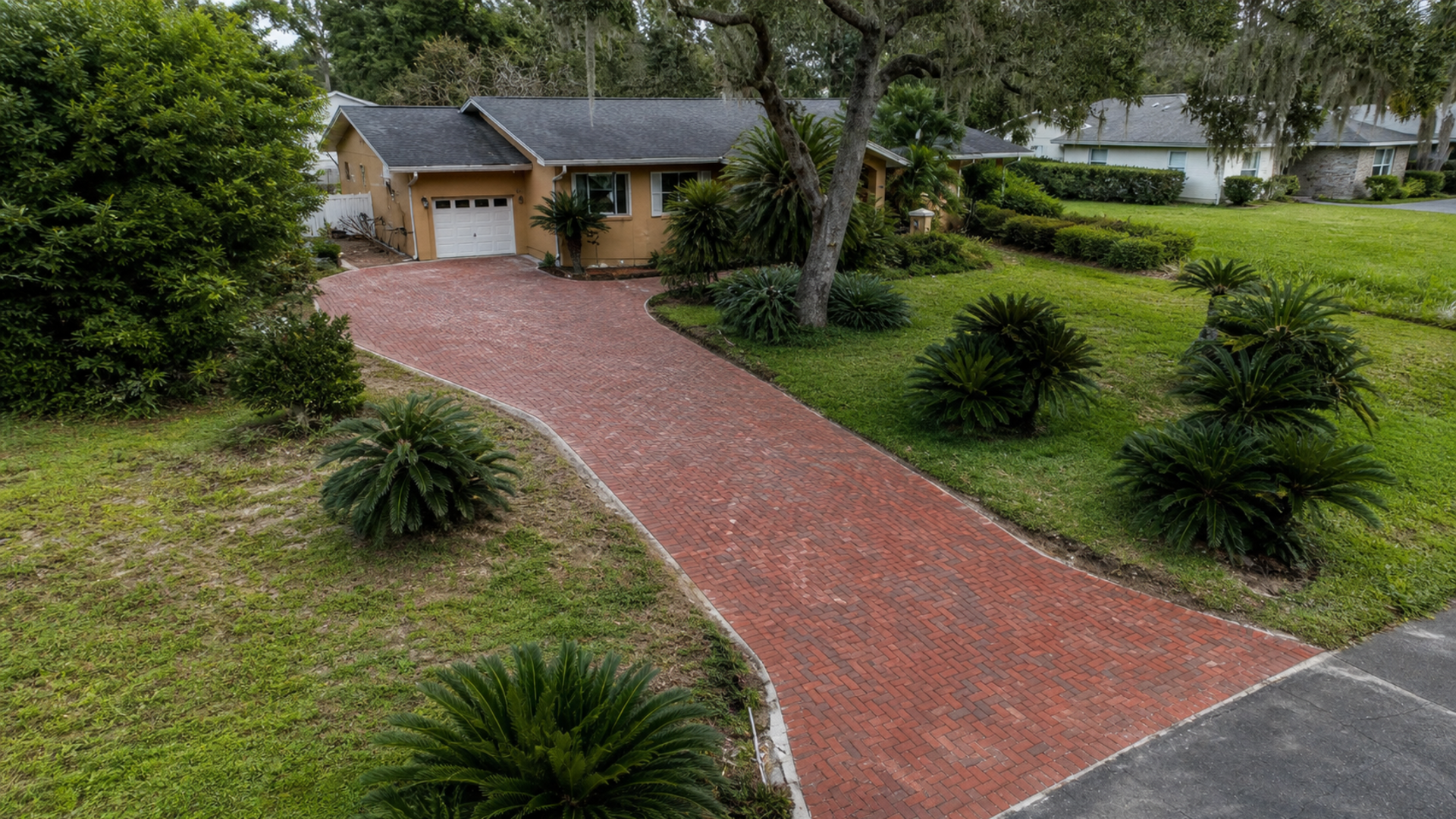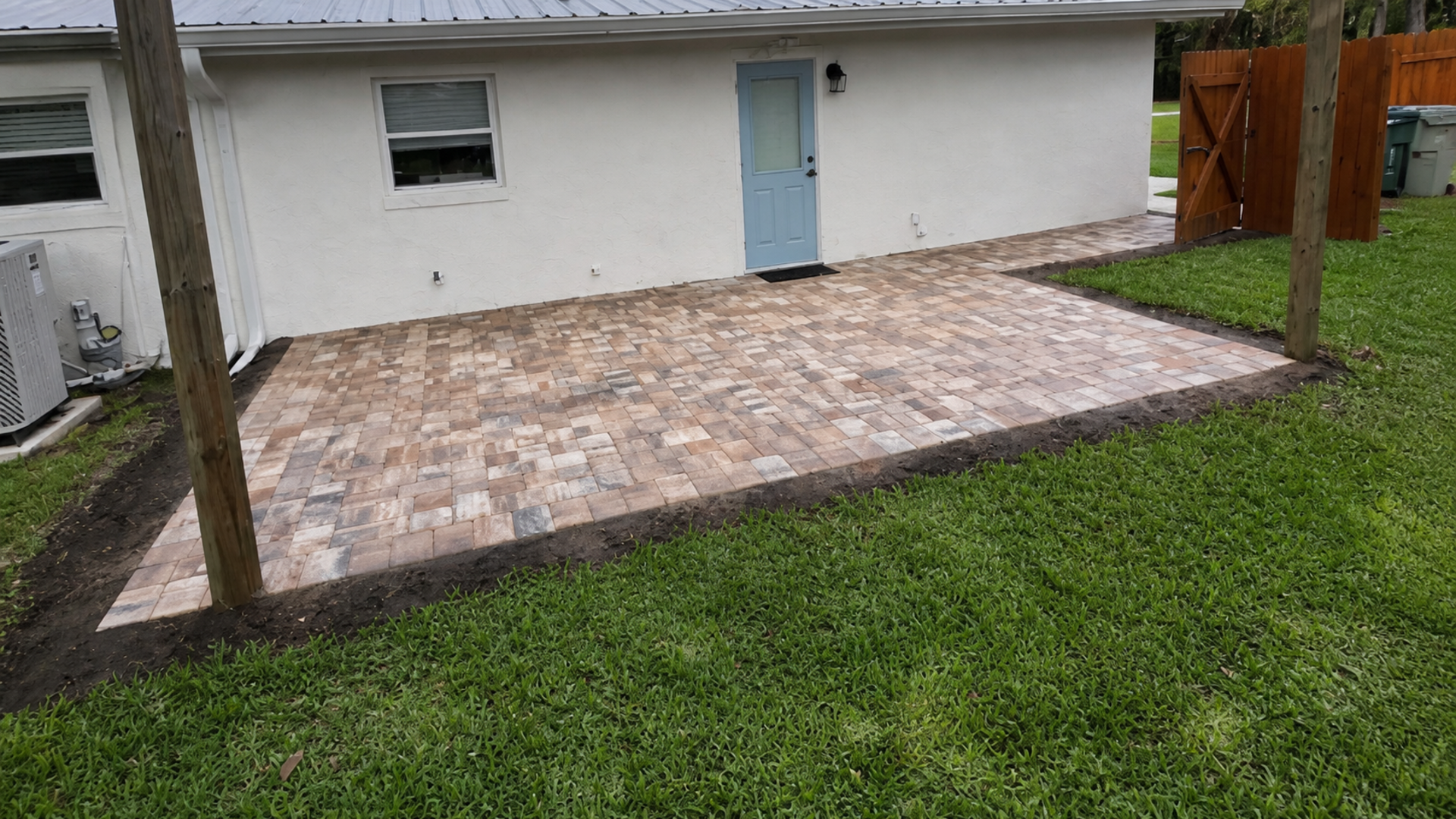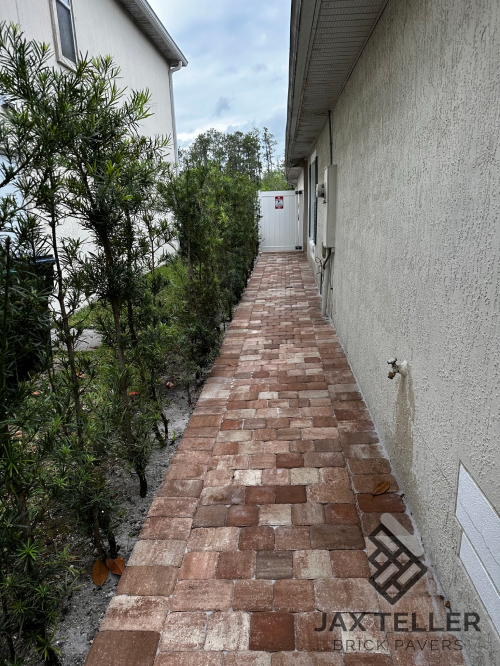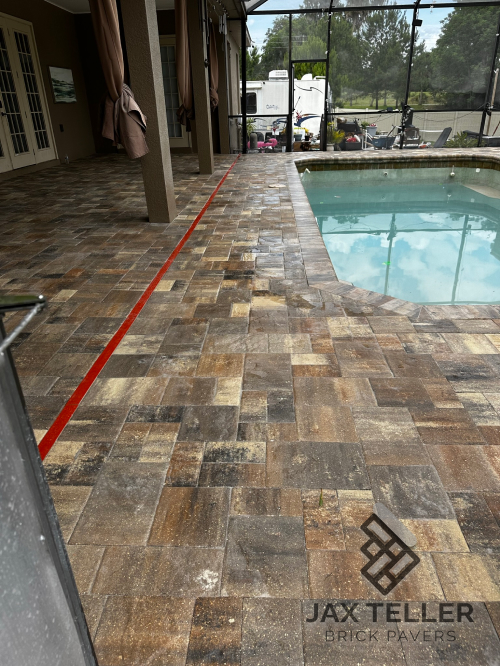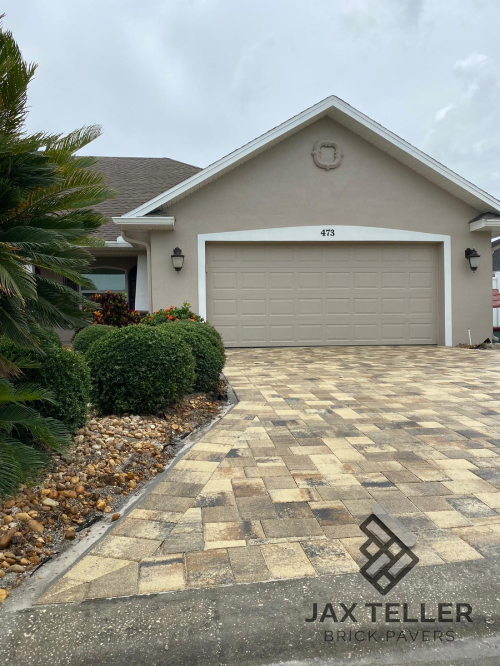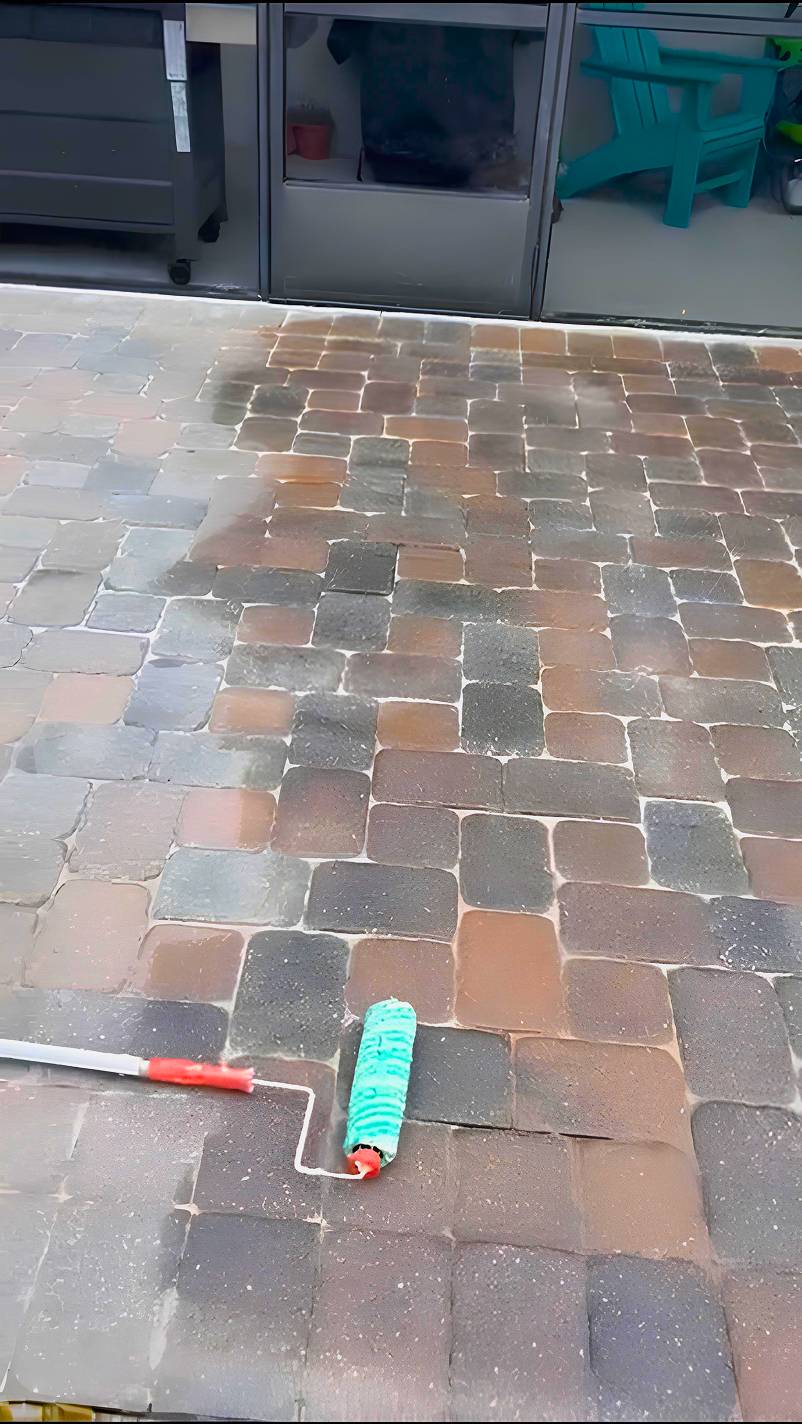


Concrete splashes on pavers deserve attention while the surrounding work is still easy to identify. Small gray spots after a neighboring pour, wall repair, or equipment visit can look like ordinary dirt. However, the right response begins with the material, timing, and location, rather than an immediate attempt to scrape or dissolve the marks.
For a Largo homeowner, early identification means preserving useful information and contacting the responsible professionals promptly. It does not mean applying a stronger chemical before someone examines the surface. This guide explains what to record, which questions to ask, and how to compare a proposed cleaning scope without turning an uncertain residue into a larger surface problem.
Identify concrete splashes on pavers without guessing
Look at the pattern across the area. For example, a line of small spots beside a recently repaired wall gives different context from a broad pale film across an older patio. Describe the visible relationship without declaring the cause from appearance alone.
Next, note when nearby work occurred and when you first saw the marks. A dated timeline can help a contractor connect the observation with the relevant material or activity. Moreover, keep any project records that identify the work, such as the provider and service date.
Avoid calling every pale deposit concrete. Mortar, grout, coating residue, ordinary soil, and other materials can raise different questions. Instead, use a neutral description until a qualified provider has enough information to assess the surface and propose a suitable next step.
Photograph concrete splashes on pavers in context
Start with a wide image showing the paved area and nearby work. Then take closer photographs that show individual spots, joints, and adjacent unaffected units. This combination gives the professional both the setting and the visible detail.
Keep the original images and note whether the surface was wet or dry. Lighting and moisture can change how a residue appears. Therefore, do not rely only on a heavily edited close-up or an image with a filter that changes the surface color.
If several areas look different, photograph them separately. For example, a thin film near a wall and isolated droplets near a walkway may need distinct review. Combining them into one general complaint can obscure the information needed to define an appropriate treatment scope.
Preserve the surface history
Find any record that identifies the paving material and previous cleaning or sealing. Moreover, mention recent repairs or a coating applied only to part of the area. Those details can affect how the professional evaluates a proposed product or method.
If the material is unknown, say so clearly. A contractor may need an on-site assessment or supplier information before choosing a treatment. A photograph that resembles concrete paving does not establish that every unit, border, and adjacent piece has the same composition.
Do not discard product packaging from the nearby work while the concern remains unresolved. The responsible provider may use its material reference to assess the situation. However, keep that information as evidence rather than using the package to select a removal chemical yourself.
Report concrete splashes on pavers promptly
Tell the contractor who performed the nearby work what you noticed and where. Then ask for a review that includes the paving material and its known finish. A precise request encourages an assessment rather than an immediate promise to make the marks disappear by any means.
Use factual language. For example, say that gray spots appeared beside the wall after the repair date, and attach the contextual images. Avoid assuming intent or hidden damage. The goal is to establish the condition and agree on a suitable response.
If several trades worked nearby, keep the communication organized. One current record can identify the dates, providers, and observed areas. Moreover, let the responsible parties clarify their roles without asking the homeowner to determine the residue's chemistry from a photograph.
Avoid scraping as an automatic first step
A hard residue may tempt someone to chip it away. However, an improvised scraper or abrasive method can affect the paving face and complicate the original issue. Therefore, preserve the condition until the material and appropriate approach receive review.
The same caution applies to a strong pressure jet. More force does not establish that a treatment suits the paving, joints, or any existing coating. A provider should explain the proposed method in relation to the actual surface and residue.
If someone has already tried a treatment, record exactly what you know. Include the product name or method, location, and date when available. Do not hide that attempt out of embarrassment. The professional needs the updated history to evaluate what remains and avoid repeating an unsuitable approach.
Keep acids and unfamiliar products out of guesswork
Do not select a cleaner solely because its label mentions concrete or cement. The word may describe the target residue, the compatible surface, or a different intended use. Consequently, the relevant technical instructions need careful interpretation by the provider choosing the system.
Avoid mixing products or borrowing a recipe intended for another property. Different paving materials and surface treatments can respond differently. Moreover, nearby plants, metals, pool components, and building finishes introduce their own compatibility concerns.
A suitable proposal identifies the product or method, its intended purpose, and the precautions relevant to the site. If that information remains vague, ask for clarification before approving full-area treatment. A clear plan is more useful than a promise that a familiar chemical always works.
Ask for a defined assessment or test
The provider may need to evaluate a small representative area before proposing a wider service. Ask what question the assessment will answer and what limitations remain. For example, the team may need to compare the residue and paving response under the selected manufacturer's guidance.
Agree on the review point before the test expands into general cleaning. Moreover, identify who approves any additional scope. This keeps an initial evaluation from becoming a full-property treatment without a shared understanding of the method and expected result.
A test should not become a cosmetic demonstration that ignores adjacent materials. Ask how the provider will consider the border, joints, coating, and nearby finishes. The aim is a suitable system for the actual installation, not merely a clean-looking spot produced under different conditions.
Separate concrete splashes on pavers from repair questions
Ask the professional to explain whether the concern involves material resting on the surface, an appearance change, physical damage, or an unresolved combination. Those possibilities can lead to different scopes. Therefore, do not treat cleaning and replacement as interchangeable offers.
If replacement enters the discussion, ask how the contractor will identify matching units and define the affected area. Appearance can differ between existing and replacement material. A realistic explanation of that possibility is better than an unsupported promise of an invisible repair.
Likewise, do not assume a broad cleaning service will resolve a chipped or altered paving face. The proposal should connect each task with the specific concern it addresses. That makes it easier to understand what the provider expects to accomplish and which questions remain open.
Compare the affected area with nearby paving
Look at unaffected units that share the same material and exposure when practical. They can provide context for the review. However, avoid assuming that every adjacent piece has an identical maintenance history or coating condition.
Ask the provider whether the proposed treatment could create a visible contrast. For example, a small cleaned patch within a soiled patio may look different even when the residue removal succeeds. That possibility should inform the scope discussion before work begins.
The right answer is not automatically to clean everything. Instead, compare the options and their limitations. A defined local treatment, a broader maintenance service, or further assessment may each be appropriate in different circumstances. The actual material and site condition should guide that decision.
Protect nearby work during future activities
Once the immediate concern has a plan, discuss how upcoming work will avoid repeating it. Ask the relevant trade how it will protect adjacent paving and review the area after completion. Moreover, confirm who removes protective materials and checks for residue.
A protective covering should suit the task and surface. Do not assume any sheet or tape can remain outdoors indefinitely without a compatibility question. The provider should choose the method and explain any access or timing constraints it creates.
Include the route between the work area and equipment or material storage. Residue can appear along handling paths as well as directly beside the task. Therefore, the prevention discussion should cover the whole activity rather than only a narrow strip at the final repair point.
Record treatment of concrete splashes on pavers
After any approved service, retain the product or method information, treated limits, date, and provider's care instructions. Then add photographs from the original viewpoints. This creates a fair comparison that supports later questions without relying on memory.
Record any concern that remains after the agreed review. Moreover, distinguish a pending decision from completed work. A closeout note saying further assessment required is more accurate than labeling the whole area restored when the provider has not reached that conclusion.
If a new appearance change develops, contact the provider before layering another treatment over it. The existing record helps the next conversation start with the actual sequence of events. That can reduce unnecessary repeat work and preserve a more useful surface history.
Work through a typical neighboring-trade scenario
Imagine a homeowner who notices scattered gray droplets after a small masonry repair beside a patio. The useful response is to photograph the wall and paving together, identify the repair date, and gather the paving's material record. Those steps preserve context without deciding the removal method.
The masonry provider and paving professional can then review the material and proposed treatment. If they recommend a representative test, the homeowner can ask what result would justify proceeding. An agreed checkpoint prevents the assessment from turning into an undefined cleaning operation.
Suppose the test removes the residue but reveals a contrast with the surrounding patio. That finding creates a scope decision, not an automatic failure or approval of every possible treatment. The team should explain the options, limitations, and next action. This hypothetical example shows why early information matters more than an immediate aggressive response.
Keep cost and responsibility discussions factual
Concrete splashes on pavers can create tension between a homeowner and the trade that worked nearby. However, the first practical task remains defining the condition and the suitable response. Keep the assessment, proposed method, and responsibility conversation connected through written facts. An accusation based only on appearance rarely provides the material information needed for an appropriate treatment.
Ask each provider to identify the work it proposes and any assumptions behind the estimate. For example, one price may cover an assessment and small test while another covers a wider cleaning operation. Those offers cannot be compared as equivalent services until the boundaries match. Moreover, confirm how the parties will handle a finding that changes the scope.
If the original contractor offers to arrange another provider, ask who will document product choices and closeout instructions. The homeowner still needs a clear surface history after the matter is resolved. A repair paid by a different party can otherwise disappear from the records used during the next maintenance visit.
Finally, retain the agreed outcome and any remaining limitation. This protects a useful working relationship without requiring anyone to promise an invisible result before evaluating the material. The aim is an informed, documented resolution of the paving concern, not a rushed treatment performed merely to end an uncomfortable conversation.
Use technical guidance within its proper scope
The CMHA cleaning and sealing guidance provides an industry reference for interlocking concrete pavement. However, it does not identify an unknown residue on your property or establish that its guidance applies to every natural stone, coating, or neighboring finish. The provider still needs the actual material information.
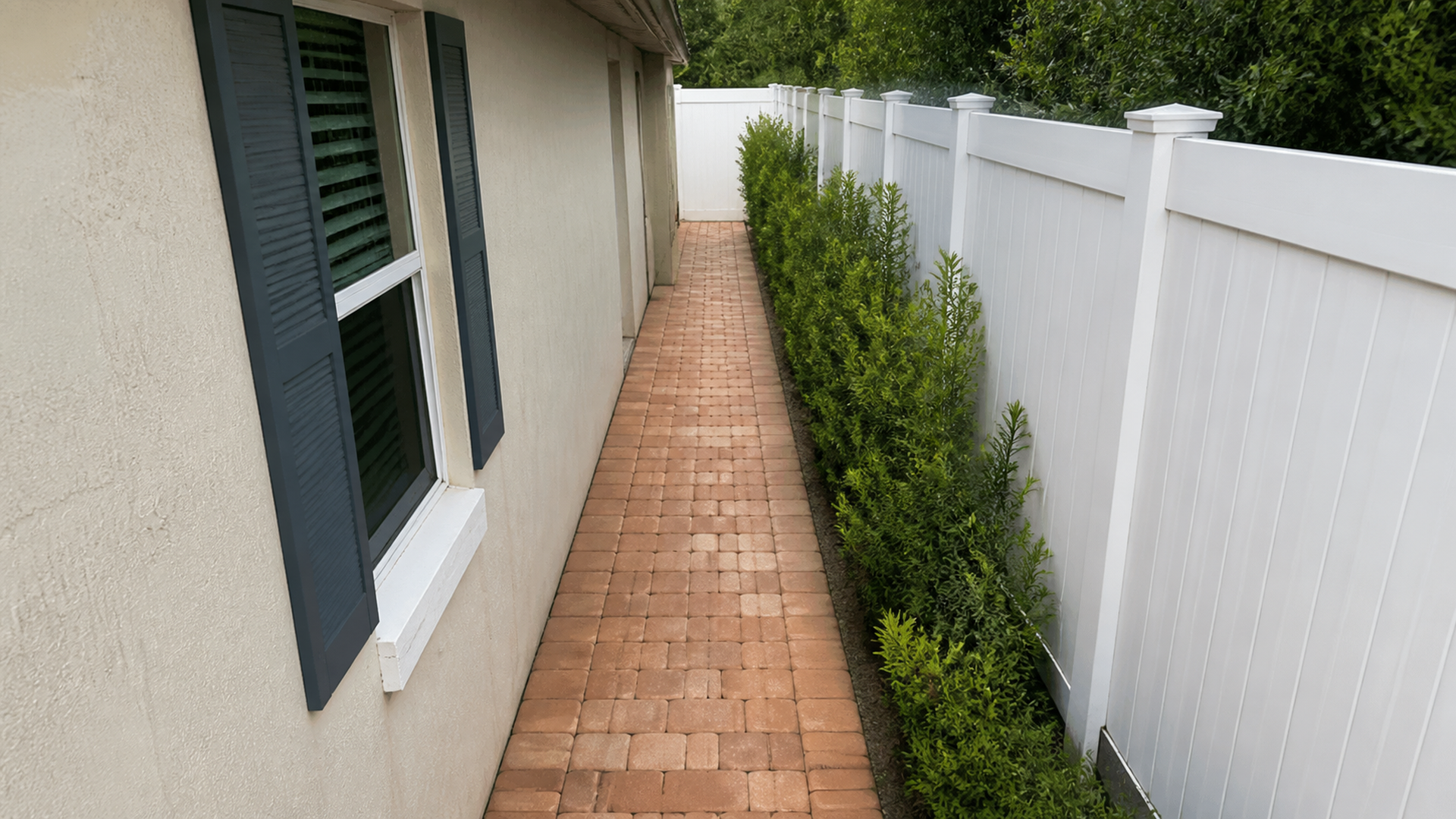
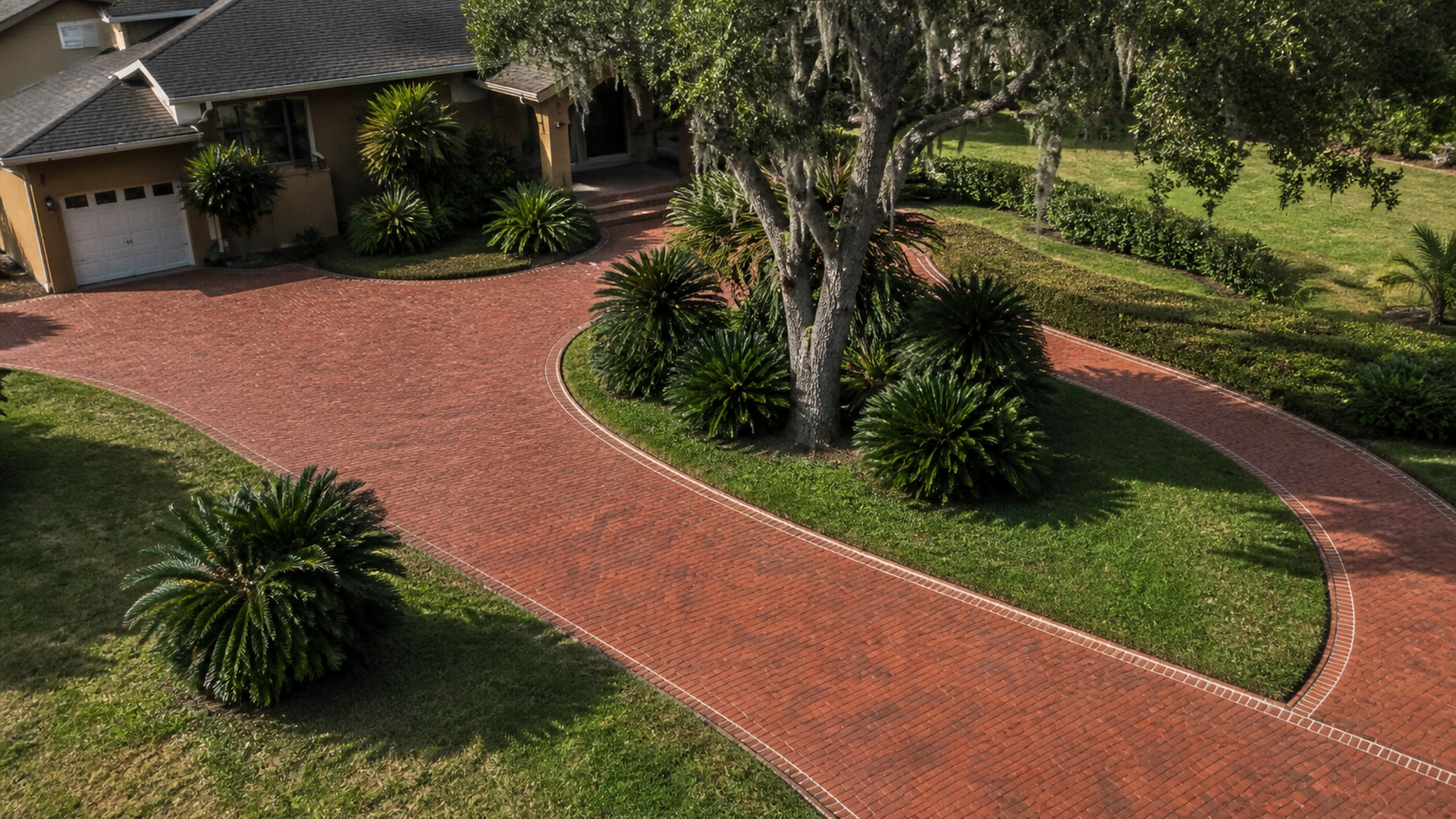
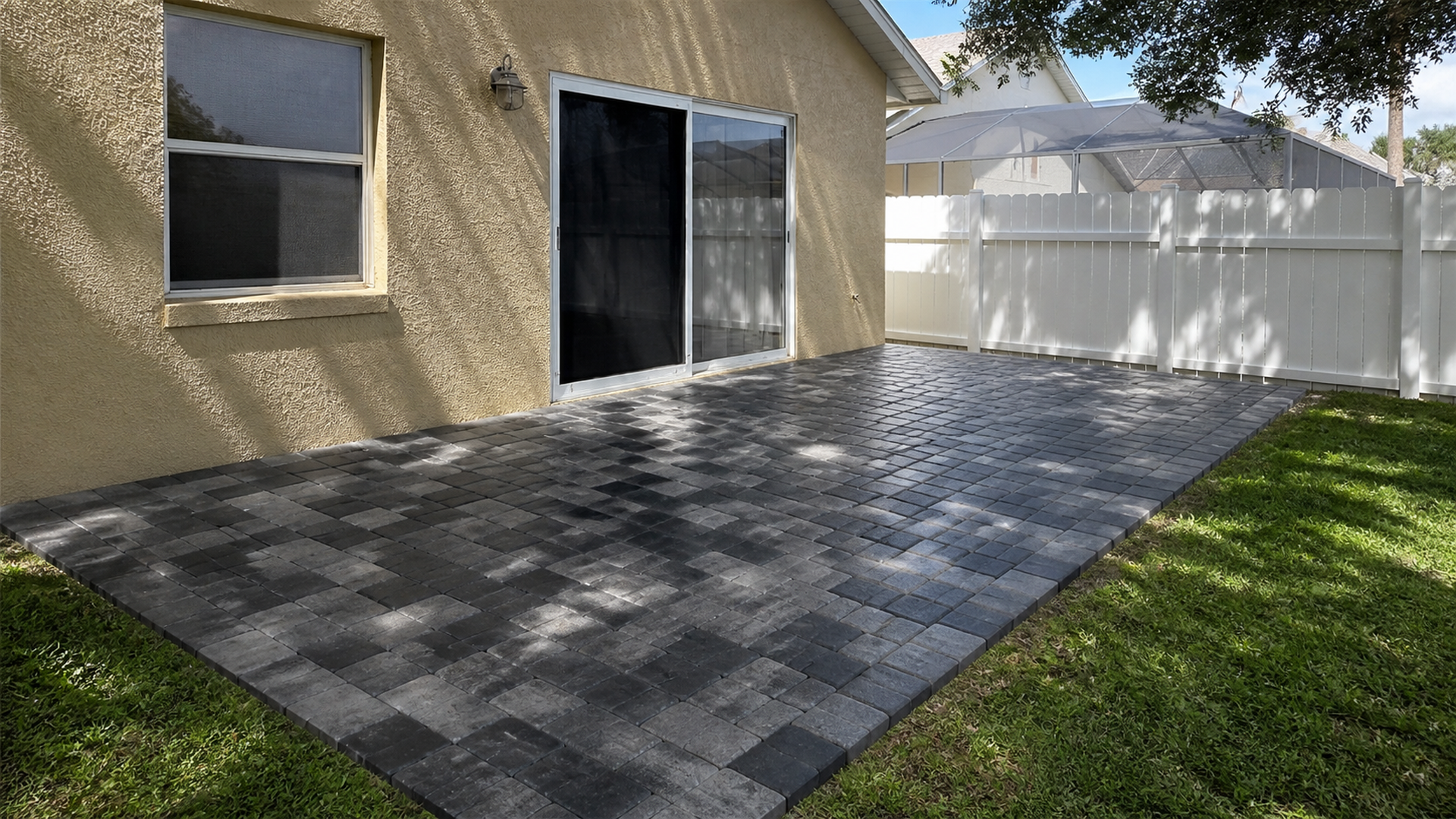
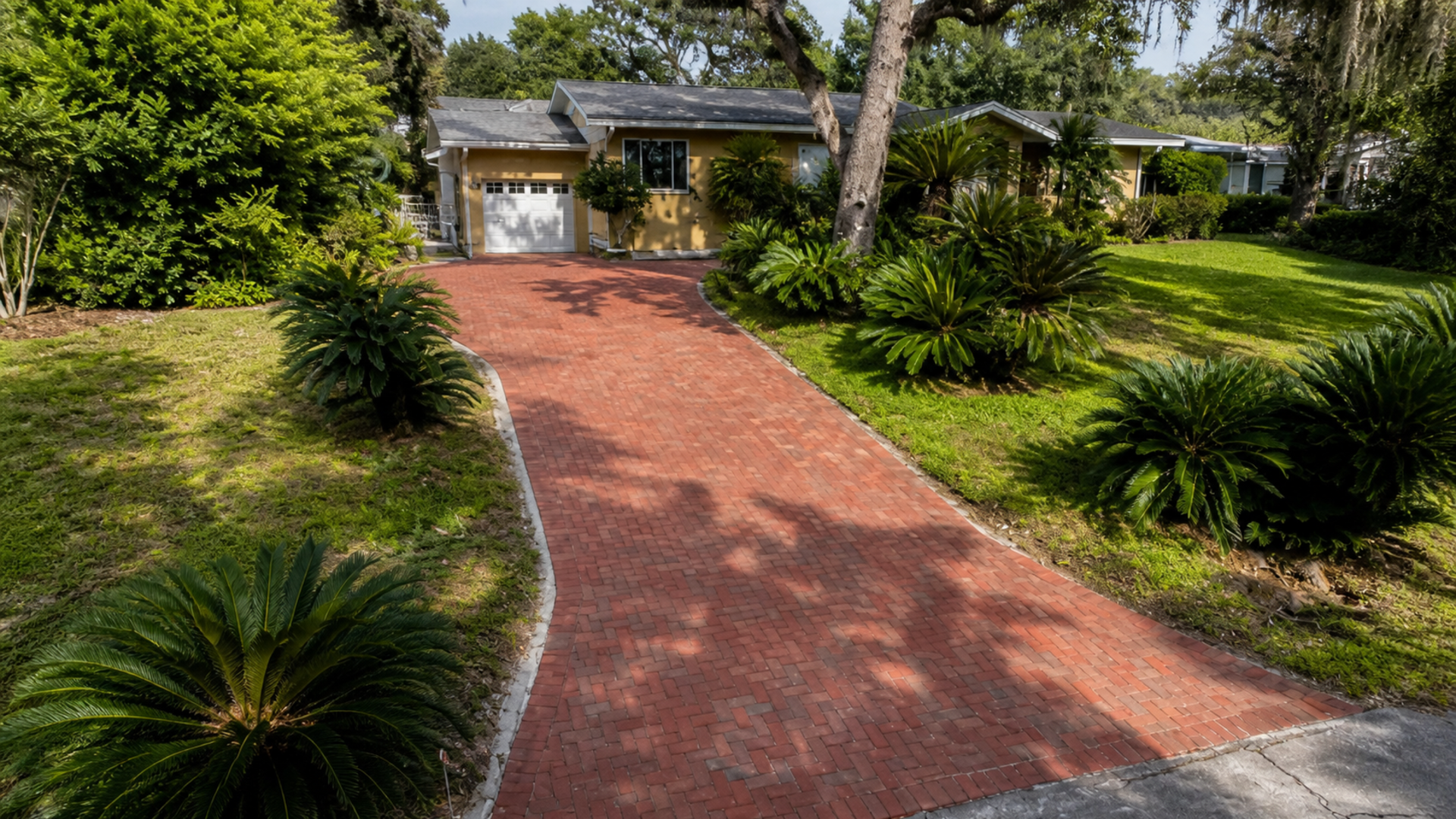
For a service discussion, JaxTeller's pressure washing and sealing page offers a relevant starting point. In addition, the project gallery can help you describe the setting. Your request should focus on the observed condition and surface history rather than asking for a generic chemical treatment.
A productive assessment defines the next step clearly. That may involve a suitable test, a cleaning scope, coordination with the nearby trade, or a separate repair discussion. Therefore, judge the proposal by its connection to the actual concern, not simply by the speed of the promised result.
Ready to upgrade your driveway or patio? Share your photographs and questions through the contact page. You can also connect with JaxTeller on Instagram and Facebook, or use WhatsApp. Find location information on the map. Contact JaxTeller Brick Pavers at +1 407-907-8308 or jaxtellerbrickpavers@gmail.com for your free estimate!