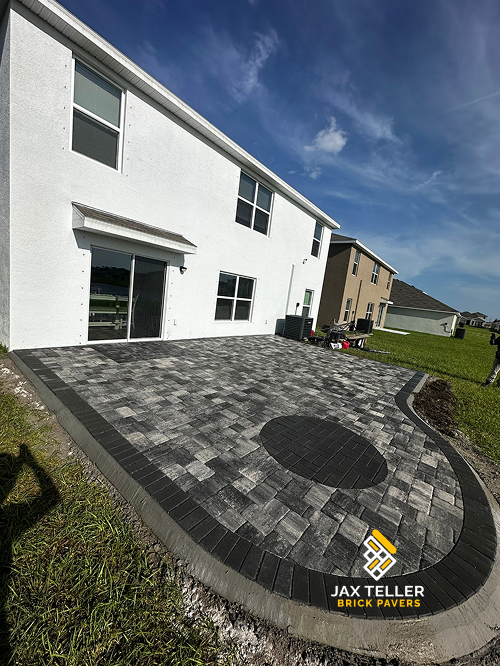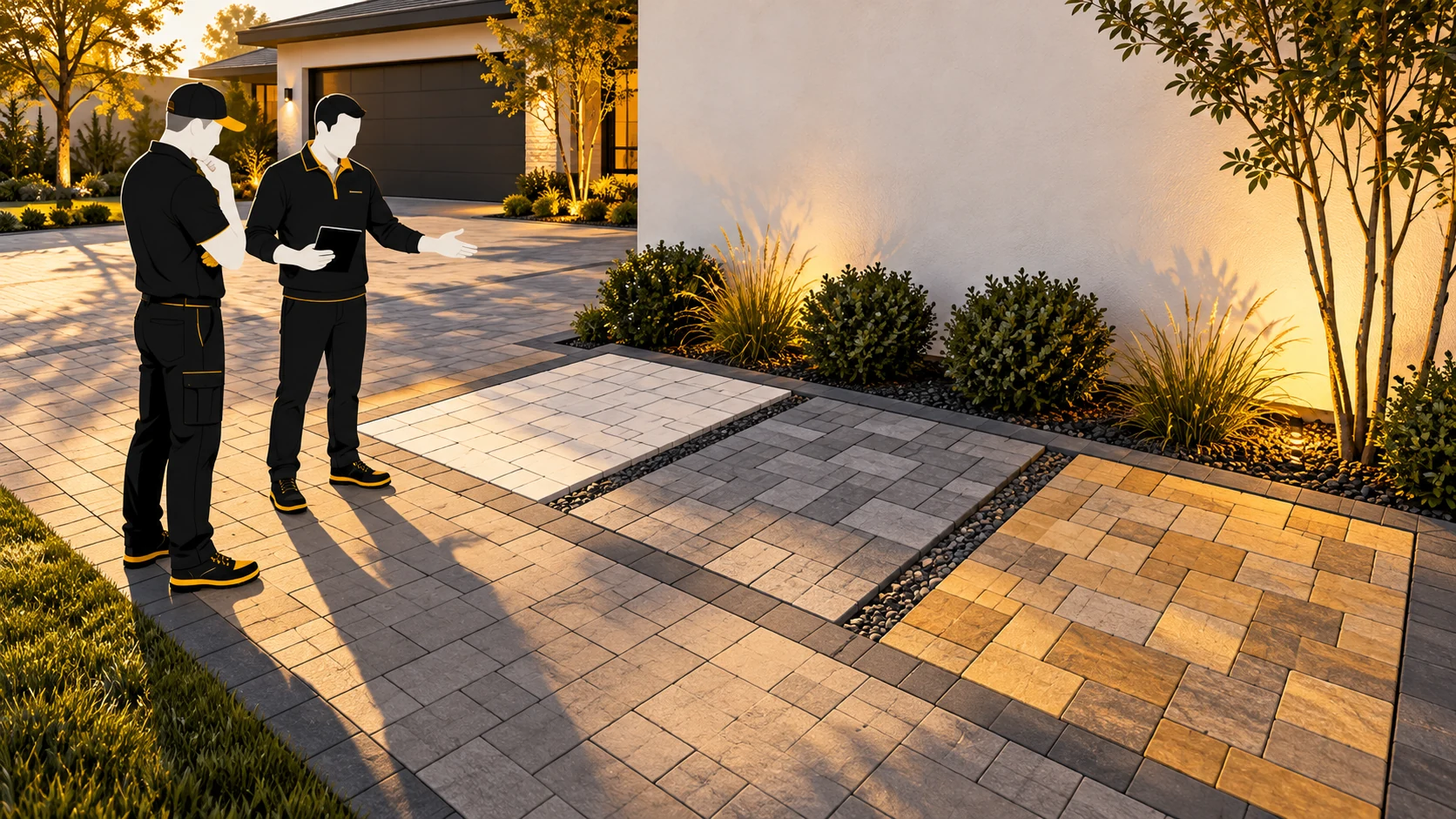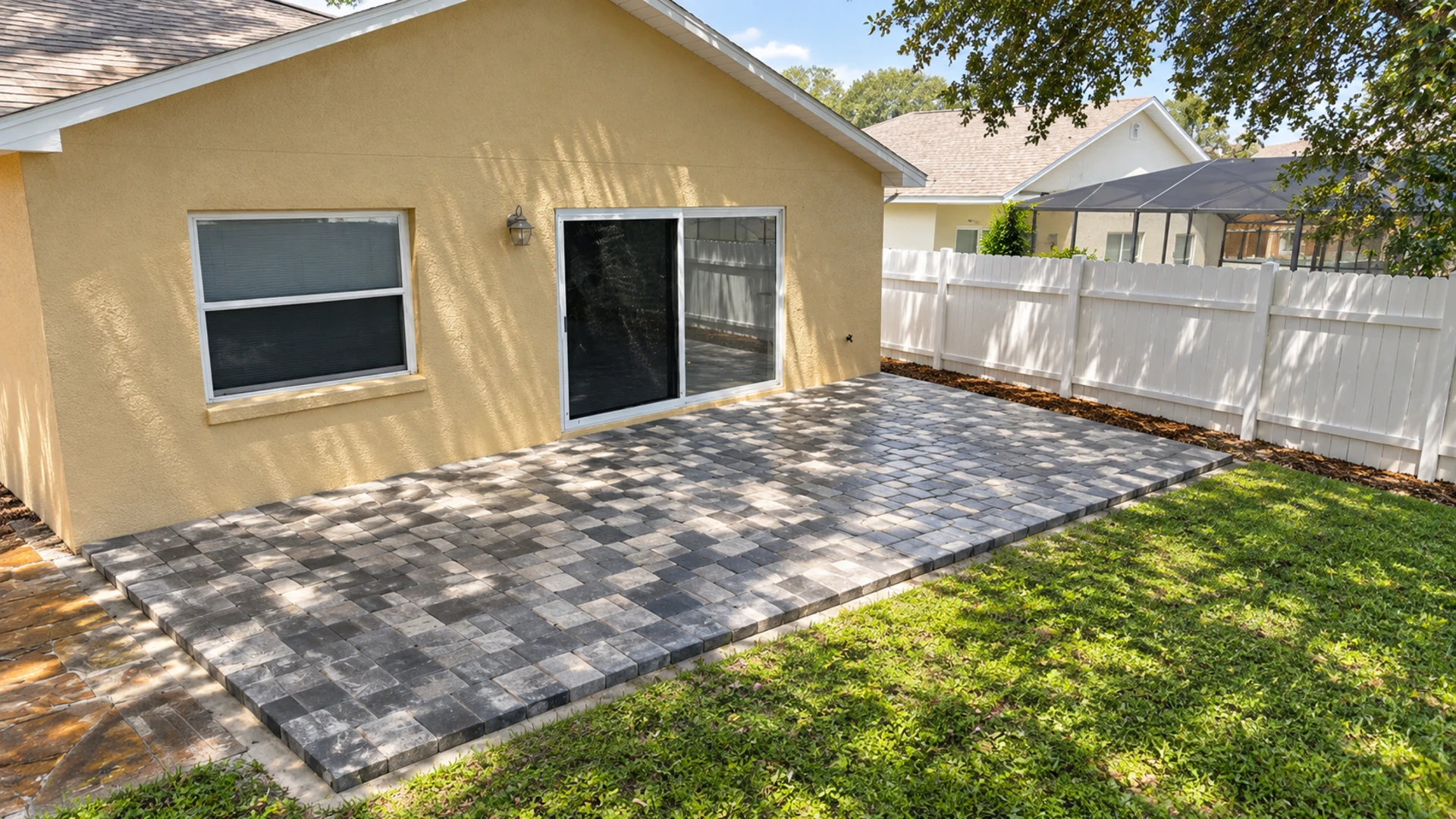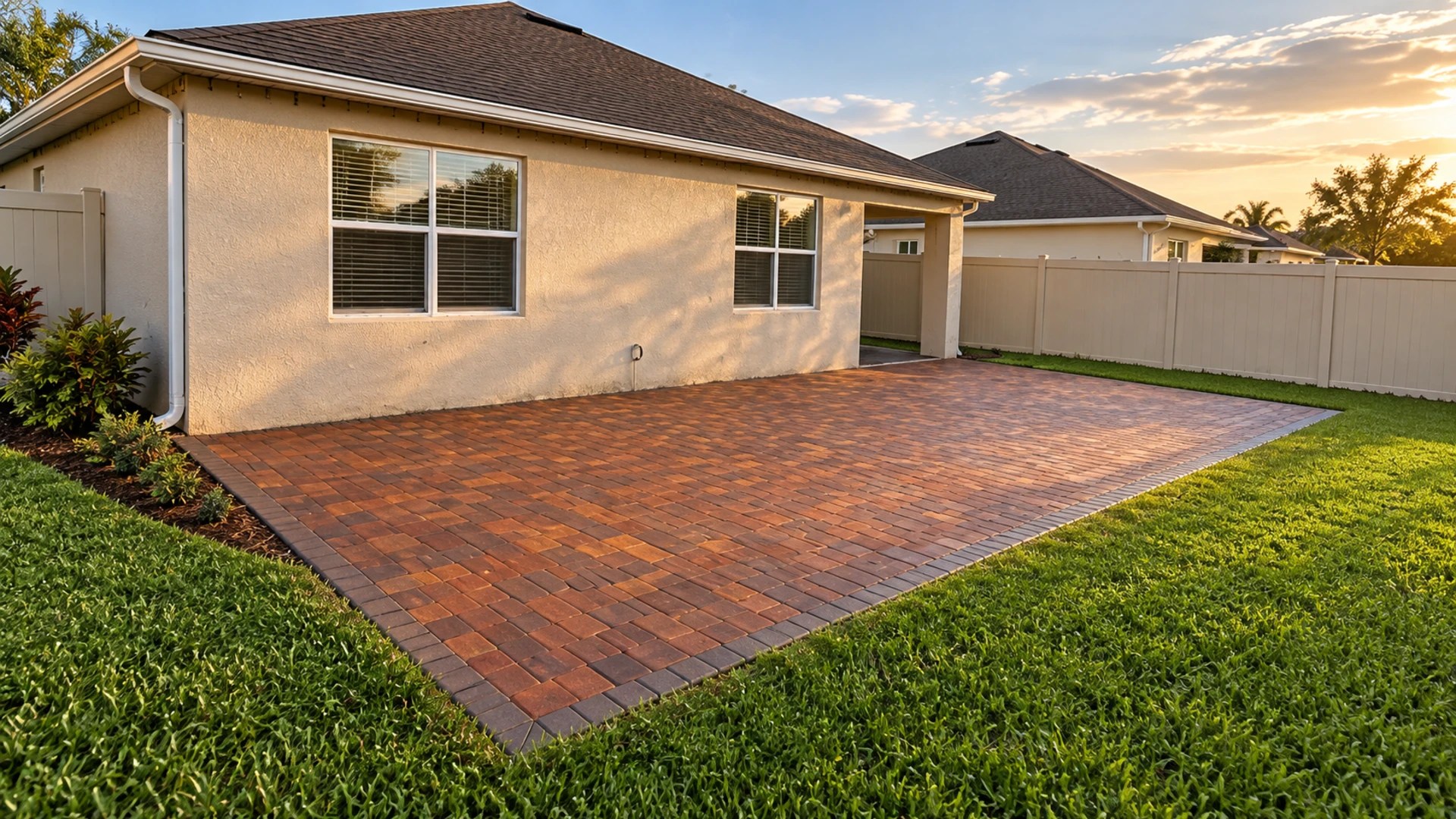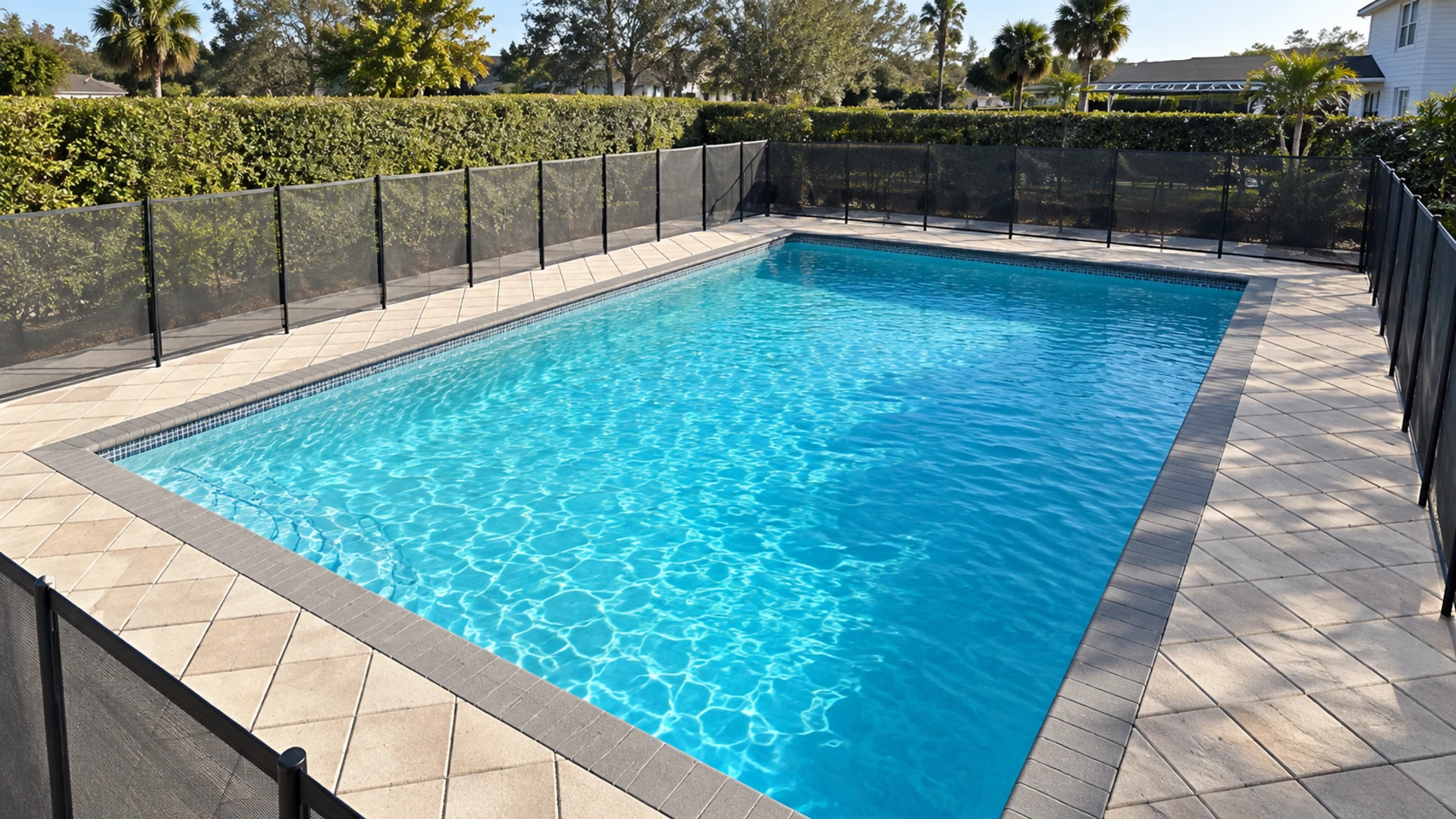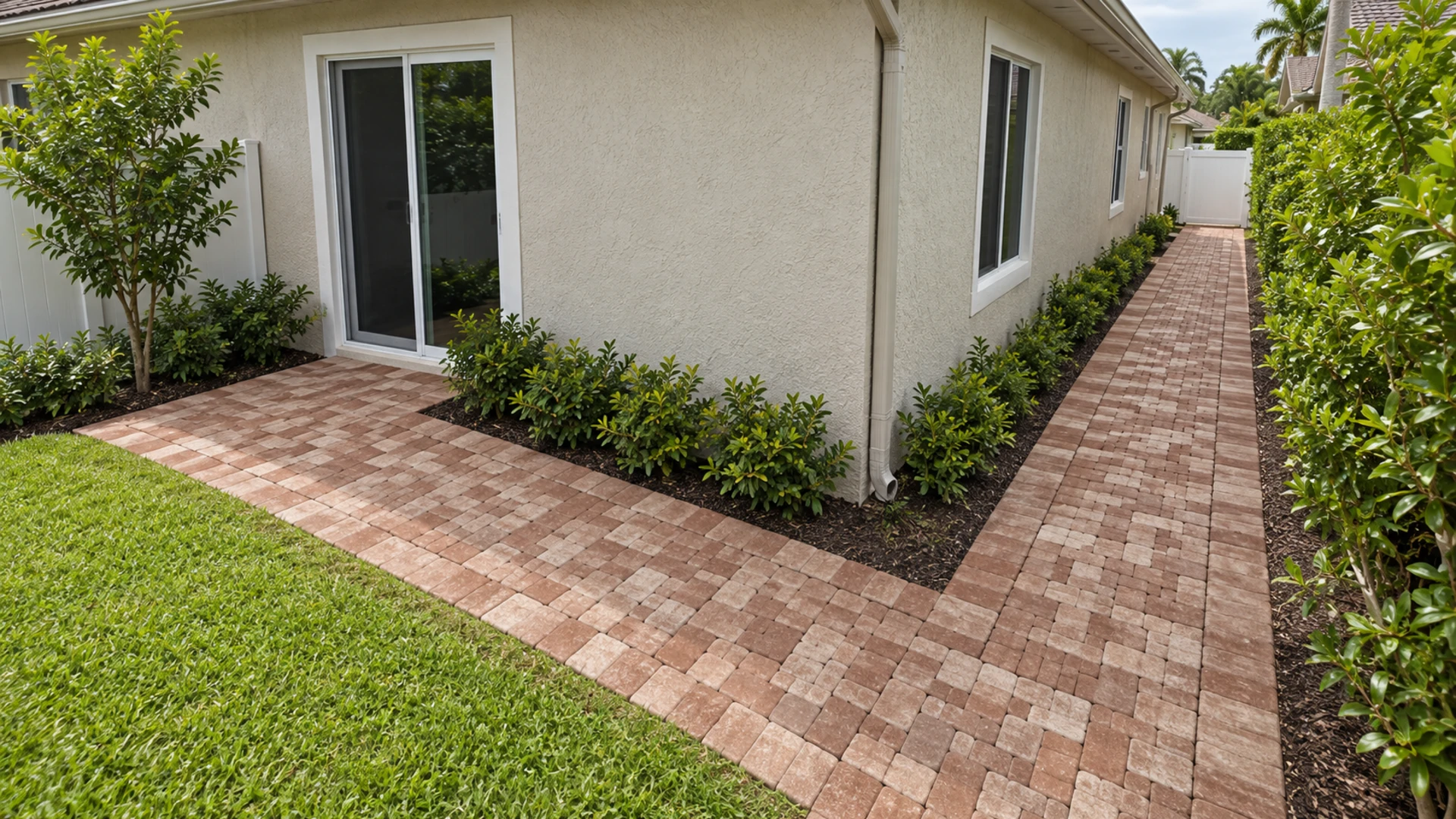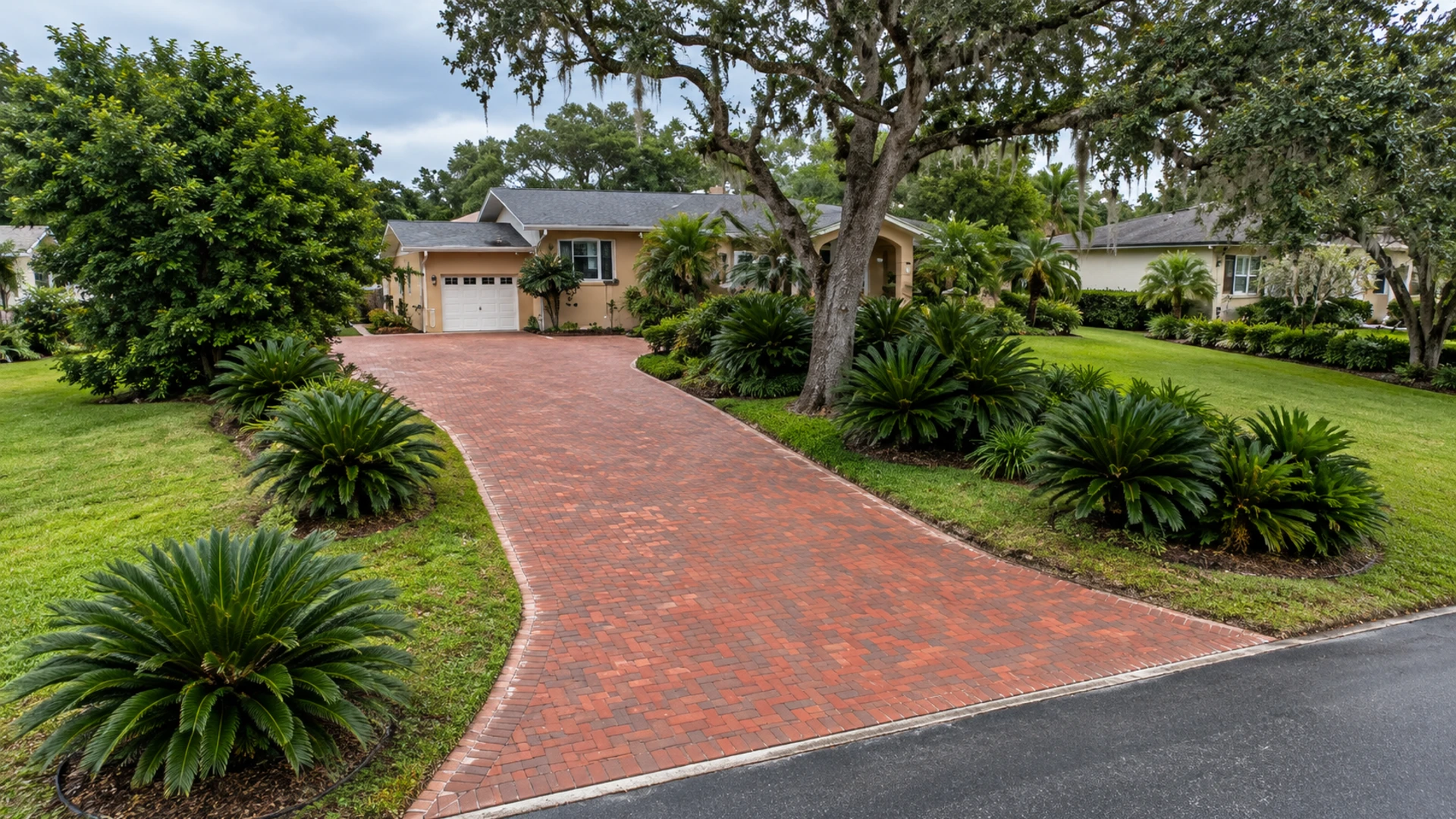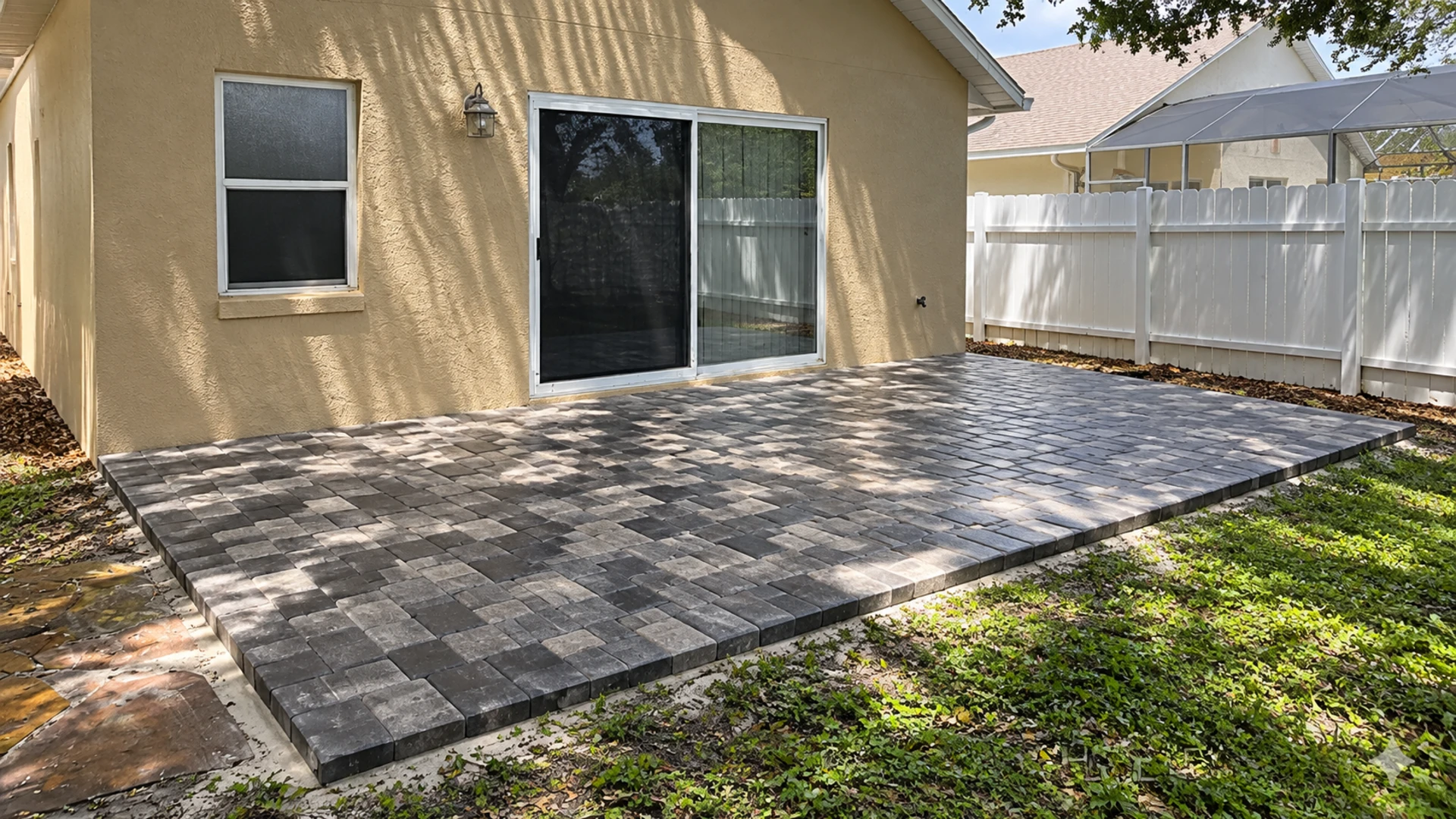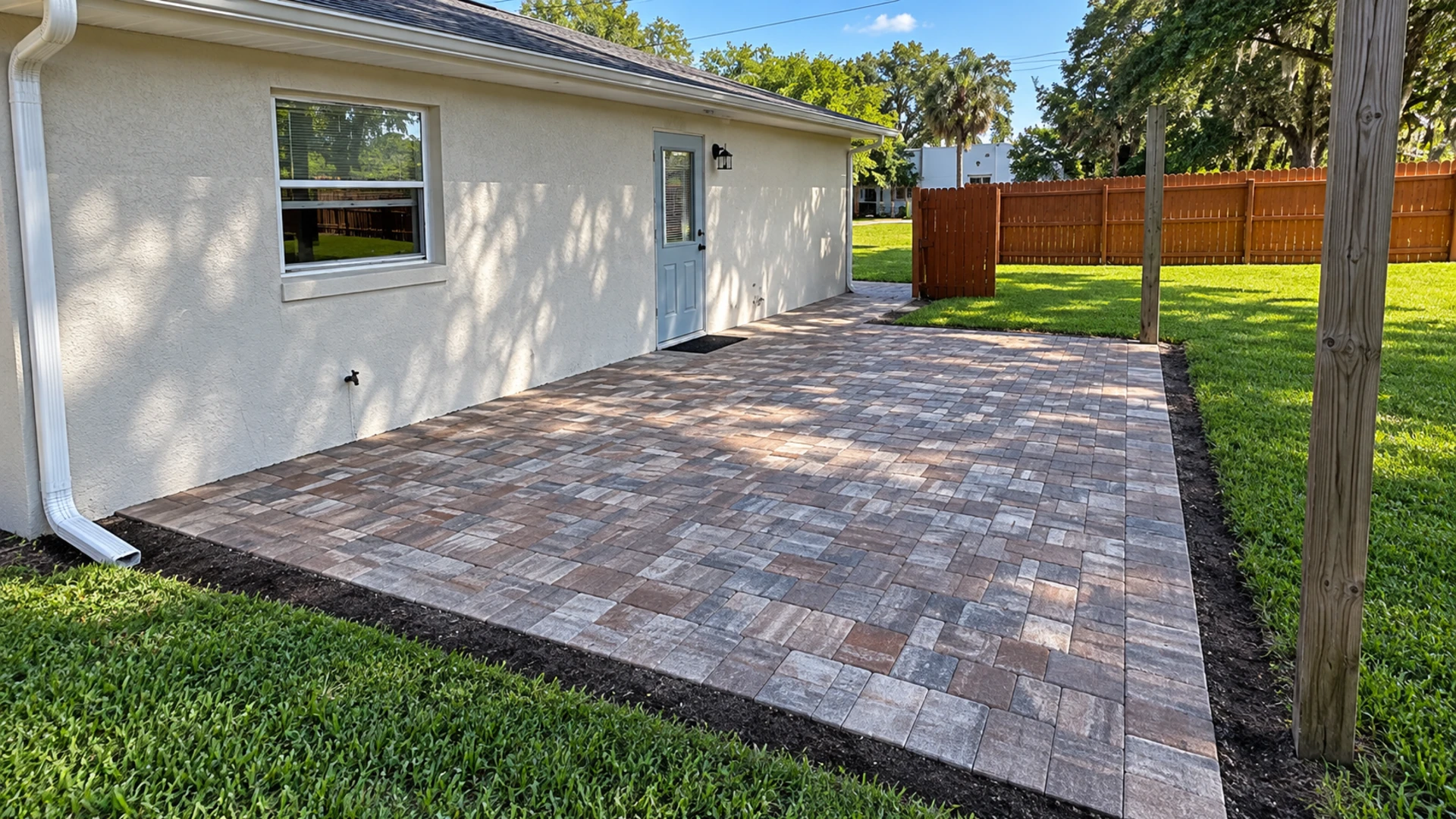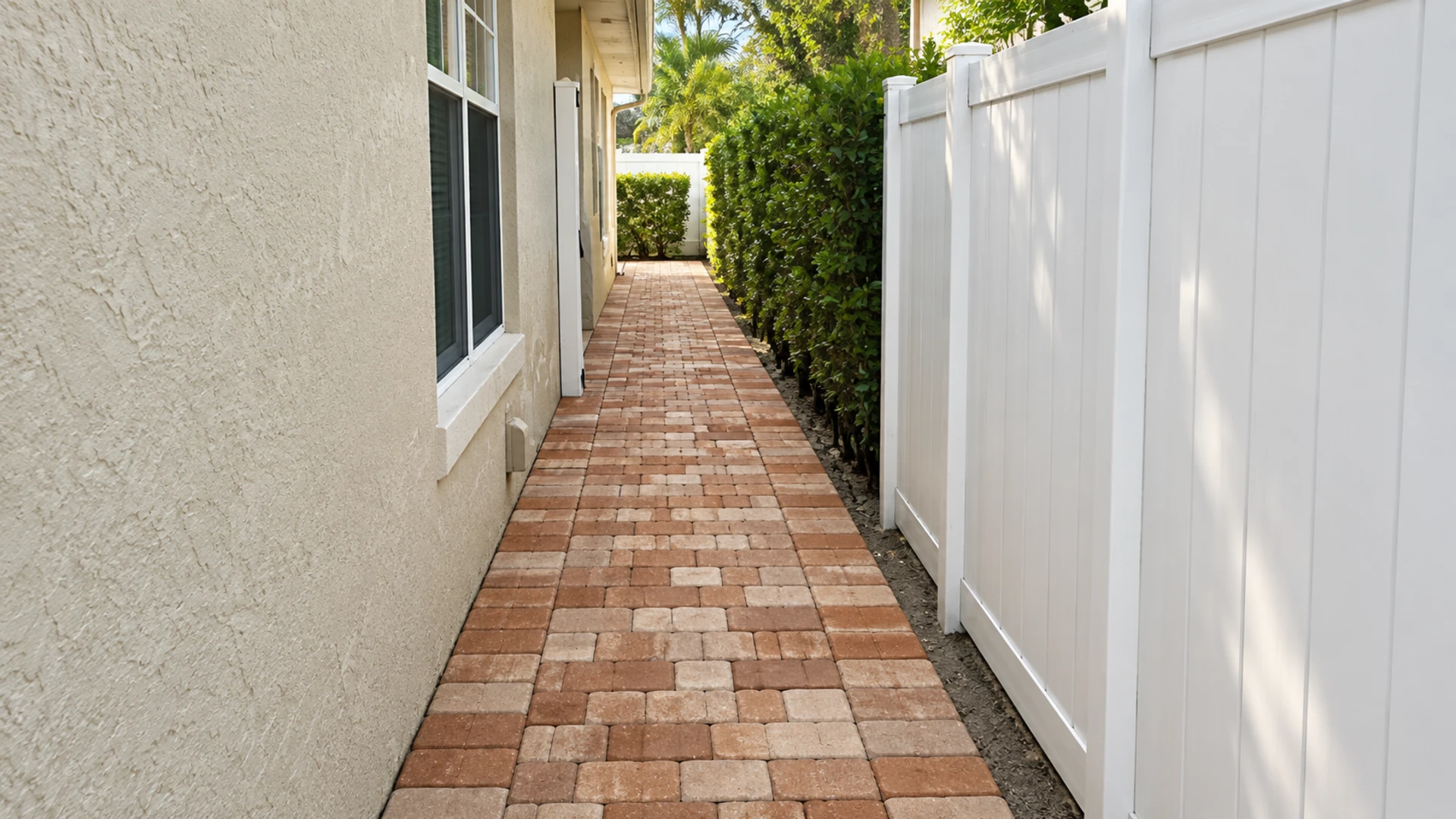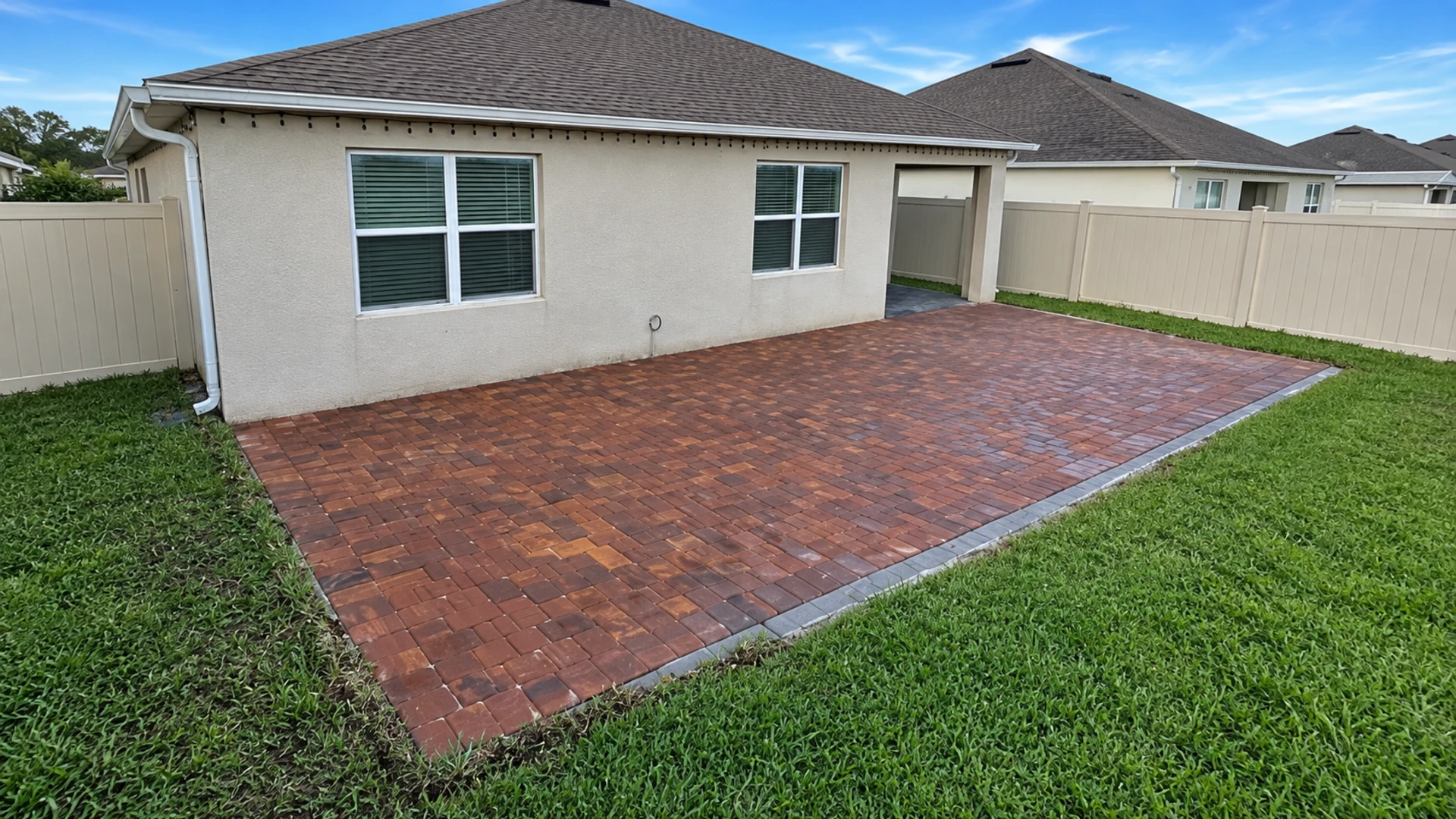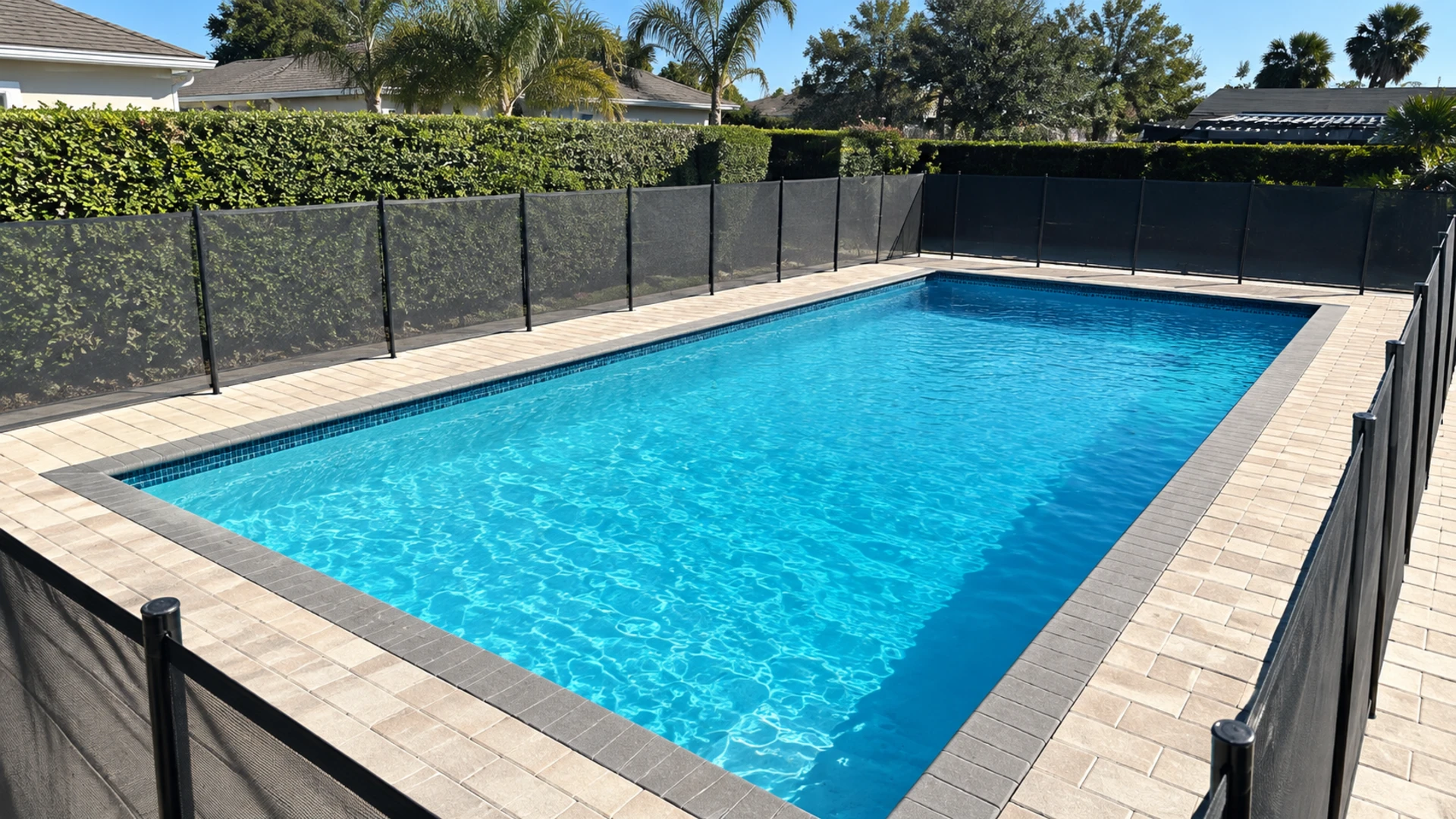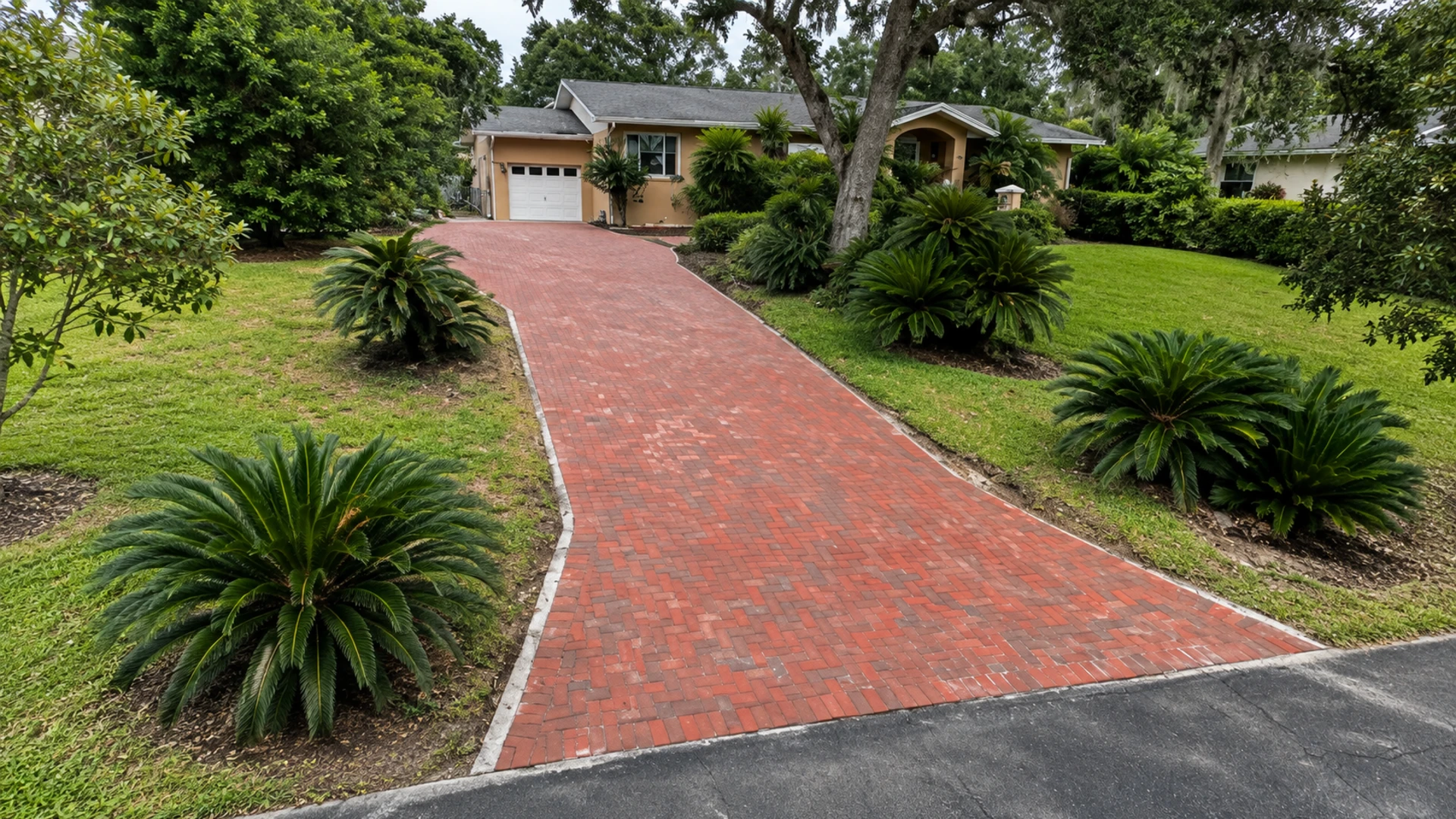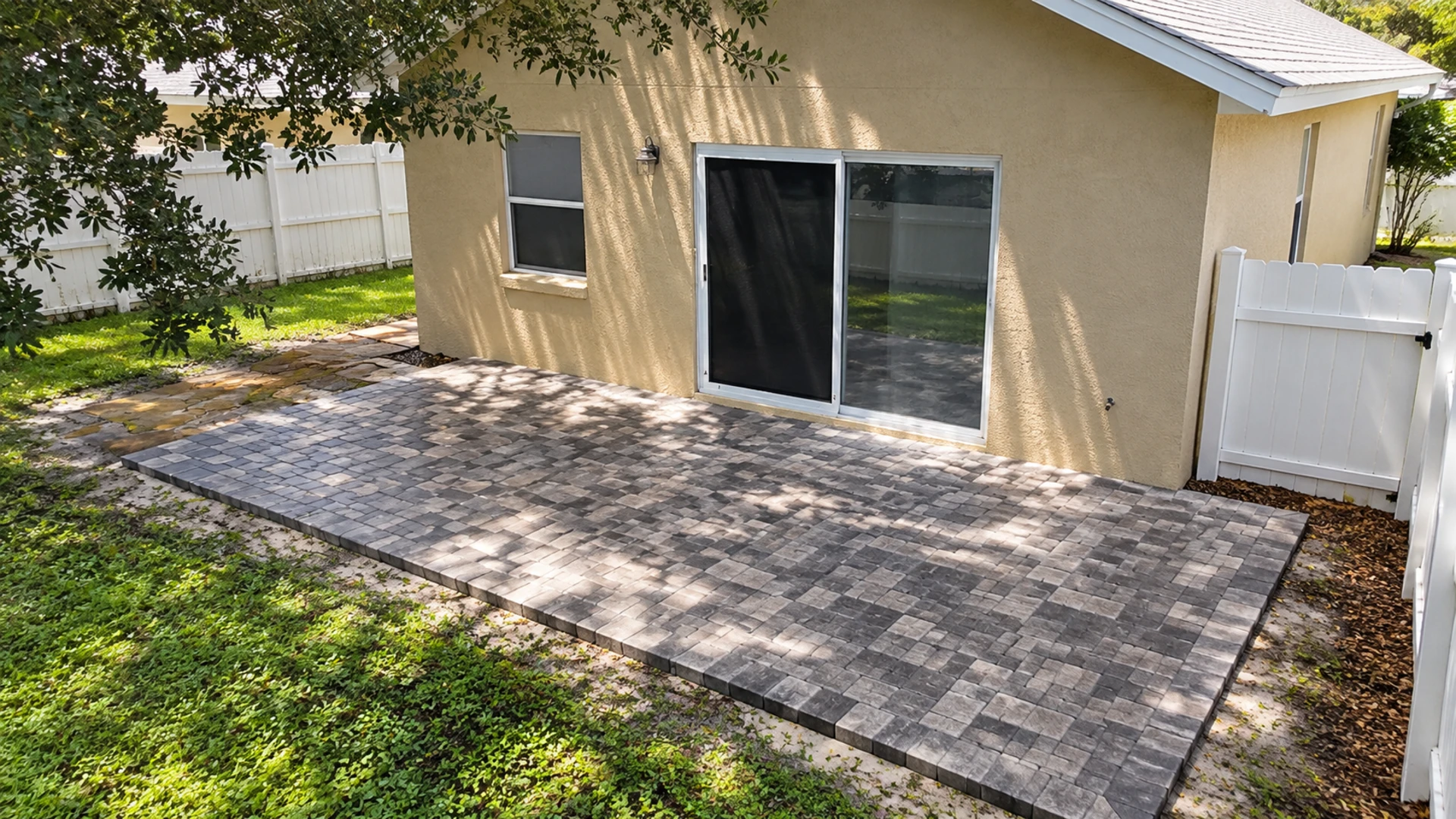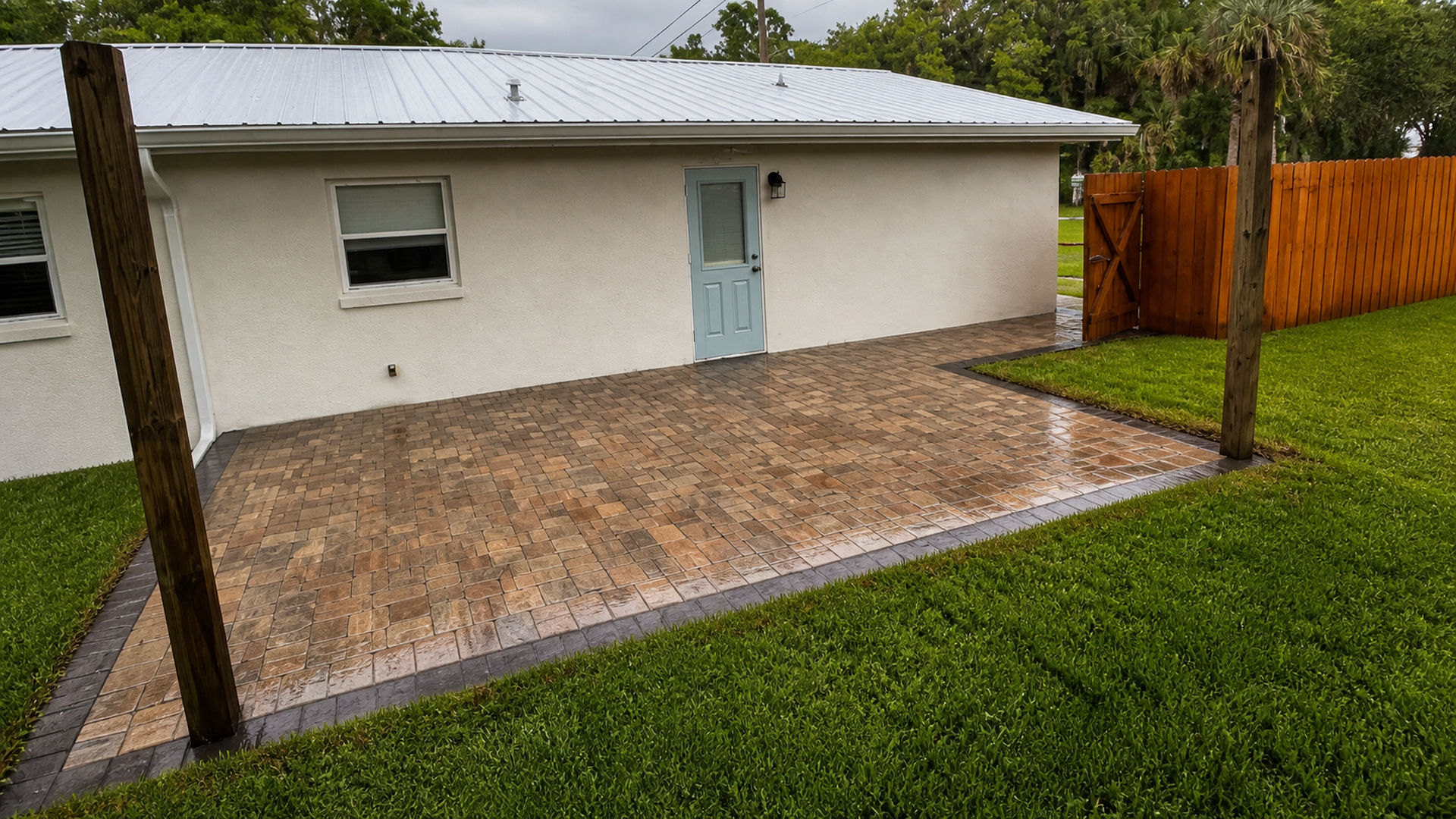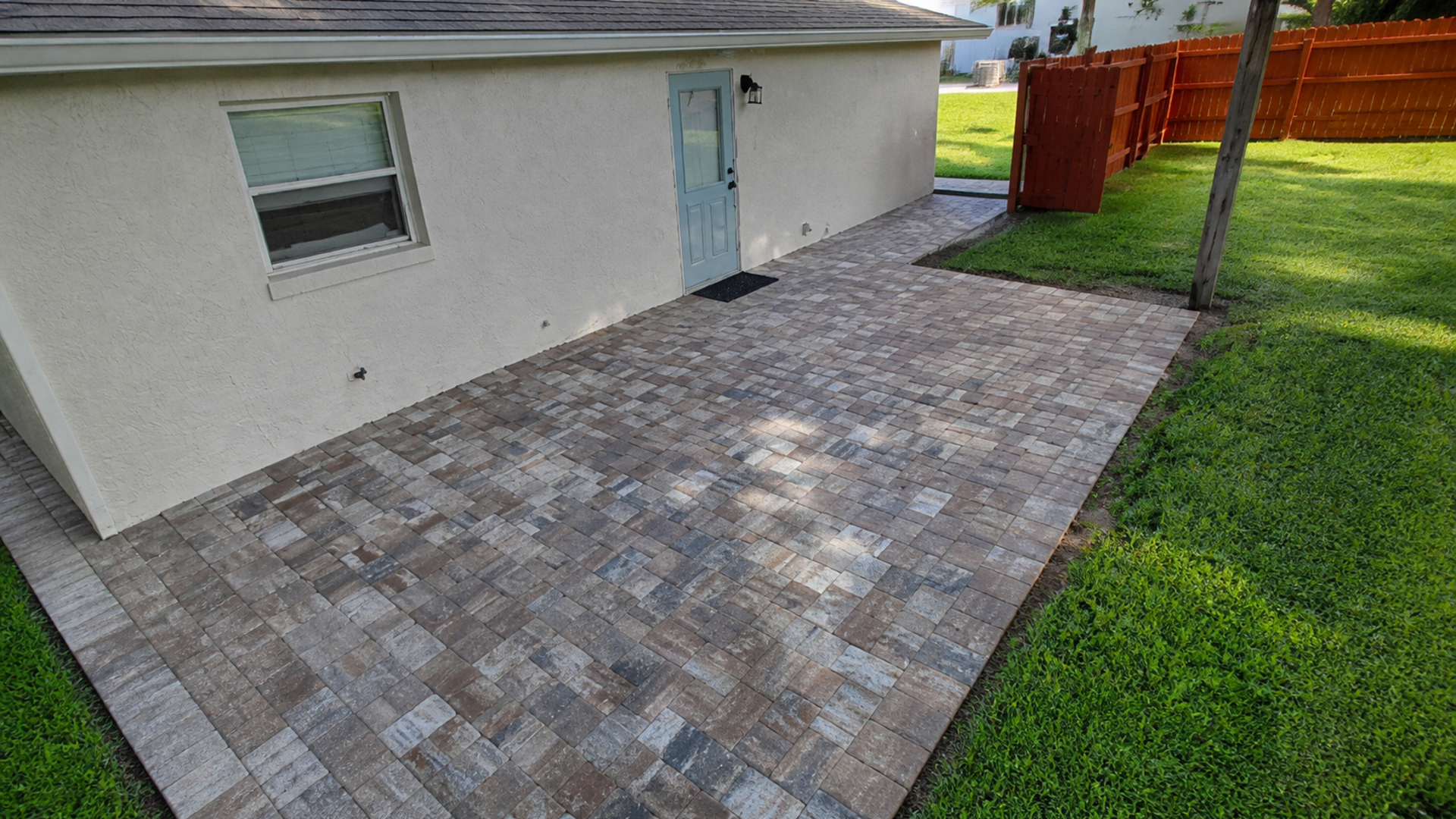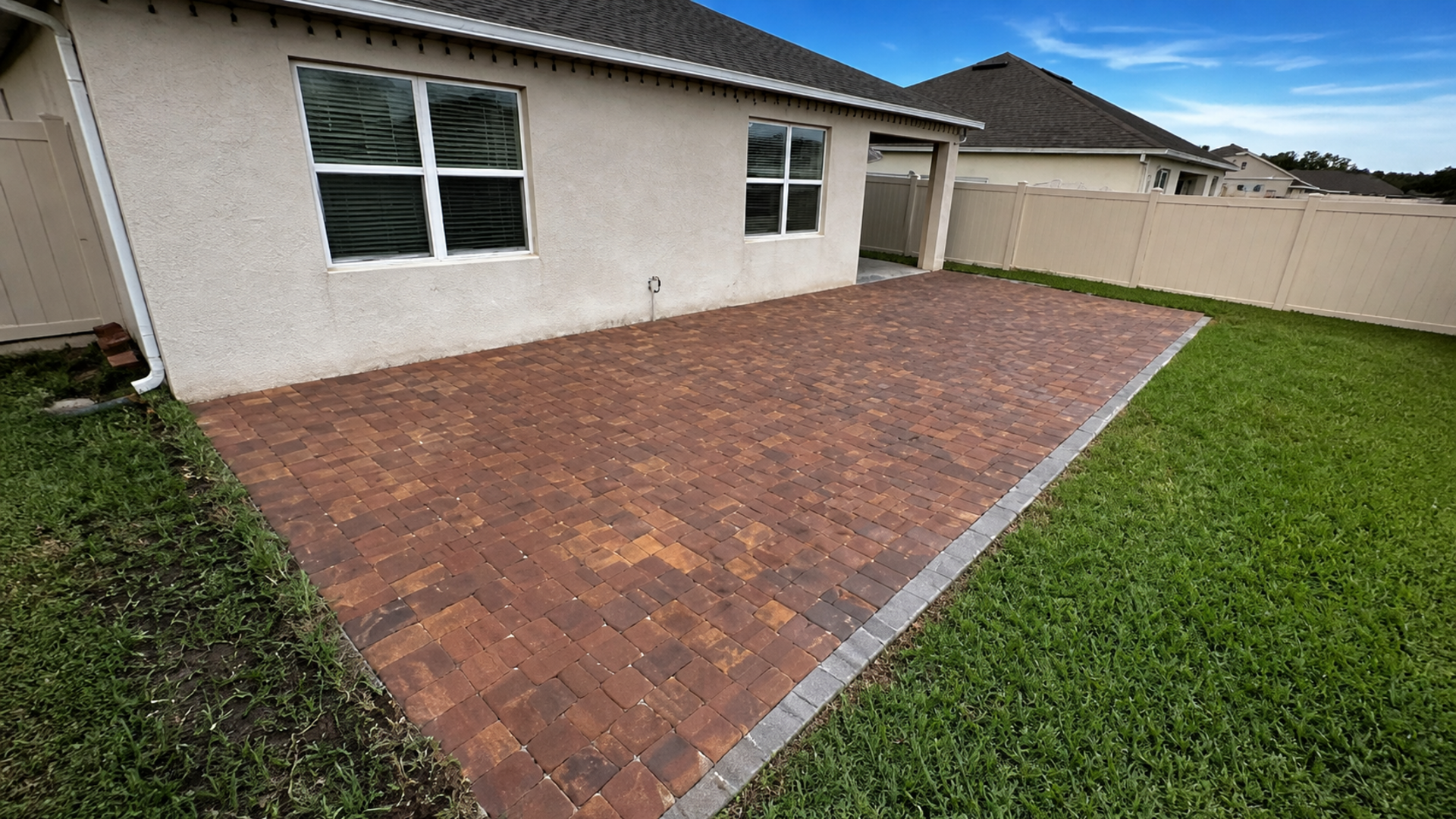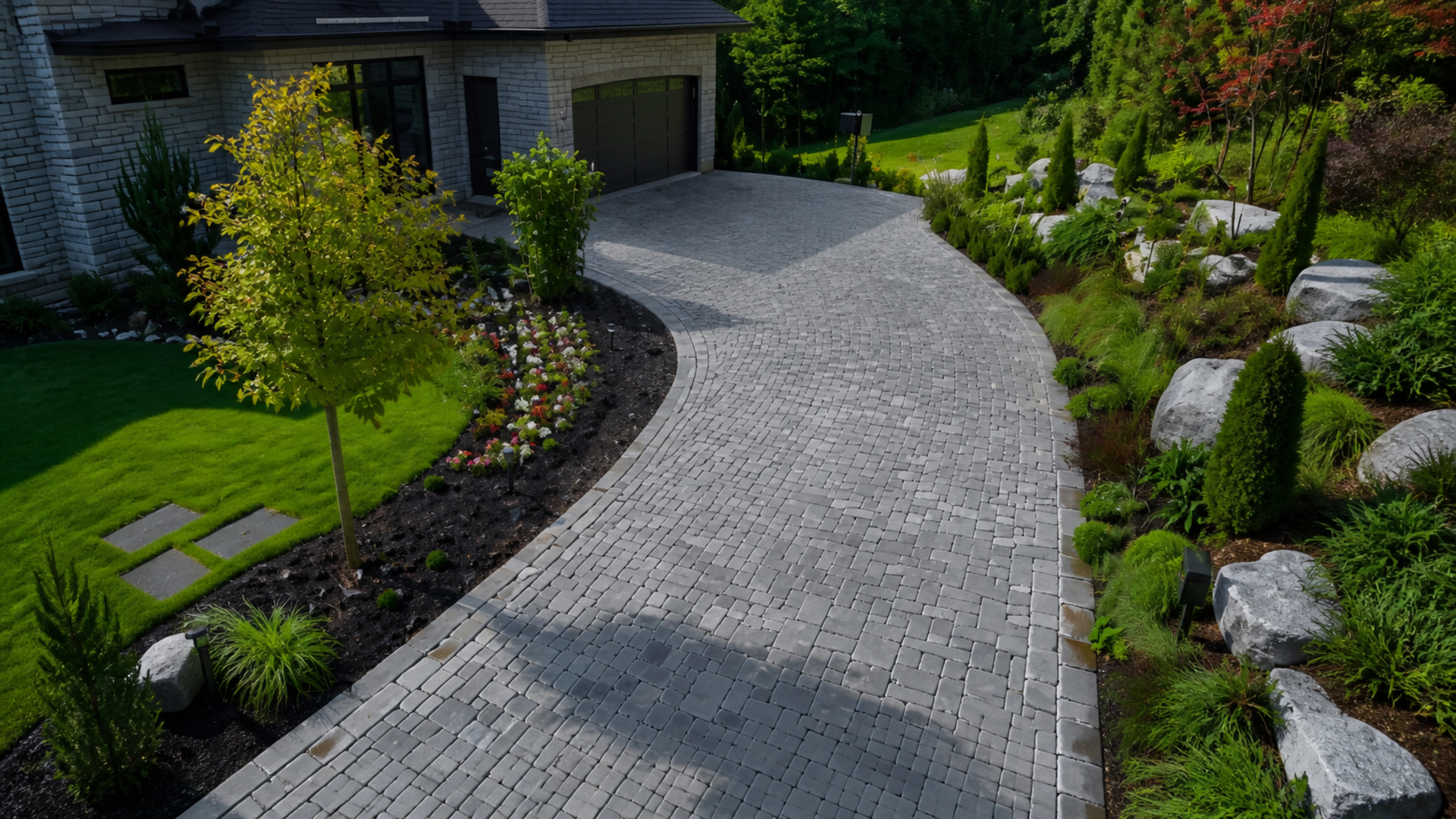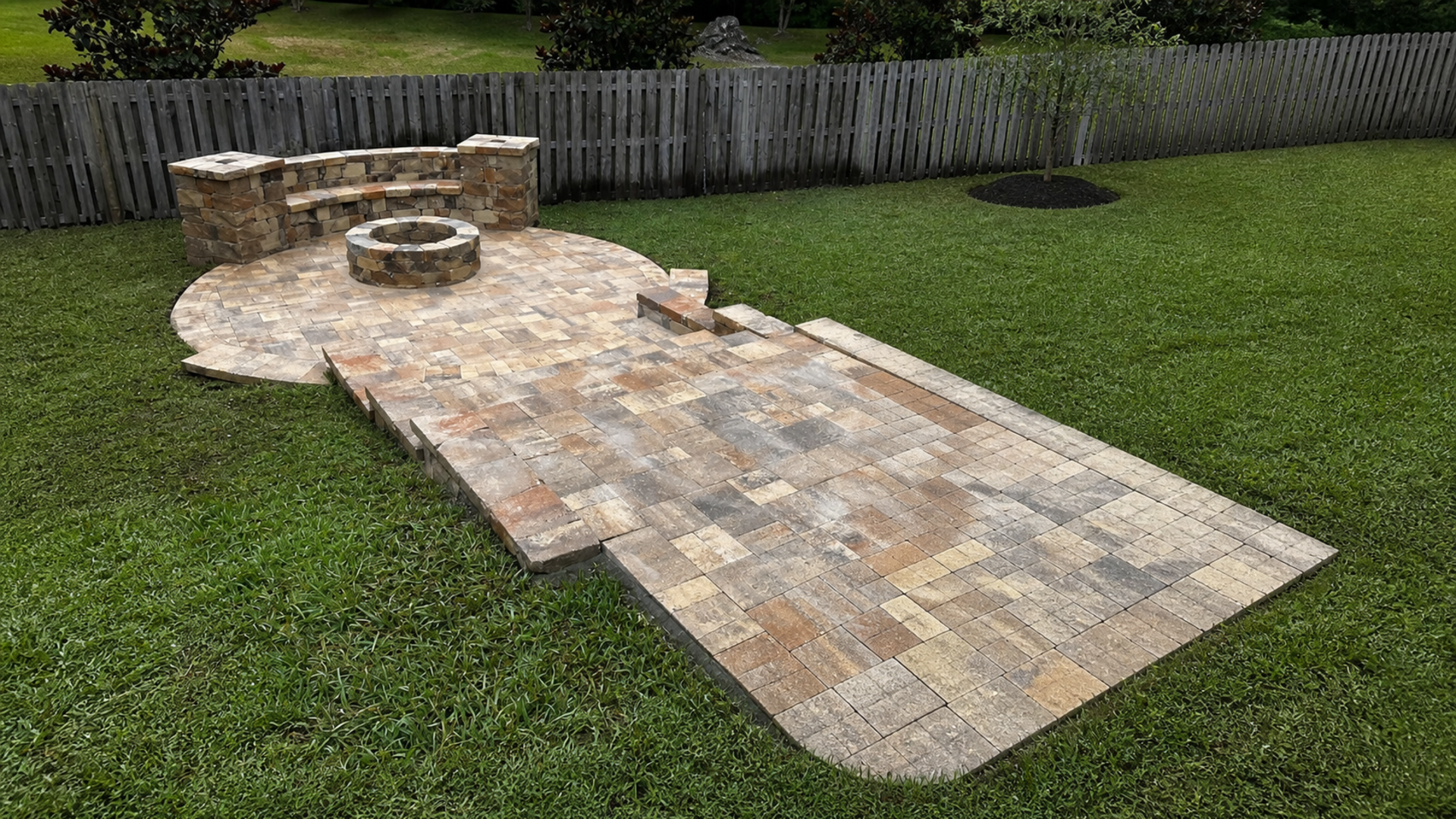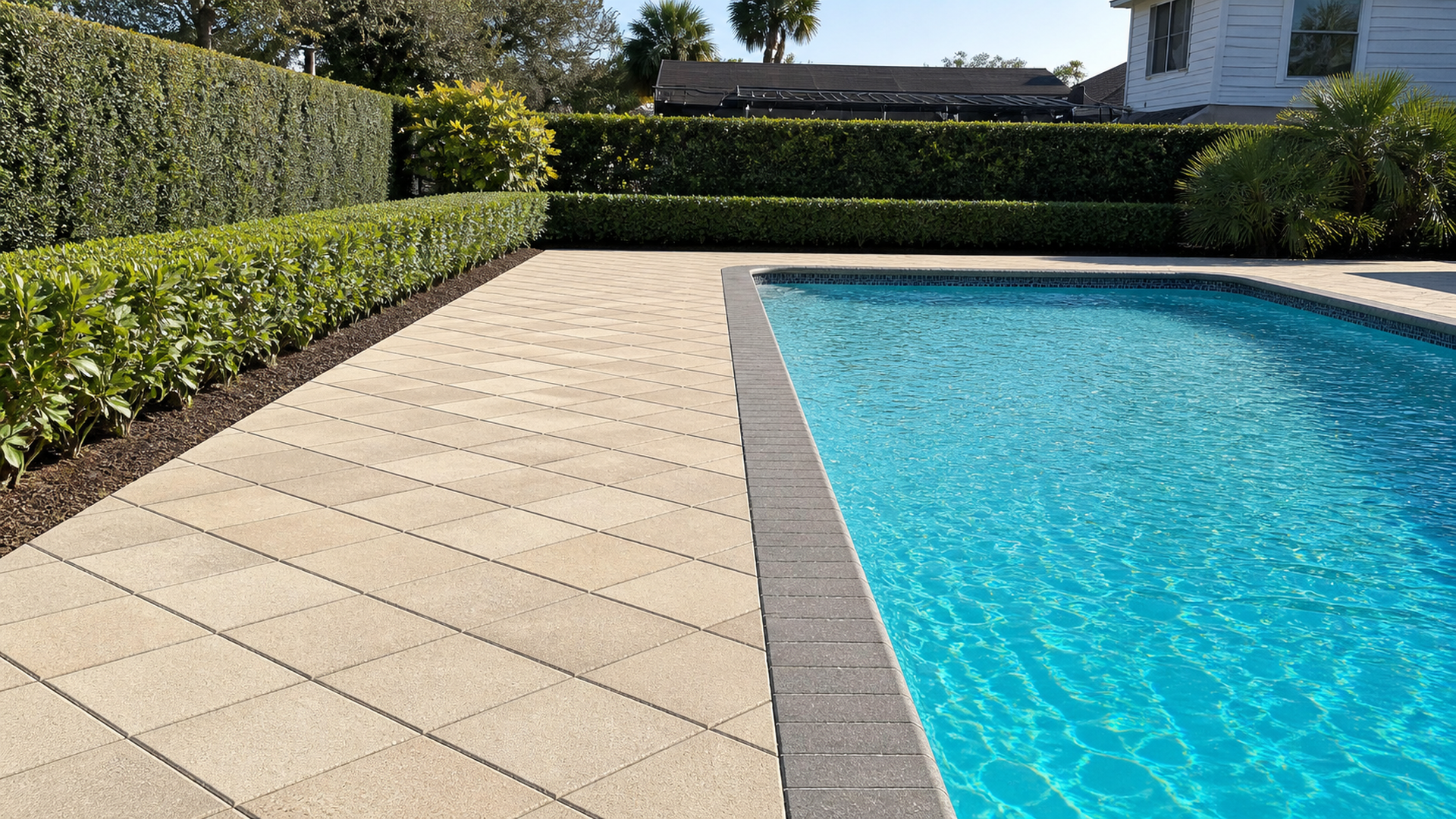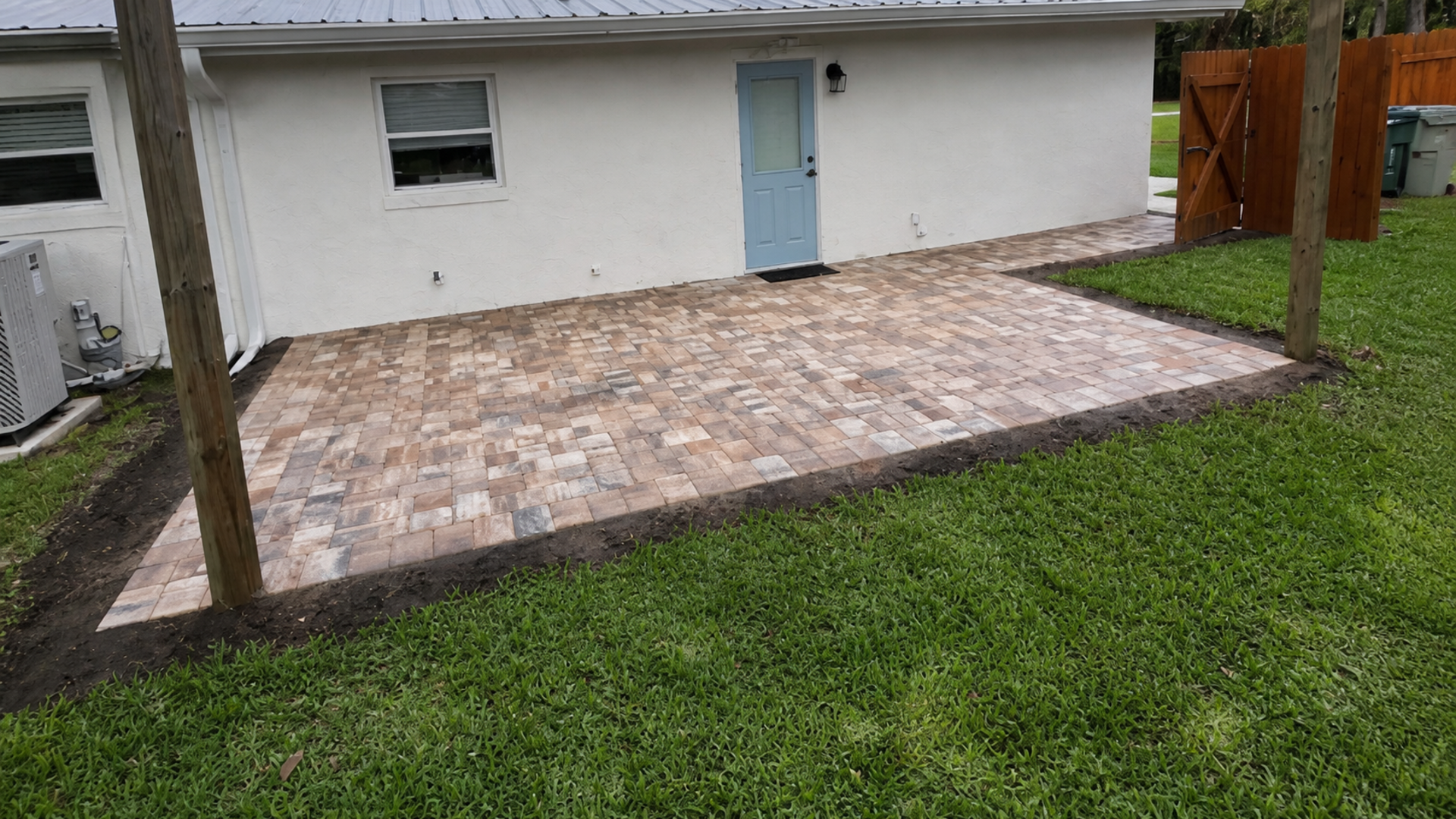


Patio furniture on pavers can change how an outdoor space works long after the paving project finishes. A new dining set, planter, or lounge chair introduces contact points that deserve attention. However, a mark beneath a chair does not automatically mean the patio needs a complete cleaning or sealing service. Start by understanding the furniture, its position, and the surface below it.
For a Largo homeowner, the practical goal is to keep the patio usable while making informed care decisions. This guide explains how to review furniture feet, removable pads, movement, and visible marks. It avoids universal promises about rubber, plastic, metal, or coatings because the actual products and conditions should guide your maintenance plan.
Assess patio furniture on pavers as a complete arrangement
Look at the furnished patio before examining one chair leg. For example, note the routes between doors, seating, and the garden. A table that fits the open area may still force chairs into a narrow walkway when people sit down. Therefore, test the arrangement through ordinary use rather than judging it only when everything stands neatly in place.
Next, identify items that move often and those that normally remain fixed. Dining chairs create different contact patterns from a large planter that stays in one position. This distinction helps you decide where to observe movement and where to inspect hidden contact areas during routine care.
Keep the paving material and any known finish in the discussion. A pad sold for a generic outdoor floor does not establish compatibility with every coated or uncoated surface. Instead, check the relevant furniture and paving product guidance before treating an accessory as a universal solution.
Map patio furniture on pavers by contact point
Record the type of foot or base beneath each item. For example, a narrow metal leg, broad plastic glide, and continuous planter base touch the patio differently. Moreover, a missing end cap can make one otherwise matching chair different from the others in the set.
Inspect those contacts without placing yourself under a heavy or unstable item. Ask for appropriate help when an object cannot move safely. Then photograph the underside or product label when practical. A clear image can help the furniture supplier identify the correct replacement component.
Use simple location notes, such as dining chair by the sliding door. This makes later observations easier to compare. Otherwise, a small mark may seem to move around the patio when the furniture has actually changed position between photographs.
Check feet under patio furniture on pavers
Look for damaged, missing, or worn glides and caps. However, do not assume a generic replacement will fit because its outside shape looks similar. Ask the furniture manufacturer or supplier for the correct component and its intended use.
A loose cap can create its own problem if it slips during normal movement. Therefore, confirm how the component attaches and how the supplier recommends inspecting it. A product that works on one chair design may not remain secure on another.
Avoid covering a sharp or damaged foot with an improvised pad and calling the issue resolved. Instead, address the furniture condition first. Once the proper contact component is in place, you can assess whether the arrangement still creates visible marks or awkward movement across the patio.
Treat removable pads as product-specific accessories
A pad can serve a useful purpose, but its material alone does not answer every question. Ask whether it suits the furniture foot, the outdoor exposure, and the paving or coating it touches. Moreover, review any care instructions that accompany it.
Do not assume every rubber-like material is nonmarking under all conditions. Likewise, a plastic label does not establish that the accessory will behave the same way in sun, shade, moisture, and repeated movement. The supplier should explain the intended application and relevant limitations.
If the paving professional recommends a trial, agree on how to review it without creating an unnecessary visible problem. The objective is a practical compatibility check tied to actual products. It is not a guarantee that one small trial predicts every future condition across the whole patio.
Move furniture without turning the patio into a test surface
Ask household members to use an appropriate moving method rather than dragging furniture simply because the patio looks durable. For example, moving a chair aside for cleaning differs from shifting a large loaded storage unit. Each task deserves a method suited to its weight and design.
Do not use the first visible scratch as the moment to plan how a heavy item moves. Instead, decide the route and required help in advance. If the item cannot move safely with ordinary household handling, contact the appropriate provider rather than improvising equipment over the paving.
Check the destination as well as the path. A planter moved away from one mark may block a drain or narrow a doorway route in its new position. Therefore, furniture care should support the whole patio layout, not merely transfer the same concern to another corner.
Distinguish a surface mark from a movement concern
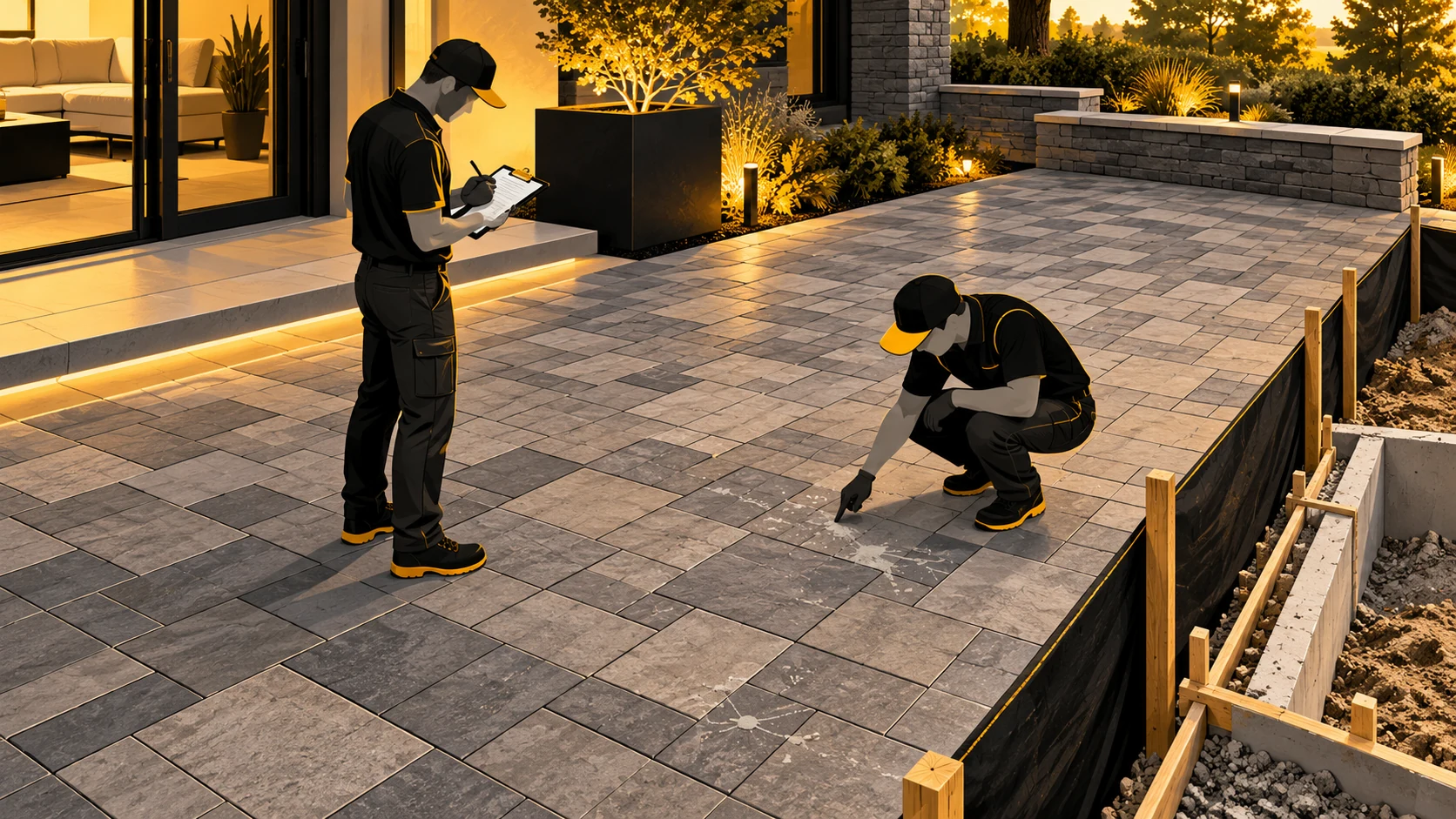
Describe what you see before naming a cause. A dark contact mark, a chipped corner, and a unit that appears to move under ordinary use raise different questions. Consequently, a cleaning service and a paving assessment may not address the same issue.
If a chair rocks, first determine whether the furniture itself has an obvious problem. However, do not keep loading or testing an area that appears unstable. Record the condition and ask the appropriate professional to assess it. Repeated testing can complicate the observation without adding useful information.
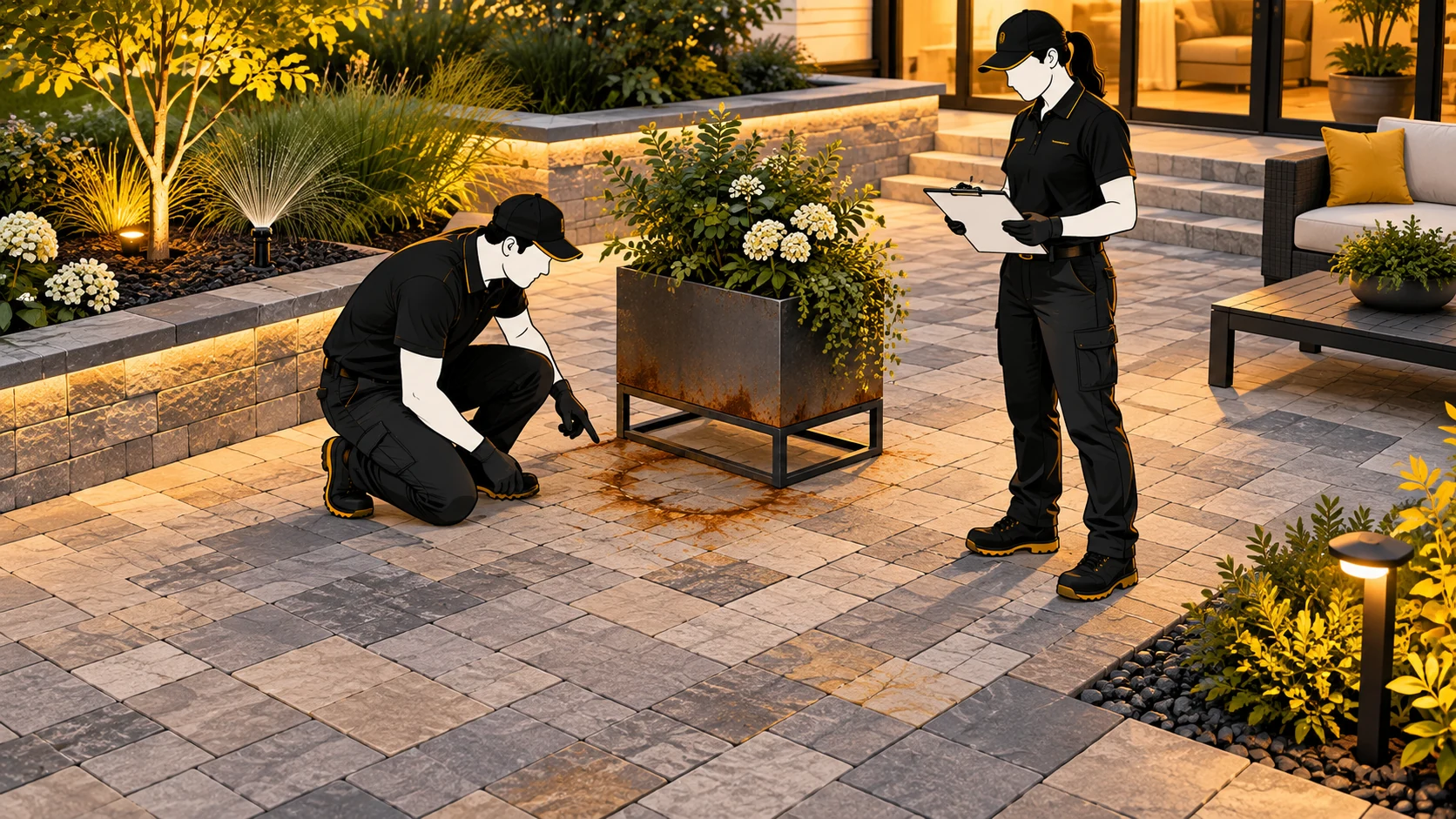
A mark directly beneath a foot gives context, but it does not prove the full explanation. For example, moisture, residue, corrosion, or a surface treatment may influence appearance. Therefore, preserve photographs and the furniture details before trying a stronger cleaning method based on an online comparison image.
Give metal furniture a careful visual review
Look at joints, fasteners, and feet when checking a metal set. Moreover, note whether a visible mark aligns with a particular contact point. A narrow stain beneath one leg deserves a different conversation from a broad pattern across the whole seating area.
Ask the furniture supplier about maintenance for the actual item. Do not apply a protective product near the patio without considering where overspray, drips, or residue might reach. Instead, follow the supplier's instructions and coordinate any nearby surface protection with the appropriate professional.
If a rust-colored mark appears, the maintenance resources in JaxTeller's blog can help you prepare questions. However, request an assessment tied to your material before selecting a treatment. Matching the color of a stain does not establish a safe cleaning chemistry.
Watch what happens beneath broad bases
Large planters, umbrella bases, and storage pieces can hide part of the surface from ordinary view. Therefore, include them in a sensible inspection routine when they can move safely. The first useful observation beneath patio furniture on pavers is the actual contact area, not an assumption about damage.
Note whether the covered area looks different after the item moves. Then allow the paving professional to interpret persistent concerns with the surface history in mind. A temporary contrast and a lasting stain may require different next steps.
Do not drill holes, add spacers, or modify a heavy base without the product supplier's guidance. Such changes can affect stability and intended use. Instead, explain the concern and ask which options preserve the furniture's function while respecting the patio material and maintenance plan.
Plan cleaning around patio furniture on pavers
Ask which routine care suits the exact paving and any known coating. Moreover, identify whether a furniture cleaning product could contact that surface. A maintenance plan becomes clearer when it considers both sides of the contact rather than treating each item in isolation.
The CMHA operation and maintenance guide supports using suitable maintenance practices for interlocking concrete pavement. For your own patio, the installed material and product instructions still need confirmation. Guidance for concrete paving should not automatically become a cleaning recipe for every stone or finish.
Avoid mixing cleaning products or testing an unfamiliar stain remover beneath a visible chair. Instead, keep a record of the mark and ask for an appropriate assessment. This preserves the information a professional needs and reduces the chance that an attempted fix creates a second concern.
Keep routes open around patio furniture on pavers
A good layout for patio furniture on pavers leaves room for people to move when chairs are in use. For example, the practical route should account for a chair pulled away from the table, not only its tucked-in position. Test ordinary movement with the household before deciding the layout is complete.
Consider different users and activities. Someone carrying a tray, using a mobility aid, or guiding a child may need a different approach from a person walking through an empty patio. Therefore, describe your actual needs when discussing changes with a designer or paving professional.
Keep access to doors, service points, and maintenance areas in the conversation. Decorative objects can make those routes less obvious over time. A periodic layout review helps you notice the change before a service visit or family gathering turns it into a practical problem.
Use photographs to compare changes fairly
Choose a few repeatable viewpoints for the furnished area. Then take closer photographs of any concern with a wider context image alongside it. A close-up alone may hide the relationship between a mark, the chair position, and an adjacent wet area.
Write down when furniture or pads changed. Moreover, note relevant cleaning or sealing work. If a new mark appears later, that simple timeline can help distinguish several possible events without relying on memory.
Avoid editing away ordinary shadows or color differences in the comparison images. The professional needs a faithful record rather than a polished presentation. If the concern only appears under a certain light or after a particular activity, describe that condition instead of trying to force every photograph to look identical.
Compare a small adjustment with a larger service
Sometimes the next step involves the furniture supplier, such as replacing an incorrect glide. In other situations, the paving professional may need to assess a persistent mark or movement concern. Therefore, ask which problem the proposed service actually addresses before approving work.
A request to clean the entire patio should explain why that scope fits the observed condition. Conversely, a small visible mark should not encourage a rushed local treatment that leaves a different-looking patch. The appropriate scope depends on the material, history, and professional assessment.
Ask what outcome the provider expects and which limitations remain. A clear explanation of those boundaries can be more useful than a promise to make every contact area invisible. It also helps you decide whether a furniture adjustment should happen before further paving maintenance.
Apply the review to a typical dining set
Imagine a homeowner who notices marks below two chairs after rearranging a patio. The useful first step is to identify those chairs and compare their feet with the rest of the set. One may have a missing glide, while another may stand in an area with a different surface history. The observation should remain open until the relevant provider reviews it.
Next, the homeowner can gather the furniture reference, photographs, and paving records. That package allows the supplier to address the contact components and the paving professional to assess any persistent surface concern. It avoids using an aggressive cleaner as a substitute for understanding the problem.
After the appropriate adjustment or service, the homeowner can keep the same viewpoints for follow-up. If no new marks appear, the record supports that practical outcome. If a concern returns, the timeline helps the professionals decide what deserves further attention. Neither result requires pretending that every outdoor accessory behaves identically.
Keep spare approved replacement glides with the furniture information when practical. Then check their condition during ordinary seasonal care. Having the correct reference available makes a small replacement easier and avoids choosing an unrelated accessory simply because it is close at hand.
Discuss a patio that works with your furniture
When planning a new surface, share the furniture dimensions and intended arrangement early. Moreover, explain which items move often and which remain fixed. These details can help JaxTeller discuss the usable layout alongside your material and appearance preferences.
Explore the backyard pavers and patios service for that conversation, and review the project gallery for setting ideas. However, let the assessment of your property guide the final scope rather than assuming another patio's arrangement fits yours exactly.
Ready to elevate your outdoor living space? Use the contact page to describe your patio and furniture questions. You can also follow JaxTeller on Instagram and Facebook, or start a conversation through WhatsApp. See the map for location details. Contact JaxTeller Brick Pavers at +1 407-907-8308 or jaxtellerbrickpavers@gmail.com for your free estimate!