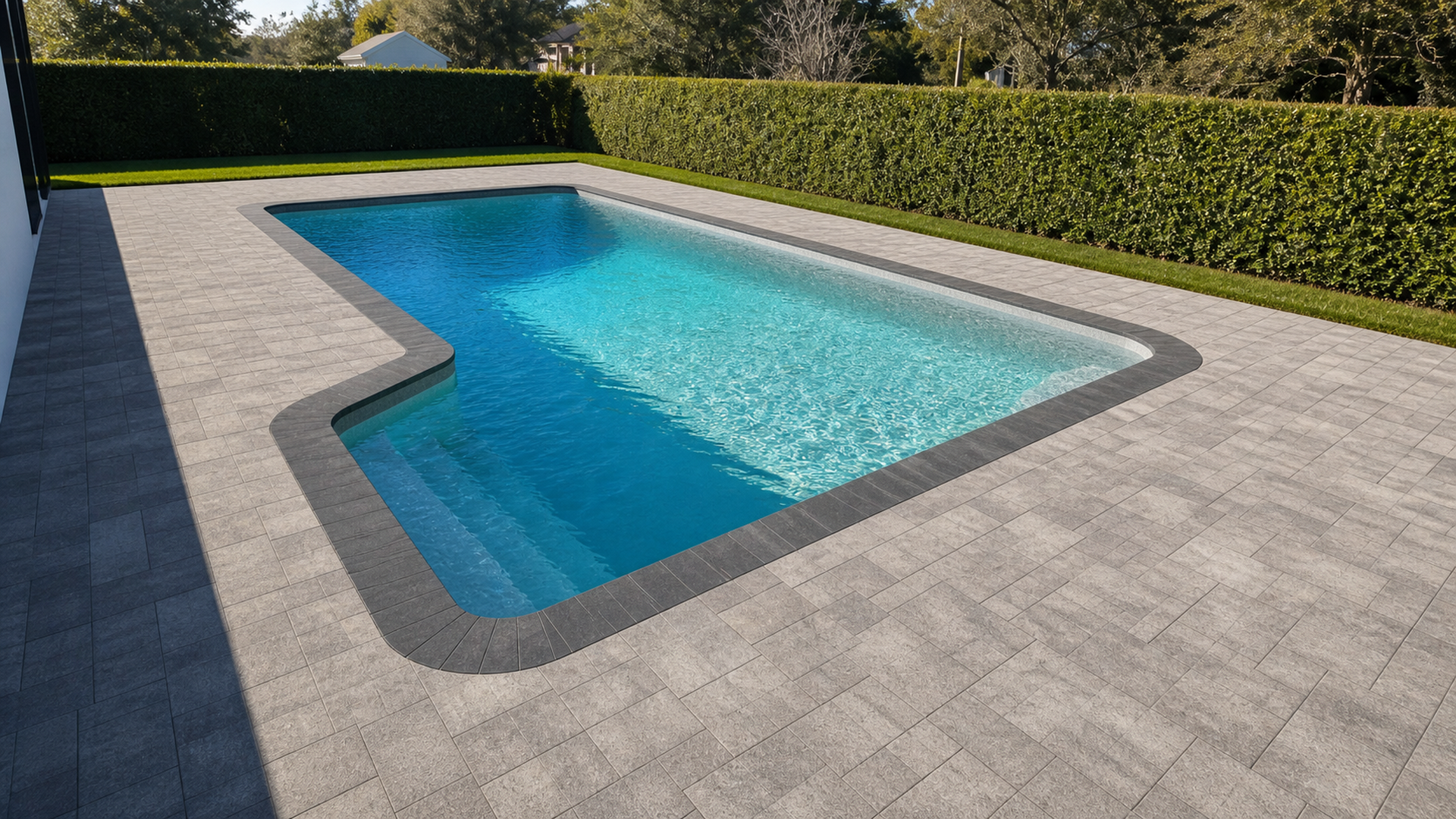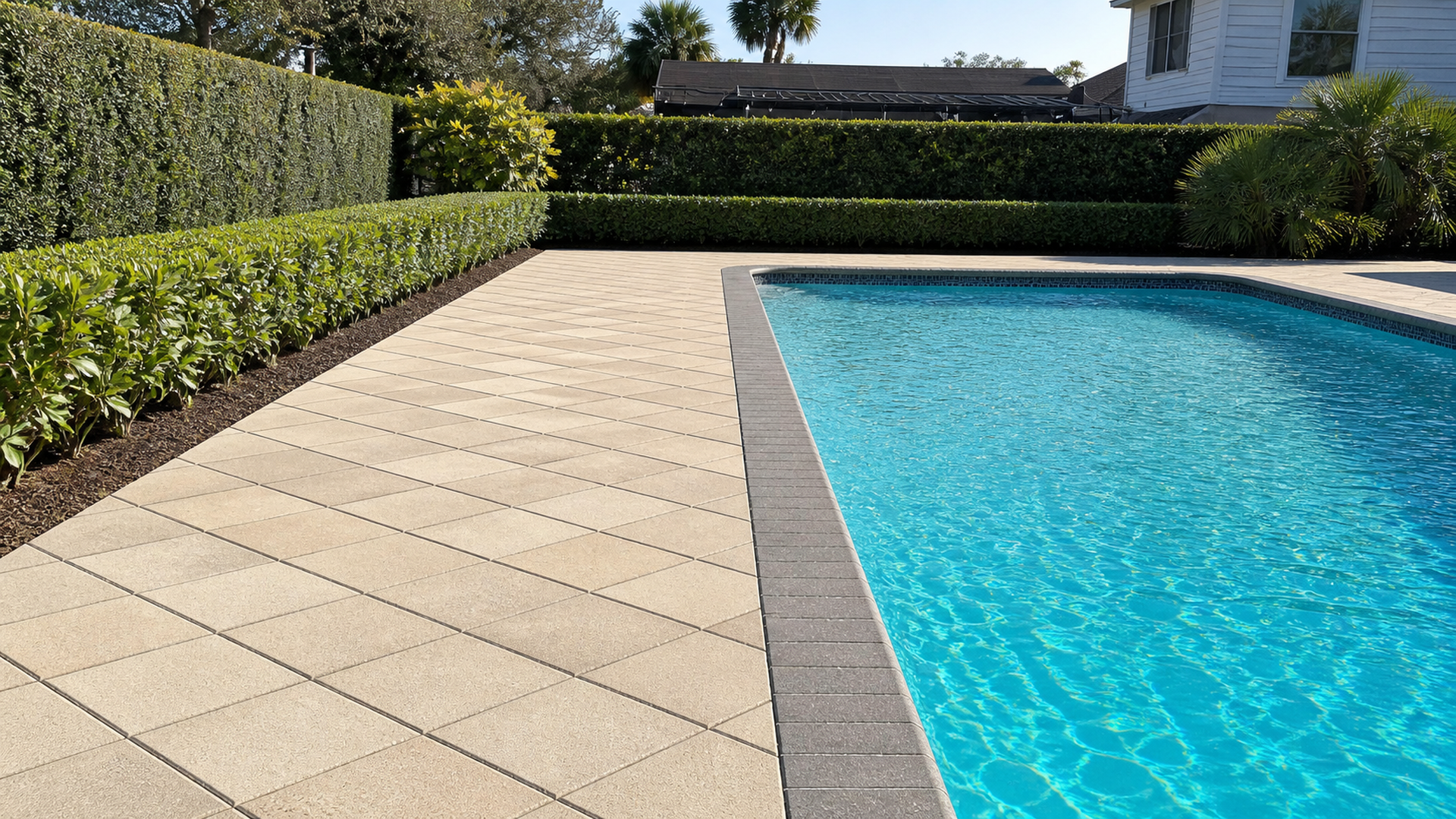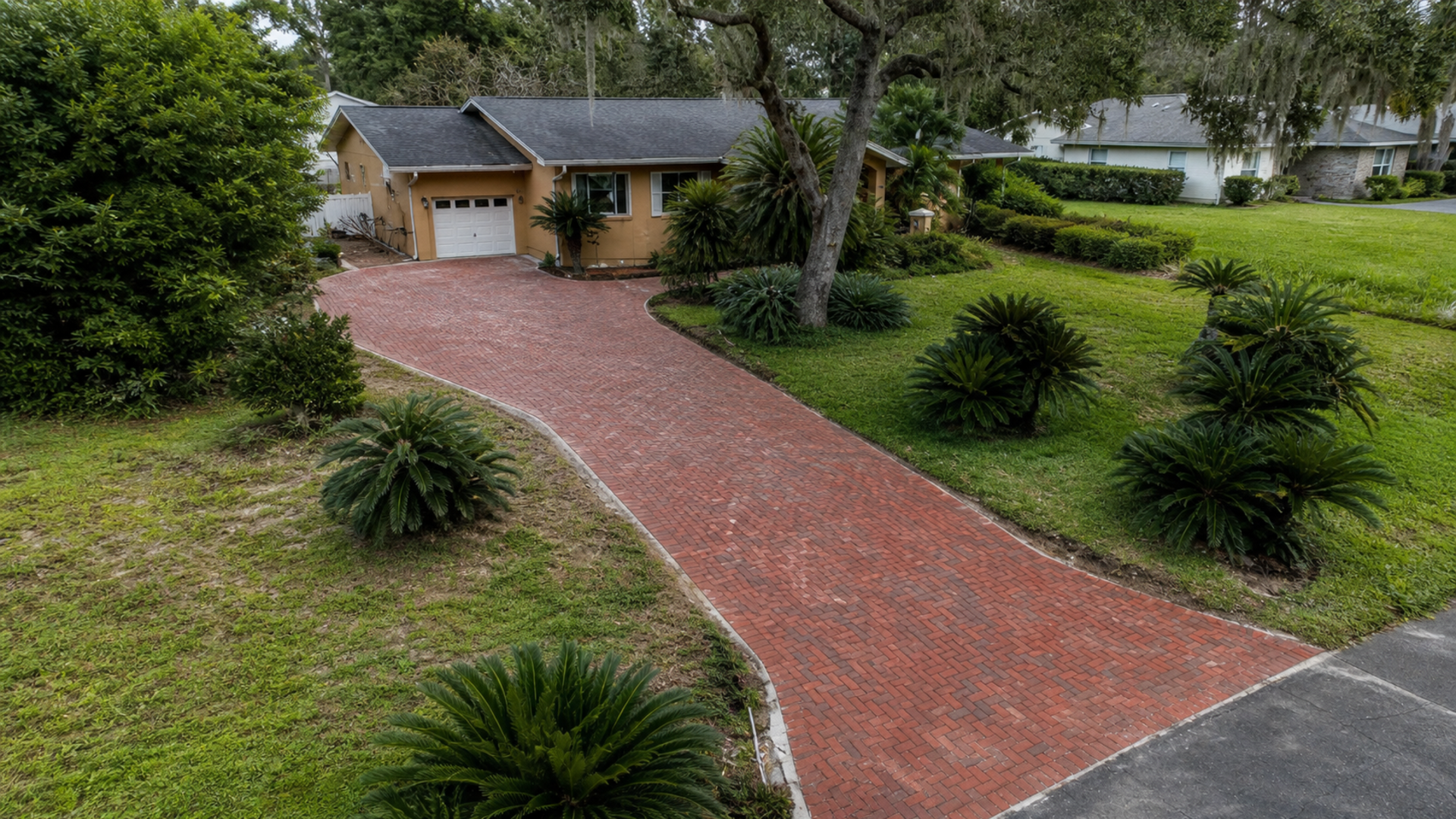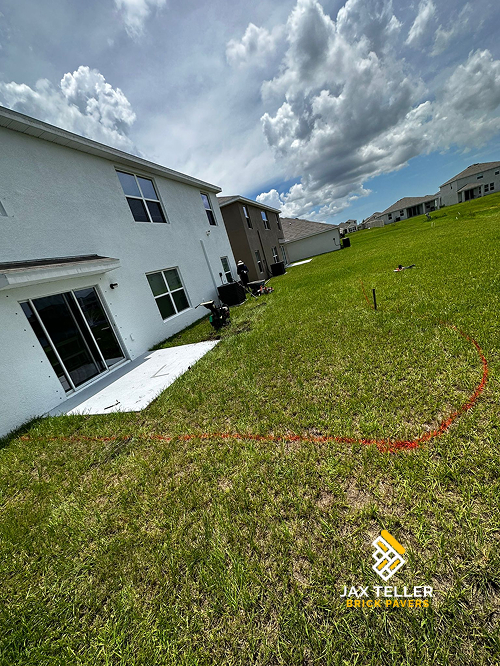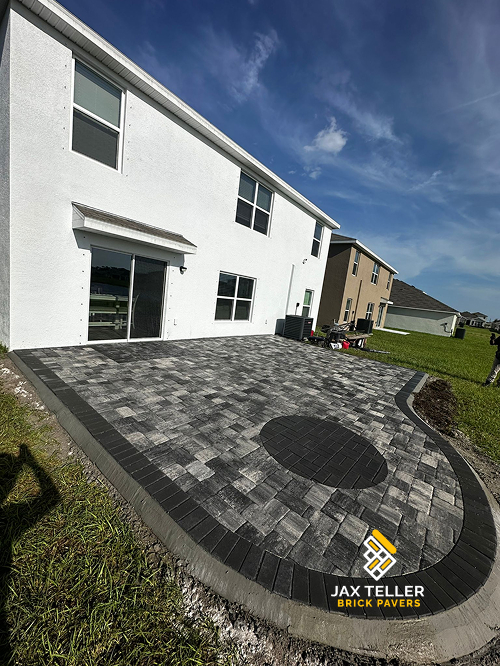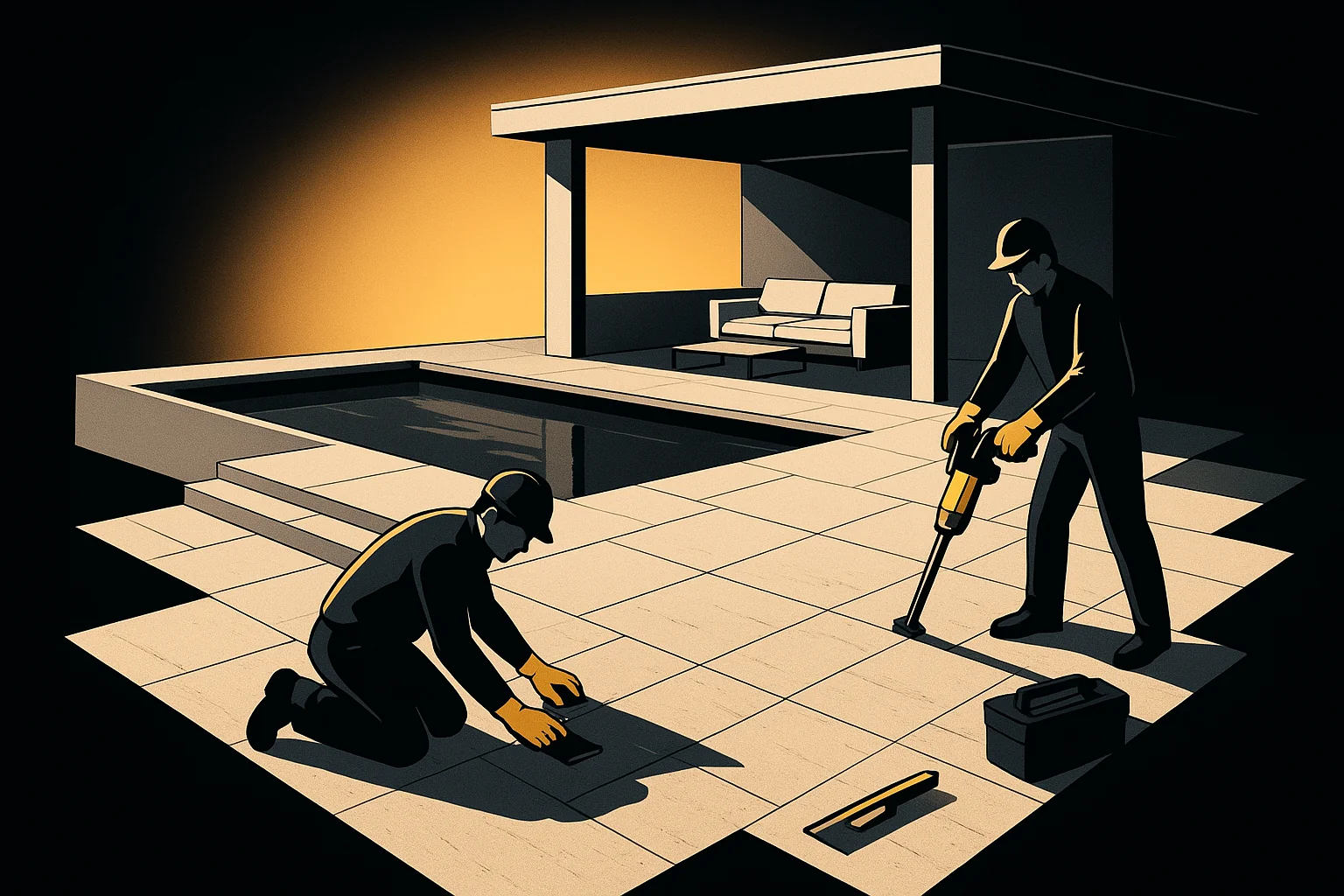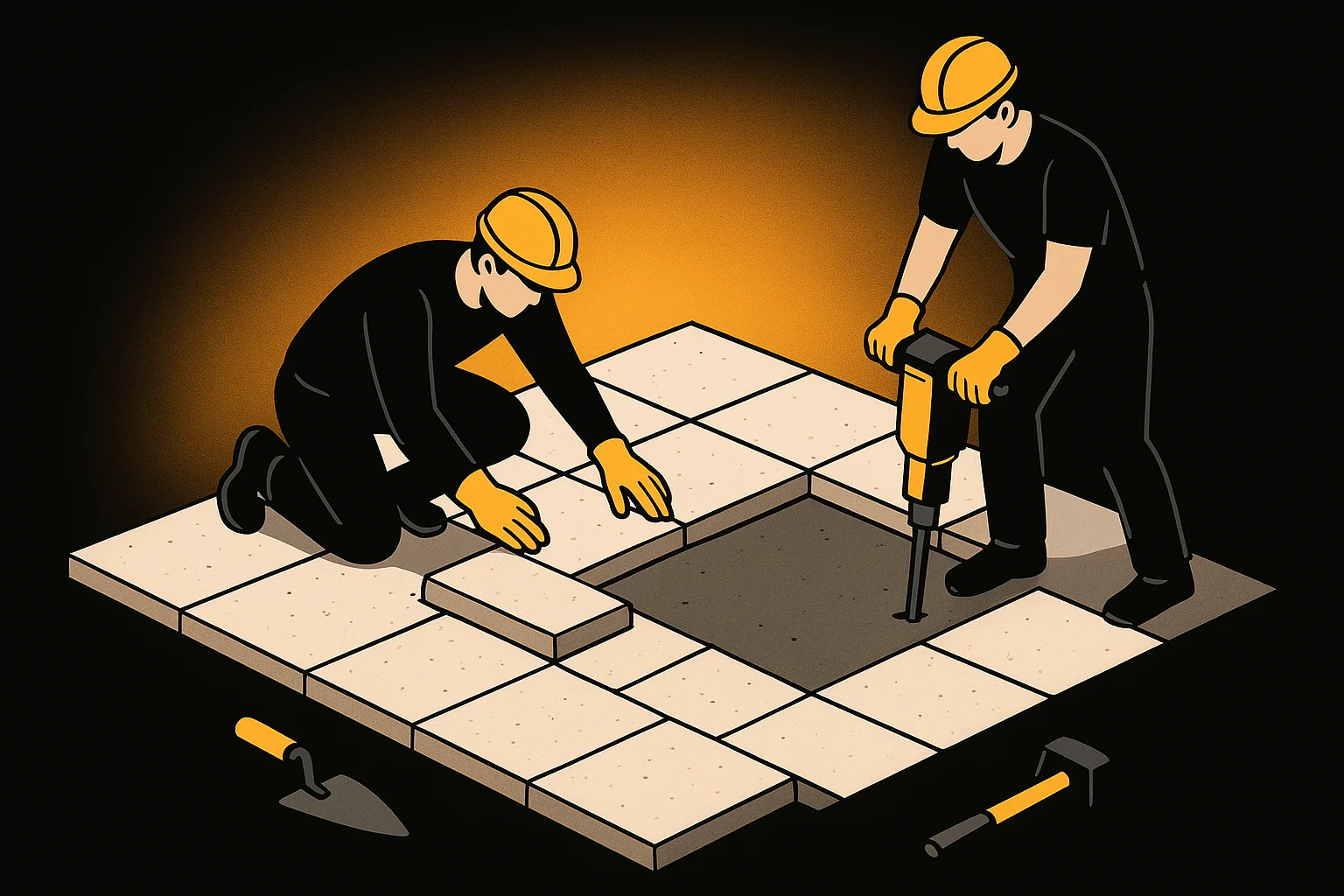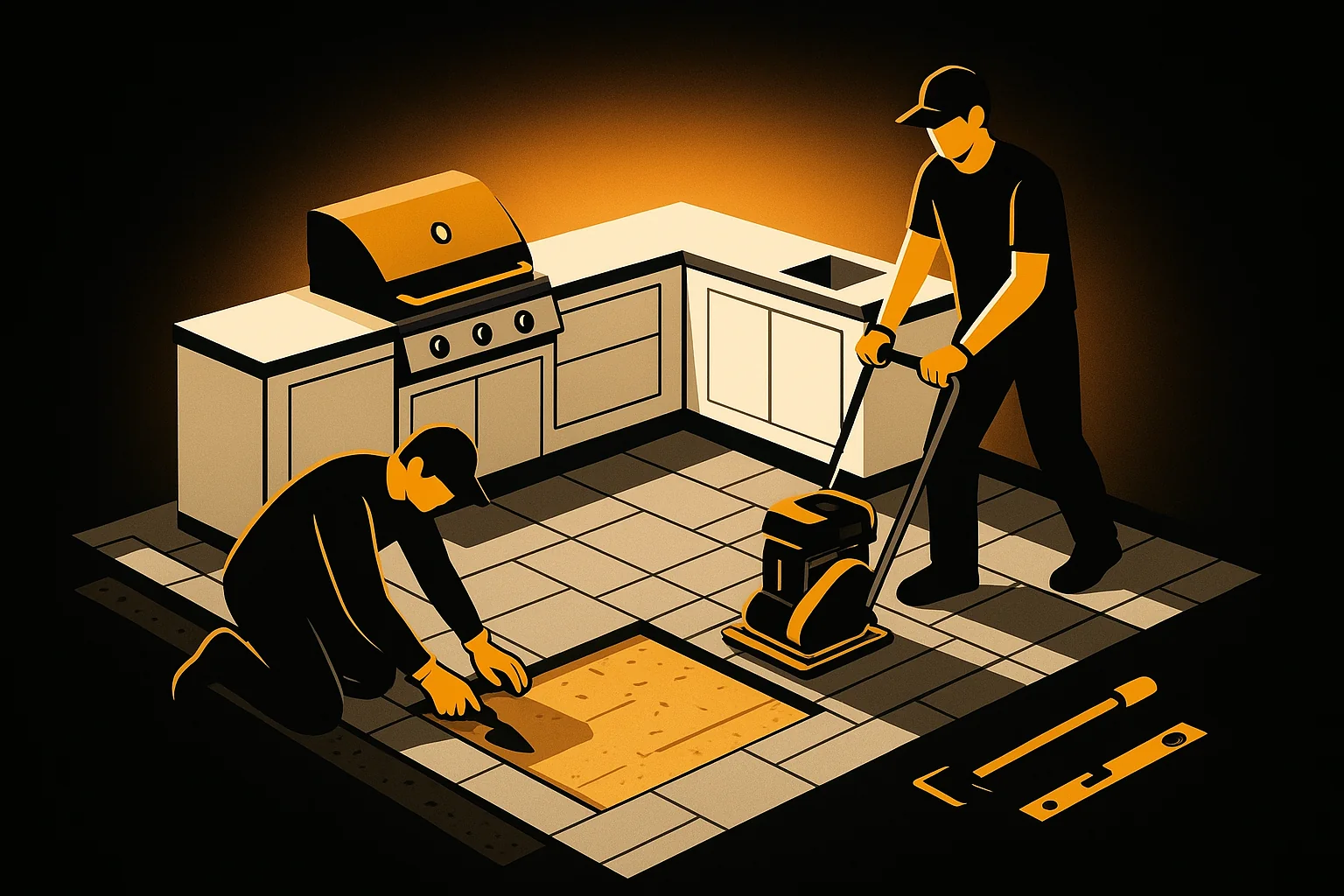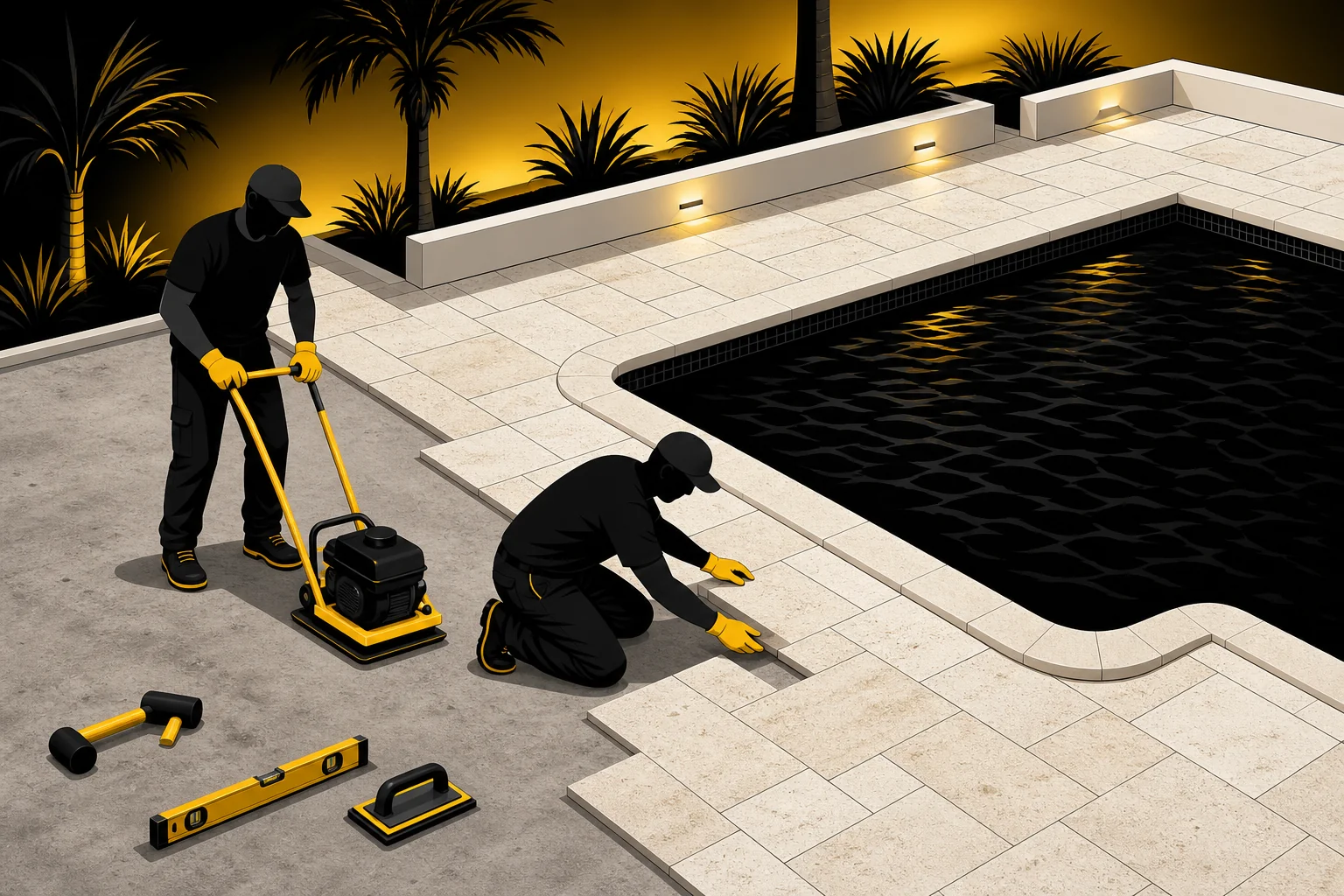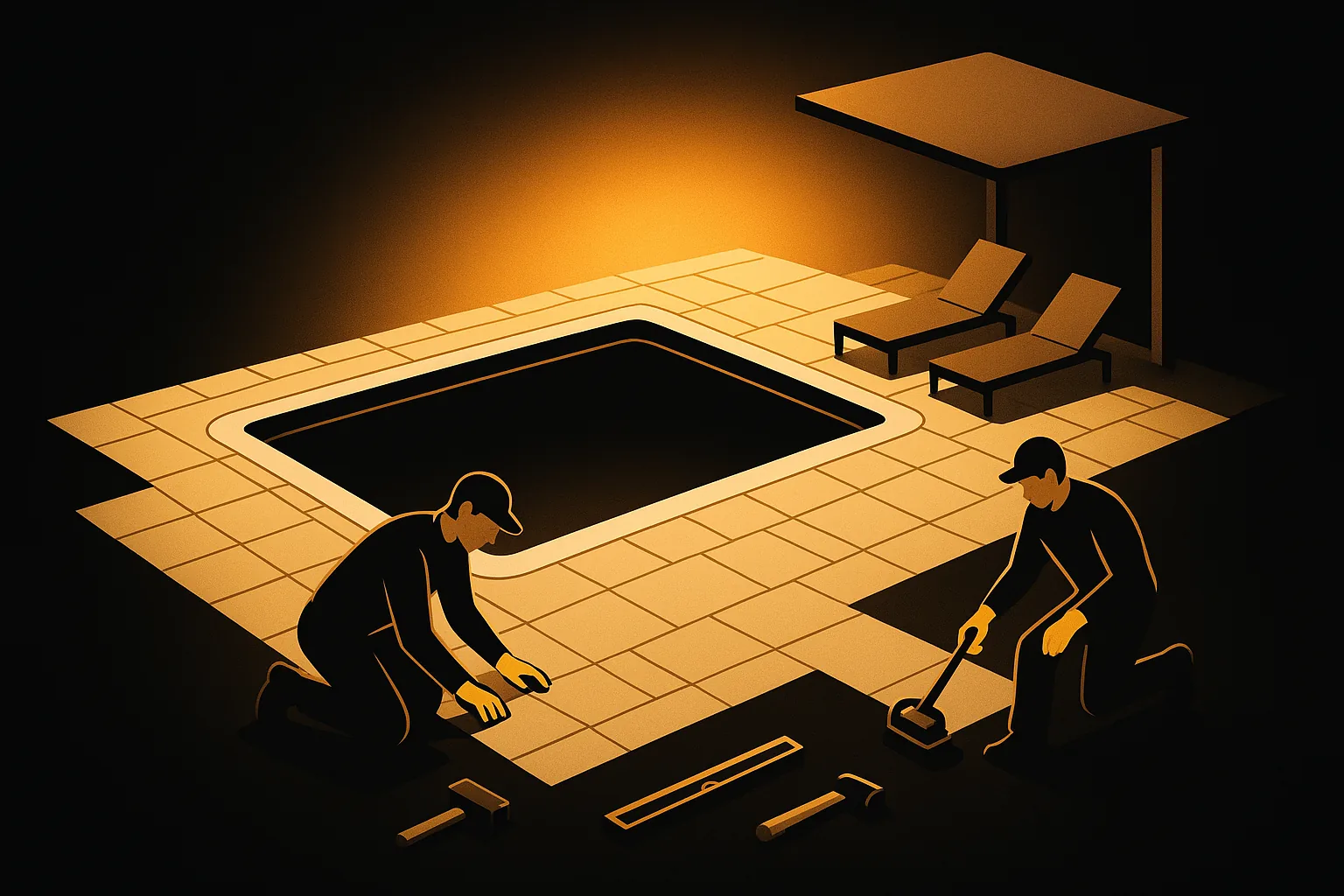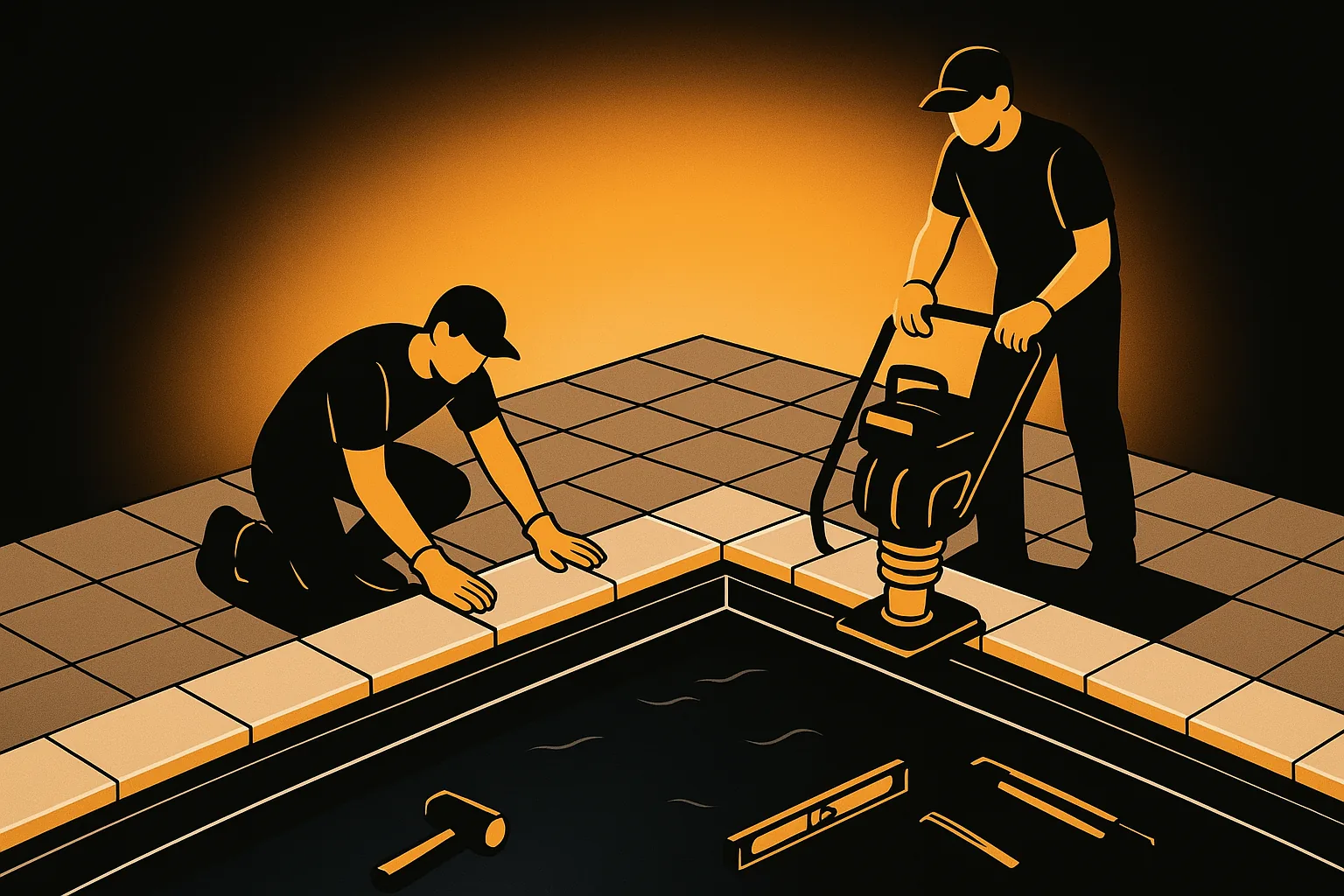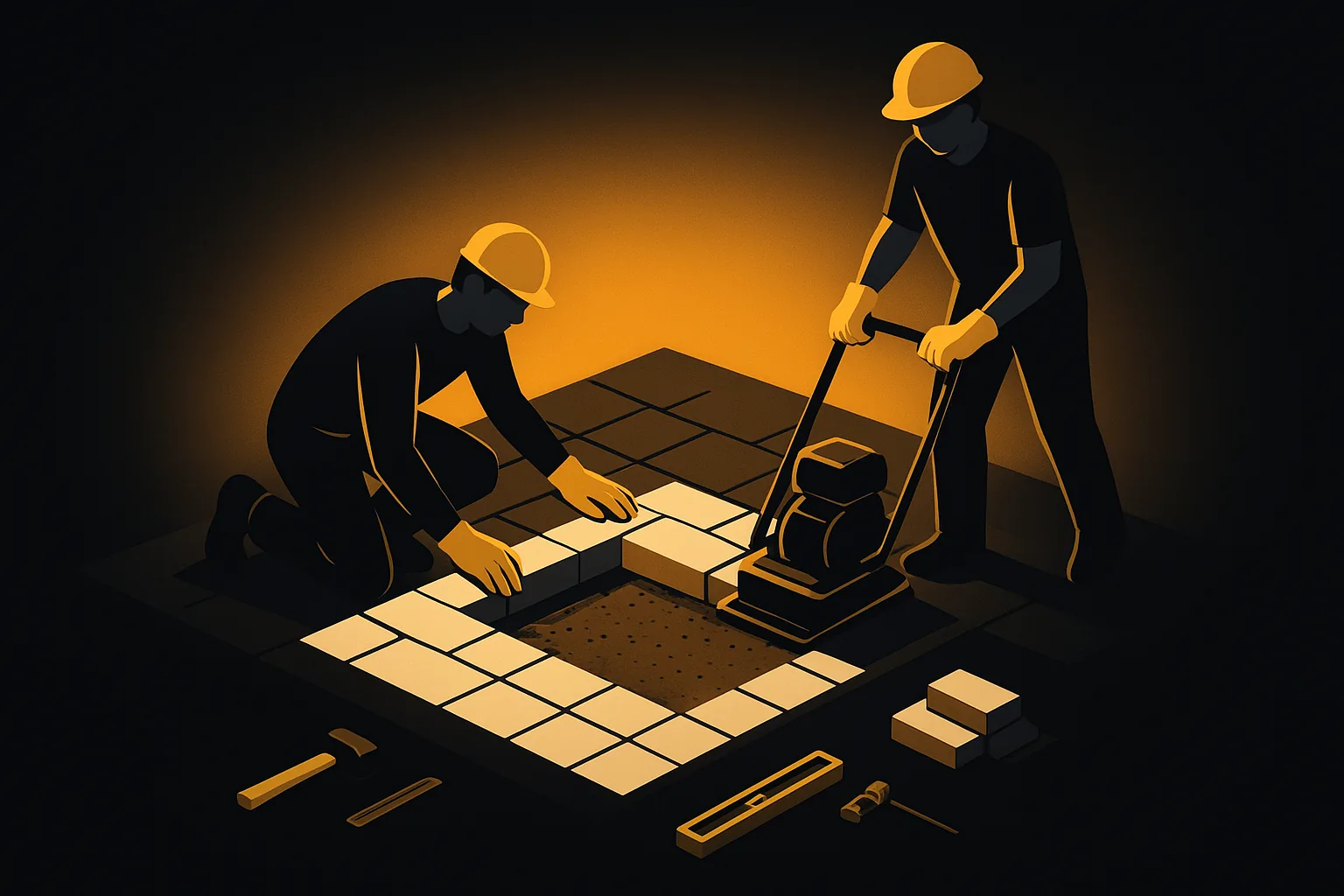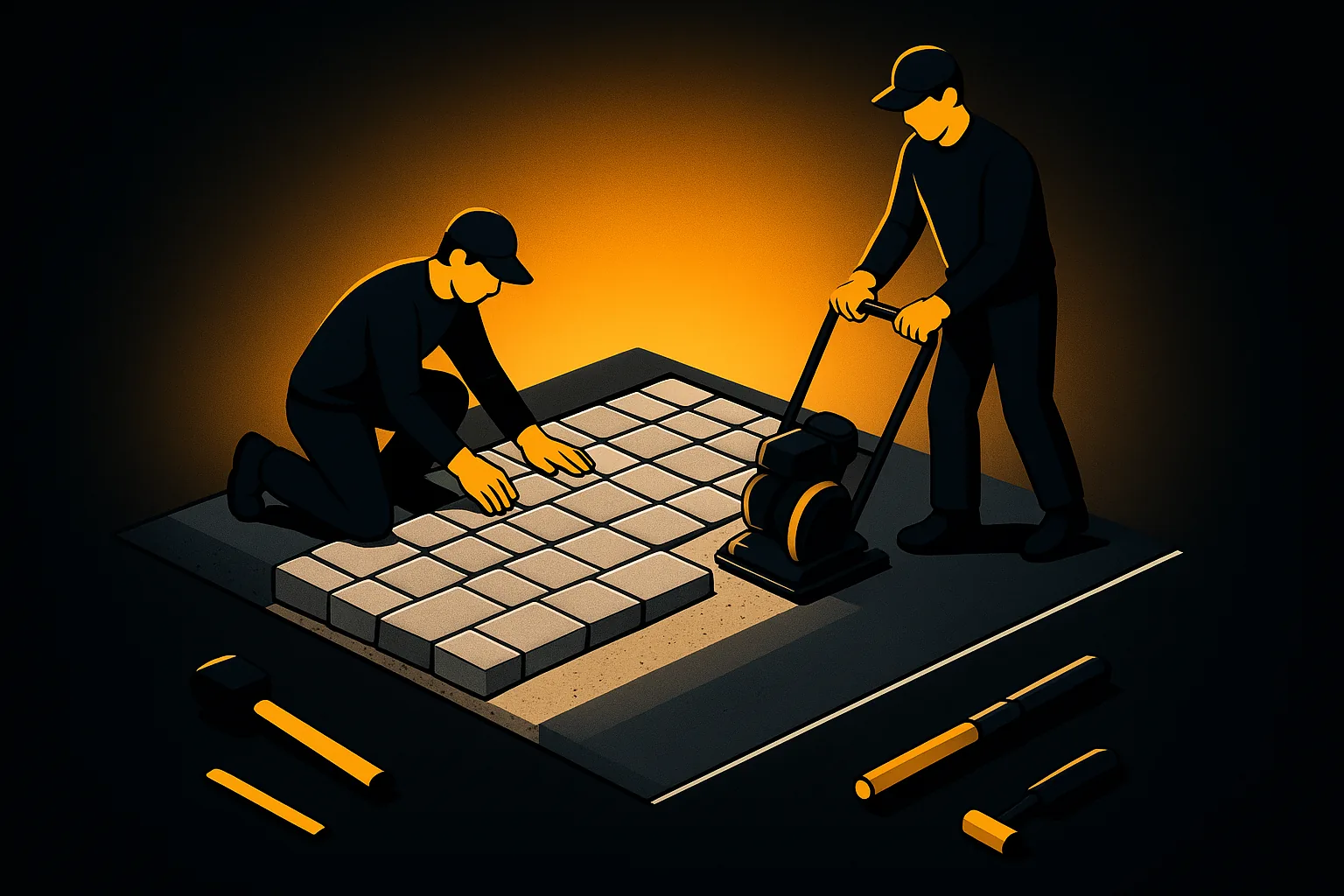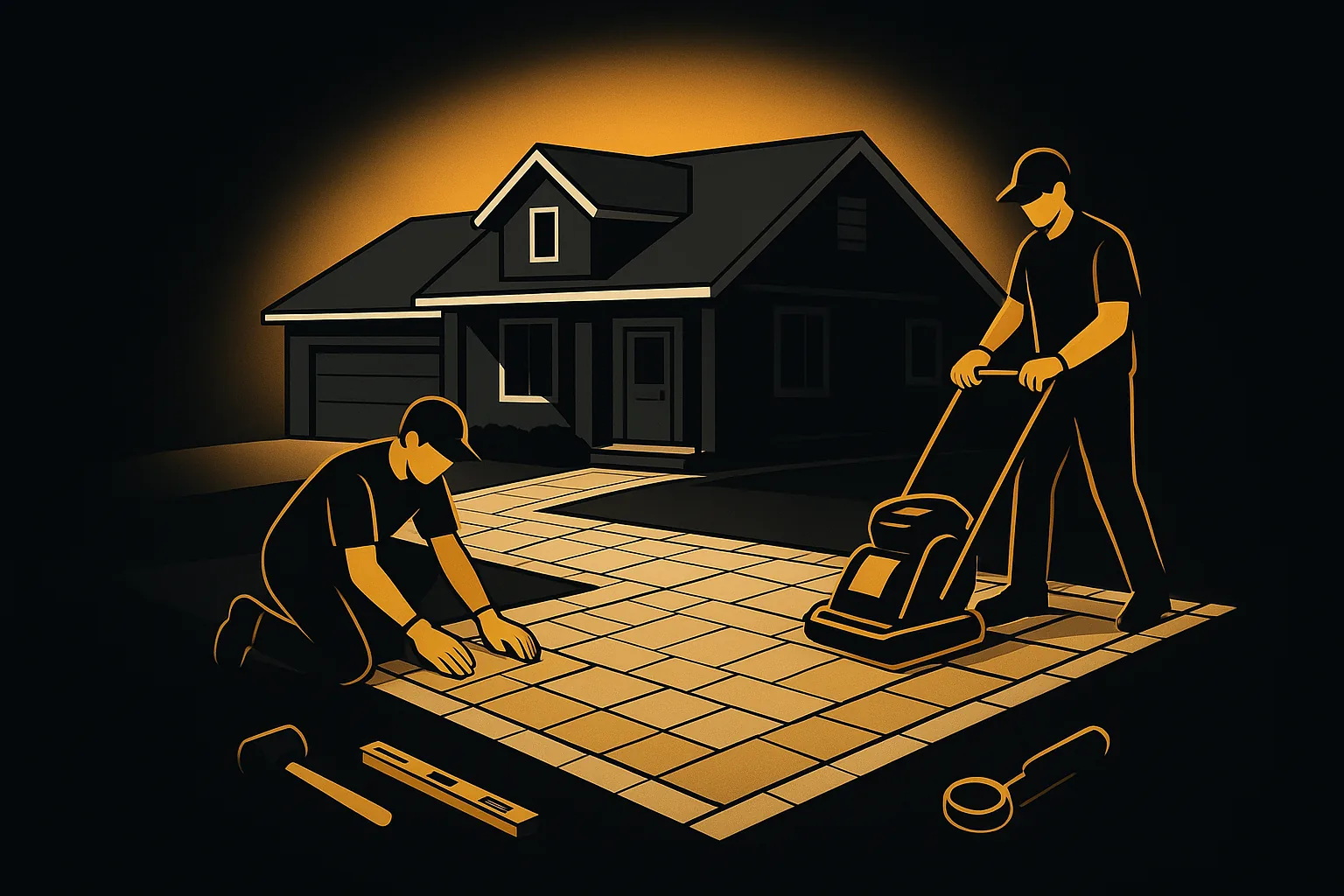
Choosing the right pool deck material in Florida isn’t just about appearance. The intense sun, humidity, heavy rainfall, and constant foot traffic demand surfaces that remain cool, safe, and structurally stable.
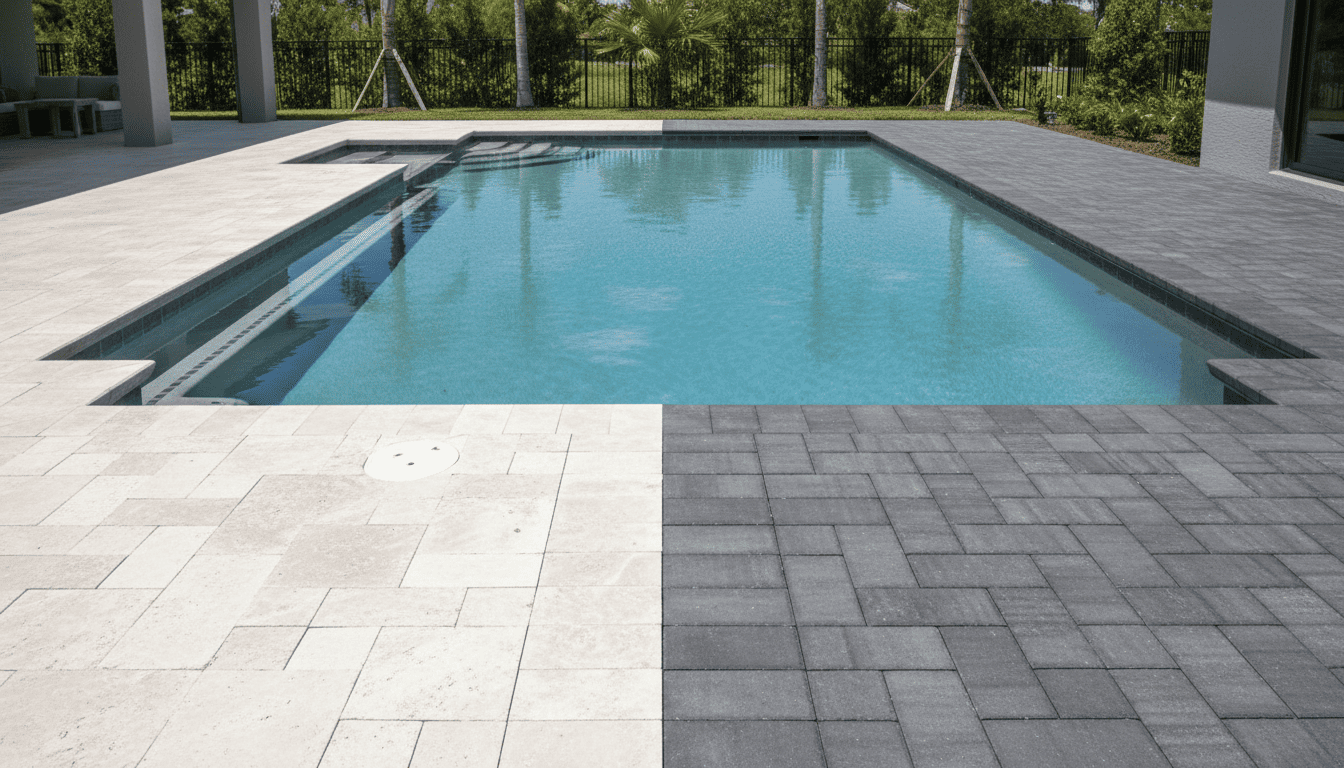
Two of the most popular choices for Florida pool decks are travertine and concrete pavers. Both offer advantages — but they perform differently under Florida’s climate conditions.
This guide breaks down durability, maintenance, cost, aesthetics, and long-term value so homeowners can make the right decision.
Why Pool Deck Material Matters in Florida
Florida pool decks must handle:
- High UV exposure
- Frequent rainstorms
- Pool chemicals
- Barefoot traffic
- Soil movement
A poor material choice can result in cracking, overheating, slippery surfaces, or premature deterioration.
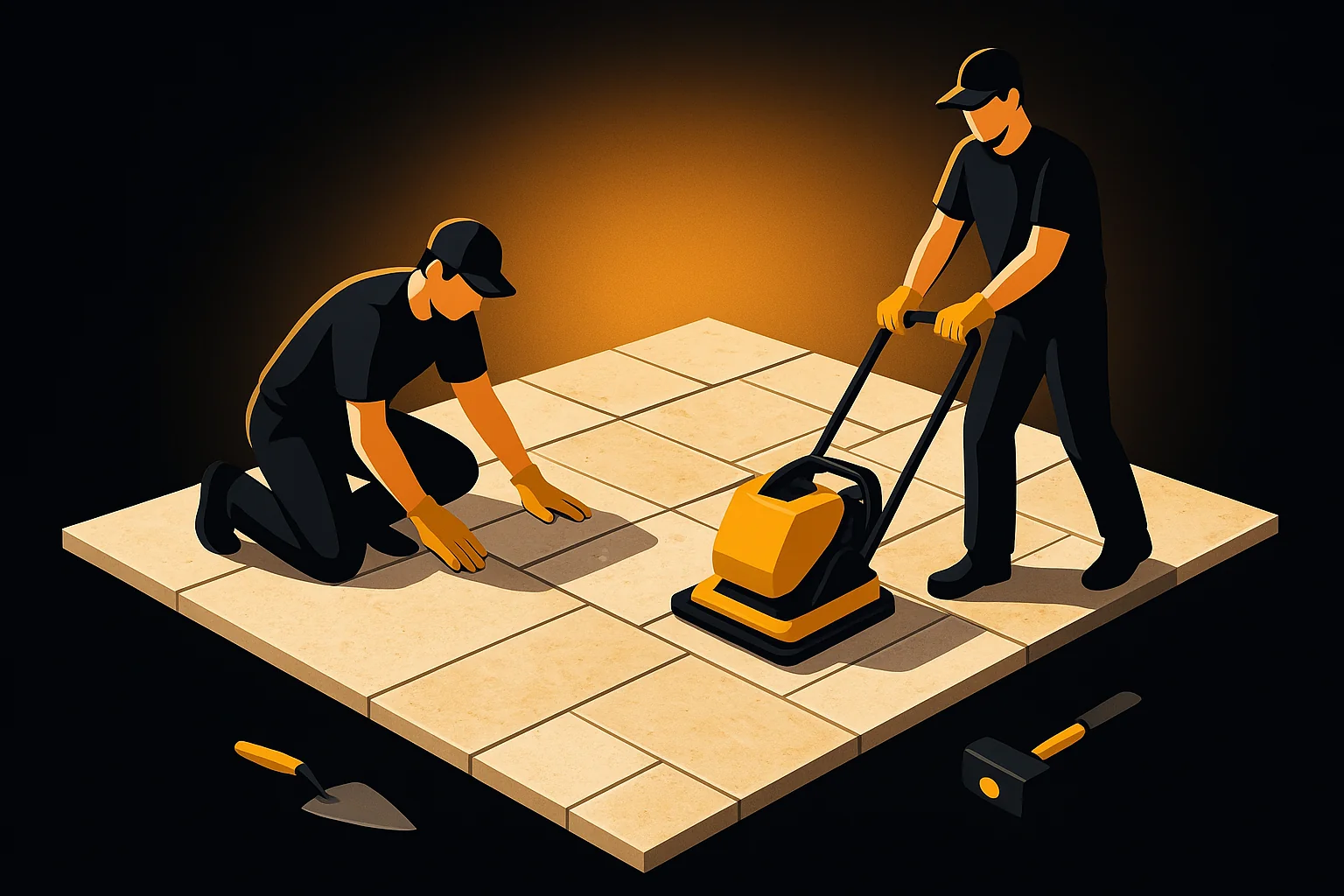
What Is Travertine?
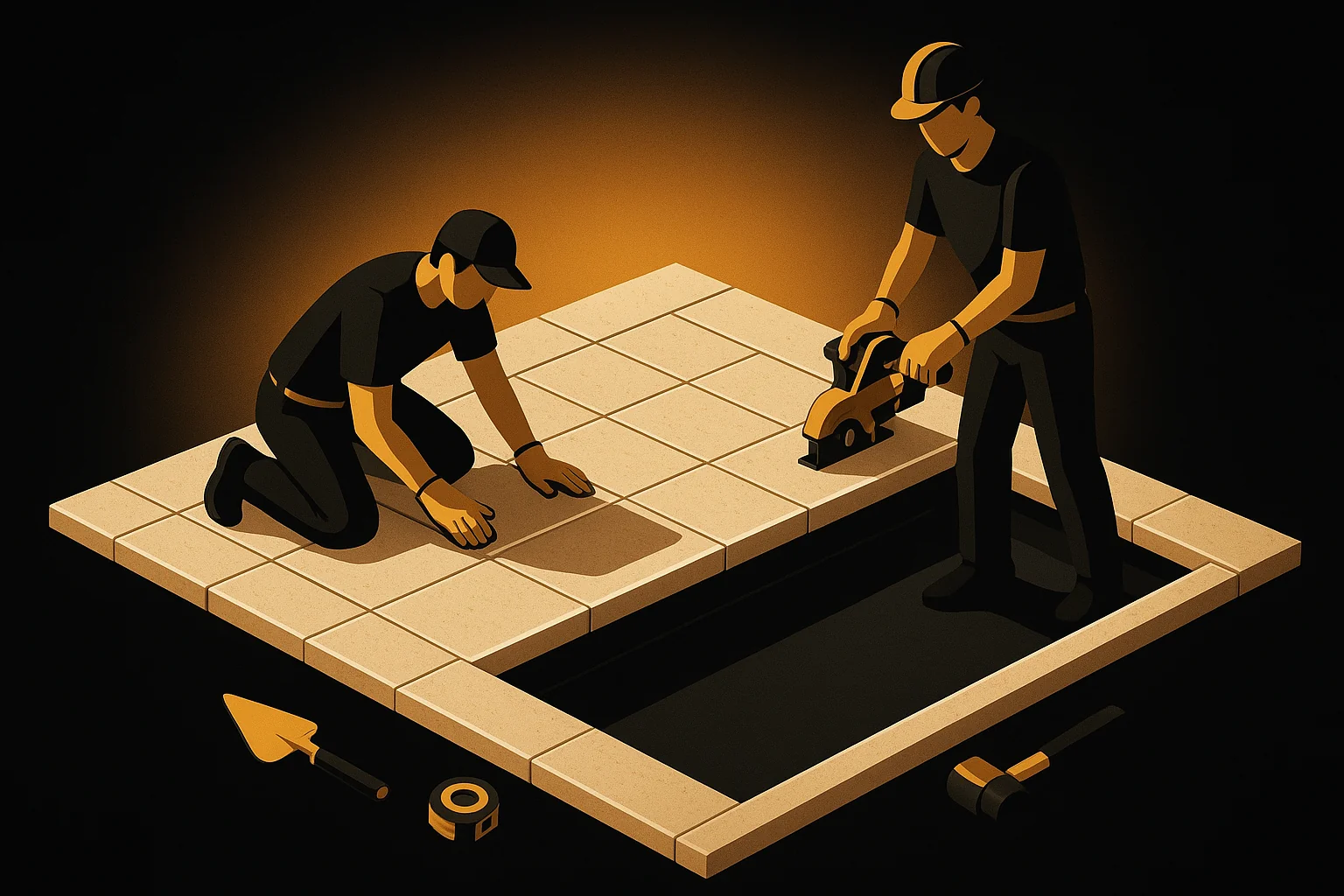
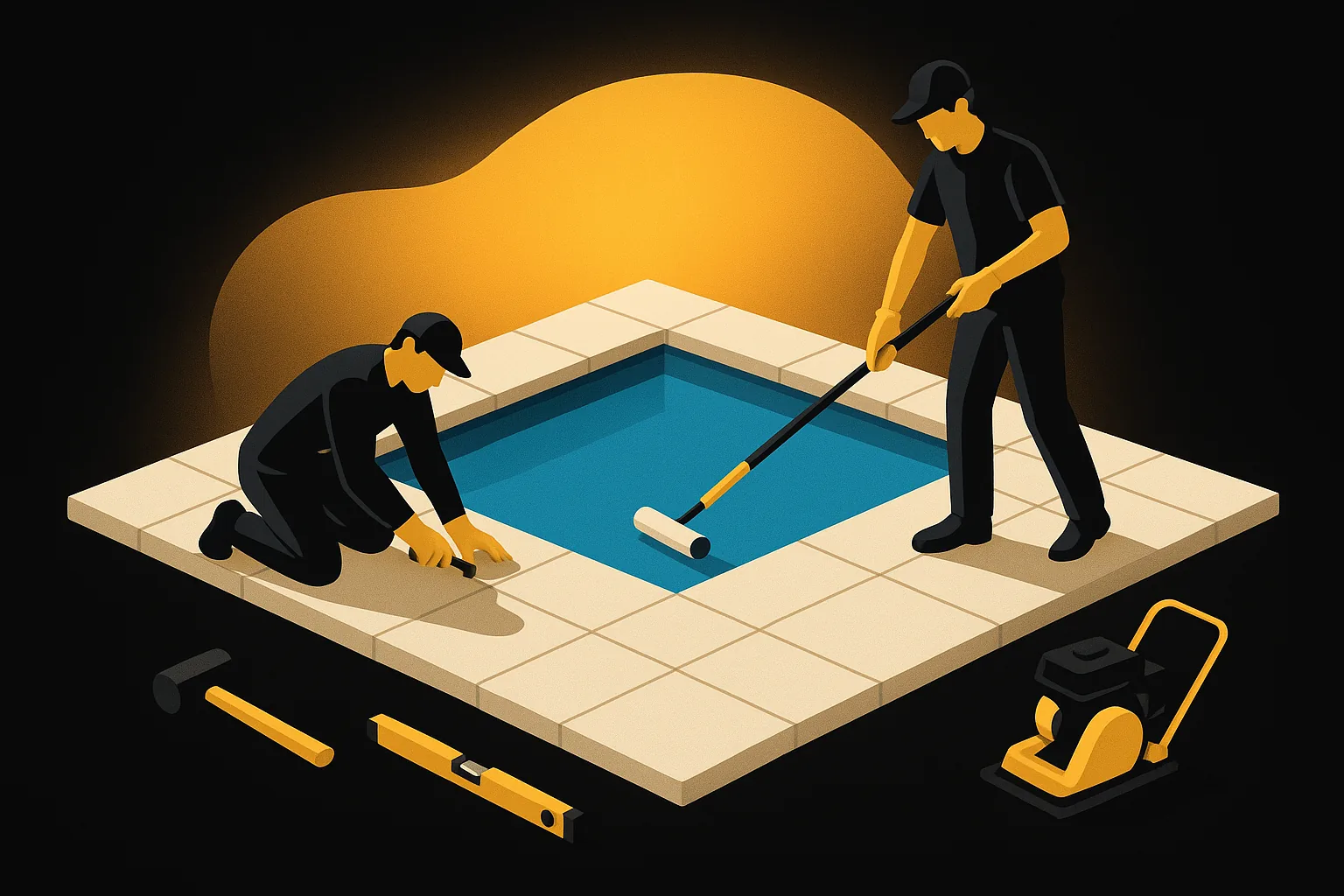
Travertine is a natural limestone formed by mineral deposits. It is commonly used for high-end pool decks due to its elegant appearance and natural cooling properties.
Key Characteristics:
- Natural stone
- Light color tones
- Porous structure
- Naturally heat-resistant
Travertine offers a premium aesthetic that many homeowners love.
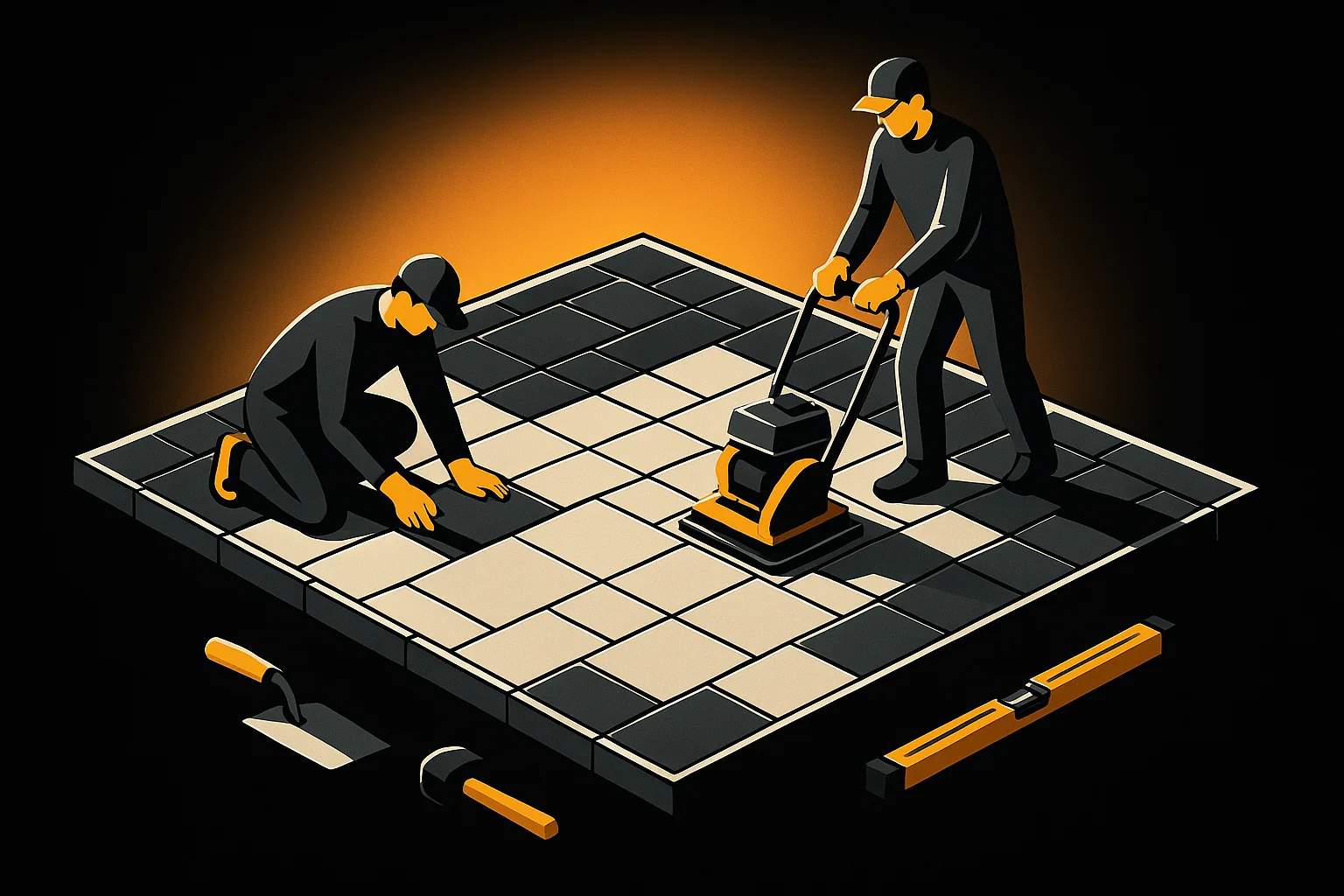
What Are Concrete Pavers?
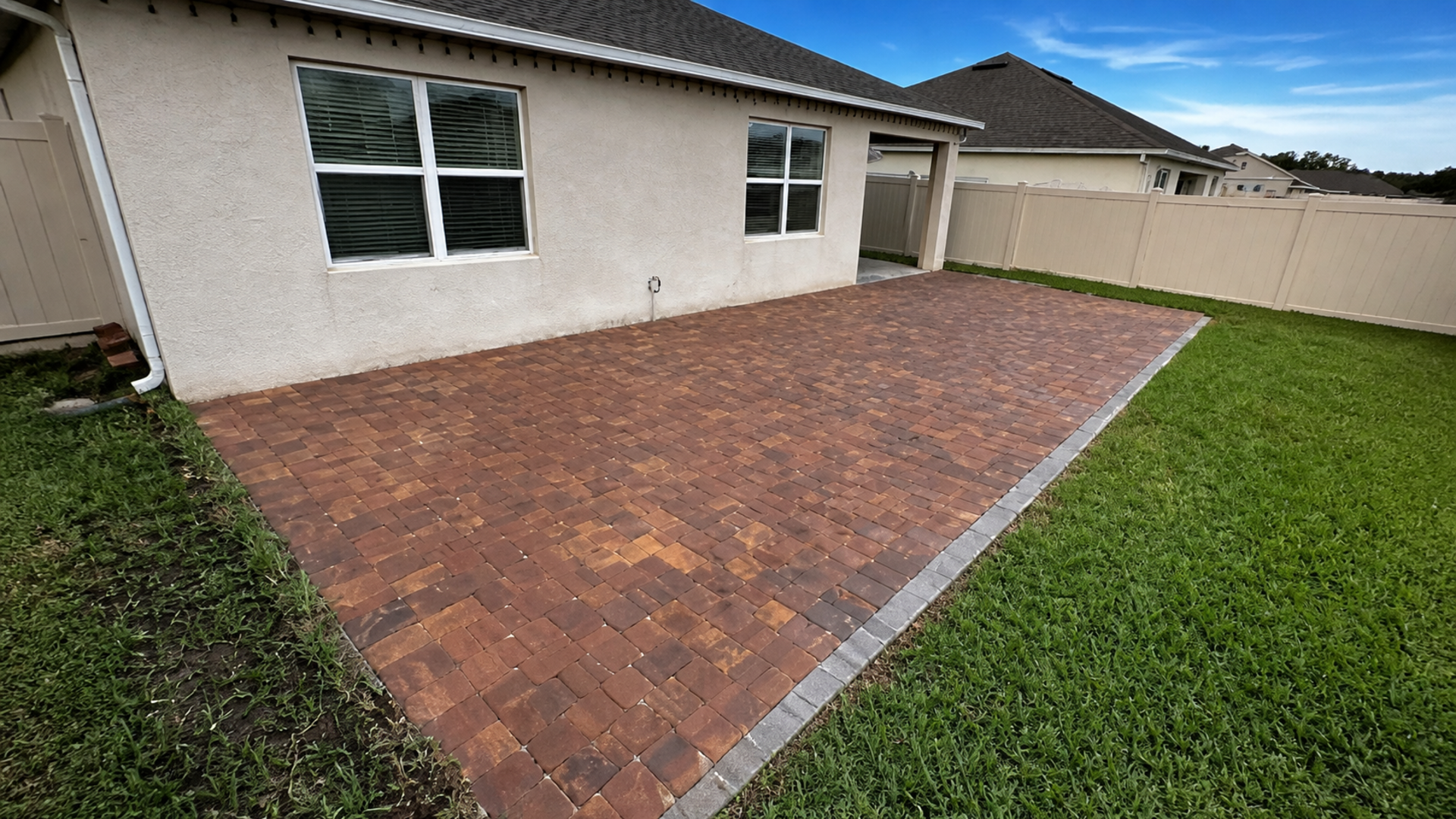
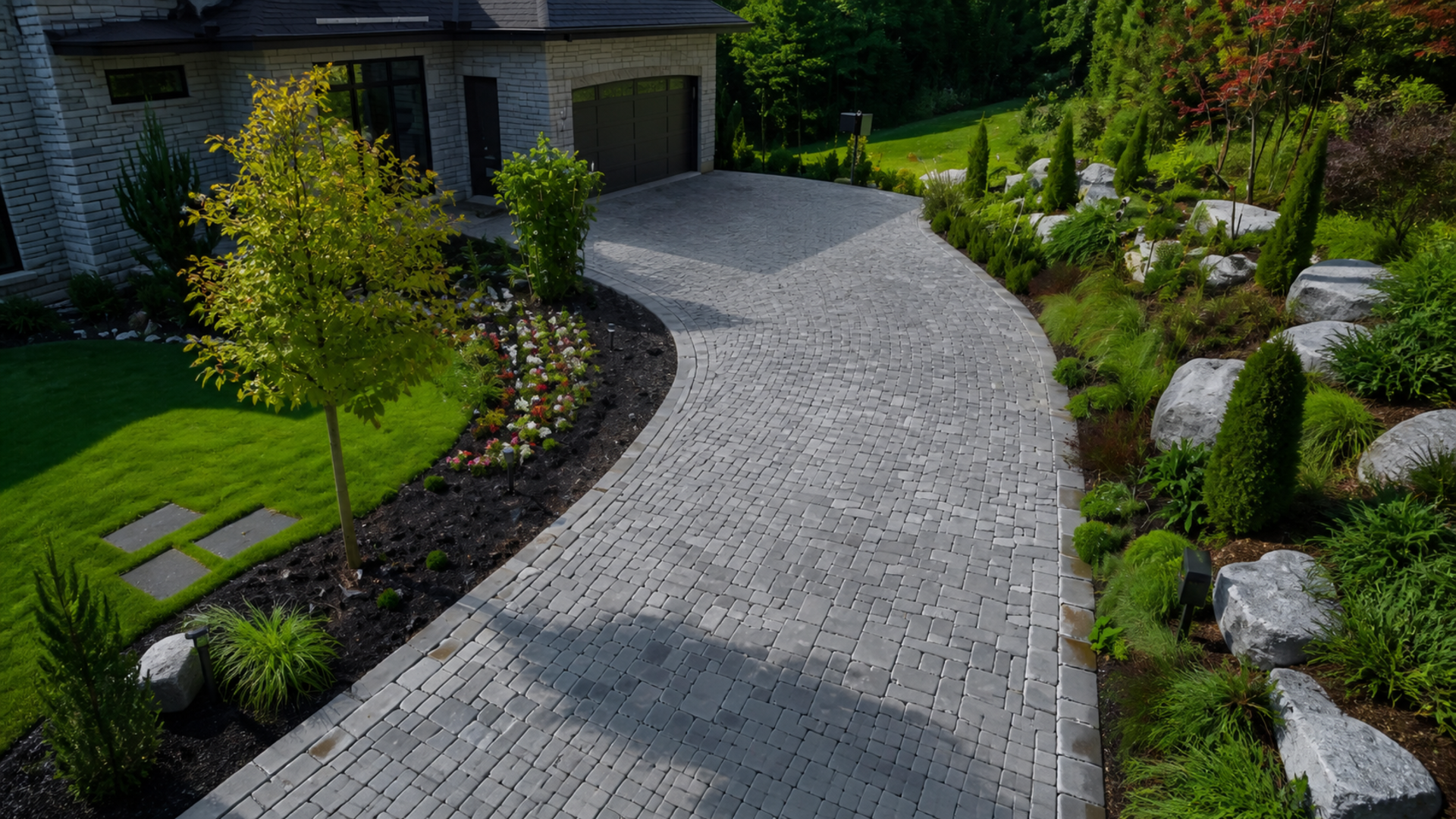
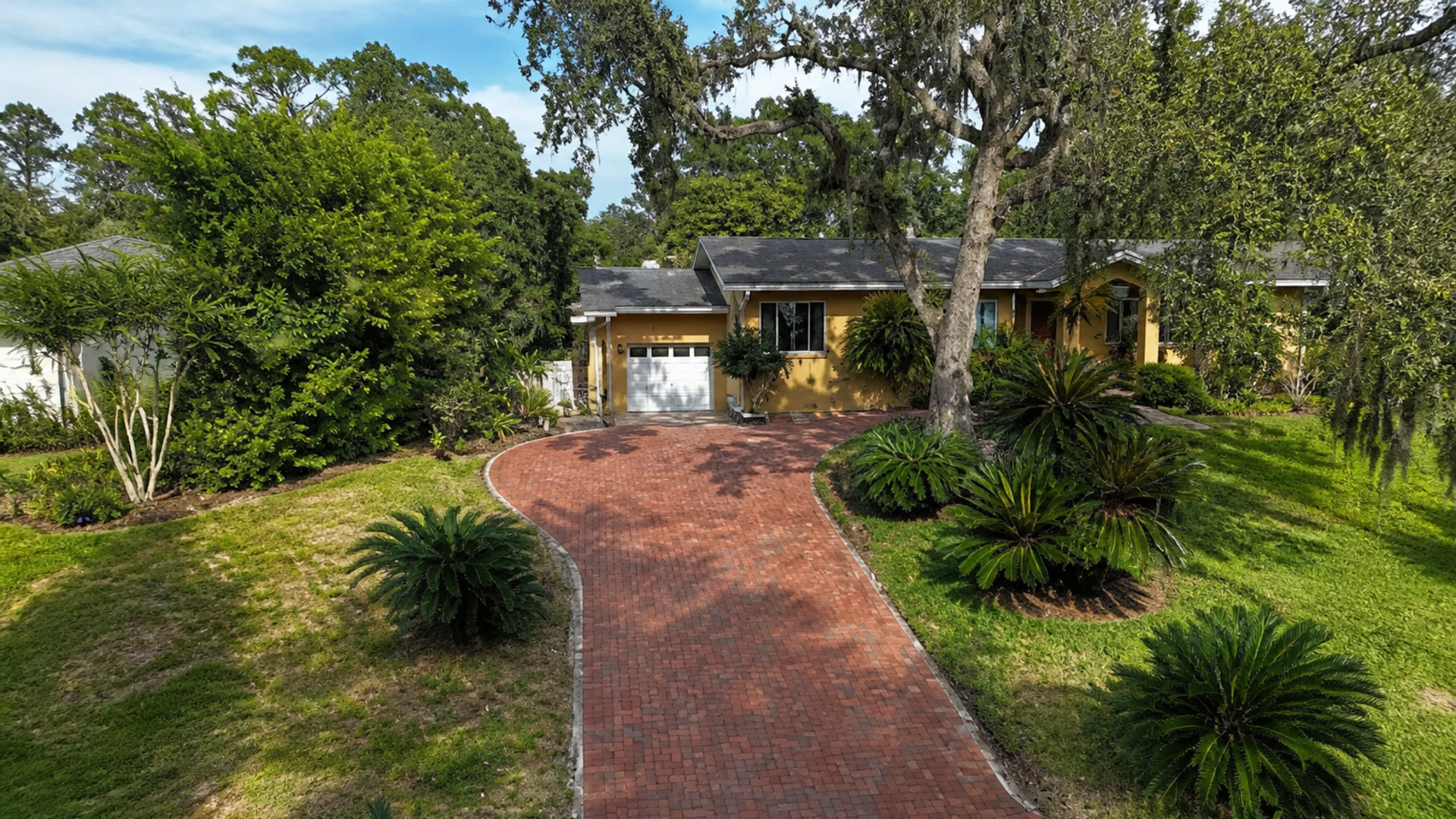
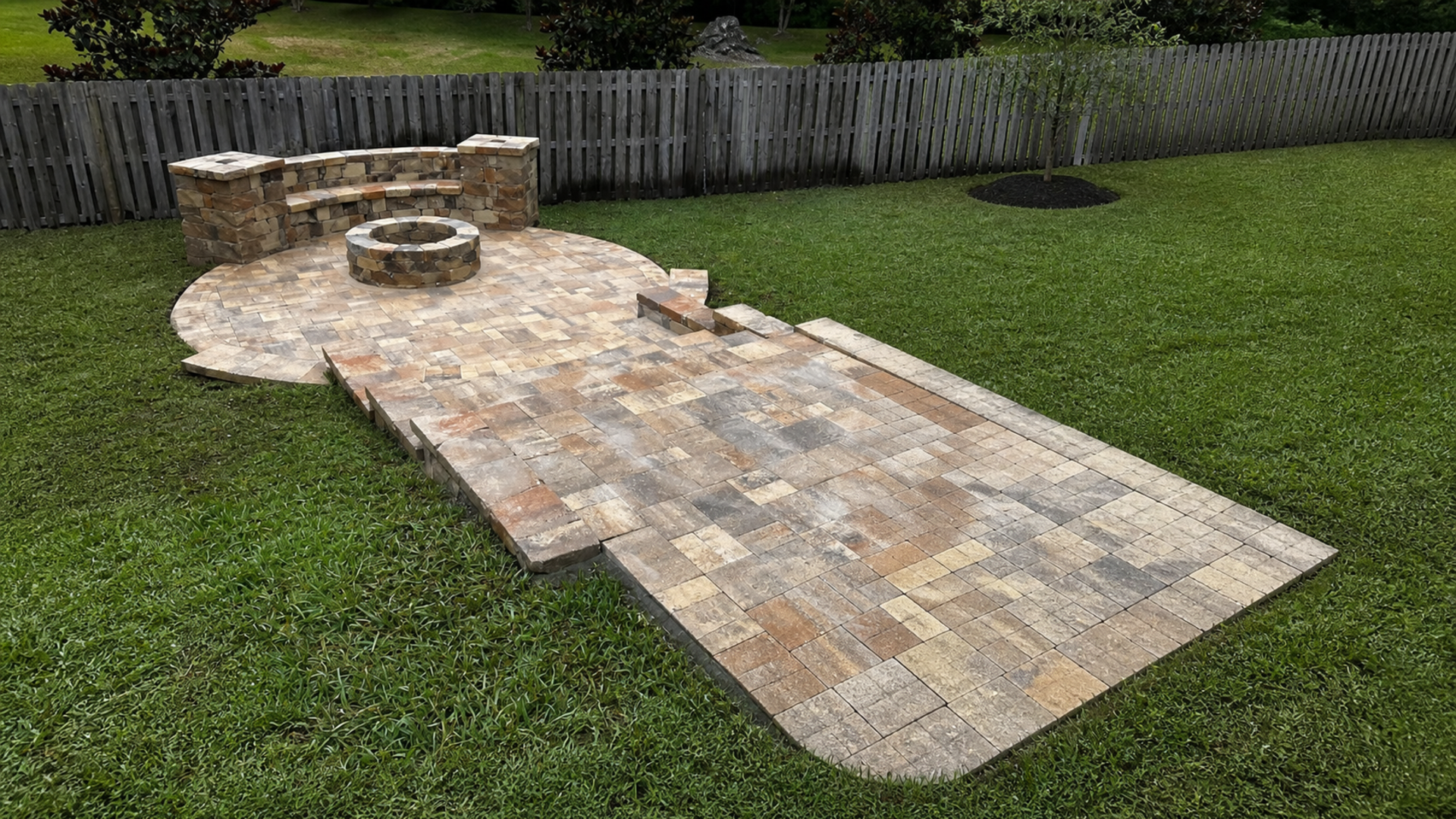
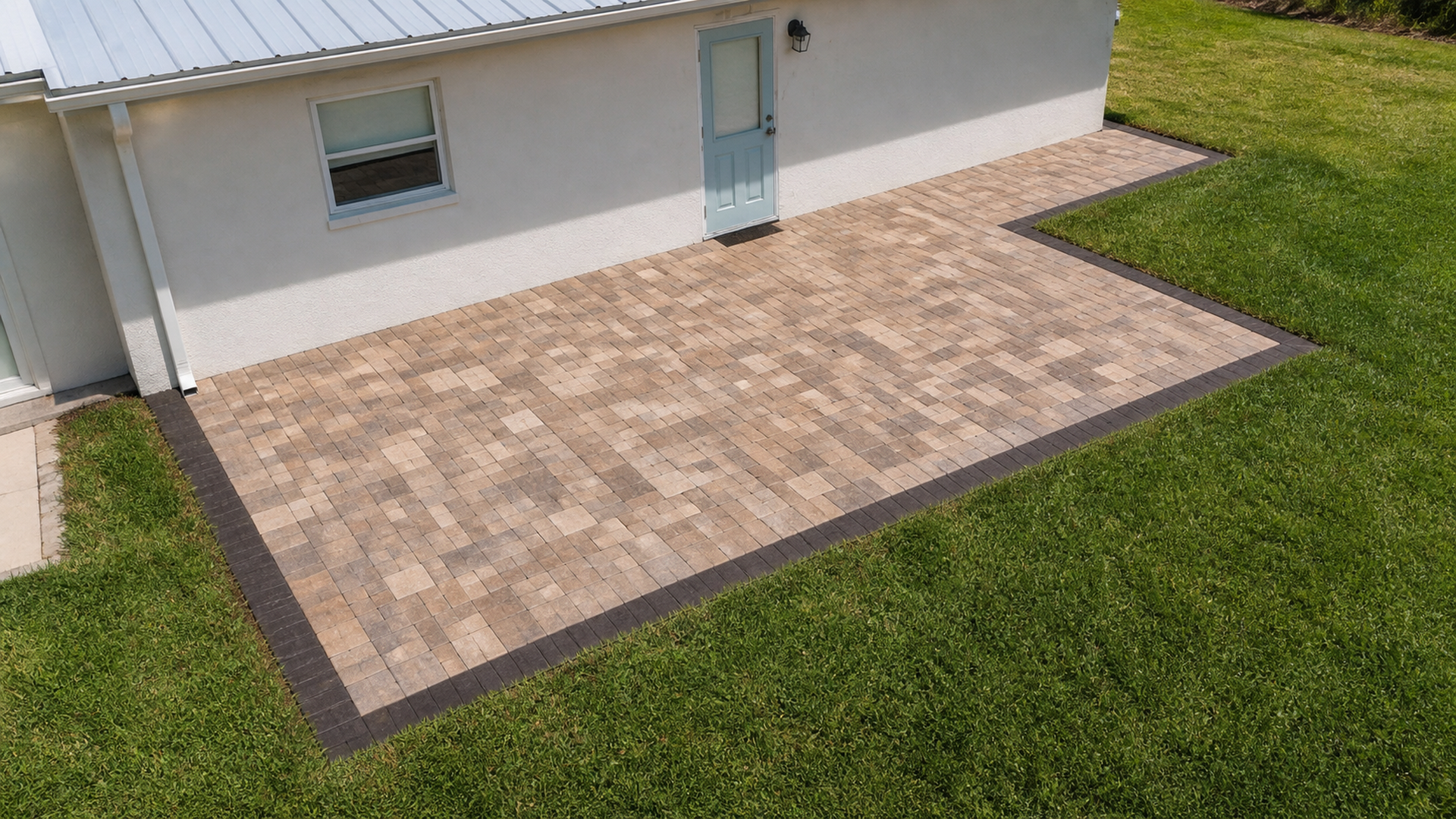
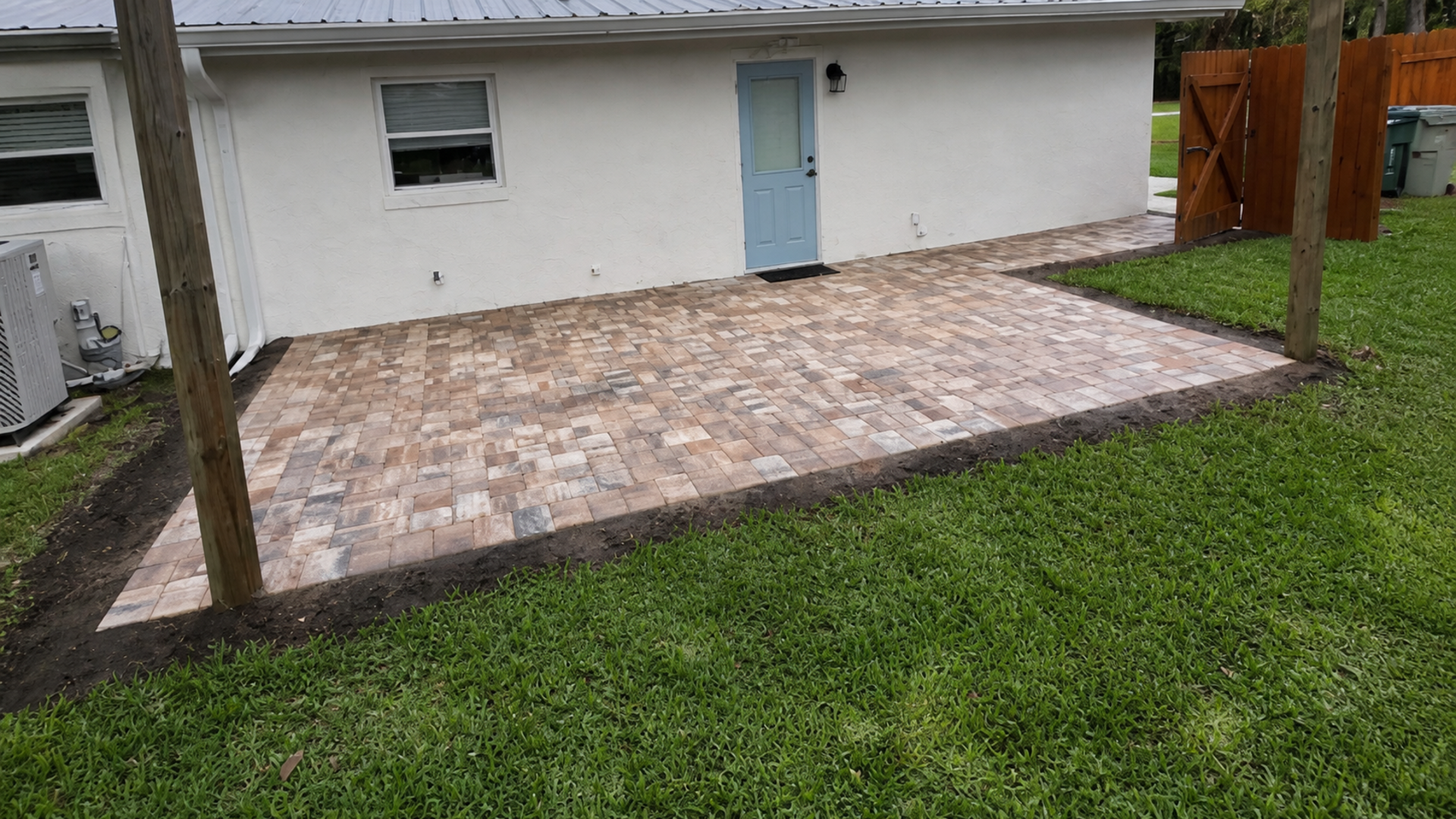
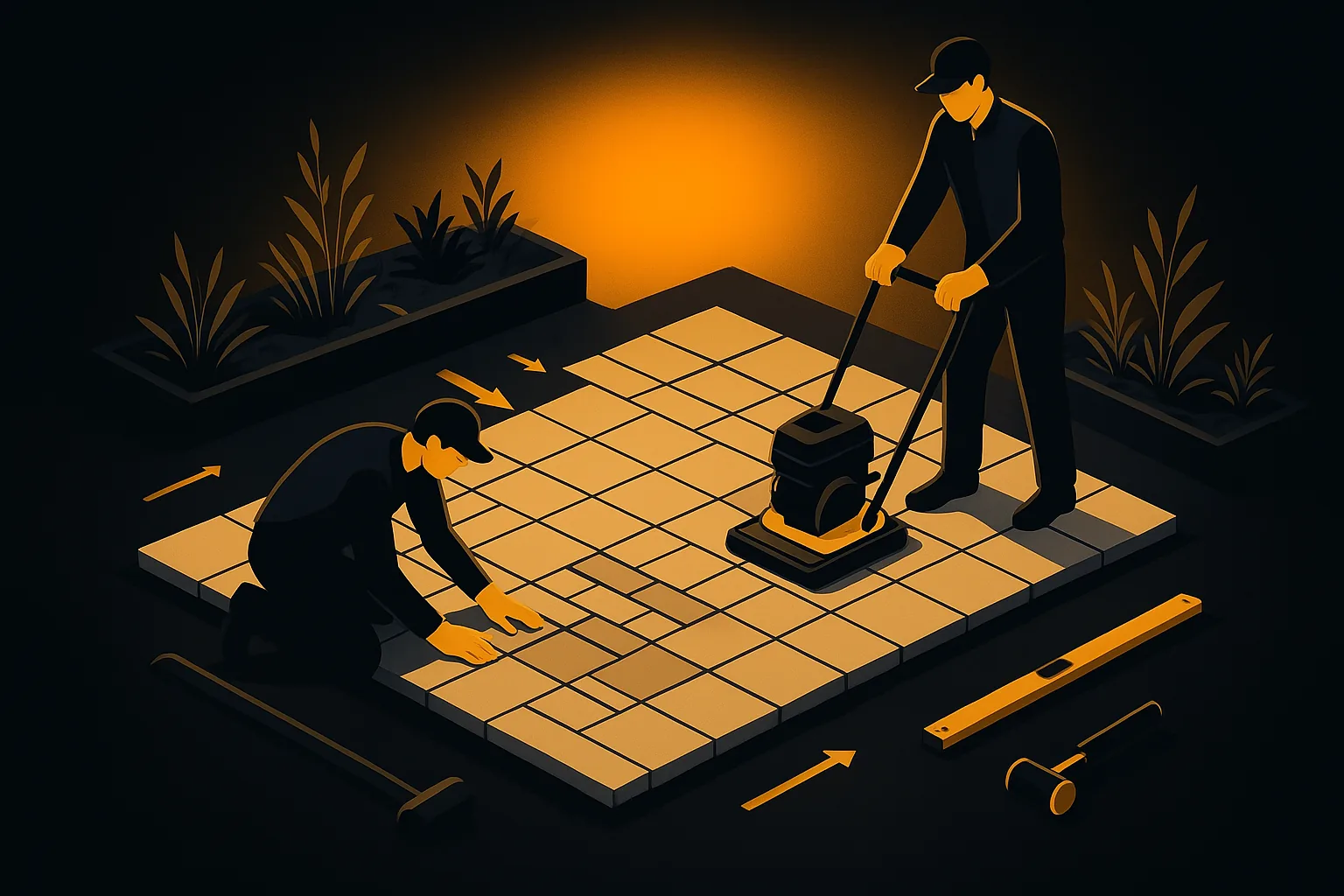
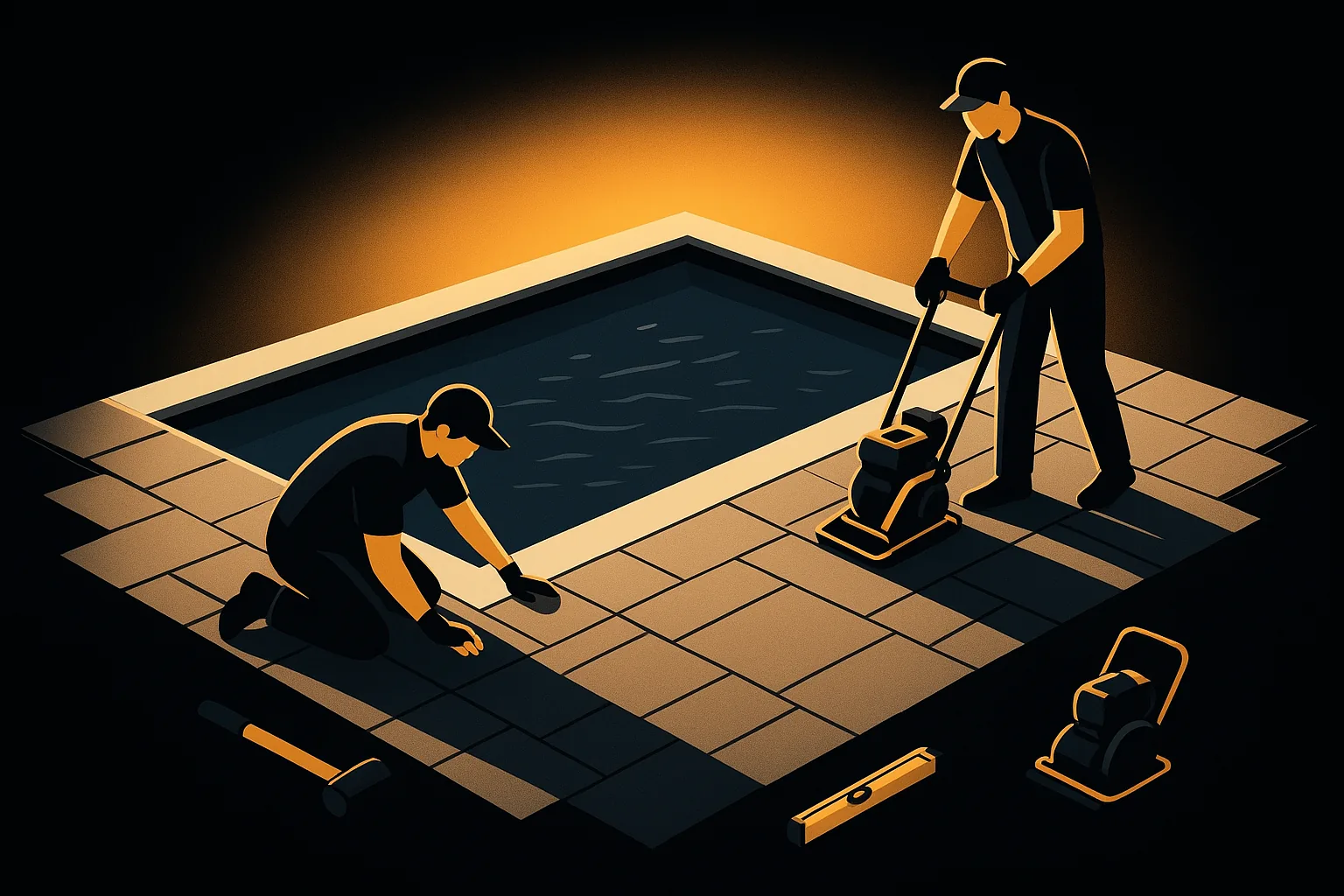
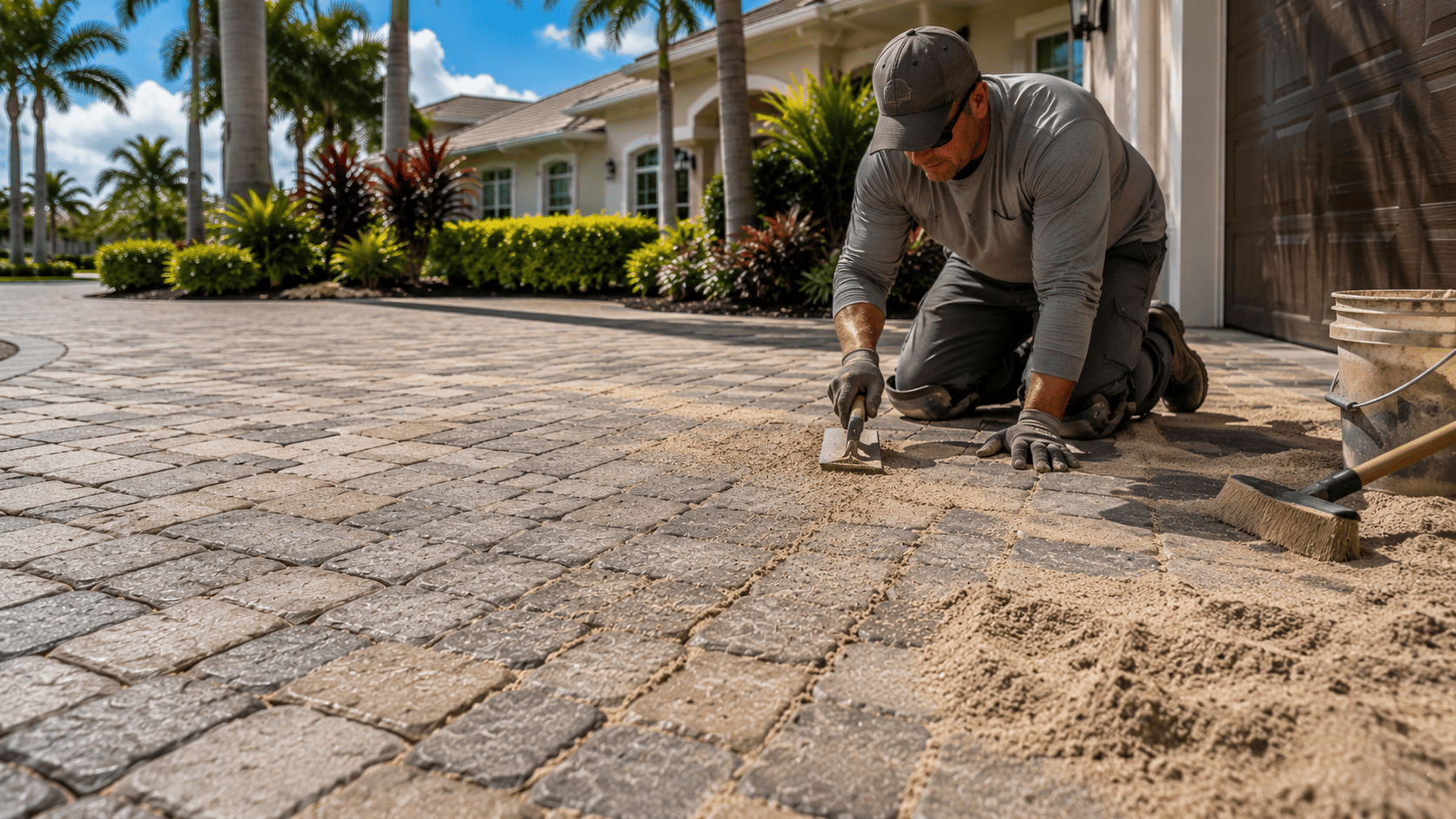
Concrete pavers are manufactured units designed for interlocking installation. They are engineered for strength and flexibility.
Key Characteristics:
- Manufactured concrete
- Multiple shapes and colors
- Interlocking system
- High load capacity
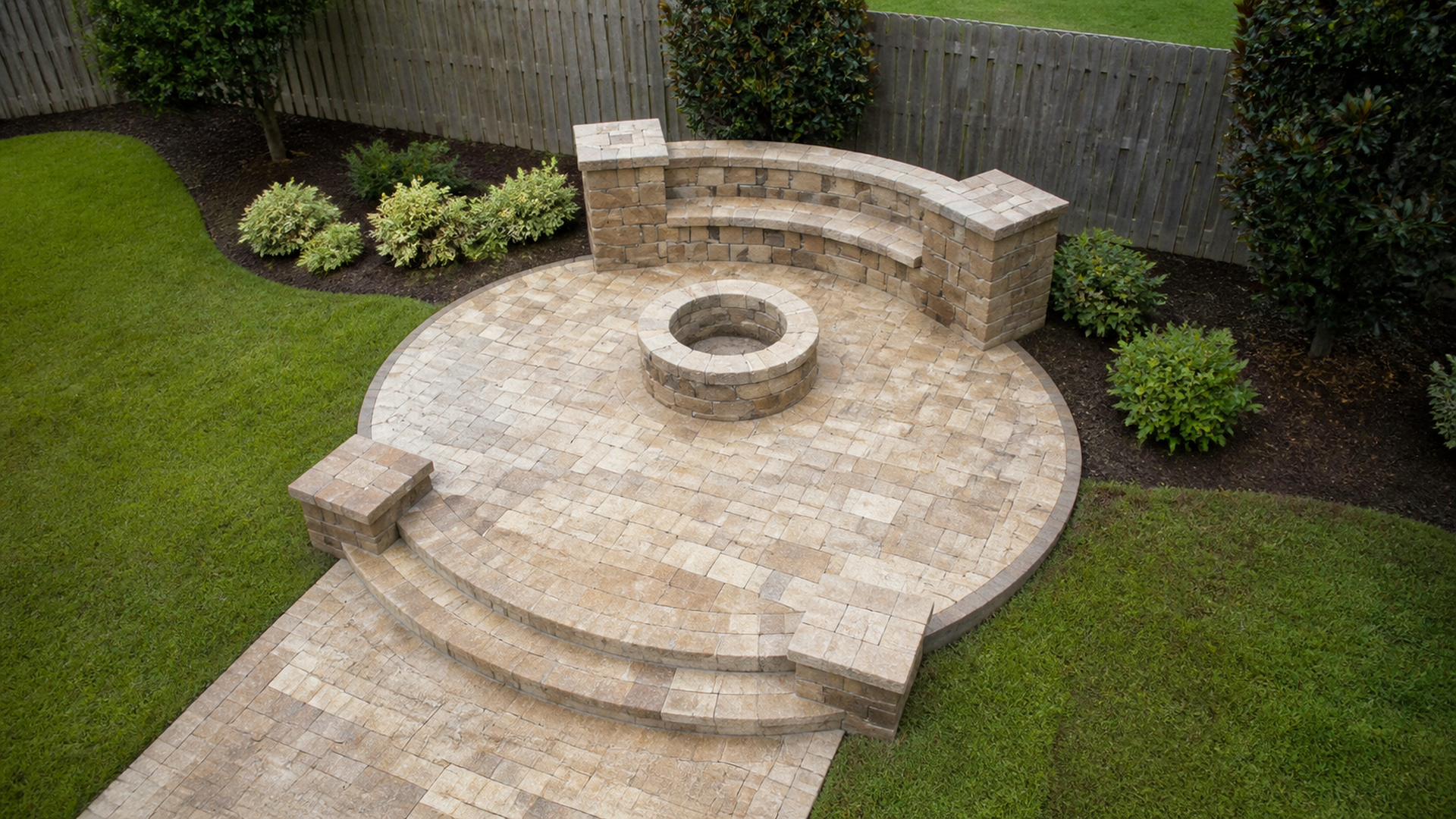
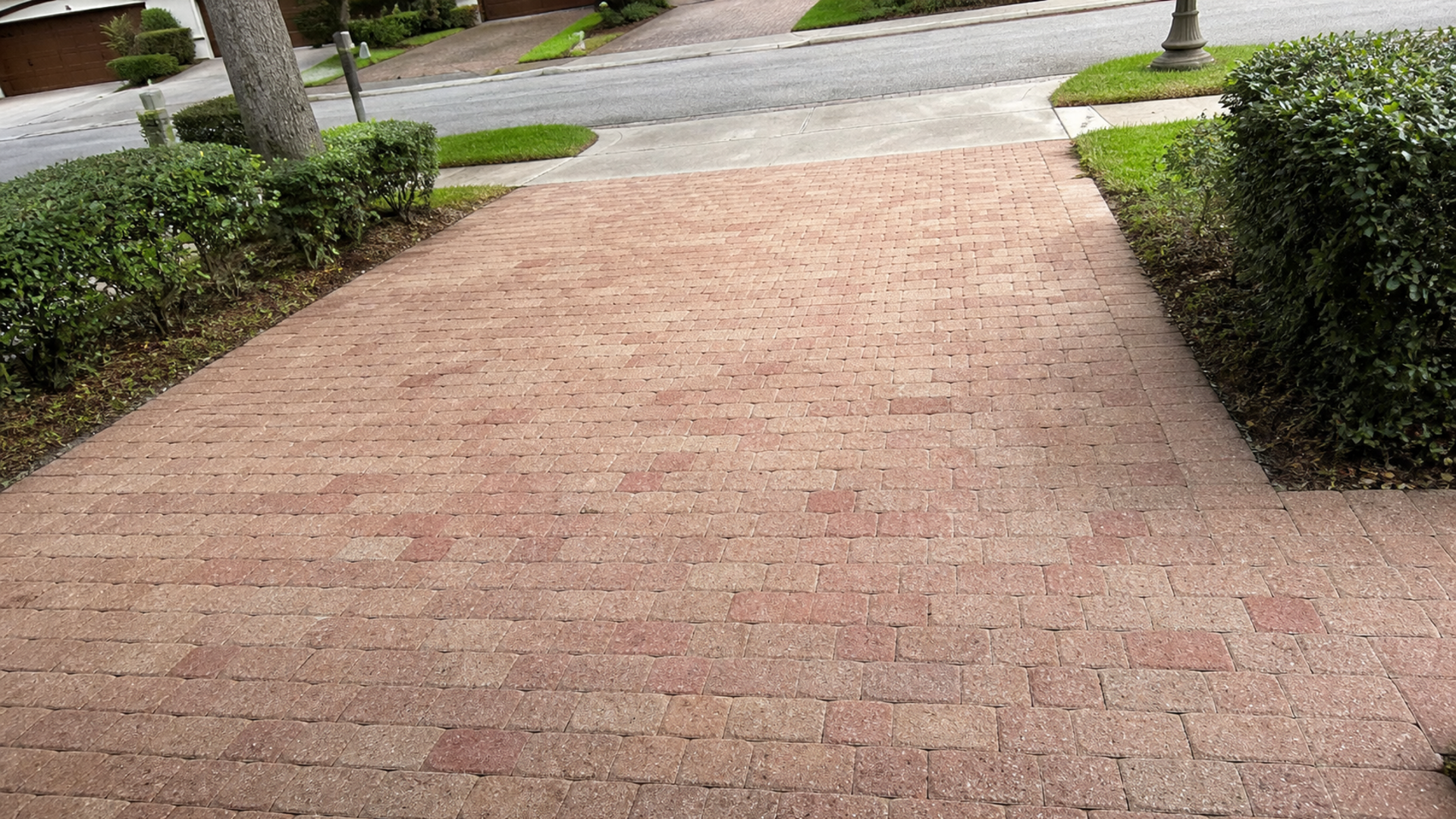
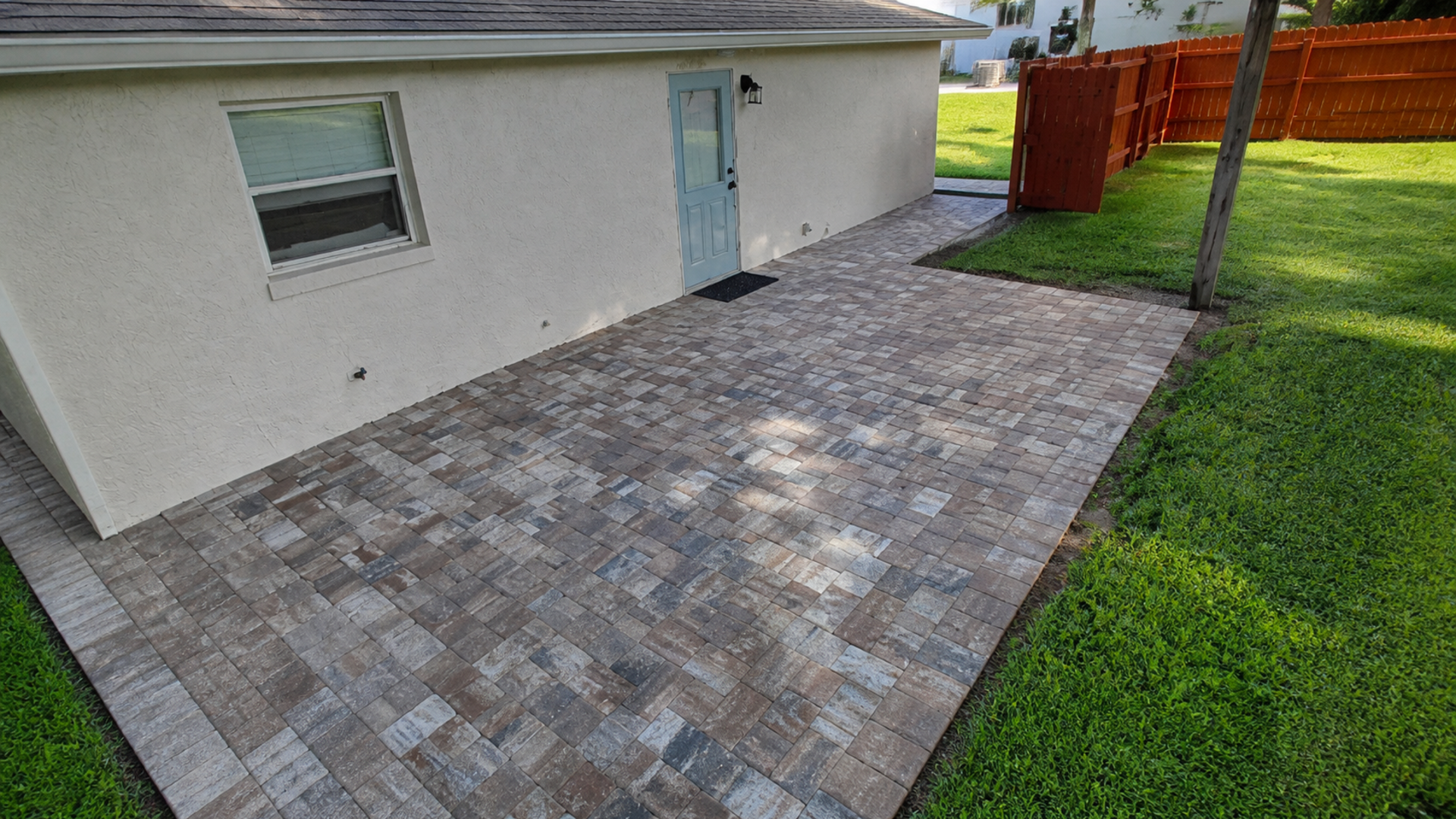
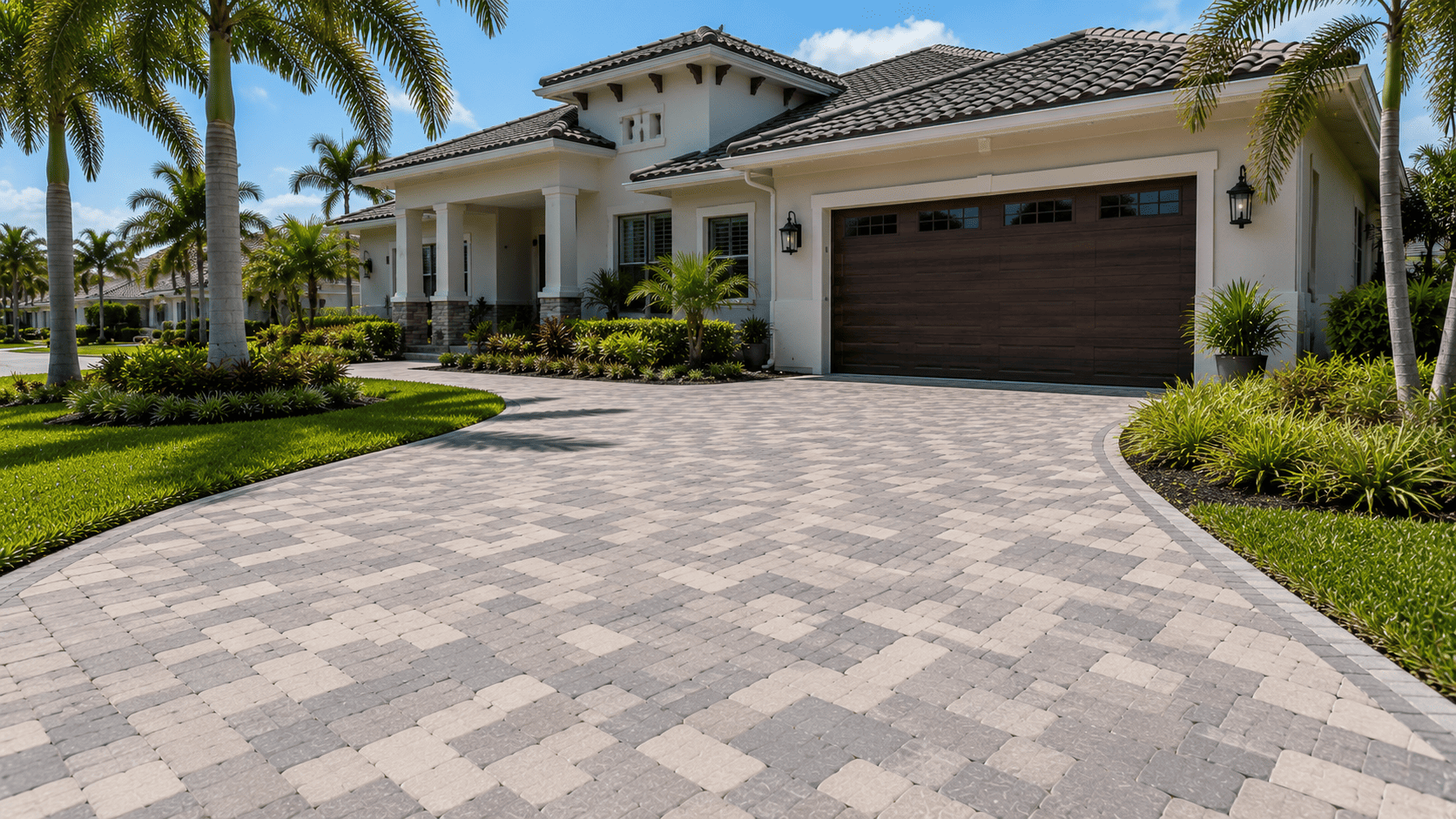
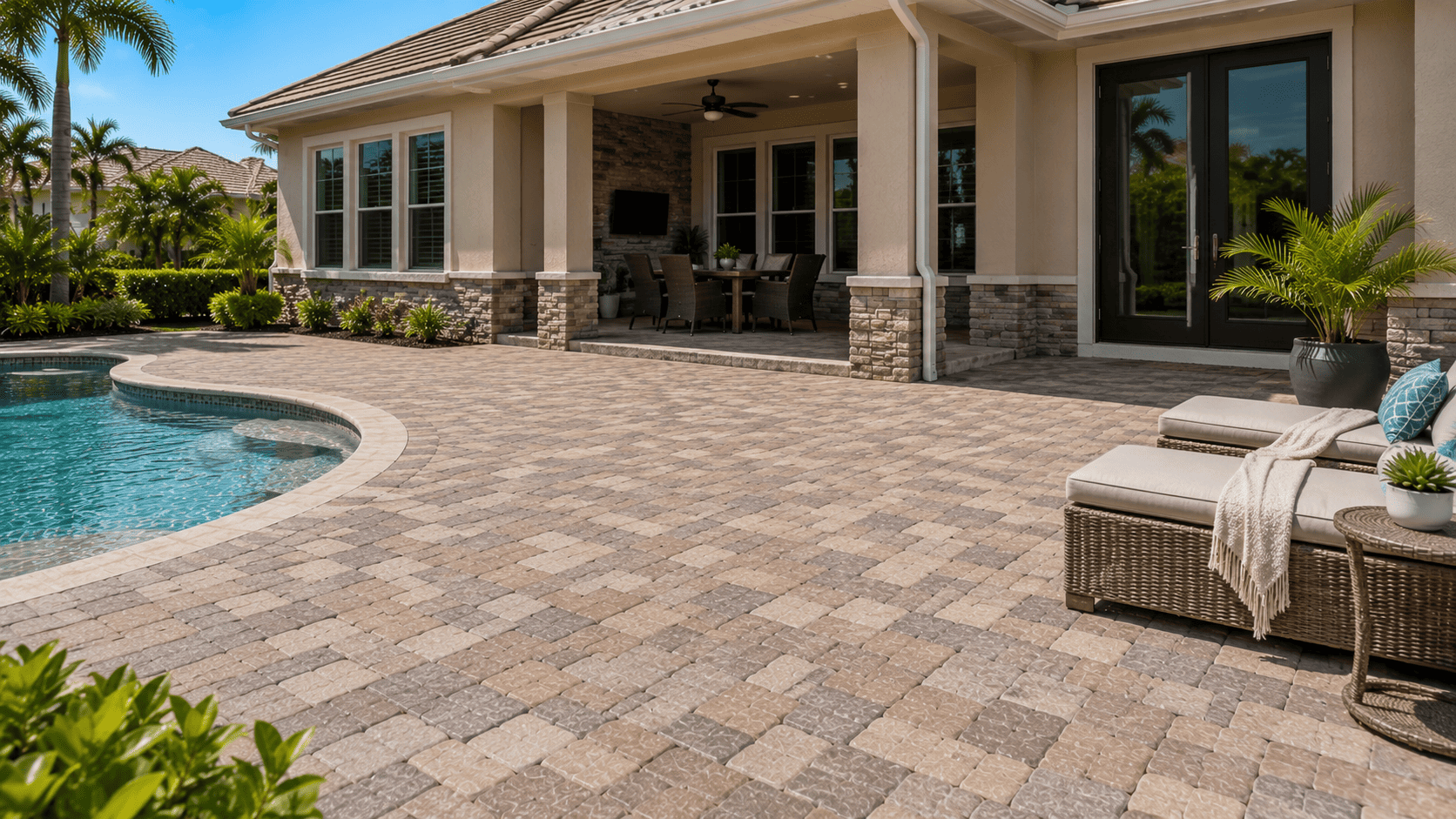
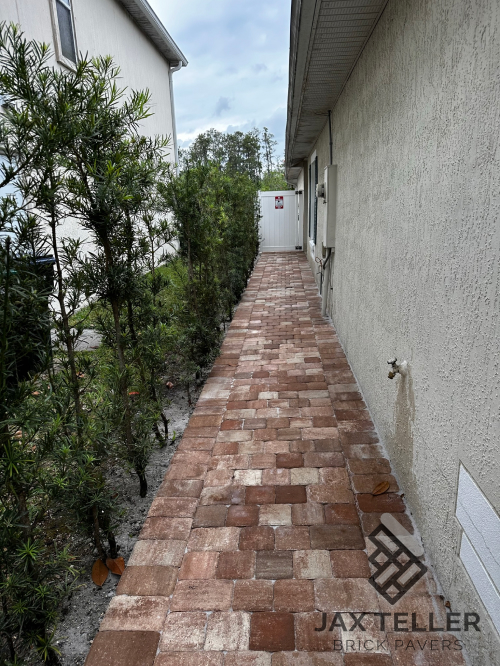
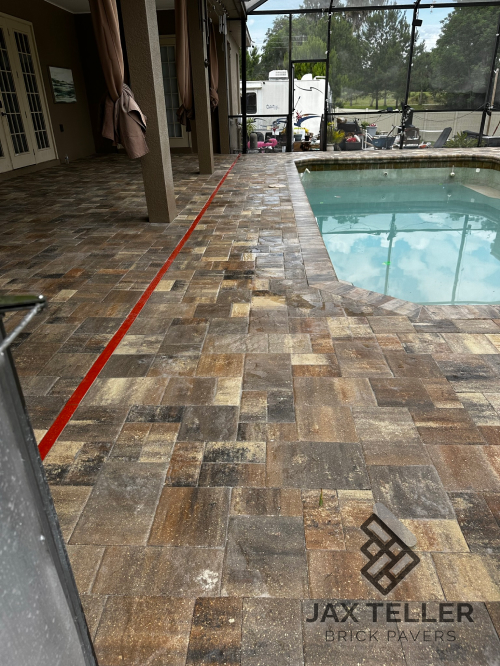
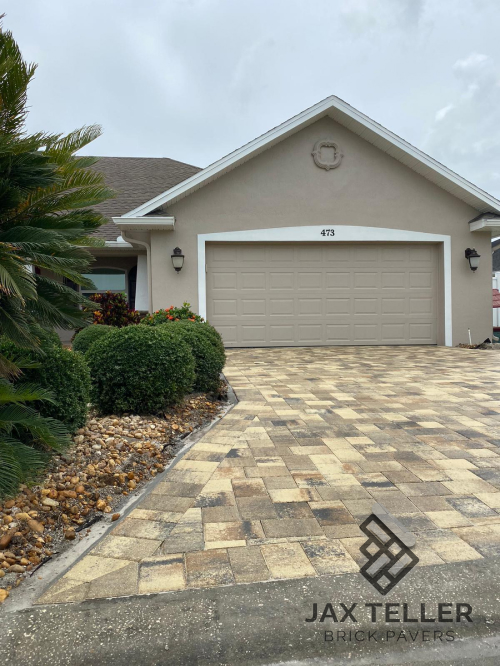
Pavers are widely used for driveways, patios, and pool decks across Florida.
Heat Resistance Comparison
Florida summers are intense.
Travertine:
- Naturally cooler surface
- Excellent barefoot comfort
- Reflects sunlight well
Concrete Pavers:
- Light-colored options remain cool
- Darker tones absorb more heat
- Engineered finishes reduce heat retention
Both can perform well, but color selection plays a major role.
Slip Resistance Around Pools
Safety is critical near water.
Travertine:
- Naturally textured
- Good slip resistance
- Porous surface improves grip
Concrete Pavers:
- Textured finishes available
- Slip-resistant designs available
- Consistent manufacturing quality
Proper installation and slope are just as important as material.
Durability in Florida Soil Conditions
Florida’s sandy soil shifts over time.
Travertine:
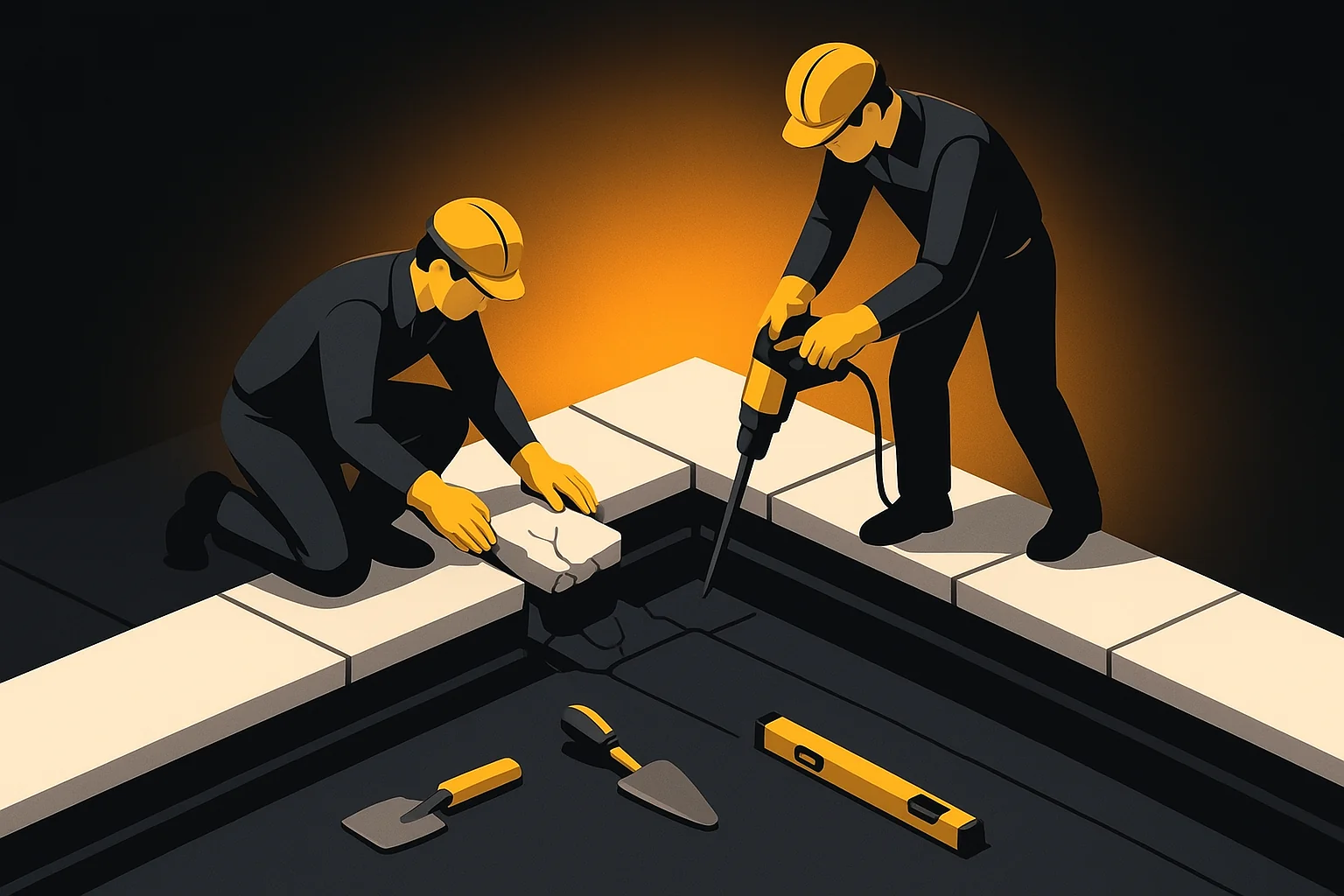
- Individual stones can crack
- Repairs require matching natural stone
- Base preparation is critical
Concrete Pavers:
- Flexible interlocking system
- Resistant to cracking
- Easier localized repairs
Pavers typically perform better long-term in shifting soil.
Maintenance Requirements
Travertine:
- May require sealing
- Natural stone can stain
- Slightly higher upkeep
Concrete Pavers:
- Easy to clean
- Joint sand maintenance required
- Optional sealing
Both require maintenance, but pavers are generally simpler to repair.
Cost Considerations
Travertine:
- Higher material cost
- Higher installation cost
- Premium aesthetic appeal
Concrete Pavers:
- More cost-effective
- Wider budget range
- Design flexibility
Budget often influences the final decision.
Aesthetic Differences
Travertine offers:
- Natural, upscale look
- Organic color variation
- Luxury appeal
Concrete Pavers offer:
- Modern design options
- Consistent color choices
- Custom patterns
Design preference often drives the choice.
Long-Term Value Comparison
Travertine adds visual prestige.
Concrete pavers add structural flexibility and easier maintenance.
In Florida’s demanding climate, durability and repairability often make pavers the more practical long-term investment.
Explore More Pool Deck Projects and Standards
For more pool deck projects completed in Florida, visit:
https://jaxtellerbrickpavers.com/projects
To review official installation standards, visit:
https://www.icpi.org/
Conclusion
Travertine Pool Deck vs Concrete Pavers is a common question among Florida homeowners. While travertine offers natural elegance and cooling benefits, concrete pavers provide structural flexibility, easier repairs, and cost efficiency.
The best choice depends on design preference, budget, and long-term maintenance expectations.
If you’re planning a new pool deck, contact JaxTeller Brick Pavers at +1 407-907-8308 or jaxtellerbrickpavers@gmail.com for a free estimate. 🏊♂️🌴