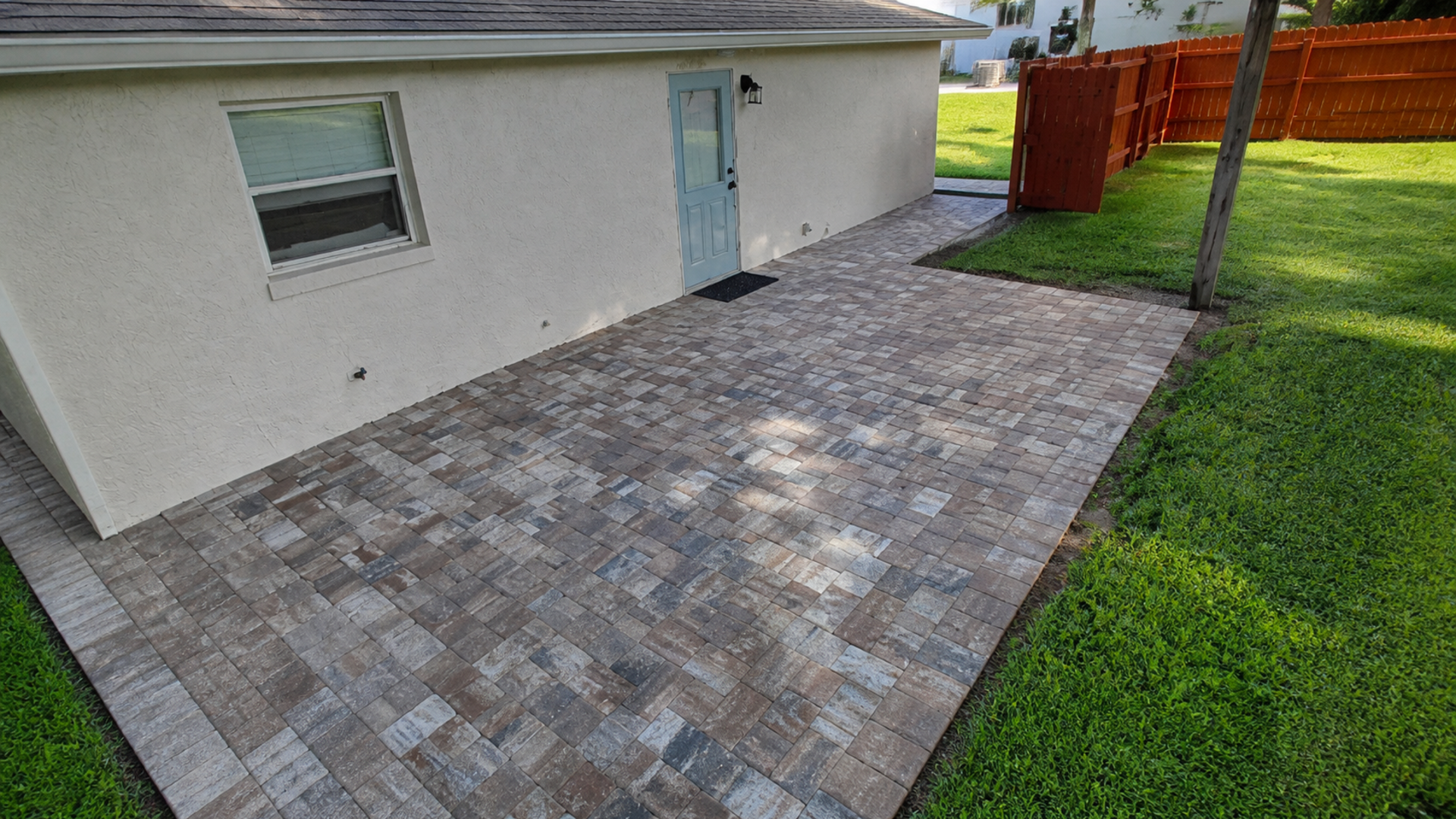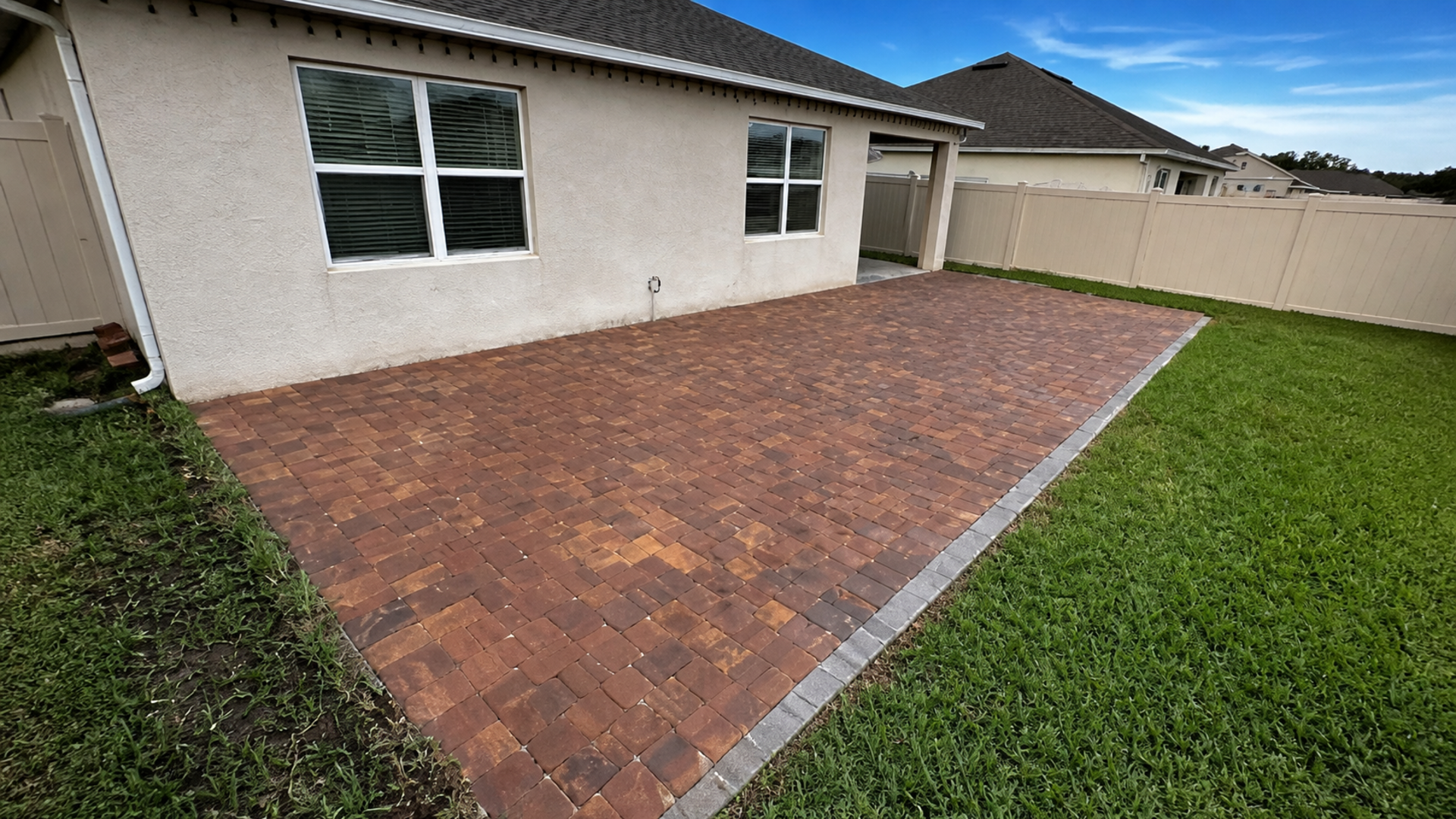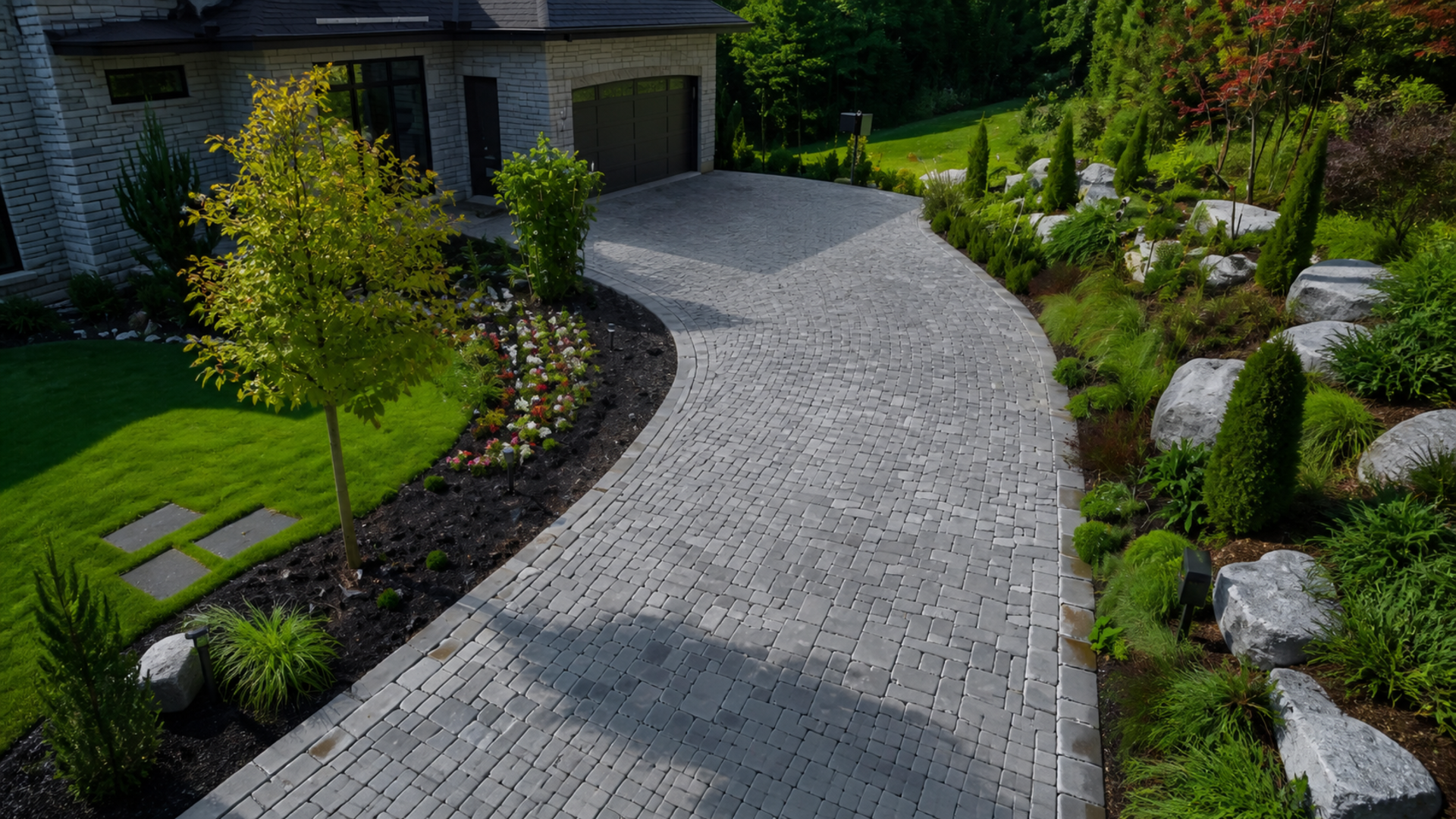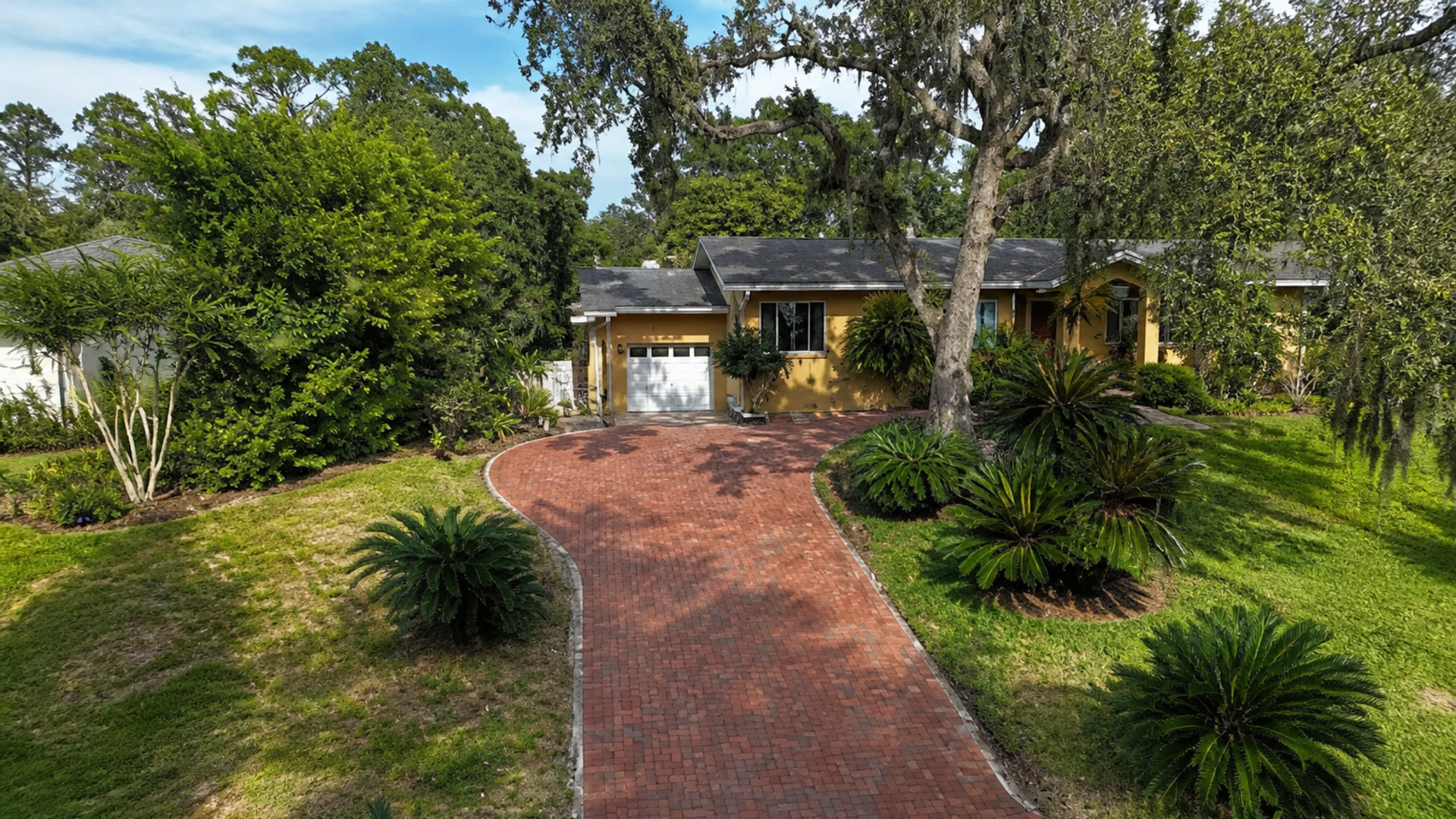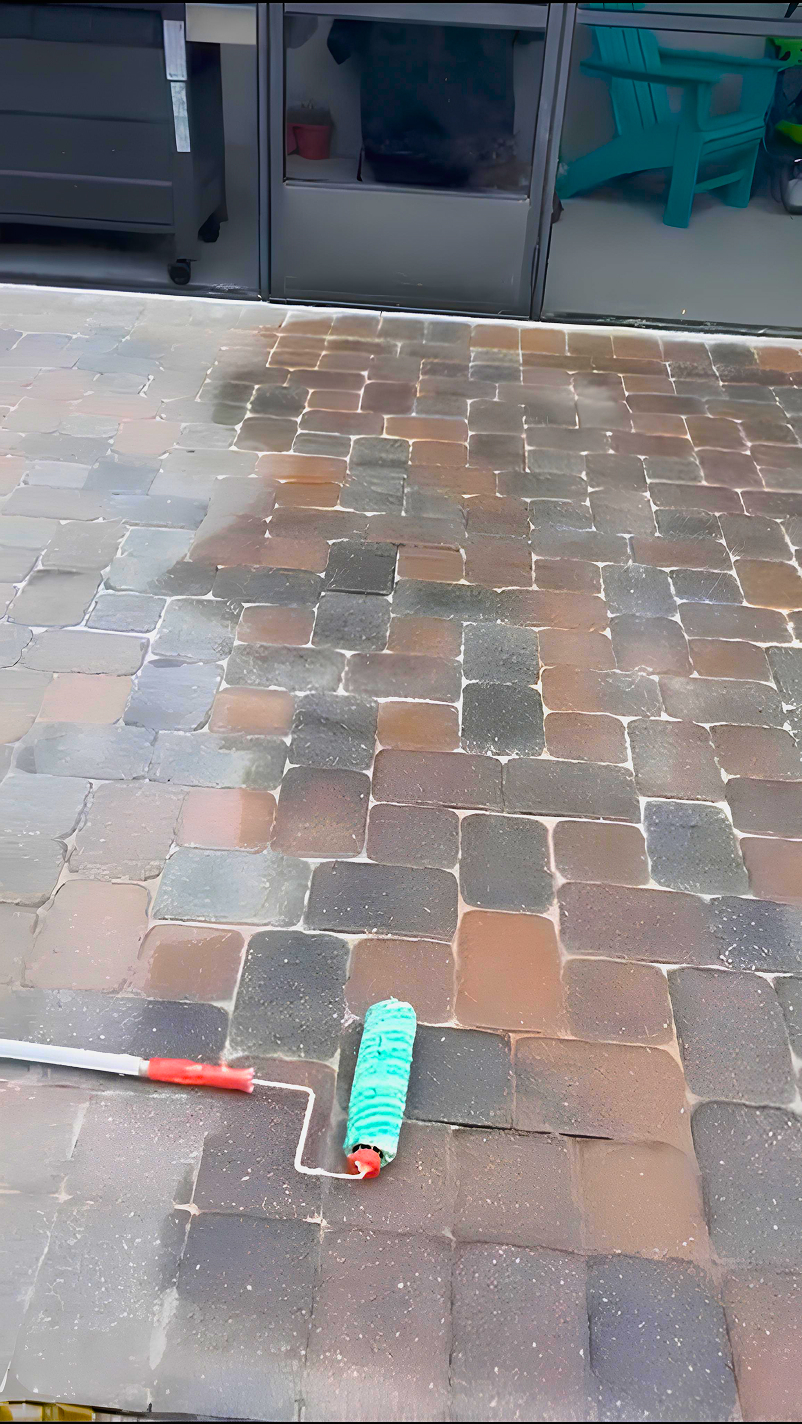
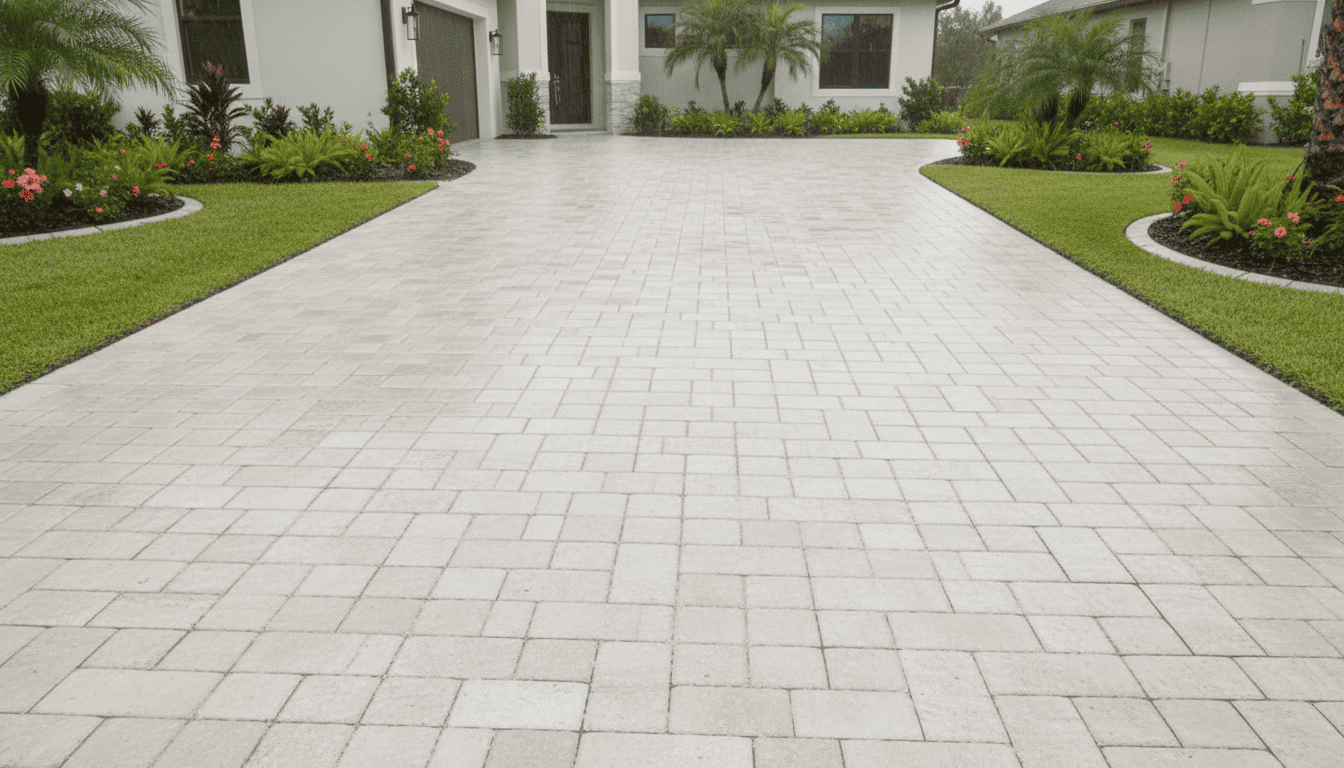
Sustainability has become a critical consideration in Florida outdoor design. With frequent heavy rain, shifting soil, and increasing stormwater regulations, homeowners are seeking solutions that go beyond aesthetics and address real environmental challenges.
Permeable paver systems are designed to manage water at the surface level, allowing rain to infiltrate through the pavement instead of running off into drains or pooling around foundations. This makes them especially effective for Florida landscapes.
Unlike traditional concrete or asphalt, permeable pavers work as an engineered system. Their performance depends on correct base preparation, drainage layers, and precise installation.
This guide explains how permeable paver systems support sustainable landscaping in Florida while maintaining strength, stability, and long-term performance.
Why Sustainable Landscaping Matters in Florida
Florida’s environment presents unique challenges:
- Heavy rainfall events
- Sandy and shifting soil
- High water tables
- Flood-prone areas
- Increasing drainage regulations
Poorly designed hardscapes can worsen runoff, erosion, and foundation issues. Sustainable landscaping focuses on controlling water where it falls.
Permeable pavers directly address these challenges by integrating drainage into the pavement structure itself.
What Are Permeable Paver Systems?
Permeable pavers are interlocking units installed with open joints that allow water to pass through the surface.
A complete permeable system includes:
- Permeable concrete pavers
- Open-graded joint material
- Crushed stone bedding layer
- Structural stone base reservoir
- Optional geotextile separation layer
Water infiltrates through the joints, is temporarily stored in the base, and slowly disperses into the soil.
This process reduces surface runoff and helps manage stormwater naturally.
Key Benefits of Permeable Pavers in Florida
Permeable paver systems offer several advantages for Florida homes:
- Reduces standing water after storms
- Minimizes runoff and erosion
- Supports groundwater recharge
- Improves drainage in low-lying areas
- Reduces pressure on municipal drainage systems
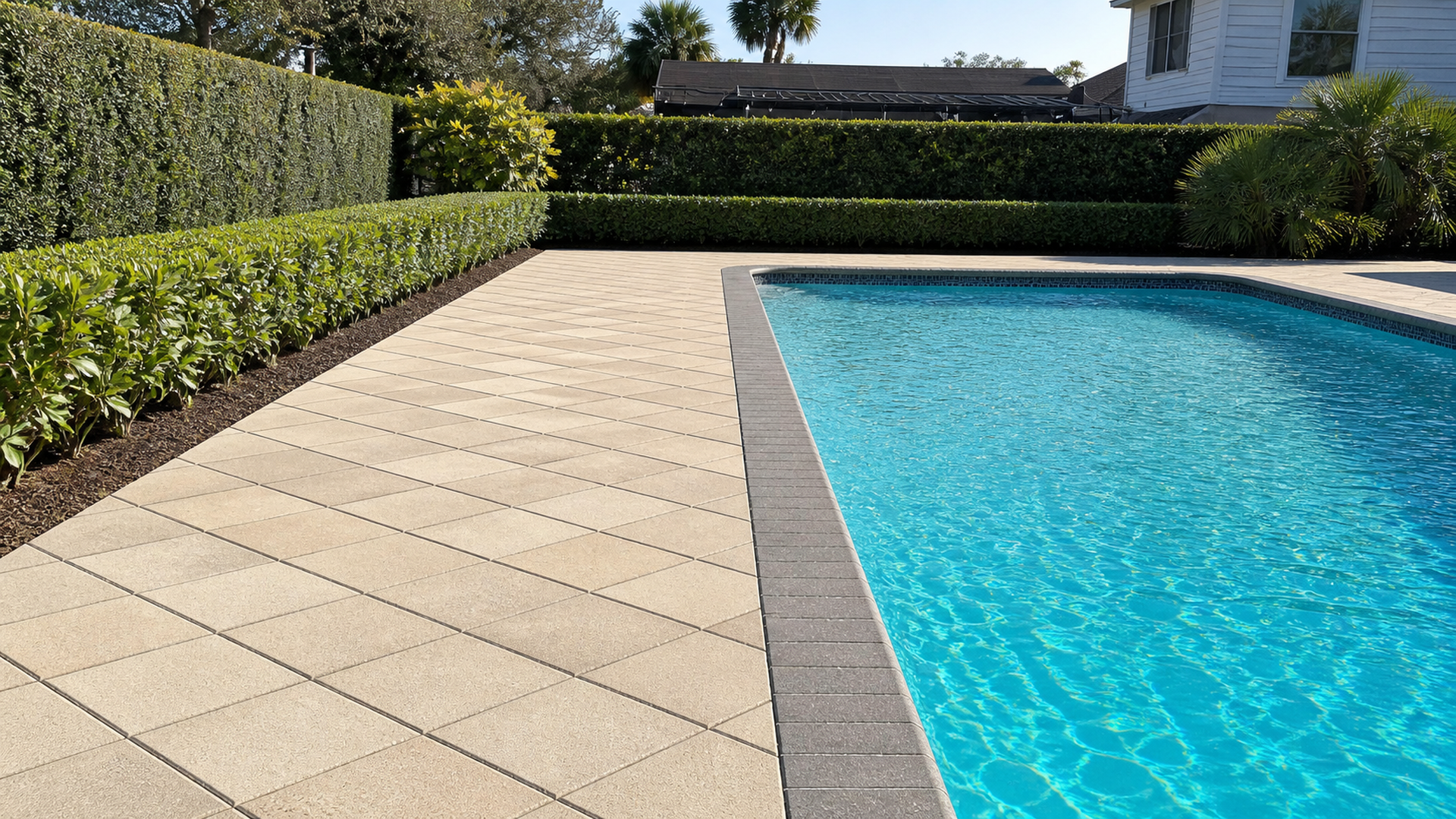
They are particularly effective in driveways, patios, walkways, and poolside buffer zones.
Drainage Performance During Heavy Rain
Florida storms can deliver large volumes of water in short periods.
Properly installed permeable systems are engineered to:
- Handle intense rainfall rates
- Store excess water in the base layer
- Release water gradually
- Prevent surface flooding
The stone base acts as a temporary reservoir, holding water until it can infiltrate into the soil below.
This controlled process protects surrounding structures and landscaping.
Base Preparation and Structural Engineering
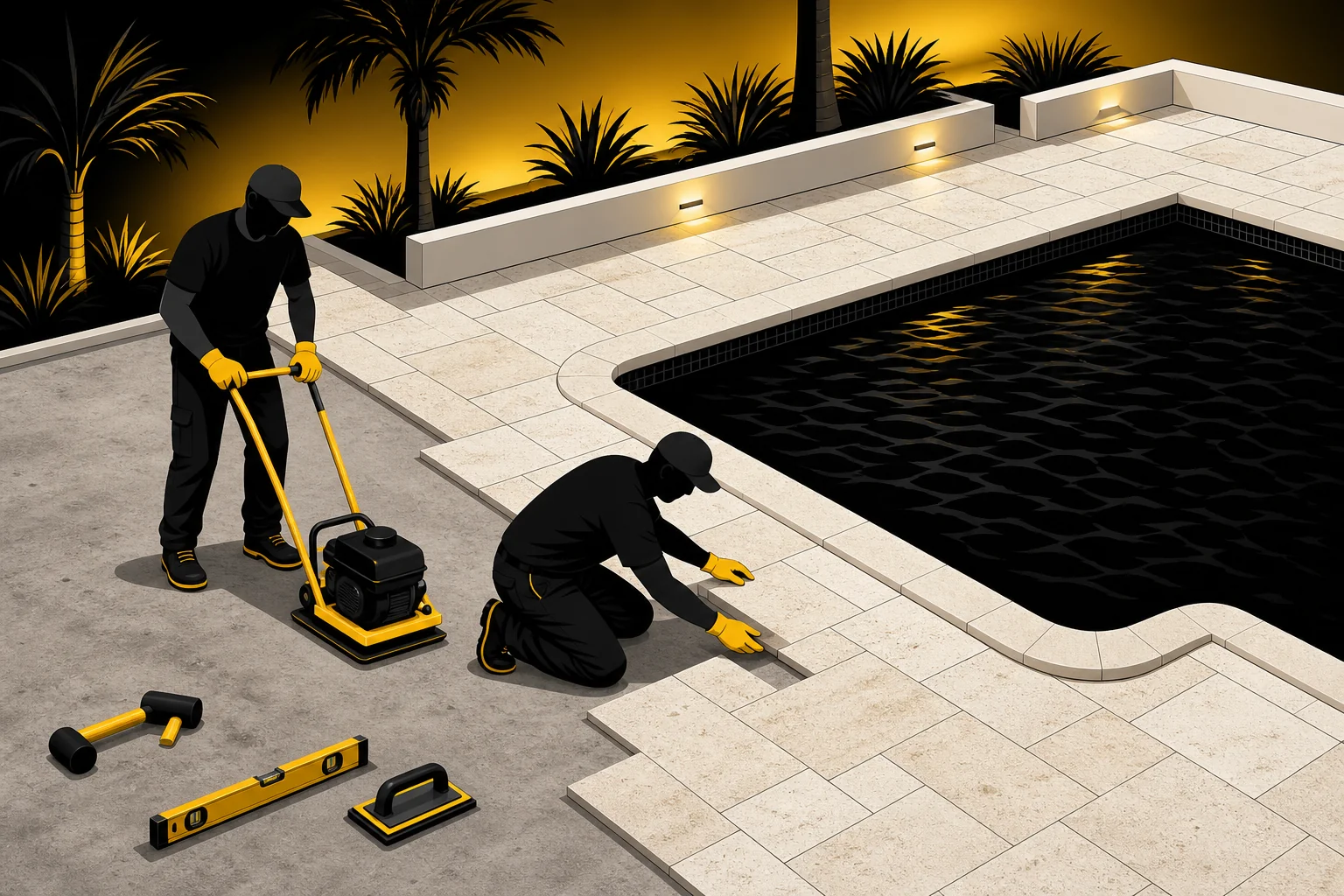
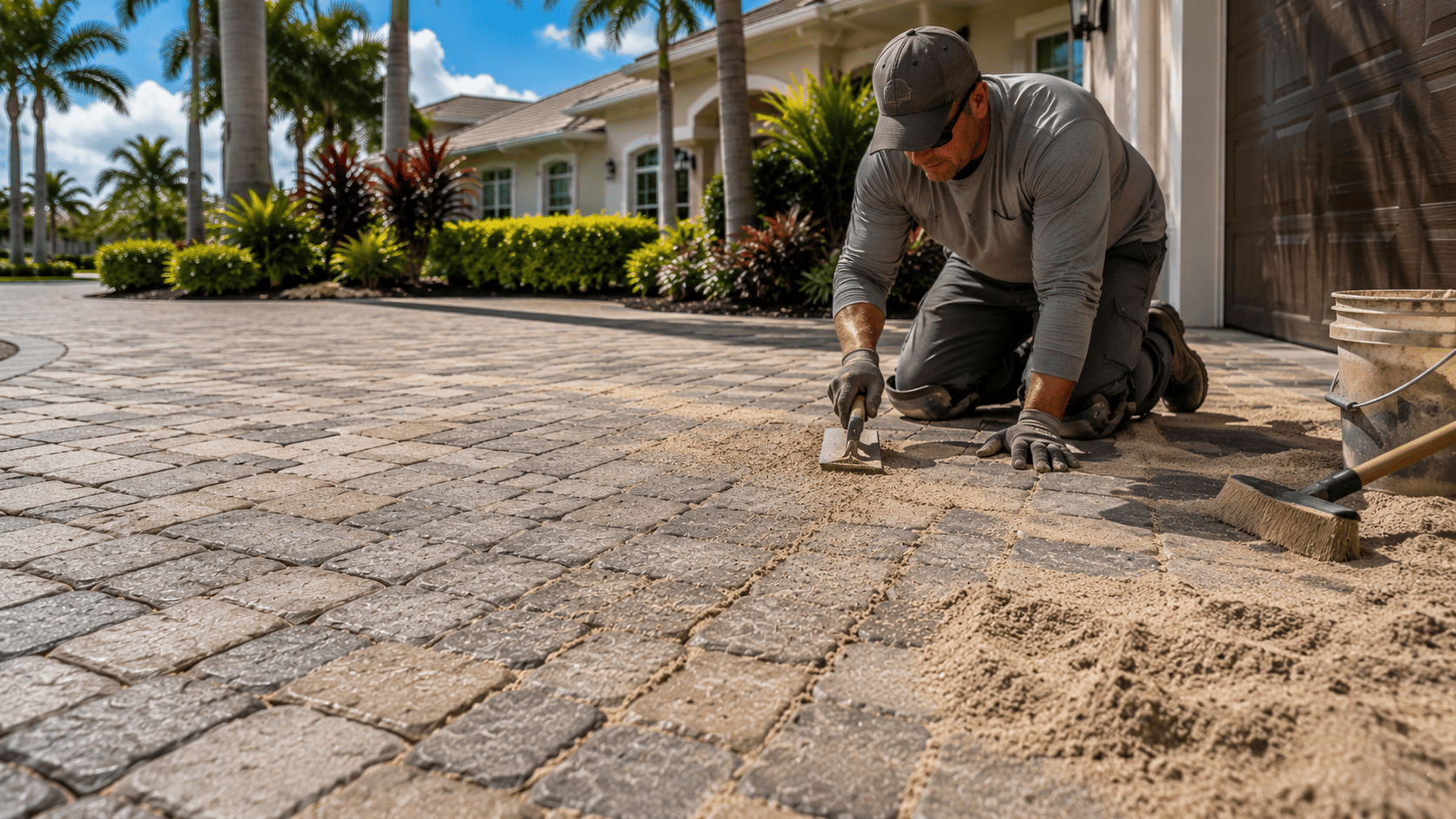
Permeable pavers require more technical base preparation than standard pavers.
Professional installation includes:
- Deep excavation based on load requirements
- Installation of open-graded aggregate base
- Mechanical compaction for stability
- Proper grading and leveling
- Precise paver placement
- Filling joints with permeable aggregate
Base depth is engineered to balance load support and water storage capacity.
Skipping these steps compromises both drainage and structural integrity.
Heat Management and Surface Performance
Florida heat places stress on outdoor surfaces.
Permeable pavers help manage heat by:
- Allowing airflow through joints
- Reducing surface temperature buildup
- Preventing heat-related expansion cracks
Light-colored permeable pavers further enhance thermal performance, making outdoor areas more comfortable.
Applications for Florida Homes
Permeable paver systems are ideal for:
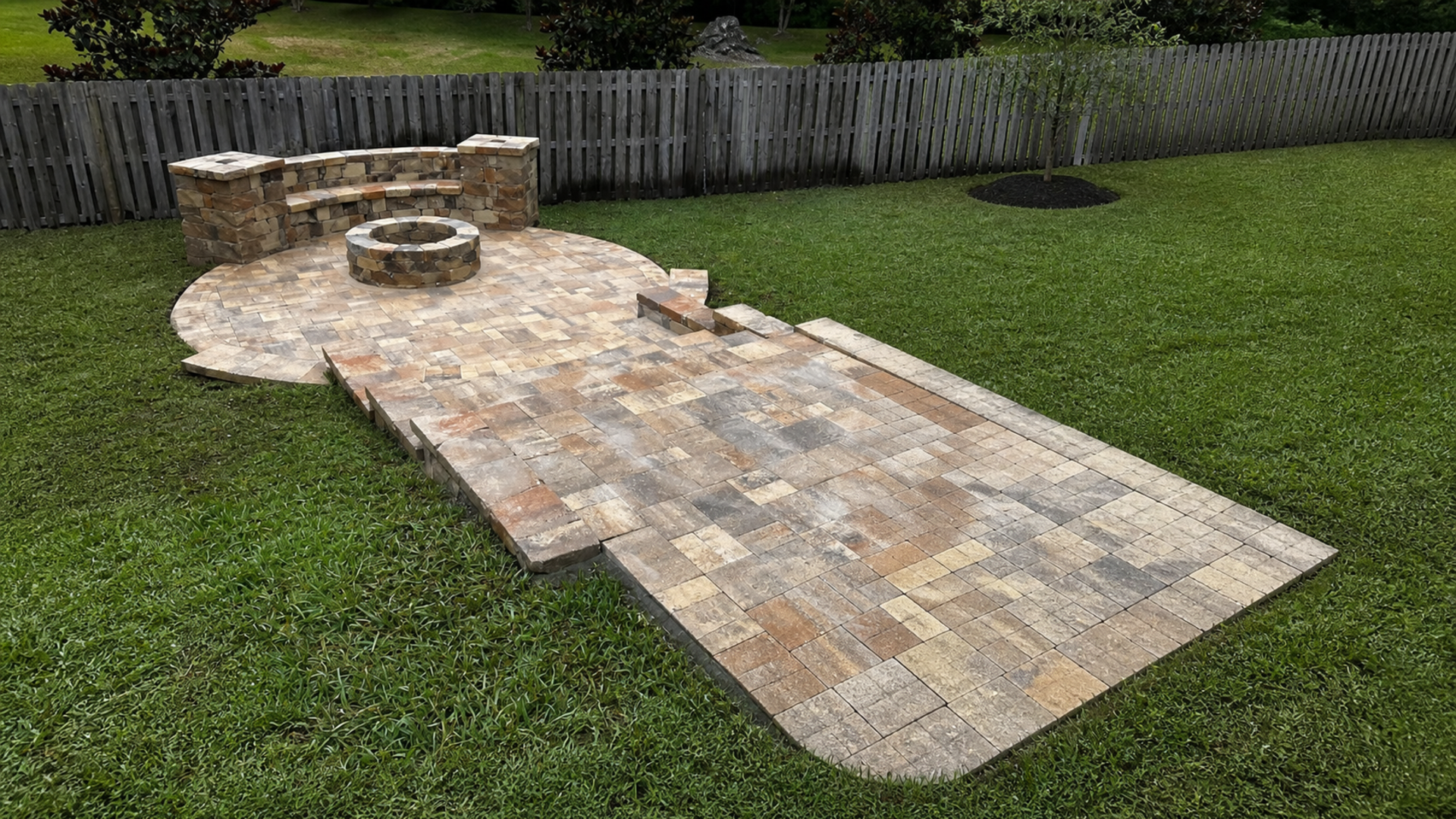
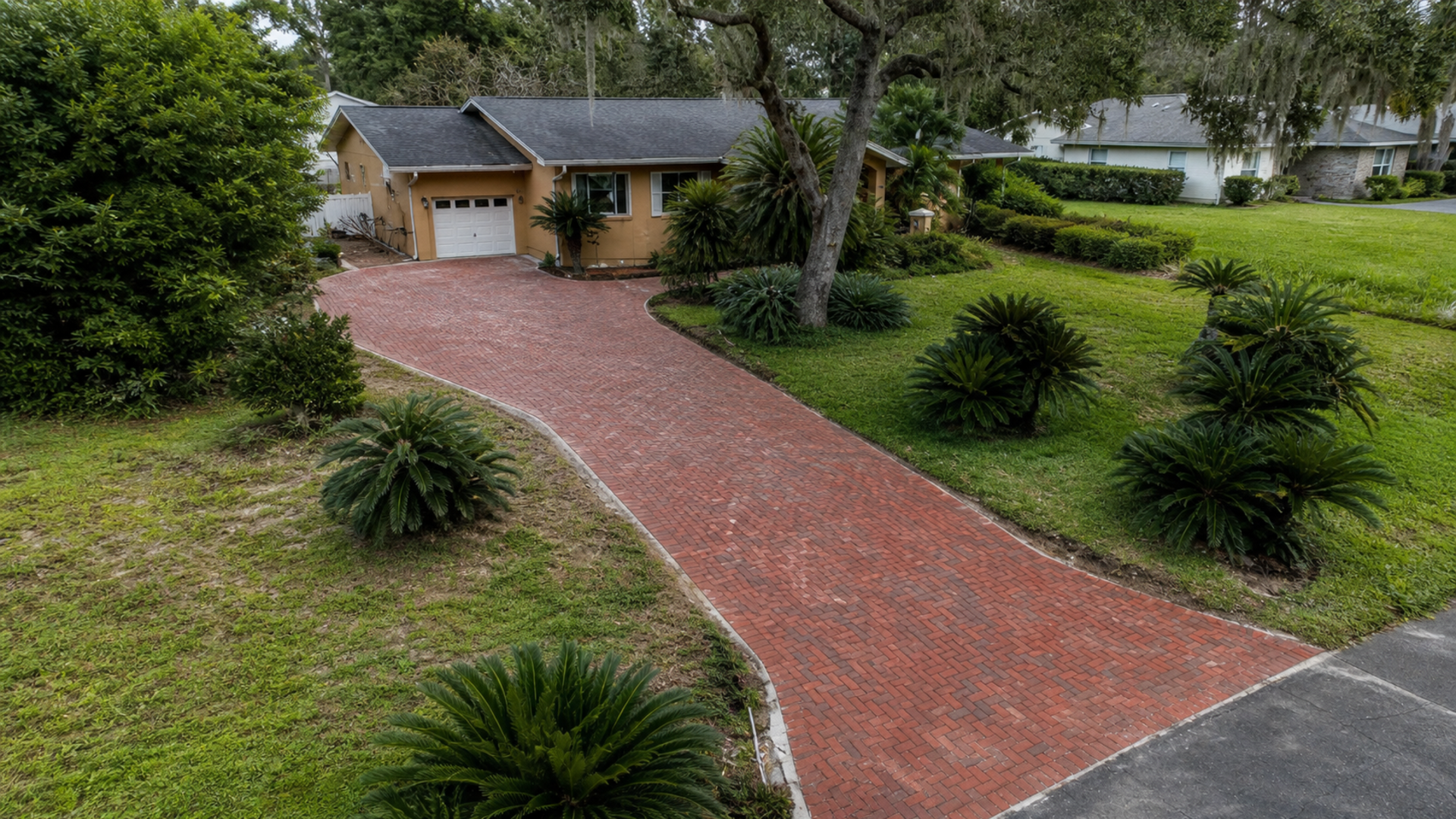
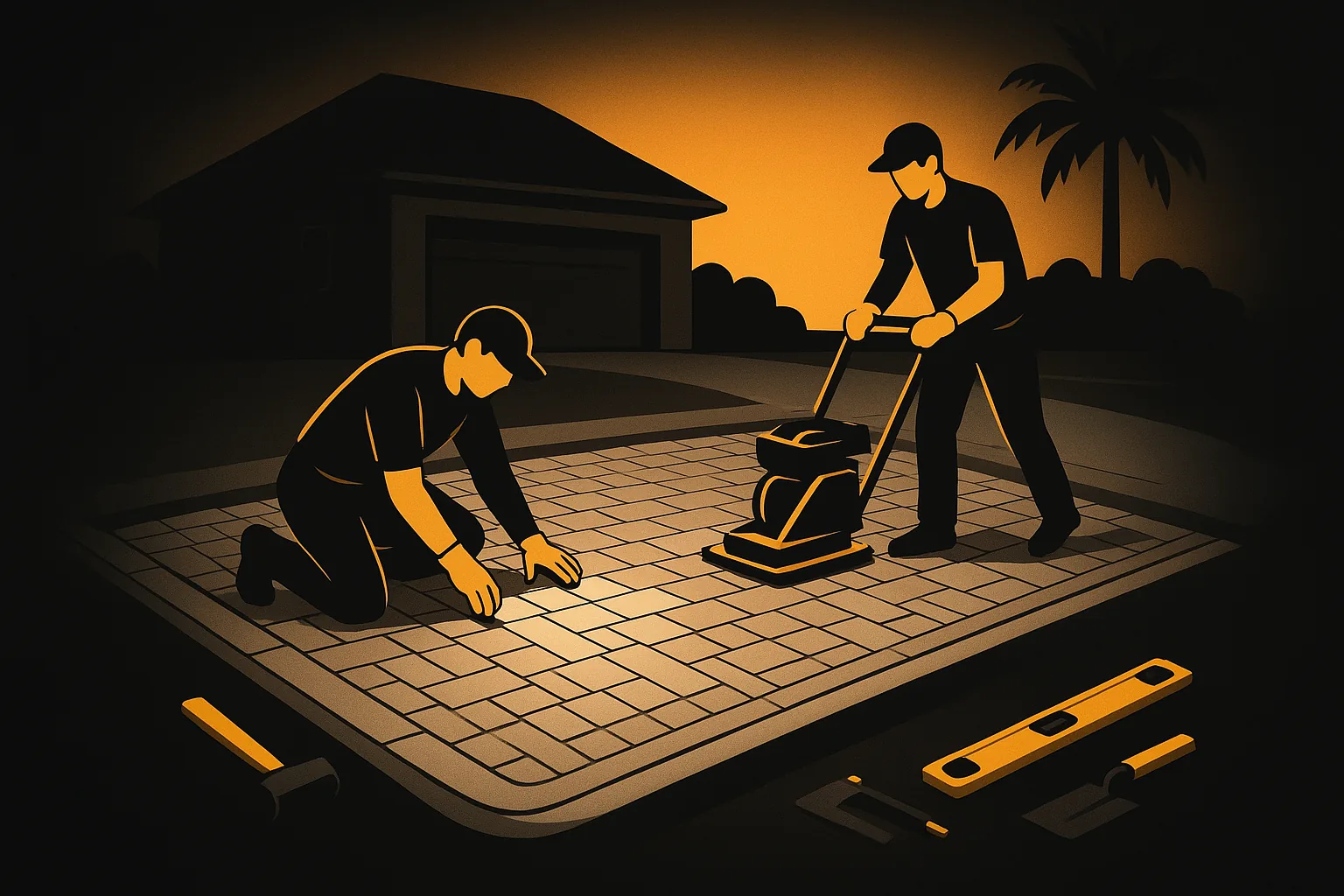
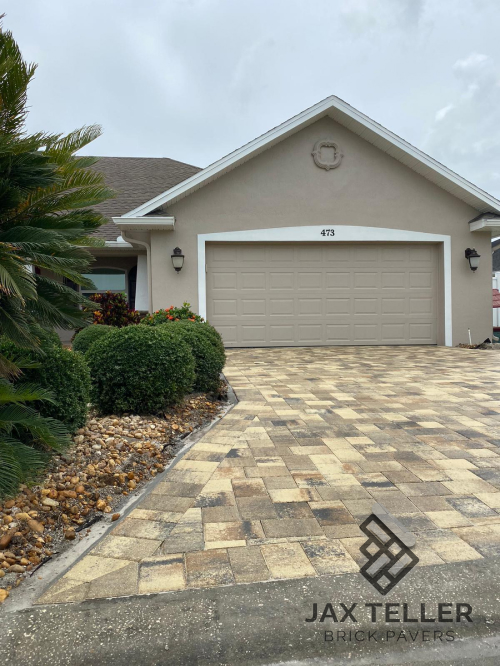
- Driveways
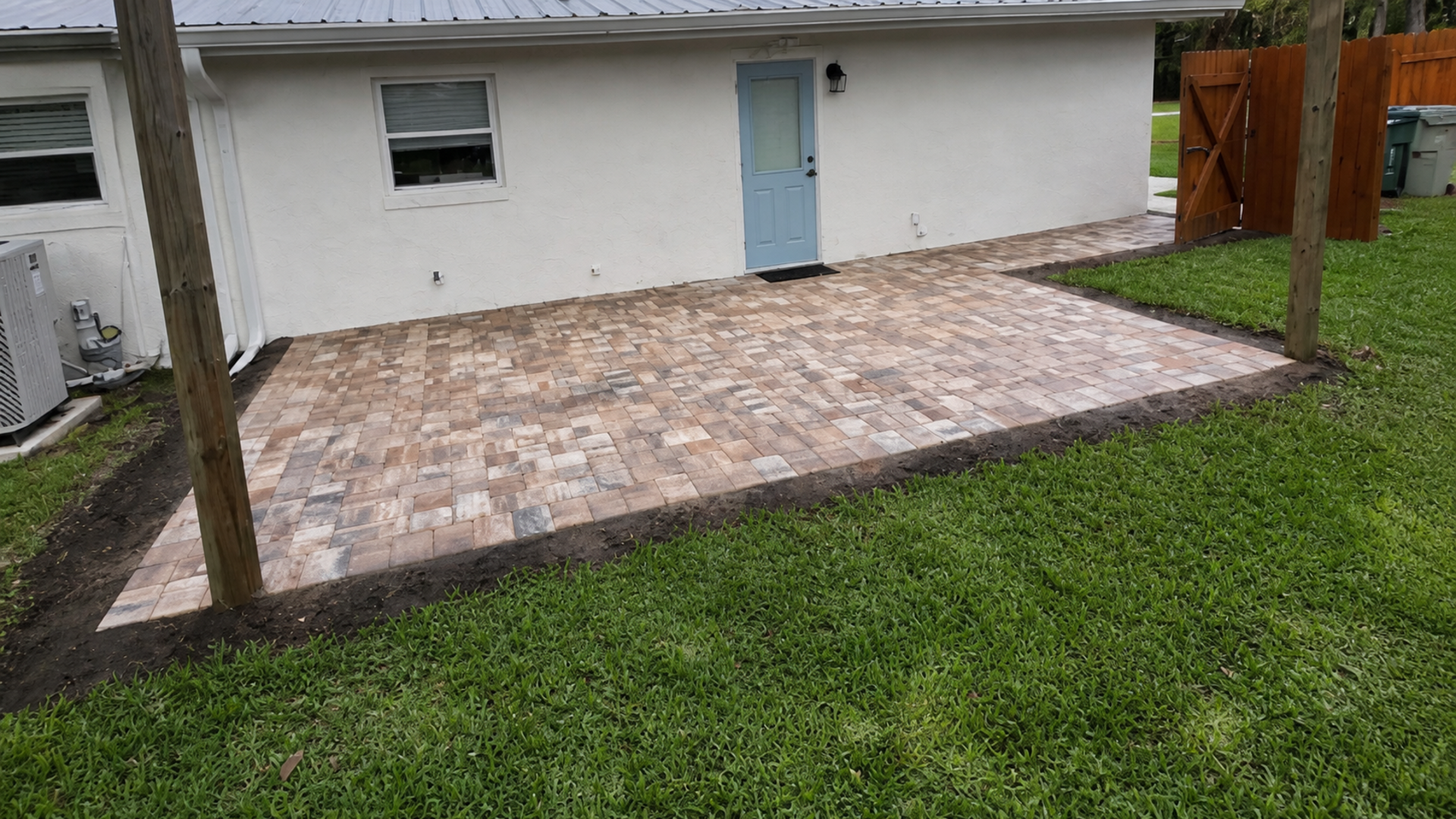
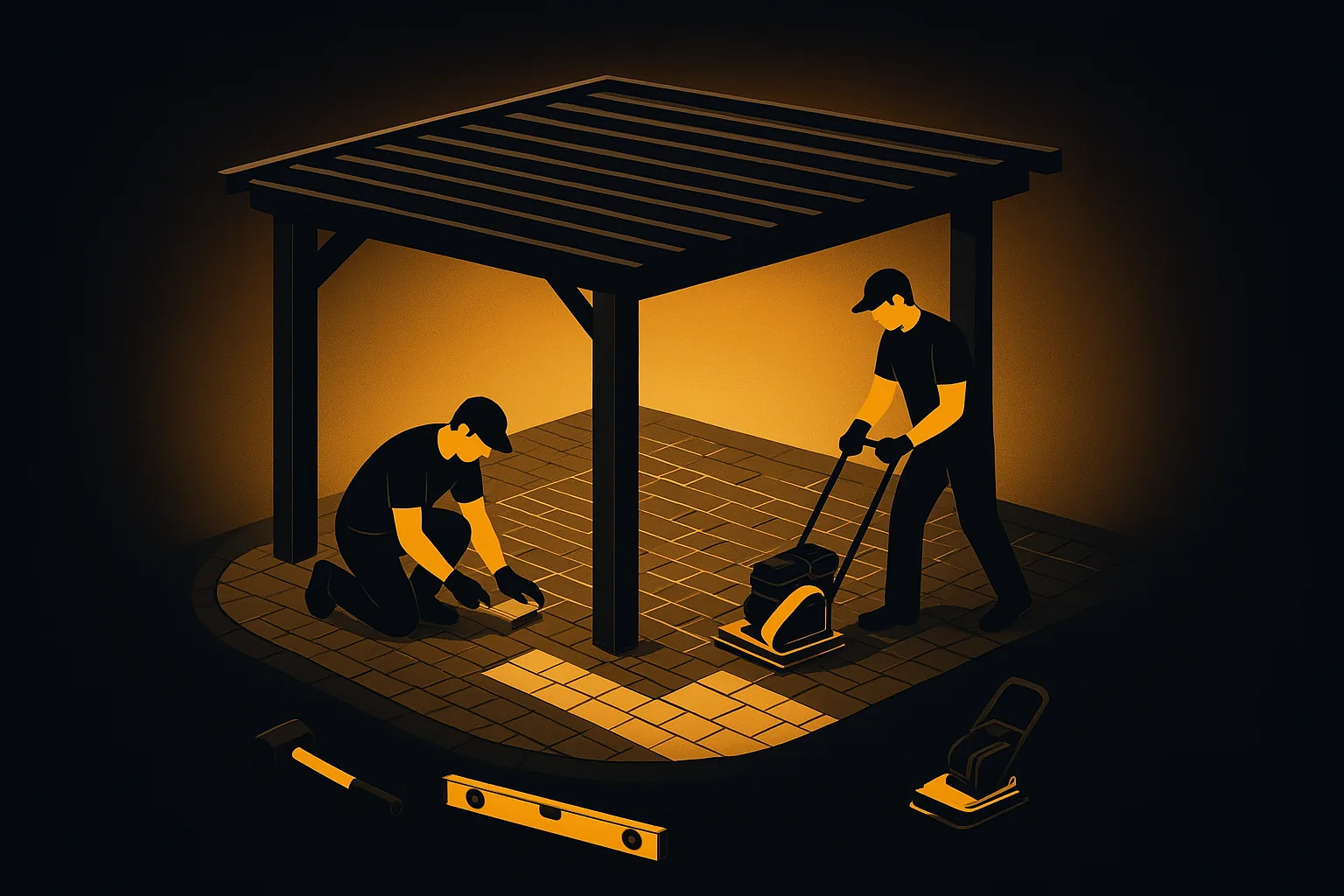
- Backyard patios
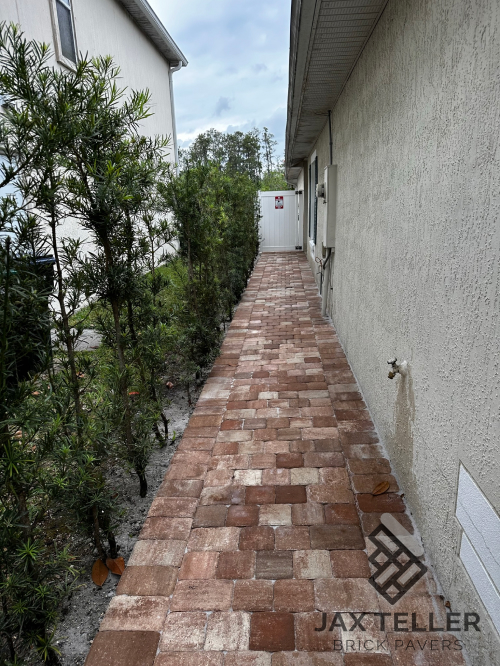
- Walkways and garden paths
- Courtyards
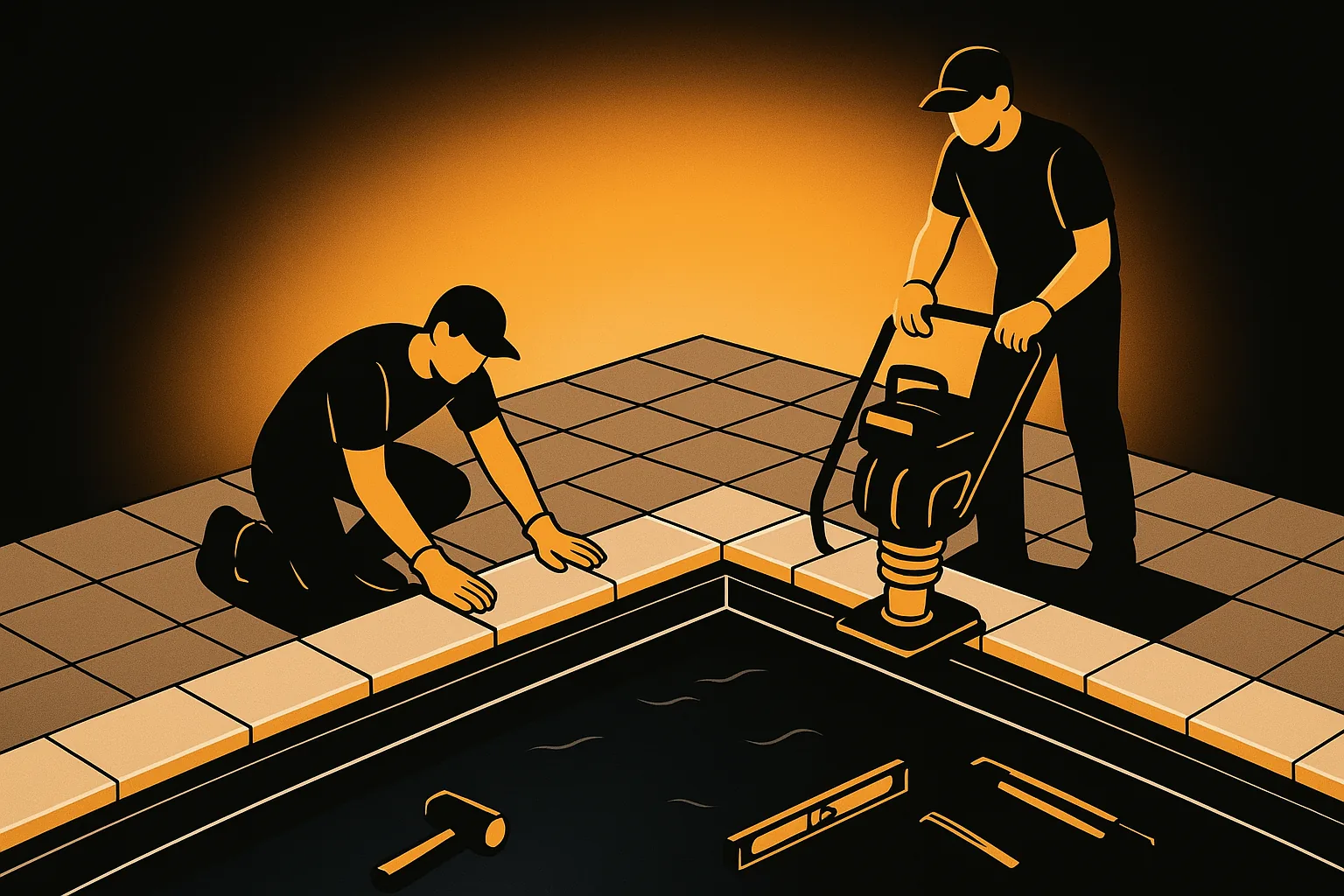
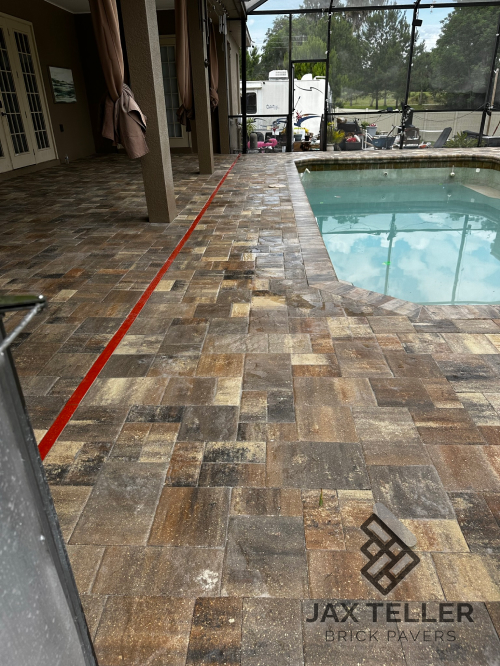
- Pool deck perimeter zones
They combine sustainability with durability when installed correctly.
Maintenance Requirements
While permeable pavers are low-maintenance, they require periodic care:
- Removing debris from joints
- Occasional vacuum sweeping
- Inspecting drainage performance
- Replenishing joint aggregate as needed
Routine maintenance ensures continued permeability and performance over time.
Common Mistakes to Avoid
Poor installation reduces system effectiveness.
Common errors include:
- Using non-permeable joint sand
- Insufficient base depth
- Poor compaction
- Blocking drainage pathways
- Improper slope design
Sustainable performance depends on technical precision, not just material choice.
Long-Term Environmental and Property Value Impact
A professionally installed permeable paver system:
- Improves drainage performance
- Reduces flood risk
- Supports sustainable landscaping goals
- Increases property value
- Meets evolving environmental standards
Florida homeowners benefit from both functional and environmental returns.
Explore More Sustainable Projects and Standards
For more projects completed in Florida, visit:
https://jaxtellerbrickpavers.com/projects
To review official installation standards, visit:
https://www.icpi.org/
Conclusion
Permeable Paver Systems for Sustainable Landscaping in Florida provide a smart solution to drainage, durability, and environmental responsibility. In a climate defined by heat, heavy rain, and soil movement, these systems deliver long-term performance when engineered and installed correctly.
Sustainable landscaping in Florida requires more than surface design — it demands structural planning beneath the surface.
If you’re planning a permeable paver installation, contact JaxTeller Brick Pavers at +1 407-907-8308 or jaxtellerbrickpavers@gmail.com for a free estimate.