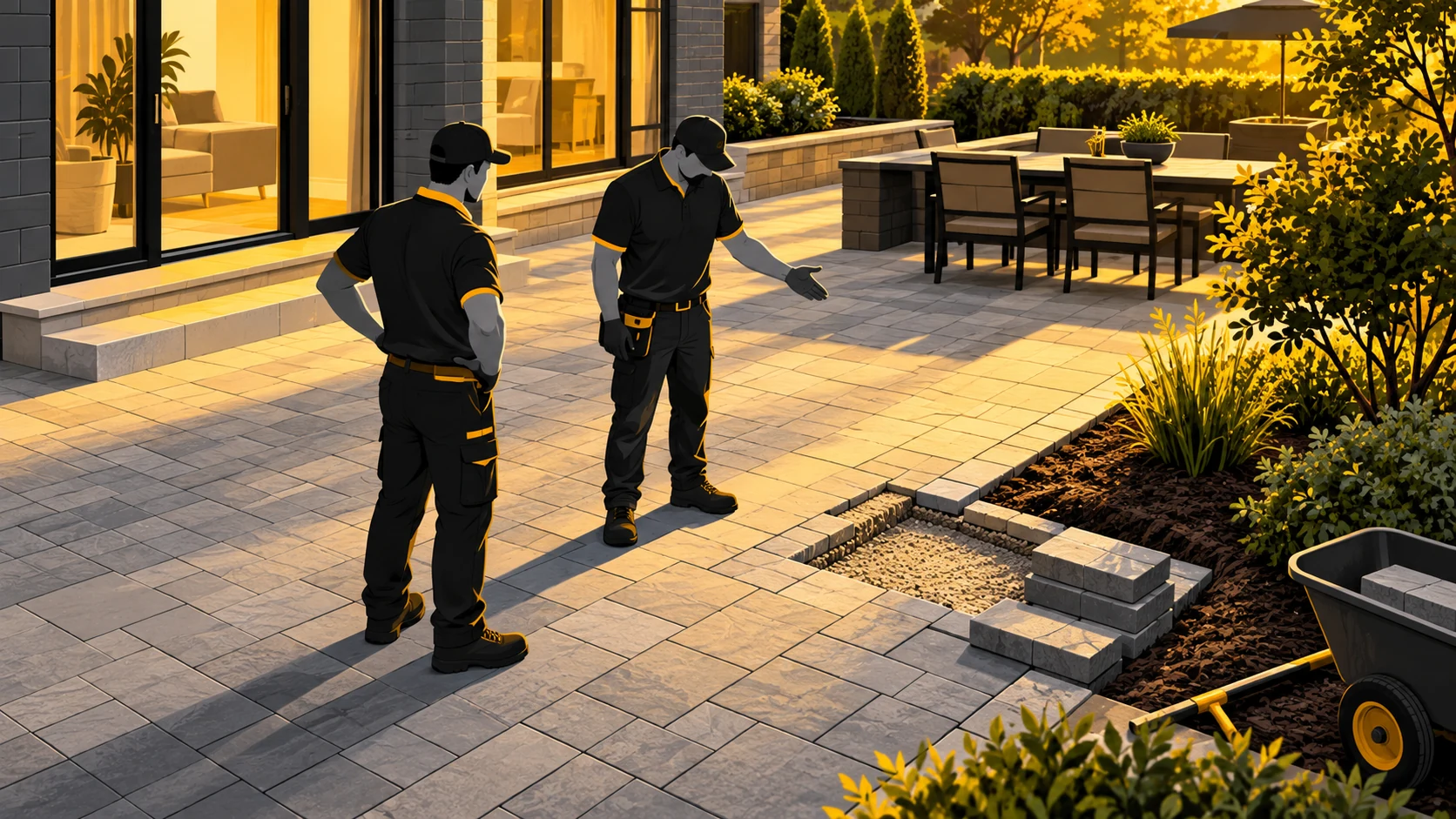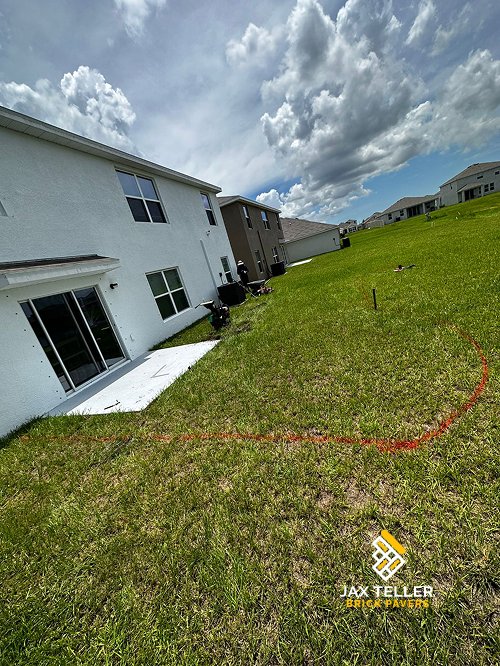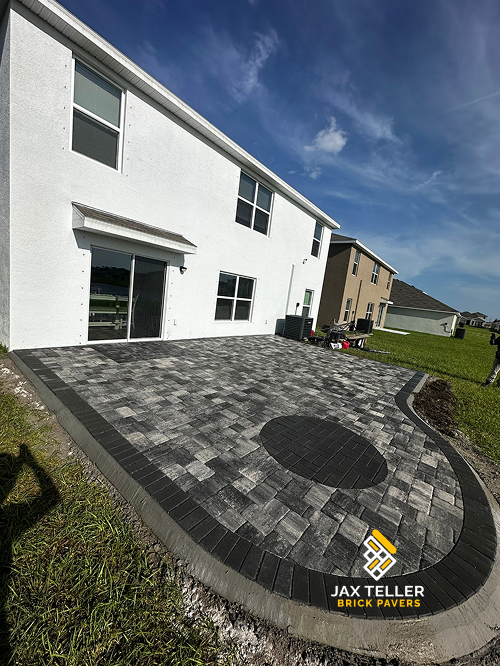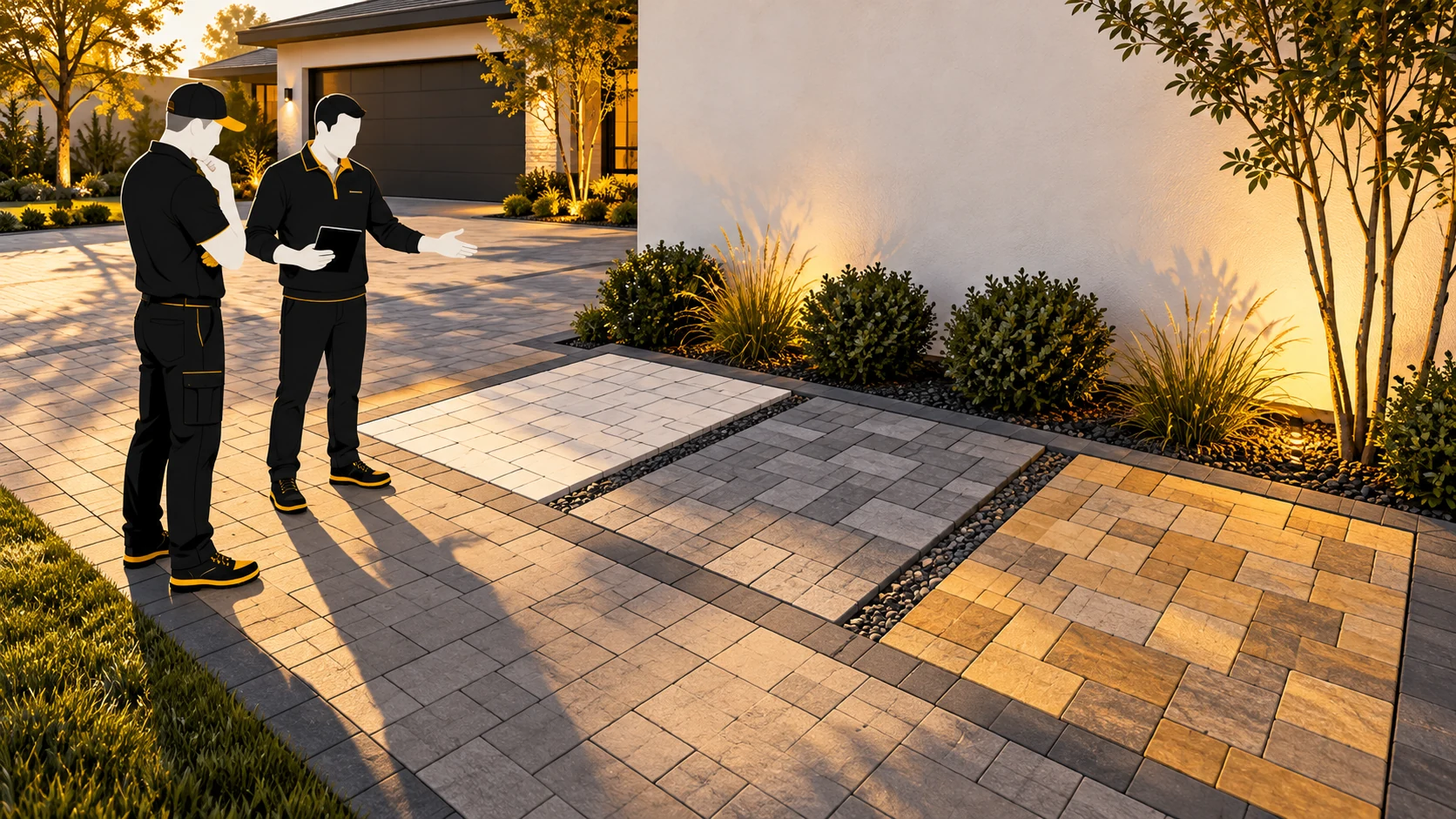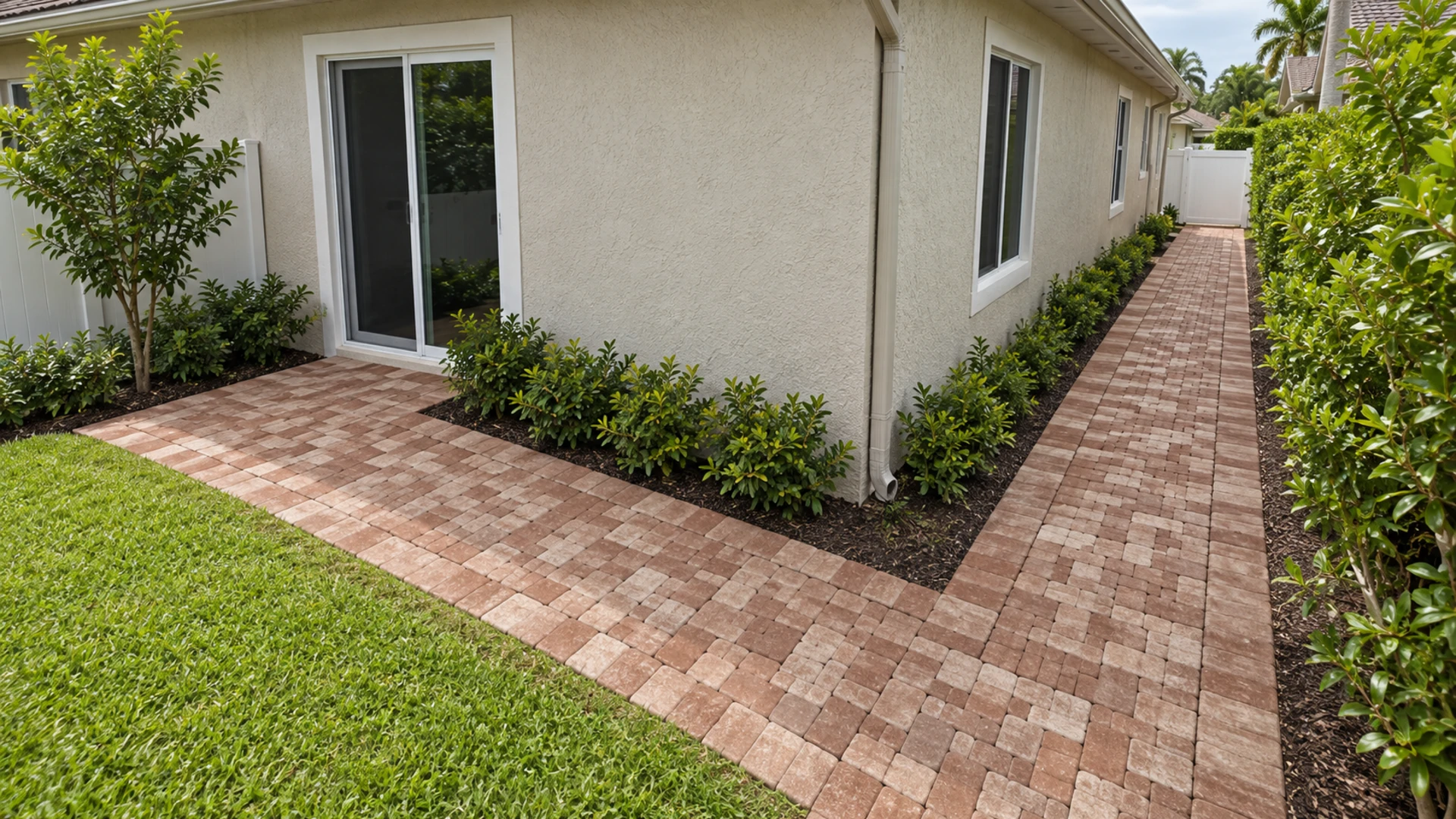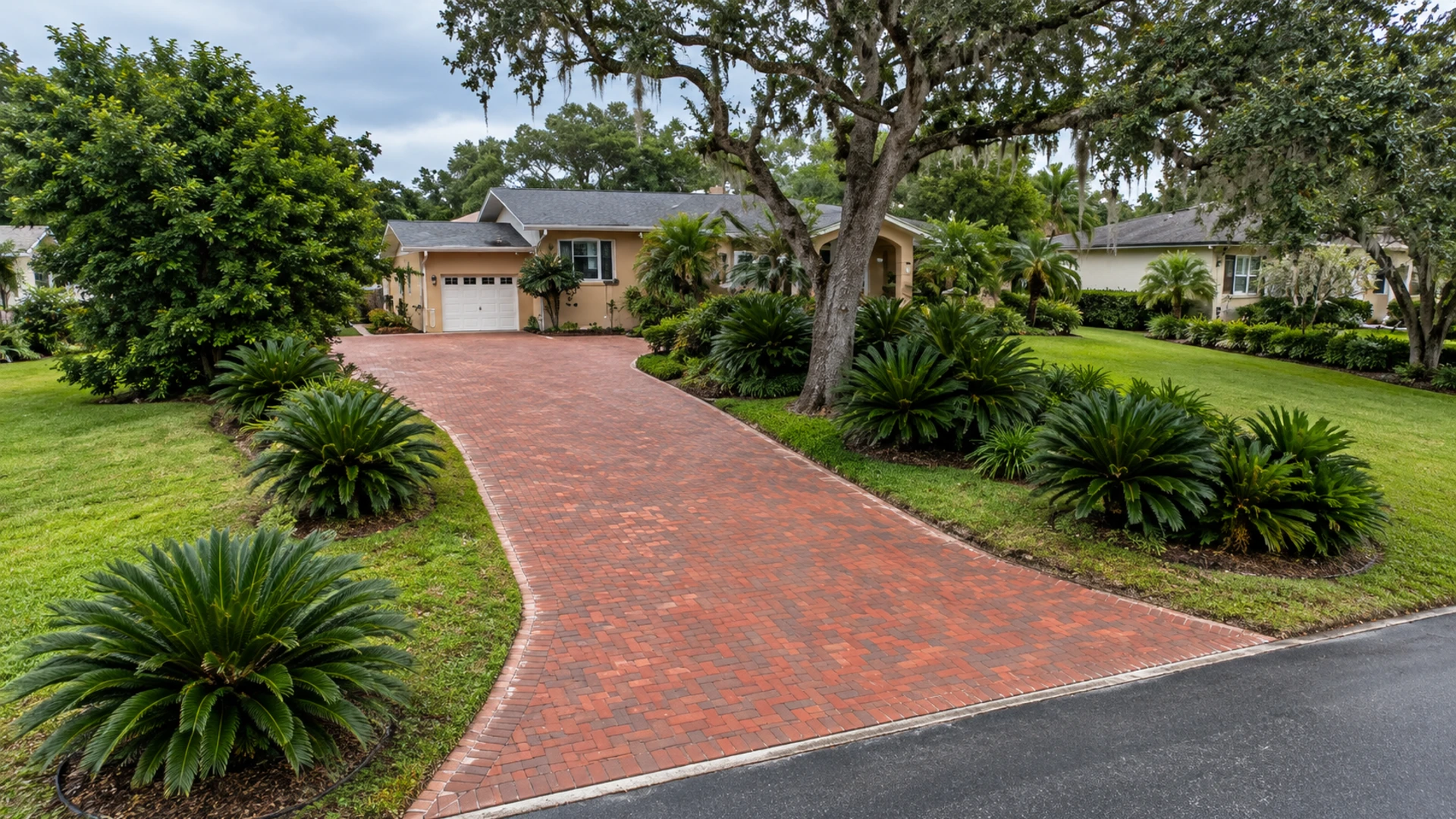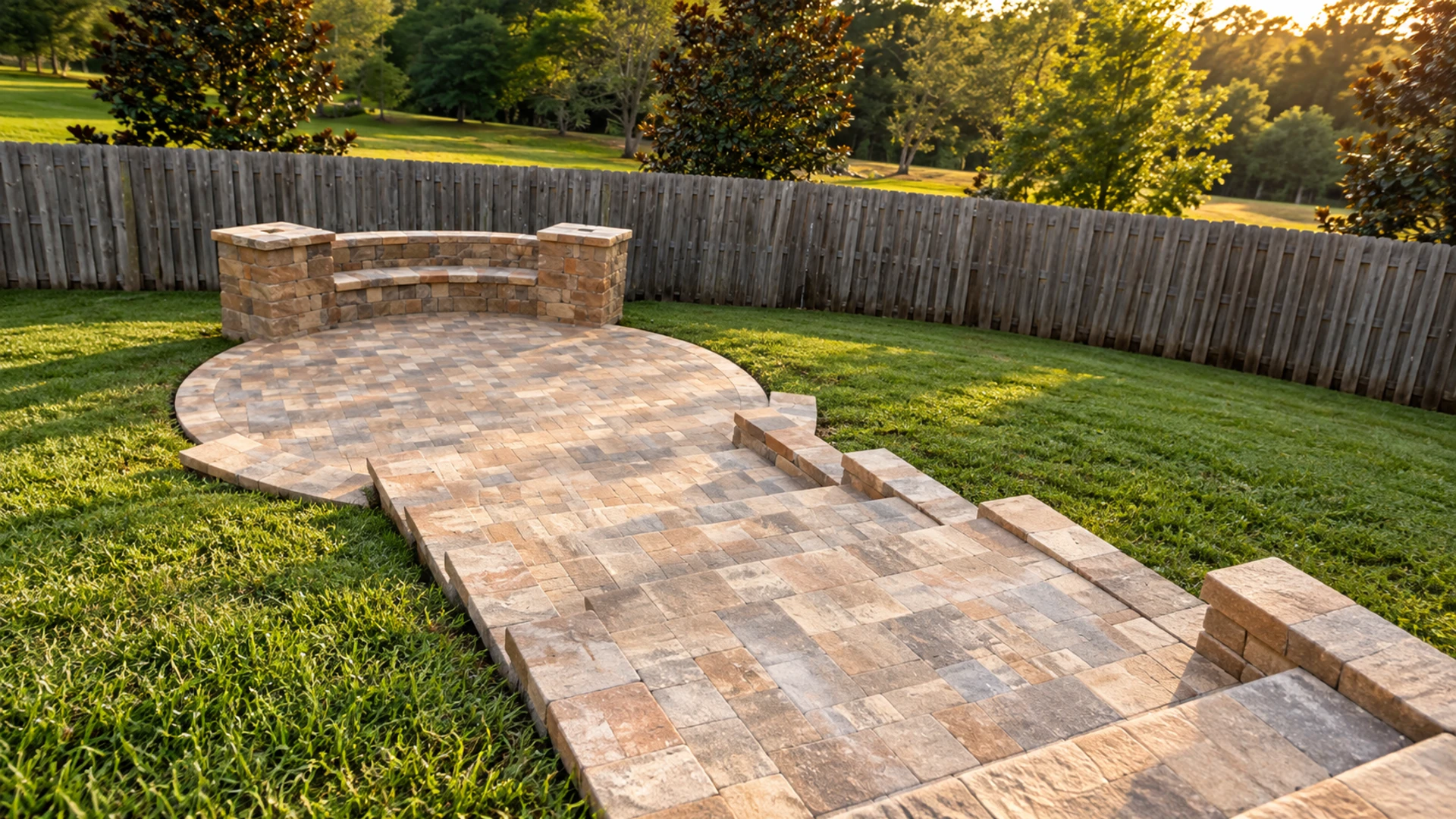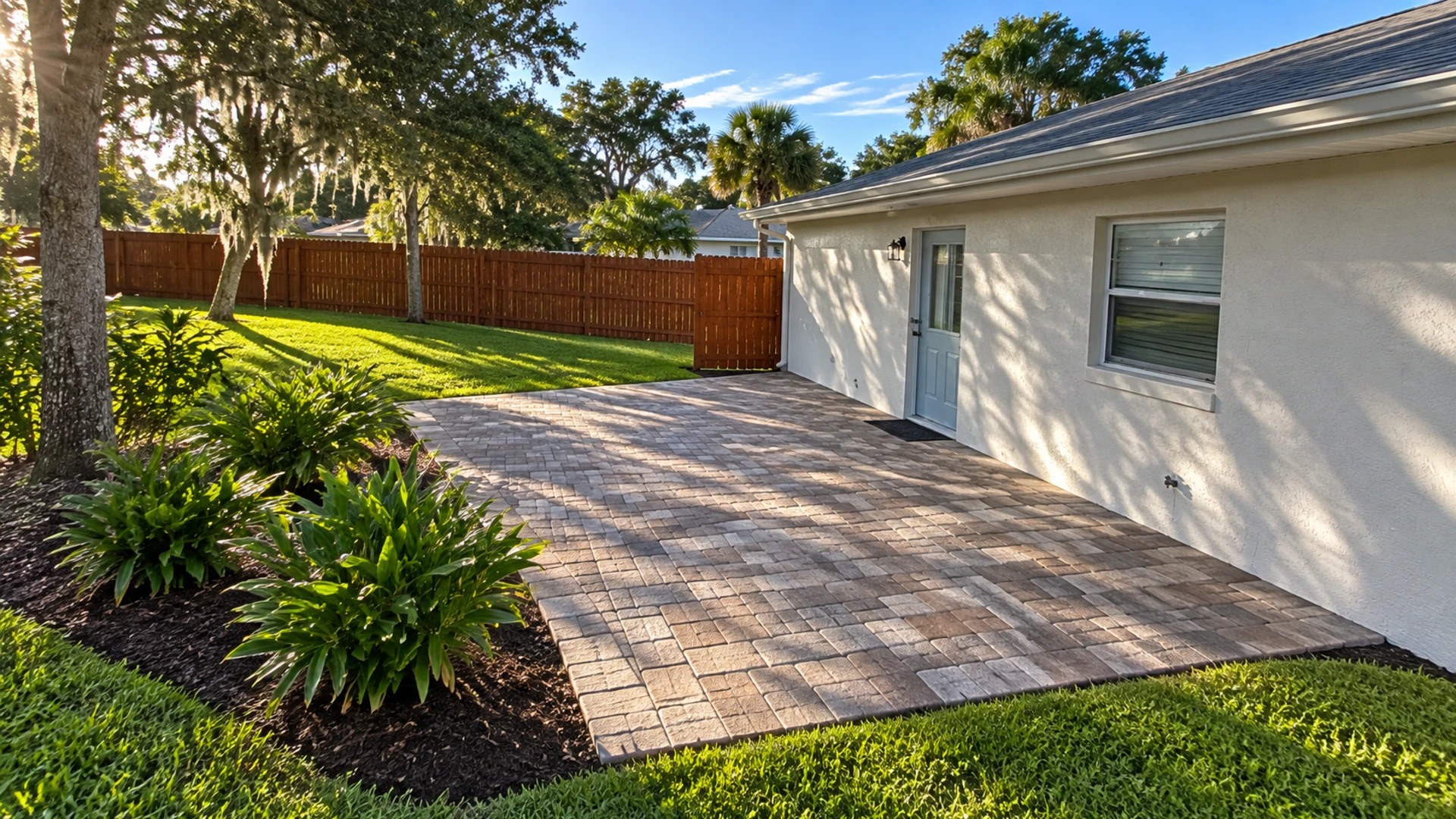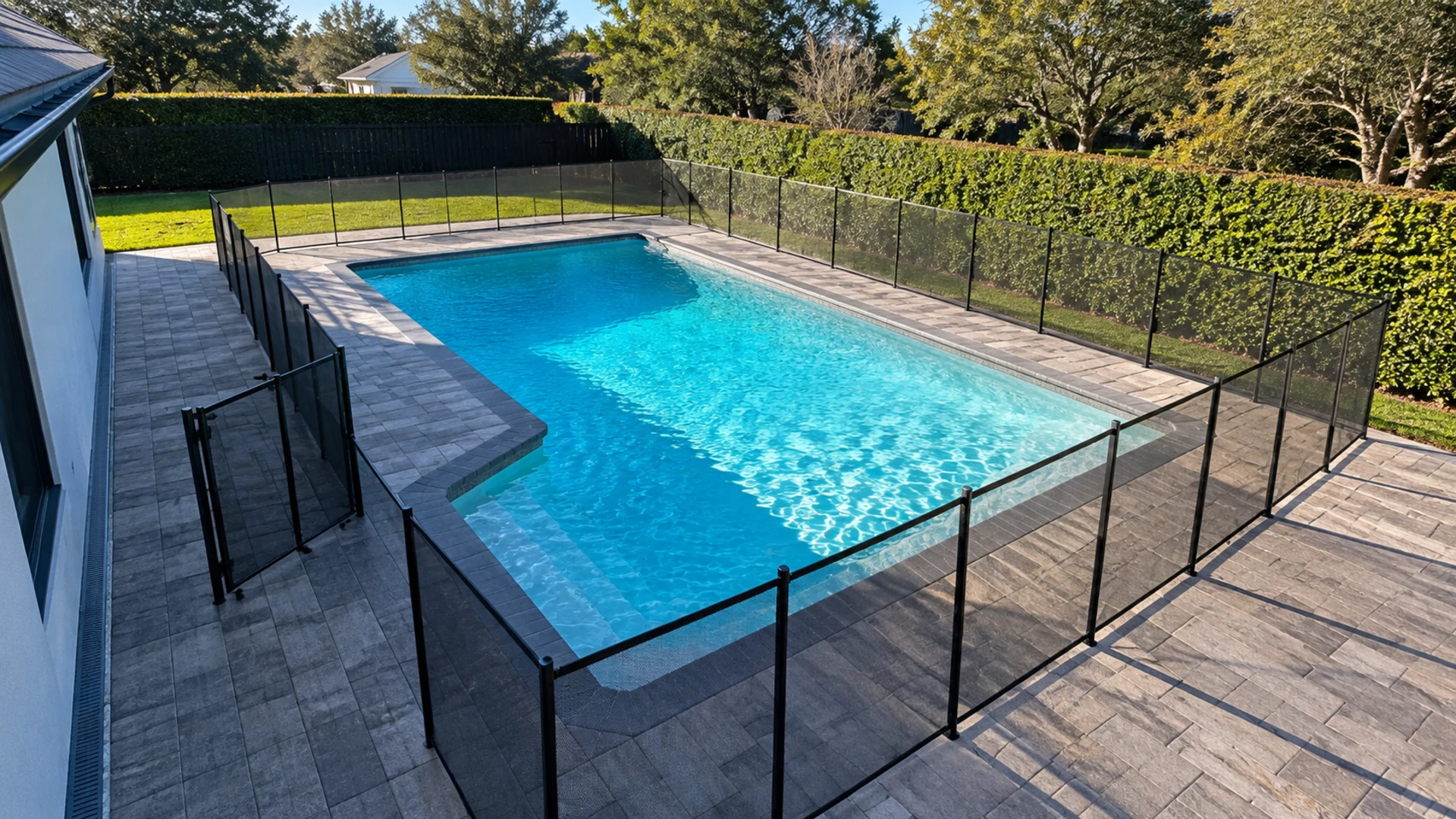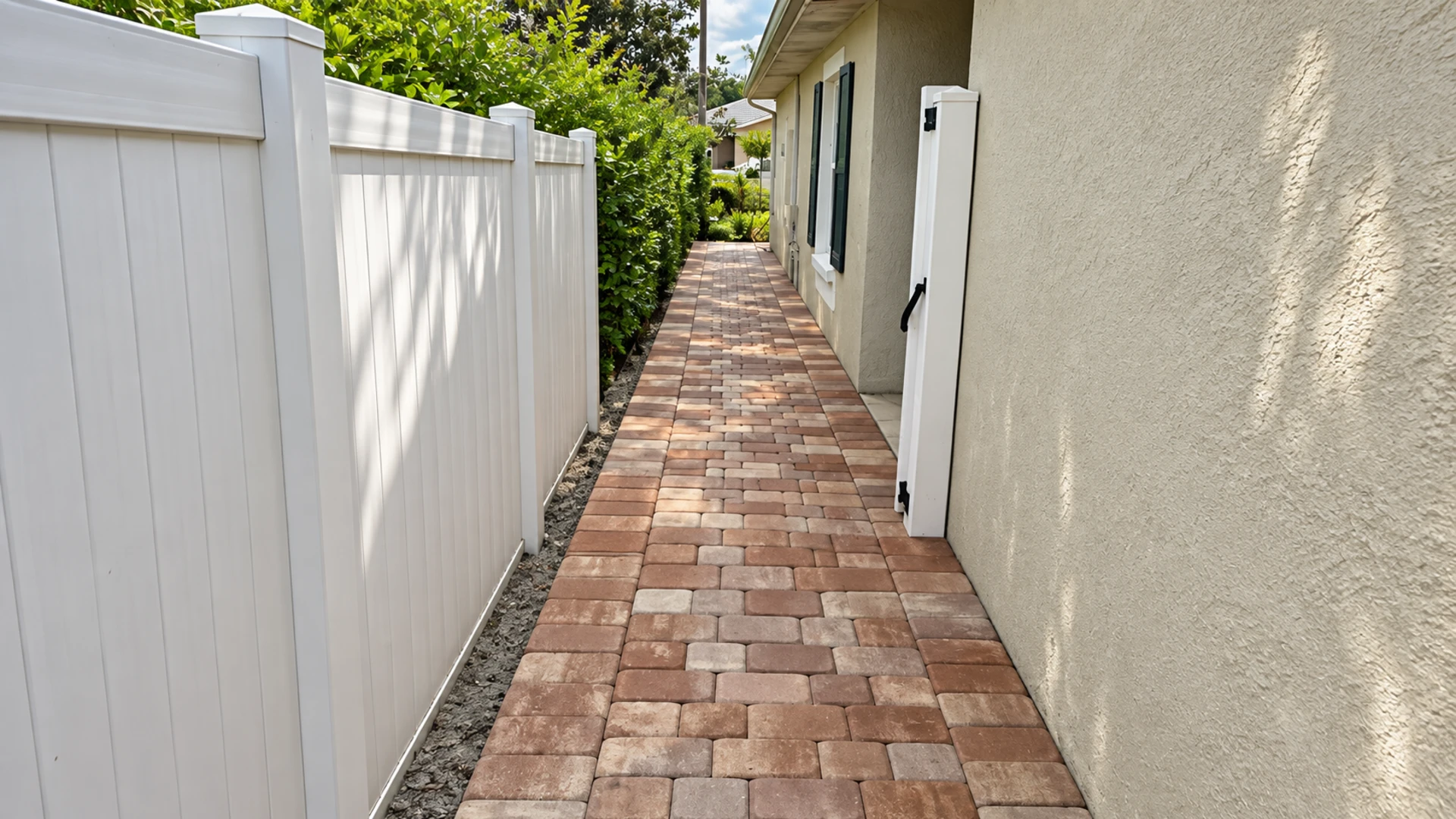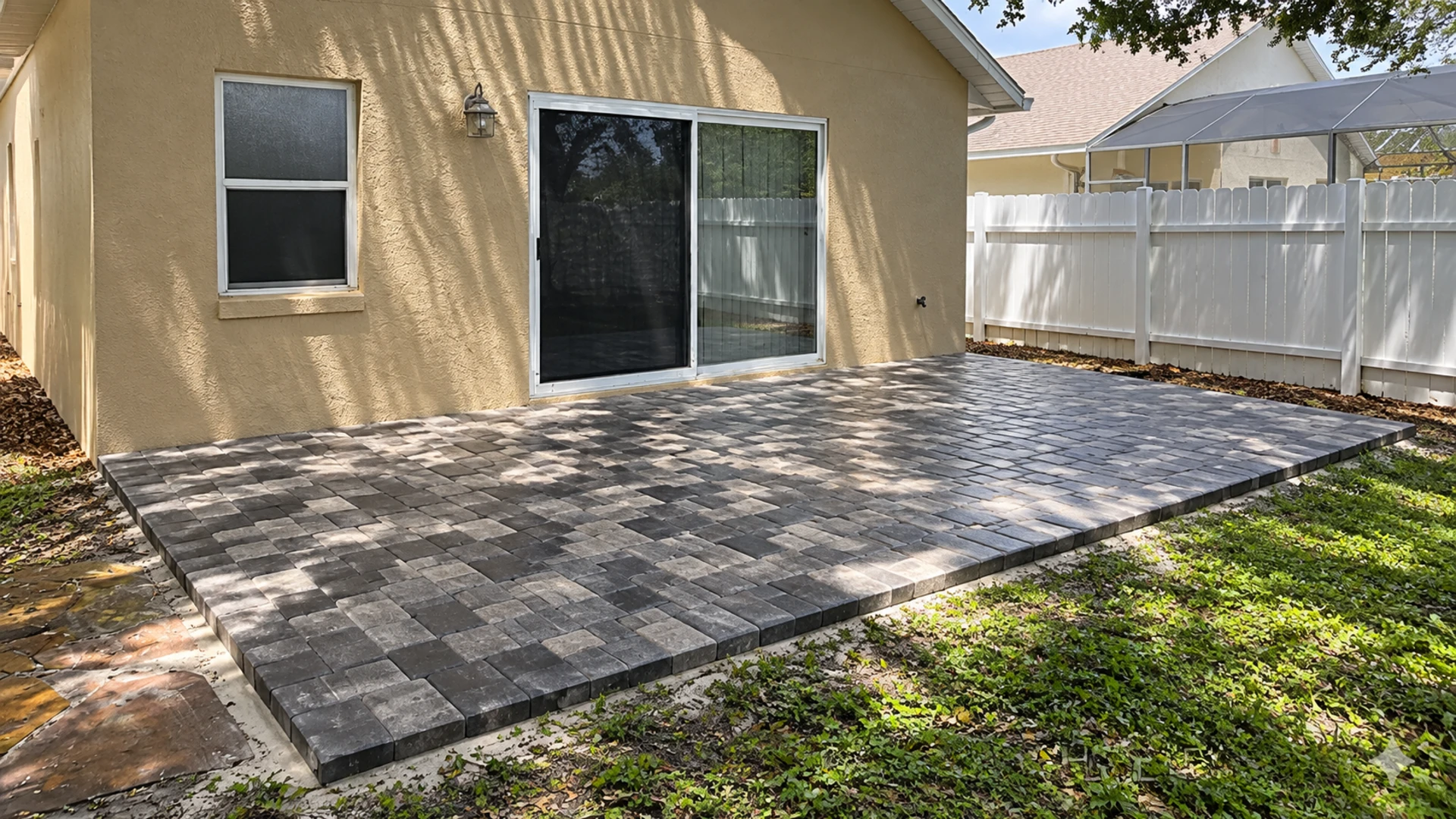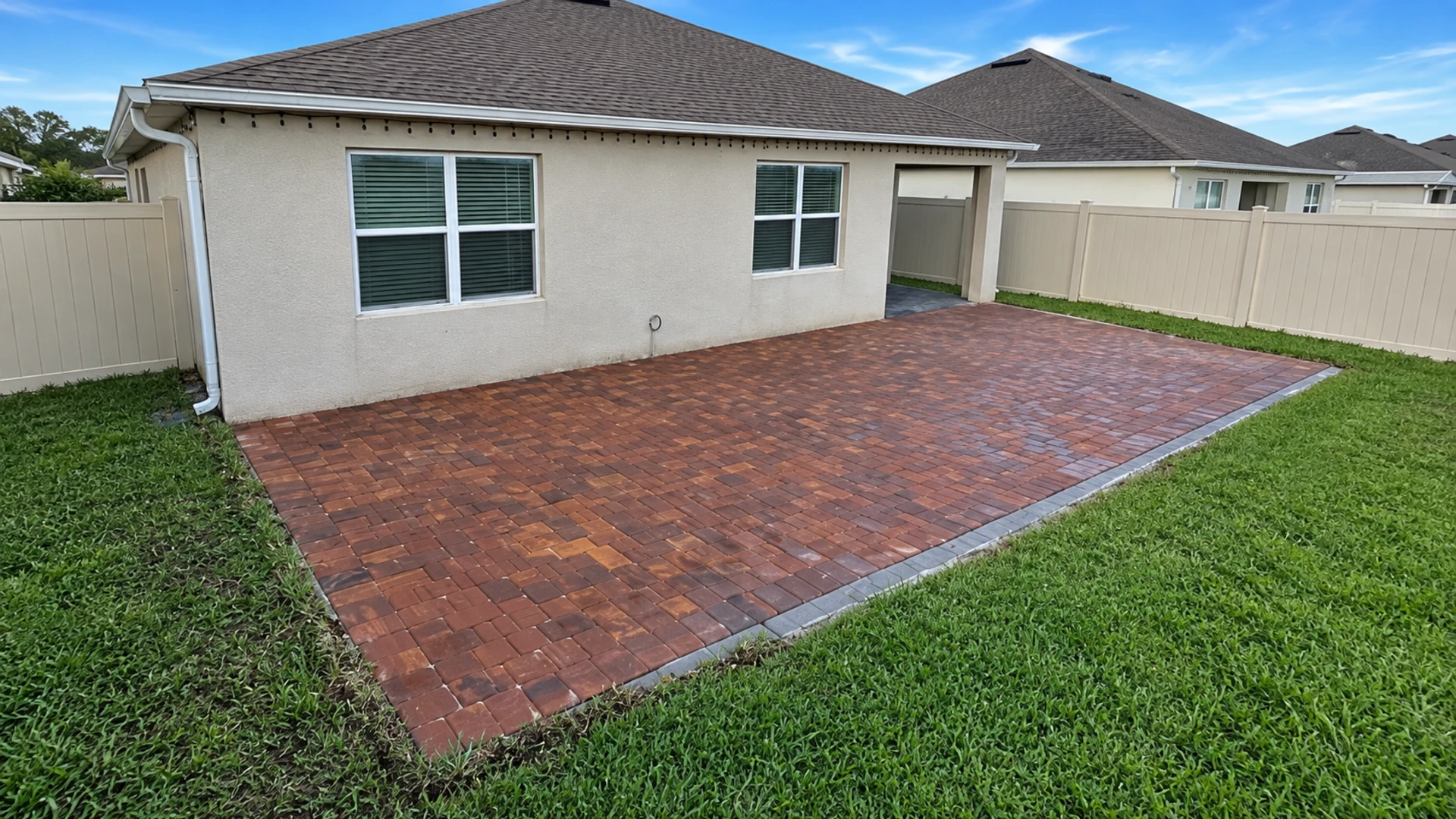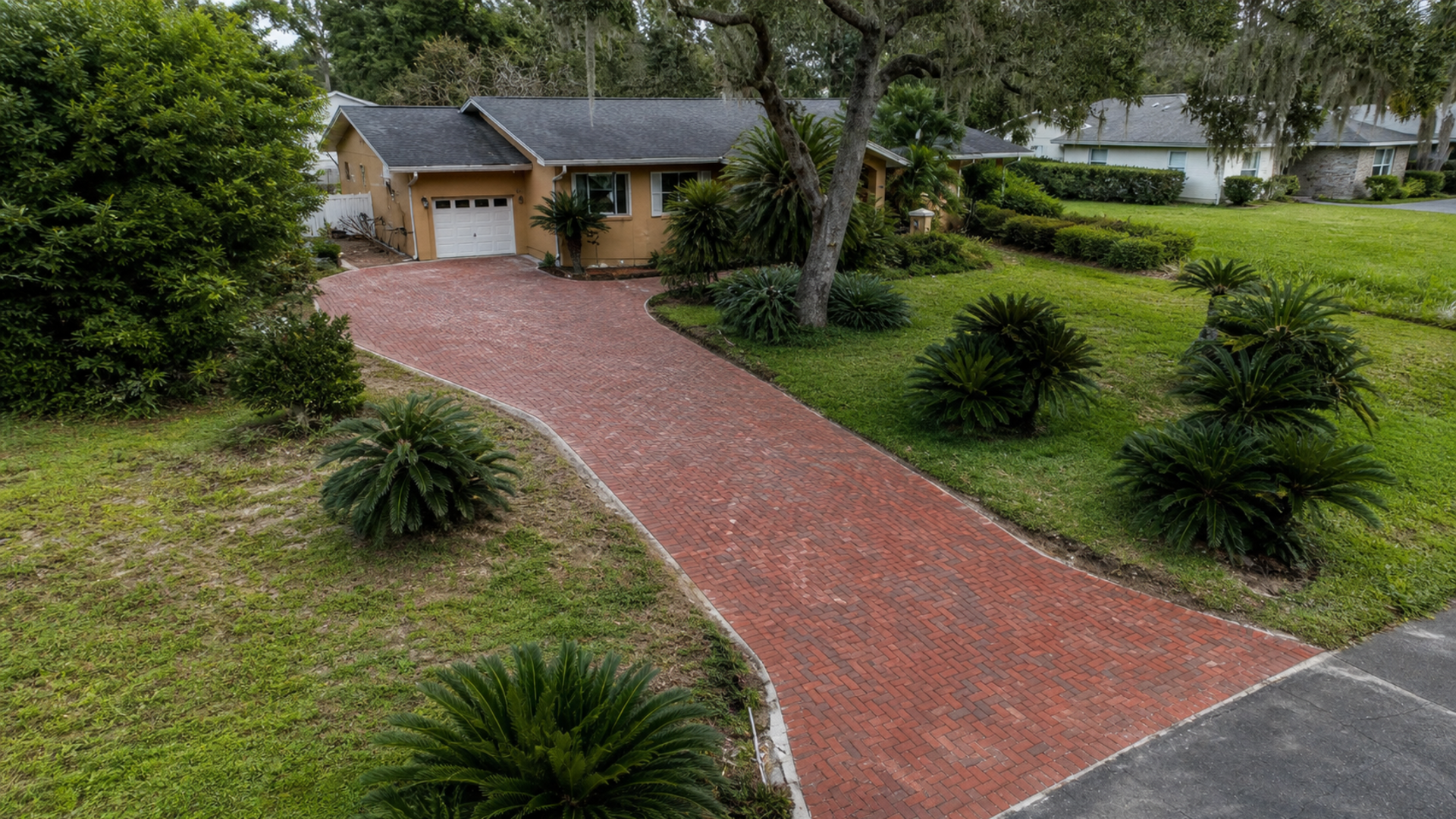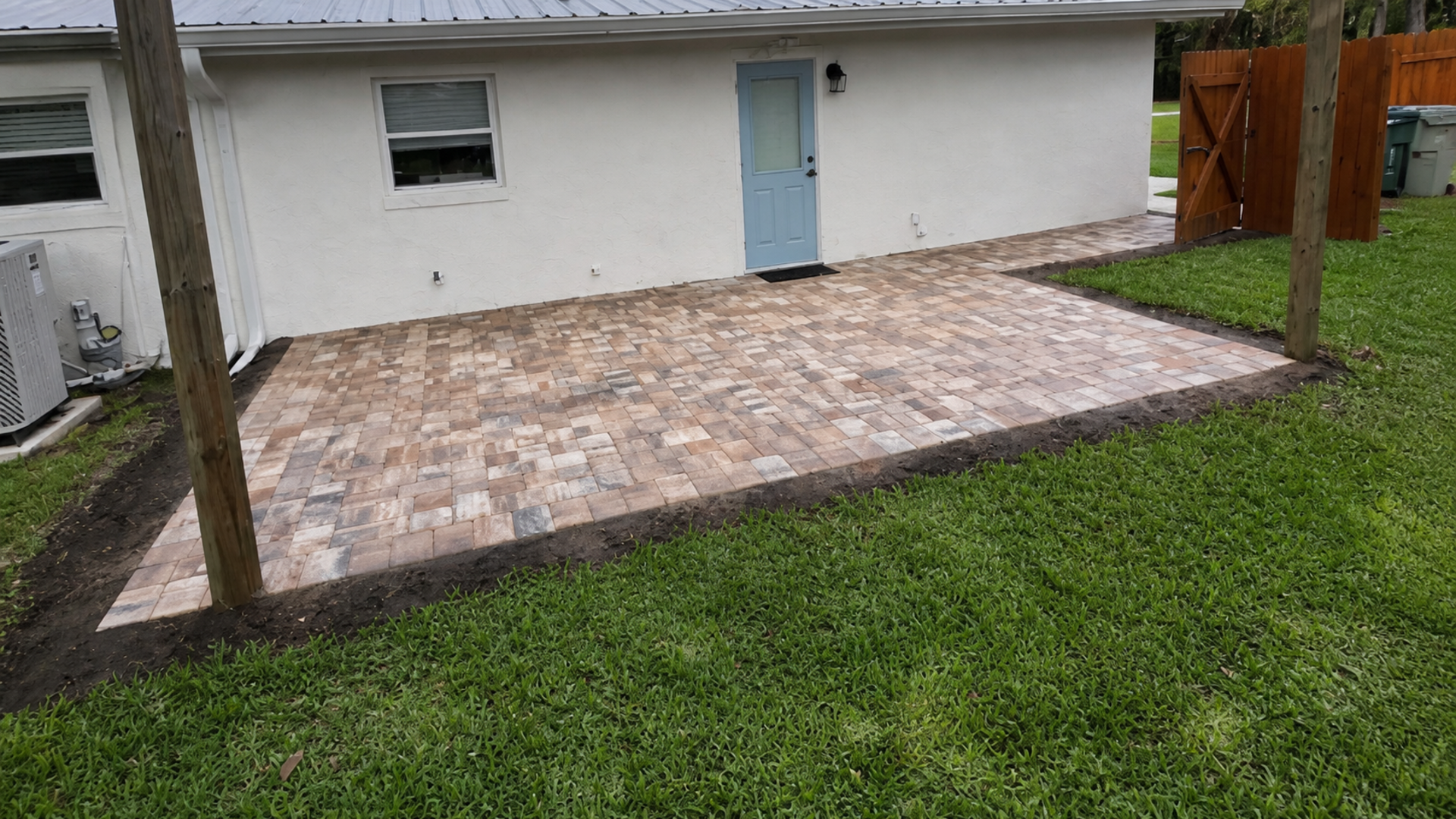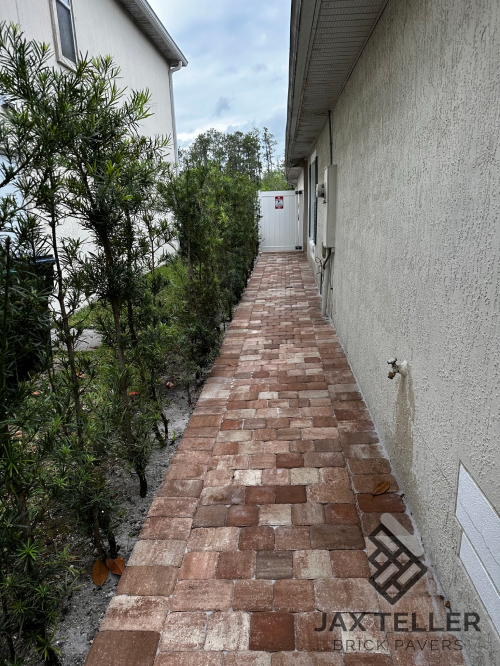

Protecting pavers during deliveries starts before the truck reaches your Largo home. A furniture delivery, appliance replacement, or backyard project can send unfamiliar wheels and equipment across a finished surface. Therefore, the useful question is not simply whether someone has a board available. It is whether the delivery provider and paving professional understand the route, load, edges, and existing condition.
Temporary ramps can form part of an access plan, but their design deserves qualified judgment. This guide does not provide a ramp span, load rating, or homemade construction detail. Instead, it explains how to organize a delivery conversation, recognize decisions that need specialist input, and keep a practical record before and after the work.
Begin protecting pavers during deliveries with a route
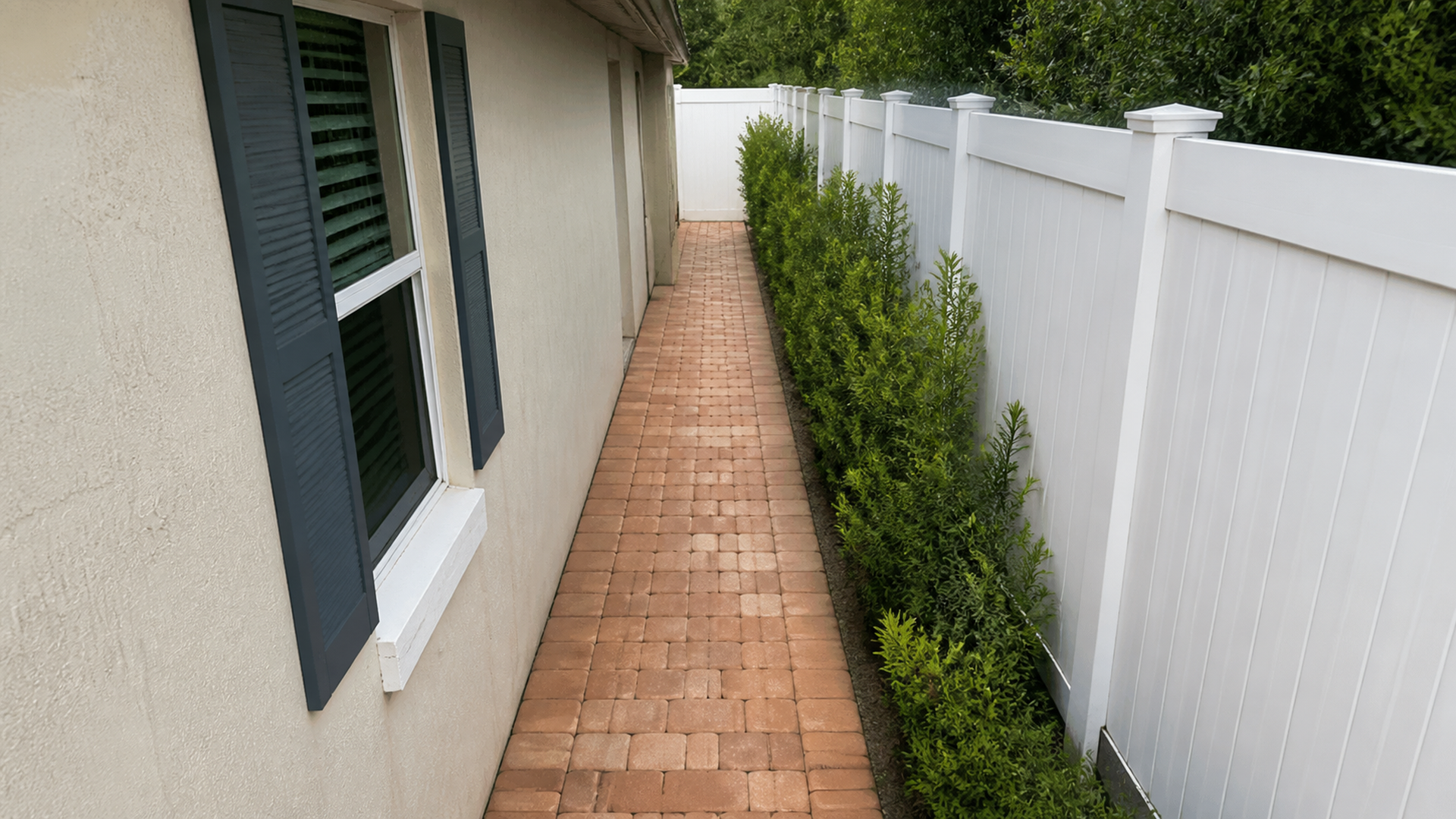
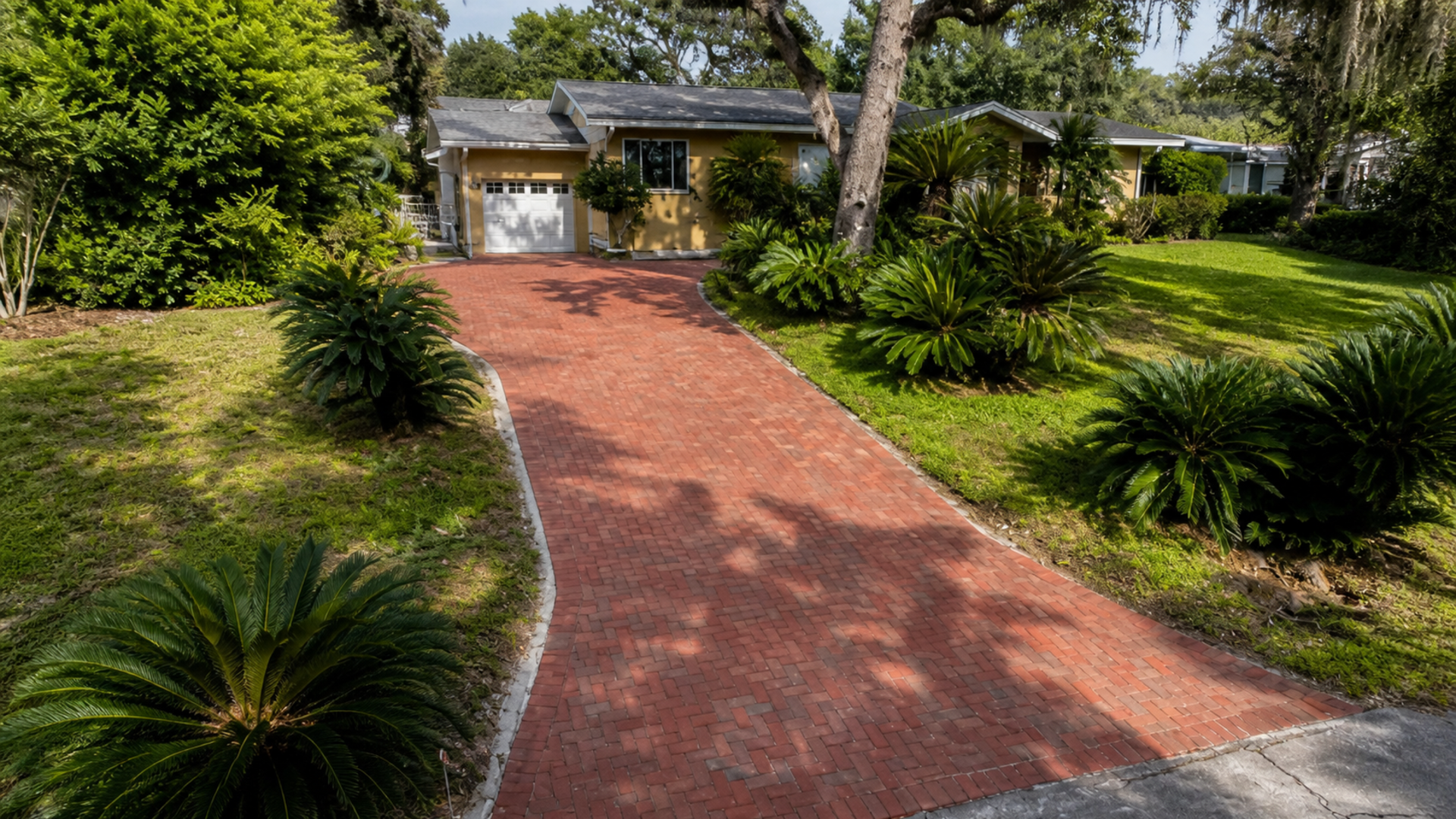
Ask the delivery company where its crew expects to travel. For example, the route might begin at the street, cross the driveway, pass through a side gate, and finish on a patio. Each transition deserves attention, even when the whole trip looks short on a map.
Walk that route before confirming the appointment. Protecting pavers during deliveries depends on the whole approach. Then note doors, steps, tight turns, drainage features, and changes between materials. An open driveway does not guarantee that the final side-yard corner will suit the proposed equipment. The narrowest or most awkward point can control the practical plan.
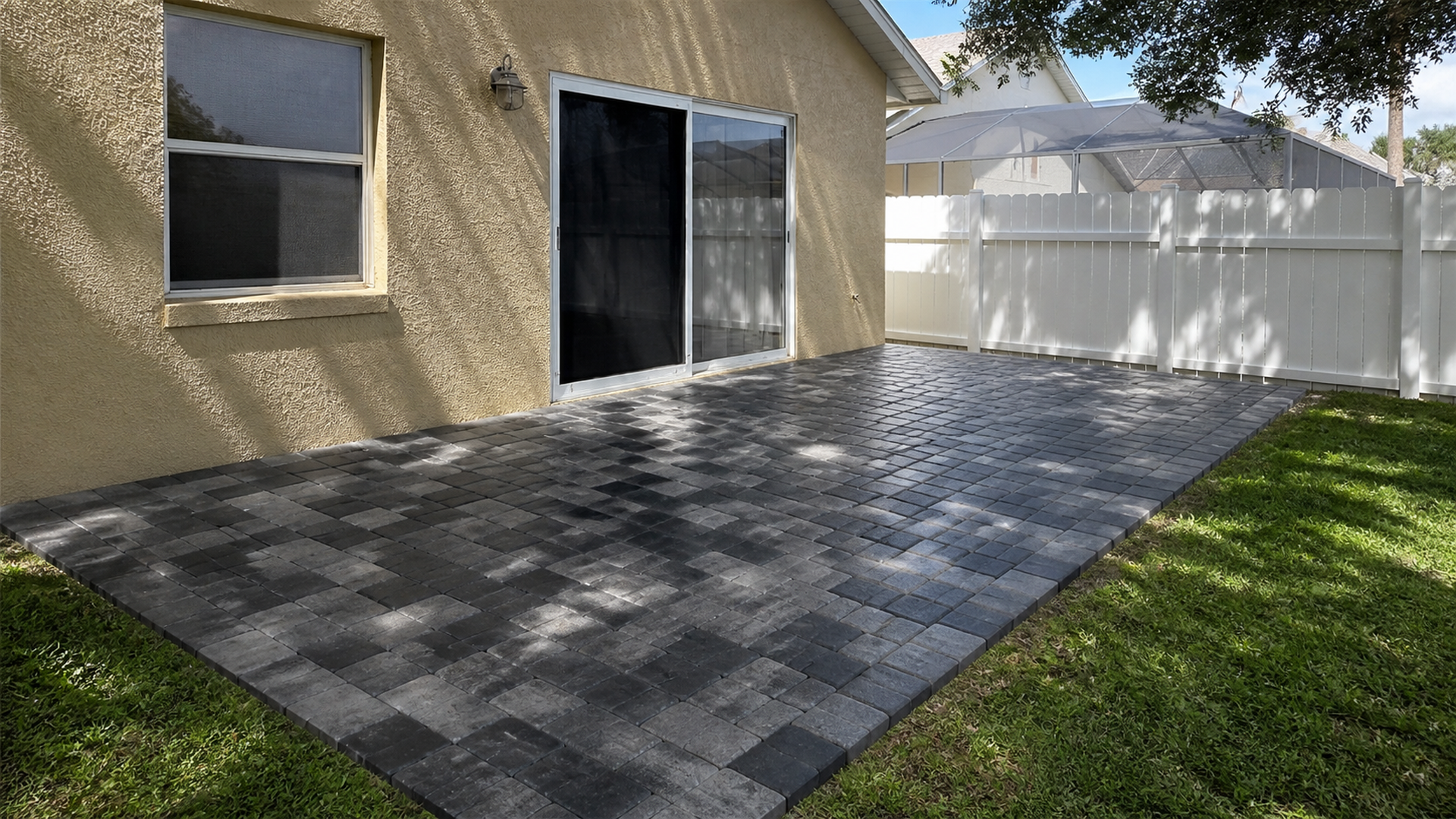
Describe the intended destination clearly. If an appliance must reach a raised terrace rather than the garage, say so early. Moreover, provide context photographs that show the approach and endpoint together. This helps avoid last-minute improvisation when the crew arrives with a different understanding of the job.
Record the baseline for protecting pavers during deliveries
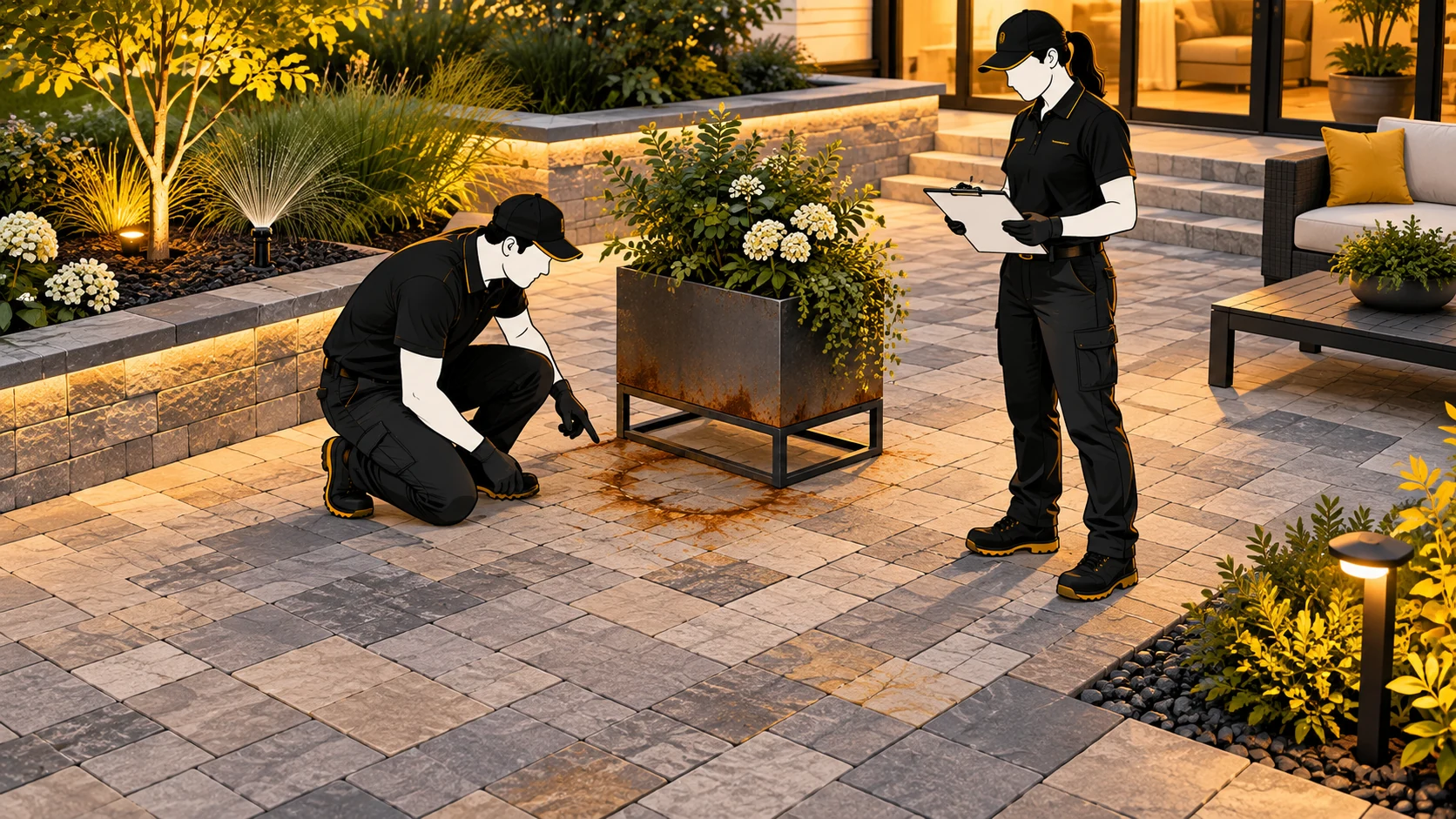
Take wide photographs of the route and closer images of existing concerns. For example, record a chipped edge, a loose-looking border, or a repaired area without labeling it the delivery company's future responsibility. The purpose is to preserve a fair baseline for everyone involved.
Include both sides of important transitions. A threshold photograph alone may omit the paver edge that the cart must cross. Therefore, document the full interface and keep original files with their dates. Avoid editing the images in a way that hides their context.
Share relevant concerns with the delivery provider in advance. Then ask whether its planned method needs revision. A useful baseline supports a better plan; it should not become an excuse to proceed across a visibly unsuitable route because someone photographed it first.
Describe the delivery rather than guessing the load
Tell the provider what will move, including the packaging and proposed handling equipment when known. A large item can reach the property in several different ways. Consequently, a vague description such as one cabinet may not explain the actual access demand.
Ask the provider to identify the equipment it expects to use and whether a different route would change that choice. Do not estimate a safe wheel load from the appearance of the cart. Moreover, do not assume that spreading a load with any available sheet automatically solves the problem.
The paving professional can assess the installed surface and relevant conditions. The delivery or equipment specialist should assess its own handling method. Keeping those responsibilities explicit makes it easier to resolve a concern without asking the homeowner to become the designer of a temporary structure.
Protecting pavers during deliveries at perimeter edges
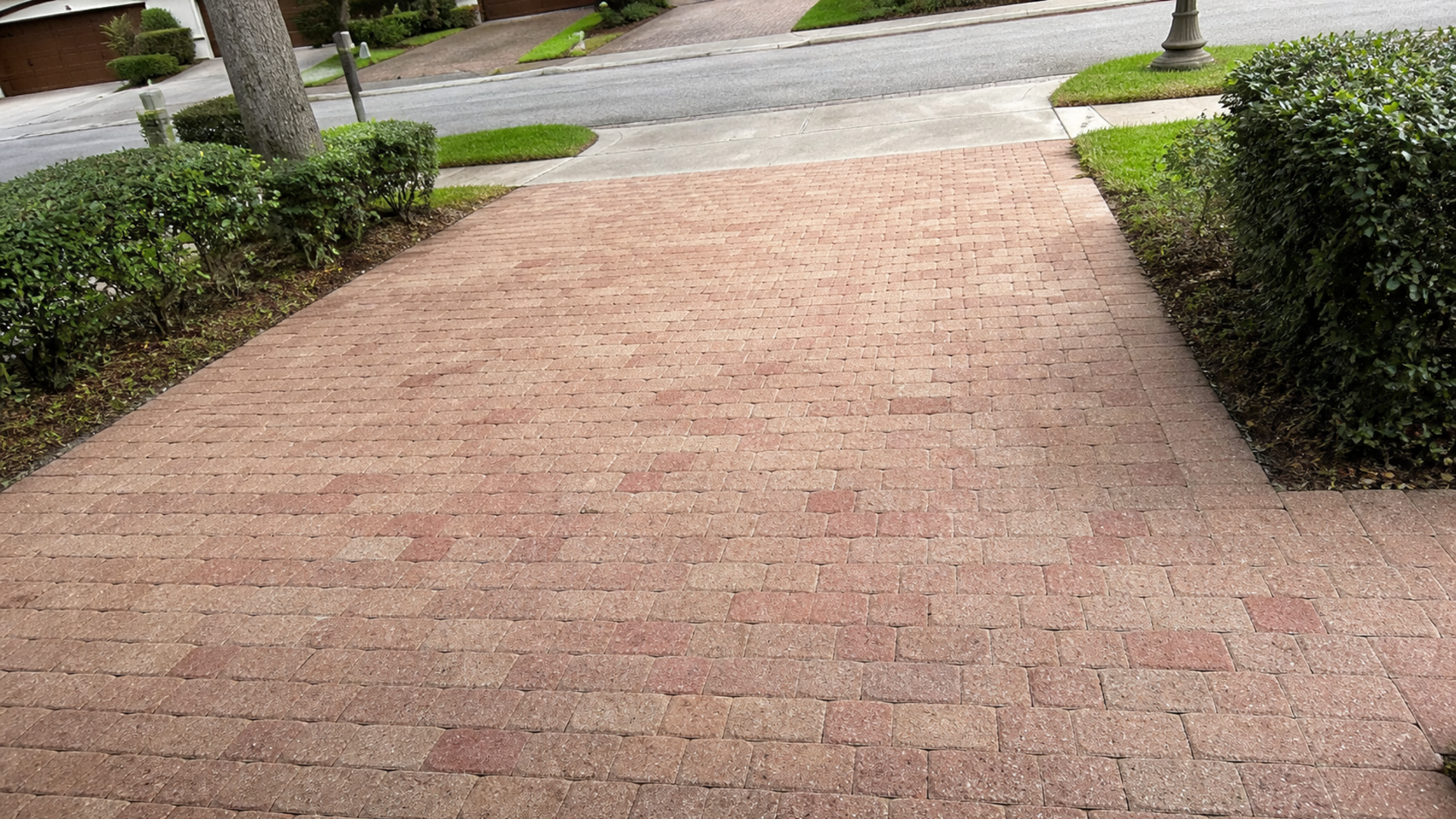
A finished paver field and its perimeter are connected parts of the pavement. However, the edge may meet soil, gravel, a curb, or another surface in a way that deserves separate review. Point out where the proposed wheels enter and leave the paving.
The CMHA guide to edge restraints explains that restraints help maintain the interlock of concrete paving units. That technical principle supports asking about vulnerable transitions. It does not establish a universal temporary ramp detail or certify the capacity of your existing driveway.
If a transition already shows movement, describe it before the delivery. Then ask whether the route should change or the area needs assessment first. Trying to conceal an uneven edge with a board can leave the original concern unresolved and make later observations harder to interpret.
Treat a temporary ramp as a designed access measure
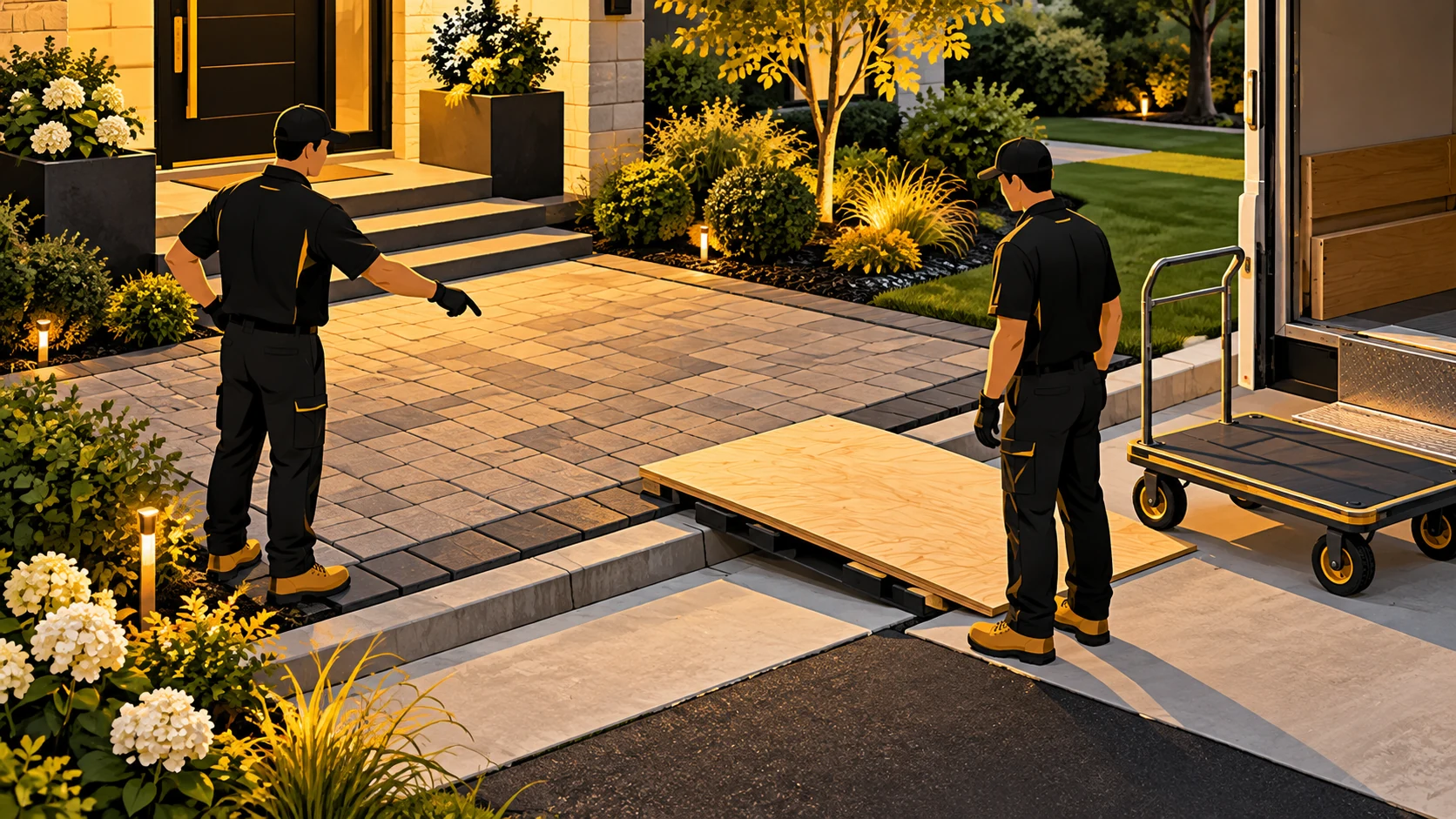
Ask who selects and approves any temporary ramp, bridge, or protective platform. Moreover, ask what surface supports it and how the crew will keep it stable during the move. These questions belong before use, not after the item reaches a difficult threshold.
Avoid accepting a rule based only on the material name. Plywood, metal, and plastic products can have very different intended uses and capacities. Therefore, the relevant person should identify the actual product or method and confirm that it suits the proposed conditions.
Never stand nearby trying to steady an improvised ramp under a moving load. Instead, let the responsible provider arrange an appropriate method and keep bystanders out of the handling area. If the crew cannot explain a safe, suitable approach, pause the move and resolve the route before proceeding.
Check the entire contact path
Protecting the first edge does not address every contact point. For example, a cart may turn sharply beside a planter or stop with a concentrated load near a drain. Walk through the proposed movement as a sequence rather than a single straight line.
Ask whether the handling equipment needs room to turn, stop, or reposition. Then review where those actions would occur. A route that seems adequate for walking may not provide the same practical space for an item and the people moving it.
Keep the receiving area ready too. If clutter blocks the final position, the crew may need extra maneuvers on the paving. Therefore, clear ordinary movable items before the appointment when safe, and confirm that the endpoint matches the delivery plan rather than relying on decisions made at the truck.
Separate cosmetic protection from structural suitability
A surface cover may help address a particular contact concern, but it does not prove that the underlying paving can accept the delivery. Consequently, distinguish the purpose of each protective measure. Is it intended to reduce abrasion, distribute contact, bridge a transition, or protect against residue?
Ask the provider to explain that purpose in plain language. A blanket or thin sheet may protect an item's finish while offering a very different benefit to the paving. Likewise, a rigid panel may create new edges or contact points that the plan must address.
Do not stack several unverified materials and assume the combination becomes stronger. Instead, request a method appropriate to the actual route and equipment. If the paving condition remains uncertain, a brief site assessment may provide better information than adding another layer to an improvised solution.
Consider moisture, debris, and surface treatments
Tell the provider if the route has a known coating or recently completed maintenance. Moreover, share any relevant care or access instructions supplied by the installer. The delivery schedule should respect those instructions rather than substitute a general waiting period found online.
Before the move, check for ordinary loose debris and report wet or slippery-looking conditions. Do not try an unfamiliar cleaner immediately before the crew arrives. A rushed cleaning attempt can introduce a new variable just when the route needs a clear assessment.
If rain changes the conditions, ask whether the provider needs to adjust the plan. That decision depends on the work and actual surface. Therefore, avoid treating a confirmed appointment as an obligation to continue with a method that no longer fits the conditions on arrival.
Agree on access boundaries in advance
Identify where the delivery vehicle can stop and which surfaces it must avoid. For example, a plan may allow a hand-carried route while keeping the truck off a particular paved section. Write down that distinction so the driver and handling crew receive the same instruction.
Check ordinary property access constraints too. Gates, parked vehicles, and shared approaches can change the route. Moreover, the provider may need information about stairs or carrying distance before assigning the appropriate crew and equipment.
Keep public access and neighboring property out of informal assumptions. If the plan depends on using someone else's space or controlling an area outside your property, ask the provider what permission or arrangement is necessary. The homeowner should not discover that dependency after the truck blocks the approach.
Brief the team about protecting pavers during deliveries
A useful briefing can fit in one message. Include the item, destination, route photographs, known surface concerns, and the person to contact if conditions differ. Then ask the provider to confirm that the information reached the team performing the work.
Use specific descriptions rather than general instructions to be careful. For example, identify the side gate transition and the repaired corner beside it. This gives the crew a location to review and a reason to discuss its method before moving the item.
If the provider proposes a change, update the same briefing. Multiple messages with conflicting routes can create avoidable confusion. Therefore, keep one current version and make the final decision easy to recognize, especially when a subcontracted delivery crew handles the appointment.
Know when to pause the move
Stop and reassess if the actual equipment differs materially from the agreed plan. For example, a motorized machine replacing a small hand cart deserves a new review. A homeowner's prior approval of one method should not silently authorize another.
Visible instability, an unexplained ramp arrangement, or a newly discovered obstruction also calls for a pause. Moreover, keep people away from an area where a load or access measure appears unstable. Resolving the plan belongs with the responsible professionals, not with bystanders offering improvised support.
A pause need not become an argument. State the difference clearly and ask what needs confirmation before work continues. This keeps the conversation focused on the route and method rather than blame, while preserving a fair record of why the original plan changed.
Review the result of protecting pavers during deliveries
Once the crew removes its equipment and protective materials, compare the route with your baseline photographs. Then look at the contact points, turns, and transitions that mattered in the plan. A clear surface makes observation easier than an area still covered by packaging or sheets.
If you notice a change, photograph it from the same viewpoints when possible. Describe what you see without diagnosing hidden damage from a picture. For example, note a new gap or chipped corner and identify its location along the delivery route.
Report the observation promptly through the provider's stated process. Moreover, keep the delivery details and any response together. A factual record can support a professional assessment while avoiding assumptions about whether a visible change requires a small repair, broader investigation, or no intervention.
Apply the plan to a typical household delivery
Consider a hypothetical refrigerator delivery that crosses a driveway and ends at a side entrance. The first discussion should identify whether the appliance will travel in its packaging, which handling equipment the provider plans to use, and where the crew expects to turn. Then compare that route with the actual gate and threshold rather than the width of the driveway alone.
Suppose the provider discovers that the planned cart cannot make the final turn. That change should trigger a new handling decision. It should not automatically lead to rolling across a garden border or using a loose sheet as an improvised bridge. Instead, the crew can explain an alternative and identify any further approval needed before moving the appliance.
Afterward, the homeowner can compare the same threshold and border photographs taken before the appointment. If the route remains unchanged, the record simply closes the job. If a new concern appears, the photographs help describe it accurately. This modest process gives everyone clearer information without pretending that the homeowner has certified a load or designed a ramp.
Request a paving assessment with useful context
When contacting a paving contractor, explain whether you are planning a future delivery or reviewing a completed one. Those are different tasks. Include the route, proposed equipment when known, and the condition you want the contractor to assess.
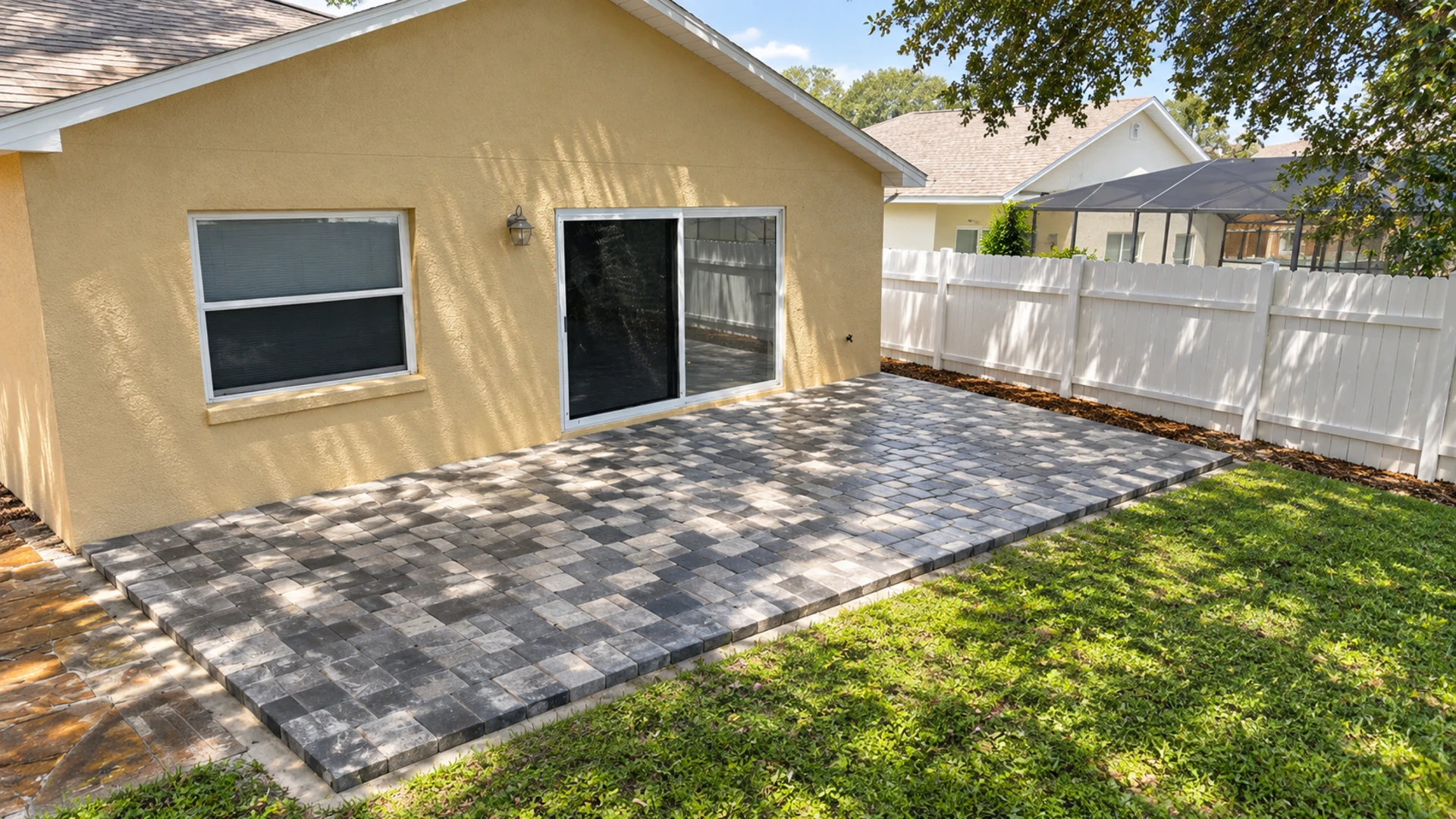
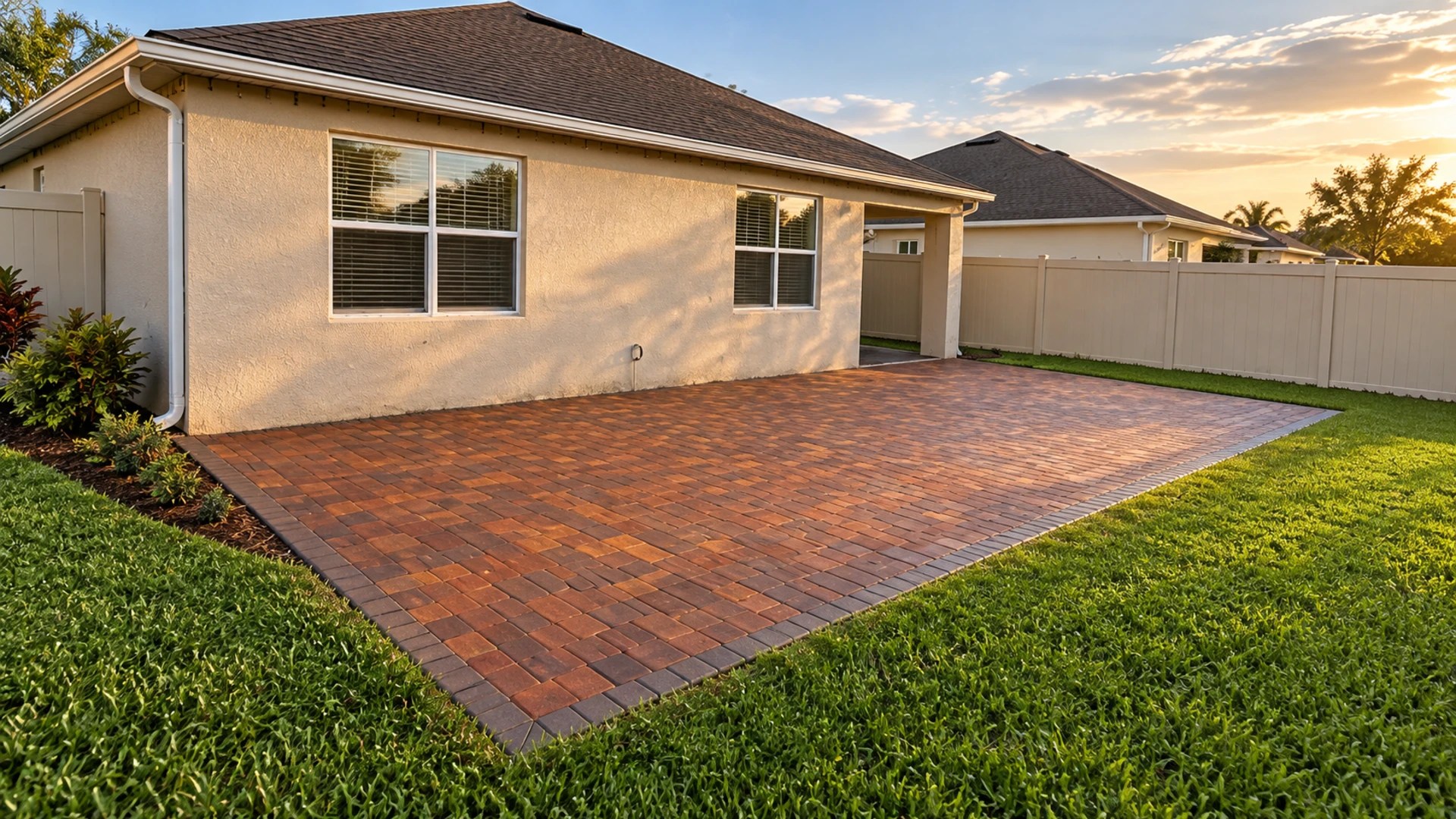
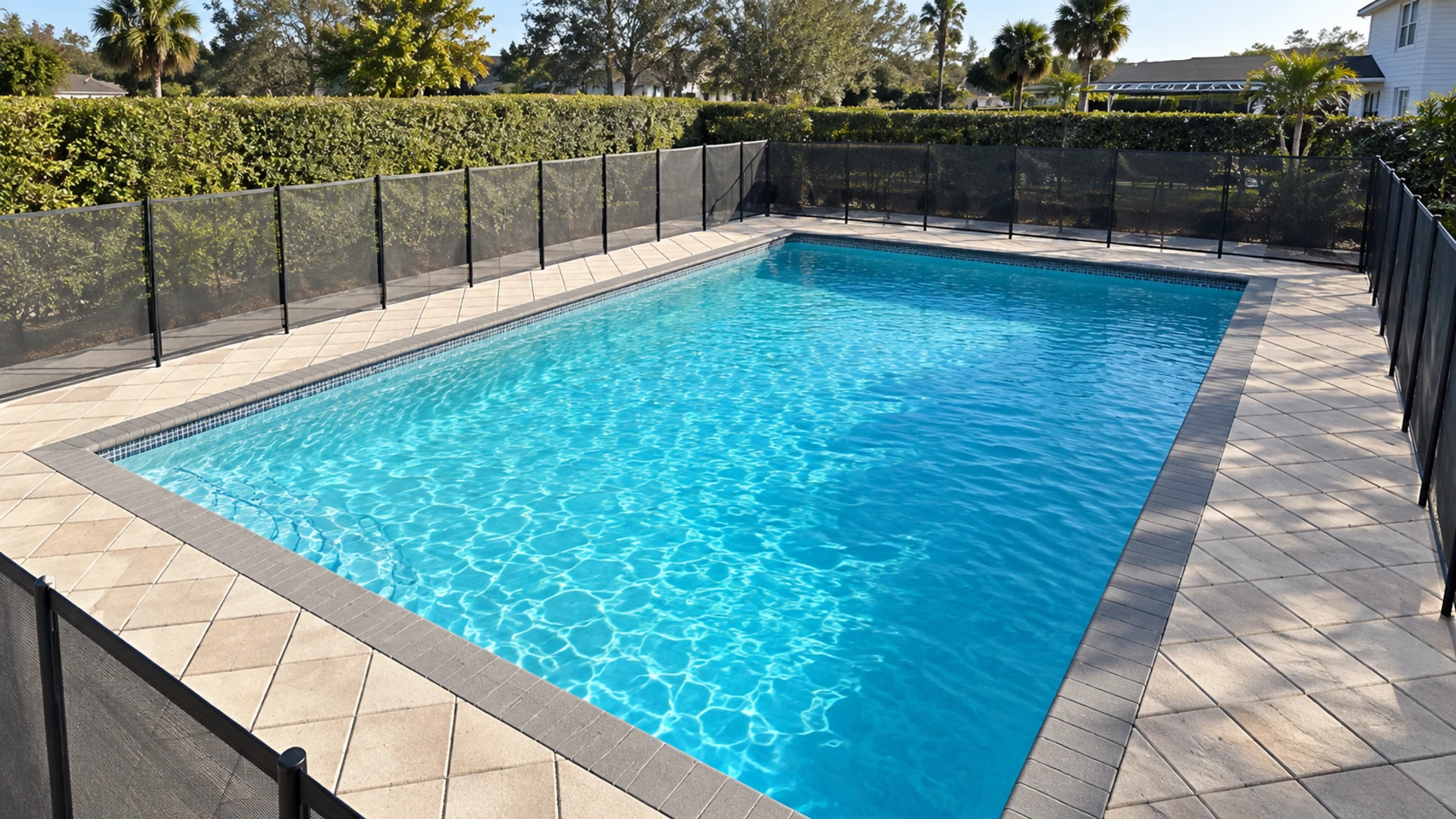
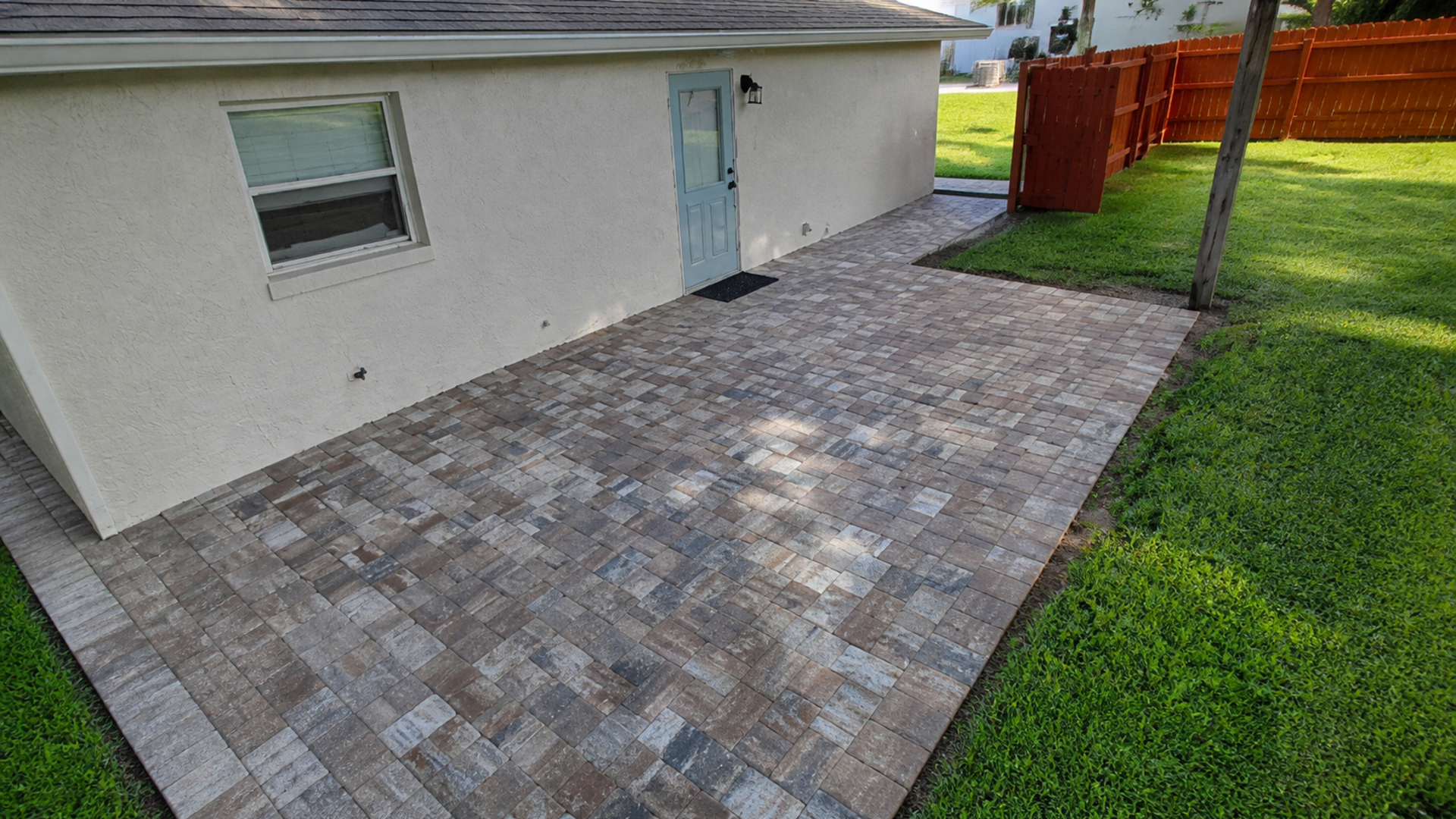
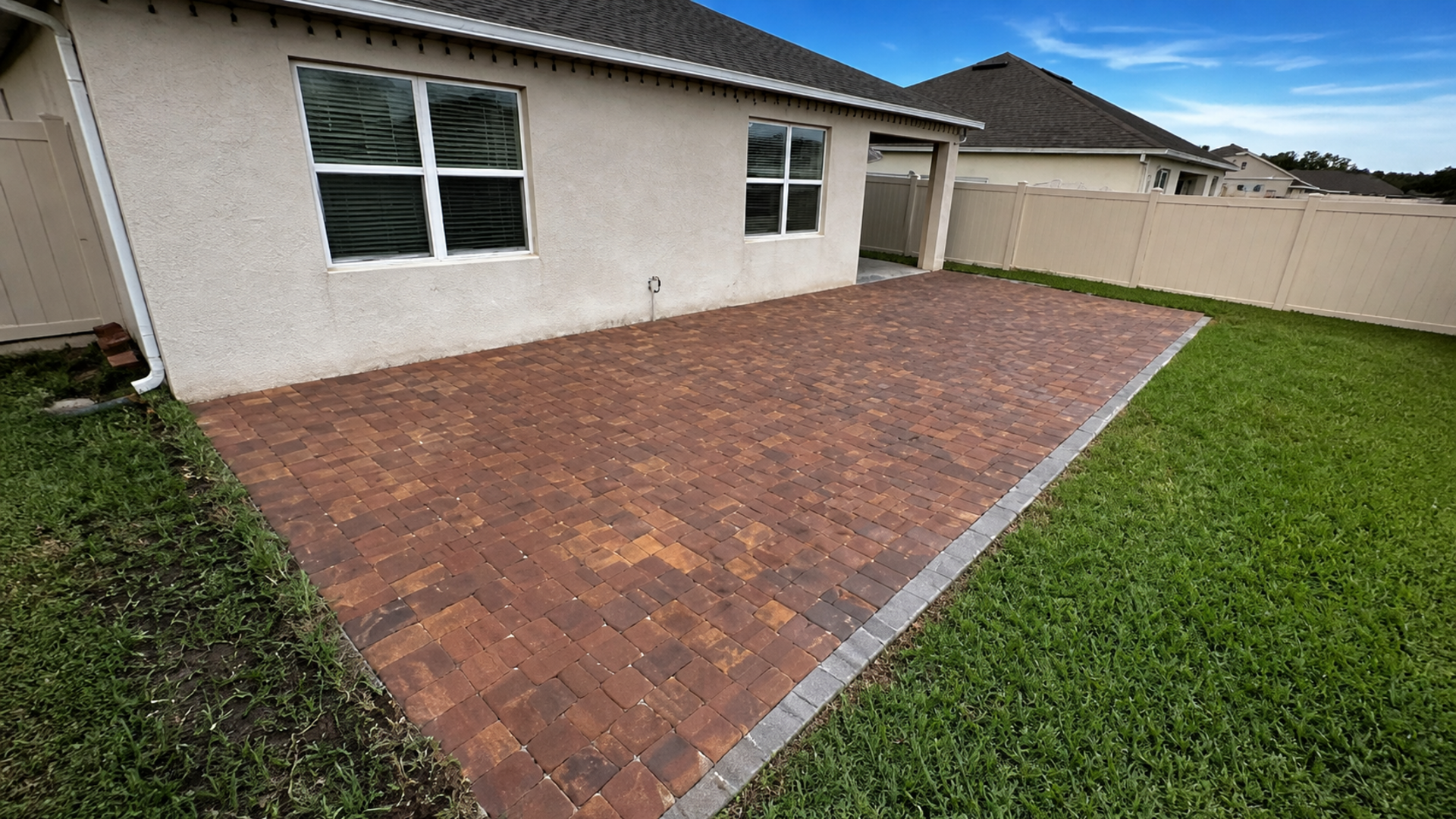
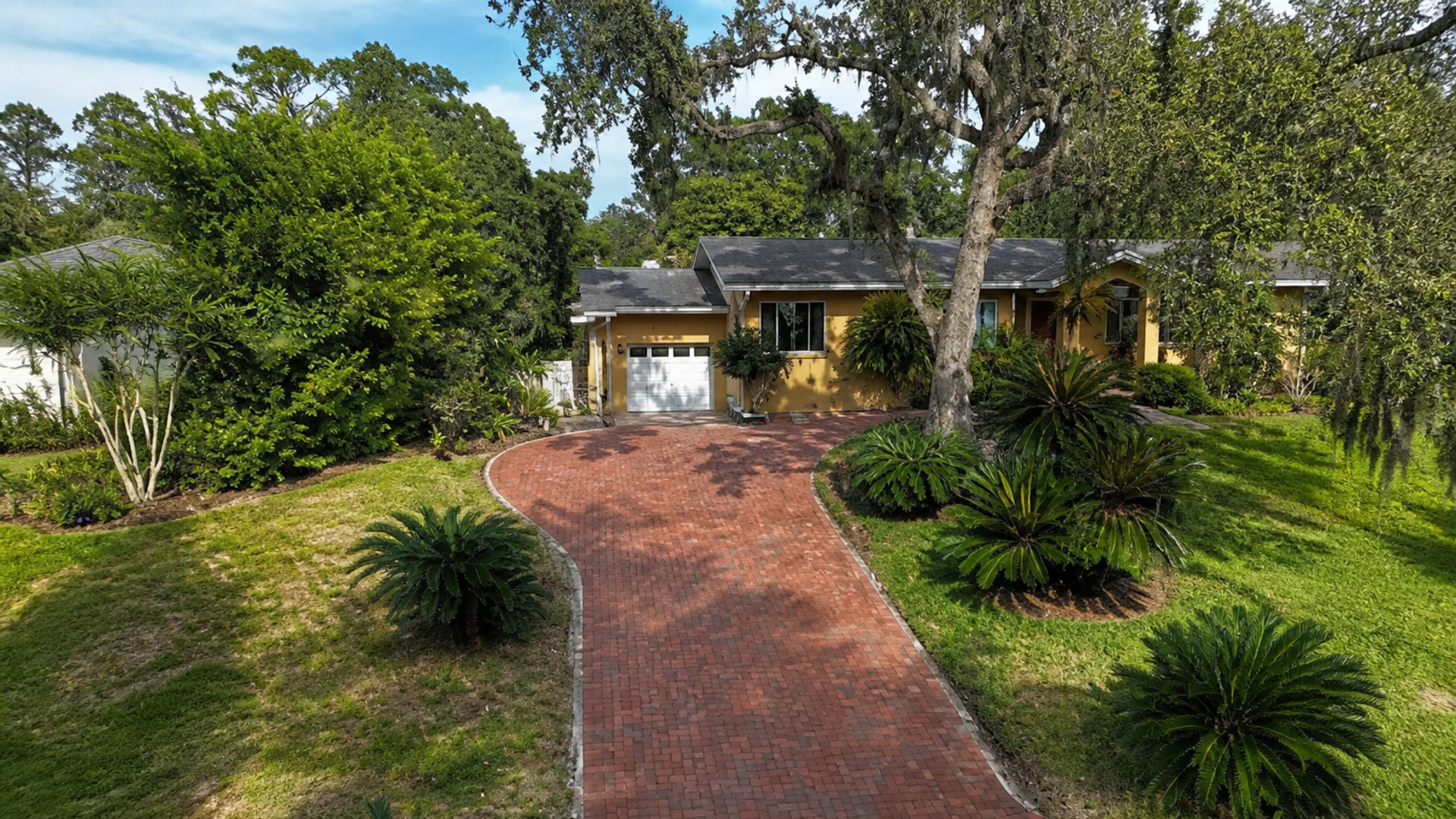
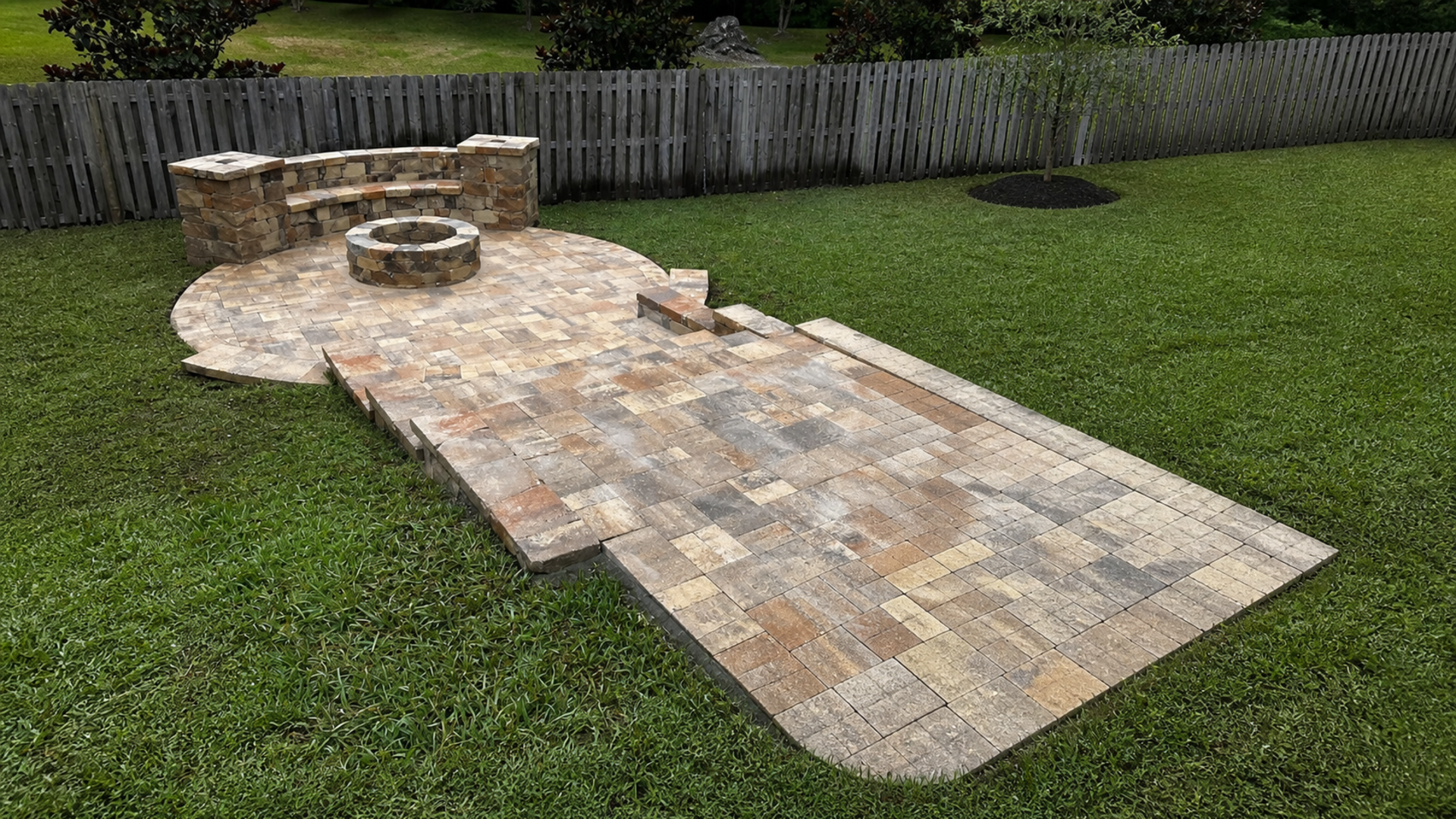
For an existing concern, JaxTeller's paver repair and installation service is the relevant starting point. In addition, review project examples to describe your surface and setting. A gallery cannot establish load capacity, but it can help communicate the type of paved area involved.
An assessment should clarify the next decision rather than promise that every delivery route can work. Sometimes the useful outcome is an alternative approach, a defined repair scope, or coordination with the handling provider. That clarity can protect the finished space and make the delivery easier to organize.
Ready to elevate your outdoor space with custom brick pavers? Send your paving questions through the contact page. You can also connect on Instagram and Facebook, or discuss your route through WhatsApp. See the map for location details. Contact JaxTeller Brick Pavers at +1 407-907-8308 or jaxtellerbrickpavers@gmail.com for your free estimate!