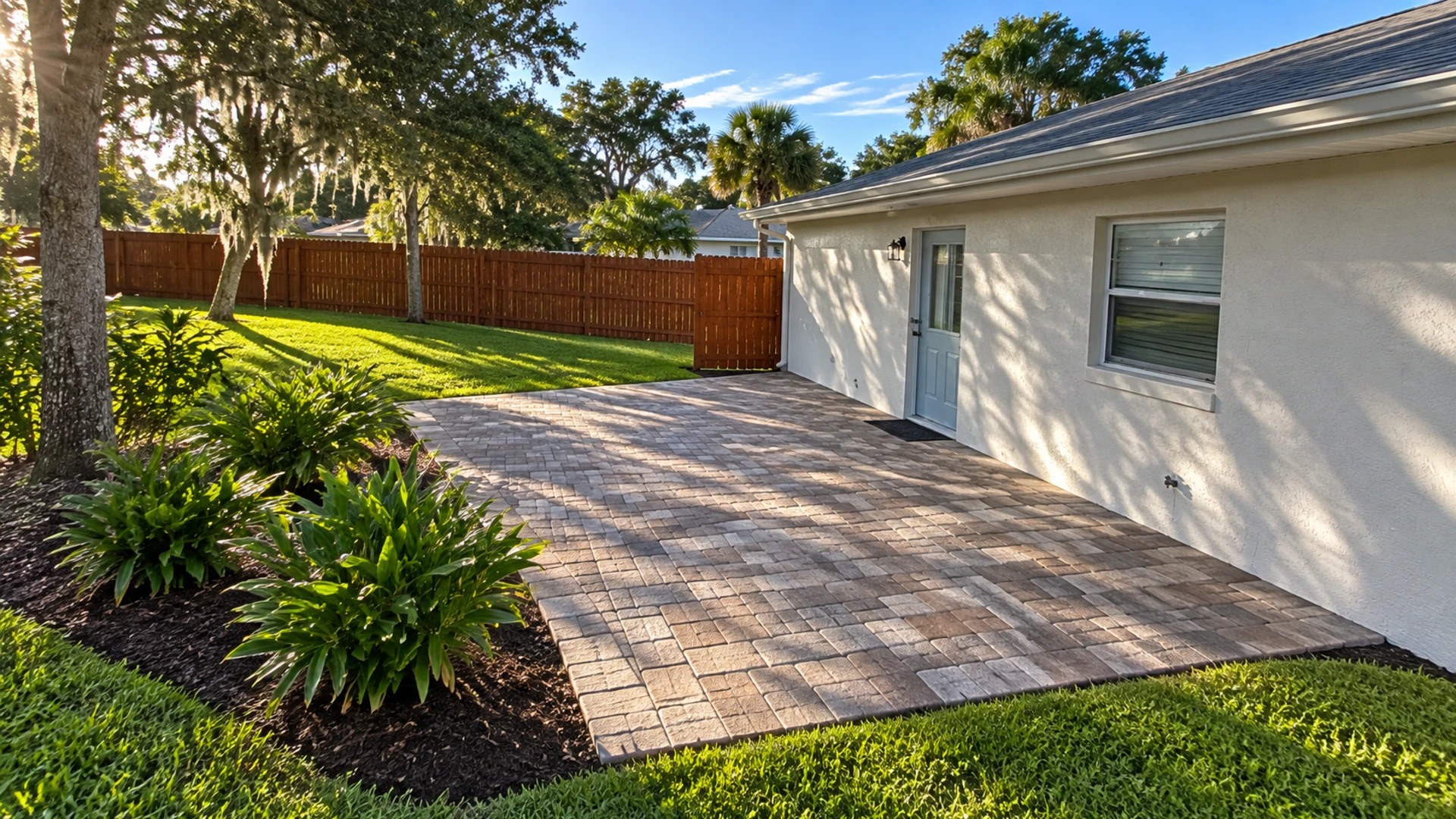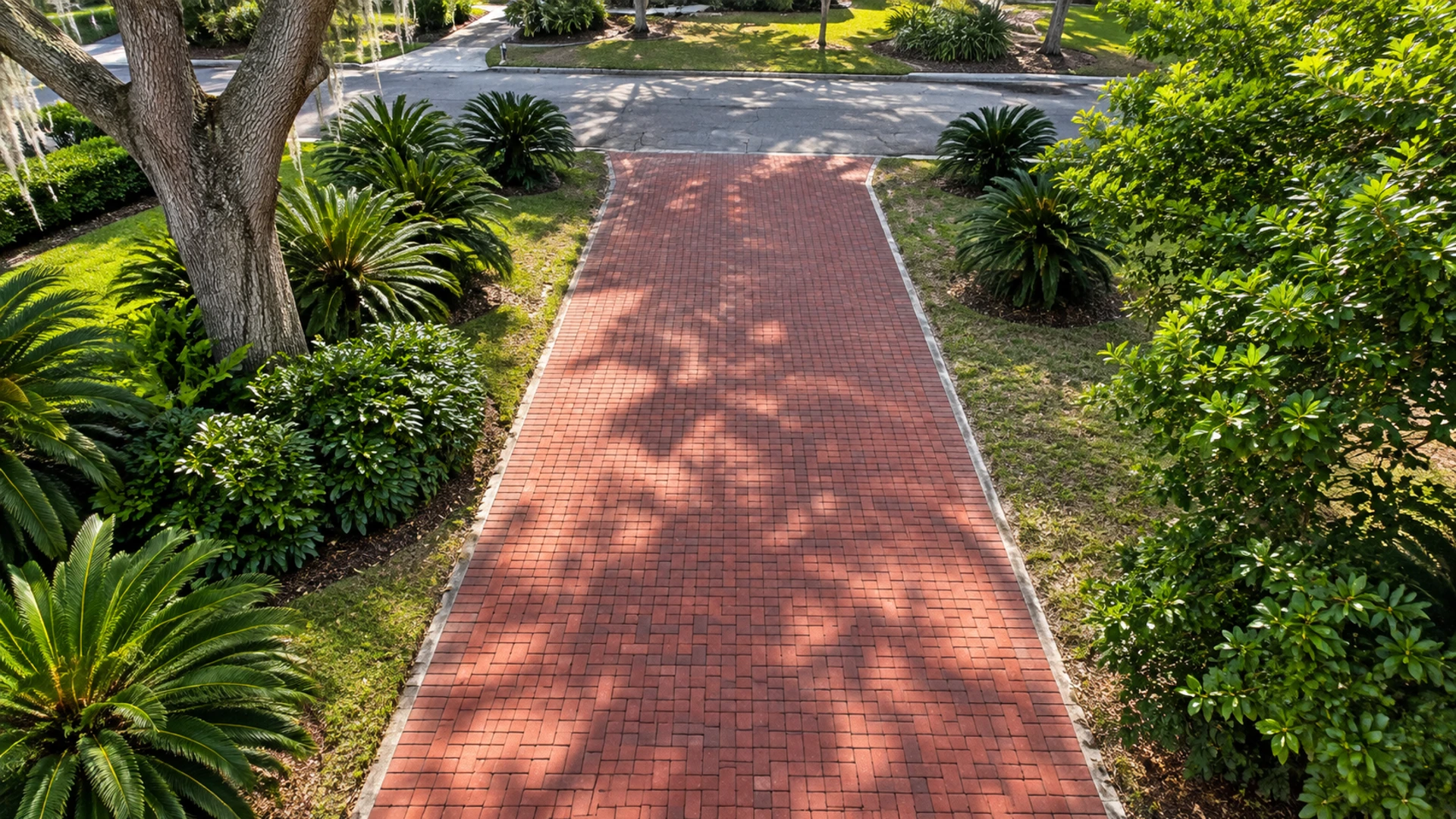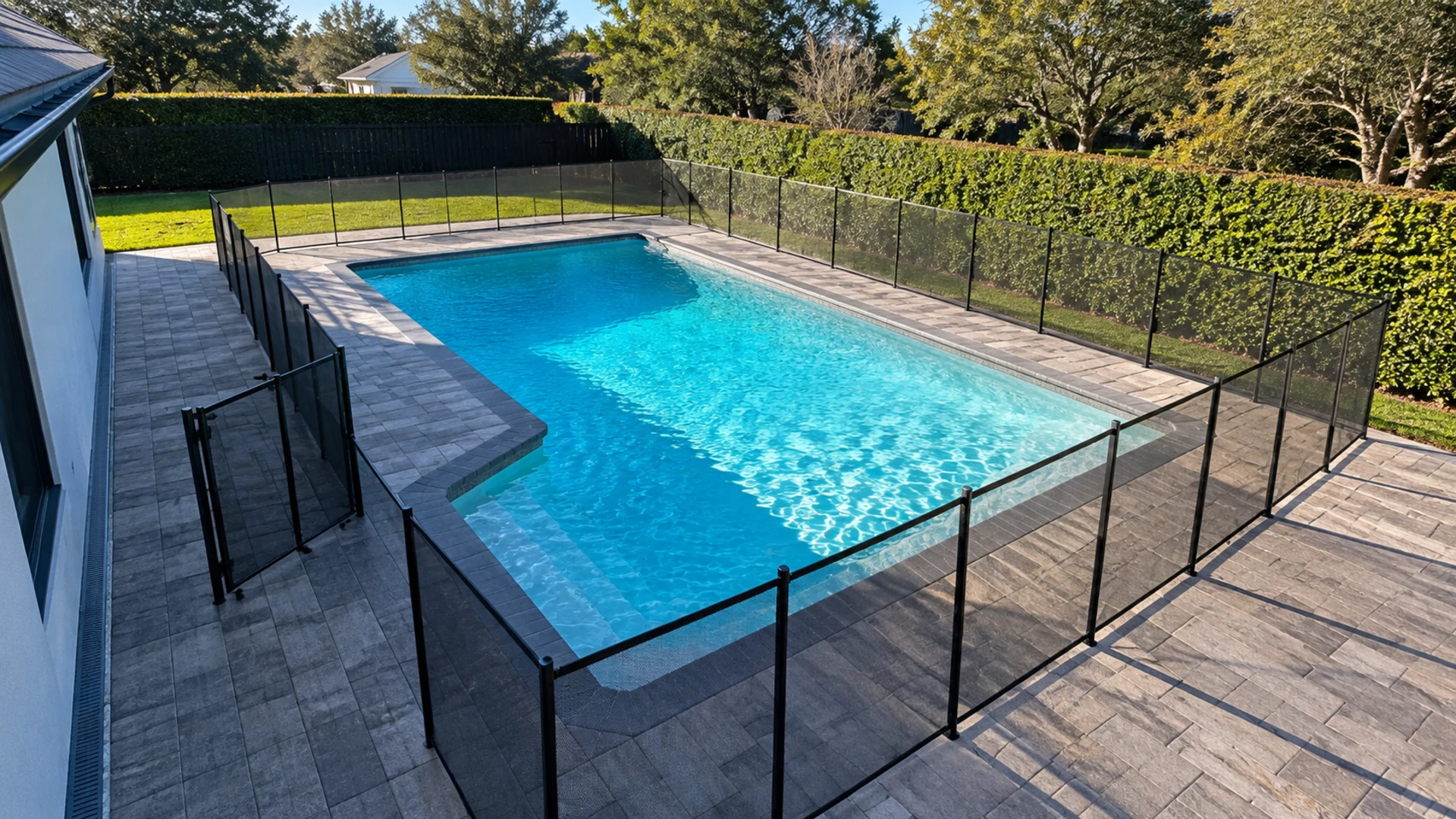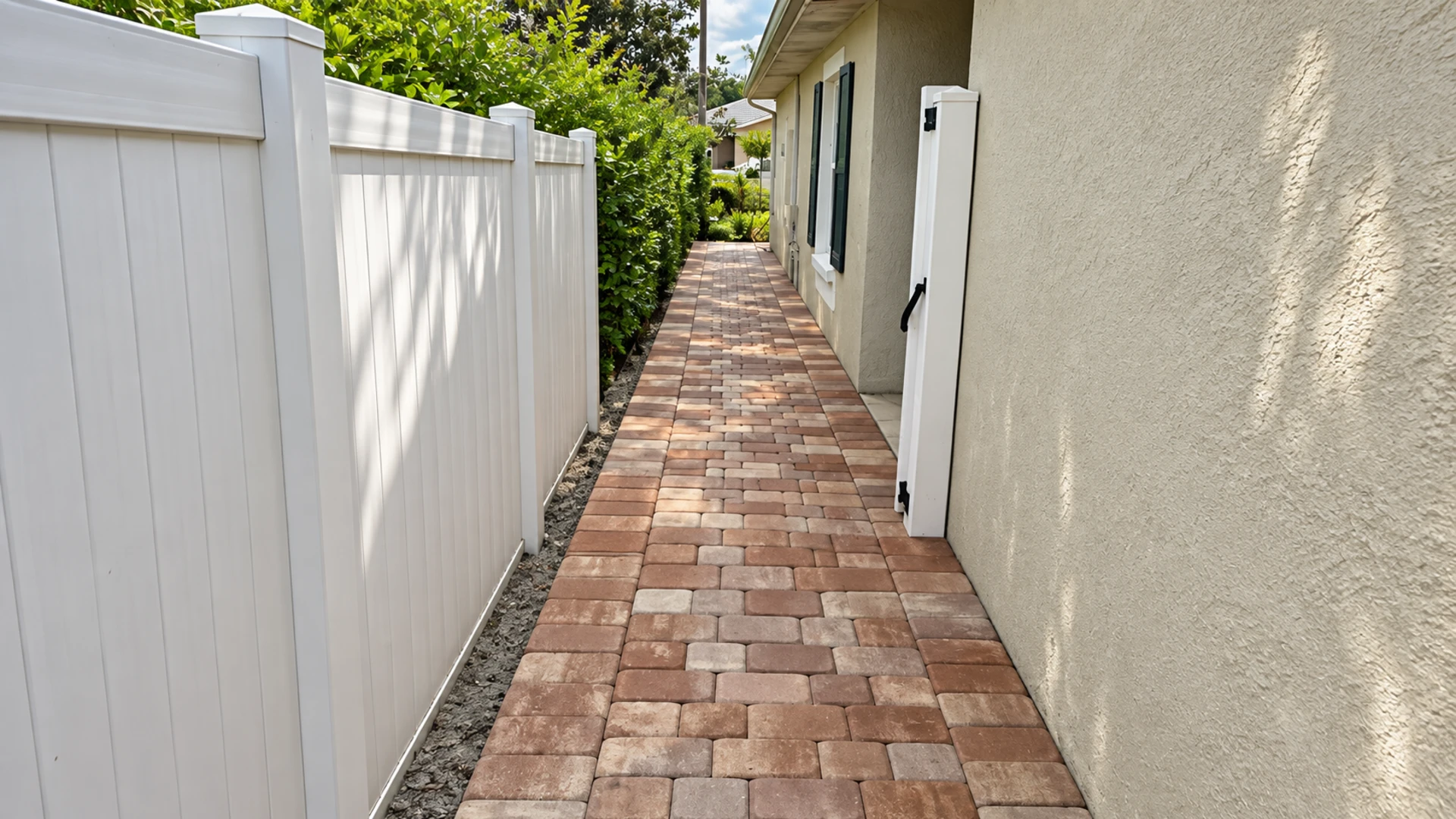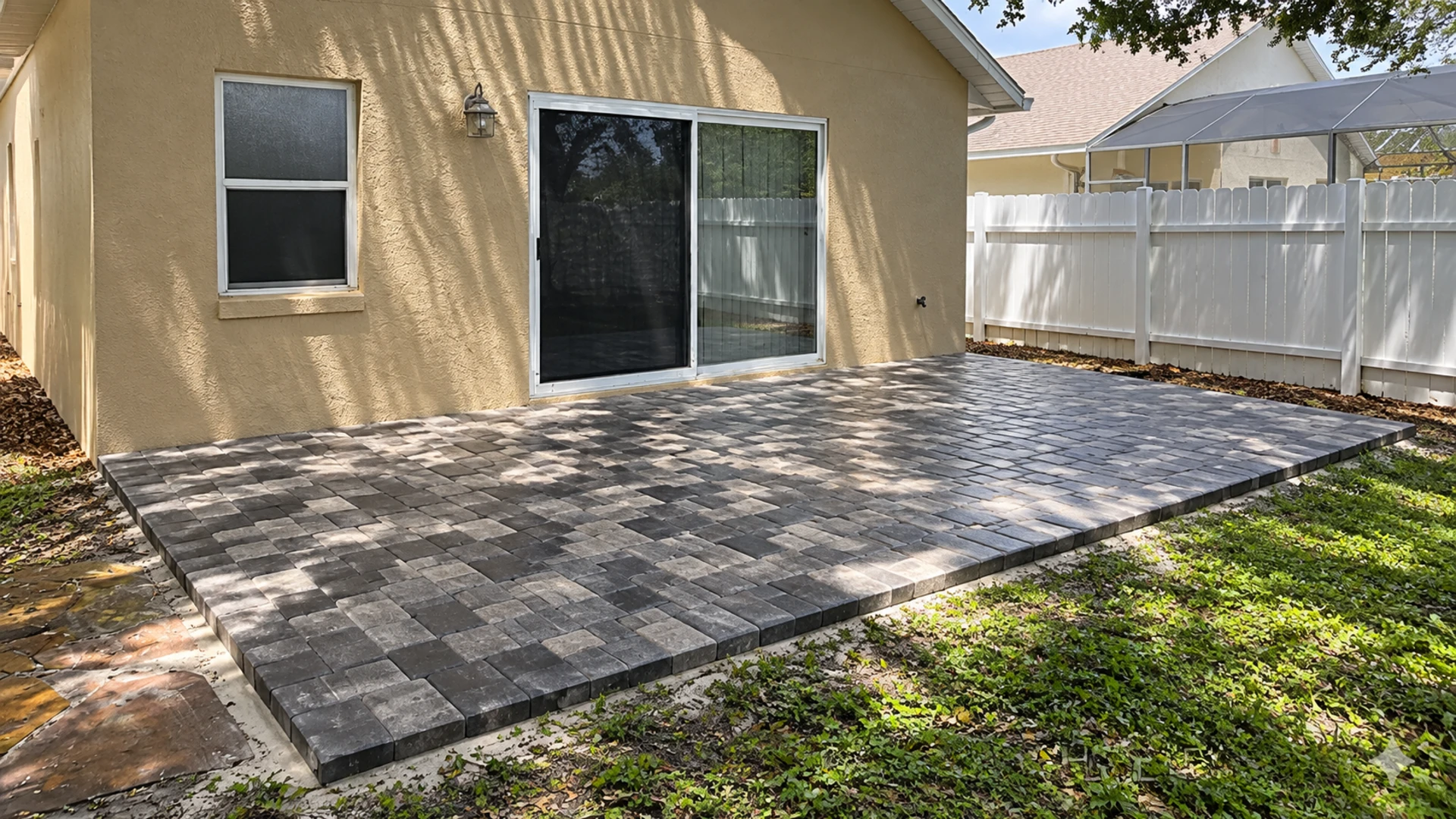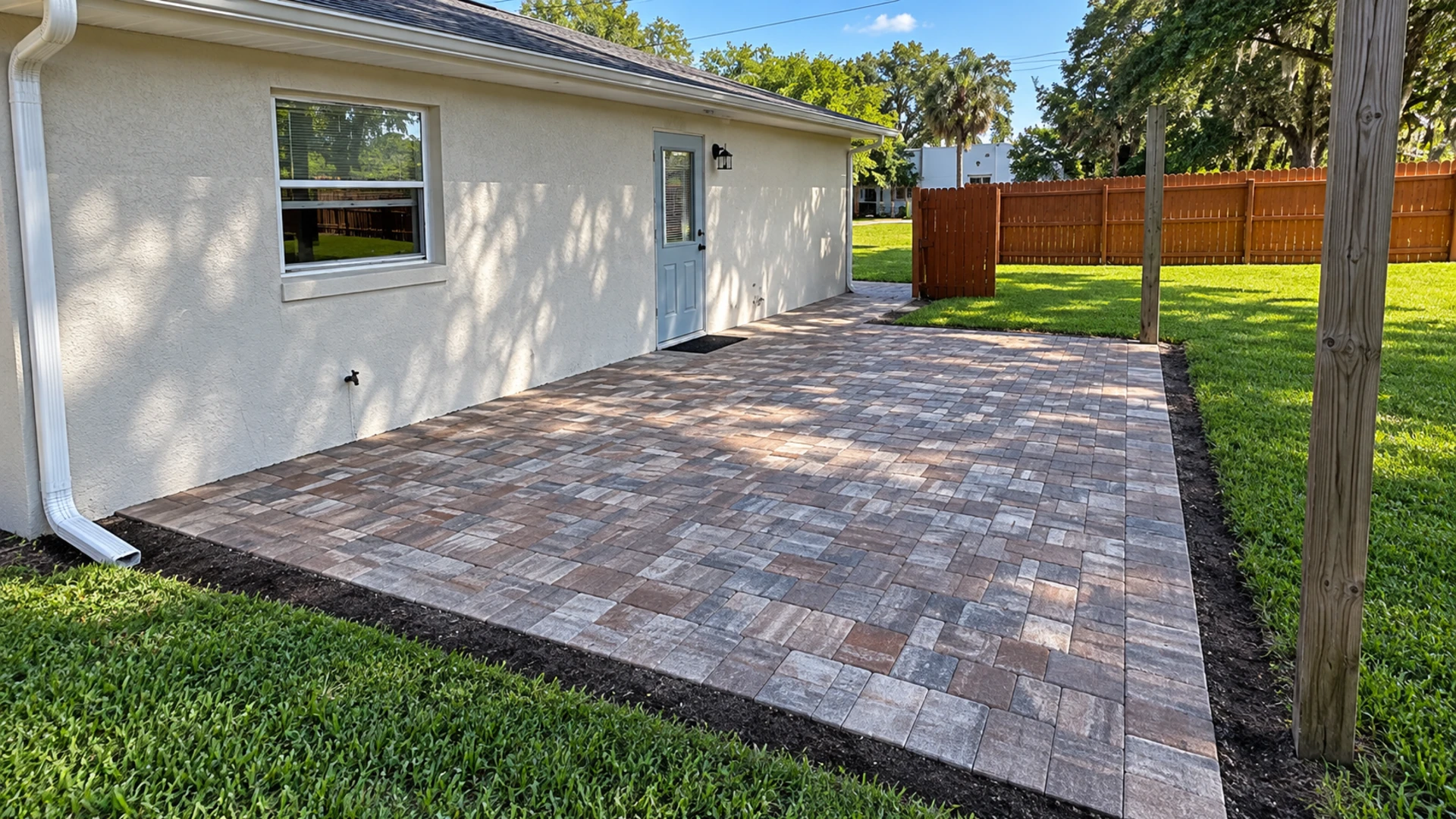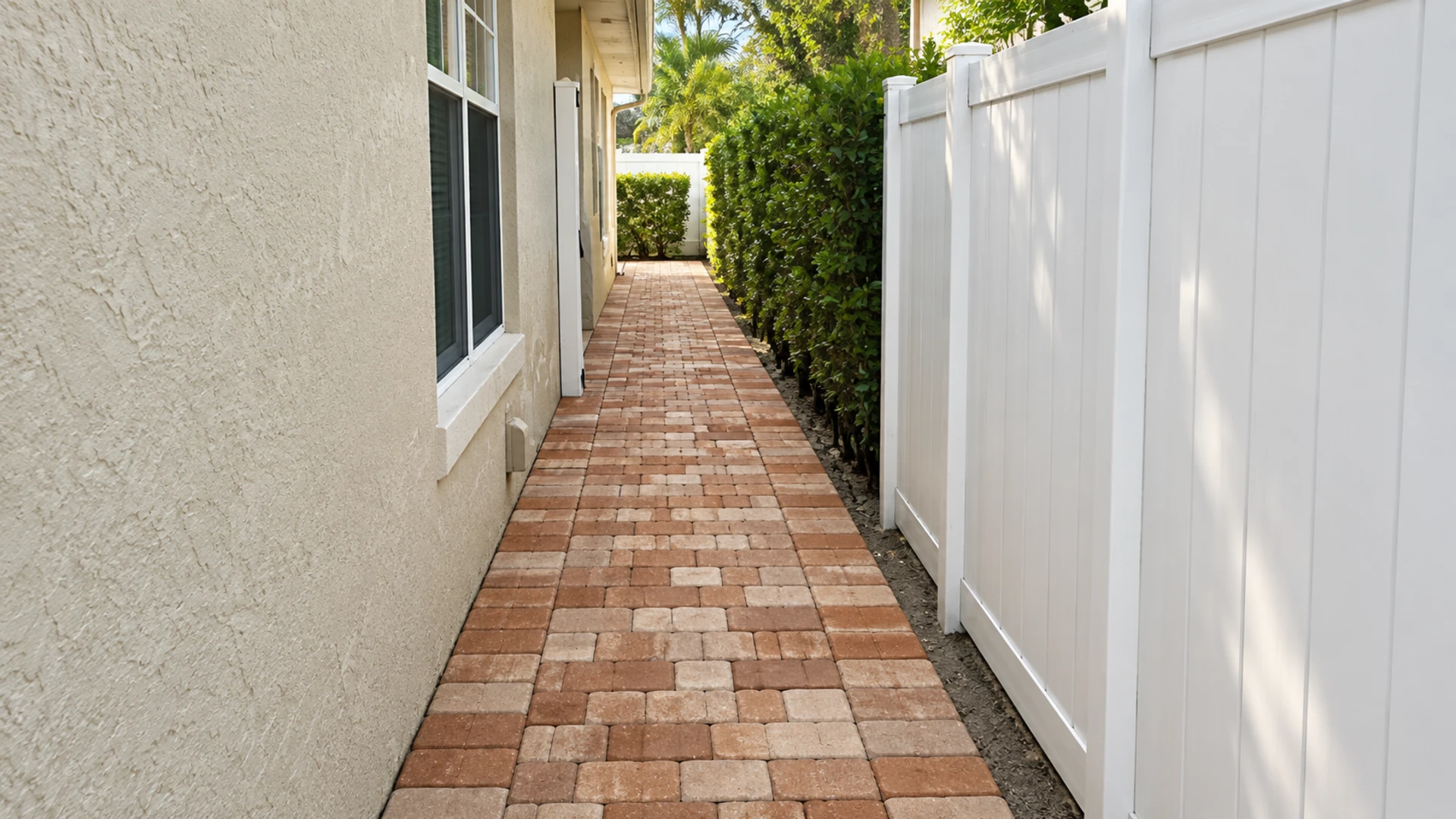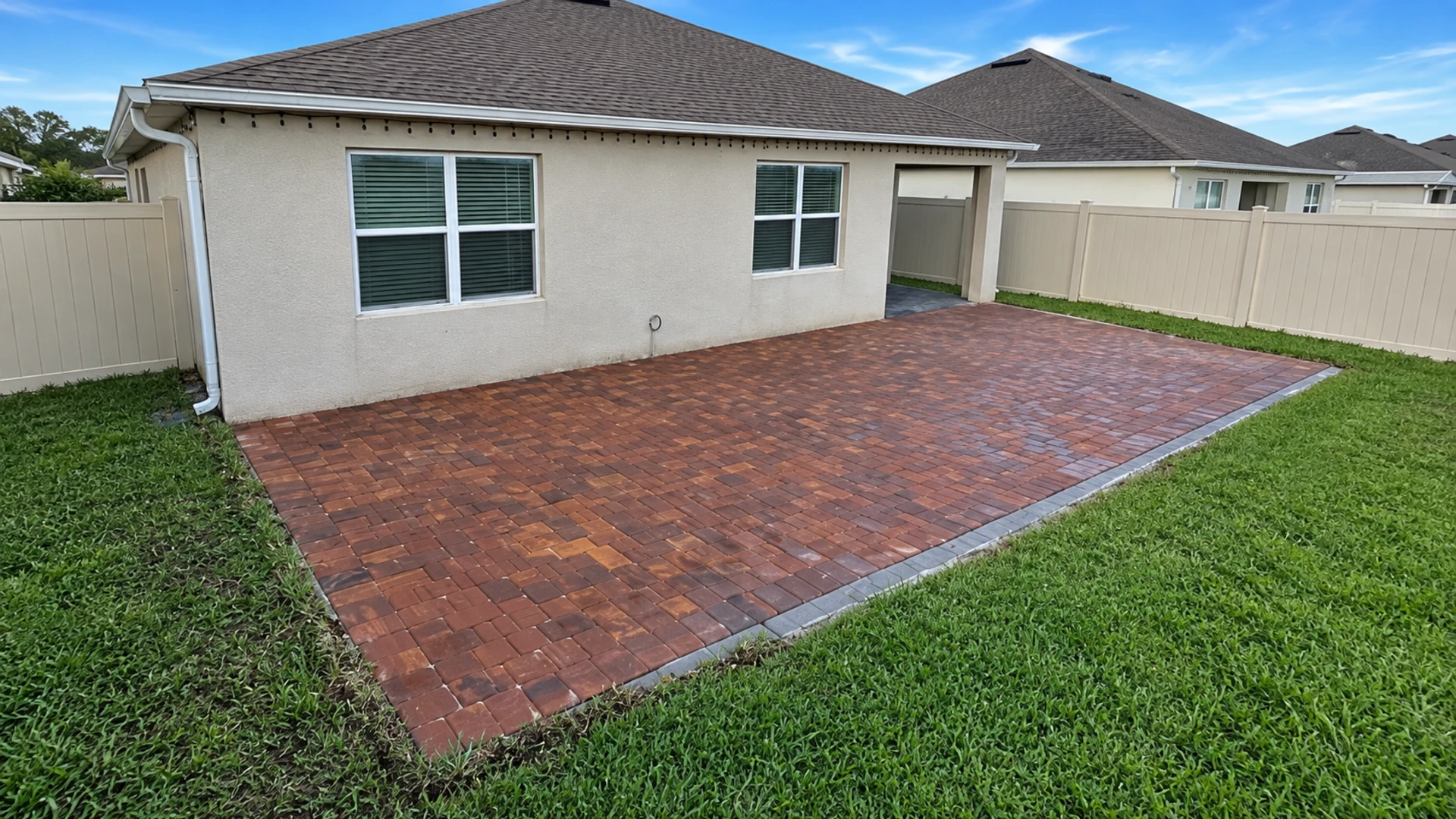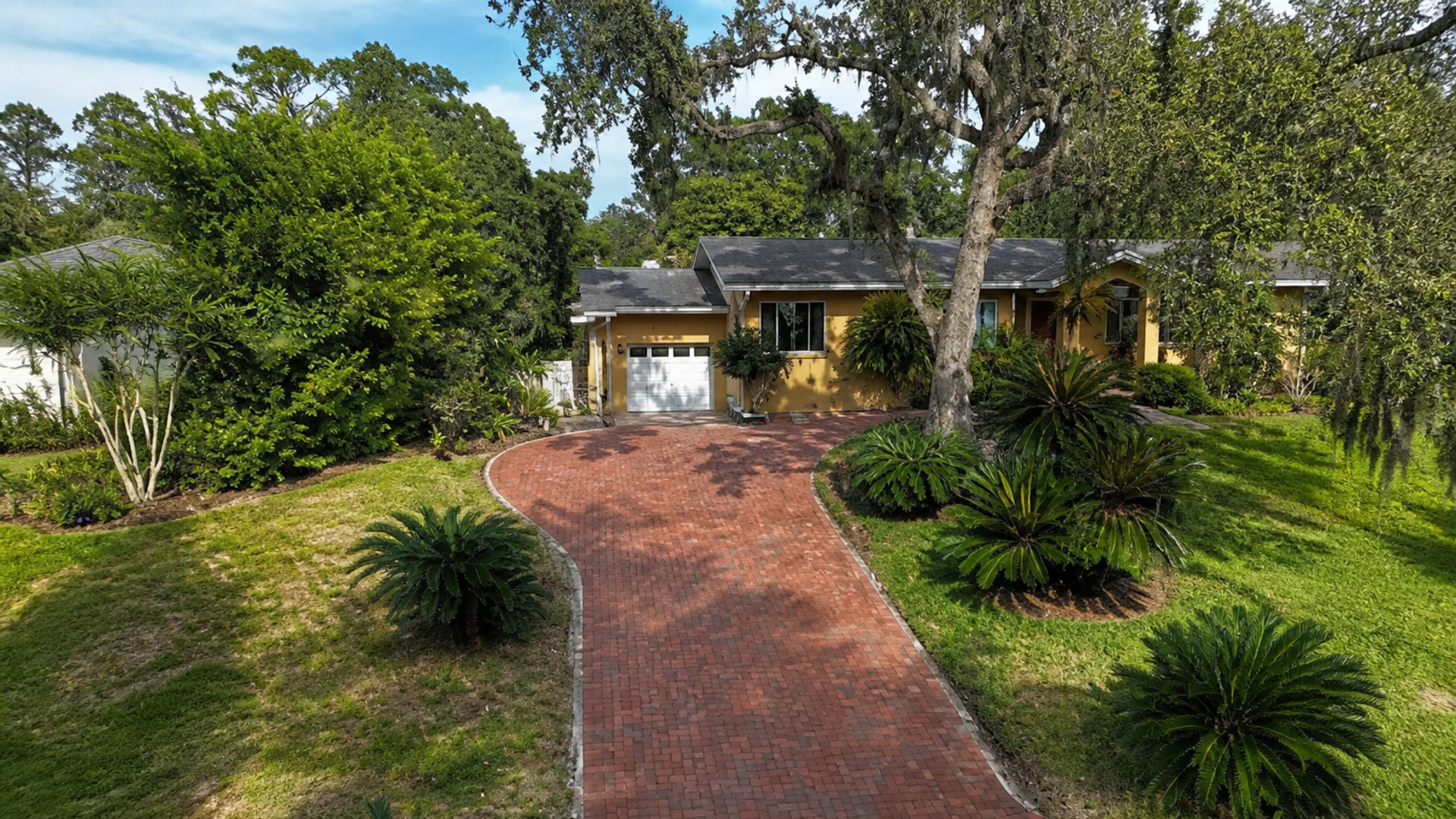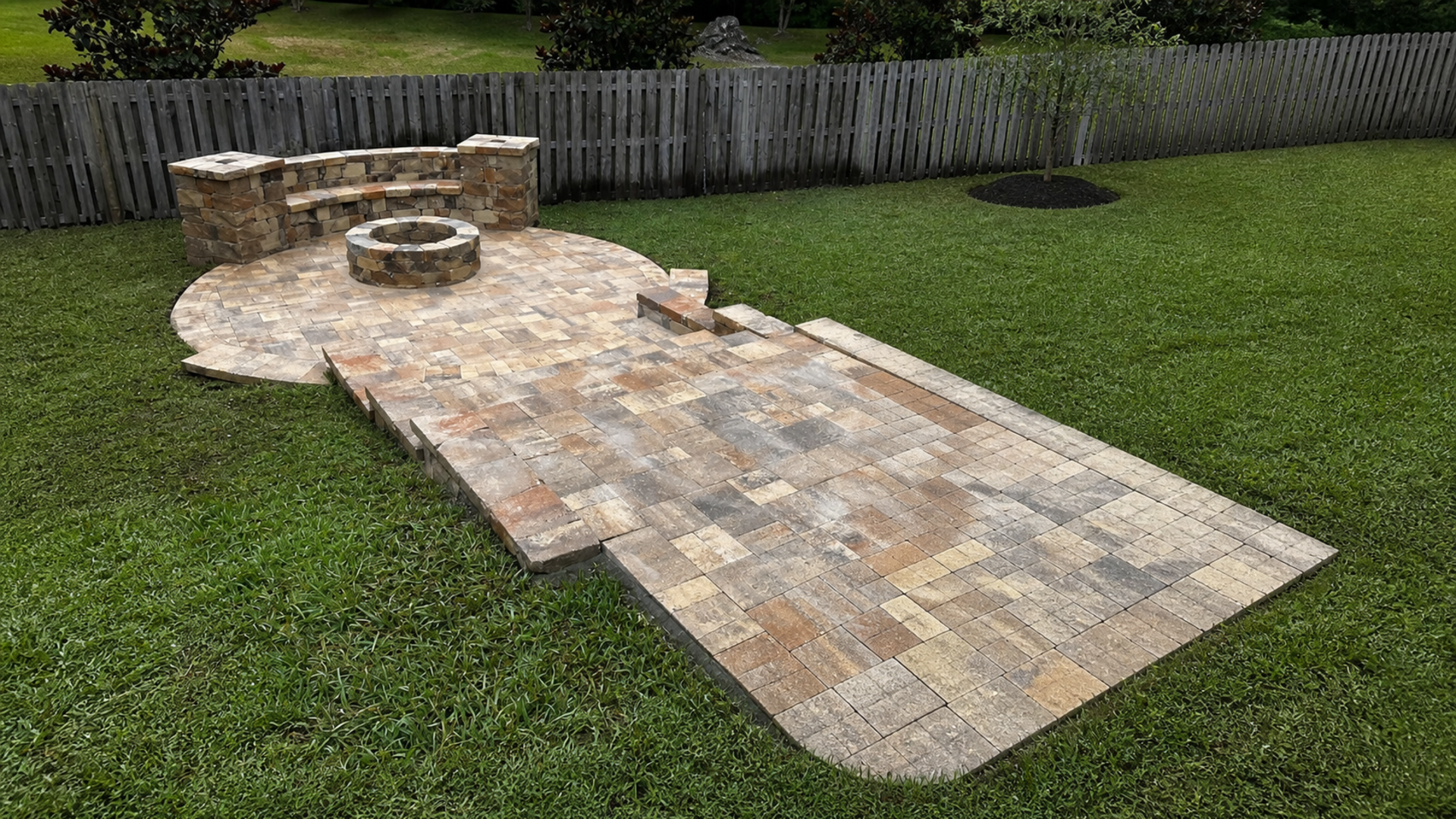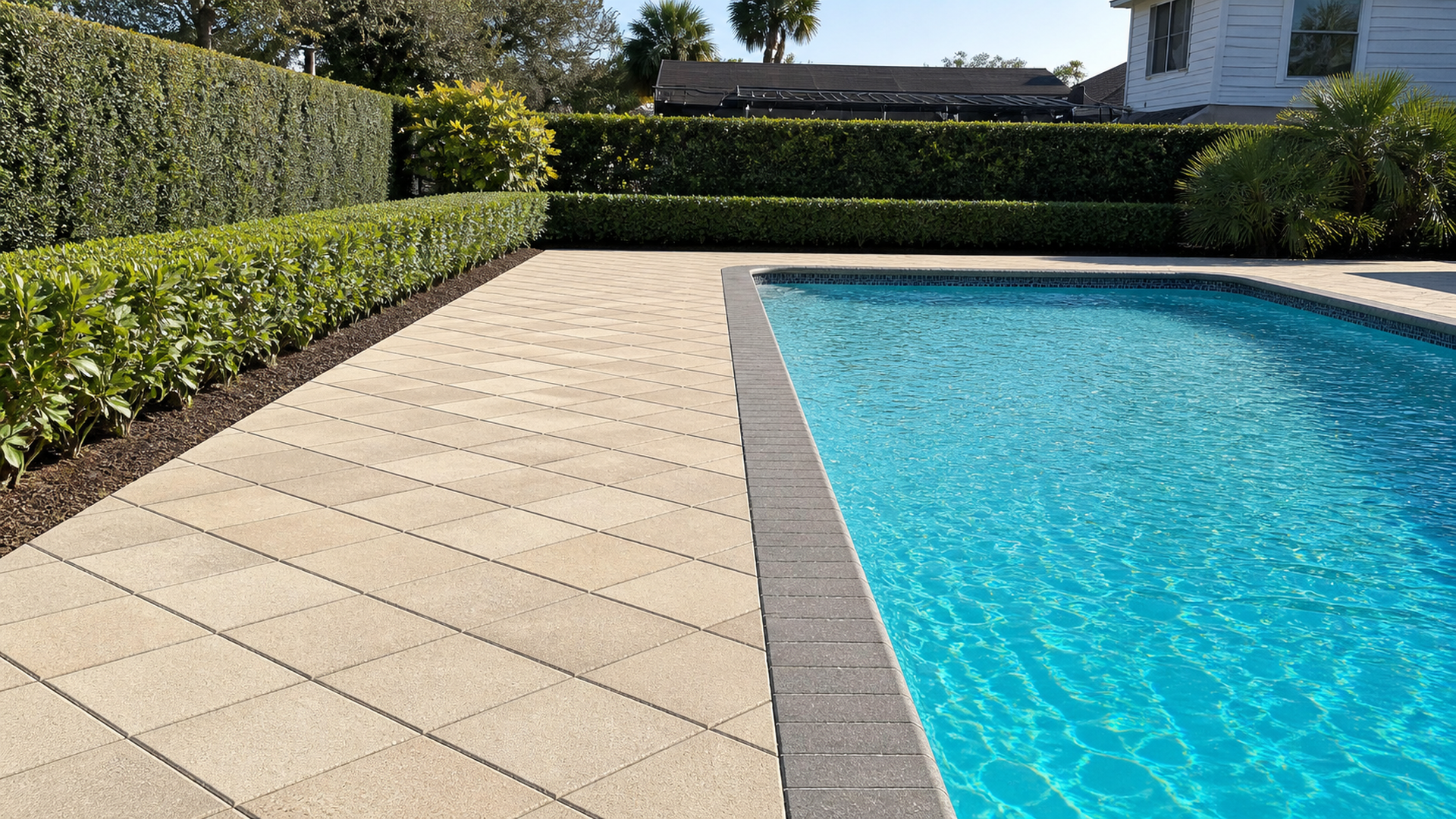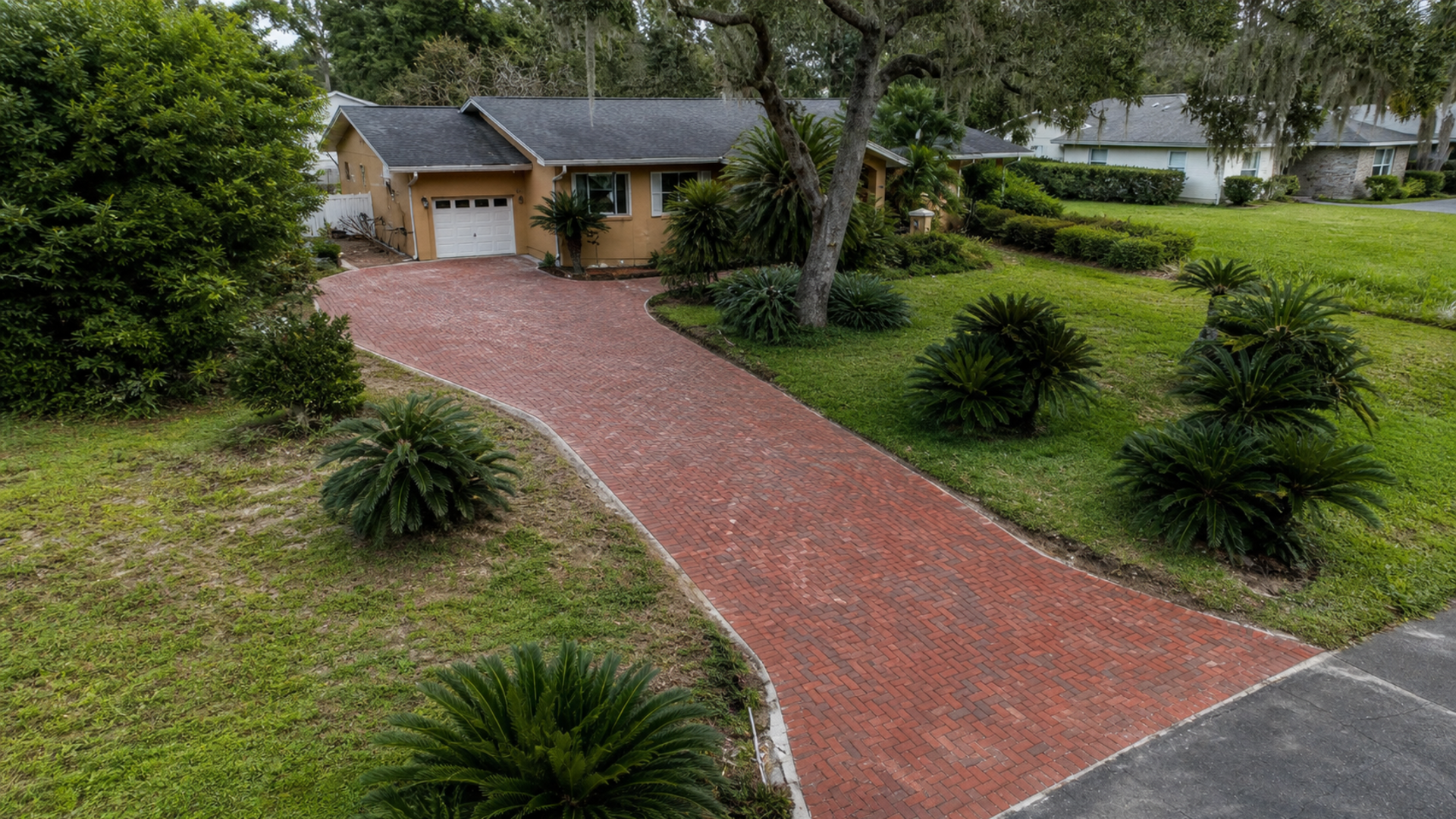

Paver sealer compatibility matters whenever a new coating may meet an old one. A faded finish can tempt a homeowner to request another coat immediately. However, the useful first step is to identify the existing surface, its treatment history, and the product proposed for the next service. Those details help prevent a simple appearance request from becoming an avoidable maintenance problem.
For a Largo patio, driveway, or pool deck, the right discussion goes beyond choosing glossy or natural-looking. Previous products, preparation, moisture conditions, and the actual paving material can affect the plan. Therefore, this guide focuses on the information to gather and the questions to ask. It does not prescribe a chemical test, stripping recipe, or universal resealing interval.
Start paver sealer compatibility with the service history
Look for the most recent sealing invoice, proposal, or product reference. For example, a useful record may identify the manufacturer, exact product, application date, and provider. A note saying wet look applied last year leaves several important questions unanswered.
Next, separate confirmed information from memory. If you remember a solvent smell but cannot identify the product, describe that as an observation. Do not treat it as a reliable chemical classification. The contractor needs to know which facts have documentation and which remain uncertain.
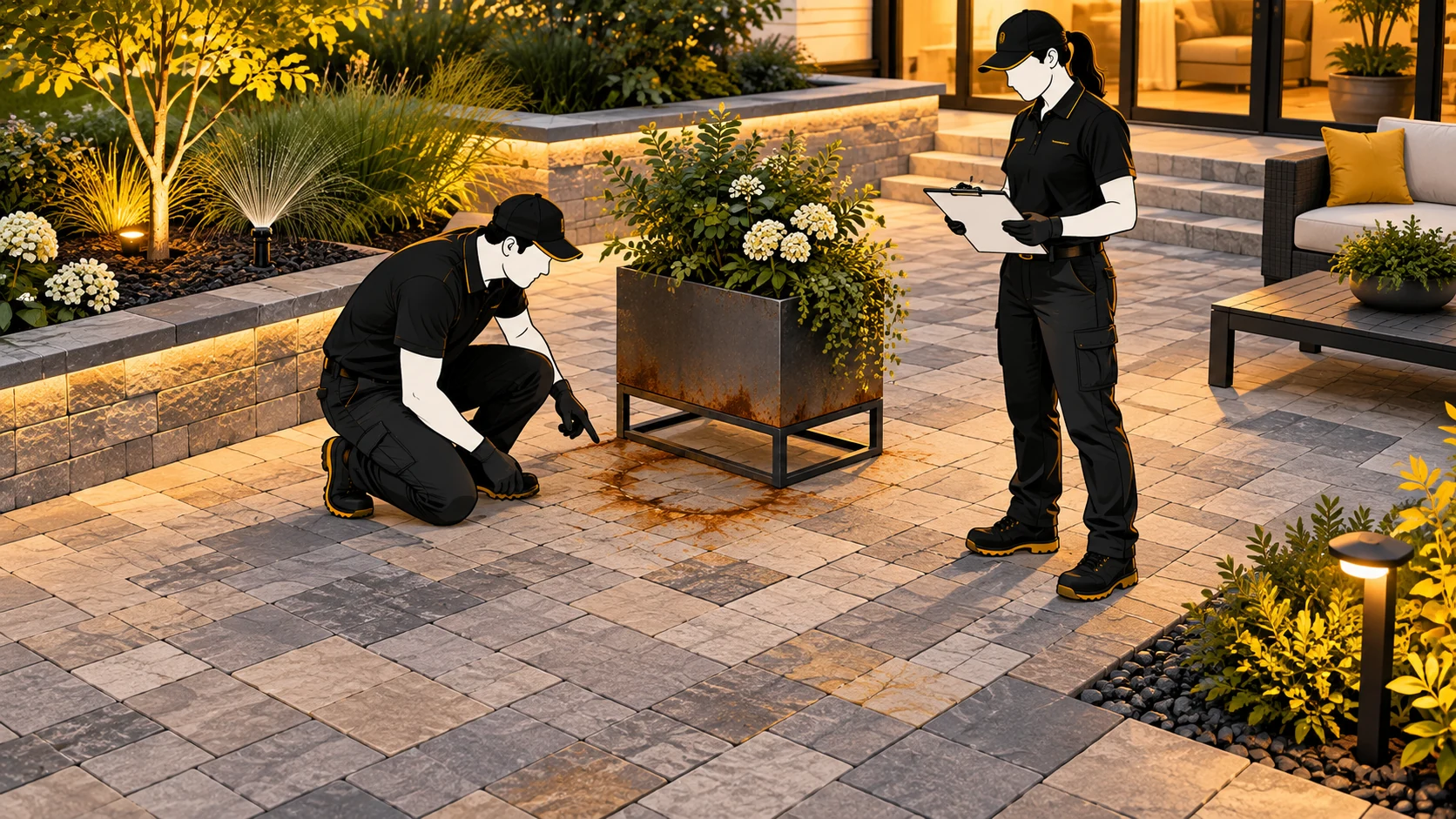
Keep records of cleaning and repair work too. A surface may have received a spot treatment after its last complete sealing service. Consequently, one part of the patio can have a different history from the rest. Pointing out those areas gives the professional a better starting point for evaluation.
Map paver sealer compatibility questions by area
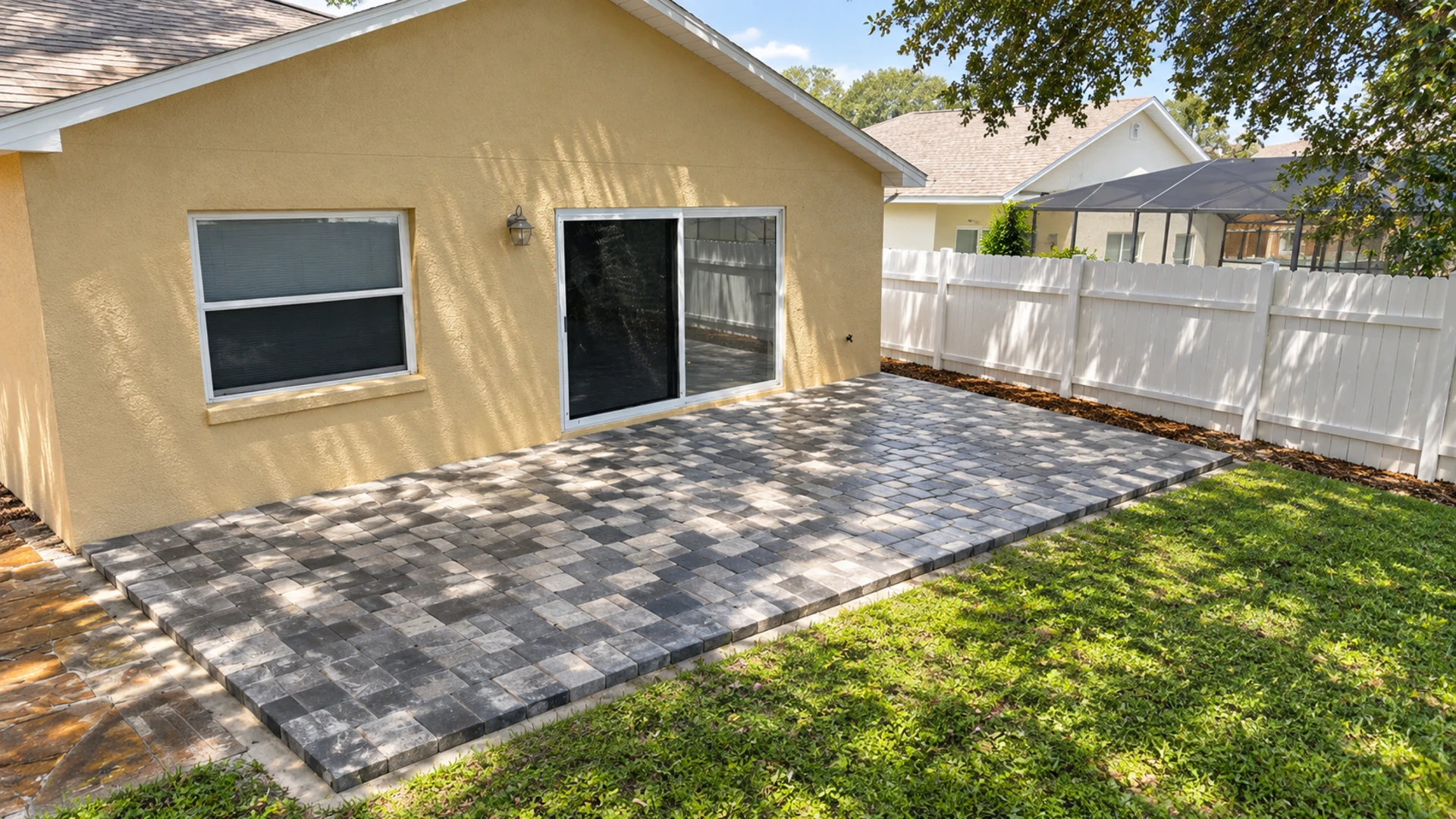
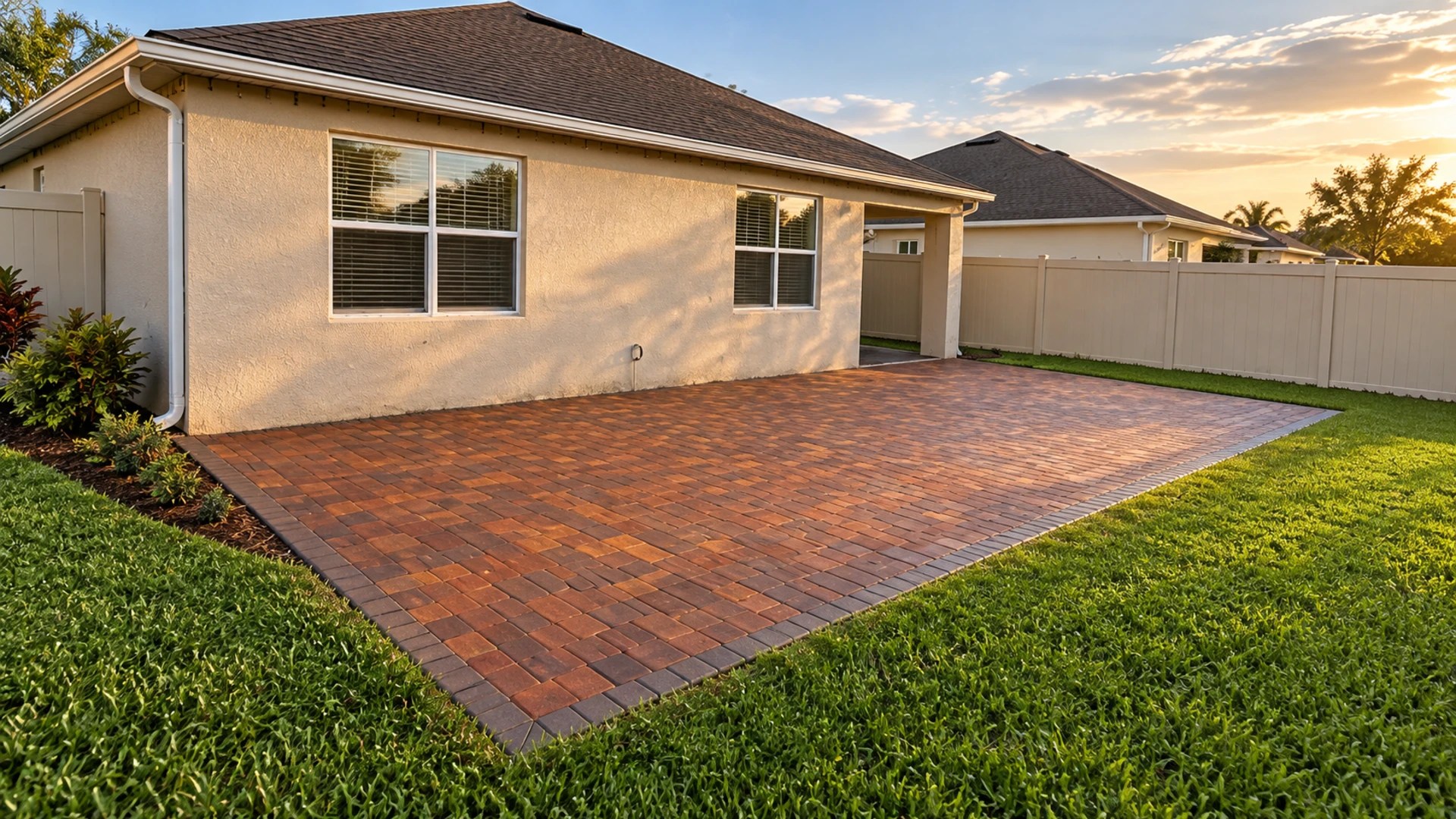
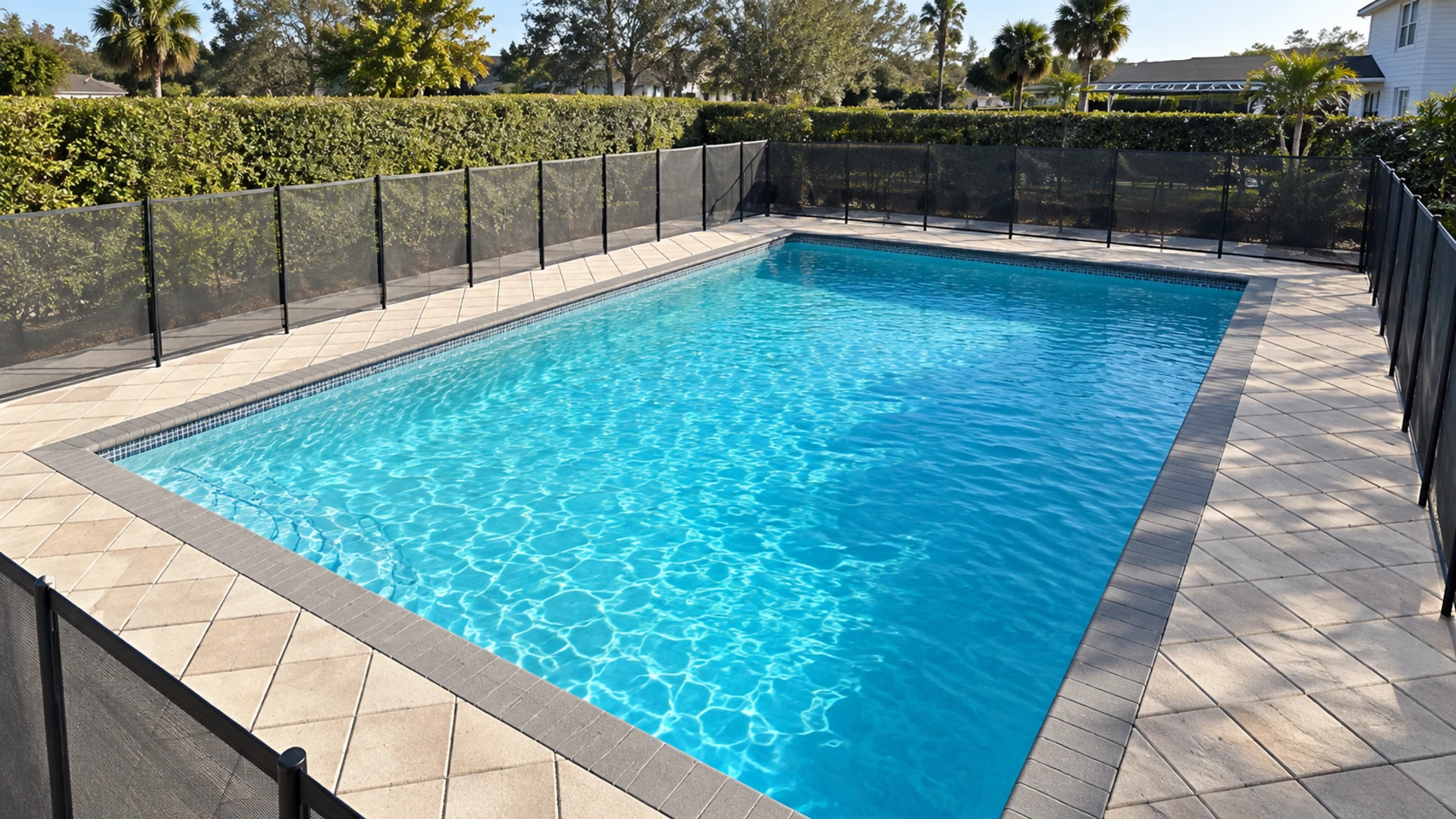
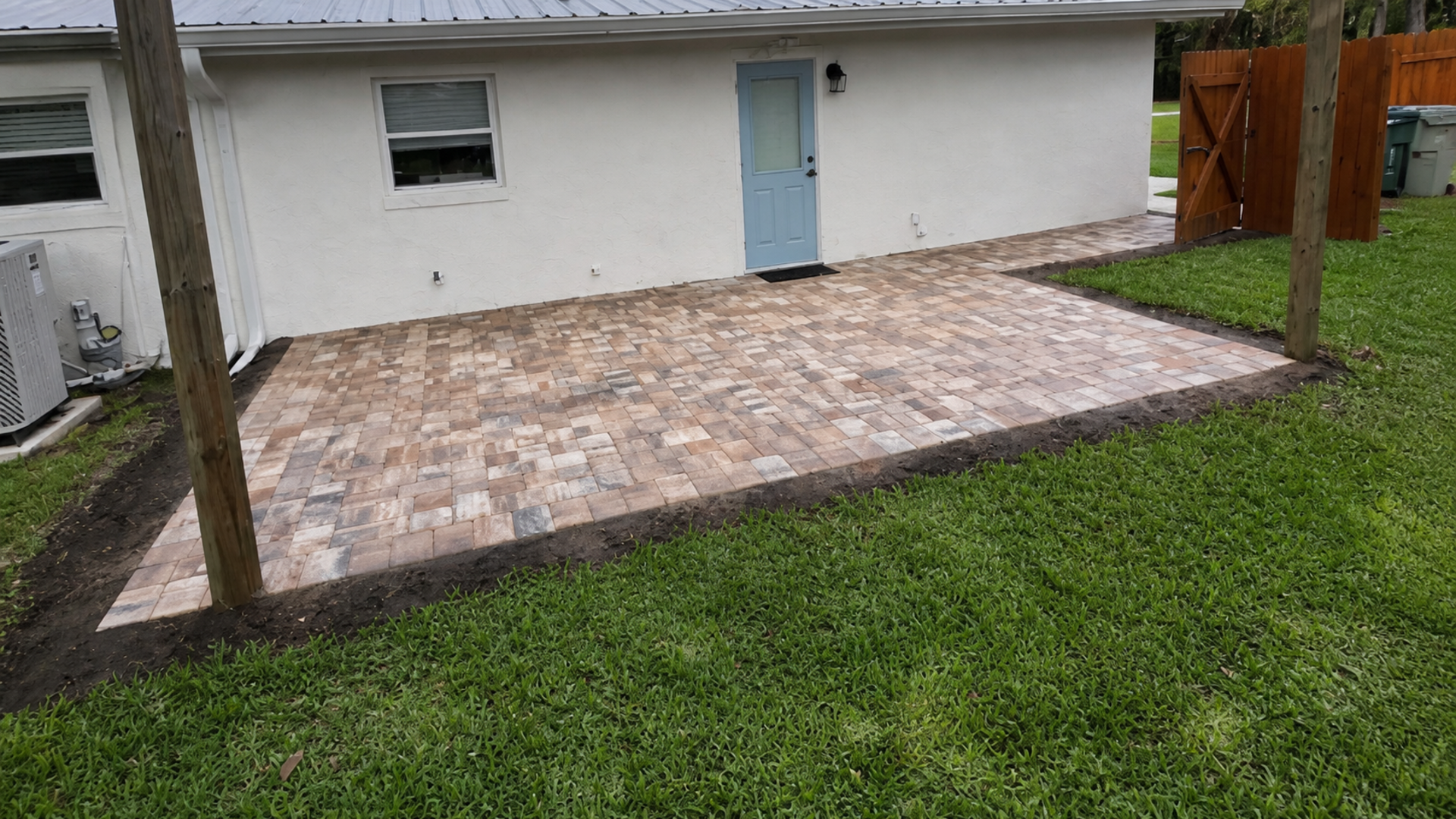
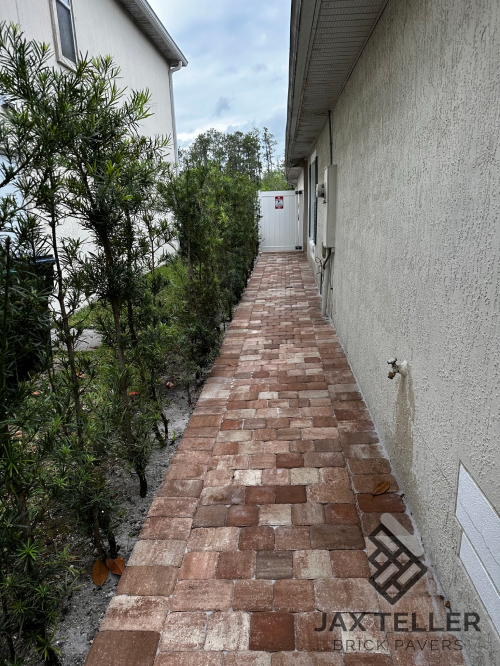
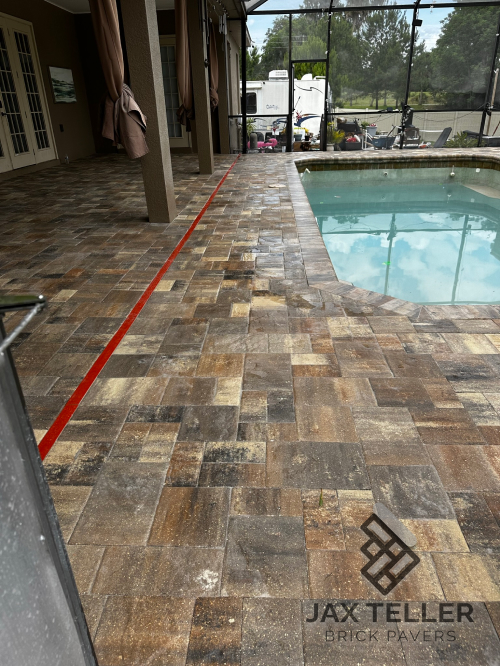
Divide the property into practical zones, such as driveway, covered patio, and pool approach. Then note where previous work occurred and where the appearance differs. The goal is not a laboratory map. It is a clear description of the areas that may need separate attention.
Photograph transitions between those zones. For example, include the boundary where a more sheltered section meets an exposed section. A broad image can show that relationship better than several unrelated close-ups. Moreover, keep the original files so the contractor can see the context.
If you do not know whether two areas received the same product, say so. An honest gap in the history is more useful than a confident guess. It allows the contractor to decide what further information or testing the proposed product manufacturer may require.
Check paver sealer compatibility against the material
A maintenance plan should identify what lies beneath the finish. Concrete pavers, clay paving units, and natural stone do not automatically share the same product requirements. Therefore, bring any available material records into the sealing conversation.
Ask whether the provider has confirmed the actual surface and its existing condition. A photograph can support an estimate, but it may not resolve every material question. Moreover, a familiar color or pattern does not prove the exact product family or previous treatment.
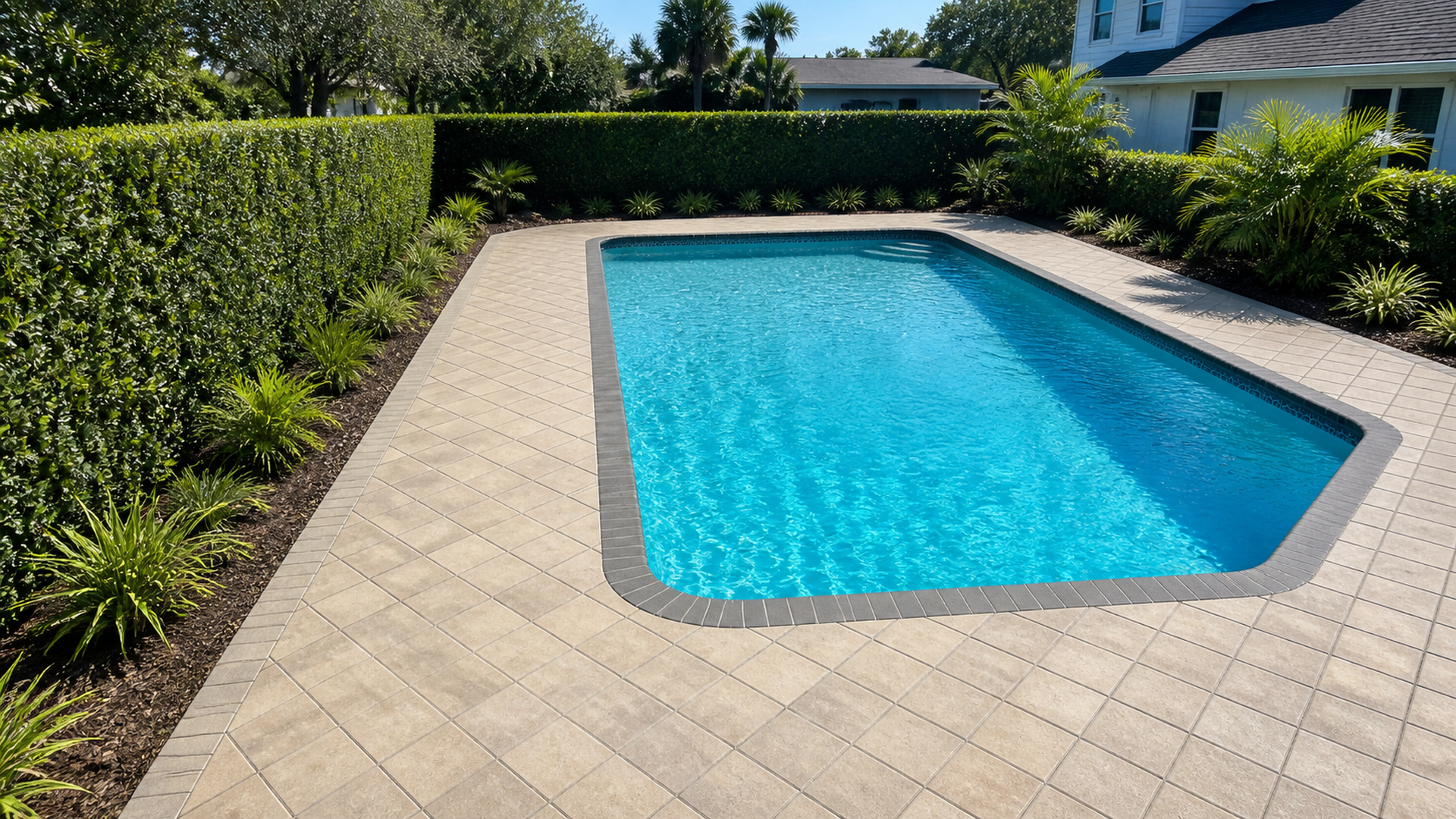
If the project includes several materials, list them separately. For example, pool coping, a patio field, and a decorative border may require different considerations. The proposal should explain how the team will handle those interfaces rather than assuming one product suits every visible surface.
Separate appearance goals from compatibility
Describe the result you want in everyday language. You might prefer stronger color, less visible residue, or a finish closer to the original installation. However, none of those preferences establishes that a particular new product can go over the existing coating.
Ask the contractor to explain which part of the proposal addresses appearance and which part addresses preparation and compatibility. This distinction makes it easier to compare alternatives. A product that produces the desired look on bare material may need a different evaluation over an older coating.
Avoid accepting a promise that one additional coat will correct every visual concern. Instead, ask what the professional believes the concern is and how that conclusion affects the proposed work. A careful assessment can lead to a more useful scope than simply ordering the strongest-looking finish.
Do not identify an old product from one visual clue
Gloss, color enhancement, or water behavior may provide observations, but they do not replace a product record. Therefore, describe what you see without treating it as proof of the coating chemistry. Different conditions can produce similar-looking results.
The same caution applies to online photographs of coating problems. A white-looking patch in an example may have a different cause from a patch on your property. Moreover, lighting and surface moisture can change the appearance before anyone considers the coating itself.
Give the contractor a timeline instead. Note when you first noticed the change, whether it followed a service or weather event, and whether it remains visible in different conditions. That information supports investigation without forcing the professional to begin with an unverified diagnosis.
Request the current manufacturer's instructions
Ask for the exact proposed product and the relevant current technical guidance. Then confirm how the provider will evaluate a previously treated surface under those instructions. Brand familiarity alone does not establish paver sealer compatibility between two products.
For example, Black Diamond Coatings discusses testing before using its DOMINATOR sealers over a different previous product. That is product-specific guidance, not permission to apply the same method or conclusion to every sealer. The proposed system's own instructions should control the evaluation.
Ask who will contact technical support when the history remains unclear. A written answer tied to the actual products is more useful than an informal statement that the company always uses the same approach. Keep that response with your service records for future reference.
Define the paver sealer compatibility test area
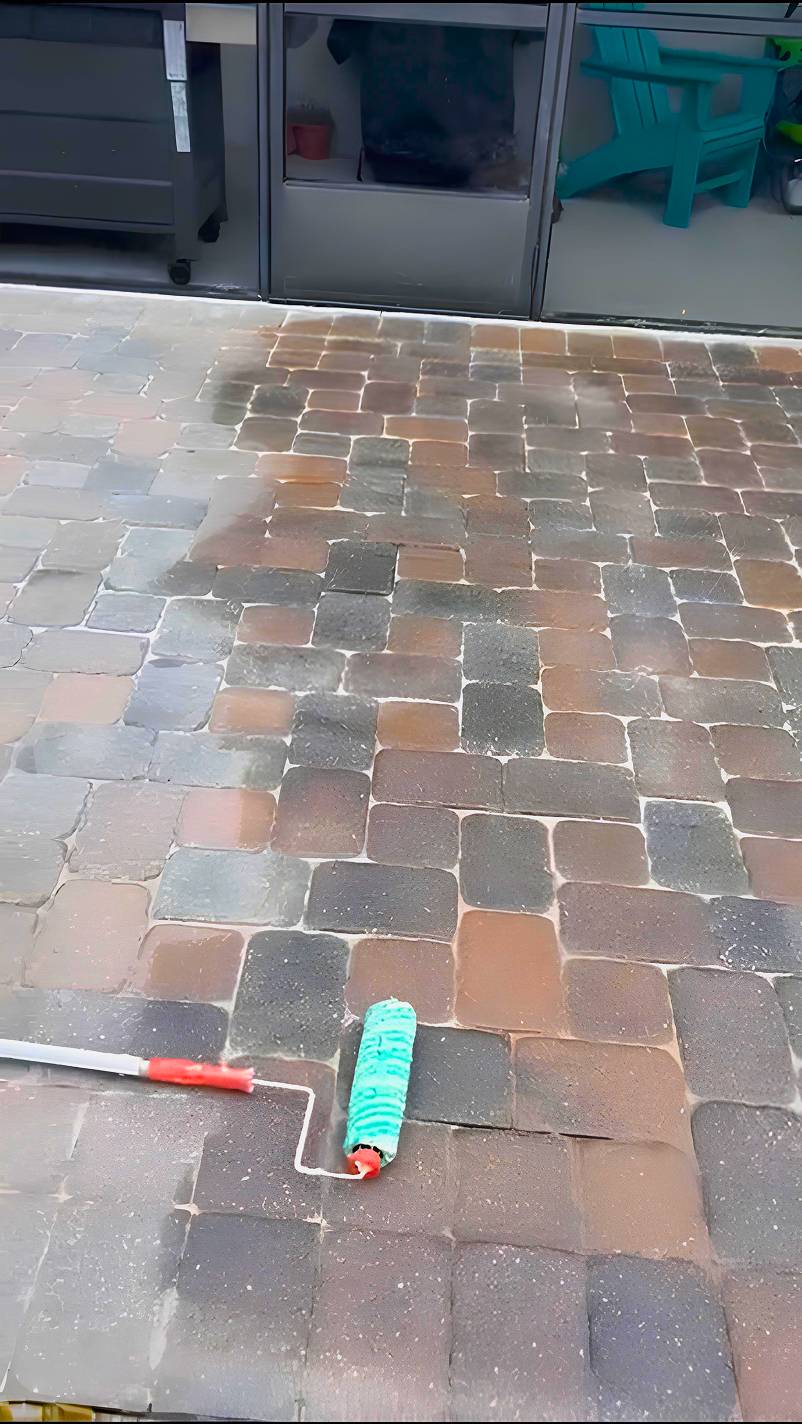
A test area can help the professional evaluate a proposed system, but it needs a clear purpose. For example, the team may need to assess appearance or a manufacturer-defined compatibility question. Ask what the test can establish and what it cannot.
The location should represent relevant conditions without creating unnecessary risk to the visible installation. Therefore, let the qualified provider select the method and location with the product guidance in hand. This article does not recommend a homeowner solvent test or improvised adhesion procedure.
Agree on when and how the test will receive review. An immediate glance may not answer every question identified by the manufacturer. Moreover, approval should identify the actual tested system rather than becoming a broad authorization to substitute a different product later.
Make preparation part of the written scope
A sealing proposal should explain the preparation included for the observed condition. Ask how the provider will address ordinary soil, existing residue, and any areas that need separate assessment. The answer should relate to the actual material and proposed products.
Do not assume that pressure washing alone makes every previously coated surface ready. Likewise, do not assume that all old material must always disappear. Instead, ask the professional to explain the preparation required for the particular system and why it fits your surface.
If further removal or corrective work becomes necessary, request a clear change process. The provider should identify the condition, explain the additional scope, and obtain your decision before expanding the work. This keeps a maintenance estimate from turning into an undefined restoration project.
Treat weather and surface condition as job decisions
Ask how the provider will decide whether the conditions suit the proposed work. Temperature, rain, and surface moisture can matter under product instructions. However, there is no single waiting period that this guide can safely apply to every product and property.
Tell the contractor about irrigation schedules, shaded areas, and recurring wet spots. Moreover, mention any nearby work that could introduce water or debris during the service. Those details can help the team coordinate the appointment rather than discover a conflict after preparation begins.
If conditions change, expect a clear explanation of the next step. A rescheduled application may be more appropriate than forcing the work into an unsuitable window. The important point is that the decision follows the actual system requirements rather than an arbitrary promise to finish that day.
Compare paver sealer compatibility proposals fairly
Put the product identification, preparation, test requirements, and treated area side by side. Then look for exclusions. One estimate may cover a straightforward maintenance coat while another anticipates corrective work. Those are different scopes even when both use the word sealing.
Ask whether the proposal includes joint-related work and how it will handle adjacent materials. Moreover, confirm which appearance concerns remain outside the promised result. This helps you understand what the provider is actually offering before comparing only the total price.
A lower quote is not automatically unsuitable, and a longer proposal is not automatically better. Instead, look for an understandable connection between the observed condition, the proposed preparation, and the selected product. That connection gives you a more practical basis for choosing a service.
Know which findings require a separate conversation
If the contractor identifies movement, damaged units, or another concern beyond the coating, ask for that issue to receive its own description. A new finish should not hide an unresolved repair decision. Therefore, separate surface maintenance from any broader paving work.
Likewise, ask the provider to explain uncertain findings without overpromising. A visual assessment may identify an area that needs more investigation rather than establish the final cause immediately. That is a useful outcome when it leads to a clear next step.
Avoid insisting on a particular product before the evaluation finishes. Your preferred appearance remains important, but the history and condition should inform the available options. A qualified discussion can help you choose among those options without relying on a universal solution from a different property.
Keep a closeout record that improves the next service
After the work, retain the exact product names, application date, treated areas, and supplied care instructions. Moreover, save the approved test information and any written manufacturer guidance. Future maintenance becomes easier when the next provider can begin with facts.
Add wide photographs after the provider's stated return-to-use conditions allow normal access. Then note any areas that received a different treatment or remained outside the scope. The record should describe the actual completed work rather than simply say the entire property was sealed.
Ask how to report a later concern and what information would help. A dated photograph and a description of recent conditions can be more useful than an immediate attempt to clean or recoat the area. Keeping the surface history intact supports a fair, informed review.
Use uncertainty to define the next decision
Imagine a homeowner who bought a house with a previously sealed patio but received no maintenance records. One corner looks glossy, while the main walking route looks dull. Those observations do not establish that the patio needs a particular chemical or another complete coat. Instead, they define the questions for the assessment: what material exists, whether the same treatment covers every area, and which evaluation the proposed manufacturer requires.
Now consider a second homeowner who has the exact previous invoice and product information. The history improves the starting point, but it still does not guarantee that every new product will work over that coating. The contractor should connect the records with the current condition and the instructions for the proposed system. Therefore, documentation reduces uncertainty without replacing professional judgment.
In both situations, the homeowner can make progress without demanding an immediate full-property application. A defined test, a request for supplier guidance, or a separate repair assessment may be the useful first outcome. Writing that outcome into the proposal gives the next appointment a purpose and prevents an unresolved question from becoming an assumption hidden beneath a fresh finish.
Arrange a focused sealing assessment in Largo
When you request help, share the material records you have and identify the questions you cannot answer. For example, explain that the previous product is unknown and that one sheltered area looks different. This gives the provider a specific assessment task instead of an instruction to add another coat everywhere.
JaxTeller's pressure washing and sealing service is the relevant place to begin that conversation. In addition, the project gallery can help you discuss appearance goals. The assessment of your own surface should still determine the appropriate proposal.
A useful outcome is a clear decision: suitable maintenance, further testing, a revised preparation scope, or a separate repair discussion. Therefore, judge the consultation by how well it resolves the next step, not by how quickly someone names a product before seeing the property.
Ready to upgrade your driveway or patio? Use the contact page to discuss your existing finish with JaxTeller Brick Pavers. Follow the team on Instagram and Facebook, or ask about an assessment through WhatsApp. You can find location information on the map. Contact JaxTeller Brick Pavers at +1 407-907-8308 or jaxtellerbrickpavers@gmail.com for your free estimate!