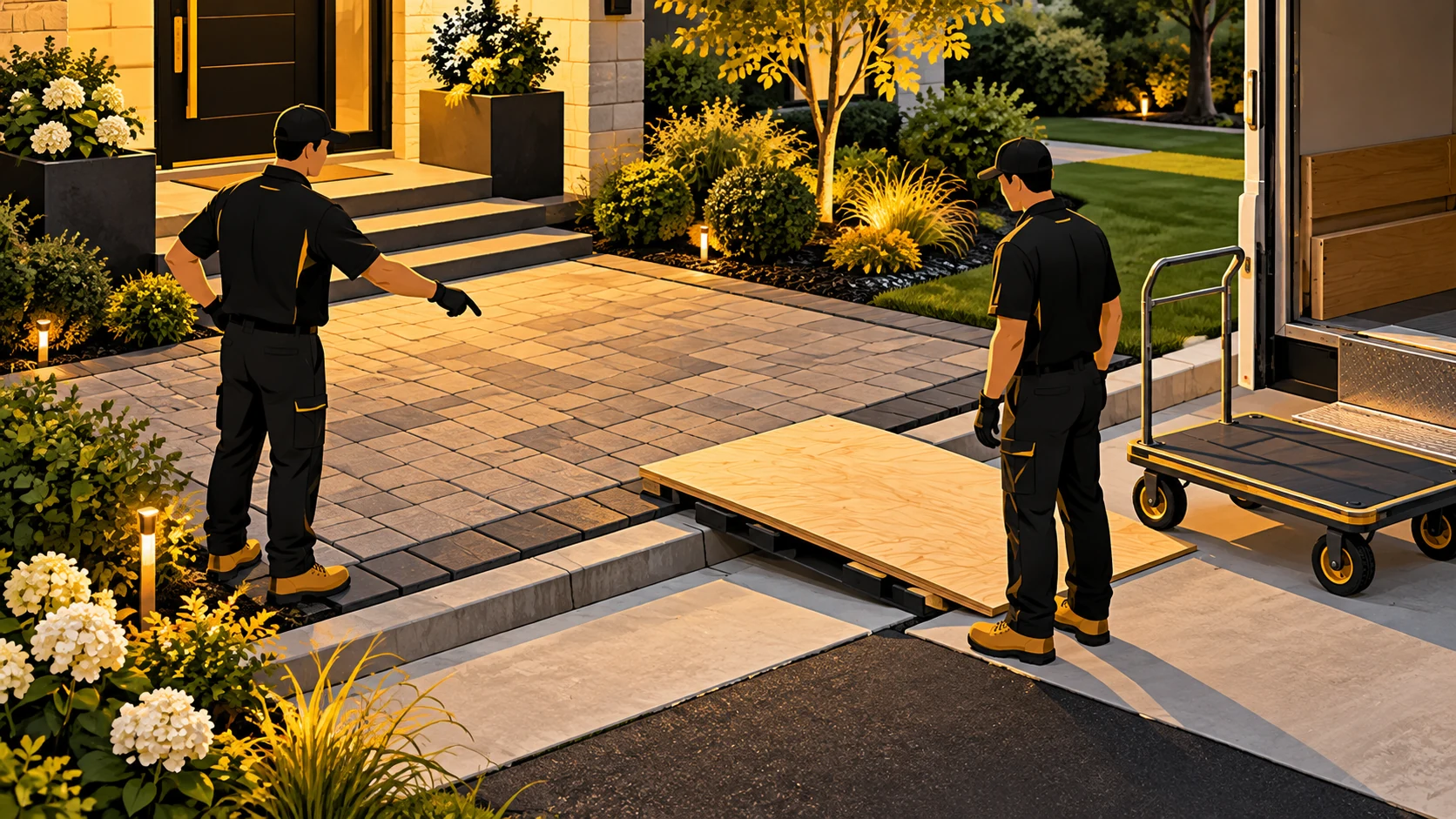


Paver delivery planning connects the material order with the real space available at your Largo property. A project can have an approved color and layout while still lacking a clear place for the delivery vehicle, packaged materials, and ordinary household access. Therefore, staging deserves its own conversation before the supplier confirms the appointment.
Paver delivery planning should not turn your driveway into a storage specification designed from an online article. Instead, this guide helps you gather information, assign decisions, and ask useful questions of the supplier and installer. Their assessment should determine the suitable delivery method, placement, and protection for the actual materials and site.
Start paver delivery planning with the whole work area
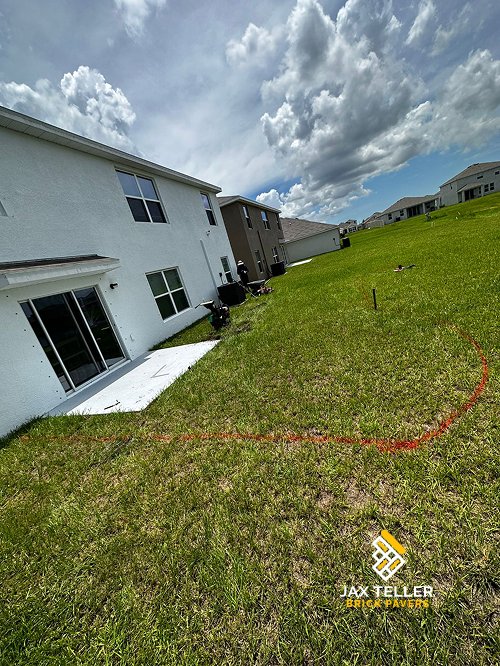
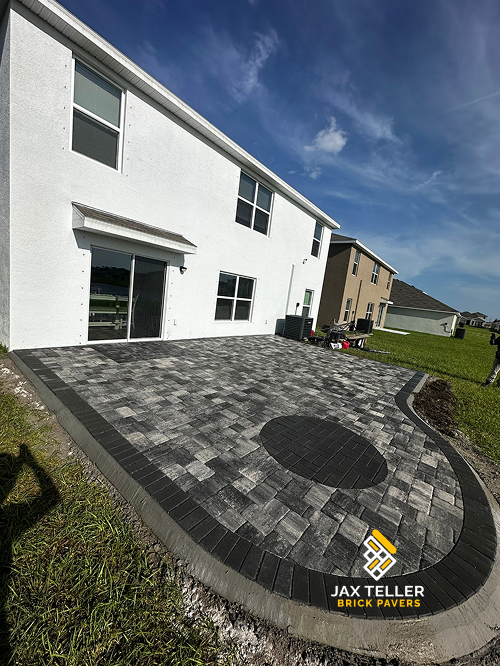
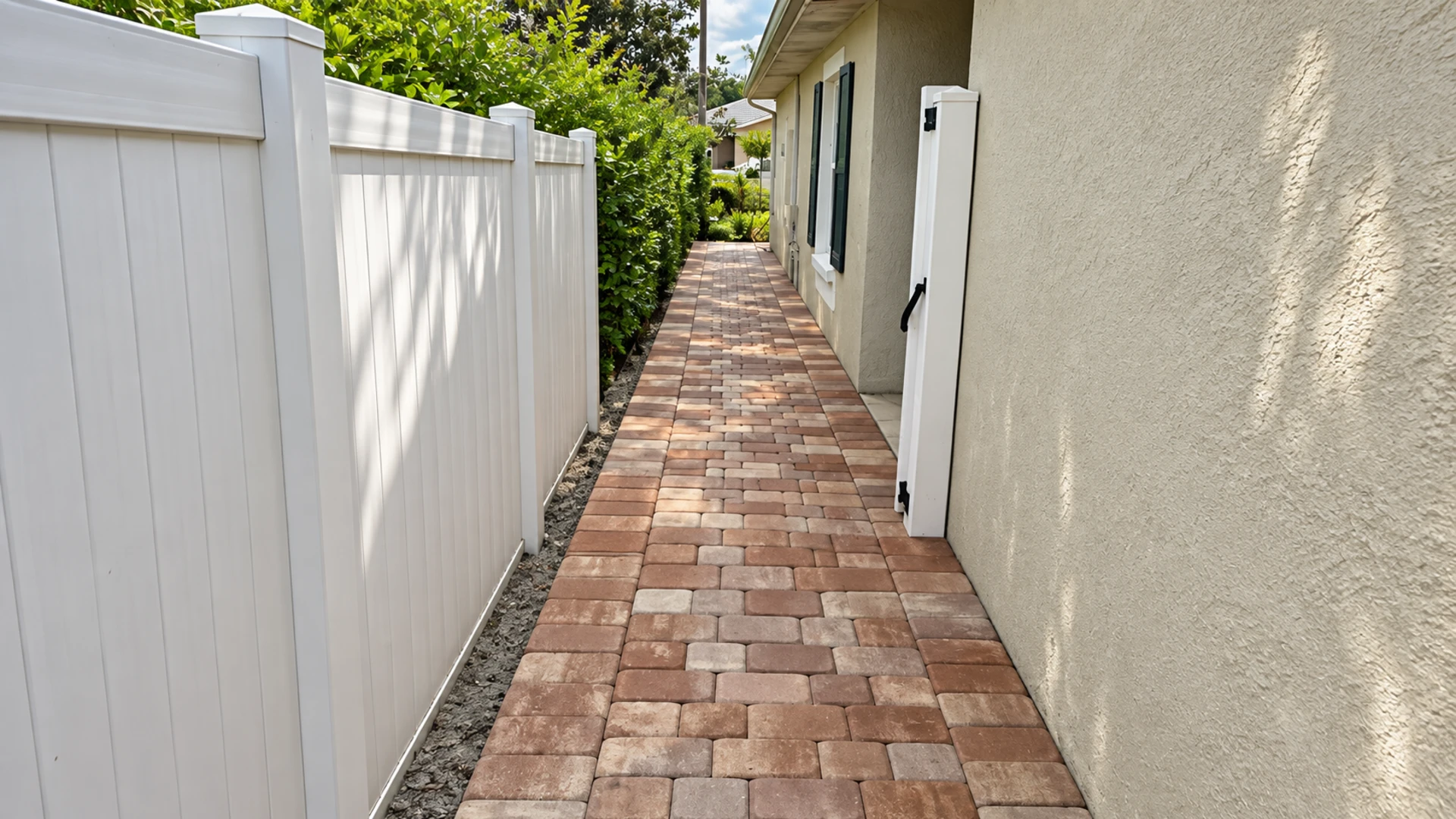
Identify the installation area and the routes that must remain usable while work proceeds. For example, a front driveway project may affect parking, deliveries, and the main entrance at the same time. A backyard project may depend on a narrow side route that also serves equipment.
Next, ask the contractor where materials, removed paving, tools, and waste will go. Those are separate staging needs. If every item depends on the same open corner, the proposed sequence may need adjustment before the first delivery arrives.
Use a simple property sketch to support the conversation. Mark doors, gates, visible service points, landscaping, and the proposed work limits. Moreover, identify any uncertain feature rather than guessing what lies beneath or behind it. The contractor can then decide what needs checking during the site visit.
Give paver delivery planning one current version
Keep the delivery contact, product order reference, proposed date, and agreed placement notes together. Then share the current version with the people who need it. A supplier, driver, installer, and homeowner can otherwise work from different assumptions about the same appointment.
Record who has authority to approve a change on arrival. For example, the driver may find the planned position inaccessible. That situation needs an identified decision-maker, not a quick instruction from someone who has not seen the installation plan.
If the appointment or product changes, revise the same record. Moreover, make the new version easy to recognize. A dated plan reduces confusion without requiring elaborate project software or exposing private information to every person involved in the delivery.
Confirm the method during paver delivery planning
Ask how the supplier expects to unload the actual order. Paver delivery planning needs that operational detail. The answer may affect vehicle access and the space needed around the placement area. Therefore, do not assume that a delivery truck will use the same approach as a parcel van or ordinary household vehicle.
Provide accurate access information and photographs when requested. Include the approach, turning area, gate, and intended placement point. A close-up of an empty driveway can omit overhead or side constraints that matter to the provider's equipment.
Let the delivery professional assess its method and requirements. Meanwhile, the paving contractor should assess the relationship with the installed or proposed surface. The homeowner's role is to communicate known conditions and coordinate decisions, rather than certify vehicle loads or temporary support arrangements.
Separate the delivery route from the storage position
A route can be passable while the planned storage point remains unsuitable. For example, the provider might reach the driveway but lack a confirmed area where the packaged materials can remain without disrupting access. Therefore, review both the journey and the destination.
Ask whether the placement supports the contractor's installation sequence. Materials located close to one phase may obstruct another. Moreover, moving packaged materials later can require equipment and extra coordination that the original plan did not anticipate.
Avoid treating an open patch of lawn as automatically suitable because it looks spacious. Surface condition, underground services, weather, and handling equipment may matter. The supplier and contractor should confirm the actual arrangement instead of leaving a large placement decision to a last-minute visual guess.
Keep household access in paver delivery planning
List the routes you need every day. These may include the main door, a side gate, an accessible entrance, and service equipment. Then tell the contractor which routes are essential and which can change temporarily with a clear plan.
Explain relevant household needs before the delivery. For example, a person using a mobility aid may rely on a particular entrance. An arrangement that leaves a narrow walking gap may still fail to provide the practical access that household needs. Describe the use rather than assuming one width fits everyone.
Keep emergency access and required clearances with the appropriate professional review. This guide does not establish those dimensions. Instead, make sure the delivery plan does not quietly take over an area that the project team has not approved for temporary storage.
Protect known service points and covers
Show the contractor visible irrigation controls, utility covers, drains, and equipment access areas. Moreover, provide any reliable property records you already have. Do not remove covers or probe the ground to create information for the delivery plan.
Ask whether any placement could interfere with inspection, maintenance, or the work itself. A stack that seems convenient during unloading may become a problem when a provider needs to reach a valve or an installation phase begins nearby.
If underground work forms part of the project, coordinate it before material staging closes off the relevant route. The responsible contractor should explain the necessary sequence and locating process. Delivery convenience should not become the reason to bypass an unresolved utility or access question.
Review existing paving before using it for staging
If the supplier proposes placing materials on existing paving, identify that surface and any known concerns. For example, show previous repairs, visible movement, or an uncertain perimeter. Those observations help the professionals decide whether the location fits their proposed method.
Do not infer storage capacity from the fact that a driveway supports your car. Concentrated packaged materials and handling equipment create a different assessment question. Therefore, ask the responsible providers to approve the actual arrangement rather than relying on a visual comparison.
Take baseline photographs after the placement plan is clear and before the delivery. Include the wider area as well as visible existing marks. A fair record supports later review without assigning blame or claiming that photographs replace an engineering or installation assessment.
Confirm the material identity before widespread installation
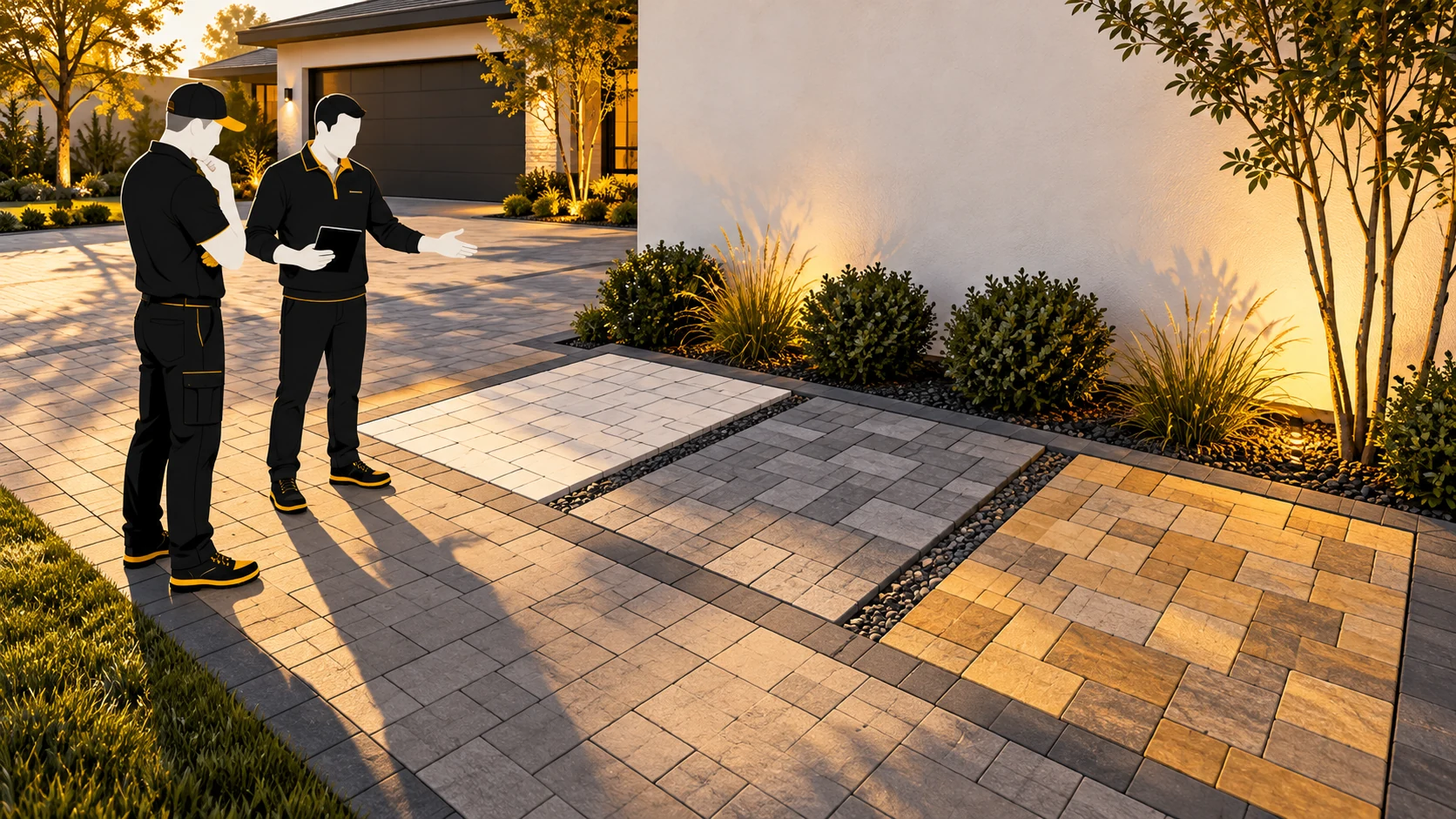
Ask how the delivered product will receive review against the approved order. The check should use actual product information, not only an impression of color through wrapping. Moreover, identify who should raise a discrepancy before the contractor begins widespread placement.
A supplier's product range can vary by region, size, and color. For example, Belgard's patio paver information notes that availability varies. Your own order still needs confirmation through the actual supplier; a manufacturer website does not reserve stock or guarantee a delivery date.
Keep labels, delivery paperwork, and approved selection references together. Then ask how the contractor will address damaged packaging, an unexpected product, or a quantity question. Clear checkpoints make it easier to resolve those issues before they become part of the finished surface.
Plan for weather without inventing storage rules
Ask the supplier how its specific materials and packaging should remain on site. Moreover, ask the contractor how a weather delay would affect the installation sequence and household access. Product handling instructions should come from the relevant provider.
Do not cover, open, restack, or relocate packaged materials without guidance. A well-intended change can interfere with identification, handling, or the planned sequence. Instead, contact the responsible person if the stored materials appear to create a problem after delivery.
The same approach applies if water gathers near the staging area. Record the condition and explain it promptly. The contractor can then decide whether the plan needs adjustment. A homeowner should not try to redirect water or modify an unstable stack to preserve an appointment date.
Set clear boundaries around the work zone
Ask how the project team will distinguish ordinary household space from the staging and installation areas. Then explain that arrangement to household members. A simple, consistent boundary is easier to respect than a route that changes without notice throughout the day.
Keep children, visitors, and pets away from handling operations and stored materials. Moreover, follow the contractor's access instructions rather than treating the work zone as a place to inspect products casually. There will be an appropriate time and method for reviewing selections.
If a delivery affects a shared approach or nearby public space, ask which arrangements need confirmation. Do not assume the supplier can use any convenient stopping point. The project team should identify the relevant permission or access requirements before the vehicle arrives.
Connect paver delivery planning with installation phases
Discuss which section the contractor expects to complete first and how the remaining materials support that sequence. For example, a staged patio project may need a usable route between completed work and the next area. A poorly placed delivery can obstruct that plan.
Ask whether later deliveries are possible or necessary, without assuming they will be cheaper or faster. The decision depends on the order, supplier, site, and work sequence. Therefore, compare the actual options rather than adopting a universal rule to deliver everything at once.
If the scope changes, revisit staging as well as quantity. Adding a walkway can affect access and the placement of remaining materials. A written change should explain those practical effects, not only add another area to the material order.
Define what happens when arrival conditions differ
A delivery-day problem needs a clear response. For example, a parked vehicle may block the agreed route, or rain may change a placement condition. Tell the provider whom to contact and which alternatives already have approval.
Avoid approving a new storage area through a rushed instruction if its suitability remains unknown. Instead, let the responsible professionals assess the change. A delayed decision can be inconvenient, but it is clearer than accepting an arrangement nobody has reviewed.
Keep a brief record of any revised placement and the reason. Moreover, share it with the installer if the supplier makes the change. That closes the communication loop and helps the contractor adjust the sequence without discovering the difference after the delivery team has left.
Use a realistic staging example
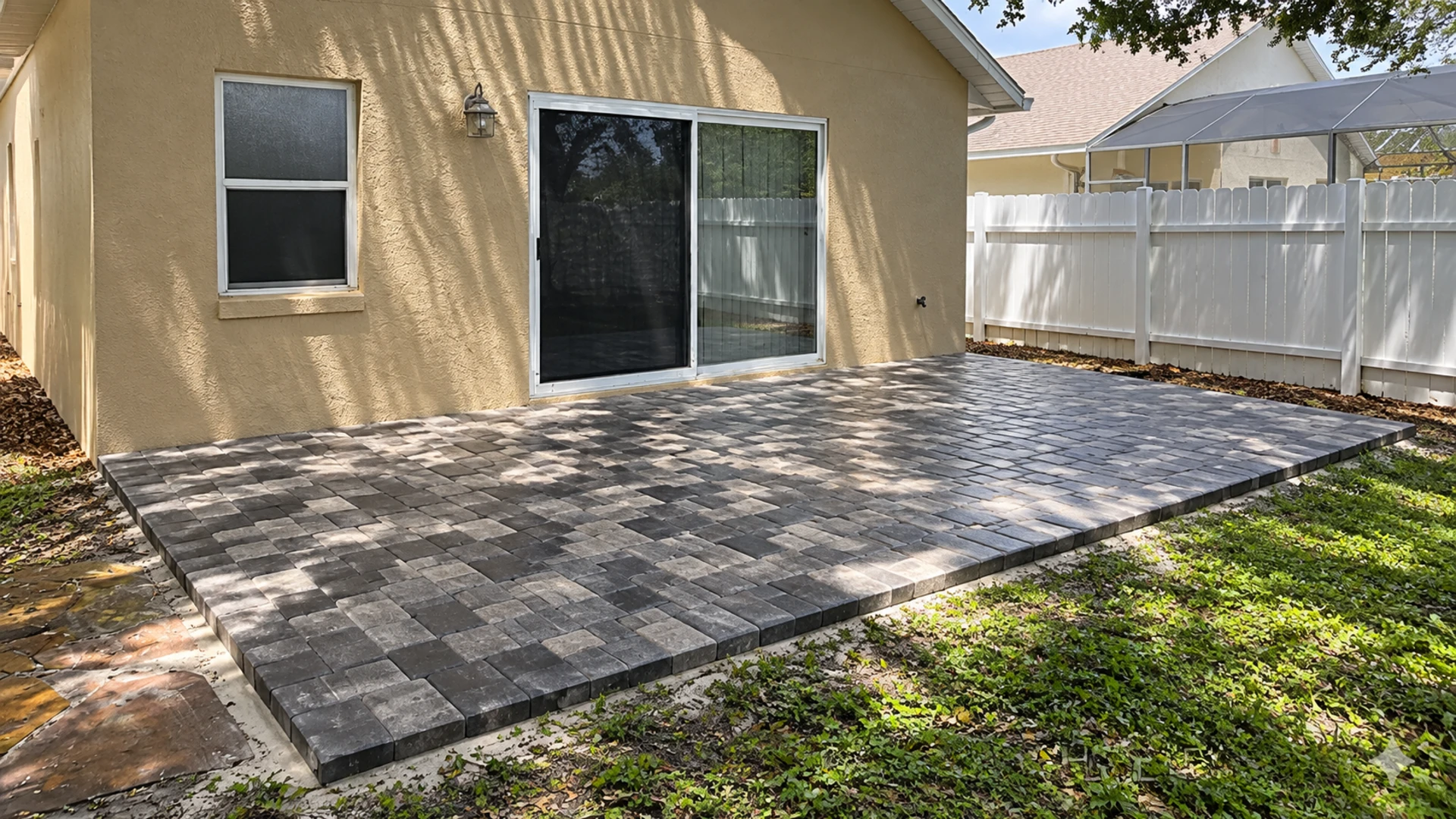
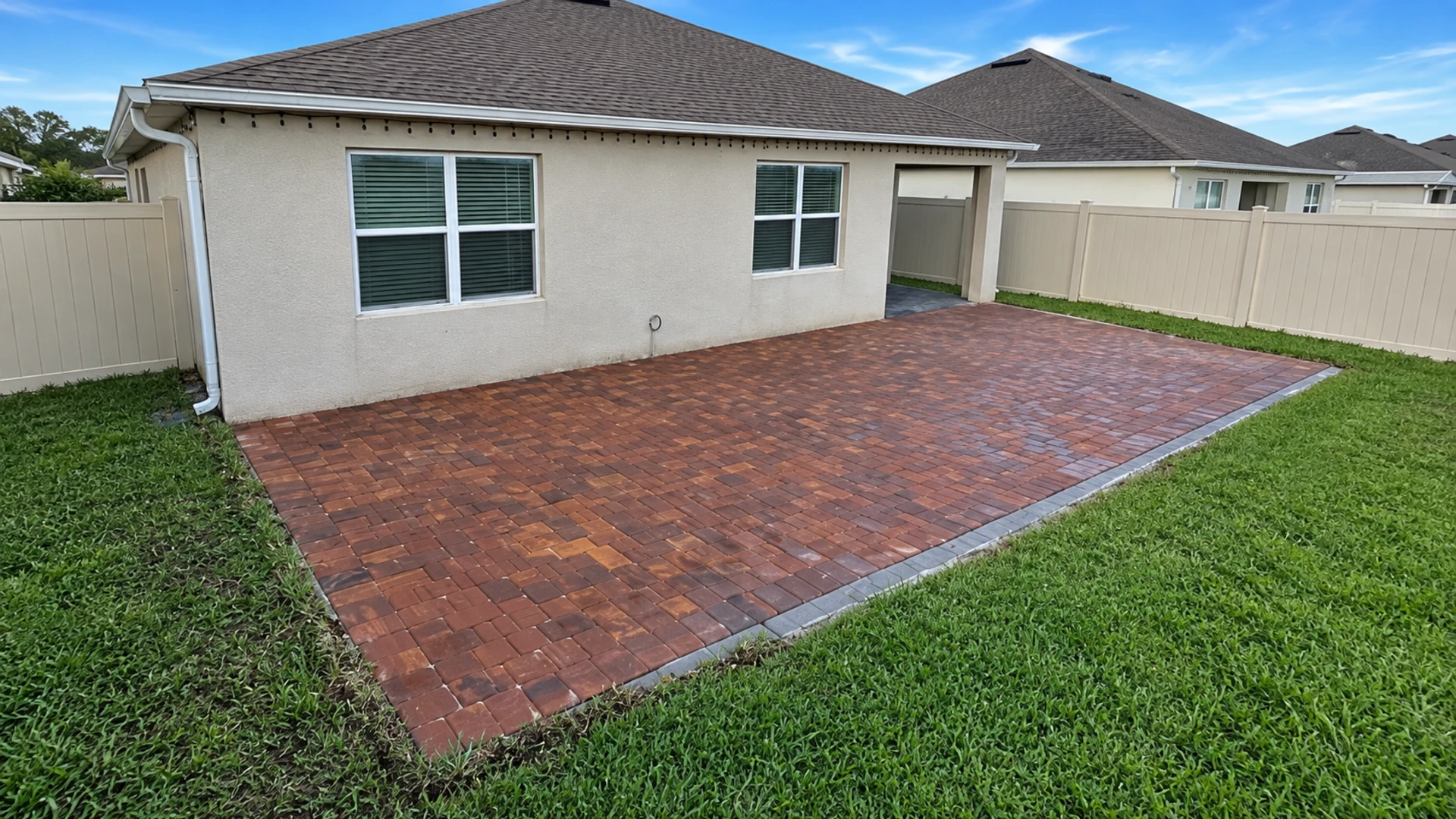
Consider a hypothetical backyard patio installation at a home with one narrow side gate. The homeowner initially expects the materials to remain at the front. However, the contractor also needs that area for removed paving and household parking. A short staging discussion reveals the conflict before the order arrives.
The team can then compare a different placement, a revised removal sequence, or another supplier-approved delivery arrangement. Each option needs its own confirmation. The homeowner does not need to solve the equipment question personally; the useful contribution is a clear account of access needs and known site conditions.
Once the providers agree, the current plan records the placement and decision-maker. On delivery day, the team can compare actual conditions with that plan. This example shows how a modest coordination step can remove uncertainty without promising that every property supports the same staging method or schedule.
Discuss remaining material before the project closes
Ask what will happen to unopened or unused material once the agreed installation finishes. For example, the contractor may discuss keeping a reasonable repair reserve or arranging a supplier-specific return. Neither option should be assumed before the order terms and site conditions are clear. The useful decision identifies ownership, location, and responsibility.
If you keep material, request the exact product reference alongside it. A future repair becomes harder when spare units lose their identity or remain mixed with unrelated products. Moreover, ask the provider how the particular material should be handled and stored. This guide does not define a safe stacking method or promise that any outdoor corner is appropriate.
Clear the final placement decision with the household before materials remain permanently on site. An area that worked during construction may later interfere with a gate, garden task, or equipment visit. Therefore, the closeout plan should restore ordinary access rather than silently convert temporary staging into indefinite storage. Keep the final decision with the project records so the next maintenance conversation starts with clear information.
Prepare a focused request for a Largo paving project
When contacting JaxTeller, explain the project area, ordinary access needs, and any delivery concern you already know about. In addition, mention whether existing paving must remain in use. These details can help shape the site assessment and scope discussion.
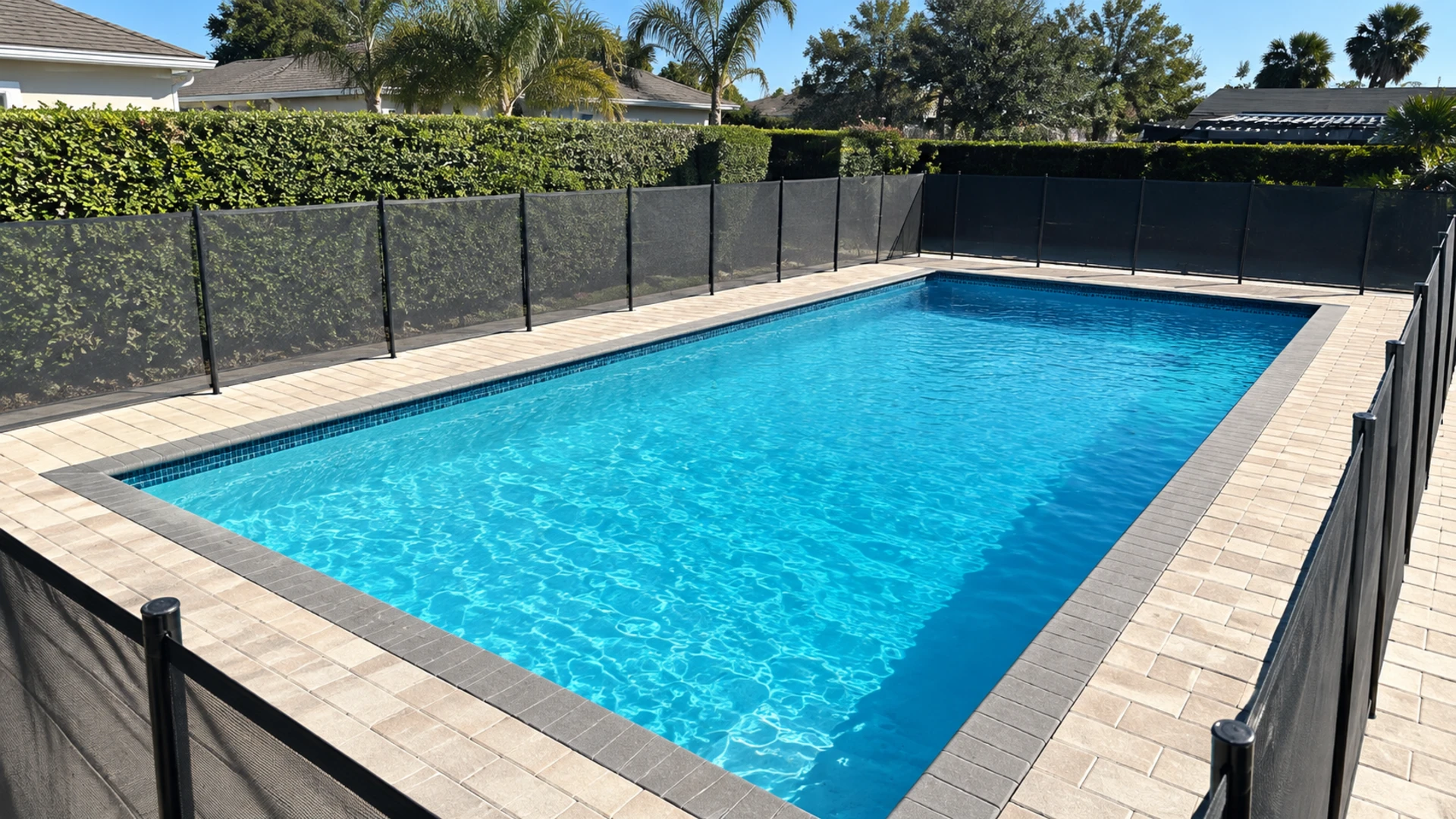
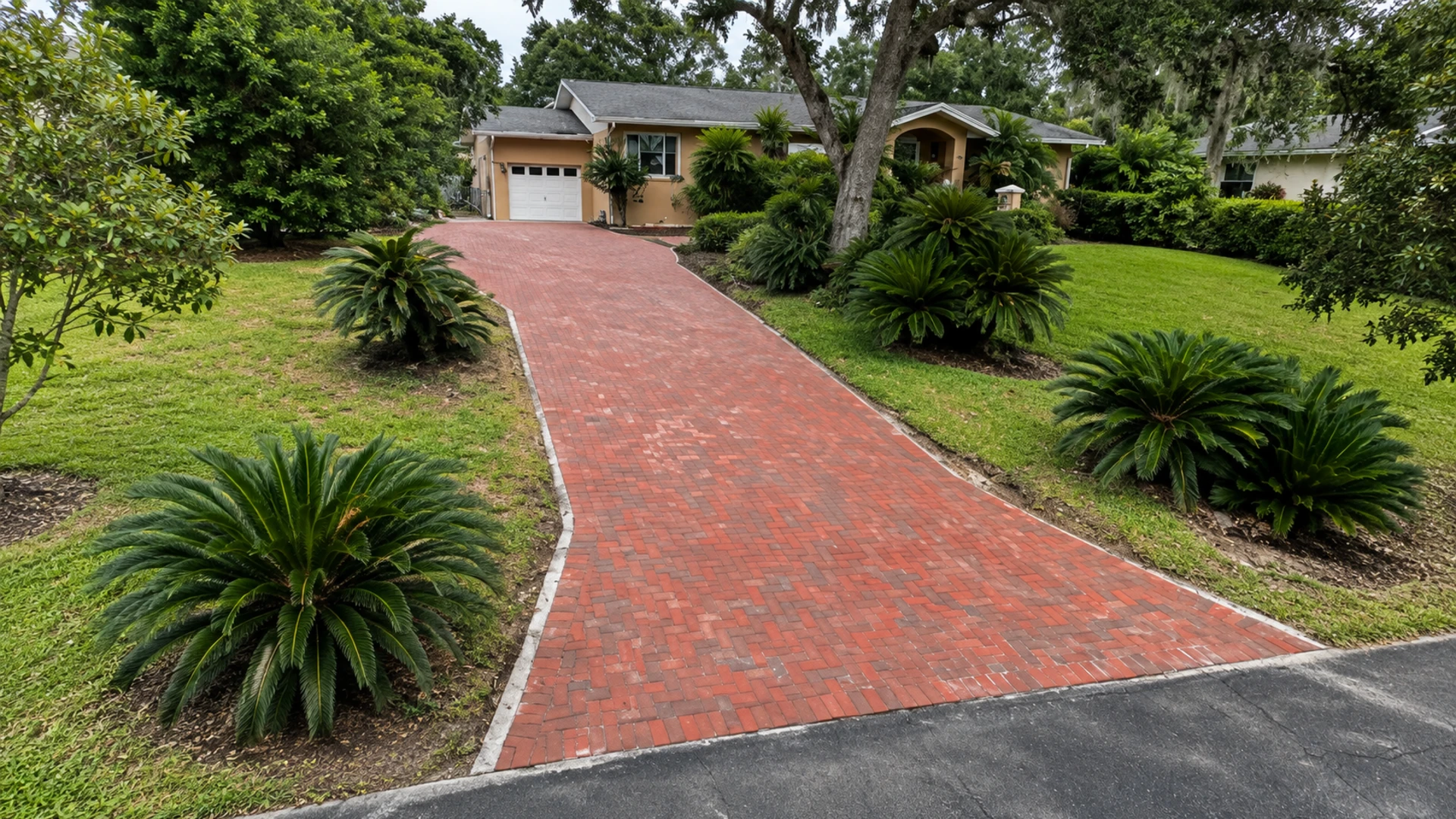
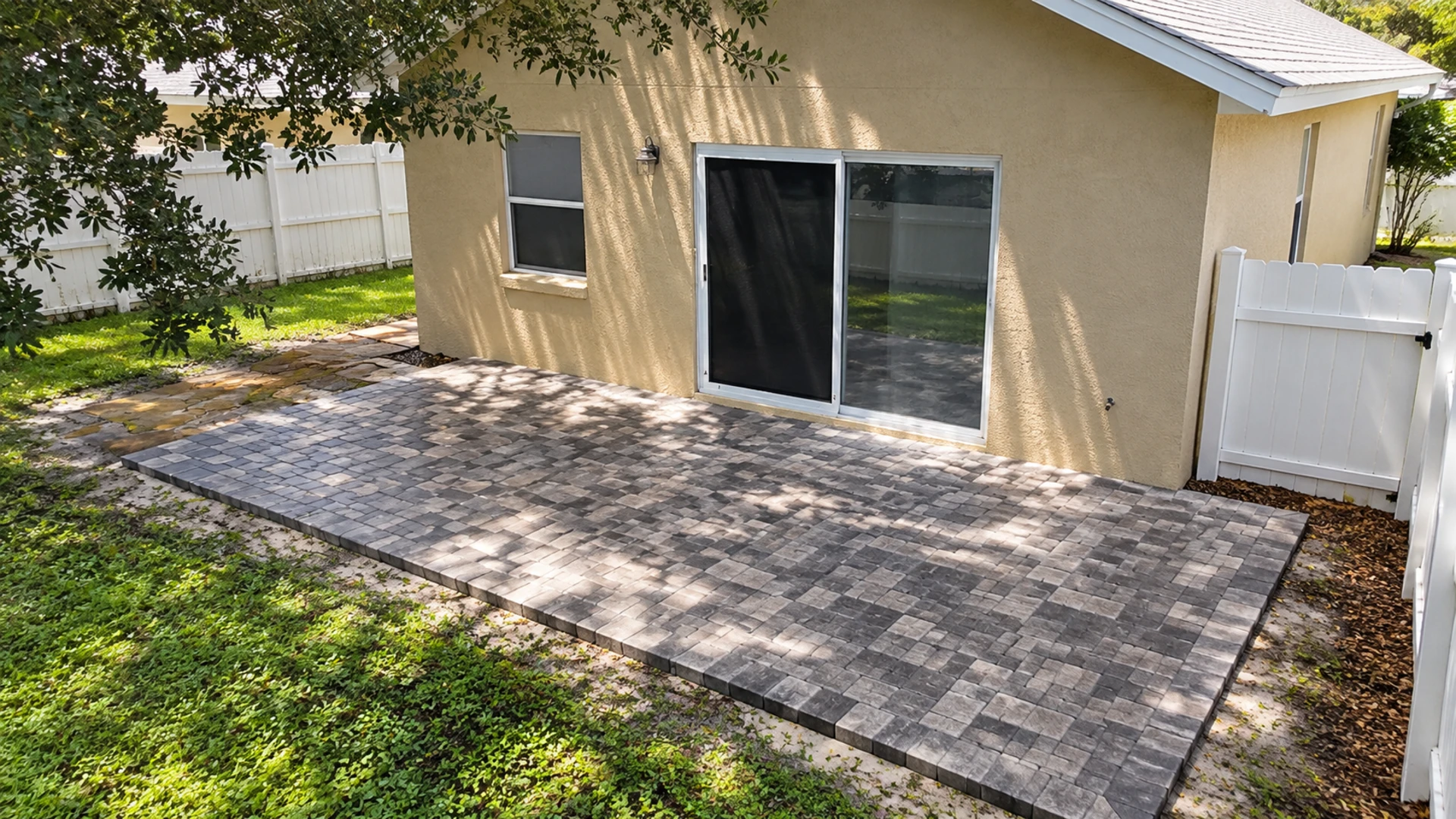
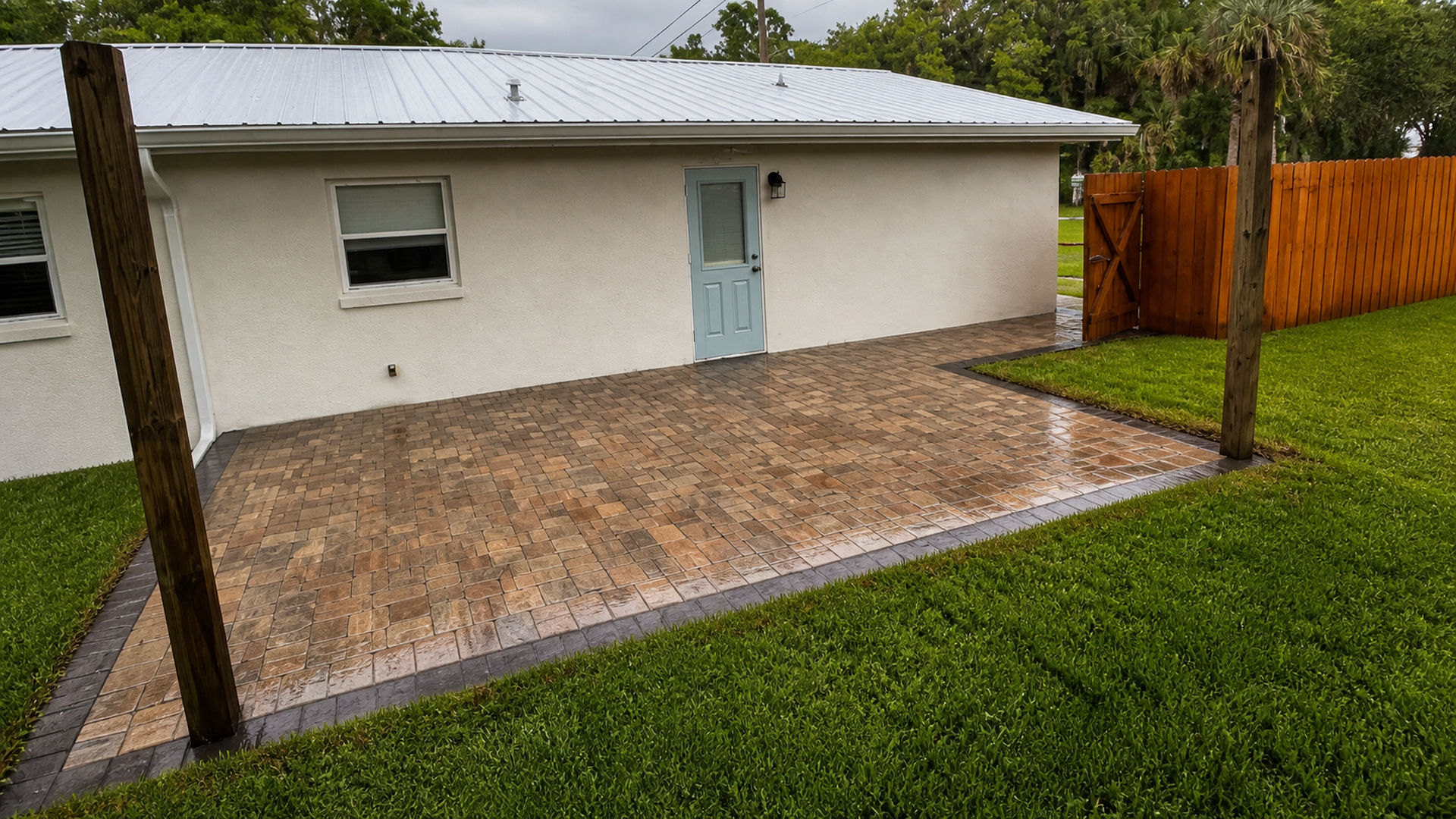
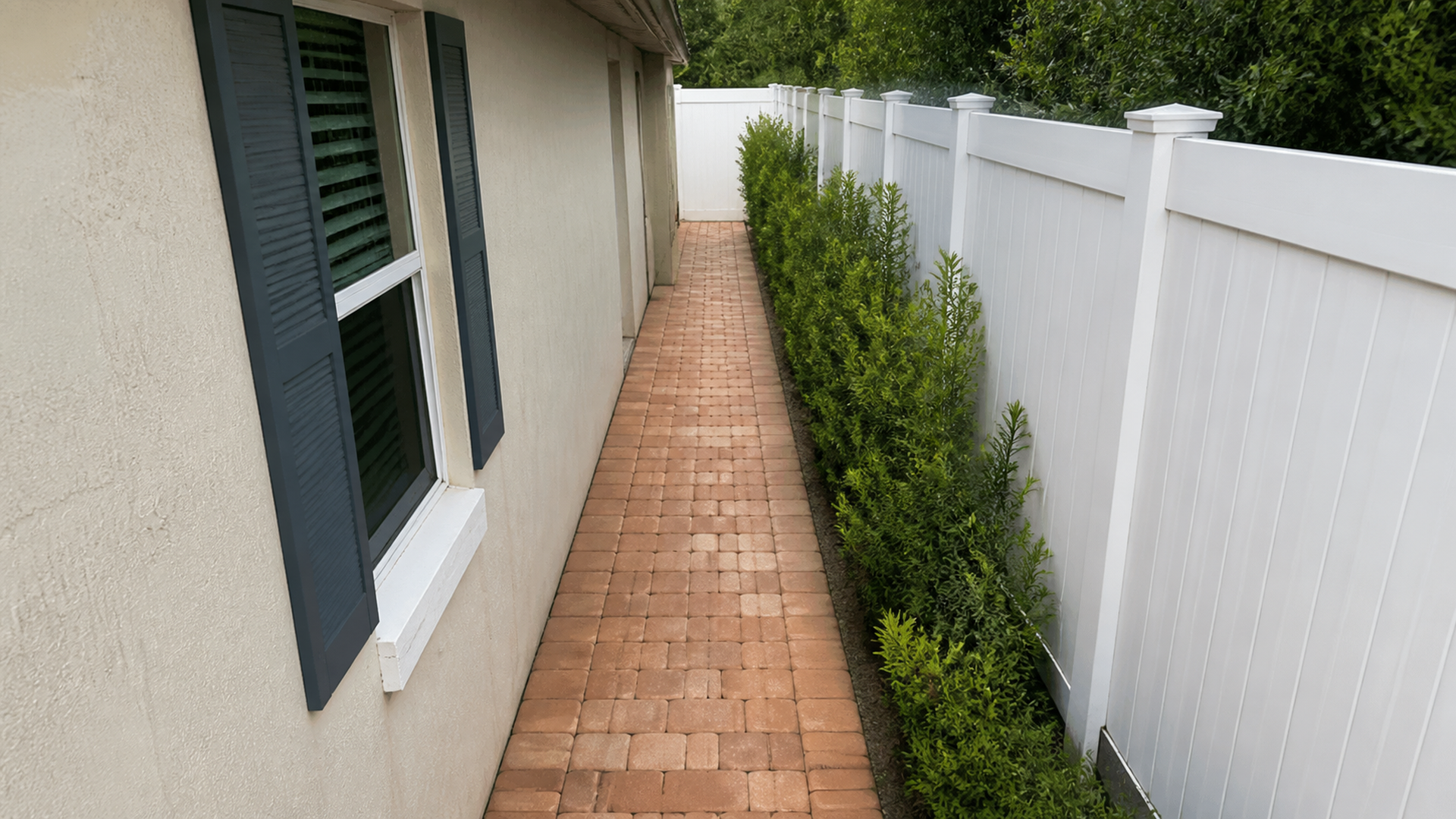
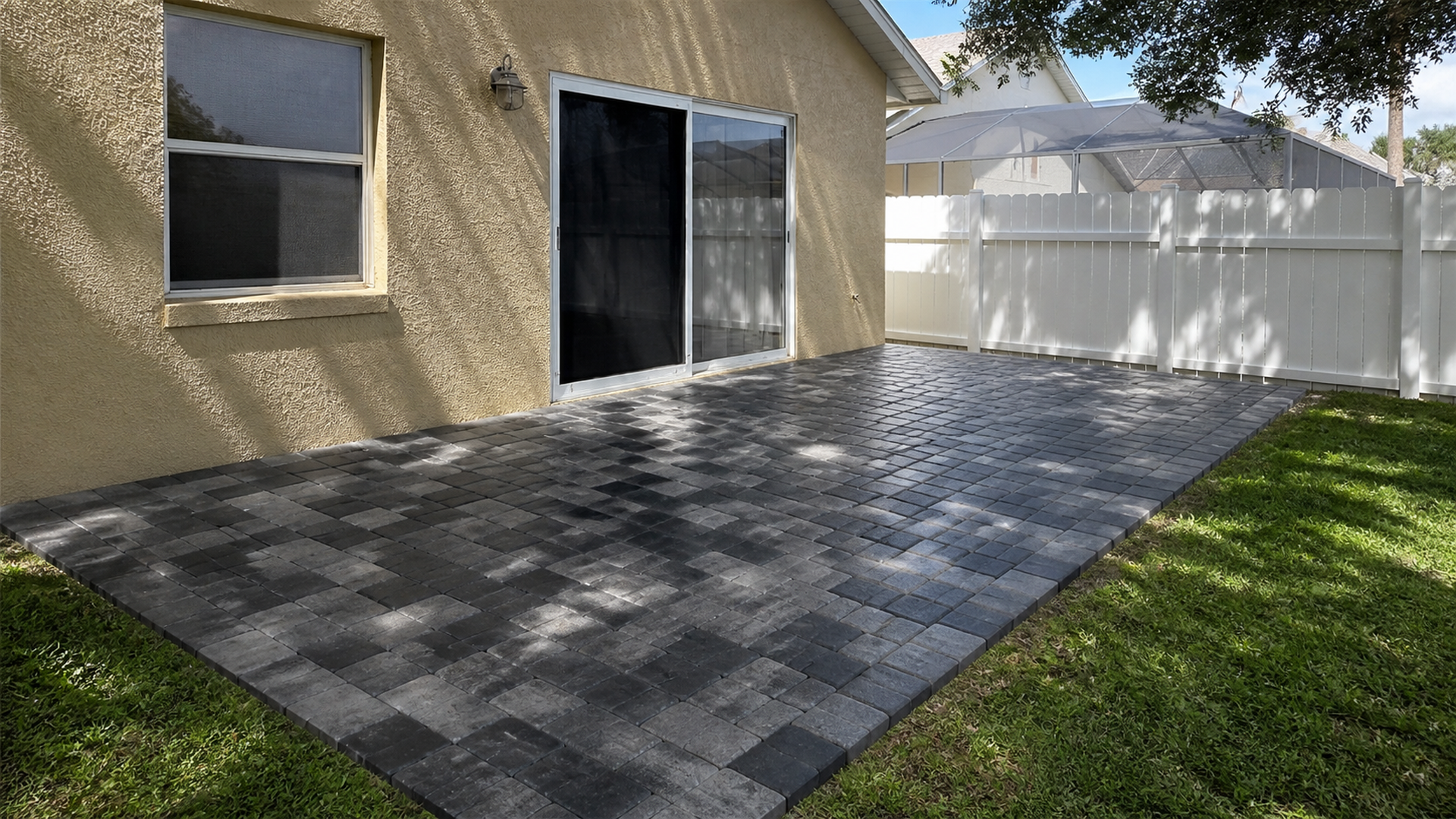
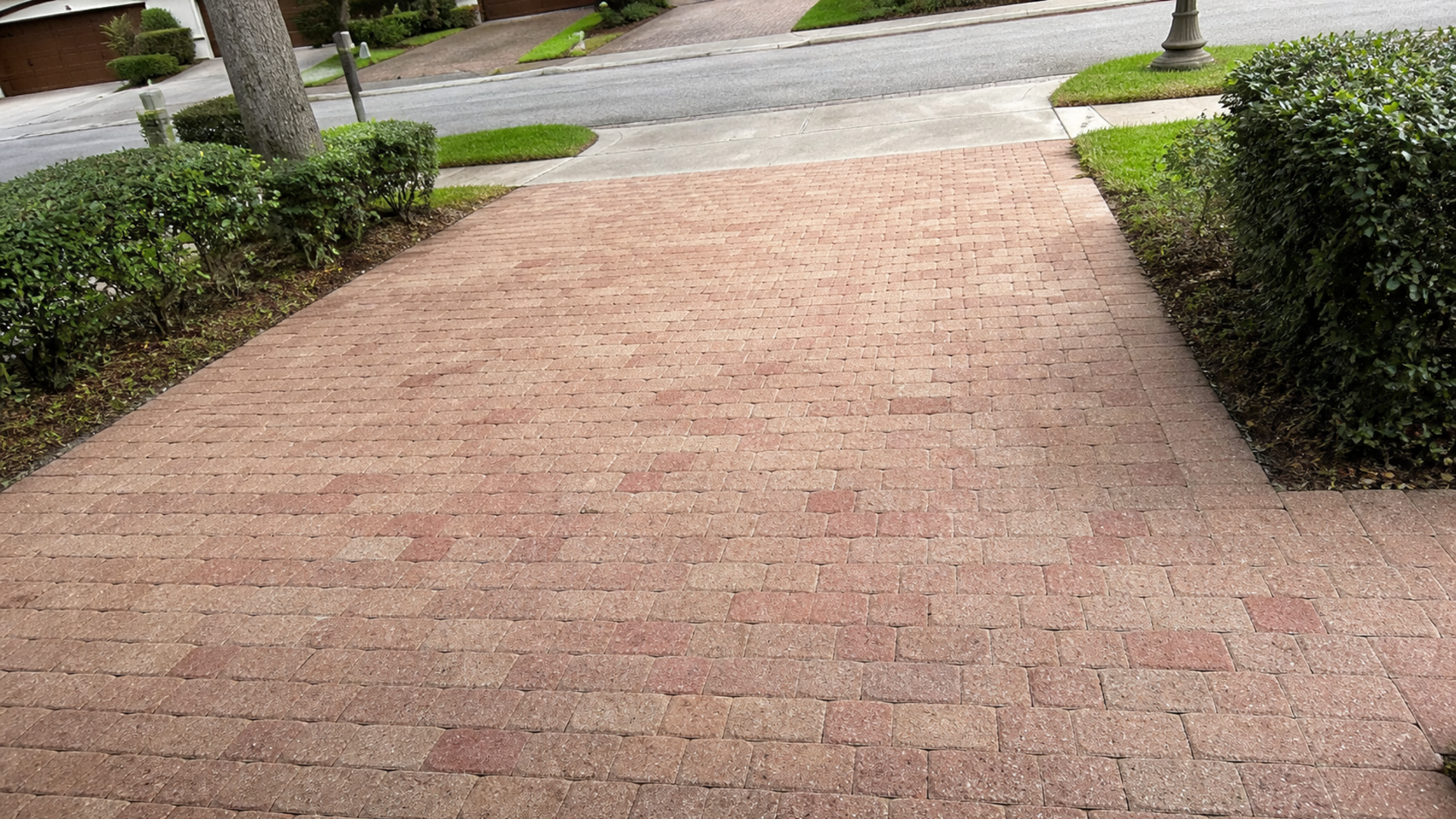
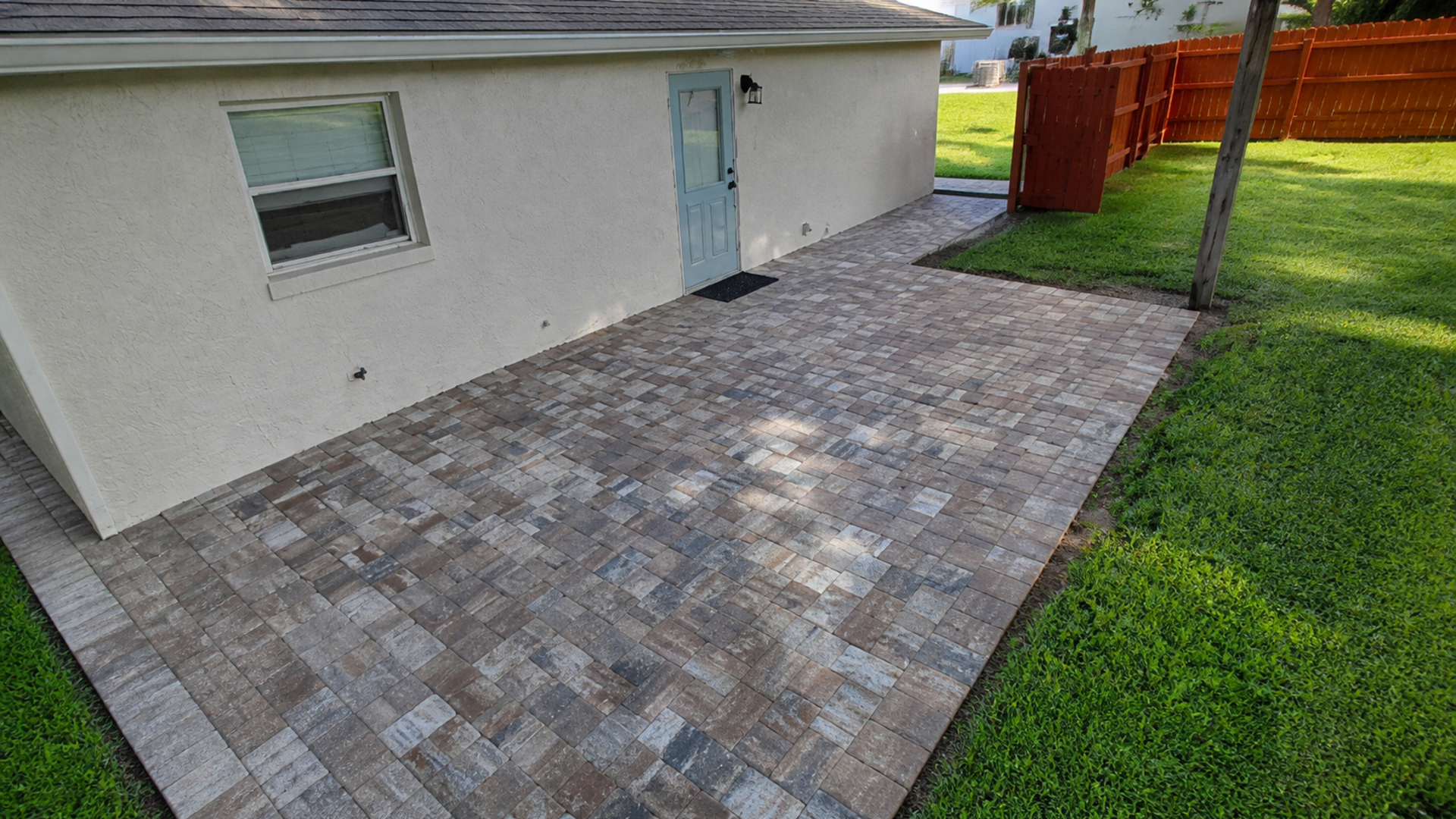
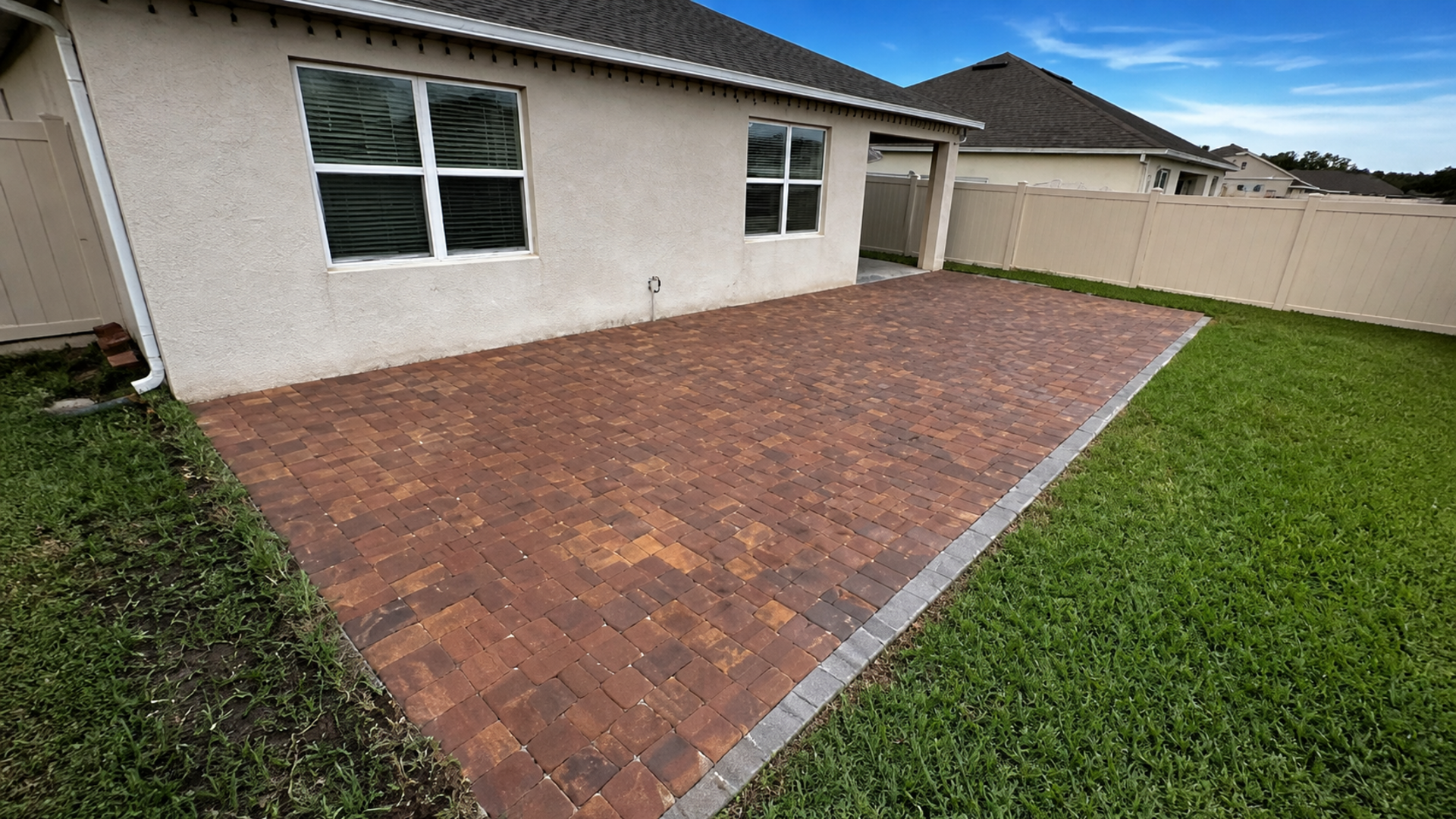
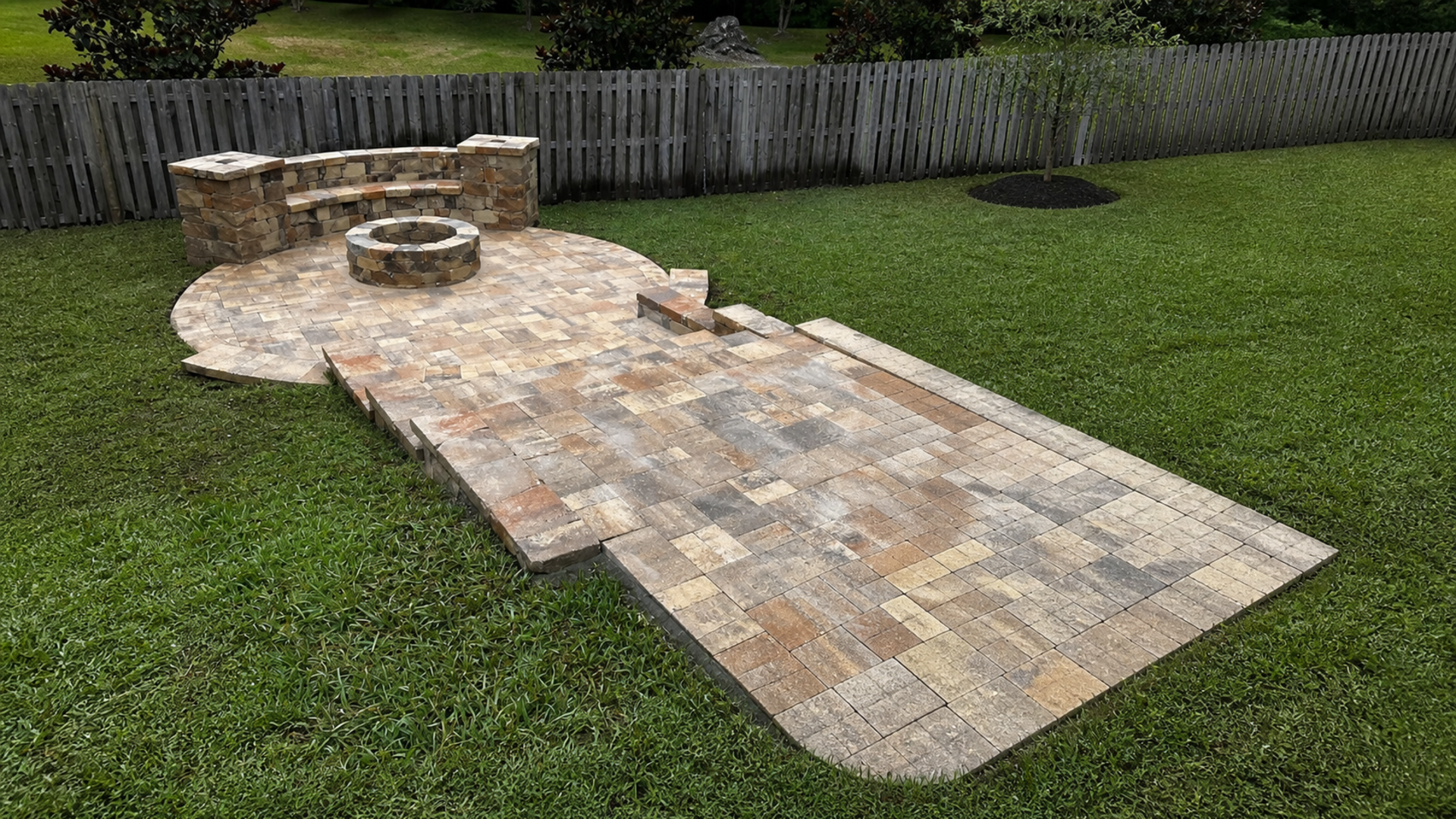
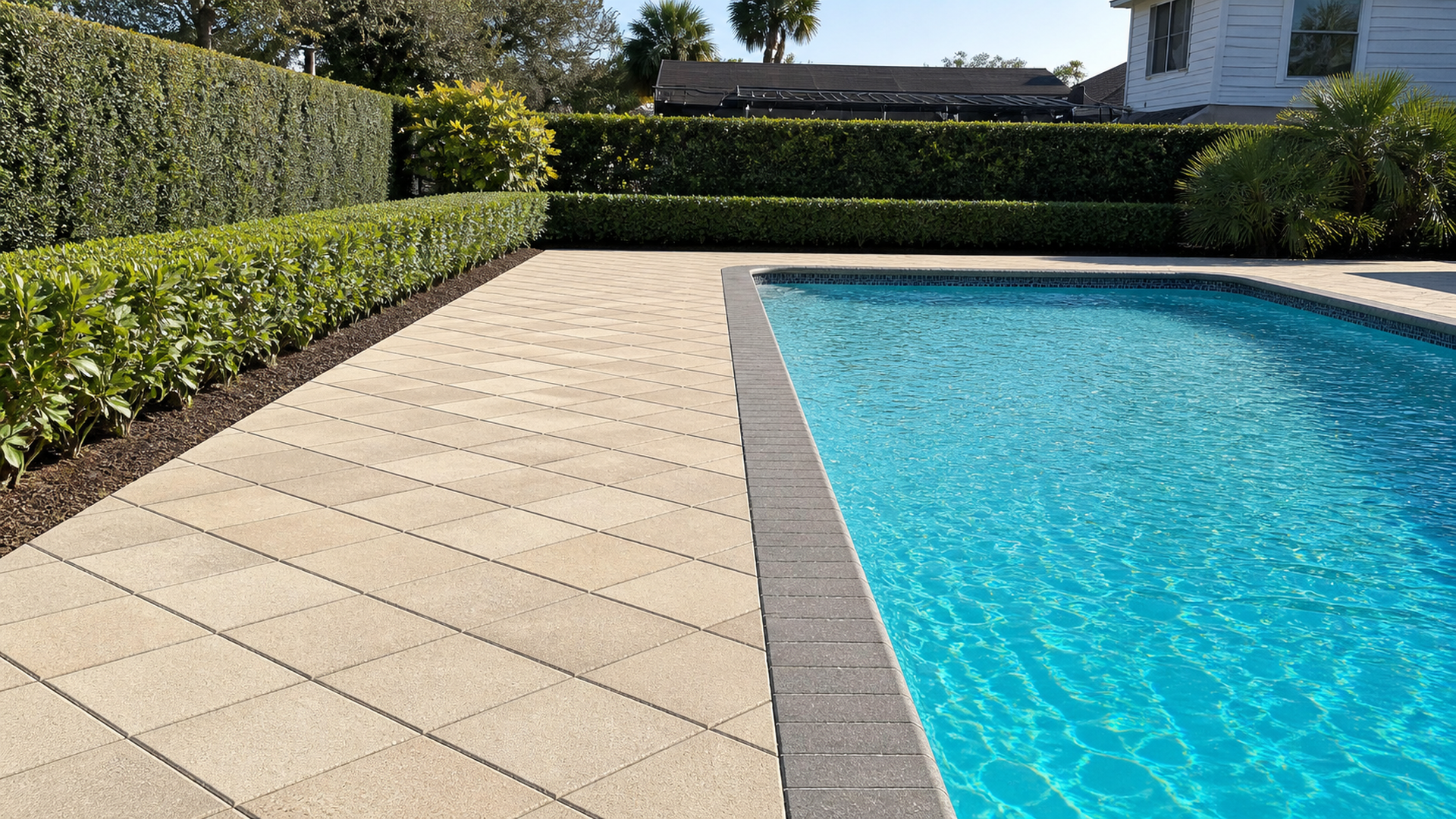
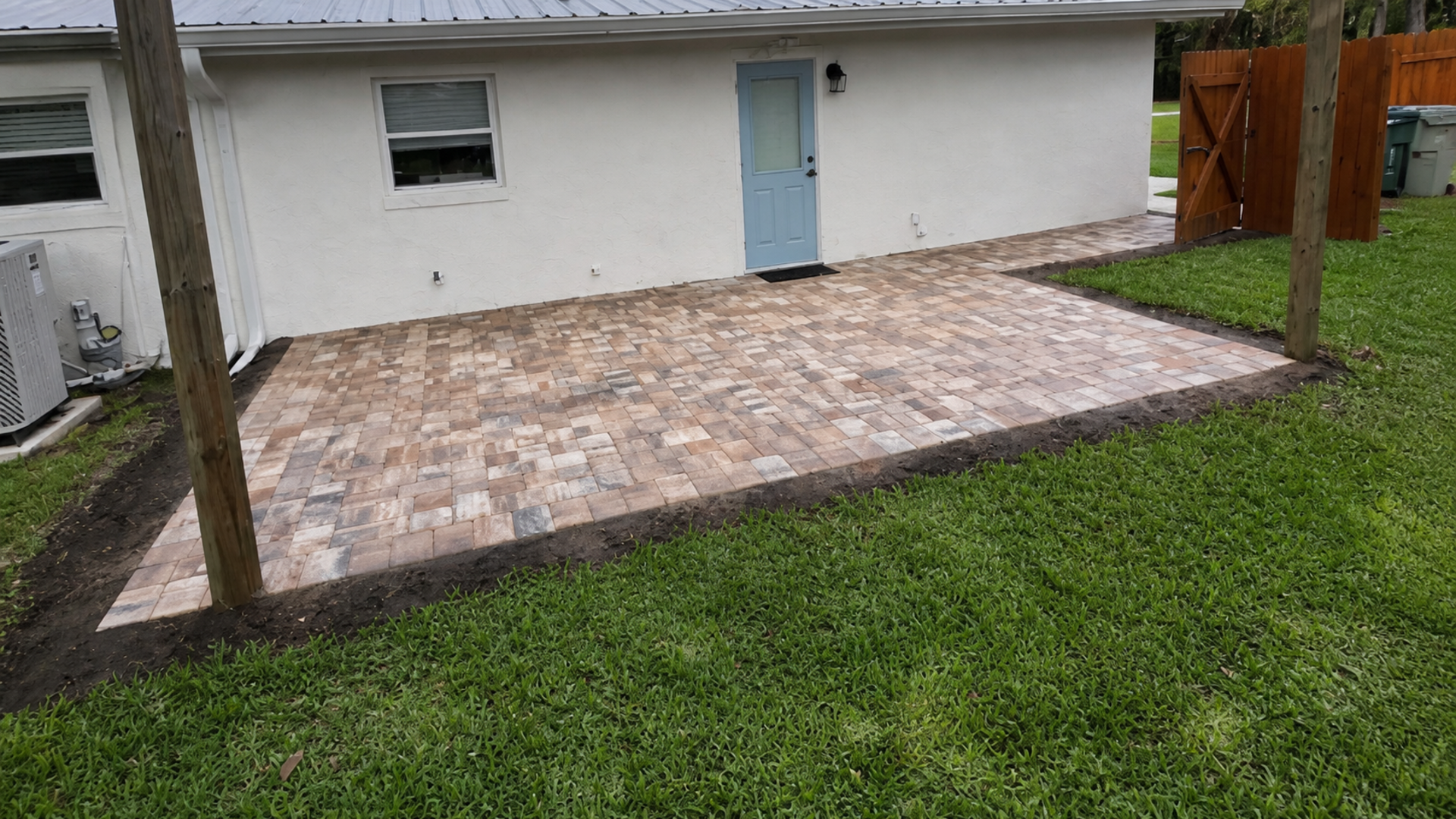
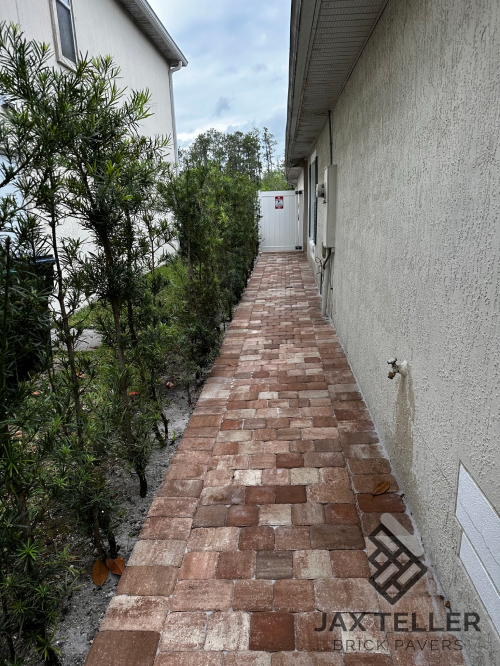
Review the paver driveway service or backyard patio service according to your project. The project gallery can also help you describe the setting. However, the staging plan should follow the assessment of your property rather than another project's photograph.
Ready to upgrade your driveway or patio? Share your project through the contact page, explore JaxTeller on Instagram and Facebook, or ask about planning through WhatsApp. For location information, open the map. Contact JaxTeller Brick Pavers at +1 407-907-8308 or jaxtellerbrickpavers@gmail.com for your free estimate!