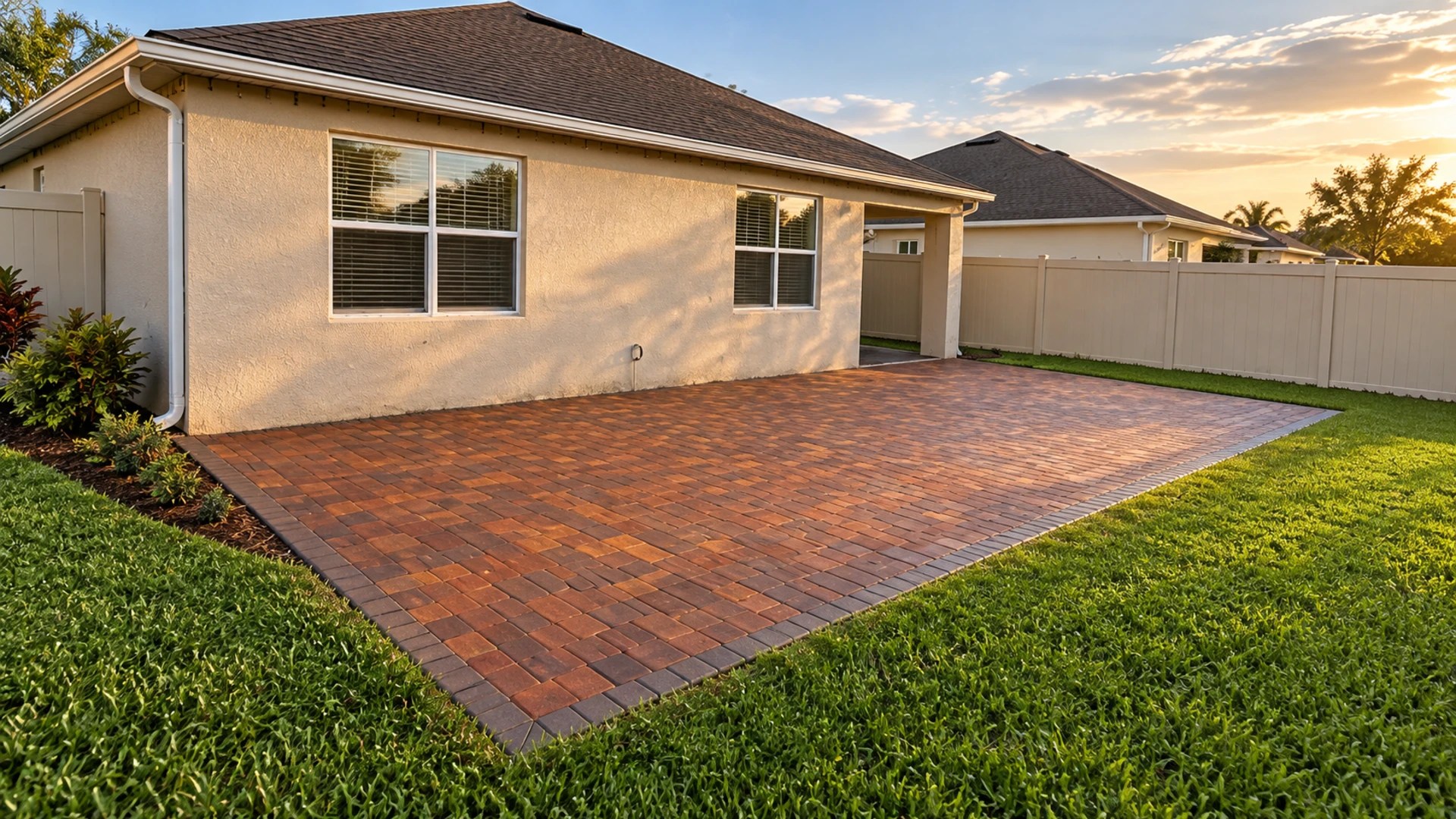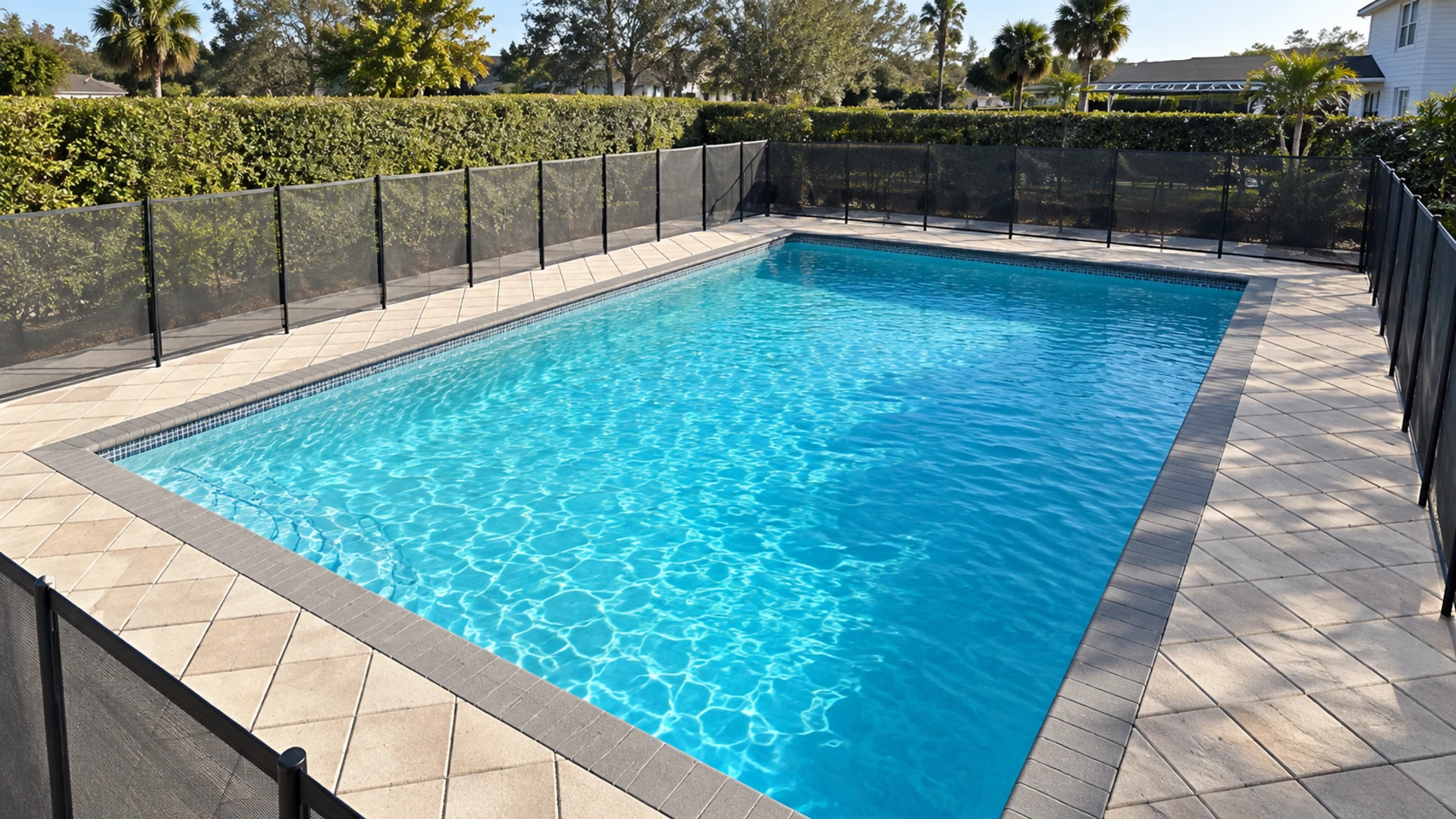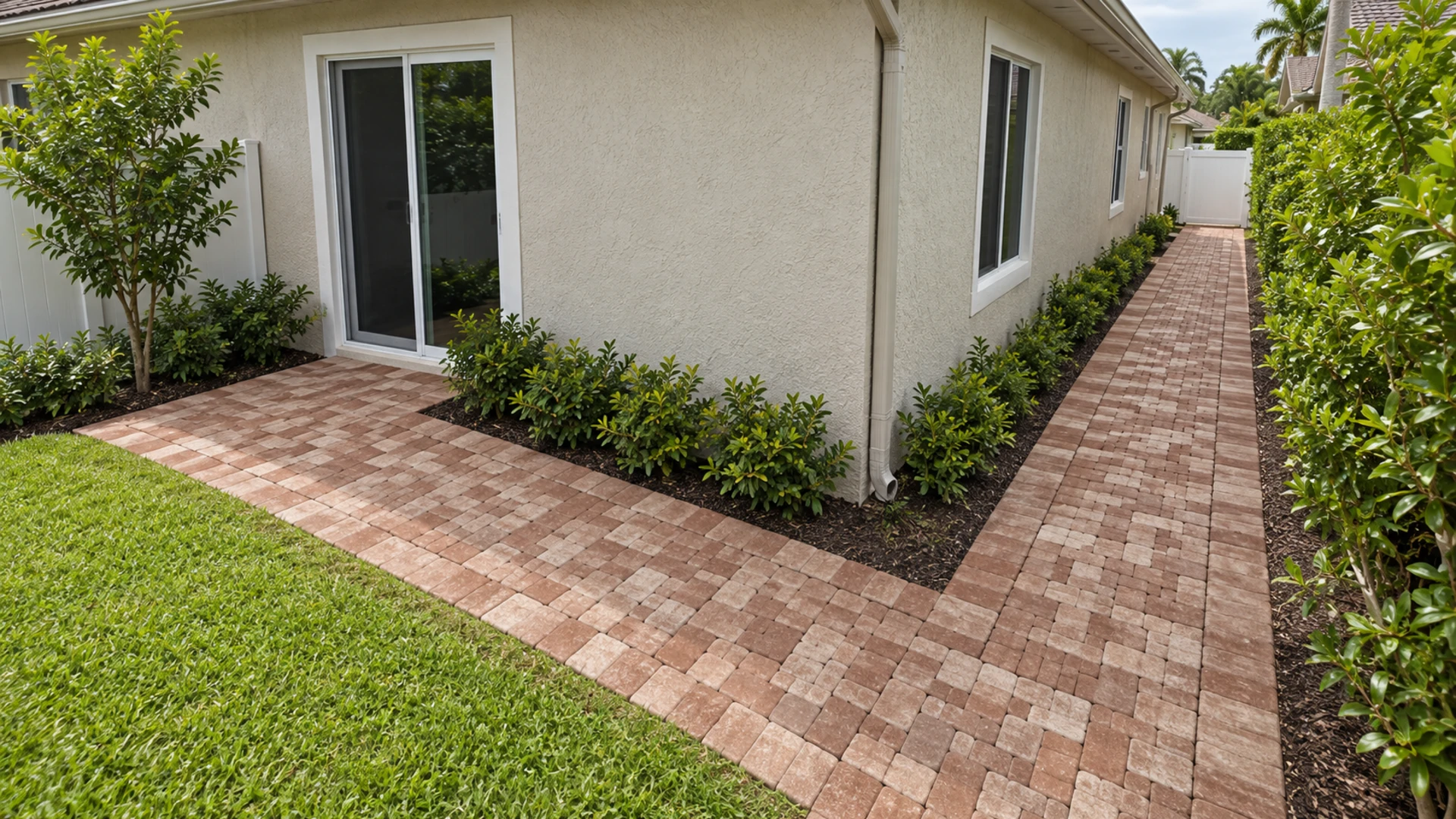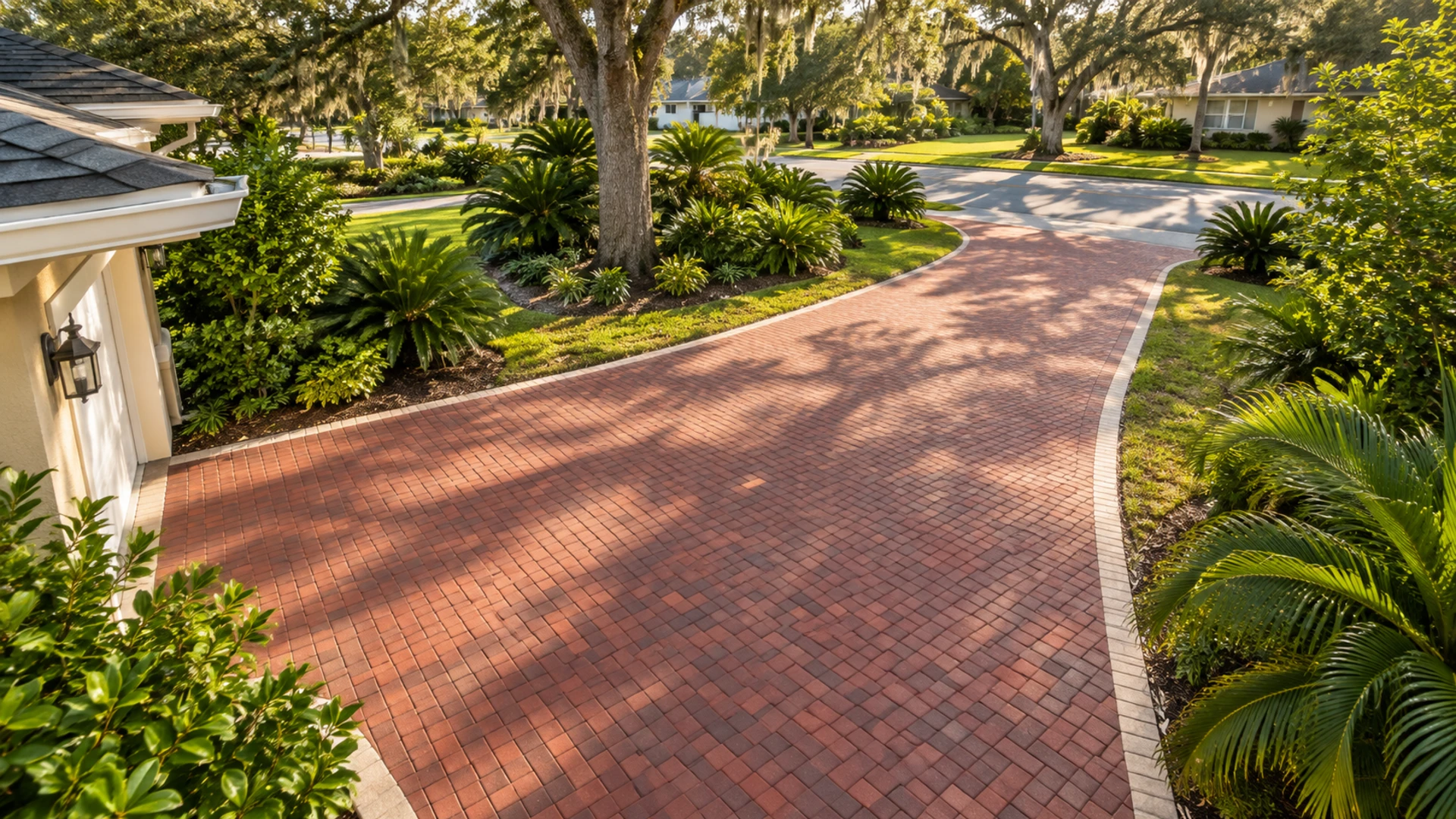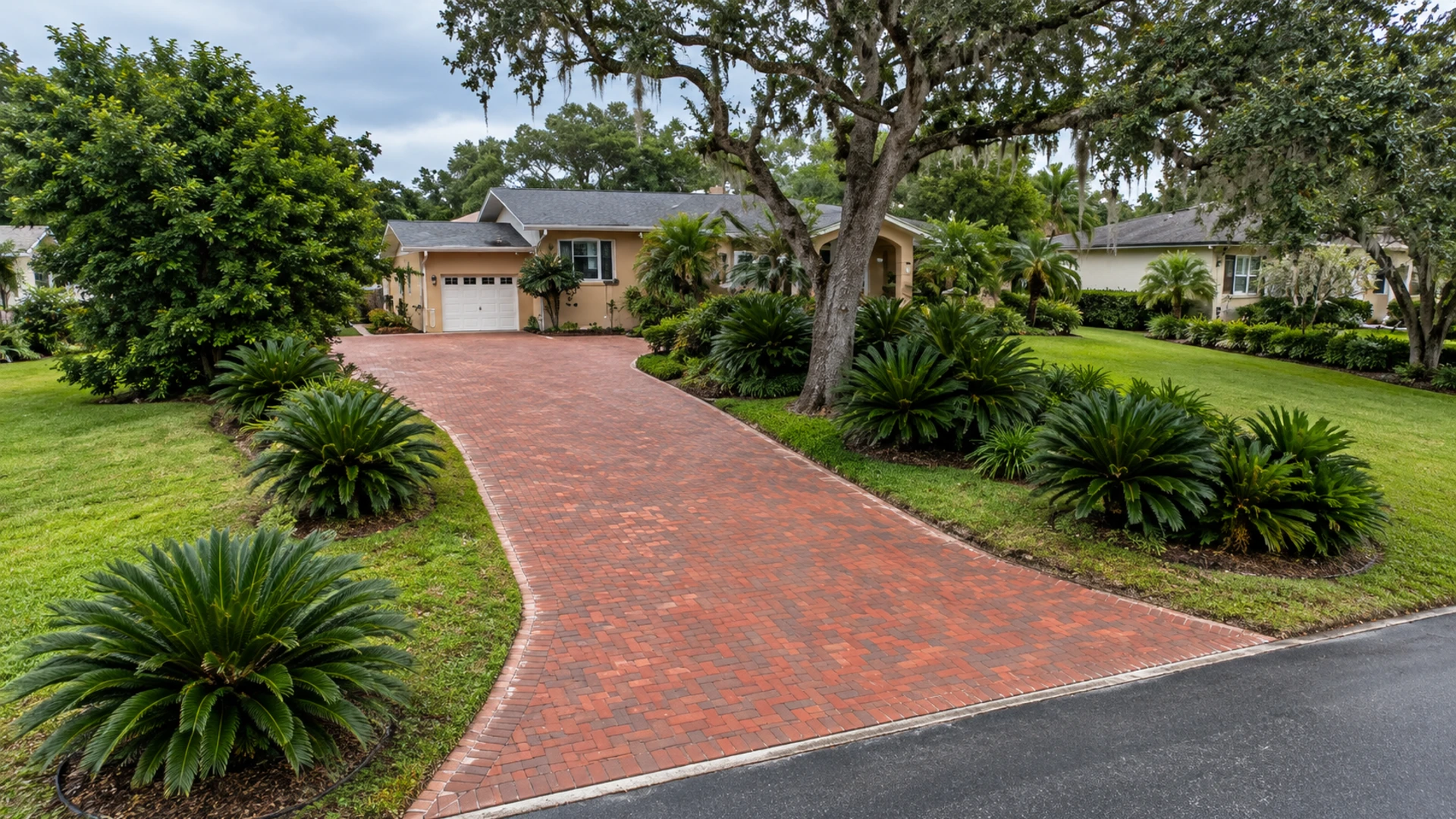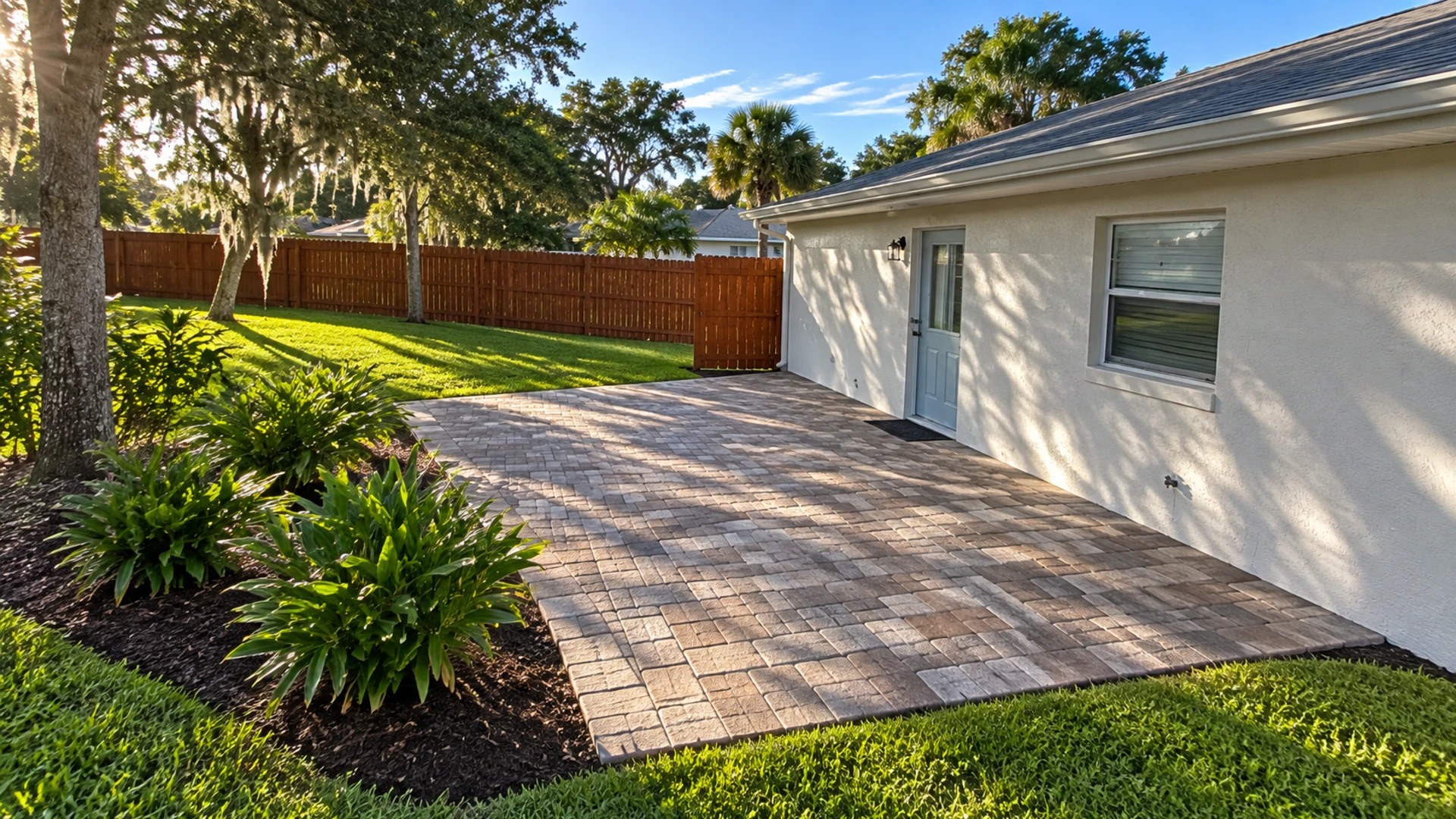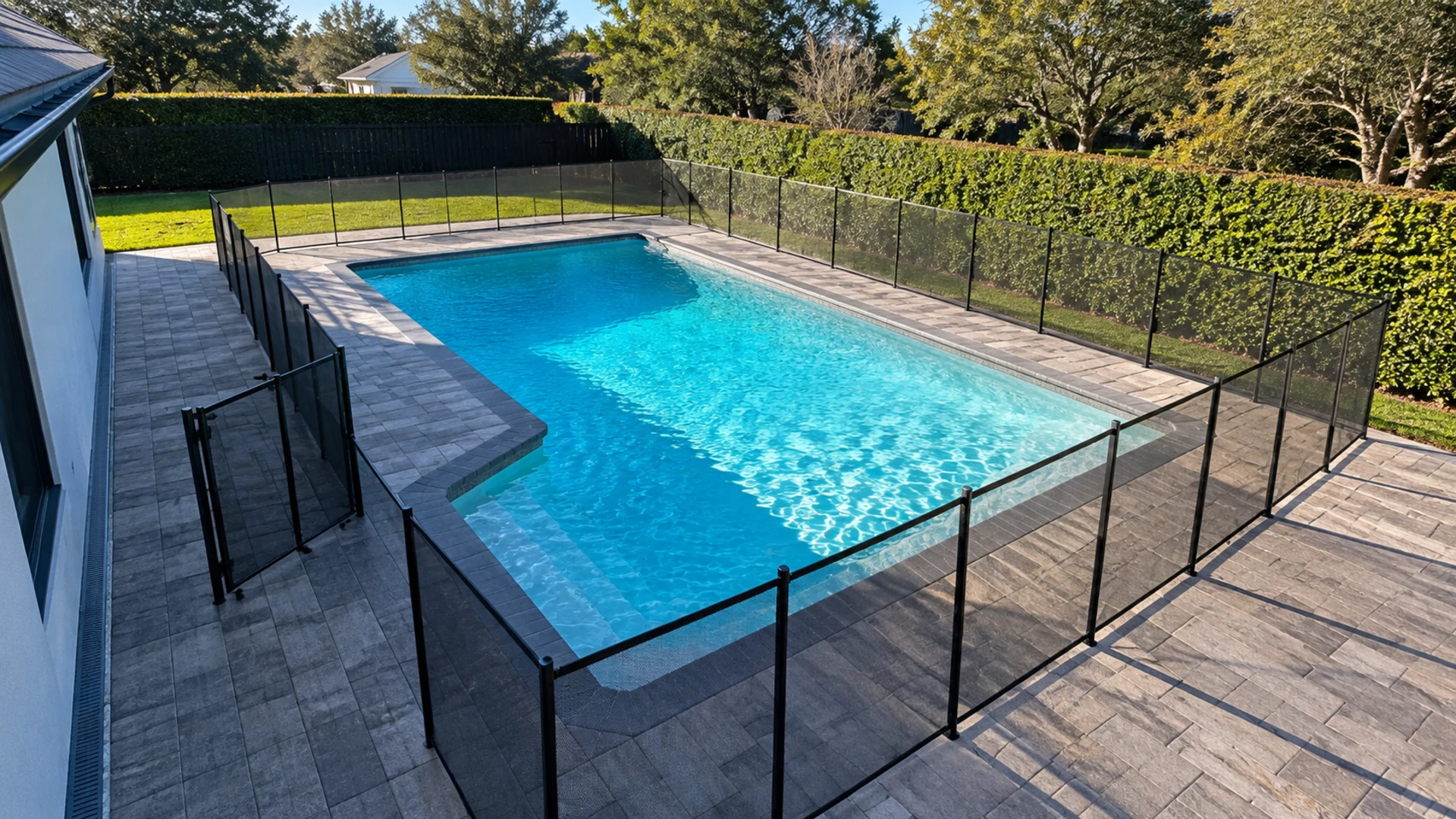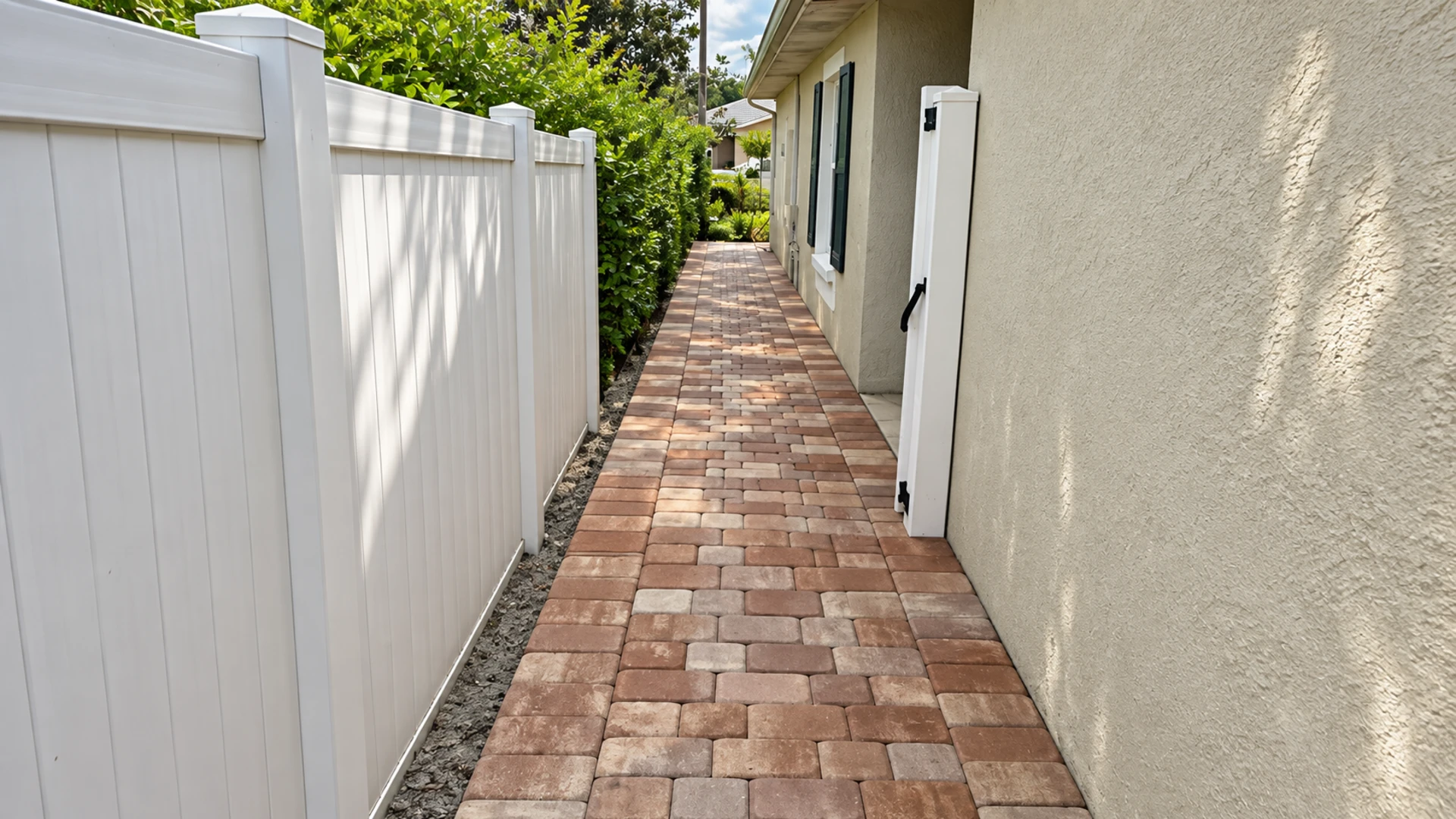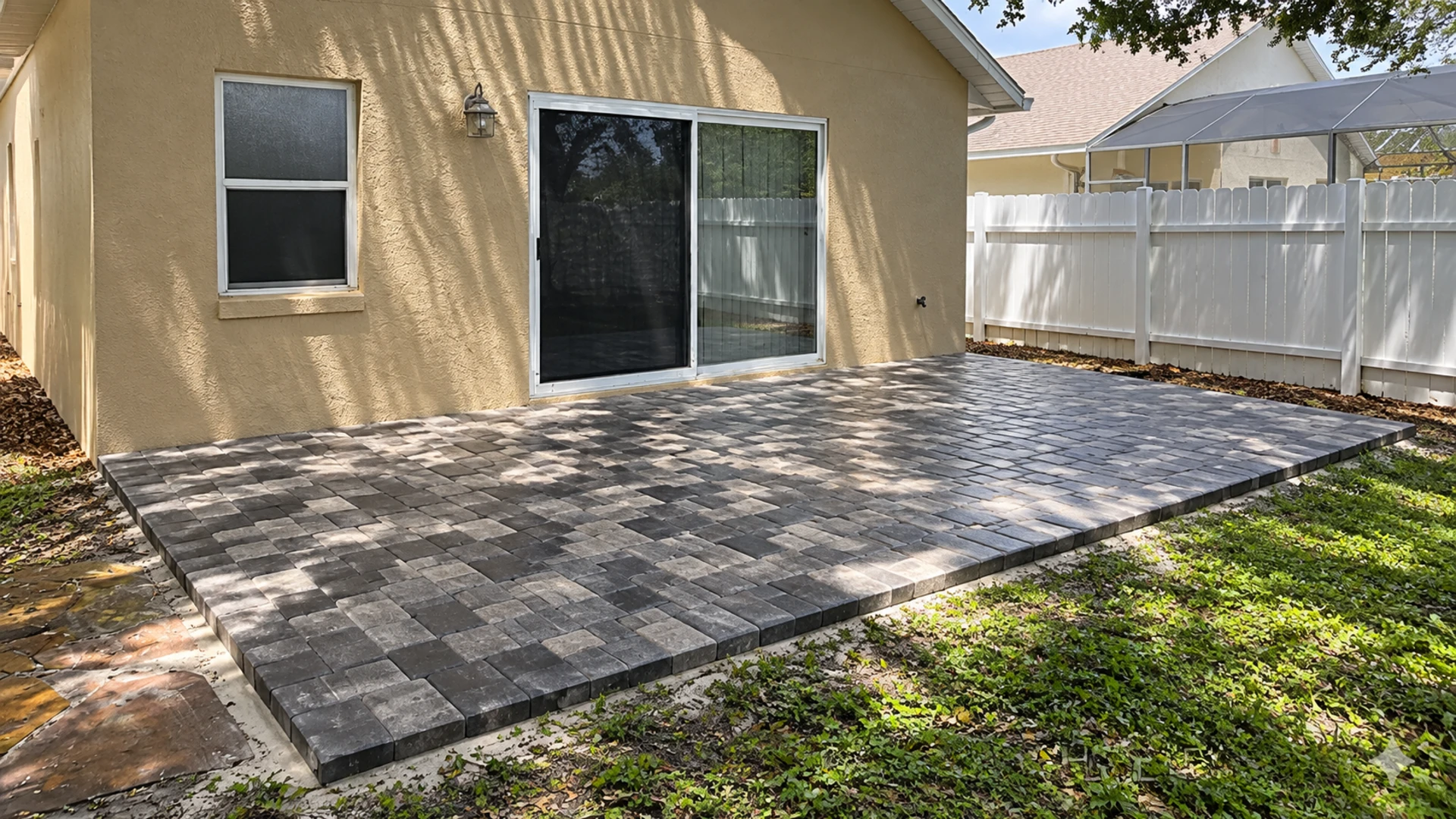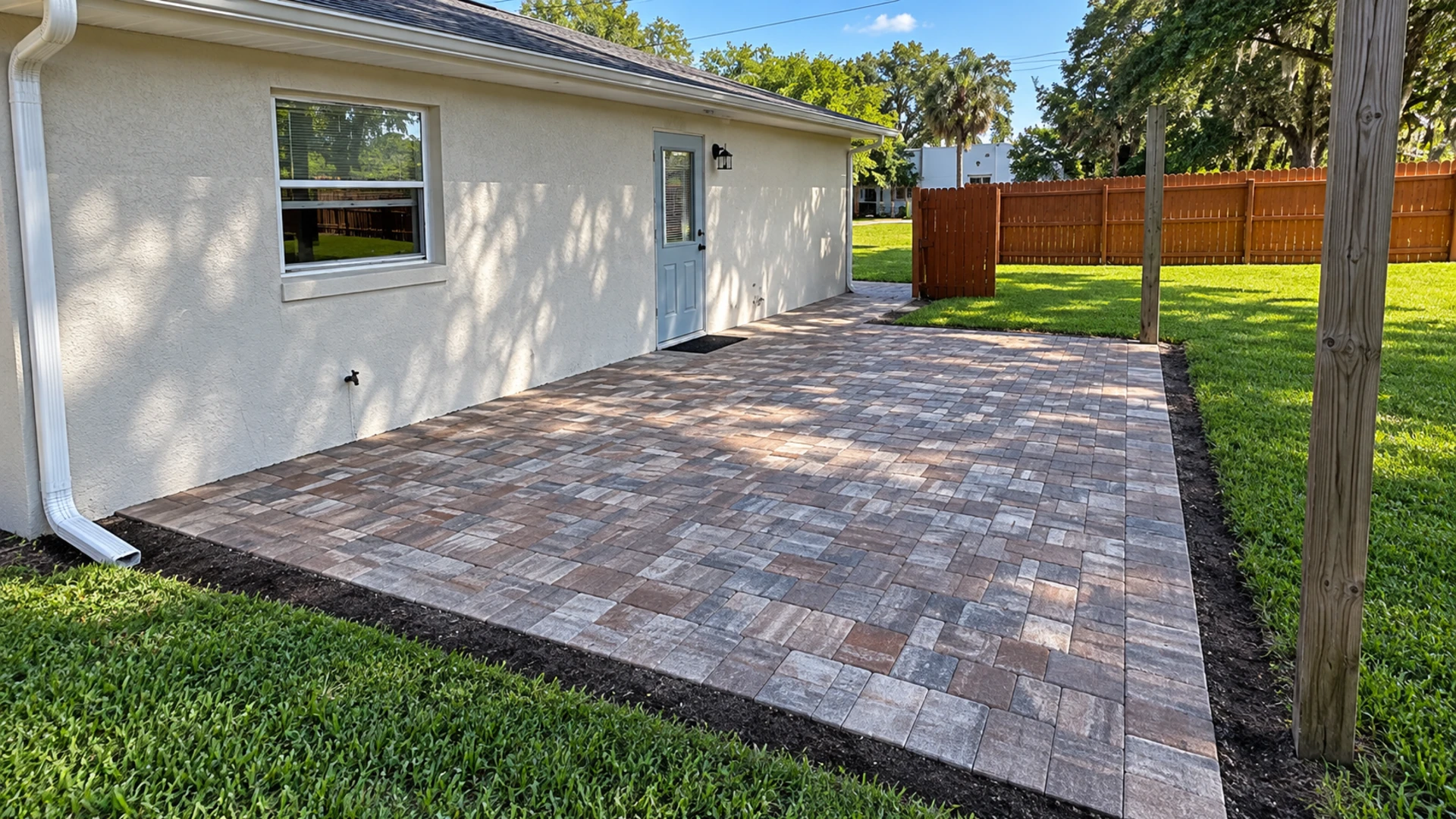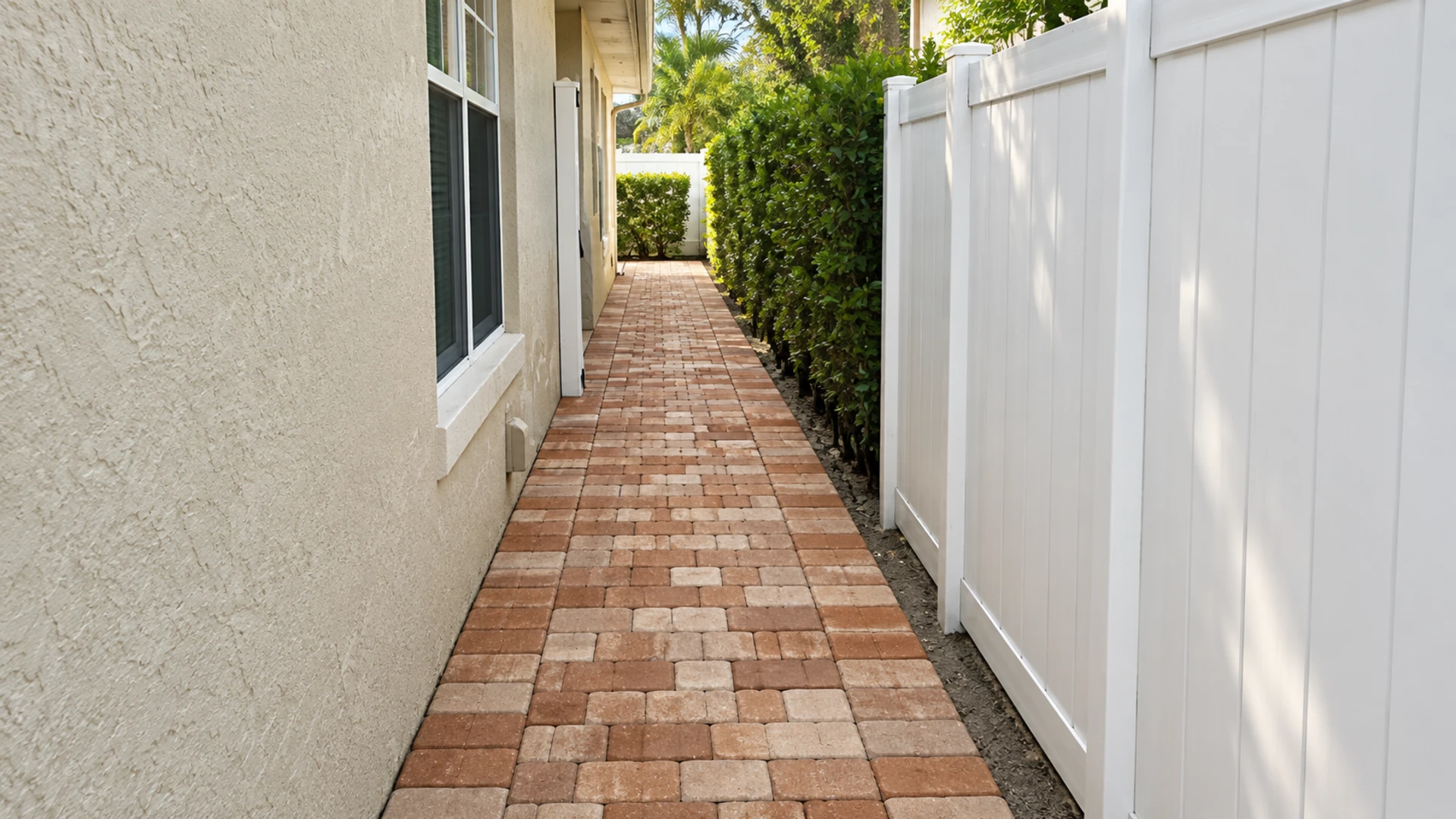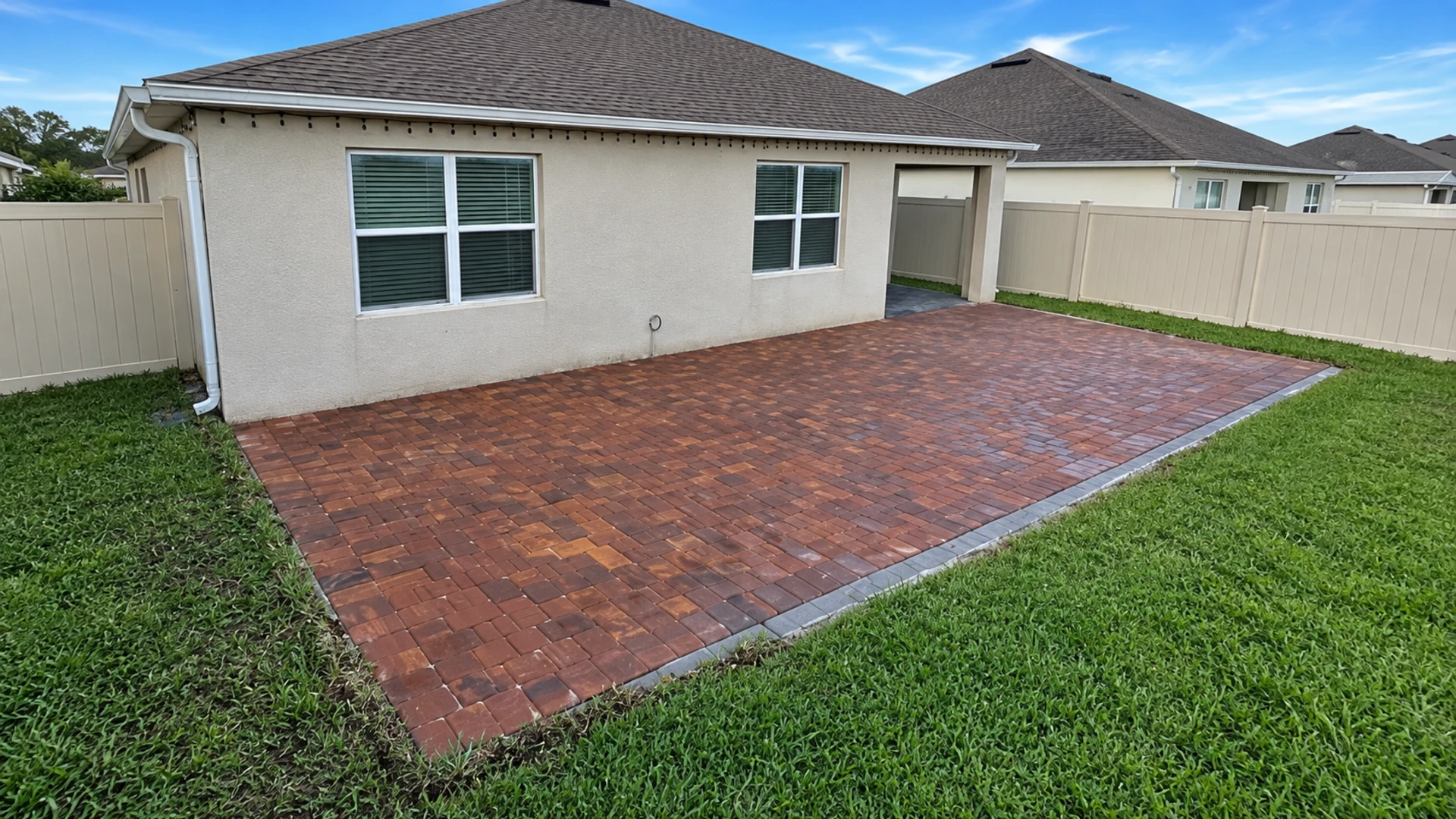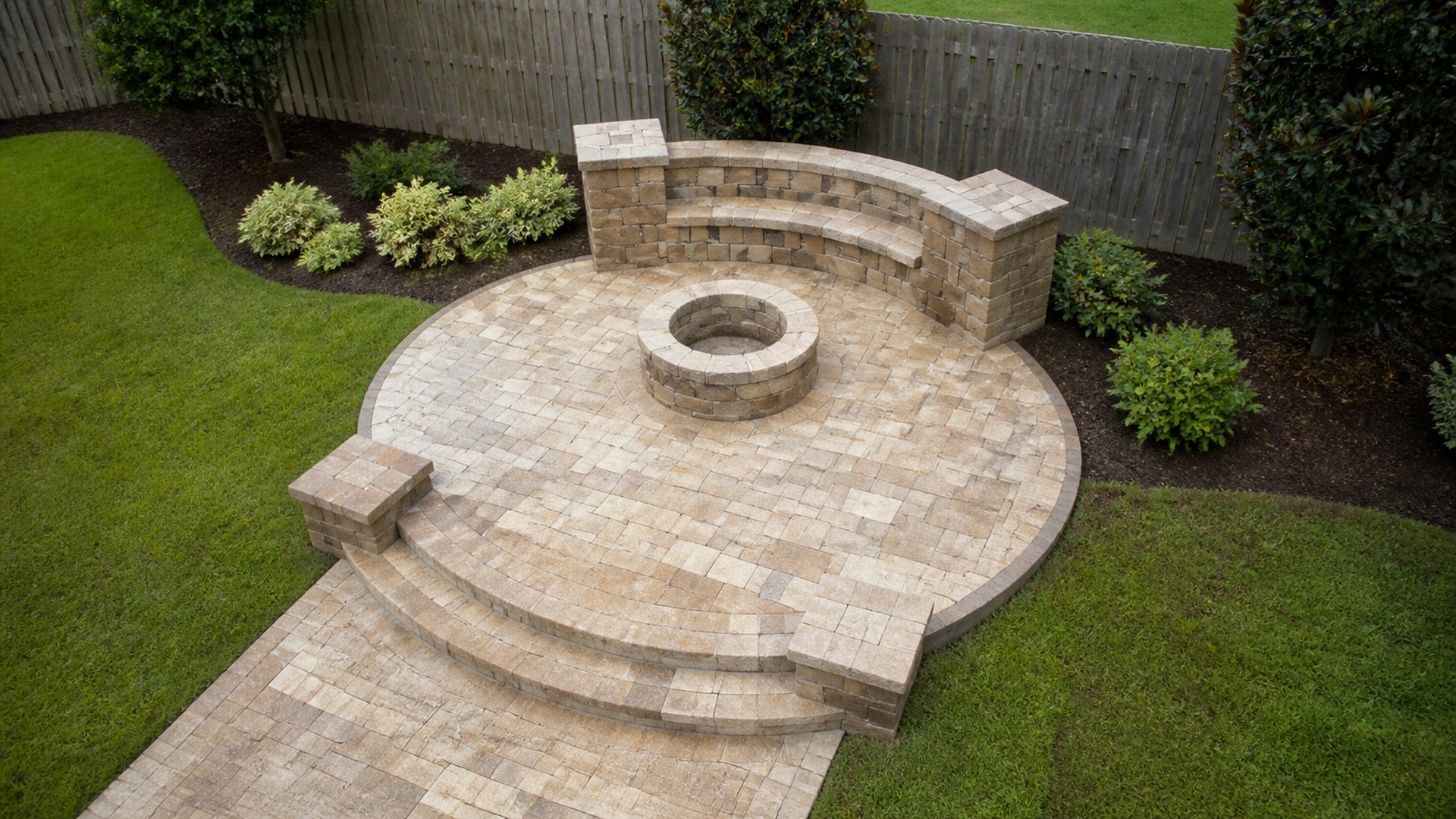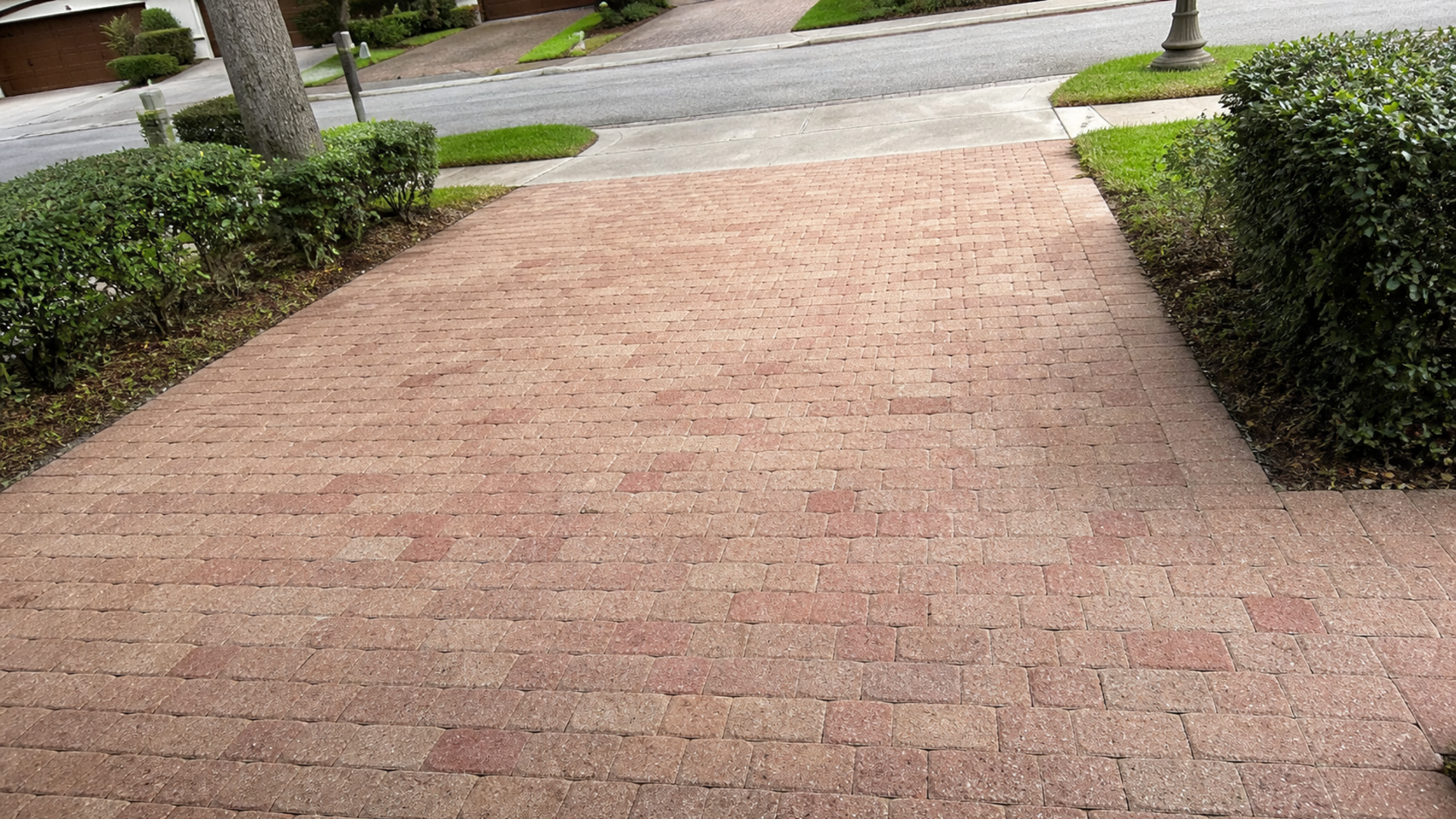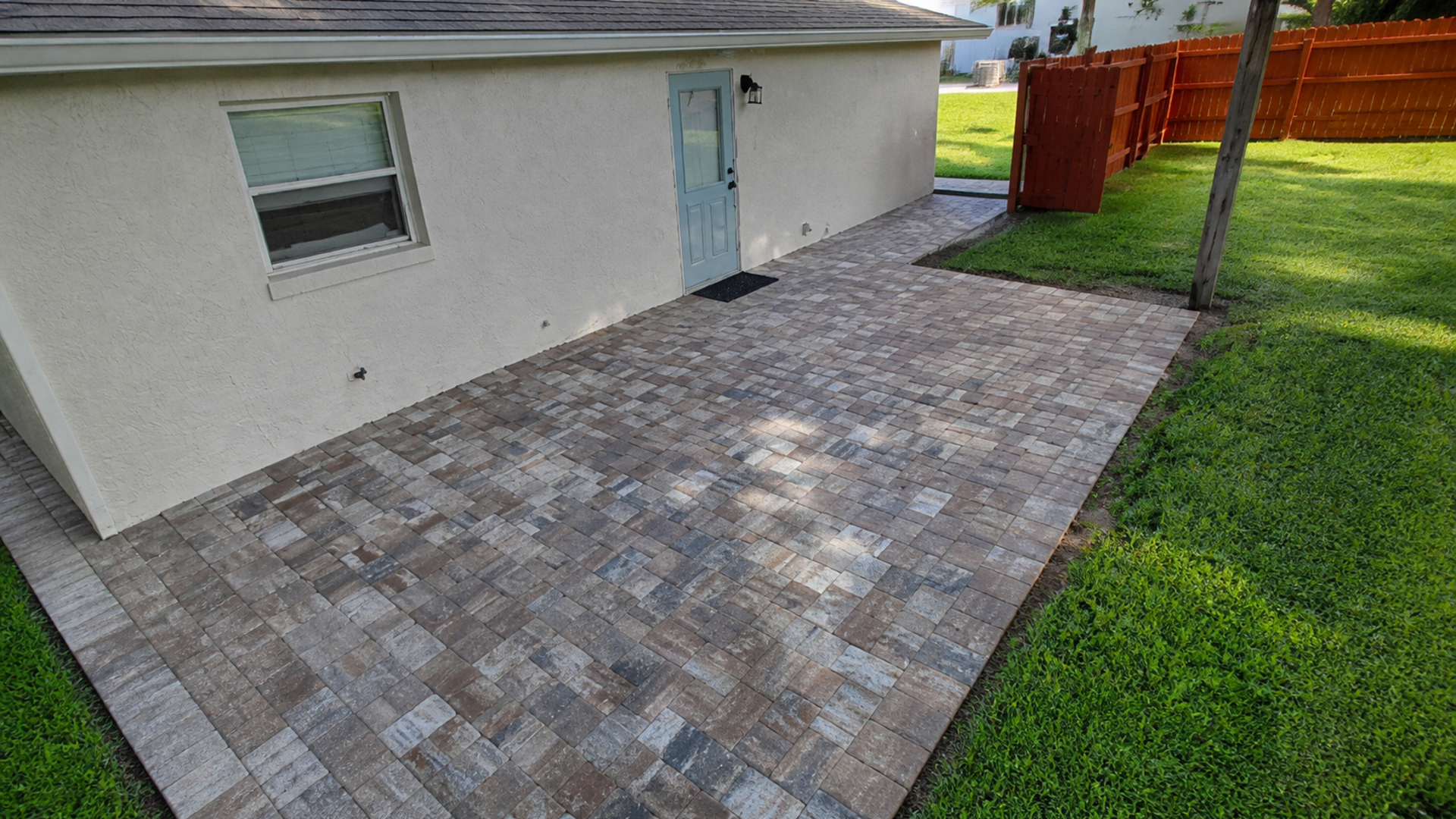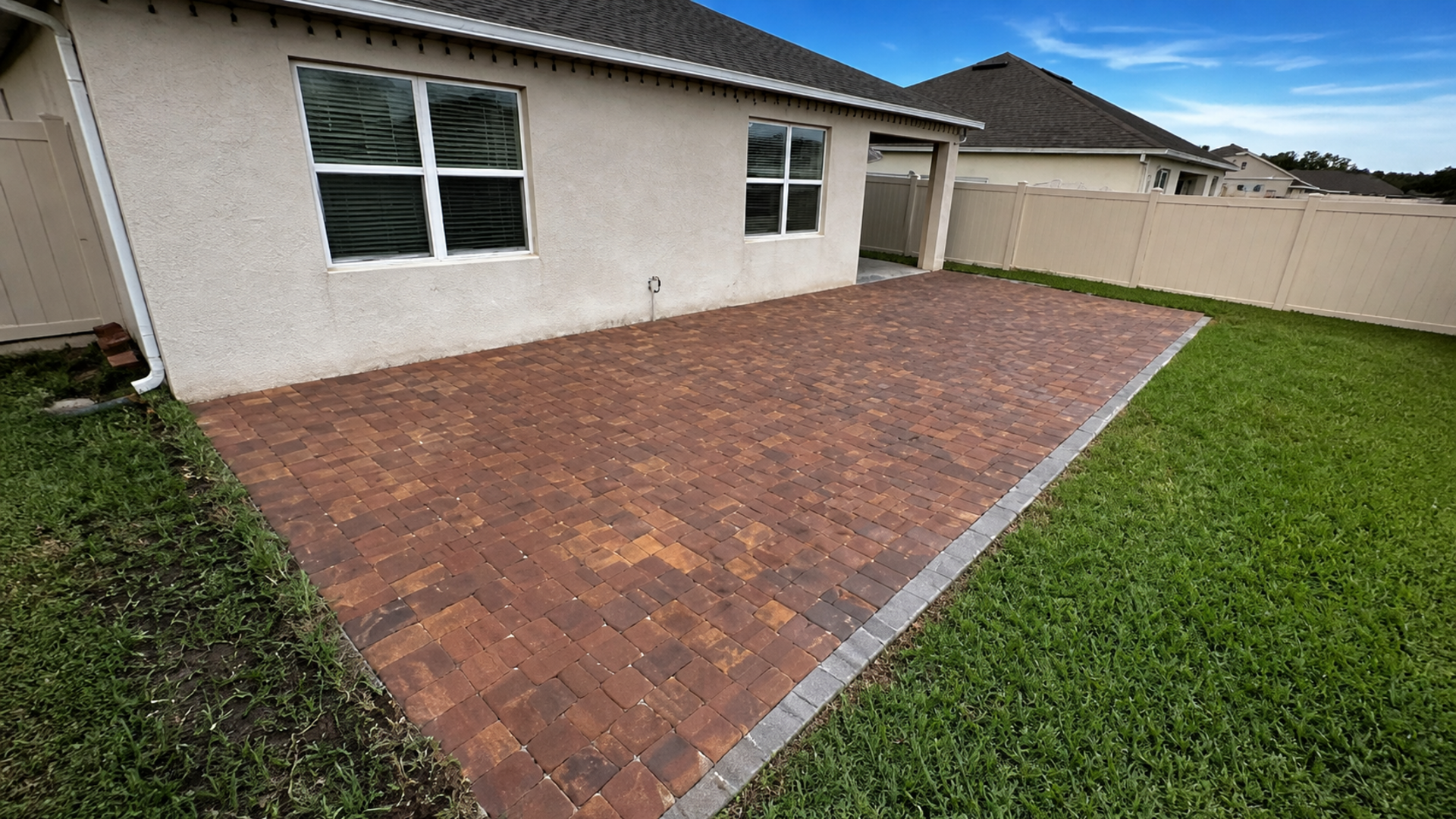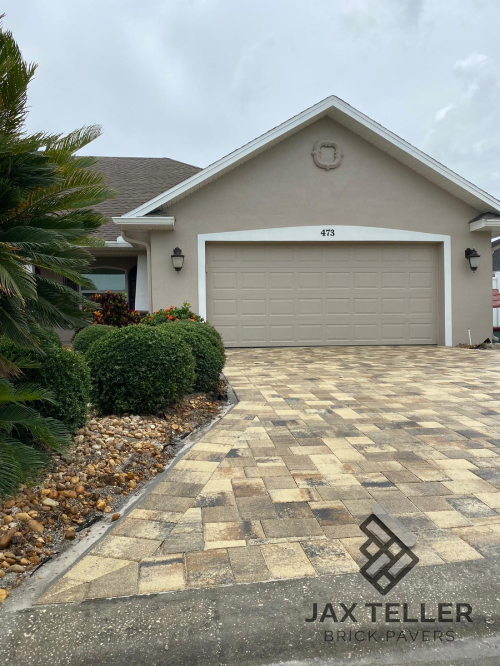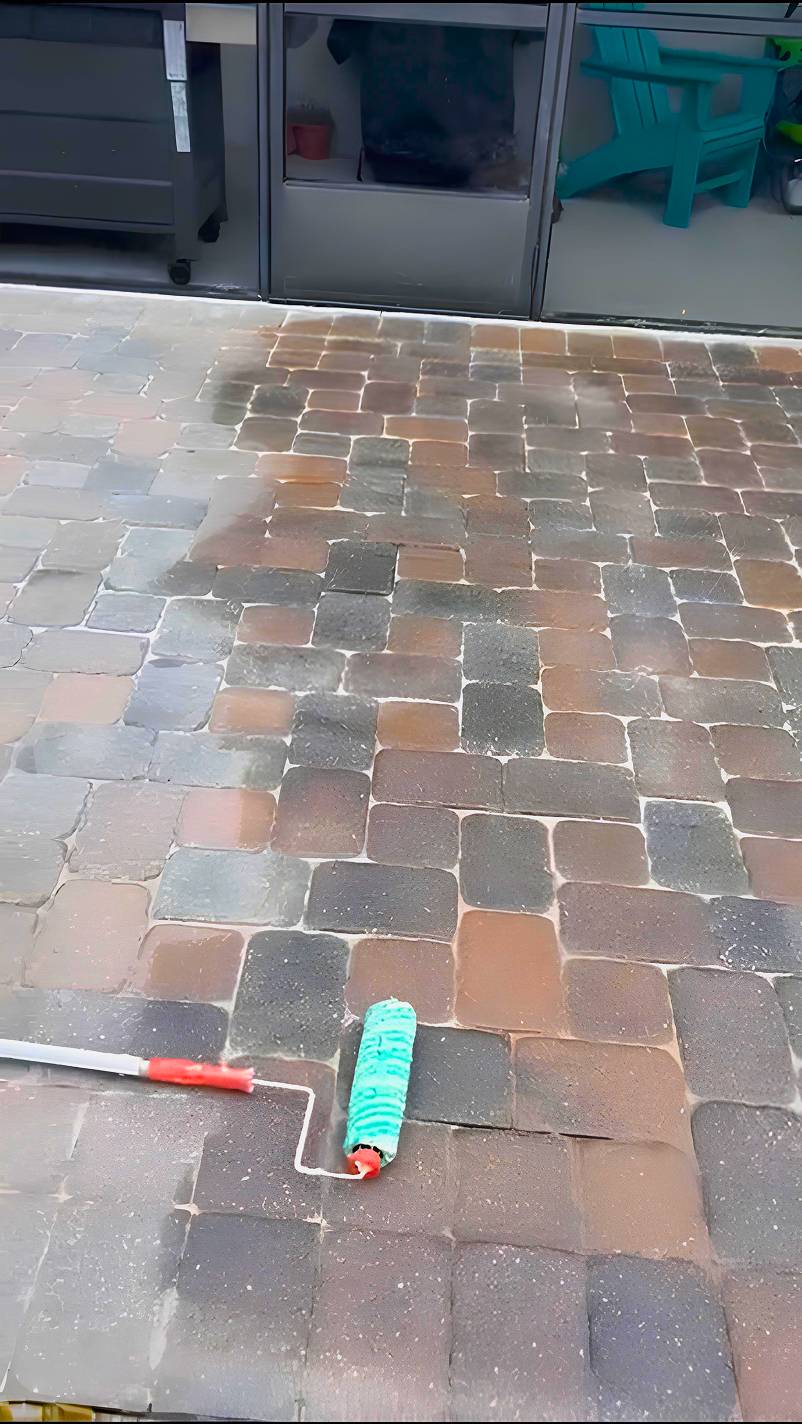


Post-treatment paver repair needs a clear handoff between the pest provider and the paving contractor. Work near a house may leave lifted units, disturbed joints, access openings, or a section that needs reinstatement. However, repairing the visible surface should not happen before the pest professional explains any restrictions that affect the completed treatment.
For a Largo homeowner, the practical task is coordination. You need to know what changed, which area the treatment involved, and what each provider can approve. This guide does not diagnose pests or recommend pesticides. Instead, it explains how to organize the repair discussion without allowing one trade's work to undermine assumptions that belong to another specialist.
Define post-treatment paver repair before booking a crew
Ask the pest provider to describe the completed work in terms relevant to the surface. For example, identify where units moved, where access occurred, and whether any area must remain available for inspection. The paving contractor needs more than a general statement that pest work finished.
Next, clarify whether reinstatement formed part of the original pest service. Some tasks may already have an assigned owner, while others may require a separate paving estimate. Therefore, establish the boundary before asking two providers to price overlapping work or assuming neither has responsibility.
Keep the treatment documents with the repair request. You do not need to interpret their technical details yourself. However, the relevant provider should identify the information that affects timing, disturbance, access, and any continuing service arrangement.
Map the post-treatment paver repair area
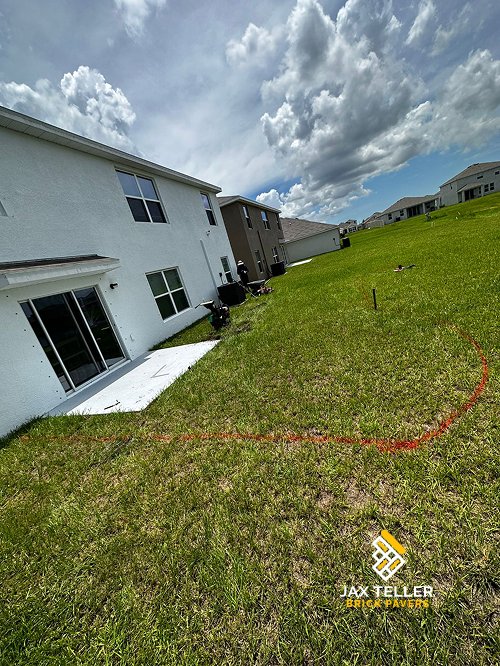
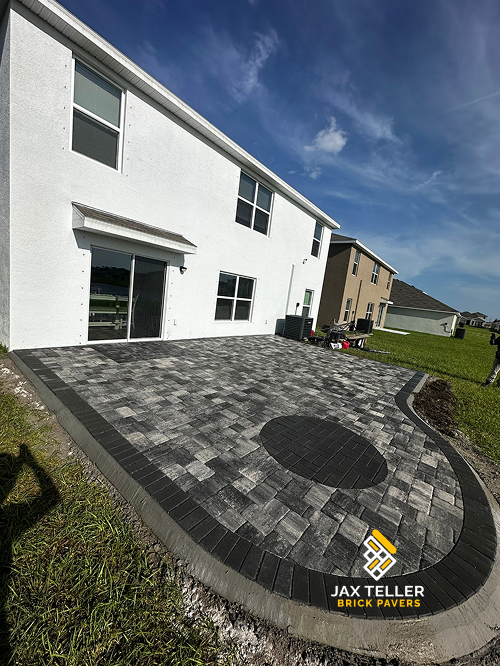
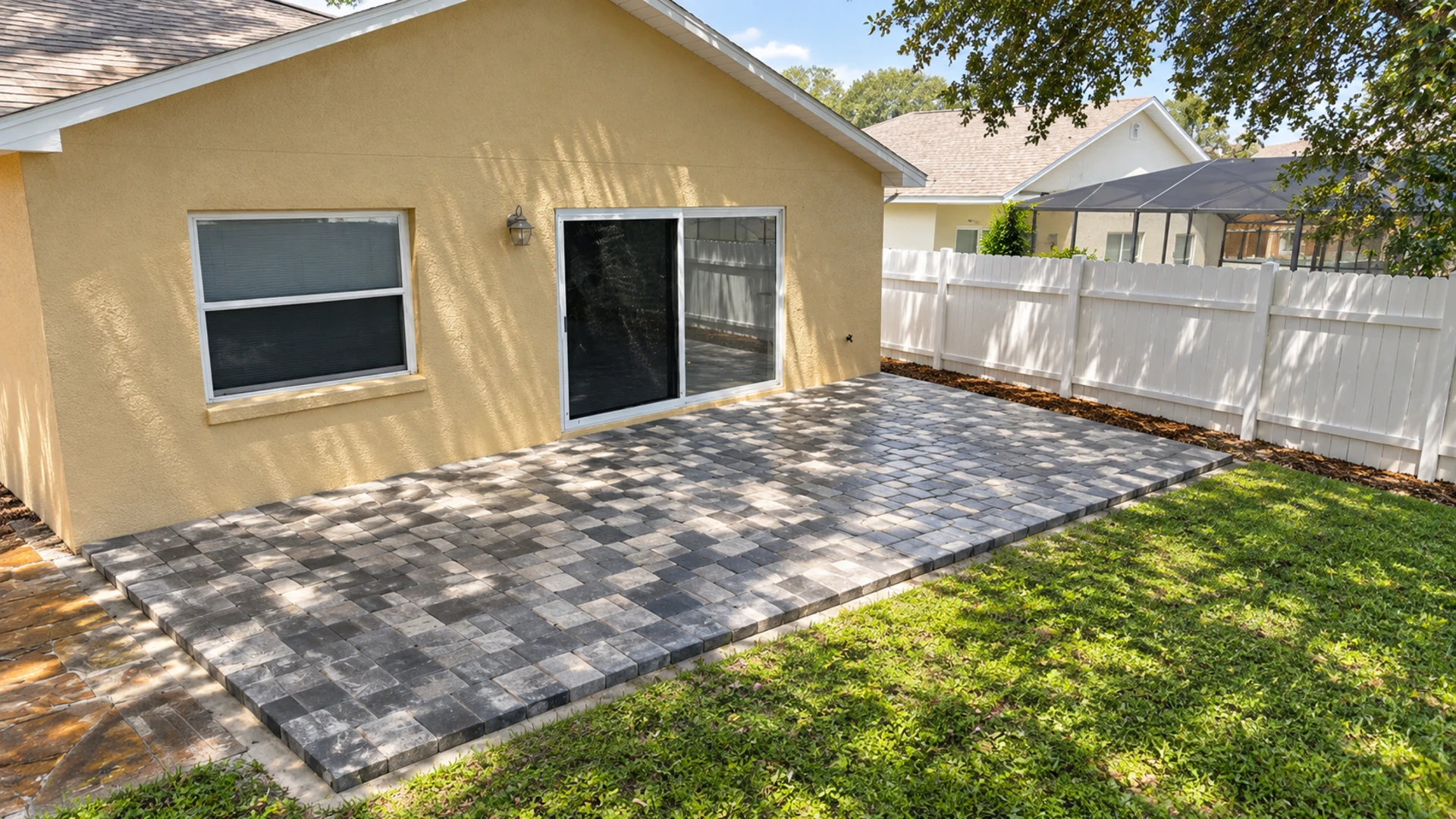
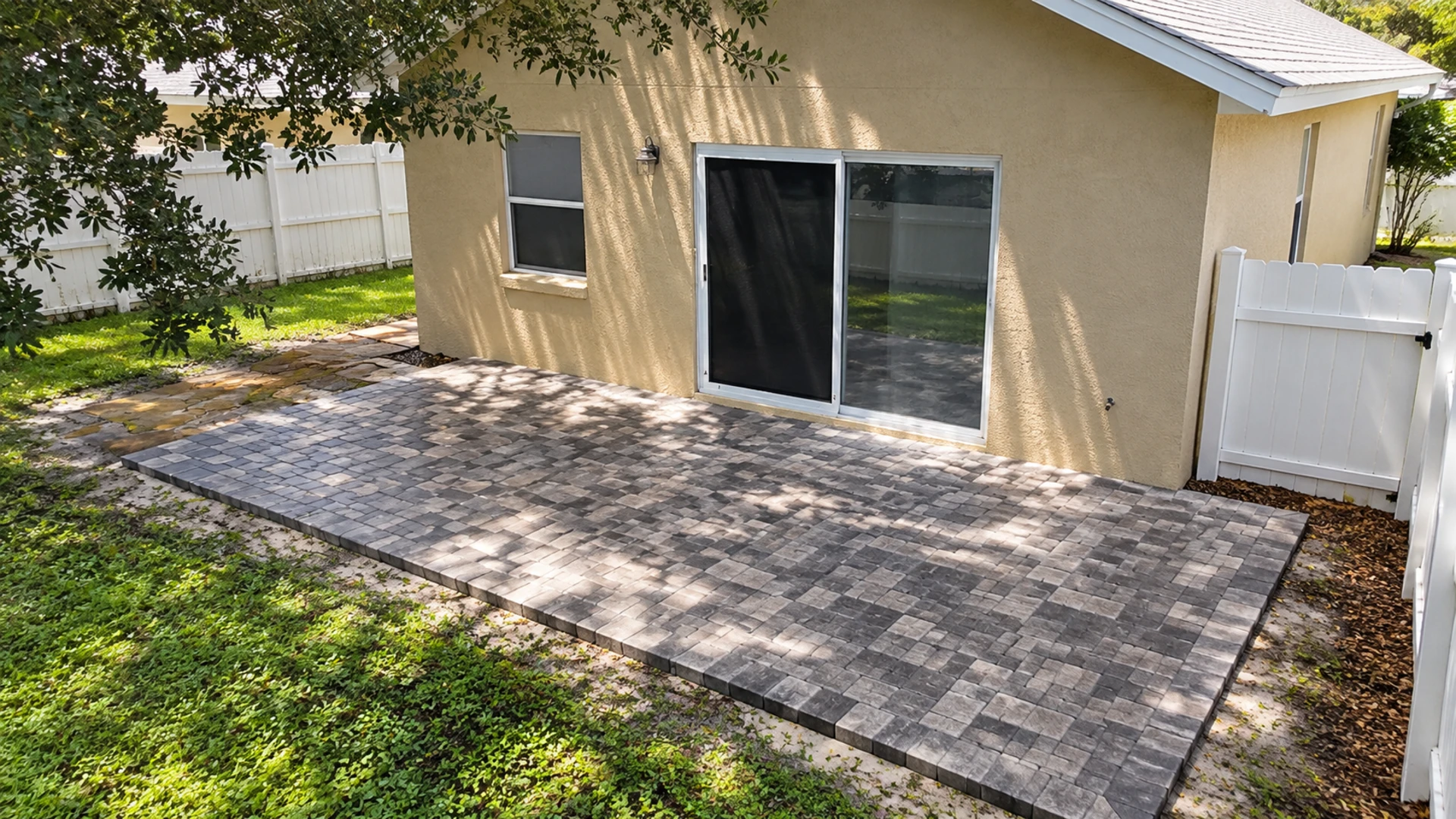
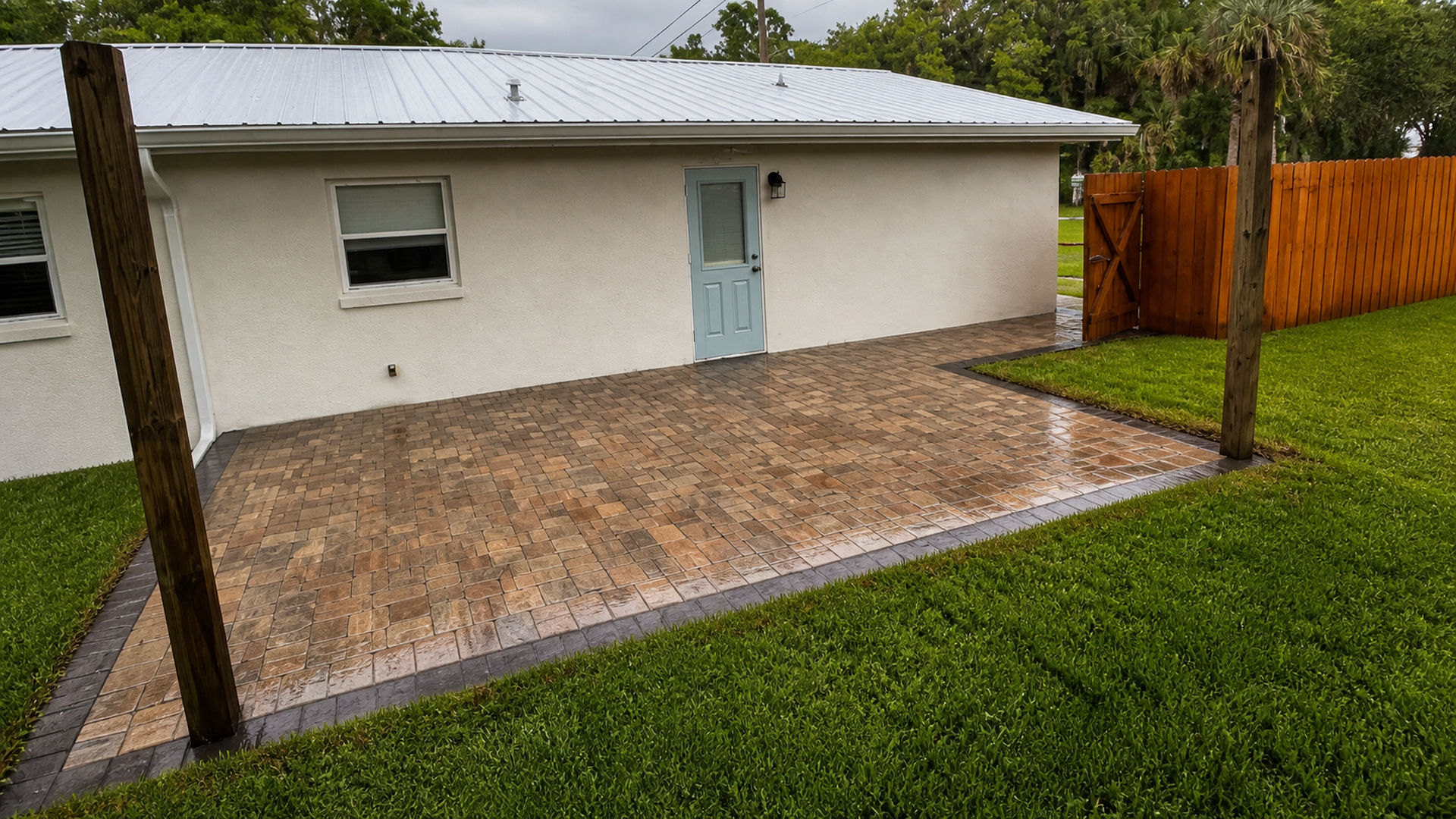
Photograph the full affected zone and its relationship with the house. Then take closer images of lifted units, visible openings, and adjacent edges. A close-up alone may hide whether the proposed repair lies inside or beside the area the pest professional needs to preserve.
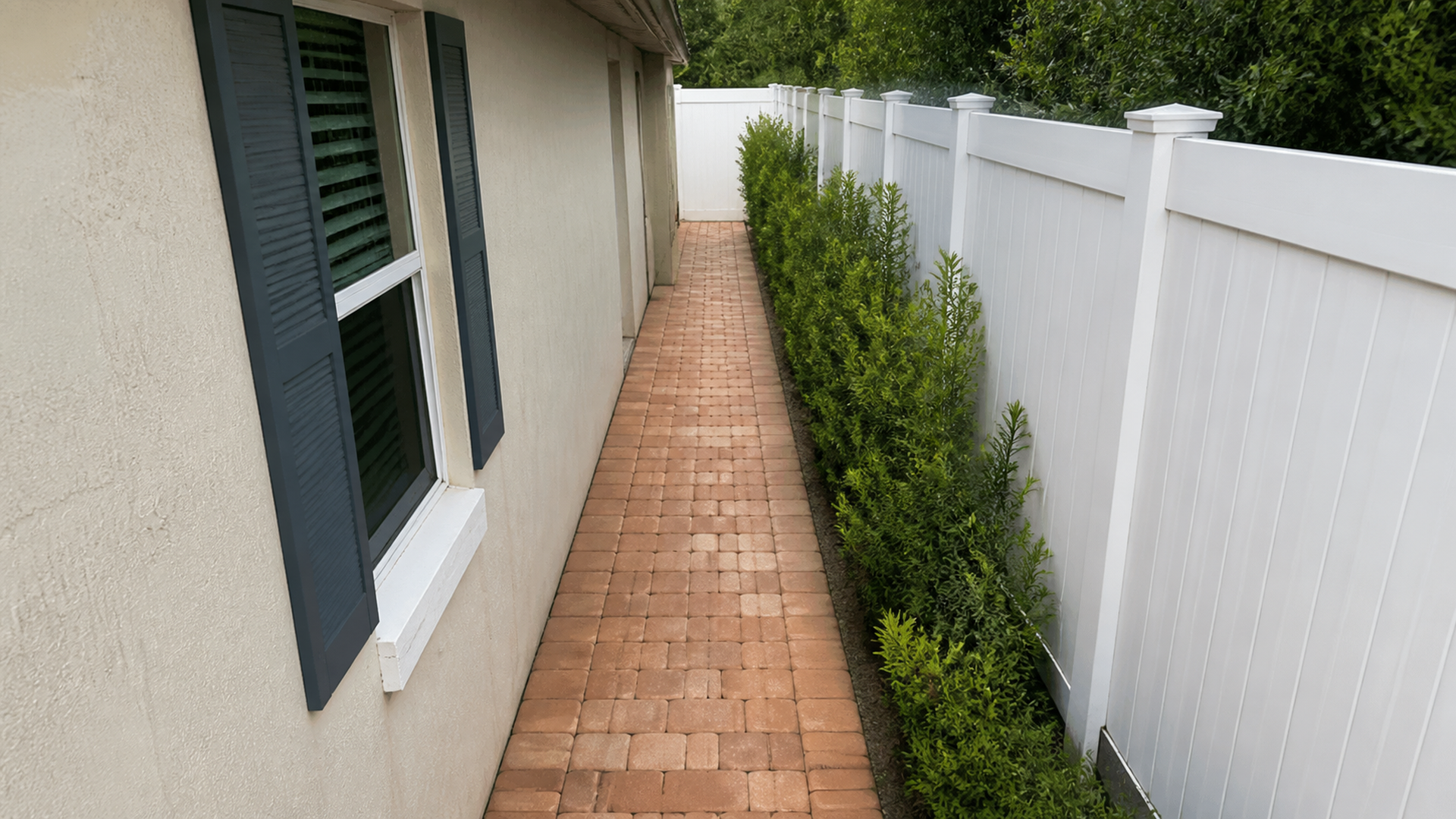
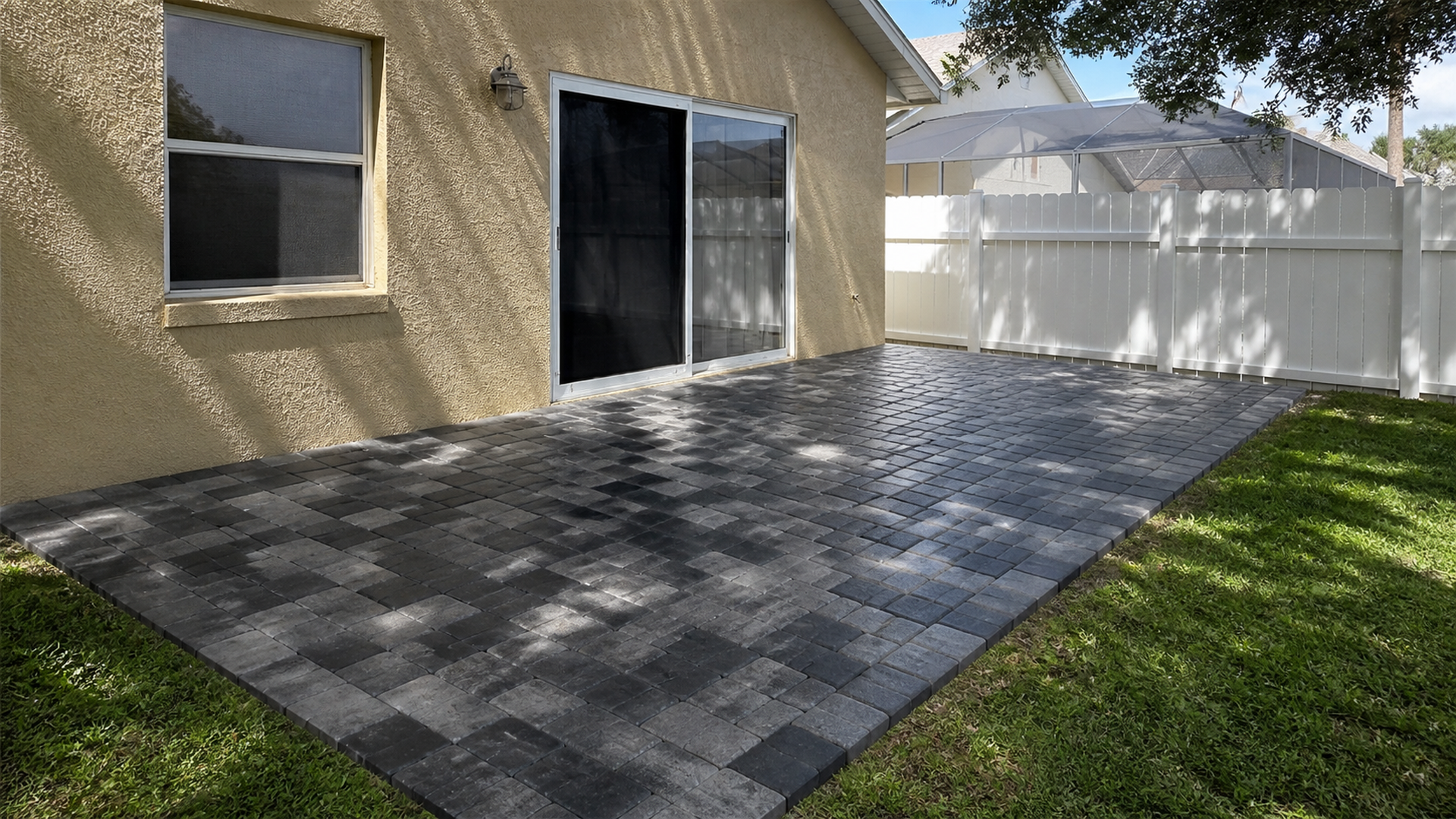
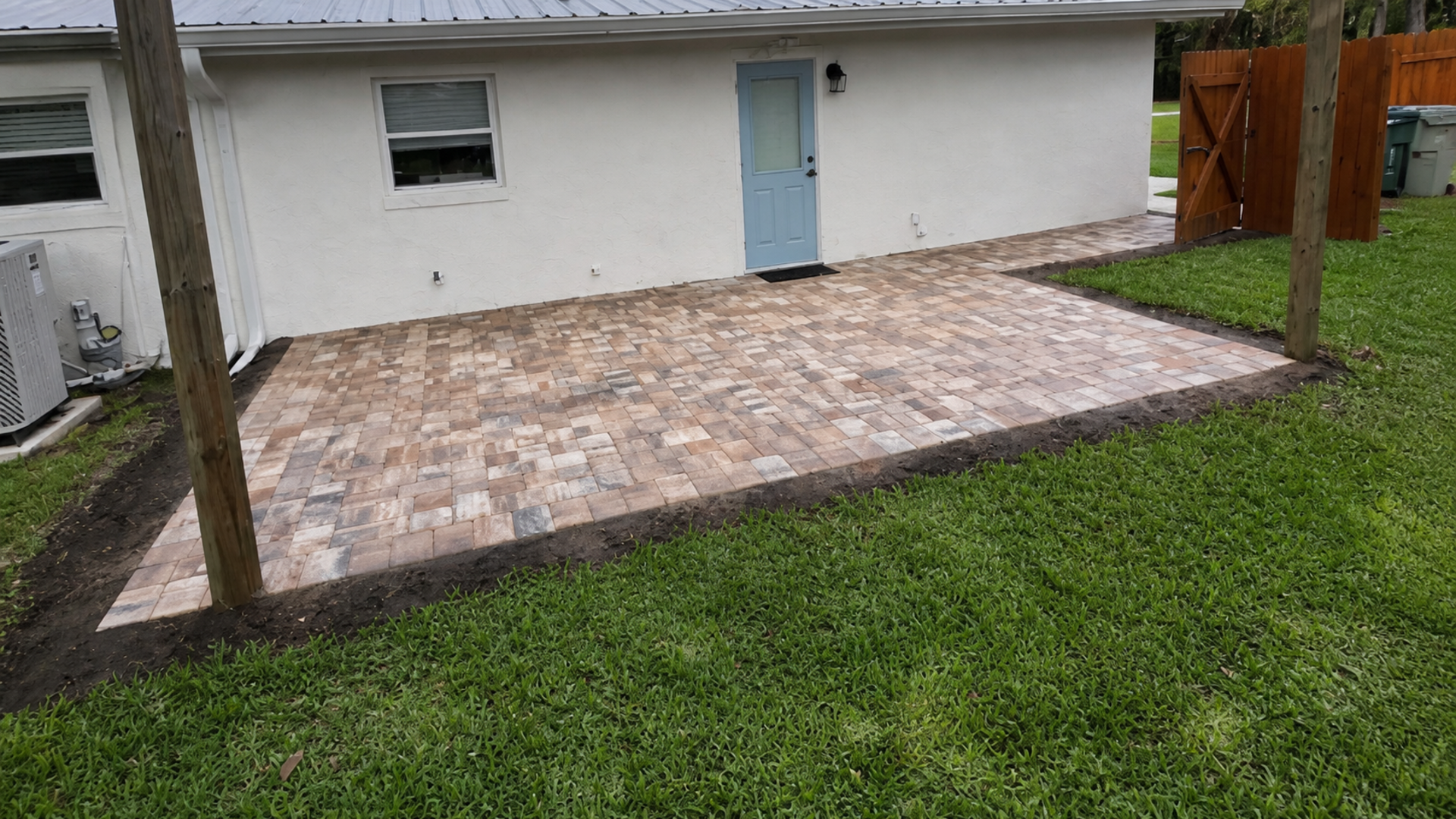
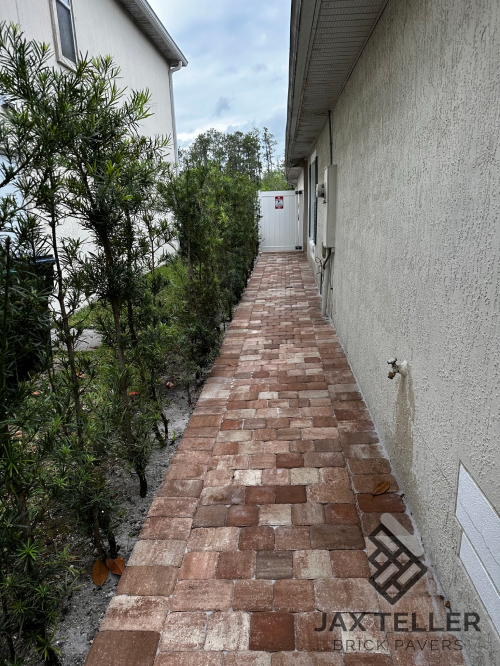
Use a simple location description for each concern. For example, distinguish the side-door strip from the rear patio corner. Moreover, record which units remain on site and where they are stored. The contractor can then assess reuse and matching questions with a clearer starting point.
Avoid moving markers, covers, stations, or treatment-related components to make the photograph cleaner. Their position may matter. Instead, ask the pest provider which items need to remain and show them in the contextual images without touching or opening them.
Let the pest provider define treatment restrictions
Ask what the paving contractor may disturb and what needs further coordination. Moreover, request the answer in a form the contractor can understand and retain. A verbal assurance that everything is fine may omit an important limitation when the repair scope changes.
The EPA's termite information emphasizes qualified pest professionals and following product directions. That supports obtaining treatment-specific guidance from the provider. It does not establish a universal waiting period or authorize paving work over every treated area.
If the provider identifies a restriction, include it in the repair brief. The paving contractor can then explain how it affects the proposed work. Post-treatment paver repair should follow confirmed constraints rather than rely on a homeowner's guess about when a treatment has settled or stopped mattering.
Distinguish surface reinstatement from further excavation
Replacing lifted units can sound like a simple task. However, the contractor may discover that the condition below them needs assessment. Therefore, ask whether the proposal covers only reinstatement or anticipates preparation and repair beneath the visible surface.
That distinction matters when the pest provider has identified limits on disturbance. A wider excavation could change the coordination requirements. The team should pause and resolve that question rather than assume approval for a small surface repair also covers a broader intervention.
Keep the change process explicit. If the paving contractor finds an unexpected condition, ask for photographs, a description, and the proposed next step. Then involve the pest provider when its work or restrictions may be affected. This protects a clear sequence instead of forcing a rushed decision on site.
Identify the existing paving before discussing replacement
Gather any invoices or product references for the affected surface. Moreover, tell the contractor about prior repairs, coatings, or material changes. The visible field, border, and nearby step may not share the same product or installation history.
Ask whether the existing units can enter the assessment for reuse. Do not assume every lifted piece remains suitable, and do not discard it before the contractor has reviewed the scope. A qualified evaluation can help identify the practical options without promising a perfect match.
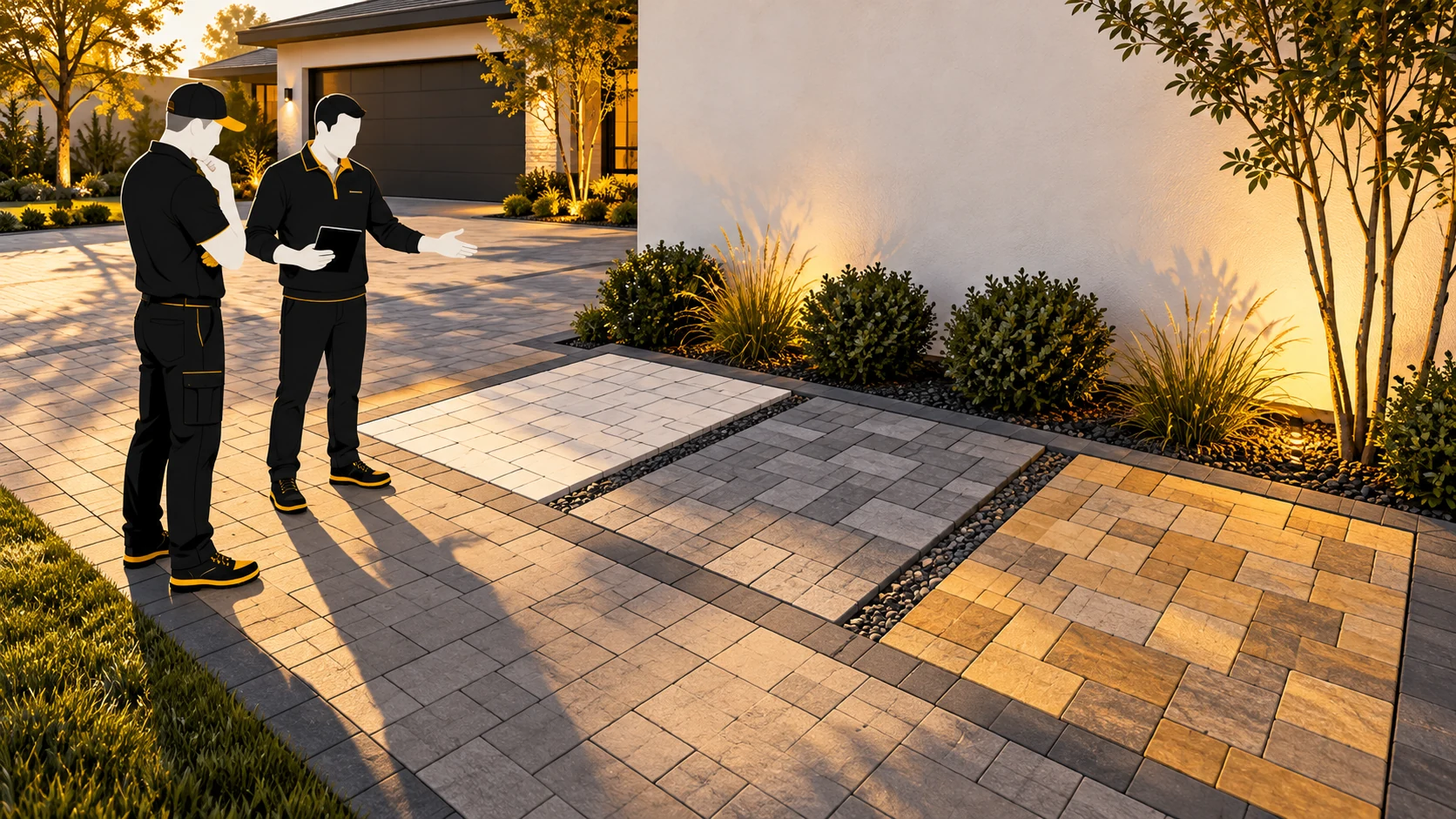
If replacement material becomes necessary, discuss the likely appearance relationship with the existing paving. A matching product name does not guarantee identical appearance after different exposure and service histories. Therefore, include the visual expectation in the proposal before approving a repair that will remain visible in a prominent area.
Preserve monitoring access during post-treatment paver repair
Ask the pest provider to identify any feature that needs continuing access. Then show that information to the paving contractor. A neat border should not conceal a station, cover, or inspection point whose function remains part of the service arrangement.
Do not decide the feature's new location yourself. If the paving design conflicts with it, let the responsible provider assess the alternatives. Moreover, record the approved position or access requirement so the final walkthrough has a clear reference.
Consider ordinary yard use around those features too. Furniture or landscaping added after repair can obstruct access even when the paving itself respects the plan. A short handover note helps the household understand why a particular area should remain available rather than treating it as leftover space.
Review edges and transitions beside the repair
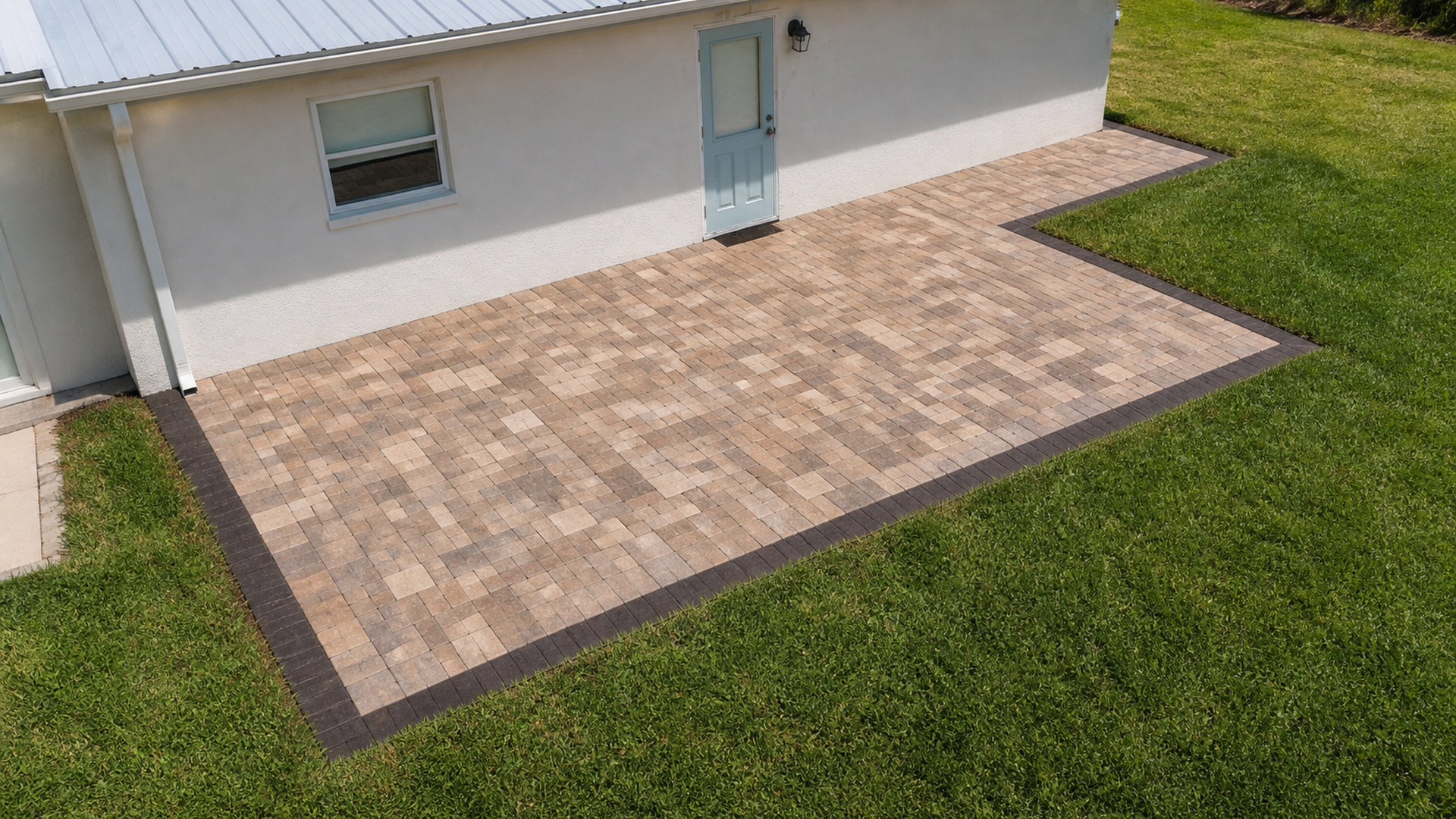
Look at where the affected section meets undisturbed paving, the house, and the landscape. For example, a narrow repair strip can still involve several important interfaces. Ask the installer to explain the proposed treatment of those boundaries in the actual scope.
A decorative edge and a functional restraint may serve different roles. Therefore, avoid choosing a visual detail without understanding the complete repair arrangement. The contractor should determine the appropriate system while respecting any treatment-related constraints supplied by the pest provider.
If the proposed boundary changes, update the shared record. A wider post-treatment paver repair area can affect material needs and the treatment conversation. Keeping the current limits clear prevents the project from expanding through a series of small verbal changes that nobody reviews as a whole.
Address drainage observations without pest diagnosis
Tell the paving contractor about visible puddles or water routes near the affected area. Moreover, distinguish a condition that existed before the pest work from one you noticed afterward. A timeline supports assessment without assuming one activity caused every later concern.
The pest provider may have its own recommendations about moisture or the building perimeter. Ask it to explain the relevant requirements within its expertise. The paving contractor can then consider surface-related questions without presenting a paving repair as a cure for an unverified pest condition.
Do not redirect water or alter a treatment-related area on your own to simplify the repair. Instead, ask the appropriate providers to coordinate the actual plan. A clear explanation of responsibility is more useful than combining several uncertain problems into one broad instruction to fix the side yard.
Compare post-treatment paver repair estimates
Provide each paving provider with the same photographs, material information, and treatment restrictions. Then compare the included removal, preparation, reinstatement, and interface work. A headline price alone cannot show whether two proposals address the same task.
Ask what happens if units break during assessment or matching material cannot be obtained. Moreover, confirm how the contractor will handle a condition that requires a wider repair. Those answers help you understand the practical range of the proposal without demanding an impossible guarantee about hidden conditions.
Keep pest-service work separate unless the responsible provider explicitly includes it. A paving company should not silently become the applicator or certifier of a treatment. Post-treatment paver repair works better when each provider's role remains visible in the estimate and closeout record.
Confirm timing through the actual providers
Ask the pest professional when the proposed repair activities may proceed under the relevant treatment conditions. Then confirm that the paving contractor understands those activities. A generic waiting period from another job may not fit your product, method, or site.
Coordinate the appointment only after the required answers are available. Moreover, identify any inspection or contact that must occur before the surface closes. This avoids sending a paving crew to finish an area that still needs another provider's review.
If weather or another delay changes the sequence, revisit the relevant decisions. The goal is not to repeat the entire consultation unnecessarily. It is to confirm that the conditions behind the agreed plan still apply before the team covers or disturbs an important area.
Keep household activity outside the affected zone
Ask the contractors how the work area will remain separate from ordinary movement. Then explain the route to household members and visitors. An open section or stored paving units can create practical hazards even when the repair area looks small.
Follow the pest provider's reentry and access instructions as well as the paving contractor's site directions. Moreover, keep pets and children away from areas the providers have not released for normal use. Do not infer permission from a dry-looking surface or an absent crew.
When access matters for a household member, describe that need before scheduling the repair. The team can then discuss a suitable sequence or temporary arrangement within its scope. Waiting until the only route closes can leave everyone facing an avoidable last-minute decision.
Test the handoff with a realistic example
Imagine a homeowner whose pest provider lifted several units near a side entrance. The homeowner asks a paving contractor to return them to place. However, the contractor's assessment suggests that preparation below the units may also be necessary. That finding changes the original coordination question.
The useful response is to identify the proposed disturbance and ask the pest provider whether its earlier instructions cover that work. The homeowner can then approve a revised scope after both roles are clear. Simply telling the paving crew to finish quickly would leave a potentially important assumption unresolved.
This hypothetical example does not establish that pest treatment always requires excavation or that every lifted area needs reconstruction. Instead, it shows why a written handoff helps. The repair can remain proportionate to the actual condition while the appropriate provider protects the requirements of its own service.
Record post-treatment paver repair and its handoff
Ask for a final description of the repaired limits, materials used, and any continuing access requirements. Moreover, retain the pest provider's relevant documents alongside the paving record. Keeping them together helps a future contractor understand the sequence without relying on an old conversation.
Photograph the finished area and any service feature that remains accessible. Then record unresolved items separately from completed work. A clear pending question is more useful than a blanket statement that everything is fixed when one provider still needs to review a detail.
If a concern returns, contact the relevant provider with the timeline and photographs. Do not reopen or disturb the area as a diagnostic experiment. The record should support a focused assessment and help the providers determine which part of the work needs attention.
Keep warranty questions with the responsible provider
Ask each contractor which part of its own work has any stated service or warranty terms. Then keep those terms with the corresponding documents. A paving repair does not automatically extend a pest-service agreement, and a pest provider's approval does not become a warranty for the paving installation.
If one provider says another activity could affect its terms, request a clear explanation before the repair. Moreover, ask what information the other contractor needs to avoid misunderstanding. Written coordination can make the decision easier without forcing the homeowner to interpret a technical treatment condition alone.
The goal is a transparent handoff. You should know whom to contact for a surface concern, a treatment question, or a proposed later alteration. That clarity matters more than a broad verbal assurance that every aspect of two separate services will remain covered under any future condition.
Arrange a coordinated repair assessment in Largo
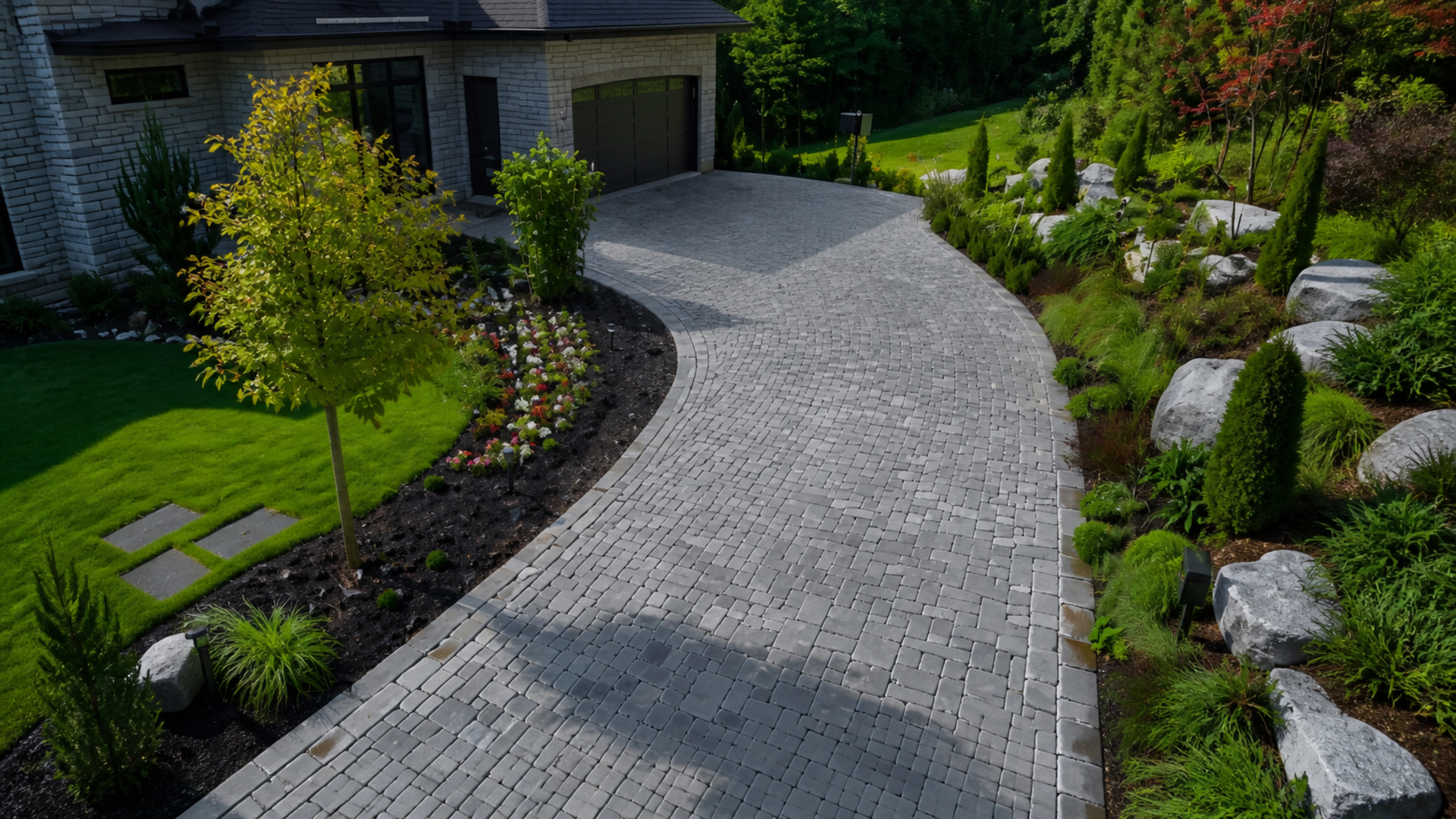
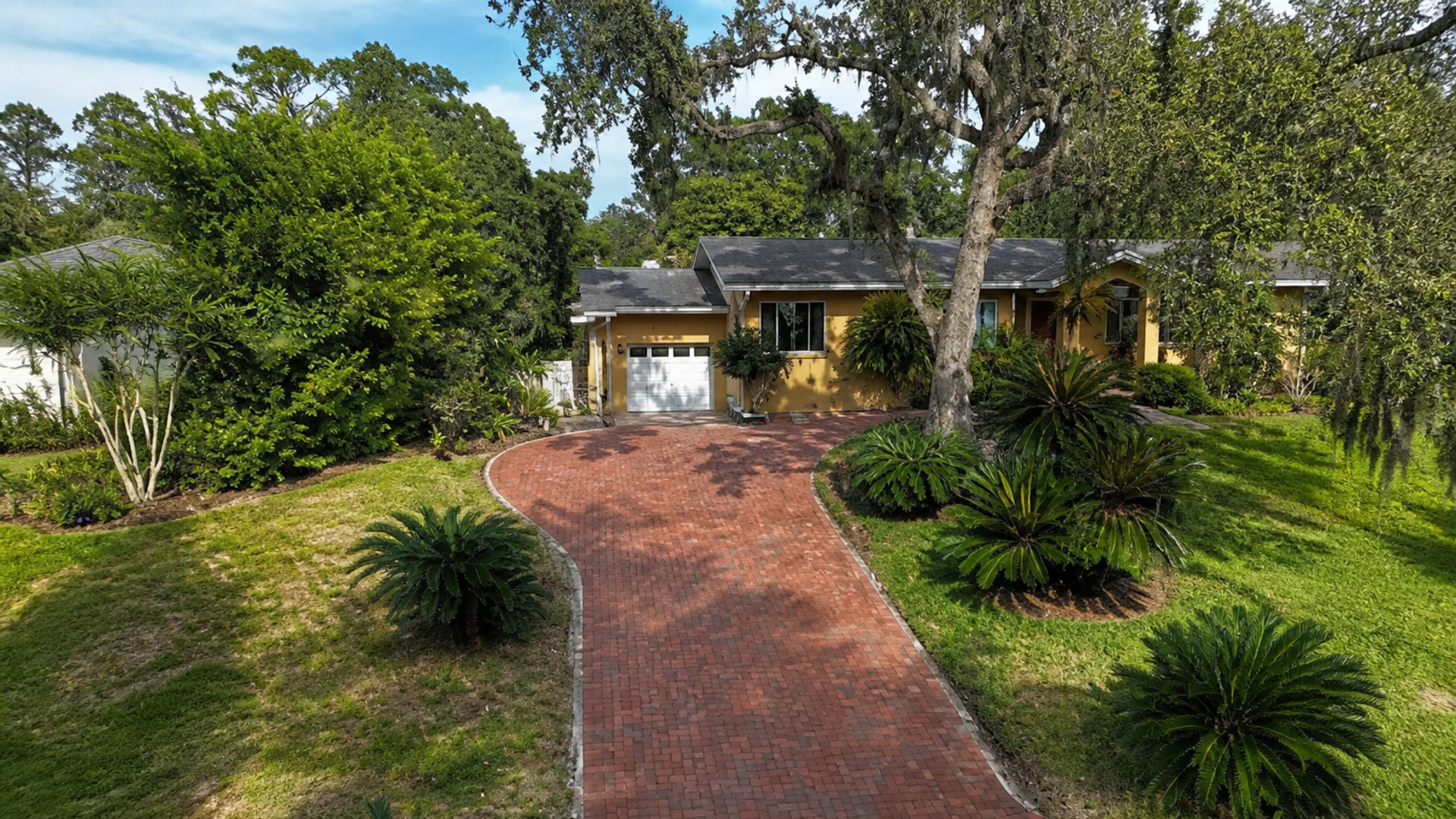
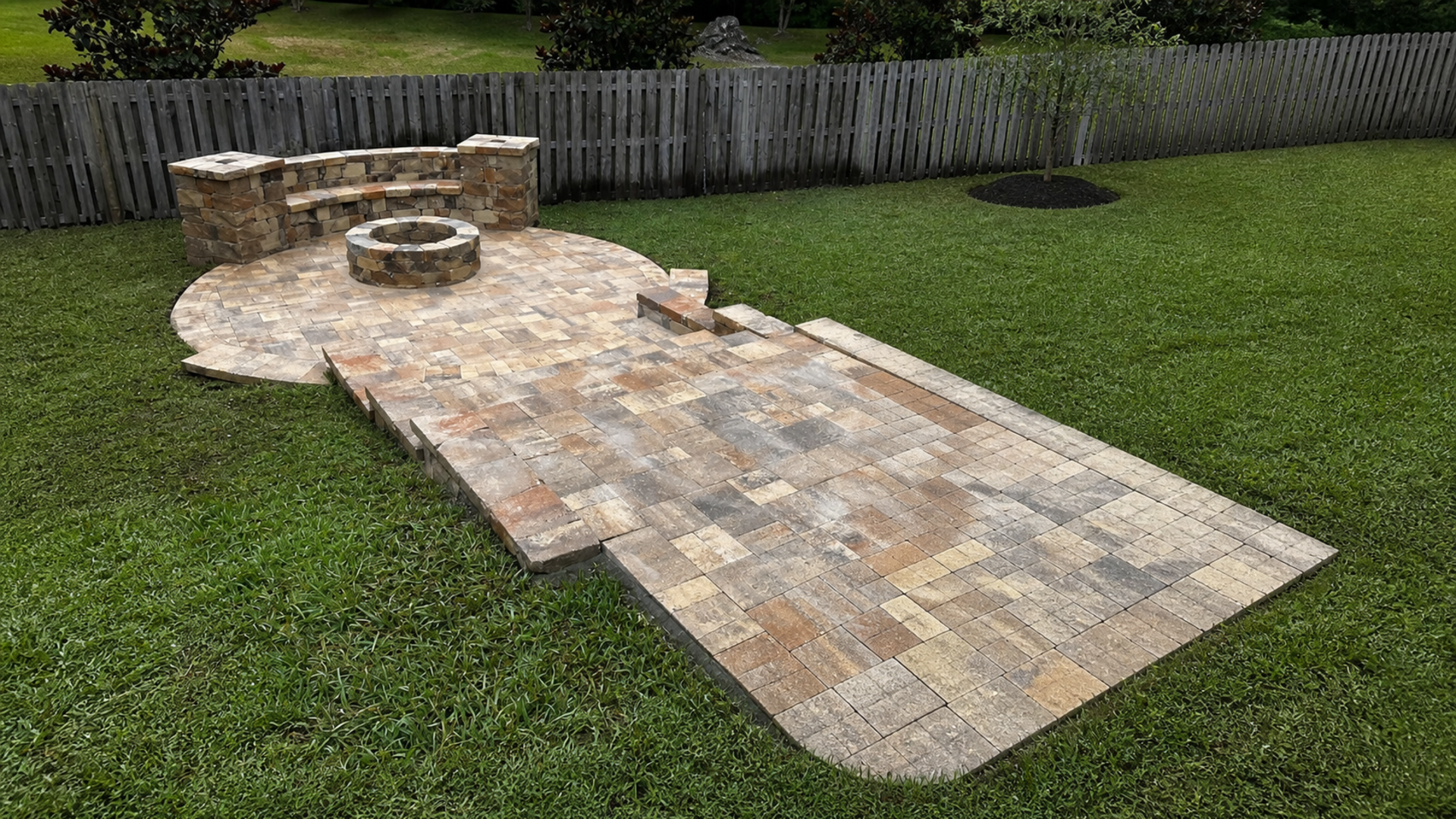
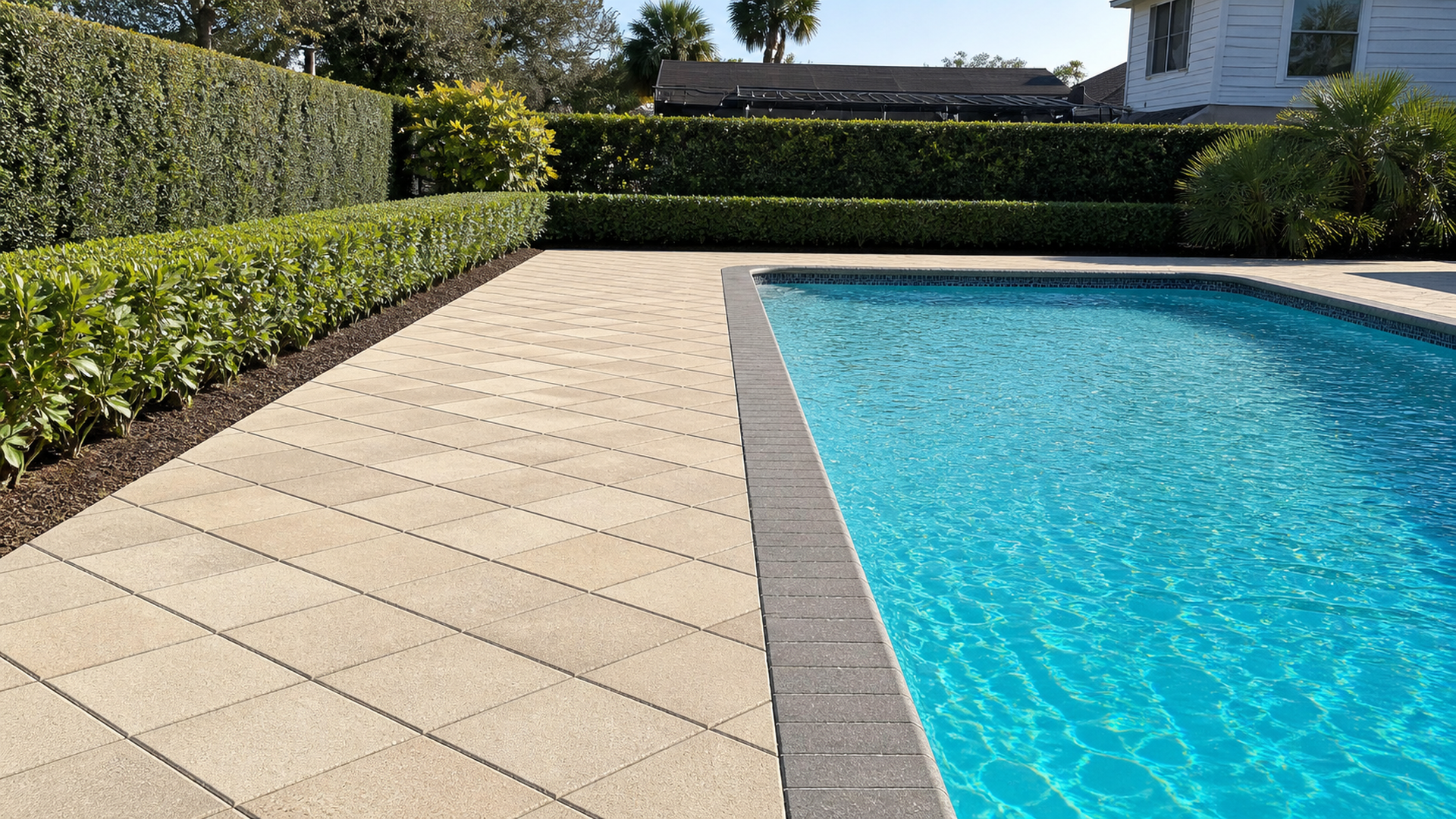
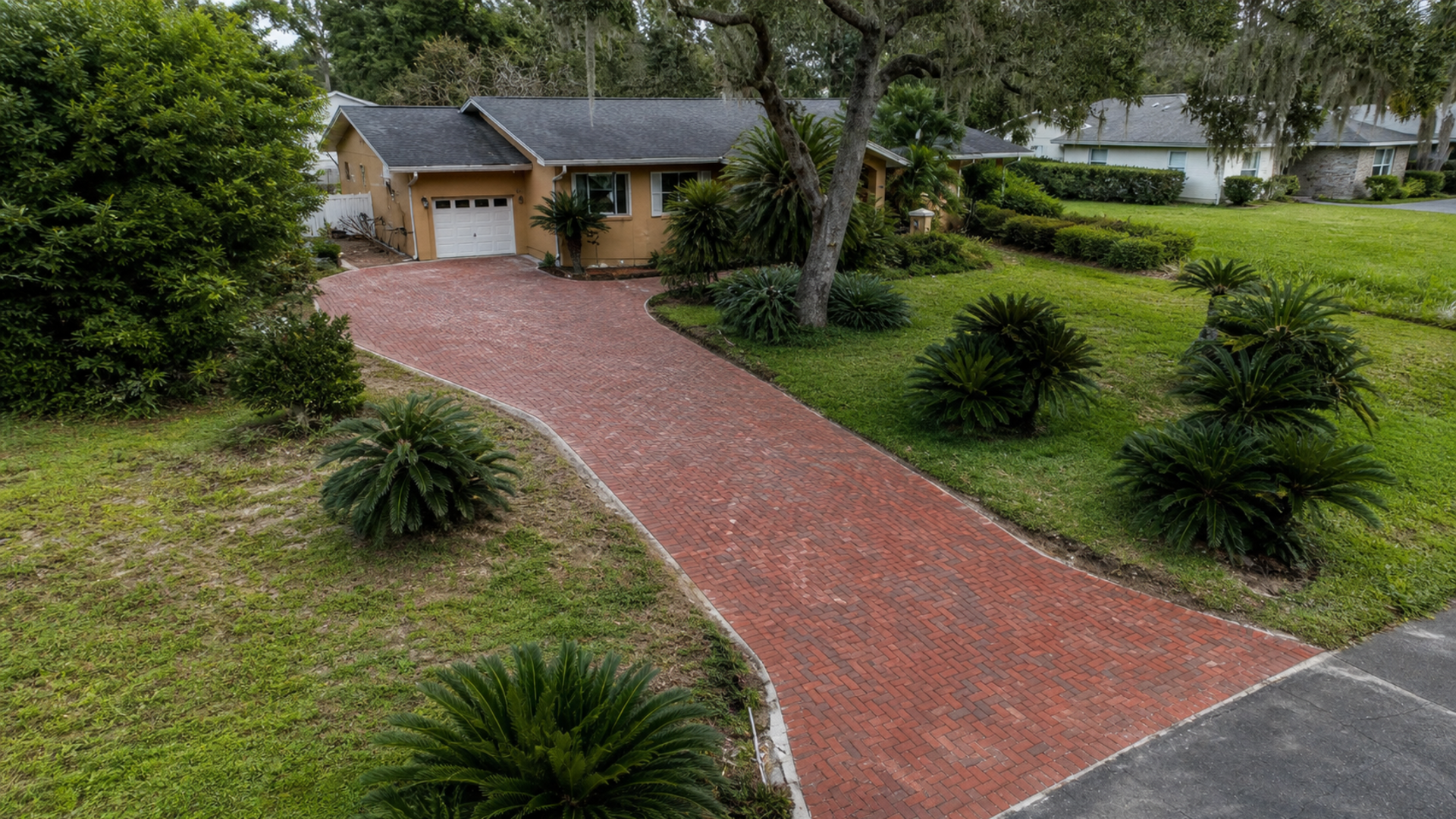
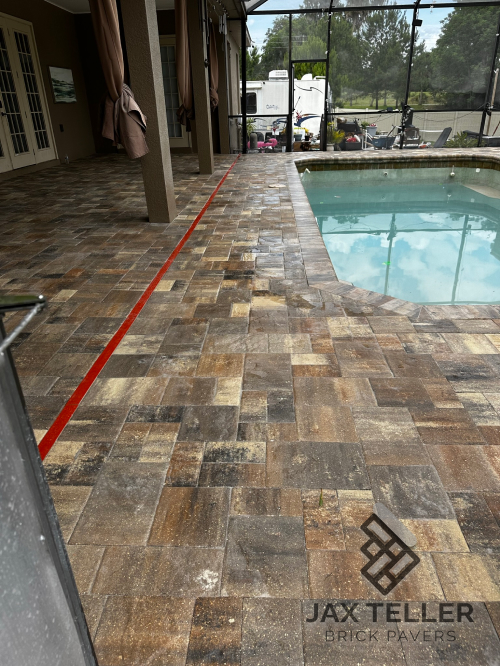
JaxTeller's paver repair and installation service is the relevant starting point for the surface assessment. Share the affected area and the pest provider's instructions. In addition, review the project gallery to explain the type of paved setting involved.
A useful post-treatment paver repair proposal defines a clear surface scope and respects the treatment handoff. Therefore, request that clarity before asking either contractor to guarantee the other's work. Coordinated responsibilities can make the next decision easier without inventing a universal repair sequence.
Ready to elevate your outdoor space with custom brick pavers? Use the contact page, explore JaxTeller on Instagram and Facebook, or ask about repair coordination on WhatsApp. Find location details on the map. Contact JaxTeller Brick Pavers at +1 407-907-8308 or jaxtellerbrickpavers@gmail.com for your free estimate!