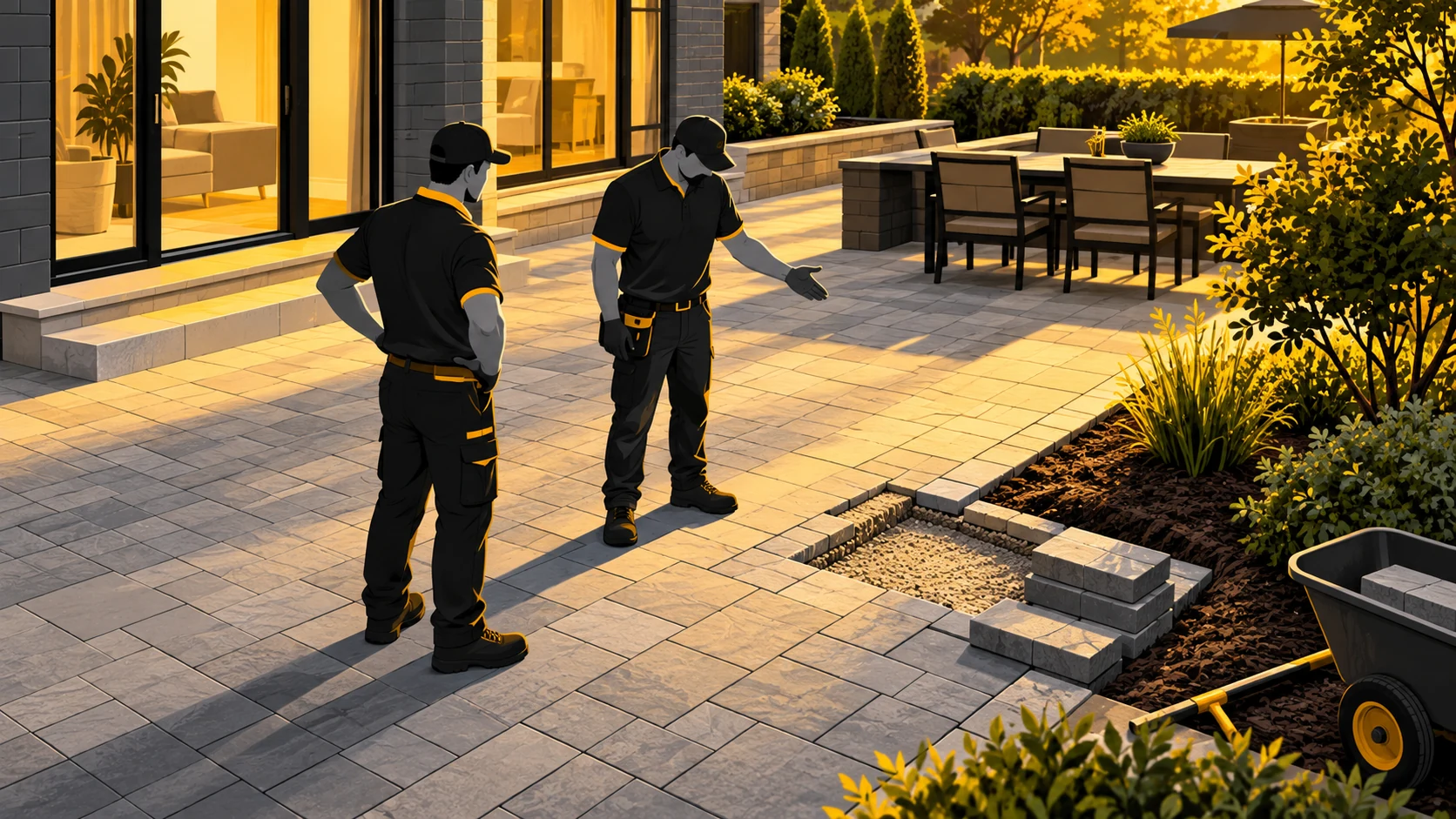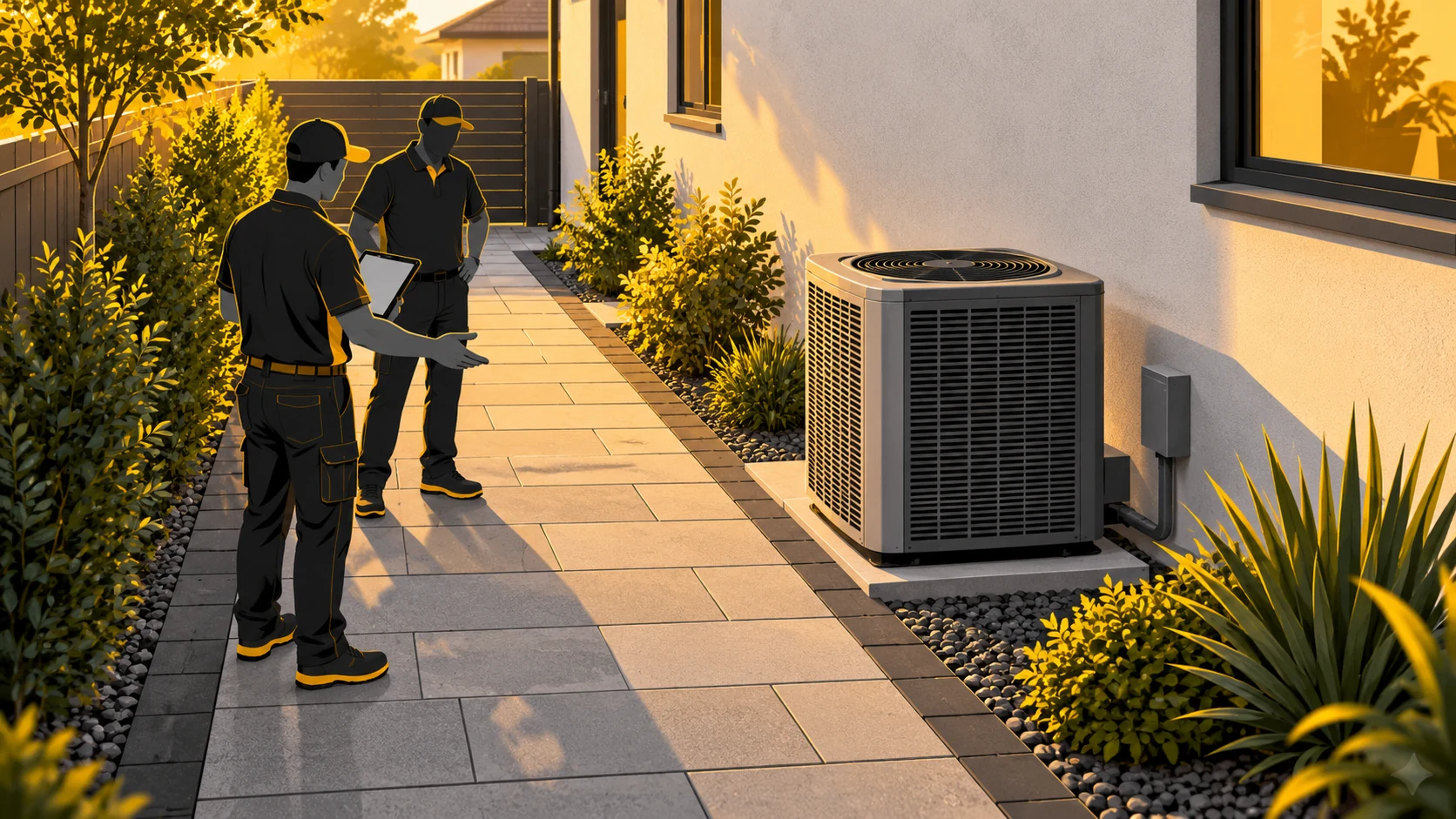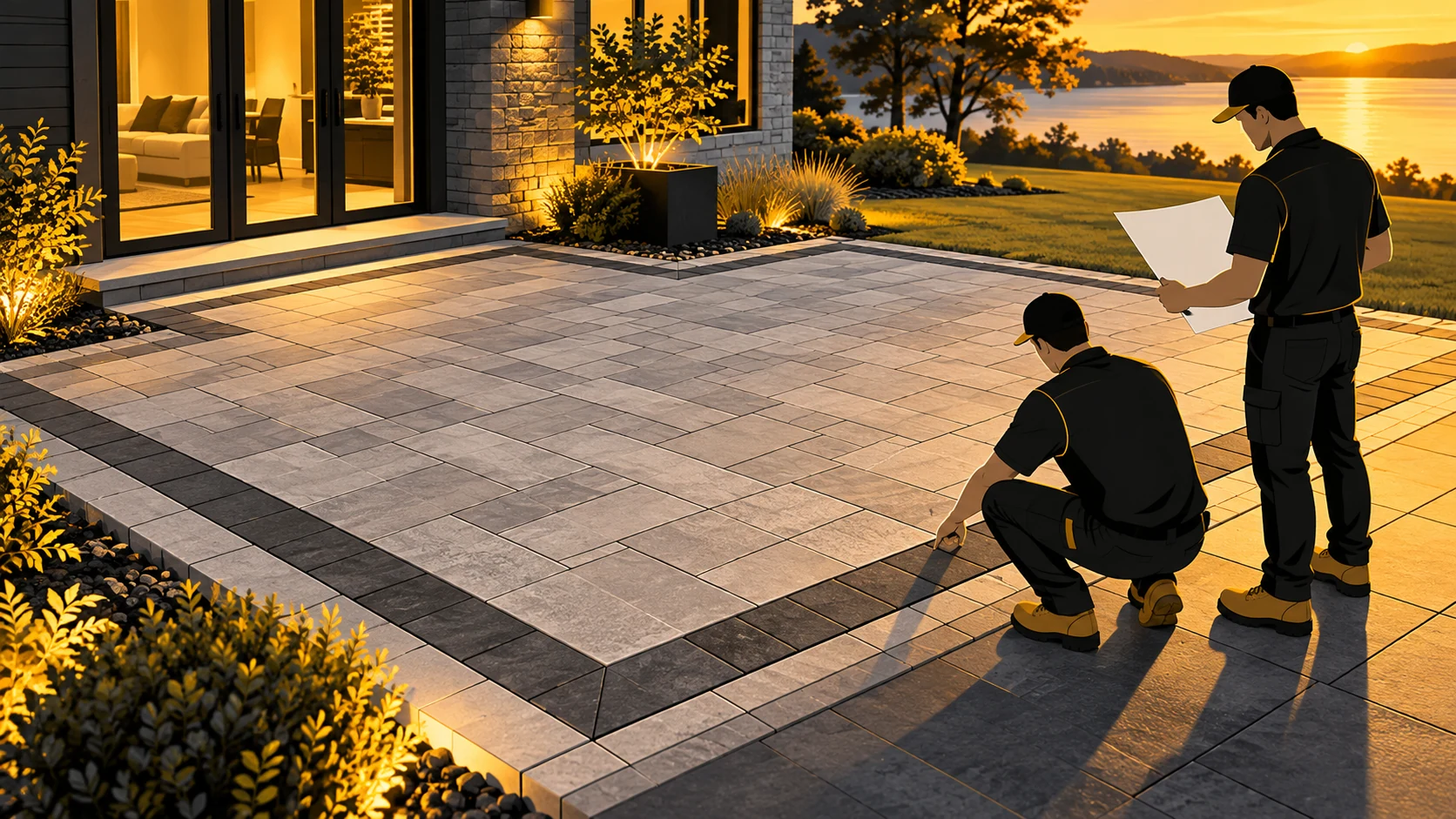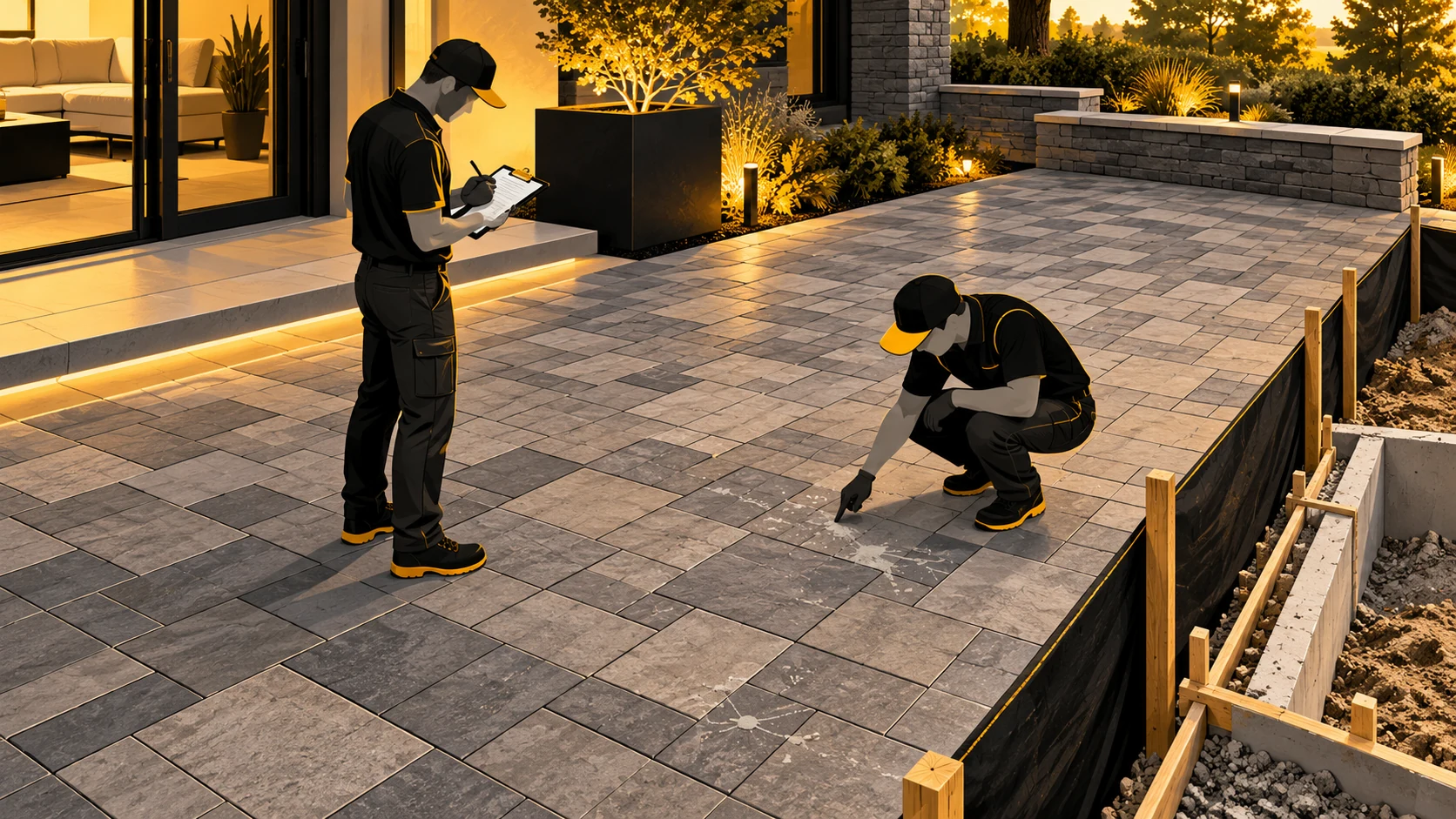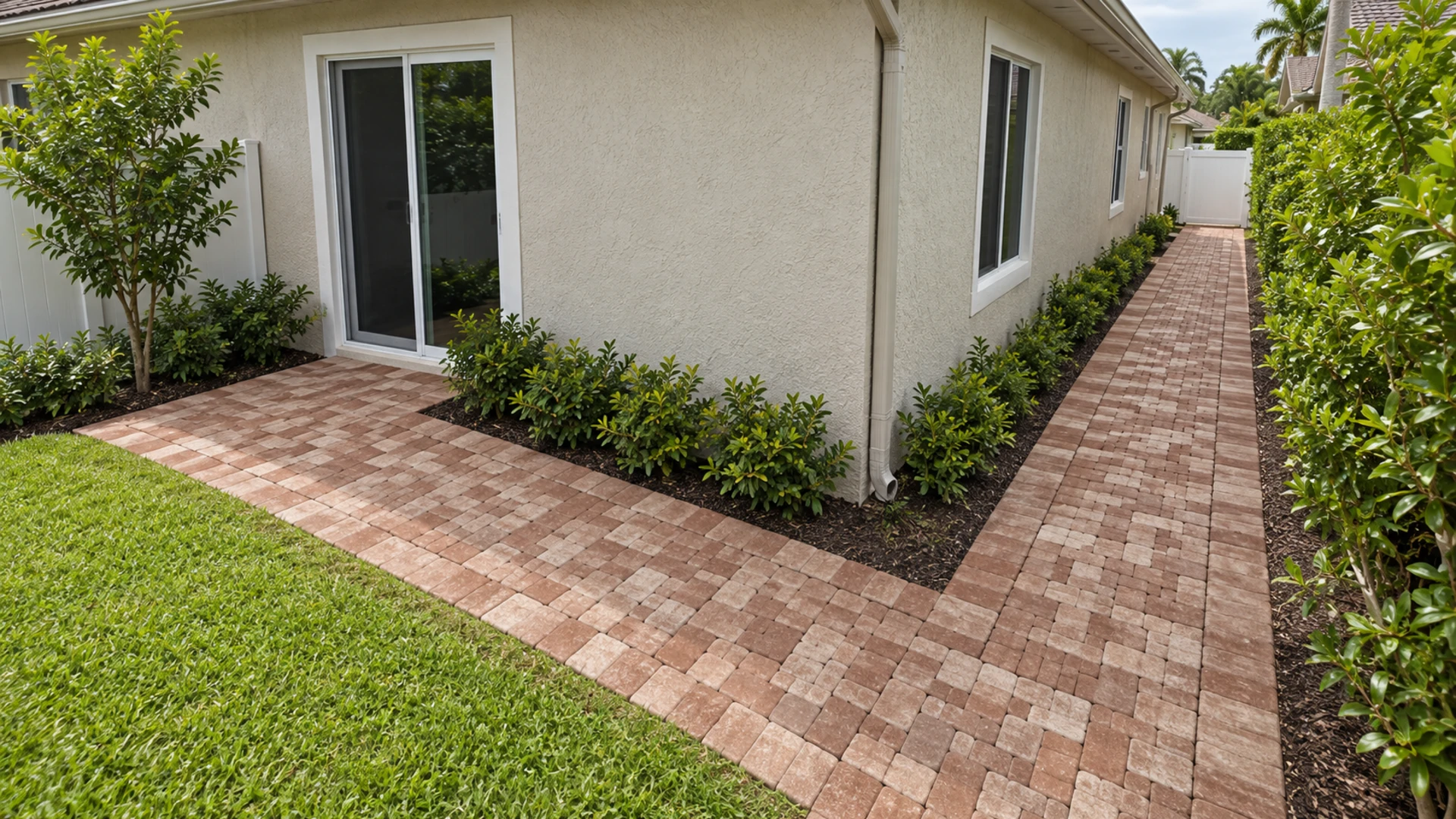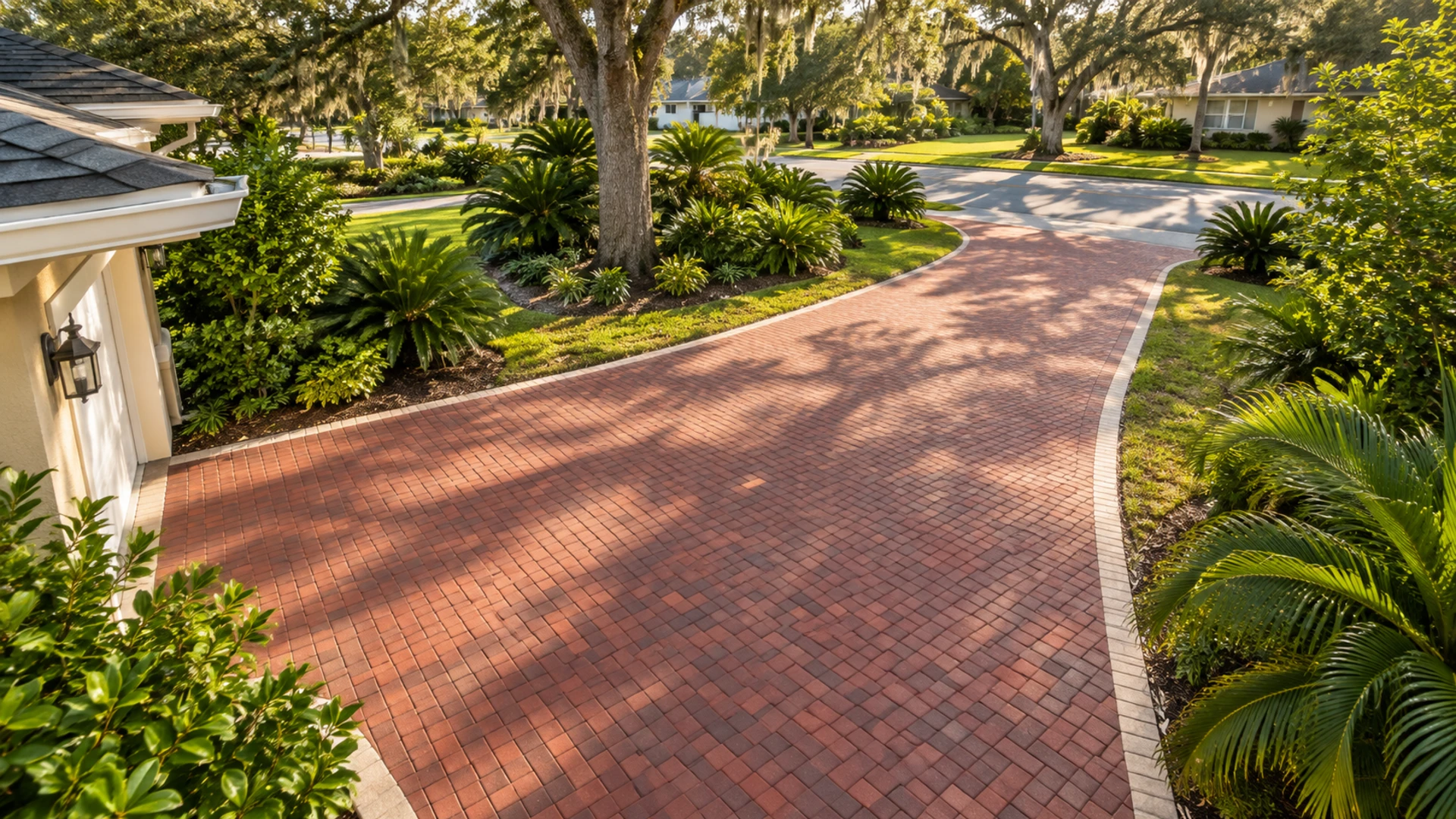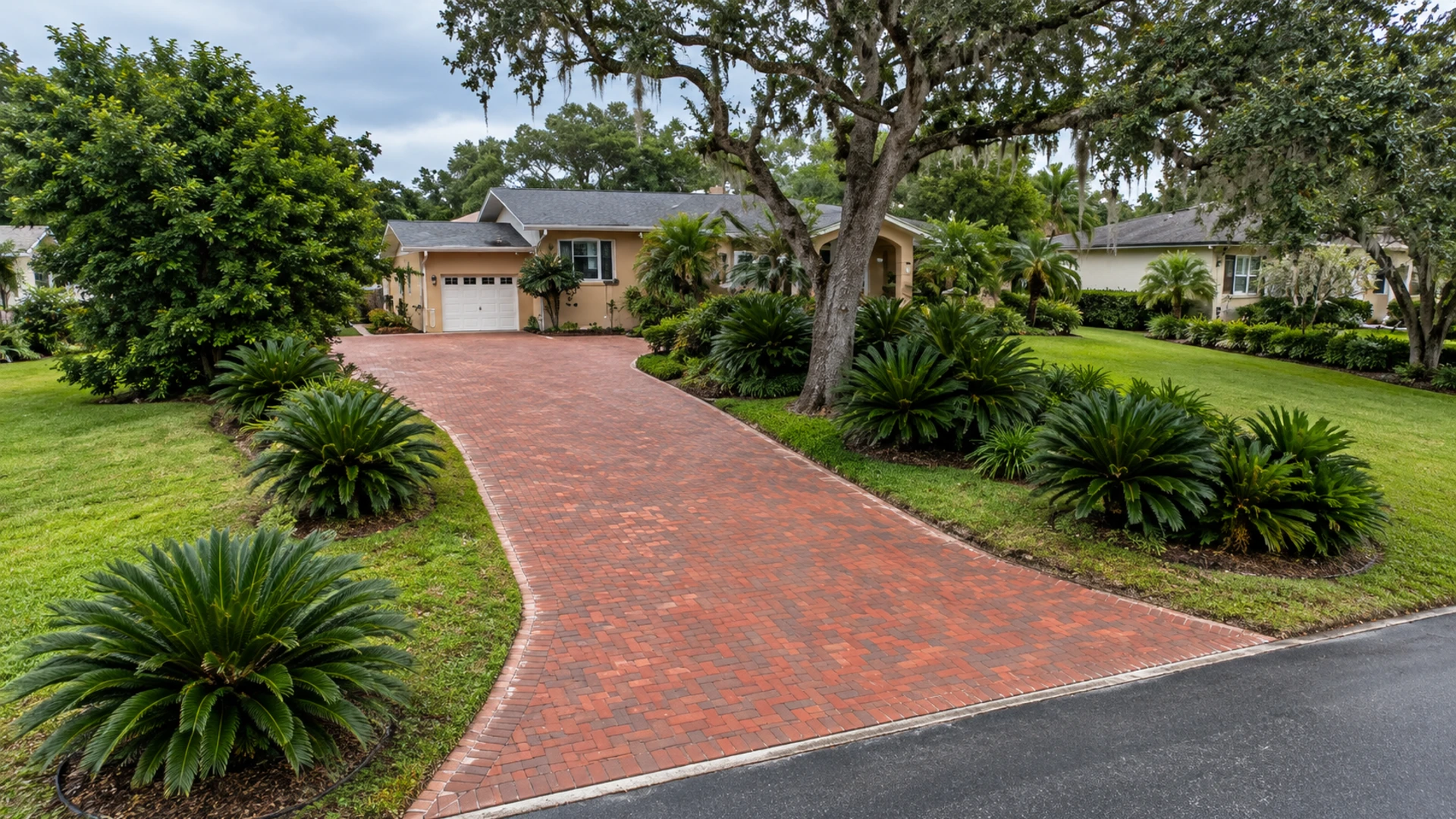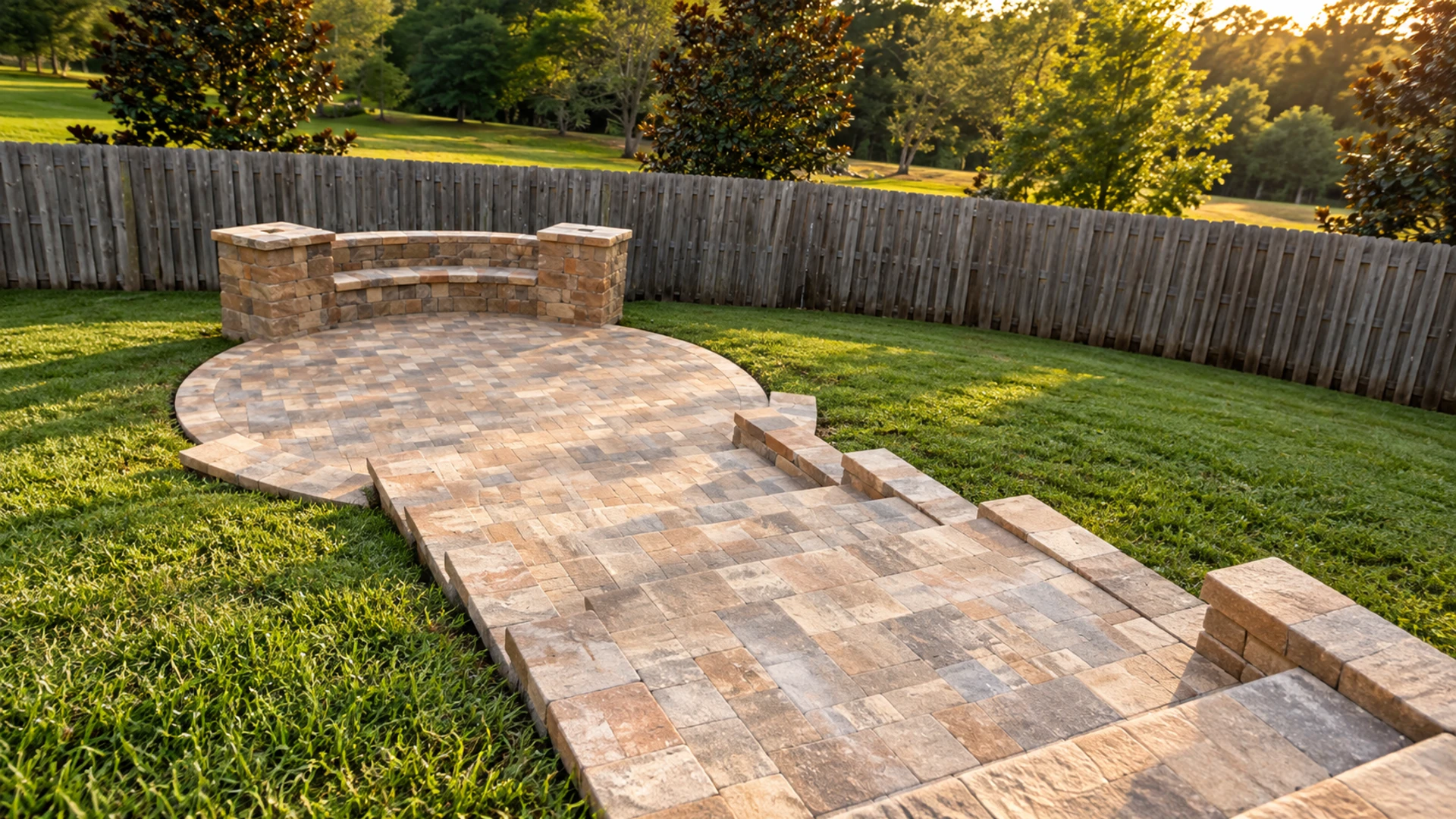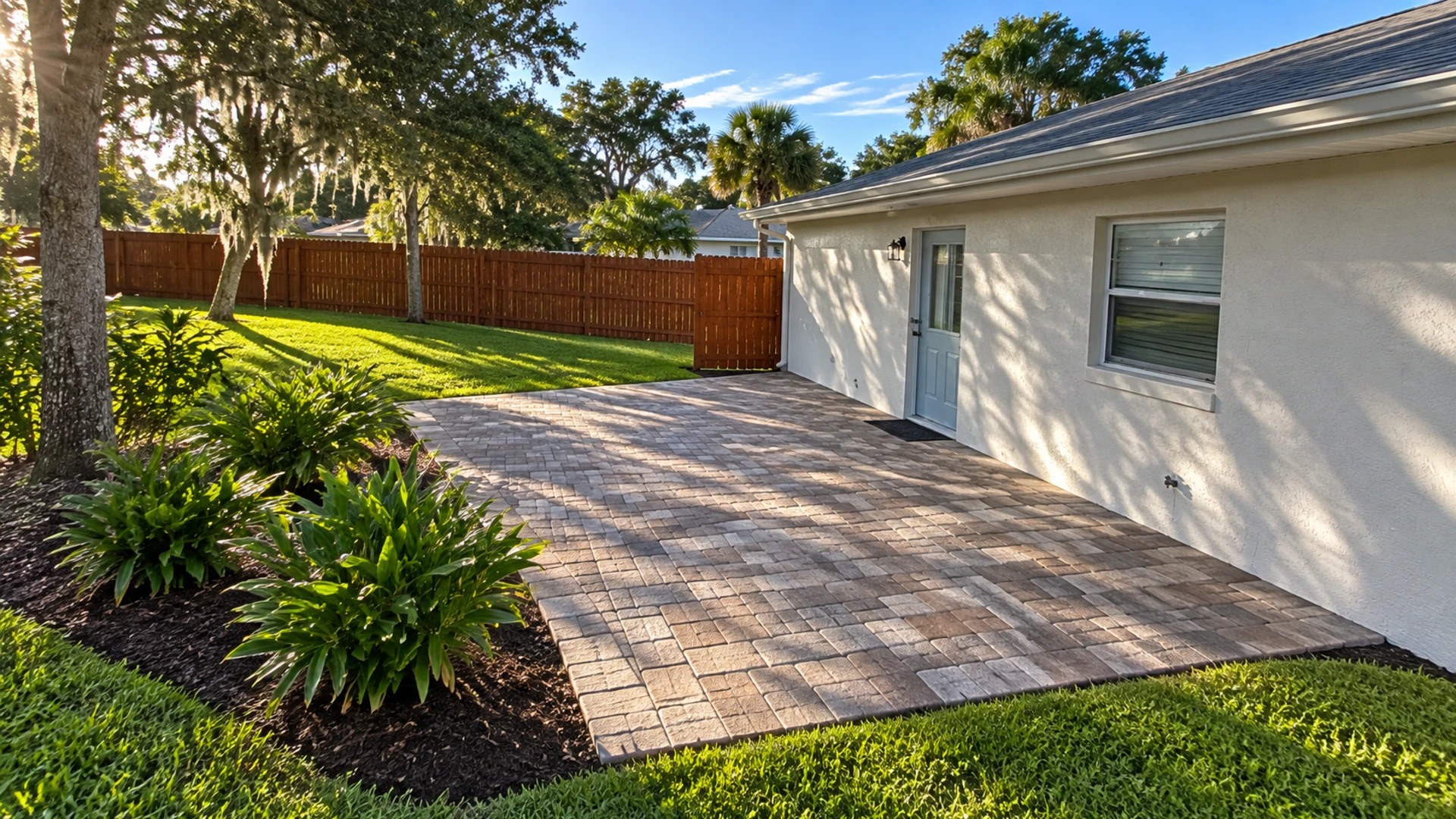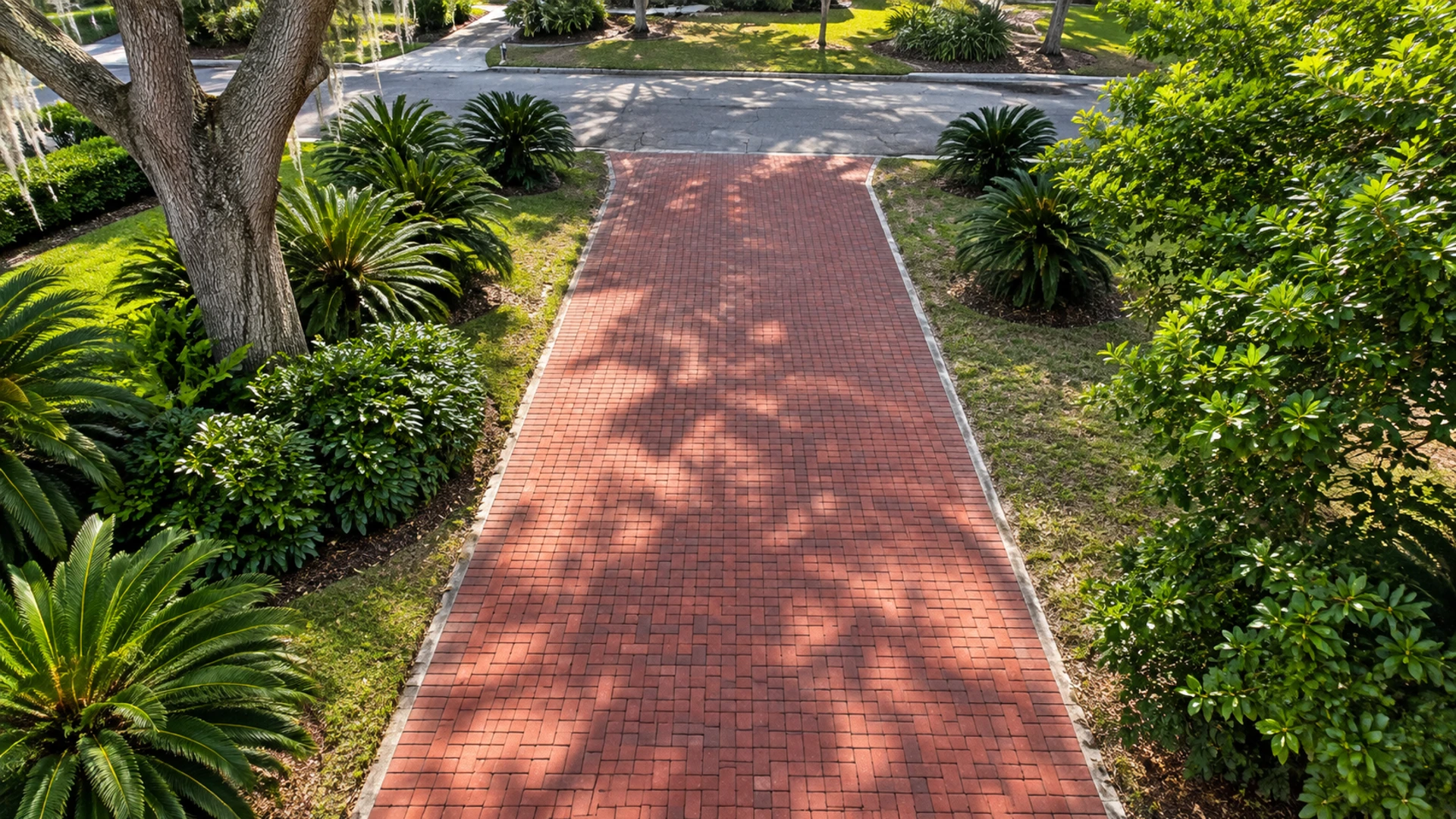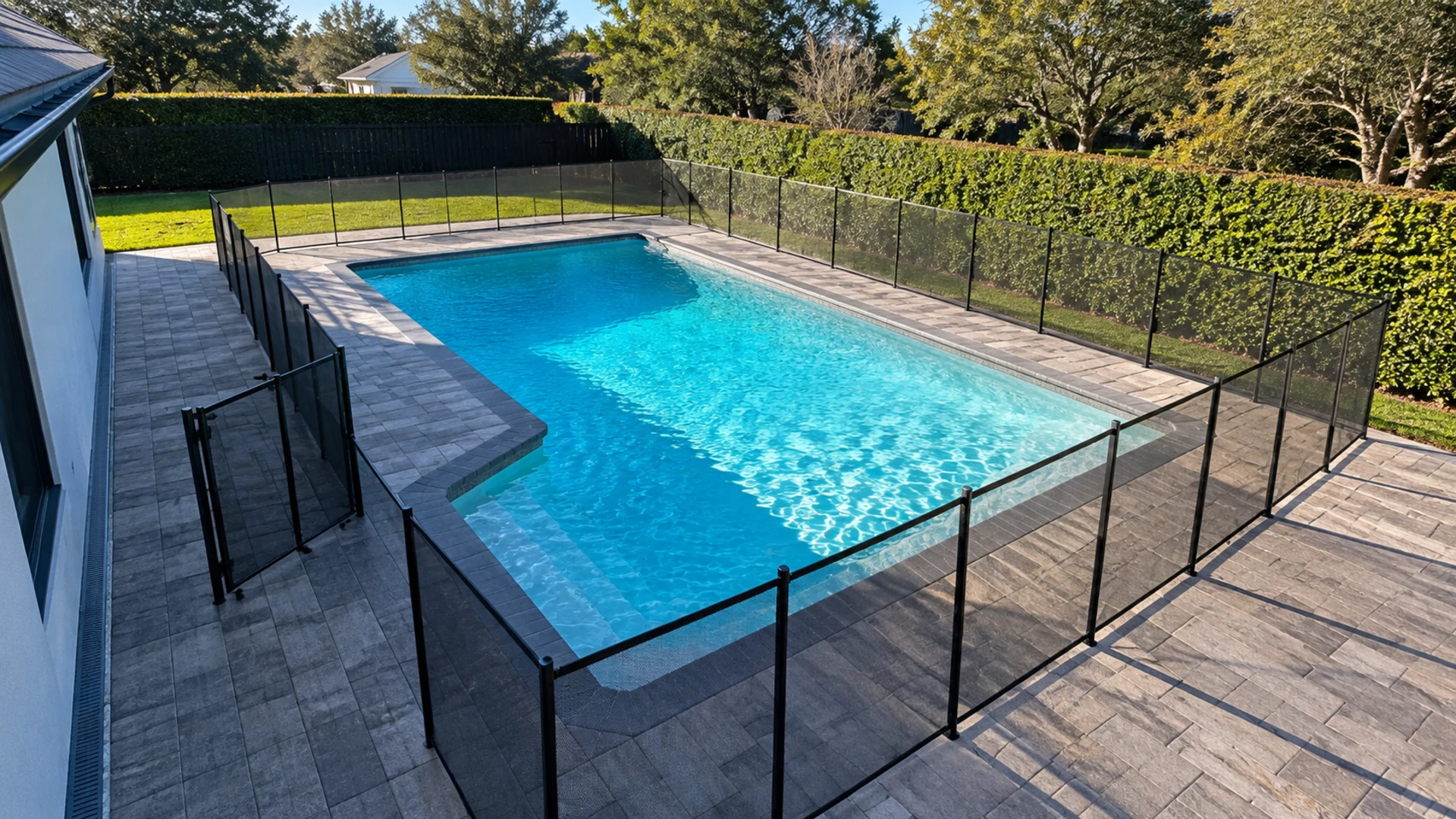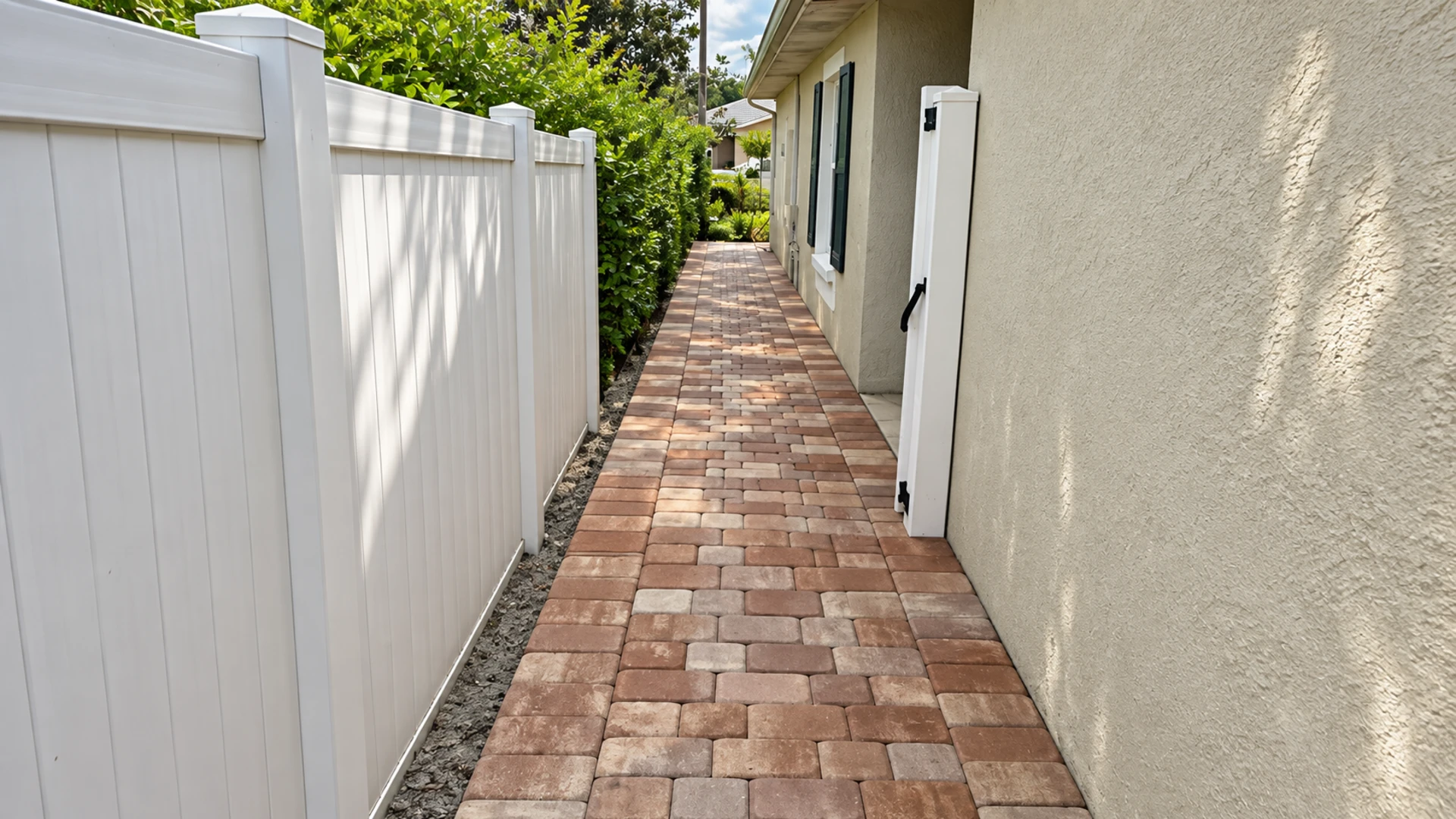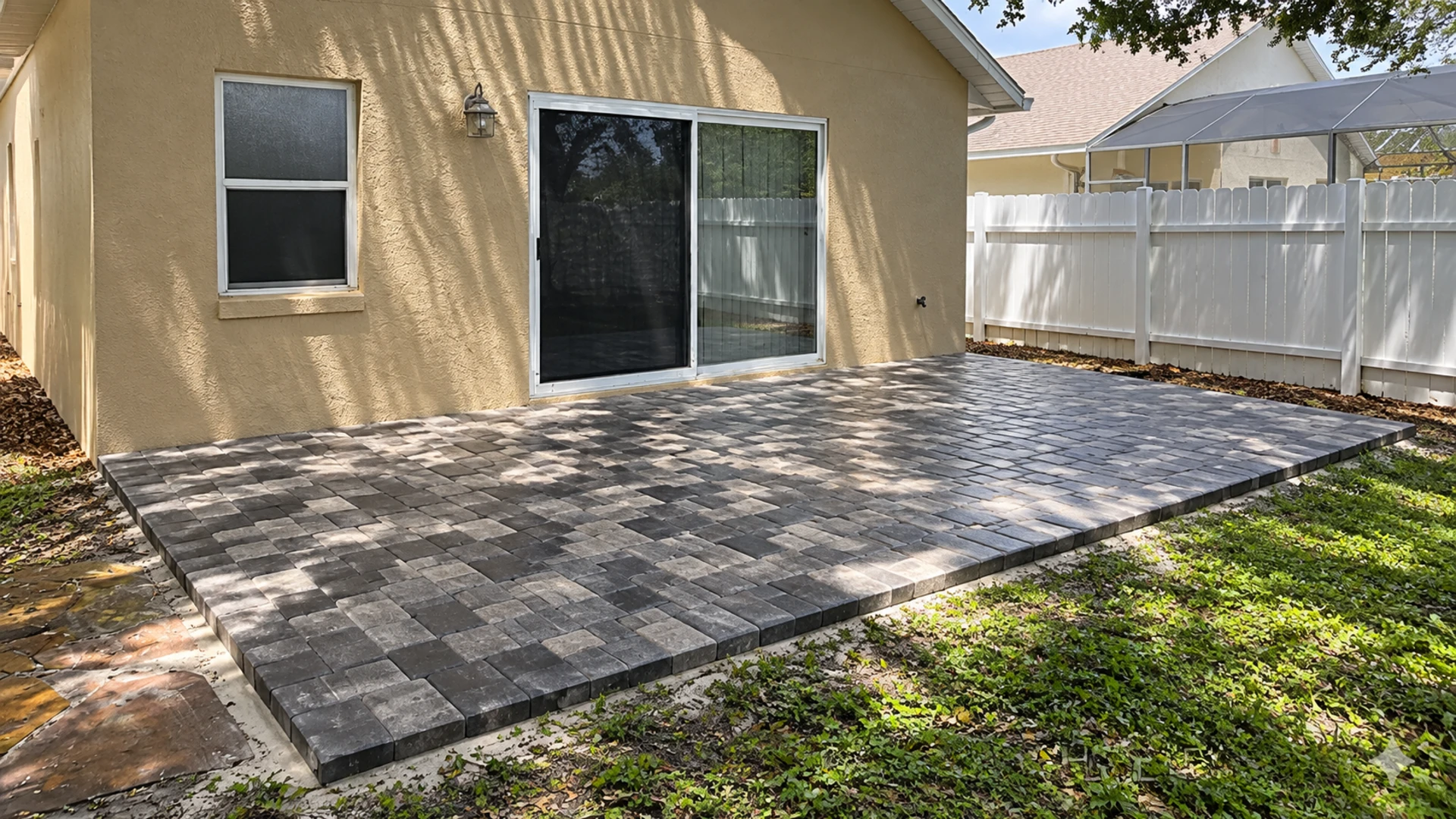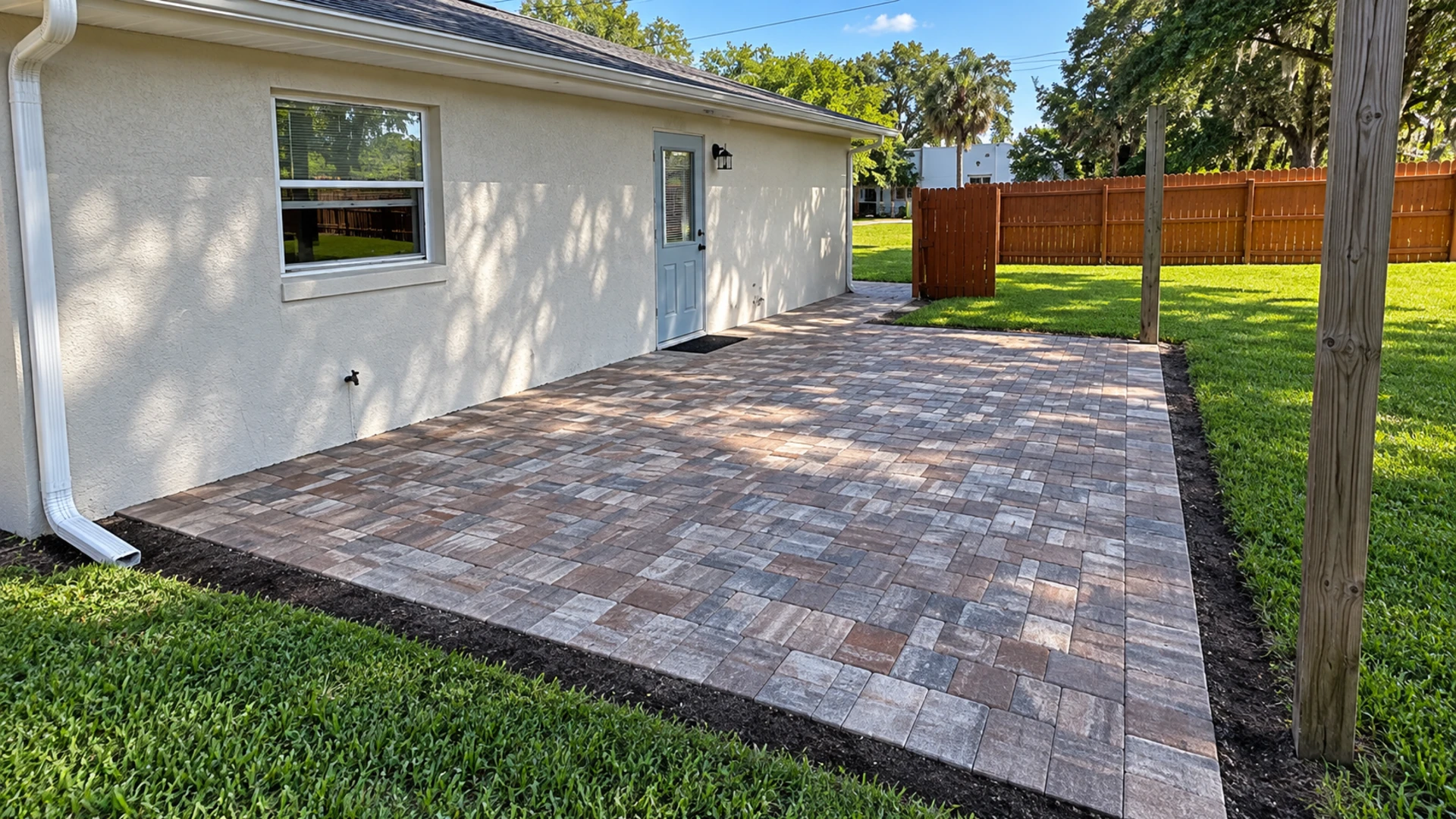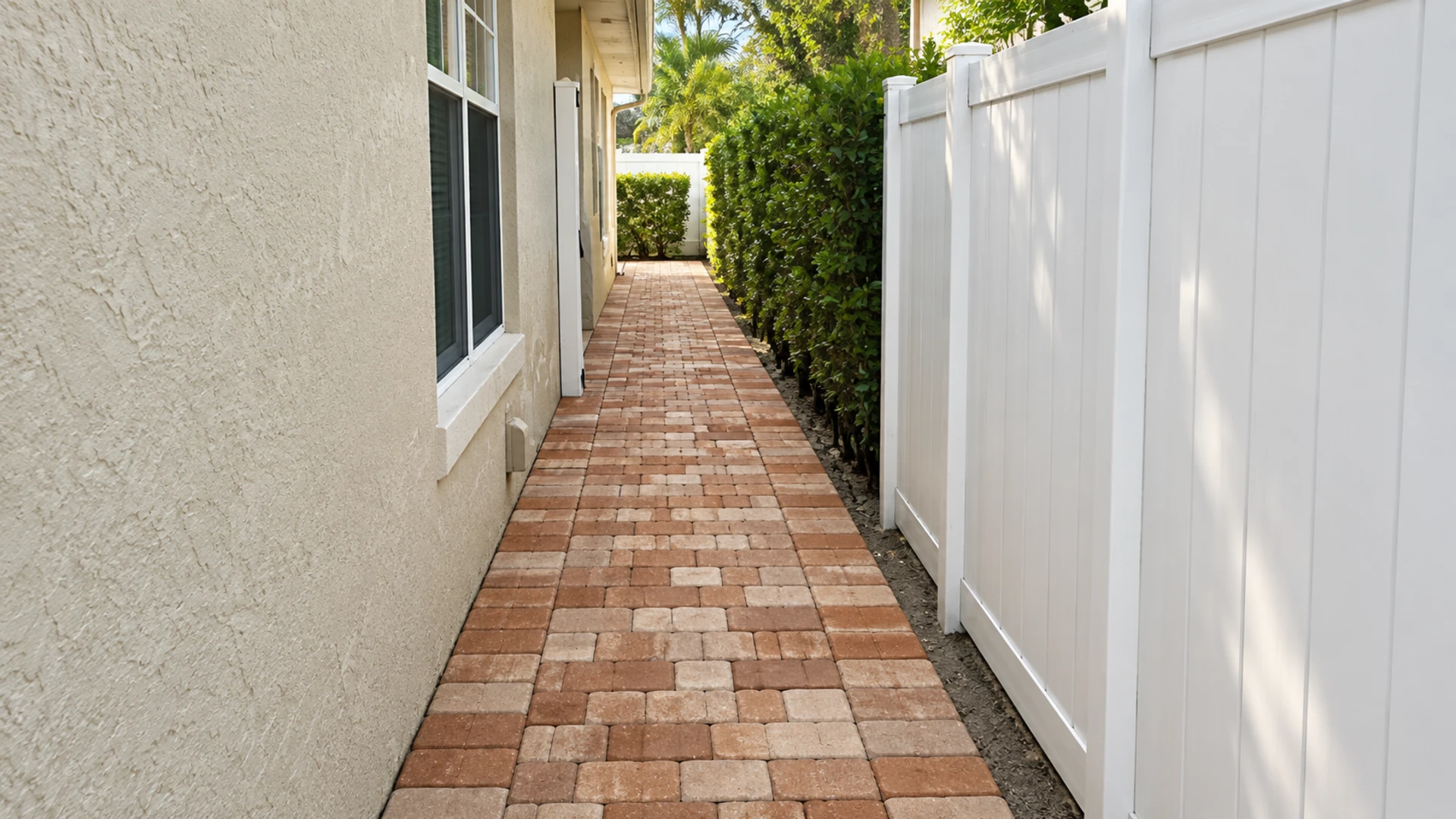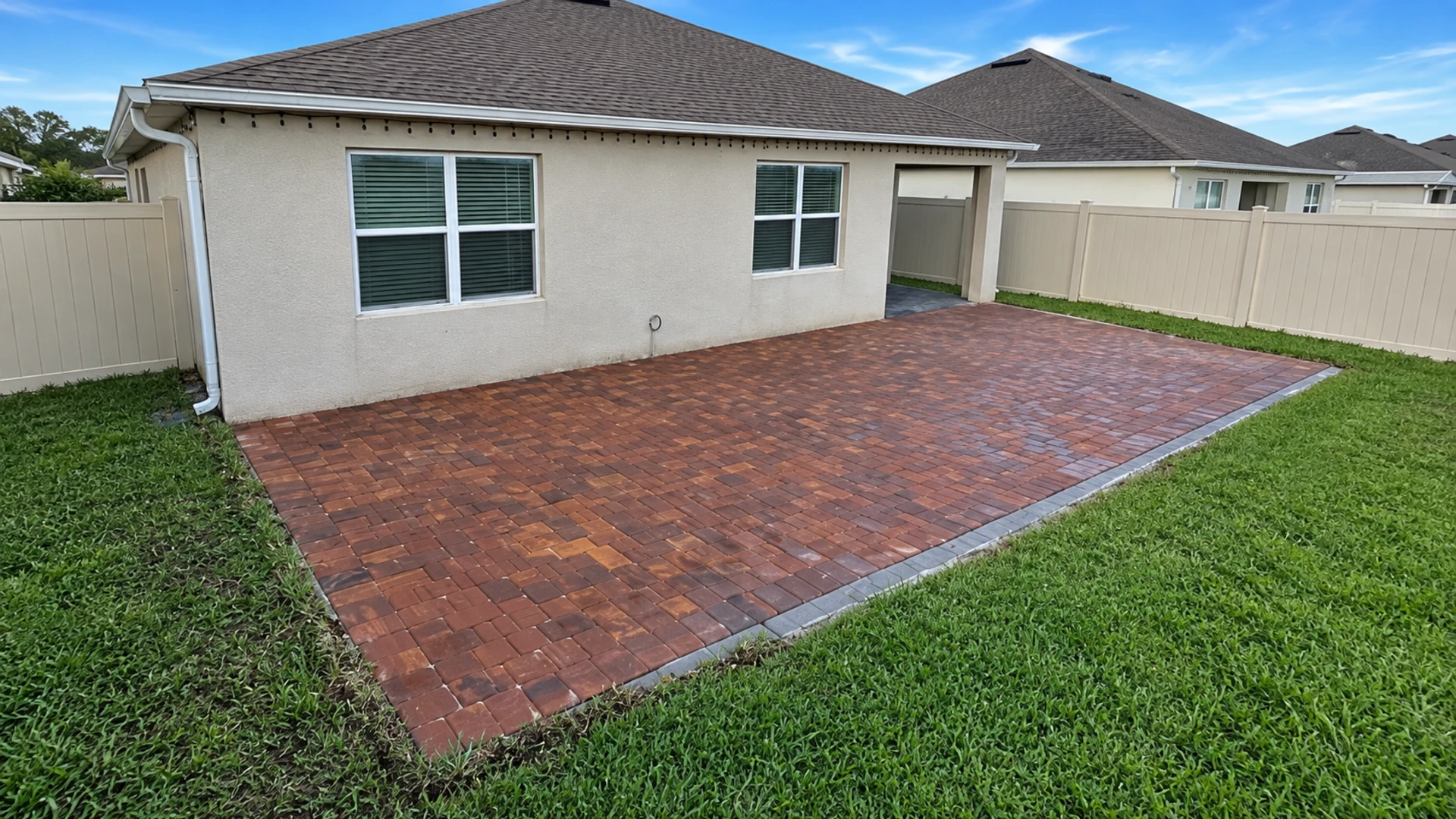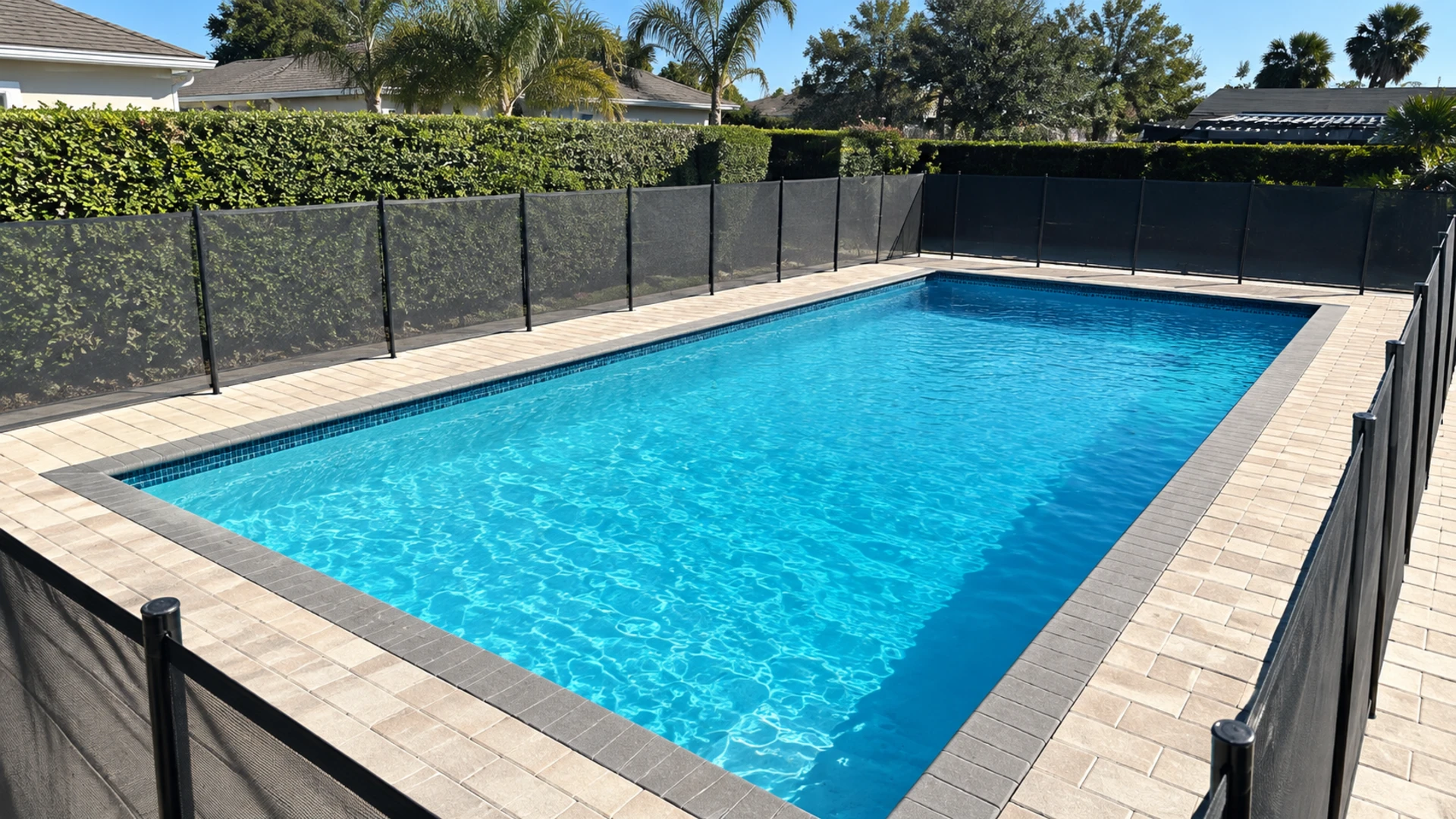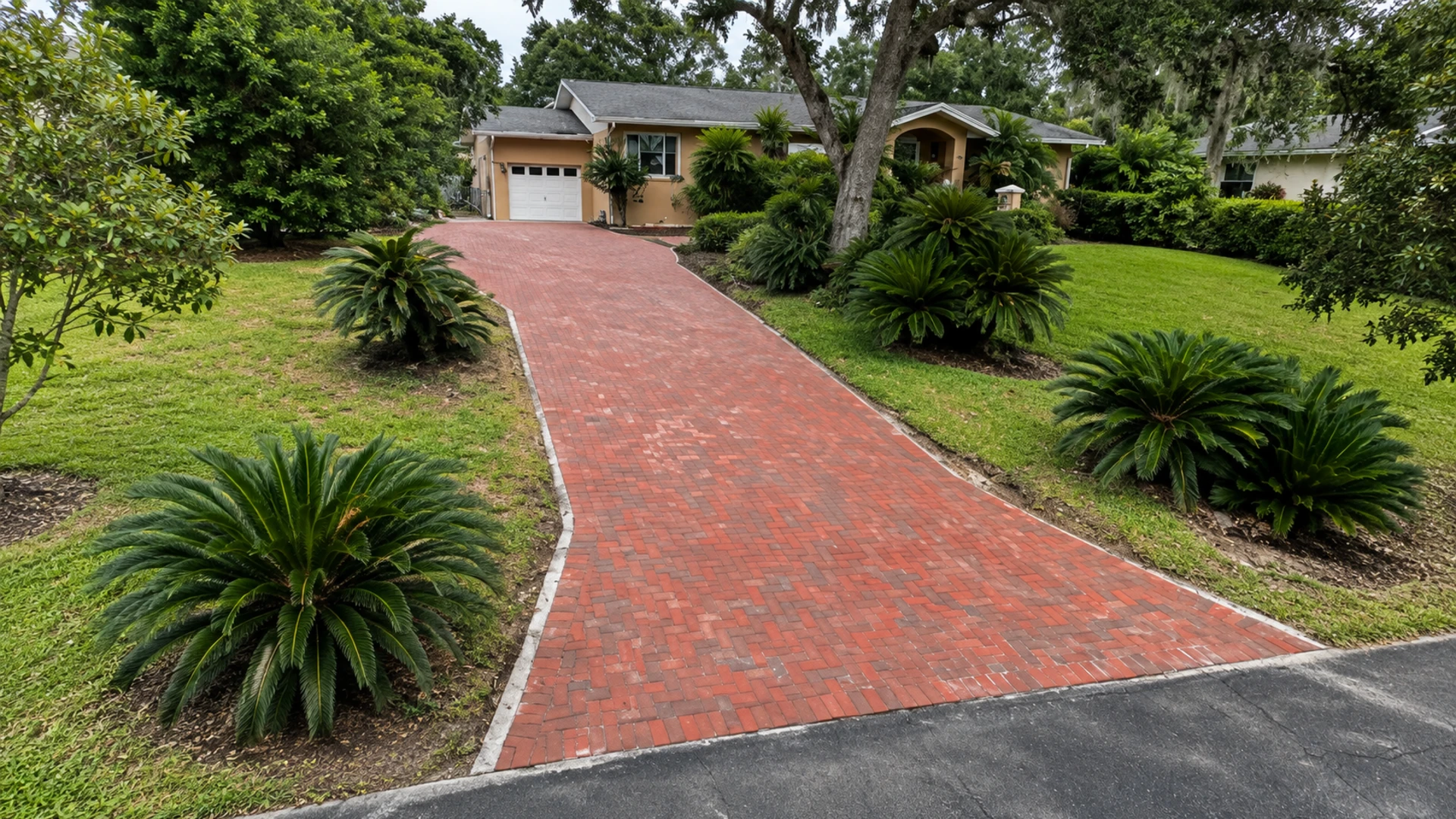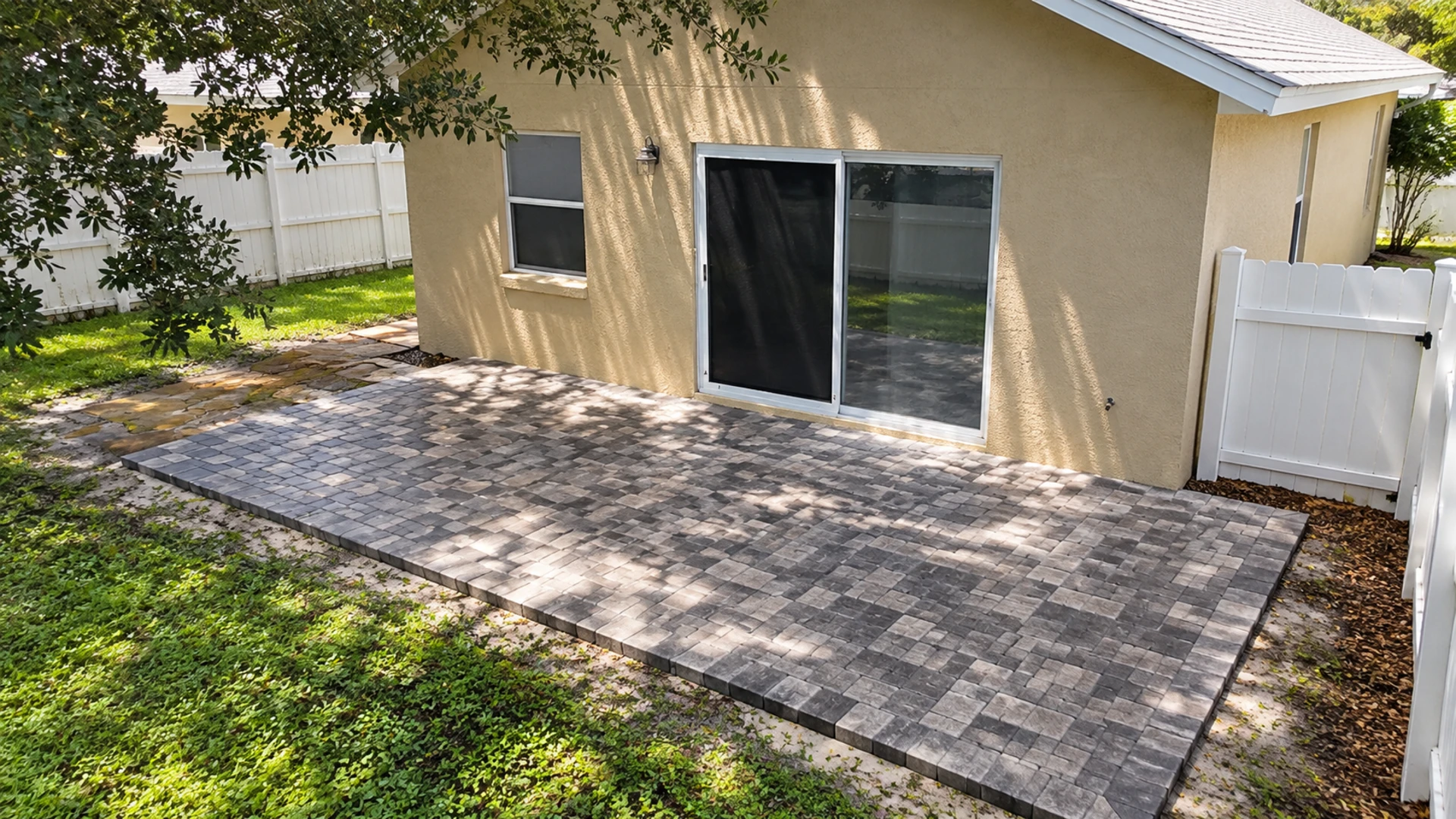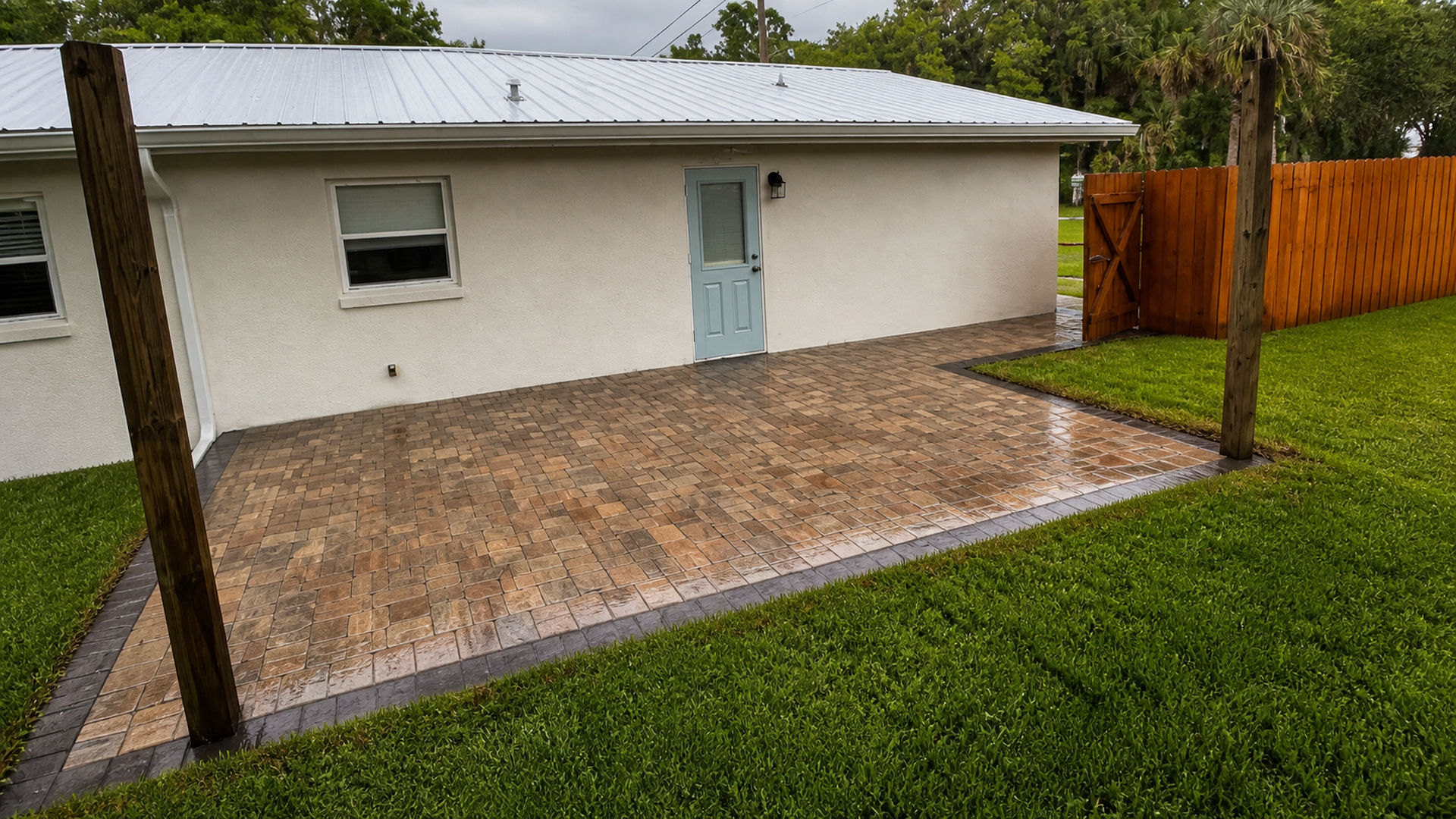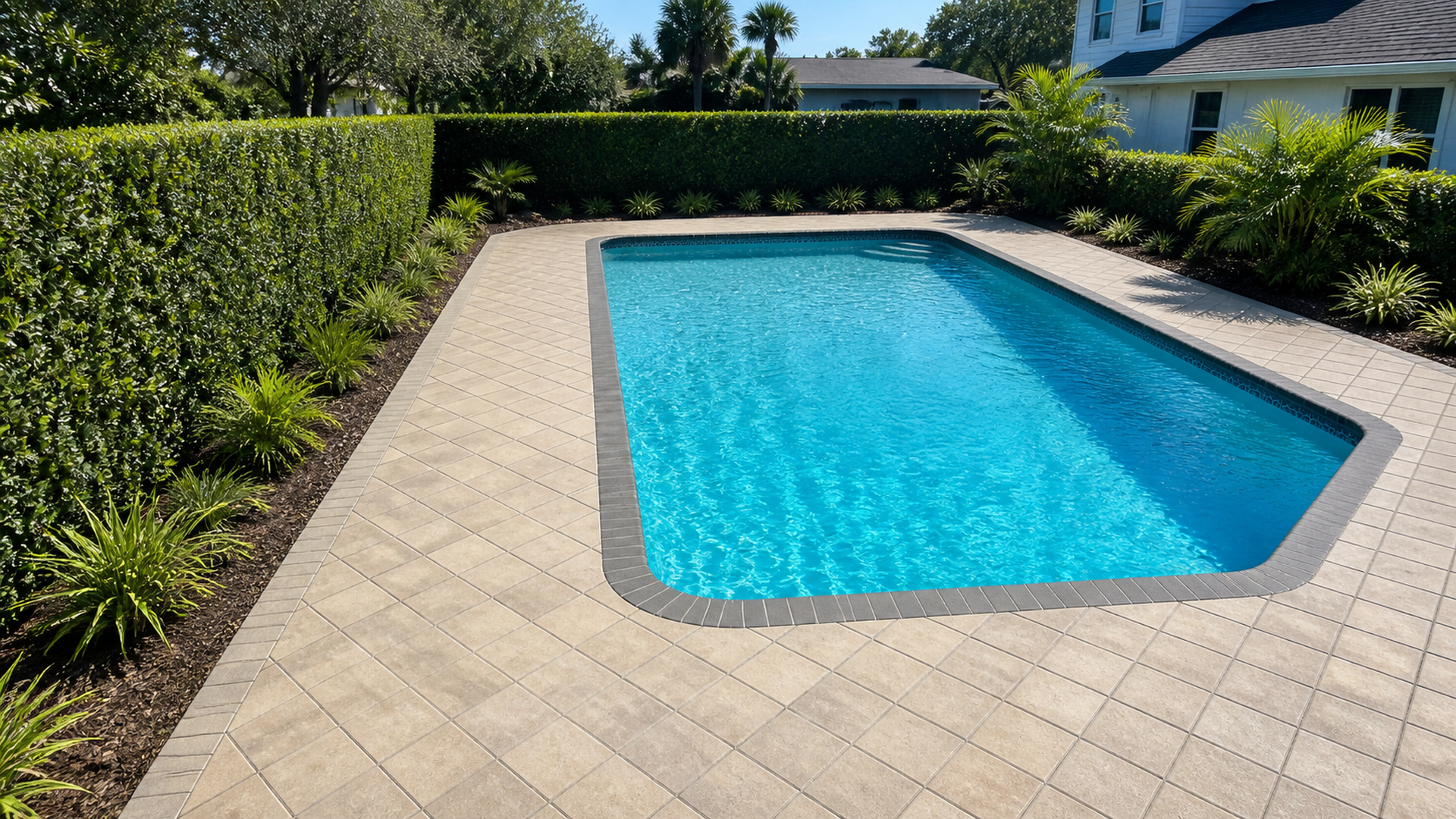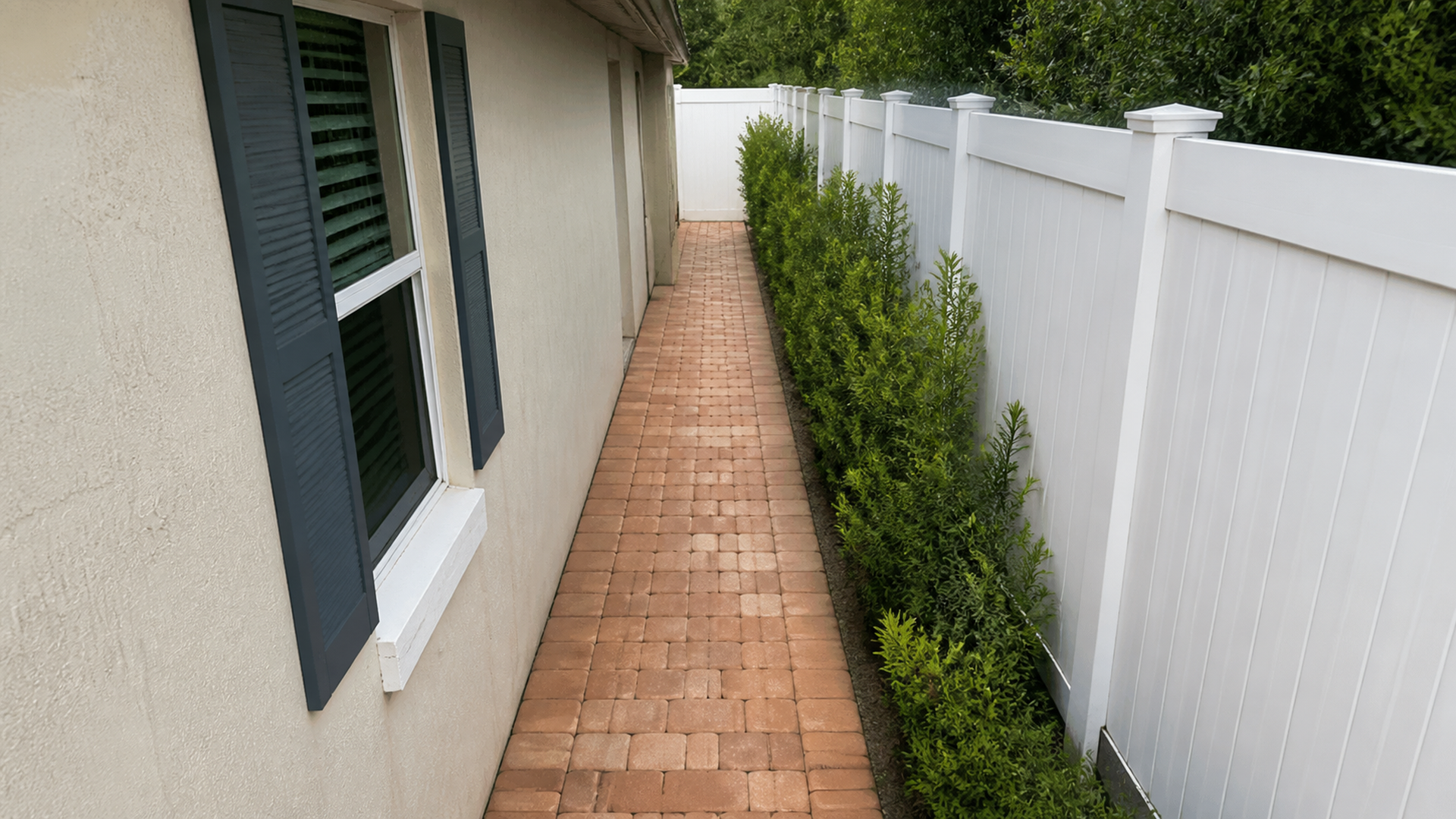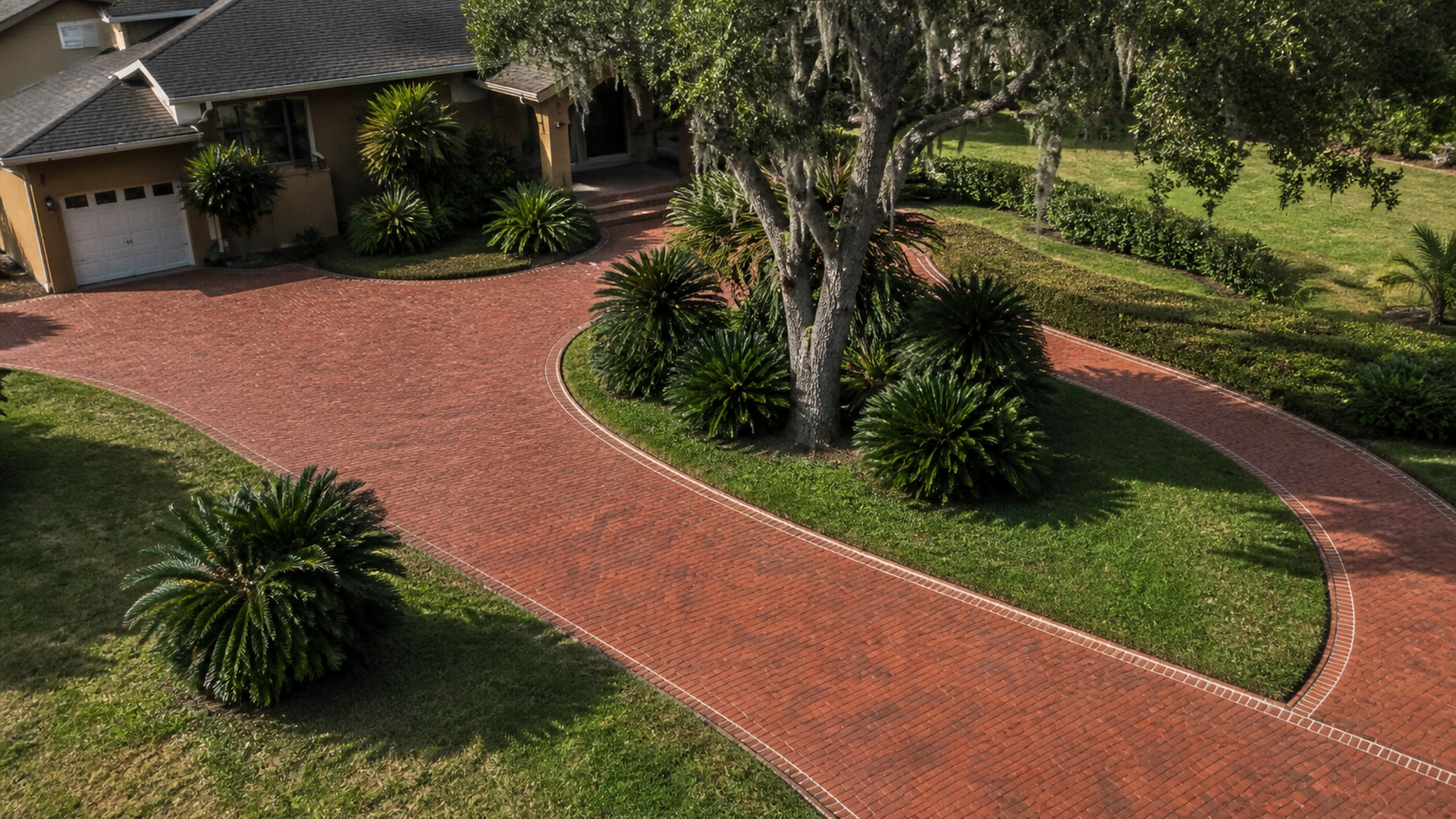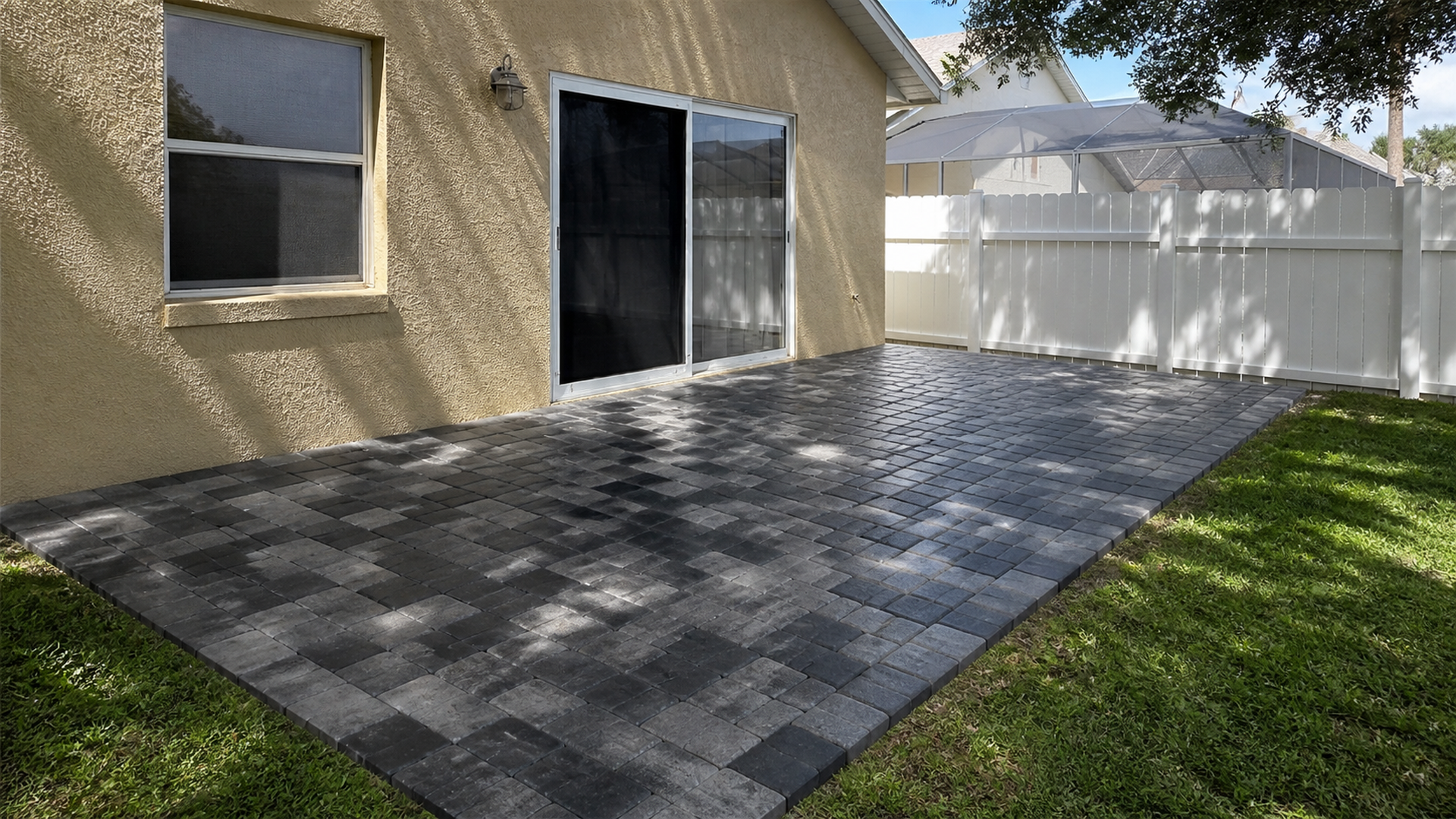

Pool equipment access deserves a place in the paving plan before a finished deck makes the route look complete. A pump, filter, heater, or control area may need routine visits and eventual replacement. However, a clear patch beside the equipment does not automatically provide a usable route from the gate or driveway. The whole journey matters.
For a Largo homeowner, the practical goal is to coordinate the pool professional's requirements with the paved surface and everyday yard use. This guide explains how to review that relationship. It does not provide technical installation or clearance instructions. The actual equipment manuals and qualified providers should determine those requirements for your installation.
Map pool equipment access from arrival to service area
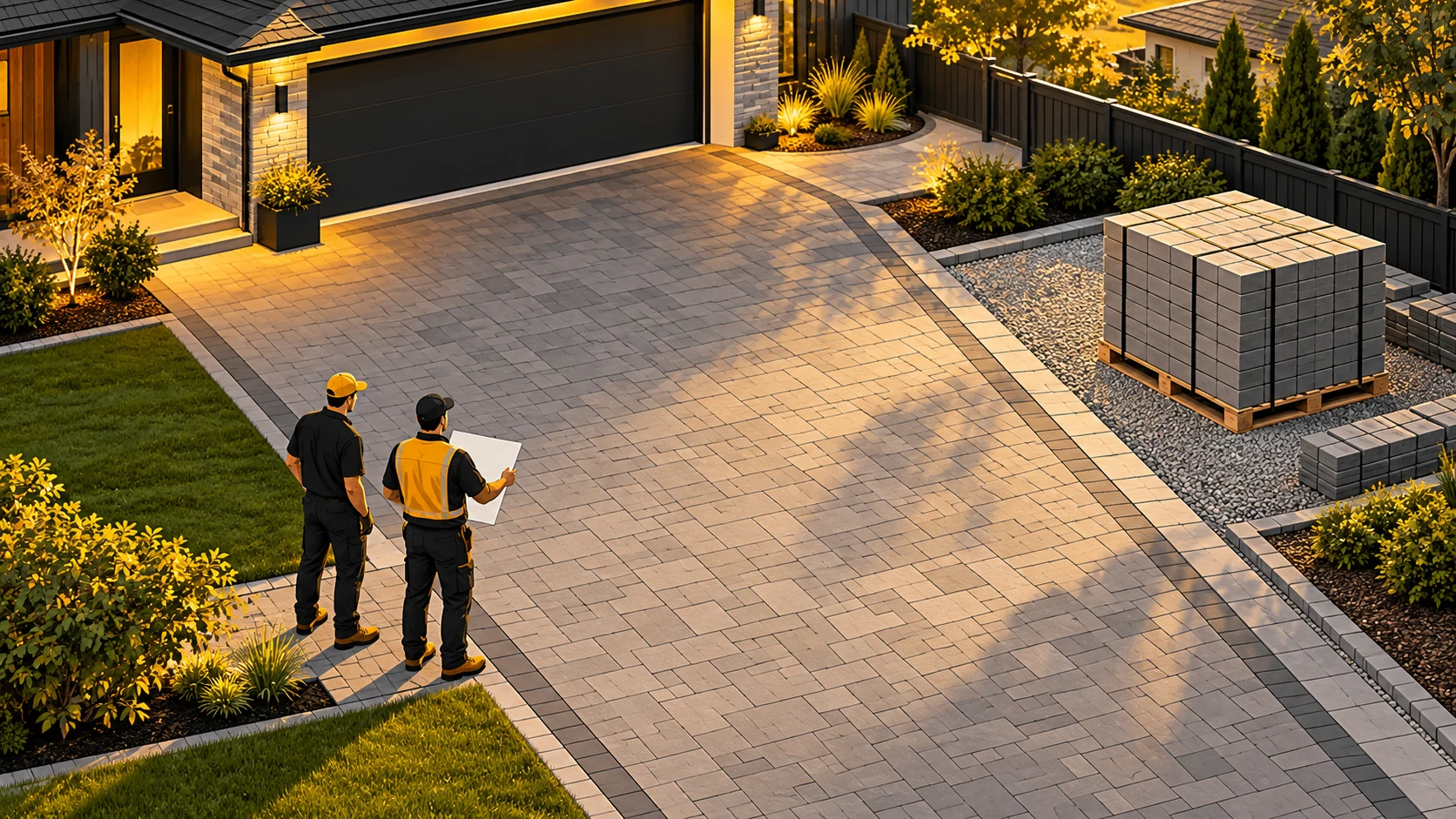
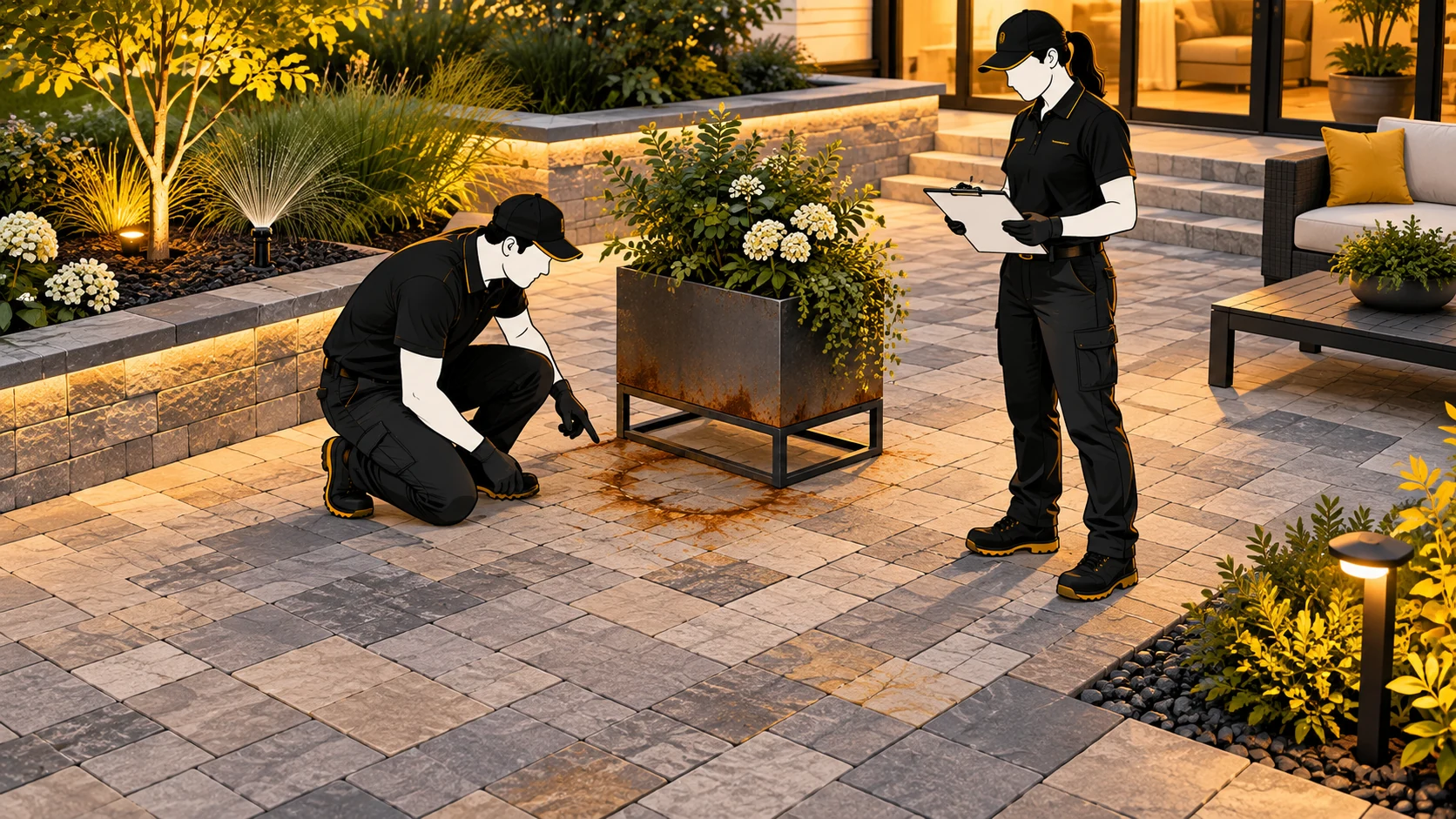
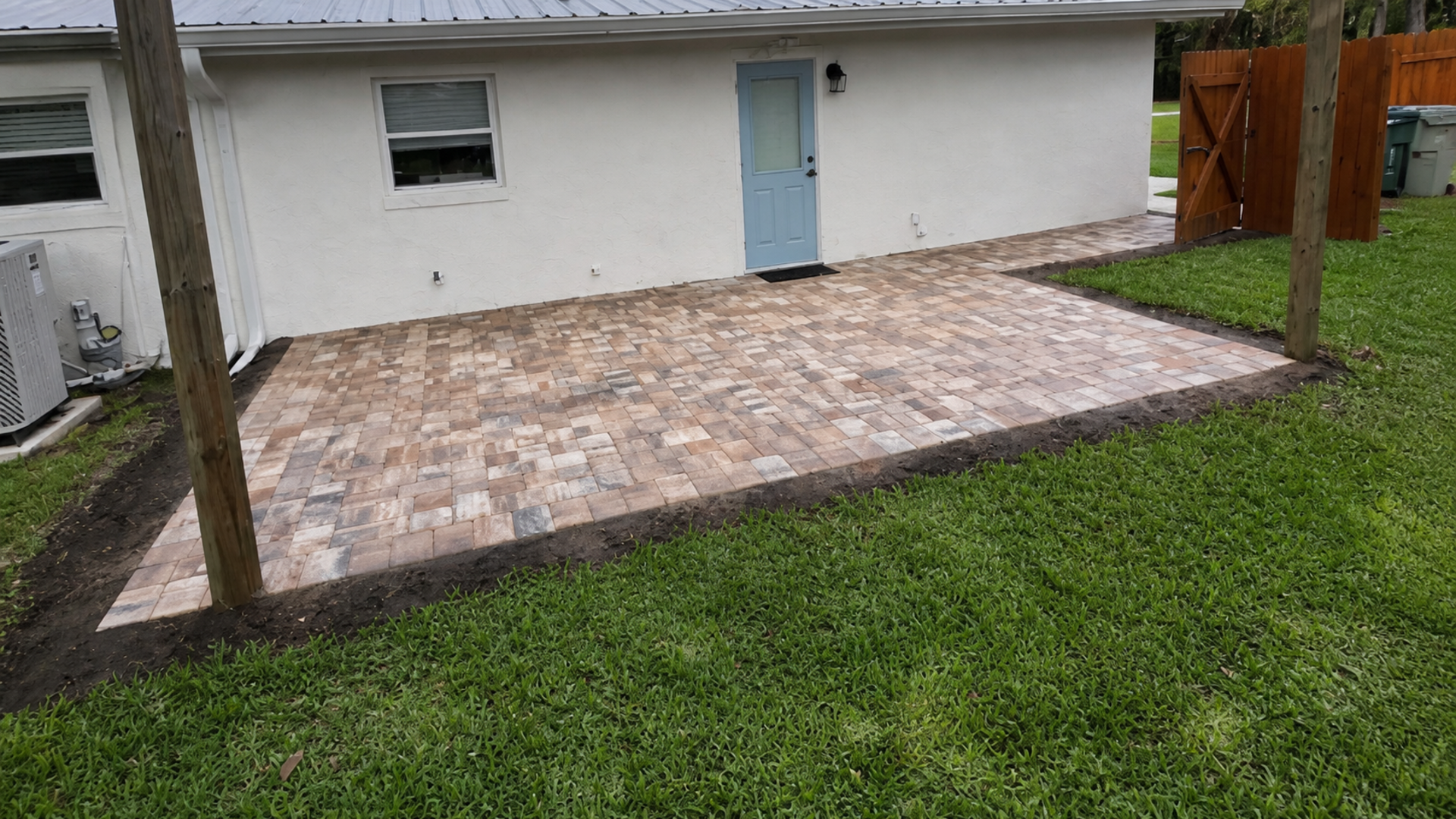
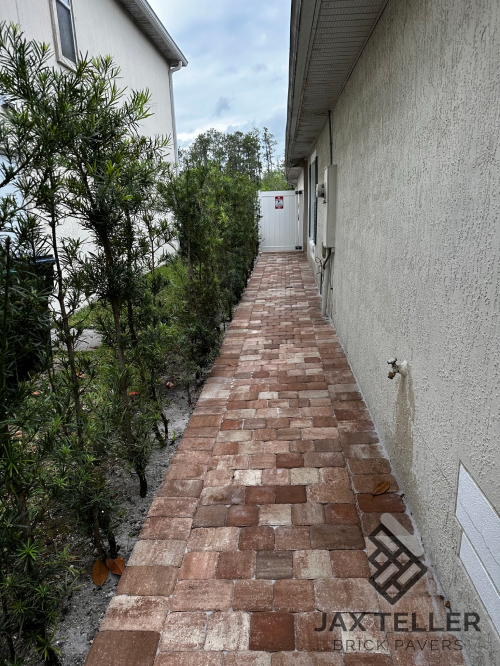
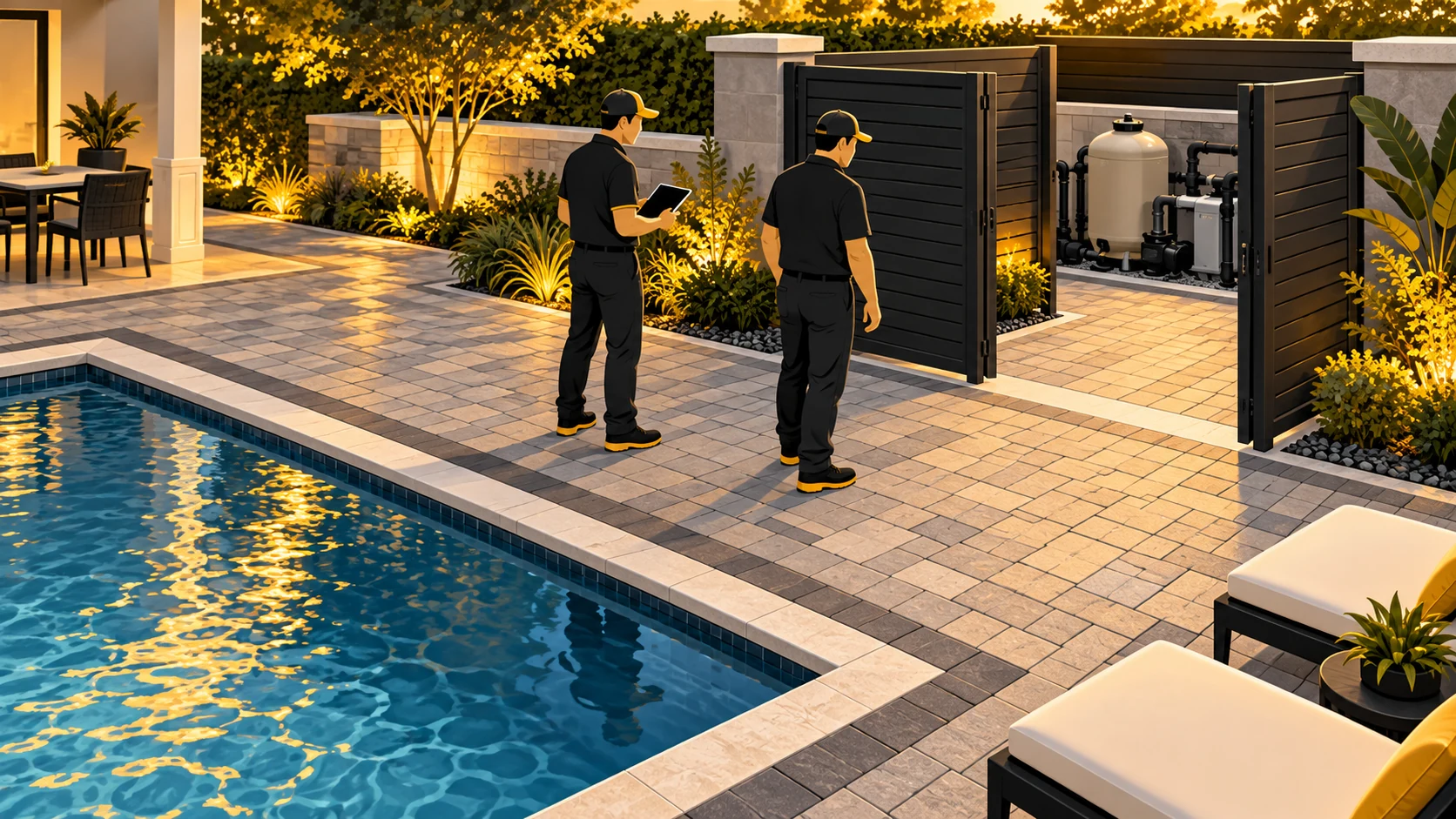
Start where the service provider enters the property. For example, the route may begin at a side gate, cross a patio, and turn behind a screen. Mark each change of surface and direction. A simple sketch can reveal constraints that a close photograph of the pump would miss.
Next, identify fixed objects along the approach. Walls, pool edges, steps, and permanent landscaping deserve attention before movable chairs. Moreover, note which objects you believe can move and which require confirmation. The provider needs an accurate account rather than an optimistic path that exists only in the drawing.
Ask the pool professional how it normally uses the route. Routine maintenance and equipment replacement can involve different tasks. Therefore, discuss both without assuming that the method used during a small service visit will suit a larger future operation.
Give pool equipment access a defined endpoint
Ask the professional to identify the area needed around the actual installed equipment. Then distinguish that working area from the approach route. Both matter, but a broad path does not resolve a crowded service position at the end.
Gather the equipment references already available in your records. Moreover, ask which current manuals apply to the components on site. A generic pump illustration or a neighbor's equipment layout cannot establish the requirements of your own system.
Record who confirms the final arrangement. The pool provider should address its equipment requirements, while the paving contractor handles the surface within the agreed scope. Keeping those roles visible prevents an attractive deck layout from becoming an unverified technical approval.
Use the actual manuals rather than universal dimensions
Ask the pool professional to review manufacturer information for the installed models. This is especially important if several components share a compact area. Their individual service tasks can interact with the surrounding fence, wall, or paving boundary.
Manufacturer resources such as Pentair's equipment manuals illustrate why product-specific documentation matters. However, a manual for a different product or market does not govern your installation. The provider should obtain the appropriate current document for the actual equipment and location.
Do not use this article to set a clearance measurement or alter a component. Instead, ask the professional to translate the relevant requirements into the paving conversation. A clear explanation helps you understand the design without turning the homeowner into the system's installer.
Review gates within the pool equipment access route
A gate opening can limit access even when the path beyond it looks wide. Therefore, review its clear opening, swing, latch area, and relationship with the paving. The appropriate professionals should assess technical or code requirements where they apply.
Ask how the service provider will enter with the equipment or tools needed for the anticipated task. Moreover, identify any turn immediately beyond the gate. A straight measurement alone may not explain whether the actual movement can occur.
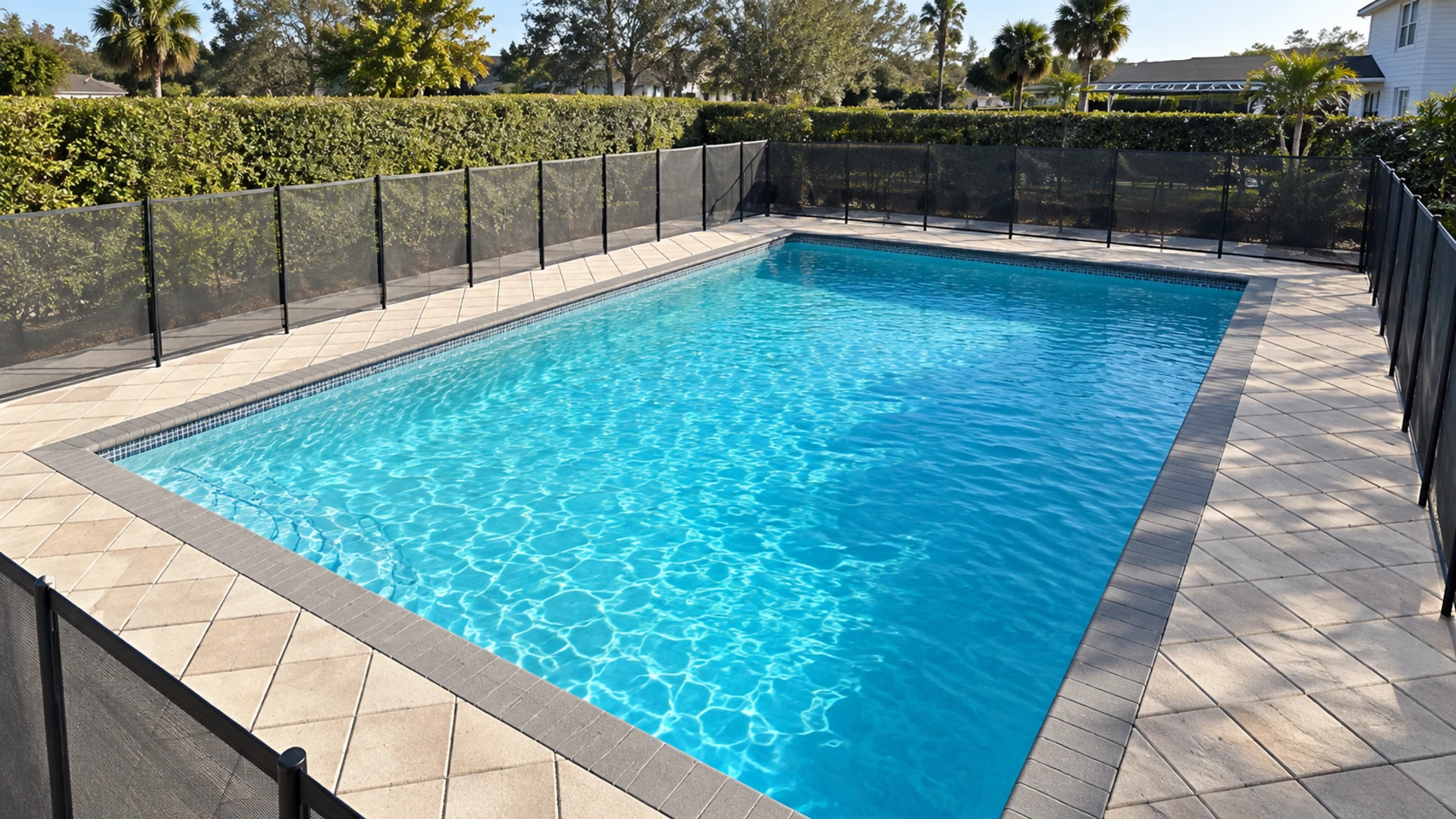
Do not alter a pool safety barrier to make a delivery easier without the required professional and authority review. If the access plan conflicts with the barrier, pause and resolve that conflict. Paving convenience should not silently override a separate safety function or approval requirement.
Keep the pool edge outside handling assumptions
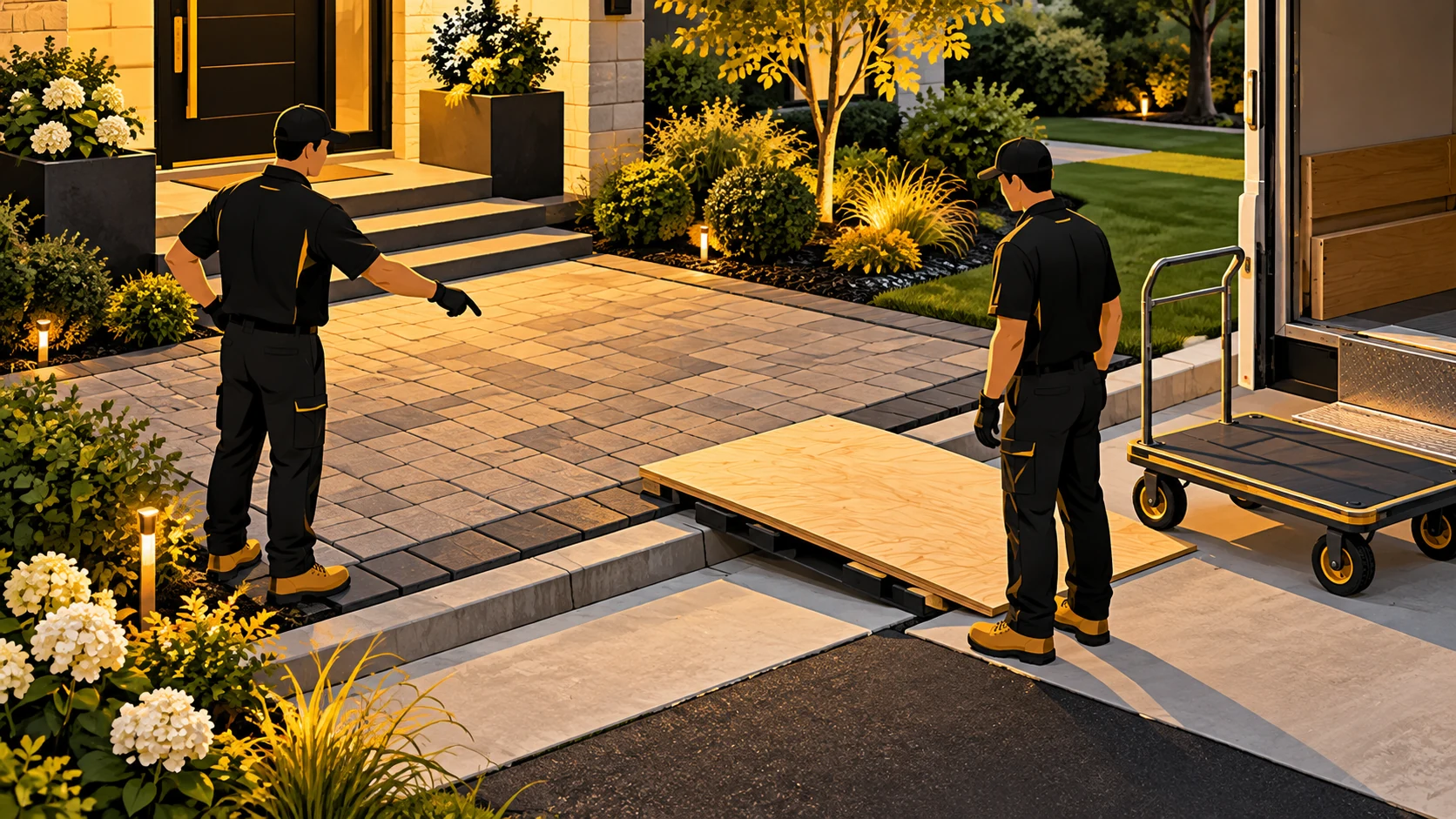
Tell the service provider where the route passes close to coping or the water. Then ask how its handling method will protect the relevant surfaces and keep the work area controlled. A pool deck should not become an improvised staging platform simply because it is nearby.
The paving professional can identify visible surface concerns and relevant interfaces. Meanwhile, the handling provider should assess the equipment and method it proposes. Therefore, do not infer that a temporary board or cover makes every route suitable for a concentrated load.
Photograph the approach and coping before a significant service operation when appropriate. Include existing concerns fairly. This record supports a later comparison without claiming that photographs certify the paving's capacity or replace a qualified assessment of the actual handling plan.
Distinguish the walking surface from equipment support
Ask whether the paving project preserves the existing equipment support or includes a separately designed change. These are different scopes. A request for a nicer path should not automatically authorize moving equipment or modifying its connections.
If replacement work is already planned, coordinate the final equipment position before approving adjacent paving. Moreover, identify which provider controls that position. A provisional layout can create avoidable rework if the final component differs from the assumed size or service arrangement.
Keep any interface detail in the current project record. For example, note where the paving ends beside the support and which access area must remain available. The useful result is a clear division of responsibilities, not a drawing that appears complete while leaving the technical boundary unresolved. ## Observe water conditions without diagnosing the system
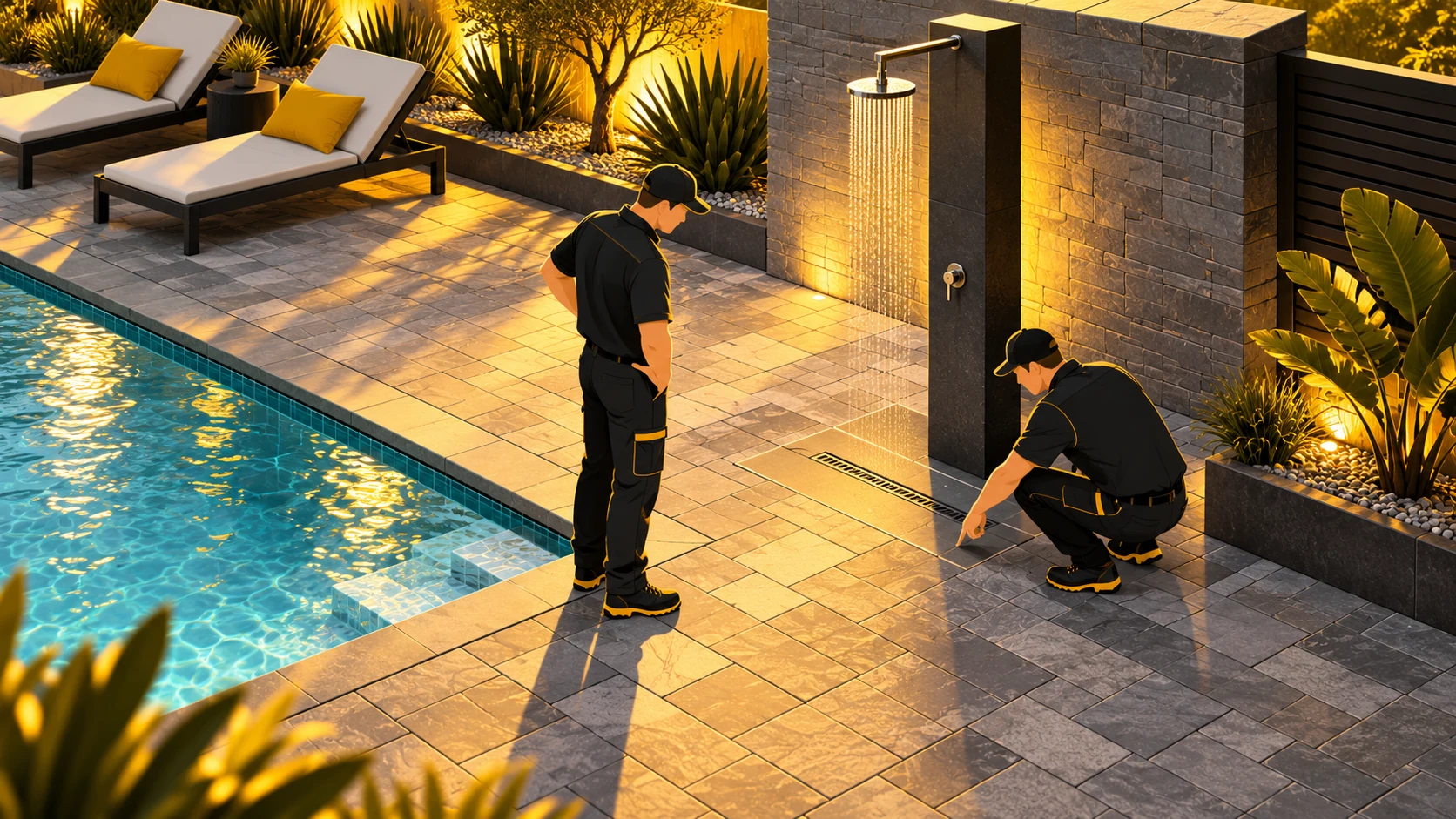
Note where water collects along the route and when you see it. For example, distinguish ordinary rain observations from a condition noticed during equipment operation. The timeline can help the relevant professional decide what needs assessment.
Do not operate unfamiliar components to reproduce a problem for a photograph. Instead, share observations made during ordinary use and follow the provider's instructions. Technical equipment assessment belongs outside a homeowner paving review.
The paving contractor can consider surface levels and drainage interfaces within its role. The pool professional should assess equipment-related concerns. Pool equipment access works better when those questions remain connected through coordination but separate in technical responsibility.
Include service covers and maintenance points
Show the contractor any visible cover or access feature identified by the pool provider. Moreover, ask which components need continuing reach or removal space. A clean paving pattern should not bury a service point or force unnecessary removal for routine access.
If the design includes an enclosure or screen, confirm how it affects maintenance. A visual treatment may change airflow, working space, or the route for a replacement component. Therefore, let the appropriate provider assess the actual arrangement before it becomes fixed.
Do not relocate a service feature based solely on the paving pattern. Ask for the relevant approval and update the shared drawing. This avoids a situation where a small aesthetic adjustment creates an unexpected system change after the surface has already closed around it.
Choose a paving layout that supports ordinary movement
Explain how household members use the route outside service visits. For example, it may also connect a garden, storage area, or rear entrance. The contractor can then discuss a layout that supports those activities without consuming the clear areas the pool provider requires.
Consider different users and the items they carry. A person moving a garden cart may need a different practical turn from someone walking empty-handed. Moreover, describe accessibility needs directly instead of assuming that an ordinary pathway detail meets every household requirement.
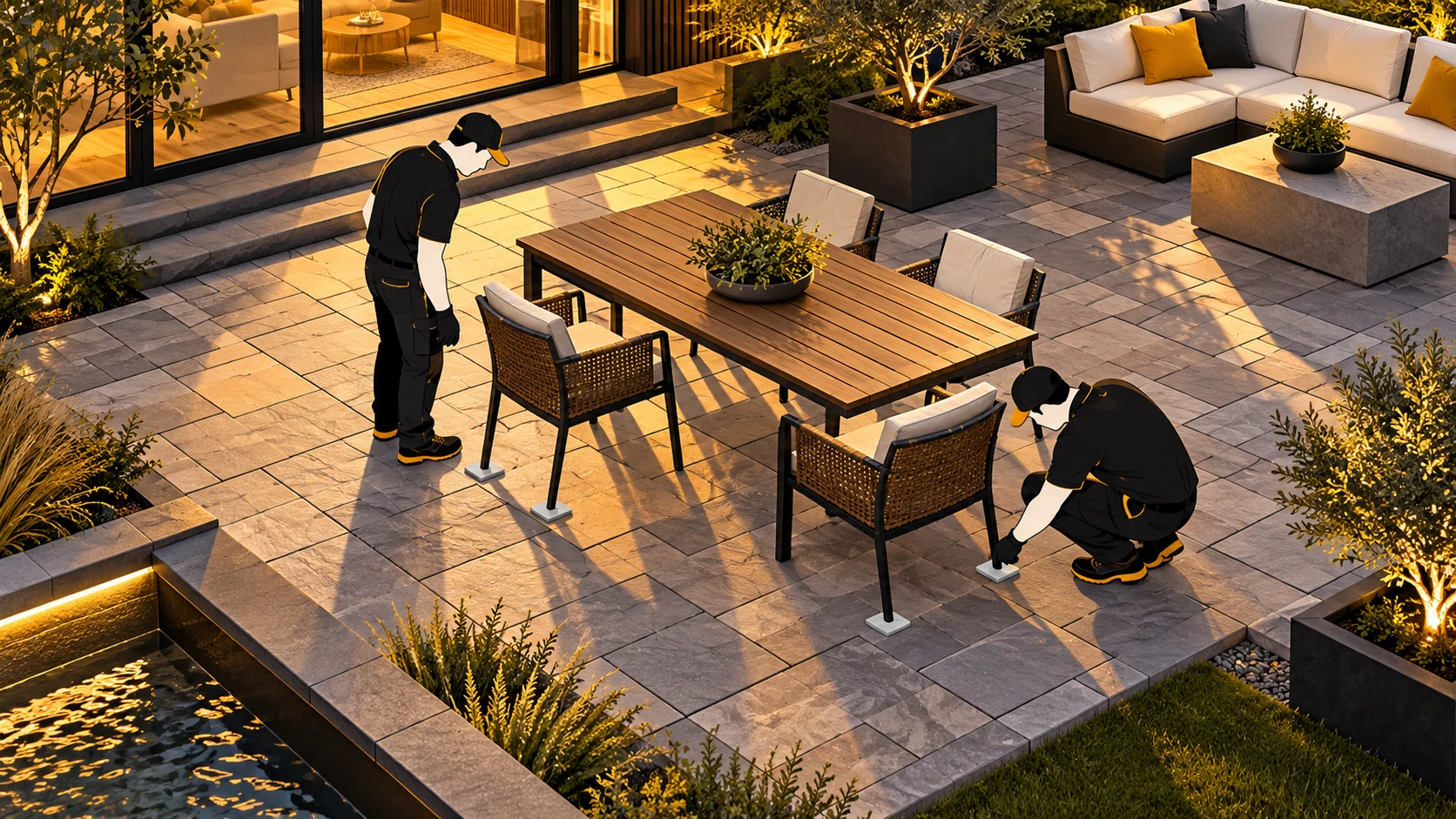
Review the arrangement with furniture in use, not only neatly stored. A chair pulled away from a table can narrow the route that looked open during planning. A realistic walkthrough helps keep the finished design useful after the project photographs have been taken.
Plan future pool equipment access without guessing products
Ask the pool professional what a reasonable replacement-access discussion should cover. You cannot know every component that may exist years later. However, you can avoid obvious conflicts by understanding the route and the type of handling activity the current system may require.
Do not demand a guarantee that the path will suit every future machine or load. Instead, record the assumptions behind the plan. If a later replacement changes those assumptions, the provider can reassess the route before equipment arrives.
This approach keeps pool equipment access practical without overbuilding a speculative scenario. It also helps you distinguish a design decision made today from a future service assessment. Both can be useful, but neither should pretend to eliminate every uncertainty about later work.
Coordinate paving with pool-service dates
Tell both providers about upcoming work before either confirms its sequence. For example, the pool professional may need access during a period when the paving crew expects to close the route. Resolving that dependency early can make appointments easier to organize.
Ask which surface conditions must exist before the service provider returns. Moreover, follow the paving contractor's return-to-use instructions for the actual work. A calendar date alone should not replace confirmation that the route is ready for its intended use.
If one appointment changes, update the other provider rather than assume the plan remains unaffected. A short message identifying the new date and access condition is often enough. The important point is that both teams share the current arrangement instead of discovering the conflict on arrival.
Compare proposals by their access assumptions
Read the paving estimate for the work limits, materials, transitions, and exclusions around the equipment. Then ask whether its assumptions match the pool provider's requirements. A proposal can be clear about surface work while still depending on an unresolved equipment decision.
If equipment or enclosure work belongs to another provider, keep it separate in the comparison. Moreover, identify who will approve any change where the scopes meet. This avoids comparing a narrow paving quote with a broader coordinated project as though they were identical offers.
Ask how unexpected conditions will affect the plan. A sensible process identifies the finding, pauses the affected activity, and obtains the necessary decision. It should not rely on the paving crew to improvise a technical solution outside its agreed role.
Work through a realistic replacement scenario
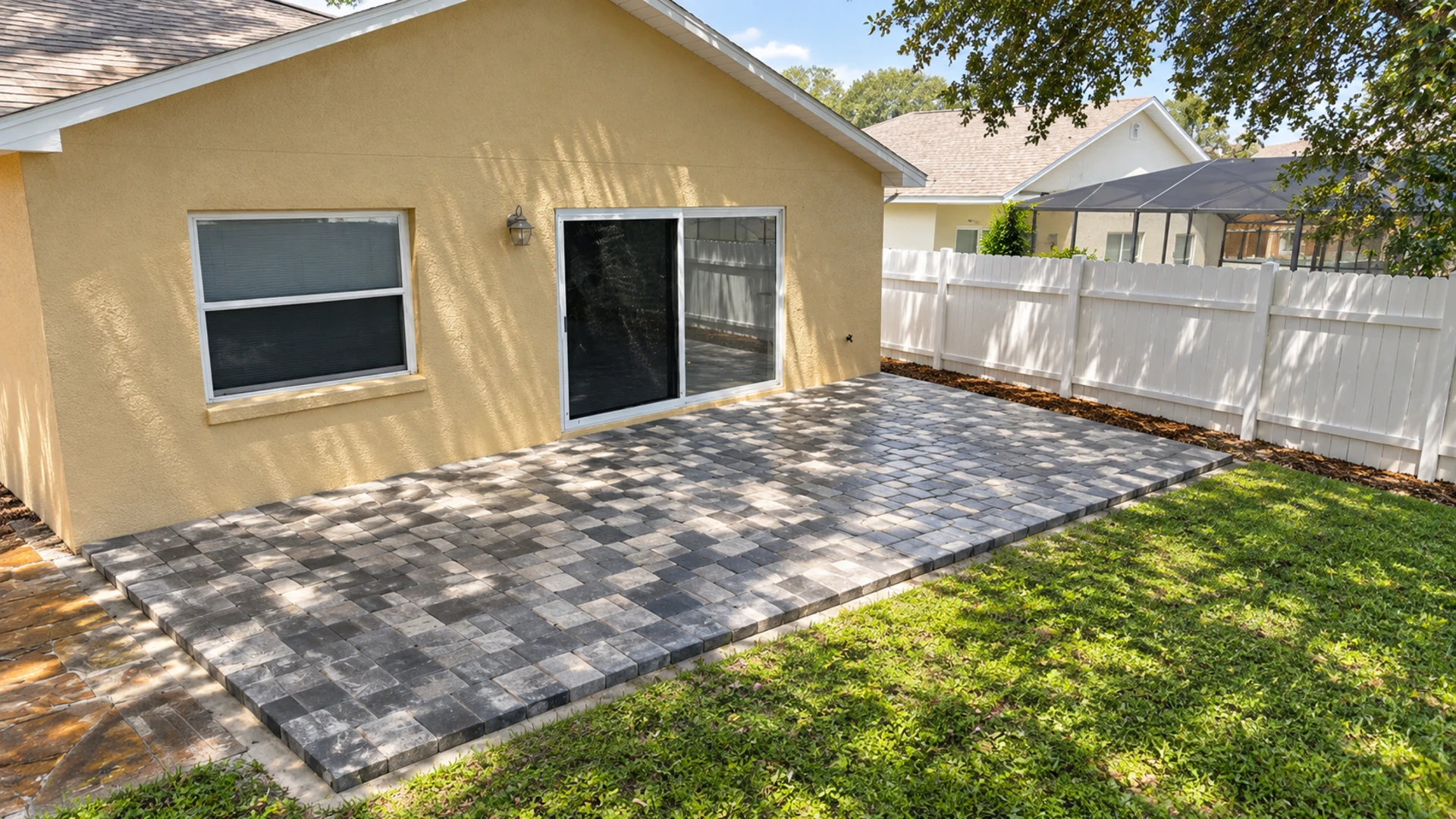
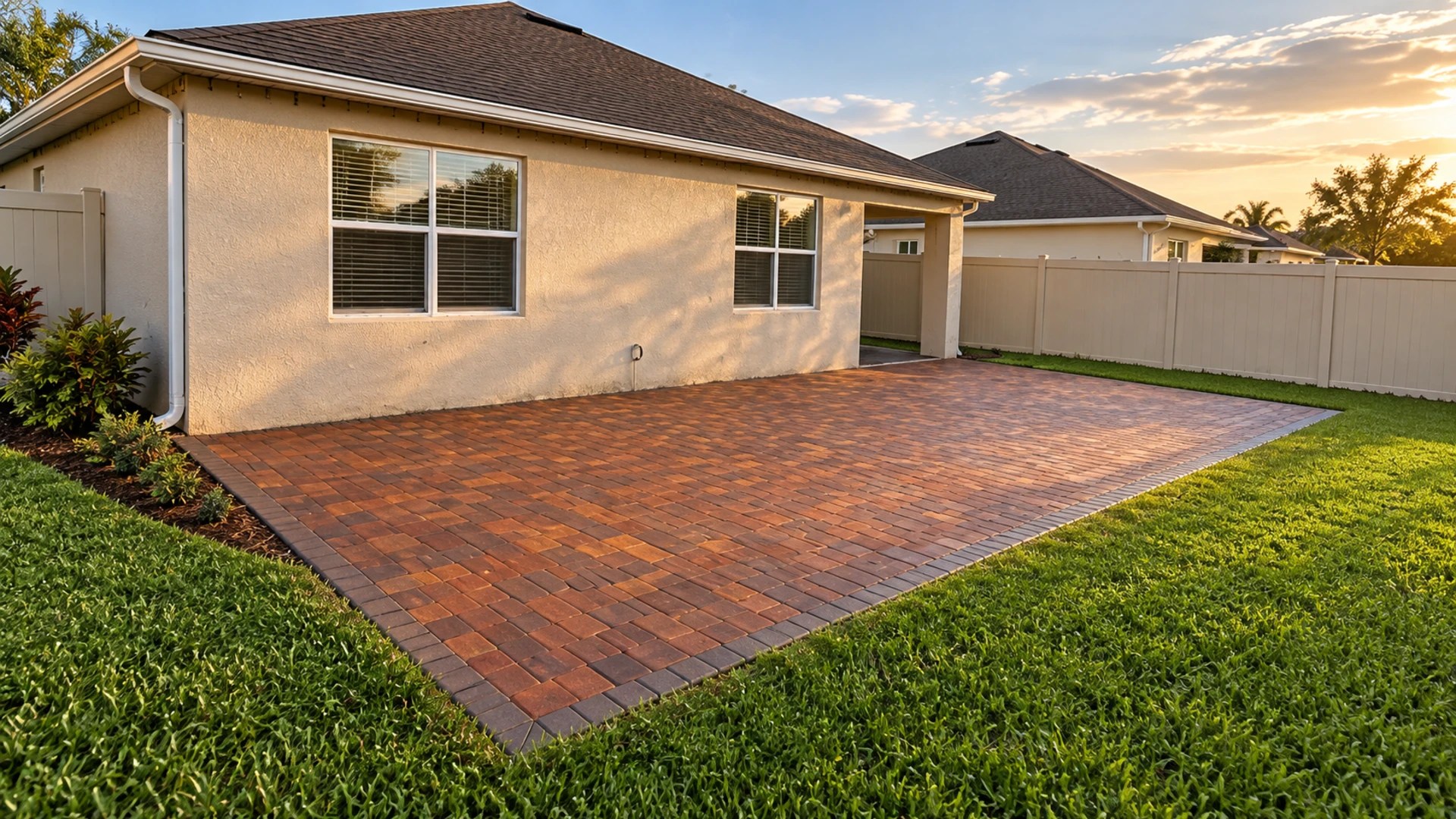
Imagine a homeowner planning a new patio beside an existing equipment area. Routine visits currently work through a small side gate. However, the pool professional explains that removing a larger component would require a different turning movement. The initial patio sketch does not account for that movement.
The team can then compare a revised furniture position, a different paving boundary, or another professionally approved access arrangement. Each alternative should preserve the pool barrier's function and the relevant equipment requirements. The homeowner can choose with clear information rather than discover the conflict during a breakdown.
This hypothetical example does not establish a universal gate size or a requirement to move equipment. Instead, it shows how task-based review improves a paving plan. The best next step is the one that resolves the actual route and responsibilities, not a generic dimension copied from another property.
Preserve the agreed route after completion
During closeout, walk the route and compare it with the current plan. Then ask the appropriate providers to explain any continuing access instructions. Photograph the finished arrangement, including gates and fixed interfaces, so the record remains useful after furniture or landscaping changes.
Keep the equipment references and paving information together. Moreover, note any assumptions that require review before a future major service. This helps a new provider understand the site without treating an old drawing as permission for every possible handling method.
Review the route when you add storage, planters, or decorative screens. A finished deck can gradually lose its clear access through ordinary household changes. Therefore, preserve the intent of the plan rather than assuming the paving alone keeps the area permanently serviceable.
Keep the agreed contact information with the route photographs. For example, the next service provider should know whom to ask about the paving surface and whom to ask about equipment requirements. That simple distinction supports a clearer handoff when the household changes providers.
Discuss your Largo pool deck with a clear brief
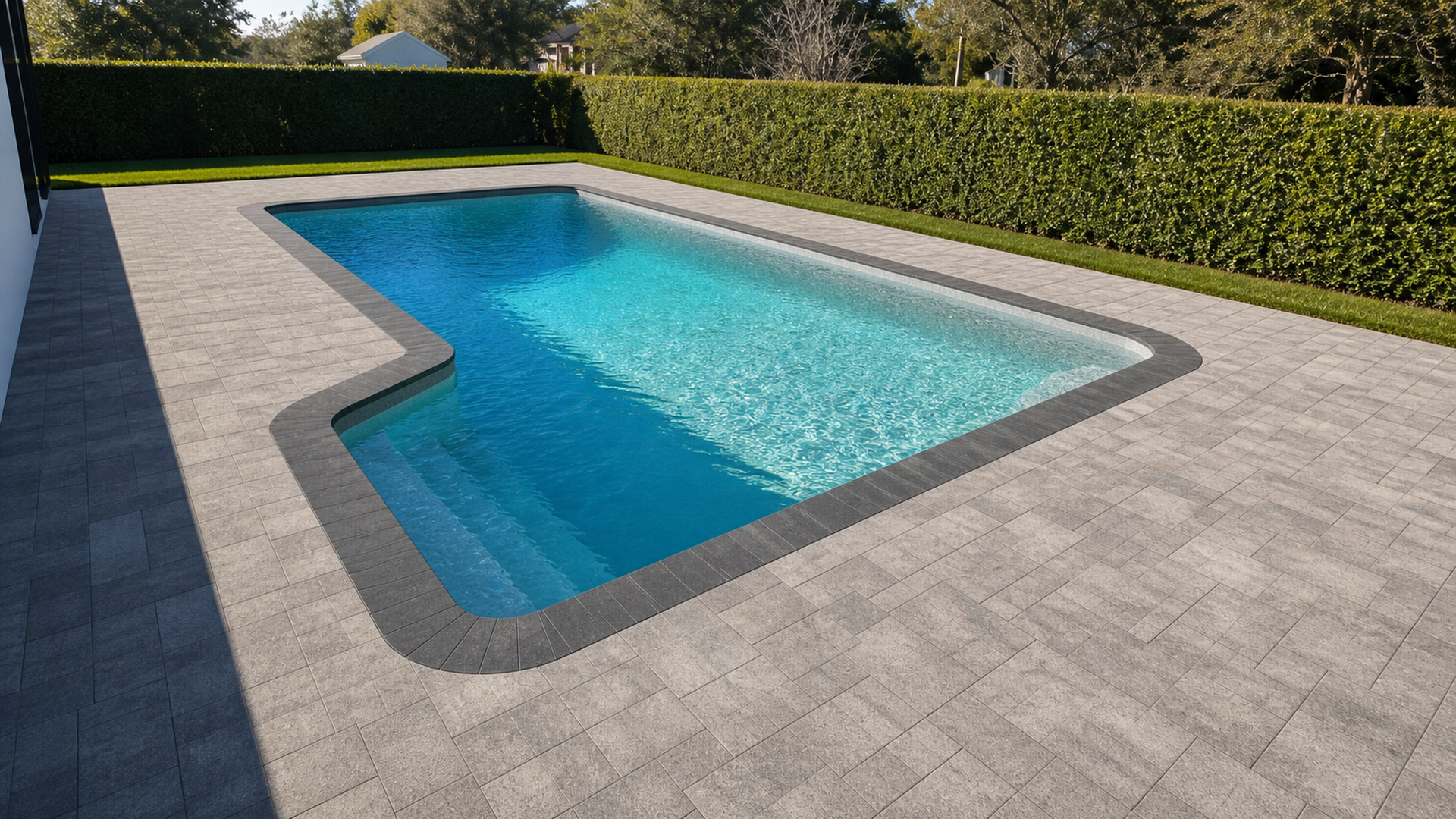
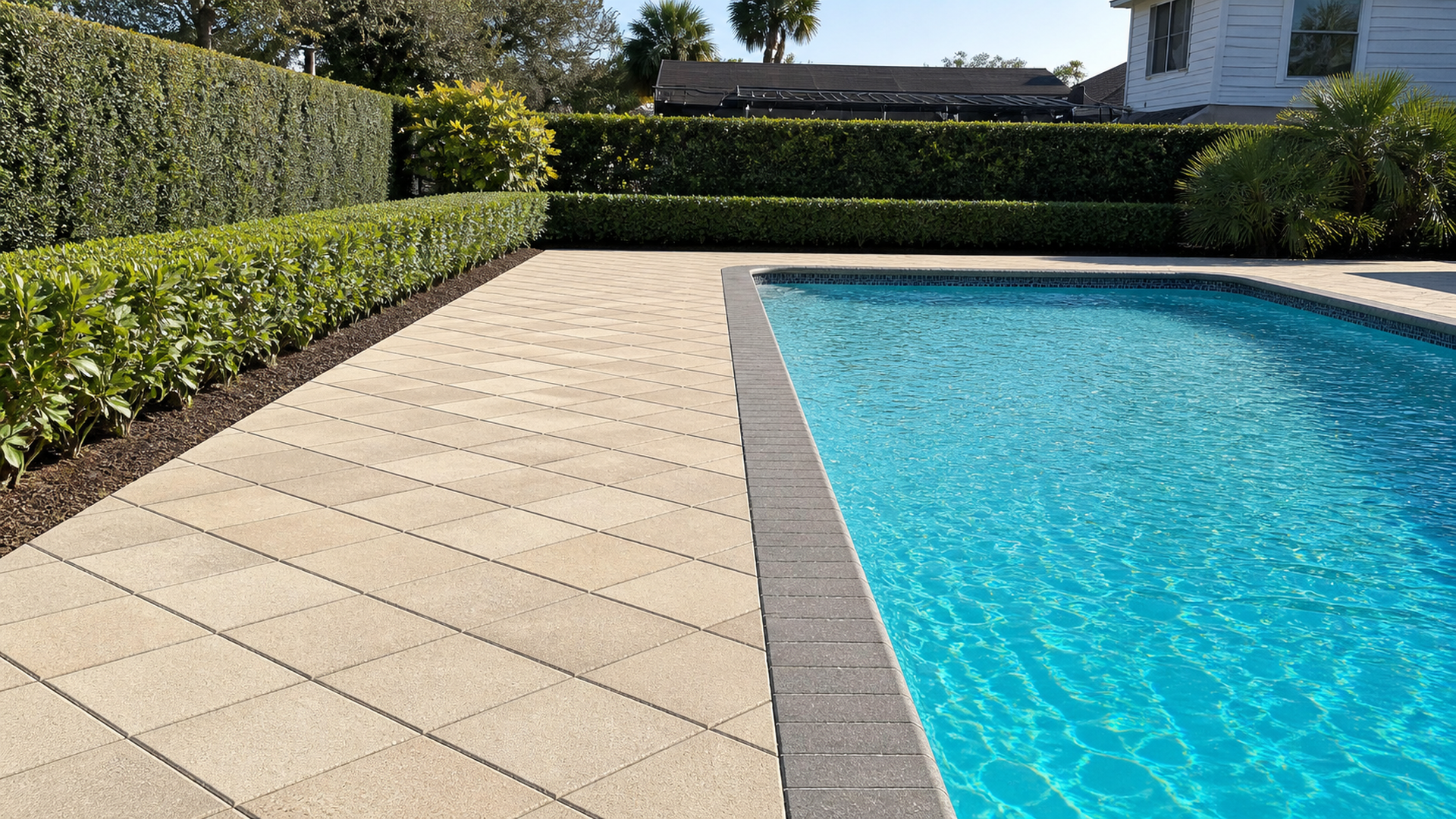
JaxTeller's paver pool deck service is a relevant starting point for the surface conversation. Share photographs and the access information your pool professional has confirmed. In addition, explore project examples to describe your preferred setting.
A useful pool equipment access plan connects a workable route with clearly assigned technical decisions. Therefore, ask the providers to explain the interfaces before approving the final arrangement. That clarity supports a more practical deck without promising that every future service task will fit an unchanged plan.
Ready to transform your pool deck? Use the contact page, follow JaxTeller on Instagram and Facebook, or discuss your route on WhatsApp. Find location details on the map. Contact JaxTeller Brick Pavers at +1 407-907-8308 or jaxtellerbrickpavers@gmail.com for your free estimate!